Author: Sandeep Agarwal

  • Big John – Journey Of The  First Japanese Brand

    Big John – Journey Of The First Japanese Brand

    Big John is legend for many denim veterans . It was the first Japanese denim brand and had many firsts to its credit including kickstarting the Japanese denim revolution . Though , over the decades, the brand lost out much of its sheen, it still is a very respected label and gets noticed whenever it brings out something new. We take a journey down the memory lane for this well known and legendary brand in this article.

    HISTORY

    BIG JOHN, the godfather of Japanese denim brands, as the name suggests, this giant denim brand which was in the past  had not only substantially contributed to the denim industry of Japan, but also brought paradigm shift in the denim industry through its innovations and high standard of quality.Whenever the history  of DENIM Industry would be written, it won’t be completed without mentioning the contributions of BIG JOHN. It was all started over 70 years ago with a small sewing factory in Kojima,Okayama ,which later on reached to that level where it was also known as the denim capital of Japan. The company traces its roots back to 1940 when Kotaro Osaki founded Maruo Clothing, Inc., which produced uniforms and would later become Big John.

    Big John manufactured the first made-in-Japan jeans in 1965, and later on developed the first Japanese denim fabric in 1972. Since then, Big John has continued to push boundaries in the world of denim. Their mission as the pioneer of Japanese Denim is to honor the history and simultaneously their prime thrust was to promote the local denim industry on the global platform.

    Big John | Denimsandjeans.com


    INNOVATIONS

    The first collection of the BIG JOHN brand, M1002 PROTO MODEL was produced using imported Cone Mills denim from the US in 1967. The year of 1969 witnessed the revolution in the denims industry of Japan when the BIG JOHN came up with the color jeans which were produced first time in Japan with a series named ROAD RUNNER , featured as M4002 . This was a cutting edge bell-bottom jean which took off and was widely appreciated in Japan. Due to continued efforts in the filed of innovations , the BIG JOHN introduced its much awaited signature collection “M” in 1973 which was manufactured with the Kurabo KD-8 fabric and in 1980 it developed the world’s first uneven yarns ,marking the beginning of the vintage ,repro trend we know and embraced today.

    Big John | Denimsandjeans.com

    EXPANSIONS

    Believing in the philosophy of  “Quality Comes First”, the BIG JOHN expanded into the international market in the late 80s through stockists rapidly and widely throughout Europe and the U.S.  In the 90s , use of recycled jeans and natural dyes were initiated on a larger scale under the successful campaigns  like “Jeans Revolution” . At the change of century, Big John was continuing to push boundaries; publicly calling the 2000’s the “era of proposing new styles and cutting edge.”  They made a license contract with Dickies, developing and selling under the Dickies brand in Japan. They later released the “low-rise jeans” to satisfy the street fashion demands and clamoring.

    Big John | Denimsandjeans.comBig John | Denimsandjeans.com

    RECENT DEVELOPMENTS

    Big John brought most of their export business in the mid-90 to a halt, and it wasn’t until 2009 at a Japan Expo in Paris they officially re-opened the European market.

    In the year  2010,on the eve of  their 70th anniversary , they  released their archive series by reproducing the most classic jeans Big John ever made. At the Bread & Butter show in Berlin in 2013 , they showed their wares for the season and their staple line . A brand which was known for its high standards and high end premium jeans ,however gradually failed to manage the good reputation in the modern denims market and had shown substantial downfall in recent times. Now, the jeans market is saturated with Japanese denim leading to a dizzying amount of “Made in Japan” jeans making it very difficult for Big John to fight out in the market.

    Big John | Denimsandjeans.comBig John | Denimsandjeans.comBig John | Denimsandjeans.com


    The Latest Buzz

    Have you ever thought about a jeans which could be able to stand on its own foot ? Perhaps Not , but the brand which has been known for its innovation over that last seven decades, has made it possible. The new addition by Japan’s leading jeans manufacturer is that they came up with a jeans  and its so hard and stiff that it “stands on its own feet “.  It has given the name “G Han”- Han for a kanji for “sail”. The reason behind its stiffens is that , it’s made of extra-thick sailcloth. However, this product (G Han) is specially for men and they plan to market 50 each of two models.

    Today, Big John’s collection offers a full range of wardrobe. With Japanese design, Japanese fabric, and Japanese production as the core elements of this brand, it promises to continue to pursue uncompromised quality and distinguished style in each piece of our clothing.

    As a pioneer of Japanese jeans, BIG JOHN keeps challenging itself to be an innovative brand while remaining ‘In Tradition.’

    Big John | Denimsandjeans.com

  • Weather Plays Spoilsport For Fast Retailing !

    Weather Plays Spoilsport For Fast Retailing !

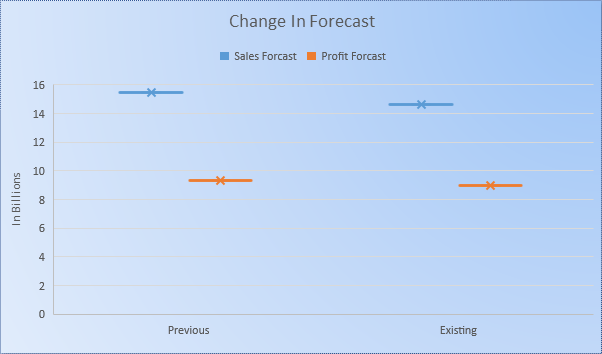
    Fast Retailing | Denimsandjeans.comOne of the Asia’s largest apparel retailer and the corporate parent of Uniqlo  experienced weak demand for winter apparel during an unseasonably warm season around the world .Not only there was slow demand but also the company faced a decrease in foreign exchange gains from the previous year.Taking into the account the lower than expected performance in the first quarter,it compelled the company to lower its estimated full year net profit from $936.08 million to $895.38 million only , a reduction of about 4.34%. The sales forecast have been brought down to $14.65 billion as compared to the previous estimation of $15.47 billion. The foreign exchange fluctuations have not been incorporated into those forecasts.

    Change in Forecast of Fast Retailing | Denimsandjeans.com

    Global Brands reported rises in revenue and profit, UNIQLO Japan reported declines in both revenue and profit, while UNIQLO International reported a rise in revenue but a fall in profit. Foreign exchange gains under other income/expenses and net finance income fell ¥18.9 billion compared to the first quarter of fiscal 2015, when the yen weakened significantly. As a result, consolidated profit before income taxes contracted by ¥29.0 billion to ¥77.6 billion.

    Consolidated revenue: ¥1.800 trillion (+7.0% year on year), operating profit: ¥180.0 billion (+9.4%), profit attributable to owners of the parent: ¥110.0 billion (-0.0%). Basic earnings per share: ¥1,079.01. These include downward revisions as follows: ¥100.0 billion for revenue, ¥20.0 billion for operating profit, and ¥5.0 billion for profit attributable to owners of the parent. Scheduled FY2016 annual dividend: ¥370 per share, unchanged.

    These financial disappointments led the company to reconsider its product mix and hence, Fast Retailing plans to launch its spring collection earlier than expected and introduce less weather – sensitive products.

    Uniqlo Japan also witnessed lower profits and sales in the quarter which has been hurt  by “heavy discounting.  Uniqlo’s international operations fell short of its targets with weak performances in Greater China and South Korea and the United States. Surprisingly,  Uniqlo’s operations in Europe and Southeast Asia fared better.

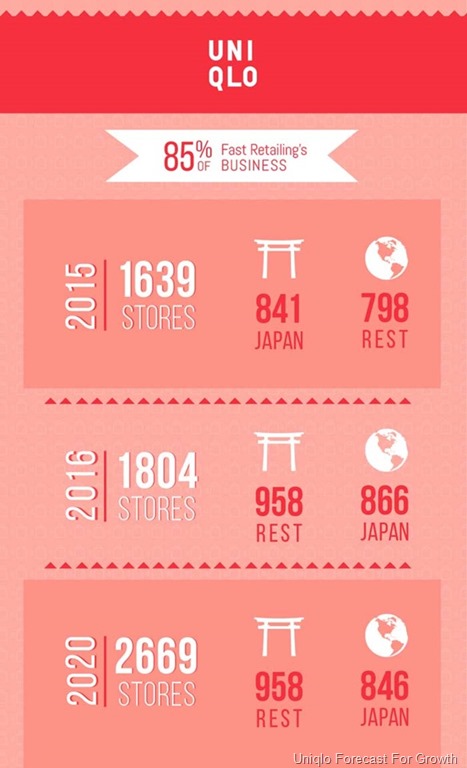
     Forecast of UNILQO | Denimsandjeans.com

    Unseasonal warm winter weather around the globe adversely impacted same-store sales at UNIQLO Greater China (Mainland China, Hong Kong and Taiwan), UNIQLO South Korea and UNIQLO USA in particular, resulting in a lower than expected performance and declining in profits in all three areas. Store network (End November 2015): 864 stores (+169 y/y). Fifteen years after the first UNIQLO store outside of Japan opened in London in fall 2001, UNIQLO International finally overtook UNIQLO Japan in terms of store numbers.

    In fiscal 2016, Fast Retailing now expects to achieve consolidated revenue of ¥1.800 trillion (+7.0% year on year), operating profit of ¥180.0 billion (+9.4%) and profit attributable to owners of the parent of ¥110.0 billion (-0.0%). These data translate into basic earnings per share of ¥1,079.01. These figures have been revised down from our initial estimates announced in October 2015 as follows: ¥100.0 billion for revenue, ¥20.0 billion for operating profit and ¥5.0 billion for profit attributable to owners of the parent.

    Fast Retailing Co., Ltd.  is a public Japanese retail holding company. In addition to its primary subsidiary Uniqlo, it owns several other brands, including J Brand, Comptoir des Cotonniers, g.u., Princess Tam-Tam, and Theory. Denim is an integral part of Uniqlo’s apparel offer and of course J Brand is primarily a premium denim label.

  • The Rise Of Haitian Apparel Industry

    The Rise Of Haitian Apparel Industry

    This is an article contributed by Mr. Mark D’Sa – a reputed Consultant and Advisor

    Image result for haitiNearly four years after the earthquake with aid agencies having poured billions of dollars into relief projects, the stability of Haiti’s garment industry seems to be hanging by a thread.Haiti’s garment industry is focused on low-end apparel clothing and cranking out plain T-shirts for North American companies such as Gildan, Hanes and Walmart. According to the Inter-American Development Bank (IDB), the industry makes up 80-90% of the country’s exports. And thanks to free-trade deals agreed by the US Congress, most Haitian garments are able to enter the US duty-free.

    International Finance Corporation, (IFC), a member of the World Bank Group, is investing $4 million to help The Willbes Haitian S.A., a subsidiary of South Korea-based The Willbes & Co., Ltd, expand its apparel manufacturing capacity and create 1,000 new jobs in Port au Prince by the end of 2016. In addition, IFC is mobilizing a $4 million parallel loan from the Inter-American Development Bank.IFC’s portfolio in Haiti amounts to US$122 million, including US$24 million mobilized from other partners.

     Earlier this year, quality-apparel brand BOXERCRAFT announced that IRII (Industrial Revolution-II) would join its list of suppliers. It’s an indication that companies are willing to move away from the mass production of turning out T-shirts on the cheap and are starting to consider responsible sourcing practices. The hope is that other brands will also see the potential in the venture and that they’ll place orders with IRII for high-end clothes that might usually get produced in places like LA. According to a report published by Better Work in April this year, 100% of Haitian manufacturers audited were still paying workers around 200 gourdes (about USD3.5) a day, some several months after the 300 gourdes minimum wage had been introduced.

    In June 2015, The Trade Preferences Extension Act, which extended the duty free provisions of the HELP Act, signed by the President Obama . This opened a ten year line of sight which allows investors to establish operations in Haiti with greater confidence. Earlier, in March, a trade delegation organized by IDB visited several companies in South Korea with positive results. Following up on the visit, Hansae Corporation of Seoul visited multiple locations in Port Au Prince and eventually signed an MOU with SONAPI (The Government administrator of Industrial Parks), to invest in Parc Industriel Metropolitain. This investment of U$30 million is expected to yield anywhere between 5,000 to 7,000 jobs. Haitian apparel exports to the US for the year ending November, reached U$ 896 million and 334 million SMEs (Square Meter Equivalent). Out of the total apparel exports, bottom exports are approx. 25% under Cat 347/348. Levi’s is the main denim buyer followed by Old Navy, Carter’s etc.

    During the year the number of apparel jobs reached a high of 41,200 – the highest since the HOPE and HELP Acts were signed in 2006. 60% of the growth in jobs in 2015 was in the northern region led by the Caracol Industrial Park and CODEVI.  With the establishment of the Caracol Industrial Park the industry has decentralized and by end November, 36% of the apparel jobs (15,212 of 41,536) are now in the northern corridor. It is also important to note that between the two Industrial parks under it’s management, SONAPI is now home to 49% of the total jobs in the apparel industry and scheduled to go over 50% in 2016. During the year a total of 7,226 jobs were created and 3,542 workers were laid off due to shutdowns and temporary closures. The net job increase at the end of November was 3,684. The Caracol Industrial Park contributed 2,998 apparel jobs in 2015.

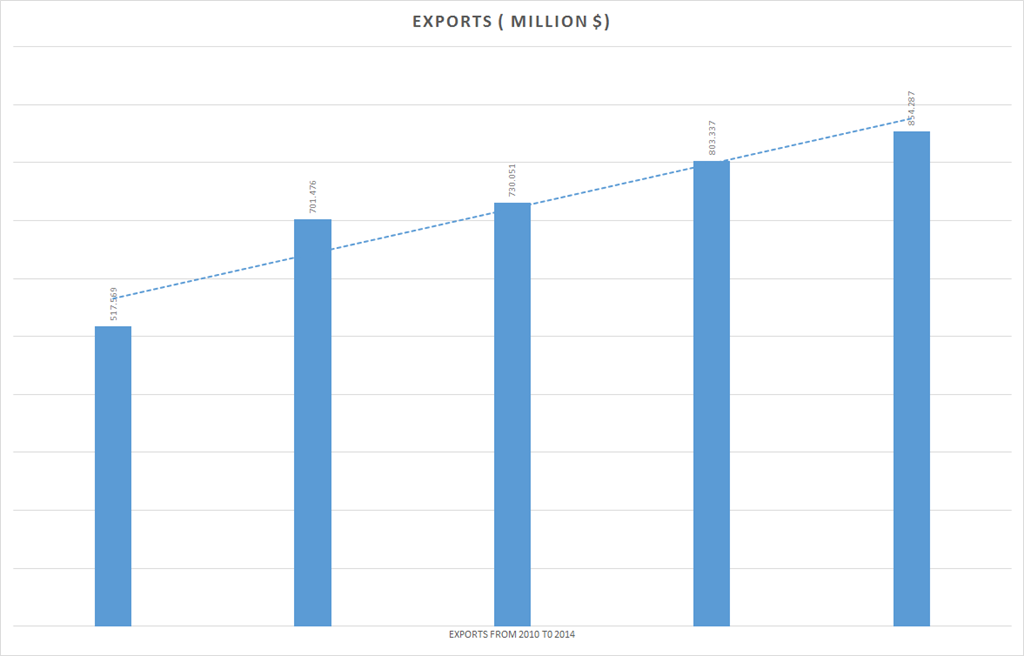
    The country’s growth in apparel exports has been steady over the period 2010 to 2014. The job growth is mainly driven by investments from DR, Korea and USA.

    Category

    2010

    2011

    2012

    2013

    2014

    Total Export ($) 517.569 701.476 730.051 803.337 854.287
    Total SMEs Exported/Utilized) 253.06 257.628 270.374 306.44 313.931
    Average USD/SME $2.05 $2.55 $2.70 $2.62 $2.72


    Haiti Export Trend | Denimsandjeans.com

     The first quarter of 2015 saw the industry get off to a good start with jobs and exports growing steadily. The renewal of the AGOA agreement and the TPP generated a lot of discussion, but did not impact the volume of exports from Haiti. Towards the end of the year there was some disruption leading to the loss of 3,500 jobs in the Port Au Prince area, however the year finished on a positive note with an increase of 3,684 jobs.  According to the numbers published by ADIH, the companies that contributed to the maximum number of job increases in 2015 were S&H Global (2,800),  Val d’OR (1,259), Premium Apparel (756), Island Apparel (521) and H&H Textiles (513).

    Prospects for apparel exports from Haiti continue to look bright with the extension of the HELP Act and the availability of motivated labor at competitive costs. Despite minimum wage increases, the country continues to be competitive as the local currency depreciated 22.38% and according to all indications, is likely to weaken further against the US Dollar. The current minimum wage is 240 HTG (US$ 4.15) per eight hour day plus another 22% for health insurance, pension plan, two weeks vacation and one month nonus. At the time of publishing this post, the exchange rate is 58.09 Haitian Gourdes = US$1.00  As yet Haiti has not been affected by the AGOA and TPP agreements because of it’s proximity to the US and the generous TPLs available under the HELP and CBTPA agreements. Leading retailers and brands continue to be bullish about the potential Haiti has to offer.

    Several Haitian producers like S&H Global, Willbes Manufacturing, H&H Textiles and Val d’Or are in an expansion mode. A major Korean manufacturer Hansae, signed a lease agreement which could generate 5,000 jobs over the next three to four years. Logistics continue to improve with private sector port investments in the Lafito and Terminal Varreux projects on the outskirts of Port Au Prince. In the North, the World Bank’s IFC and USAID are upgrading the Port of Cap Haitian. At the current time there are two weekly sailings from Cap Haitian and four from Port Au Prince with 3.5 days transit to Florida. The prospects look bright for Haiti’s apparel industry in 2016. The workwear producers are increasing output, knitwear exporters are in strong expansion mode and based on the reactions of several investors, Haiti should continue see an influx of foreign companies that will add at least 6,000 jobs and a very good chance to cross the billion dollar export mark in 2016.

    A T-shirt from Walmart is likely to cost at least $7. The minimum wage in Haiti is 300 Haitian gourdes a day (roughly $6-$7) and even though this is peanuts, there is the argument that paying workers even $5 a day could put factories out of business. Some workers are said to be paid as little as $3.50 a day.T-shirt production is cheap, easy and requires little skill. Because of this and the high demand, if wages get too expensive, production can just relocate to another poor country, where costs can be kept low.To put it simply, low-end apparel T-shirt production is one of the least attractive parts of the industry.

  • Givenchy Pre Fall 2016 Denim Trends

    Givenchy Pre Fall 2016 Denim Trends

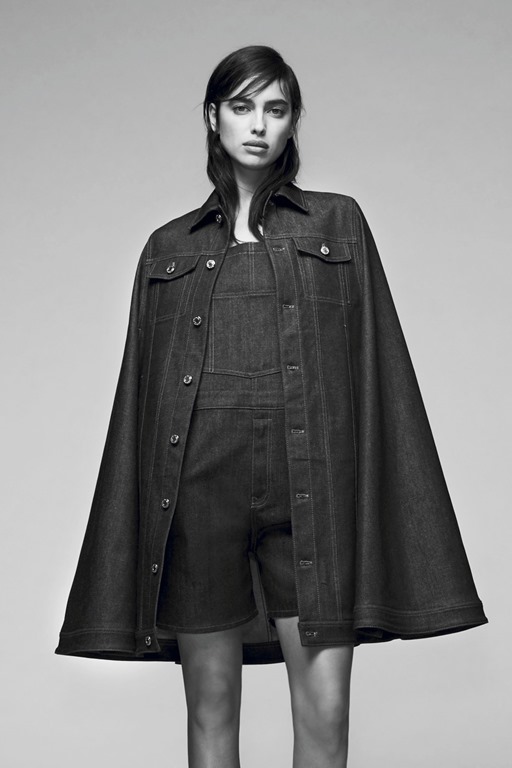
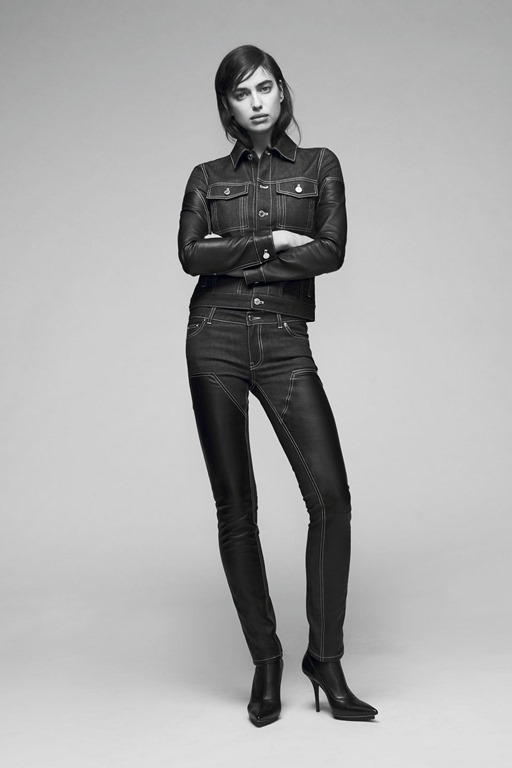
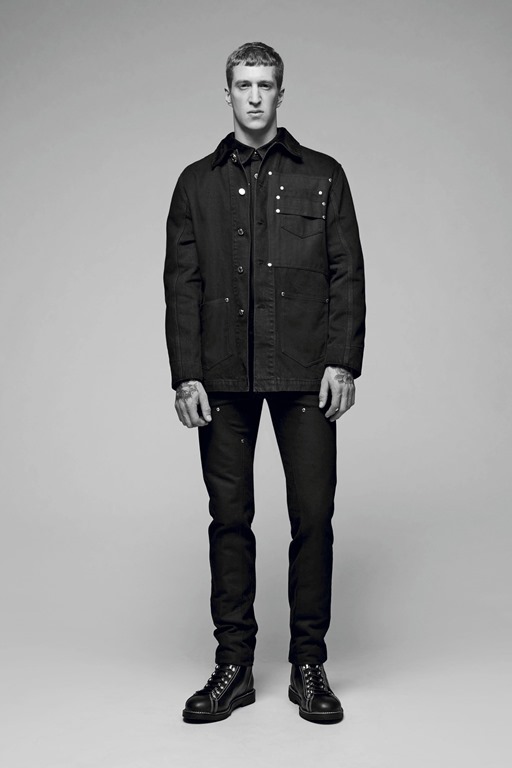
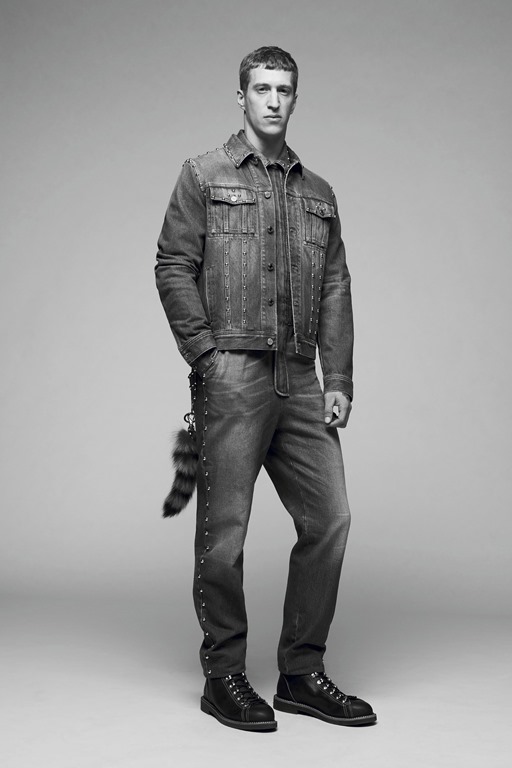
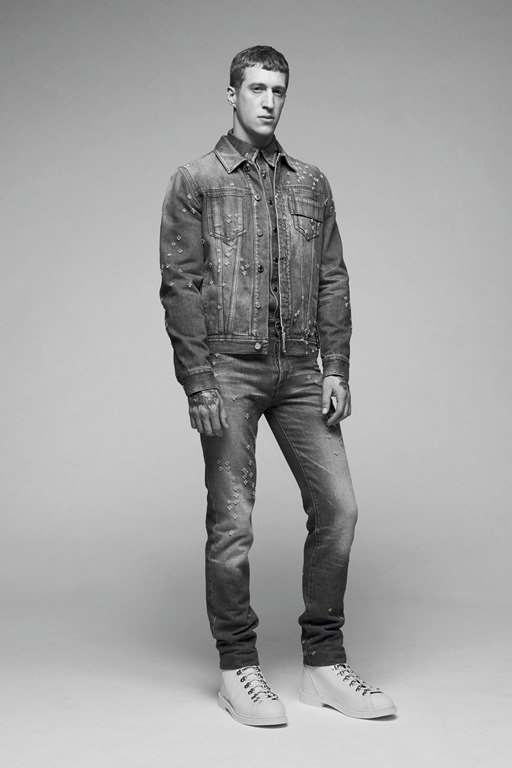
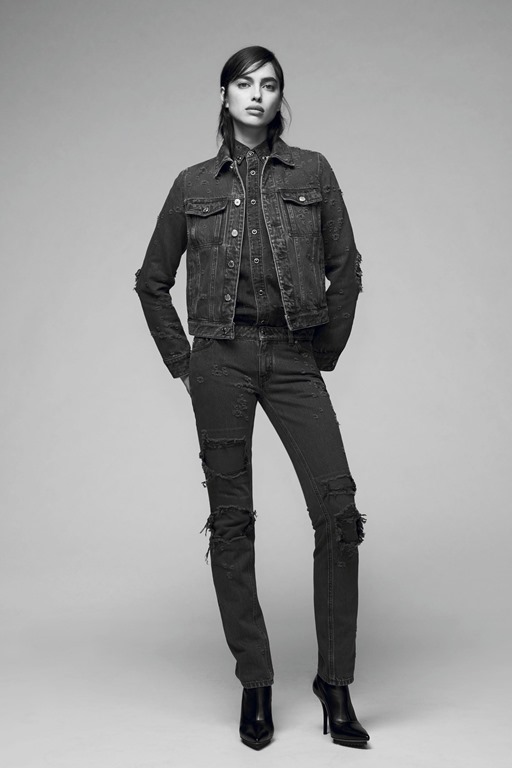
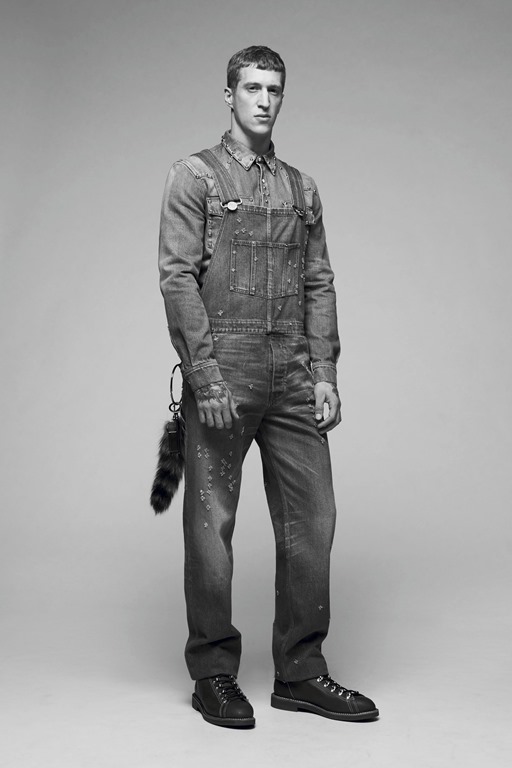
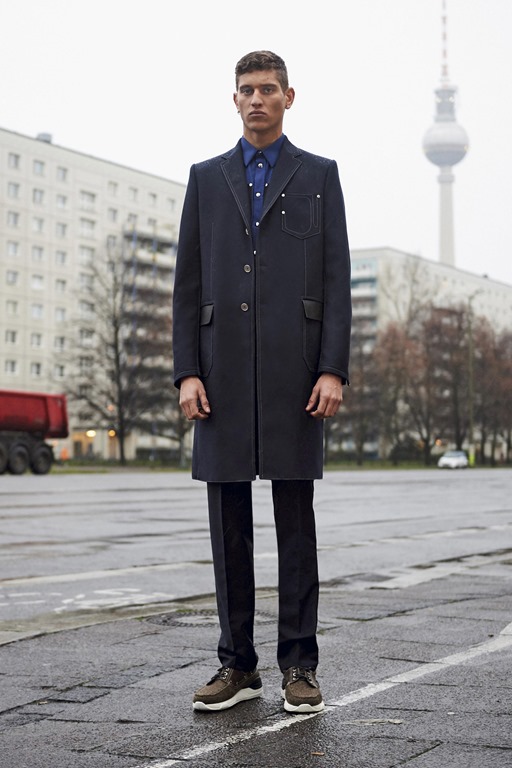
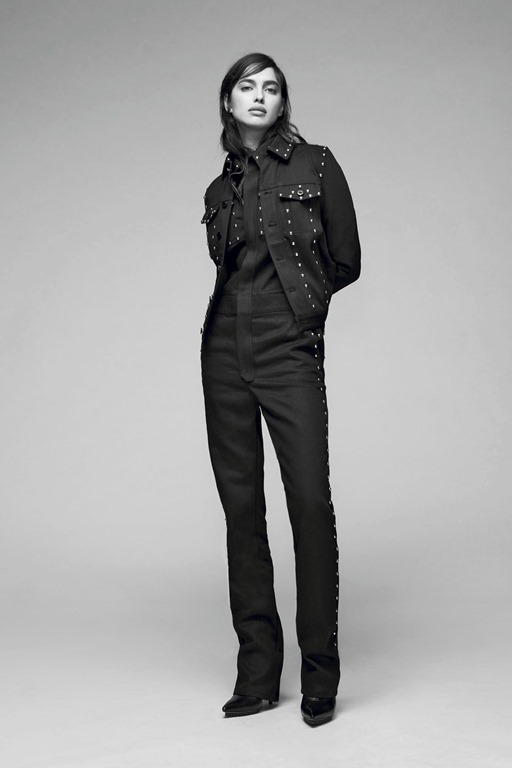
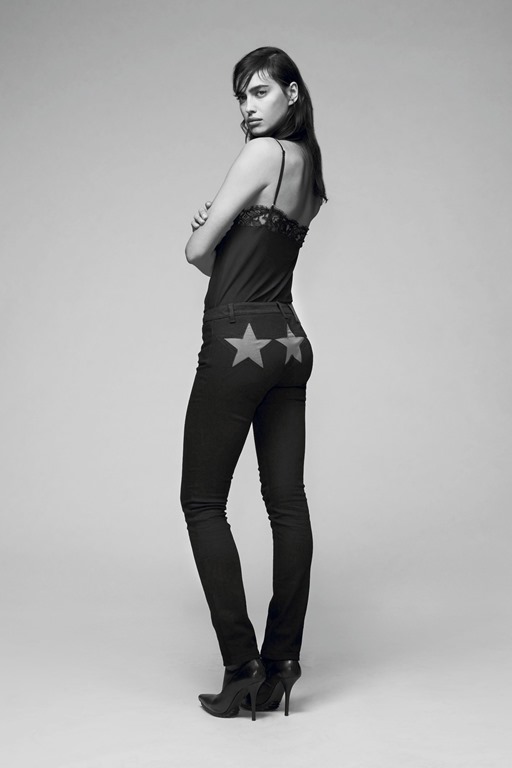
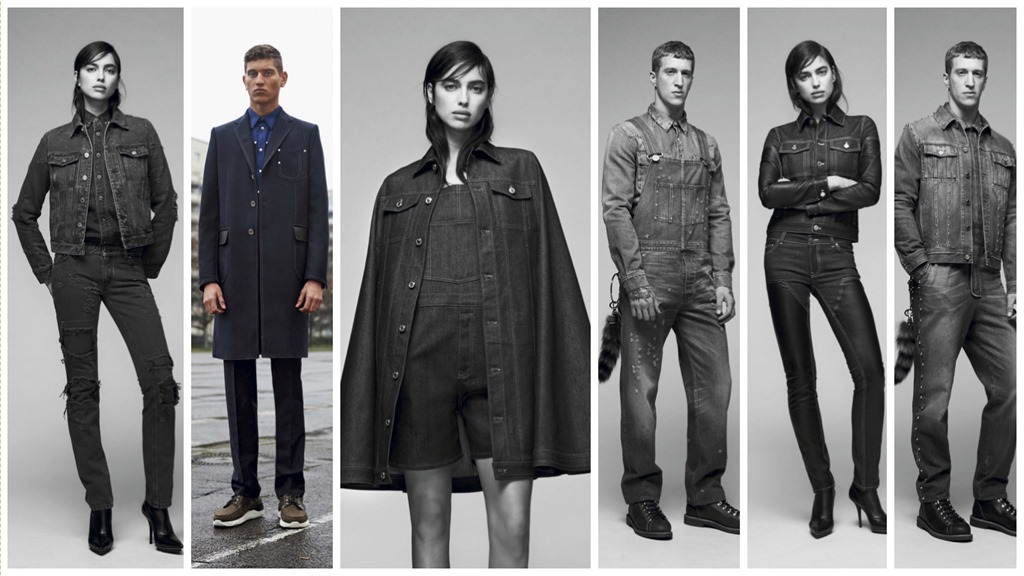
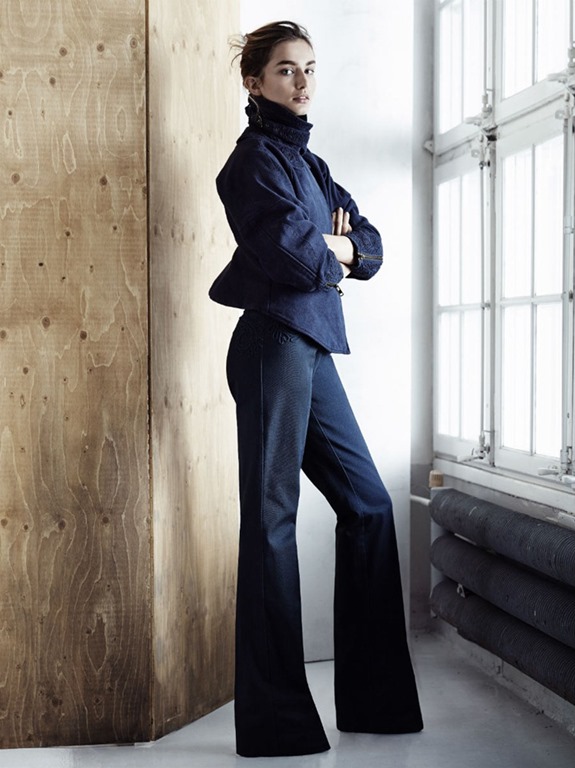
    Worker denims, leather paneled jeans and jackets,  new and reprised print motifs and couture like embellishments, including delicate floral embroideries crawling over flight jackets were the highlights of denim part of Givenchy Pre Fall 2016 Collection.
    The same could be said for most of the collection, which eschewed street style shock value for nuanced elegance.

    Givenchy Pre Fall 2016 Denim Trends

    Givenchy Pre Fall 2016 Denim Trends

    Givenchy Pre Fall 2016 Denim Trends

    Givenchy Pre Fall 2016 Denim Trends

    Givenchy Pre Fall 2016 Denim Trends

    Givenchy Pre Fall 2016 Denim Trends

    Givenchy Pre Fall 2016 Denim Trends

    Givenchy Pre Fall 2016 Denim Trends

    givenchy pre fall 2016 9

    Givenchy Pre Fall 2016 Denim Trends

    Givenchy Pre Fall 2016 Denim Trends

  • Chloé Fall /Winter 2016/17

    Chloé Fall /Winter 2016/17

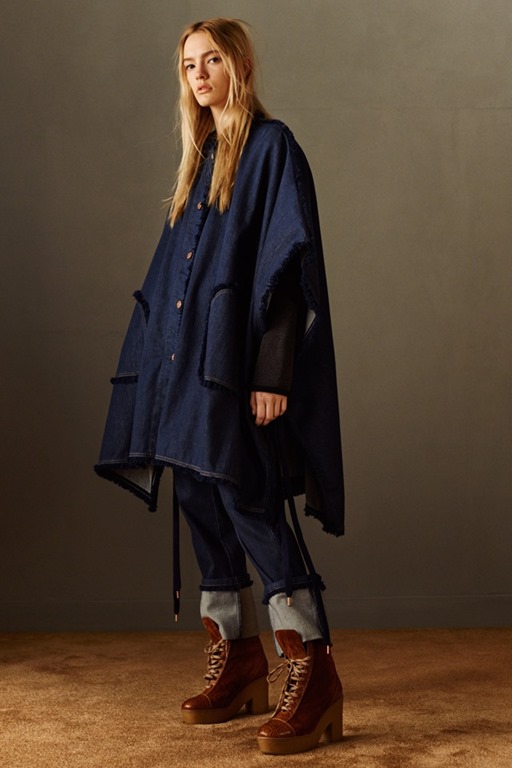
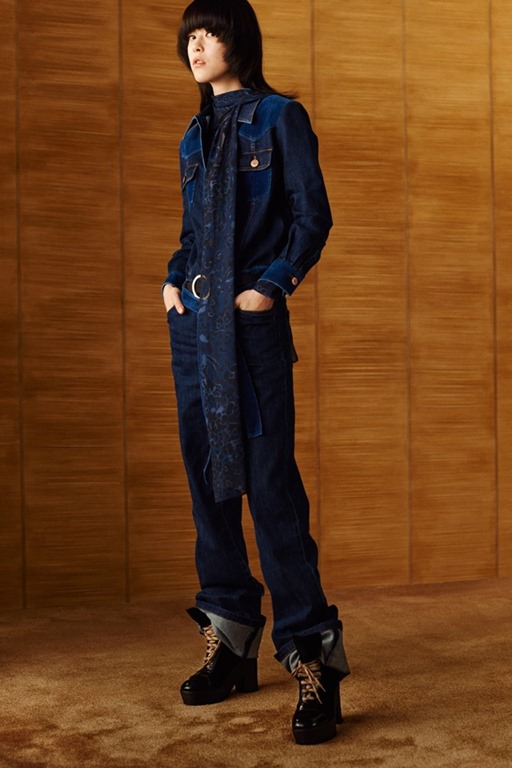
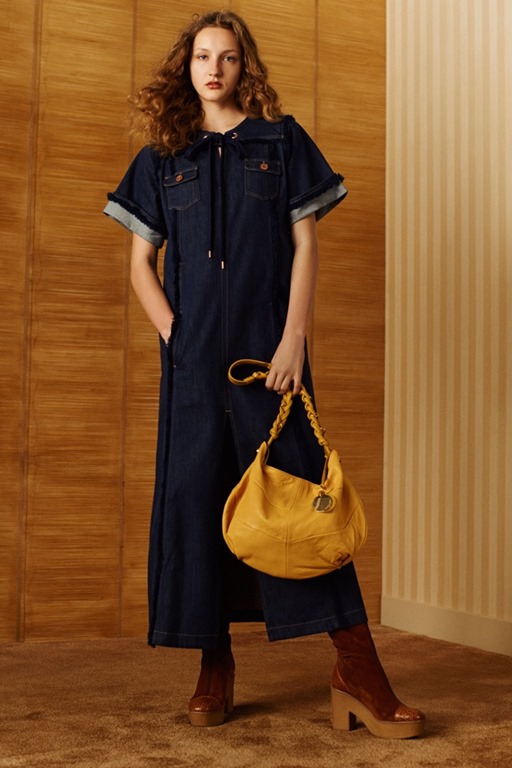
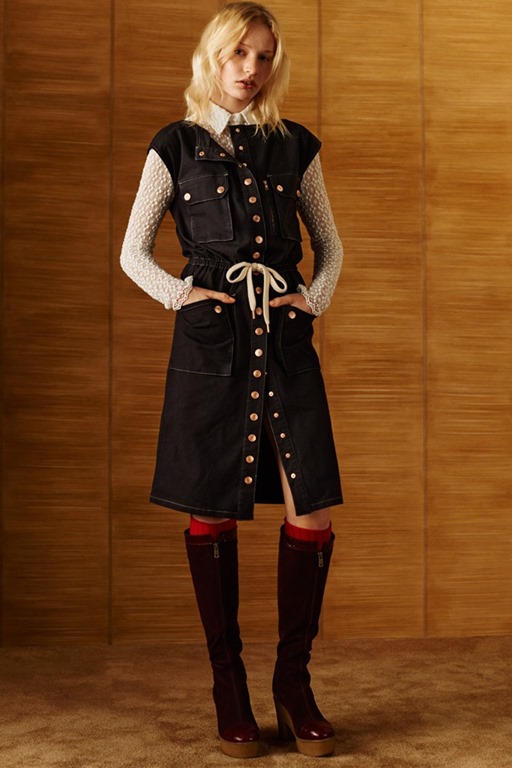
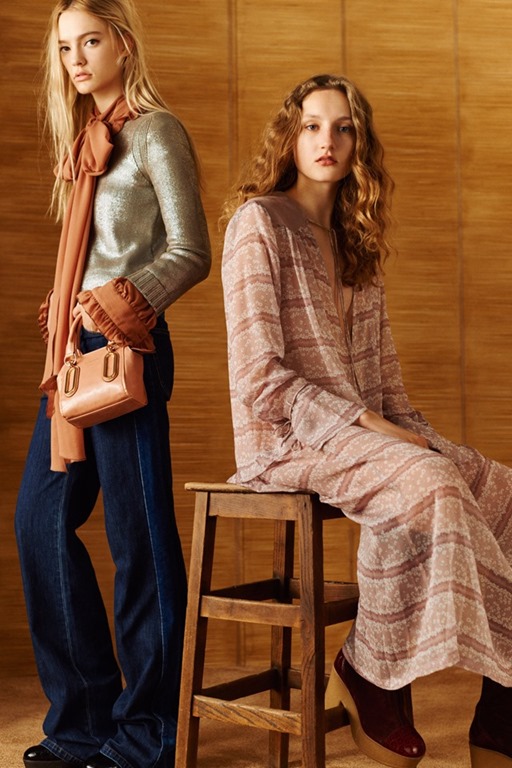
    Chloe , the French design house, brought sporty chic to the catwalk recently held  presenting  long floor-sweeping skirts for women’s wardrobes next spring. Creative director Clare Waight Keller brought interesting styles in denim inspired by 1990s looks : usually shorts and skirts tied with drawstring and frayed at the edges. .SS16, however, was still a very western, grunge-era look, and one that brought out Chloé’s glory years under Stella McCartney.

    Chloé Fall /Winter 2016/17 : Denimsandjeans.com

    Chloé Fall /Winter 2016/17 : Denimsandjeans.com

    Chloé Fall /Winter 2016/17 : Denimsandjeans.com

    Chloé Fall /Winter 2016/17 : Denimsandjeans.com

    Chloé Fall /Winter 2016/17 : Denimsandjeans.com


    Chloé Fall /Winter 2016/17 : Denimsandjeans.com

  • The Top Ten Richest in Fashion Industry!

    The Top Ten Richest in Fashion Industry!

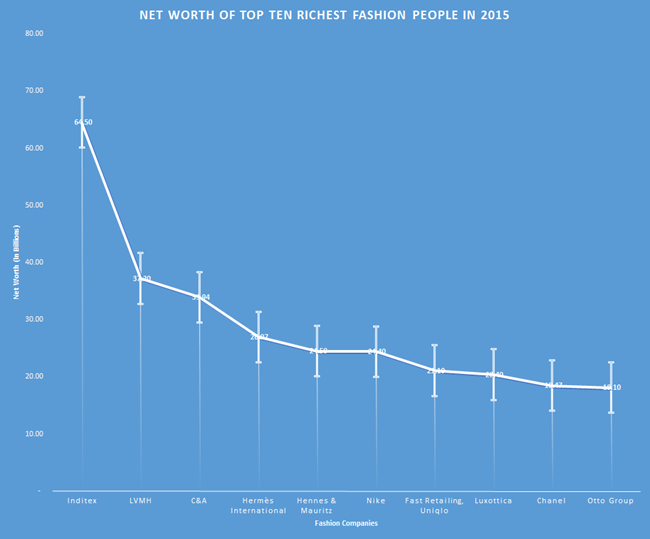
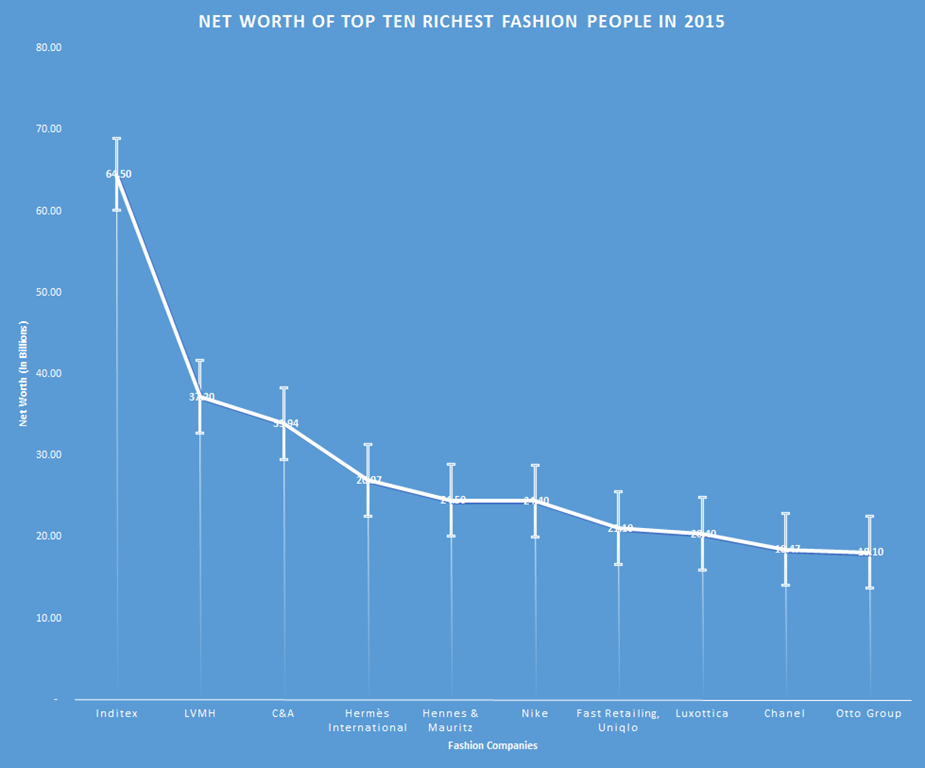
    Fashion is a huge industry worldwide churning out trillions  of dollars of turnover around the world. It should not be a surprise if a number of large corporations stand out in terms of turnover and profits and the entrepreneurs who created them reap billions of dollars in profits and wealth. In this article we bring focus on those extraordinary individuals who have stood the test of time and markets to create a huge niche for their companies in fashion industry and in the process created unbelievable wealth for themselves. The table below shows the TOP 10 such entrepreneurs from companies like Inditex to Nike and H&M who are the leading fashion wealth holders worldwide and in the following paragraphs is some description about each of them.

    Figures in Billion 
    Rank Company Name 2015 2014 2013
    1 Inditex Amancio Ortega            64.50            64.00              57.00
    2 LVMH Bernard Arnault            37.20            33.50              29.00
    3 C&A The Brenninkmeijer family            33.94            36.82              33.94
    4 Hermès International Betrand Puech & family            26.97            23.46              22.59
    5 Hennes & Mauritz Stefan Persson            24.50            34.40              28.00
    6 Nike Phil Knight            24.40            22.90              14.40
    7 Fast Retailing, Uniqlo Tadashi Yanai & family            21.10            20.20              13.30
    8 Luxottica Leonardo Del Vecchio            20.40            19.20              15.30
    9 Chanel Alain & Gerard Wertheimer & family            18.47            20.01                 8.00
    10 Otto Group Michael Otto & family            18.10            18.40              14.20


    image


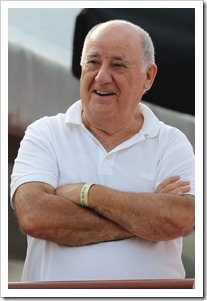
    1. INDITEX |Spain| Amancio OrtegaAmancio Ortega| Top Ten Richest Fashion People|Denimsandjeans.com

    Amancio Ortega ; born 28 March 1936, is a Spanish fashion businessman and founding chairman of the INDITEX fashion group, best known for its chain of ZARA clothing and accessories  retail shops. In October 2015, he was ranked as the richest person in the world for four hours by Forbes, just ahead of American billionaire Bill Gates. His current networth is estimated to be about  USD $64.5 billion.He resides with his second wife in an apartment building in Galicia, Spain.

    In 1972, he founded Confecciones Goa, selling quilted bathrobes which Ortega produced using thousands of local women organised into sewing cooperatives. In 1975, he opened his first Zara store, so called because his preferred name Zorba was already taken. He opened many big Zara Stores during the eighties throughout Galicia.Today, Zara is part of the Inditex group , of which Ortega owns 59.29%, and aside from over 6,000 stores includes the brands Zara, Massimo Dutti, Oysho, Zara Home, Kiddy’s Class, Tempe, Stradivarius, Pull and Bear, Bershka and has more than 92,000 employees.

    In 2011, Ortega announced his imminent retirement from Inditex, parent company of the Zara chain, stating that he would ask Inditex vice-president and CEO Pablo Isla to take his place at the helm of the textile empire.

    He maintained his #3 spot on the Forbes list from 2013. In 2013 , his net worth was $57 billion only but within two years he has reached to the level of $64.5 billion.

    So far as the Financials of Inditex is concerned , It has been showing a very positive trend for last one decade.Net sales in local currencies increased 11% in FY2014. At the end of FY2014 Inditex operated 6,683 stores in 88 markets. Openings have taken place in 54 markets. Net sales for FY2014 reached €18.1 billion, 8% higher.Gross profit reached €10.6 billion, 7% higher than in FY2013, resulting in a Gross margin of 58.3%.

    2. LVMH |France| Bernard Arnault

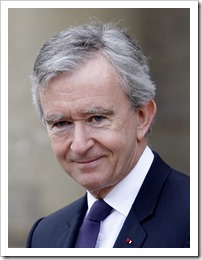
    Bernard Arnault | Top Ten Richest Fashion People|Denimsandjeans.comBernard Jean Étienne Arnault ,born 5 March 1949, is a French business magnate, investor, philanthropist and art collector. He is the chairman and Chief Executive Officer of LVMH since 1989. In March 2015, Forbes estimated his wealth to be $37 billion, making him the 13th richest person in the world and the richest in France.

    In 1987, shortly after the creation of LVMH, the new luxury group resulting from the merger between two companies, Arnault mediated a conflict between Alain Chevalier, Moët Hennessy’s CEO, and Henri Racamier, president of Louis Vuitton. The new group held property rights to Dior perfumes, which Arnault believed should be incorporated into Dior Couture.

    In July 1988, Arnault provided $1.5 billion to form a holding company with Guinness that held 24% of LVMH’s shares. In response to rumors that the Louis Vuitton group was buying LVMH’s stock to form a “blocking minority”, Arnault spent $600 million to buy 13.5% more of LVMH, making him LVMH’s first shareholder. In January 1989, Bernard Arnault spent another $500 million to gain control a total of 43.5% of LVMH, and 35% of voting rights, thus reaching the “blocking minority” he needed to stop the dismantlement of the LVMH group.

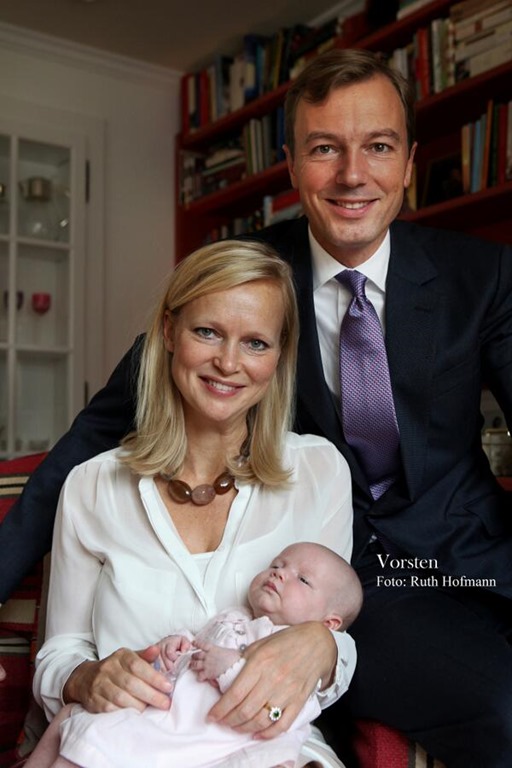
    3.C&A |Germany|The Brenninkmeijer Family
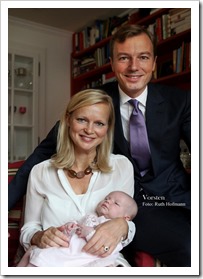
    The Brenninkmeijer Family | Top Ten Richest Fashion People|Denimsandjeans.comBrenninkmeijer  is a German-Dutch family. Two members of the Brenninkmeijer family founded C&A, an international chain of clothing stores.In 2015, Forbes reckoned that the Brenninkmeijer family was worth $33.94 billion.

    In 1841, the brothers Clemens and August founded the textile shop C&A, which sold, unusually for that time, ready made clothes. The two brothers, peddlers originally from the small village Mettingen in Westphalia travelled each year to Friesland to sell their textiles to the farmers. In 1861, they stocked their goods in a warehouse in Sneek. This small town in the north of the Netherlands became the location of their first store. In 1911 the company opened the first German store in Berlin and today there are more than 400 stores in Germany. In 1922 the company started a store in Great Britain.

    Today C&A and other related companies are located in 16 countries throughout the world. These companies are linked through the COFRA group, based in Zug, Switzerland. More recently, the company has focused its efforts on real estate and financial services. C&A Online launched in Germany in 2008.

    For a period of time Eastern Mountain Sports, Steinbach, Ohrbach’s, Maurices, Miller’s Outpost and others were owned through the American Retail Group. In the 1980s and 1990s, they owned the Comark group in Canada, which included Bretton’s department stores, Clark Shoes and Collacut luggage stores. The Canadian operations were sold in 2005 to KarpReilly, LLC of Greenwich, Connecticut.

    4.HERMES |France|Bertrand Puech & Family
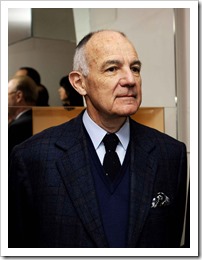
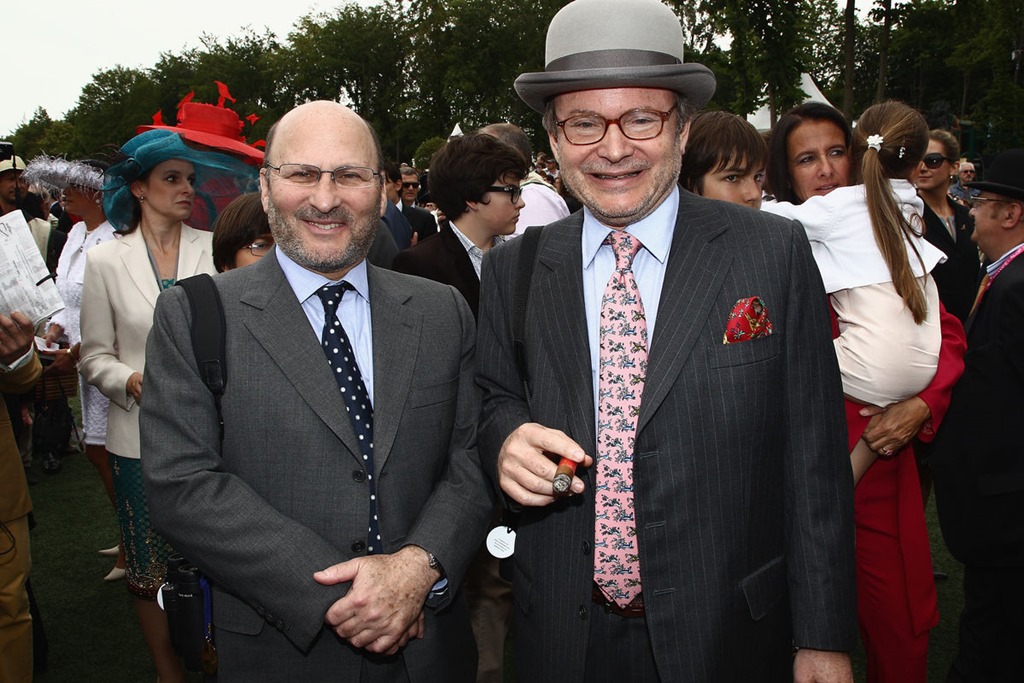
    Betrand Puech & Family | Top Ten Richest Fashion People|Denimsandjeans.comBertrand Puech, born 18 February 1936 ,is a businessman French in the luxury industry. According to Hurun Rich Global 2015, he is the 34th richest person in the world .In the year 2014  his net worth was $23.45 billion and in 2015 the net worth reached to $26.97 billion.

    Grand-son of the founder Émile Hermès, brother and cousin of Nicolas Puech Jean-Louis Dumas, he held various key positions within the Hermès family group.

    Entered in 1997 in the family business, he successively held the positions of Deputy General Director of Human Resources for eight years and then Chairman of the Management Board of Hermes before handing over in 2012 to his nephew Henri-Louis Bauer .

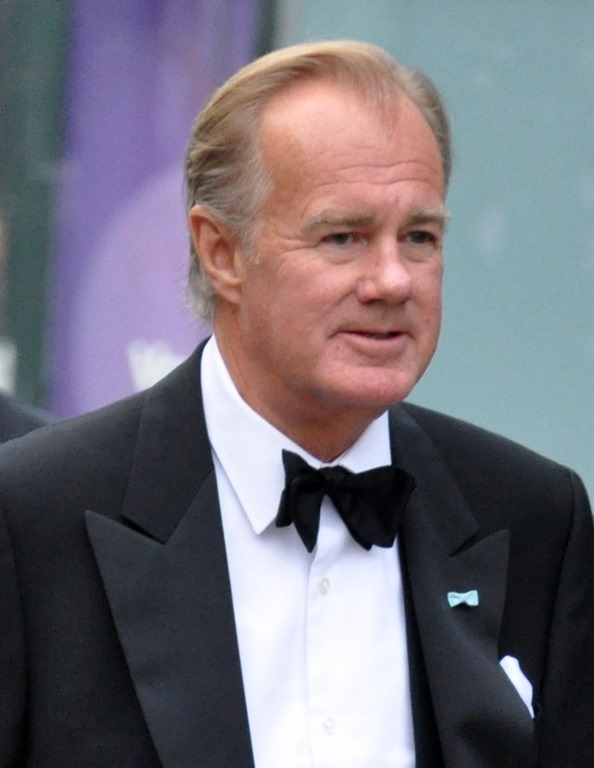
    5. H&M | Sweden|Stefan Persson
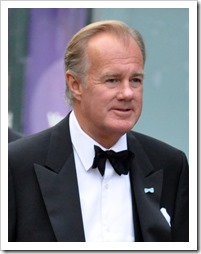
    Stefan Persson | Top Ten Richest Fashion People|Denimsandjeans.comCarl Stefan Erling Persson ; born 4 October 1947, is a Swedish business magnate. In March 2013, Forbes reported Persson’s net worth as $28 billion making him the richest of Sweden’s 12 billionaires and the 17th richest person in the world. Persson is the chairman and main shareholder in fashion company H&M, which was founded by his father Erling Persson in 1947. Persson took over the company from his father in 1982 and served as its manager until 1998. Persson also owns a substantial stake in the Swedish technology company, Hexagon AB. However in 2015 , his net worth showed a diminishing trend and down to $24.5 billion.

    According to the Bloomberg Billionaires Index, Persson had a net worth of US $31.9 billion in 2014, making him the 17th richest person in the world. Persson is a founder of the Mentor Foundation, a nonprofit organisation that aims to combat substance abuse among young people. He is a supporter of Djurgårdens IF and is co-funding a foundation for the club. Persson enjoys downhill skiing, tennis and golf. He owns properties in London, Paris and Stockholm and, in 2009, acquired the 21-cottage village of Linkenholt in Hampshire, England.

    Persson attended the University of Stockholm and lives in Stockholm, Sweden, with his wife, Carolyn Denise Persson. They have three children and, in 2009, his son, Karl-Johan Persson, took over as president and chief executive of H&M. Their other two children, Tom Persson and Charlotte Söderström are billionaires in their own right.

    6.NIKE |America |Phil Knight
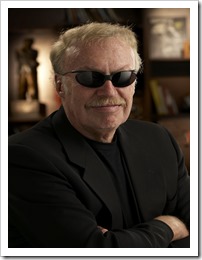
    Phil Knight | Top Ten Richest Fashion People|Denimsandjeans.comPhilip HampsonPhilKnight ;born February 24, 1938,is an American business magnate. A native of Oregon, he is the co-founder and chairman of Nike, Inc., and previously served as CEO of the company. In November 2015, Forbes named Knight the 15th richest person in the world. He is also the owner of the stop motion film production company Laika. His net wealth was $14.4 billion in 2013 while in 2015 it was $24.4 billion.

    A graduate of the University of Oregon and Stanford Graduate School of Business (Stanford GSB), he has donated hundreds of millions of dollars to both schools; Knight gave the largest donation in history at the time to Stanford’s business school in 2006. A native Oregonian, he ran track under coach Bill Bowerman at the University of Oregon, with whom he would co-found Nike.Knight set out on a trip around the world after graduation, during which he made a stop in Kobe, Japan, in November 1962. It was there he discovered the Tiger-brand running shoes, manufactured in Kobe by the Onitsuka Co. So impressed was he with the quality and low cost, Knight made a cold call on Mr. Onitsuka, who agreed to meet with him. By the end of the meeting, Knight had secured Tiger distribution rights for the western United States.

    The first Tiger samples would take more than a year to be shipped to Knight, during which time he found a job as an accountant in Portland. When Knight finally received the shoe samples, he mailed two pairs to Bowerman at UO, hoping to gain both a sale and an influential endorsement. To Knight’s surprise, Bowerman not only ordered the Tiger shoes, but also offered to become a partner with Knight and provide product design ideas. The two men agreed to a partnership by handshake on January 25, 1964, the birth date of Blue Ribbon Sports, the company name that would later be transformed into Nike.

    7. Fast Retailing |Japan |Tadashi Yanai 

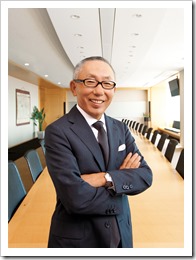
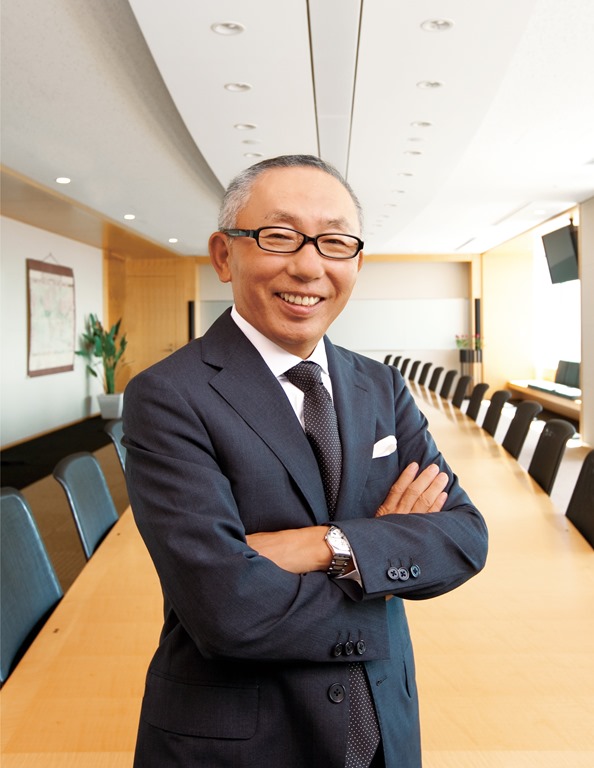
    Tadashi Yanai | Top Ten Richest Fashion People|Denimsandjeans.comTadashi Yanai , born February 7, 1949, is a Japanese businessman, the founder and president of Fast Retailing, of which Uniqlo  is a subsidiary. He is routinely ranked as one of the richest men in Japan, and in January 2014 was ranked 35th richest in the world according to Bloomberg, making him the richest man in Japan with an estimated net worth of US$19.9 billion in 2009 and US$20.2 billion in 2014.However in 2015 , his net worth was approx. $21.1 billion.

    Yanai attended Ube High School and later Waseda University, graduating in 1971 with a Bachelor’s degree in Economics and Politics.In 1971, Yanai started in business by selling kitchenware and men’s clothing at a Jusco supermarket. After a year at Jusco, he quit and joined his father’s roadside tailor shop.Yanai opened his first Uniqlo store in Hiroshima in 1984, and changed the name of his father’s company Ogori Shoji to Fast Retailing in 1991. He has stated: “I might look successful but I’ve made many mistakes. People take their failures too seriously. You have to be positive and believe you will find success next time.”

    Yanai won the International Retailer of Year award for 2010 from the National Retail Federation in US. He was the fourth Japanese national to win it, and the first since 1998, when it was won by Masatoshi Ito, owner and honorary chairman of the Ito Yokado retailing group. He was also chosen as best company president in a survey of Japanese corporate executives by Sanno Institute of Management in 2008 and 2009. In 2012 he was included in the 50 Most Influential list of Bloomberg Markets Magazine.

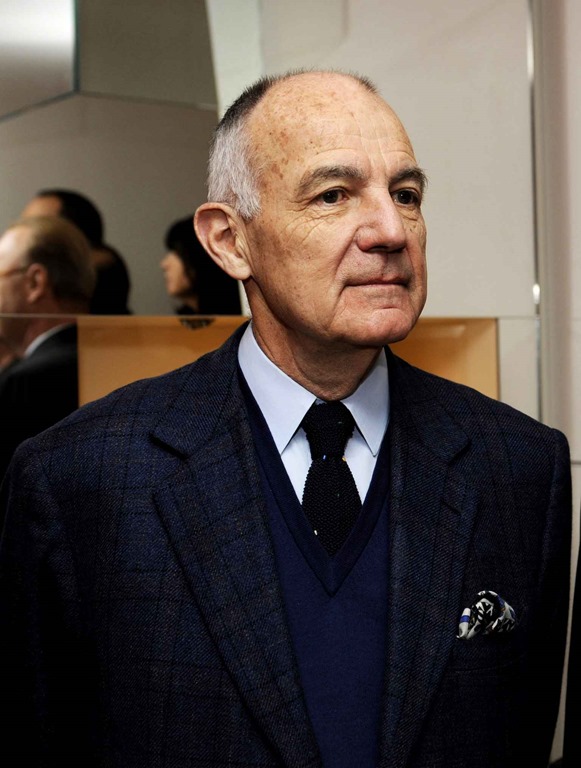
    8.Luxottica |Italy|Leonardo Del Vecchio
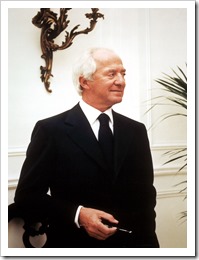
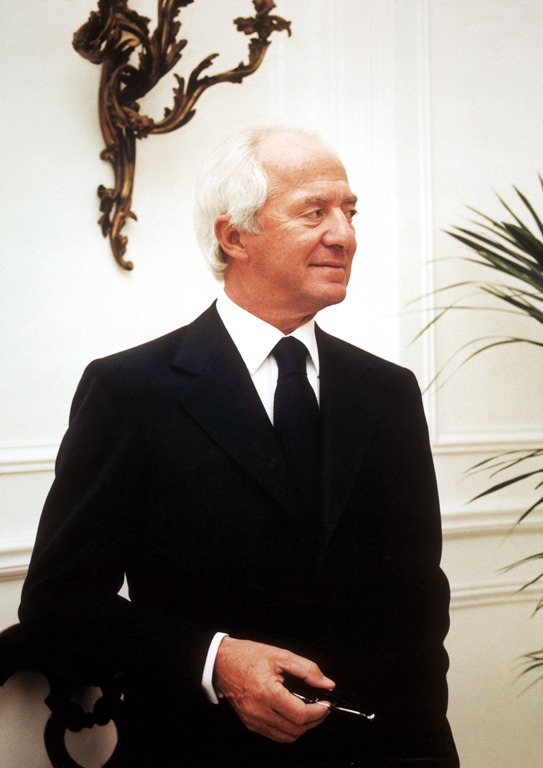
    Leonardo Del Vecchio| Top Ten Richest Fashion People|Denimsandjeans.comLeonardo Del Vecchio ;born 22 May 1935 in Milan, Italy, is the founder and chairman of Luxottica. The firm owns the Sunglass Hut and Lenscrafters chains with a total of over 6,000 stores and 73,400 employees. According to Forbes magazine, he is the richest man in Italy with a net worth of $20.4 billion, making him 38th richest person in the world as of February 2015.

    He was born in Milan, Italy in 1935 as a child of an impoverished family. His father died five months prior to his birth. He was given to an orphanage by his mother because she was unable to support him financially. He began his career as an apprentice to a tool and die maker in Milan, but decided to turn his metalworking skills to make spectacle parts. So in 1961 he moved to Agordo in the province of Belluno, which is home to most of the Italian eyewear industry. The new company was Luxottica s.a.s., a limited partnership. In 1967 he started selling complete eyeglass frames under the Luxottica brand, which proved successful enough that by 1971 he entered the contract manufacturing business.

    Convinced of the need for vertical integration, in 1974 he acquired Scarrone, a distribution company. In 1981 the company set up its first international subsidiary, in Germany, the first in a rapid period of international expansion. The first of many licensing deals with designer’s was struck with Armani, in 1988.

    The company listed in New York in 1990, and in Milan in December 2000, joining the MIB-30 (now S&P/MIB) index in September 2003. The listing enhanced the company’s ability to acquire other brands, starting with Italian brand Vogue in 1990, Persol and US Shoe Corporation (LensCrafters) in 1995, Ray-Ban in 1999 and Sunglass Hut, Inc. in 2001. They went looking for more retail companies, acquiring Sydney-based OPSM in 2003, Pearle Vision in 2004, Surfeyes in 2006, and Cole National in 2004. Most recently, they acquired Oakley in a US$2.1bn deal in November 2007.

    9.CHANEL |France|Alain &Gerard Wertheimer & Family
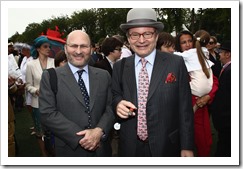
    Alain & Gerard Wertheimer| Top Ten Richest Fashion People|Denimsandjeans.com

    Alain & Gerard Wertheimer are the owners of the French luxury brand Chanel and The Wertheimer brothers are the 5th richest persons in France and are ranked 145th on the list of World Billionaires.

    Chanel S.A., the French privately held company was founded in 1909 by their grandfather, Pierre Wertheimer who bought out his early partner, Gabrielle (Coco) Chanel, the company’s namesake. The high fashion brand specializes in haute couture and ready-to-wear clothes, luxury goods and fashion accessories. The product brands have been personified by fashion models and actresses including Inès de la Fressange, Catherine Deneuve, Carole Bouquet, Vanessa Paradis, Nicole Kidman, Anna Mouglalis, Lucía Hiriart, Hope Portocarrero, Audrey Tautou, Keira Knightley and Marilyn Monroe, who is an epitome of the independent, self-confident Chanel Girl.

    In 2013 , the net worth of Alain & Gerard Wertheimer & Family were $8 billion however in 2015  it reached to the level of $18.46 billion .Alain, who is based in the U.S., serves as the chairman of the company, while Gerard, who lives in Switzerland, is the head of the division of watches.

    10.OTTO GROUP|Germany|Michael Otto & Family
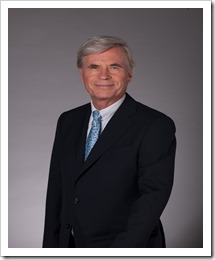
    Michael Otto| Top Ten Richest Fashion People|Denimsandjeans.comMichael Otto ;born 12 April 1943, in CheÅ‚mno (Kulm) in Nazi-occupied Poland, is the head of German Otto Group, the world’s largest mail order company, with US$24 billion in sales in fiscal year 2003. Thanks to a 30% rise in Internet sales last year, Otto also maintains its position as the Web’s second-biggest retailer, behind Amazon.com.

    They were the former owners of Spiegel, Inc., which filed for bankruptcy on 17 March 2003. On 25 May 2005, Spiegel, Inc., emerged from bankruptcy renamed Eddie Bauer Holdings and is now owned primarily by Commerzbank. The Otto Group no longer has any stake in the company.

    Otto and his family own extensive real estate in Canada and in the United States, shopping centers in Germany and part of home-furnishings chain Crate & Barrel. Known as a committed environmentalist, his company has long touted environmentally safe products. In 1993, he created the Michael Otto Foundation (German: Michael Otto Stiftung). This foundation played, and is still playing, an important role in furthering multi-stakeholder dialogue on hot environmental issues.

    Otto is currently married with two children. He is an alumnus of the University of Hamburg and the University of Munich where he obtained his doctorate degrees.

    In 2013 , the net worth of Michael Otto was $14.20 billion however in 2015  it reached to the level of $18.1 billion .

  • Daniel Silverstain Pre-Fall 2016

    Daniel Silverstain Pre-Fall 2016

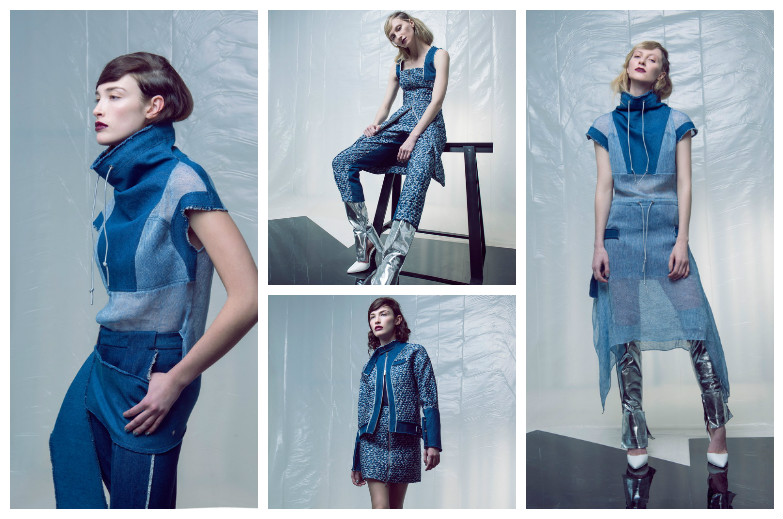
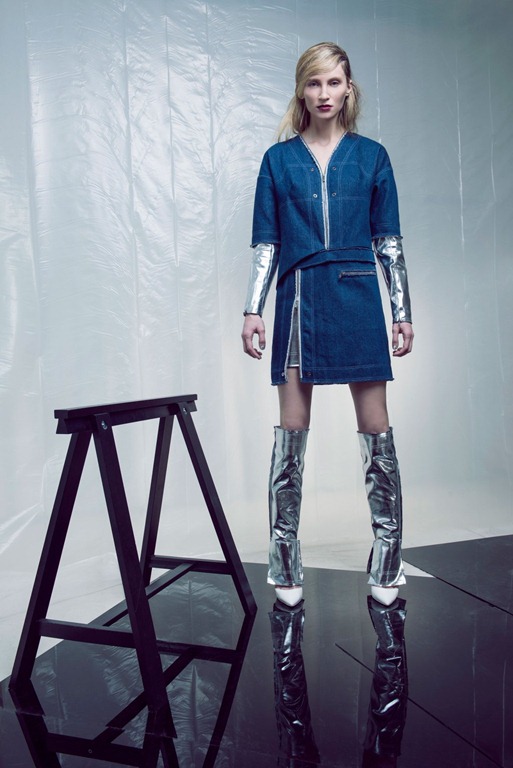
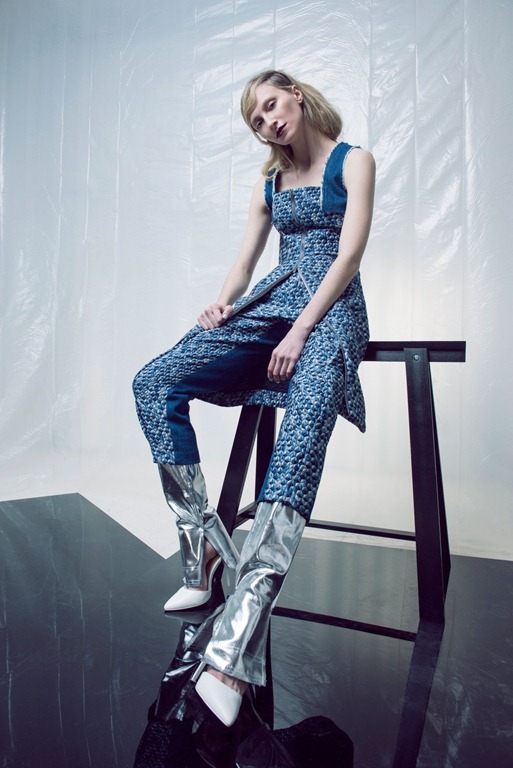
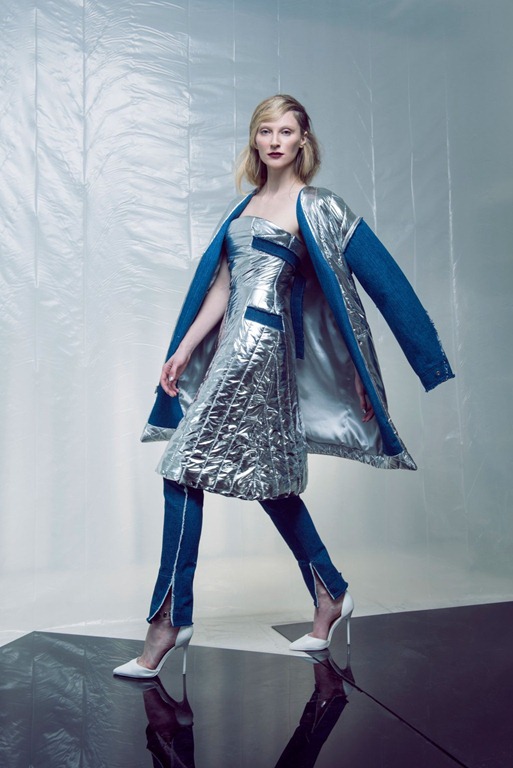
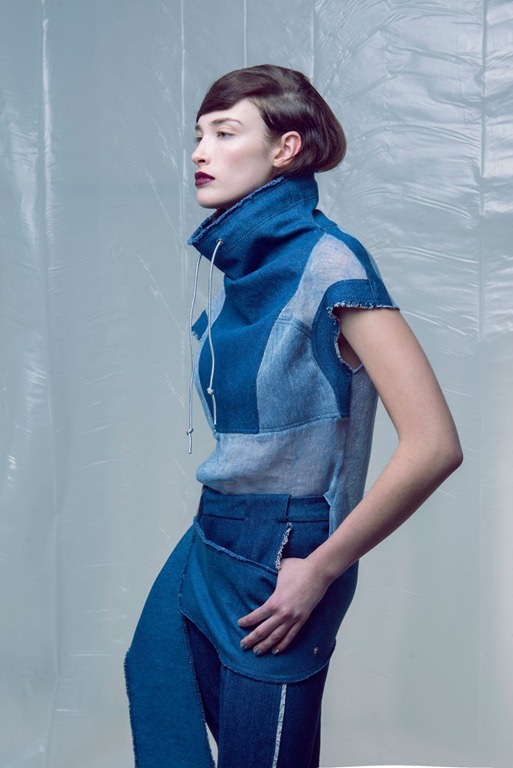
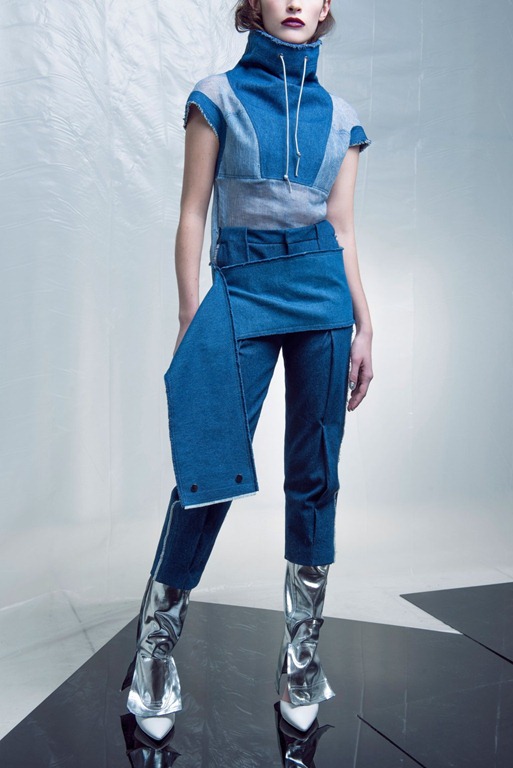
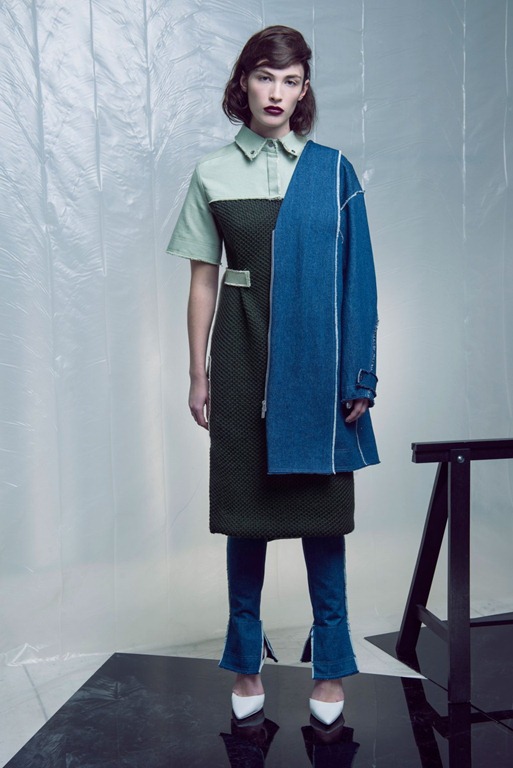
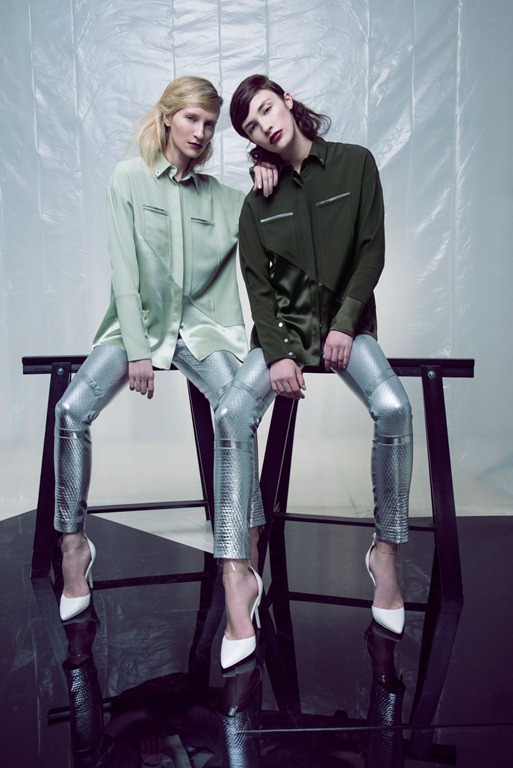
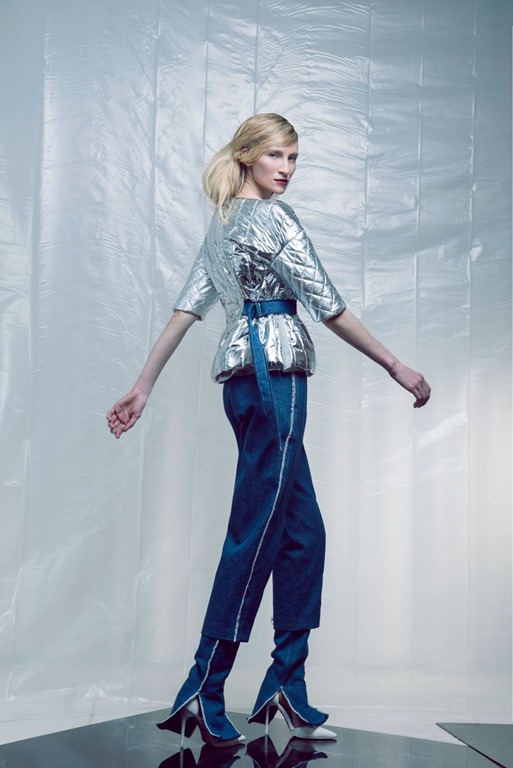
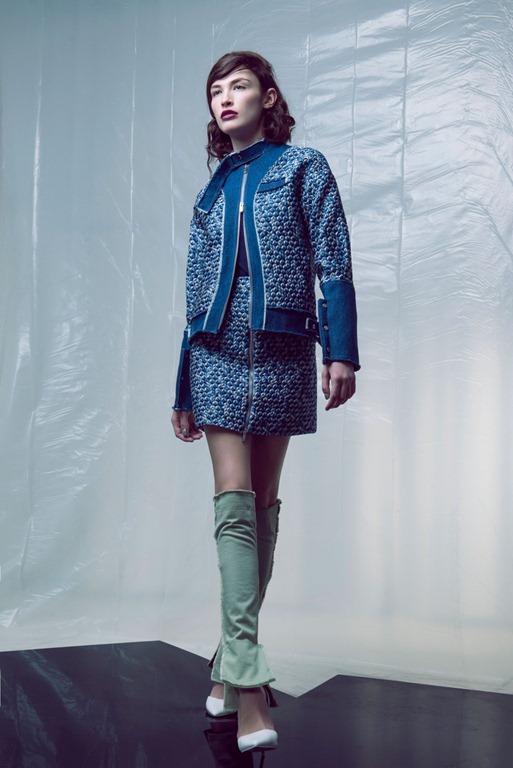
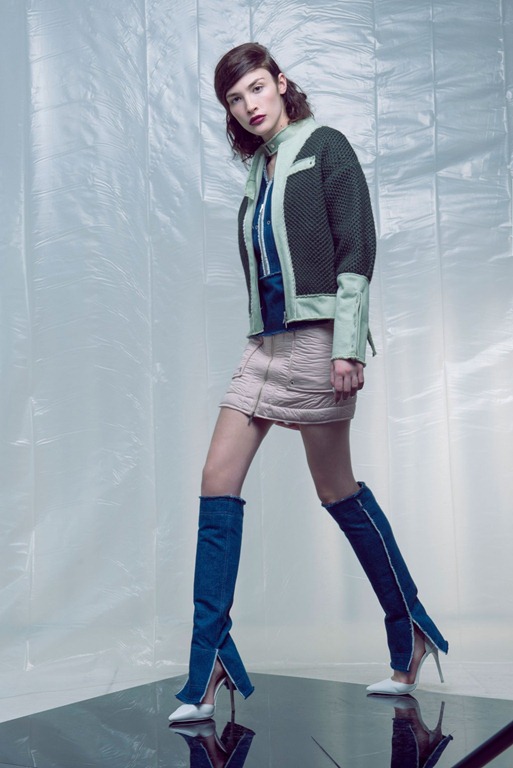
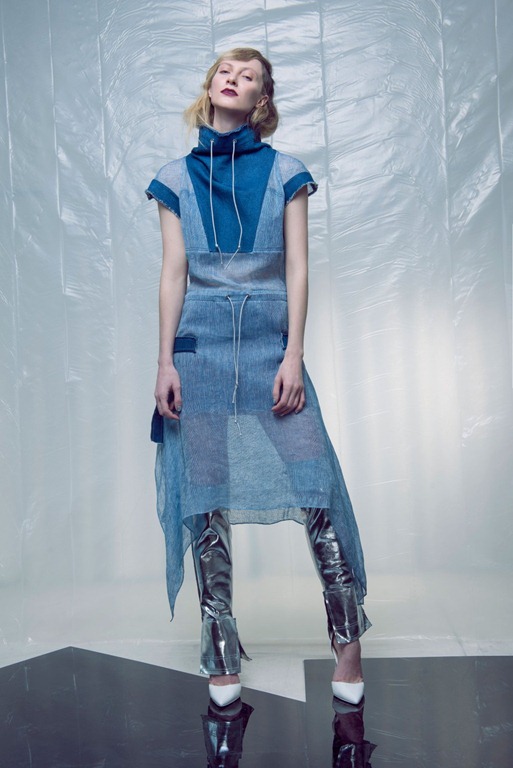
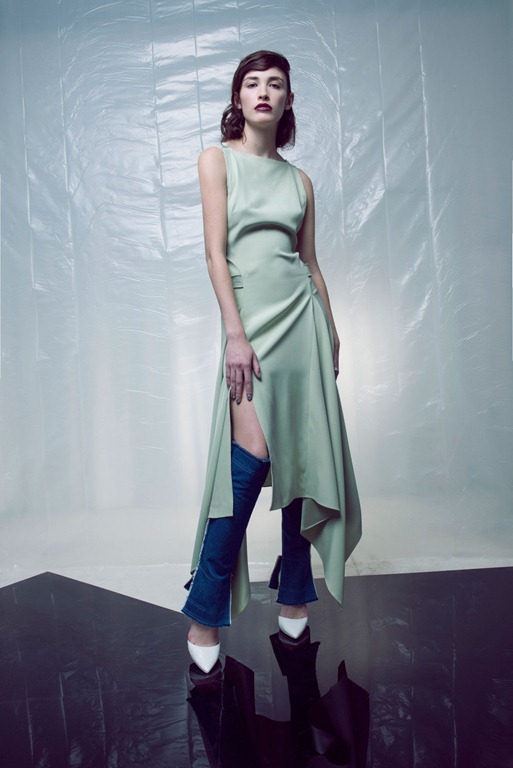
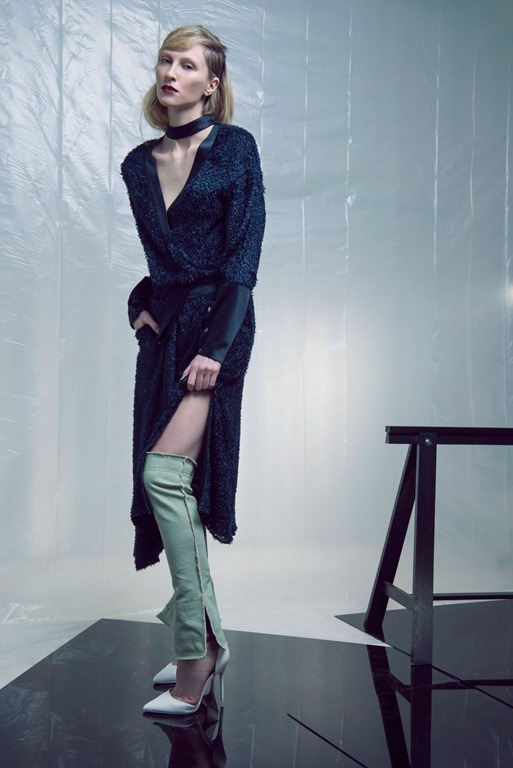
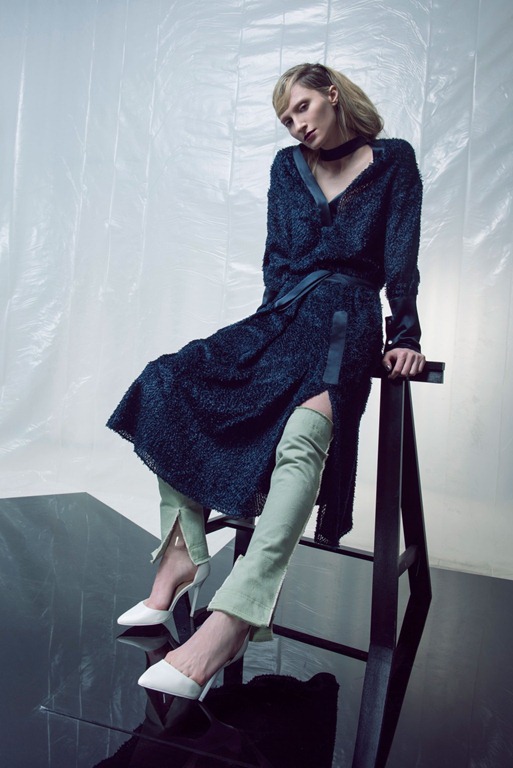
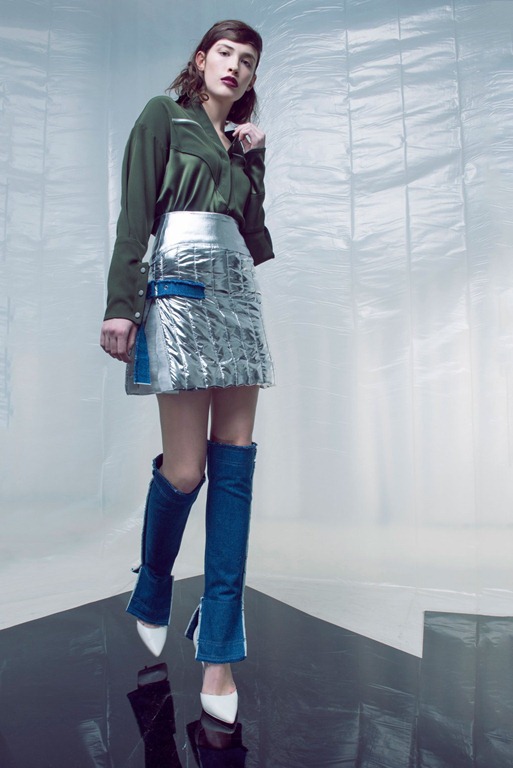
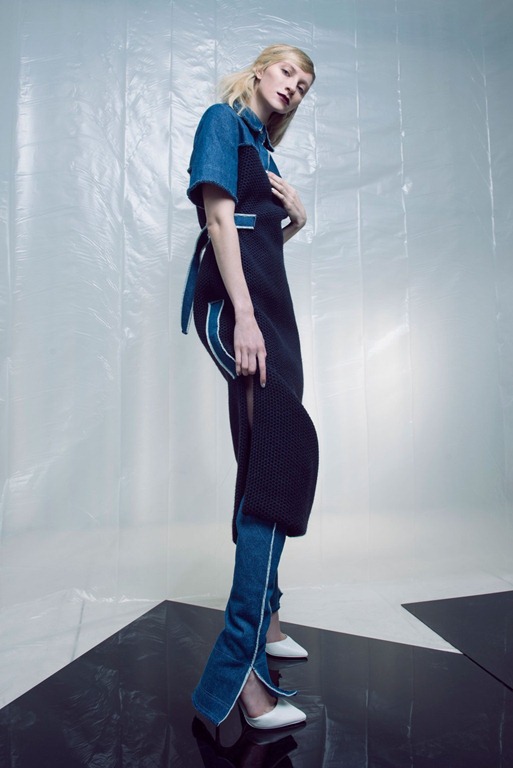
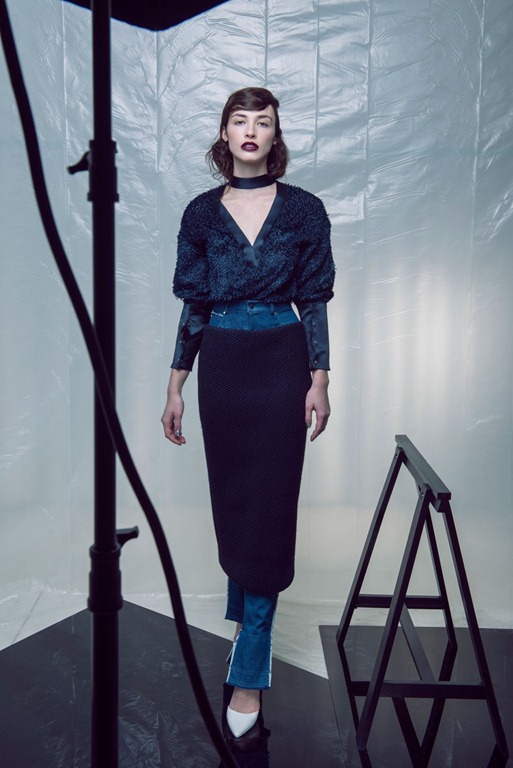
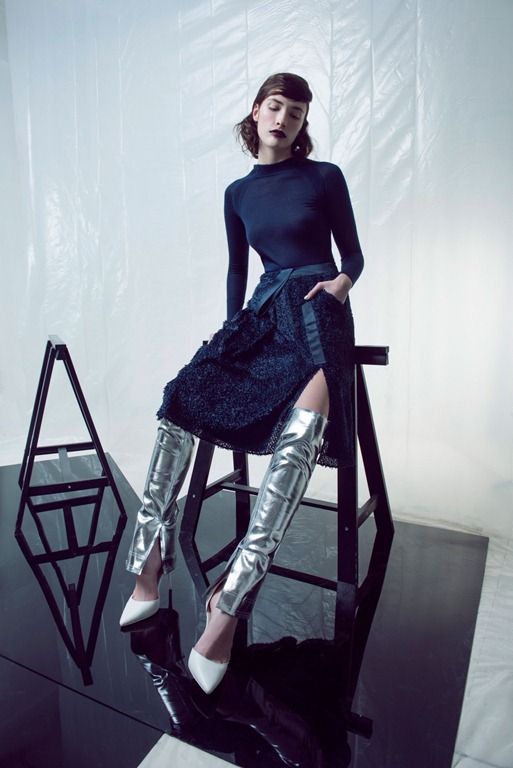
    Daniel Silverstain, an Israeli designer based in New York City exploring textiles and natural forms in an era of hi-technology and industrialism, expanded on his premise of multi-functionality. His designer apparels prominently focuses on the future which is very apparent in her creations.  Daniel’s creations aim for innovation, essentiality and futurism.

    A silver puffer and denim coat, for example, featured removable denim sleeves, while a jacquard top had an adjustable hem — wear it as a micro-mini dress or a tunic. Still in its infancy, the two-year-old label’s future depends upon developing his relaxed utilitarian aesthetic beyond adjustable garments.

    Daniel Silverstain Pre-Fall 2016 : Denimsandjeans.com

    Daniel Silverstain Pre-Fall 2016 : Denimsandjeans.com

    Daniel Silverstain Pre-Fall 2016 : Denimsandjeans.com

    Daniel Silverstain Pre-Fall 2016 : Denimsandjeans.com

    Daniel Silverstain Pre-Fall 2016 : Denimsandjeans.com

    Daniel Silverstain Pre-Fall 2016 : Denimsandjeans.com

    Daniel Silverstain Pre-Fall 2016 : Denimsandjeans.com

    Daniel Silverstain Pre-Fall 2016 : Denimsandjeans.com

    Daniel Silverstain Pre-Fall 2016 : Denimsandjeans.com

    Daniel Silverstain Pre-Fall 2016 : Denimsandjeans.com

    Daniel Silverstain Pre-Fall 2016 : Denimsandjeans.com

    Daniel Silverstain Pre-Fall 2016 : Denimsandjeans.com

    Daniel Silverstain Pre-Fall 2016 : Denimsandjeans.com

    Daniel Silverstain Pre-Fall 2016 : Denimsandjeans.com

    Daniel Silverstain Pre-Fall 2016 : Denimsandjeans.com

    Daniel Silverstain Pre-Fall 2016 : Denimsandjeans.com

    Daniel Silverstain Pre-Fall 2016 : Denimsandjeans.com

    Daniel Silverstain Pre-Fall 2016 : Denimsandjeans.com

  • Labor Crisis In China Hits At Chinese Denim Market ,Makes It Less Attractive Globally

    Labor Crisis In China Hits At Chinese Denim Market ,Makes It Less Attractive Globally

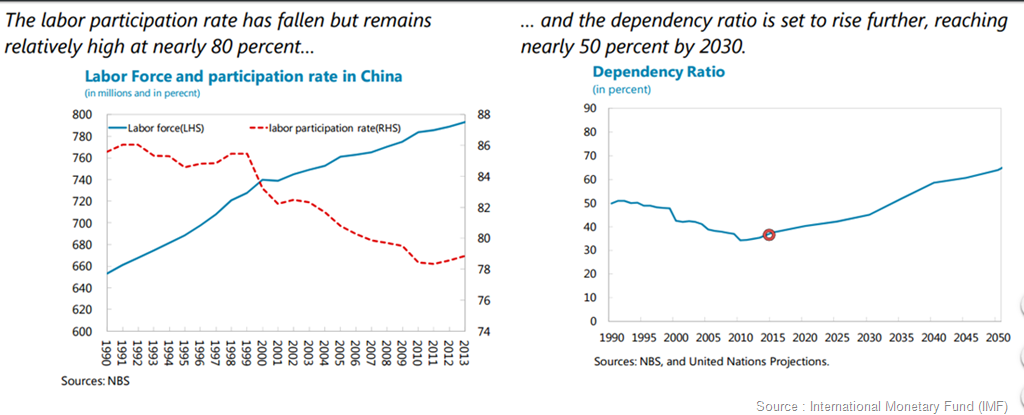
    China has been ruling the manufacturing industry for the last more than 2 decades on the basis of its economies of efficiency, lower labor costs and huge supply of manpower and of course right policies of the govt. However, much of this is likely to change in the coming future as demographic change take place in China . A recent WSJ report shows how the demographic dividend might turn into a drag on the economy and actually make it difficult for many international companies to remain cost effective in their productions.

    Looking at the history of Chinese Denim Market ,Thirty years ago , denim giant Levi Strauss & Co. began producing its iconic jeans in China , eager to tap a evidently endless lot of workers willing to work for few cents an hour which now apparently is starting to vanish. Believing on the economic statistics and market research , over the coming decades , a labor crisis like situation may evolve which will force Levi and other global brands to reconsider their operation in China or even lead to a situation of pack and leave.

    China Cheap Labor |Denimsandjeans.com

    Recent developments in the Chinese labor market apparently pointing towards a much bigger crisis for which proactive measures needed to be taken and that too within reasonable time frame. The report mentions about  manufacturing units have already started using alternatives and the recent example is an apparel factory in Zhongshan , where lasers are replacing dozens of workers who scrub Levi’s blue jeans with sandpaper to give them the worn look that American consumers find stylish. New Digital printers are being introduced to make intricate patterns on jeans , earlier the workers used to do the same with a mesh screen.

    China is also trying its bit to ensure the adequate supply of workforce for the future and therefore announced the abolishment of its one of the old policy which restrict most couples to one child. However , it won’t be able to change much as very few Chinese prefer to have more than one child.

    China Cheap Labor |Denimsandjeans.com

    The end of very cheap labor in China is giving a push to many advances in technology resulting of which it will put more emphasis on capital intensive rather than labor intensive techniques of manufacturing but this will make China apparently less central to global manufacturing. But changing consumer tastes—enabled by the same technological change—are diminishing China’s role too.Logistics, taxes and marketing may become more expensive compared to labor costs which could make China less attractive.

    Levis began production overseas in Hong Kong in 1966 and later on expanded its production also in Mexico ,Europe and Asia. During the early 1980s, demand for jeans declined, and the San Francisco company laid off a third of its global workforce, according to a Harvard Business School study, and moved more aggressively overseas to cut costs.

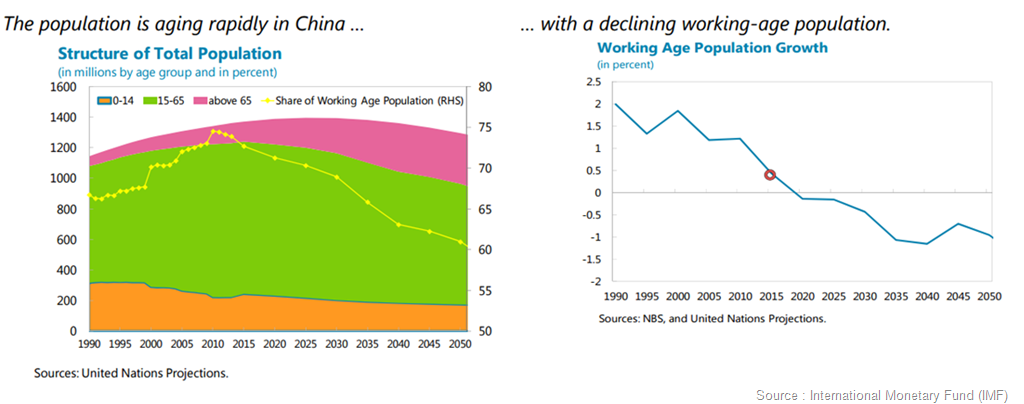
    In 1986, Levi started to shift its production to China. China’s rise to the world’s No. 2 economy relied on a huge increase in the country’s working-age population, which expanded by 380 million people between 1980 and 2015. In one of history’s greatest migrations, hundreds of millions of rural Chinese headed for cities for manufacturing jobs that were a step up from peasant labor, even though the work paid poorly by global standards.

    But China’s working-age population recently peaked, and its so-called demographic dividend has started to turn into a demographic drag. By 2050, the working-age population will decline by 212 million, estimates the United Nations—roughly as many people as live in Brazil, the world’s fifth most-populous nation.

    China Cheap Labor |Denimsandjeans.com

    Wages and benefits have already been rising in double-digit percentages for the past decade as workers can command higher rates. Although wage growth may ease this year because of the economic slowdown, the pressure is bound to increase in coming decades as the number of workers plunges.Adding to the shortage, many factory workers will be drawn back to their hometowns to take care of the growing ranks of Chinese older than 60, whose share of the population is forecast to double by 2050 from 2015, to 36.5%. Already, China’s rising labor costs—now $14.60 an hour on China’s coast, adjusted for productivity, compared with $22.68 an hour in the U.S., according to the Boston Consulting Group—have diminished China’s competitiveness. Adding energy costs, China is now a more expensive place to manufacture than Indonesia, Thailand, Mexico and India .

    None of this means brands like Levi is going to abruptly pull up stakes. Levi still lists about 200 Chinese factories where it does business, five times as many as any other country. Levi is adapting its laser technology so it can etch different patterns to create the right wash look , avoiding usage of too many workers.  Levis is however, using this and many other techniques to bring down its costs . These also include reducing the number of fabrics used in a line and cutting the number of suppliers. It is said to have reduced number of fabrics by 40% in last 3 years and number of suppliers by 50%. But automation is the key which China is going to target. It is already expected to be the largest automation market in the coming years.

    China’s loss is becoming gain for many countries including Mexico, Bangladesh, Vietnam and others where the Chinese cake is now spreading out. Factories in Mexico seem to be upgrading productions to take the advantage of new situation and are modernizing and investing.


    Still , we need to wait and see how the Chinese govt. aims to handle the demographic changes. However, its unlikely that sectors like apparel will remain lucrative for long as the govt. focuses on hi-tech sectors to get better growth with existing population.

  • H&M Green And Conscious Exclusive collection

    H&M Green And Conscious Exclusive collection

    The Eco Sustainability is the need of hour which has been well understood by the Denim Industry. Consequently , everyday new efforts are being made to ensure the sustainability and the very recent development is that the Swedish clothing company ,H&M, is moving into sustainable fashion . This Retail powerhouse H&M has taken this very innovative initiative on a much larger scale than expected .
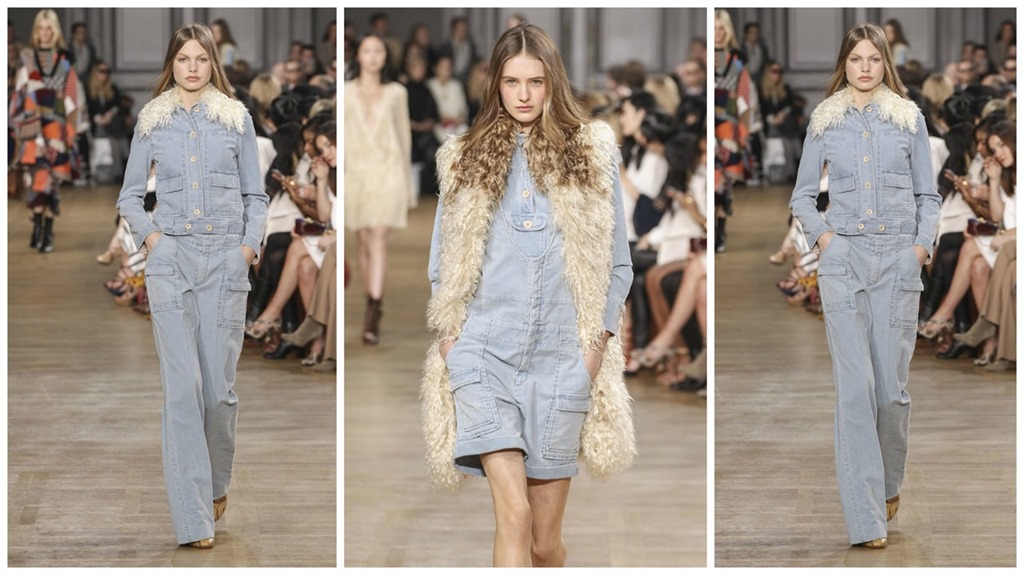
    Eco Sustainability has been a focus for H&M for some time now. A few years back H&M started the initiative to recycle used garments .The company had rolled out a global garment recycling program in which anyone can donate their clothing and in return of that the company will give a token discount of 15% in a form of voucher which can be used by the donor on the next purchase. To collect the cloths, the bins are placed near the cash registers to prevent any ambiguity. Stores accept any clothing irrespective of brands.

    H&M has been collecting more than fourteen thousand tons of clothing since 2013. Once the cloths are collected , they are sent for further processing and classifications. Clothing which found to be very much worn are reused as cleaning cloths and otherwise. Sometimes they are also recycled into raw materials for new products. Those clothing which can be possibly worn again are sold at second hand stores. New collections are being designed with these old clothes .

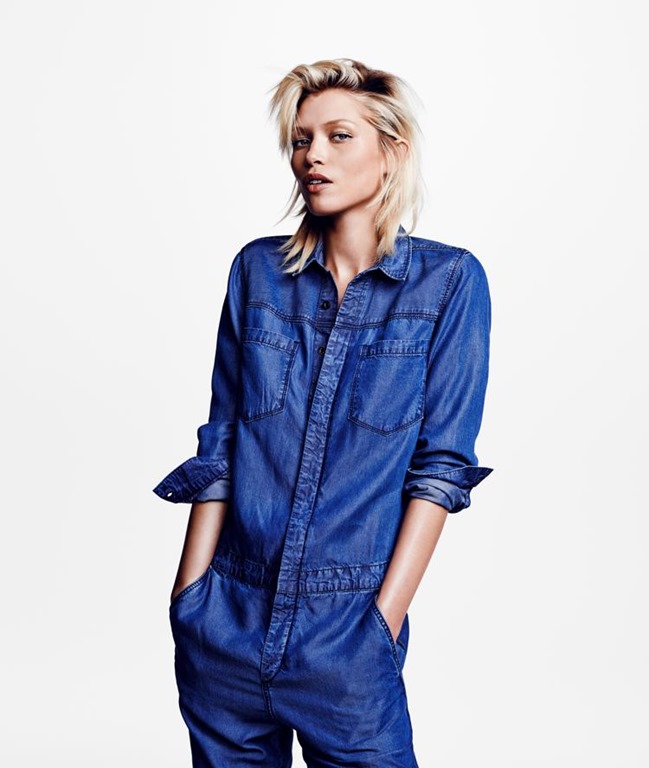
    Sixteen new denim styles for men, women and children made from recycled cotton collected in H&M’s Garment Collecting initiative were recently introduced at stores. The items include jeans, jackets, joggers, zip-up hoodies, joggers and jumpsuits.

    H&M Conscious Exclusive collection

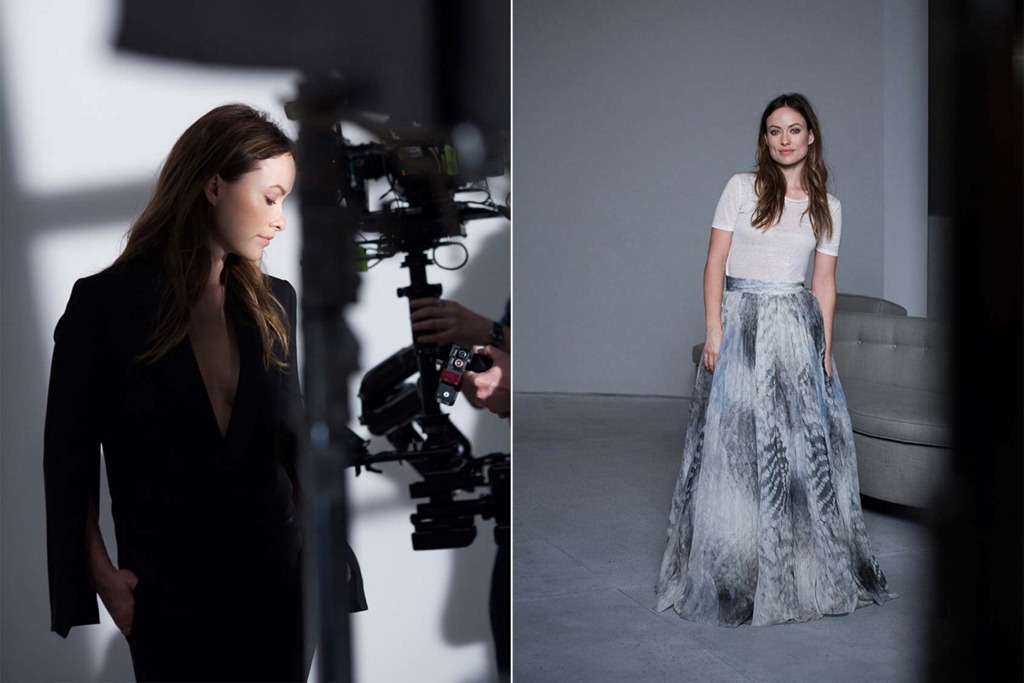
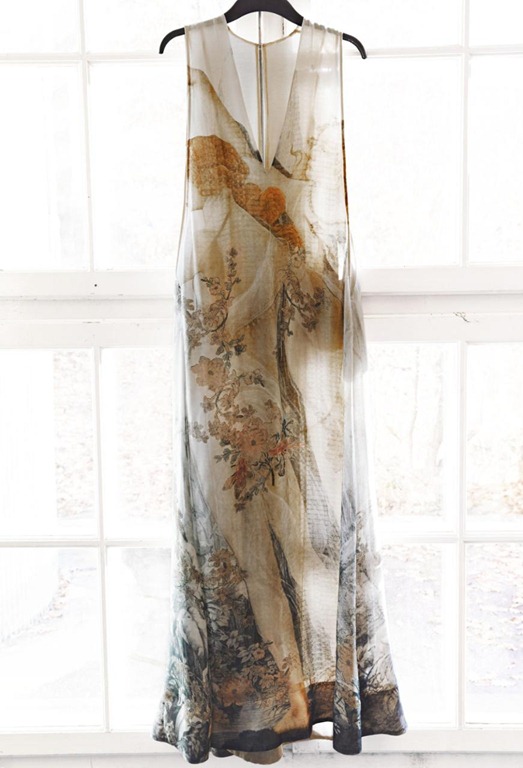
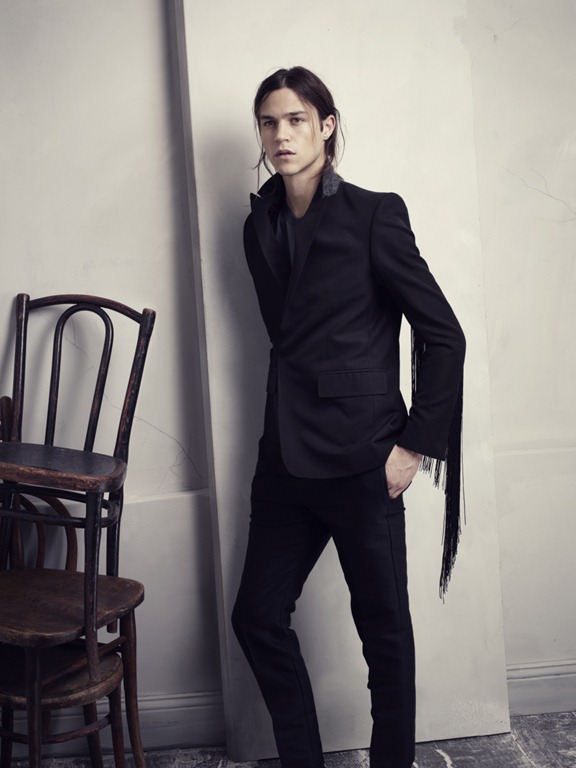
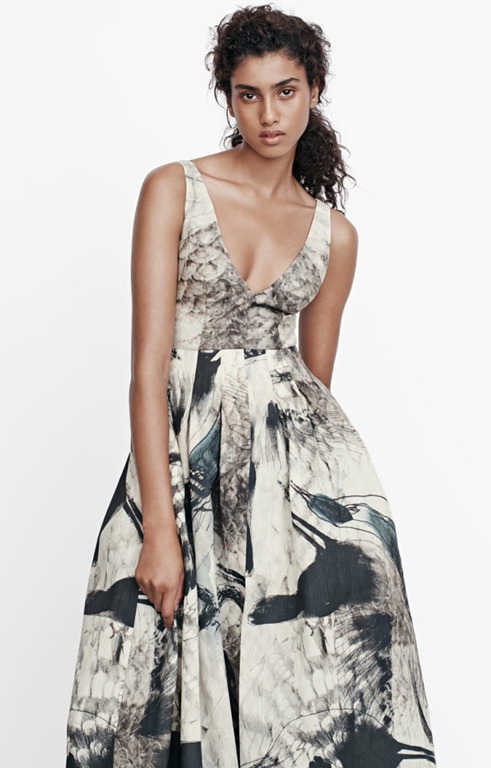
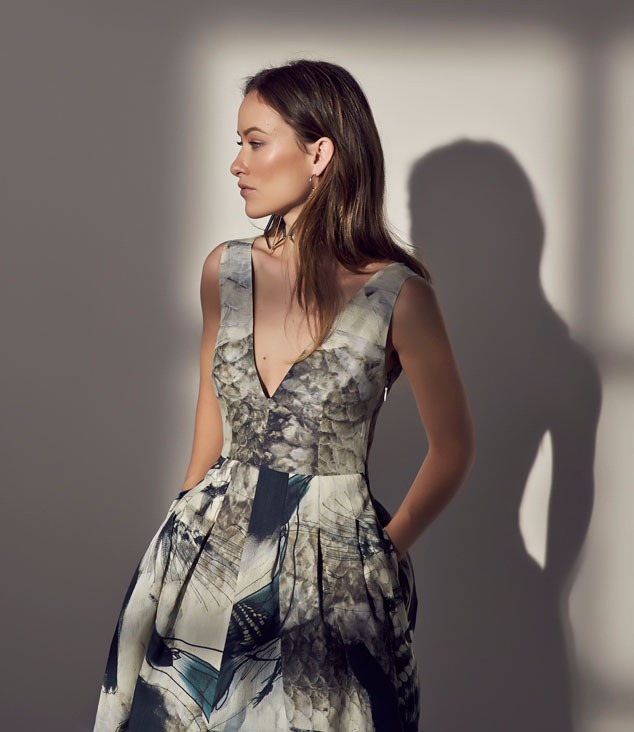
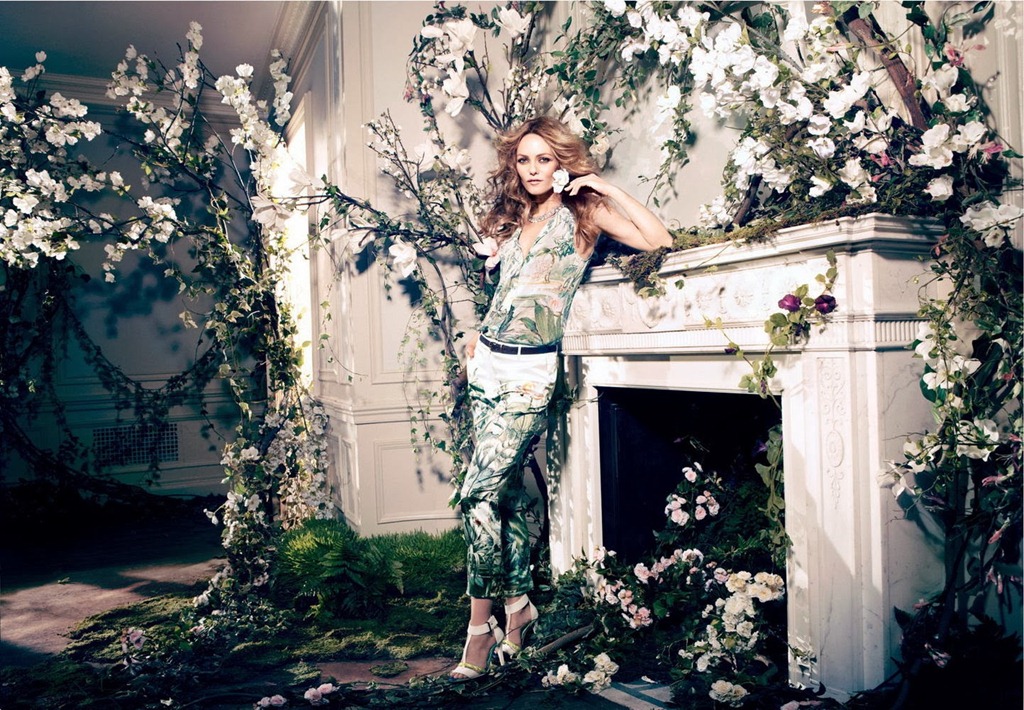
    After collaborating with the Musée des Arts Décoratifs, located in the Palais du Louvre in Paris,the chain is set to celebrate the new H&M Conscious Exclusive collection.The new H&M Conscious Exclusive Collection features organic materials,recycled wool, Tencel, and recycled sequins.The whole collection is dreamy and showcases gorgeous prints, elegant dresses and versatile separates. The natural color palette ties perfectly with the environmental theme of the range.Some of its apparel is created from recycled worn clothes – many coming through its collection of customers’ unwanted garments. For its Close The Loop collection, recycled fibers from shredded unwanted clothes are blended with organic yarns to produce durable denim.Continuing the sustainability is fashionable theme, H&M have created sustainable glamour via their Ambassador, Actress Olivia Wilde who is known for her efforts for a sustainable environment.

    H&M Conscious Collection | Denimsandjeans.com

    H&M Conscious Collection | Denimsandjeans.com

    H&M Conscious Collection | Denimsandjeans.com

    H&M Conscious Collection | Denimsandjeans.com

    H&M Conscious Collection | Denimsandjeans.com

    H&M Conscious Collection | Denimsandjeans.com

    H&M Conscious Collection | Denimsandjeans.com

    H&M Conscious Collection | Denimsandjeans.comH&M Conscious Collection | Denimsandjeans.comH&M Conscious Collection | Denimsandjeans.com

    H&M Conscious Collection | Denimsandjeans.com

    H&M Conscious Collection | Denimsandjeans.comH&M Conscious Collection | Denimsandjeans.com

    H&M Conscious Collection | Denimsandjeans.com

    The range shall be launched at Musée des Arts Décoratifs located in the Palais du Louvre in Paris  on  Thursday 7th April to coincide with the opening of the hotly anticipated exhibition, Fashion forward.

  • Kuon Spring/Summer 2016 Lookbook The Japanese label unveils its very first collection

    Kuon Spring/Summer 2016 Lookbook The Japanese label unveils its very first collection

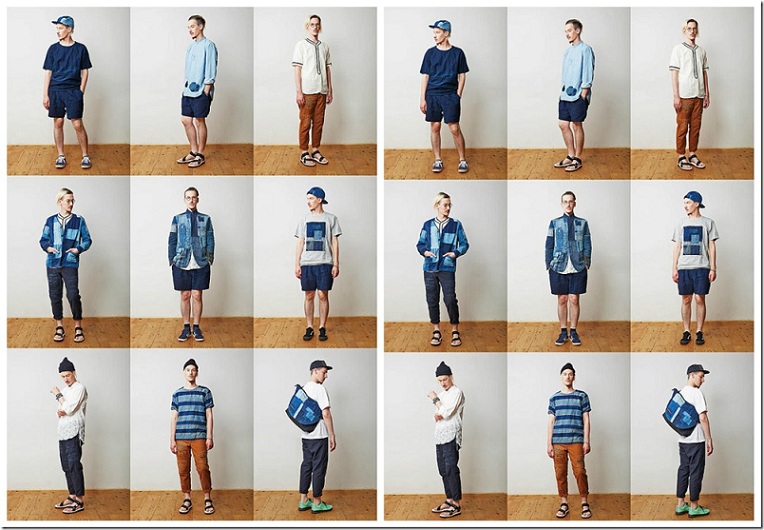
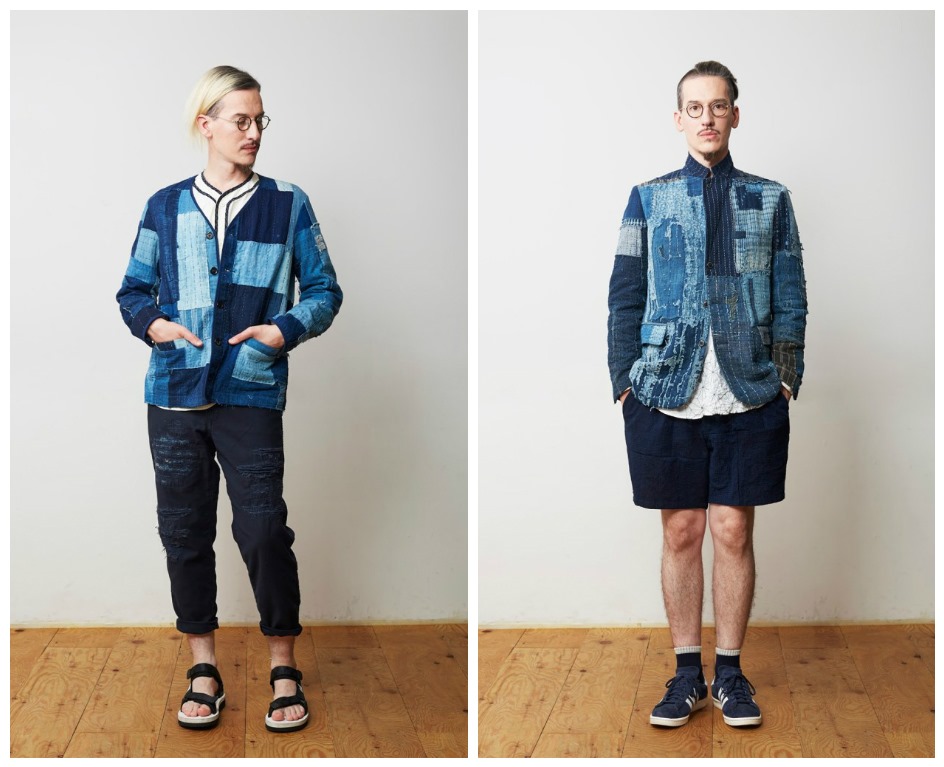
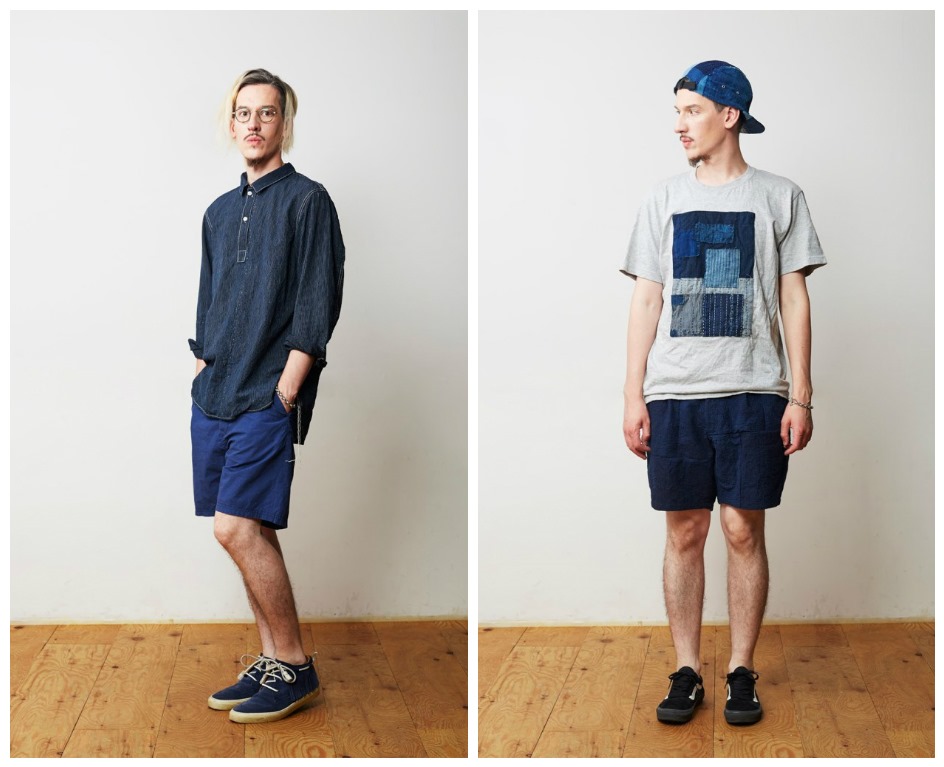
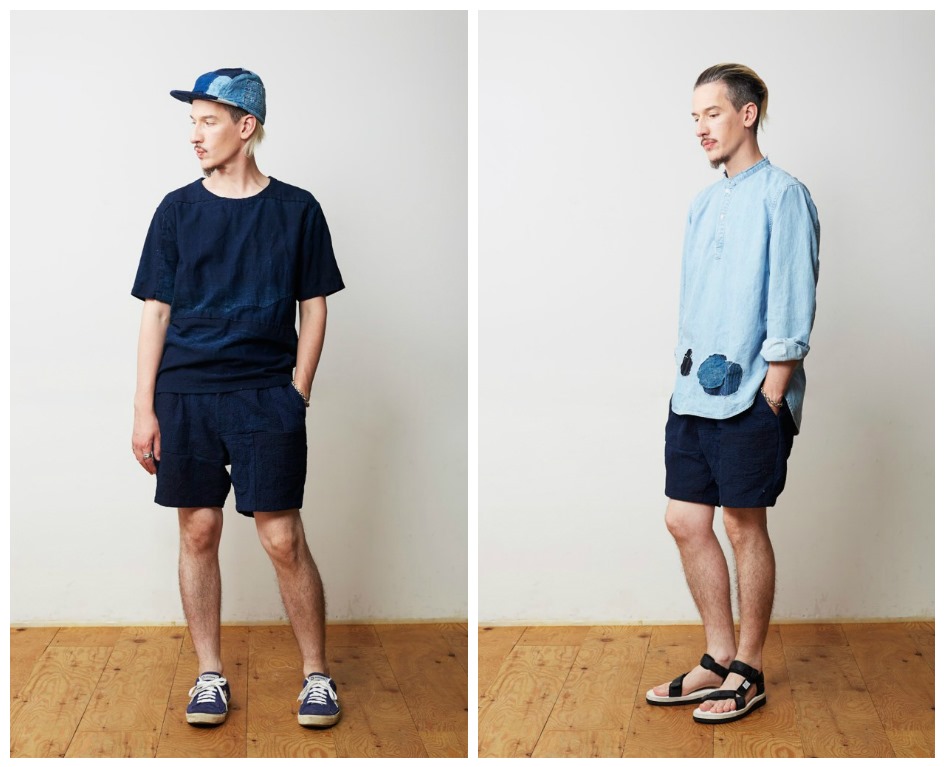
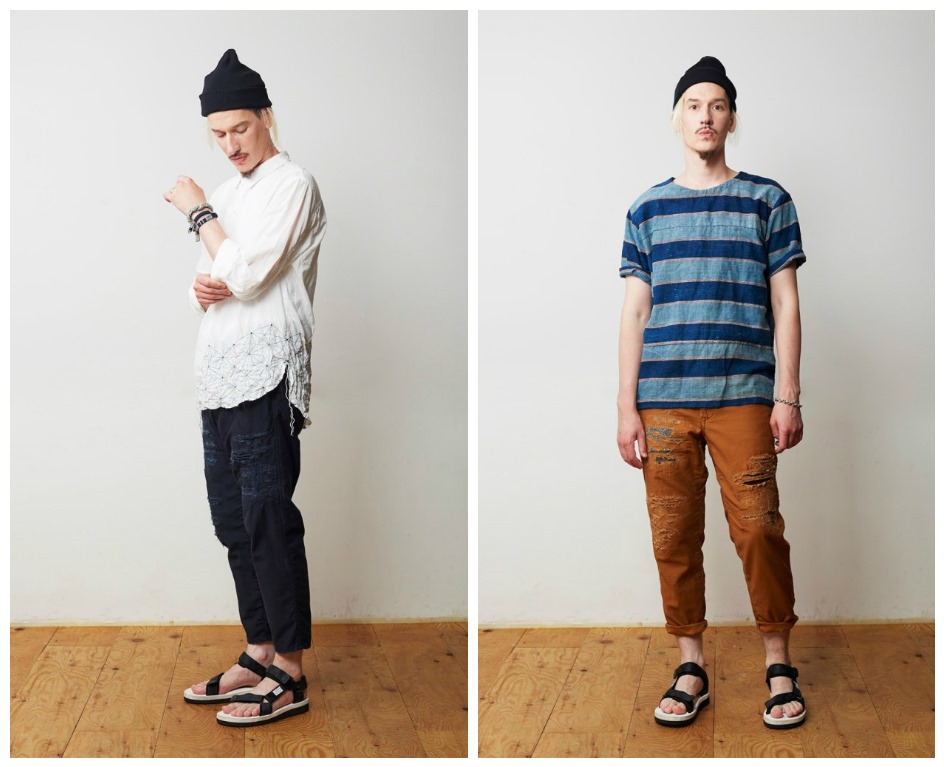
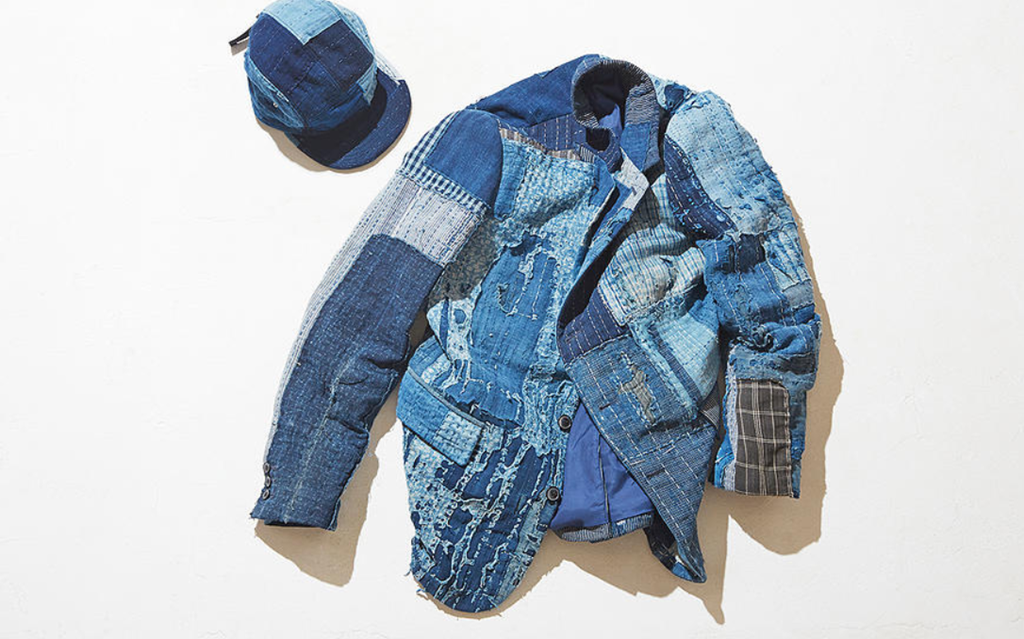
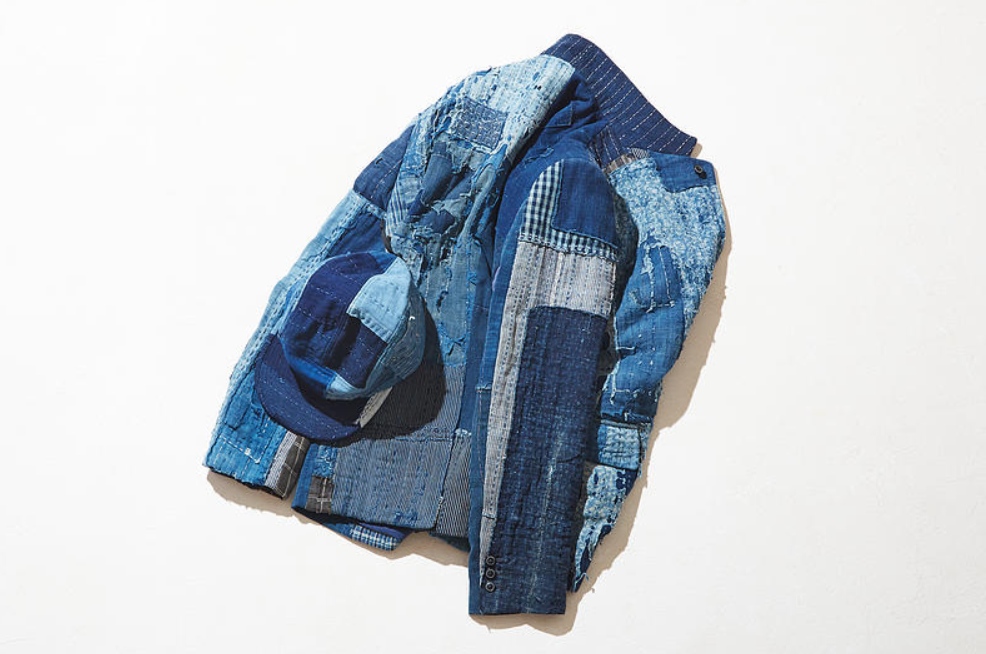
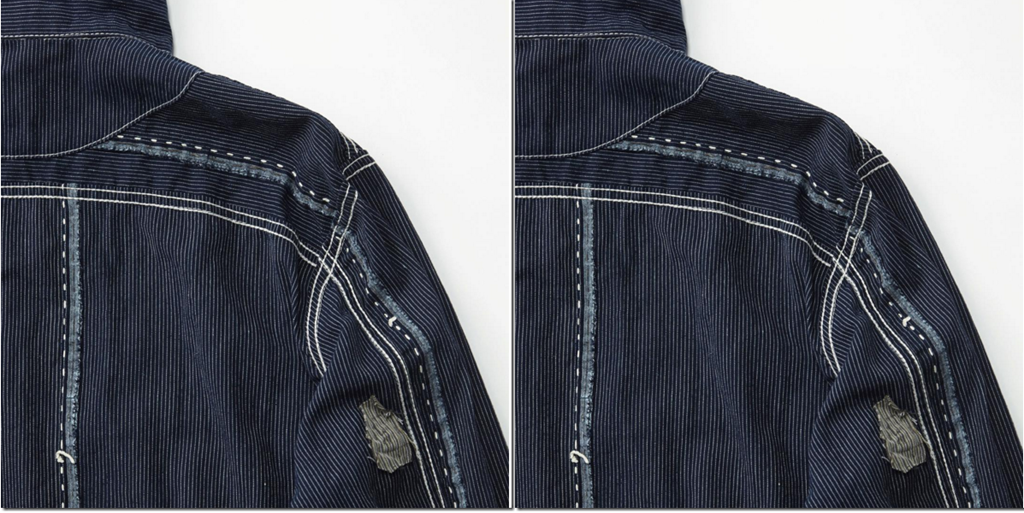
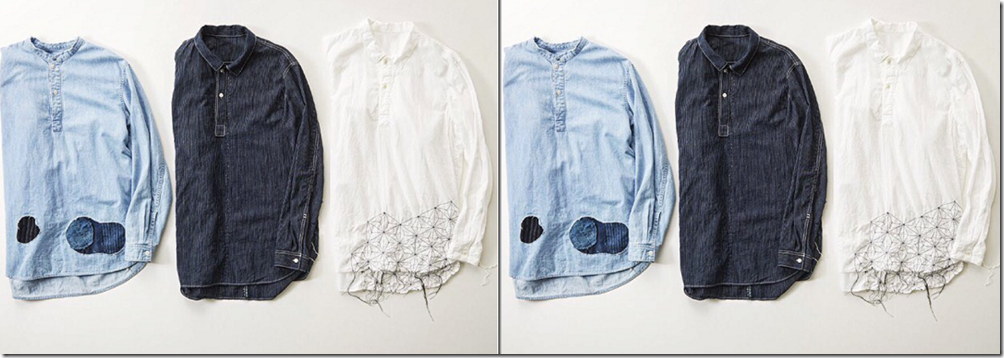
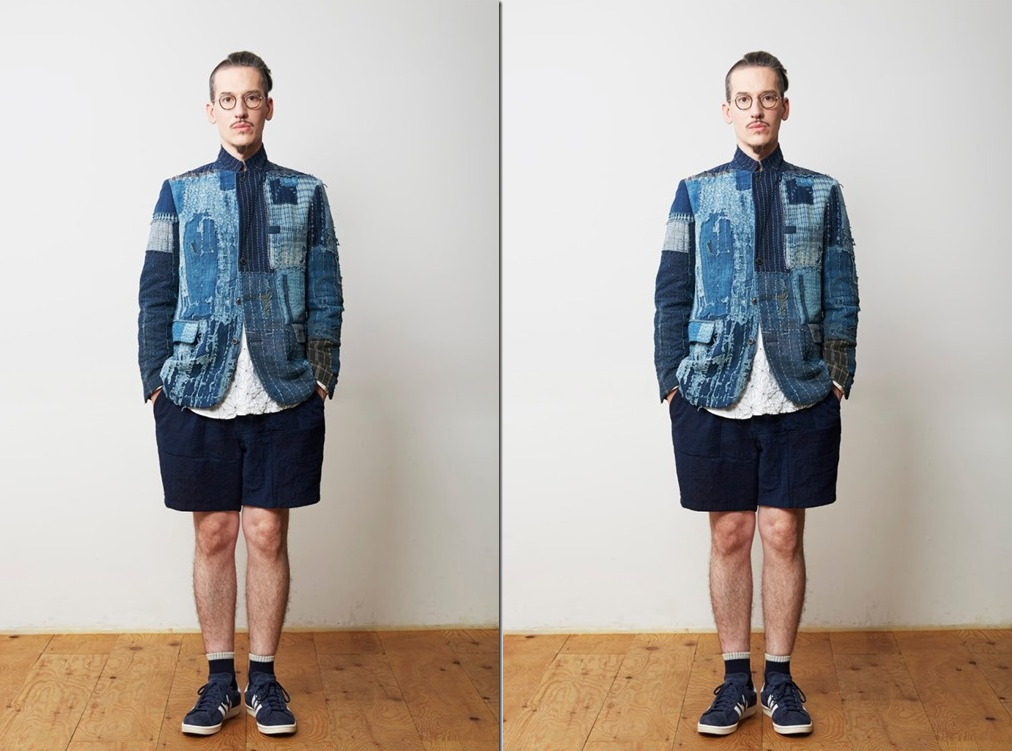
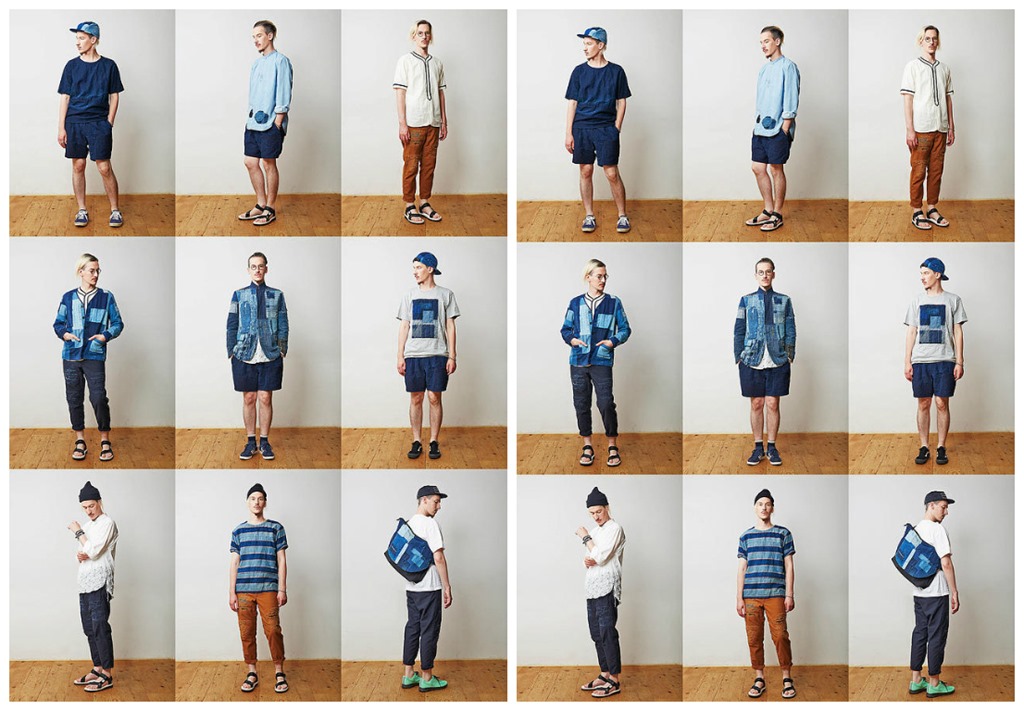
    KUON means “eternity”,  “remote past or future”, and “permanence”. While appreciating the history and culture of vintage clothes or textiles, KUON always seeks for permanent, simple, authentic value, not bound by traditional values.KUON challenges the existing traditional notion on vintage clothes and revitalizes it with new value. KUON changes and re-invents the notion of vintage clothes.

    Shinichiro Ishibashi is the designer and creator of Kuon brand from Japan. After serving his apprenticeship at an established tailor in Marunouchi area, Tokyo prefecture, he worked as pattern maker for a regular manufacturer at Paris Collection.  In 2014 he became self-employed and started to design for several manufacturers on freelance basis. As from 2016 S/S, he became designer of KUON

    KUON , according to him, addresses social agenda via fashion business.

    “We believe that fashion possesses power to make people excited. KUON challenges the existing mass-production and consumption approach, instead we propose products and lifestyle where “stylish” and “socially good” can go together. KUON products bridges between people and society. “

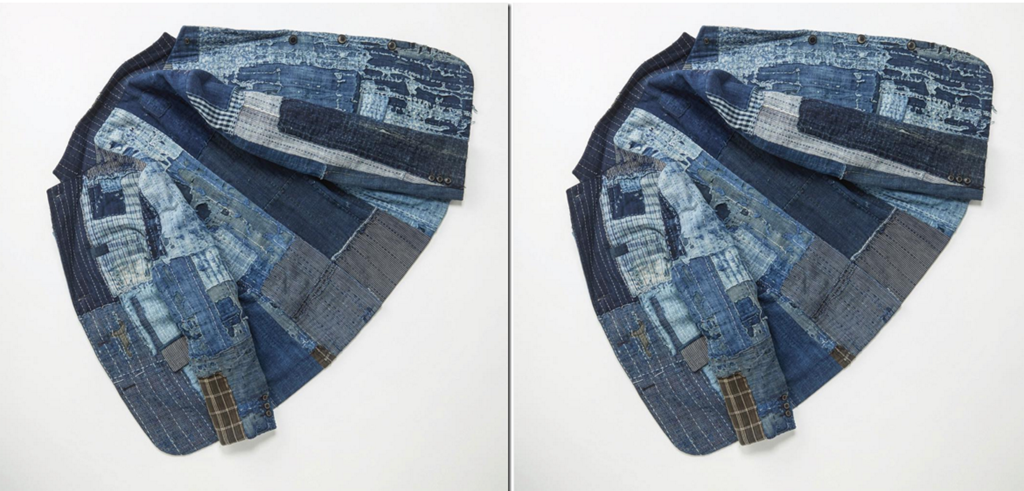
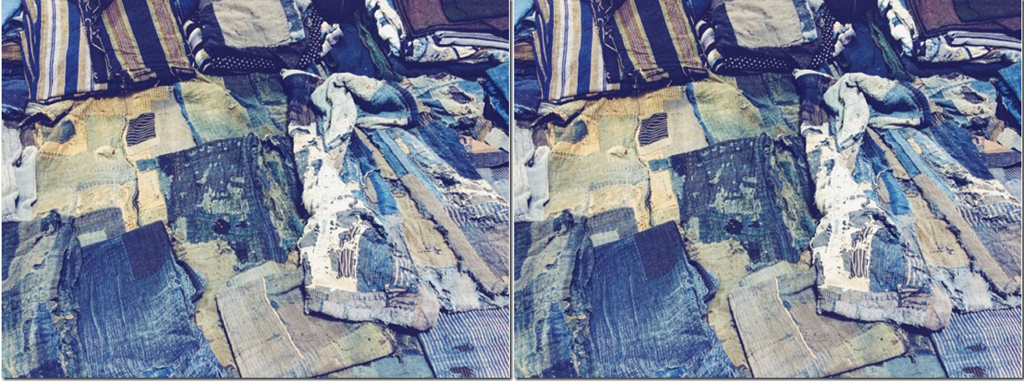
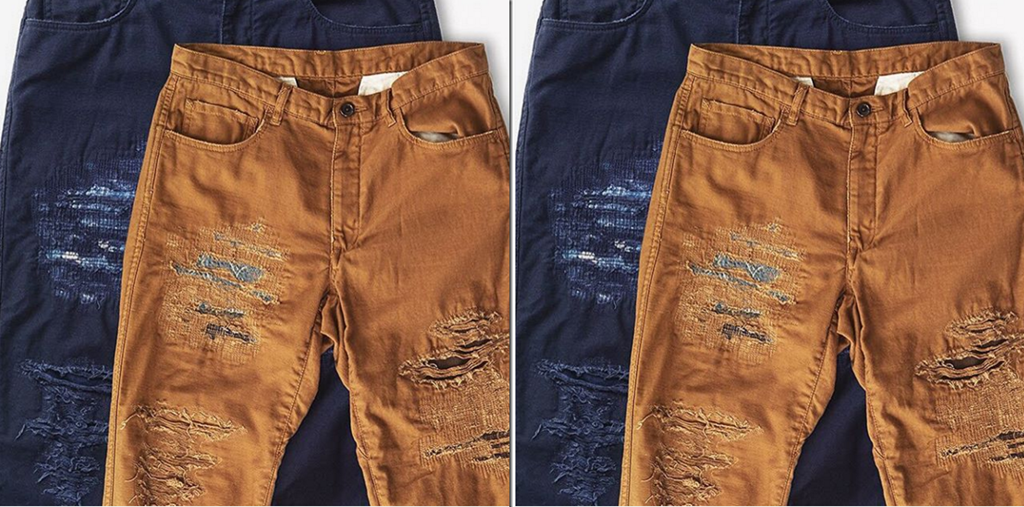
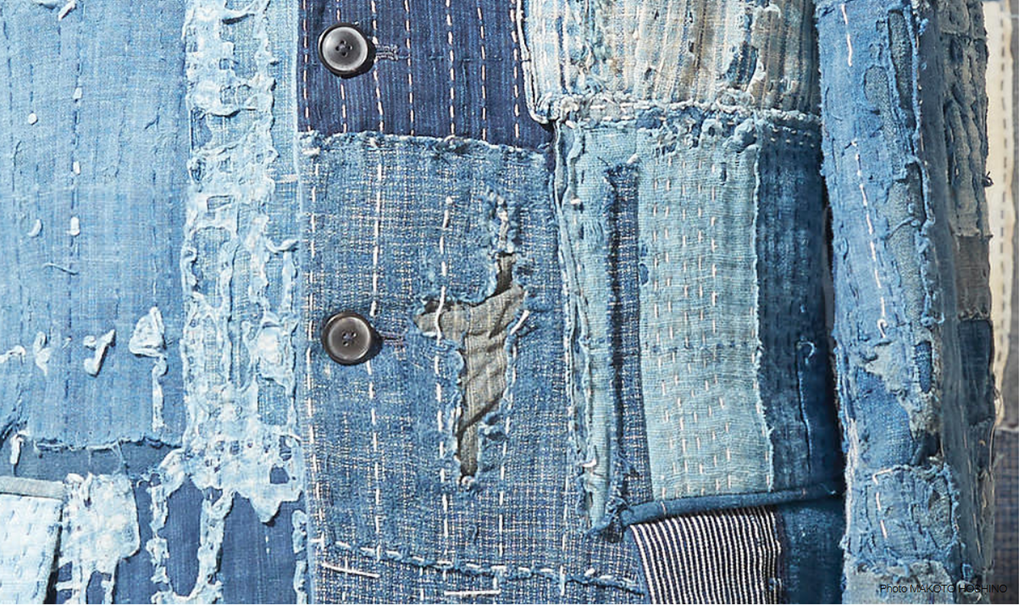
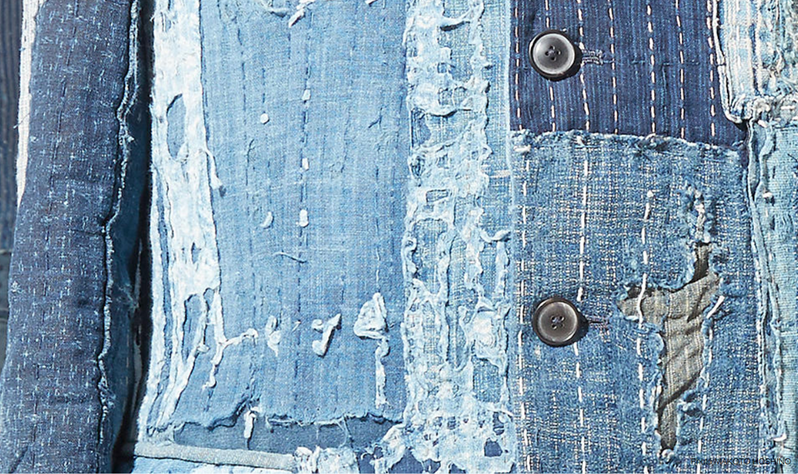
    Most of the BORO fabric KUON uses is anywhere from 50 to 150 years old. Fabric which is old and about to be thrown away, is used after it has been properly repaired. We can say this is the ultimate in eco-friendliness without the killing of any animals, and it is also easy on the environment. The people who repair the BORO are mothers who live in the Tohoku region, who suffered from the devastating earthquake that occured in Japan four and a half years ago. KUON cherishes the concept of making “stylish” clothing as a fashion statement.

    kuon spring summer 16 denimsandjeans.com

    kuon spring summer 16 denimsandjeans.com

    kuon spring summer 16 denimsandjeans.com

    kuon spring summer 16 denimsandjeans.com

    BORO Jacket.This Jacket will be released in February 2016.

    kuon spring summer 16 denimsandjeans.com

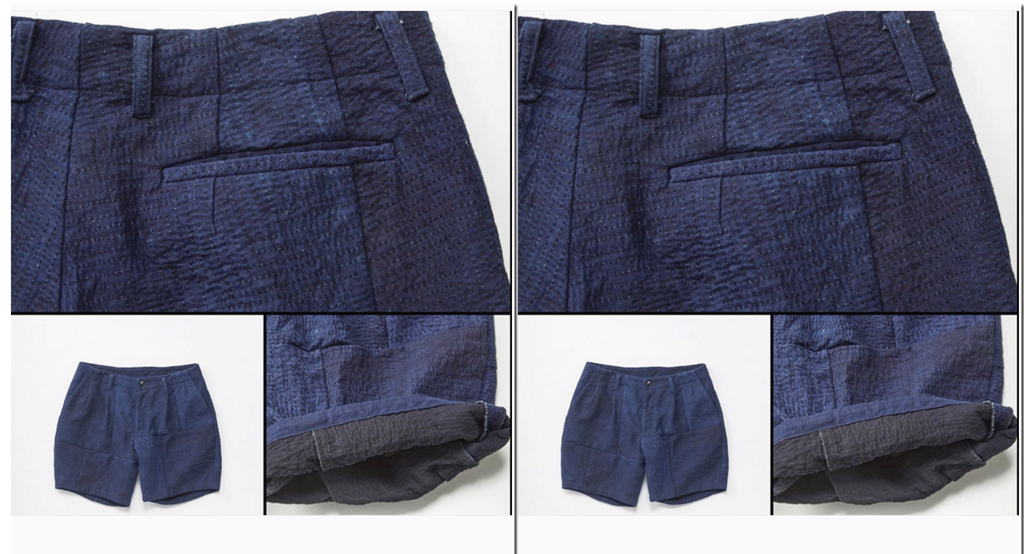
    These short pants are actually the most labor intensive product that  KUON produced Kuon used BORO from about 100 years ago on one on the sides and, for the opposite side, They also used a plain old fabric that they had SASHIKO in Otsushi town. It took about 80 hours in total!

    kuon spring summer 16 denimsandjeans.com

    This may be a mountain of treasures for kuon, and yet to many other people it may only be a load of garbage. But when it turns into actual clothes, it becomes so beautiful that many people are moved by it. This is why BORO is so interesting, and why we are so fascinated by it.

    kuon spring summer 16 denimsandjeans.com

    Undoing the stitching of a kimono, washing it, and drying it. This is a very important process for KUON, and it is the hardest one. If the kimono has cotton inside, this really becomes a time-consuming job!

    kuon spring summer 16 denimsandjeans.com

    kuon spring summer 16 denimsandjeans.com

    KUON Pocket Tee

    kuon spring summer 16 denimsandjeans.com

    kuon spring summer 16 denimsandjeans.com

    kuon spring summer 16 denimsandjeans.com

    kuon spring summer 16 denimsandjeans.com

    Reverse side is  the essence of KUON.

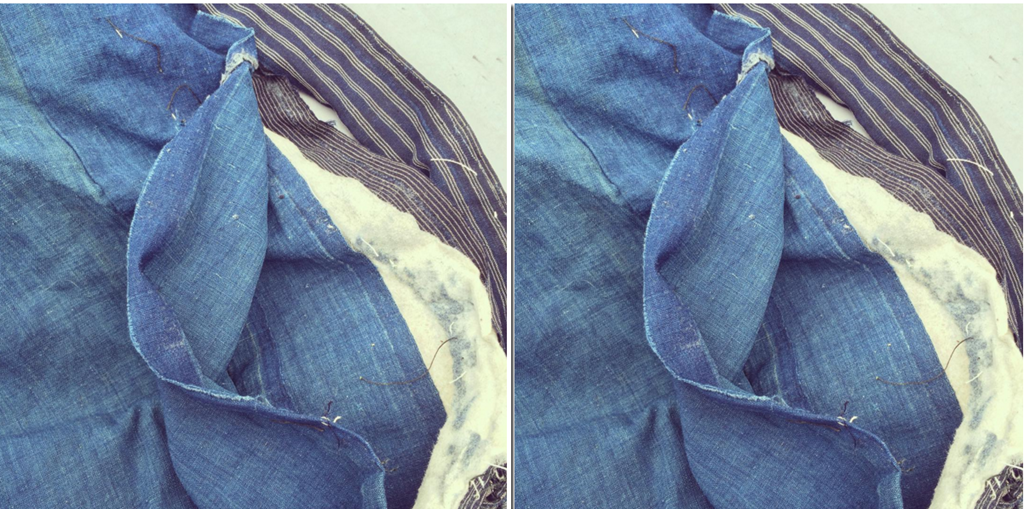
    Traditional Japanese fabric has a width of only about 30cm, so when it is used to make clothing, there will always be several joints.Because you can see where the pieces come together, it is interesting to wear inside out as well.

    kuon spring summer 16 denimsandjeans.com

    This is called a ASANOHA by the traditional pattern of the sashiko.

    kuon spring summer 16 denimsandjeans.com

    kuon spring summer 16 denimsandjeans.com

    kuon spring summer 16 denimsandjeans.com

    Here are some answers from Mr Shinichiro regarding his brand Kuon. He does not know English and has replied in Japanese. We are publishing the same with hope to convert in English with suitable translation soon !


    1. What is the meaning of Kuon and why did you chose it.

    KUONは日本語で「永遠」「遠い過去と未来」を意味する「久遠」という言葉が元になっています。

    襤褸(BORO)は今から150-50年前の生地です。私たちは襤褸に限らず古いけれど素晴らしい世界中の生地を現代に甦らせ未来につなげることをテーマのひとつにしています。

    2. Your collection is supposed to be made of Boro fabrics 50-150 years old. How is that done. Pl explain to us. Does it mean no two garments are same?

    襤褸は日本中から探し集めています。それらを一度すべて解体し私たちのコレクションのデザインに落とし込みます。

    例えばジャケットで考えると、デザインは同じですが襤褸は一点物なので同じデザインのジャケットでもまったく同じ物は世界にひとつしかありません。

    3.How do you think Kuon can achieve a social purpose while making a fashion statement

    私たちは20世紀型の大量生産、大量消費に疑問を持っています。

    もちろんそれによってファッションがここまで進化したことはとても素晴らしいことだと思います。

    しかし21世紀に入って世界中の人々の価値観が大きく変化し始めています。

    新しいだけの物は次の新しい物が発表されれば古くなり価値を失います。

    しかし美しい物はいつまでも美しいのです。

    夕陽はいつ見ても美しいように襤褸にはいつまでも人を惹きつける美しさがあると思います。

    KUONはファッションを通じて新しい価値観の提案をしたいと考えます。

    またKUONで使用する襤褸はそのままでは使えない状態の物を多くあります。

    2011年3月に日本の東北地方に大きな被害をもたらした地震と津波で被災した岩手県大槌町のお母さんたちに襤褸の補修をお願いしています。

    このプロジェクトは単なる寄付ではありません。彼女たちは僕たちの大事なパートナーでKUONが大きくなるほどに彼女たちの仕事が継続かつ充実します。

    ファッションには人を元気にワクワクさせる力があると私たちは信じています。

    150年かけて熟成された生地を現代の人が補修をして甦らせそれを新しいファッションにして未来につなげる。

    こんなに興奮することはありません。

    4. How will you ensure supply of old Boro fabrics when your brand expands

    企業秘密の部分もありますが…

    KUONには日本を代表する古美術の専門家が何人もバックアップをしてくれています。

    私たちの元には日本中から貴重な襤褸がたくさん集まってきます。

    それでも襤褸は限られた資源ですので無尽蔵にあるわけではないので大切に扱っています。

    同じ襤褸を作ろうとしたら50年後になってしまうわけですから!

    日本でも近年投資目的で襤褸の価格が高騰しています。

    僕たちはそういう人たちからは買いません。

    なぜならそうすることで襤褸が単なる一過性のトレンドで終わってしまい、

    私たちの思い描くファッションの理想像とは違ってしまうからです。

    5. Boro fabrics are normally supposed to be about 30 cm wide. Does it make difficult to use these fabrics ?

    よくご存知ですね。

    もともと欧米から洋装が入ってくるまで日本人は着物を着てました。

    着物の生地幅は36cmくらいです。襤褸は両端が破けたりして使えるのは30cmくらいになります。

    それらをつなぎ合わせて仕立てます。しかも襤褸は大きさもそれぞれ異なります。

    その作業は今の工場にとっては難しく断れれますので私たちが予め処理をしてから工場に依頼します。

    このために通常の洋服作りの工程の倍以上の時間と労力が掛かると思います。

    6. When will your collection be available online ?

    来年の2月頃にオンラインストアもオープンできるように準備中です。

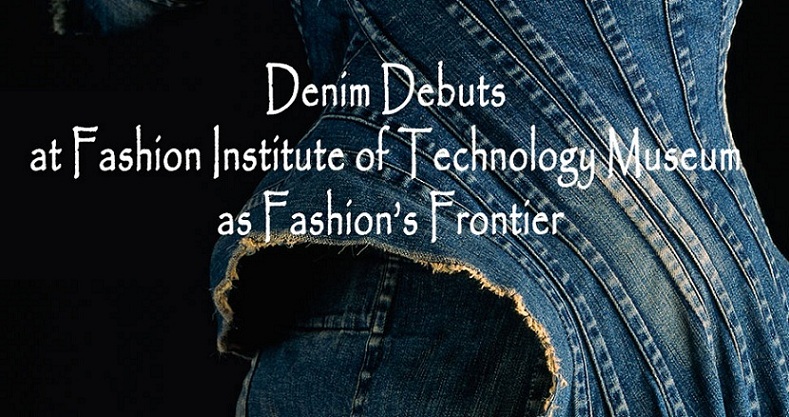
  • Denim Debuts at Fashion Institute of Technology Museum as Fashion’s Frontier

    Denim Debuts at Fashion Institute of Technology Museum as Fashion’s Frontier

    Today the denim is one of the world’s most beloved and frequently worn fabrics. It is speculated that on any given day, more than half the world’s population is wearing jeans. Taking into account all these facts ,December 2015 will witness the debut of Denim with an idea of Fashion’s Frontier . The idea of Fashion’s Frontier came from Emma McClendon , the assistant curator of costume at the Museum at FIT NY and the organizer of the exhibition . Denim which has been dominating the wardrobe leading to make it as  the prime locus of the Museum at FTI’s latest exhibition.

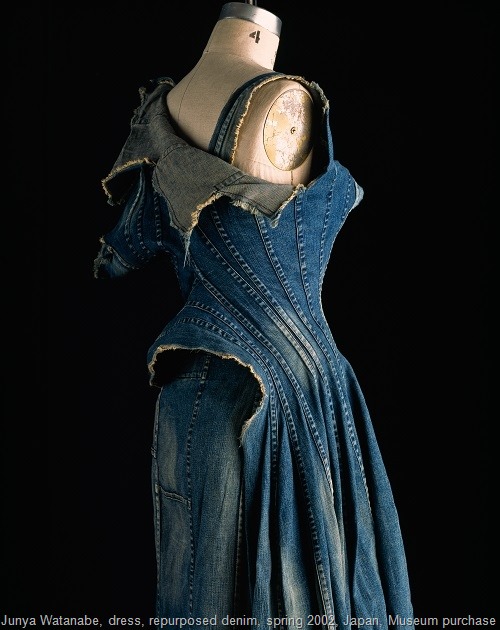
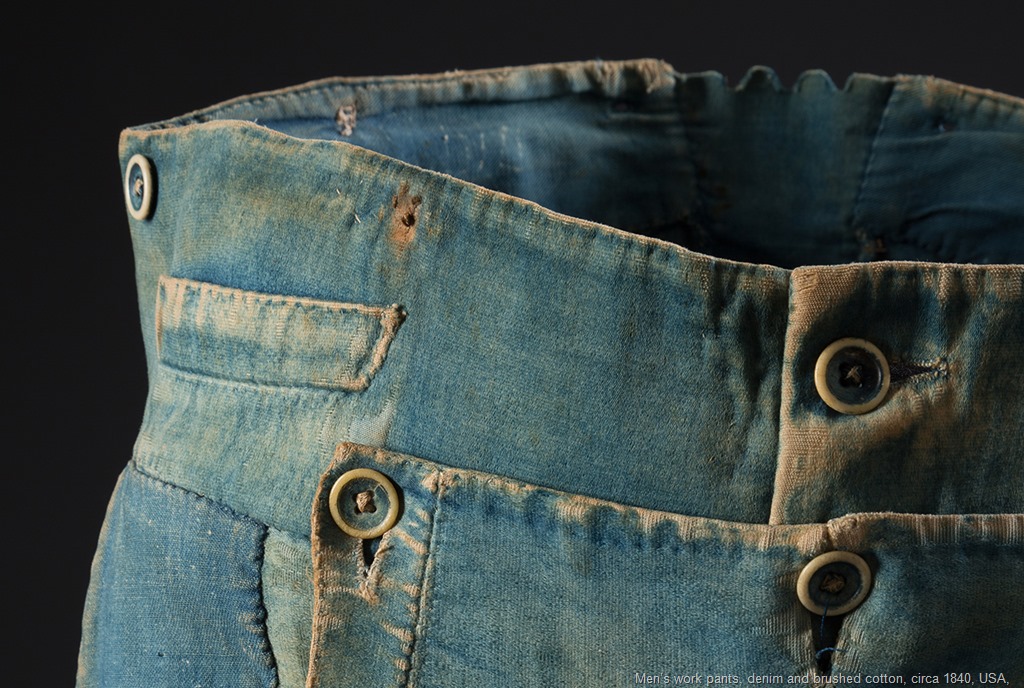
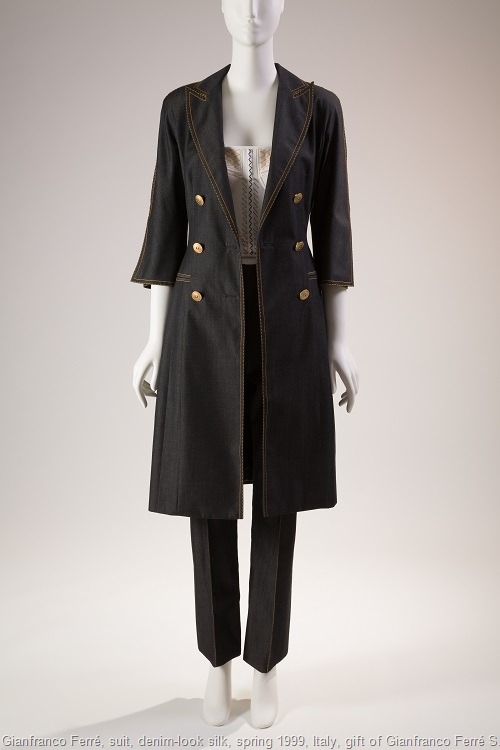
    “Denim: Fashion’s Frontier” not only examines the 175 year history of denim as well as the exhibition features more than 70 objects from the museum’s permanent collection which have never been showcased yet. Newly acquired pieces from designers like Sacai,Chloe and Dries Van Noten along with the various workwear pieces dating back to 1840s as well as  more recent high fashion items will be showcased in this exhibit. In addition to the history of jeans, Denim examines a variety of denim garments—from work wear to haute couture—in order to shed new light on how a particular style of woven cotton has come to dominate the clothing industry and the way people dress around the globe.

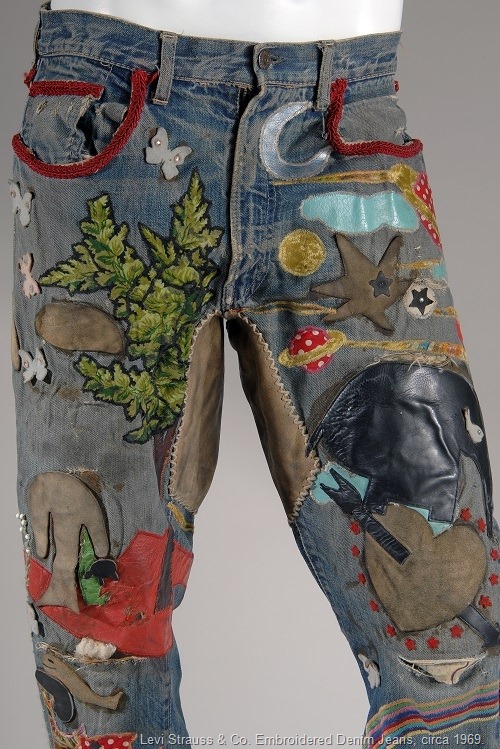
    The exhibition also takes a look at the 1960s hippies’ use of denim — embroidered and patched denim, bellbottom jeans — as well as the advent of “designer” jeans as examplified by Calvin Klein Jeans and their controversial commercials back in the 1980s.

    Denim: Fashion’s Frontier” will run through May 7, 2016.

    Comme de Garçons (Junya Watanabe) Dress, repurposed denim, spring 2002. (Photo: Courtesy of the Museum at FIT)

    Men’s work pants, denim and brushed cotton, circa 1840, USA, museum purchase, P86.64.3

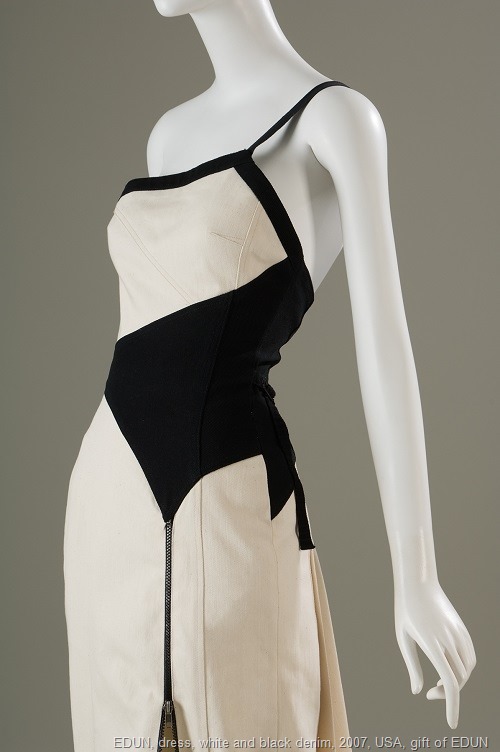
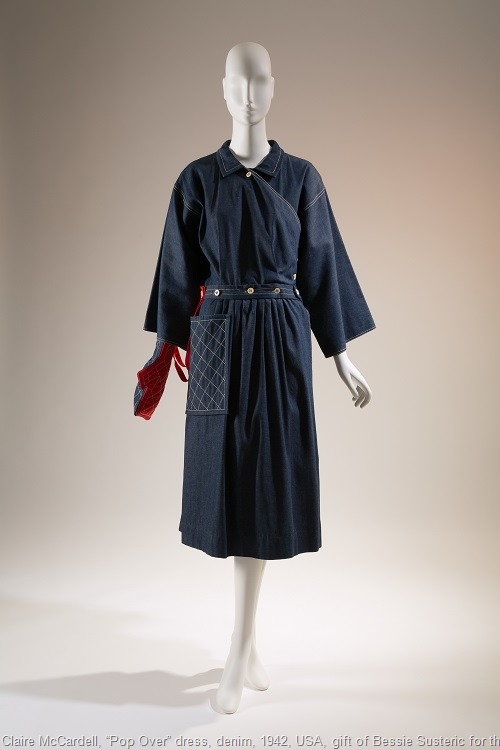
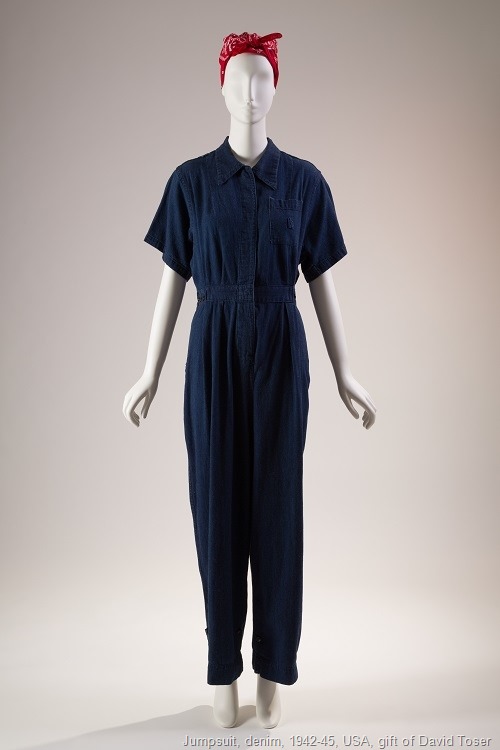
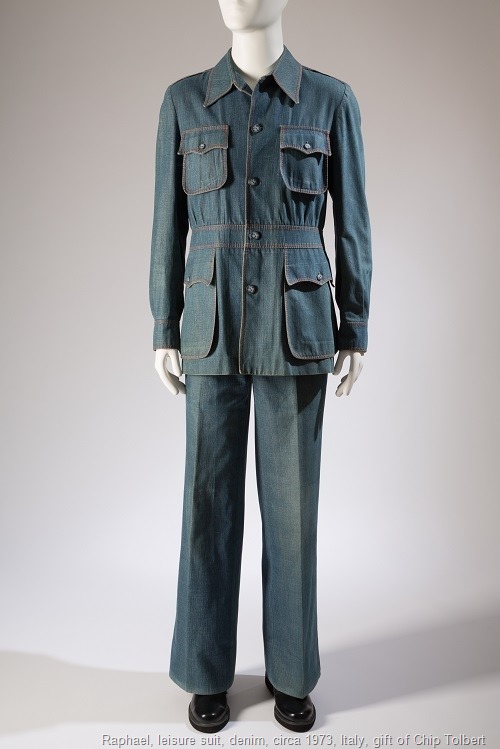
    Gianfranco Ferré, suit, denim-look silk, spring 1999, Italy, gift of Gianfranco Ferré S.p.A., 99.83.6Levi Strauss & Co. Embroidered Denim Jeans, circa 1969. (Photo: Courtesy of the Museum at FIT)EDUN, dress, white and black denim, 2007, USA, gift of EDUN, 2010.7.1Claire McCardell, “Pop Over” dress, denim, 1942, USA, gift of Bessie Susteric for the McCardell Show, 72.54.1Jumpsuit, denim, 1942-45, USA, gift of David Toser, 2007.63.7Raphael, leisure suit, denim, circa 1973, Italy, gift of Chip Tolbert, 85.161.8

    About

    The Museum at FIT, accredited by the American Alliance of Museums, is one of a select group of specialized fashion museums, including the Muse de la Mode, the Mode Museum, and the Museo de la Moda. For the 100,000 people who visit The Museum at FIT each year works to create exhibitions, programs, and publications that are both entertaining and educational. The mission of the Museum is to advance knowledge of fashion through exhibitions, programs and publications. Founded in 1969, the Museum was installed in the current building in 1974, and exhibitions began to be presented in 1975. There are three galleries in the museum. The lower level gallery is devoted to special exhibitions, such as the recent Elegance in an Age of Crisis: Fashions of the 1930s and Dance and Fashion. The Fashion and Textile History Gallery, on the main floor, which provides on-going historical context, presents a rotating selection of approximately 200 historically and artistically significant objects from the museums permanent collection. Every six months, the exhibition in the gallery is completely changed, although it always covers 250 years of fashion history.

    Address:

    Museum at the Fashion Institute of Technology
    Seventh Avenue at 27 Street
    New York City 10001-5992

  • G-Star RAW by Marc Newson Spring Summer 2016 Collection

    G-Star RAW by Marc Newson Spring Summer 2016 Collection

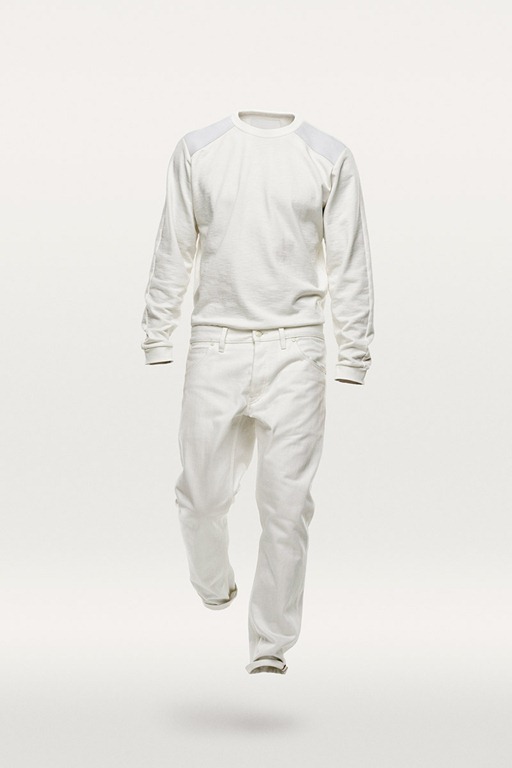
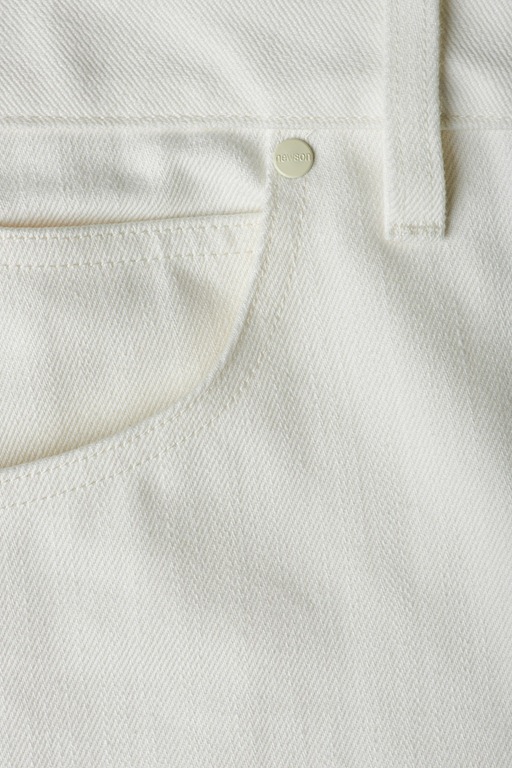
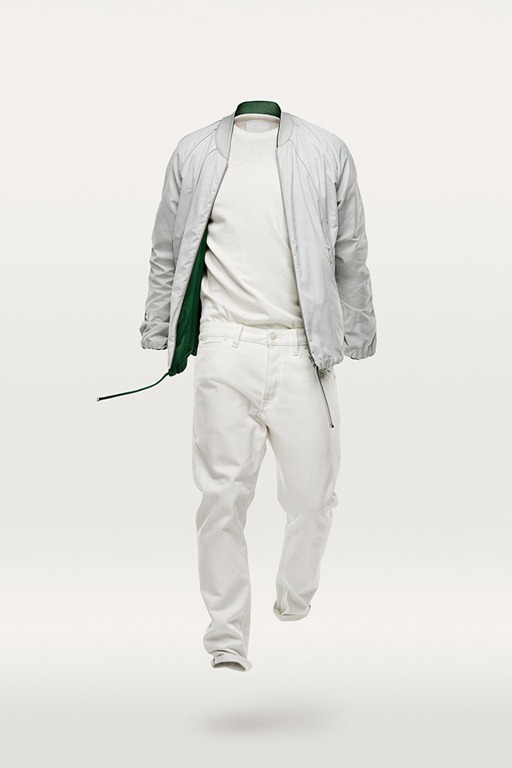
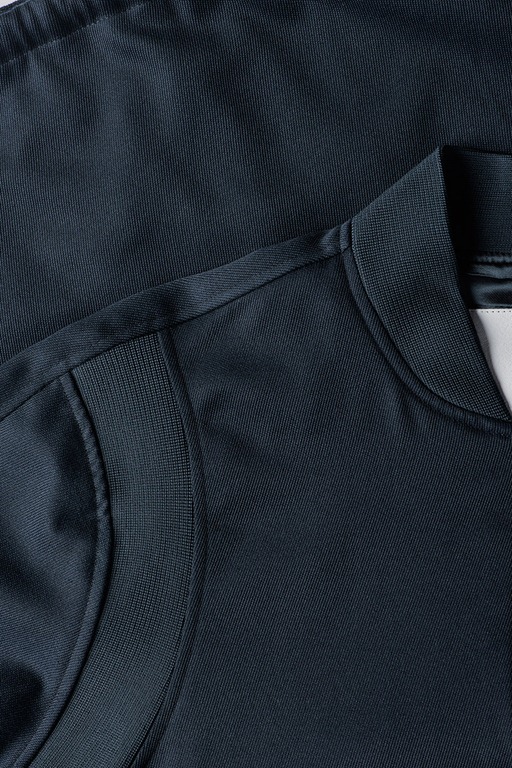
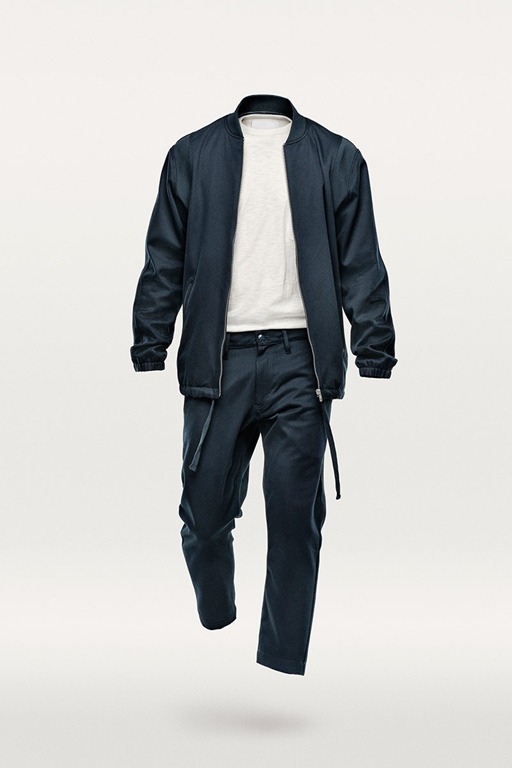
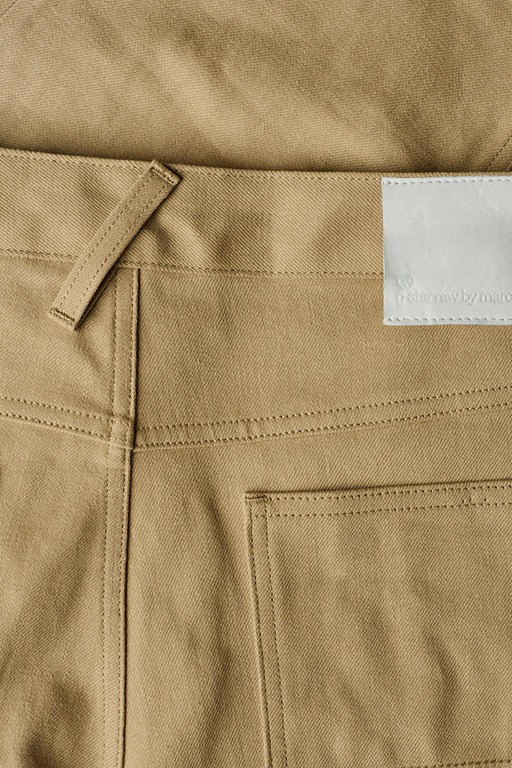
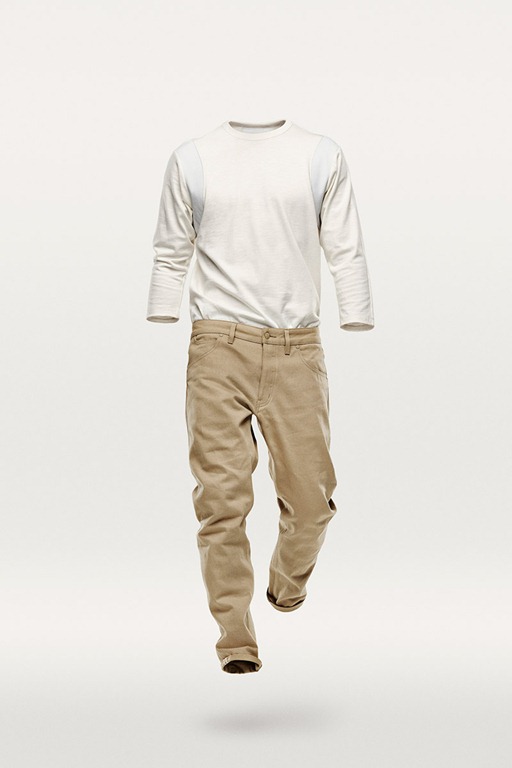
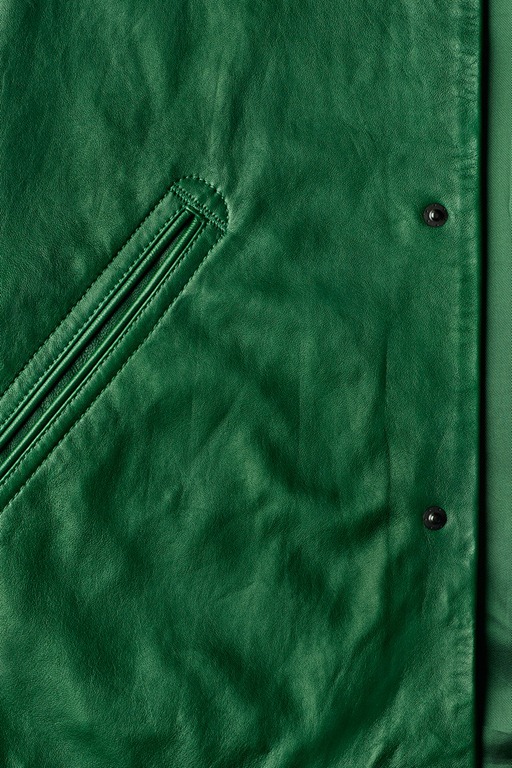
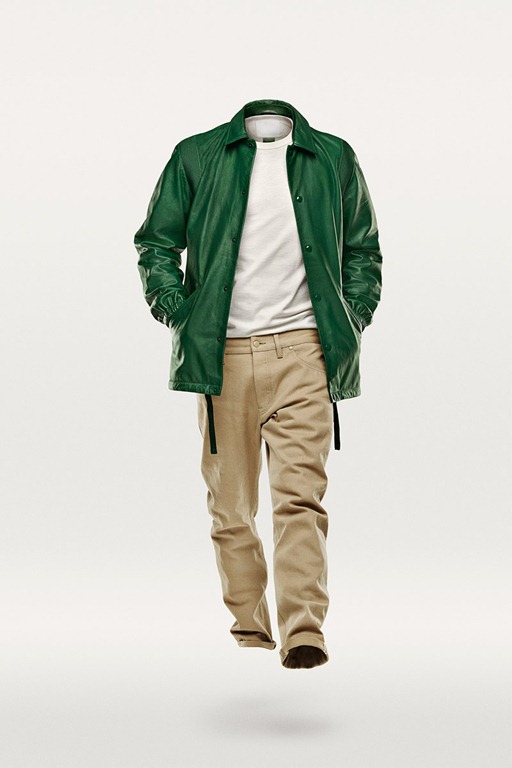
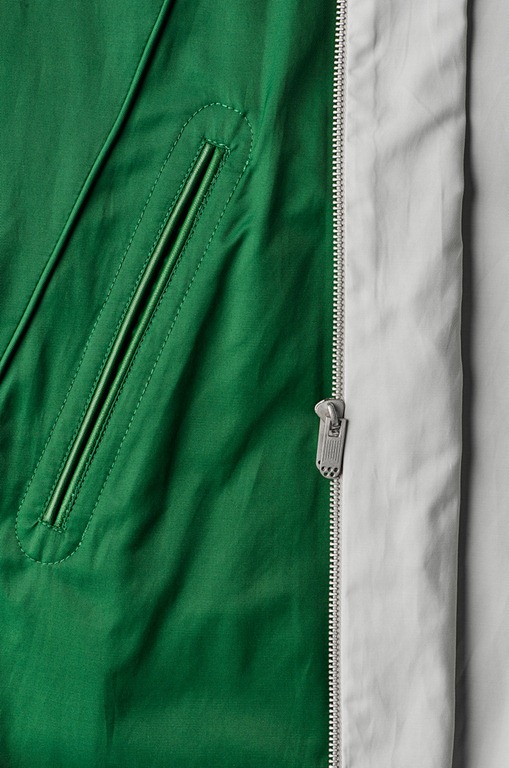
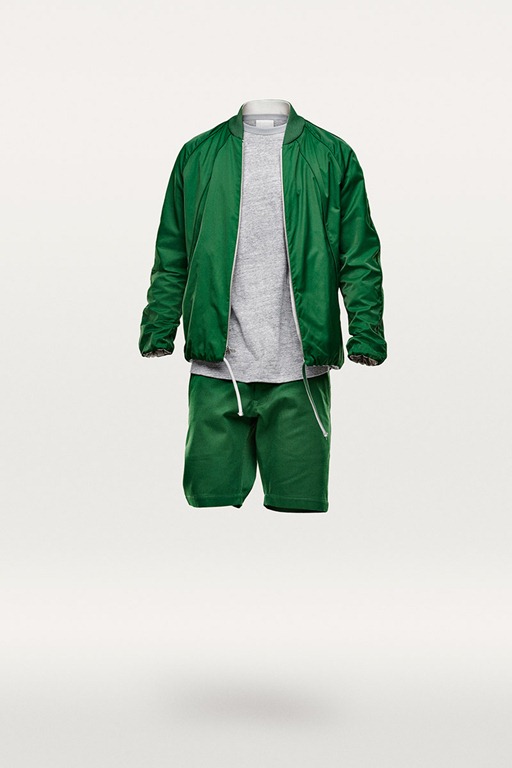
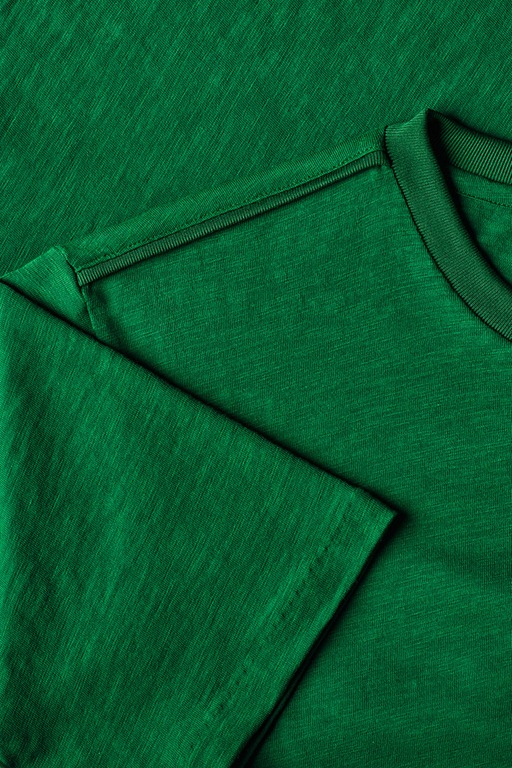
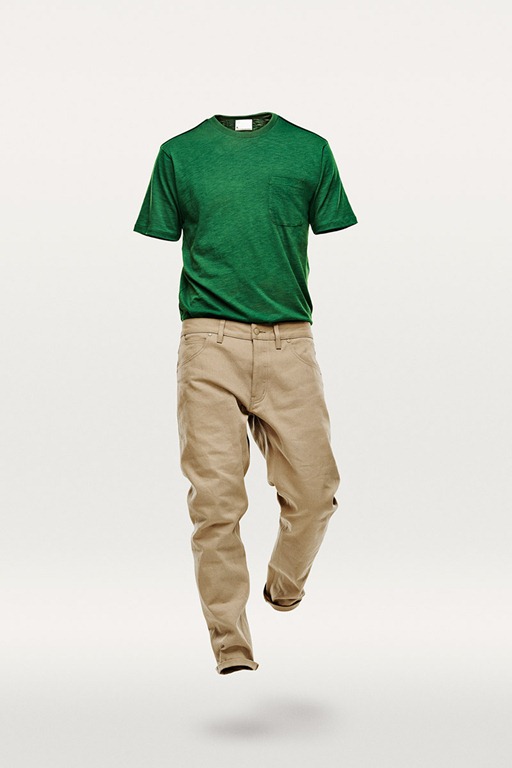
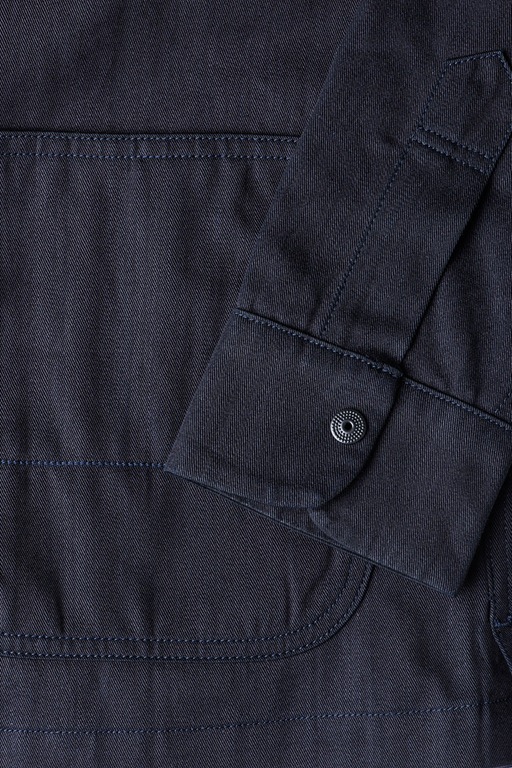
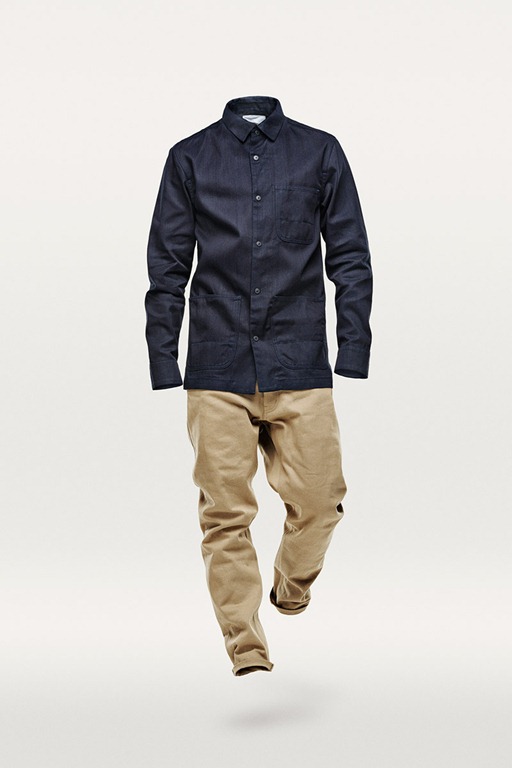
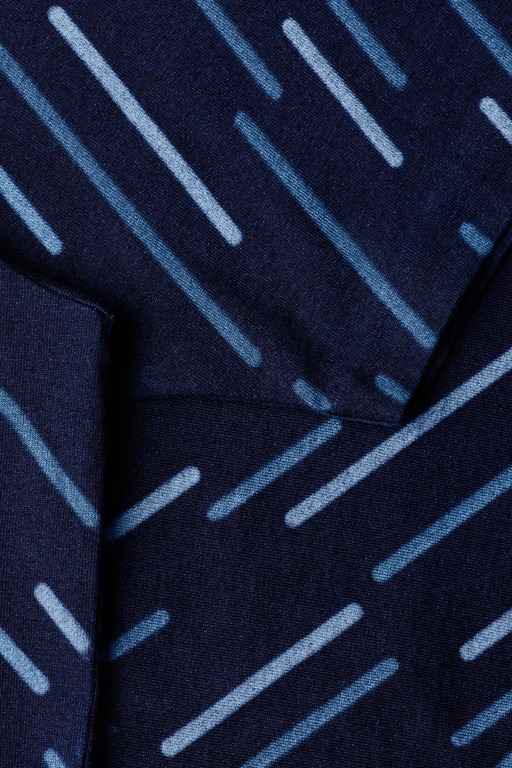
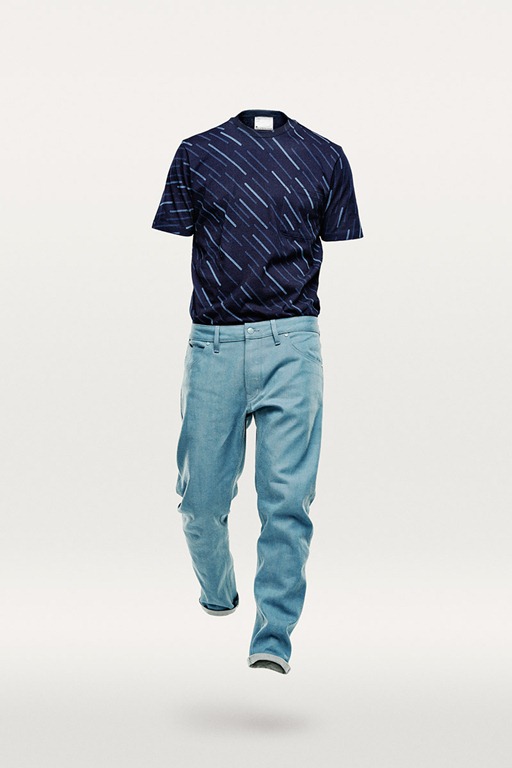
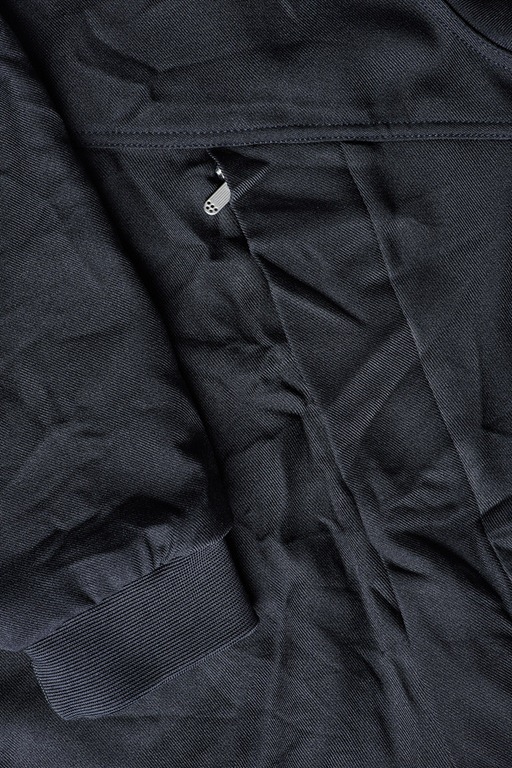
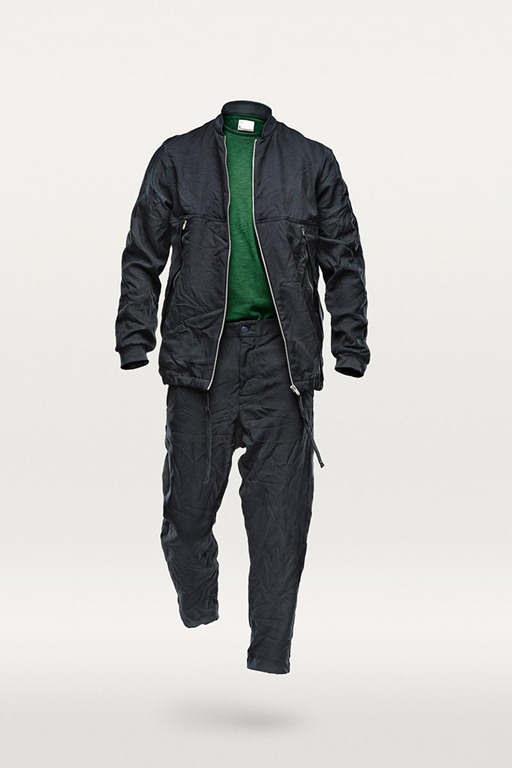
    G-Star by Marc Newson brings a variety of collections primarily featuring  Euro/Japanese streetwear , alongside new styles and the Japanese denims the line is known for. This SS16 collection saw the comeback of The classic Newson Coach jacket –, which was  known for its unusual architectural construction and comes in a variety of constructions and fabrics. The premium capsule collection features a new mini-range of  traditional 5-pocket jeans, the 5-Pocket Denim Slim. With their distinct boxy rear pockets, the 5-pockets tell color stories in a variety of colors  – water blue, camel, and white – all fully tonal and fully denim. There is a also reversible nylon version with leather piped seams, a clean version in Newson’s 7 Day Calvary Twill ,as well as a version in new crinkle-washed Guard .

    G-Star RAW by Marc Newson Spring Summer 2016 Collection

    G-Star RAW by Marc Newson Spring Summer 2016 Collection

    G-Star RAW by Marc Newson Spring Summer 2016 Collection

    G-Star RAW by Marc Newson Spring Summer 2016 Collection

    G-Star RAW by Marc Newson Spring Summer 2016 Collection

    G-Star RAW by Marc Newson Spring Summer 2016 Collection

    G-Star RAW by Marc Newson Spring Summer 2016 Collection

    G-Star RAW by Marc Newson Spring Summer 2016 Collection

    G-Star RAW by Marc Newson Spring Summer 2016 Collection

    G-Star RAW by Marc Newson Spring Summer 2016 Collection

    G-Star RAW by Marc Newson Spring Summer 2016 Collection

    G-Star RAW by Marc Newson Spring Summer 2016 Collection


    G-Star RAW by Marc Newson Spring Summer 2016 Collection

    G-Star RAW by Marc Newson Spring Summer 2016 Collection

    G-Star RAW by Marc Newson Spring Summer 2016 Collection

    G-Star RAW by Marc Newson Spring Summer 2016 Collection

    G-Star RAW by Marc Newson Spring Summer 2016 Collection

    G-Star RAW by Marc Newson Spring Summer 2016 Collection

    G-Star RAW by Marc Newson Spring Summer 2016 Collection

    G-Star RAW by Marc Newson Spring Summer 2016 Collection