Category: Fashion Weeks

  • 6 Circular Brands In Ellen MacArthur’s New Book

    6 Circular Brands In Ellen MacArthur’s New Book

    Ellen MacArthur

    Circularity has been discussed by Dame Ellen MacArthur since 2010, although the concept has only lately gained popularity. After retiring from sailing 12 years ago- MacArthur being the first woman to solo around the globe- she founded the Ellen MacArthur Foundation to bring together the worlds of business, education, fashion, agriculture, and beyond to conceive a dramatic transformation to a “circular economy.” A circular economy, in contrast to our existing linear concept of creation, consumption, and disposal, entails reducing waste, keeping items in circulation, and renewing nature.

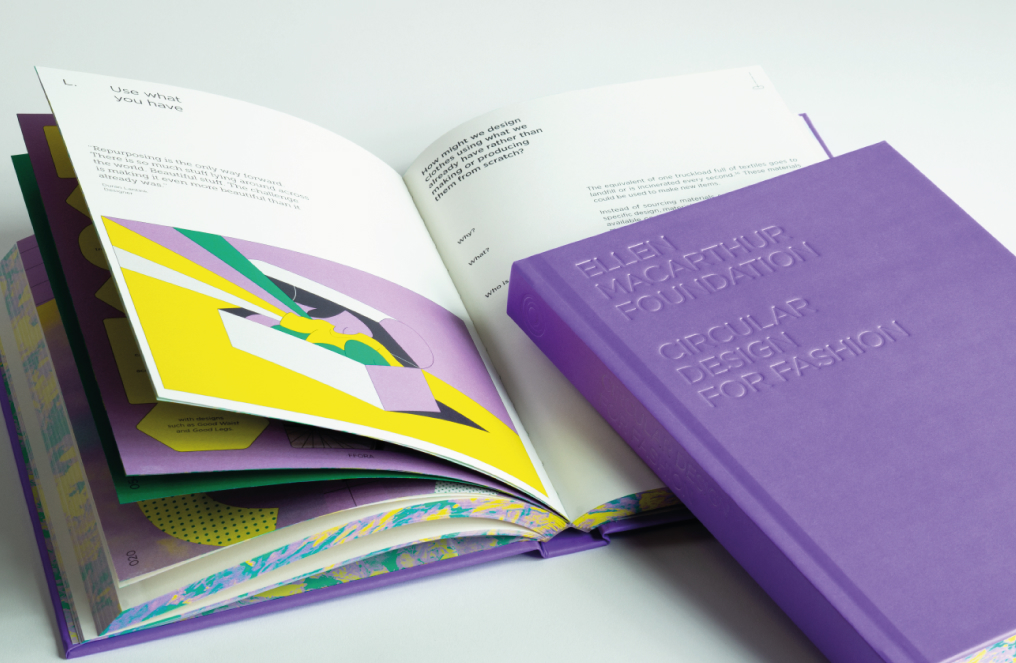
    MacArthur launched the book on the 2nd of December, 2021, at Business of Fashion VOICES. Circular Design for Fashion was created in honor of fashion’s enormous potential to change to a circular economy, as well as its creatives – enthusiastic disruptors who are always looking for new ways to innovate. The book introduces a new design approach and inspires designers to think about how they might help shape a more resilient and successful fashion sector that addresses climate change and biodiversity loss. Investigate the challenges of creating with three concepts in mind: reducing waste and pollution, cycling products and resources, and renewing nature. The book presents an assorted mix of voices, well-known names like Stella McCartney, Gabriela Hearst, and Eileen Fisher, as well as upcoming designers like Bethany Williams and Duran Lantink, upcycling professionals like ADIFF’s Angela Luna and Loulwa Al Saad, regenerative agriculture assets like Fibershed and FarFarm, Gucci and its parent company Kering, and some of the industry’s most successful corporations like Inditex, Fast Retailing, and H&M.

    SUBSISTENCE BY CIRCULAR DESIGN
    Circular design

    Many firms and designers in the fashion field have begun to take initiatives to remove waste and pollution from their product lifecycles in recent years. Elodie Rousselot, the strategic design manager at Ellen MacArthur Foundation says, “I think we’re witnessing a beautiful moment in the industry, where many are actively looking at how they can change their businesses and the way they design products to be fit for the circular economy.” The goal of circular design is to create goods and services that don’t have a linear life cycle with a beginning, middle, and conclusion. The goal is to create goods that can “be produced to be made again,” as ex- CEO of IDEO, Tim Brown phrased it.

    The move to a circular economy (CE) presents designers with a variety of new issues and necessitates particular knowledge, tactics, and methodologies. The CE idea broadens the scope of the design process and encourages the incorporation of new knowledge domains and abilities. Throughout all phases of the design process, substantial engagement with stakeholders and specialists is required for the CE to be implemented successfully in reality. Design firms have responded to the CE by forming dedicated CE research and design workgroups, facilitating information flow, constructing their own circular strategies and techniques, and pursuing long-term client relationships that encourage designers to become involved in the lifecycles of crafted artifacts rather than viewing design projects as one-time events. Many designers have taken the initiative too. Amongst such designers are the six contributors, highlighted by Rousselot in MacArthur’s book, who are at the forefront of the movement towards the circular fashion industry.

    ORANGE CUTURE BY ADEBAYO OKE-LAWAL
    Orange culture

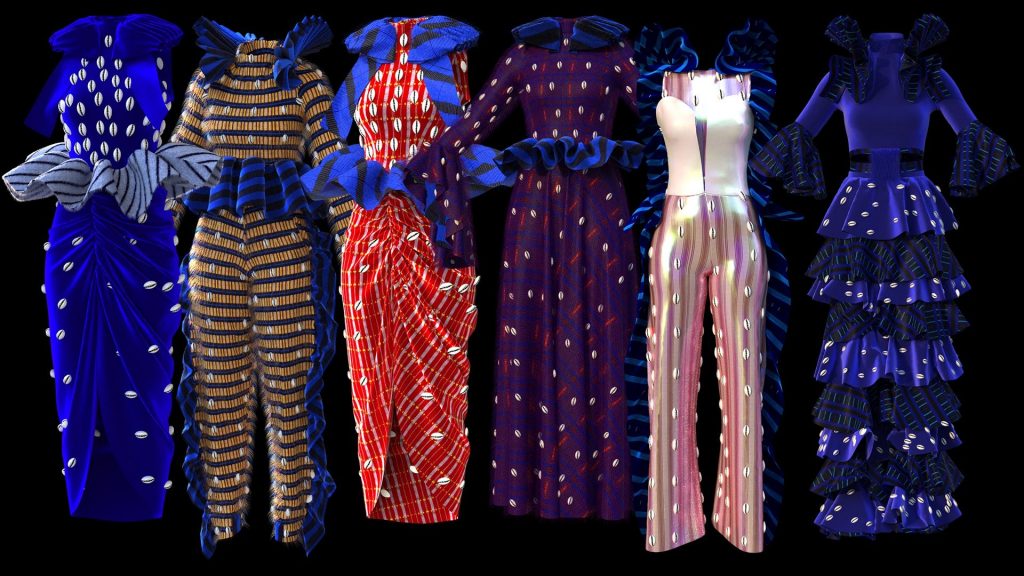
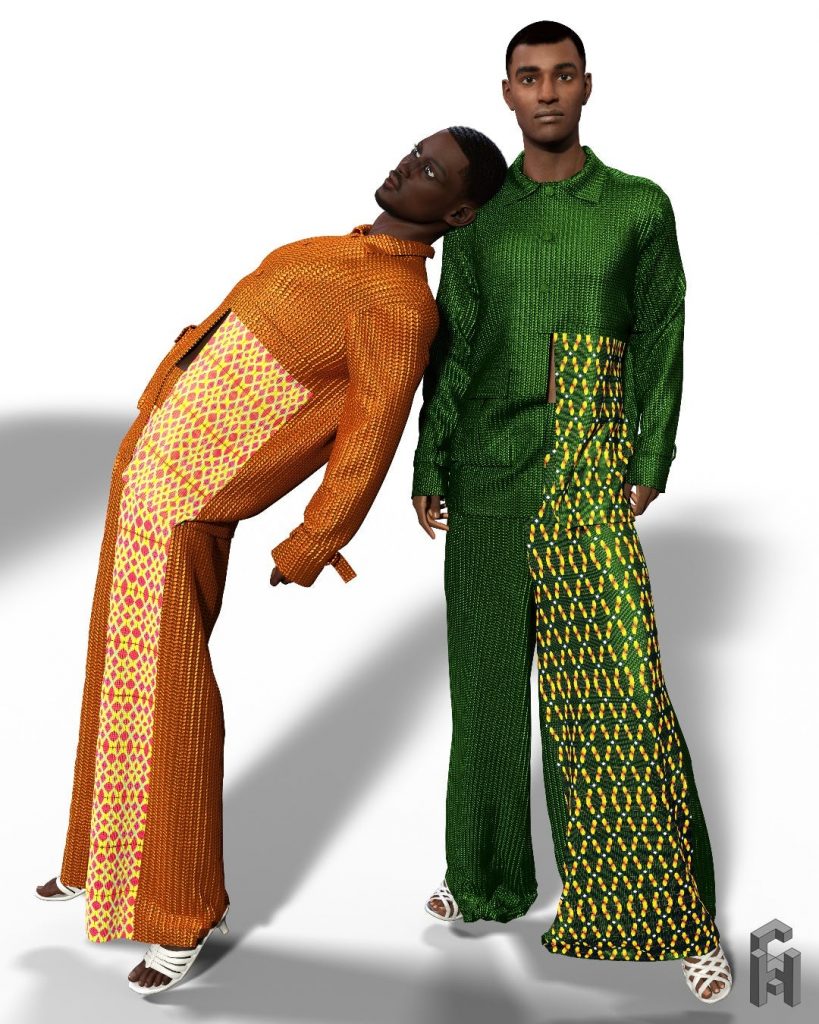
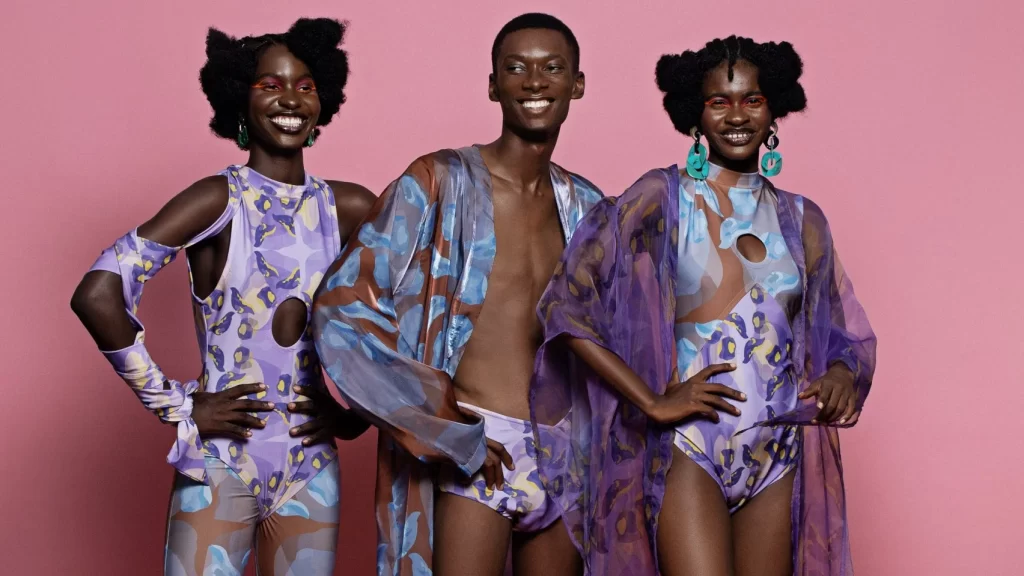
    Adebayo Oke-Lawal creates gender-neutral clothing with a 90 percent indigenous Nigerian supply chain that includes everything from material procurement to dyeing and printing. The designer tries to guarantee that money stays in the community through his Lagos-based label Orange Culture, while also training his suppliers and staff about sustainable manufacturing processes so that they may apply what they’ve learned to other initiatives.

    “They’ve also begun encouraging shoppers to return undesired clothing so that it may be turned into new outfits and sold again. It’s more than just a repair service. It’s almost as though the clothing had a new narrative to tell.” Rousselot said, “Orange Culture uses the offcuts from its manufacturing process to form new products or elements such as lining.”

    RAEBURN BY CHRISTOPHER RAEBURN

    Raeburn

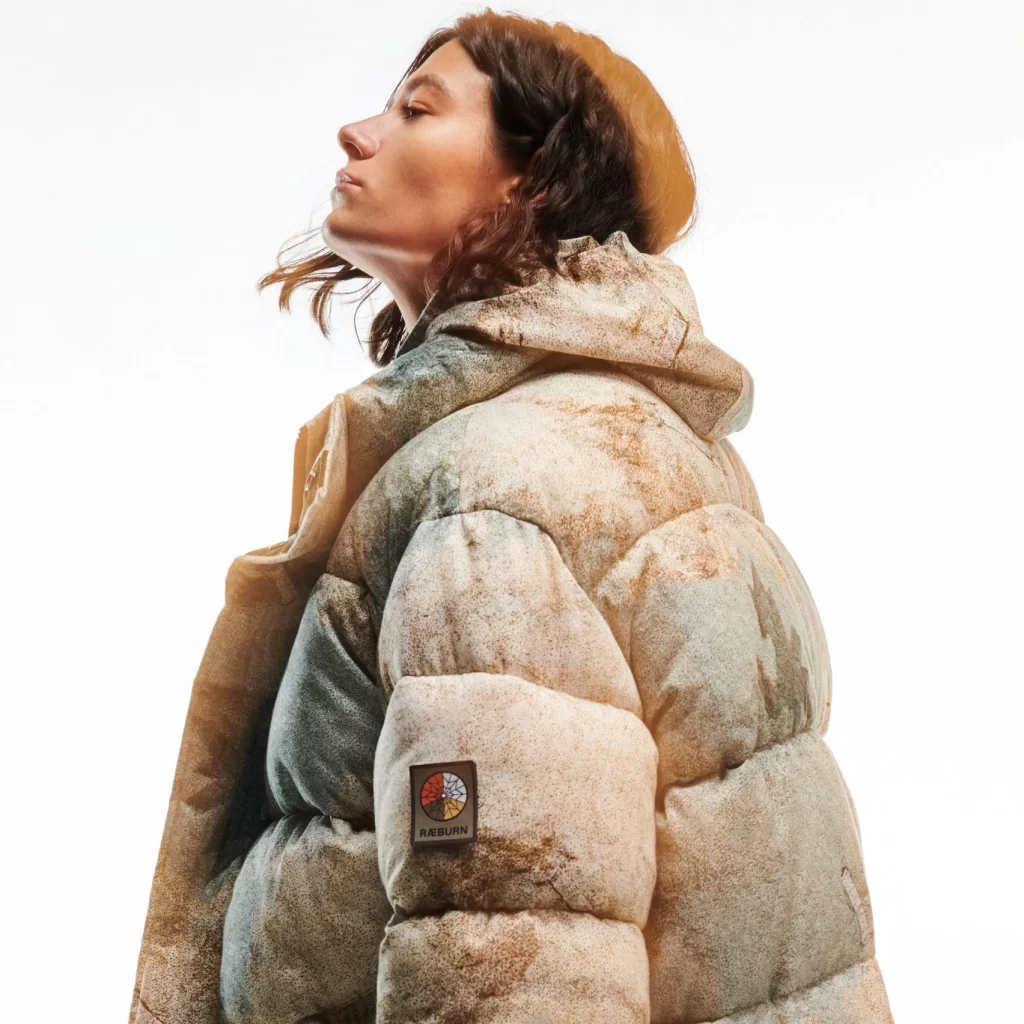
    Whilst pursuing fashion design in London in the early 2000s, Christopher Raeburn began working with excess fabrics and clothes, purchasing unworn military coats from the 1950s for £1 apiece and reworking them into new outfits. Since then, he’s pushed to expand the use of reused materials in mass production with his own British Fashion Award-winning label Raeburn, along with switching ‘Timberland’ to regeneratively cultivated leather as creative director for the footwear company.

    “He was one of the first to bring this practice to a commercial scale, in a way that is attractive and different from what you would expect from an ‘eco brand,” Rousselot said.

    ICICLE BY YE SHOUZENG AND TAO XIAOMA
    Icicle

    Icicle, a Chinese company founded in 1997 by husband-and-wife team Ye Shouzeng and Tao Xiaoma, uses five primary materials – cashmere, linen, wool, silk, and cotton – that is sustainably sourced and lightly treated to preserve the attention on the fibers’ inherent beauty. To maintain transparency and protect the welfare of garment workers, the company does all of its design and manufacture in-house at its own facilities.

    Rousselot quotes about the innovative couple- “They are bringing this different perspective to a circular design, which is based on traditional Chinese philosophy and runs counter to the Western idea that we’re born, we die and then that’s it”

    MARINE SERRE

    Marine Serre

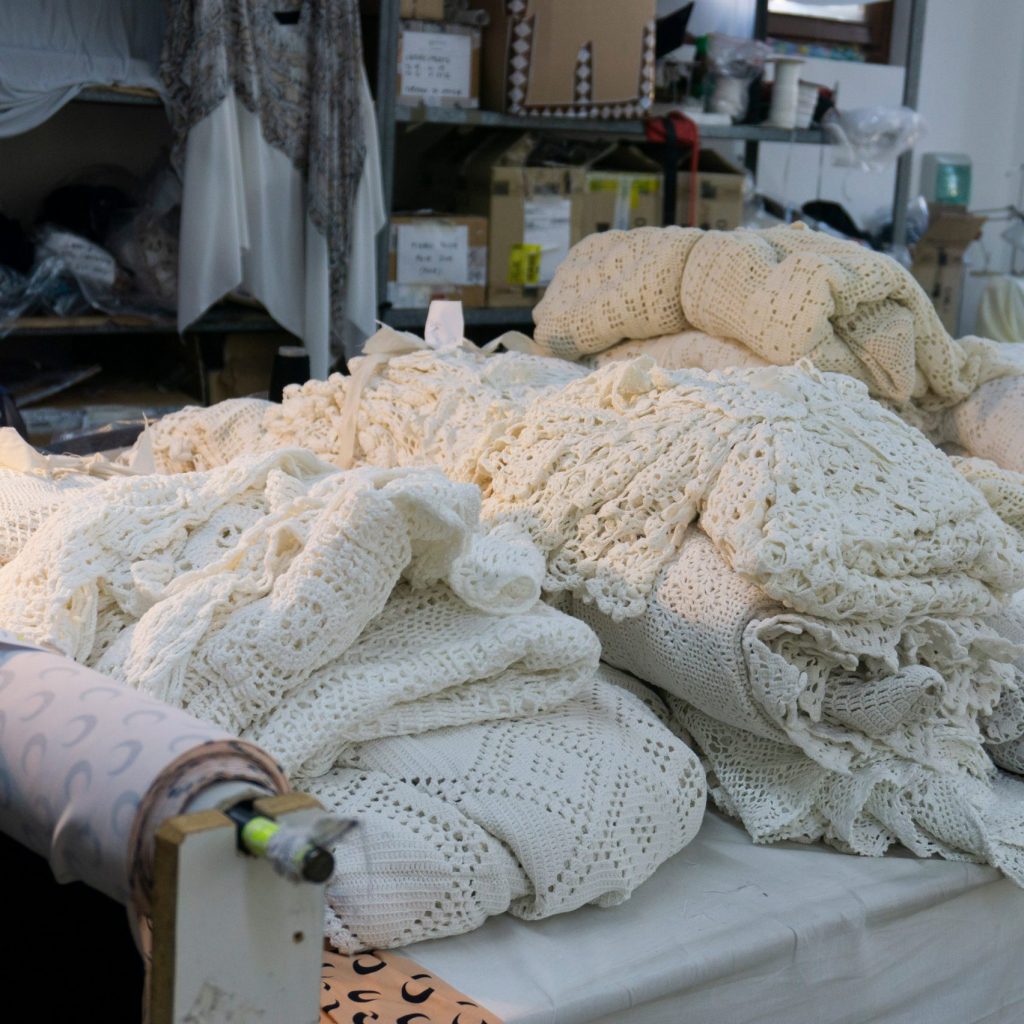
    Aside from her signature crescent moon motif, French designer Marine Serre is recognized for using repurposed materials such as household linens, carpets, and towels in 50% of her designs. Serre’s work, which was awarded the esteemed LVMH prize in 2017 and is distributed by big shops like Selfridges and Browns, demonstrates that waste materials, notwithstanding their nasty reputation, may have a place in the premium fashion industry.

    “She’s extremely cutting edge in the way she designs with these textiles,” Rousselot said. “In fashion design, usually what students are taught to do is to define a color palette that will guide their collection and then find the fabrics to match.”

    FIBERSHED

    fibershed

    Fibershed is a non-profit organization that assists businesses in gaining access to hyper-local textile supply chains by employing regenerative agricultural techniques that retain carbon in the soil rather than releasing it. Designer Phoebe English recently produced a line of outfits for the COP26 climate conference in conjunction with its regional arm in South East England, for which all fabrics were farmed, dyed, spun, and processed within a 250-kilometer radius of her London studio.

    Rousselot quotes- “This approach means you are not growing hectares of cotton, you’re growing different types of crops that naturally thrive in the area such as nettle or hemp.”

    NKWO BY NKWO ONWUKA

    fashion

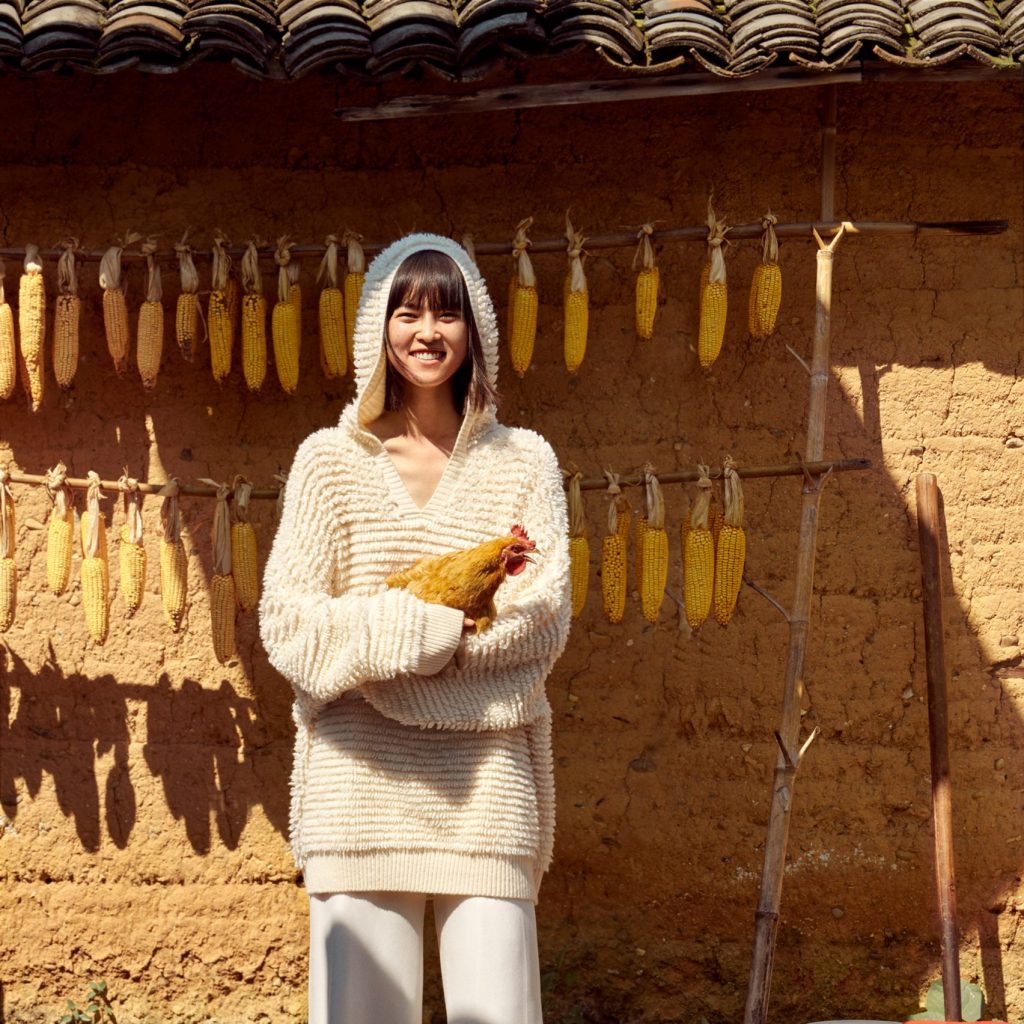
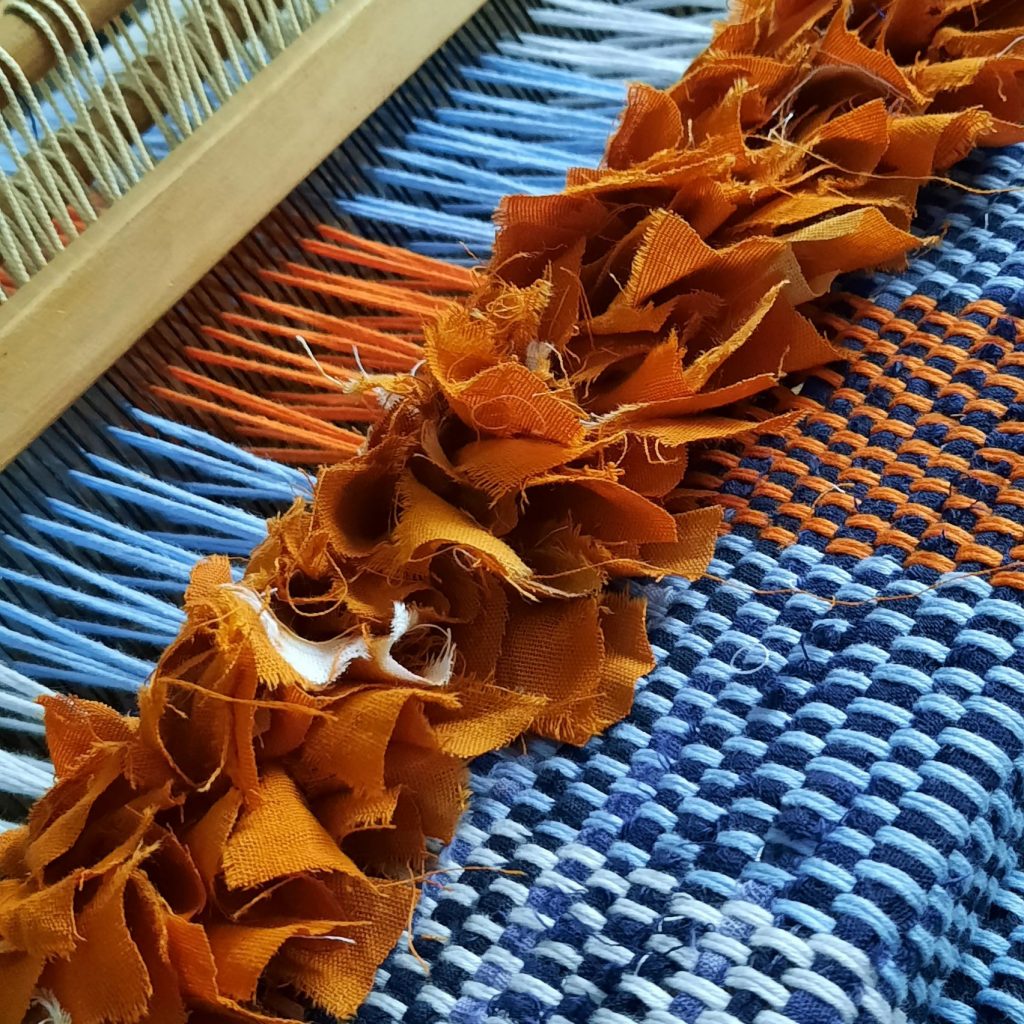
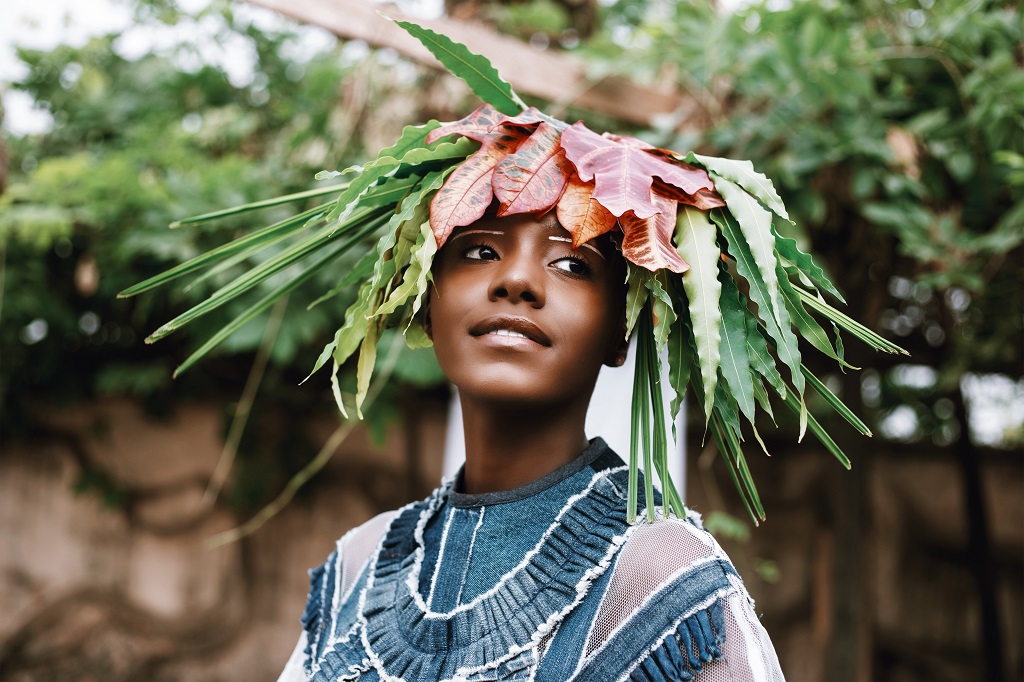
    Nkwo Onwuka, a British-Nigerian designer, created Dakala, a new African textile that looks like hand-loomed fabric but is manufactured by stripping and putting together discarded denim pieces. She currently instructs indigenous women in Abuja to use their traditional textile crafts abilities to manufacture new garments from the heaps of garment trash transported to Nigeria from western nations, with the goal of “weaving waste into prosperity.”

    “She’s also started looking at sourcing cotton locally,” Rousselot explained. “Nigeria doesn’t grow a lot of cottons but unlike in Kyrgyzstan, where it’s a cause of desertification, in Nigeria, it can grow rain-fed so it doesn’t require extra irrigation.”

    CIRCULAR FASHION: THE CURRENT SCENARIO

    The circular fashion industry is being embraced by more than just independent or eco-friendly apparel manufacturers. 64 of the world’s largest fashion brands, including Adidas and Inditex, inked a pledge in January 2018 to speed the transition to a circular business model. Adidas, for example, decided to address the issue of materials by gradually implementing a 3-Step Loop Strategy, in which Step 1 is to use recycled materials, Step 2 is to make those recycled materials part of a loop that can be reused, and Step 3 is to bio-fabricate the materials of the future so that when they come out of the loop, they are biodegradable and can be returned to nature without endangering it.

    Denim is a wardrobe must for millions of individuals all over the world. The manufacture of a single pair of jeans in traditional way consumes 3,781 liters of water, which is a fact that the majority are unaware of. However, of late, we have seen that Ellen MacArthur foundation and other initiatives in the industry have ensured that the industry moves firmly in the direction of circularity and we hope to see huge changes very soon.

    The Ellen MacArthur Foundation had created The Jeans Redesign, a set of recommendations aimed at encouraging the denim industry to embrace the circular economy more effectively. Hundreds of companies have already signed on and committed their support. Among them are Gap, H&M, Wrangler, and a many other well-known brands. In June 2021, the first redesigned jeans utilizing the criteria was finished, proving that circular jeans may be made now.

    IMPORTANCE OF CIRCULAR FASHION ON PLANET

    “Cradle to Cradle is like good gardening; it is not about “saving” the planet but about learning to thrive on it,” a quote by Michael Braungart says it all. The contemporary industrial infrastructure’s design goal is to provide an appealing product that is inexpensive, complies with rules, performs well enough, and lasts long enough to fulfil market expectations. With a projected worldwide population of nine billion people by 2030, nature will face unprecedented challenges in meeting human demands. The purpose of circular fashion is to guarantee that clothing is manufactured from safe and renewable materials, that innovative business models increase its usage, and that old clothing is reused. We want to see the garment industry progress to a future where every material is securely used and reused, ecosystems are protected, and people have meaningful jobs. This is the circular fashion philosophy, as well as why it is so vital.

    Clothes are an outward manifestation of our personality, and while variety is important, we should be more careful of how much we really need.


  • What is Metaverse And Why Is It Important For The Fashion Industry

    What is Metaverse And Why Is It Important For The Fashion Industry

    Have you ever imagined yourself fulfilling your weird fantasy for real? Let’s say, riding a monster truck in the sand dunes of the great Sahara desert right after watching ‘Mad Max: Fury Road’ on your couch with some fries and coke. Well, the metaverse is something that can let you ride your own customized monster truck wherever you like!
    Metaverse is the future of Virtual Reality.

    A 3D virtual world, where a person can do things beyond a common man’s imagination, with the help of this advanced technology. ‘Hey, let’s go play football in front of Eiffel Tower’ or ‘See you on Mount Everest in five’ is what you may hear from the conversation of high school kids in near future. Metaverse is a technology that offers a virtual reality world, for social connection, where anyone can do anything which may or may not be practical in real life. Users will have their customized avatars in Metaverse and they will be able to shop, travel the world, play games, socialize with people and so much more through this technology.

    REBIRTH OF VIRTUAL REALITY:METAVERSE

    metaverse

    The 1992 science fiction novel â€˜Snow Crash’ gives the origin of the term Metaverse as ‘meta’ and ‘universe’. Various virtual reality platforms have been developed to date which also includes the â€˜Facebook Horizon’ launched in 2019. As Facebook was renamed ‘Meta Platforms’, the company now focuses on developing metaverse. It is said to be a mix of augmented reality and virtual reality also called extended reality (XR).

    Now, Virtual Reality offers a wide range of video games and has a big segment of fans who spend a lot of time and real money on these video games. Yes, you read it right. People spend real money in these games to buy stuff like a premium membership or pass, accessories and clothing (‘skins’ in-game language), weapons in action games and so much more. Similarly, when it comes to socializing, one would definitely spend money to buy skins for their avatar in Metaverse. 

    FASHION BRANDS & GEN Z

    For the past two years, the world has seen pandemics and lockdowns everywhere, resulting in people spending more time online. People have become so comfortable working from home online that they do not want to sit back in office chairs anymore even if the pandemic is over. Not only for work but people are now accustomed to doing shopping, socializing, and every possible thing online. Here is where the brands, especially the fashion brands have decided to walk along with Gen Z. Since Gen Z are the people accustomed to spending time and money online mostly, the big companies decided to sell products in virtual reality as well.

    FASHION

    WHAT’S THERE FOR FASHION BRANDS?

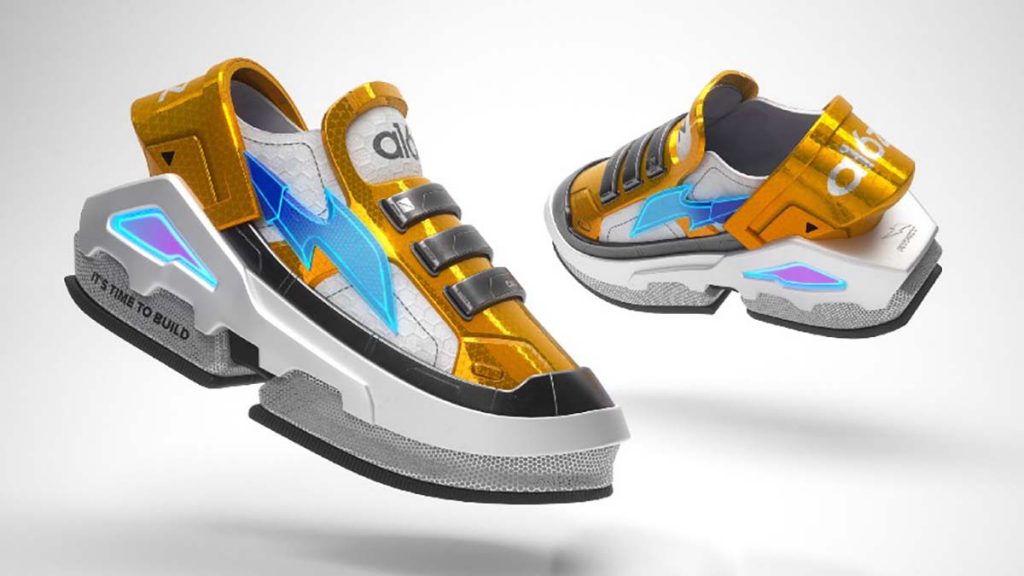
    For a better understanding, here’s an example. You want to click a picture of yourself to post on social media wearing some cool shoes or maybe a sophisticated jacket. Here’s the deal. You get to wear Gucci shoes of bright neon color just to click that perfect picture! How does that sound? Gucci digital sneakers can be worn for taking clicks, using augmented reality offered by the Gucci app. Similarly, Chanel’s lip scanner technology is a way to select the perfect lip color for all the ladies out there, using augmented reality from the comfort of your couch. 

    FASHION

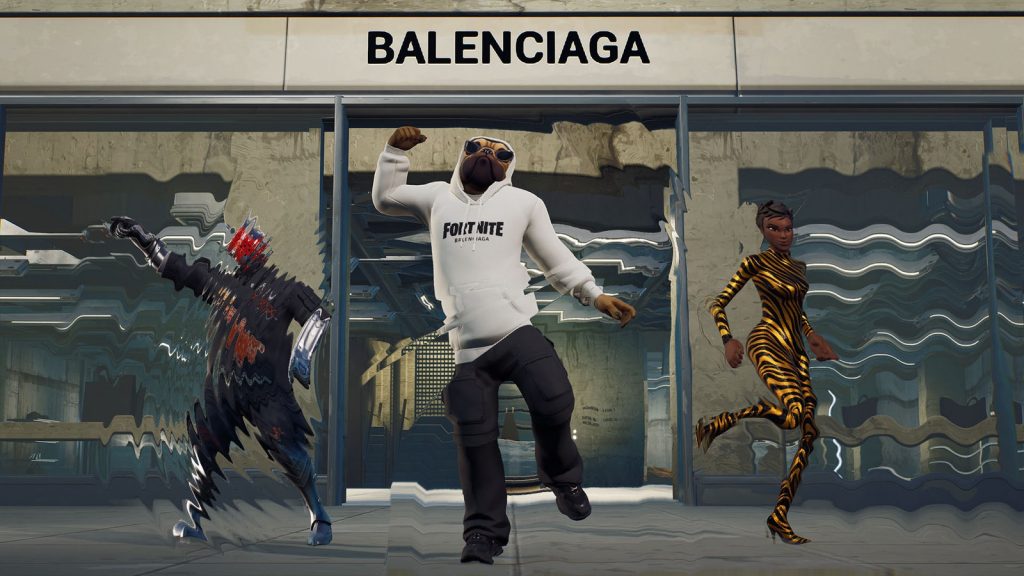
    ‘Balenciaga’ notably worked with the video game Fortnite to design a series of “skins” for the game’s characters and released their Fall 2021 collection through a gaming app. But, the question is, why would people spend hard-earned money on stuff which cannot be used in reality? 

    WHAT’S IN IT FOR FASHION INDUSTRY?

    Firstly, it’s an attractive technology that everyone wants to use and experience. Second, the technology is offering more than imagined. With the fashion brands using virtual reality technology, the market is not just being opened and spread through video game lovers. It’s a lot more than that. Facebook, now Meta platforms has always been an efficient way and very much at the top of social networking sites. Since Metaverse is now focused on socializing in every possible way, be that simple shopping or a boss wanting to have a round table conference, it is opening gates to the potential beyond countable ideas.
    metaverse

    Coming back to the question- why would people spend hard-earned money on stuff which cannot be used in reality? Well, the answer is simple. When people are spending most of their time online, they would want their avatars to look good with the latest skins and accessories, like they do in real life.

    But how does the fashion industry has benefit from this? When fashion brands offer digitally designed clothes and accessories, they save a lot of manufacturing costs. No raw materials, no labor cost, no machinery or production expenditure, not even the shipment. The only cost they would be spending is on the graphic designer to digitally design their products. Didn’t see that coming? That is the future of fashion brands with AR and VR!

    fashion industry

    Digital fashion is already in the spotlight and growing steadily. There are endless possibilities in the metaverse. People are enjoying the virtual reality fitting rooms from the comfort of their homes. They are enjoying how they can just swipe and change the color of the outfit tried in a second.
    In the future years, the metaverse, which brings together new era ideas like artificial intelligence, blockchain, machine learning, cryptocurrency, and NFT (non-fungible token), is predicted to grow in popularity. While this platform propels the digital world forward and introduces new production and consumption processes, it is expected that shifting perceptions of reality and requirements will accelerate the fashion industry’s transition at the same time.
  • Sustainable Progress Of Denim Brands In 2021: Part I

    Sustainable Progress Of Denim Brands In 2021: Part I

    It’s always difficult to find the right jeans whose measures meet their branding. Consumers, designers, and suppliers have all been working together to re-imagine denim from the rivets up, owing to the growing awareness of the need for sustainable fashion. Below, we have enumerated some denim brands that design jeans with eco-wise and sustainable efforts to aid you with the best possible buy this year.

    1. LEVI’S

    Levi's

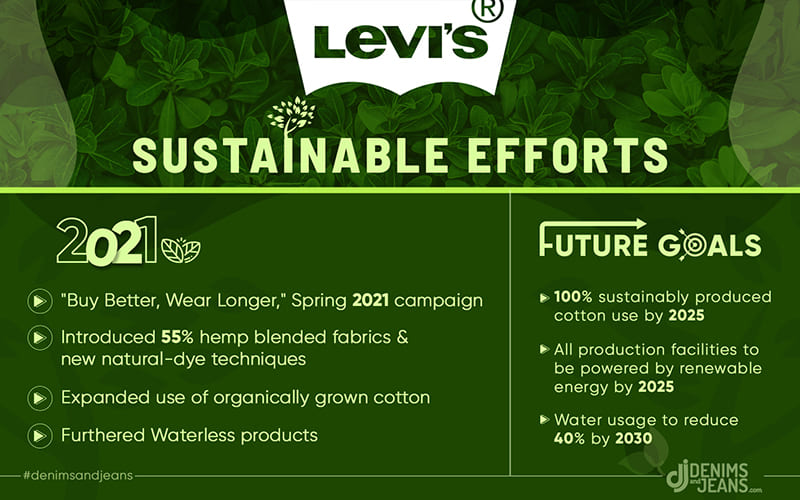
    Levi Strauss & Co. is a global leader in jeanswear and one of the world’s top brand-name apparel companies. This year, the brand launched its “Buy Better, Wear Longer,” Spring 2021 campaign, which raises awareness about shared responsibility and the environmental implications of apparel production and consumption. The introduction of 55% hemp blended fabrics, new natural-dye techniques, the expanded use of organically grown cotton, and the recyclability of every Wellthread garment was inculcated by the brand. Levi’s Wellthread used a technique by which ultrasonic waves are used to apply the dye to the fibre. The brand also used Water< Less techniques which have saved more than 3.5 billion litres of water since they were introduced nearly a decade ago. A few of the company’s central goals for the future are to use 100 per cent of sustainably produced cotton by 2025, its supply chain will have reduced greenhouse gas emissions by 40% and by 2030, water usage in the industry in water-stressed areas will be reduced by half. 

    2. NUDIE JEANS

    Nudie Jeans

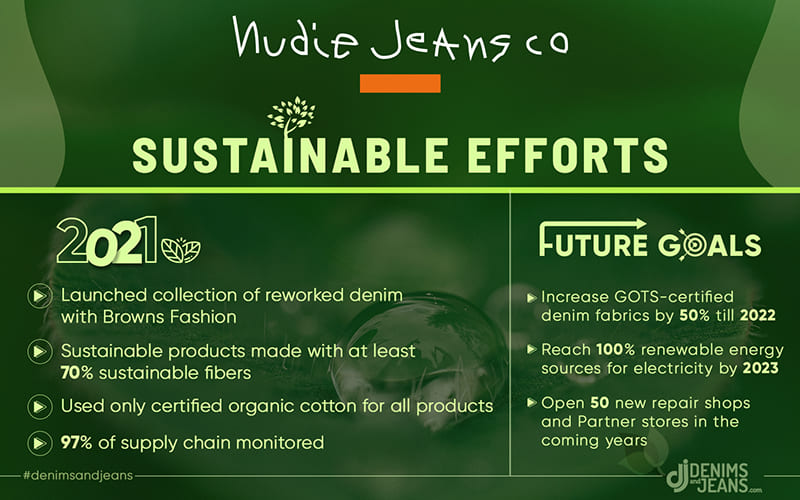
    This Swedish denim company delivers and preserves a tradition true to the fabric’s history and attributes by thinking in terms of wear, tear, and repair rather than fast fashion. Teaming up with London-based retailer Browns Fashion, Nudie Jeans has created a collection of 16 denim pieces, all reworked from pre-existing denim. The brand has already repaired 45900 jeans for free and has produced 98.6% Sustainable products. 2021 was the third full year in which it used only certified organic cotton for all the cotton products.

    Moreover, according to its Sustainable Material Tool the brand defines a garment or accessory as sustainable when it contains at least 70% sustainable fibres. The brand aims to increase number GOTS-certified denim fabrics to reach 50% of all denim fabrics by 2022 and reach 100% renewable energy sources for electricity used in all Nudie Jeans operated facilities by changing energy subscription or investing in Renewable Energy Certificates by 2023. Nudie Jeans also plans to open 50 new permanent Repair spots, including Repair Shops, Partner stores and Repair partners in the coming years.

    3. PANGAIA

    Pangaia

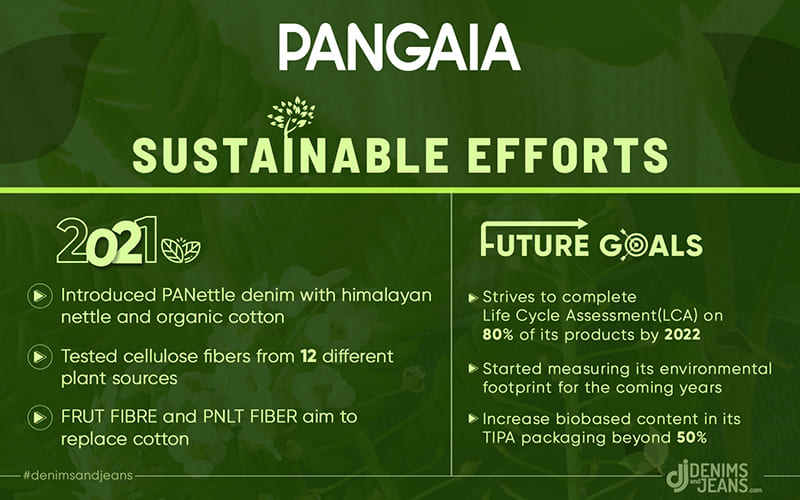
     Pangaia is a direct-to-consumer materials science company bringing breakthrough textile innovations and patents into the world through everyday lifestyle products. This year, the brand introduced its sustainable denim PANettle, a mix of naturally regenerating wild Himalayan nettle, organic cotton, and PPRMINT for longer-lasting freshness. To diversify its material sources and lessen reliance on traditional cotton, the company employs wild Himalayan nettle. The denim produced is coloured with state-of-the-art water and dye-saving technologies, and the thread is made entirely of biobased cellulose. Non-galvanized, recyclable stainless-steel buttons are also used in denim. The brand created FRUT FIBER and PLNT FIBER to replace cotton in their product line. The two cellulose fibre blends were successfully produced and supplied by Pangaia from fruit and plant raw material sources.

    4. RE/DONE

    Re/Done

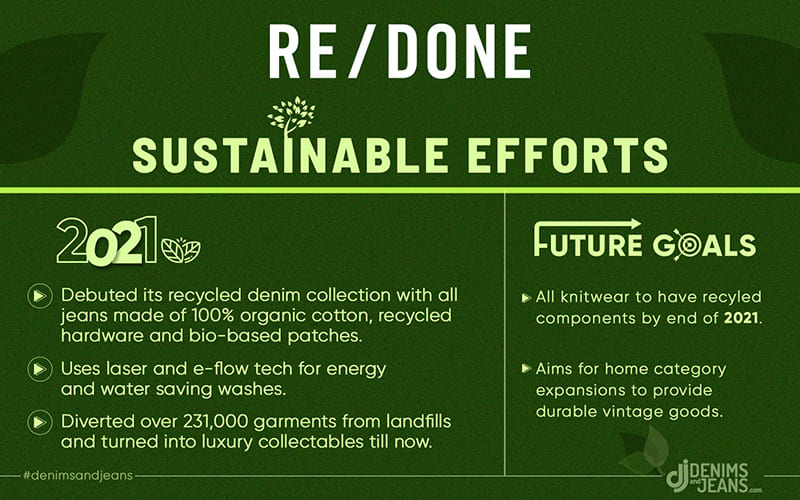
     Redone is known for reconstructing Levi’s vintage jeans into modern fits, giving a sense of uniqueness and rareness to each consumer. The brand debuted its first collection designed in line with the Ellen MacArthur Foundation’s Jeans Redesign project guidelines. All jeans are made of responsibly sourced 100 per cent organic cotton, recycled hardware, and bio-based patches, and include a hangtag with a QR code that provides consumers with a full traceability report documenting the lifecycle of each product. Items are shipped using recycled, oxo-biodegradable poly bags. The manufacturer also uses laser and e-flow technologies for energy- and water-saving washes and uses a three-stage purification system to reduce water waste. Since its launch, Re/Done reports that it has diverted more than 231,000 garments from landfills.

    5. EVERLANE

    Everlane

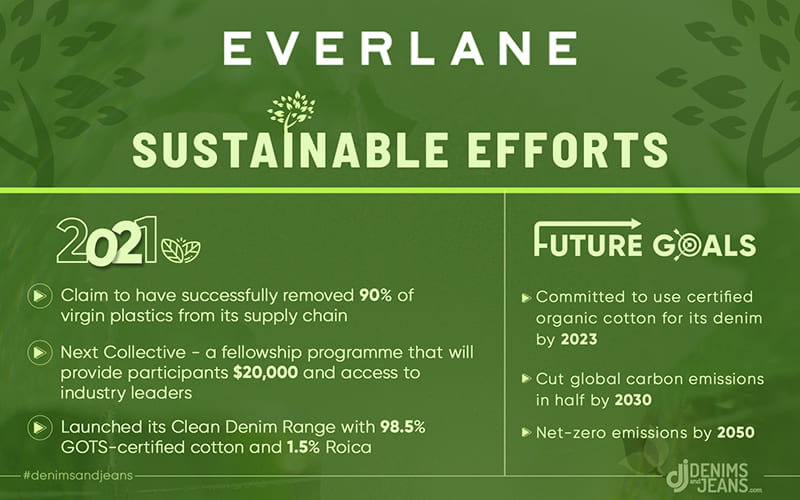
    A millennial-favourite DTC clothing brand, Everlane announced a very ambitious sustainability goal: to eliminate virgin plastic from its supply chain, packaging, offices and stores by 2021.  By now, it has successfully removed 90% of all virgin plastics from its supply chain. Following through on its commitment to exclusively using certified-organic cotton by 2023,  the denim brand debuted what it calls its cleanest denim to date.  All items in the Clean range feature 98.5 per cent GOTS-certified organic cotton and 1.5 per cent Roica. Each piece is produced with microplastic-free dyes and recycled trim. It also debuted its Fall/Winter 2021 ad campaign entitled “Get into Denim” to adorn the brand’s collection of organic denim. Everlane is now looking for early-stage entrepreneurs to join the Next Collective, a fellowship program that will provide participants with $20,000 and access to industry leaders in sustainability, fashion, design, business and innovation.

    6. MADEWELL

    Madewell

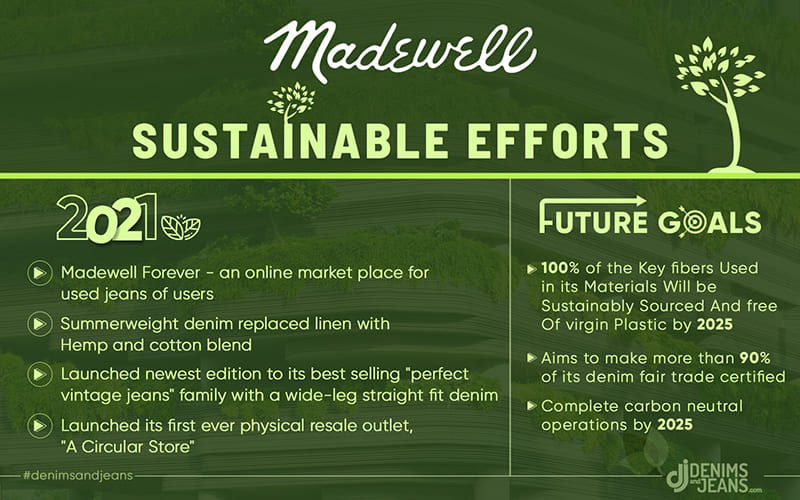
    Madewell, which is known for its denim, is an apparel retailer that promotes creativity, diversity, and self-expression. This year, the brand introduced a new part of its website called “Madewell Forever,” which helps customers find a new home for their well-loved jeans, whether they’re clearing out their wardrobe and seeking a new home for them or they’re in the market for a new pair of denim.

    Madewell Forever had around 3,000 pairs of secondhand Madewell jeans in a wide range of fits and styles, most of which ranged from $35 to $50. Furthermore, its spring 2021 collection called Summerweight Denim was designed to replace linen as one’s go-to choice for summer bottoms. The fabric is made from a blend of hemp and cotton which is wrinkle-free, moisture-wicking, breathable, and lightweight. The brand aims to source 100% sustainable and virgin-plastic-free fibres for all materials by 2025. It also aims to make more than 90% of its denim fair trade certified. By 2025, the brand strives to do carbon neutral operations entirely.

    7. REFORMATION

    Reformation

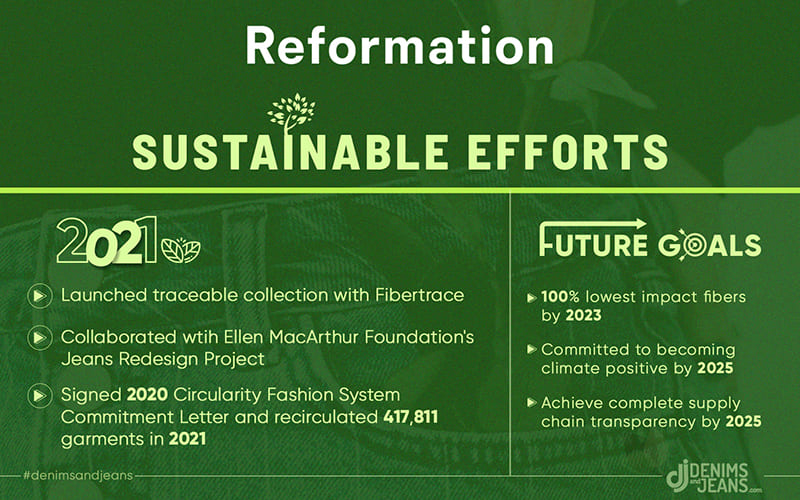
    The cult favourite label, Reformation has been dabbling in denim, through vintage capsules and designer collaborations. Reformation launched their denim collection in collaboration with FibreTrace, which labels fabrics with a unique pigment that can be tracked and validated throughout the garment supply chain. This effort is in line with Reformation’s goal of complete supply chain transparency by 2025.  This year, the brand also signed the 2020 Circularity Fashion System Commitment Letter, with the goal of recirculating 500,000 garments in the next five years and have already been able to reuse or recycle 417,811 garments in 2021 itself.  Reformation also teamed up with the Ellen MacArthur Foundation’s Jeans Redesign program to achieve its commitment to transforming the way jeans are produced.

    8. OUTLAND DENIM

    Outland Denim

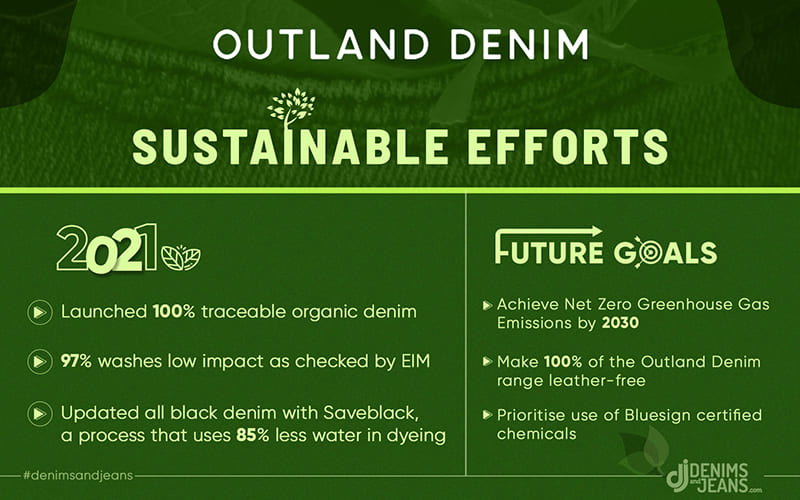
    This Australian denim company gained popularity after Meghan, Duchess of Sussex, wore a pair on her royal tour in Australia in 2018. Measured through third-party Environmental Impact Measurement criteria, 97 per cent of Outland Denim’s washes are categorized as “low impact.” This year, Outland Denim expanded its rigid jeans options, collaborated with fellow Aussie brand Spell on a line of vintage-inspired denim staples, introduced ready-to-wear and celebrated a milestone in its traceability journey, marking 100 per cent traceability of its organic cotton denim. It also updated all-black denim to denim dyed using Saveblack, a process that uses 85 per cent less water compared to conventional dyeing. The company stated that it is targeting net-zero emissions by 2030 through practices, policies and by offsetting those emissions that cannot be reduced. It also commits to make 100% of the Outland Denim range leather-free and prioritise use of Bluesign certified chemicals.

    9. MUD JEANS

    Mud Jeans

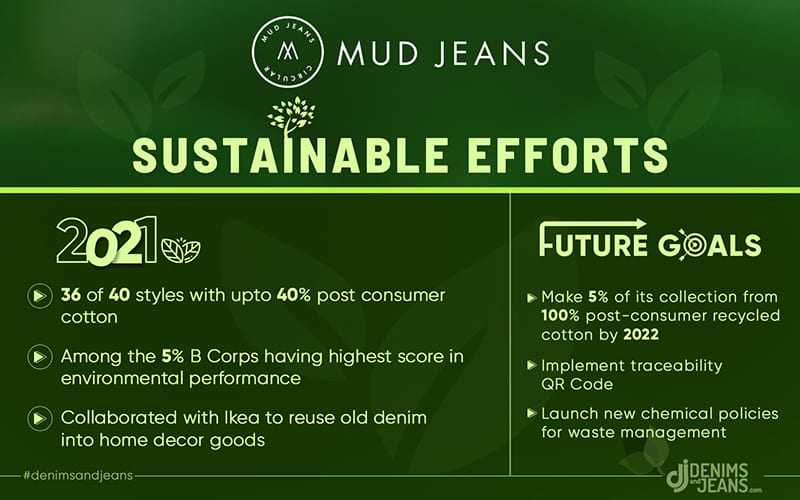
    A sustainable and fair trade certified denim brand based in the Netherlands, Mud Jeans has a business model to sell or rent jeans, at the end of their life and then make old jeans into new ones. It has a design process based on circular production, with the use of materials that are easy to repurpose and recycle.  36 of Mud Jeans’ 40 plus styles are made up of 40% post-consumer recycled cotton which is twice the industry average.

    Out of 4000 certified B Corporations worldwide, MUD Jeans is among the 5% B Corps with the highest score in environmental performance. The Dutch fashion brand has also collaborated with Swedish home decor brand Ikea to give textiles a second lease of life, specifically, denim. Its sustainability goals include making 5% of its collection from 100% post-consumer recycled cotton by 2022, implementing traceability QR Code and launching new chemical policies for waste management.

    10. FRAME

    Frame

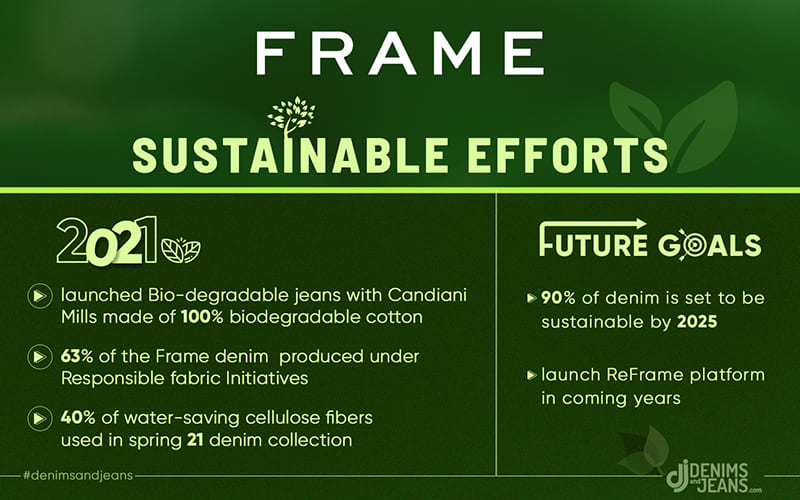
    American fashion brand Frame launched Bio-Degradable jeans in partnership with Candiani made from 100 percent cotton that is 100 percent biodegradable. For its fall/winter 2021, Frame revamped its menswear line with trendy cuts for timeless pairs of washed black and indigo jeans. This year it also launched its circular denim collection under EMF Jeans Redesign Project that included denim pieces made of 100% cotton and post-consumer material.

    For FRAME Winter 2021, 63% of the FRAME denim line is projected to be responsibly produced according to its Responsible Wash and Responsible Fabric Initiatives.  40% of the fibers in its Spring and Summer 2021 Collections are made with either recycled or water-saving cellulose fibers. Its future goals include: 75% of FRAME Denim is set to be sustainable by the end of 2022, 90% of FRAME denim is set to be sustainable by the end of 2025. The brand will launch ReFrame in the coming years.

  • Bianca Saunders X Isko Denim: 2022 Denim Spring Collection

    Bianca Saunders X Isko Denim: 2022 Denim Spring Collection

    Bianca Saunders X Isko Denim

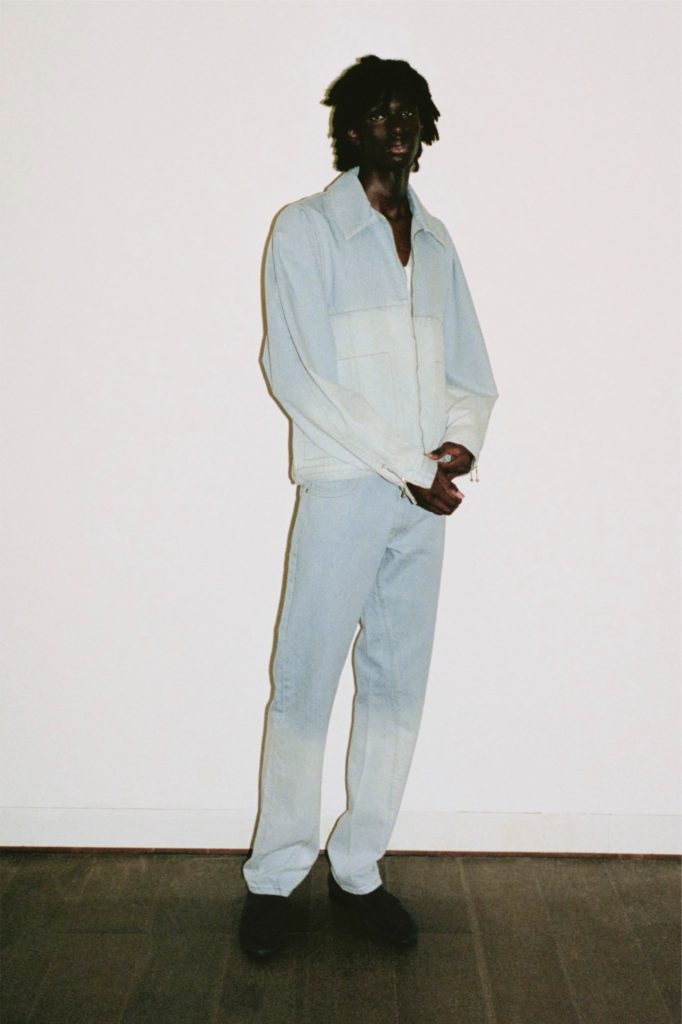
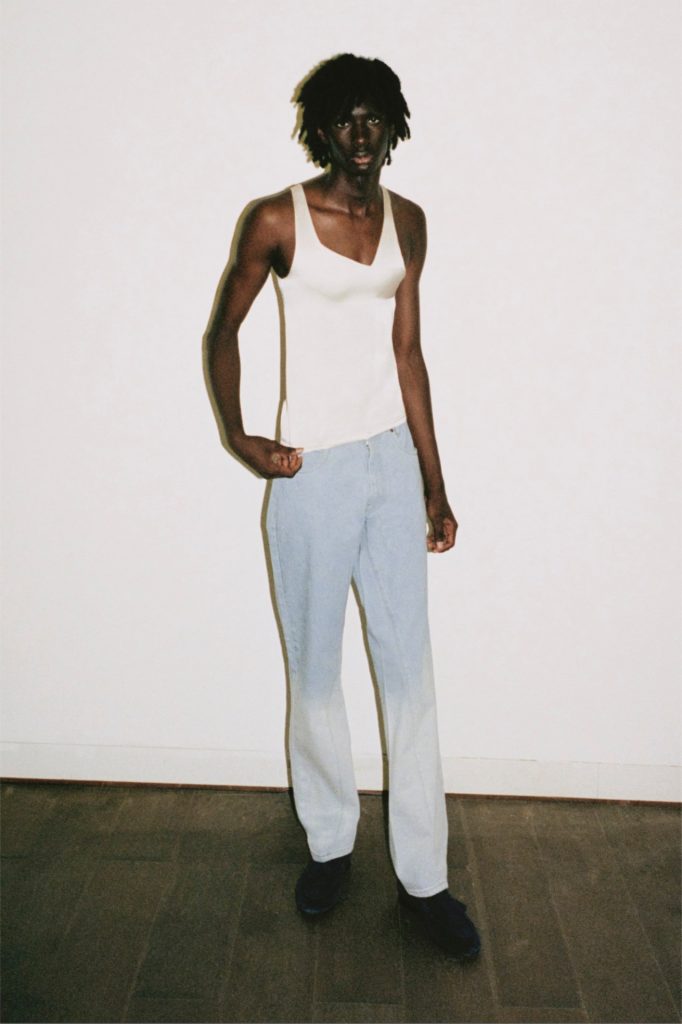
    Bianca Saunders is a menswear designer who is adept at giving jarring twists to bring different notions of masculinity. She teamed up with the Turkish denim mill ISKO for the second time to create her bomber-style denim jackets and twisted-seam jeans, having previously trialed the material in her autumn/winter 2020 collection. These collaborations by the London-based designer aim to capture “the unconscious style of summer before digital photography.”

    “ISKO is the best denim manufacturer to partner with, mainly because sustainability is so intrinsic to the brand. It was so great to partner with a responsible company.” Says Bianca Saunders.

    WHAT THE COLLECTION HAS TO OFFER

    Bianca Saunders X Isko Denim

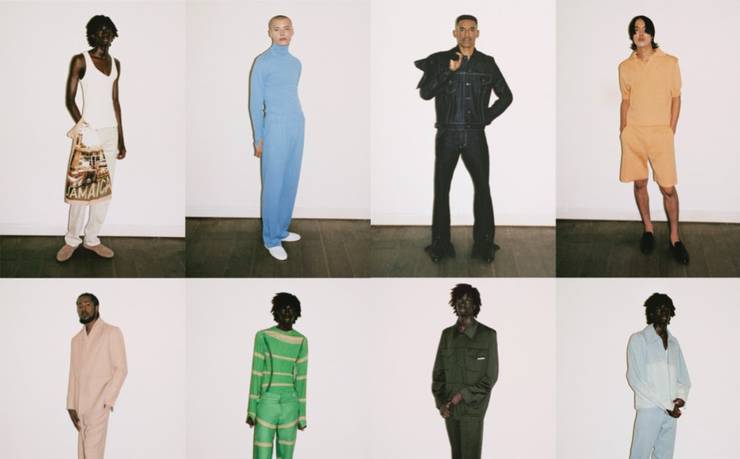
    Saunders’ menswear collection, displayed in a variety of old analogue images, illustrates her classic experimental cutting methods and contemporary design.

    Bianca Saunders X Isko Denim

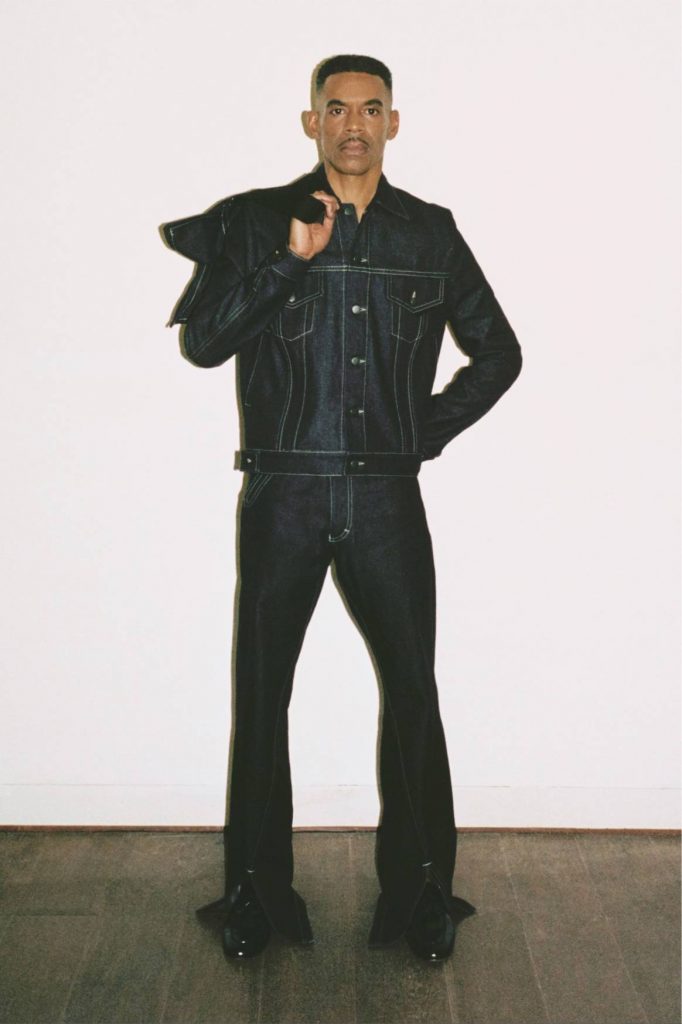
    Her avant-garde techniques exhibit unique sleeve styles, including a jacket with a rounded silhouette and a trench with cut arms. She plays in perspective by using cleverly constructed darts, the pieces are oversized and rounded, but suitably flat when seen from another angle. Sanders detailed the collection’s inspiration in a press release, saying, “I was also thinking of a muscular man whose prints were distorted as if stretched over his body and his arms were rounded and bent.”

    Bianca Saunders X Isko Denim

    The collection’s seven looks were established under sustainable denim manufacturer Isko, involving indigo denim jackets, twisted seam jeans, and a variety of other accessories. Sanko Textile Industries’ denim division is partnering with the R-Two program to impose recycled cotton and recycled polyester certified to denim, for which it has announced “full responsibility.” 

     Earlier, Isko Denim also collaborated with Saunders on her autumn/winter 2020 collection, offering sustainable materials as part of its ongoing campaign of both eco-friendly production and emerging talent.

    “Isko is proud to have collaborated with award-winning British talent Bianca Saunders for the second time on her latest SS22 collection,” said Isko’s marketing and business development manager, Keith O’Brien. He further asserts that the partnership reinforces their dedication to supporting emerging designers who want to integrate denim into their innovative collections.

    Saunders, the most popular ANDAM award winner for 2021, was also chosen as an associate on the 2020 GucciFest project, which will see her official launch of the pre-autumn ’21 collection via its platform. The designer also worked in collaboration with another British menswear brand, Farah, on a selection of zip-up knits and jersey tracksuits, along with a wide assortment of t-shirts that incorporate references to old holiday postcards, for this collection.

     ISKO DENIM R-TWO PROGRAM

     ISKO DENIM R-TWO PROGRAM

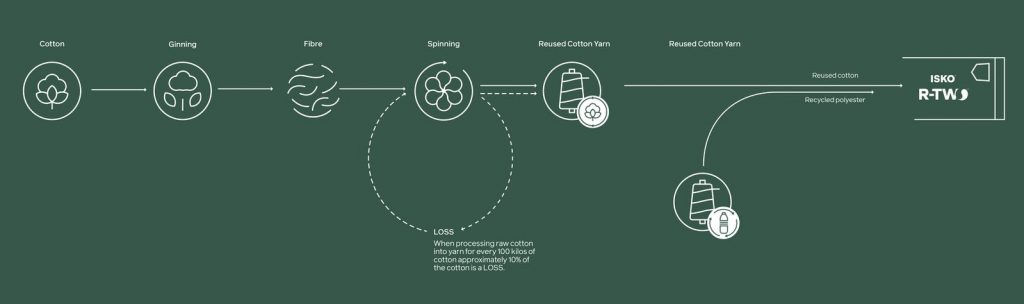
    The fabrics in the R-TWO program are composed of a combination of reused and/or recycled materials, which facilitate sourcing efficiency throughout the entire field-to-fabric production process. The initiative’s approach identifies waste avoidance at the epicenter of the program, with innovative and effective solutions for sourcing, reusing, and disposing of all materials used.

     R-TWO PROGRAM

    The reused cotton is obtained from production loss with Content Claim Standard Certification (CCS), and recycled polyester certified to Recycled Claim Standard (RCS) or Global Recycle Standard (GRS), depending on the percentage used. By having these certifications, brands and manufacturers can more effectively communicate the benefits of their sustainable efforts. The denim producer is committed to finding new ways to boost sustainable manufacturing, and it considers that R-TWO will make a significant contribution. 

     R-TWO PROGRAM

    Its existing bestsellers have all been converted to an R-TWO fabric, and the company aims to use the fabric for more than half of its collection. This is expected to significantly reduce the carbon and water footprint of fabric, as well as make it easy for consumers to trace a garment’s sustainable journey step-by-step from the beginning of the supply chain through to the end product they purchase. It is also developing a comprehensive sustainability report to communicate to its customers ISKO’s accomplishments, goals, visions, and policies regarding sustainable and ethical manufacturing.

     R-TWO PROGRAM

    In regards to their collaboration with Bianca Saunders, Keith O’Brien( Marketing and Business Development Manager at ISKO) said that they are proud to support designers like Bianca who are passionate about responsible production and promoting sustainability in the fashion industry.

    ABOUT BIANCA SAUNDERS

     BIANCA SAUNDERS

    Bianca Saunders is a distinct new voice in the menswear arena, specializing in proposing jarring twists to succinct garments, effectively redefining existing notions of masculinity. Saunders addresses the tension between tradition and evolution in designs that reference classic streetwear and avant-garde couture in equal measure, at times within the same piece, drawing from touchstones on both sides of her British and West Indian heritage.

    BIANCA SAUNDERS

  • Denim Is Important In Back To School Fashion

    Denim Is Important In Back To School Fashion

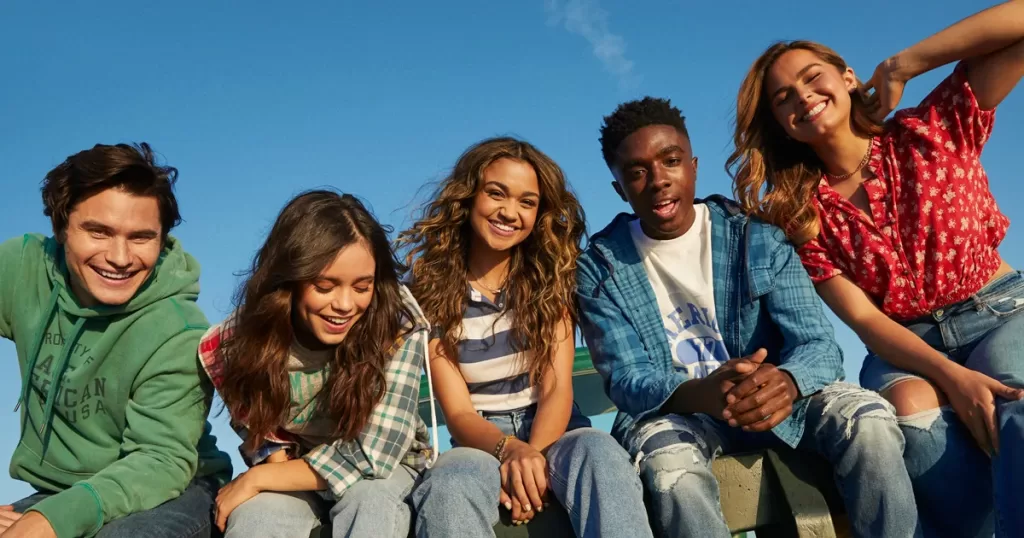
    American Eagle back to school 2021

    The end of summer is usually the time for back-to-school shopping. As parents and school districts catch up with the prospects of remote learning or socially distant classrooms, and the potential of yet another lockdown, children’s apparel companies are hopeful that kids will still need new clothes. Several retailers are expecting sales from this back-to-school season to outpace 2019 mega sales. The back-to-school season is rather predictable for fashion brands. Therefore, clothing retailers generally schedule special sales to draw parents and students into the store to purchase a new product.

    MAJOR BRAND IMPARTING THIS TREND

    Brands are all set to cover up the low sales margin incurred during the last year of the pandemic. Sales and advertising campaigns are pouring out everywhere to attract  Gen Z consumers.

    AMERICAN EAGLE HEARTS AT ITS DENIM COLLECTION

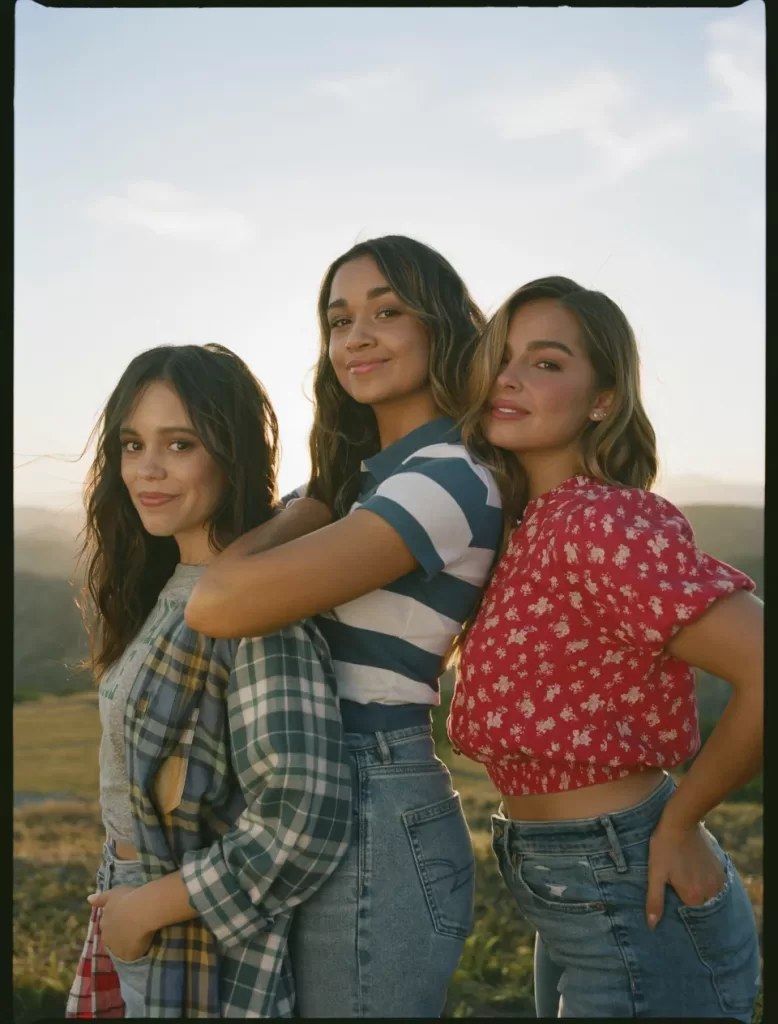
    AEO back to school 2021

    Apparel retailer American Eagle unveiled a new, denim-focused ‘back-to-school campaign’ (BTS’21)  this week under the tagline “Future Together. Jeans Forever,” which features actors Caleb McLaughlin, Jenna Ortega, Chase Stokes, Madison Bailey, and singer Addison Rae. The campaign highlights the Evolution of the Virtual Shopping Experience and aims at getting people excited to show off new styles as they head back into the world together.

    New fashion trends incorporating innovative designs, fits, and fabrics that inspire customers will be seen making a statement in their Jeans. This back-to-school season, the brand will continue to lead the industry through innovative virtual shopping experiences with partners Snapchat and Bitmoji to connect with customers through augmented reality and digital expression. The brand in partnership with Snapchat is launching the ‘Dress Yourself’augmented reality experience. A first-of-its-kind experience that enables users to try on and shop selected looks from the AE Back-to-School Collection using the self-facing camera.

    “As we celebrate the excitement of being back together, American Eagle’s ‘Future Together. Jeans Forever’ campaign symbolizes the brand’s continued mission to inspire positivity and support our customer’s freedom to be their truly unique self,” said Jennifer Foyle, President & Executive Creative Director, American Eagle

    CUSTOMER’S FAVE FITS

    America Eagle is all set for customers to spot their favorite fits. The back-to-school faves consist of:

    Men: The new Airflex+ Athletic Skinny, 360 Skinny, Temp Tech Athletic Skinny, and 360 Slim offer ceaseless flexibility and comfort.  The collection also includes classic cotton hoodies, hooded flannels, and graphic tees providing boys with versatile outfitting options.

    Women: This includes a variety of fashion jeans including an updated take on the classic pleated tennis skirt and the ultra-high rise relaxed Mom short, along with an array of new comfort styles ranging from the Mom Straight and Super High-Waisted Flare to the Luxe Super High-Waisted Jegging, High Waist 90s Boyfriend, and Baggy Mom jeans that all pair with the new assortment of smocked woven tops and polo baby tees.

    ‘The new denim collections for him and her feature the Real Good badge noting the style is made with the environment in mind and manufactured in a facility that meets AEO Inc.’s standards for water recycling and reduction.’

    PACSUN’S BACK-TO-SCHOOL & FALL LOOKS

    Pacsun back to school
    Pacsun back to school

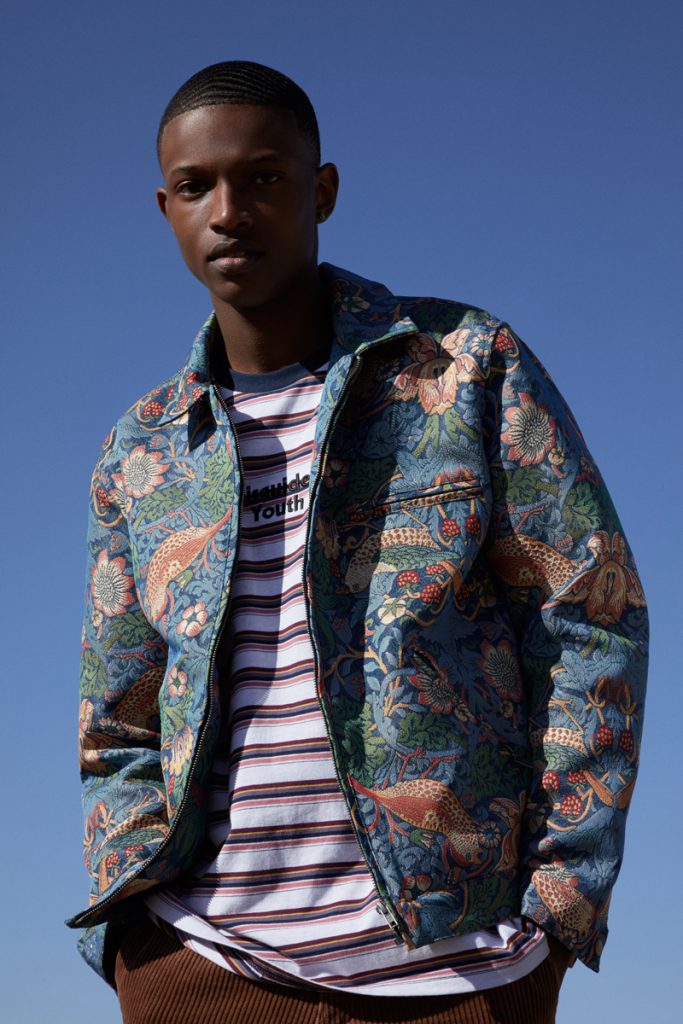
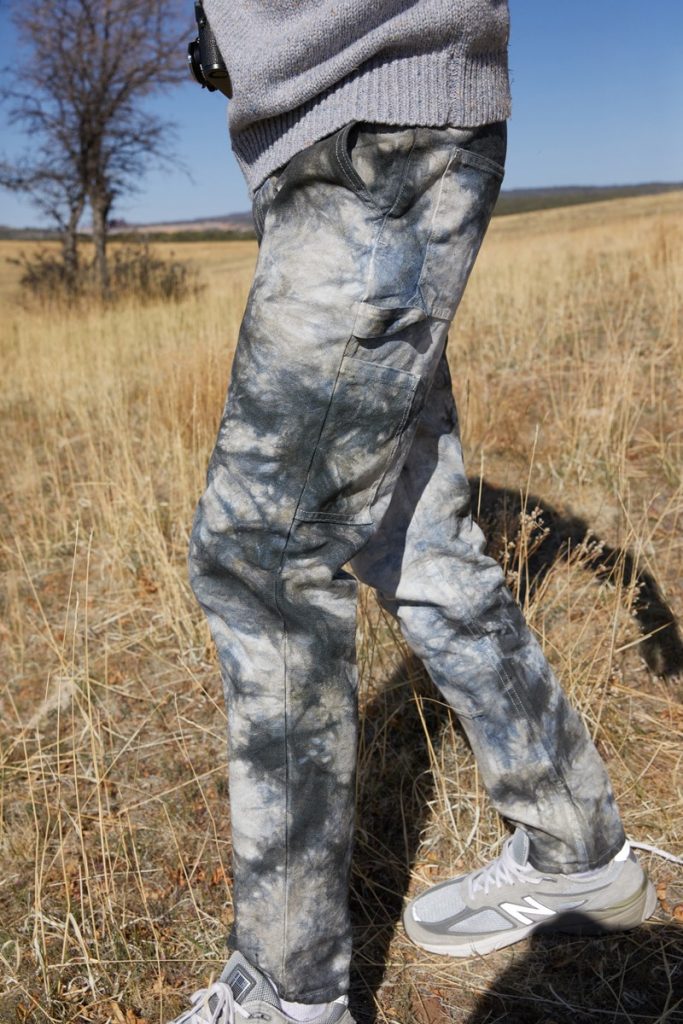
    Pacsun releases brand new apparel that exhibits wardrobe staples like hoodies, graphic tees, denim, and pants. A go-to-gig for graphic T-shirt enthusiasts, Pacsun is stepping up its game by providing consumers with a new quiz that matches graphics with one’s unique style. The brand is also indulging customers who prefer more understated tops and those building their wardrobe by dropping three and five-pack basic T-shirt deals, making it easy to stock up on different colors of your favorites. 

    The retailer also aims to introduce a wide range of denim for the season. Its Fall collection of jeans and pants include different attires from unique washes to color blocks and patterns in their best-selling fits such as vintage loose, cargo, and slim taper. Progressing its commitment to sustainability, selecting the new Fall collection jeans is eco-friendly and made with recycled fabrics. The brand has improved its shopping experience and is helping students head back into the classroom with ease by offering free shipping on jeans and sneakers so shoppers can try their items risk-free at home.

    OLD NAVY’S GENDER-NEUTRAL KIDSWEAR

    Old Navy Back To School

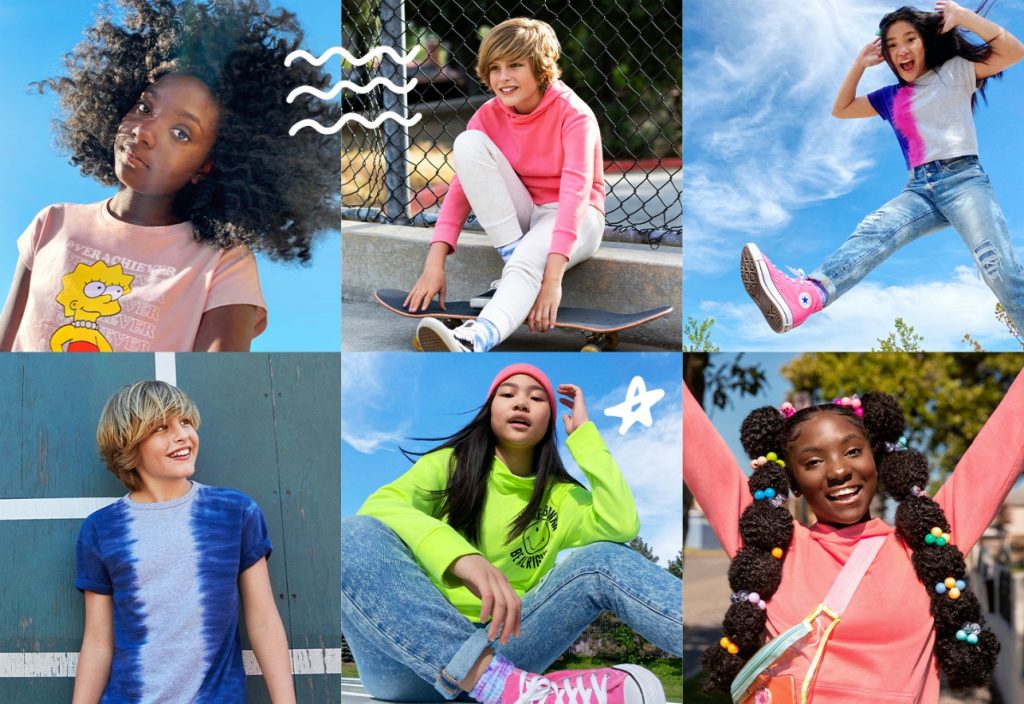
     Gap Inc. retailer Old Navy launches its back-to-school collection that brings forth the basics and bright neon colors, graphic tees, high-tech performance fabrics, and throwback 90’s tie-dye. The brand has curated fall picks for every school that ranges from classroom to playground and weekend play-dates.

    Old Navy brings out a vast and stylish array of gender-neutral kids’ clothes that are perfect for transitioning a child back to school this fall. From cozy sweat shorts in different colors to funky graphic tees, there are tons of different pieces to allow kids to express themselves. With this year marking the return to in-person class for many students, that first-day-of-school ‘fit is more important than ever for the kids and that is well ensured by the brand’s clothing assortment.

    THE BOTTOM LINE

    This Back-to-School season, kids are helping steer the virtual shopping cart with greater influence over parents’ purchasing decisions. For Gen Z, this moment is an exercise in self-expression and personal identity. In addition to apparel, expressing one’s personality impacts trends in Back-to-School accessories and supplies. This makes fashion more practical and personalized.

  • London Fashion Week Fall 2017 Ready To Wear

    London Fashion Week Fall 2017 Ready To Wear

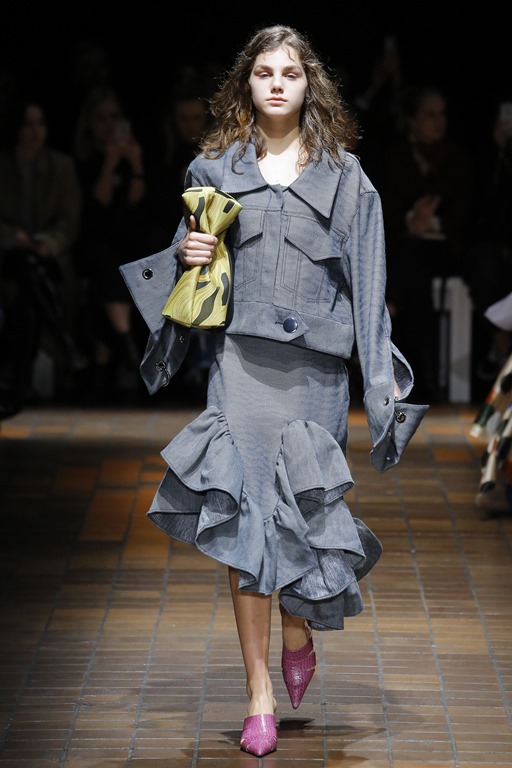
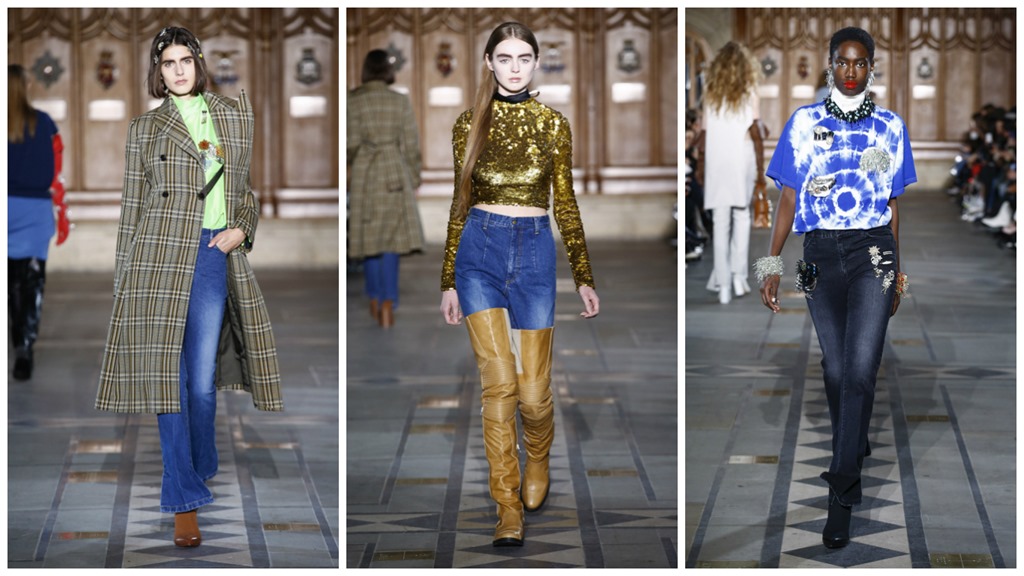
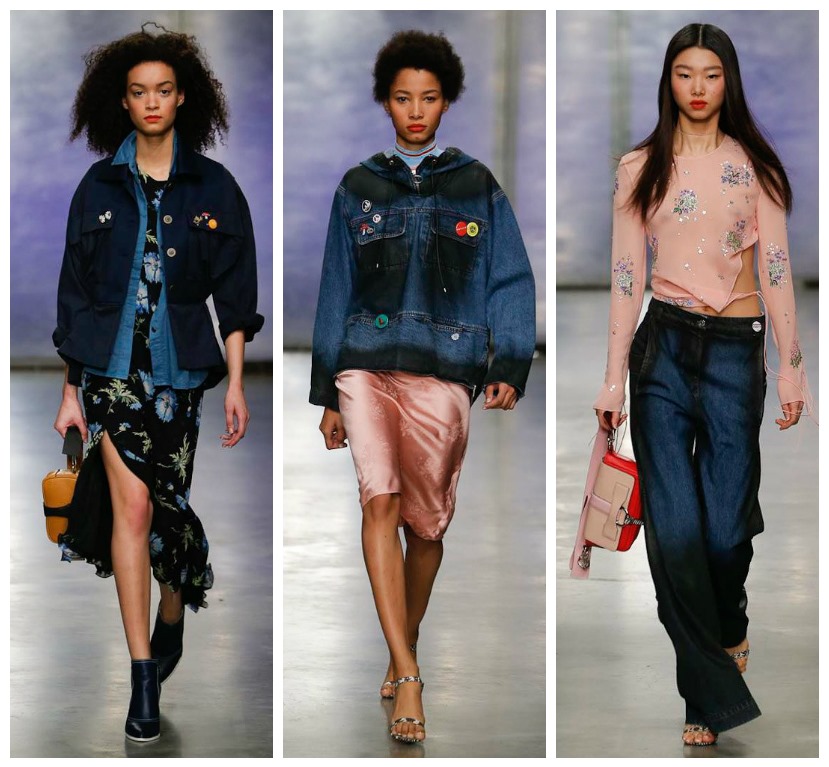
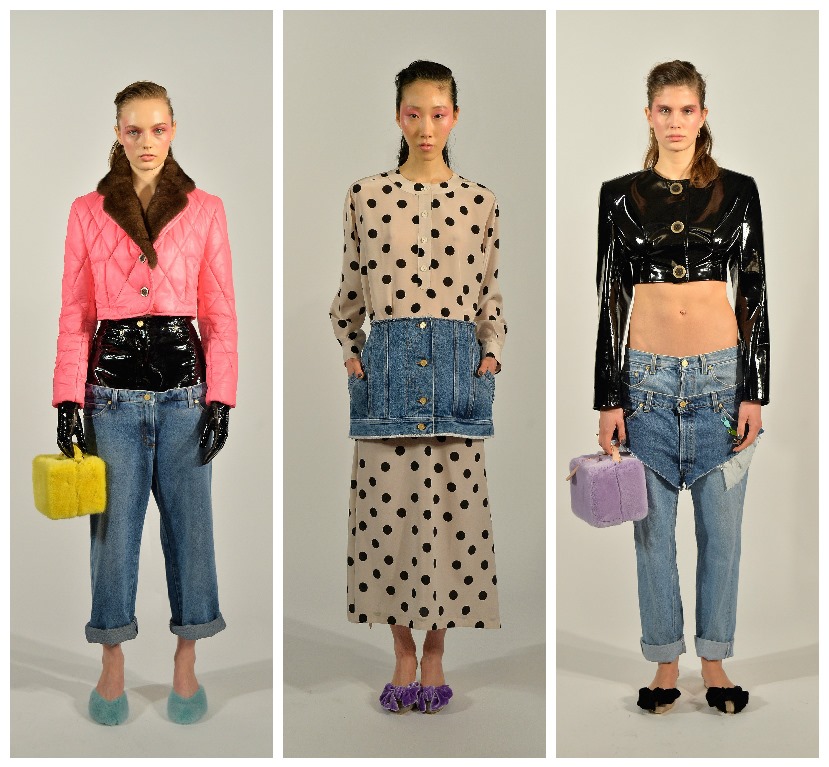
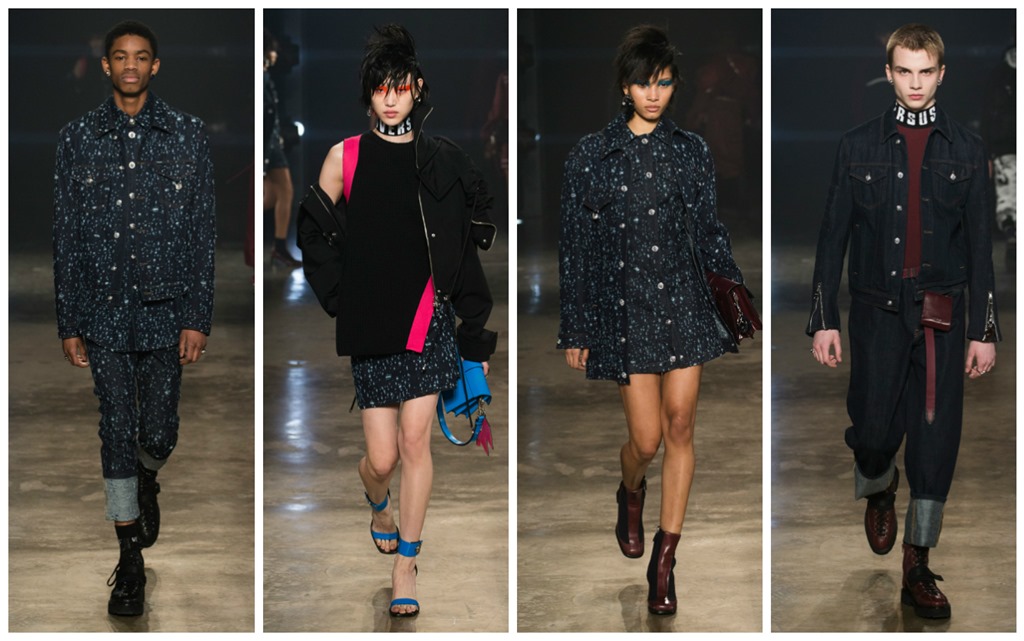
    Denim continues to be  a part of collections of many a designers at the London Fashion Week. Each designer had his/her own interpretation of fashion aspect of denim from simple workwear to haute couture looks ! . We cover some of the main designers who used denim in their collections.

    Marques ‘ Almeidat

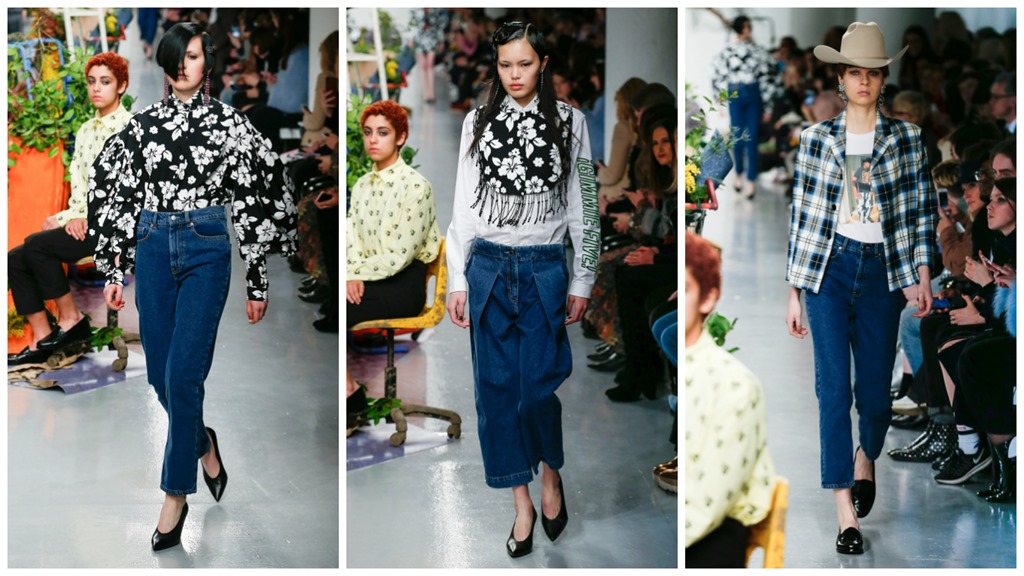
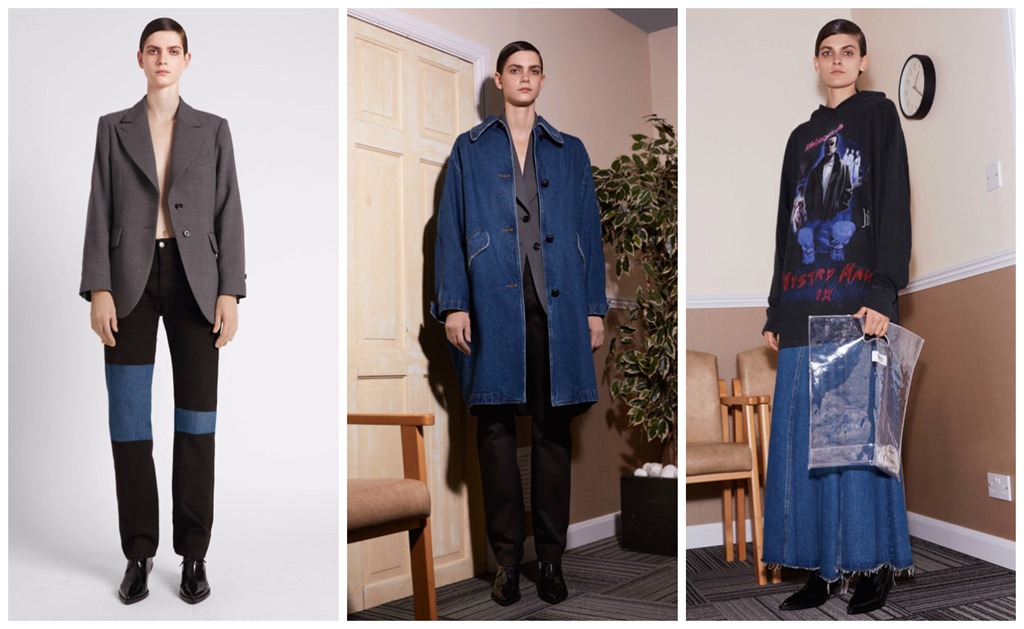
    Replacing traditional blues  and styles, Marques Almeida adopted subtle and bright blues to create their Texan tuxedos . Frayed skirts , fabric mixes and diverse model body sizes further added to diversity in the collection.

    marques almeida

    marques

    House of Holland

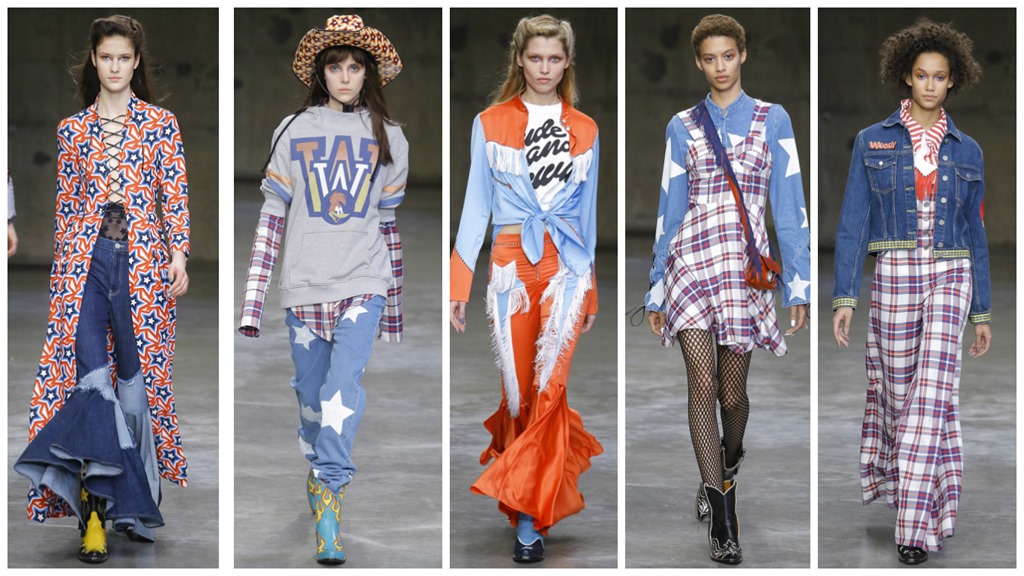
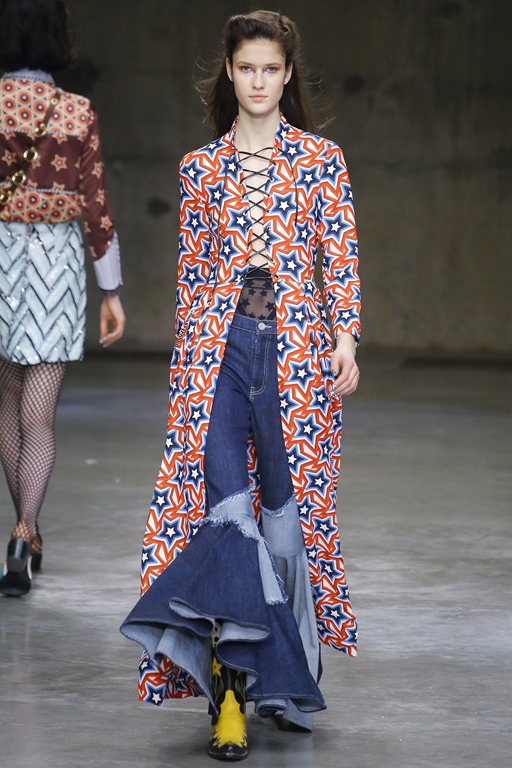
    Henry Holland  combined bright colored  oversized coats to pair with the denims . Super flares attached to the jeans  add further zing to the denim pieces inspired by American fashion.

    House of Holland 5

    House of Holland

    Fashion East

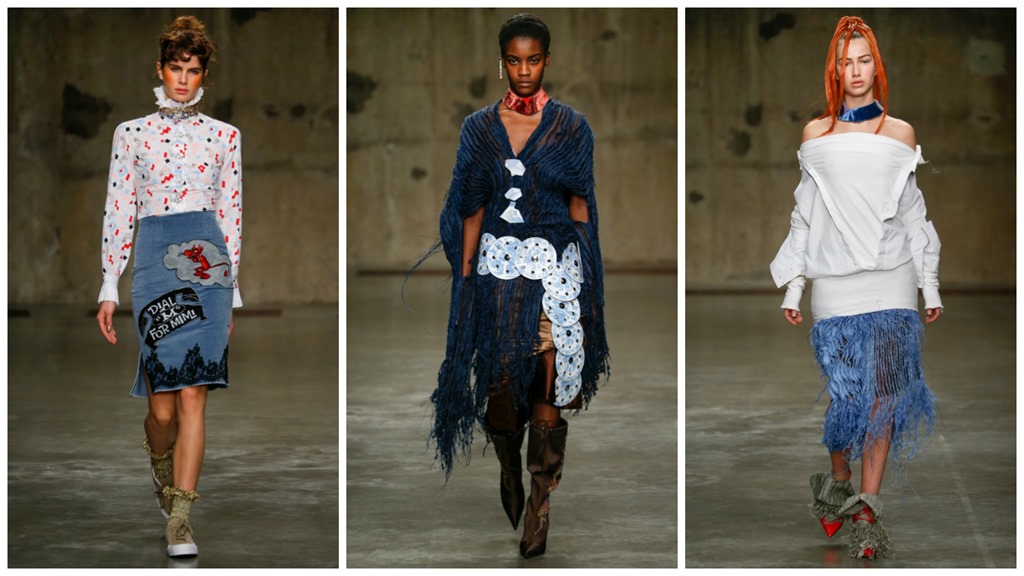
    Relatively lesser known label, Fashion East , brought out their own shredded looks to runway.

     Fashion East

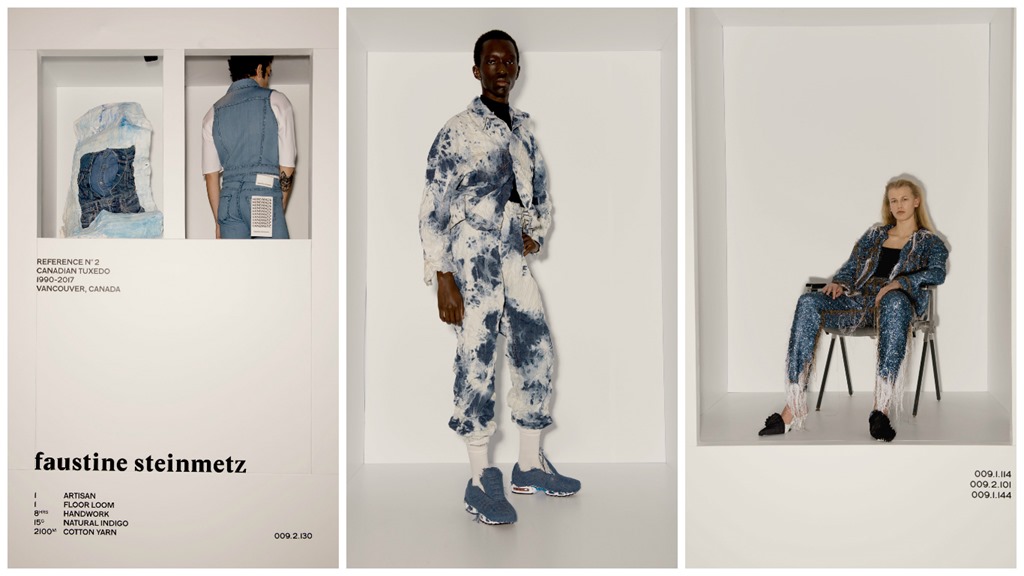
    Faustine Steinmetz

    Faustine steinmetz is arguably one of the most well known designers today. Her FALL 2017 collection is inspired by denim looks from countries like Colombia and Israel. Her pieces have her own special signature and many  of them just stand out.  One of the most outstanding one is a denim suite encrusted with thousands of crystals and the jeans uniquely frayed.

    Faustine Steinmetz

    Ashley Williams

    Ashley Williams

    Victoria Victoria Beckham


    vvb

    vvb 1

    Toga

    Toga

    Topshop Unique

    Topshop Unique

    Natasha Zinko

    natasha

    Versus Versace

    Versus Versace 8

    MM6 Maison Margiela

    MM6 Maison Margiela

  • London Fashion Week SS’16 – II

    London Fashion Week SS’16 – II


    This is the second part of the article on the London Fashion Week SS’16 collections. The first part can be accessed here and the rest of the designers’ collections in denim can be seen below.

    Thomas Tait

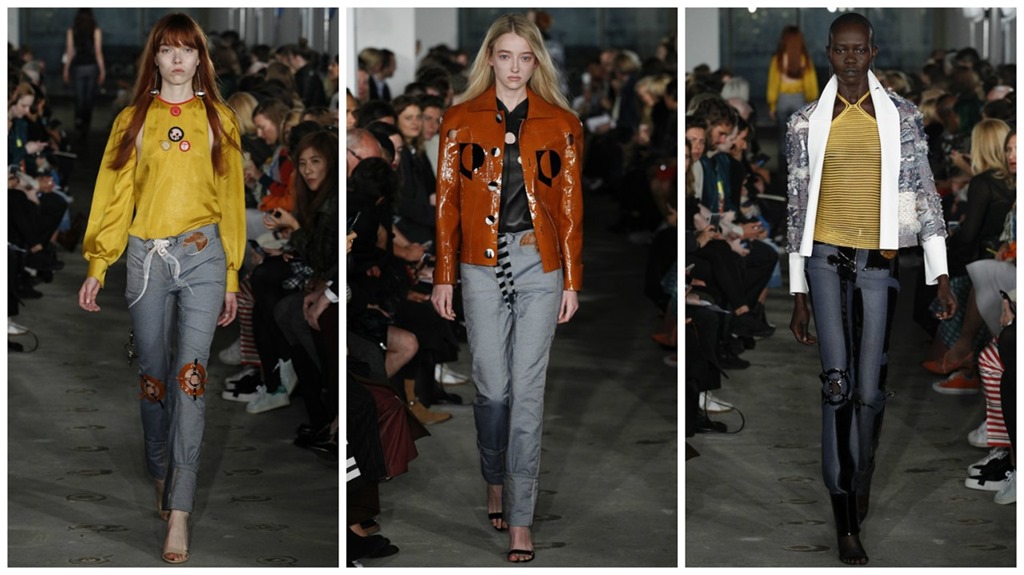
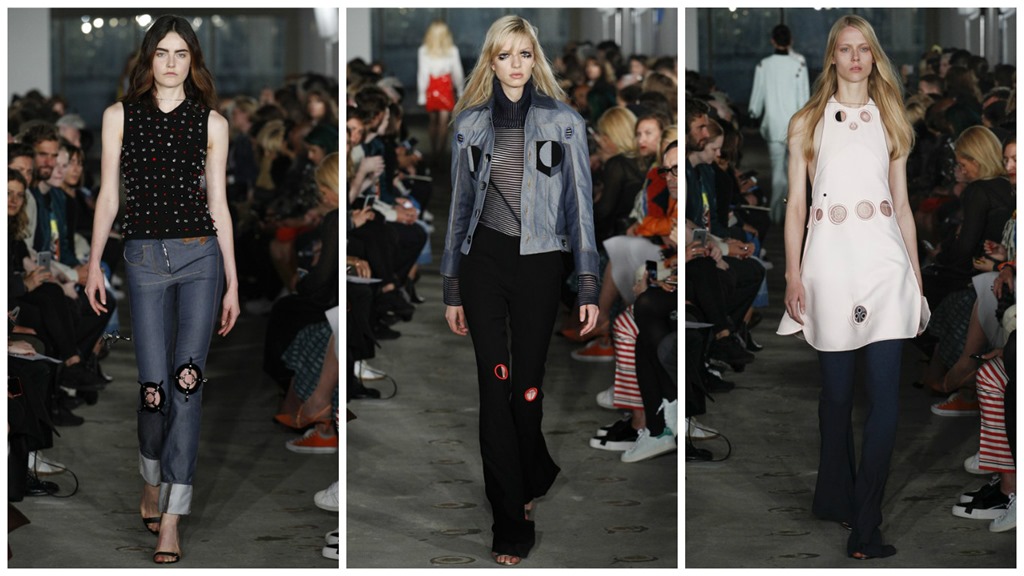
    THOMAS TAIT  concentrated on denim jackets and jeans with denim combo fabrics – often combining more than one kind of fabric and in different shades and hues to bring out that smart casual looks. The collection was more  feminine than last season and you could always find some  badges, peekaboo holes or target motifs on his clothes besides some key chains.

    London Fashion Week SS16  II denimsandjeans.com

    London Fashion Week SS16  II denimsandjeans.com

    Peter Pilotto

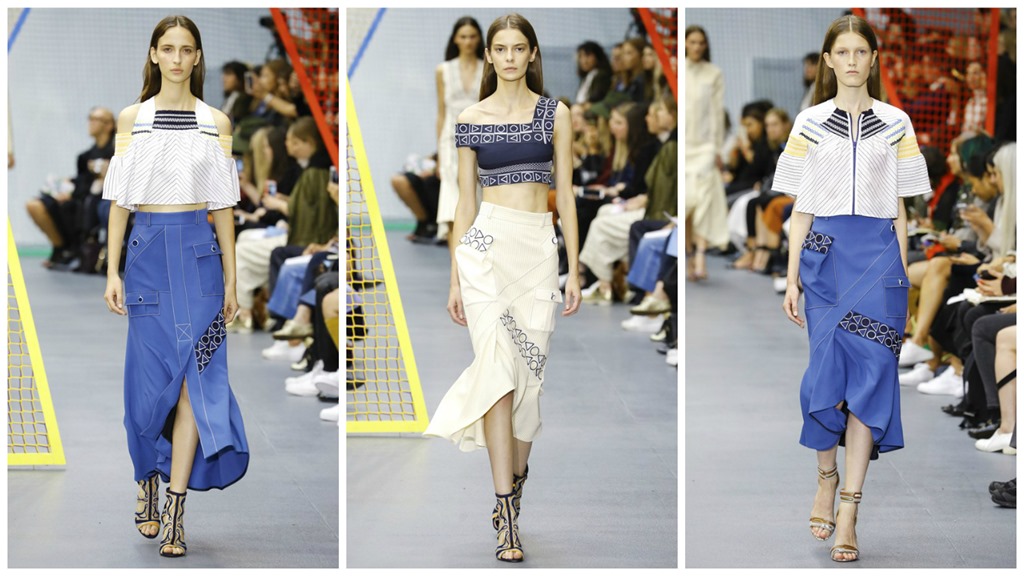
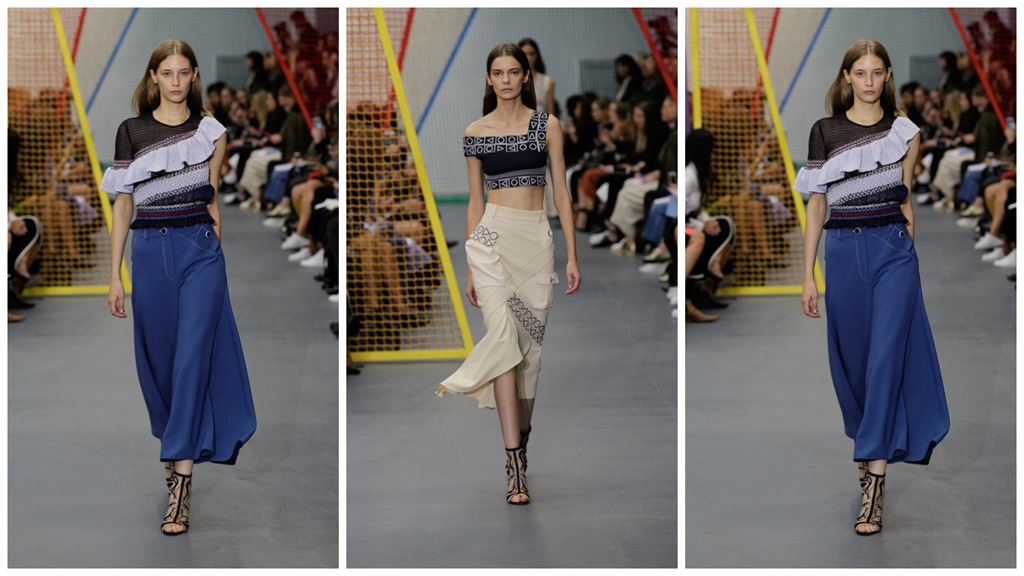
    It was all denim skirts from  Peter Pilotto. And the swinging skirts had  danced around the models’ thighs; its macramé counterpart was patchworked with satin seersucker in asymmetric skirts and kick-flare culottes. Some of the skirts had that that jeans visage alternating with that of a skirt.

    London Fashion Week SS16  II denimsandjeans.com

    London Fashion Week SS16  II denimsandjeans.com


    Daniel Borros

    Less stitching and more drape was the motto of the collection from Daniel Borros.
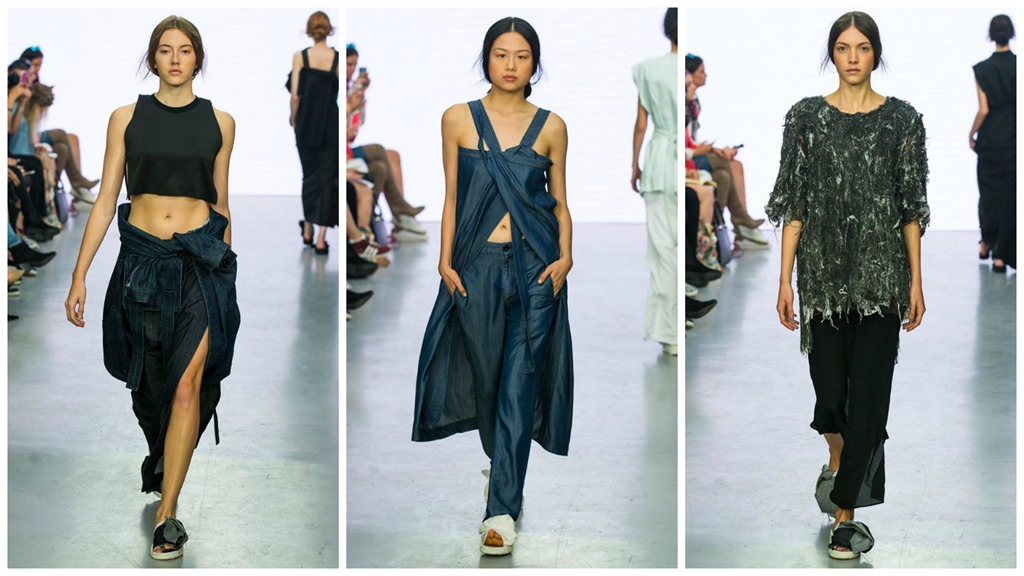
    He brought out experimental work which combines techniques and details of tailoring on a silhouette deconstructed. Denim Tencel lyoncel and Japanese Silk were the main materials of the collection bringing out trench coats , skirts and other styles.

    London Fashion Week SS16  II denimsandjeans.com

    London Fashion Week SS16  II denimsandjeans.com

    Gyo Yuni Kimchoe

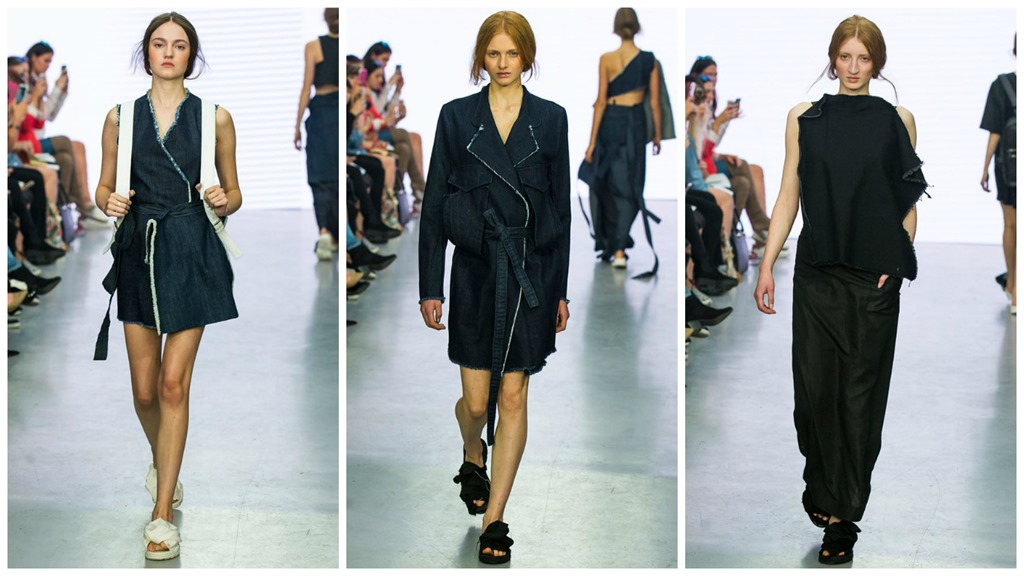
    Gyo Kim and Yuni Choe are designers behind the label GYOYUNI KIMCHOE – both from Korea. Their focus was more on sustainability and designs inspired by Korean fashion.

    London Fashion Week SS16  II denimsandjeans.com

    London Fashion Week SS16  II denimsandjeans.com

    HOLLY FULTON

    HOLLY FULTON  Silhouettes were neat with a lot of embellishment and embroidery used in just the right amount to make these clothes applicable for more than just an evening outing. Denim was a strong part of the collection and the embellishments made denim stand out in its vivid blue hues.

    London Fashion Week SS16  II denimsandjeans.com

    London Fashion Week SS16  II denimsandjeans.com

    London Fashion Week SS16  II denimsandjeans.com

    House of Holland

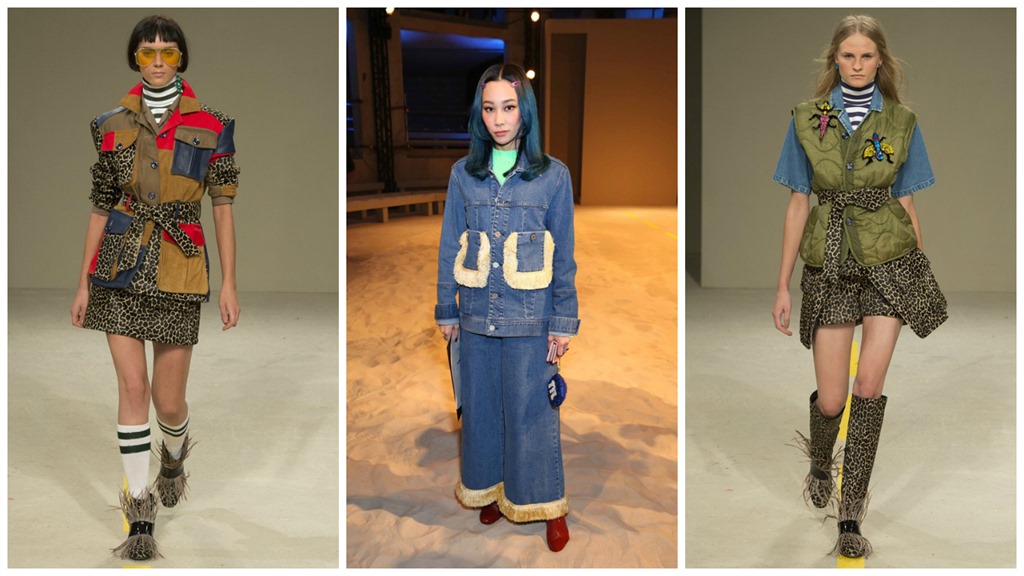
    It was a kaleidoscope of colors and fabrics from the House of Holland bringing out the nomadic looks using motifs and prints on denim.

    London Fashion Week SS16  II denimsandjeans.com

    Kingston University MA

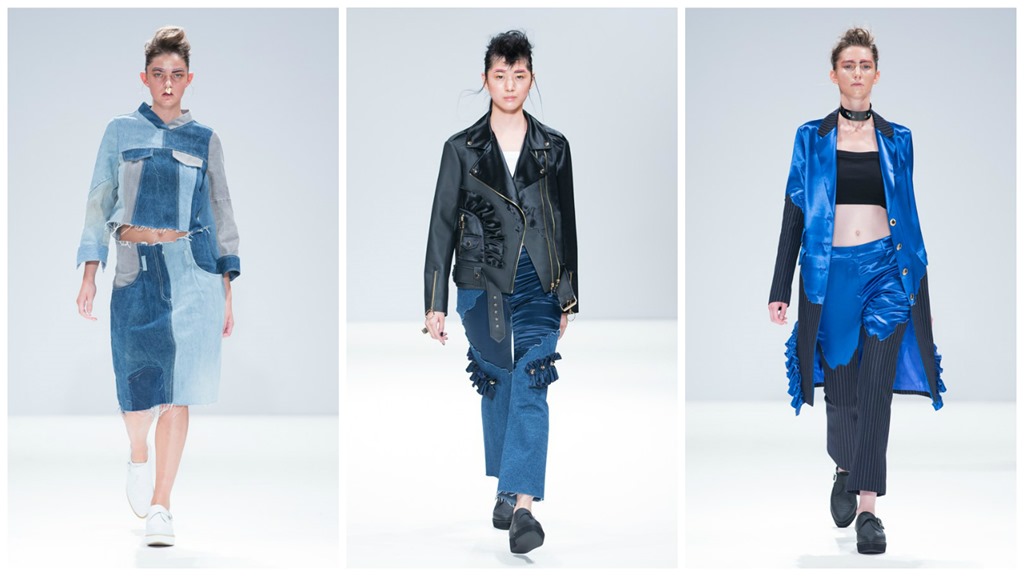
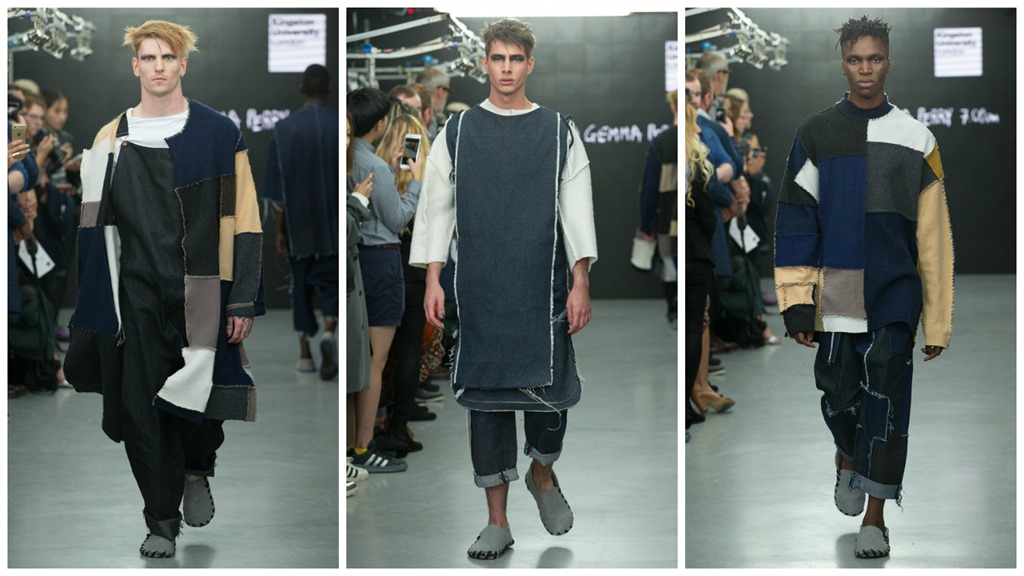
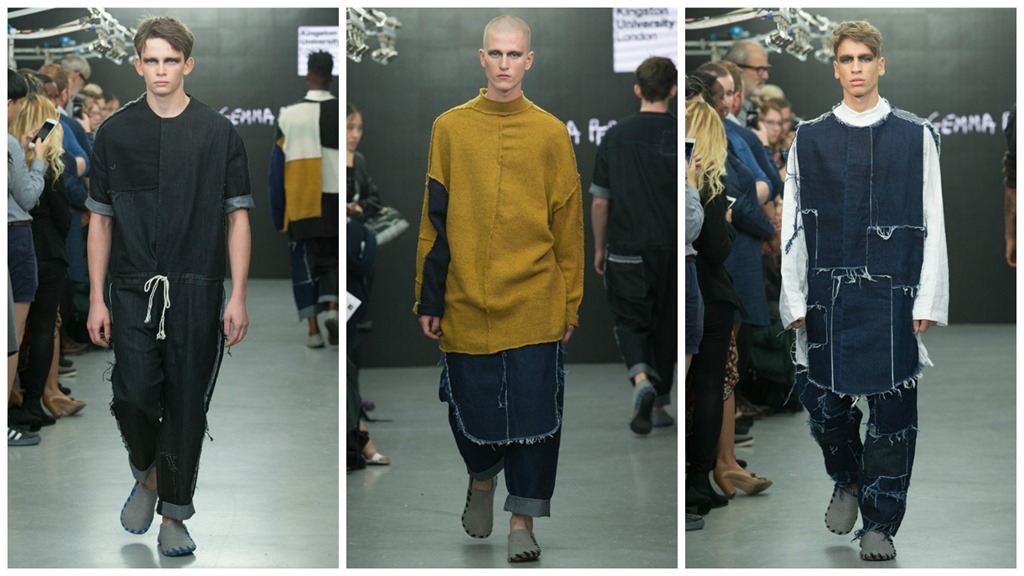
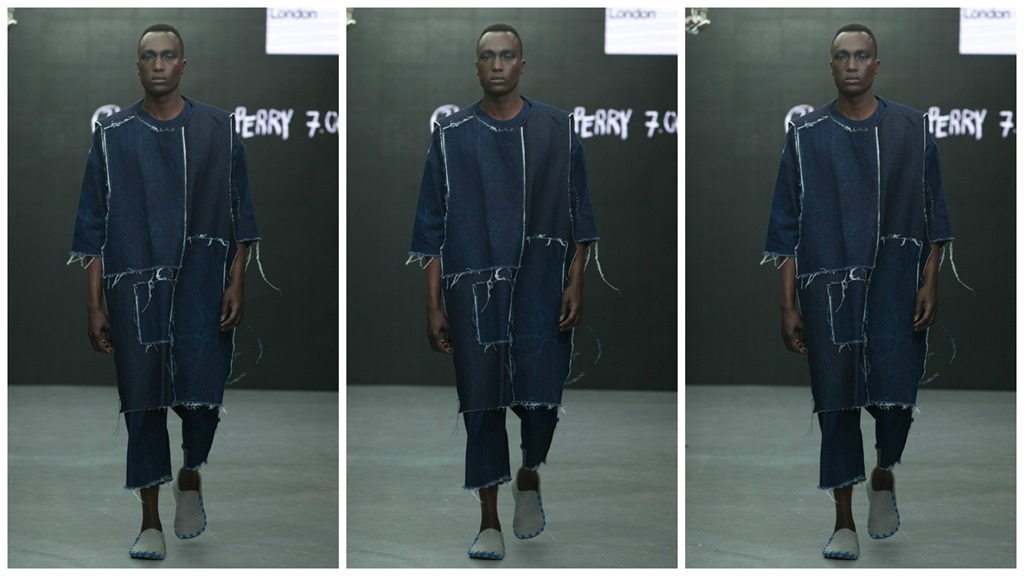
    Kingston University students brought out their own collection with their own particular themes and tastes. Most of them used raw fabrics and used them to create large overalls and shirts giving an eclectic look to the collection.

    London Fashion Week SS16  II denimsandjeans.com

    London Fashion Week SS16  II denimsandjeans.com

    London Fashion Week SS16  II denimsandjeans.com