Category: News

  • FDMTL Japan |FW’13 Collection

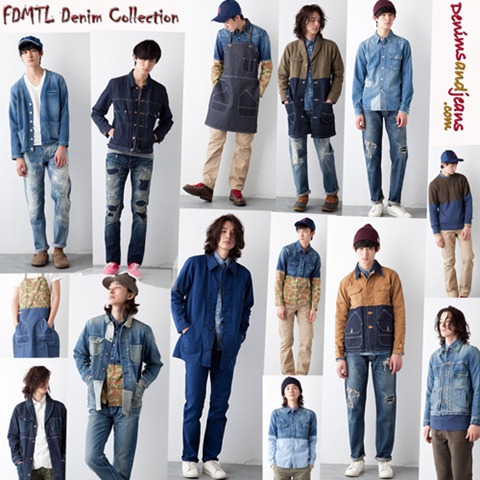
    FDMTL Denim Collection FW13

    FDMTL – with a long complete name of  Full Agreement Luxury-
    is a denim label from Tokyo, Japan which aims to be differentiate itself from other brands in Japan. While most brands in Japan focus on Raw denim, FDMIL’s main emphasis is on distressed denims. They also work out interesting and not so regular looks  with their denims. We spoke to the founder and creative designer Tsuyoshi Gaku  to know more about the label.
    When we asked him about the concept behind his label and its long name, he described :

    “FUNDAMENTAL AGREEMENT LUXURY” produces mainly denim garments which are made in the world-wide manufacturing capital for denim  Okayama, Japan Their uncompromising products are carefully made with such incredible detail that is difficult to obtain by mass production means.The brand name is derived from the literal interpretation of its words. FUNDAMENTAL AGREEMENT = having a basic agreement with our customers to provide them with quality product. Our promise. LUXURY = suggests that our product is a cut above the rest in every way”

    To stress further the make of the brand , he further said :

    “FUNDAMENTAL AGREEMENT LUXURY denim is “JAPAN MADE”. This includes the fabric, sewing and manufacturing. The vast knowledge and experience from skilled workmen is put into each product, resulting in detailed special product that you can ‘ t achieve through mass production.

    Check out their video on jeans manufacturing here
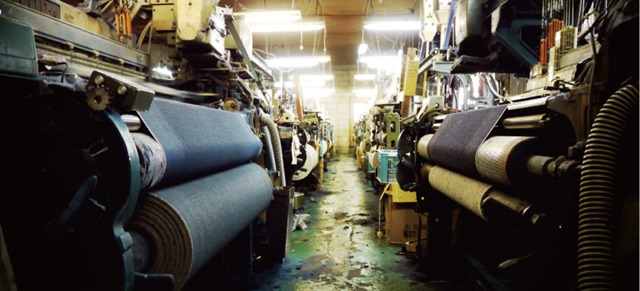
    shuttle looms for denim

    When we wanted to clarify with him the reason for focusing on distressed denim  while most Japanese brands tend to be oriented towards raw denim, he said:

    “I like jeans because i think jeans is an industrial product just like TV, iPod etc ,but at the same time, jeans are more like creatures ,because they change…depending on the shape of the person who wears etc…i like the distressing process, and this is why i’m making distress jeans, but i would say it’s an aging jeans jeans in which you can feel the background. And our customers are quite comfortable in distressed jeans. …..All our jeans are hand made, we use small machines too, but work with  hands too. For the sewing process, we use vintage sewing machines too – Union Special machines.  And the distressing is done by hands and not large laundries.

    For its  FW’13 collection, FDMTL follows two concepts –

    • Bi color
    • Military

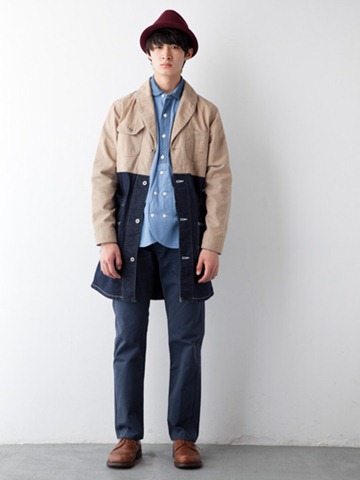
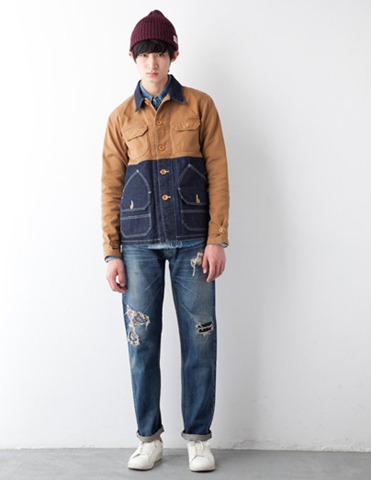
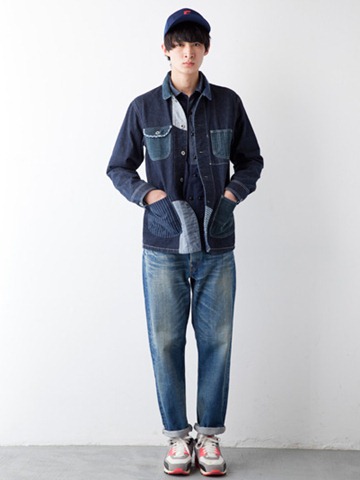
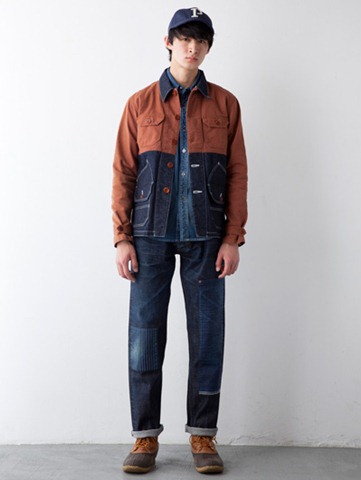
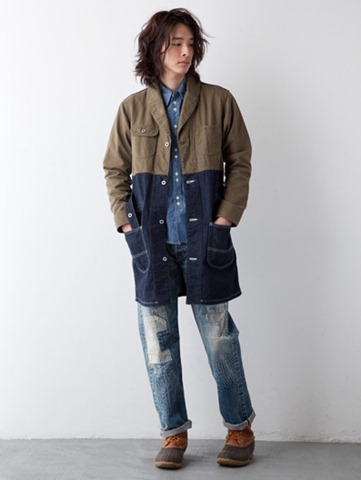
    Putting 2 or more kinds of fabric together and trying to show new feeling of fabrics is what is the focus for this collection as per Tsuyoshi Gaku . He further says

    “i like making clothing only with denim fabric, but for the current season most items are made with the combination of some kinds of fabrics…”.

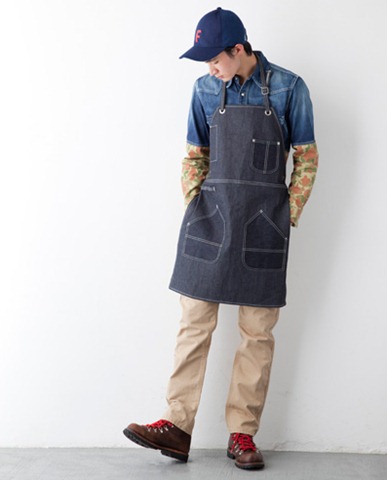
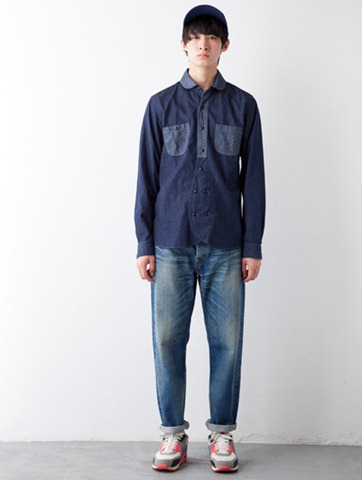
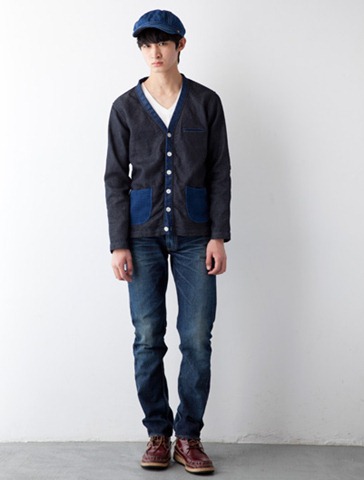
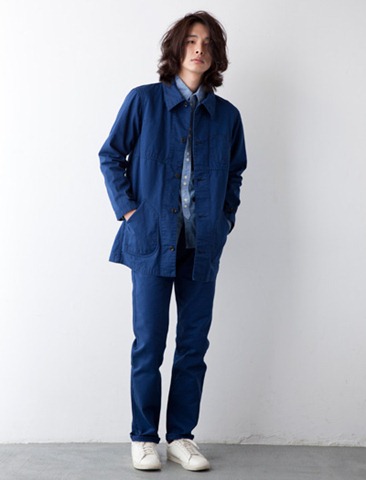
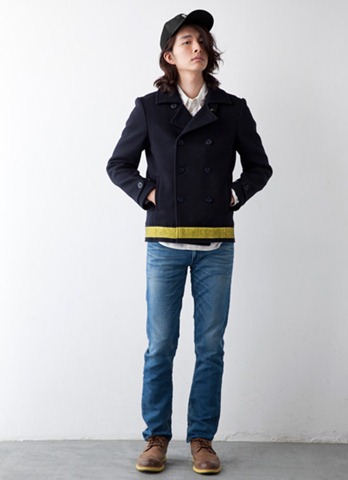
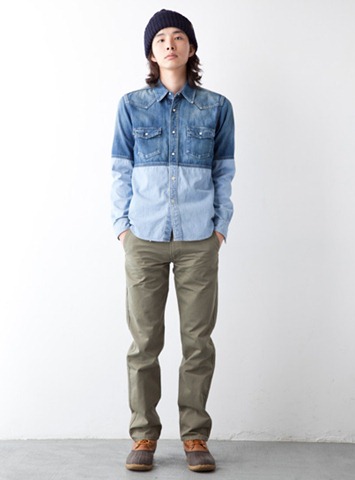
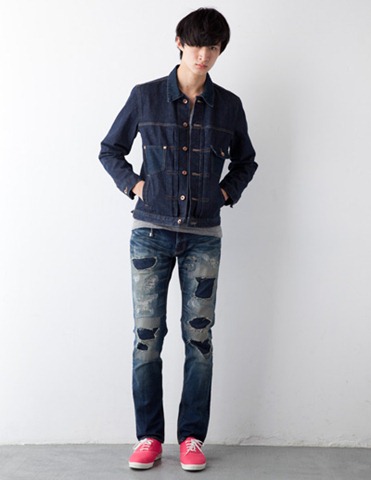
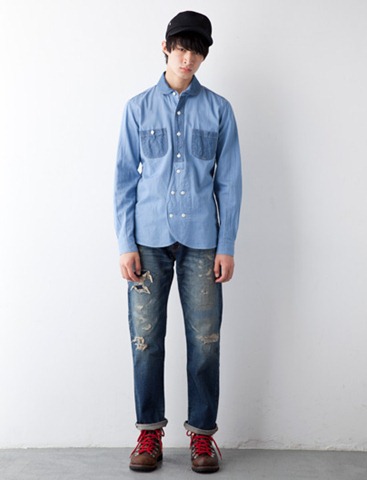
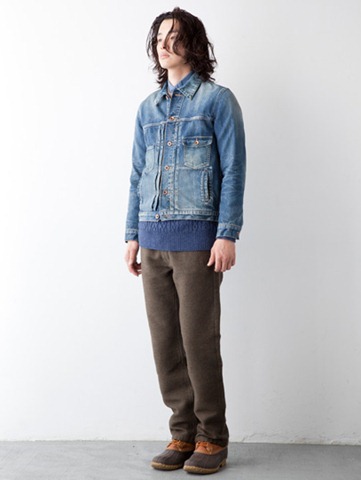
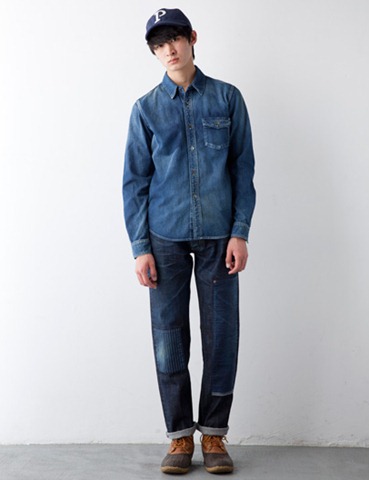
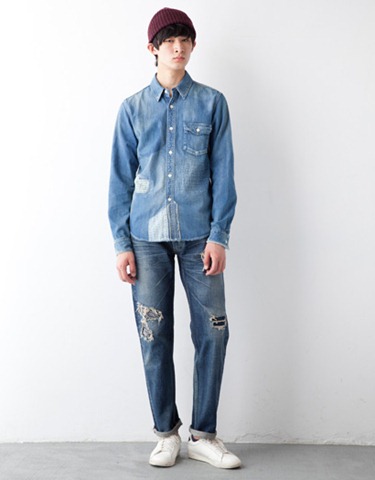
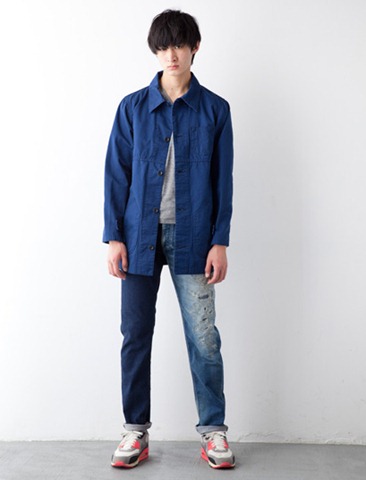
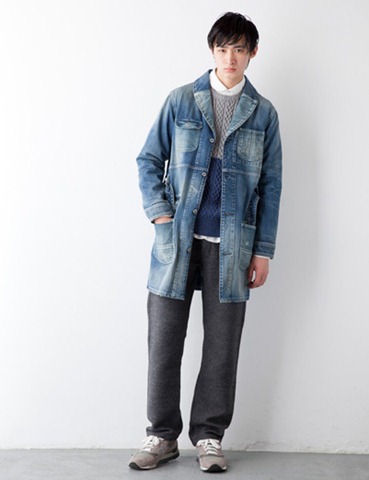
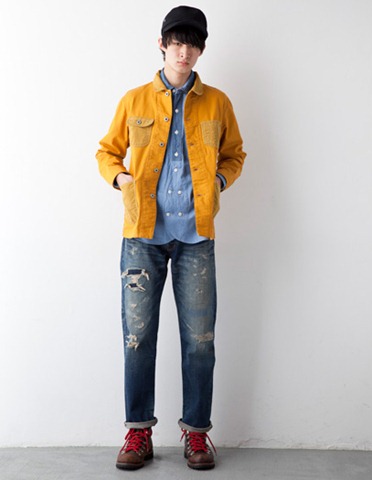
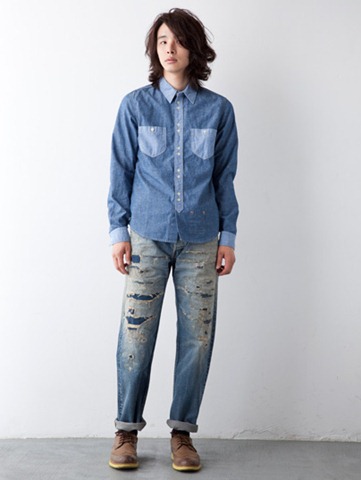
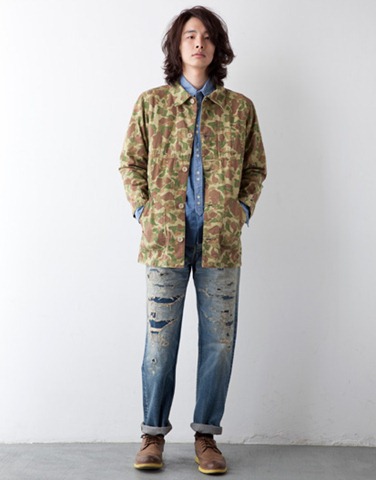
    Looks from part of his collection follow . The bi-color and bi-fabric  combinations are particularly interesting in some of them especially where military fabrics have been conjoined with the denim fabrics. Distressing on some of the jeans is quite intricate and the hard work appreciable. The retail price point of  FDML  range from $150-$350 .
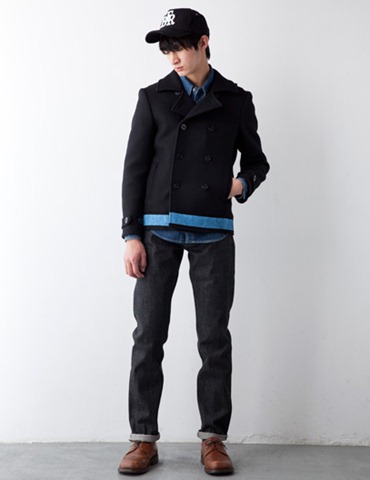
    FDMTL Fall Winter 2013 Collection

    FDMTL Fall Winter 2013 Collection

    FDMTL Fall Winter 2013 Collection

    FDMTL Fall Winter 2013 Collection

    FDMTL Fall Winter 2013 Collection

    FDMTL Fall Winter 2013 Collection

    FDMTL Fall Winter 2013 Collection

    FDMTL Fall Winter 2013 Collection

    FDMTL Fall Winter 2013 Collection

    FDMTL Fall Winter 2013 Collection

    FDMTL Fall Winter 2013 Collection

    FDMTL Fall Winter 2013 Collection

    FDMTL Fall Winter 2013 Collection

    FDMTL Fall Winter 2013 Collection

    FDMTL Fall Winter 2013 Collection

    FDMTL Fall Winter 2013 Collection

    FDMTL Fall Winter 2013 Collection

    FDMTL Fall Winter 2013 Collection

    FDMTL Fall Winter 2013 Collection

    FDMTL Fall Winter 2013 Collection

    FDMTL Fall Winter 2013 Collection

    FDMTL Fall Winter 2013 Collection

  • Cone Gemini Fx Color Weft System

    Cone denim (ITG – Burlington Apparel Solutions)  is always on the forefront of innovations providing apparel solutions to brands and retailers worldwide on various fashion and lifestyle products. In their latest effort , they have tried to find a solution to address the demand for achieving color weft looks on the denim and non-denim fabrics. Colored wefts have been a strong denim trend for the last few seasons. The garment manufacturers faced some problems in this kind of product :

    • The minimums required by mills to produce these fabrics are usually not very small.
    • The color in the weft is created by the mill and the garment manufacturer cannot make any changes in the color if he wants.
    • There is a limitation on the number of colors a manufacturer can buy or a mill can supply.

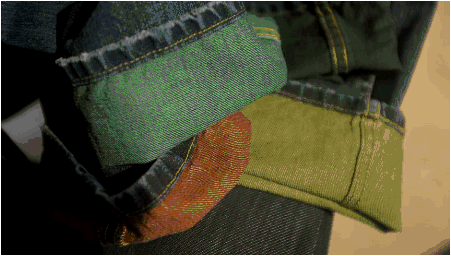
    To overcome these shortcomings of traditional way of  coloring the weft –Colored weft denim fabrics from Cone whether its by way of using colored weft yarn or performing a color coat on the reverse of the fabric , Burlington developed chemicals and its application process which, the company claims, overcomes the above mentioned drawbacks..

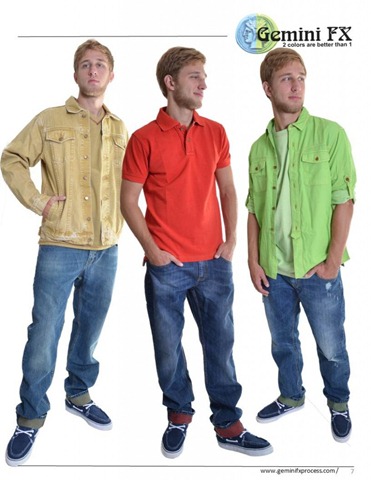
    Cone denim Gemini Fx Men


    The Process

    • The fabric to be given different color wefts in the laundry are first coated with an invisible chemical on the reverse side (weft area). At this stage the denim (or non-denim) does not look any different than what it was before.
    • The fabrics are cut and sewn by manufacturer and the garments are either washed or kept raw.
    • The jeans/garments are finally taken through an overdyeing  process where special chemicals – the Hi White chemicals are used in the dyeing. The property of these chemcials (from Garmon) is such that they will show color only on the reverse side of fabric where the coat of chemical was applied.  Thus the front part , in case of denim , will still show as Indigo color and the reverse would be dyed in the color the buyer choses.
    • And the color weft fabric is created !

    I asked Gary Kernagham from Burlington whether these chemicals to used during the overdyeing process would also be supplied by them.


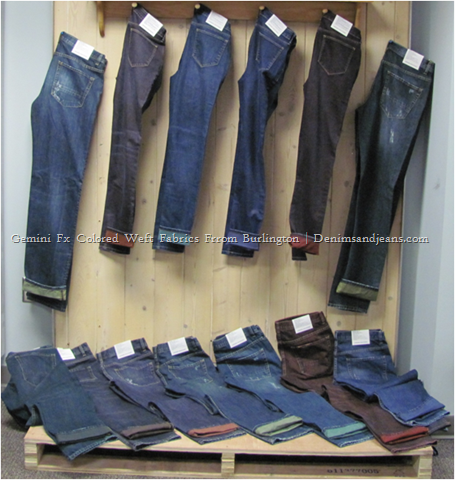
    colored weft fabrics in denim

    He said

    “..We do not Supply the Dye and other Chemicals used in the garment dye recipes provided on our website. These chemicals come from Garmon. We worked with Garmon  to  develop a range of Dyes they call HI White Dyes that work with our Gemini FX  textile Pretreatment . They have Global  distribution & technical services that our customers can utilize They have screened & tested the 10 dyes noted on our website for Color fastness & light fastness. HI Whites also have an advantage over other dyes in that they have very little staining on non pretreated fibers yarns or in the case of Gemini FX  the front of the fabric. The other chemicals found on the Recipes provided Such as Geopower PFD, Hydros TED , ECO2, Elam ECO-c , & Elam RP are also available from Garmon.  Of course  the obvious reason for  including these Garmon chemicals in our recommended procedures was to  control the usual  variables of other suppliers cemisties. By using a consistent supplier to take developments from the lab to a broad global we feel we have a much better chance to replicate these looks in laundries ranging from China to  Bangladesh to Cambodia to Vietnam  Etc.  which is consistent with our customers sourcing plans. These desizing Enzymes softeners and Ant back stain chemistry   were also  chosen due to their Enviromental friendly Low Temperature capabilities which we felt were consistent with the Low temperature and Salt free environmental advantages of HI White Dyeing of Gemini FX Fabrics .We realize that  a mill such as ours publishing garment dye recipes with such detail is not the norm but it the Objective of our Cone apparel solutions to make it as easy as possible for our customers  to implement new innovations like Gemini Fx into their global sourcing instruction no matter how globally challenging that might appear to be.

    I asked further whether these whether these colors bonded strong enough to sustain heavy washes on denim . Gary Kernagham  replied “

    “ For Both the Denim & Natural ready to dye Gemini FX fabrics The HI Whites dyes are bonded to the back side using a Cationic chemistry similar to the one used in our Affinity process fabrics thus the Bond is extremely strong and thus have great wash fastness Crocking etc .

    He further suggested that

    “ …we would recommend that  these denim garment are garment dyed first  as the recipe procedure provided  outlines and then stonewashing  & dry process is done in order to avoid the rear shade from tinting in Scraped and Stoned areas.

    The technology is new and interesting and looks quite promising for addressing a fashion related backend problem. It now needs to be seen whether it can pass the tests in bulk productions.