Tag: eu denim

  • Imports Of Jeans Into EU From Mauritius For The Period From 2014 To 2017

    Imports Of Jeans Into EU From Mauritius For The Period From 2014 To 2017

    Mauritius used to be a great supplier of jeans to Europe not long ago. However, over a period of time, the country has lost much of its charm as an exporter even though it enjoys duty free status to EU. This was mainly because of increased labor costs and also the tough environment regulations of the govt. The country seems to have lost the game where the apparel exports are concerned. However, there might be a ray of hope for the country with new sustainable technologies coming up in denim washing. It remains to be seen how the country can take them up.

    Table Of Contents

    SN.

    Particulars

    1.

    Table showing the imports of all jeans along with average price and y-o-y growth into EU from Mauritius for the period from 2014 to 2017

    2.

    Graph showing the imports of all jeans into EU from Mauritius for the period from 2014 to 2017

    3.

    Graph showing the average price of all jeans into EU from Mauritius for the period from 2014 to 2017

    4.

    Table showing the imports of men’s jeans along with the average price and y-o-y growth into EU from Mauritius for the period from 2014 to 2017

    5.

    Graph showing the imports of men’s jeans into EU from Mauritius for the period from 2014 to 2017

    6.

    Graph showing the average price of men’s jeans into EU from Mauritius for the period from 2014 to 2017

    7.

    Table showing the imports of women’s jeans along with the average price and y-o-y growth into EU from Mauritius for the period from 2014 to 2017

    8.

    Graph showing the imports of women’s jeans into EU from Mauritius for the period from 2014 to 2017

    9.

    Graph showing the average price of women’s jeans into EU from Mauritius for the period from 2014 to 2017

    10.

    Graph showing the y-o-y growth of women’s jeans into EU from Mauritius for the period from 2014 to 2017

    1. All Jeans

    The imports of all jeans into EU from Mauritius for the period from 2014 to 2017 saw a fall in trend for the three consecutive period from 2014 to 201 .In the year 2014 the imports saw  a fall of about 24% from little more than 3 million pcs in 2013 to close to 3 million pcs in 2014, further in the year 2015 it saw a fall of 5%  and in the year 2016 it saw a fall of  18% from little more than 2 million pcs in 2015 to close to 2 million pcs in 2016 , however in the year 2017 it saw a increase of about 4% to close to 2 million pcs which is a positive sign .

    Exporting Country Year Of Import All Denim Apparel

    (Million Pcs)
    Total Value

    (Million Euro)

    Average Price

    (Euro/Pc)

    Growth

    (%)

    Mauritius 2014 2.45 28.82 11.76 -23.44
    Mauritius 2015 2.34 31.26 13.37 -4.49
    Mauritius 2016 1.91 25.95 13.56 -18.38
    Mauritius 2017 1.99 25.46 12.81 4.19

    Imports Of All Jeans Into EU From Mauritius For The Period From 2014 To 2017

    Imports Of All Jeans Into EU From Mauritius For The Period From 2014 To 2017

    2. Men’s Jeans

    Mauritius is mainly a men’s jeans exporter with about 70% of all jeans being men’s. However, the trend as seen in All jeans was visible here also and the imports fell for the three consecutive period from 2014 to 2016, in the year 2014 the imports saw a fall of 34% from close to 3 million pcs in 2013 to close to 1.7 million pcs in 2014, and in the year 2015 it saw a fall of less than 2% . In the year 2016 it saw a fall of 17% , however in the year 2017 the imports in men’s jeans increased by 13% to close to 1.6 million pcs.

    Exporting Country Year Of Import Men’s/Boys Jeans

    (Million Pcs)

    Total Value

    (Million Euro)

    Average Price

    (Euro/Pc)

    Growth

    (%)

    Mauritius 2014 1.73 19.70 11.41 -34.72
    Mauritius 2015 1.70 22.38 13.13 -1.73
    Mauritius 2016 1.42 18.93 13.33 -16.47
    Mauritius 2017 1.60 20.37 12.70 12.68

    Imports Of All Jeans Into EU From Mauritius For The Period From 2014 To 2017

    Imports Of All Jeans Into EU From Mauritius For The Period From 2014 To 2017

    3. Women’s Jeans

    The imports of women’s jeans into EU from Mauritius saw a significant increase only in the year 2014 of about 31%, and for the rest of the period , starting from consecutive period from 2015 to 2017 saw  a fall in trend, the imports in the year 2015, 2016 and 2017 saw a fall of about 13% , 22% and 22%. respectively. This is reflective of the fact that the country is not geared up to process high fashion jeans and is losing orders in this regard.

    Exporting Country Year Of Import Women’s/Girls Jeans

    (Million Pcs)

    Total Value

    (Million Euro)

    Average Price

    (Euro/Pc)

    Growth

    (%)

    Mauritius 2014 0.72 9.11 12.61 30.91
    Mauritius 2015 0.63 8.88 13.99 -12.50
    Mauritius 2016 0.49 7.02 14.22 -22.22
    Mauritius 2017 0.38 5.08 13.27 -22.45

    Imports Of All Jeans Into EU From Mauritius For The Period From 2014 To 2017

    Imports Of All Jeans Into EU From Mauritius For The Period From 2014 To 2017

    Imports Of All Jeans Into EU From Mauritius For The Period From 2014 To 2017

  • Cambodian Denim Exports To EU And US | 2011-2016

    Cambodian Denim Exports To EU And US | 2011-2016

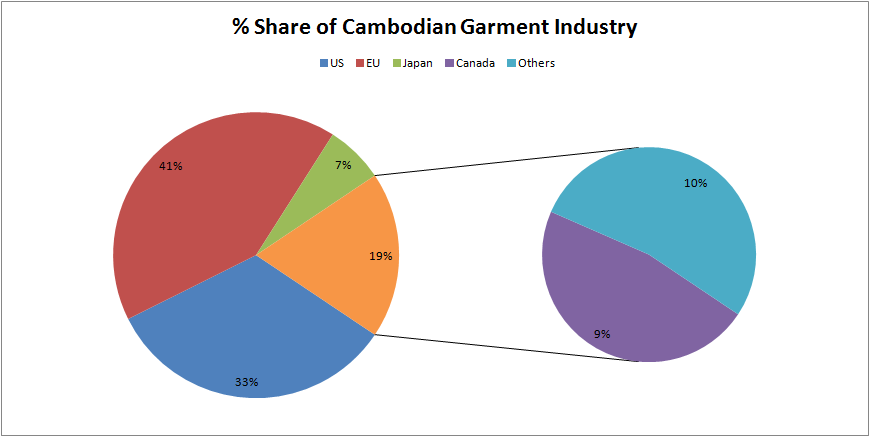
    The garment industry of Combodia earns 80 percent of Cambodia’s foreign exchange earnings and employs an estimated 350,000 people in more than 300 factories.  As companies which buy from Cambodia-like H&M, Inditex, Marks & Spencer, New Look, Adidas, Nike, Levi’s, Uniqlo-know very well, Cambodia benefits from preferential trade agreements with the European Union (EU), Japan, Canada, whereas China does not. Manufacturers in Cambodia benefit from duty-free access to the EU through the Union’s Generalized Scheme of Preferences (GSP)  Everything But Arms (EBA) arrangement.

    According to the Ken Loo, secretary general of the Garment Manufacturers’ Association in Cambodia (GMAC),Cambodian garment exports are only growing in markets with beneficial access, like Canada, Japan and especially the EU – its largest export market, accounting for 45% of the total, where imports have duty-free access under the generalized Scheme of Preferences (GSP) Everything But Arms (EBA) arrangement.

    According to figures release by the local Ministry of Commerce the total value of exports from the garments from Cambodia was USD 5.7 billion . The break up of the exports stands divided among various markets as follows with the major share being taken by EU.

    Combodia Denim Report | Denimsandjeans

    In this report, we did a detailed analysis of Denim Exports Of Men and Women Jeans To USA & EU during the period of  2011-2016 .

    Table of Content

    S.NO.

    Particulars

    1 Table showing the denim exports of Men and Women Jeans made to EU during the period of Jan’16 to August’16 and to USA during the period of Jan’16 to September’16 ( Pcs In Millions)
    2 Graph Showing the denim exports of Men and Women Jeans made to EU during the period of Jan’16 to August’16 and to USA during the period of Jan’16 to September’16 ( Pcs In Millions)
    3 Table showing the denim exports of Men and Women Jeans made to EU during the period of 2011-2015 ( Pcs In Millions )
    4 Graphs showing average price of the denim exports of Men and Women Jeans made to EU during the period of 2011-2015 ( Euro/Pc)
    5 Table showing the denim exports of Men and Women Jeans made to USA during the period of 2011-2015 ( Pcs In Millions )
    6 Graphs showing average price of the denim exports of Men and Women Jeans made to USA during the period of 2011-2015 ( USD/Pc)


    1. Exports of Men and Women Jeans  to EU & USA

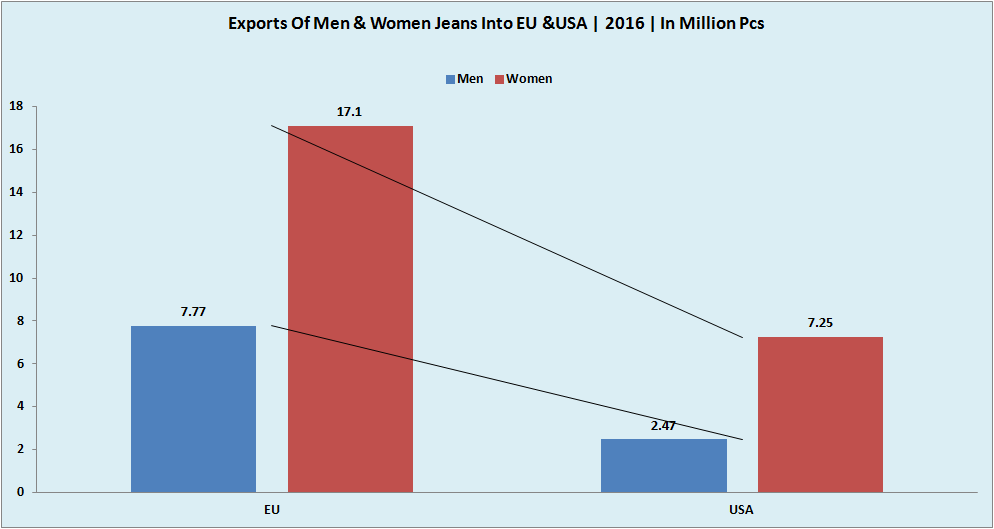
    [private_special] The European Market is much better than  USA for the Cambodian Denim Industry and it is very apparent by analysing the data of past five years . In the year 2016 ,till the month of August , the total exports of Men and Women Jeans made to EU was 7.77 million pcs and 17.1 million pcs respectively however for the USA the exports were saturated at the quantity of 2.47 million pcs for men and 7.25 million pcs for women during the period of Jan’16 to September’16 .  So far as the average price is concerned , EU is cheaper than USA. For the period mentioned for EU , the average price for Men’s and Women’s jeans was Euro 6.67/Pc ( *USD 6.96) and Euro 5.83/Pc (USD 6.08) respectively. However for the USA, the average price for men’s and women’s jeans are USD 8.89 and 7.43 per pc respectively.

    * The conversion rate is the exchange rate on December 28,2016

    Pcs In Millions

    Particulars

    EU ( August 2016)

    USA( September 2016)

    Men

    7.77

    2.47

    Women

    17.1

    7.25

    Combodia Denim Report | Denimsandjeans


    2.  Exports of Men’s and Women’s Jeans  To EU during the period   2011-2015

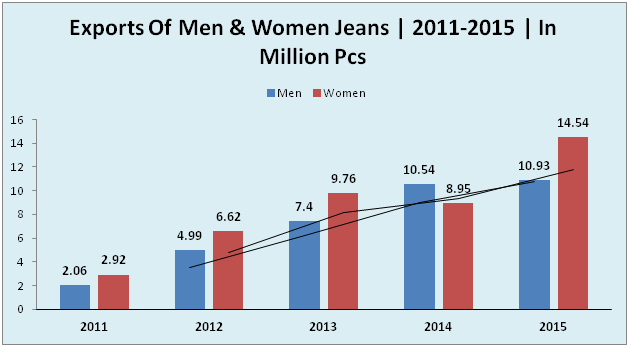
    During the period of 2011-2015 , the denim industry of Cambodia grew very well. In the year 2011 the total Men’s denim export was merely 2.06 million pcs and Women denim export was 2.92 million pcs. Year after year the country has registered a fair growth rate and reached the level of 10.93 million pcs of Men’s Denim exports and 14.54 million pcs of Women’s Denim Exports by the end of the year 2015. However , analysing the year on year trend , the growth of men’s denim has not been so encouraging but for the women’s denim , the growth rate far better than Men’s denim. The year 2015 was better for Women’s Denim with a growth of over 60% !

    Pcs In Millions

    Year

    2011

    2012

    2013

    2014

    2015

    Men

    2.06

    4.99

    7.4

    10.54

    10.93

    Women

    2.92

    6.62

    9.76

    8.95

    14.54

    Combodia Denim Report | Denimsandjeans

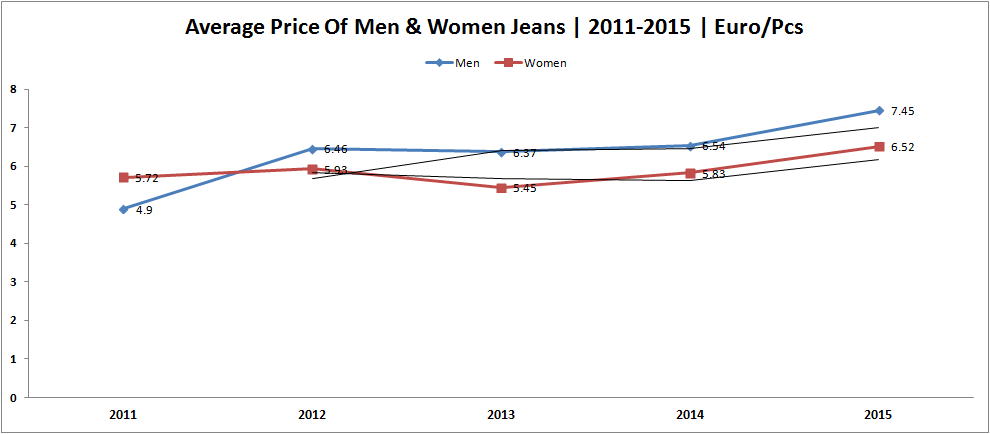
    The average price increased continuously and as compared to the Chinese and Bangladeshi denim prices , the prices are not yet competitive. The increase in the prices are result of the Cambodia Government’s new labour policy which has increased the minimum wages substantially which have been reflected in the average price too. In 2011 , the average price of Men Jean was Euro 4.9/Pc which is Euro 7.45/Pc in 2015. The prices of Women jeans have been also increased but the increase is very marginal. In 2011 the average price of women jean was Euro 5.72/Pc and in 2015 it was Euro 6.52/Pc.

    Euro/Pcs

    Year

    2011

    2012

    2013

    2014

    2015

    Men

    4.9

    6.46

    6.37

    6.54

    7.45

    Women

    5.72

    5.93

    5.45

    5.83

    6.52

    Combodia Denim Report | Denimsandjeans

    3. Exports of Men’s and Women’s Jeans made to USA during the period of 2011-2015

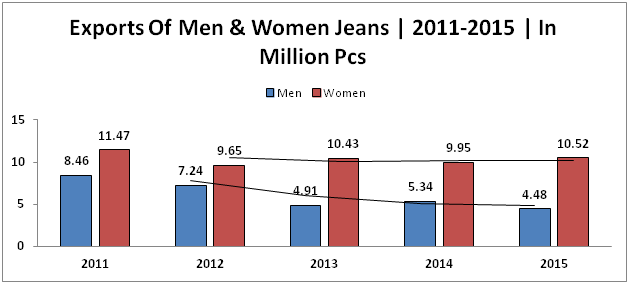
    The denim exports to USA saw an adverse and inconsistent growth throughout the period of five years ending 2015.In the year 2011 the total Men denim export was  8.46 million pcs and Women denim export was 11.47 million pcs. Year after year the country has registered an adverse growth rate and dropped down to the level of 4.48 million pcs of Men Denim exports and 10.52 million pcs of Women Denim Exports by the end of the year 2015.

    Pcs In Millions

    Year

    2011

    2012

    2013

    2014

    2015

    Men

    8.46

    7.24

    4.91

    5.34

    4.48

    Women

    11.47

    9.65

    10.43

    9.95

    10.52

    Combodia Denim Report | Denimsandjeans

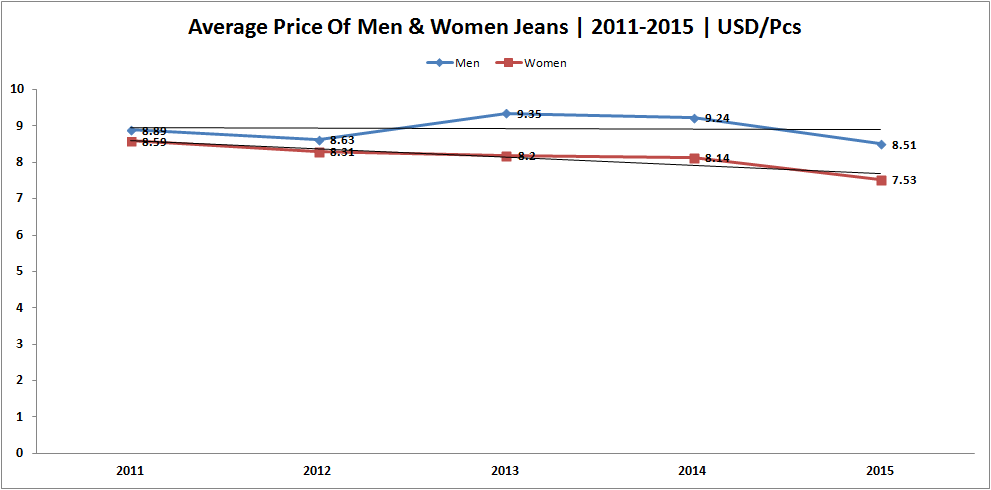
    In 2011 , the average price of Men Jean was USD 8.89/Pc which is USD 8.51/Pc in 2015, though it has been reduced but is still not competitive . However the prices of Women jeans have been decreased over the period of five years . In 2011 the average price of women jean was USD 8.59/Pc and in 2015 it was USD 7.53/Pc.

    USD/Pcs

    Year

    2011

    2012

    2013

    2014

    2015

    Men

    8.89

    8.63

    9.35

    9.24

    8.51

    Women

    8.59

    8.31

    8.2

    8.14

    7.53

    Combodia Denim Report | Denimsandjeans

    Cambodia’s garment sector is doing fine. ANZ Bank recently predicted 7.2% GDP growth in 2016, mainly fuelled by rising clothing exports. And just-released data from the International Labour Organization (ILO) points to a 14.7% jump in the country’s clothing shipments to US$1.605bn during the first quarter of 2016. Garment exports to US have been falling for the past five years, dropping 14.2% toUS$1.2bn in the six months from January to June which is a matter of deep concern for the country. However there are strong hopes of revival for Cambodian industry in the coming years as China loses more and more of its share. [/private_special]


  • Export To USA & EU By Pakistan | 2012-16

    Export To USA & EU By Pakistan | 2012-16


    Table Of Contents

    Serial No.

    Particulars

    1

    Table showing Imports of Men and Women Jeans Into USA For Jan-June,2015 & 2016 (Pcs In Millions)

    2

    Graph Showing Imports of Men and Women Jeans Into USA For Jan-June,2015 & 2016

    3

    Table showing Imports of Men and Women Jeans Into EU For Jan-May,2016 (Pcs In Millions)

    4

    Graph showing Imports of Men and Women Jeans Into EU For Jan-May, 2016

    5

    Table showing Imports of Men and Women Jeans Into USA for 2012-15 ( Pcs In Millions)

    6

    Graph showing Imports of Men and Women Jeans Into USA for 2012-15

    7

    Table showing Average Price of Imports of Men and Women Jeans Into USA for 2012-15 ( US$/Pc)

    8

    Graph showing Average Price of Imports of Men and Women Jeans Into USA for 2012-15

    9

    Table showing Imports of Men and Women Jeans Into EU for 2012-15 ( Pcs In Millions)

    10

    Graph showing Imports of Men and Women Jeans Into EU for 2012-15

    11

    Table showing Average Price of Imports of Men and Women Jeans Into EU for 2012-15 ( Euro/Pc)

    12

    Graph showing Average Price of Imports of Men and Women Jeans Into EU for 2012-15


    Over the last 2 decades and specially in last 10 years, the denim industry of Pakistan has grown by leaps and bounds and now there are  many leading companies are involved in fashion oriented denims, twills, drills and other apparel fabrics manufacturing in Pakistan. The denim apparel industry grew alongwith the growth in fabrics and today it is key exporters   in Asia. Denim is now one of the key sectors and the driving force behind the apparel exports of the country. 

    In our previous report , we did a detailed analysis of top exporting countries of denim to EU including those from Pakistan . In the current report, we are presenting a detailed analysis of Pakistan’s export of denim to EU and USA  , for both Men and Women, from the year 2012 to June ,2016.

    Exports To USA

    2015-2016

    Analyzing the figures of Jan-June ,2015 & 2016 gives a clear indication that the export of Women’s Jeans is more than that of Men’s Jean and it also indicates the initial slowdown in the export of Men’s Jean  from Pakistan which are now   5.30% lower than the previous year of same period in 2015. The women jean on the other hand shows a positive trend with a growth of 3.40% during Jan-June , 2016 .  The export during Jan-June 2015 was [private_special] 5.46 million pcs which reached t0 5.652 million pcs during Jan-June 2016 .

    Imports of Men and Women Jeans Into US For Jan-June,2015 & 2016

    (Pcs In Millions)

    Year

    YTD-2015

    YTD-2016

    Men

    4.152

    3.936

    Women

    5.46

    5.652

    * YTD- Jan To June

    Paksitan To US | Denimsandjeans

    2012-2015

    In 2012 , export of Men’s and Women’s denim to US were 8.8 and19.58 Million Pcs respectively , clearly indicating the country’s inclination towards the production of Women Denim. However, the country fails to maintain such trend for so long and after 2012 ,the export of women jeans shown a downward trend . From whooping 19.58 million pcs in 2012, the export dropped down to 11.63 million pcs. Export of Men’s jeans has been growing very slowly and it reached to 10.24 million pcs in 2015 which could be considered as reasonably fair growth.  

    Imports of Men and Women Jeans Into USA for 2012-15

    (Pcs In Millions)

    Year

    2012

    2013

    2014

    2015

    Men

    8.8

    9.13

    9.19

    10.24

    Women

    19.58

    11.45

    11.87

    11.63

    image10_thumb[1]

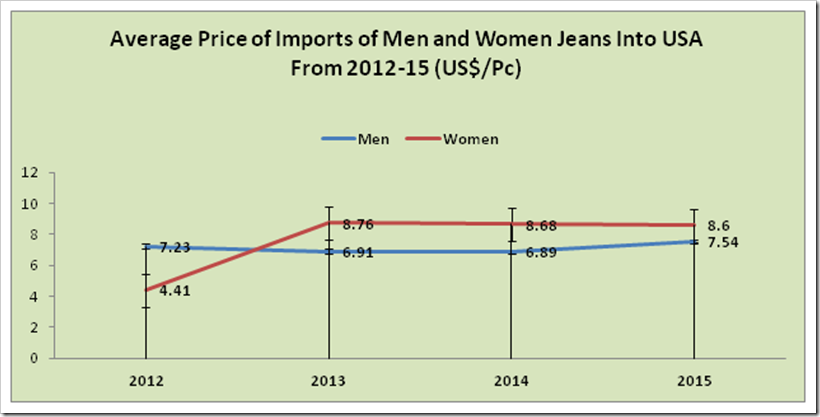
    The Average price of Men’s Jean in 2012 was USD$ 7.23/Pc and of Women’s Jean was USD$4.41/Pc which was 39% lower than the average price of Men’s Jean. But later in the year of 2013,2014 and 2015 , Women Jean became more expensive than Men’s Jean . In 2013, Avg Price of Men’s Jean reduced to USD$ 6.91/pc however the Avg Price of Women’s Jean increased massively by 50% to USD$ 8.76/Pc. In the year 2015 , the average price of both Men and Women Jeans were somehow very closed as compared to previous years. The Av Price of Men’s Jeans and Women’s Jeans was USD$ 7.54/pc and USD$ 8.6/pc respectively.

    Average Price of Imports of Men and Women Jeans Into USA for 2012-15

    (US$/Pc)

    Year

    2012

    2013

    2014

    2015

    Men

    7.23

    6.91

    6.89

    7.54

    Women

    4.41

    8.76

    8.68

    8.6

    image15_thumb


    Exports to EU

    2015-2016

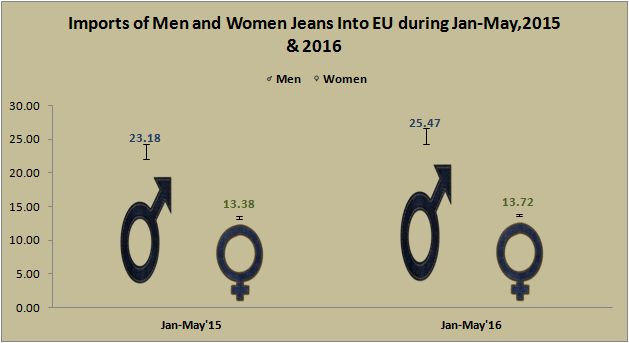
    As far as the EU market is concerned , Pakistan managed to grow reasonably well . During the period of Jan-May’15 , Pakistan exported 23.18 million pcs to EU and in the very next year for the same period, the country exported 10% more pcs to EU with 25.47 million pcs. Export of women jean is comparatively slower in terms of growth . In Jan-May’15 export was 13.38 million pcs while in the year 2016 for the same period it was 13.72 million pcs.  However, overall, it exported about 39 million pieces of denim to EU in 2016 which is good !

    Imports of Men and Women Jeans Into EU For Jan-May,2016

    (Pcs In Millions)
    Year Jan-May’15 Jan-May’16
    Men 23.18 25.47
    Women 13.38 13.72

    Paksitan To US | Denimsandjeans

    2012-2015

    In 2012 , the total export of Men’s Jean to EU was 34.54 million pcs which kept on increasing and reached to the export of 63.96 million pcs by the end of 2015. However the growth rate of export ,which was close to 30% in 2014 has been reduced to 13 % in the year 2015. Looking at the export of Women’s Jean, there is reasonable growth from 2012 to 2015 . In 2012 , the export was 18.28 million pcs and in 2015 it reached to 32.49 million pcs in 2015. Pakistan is now exporting about 100 million pcs taking together both men and women jeans. This is more than 20% share of the EU market !

    Imports of Men and Women Jeans Into EU for 2012-15

    (Pcs In Millions)

    Year

    2012

    2013

    2014

    2015

    Men

    34.54

    38.61

    55.62

    63.96

    Women

    18.28

    26.4

    30.58

    32.49

    Paksitan To EU | Denimsandjeans

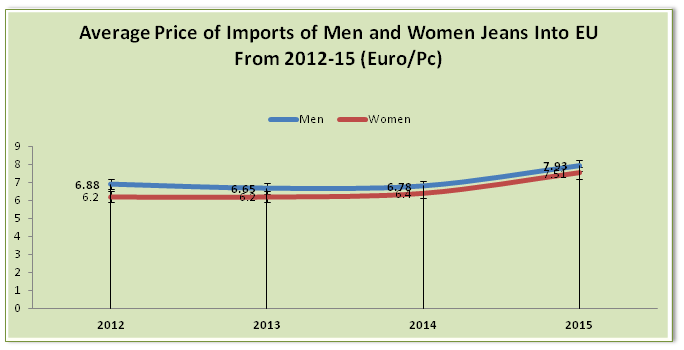
    The average price of both Men’s and Women’s Jean moved in a limited range from 2012 to 2015. In the year 2012 the average price of Men’s Jean was USD$ 6.8 and the average price of Women’s Jean was USD$ 6.2 . Average price of both Men’s and Women’s Jean increased in 2014 and till 2015 the average price of Men’s and Women’s Jean reached to USD$ 7.93 and 7.51/pc.

    (Euro/Pc)

    Year

    2012

    2013

    2014

    2015

    Men

    6.8

    6.65

    6.78

    7.93

    Women

    6.2

    6.2

    6.4

    7.51

    Paksitan To EU | Denimsandjeans

    On the whole if we see, Pakistan has emerged a large exporter of jeans to EU and to some extent to US. With about 20 million pcs going to US and about 100 million pcs going to Europe, Pakistan is not lacking in its capacity as a dream exporter. However, its share of 20% of EU market is quite good and next only to Bangladesh and China . It might soon overtake Chinese exports of denim jeans and be number two after Bangladesh.  [/private_special]


  • Report on Spanish Denim Jeans Consumption 2010-2014

    Report on Spanish Denim Jeans Consumption 2010-2014

    We had done the analysis for the ITALIAN market in the last report and this time we are covering the Spanish market. Spain is again an important country in the EU with a population of over 46 .77 million and a per capita income of about $25617.55. Let’s have a look at some vital figures from the Spanish denim market to get a broader framework of understanding about the denim market which includes the followings:


    Table No.

    Particulars

    1

    Imports of Jeans into Spanish Market from 2010 to 2014 from within EU and respective share of important countries from EU in SPANISH market.

    2

    Imports of Jeans from EU28 into Spanish Market and their prices from different exporting countries worldwide.

    3

    Imports of jeans into Spanish Market from 2010 to 2014 from around the world – table and graph.

    4

    Share of Spanish market of EU28 v. ‘Rest of the world’ with a graph.

    5

    Share of exporting countries in the market of Spanish  2010-2014

    6

    Exports of jeans out of Spanish Market into EU countries 2010-2014

    7

    Exports of jeans to rest of the world 2010-2014

    8

    Net consumption of jeans in Spain 2010-2014

    9

    Per capita consumption of jeans in Spanish Market 2010 v. 2014


    [private_special]


    EU28 COUNTRIES

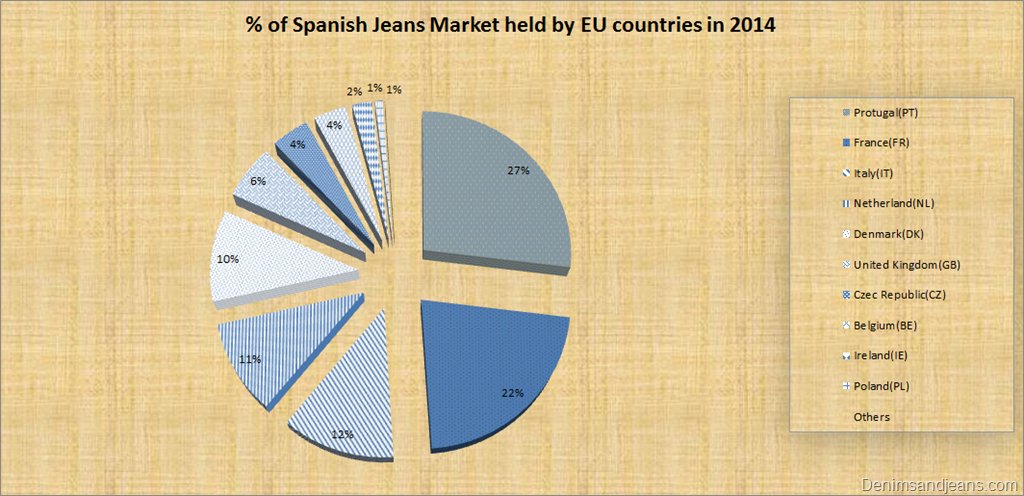
    Let’s start our analysis with the imports of jeans into Spain from within EU.  In the diagrammatical explanation below, we can observe that Spain imported about 9.11 million pcs of jeans from countries within EU IN 2014 – highest among them being from Portugal. Other important countries were France, Italy, Netherland, and Denmark etc. However, it needs to remember that these jeans could have been the ones that are re-distributed after importing from other countries or a part of them having been produced in EU. It’s interesting to note that the total jeans imported from within EU have shown only marginal growth and that from 8.8748 million pcs to over 9.111 million pcs in the span of five years. One fact which is rather more interesting that , between the year 2013 and 2014 , the import went on diminishing side.

    <>  </>

    Country 2010 2011 2012 2013 2014 % of 2014
    Portugal ( PT) 0.67 2.69 2.93 3.52 2.45 26.93%
    France(FR) 2.08 1.84 1.83 2.05 2.00 22.04%
    Italy(IT) 1.72 1.42 1.25 1.21 1.09 11.99%
    Netherland(NL) 0.86 1.04 0.96 0.98 0.95 10.47%
    Denmark(DK) 1.13 1.22 0.99 0.95 0.94 10.35%
    United Kingdom(GB) 0.30 0.27 0.24 0.53 0.55 6.12%
    Czech Republic(CZ) 0.30 0.35 0.29 0.29 0.39 4.26%
    Belgium(BE) 0.65 0.37 0.36 0.36 0.34 3.69%
    Ireland(IE) 1.04 0.31 0.41 0.40 0.19 2.18%
    Poland(PL) 0.03 0.09 0.14 0.18 0.08 0.87%
    Others 0.04 0.09 0.13 0.18 0.09 1.06%
    Total 8.87 9.73 9.54 10.66 9.11 100.00%

    From the above analysis, it can be easily drawn that Portugal holds about 27% market share followed by France with about 22%  share from among the EU countries from which Spain imports denim jeans. . Italy and the Netherland are the two other countries which are making shipments to Spain in good quantities. One point to remember is that it is not really certain whether the EU countries which are exporting to Spain are manufacturing such jeans in their own country or not. They might be also importing these jeans from other countries and re-exporting to Spain. Eg Netherlands is home to many large retailers and brands which might be importing jeans from their suppliers around the world and re-routing these jeans to their own sales channels, stores in Spain.
    The volume of jeans , however , from EU countries remains more or less stable around 10 million pcs in the period 2010-14.

    Spanish Jeans Market Report | Denimsandjeans.com

    Prices of EU

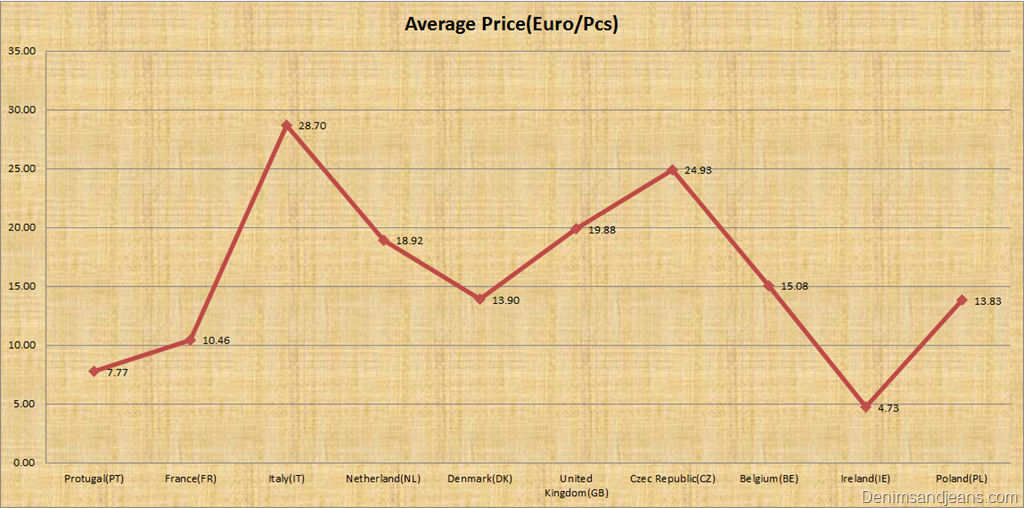
    The table and the  graph below shows the import prices of jeans from EU countries. Italian exports are the most expensive and, more often than not, these would be Made It Italy jeans. Ireland , at lowest of about Euro 4.7 probably is re-exporting cheap jeans imported as it hardly has any jeans production. 

    Country Pcs( in million) Average Price(Euro/Pcs)
    Protugal(PT) 2.45 7.77
    France(FR) 2.00 10.45
    Italy(IT) 1.09 28.70
    Netherland(NL) 0.95 18.92
    Denmark(DK) 0.94 13.90
    United Kingdom(GB) 0.55 19.88
    Czec Republic(CZ) 0.38 24.92
    Belgium(BE) 0.33 15.07
    Ireland(IE) 0.19 4.73
    Poland(PL) 0.08 13.83


    Spanish Jeans Market Report | Denimsandjeans.com

    IMPORTS FROM AROUND THE WORLD

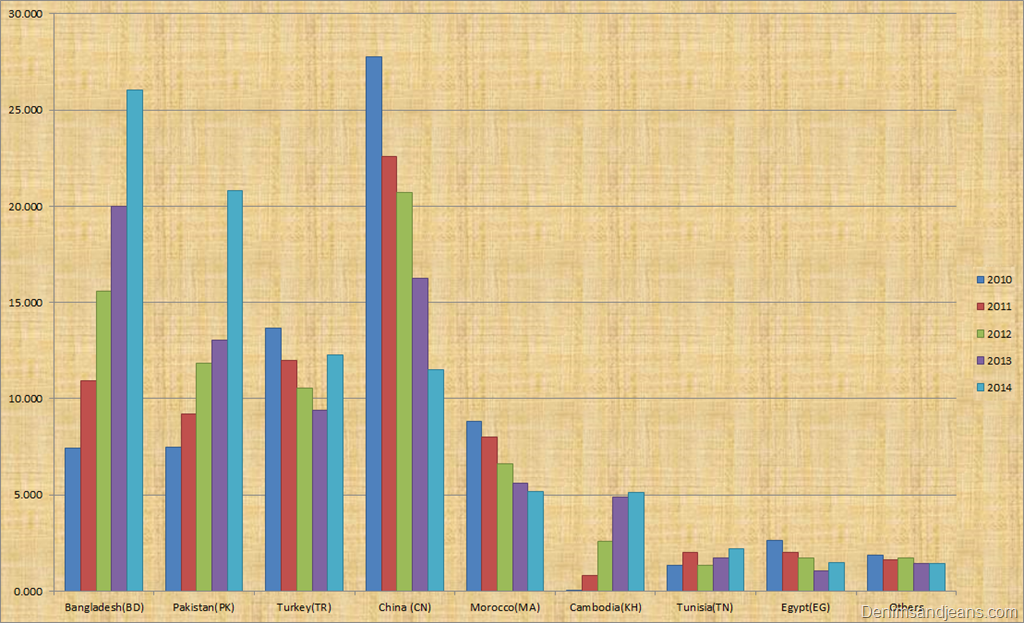
    The major imports into Spain are not those which are coming from EU countries but from countries around the world – especially from Asia. Bangladesh holds the largest share of 30.26% of Spanish market in 2014 whereas Pakistan and Turkey come next with 24.18% and 14.23% share. The total quantity imported in 2014 was about 86 million pcs  as compared to about 73 million pcs in 2013 showing a very robust growth of about 18%. China , with about 11 million pcs shipped to Spain was a poor fourth supplier .

    Country 2010 2011 2012 2013 2014

          % growth in  2014

    Bangladesh(BD) 7.421 10.955 15.606 20.017 26.047 30.26%
    Pakistan(PK) 7.459 9.230 11.852 13.029 20.813 24.18%
    Turkey(TR) 13.686 12.001 10.551 9.424 12.255 14.23%
    China (CN) 27.764 22.597 20.724 16.239 11.501 13.36%
    Morocco(MA) 8.833 7.998 6.612 5.611 5.169 6.01%
    Cambodia(KH) 0.041 0.828 2.590 4.900 5.137 5.97%
    Tunisia(TN) 1.349 2.003 1.354 1.722 2.208 2.57%
    Egypt(EG) 2.661 2.032 1.710 1.081 1.512 1.76%
    Others 1.876 1.653 1.743 1.457 1.426 1.66%
    Total 71.090 69.297 72.742 73.480 86.067 100.00%

    Spanish Jeans Market Report | Denimsandjeans.com

    Spanish Jeans Market Report | Denimsandjeans.com


    TOTAL  JEANS  IMPORTS INTO SPAIN

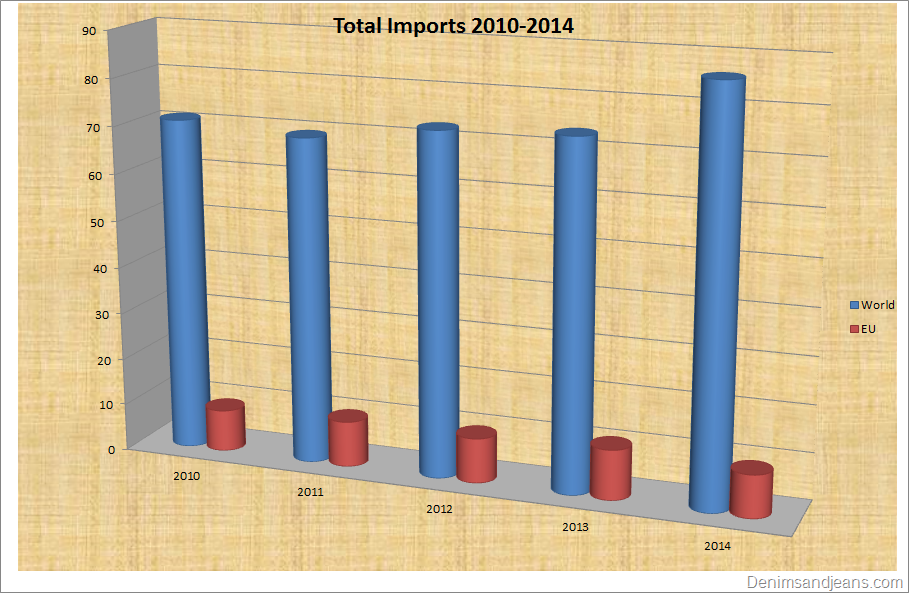
    The total imports of jeans into Spanish Market can be now summarized up in the table below with shipments coming from both within EU and from outside. The share of EU shipments in the Spanish market is about 9.57% whereas 90 .43% comes from rest of the world in 2014. If we look at the quantities imported from 2010 to 2014 from EU countries, it’s very apparent that there is only a marginal growth in the quantities however, if we look at the figures of World, it’s quite surprising that in the year 2010 and 2011 , there was an adverse growth ,however after that , the quantities have been gone up from 69.297 millions to 86.067 million pcs which is very encouraging for the denim industry.

    Year 2010 2011 2012 2013 2014 %
    World
    71.090 69.297 72.742 73.480 86.067 90.43%
    EU
    8.8748 9.7305 9.5395 10.6583 9.1114 9.57%
    Total 79.9648 79.0275 82.2815 84.1383 95.1784 100%


    Spanish Jeans Market Report | Denimsandjeans.com


    TOTAL CONSUMPTION

    The total consumption of jeans in Spanish Market can be calculated with the table below.

    The first two columns show the exports of jeans to rest of the world and to EU countries. From the below figures, it can be derived that total exports in 2014 were 52.3447 million pcs as compared against 31.7821 million pcs in 2010. Even after the hit of recession worldwide, Spain has shown very surprising export values.

    Imports value were surprisingly higher as compared to export value. The total imports were 95.1784 million pcs in 2014 and in the year 2010 , it was 79.9648 million pcs only. It has been assumed that there was negligible production of jeans in Spain during this period.

    Year
    Exports outside EU28 Exports to EU28 countries Total Exports Total Imports Balance consumed(+/-)
    2010 6.0443 25.7378 31.7821 79.9648 48.1827
    2011 10.1493 25.3552 35.5045 79.0275 43.5230
    2012 11.1688 26.7134 37.8822 82.2815 44.3993
    2013 13.5978 31.1515 44.7493 84.1383 39.3890
    2014 17.7656 34.5791 52.3447 95.1784 42.8337

    Spanish Jeans Market Report | Denimsandjeans.com

    PER CAPITA CONSUMPTIONS

    The per capita consumption of jeans in Spain can be calculated below

    2010

    Total Net Consumptions 48.182 Million Pcs
    Total Populations 47.02 Million

    Per Capita Consumptions 1.02 Jeans Per Person/P.A

    2014

    Total Net Consumptions 42.8337Million Pcs
    Total Populations 46.77 Million

    Per Capita Consumptions 0.915 Jeans Per Person/P.A

    From the above analysis, it can be drawn that from the year 2010 to 2014, the per capita consumption has slightly decreased  from 1.02 Jeans per person per annum to 0.915 Jeans per person per annum. Also the population of Spain in 2014 is lower than that in 2010. Both taken together, it would mean that the absolute consumption has been much lower. In fact , against 48 million pcs of jeans consumed in 2010, only about 43 million pcs have been consumed in 2014 showing once again that the European markets are more or less saturated for consumption of jeans.

    [/private_special]

  • Report on Denim Jeans Market In France 2010-2014

    Report on Denim Jeans Market In France 2010-2014

    French Denim Market

    The market for denim is bit volatile in EU and the demand and supply trends show some changes over the years. However, does this scenario apply to French Republic ? The following is a detailed analysis on the total exports, imports of this market which also helps in bringing out the consumption of jeans both for Men and Women in the FRENCH REPUBLIC market .We had done the analysis for the UK and German markets in the last reports and this time we are covering  the FRENCH REPUBLIC market. French Republic is again an important country in the EU with a population of over 64.64 million and a per capita income of about $44,375 with a world ranking of 25 but still lower  than UK. Let’s have a look at some vital figures from the FRENCH REPUBLIC market to get the understanding about the denim market which includes the followings:


    1. Table of imports of jeans into French Market from 2010 to 2014 from within EU and respective share of important countries from EU in French market. 2 tables and 3 graphs.

    2. Imports of Jeans from EU28 into French Market and their prices from different exporting countries.

    3. Table of imports of jeans into French Market from 2010 to 2014 from around the world – table and graph.

    4. Table for % share of French market of EU28 v. ‘Rest of the world’ with a graph.

    5. Table of % share of exporting countries in the market of French Republic  2010-2014

    6. Table of % share of exports from and outside the EU 2010-2014

    7. Table for exports of jeans out of French Market into EU countries 2010-2014

    8. Table for exports of jeans to rest of the world 2010-2014

    9. Net consumption of jeans in French Republic 2010-2014

    10. Per capita consumption of jeans in French Market 2010 v. 2014

    [private_special]


    EU28 COUNTRIES

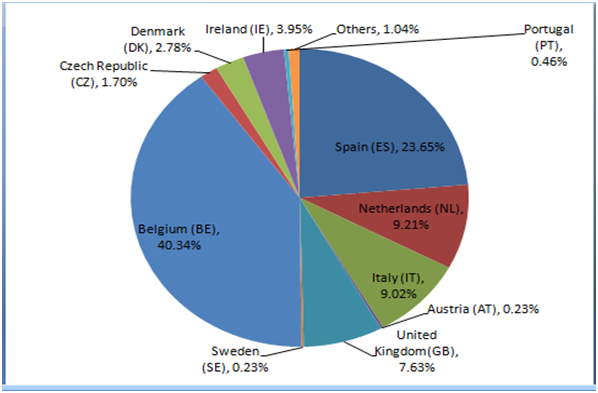
    France gets imported jeans not only from around the world but also from within the EU. Let’s begin by starting to have an analysis of the figures for imports of jeans into French Republic from within EU.  In the table below, we can observe that French Republic imported about 25 million pcs of jeans from countries within EU – highest among them being from Belgium. Other important countries are Spain, Italy, Netherland and Ireland etc. However, it needs to be remembered that these jeans could have been the ones that are re-distributed after importing from other countries or a part of them having been produced in EU. It’s interesting to note that the total jeans imported from within EU have increased from 23 million pcs to over 25 million pcs.

    Import of Jeans from within EU to France | 2010-2014

    Country

    2010

    2011

    2012

    2013

    2014

    % of 2014

    Spain (ES)

    4.70

    4.97

    5.87

    5.67

    6.11

    23.65%

    Netherlands (NL)

    1.14

    1.50

    1.90

    2.06

    2.38

    9.21%

    Italy (IT)

    3.22

    2.88

    2.56

    2.40

    2.33

    9.02%

    Austria (AT)

    0.02

    0.02

    0.14

    0.07

    0.06

    0.23%

    United Kingdom(GB)

    2.11

    1.60

    1.47

    1.53

    1.97

    7.63%

    Sweden (SE)

    0.02

    0.04

    0.04

    0.05

    0.06

    0.23%

    Belgium (BE)

    11.30

    12.01

    10.6

    12.6

    10.3

    40.34%

    Czech Republic (CZ)

    0.50

    0.49

    0.48

    0.47

    0.44

    1.70%

    Denmark (DK)

    0.47

    0.52

    0.63

    0.64

    0.72

    2.78%

    Ireland (IE)

    0.005

    0.03

    0.00237

    0.04

    1.02

    3.95%

    Portugal (PT)

    0.065

    0.06

    0.15

    0.14

    0.12

    0.46%

    Others

    0.098

    0.08

    0.21

    0.11

    0.27

    1.04%

    Total

    23.65

    24.2

    24.05

    25.78

    25.83

    100.00%


    From the above analysis, it can be easily derived that Belgium holds 40% share followed by Spain with 23% share in the import. One more thing that is very eye catching that the import quantities of Belgium has reduced from 12.6 million pcs to 10.3 million pcs within one year of gap while quantities imported from Spain have been showing increasing trend so far.The table below shows the average price of jeans imported into French Market from EU countries. The average price of import in 2014 for individual countries is given along with. The table and the graph below show the details of prices from important EU countries. Czech Republic is the most expensive while Ireland is the cheapest one.

    Imports of Jeans Into French Market from Within EU -2014

    Country

    Qty (million pcs)

    Price (Euro/pc)

    Spain (ES)

    6.11

    11.98

    Netherlands (NL)

    2.38

    19.26

    Italy (IT)

    2.33

    27.64

    Austria (AT)

    0.06

    18.52

    United Kingdom(GB)

    1.97

    17.87

    Sweden (SE)

    0.06

    26.78

    Belgium (BE)

    10.3

    10.32

    Czech Republic (CZ)

    0.44

    28.88

    Denmark (DK)

    0.72

    13.33

    Ireland (IE)

    1.02

    5.11

    Portugal (PT)

    0.12

    25.93

    Others

    0.27

    % share of French Jeans Market held by EU Countries 2014

    image


    WORLD

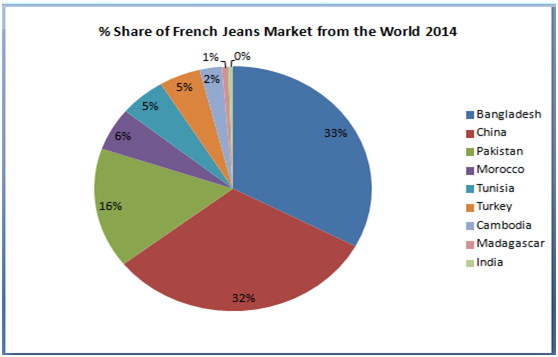
    Without looking at the picture of imports of Jeans from around the world, we cannot have the true picture of what is happening in the French market. Bangladesh holds the largest share of 32.35% of French market in 2014 whereas China and Pakistan come next with 31.14% and 15.67% share. The total quantity imported in 2014 was about 54.64 million pcs whereas in 2010 it was about 53.40 million pieces showing a negative growth in 5 years. Not a good portent for the industry !

    Rest of the World | Imports of Jeans in French Market 2010-2014

    Country

    2010

    2011

    2012

    2013

    2014

    % of 2014

    Bangladesh

    13.15

    12.92

    11.45

    15.25

    17.68

    32.35%

    China

    22.68

    23.56

    19.63

    17.08

    17.02

    31.14%

    Pakistan

    6.95

    6.26

    6.08

    6.23

    8.56

    15.67%

    Morocco

    4.34

    2.96

    2.88

    3.00

    3.03

    5.55%

    Tunisia

    1.75

    1.95

    2.24

    2.89

    2.90

    5.30%

    Turkey

    1.41

    1.71

    2.09

    2.24

    2.60

    4.76%

    Cambodia

    0.01

    0.01

    0.42

    0.34

    1.38

    2.53%

    Madagascar

    0.40

    0.47

    0.29

    0.33

    0.40

    0.74%

    India

    0.33

    0.32

    0.27

    0.28

    0.29

    0.53%

    Sub Total

    51.01

    50.16

    45.35

    47.64

    53.86

    98.58%

    Others

    2.096

    1.630

    0.862

    0.720

    0.389

    0.71%

    World

    53.10

    51.79

    46.21

    48.36

    54.25

    99.29%

    World Total

    55.201

    53.421

    47.073

    49.076

    54.638

    100%

    The graph below shows the breakup of market among the key players in 2014.

    image

    TOTAL IMPORTS

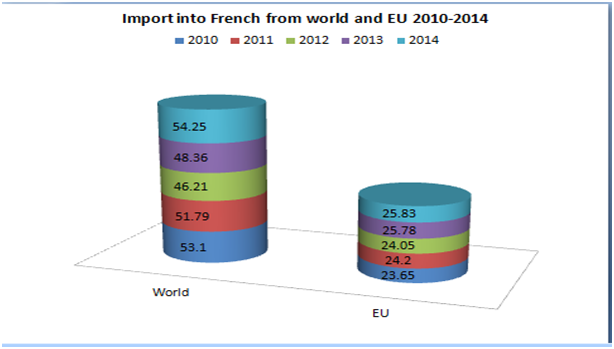
    The total imports of jeans into French Market can be now summarized up in the table below with shipments coming from both within EU and from outside. The share of EU in the French market is about 32.26% and 67.74% comes from rest of the world in 2014. If we look at the quantities imported from 2010 to 2014 from EU countries, it’s very apparent that there is only a marginal growth in the quantities while if we look at the figures of World, it’s quite evident that it’s on increasing trend.

    Imports Into French Market From World and EU | 2010-2014

    2010

    2011

    2012

    2013

    2014

    % of 2014

    World

    53.10

    51.79

    46.21

    48.36

    54.25

    67.74

    EU

    23.65

    24.2

    24.05

    25.78

    25.83

    32.26

    Total Import

    76.75

    75.99

    70.26

    74.14

    80.08

    100.00

    image

    TOTAL CONSUMPTION

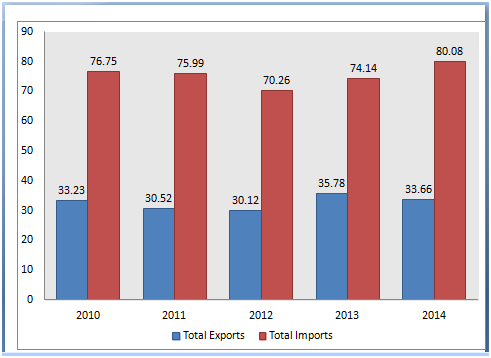
    The total consumption of jeans in French Market can be calculated with the table below. The first two columns show the exports of jeans to rest of the world and to EU countries. From the below figures , it can be easily obtained that except the year 2012 and 2013 , rest years have shown the increasing trend in export as well as import . The net consumption in 2010 was 43.52 million pcs while it has been decreased to 38.86 million pcs in 2013 but later on in 2014 the net consumption has reached to the level of 46.42 million pcs . This is a little less than 7% increase over 5 years. Can be hardly commendable, but is still ok when we consider how the economies are moving.

    Exports and Imports from And Into French Market | 2010-2014 (million pcs)

    Year

    Exports outside EU28

    Exports to EU28 countries

    Total Exports

    Total Imports

    Balance consumed

    2010

    24.70

    8.53

    33.23

    76.75

    43.52

    2011

    22.67

    7.85

    30.52

    75.99

    45.47

    2012

    22.74

    7.38

    30.12

    70.26

    40.14

    2013

    27.08

    8.70

    35.78

    74.14

    38.36

    2014

    25.31

    8.35

    33.66

    80.08

    46.42

    Exports and Imports from And Into French Market | 2010-2014

    image

    PER CAPITA CONSUMPTION

    The per capita consumption of jeans in French Republic can be calculated below:

    2010

    Total net consumption        :            43.52 million pcs

    Total population                    :           65.02 million

    Per capita consumption      :           0.67 jeans per person/P.A

    2014

    Total net consumption         :           46.42 million pcs

    Total population                    :           67.64 million

    Per capita consumption      :           0.69 jeans per person/p.a

    From the above analysis, it can be drawn that from the year 2010 to 2014, the per capita consumption has been slightly increased from 0.67 Jeans per person per annum to 0.69 Jeans per person per annum – a figure which is negligible and does not encourage huge optimism. Also the per capita consumption is much lower than many other nations like UK , Germany , Benelux etc. Not the greatest market, but still has a decent consumption of about 45 million pcs.


    [/private_special]

  • Which Item Of Clothing Is Hardest To Buy Online ?

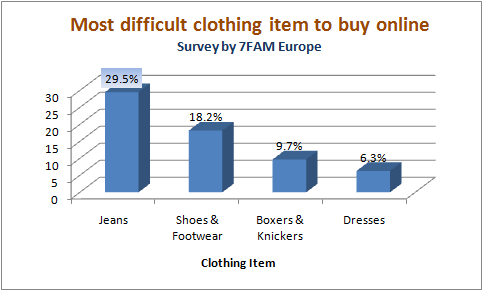
    7 For all Mankind Europe recently conducted a survey in UK with about 1000 people and asked them

    Which item of clothing is most difficult to buy online ?

    Being a FREE TEXT survey ie not with suggested answers, the consumers had no options to select from .  And ,still –

    29.5% Replied ————-Jeans

    So about a third of the respondents felt that  Jeans was the most difficult clothing item to purchase online. Jeans was followed by other products like Shoes and Footwear, Boxers & Knickers ,  Dresses etc  in their respective level of  difficult of purchase. See the chart below :

    image

    About 31% women found it more difficult to purchase jeans online as compared to about 29% men – and understandably so. Women , worldwide , are very particular when it comes to fits and Fit is one aspect which cannot be analyzed online. Though the actual percentages might differ from region to region, the preference to check fit and feel is important for women. However, with online sales becoming more and more important , the retailers have to find ways to satisfy their consumers on their areas of concern.
    Some myths also seem to have been busted in this survey by 7 FAM Europe . While it is also believed that women find it difficult to buy Bras online, it did not reflect in the survey where only about 2.5% women felt so .

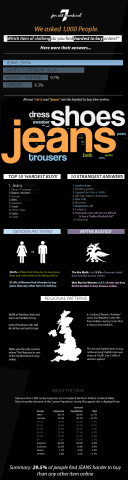
    Here is a cool infographic by 7 FAM on their survey , giving many more details on the survey , including the regional trends and some interesting feedbacks.

    7 for all mankind Survey for clothing items purchase online

    Thanks to 7 FAM team for sharing the survey with us.

  • SS’ 14 Looks from Cheap Monday

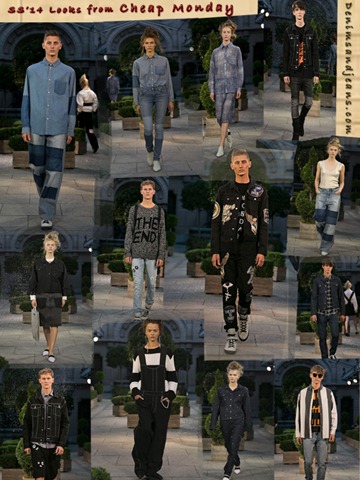
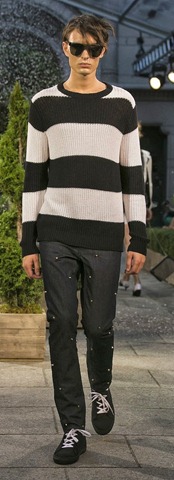
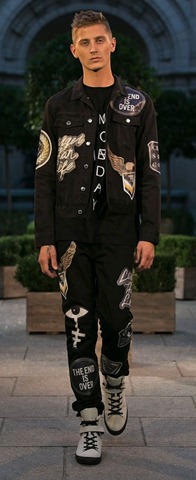
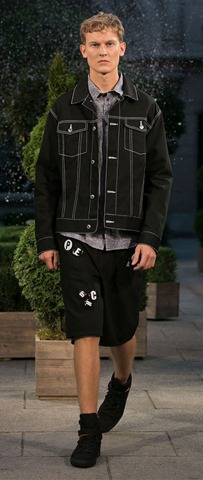
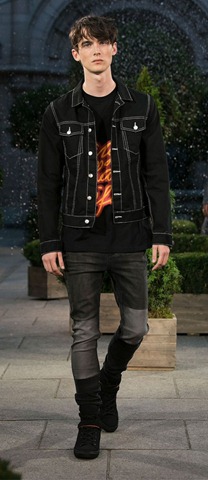
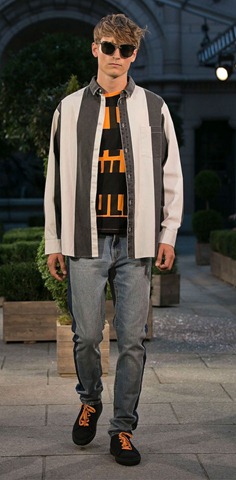
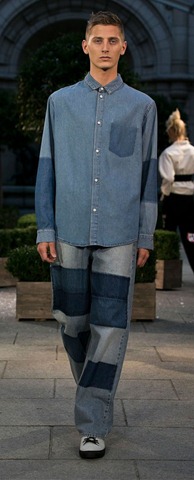
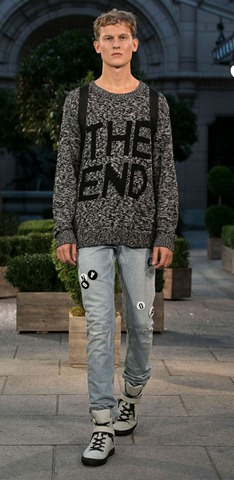
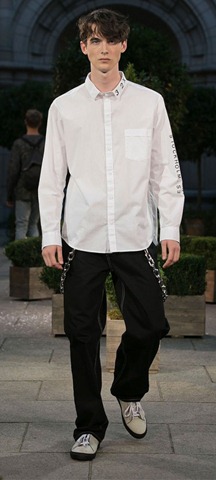
    For Spring 2014, Cheap Monday plays  with the idea of hubris and makes inflatable egos visible through an exaggerated silhouette and narcissistic graphics. The collection is confident with an in-your-face aesthetic and kick-ass attitude, channeling bold artists from the 90s.

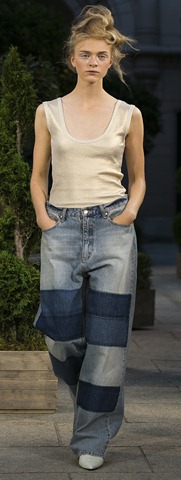
    A decisive street look from that time period emphasizes this new direction. Patchwork has an important place in the collection.  Seasonal key colours are black, white and grey marl, where prints play an important part. Spring/Summer 2014 certainly has a subdued palette with emphasis on such colors.Gone are the bright pastel colors that marked previous SS collections.  The cut is a lot more relaxed whilst maintaining the clean lines that the brand has come to be known for. The Spring 2014 Collection consists of three themes;

    • Exaggerated Silhouette
    • Fragmented Reality
    • Buffalo Riot.

    Exaggerated Silhoutte features egocentric prints, intarsia text, fat stripes and contrasting silhouettes. Fragmented Reality is defined by collage prints, prints on prints, patchwork looks, cut-outs, large details and gold.
    More is more is the motto for the final theme, Buffalo Riot. Tribal style lettering in prints and graphics, a bright palette and color coatings make up the theme’s cartoonish aesthetic and strong street vibe. As a whole, the Cheap Monday Spring 2014 Collection makes no apologies and embraces the narcissim of our age, while it at the same time pays homage to the orginal mes, myselves and Is.

    SS’ 14 Looks from Cheap Monday

    SS’ 14 Looks from Cheap Monday

    SS’ 14 Looks from Cheap Monday

    SS’ 14 Looks from Cheap Monday

    SS’ 14 Looks from Cheap Monday

    SS’ 14 Looks from Cheap Monday

    SS’ 14 Looks from Cheap Monday

    SS’ 14 Looks from Cheap Monday

    SS’ 14 Looks from Cheap Monday

    SS’ 14 Looks from Cheap Monday

    SS’ 14 Looks from Cheap Monday

    SS’ 14 Looks from Cheap Monday

    SS’ 14 Looks from Cheap Monday

    SS’ 14 Looks from Cheap Monday

    SS’ 14 Looks from Cheap Monday

    SS’ 14 Looks from Cheap Monday

    About :
    Cheap Monday was born in order to offer an alternative for people who wanted fashionable jeans but didn’t agree with the increasing prices of the brands which were popular at the time. The first 800 pairs with the characteristic skull logo hit the market in 2004. Since then, the production has reached a new level in terms of pieces as well as in product range. Today Cheap Monday can be found in more than 30 countries, in about 1 600 stores around the world.

  • A Conversation With Lennaert Nijgh | Benzak Denim Developers

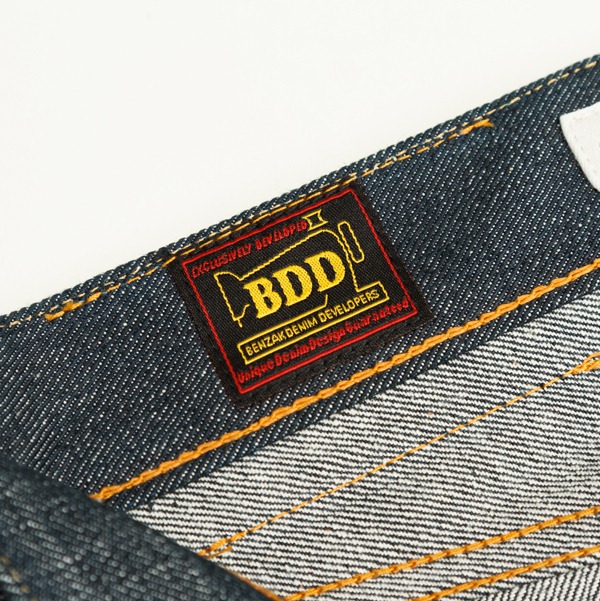
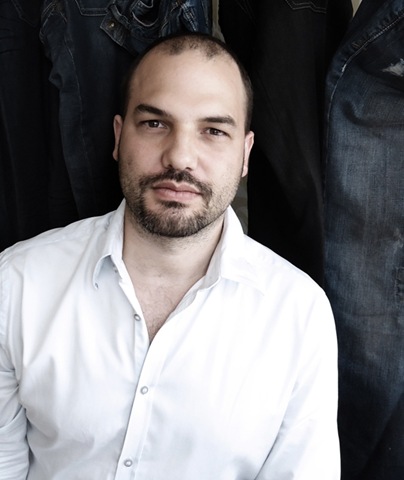
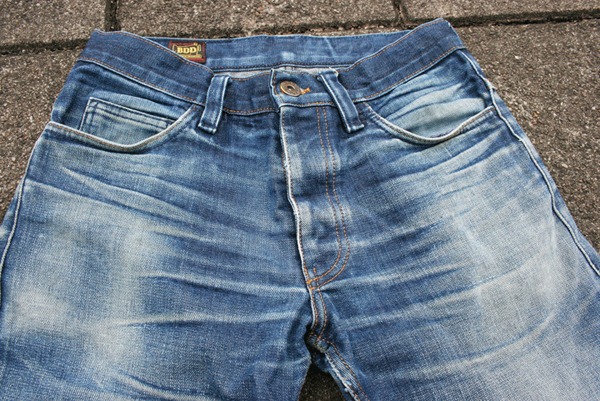
    Denim from Netherlands – the first recall from  these words is “ G-Star” the mega brand from Netherlands. There are a lot other denim brands which are closely associated with Netherlands including Pepe , Tommy and others. While these are mega retail brands, we also have some niche small brands in Netherlands who try to explore the heritage denimBenzag Denim Developers roots through their jeans. Most of them start with humble one man origins and develop  a fan base based on their quality perfected with passion. One such label is Benzak Denim Developers. Created and designed by Lennaert Nijgh, the brand attempts to recreate the magic of Original dry denim. We had a conversation with Lennaert and he exchanged his views on how he views the denim world and his own brand’s place in it.

    1.Tell us something on how you created your brand BDD ..

    BDD was born from the passion for jeans and the unique fading capability of denim. I have been working in the denim industry for a couple of years now, and I was already highly interested in denim since the age of 16. Then, 5 years ago I started my own company, alongside working for other denim brands, to develop my own collection of items I wanted to wear. I do not do any concessions regarding anything whenBenzag denim Netherlands Jeans

    Lennaert Nijgh

    it comes to my products; with BDD I strive to create a product that is perfect in my eyes. With the years and experience coming along the way my products have grown into something that I now fully stand behind. Although as a perfectionist I can always find small things to improve, which keeps me going forward with development all the time.

    2.What makes you a denim aficionado and enables you to go deep down into denim DNA?

    I’m not sure how to express what makes me a denim aficionado with words, as this has so much to do with emotion. Maybe it’s the fading capability of indigo, that makes every pair of jeans a unique item by wear and wash. Maybe it’s the rich history of jeans, that has roots in manyRaw denim washed layers of our society, and has it’s very interesting evolution from workwear to a symbol of rebelliousness to fashion and that any day garment of which most people in the Western world own at least 1 example of. There are just so many interesting facts about denim and jeans, and I am still learning every day as well. Up till today working in this field has never bored me.

    3.You do mainly raw denim in your collection. What makes working with raw denim a fun and a challenge ?

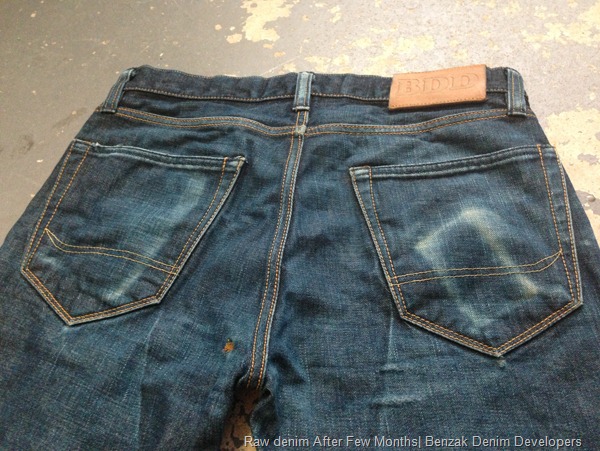
    I prefer to refer to unwashed jeans as ‘dry’, from the term ‘dry goods’. I love dry denim as I want to create my own fading pattern, to reflect your every day of life. It is beautiful to see how 2 of the same pairs of jeans can turn out so different on 2 different people. It is really a blank canvas when you start, painting your experiences on it along the way. There are not many chances to catch me wearing a pre-washed pair of jeans.

    Raw denim | Benzag Denim Developersafter wash close backRaw denim | Benzag Denim Developers

    4.Netherlands is increasingly becoming a denim hub. From the times when G-Star took off, we have seen denim roots growing . What  do you think has helped denim brands to grow out of Netherlands.

    There are a couple of reasons. First of all the Netherlands has a very healthy climate for big companies, regarding taxes and such. International companies like Tommy Hilfiger and Pepe Jeans are based here for (not limited to) this reason. Secondly the Dutch wear a lot of denim; young and old, rich and poor, everyone wears jeans. It might be the casual, no-nonsense attitude of the Dutch that goes perfectly well together with a pair of jeans. Also, because there are so many denim companies based in the Netherlands, for many years now, we have a high amount of experts in the field. ThisRaw denim Netherland results in many new brands popping up, like BDD as a niche brand, but also more mass-market focused brands like KOI (Kings of Indigo) and Denham. By the way, both their founders used to work for Pepe Jeans and some other influential brands in the past, so this is a good example of what denim in the Netherlands has created over the past decades.

    5.You have created a famous ‘sixth pocket’ on the jeans. What was the concept and idea behind it ?

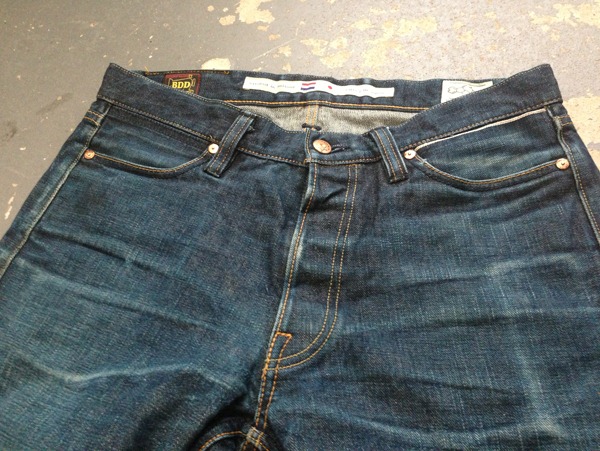
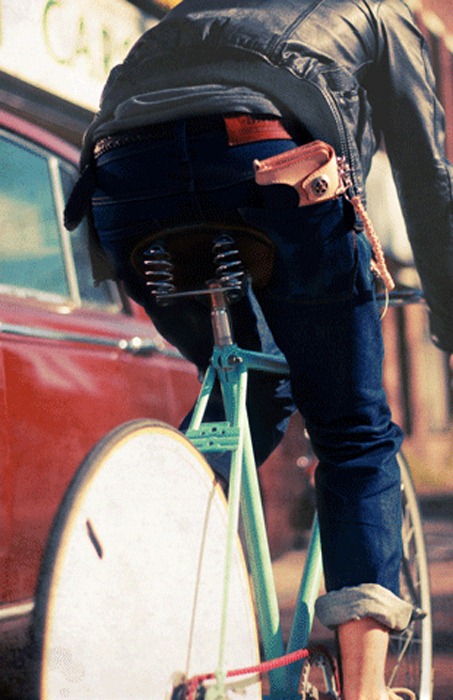
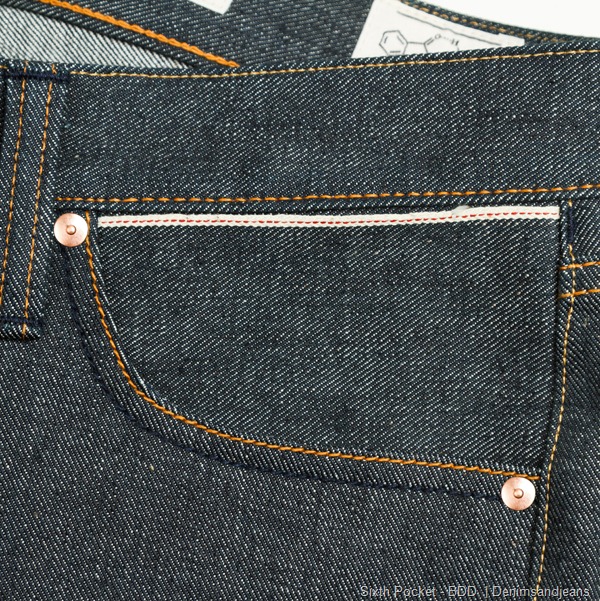
    The idea about the 6th pocket comes from the idea of staying true to the past, but at the same time evolving with time. Jeans used to have 4 pockets (2 front pockets, 1 backpocket and 1 coinpocket); a 2nd backpocket was added later to create_YM_8738-rivet the now famous 5-pocket jeans. This extra pocket was introduced as the miner, railroad worker and later cowboy needed more space to carry stuff around. Today we don’t use our jeans as workwear anymore, but I still consider us denim lovers as the ‘modern day cowboys’. And we carry a bit more with us every day (such as a phone, wallet, keys and other loads of other small objects – you name it). So I created a hidden 6th pocket as products need to evolve with the changes of society, just like it did from 4 to 5 pockets. I purposely made it hidden, only with the selvage exposed at the top (to create a thin layer) which will be covered by your belt, as I don’t like these ‘in your face’ details, and maintain the look of a pair of 5-pocket jeans.

    6.Your pieces are timeless and not season specific. What makes them so ? Do you think the timelessness is an inherent character of raw denim?

    They are timeless because I do not look at fashion, but I follow a lifestyle that has been going on for years, with only minor changes applied over the years. My jeans could have been worn 5 years ago, and can still be worn in 5 years. It is about quality, about the fabric and construction, not what is the trend at the moment.

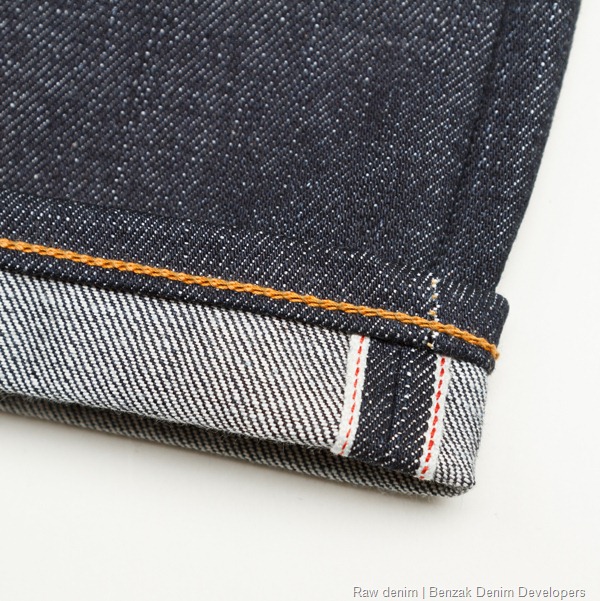
    I don’t think the two (dry denim and timelessness) go together hand in hand: most timeless denim (but not all) is dry, but there are so many non-timeless dry jeans out there, as their main focus is not on the dry aspect.raw denim stitching

    7.When and how much to wash the raw denim? There are lots of debates on this subject with experts advocating minimum 1 year of wear without wash . What do you feel is the best period for the dry jeans  to be washed ?

    Ah, the endless debate of whether to wash or not to wash. There is simply no single correct answer, as it all comes to preferences. If you want to create super high contrast jeans, then delaying the first wash as long as possible is a good idea. If you want to have a more vintage and subtle worn in pair of jeans, you don’t have to wait too long. If you don’t like contrast, you should wash frequently, but then you should also think for yourself why you picked a pair of dry denim jeans ;-).

    It also really depends on the quality of the fabric. Good quality denim can be washed much more frequently without losing it’s faded pattern. And don’t forget the temperature: wash at 60 degrees for more contrast (and shrinkage), or 30 degrees or even cold, to loose a less indigo as possible.

    I prefer to have a very pronounced fading pattern (my personal wearing pattern), but without the super high contrast. So, I usually wash my jeans after between 6-9 months, depending on the evolution. But after that first wash I wash them much more frequently, like once every 3-4 months.

    Washing is also good for the fabric: it stabilises the fibres from within. Without washing, the dirt will weaken the fibres and create rips and tears much too soon.

    In the end, it all comes down to preference, but picking a pair of high quality jeans is always something I’d recommend.

    8. According to you what are the most important characteristics of a denim fabric which make it special ?

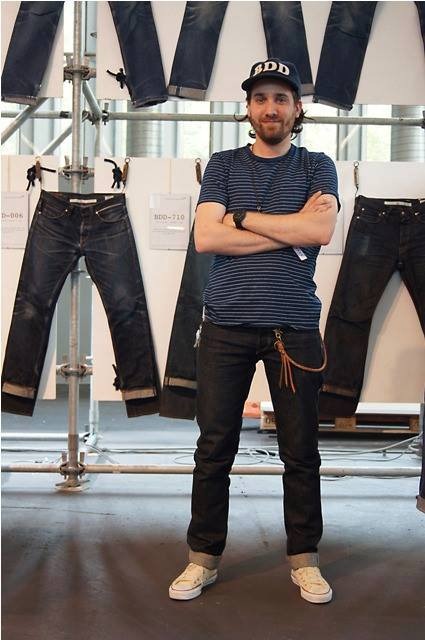
    Construction and cast are the 2 most important characteristics of a denim fabric in my opinion. I really love left hand twill denim because of the more subtle, low-contrast fading and it’s soft touch. The BDD-710 is a LHT denim, and so is the very first pair I did, the BDD-001. I’m always looking for special casts, such as green cast or grey cast, to create a ‘colour palet’, despite only using shades of indigo. The current pairs, BDD-006 and BDD-710, are now respectively a pure indigo and a green cast, which makes both of them stand out as they look very different. I also like a subtle slub in denim, not too much though. Weight is something that is a secondary priority to me. Selvedge too actually, although the nicest fabrics I have found are usually selvedge denim as well. But I can fall in love with a non-selvedge fabric just as easy — I have seen quite some really nice projectile loom fabrics over time.

    8.Do you want BDD to continue to be  niche brand or do you want to grow in volumes and take your denim to other segments too?

    Like I explained before, for BDD I do not do any concessions, which means it will be very unlikely my brand can grow into big volumes. I pick quality over quantity. I simply love my product and enjoy working on it every day too much this way. But this is how I feel about it now; you should ask me the same question in 5 years again! 🙂

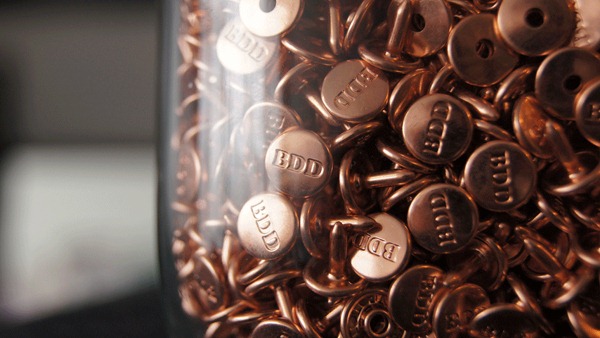
    Raw denim buttons

    10.Can you take us through your latest collection?

    The latest collection (and actually first ‘true’ collection of BDD) contains of 6 items: 2 jeans, 2 t-shirts and 2 accessories. The jeans are made in Japan, the indigo dyed t-shirts in Portugal, the belt in Singapore and the baseball cap in the USA; all area’s known for high quality products with their own speciality. For a detailed explanation of the products, please go to the website  or check out the collection book

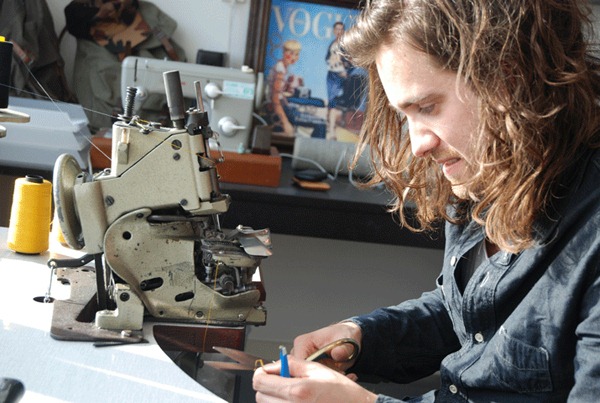
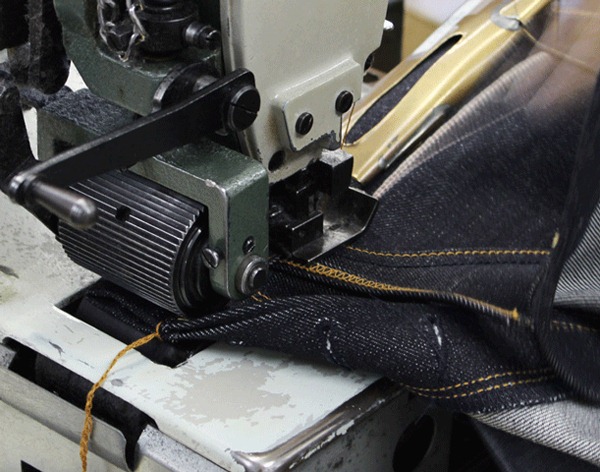
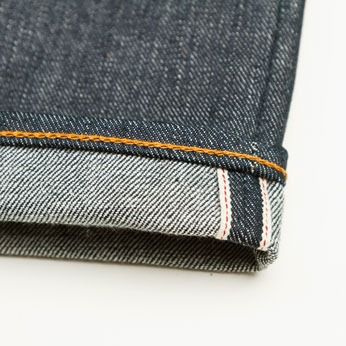
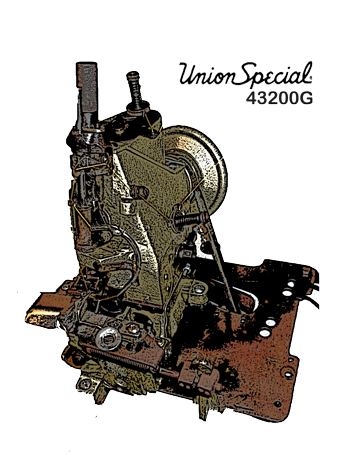
    And by the way, if you are looking to get a chain stitch hem done on your jeans, BDD provides the service of doing so on a Union Special machine !

    union special chain stitchUnion Special Jeans Stitching Machine

  • s.Oliver : Interview With Florian Schneider

    s.Oliver is a German lifestyle company which manufactures fashion apparel, accessories, and lifestyle products for men, women, boys, girls, and children. With over $1.2 billion Euro in sales and presence in over 25 countries in Asia , Western and Eastern Europe,  the company has  some of the coolest collection of denim in Europe . I thought that it might be good idea to speak to Florian Schneiderthe head of Product Development Denim at s.Oliver Asia – and find out what makes the company so cool and to learn from him about  the latest in denim developments .

    s-oliver-denim-collection-g

    Hi Florian. Tell us something about s.Oliver ..

    s.Oliver is one of the most successful fashion and lifestyle companies in Europe, and was founded by Bernd Freier in Würzburg, Germany, in 1969. The company’s head office is still in Rottendorf in Franconia today. s.Oliver now employs over 7000 people worldwide, and is represented by 240 of its own stores, 300 franchise stores, 2559 shop-in-shops, and on 3281 areas all over the world.

    b) Which are your best denim products?

    Our best selling product over the years is a 5-pocket NOS jean for our Casual Women segment. Great fit, classic denim and subtle but perfected vintage wash. Even though we have fantastic products with stunning washes, which range from traditional authentic –e.g. railroad worker inspired jeans – to modern interpretations such as leather-like coatings and washes with a new richness of color, I think it is commercial products with well balanced wash where we are at our absolute best.

    b) How do you think is the demand for denim in Europe currently?

    Germany is our main market and its economy is recovering at a surprisingly good rate, so does private consumption. The trend towards Chinos and garment-dyed 5-pockets for sure has hurt denim demand a bit, but the impact for us is rather small.

    However, the signals I am getting from mills show a trend to an overall slowdown in Europe.

    c) Do you think the consumption is on the rise even with the economy being not so good?

    In my opinion, consumption in Europe or the US will stay flat for the next couple of years and then eventually pick up speed. In general, rising consumption in developing countries should make up for slow sales elsewhere. This is quite interesting, as the cause for the rising consumption, which is increased salaries and higher living standard, is also the cause why factories struggle to find workers, and brands have difficulties to source for the low prices they are used too.

    d) What do you think are the latest trends in denim?

    Besides the usual periodical changes in leg shape, clean look vs. vintage wash, and a few longer lasting trends like jeggings, there are two major developments: diversification of garment styles and diversification of denim fabrics.

    Denim is expanding far into foreign territory with products such as jeggings, denim down jackets, fully lined denim blazers, knit denim sweat pants, fluid lyocell dresses, and denim chinos. Material variety is leading the pace and getting more diverse to the extent that the line between denim and other products is blurring. Can knit denim be considered denim? What about indigo yarn dyed chambray, indigo over-dyed linen herringbone, jacquard woven denim, indigo corduroy?

    Overall there is a lot of excitement and I think we are just at the beginning of a big development.

    Now, to give you a more traditional answer, I’d say that 70’s styling is catching on, vintage effects will be overall reduced and denim with wool content or heather weft will be an important novelty. Metallic and leather like coatings have a come-back. Slim fits for men are getting more important, so does cotton/elastane denim for men, and high stretch denims with novelty yarns.

    e) Comfort is becoming an increasingly important word in denim which has enabled trends like jegging to be very strong. We have also seen brands like Diesel launching special comfort wear jeans like “Jogg Jeans”. Do you think this is a long term trend?

    Europe has been slower than the US in embracing the soft & comfortable trend. However, the super-trend “jeggings” and the success of smaller brands like Current/Elliott that had super soft denim in their collections changed that.

    In addition to that, since nowadays denim products include much more than traditional work wear or work wear inspired fashion and can come in the form of any type of garment, hand feel and comfort requirements vary a lot, and tend to go to the soft side.

    The trend is here to stay, once the consumer is used to comfort, he or she will not like to go back to less comfortable products. An exemption to that are of course people who have a soft (no pun intended) spot for traditional denim and for that reason of course prefer stiff raw denim jeans.

    f)What kind of washes and treatments on denim  do you think are popular ? Which is your personal favourite ?

    Vintage washing has come a long way, and s.Oliver is very successful with authentic washes. 3D whiskers are a must on most of our washes. Subtle color spray or rubbed-on color is important to add additional depth to the fabric surface and increase richness of color. Dark finishes are getting more popular as are grayish tones.

    My favorite wash is a vintage wash that is hand sanded – not sandblasted, washed down with water, enzymes and stones only – without the use of bleach, is not resin treated, and has broken edges not from grinding but from natural formation during washing.

    g) China is getting expensive. Do you see shifting of denim production capacities from China to other countries due to this?

    The main production area for denim in China is Guangdong Province in the South. Costs are rising in Southern China and labor is increasingly hard to find, so there is indeed a trend to source from other countries like Vietnam or Bangladesh – but also from other provinces in China. Some provinces especially in the North and West still have favorable regulations and low labor cost.

    Recently, high cotton prices put even more pressure on brands to compensate rising material costs by lower cm and washing costs.

    It is important, though, to keep in mind that other countries have limited work force supply as well, and living standards are on the rise in most developing countries. Considering that the pool of workers in these countries is far smaller than in China, the work force supply can run dry very fast and salaries go up quickly as a result. Therefore it remains to be seen how much of production capacity can be shifted away from China.

    h) What do you think about India as a denim sourcing hub?

    India has a large cotton production, very good mills and plays a center role for denim fabric sourcing. It is close to production places like Bangladesh and Pakistan.
    Since rules have changed and Bangladesh can enjoy the GSP+ benefit even if material origin is in a third country, Indian mills should be able to benefit. In terms of jeans garment manufacturing, I am not sure how big a role India is playing for the European market at this moment, but there is definitely a potential.

    i) On a personal note, how many jeans do you have in your wardrobe? How many times do you wear them before you wash them??

    I own around 25 pairs, mostly collector’s items and s.Oliver jeans, but currently I wear only two – a Filippa K raw selvedge jeans which I have not washed yet but plan to wash after 8-10 months of wear, and my favorite s.Oliver vintage jeans, which I usually wash after three to four times wearing.

    k) Thanks for being on Denimsandjeans.com Any guidance for our readers who are great denim enthusiasts?

    Always go for quality instead of quantity!

    About Florian : florian Florian studied mathematics and philosophy at the University of Hamburg before deciding to change his major and follow his passion for design. He then continued to pursue his dream outside his birth country in the Big Apple, where he ended up as a designer with DDCLAB.  Inspired by Roberto Crivello of DDCLAB and the brand’s undying commitment to technology and design, he got hooked on denim, continuing to work in the field as a designer, wet processing manager and product developer.

  • Production Of Denim Jeans In The EU

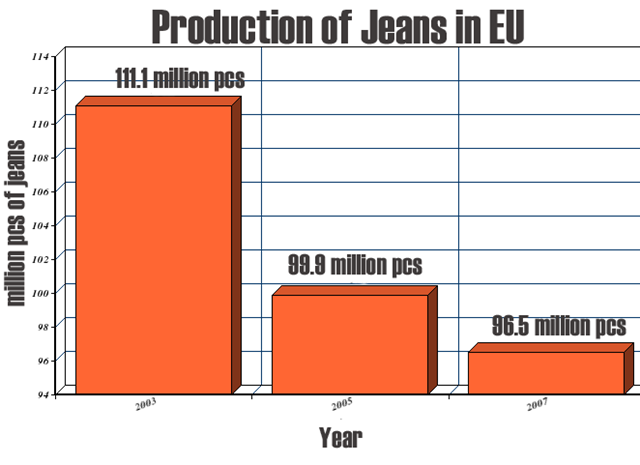
    Here is a summary of the production of denim jeans in the EU for the period 2003-2007. This report has been compiled by the CBI . It is interesting to see that till 2007 , the production of jeans in Italy is still the largest in the EU and followed closely by Romania and Spain. Italy is increasingly becoming an expensive place to produce the jeans – however, the production of jeans is still quite high. This production has actually seen a significant fall in the last 2 years as per industry estimates and the production is moving to low cost countries like Romania, Spain, Portugal etc. Italy is slowly expected to become more of a design centre than a production center.
    Even countries like Romania and Spain are now producing which are middle to high end. The low end jeans are almost entirely being imported from third world countries. This is only to be expected.

    Value and Units Of Denim Production In EU From 2003-2007

    Place 2003
    million units
    2003
    value in
    million Euros
    2005
    million units
    2005
    value in
    million Euros
    2007
    million units
    2007
    value in
    mill. Euros
    Italy 63.9 959 56.1 994 59.3 1276
    Romania 14.2 42 20.2 76 14.2 151
    Spain 15.9 278 9.4 152 11.7 196
    Portugal 4.7 75 4.9 81 5.2 78
    UK 6.7 96 2.5 35 3.2 30
    France 0.9 32 0.6 18 0.5 17
    Greece 0.5 8 0.6 13 0.5 11
    Germany 0.8 12 0.5 7 0.3 7
    Others 3.5 42 5.1 54 1.6 15
    Total EU 111.1 1,544 99.9 1,430 96.5 1,781

    It is interesting to note that in case of Romania, the average value of the jeans produced in 2003 was Euro 2.5 only. However, just within 4 years , the average value has increased to Euro 10.63 . This shows that the country has quickly migrated from being a producer of lowest end jeans to that of higher quality jeans in a very short period. This is perhaps the case in most of the EU countries as the wage structure there does not allow to produce low cost jeans which can be easily sourced from the less developed countries. In case of Romania, it is specially so since a large number of Italian jeans manufacturers have set up base there and having their designing base in Italy, they produce in Romania.

    When we come to the average value of the jeans produced in EU in 2003 as compared to that in 2007, we again arrive at the same conclusion. In 2003, the average value per pair of jeans was Euro 13.90  . The same increased to Euro 18.45.  This has perhaps increased further in the last 2 years.

    Average Value Of  Jeans Produced In EU 2003-2007

    Place 2003
    (Av. Value per jeans in Euros)
    2005
    (Av. Value per jeans in Euros)
    2007
    (Av. Value per jeans in Euros)
    Italy 15 17.71 21.51
    Romania 2.95 3.76 10.63
    Spain 17.48 16.17 16.75
    Portugal 15.95 16.53 15
    France 35.55 30 34
    Greece 16 21,66 22
    Germany 15 21.66 23.33
    Others 12 10.58 9.37
    Total EU 13.90 14.31 18.45

    It is also  interesting to note that almost 89% of total jeans manufacturing in EU is concentrated in Italy, Spain and Romania and out of which Italy and Spain can count as fairly developed countries. Though manufacturing in these countries will reduce in the coming years, it goes on to prove that low cost may not always be the reason for a region to develop a large manufacturing base. The supporting infrastructure, the systems, proximity to  market and the entire knowledge base is equally , if not more, important.  Similar  arguments could perhaps be used to justify the increase of jeans manufacturing in L.A in US.

    Note : An unrelated but interesting comparison is the figure of production of jeans in the town of Xintang in China which is supposed to be close to 200 million pcs  per annum. Thus this single town in China produces more  than double the jeans produced in the entire EU  !!!!

    eu jeans

    The complete report on Jeans can be downloaded for free from CBI website. CBI is the Centre for Promotion of Imports from Developing Countries.

  • EU Imports Tariffs for Denim Fabrics from all major countries

    Here is a list of tariff schedule for import of denim fabrics into the EU from various countries of the world.

    Import Tariffs in Eu for Denim Fabric (HS Code -520942)
    Country Tariff Pref. Code
    Argentina 6.40% SPGL
    Bangladesh 0% SPGA
    Brazil 6.40% SPGL
    Cambodia 0% SPGA
    China 8%
    Colombia 0% SPGE
    Dominican Republic 0% LOMA
    Egypt 0% EG
    Hong Kong 8%
    India 8%
    Indonesia 6.40% SPGL
    Israel 0% IL
    Jordan 0% JO
    Japan 8%
    Kazakhastan 6.40% SPGL
    Kuwait 6.40% SPGL
    Lebanon 0% LB
    Madagascar 0% LOMA
    Nepal 0% SPGA
    Pakistan 6.40% SPGL e
    Philippines 6.40% SPGL
    Russia 6.40% SPGL
    South Africa 0% ZA
    South Korea 8%
    Sri Lanka 0% SPGE
    Tajikistan 6.40% SPGL
    Taiwan 8%
    Thailand 6.40% SPGL
    Tunisia 0% TN
    Turkey 0% TR
    Turkmenistan 6.40% SPGL
    Ukraine 6.40% SPGL
    UAE 6.40% SPGL
    Uzbekistan 6.40% SPGL
    Vietnam 6.40% SPGL

    [ad#for-post-top]