Tag: selvedge denim

  • Naked And Famous FW 22 Collection

    Naked And Famous FW 22 Collection

    The famous Naked and Famous denim from Canada is self proclaimed Japanese denim aficionado , using the same in most of their products. In their FW22 Collection , there are some exquisite products out of which we chose some of the 3 of the most most attractive ones and bring out in this post.

    Rope Dyeing

    Blue Smoke Selvedge

    Raw denim often fades from deep indigo to lighter blue tones and finally white. Rope Dying , as we all know , is a unique dyeing procedure that causes this. White cotton yarns are repeatedly submerged in indigo dye during this process, but the strands are never submerged for long enough for the indigo to permeate the center core of the yarn.

    Denimsandjeans
    Naked and Famous Blue Smoke Selvedge Denim

    The Blue Smoke Stretch Selvedge appears to be a basic 11 oz selvedge denim. It has a classic appearance at first glance with a black exterior wrap, however it is actually a dark shade of indigo shadow. The white weft that can be seen peeking through the twill lines adds to this. The key to this fabric’s unique Smokey color is a small amount of black tint that is mixed into the dye. Thus, these begin as a clean denim with tonal features but gradually the blue fades and intensifies with wash. More and more of those tonal details will emerge in contrast to the denim. The Blue Smoke Stretch selvedge is a terrific option for year-round wear.

    Denimsandjeans

    Composition: 98% Cotton, 2% Elastane

    Design: Black Stitching, Black Suede Patch

    Color: Dark Indigo x White Fabric Weight: 11oz Fabric Origin: Japan Made in: Canada

    Red Gradient Core Denim

    The 12.5oz “Red Gradient Core” denim is a special Japanese Selvedge denim woven on antique shuttle looms specifically for Naked & Famous. Here the  yarn was dyed initially with a permanent reactive red dye and then rope dyed with indigo.  After certain use, the core will reveal the variety of red hues to achieve a fading gradient tone. Sanforized to prevent shrinkage, the jeans retain a firm texture that will soften with wear. The jeans were made, cut, and stitched in North America.

    Denimsandjeans

    Composition: 100% Cotton

    Color: Indigo x White Fabric Weight: 12.5oz Fabric Origin: Japan Made in: Canada

    Denimsandjeans

    Catechu Selvedge

    Denimsandjeans
    Naked and Famous Catechu Selvedge Denim

    The Catechu Selvedge is a 12 oz. Japanese Selvedge Denim that has had its inside weft naturally dyed with Catechu dye derived from trees. The Catechu dye is created by boiling, evaporating, and collecting the residue from the Acacia tree. This indigo denim has a warm earth tone that can be seen peeking through the twill lines. To see the color of the interior completely, flip up the cuff. Short slub cotton yarn is used to weave the indigo warp, giving the denim additional personality and highlighting vertical fading. The Catechu Selvedge has the traditional raw denim feel and is stiff and crisp. With contrast stitching, a green line selvedge ID, a suede leather patch, and silver metallic buttons and rivets, this item was cut, sewed, and constructed in Canada.

    Composition: 100% Cotton

    Color: Indigo x Catechu Fabric Weight: 12oz Fabric Origin: Japan Made in: Canada

    You can check out full Naked and Famous FW22 collection here.

  • Selvedge Denim | 100% Handmade In Bangladesh By Hessnatur

    Selvedge Denim | 100% Handmade In Bangladesh By Hessnatur

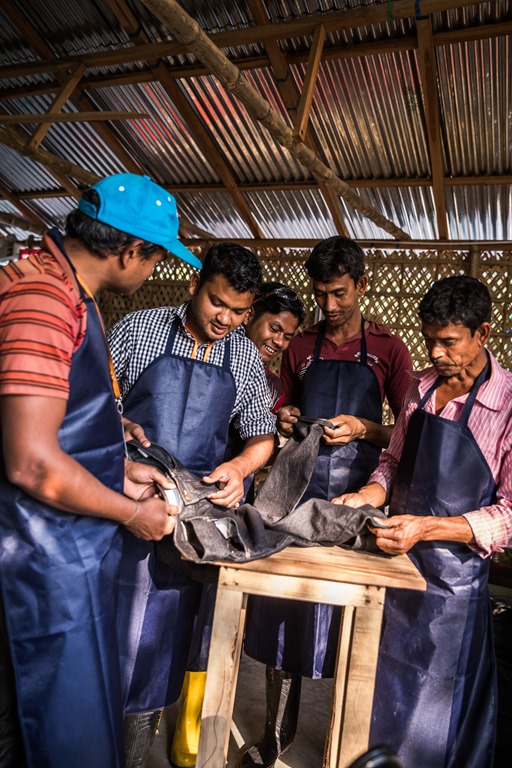
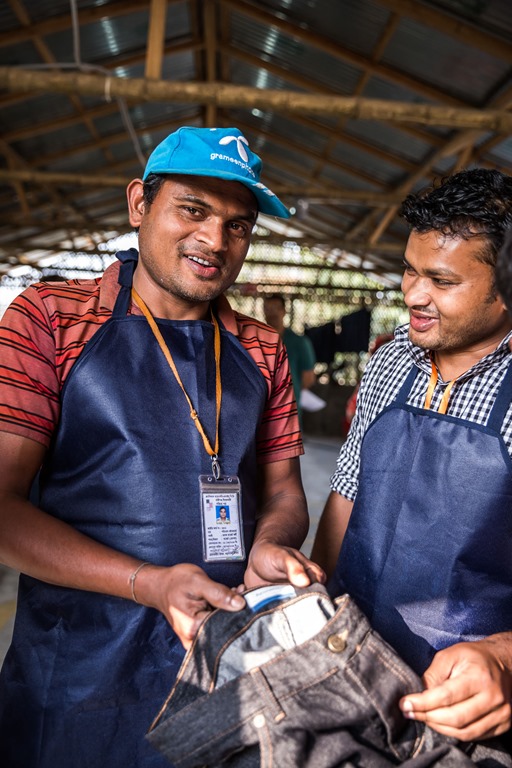
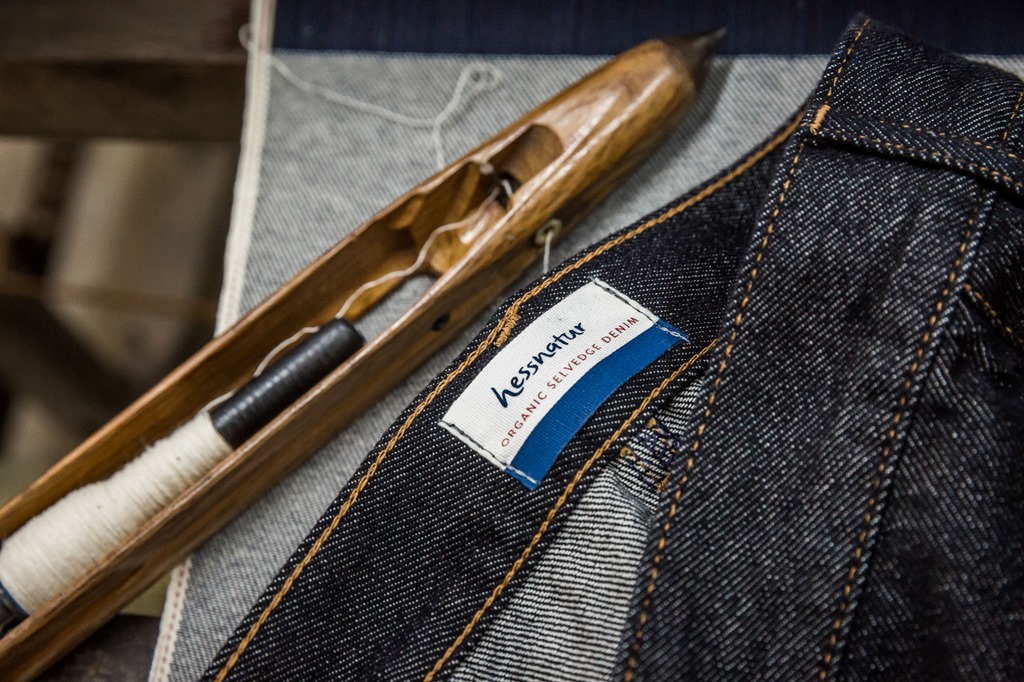
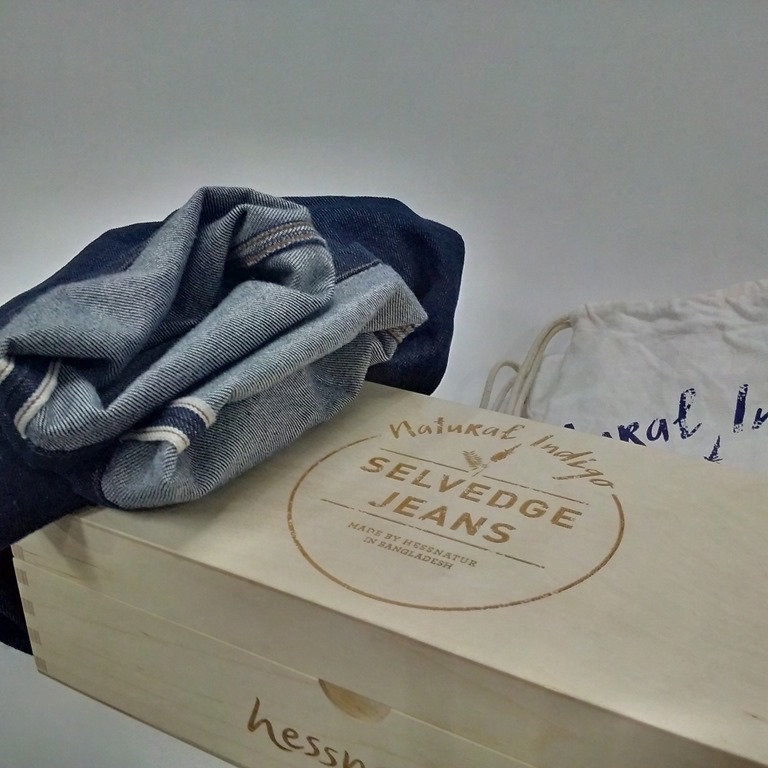
    Hessnatur , the organic brand from Germany had been working on the Naturindigo Selvedge Jeans Project for about 2 years with an aim to create a totally hand made natural indigo dyed jeans created by local artisans of Bangladesh. And  parallel to the Fashion Revolution Day, on April 24, 2017, the first hand-woven Selvedge jeans, dyed with natural indigo and made from organic cotton was launched.  The first 150 copies are numbered.

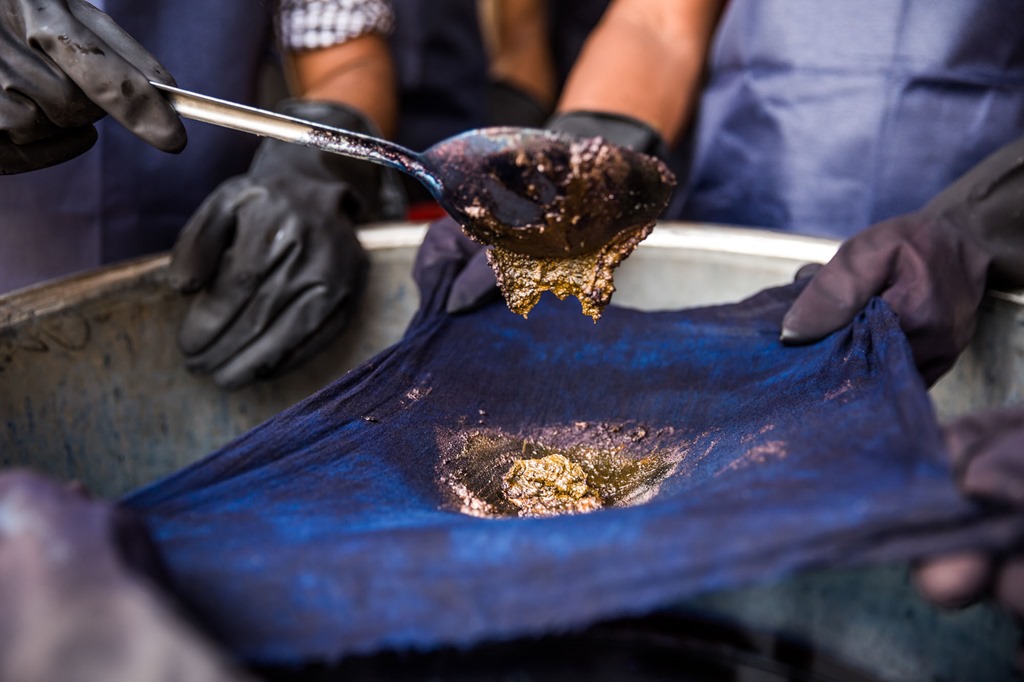
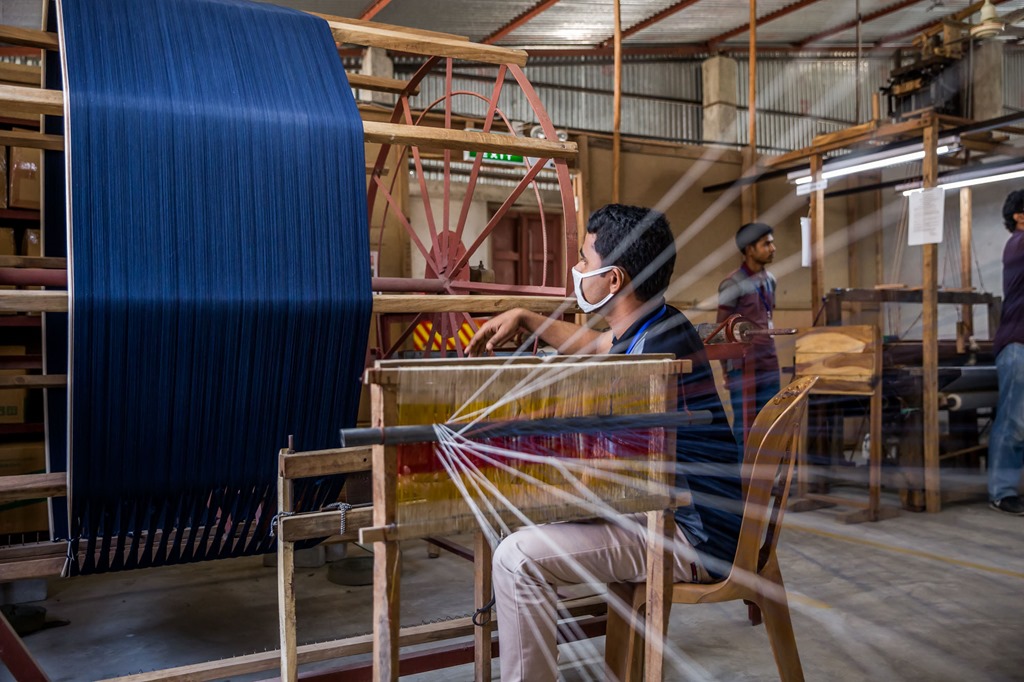
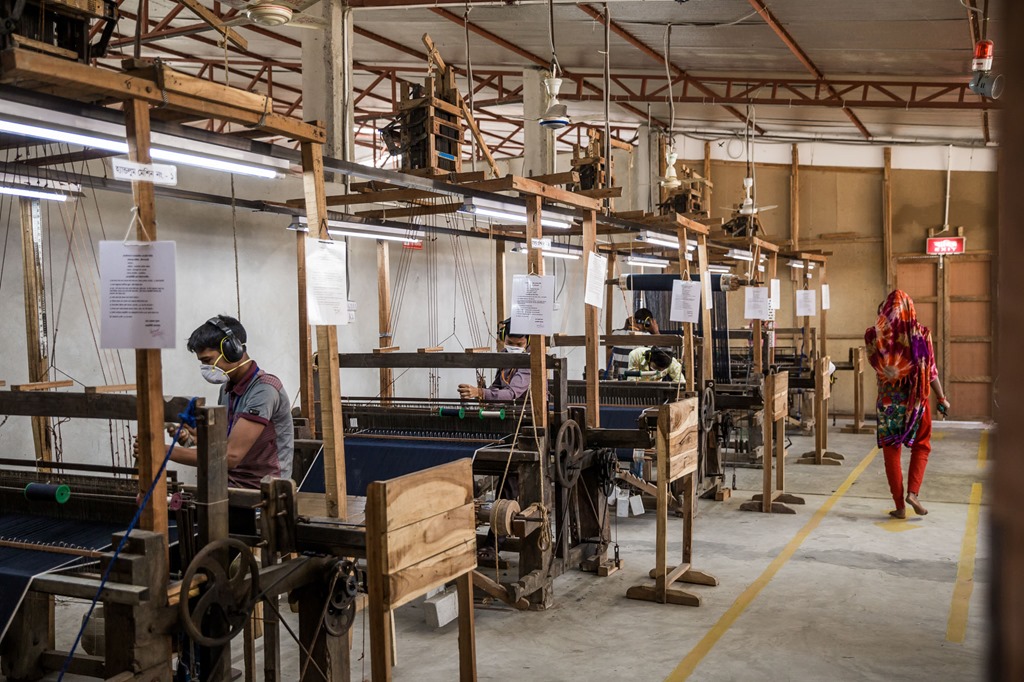
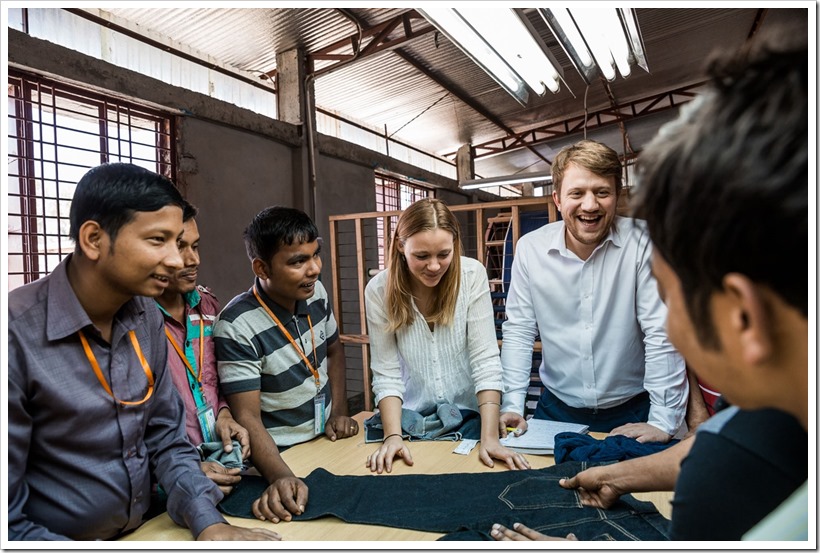
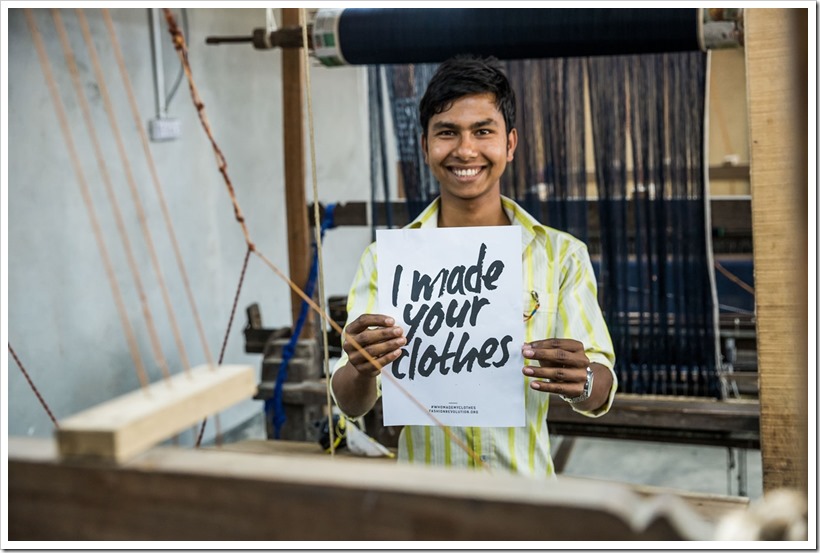
    Hessnatur wanted to  develop high-quality products in Bangladesh as alternative to fast fashion. For this purpose, Hessnatur has set up a production chain from the raw material to the finished denim fabric in Nilphamari together with the partners Deutsche Entwicklungsgesellschaft (DEG) and Classical Handmade Products (CHP). There the organic cotton is cultivated, the indigenous plant grows in a natural environment and  the work is done in  fair social conditions. A dyeing plant with five dyers as well as a weaving mill with classic hand looms were set up especially for the project. “If we want to improve the world, we have to start where things are getting worse.

    In Bangladesh, we help to build on traditional strengths and show that quality jeans can be produced with respect for people, nature and the environment”, says Vivek Batra, CEO hessnatur. “Ethics and aesthetics bring people together: a self-determined life for the workers and the people who wear the jeans have a good feeling.”

    Hessnatur_indigo dye vat | Denimsandjeans.com

    Every Jeans Is Unique

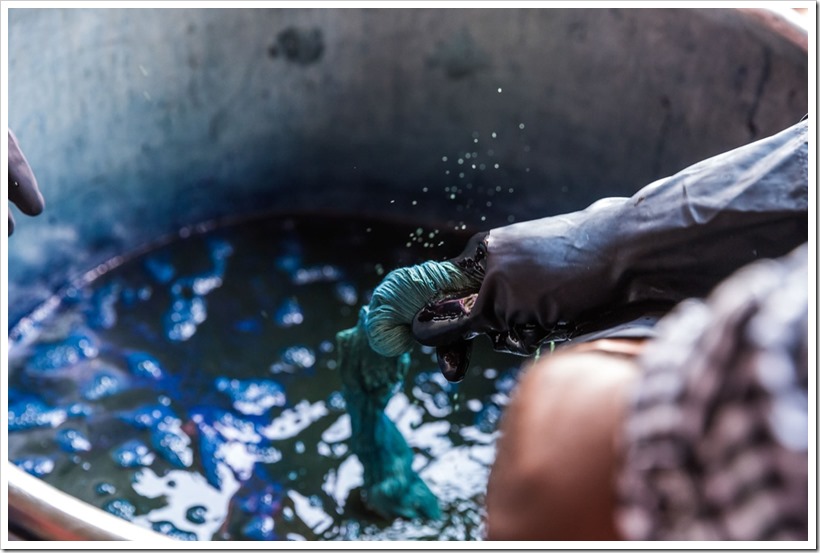
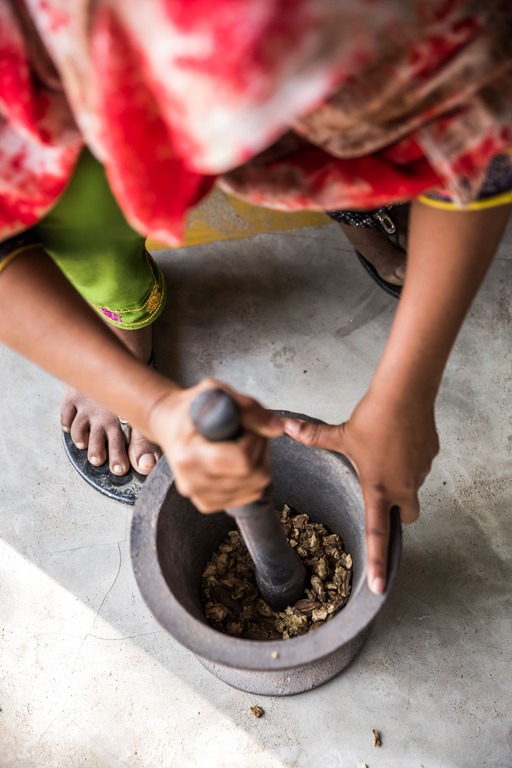
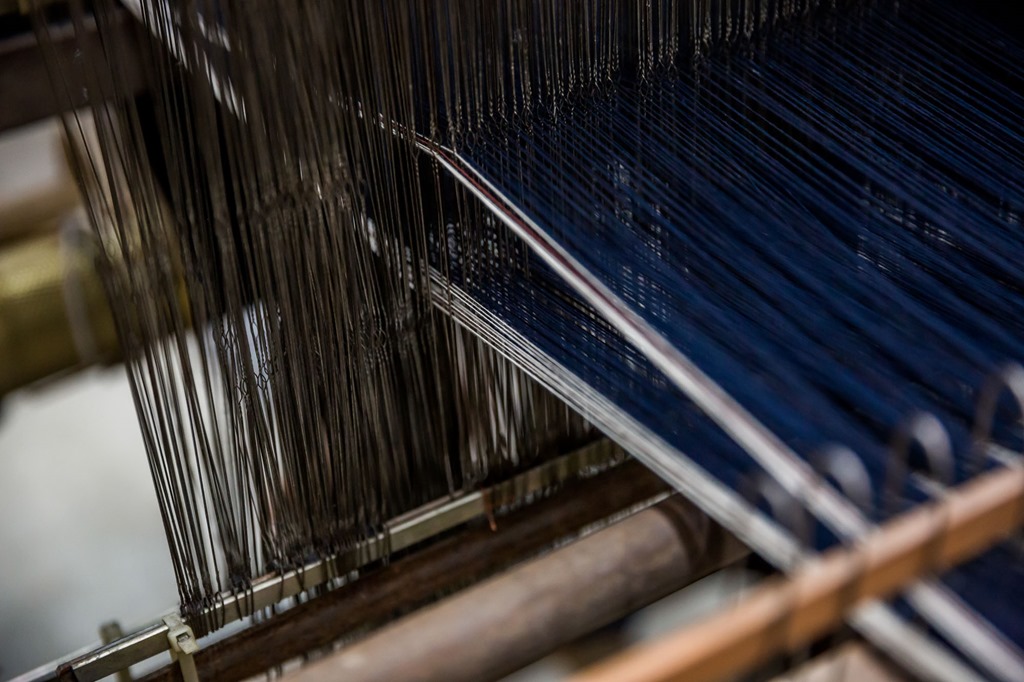
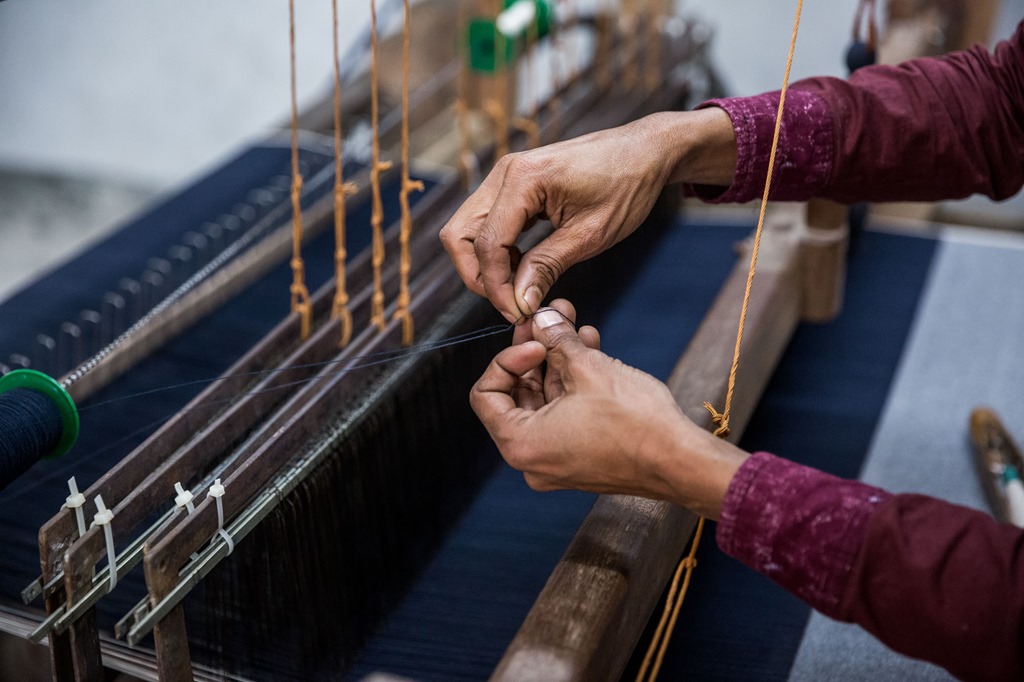
    The Selvedge jeans are handmade from natural materials. That is why every jeans is a single piece. The first 150 copies are numbered to the customer. Every jeans is  woven on traditional Japanese hand-looms: the fabric is softer, no sizing agents are used, since the warp threads are less stressed than in industrial processing. It takes one weaver around 10 days to prepare and weave 35m of denim fabric. 5 weavers are working for the project in total. Therefor the process is really slowing the production down, focussing on achieving high quality instead of big quantities. One weaver manages around 5 m per day. The warping and knotting process requires around 3 days of time. Indigo means the “Indian”, so the plant in the East of India grows quite originally. Bangladesh has a long tradition of coloring with natural colors. With the triumph of the synthetic colors, this experience has fallen into oblivion. The dyeing bath must be stirred one week before dyeing, a dye dyeing up to one kilogram of yarn per day, which corresponds to about two trousers.

    Throughout the whole project time the workers and management of CHP received regular trainings through CSI Consulting and the local Awaj Foundation on different topics like Social Standards, Workers Safety, Chemical Management and Environmental regulations.The denim fabric is now available for other brands as well through Classical Handmade Products, as the main idea is to keep the production running and hopefully even expand it to create more jobs in this rural area of Nilfamari.

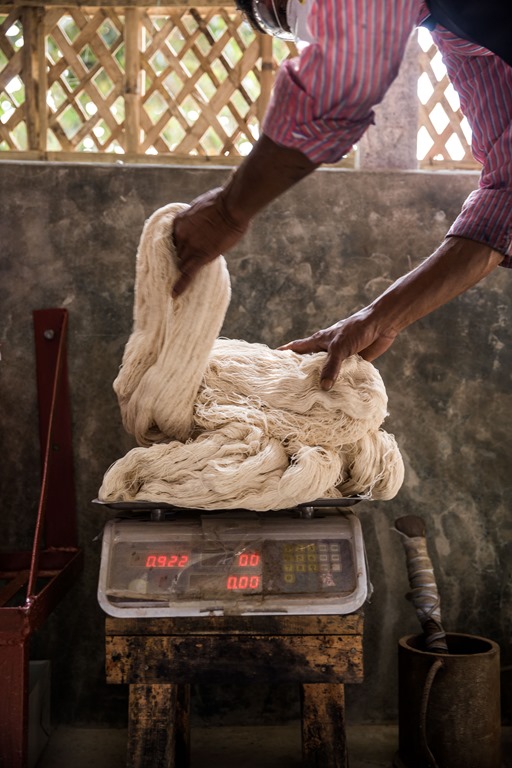
    Hessnatur_additinal dyeing with Horitoki for achieving a darker colour outcomeHessnatur_weighting the organic cotton from India for the dyeing process

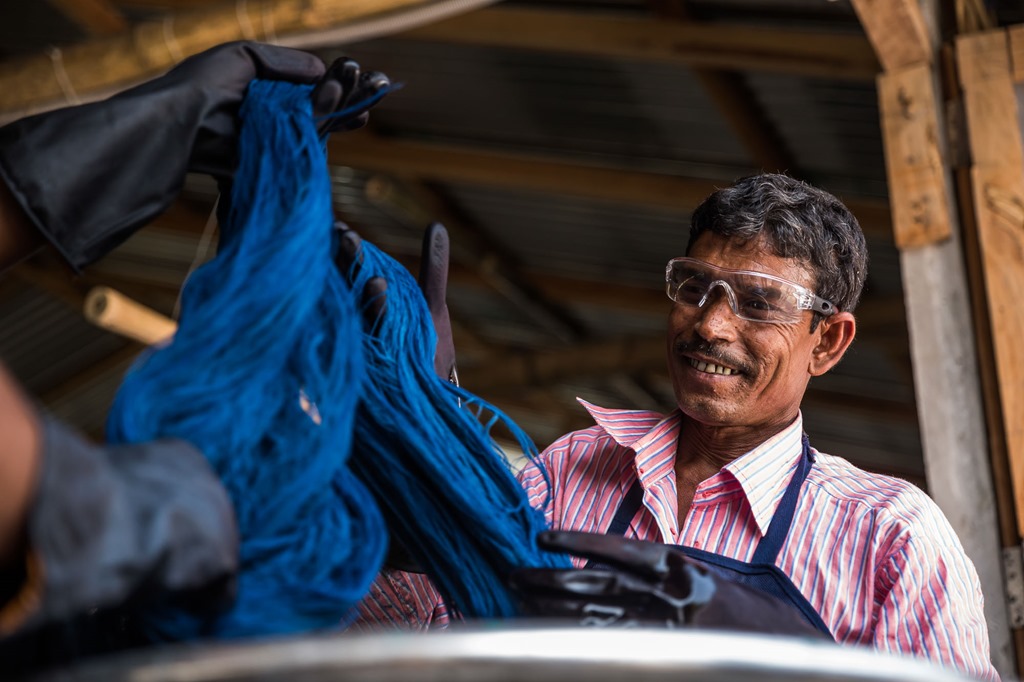
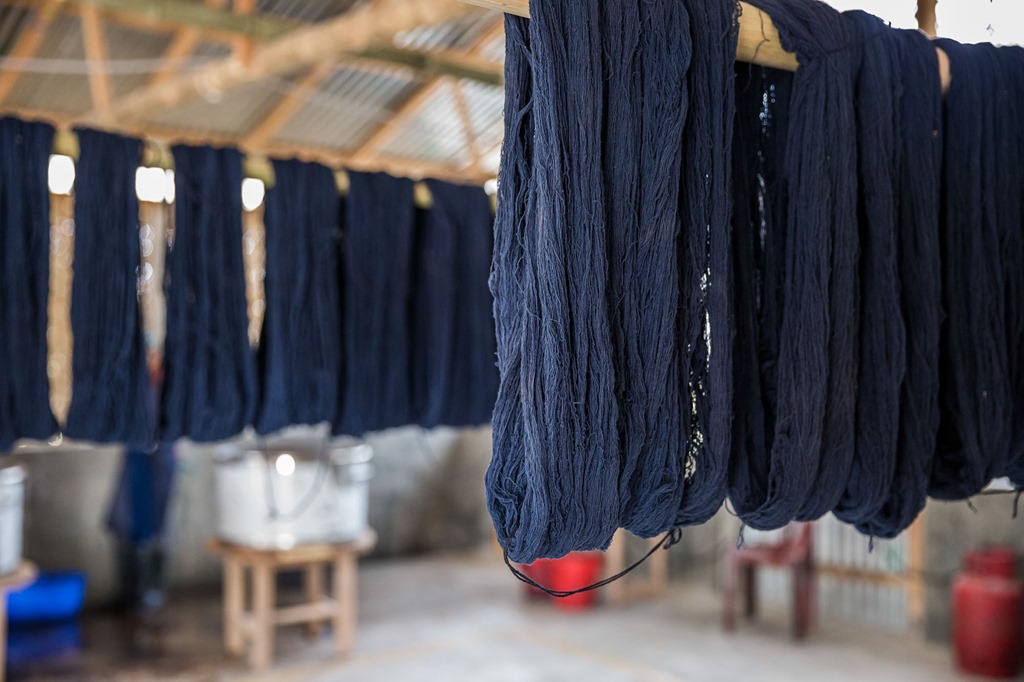
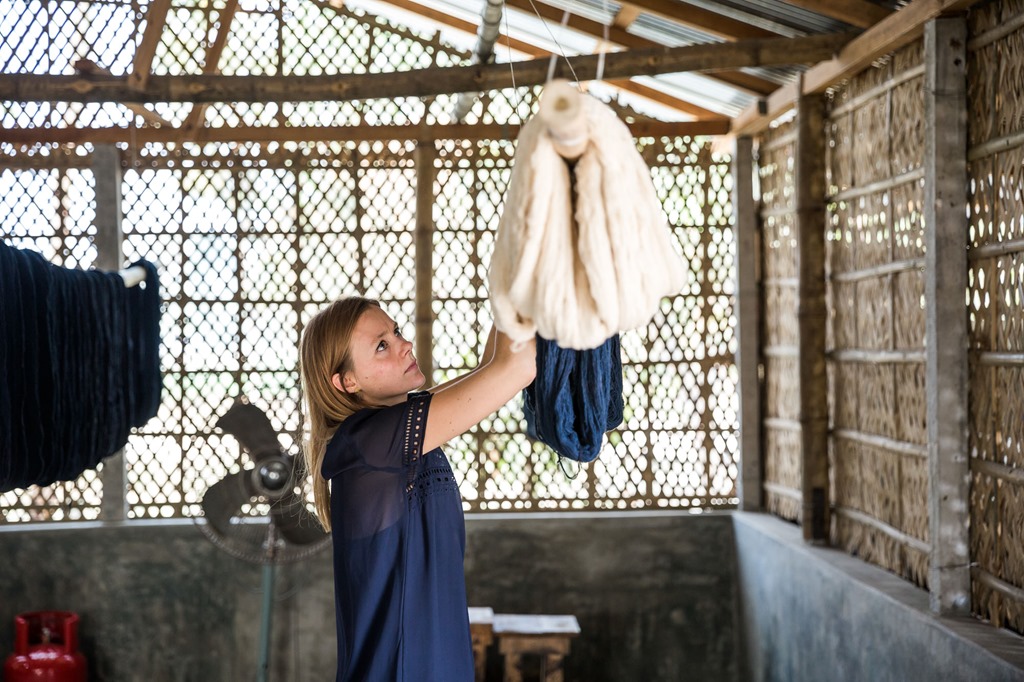
    Hessnatur_the mother vatHessnatur_when magic happens_indigo turning from green to blueHessnatur_Shahid one of the five dyers especially trained for indigo dyeingHessnatur_dyed yarns hanging for dryingHessnatur_quality assurance on the colour outcomeHessnatur_warping_the warp consists of more than 2200 threadsHessnatur_weaving the classical 3ply1denim twill on handloomsHessnatur_WeavingloomHessnatur_the weaving unit was specially built for the project and equipped with second hand looms from the local market

    Hessnatur_the dyers very delighted to see the first product outcome

    Hessnatur | Denimsandjeans

    Short Distances, Competence Building In Bangladesh

    The hessnatur selvedge jeans project in Bangladesh provides concrete improvements in the living and working conditions of the people working there. The social project in Bangladesh, launched with substantial investments by hessnatur, provides a model for other companies and shows that fair trade is also commercially suitable in  Bangladesh. In contrast to fast fashion hessnatur manufactures in Bangladesh according to traditional production methods and contributes thus to the preservation of the country’s existing crafts competencies. For the market entry, the high-quality indigo fabric is exclusively available for hessnatur. Subsequently, other companies can also access the material.

    Hessnatur_Teammeeting | Denimsandjeans.com

    Slow fashion at its best

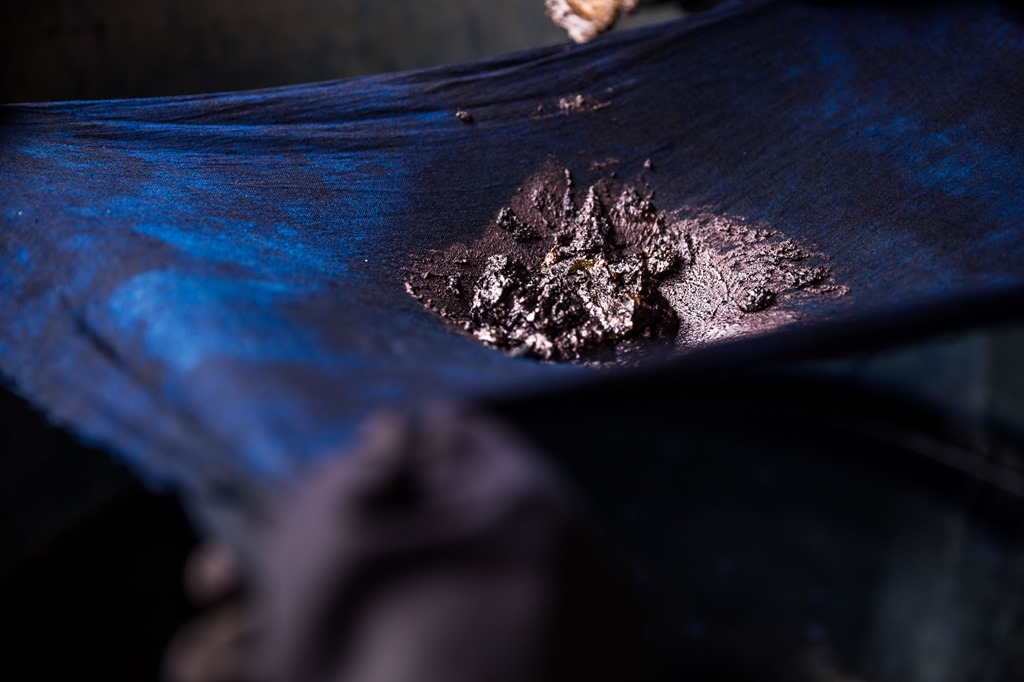
    In Bangladesh, indigenous plants are cultivated in fruit crops. Nitrogen accumulates in the soil. The farmers profit directly from the indigo cultivation and in the following harvesting season also a higher yield of other vegetables or fruits. The natural indigo is extracted from the leaves (indigofera). The leaves are placed in a water bath and ferment there. By continuous striking, oxygen is supplied. The dark blue water-insoluble indigo is formed from the water-soluble, yellow dye Indican. The finished indigo is dried as pebbles or liquid processed. The hand-dyed yarns are finally woven on traditional hand-looms.

    Features Of This Jean

    • Craftsmanship

    • Traditional hand looms

    • Local indigo cultivation

    • Dying with natural indigo

    • Classic selvedge Jeans

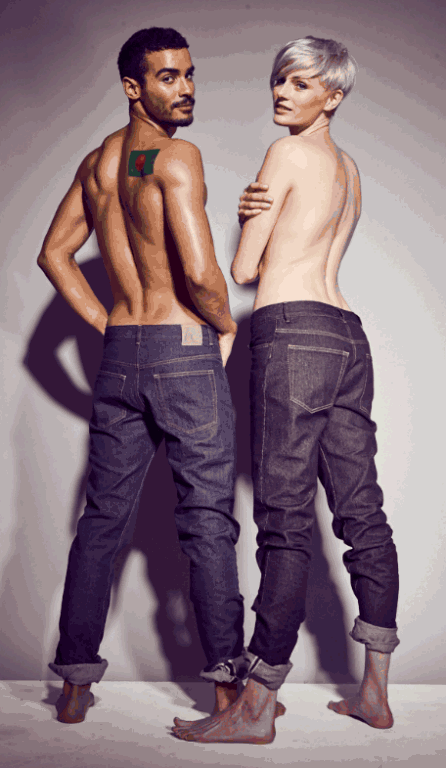
    Hessnatur | Denimsandjeans.comHessnatur | Denimsandjeans.comHessnatur | Denimsandjeans.comHessnatur__the jeans and selvedge edgeHessnatur_campaign shooting

    Every jeans is currently numbered and I was lucky to receive the Jeans No. 75  for myself (thanks Hessnatur , thanks Marina) . The jeans are extremely soft and comfortable to wear . The color is redcast with the natural indigo playing its part to give the soft raw look without any excessive washings done. Looking forward to it becoming more lively in few months with my daily routine impressions and would be happy to post how its looks change over the time !. Those looking to buy the jeans might visit this link .

     Hessnatur | Denimsandjeans.com

    By combining desirable fashion with sustainable actions, hessnatur has become a global pioneer in terms of improving ecological and social standards in textile production. Founded by Heinz and Dorothea Hess in 1976, the company launched the first natural baby collection and was globally pioneering in setting up the first organic cotton cultivation project in 1991. Today, hessnatur has around 370 employees and, in addition to its online shop and mail order business, operates stores in Butzbach, Berlin, Düsseldorf, Frankfurt, Hamburg and Munich. The world’s leading supplier, it provides a range of fashion garments, home textiles and baby clothes to around one million customers in Europe.

    Hessnatur | Denimsandjeans.com


    Meet the Global Denim Experts at the Second Edition Of Denimsandjeans Vietnam to be held on June 7-8

    Denim Experts At Denimsandjeans Vietnam

  • Selvedge Denim – Affordable Now ?

    Selvedge Denim – Affordable Now ?

    Selvedge Jeans

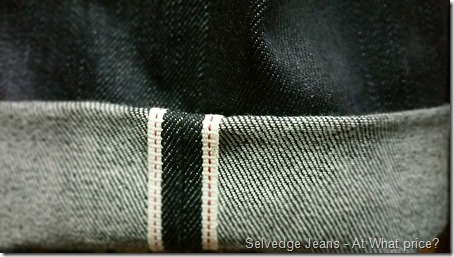
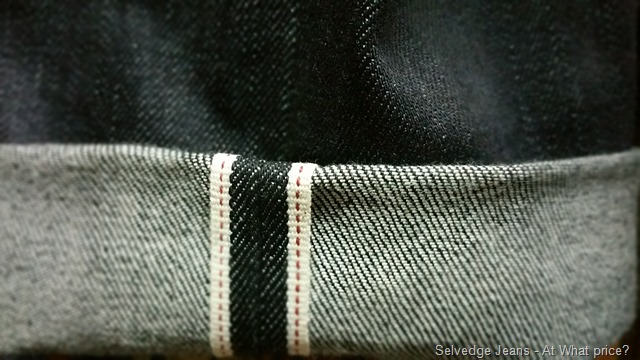
    Selvedge denim is considered the epitome of denim craft and loved by connoisseurs and longed to be understood by the novices. The vintage manufacturing process of making this fabric on old shuttle looms – which are not maufactured any more – by master craftsmen adds to the mystery and enigma of the fabric. Connoisseurs wear it raw for as long as possible without washing and let the jeans create the story of their life on it with individualized patina . In short its just pure love for the denim heads . Japanese selvedge denim is famous for its quality and used by niche and boutique brands who create their masterpieces and retail at high prices – often going upto $300 or more. The price levels ensured that the normal consumers – who did not understand selvedge properly- kept away as they found it difficult to understand why these jeans should be sold at such prices when intricate dry and wet washing processes were also not applied on the jeans. Also there is limited supply of such fabric ensuring that the highest price consumers could get the fabric and maintain the price levels and the ‘selvedge brand value‘. Thus the enigma of selvedge denim sustained and ensured that only real denim heads would go deep down into their pockets to shell out the price for such jeans. But apparel industry has often been turned upside down by aggressive retailers who want to serve the masses with high fashion at most affordable prices. Selvedge denim being a small niche remained away from the radar of such mammoths and ensured it remained accessible to few. However, there is a paradigm shift when you find that mass retailers can lay their hands on such premium products and sell them at their normal retail prices. We give below prices from few different retail brands who are selling selvedge denim in Europe (Spain and France) at prices which were unimaginable before. Most of them have tried to introduce different versions of selvedge including blacks, stretches and other variants. We just mention one or two variants from each.

    Pull and Bear

    Pull and Bear , a part of Inditex  Group, is getting aggresive in this category and retailing at Euro 29.90 in Spain . With prominent slub character in the warp the and low crotch , the jeans is again a cool addition to their portfolio and retails at the lowest price among the retailers checked out.. It was quite an unexpected price specially considering that there were no special sale schemes going on.

    Uniqlo

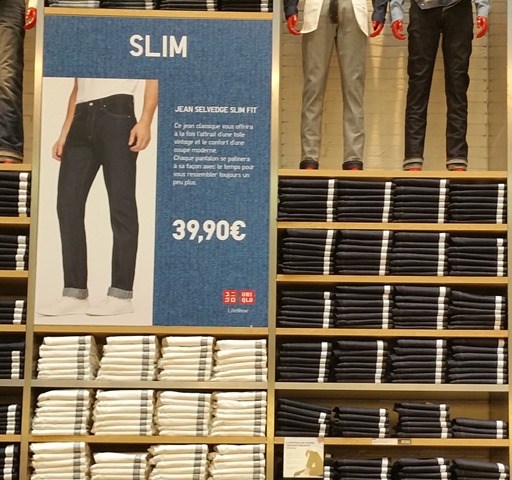
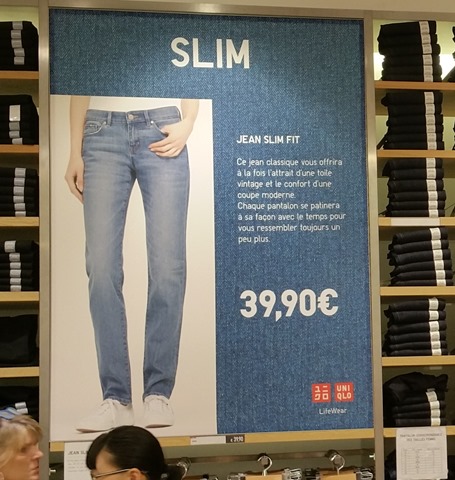
    Uniqlo has grown on the strength of its excellent sourcing capabilities and is able to sell high quality products at reasonable prices. They are supposed to be using mainly Japanese fabrics in their selvedge lines and  were currently retailing  at Euro 39.90/- . A deep dark color slim fit jeans with high sheen and in raw finish is available at this price. The jeans are available in washed versions also to satisfy the uninitiated customers but it really makes no sense to prewash the selvedge jeans.

    Uniqlo Selvedge Jeans

    Strange thing was that the retail price for these jeans was same as that of their normal jeans with non-selvedge fabrics. So basically, there was no premium charged for the selvedge and they were not retailing the jeans as special quality deserving special price point.

    Uniqlo Jeans


    H&M

    H&M selvedge jeans were found to be priced at Euro 49.90 , the jeans are again ones with a clean look with deep mid shades and a nice indigo sheen . They were  more expensive than the Uniqlo and Pull and Bear – though really it cannot be claimed that the quality difference can be justified. Again not a special price for Selvedges.

    C&A


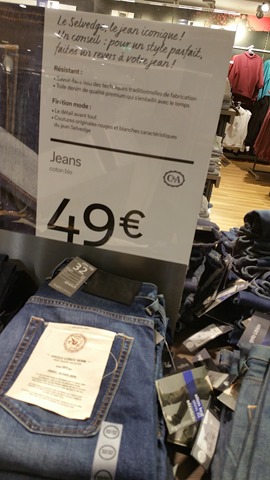
    C&A retails their selvedge line of jeans at Euro 49 – same as H&M in deep indigo as well as very light indigo shades. The quality of make up did leave something to be desired as that typical selvedge look was missing. But it is also to be understood that these retailers are trying to sell these jeans to normal consumers who want normal jeans look in their jeans.

    C&A Selvedge Denim

    As a matter of curiosity , we also explored Levi’s store to see at what levels are they placing their selvedge jeans. Priced at Euro 109.90 the jeans were much more expensive than the above three. But then , Levi’s is a denim pioneer with a high brand value among its fans and does get the benefit of the strength of its brand recognition. This was definitely a special price as a selvedge jeans. So basically , only Levi’s (among the above) placed selvedge jeans as a special category deserving a higher price.

    How are mass retailers able to sell their selvedge jeans at such prices?

    Normally selvedge denim fabrics are supposed to be quite expensive . Japanese selvedge denims normally start from $8 per mtr and go much above , Turkish fabrics are slight lower, while many Asian mills are selling at still lower prices. The difference at two ends could be over 100%. But still it does not justify the price differences at retail level (from Euro 30 to over Euro 400 ) if we do not consider the brand marketing and markup strategies.

    But then the question does arise – what would be the future of selvedge jeans if the mass retailers are able to make impact on the selvedge jeans . Would it be easy for the niche and premium brands to sell their selvedge jeans easily at prices they are currently selling at ? Will they be able to convince their customers that their fabrics and quality are so much superior that they can command the price difference ?

    The retail price difference of a jeans can possibly be – in a very crude way -  attributed to 3 different parameters – fabric quality, make up quality/fit and brand value. If the consumers perceive that the fabric quality and make up quality differences are not much , would they be paying huge difference for the brand value – specially considering that washes do not play much of a role in selvedges. Of course , it is not easy for most to define the quality difference easily  and its difficult to calculate the value of a brand for a consumer as it is a very deep and personal preference , it is quite likely that some consumers could cross the fence. Also there would be new consumers who had never before tasted the selvedge denim and would be entering the hallowed precincts by checking out what this hullaballoo is all about.

    Anyway, we see the positive side and hope there is more of selvedge jeans available and this category expands with the efforts of these retailers and that the customers worldwide would appreciate a real selvedge is and what it really stands for.

    As a closing note, our personal preference from the above 5 selvedges was Uniqlo – for its clean , crisp quality, deep color and that real selvedge look.

  • A Visit to Momotaro – Kojima , Japan

    This article is a reproduction of an articleby Adam Marelli on his recent visit to Kojima (Japan) where he saw the traditional denim production by the jeans brand Momotaro..It is a beautiful outsider’s view of the rare art of Japanese denim production.

    Blue jeans emerged from humble beginnings as the workwear of Americans, but in the wake of World War II it was the Japanese who would usher in a new era for blue jeans.  During the reconstruction of post war Japan, American looms were imported and set up in small factories.  Soon enough, companies like Toyoda (who would later become Toyota) produced shuttle looms of their own.  Many of these machines are still in use today, because as much as companies, like Apple, can’t seem to understand…you can actually build a product that lasts more than four years.

    Last year Adam embarked on a project called “Lost Ceremony.”  The first stop was a town that most people would never visit.  There are no famous temples or red gates sprinkled along the river.  Kojima, located in Western Japan is home to fabric producers, most specifically makers of some of the world’s finest denim.
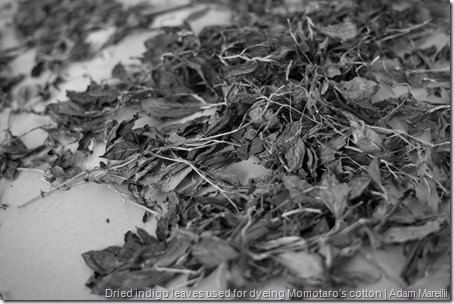
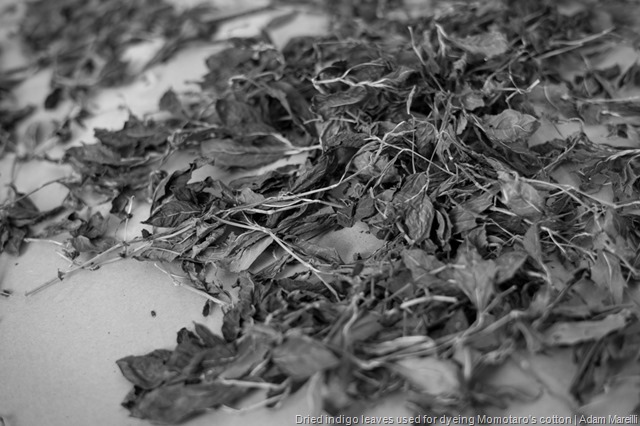
    Dried indigo leaves

    Marco Polo, Ali Baba, and Columbus

    Exotic fabrics from India to Peru have commanded treasure chests of gold, started wars and paid some of the most famous dowries in history.  While advancements in technology have allowed industry to produce the vomit-inspired upholsteries that scratches us on bus trips and the miserable patterned rugs than can depress an entire Texas cheerleading squad, there will always be specialty producers who take the time to make  a top quality product that feels, wears, and looks better than any imitation.
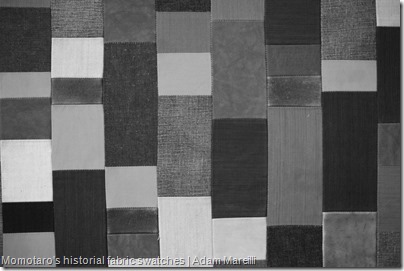
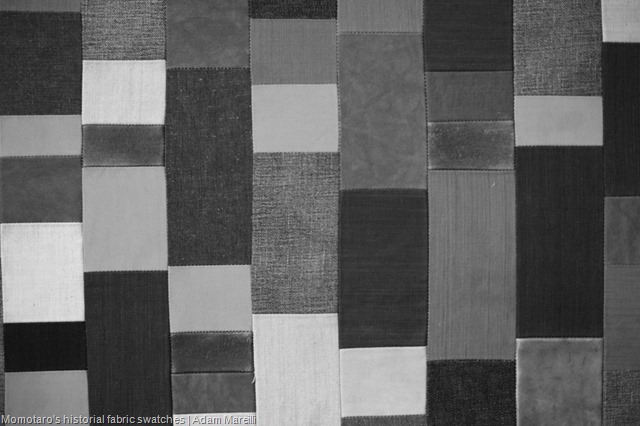
    Momotaro fabric swatches

    How to Spot Quality

    Most of our clothes are bought off the shelf.  In a person’s lifetime they might get a handful of garments made for them.  Something I learned during my years in construction was that most of the things we buy from Hondas to Bentleys are pretty much a-la-carte options at best.  Very few items are actually custom made from start to finish.  And that’s not necessarily a bad thing.  Because with the endless options that customization offers come the anxiety of not knowing what you want, how to ask for it, and if you really need it at all.

    So how could someone spend $1,500 on a pair of customized jeans?  Well a trip through the Momotaro workshops opened my eyes to the areas where most companies fall flat on quality production and where they chose to rip open the DNA of a jean and redesign them from the ground up.

    Uchida coaching the shuttle loom into the smooth rhythm of production. With all its belts and pulleys, they look like something out of a Dr. Suess book. But in the end the machines put out some incredible denim.

    Momotaro has a history of fabric production that is over one hundred and fifty years old.  This is not your “Hipster-pop-up-hand made-authentic-heritage-over-hyphenated-excuse” for small scale production.  Denim only represents 20% of their total fabric production annually.  In true Japanese style, if they can’t do it perfectly they would rather not do it at all.  The range of denim they produce ranges from hand dyed and hand woven to synthetic dye and motorized loom weaving.  They cover all of price ranges as an artists would learn how to mix all of their colors.  As new lines of jeans are introduced, they rest of a firm foundation which allows Momotaro to make decisions based on preference not strictly economy.  In the last few years Momotaro has branched out to European and American markets which has presented them with a new set of obstacles.  The international markets, not only, have different visual tastes…they are also shaped differently.  What does that translate to in jeans?  Well there are not too many 6’-4” guys named Lars cruising around the streets of Kojima.  People come in a multitude of sizes.  Momotaro had to make some scale adjustments for their clothing to be internationally compatible.  But the little tweaks in length and breadth did not impact the quality at all.
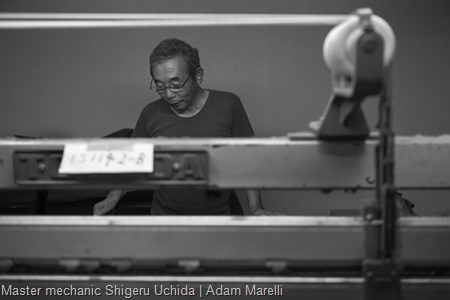
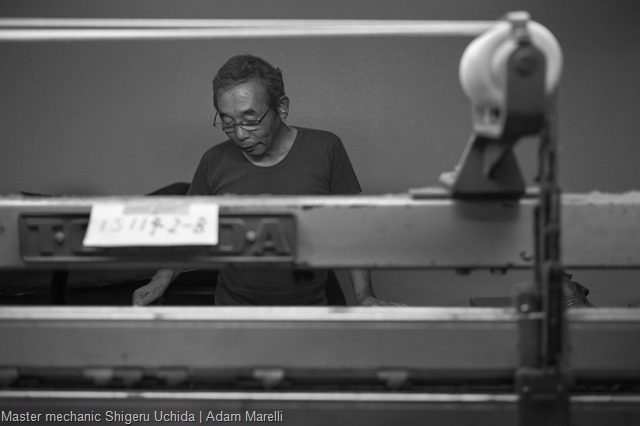
    Master mechanic Shigeru Uchida

    Master mechanic Shigeru Uchida is one of the dividing factors between Momotaro and the rest of the denim world. Adam Marelli

    Why your old Levi’s aren’t Momotaros

    At the moment American denim companies like Levi’s and Lee are ironically trying to reinvent themselves as quality brands.  The irony is that the denim business they shipped to Japan fifty years ago is now producing their highest quality jeans ever.  So where are the details in a pair of jeans?  Just flip a pair of Momotaro’s inside out to see some of the attention they give to their jeans.

    Zimbabwe Cotton.  If you really want to compete in the denim world the cotton has to come from Zimbabwe.  Why?  Well…contrary to Eli Whitney, they claim that the finest cotton still needs to be hand picked.  The cotton gin crushes the husk of the cotton into the fibers and damages them.  The feel is outstanding, but I have a feeling if anyone tried to resurrect hand picked cotton in the United States it would cause riots.

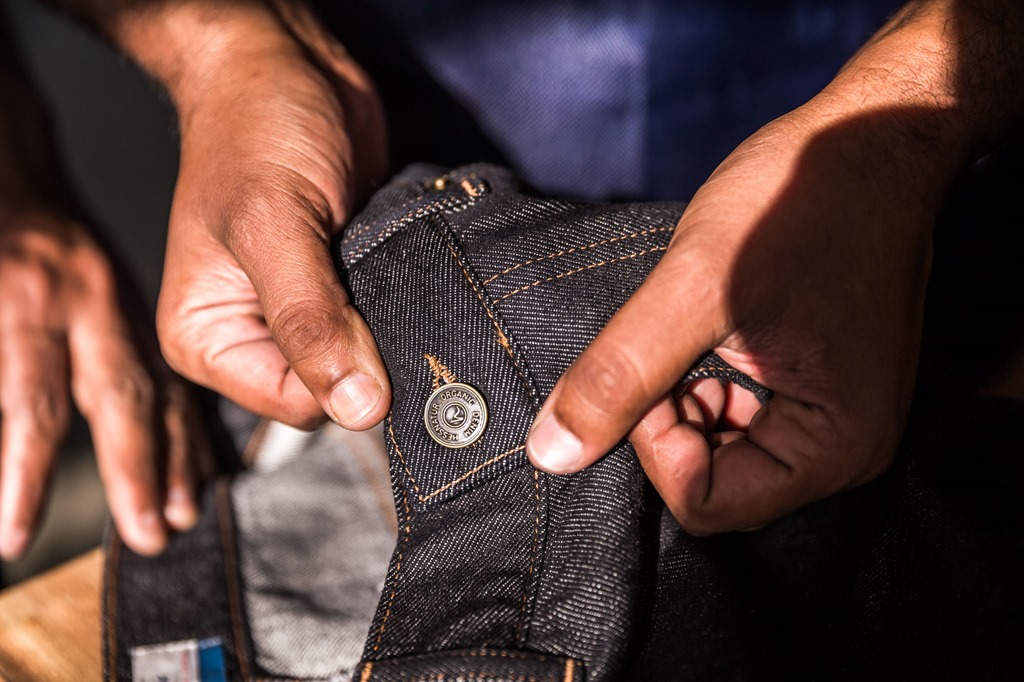
    Copper or Sterling Silver Buttons & Rivets with the family crest.  Inside the jeans you will not find anonymous copper rivets.  Momotaro embosses their family crest of the rivets.  Its a subtle way to say that the company is held together by family.

    Heavy Duty Pocket Liners. I wear jeans for any type of work day.  Whether I am at a work bench, on a shoot, or trying to keep my eyes open through a meeting, I often wear jeans.  One thing that kills me about cheap pants is that without fail the pockets rip.  How do I know?  Well usually its because I lost something (like my keys) and then realize there was a hole in the pocket.  Replacing those magnetic front door keys can be expensive.  So I love that the pocket fabric is not made of the standard tissue paper you find in chain store denim.

    The Fade. I am not talking about your barber’s ability to go from skin 1 to a number 4, when I say fade I mean how well Momotaro’s break in.  An axiom of aesthetics is that anything that looks best new is of poor design.  In contrast to a fashion culture that is constantly trying to pass off 16 year old girls as women (Calvin Klein, I’m looking at you…) age is not something to be feared.  And while we are all doing our best to “Earn our grays” or jeans should be along for the ride.  A well made pair of jeans will reflect their owner, which is why my jeans and yours will never look the same.  Its the closest thing to a fashion fingerprint out there.  Much better than buying some pre-faded, belt sander interpretations of denim.  You will have to wear these in yourself.  And that is half of the fun.

    The Peach. The Momotaro myth of a young warrior who protected the region is symbolized by the peach.  The surrounding area is famous for its produce, which is tangled in local folklore.  Momotaro decided to pay homage to their local production through the embossed design on the rivets and also the pink inseam stitching of the jeans.  Its a small and subtle detail.  But nothing makes the Japanese happier than playing the game of subtlety.

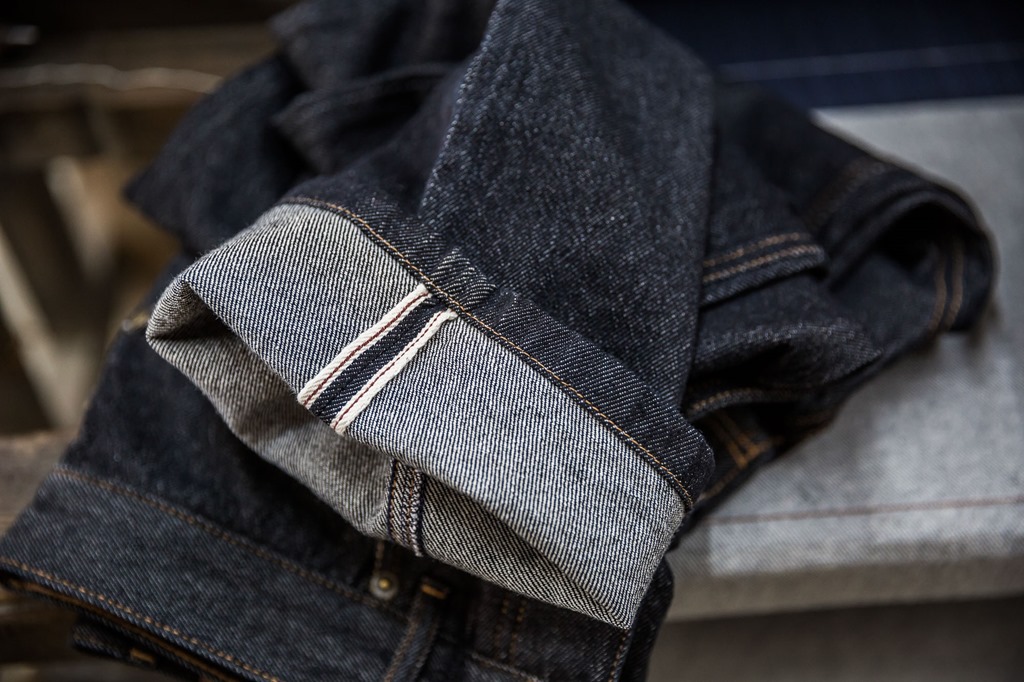
    Selvedge/Self Edge Fabric. If you have ever walked into a boutique and a sales person has tried to sell you on “Selvedge denim” and you thought they just had a lisp, you are not alone.  Turns out, they are not mispronouncing “self edge.”  Selvedge refers to the narrower width of fabrics produced on shuttle looms.  Its a tailoring detail that may not interest anyone but denim die hards, but from a production stand point its worth noting.  Textile companies are always looking for ways to stream line, aka lessen production costs, even at the expense of quality.  Selvedge denim is not an open weave at the end of the loom.  The fabric is woven closed on the ends.  This limits the overall width of the bolts.  So its not less expensive, in fact its a good deal more.  The end result is a different feeling and looking outside seam on the leg of the pant.  When we consider that it is the longest seam in the entire garment, it makes sense not to cut corners.

    Master Shigeru Uchida

    The pulsing clicks of the shuttle looms dominate the workshop.  Master mechanic Shigeru Uchida excuses himself for not having ear protection for us.  Click and bang of springs, gears, and rollers sounds like someone dropping a box of wrenches down a flight of stairs.  But underneath this cacophony is a rhythm that Uchida conducts with a small box of hand tools.  He is the only one who knows how to work all of the looms, something that is not lost on Katsu Manabe, next in line at Momotaro.  He explained that Uchida has been servicing these machines for over forty years.  His education in their inner workings was a classical apprenticeship, light on questions and heavy on beatings.  Uchida’s tough upbringing in this maze of fabric and gears is not something he wants to pass on.  He speaks softly to his apprentice who is fetching tools for the constant adjustments.  It almost appears that making fabric is not much different than farming produce.  Both require an inordinate amount of attention and maintenance.
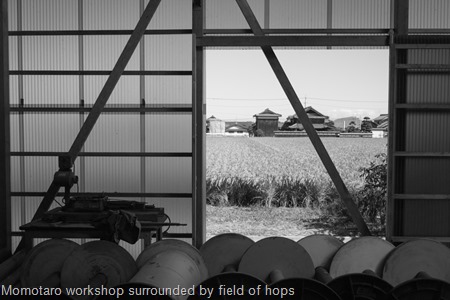
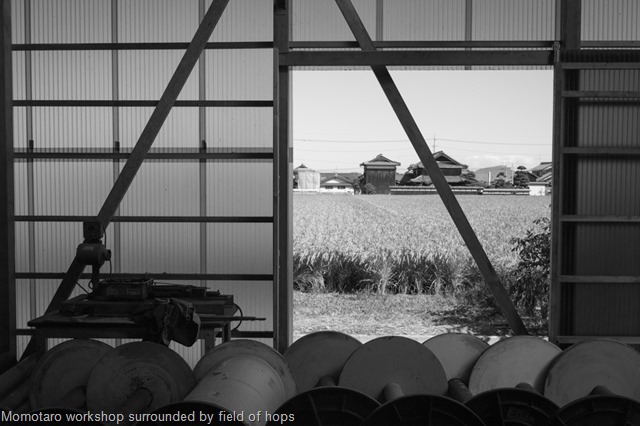
    Momotaro workshop surrounded by field of hops

    The Momotaro workshop is surrounded be fields of hops grown by the local breweries. Adam Marelli

    Working around Uchida was a delightful experience.  Whenever I have the opportunity to watch people who are extremely good at their profession, I get all excited.  The dexterity at which he reaches through these machines is astounding.  There are no electronic read outs or manuals.  He touches the machine to feel and listen to its sounds.  As he checks the output of the fabric from the loom he makes small adjustments to keep the machine on track.  Its rocking motion appears to eventually shake itself loose.  Each machine teeters on the verge or production and destruction at the same time.  Without the right touch, I got the impression the looms would shake themselves to death.  But with Uchida’s tuning hand they pump out thousands of yards of beautifully rich denim.
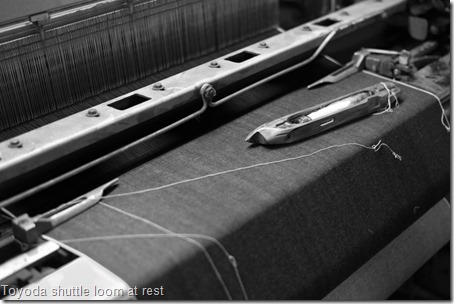
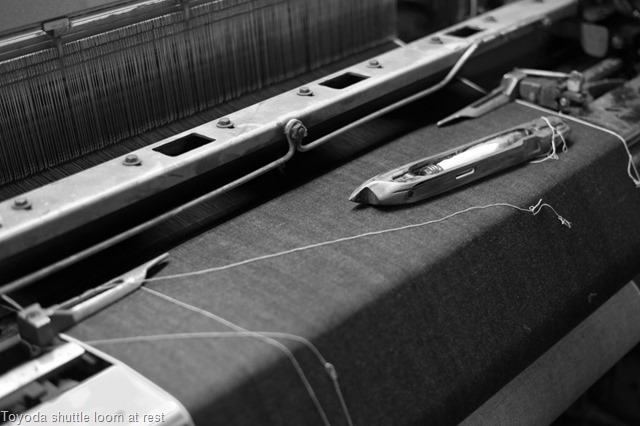
    toyoda shuttle loom at rest

    A detail shot of the Toyoda shuttle loom at rest. Keeping these machines running has been Uchida’s study for over forty years. Adam Marelli

    Sun Down

    At the end of the day we all retire to the back of the workshop, for the post work smoke break.  Never having been a smoker myself, its strange that I actually enjoy these breaks.  Its nice to see Katsu and Uchida step away from their work.  They have a calm satisfaction that belies the complexity of their daily tasks.  But as the sun is setting on the fields of hops and a bit of sun light catches a lone persimmon hanging from the tree, it is easy to see how work and poetry made their way together in Japan.

    On a journey, ailing–

    My dreams roam about

    Over a withered moor.

    –Matsuo Basho

    About : Artist & photographer, Adam Marelli is based in New YorkAdam Marelli City.  His projects explore the ancient crafts of building, maestros in their   workshops, and designs handed down through generations.  Whether he is photographing a master carpenter, dodging fish at a local market, or at the drafting table, he is in constant search of the threads which bind our cultures together.