Tommy Hilfiger is a global brand renowned for its classic American style, blending preppy designs with a modern twist. Known for its high-quality apparel and accessories, the brand offers a wide range of styles, including clothing, footwear, and lifestyle items. As a leader in the fashion industry, Tommy Hilfiger is recognized for its premium, stylish, and timeless collections.
The primary objective of this report is to study Tommy Hilfiger USA’s online offerings in men’s and women’s jeans. The period of study spans from January 2024 to December 2024.This comprehensive examination reveals key insights into various aspects of Tommy Hilfiger USA’s styles in the online retail space. Let’s explore the key findings:
Price Levels: We examine the current price levels of Tommy Hilfiger men’s and women’s jeans at the online retail level, providing a comprehensive understanding of the brand’s positioning in the market.
E-Commerce Analysis: A thorough evaluation of Tommy Hilfiger USA’s e-commerce offerings over the 12-month period is conducted. This analysis focuses on various factors such as: • Prices • Discounts • Gender-specific styles • Fits • Rises • Stretch options
This examination highlights how these elements vary and their impact on consumer choices.
Composition Analysis: The report identifies and analyzes the predominant fabric compositions used in both women’s and men’s jeans, shedding light on the brand’s commitment to quality and style.
Styles Examination: Our study encompasses an extensive range of styles offered online, providing deeper insights into Tommy Hilfiger USA’s consumer-facing strategy and the overall trends in their offerings.
Graphs Included
Percentage of Men’s and Women’s Jeans on Discount: This visual representation highlights the proportion of jeans on discount for both men and women, showcasing the brand’s promotional trends.
Price Before and After Discount (USD) for Men’s and Women’s Jeans: This chart compares the original and discounted prices, providing insights into the extent of price reductions.
Total Number of Styles and Number of Styles on Discount for Men and Women Jeans: This chart presents an estimated count of the various jeans styles offered by Tommy Hilfiger USA online over the 12-month period, showcasing the breadth of their styles for each gender.
Maximum and Minimum Price (USD) for Men’s and Women’s Jeans: The highest and lowest price points for men’s and women’s jeans reveal the range of pricing options, capturing Tommy Hilfiger USA’s positioning in terms of affordability and premium pricing.
Broad Fits Orientation of Men’s and Women’s Jeans: A classification of broad fit styles available in men’s and women’s jeans, reflecting consumer preferences in fit. D&J Reports Note : All the graphical values are rounded off to the nearest integer value Fabric Composition of Men’s and Women’s Jeans: A breakdown of the dominant fabric compositions in men’s and women’s jeans, highlighting material choices for durability, comfort, and style.
Fits % of Men’s and Women’s Jeans: A percentage-based distribution of different fit types in men’s and women’s jeans, showing the most popular fit options. Stretch Vs Rigid Style % of Men’s and Women’s Jeans: This chart compares the proportion of stretch and rigid styles in men’s and women’s jeans, providing insight into flexibility preferences.
Rise % of Women’s Jeans: A percentage breakdown of different rise styles (low, mid, high) in women’s jeans, reflecting consumer demand for various rises.
Total Number Of Styles And Number Of Styles On Discount For Men’s Jeans And Women’s Jeans
[private_special]
Since the report is in pdf format, we are attaching the link from where our subscribers can download the same and read at leisure !
PW for accessing the report: tommy_menwomen_2024_fullyearreport
Nicolas Prophte In a coversation with Sandeep Agarwal
Nicolas Prophte, Vice President Of Sourcing, Production, and Innovation of Tommy Hilfiger(PVH) spoke to Sandeep Agarwal- Founder of Denimsandjeans on the Sustainability Targets In Tommy Hilfiger. The talk was streamed at the Sustainable Interplay Denimsandjeans Virtual Show on November 23.
PVH is one of the leading clothing retailers and a company that has been very active on the sustainability front. They are not only signatories to Fashion Pact but also have supported the Paris climate agreement, besides there are many sustainability targets that they have already achieved and are on course to achieve many more.
Here are some important points which were made by Nicolas Prophte during this conversation .
The progress on some of the key targets especially related to MATERIALS in 2020
We have some very clear goals for 2025 and this is part of the the strategic roadmap, we call it MAKE IT POSSIBLE. In terms of sustainability globally, we have two main metrics . One metric is regarding fabrics because we believe there is a huge work to be done on fabrics so we are focused on one very simple KPI. We call it the fiber post consumer recycle cotton. I think we are going to develop a little bit more circularity but we believe the best sustainable fiber is not virgin cotton, it’s recycled cotton, so yes, we are having a clear roadmap.
We try to make it simple a very complex environment with two metrics, one metric is focused really on mills and fibers because we believe there is a lot to be done there and this is so, this is a blend of post-consumer recycled cotton fiber, we believe that the best sustainable cotton is the one that you don’t grow, it’s the one where you reuse from the waste. We have a metric specific on the denim mill with 20 percent minimum post-consumer recycled cotton fiber in our blends, in our fabrics . So for that, we have two-time windows; we have 2020 and 2021 with 1 million pieces of jeans made with this blend and for 2025 so a little bit further it would be 3 million pieces . So we really believe this is a scale innovation and this is something we can scale it and to be very honest we are already a little bit ahead of the game because in terms of the percentage , we are accelerating .
The second KPI for us as a metrics for the sustainability vision, it’s the laundry side. After the fabric, we are implementing and we have already since years now we call it a LOW IMPACT washes This is how we could put the pressure on the laundry to minimize water consumption , energy, time , carbon footprint , chemicals etc.
Mr Nicolas Prophte during the talk at Sustainable Interplay
We have some clear goals we want to have for Tommy Europe, 50% of all our jeans are LOW IMPACT wash for 2021, and for 2023 it will be global, so when I say global it will not be including North America but also Asia. So here again we are a little bit ahead, I think for Europe we are already at 60- 65%, so the laundry is reacting also very quick and it’s all about creating a clear goal and target with your supply chain and also to have a tool to measure the progress.
Recycled Cotton For Tommy Stands For ?
It’s post-consumer recycled cotton. To be honest, before we played a little bit with pre-consumer because I think in terms of waste and there is also a hierarchy, pre-consumer is easier and I think we should not forget the pre-consumer because we learned from pre-consumer to scale the post-consumer, of course, post consumer is a little bit more challenging because there is this all this value chain of getting waste sorted out engaging recyclers . There is all dynamic also to engage there, it’s not easy what we try or what I try to engage with the mills, it’s a step by step to become vertical.
I think for a mill today if you really want to nail it down that you have a high quality of post-consumer recycled fiber you need to control the waste, you need to control from the origin of your sources and I think this is what we try to engage with our partners.
Other steps are being/ to be taken to achieve Circularity and About Tommy For Life?
I think we need to have a clear definition of what Circularity is for us? What are the principles? I think we have two-three principles for circularity in PVH: it’s designing out of waste so, in a way post-consumer recycled cotton is part of these buckets, I think there is another dimension – designing for longevity and durability, how we could extend the product life, I think it’s important also for environmental impact, I think it’s also crucial and of course also designing, thinking the end of life of the product and how we can upcycling it or downcycling or whatever we can do with it.
I think these three main principles that we can work with and we can never forget that’s something important, that’s more personal thought, we cannot sacrifice sustainability because of Circularity we have to do at the same time we don’t have to engage non-sustainable process for Circularity economy that’s why we need to be careful but this is important and we also we engaged recently also a new initiative with Tommy for life it’s more how we can reuse old garments how we could redesign , re-manufacture and re-inject in our collection . I think resell , reuse , re-manufacture and re-put in the market, it’s also a very important topic and this Tommy For Life platform is going to be for us a kind of learning process . How we can do it, how we can scale it, also I think scale also is going to be very important here.
We’re experimenting but I think it’s another way to engage with the consumer with these re-remanufacture or redesign or reuse so I mean already this good progress on this Tommy for life and we launched it very recently because we launched officially internally on October 1, so it’s only a few weeks. We have a full team dedicated to that with the strategy and now we are pioneers and we are checking how it goes but I could tell you more results in a few months to give you some insights.
Alternative Sustainable Fibers
We are experimenting with Hemp – its more sustainable than cotton. But we need to know where you buy the hemp and you need to go closer to the farmer . We are experimenting on how to create more cottonized hemp in our products and try to scale it up. But its not easy. So, Hemp is one good and some recently cellulosic fibers that are coming up . But we need to study and see how it comes out but for us scale is important.
Impact of COVID 19 On Sustainability Goals
COVID had been challenging for many of us and had disrupted the whole business. Covid could have been a kind of distraction meaning that we could skip the sustainability goals and go back but I think it had the contrary and I think it had been an accelerator and we realized probably we need more than the business metrics . I think they are important we need to sort it out we need to solve problems but I think we realize also a kind of introspection work as a brand or as a person that we need more meaningful collection, a product with purpose or purpose towards the environment purpose for the people how we impact, also the planet, the environment, the people working in this industry I think we realize this is getting more and more important so I think for us it has been an accelerator, not a break.
It’s now the momentum to push the pedal and to go for the next step so there will be and there is full awareness and a full commitment from top management into Hilfiger, we know this is something that is going to drive and inspire consumers but also associates in our company supply chain partners. There are pre covid situations and post covid situations and after COVID, it’s a complete change of the fashion industry and we have there is no other way . We have to make it happen. it’s going to take time but I think our role is to build the right steps, the right roadmap to transform this industry for a better one and step by step also to communicate to the consumer our little achievements I think it’s good to engage the consumer that if they buy a product that’s been made in the best practice they contribute to the journey and I think contribution from associate partners, supply chain and consumer is the best game that you can play.
Will the Covid create design changes in the denim industry and will those design changes affect production processes in the supply chain?
We spoke to Nicolas Prophte – VP Sourcing, Production and Innovation Denim at Tommy Hilfiger – if there are any design changes that he feels have come and whether they will affect the production processes.
As a beginning note, Nicolas shared a great positive news that the demand for denim is good for his company and he saw a good appetite for denim bottoms. This kind of dispels so many doubts that had started emerging in the minds of the industry post covid.Â
He mentioned about the SS’21 Collection which was entirely designed digitally. He also mentioned that the company invested in a design development centre in Amsterdam a few years ago – where they have assets like a huge physical and digital library along with lots of data and this library helped them a lot. They also have an amazing wash library and have strong relationships with vendors and all this helped them to create a great collection entirely digitally. He felt that the designers are learning new ways to design using digital ways. He also spoke about creating 3D designs for selling and felt there is no need to create salesman samples. He also felt that it is important to create more and more digital content to engage the buyers and this is going to be important for the future as well.
Coming to mills and vendors, he felt that investing in relations with the supply chain over the years has helped them during this ‘storm’. Strong relationships ensured that they received full support from their vendors and helped them to be more agile and flexible.Â
Speaking on sustainability, he mentioned about various initiatives, he mentioned about a target of having 20% post-consumer recycled cotton in all their fabrics in the next 5 years and there will be a great focus on reducing the use of virgin cotton. Tommy wants to produce 1 million jeans with this composition in 2021 and by 2023 – about 3 million jeans. They are also pushing the laundries to be more responsible and with their KPI – LOW IMPACT DENIM. This denim uses eco-friendly washing systems including lasers, ozone, etc and their target for 2021 is to create over 50% LOW IMPACT DENIM.
Lead times will be also massively impacted and closer to the market would be important in the future. Nicolas spoke about various other aspects of the current market , sustainability, digitalization, etc and the complete talk can be accessed can be listened to from this link
Developed with a vintage inspiration and earth-conscious mission, Tommy Introduces another 100% recycled denim styles with recycled elastane. Last year also they came out with a sustainable collection , but this one seems a step ahead of that.
This 100% recycled collection is a sampling of or most popular styles and has been styled from recycled cotton in a vintage wash. The collection pulls out the evergreen classic Tommy Jeans styles from the archive of nostalgia and redesigned with added sustainable flavor of 100% recycled cotton, thread and sustainable trims. Apart from these, the rivets are made from the recylced metal trimmings and the patches are from 100% recycled polyester.
“The innovative part of the fabrics we are using for this capsule consists in their mechanical recycling process and spinning process. This way we can achieve 100% cotton recycled fiber for the first time in the history without using any blend fiber, while keeping the same mechanical properties as a virgin cotton fabric,” says Nicolas Prophte, vice-president of Global Denim Center Excellence PVH Corp.
Tommy Jeans has also claimed that this entire collection consumed less water, less energy and low impact finishing techniques compared to any of their previous collections and hence this is the most sustainable denim collection that they ever produced.
The collection is available online for sale and the price ranges between $79-129.
A brand new drop by the iconic American brand, Tommy Hilfiger , rooted in 90’s nostalgia comes with a 15 piece unisex collection inspired by OG 1997 collection with a modern transformation.This vintage inspired collection showcases the blended sport pieces and tech fabrics with street style denim.
The capsule is the fresh revamp of the conventional sportswear gear with vibrant and bright colors.Its a mix and match style of multiple logos with navy, purple and aqua palettes.The jackets have been revived as a shell with nylon detailing. Hoodies with multi logo pattern surely provides iconic look to the capsule. A cosy fleece with geometric patterns depicts the arriving winter season and street style-inspired accessories including fanny packs and beanies will fulfill the needs and demands in the celebration times of the season.
The capsule is entitled “ Tommy Jeans Sport Tech Denim †and is available at the company’s website worldwide. Surprising thing is that there is nothing like denim in this collection – its either nylon or polyester fabrics with denim looks. The brand seeks to capitalize by merging two categories – Athletic Sportswear and Denim without using cotton or indigo at all . Not a bad idea many would say the way the collection has been flying off the shelf ! We have seen many such pseudo denim looks from the lowest streetwear segments to the most premium and few have been successful too .
The event witnessed the combination of vibrant colors, bell bottoms, dresses and lots of DENIM. Denim was presented in blazErs, suits, dresses, skirts and much more. White denims and minimalistic looks with subtle or no washes and indigo palette mixes were the dominant theme of the denim collection. With changing marketing tactics , the collection could be shopped right away. Zendaya’s capsule is exclusively available at the Nordstorm. We have taken out the denim collection from the Hilfiger collection – shop the entire collection here.
Tommy x Zendaya Farra High Waist Bootcut Jeans (Papyrus)
Its not many times that you see Tommy Hilfiger come out with such an Instagrammable collection with social media in mind !
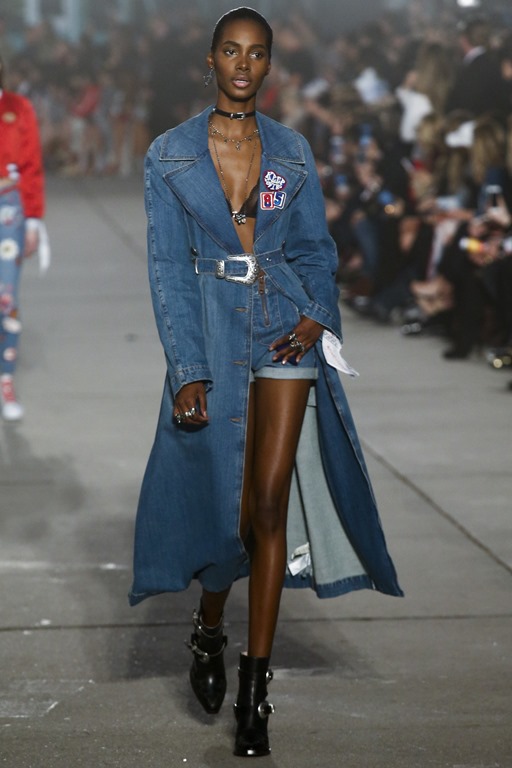
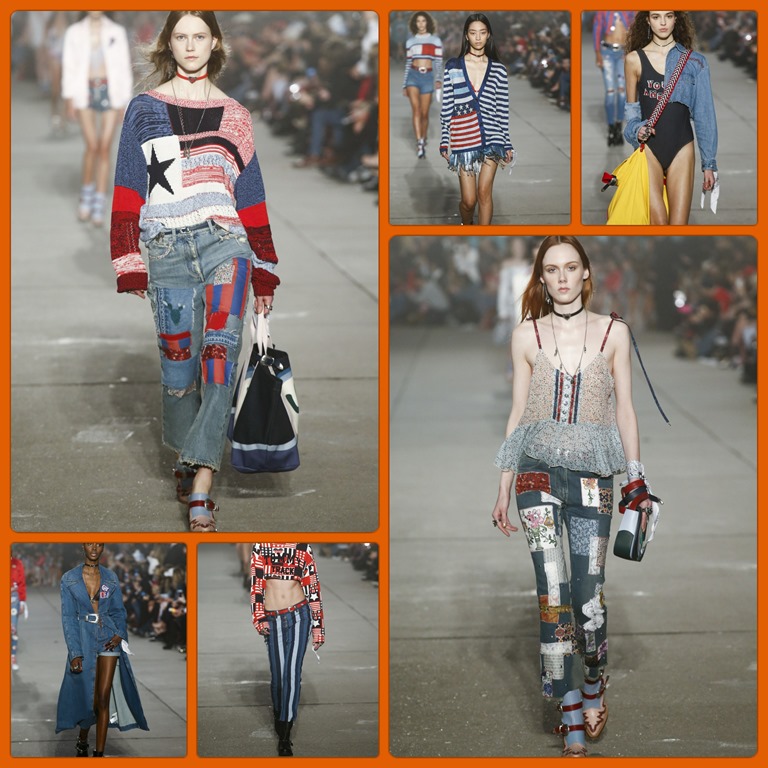
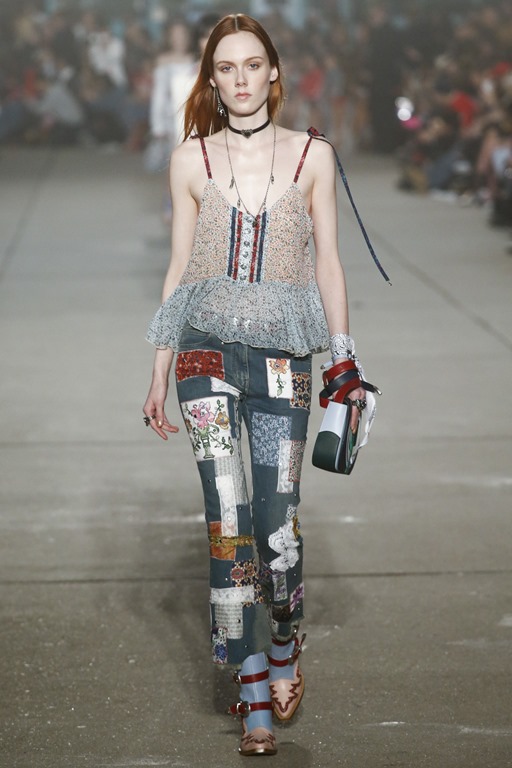
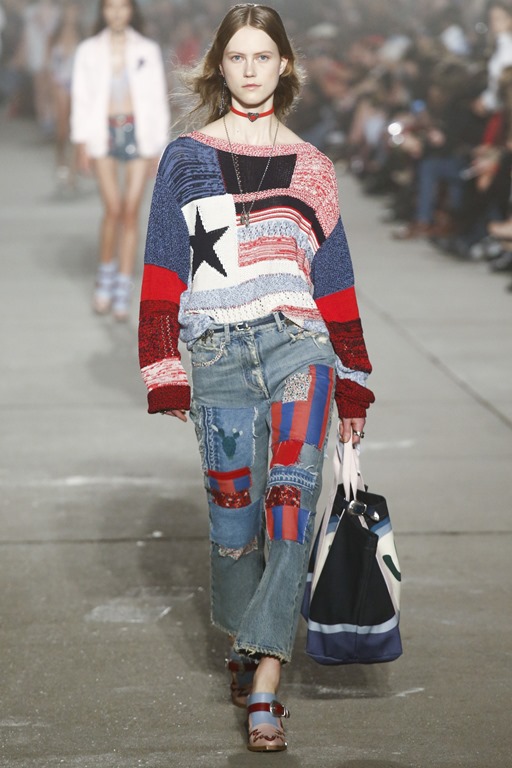
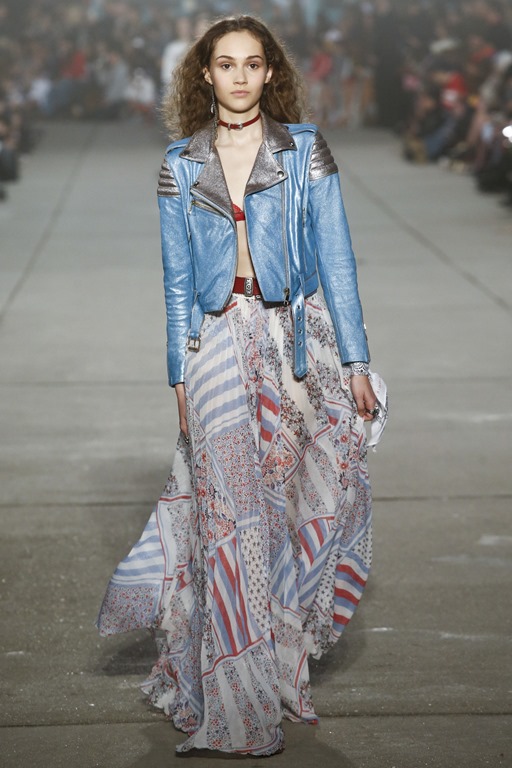
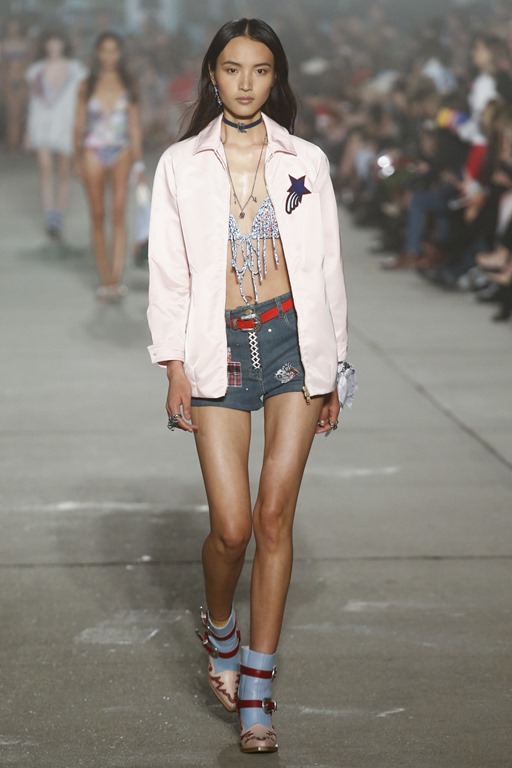
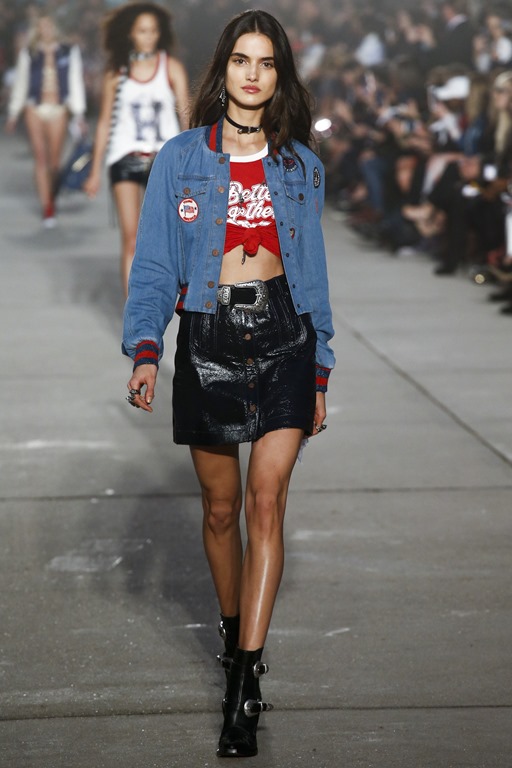
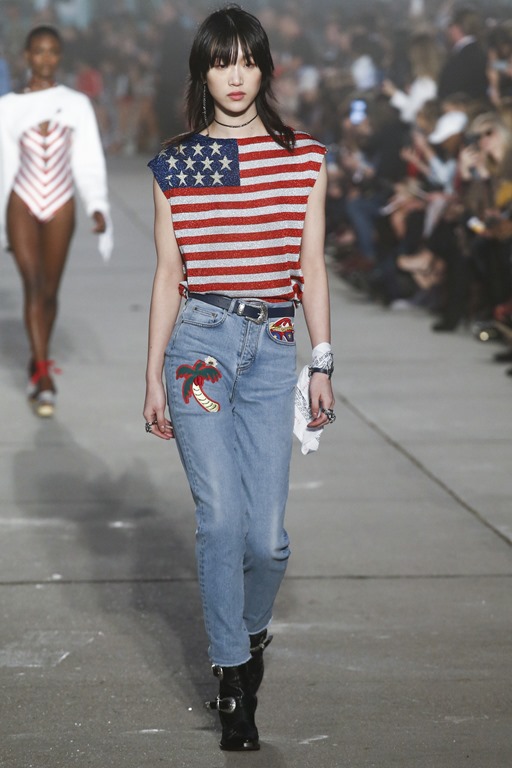
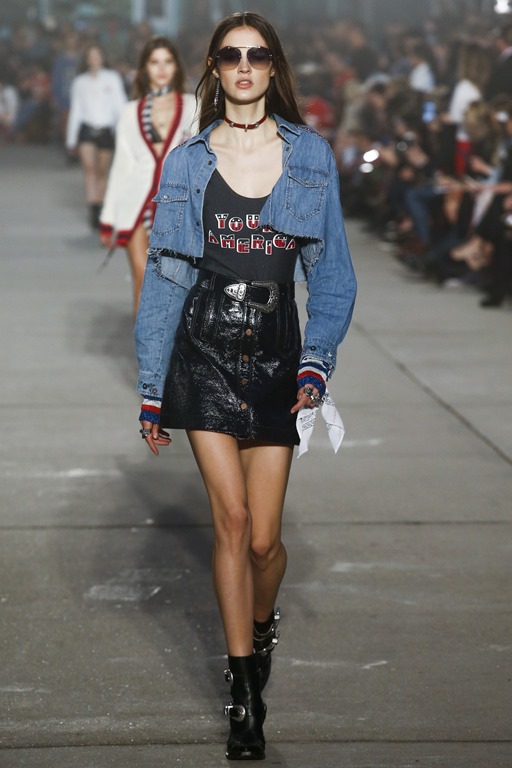
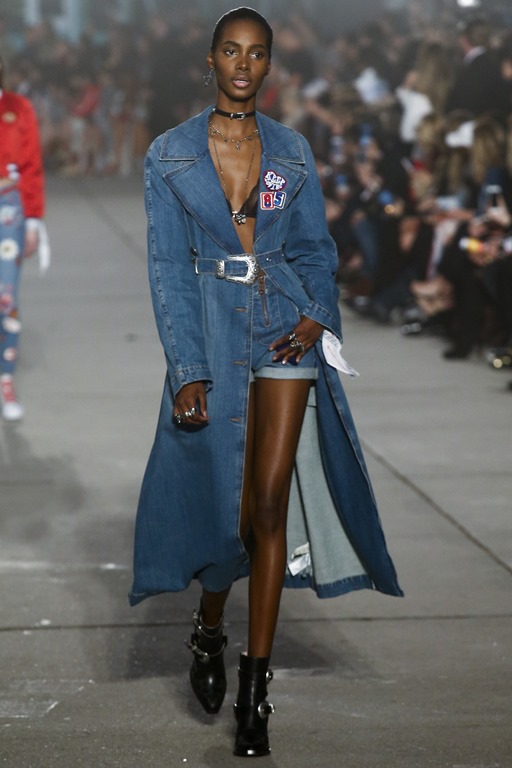
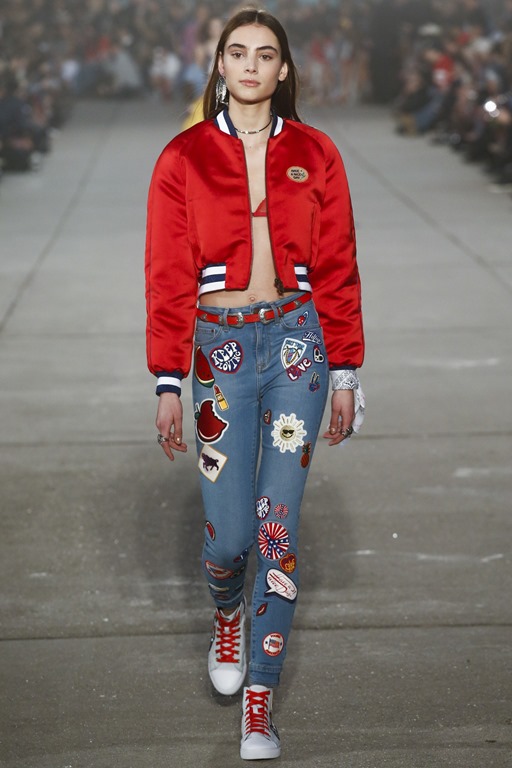
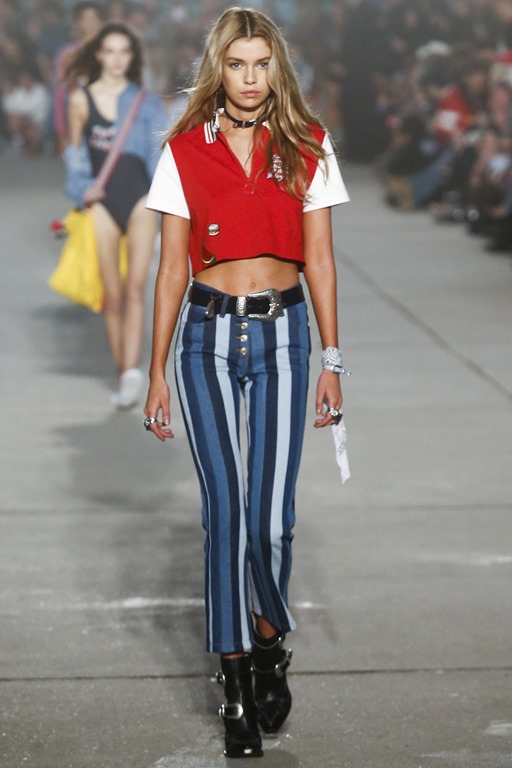
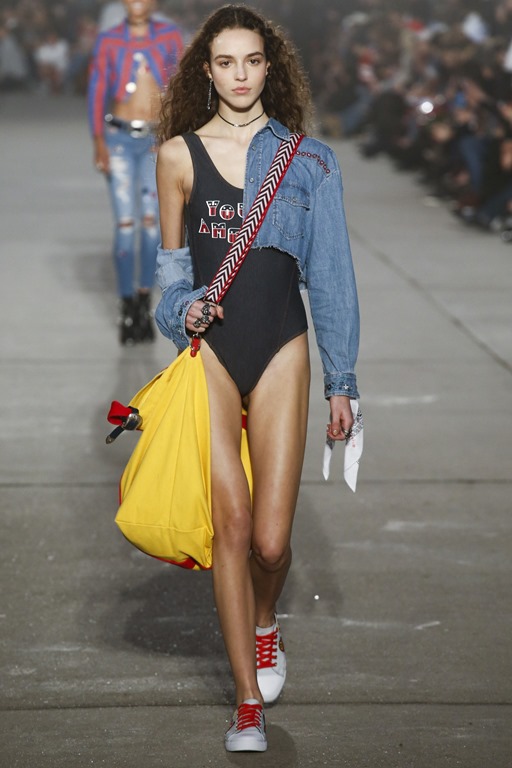
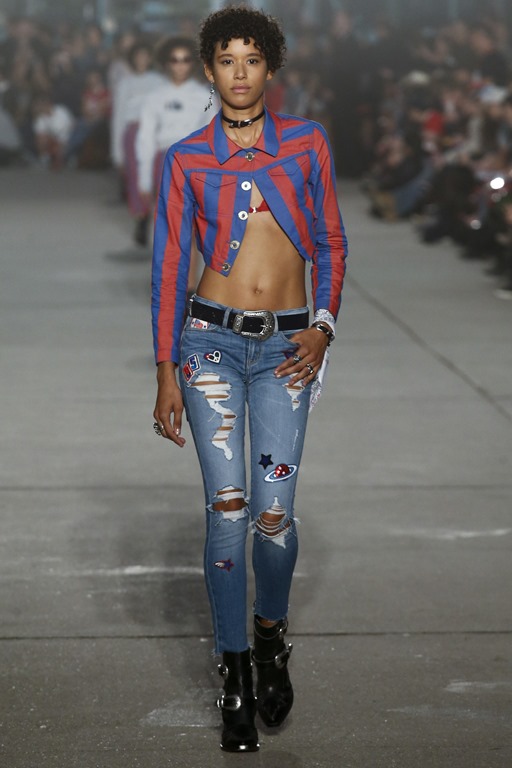
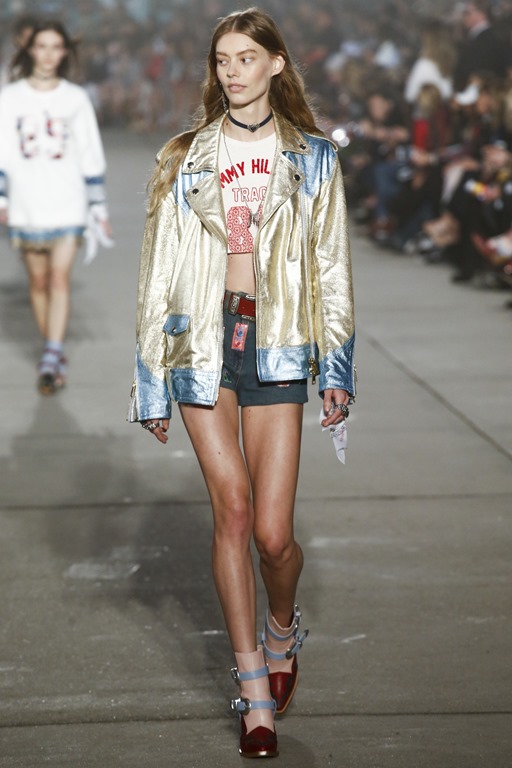
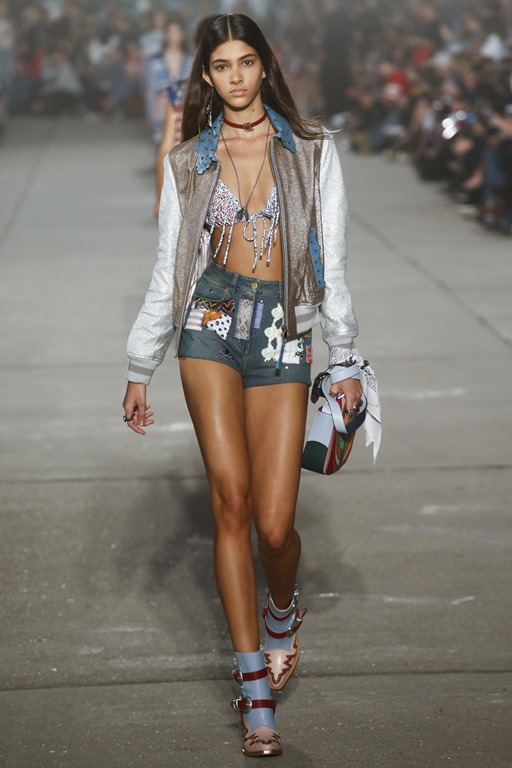
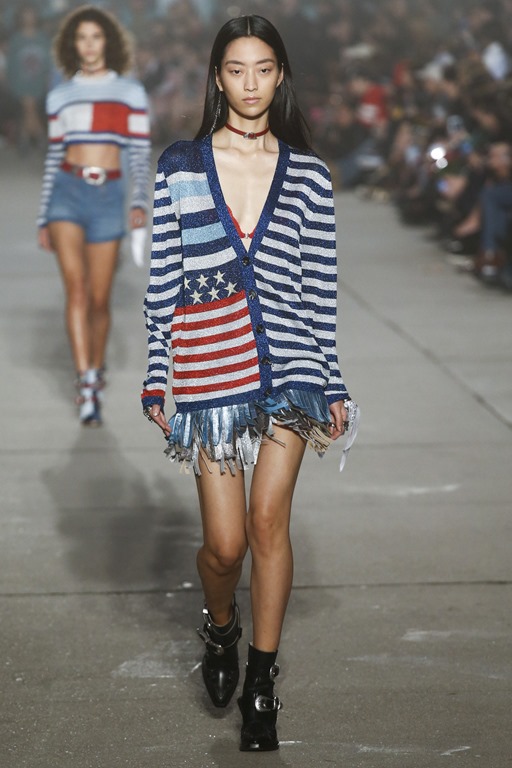
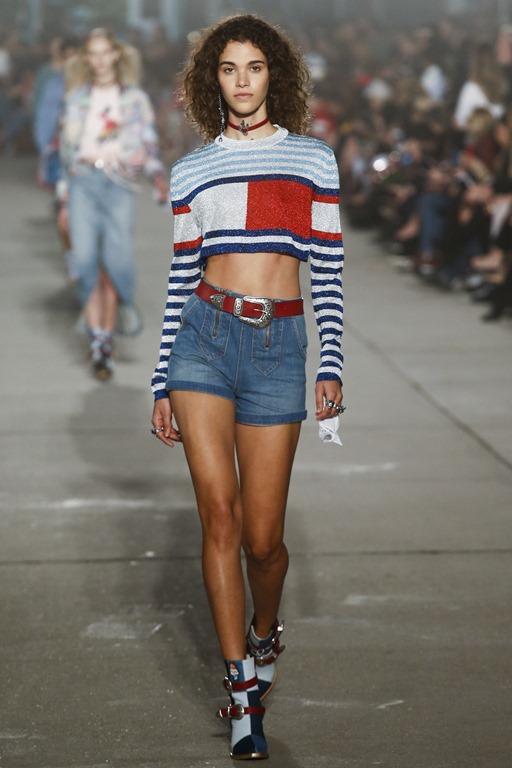
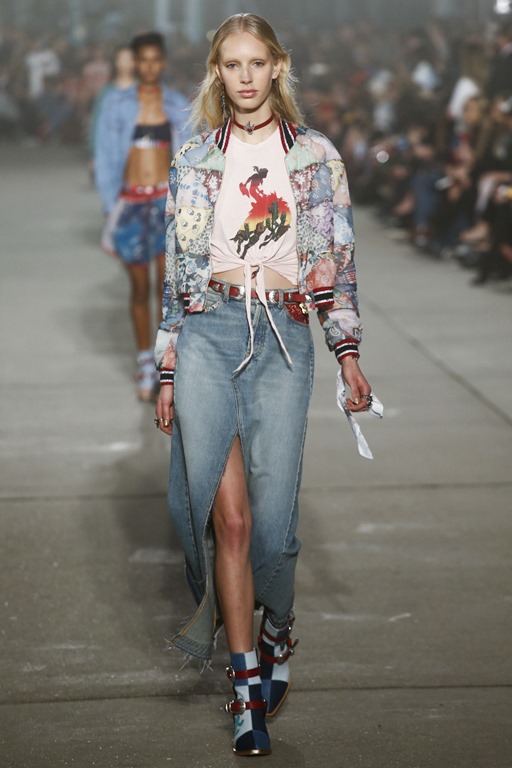
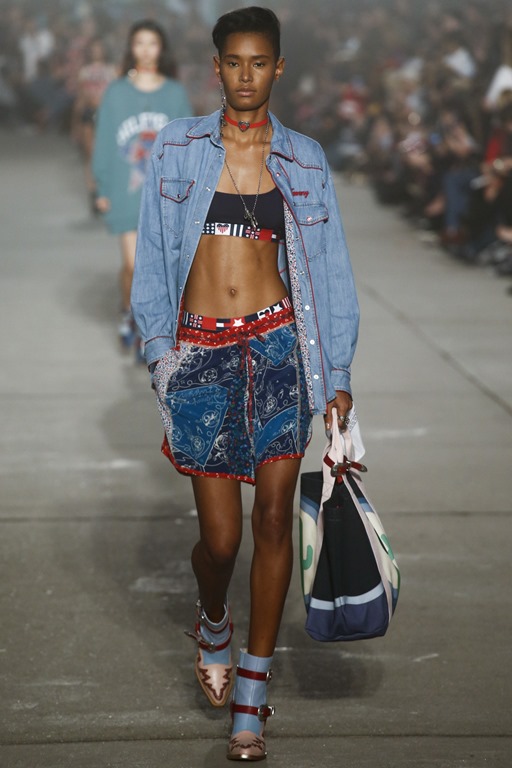
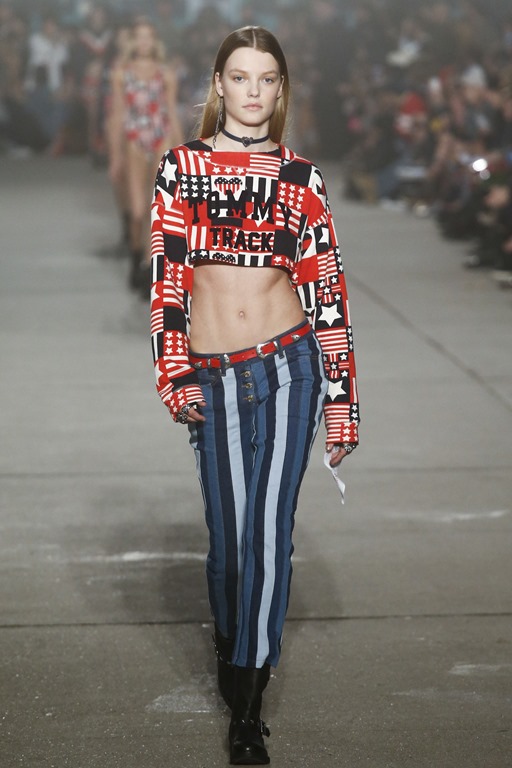
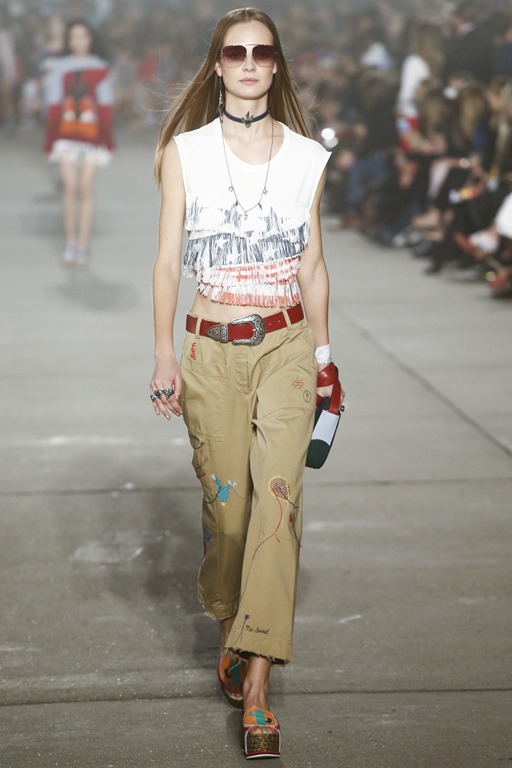
A collaboratiion with Giga Hadid who used her beach background and reference to some archives to bring out a 90s patchworked , hand embroidered jazzy collection which can be an instant hit on social media among the young cool generation of today ! The designer used the patchworks , embroideries, stripes, motifs and mixed fabrics to get stunning looks and a throwback to that carefree era of 80s and 90s ! Even the plain chinos got young and elevated with the embroideries and patchworks !
The collection launch was also unique in other ways. It was launched in California and not NY. The designer used the fashion event to show his solidarity for the #TiedTogether movement, by getting his models to sport white bandanas in protest of Donald Trump’s anti-refugee order attaching a political view to the launch .
Do we smell correctly that the DENIM MASHUP theme is getting stronger and stronger ?
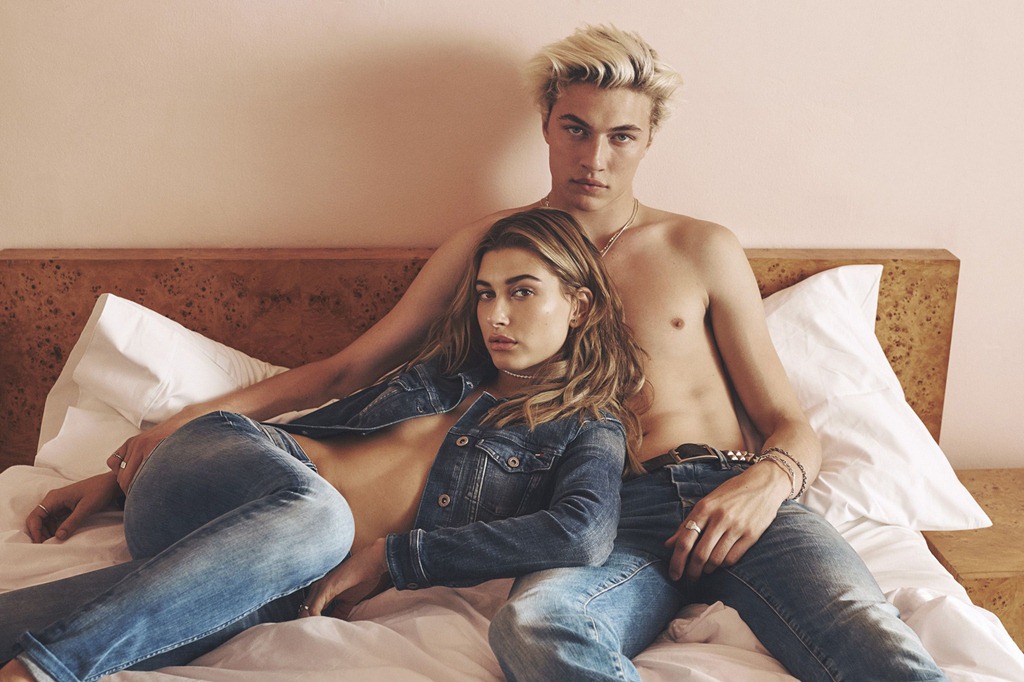
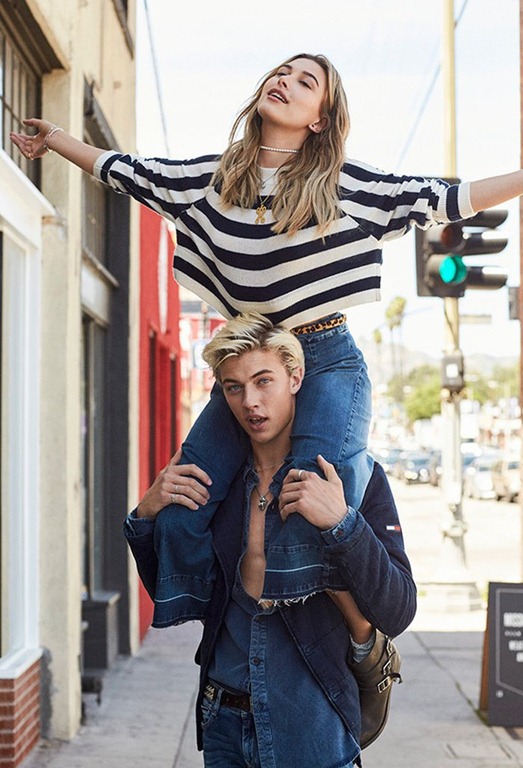
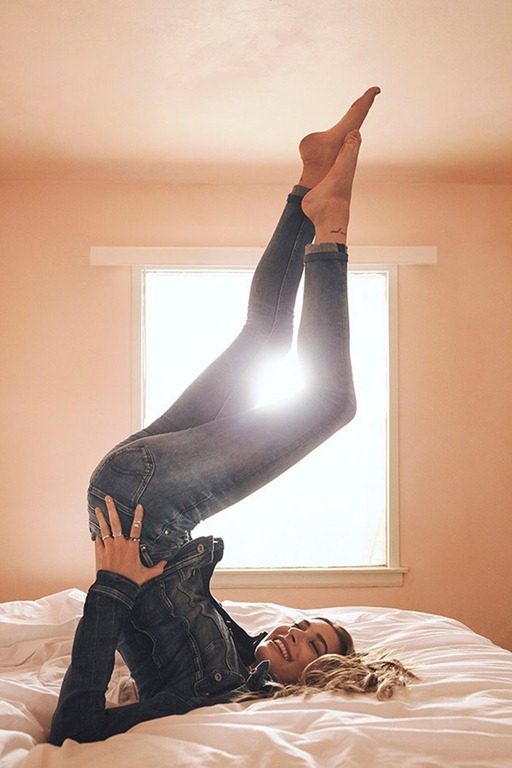
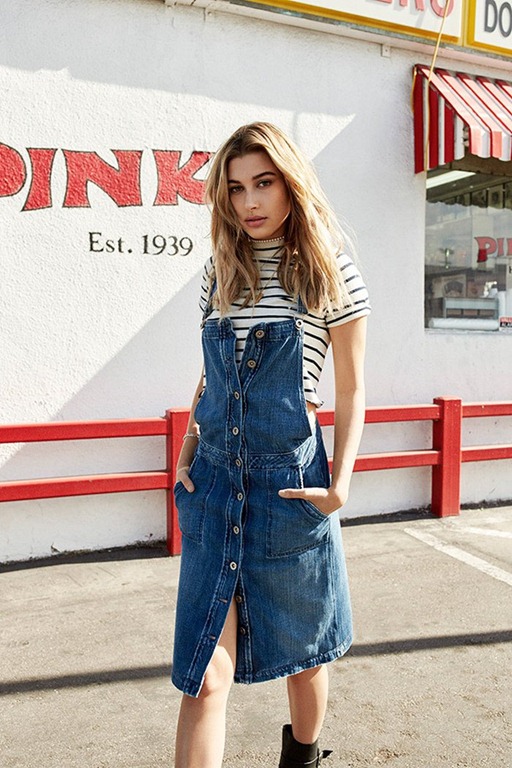
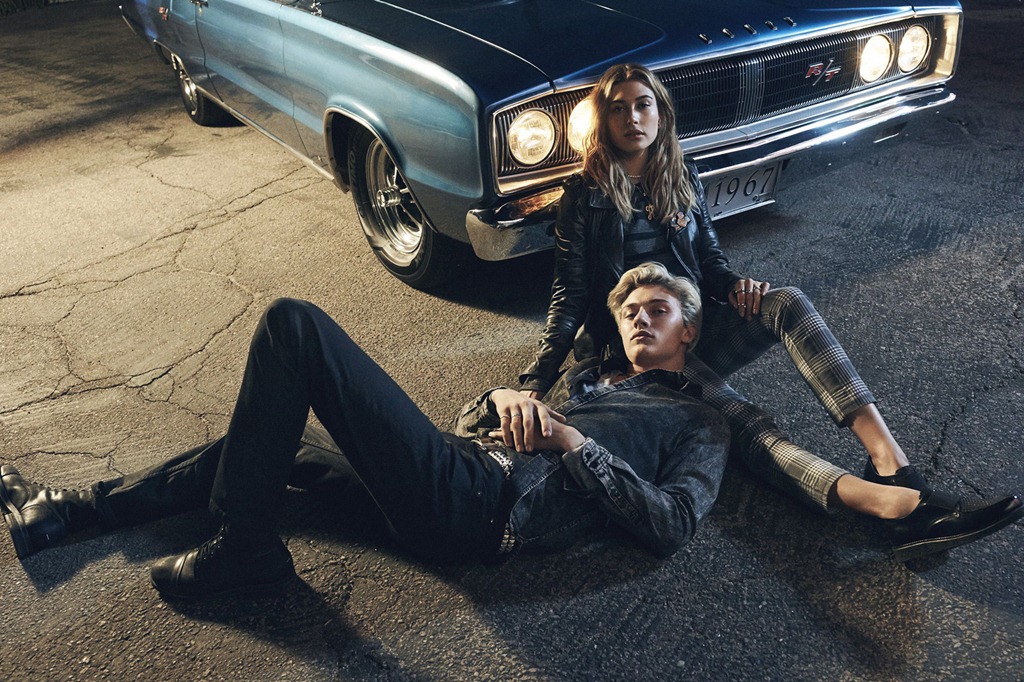
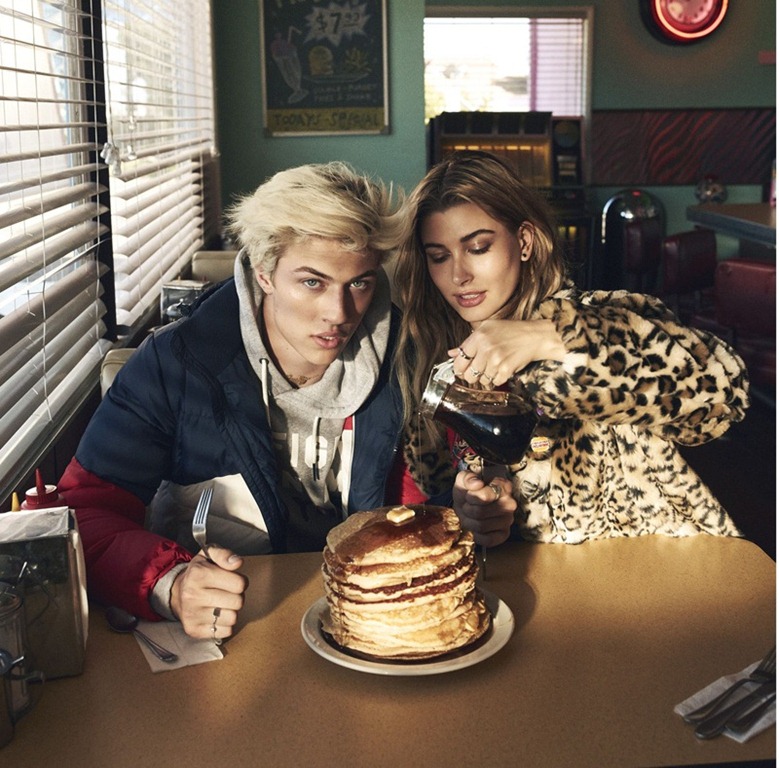
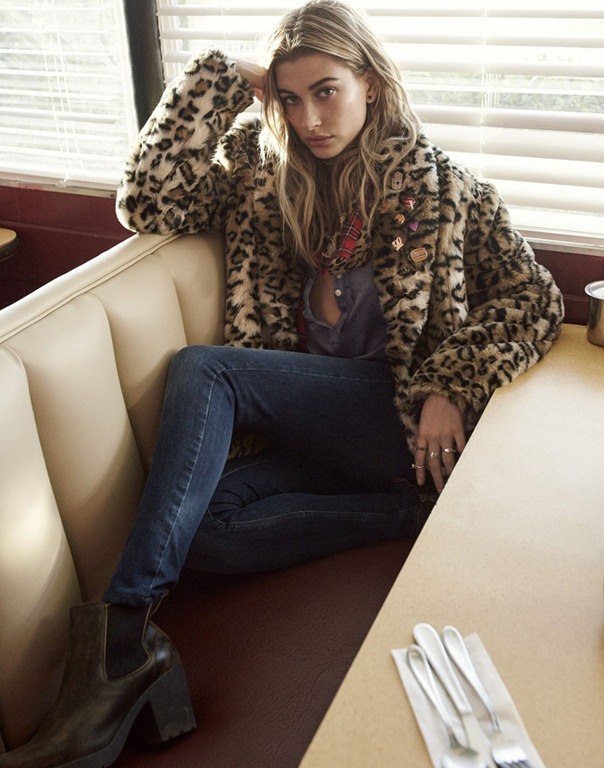
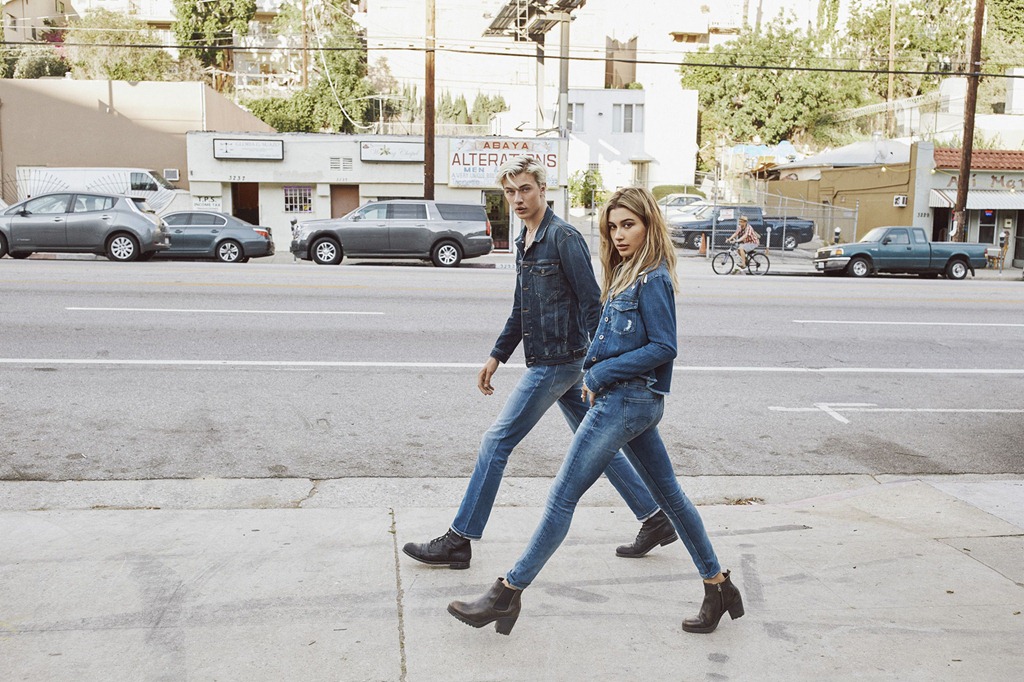
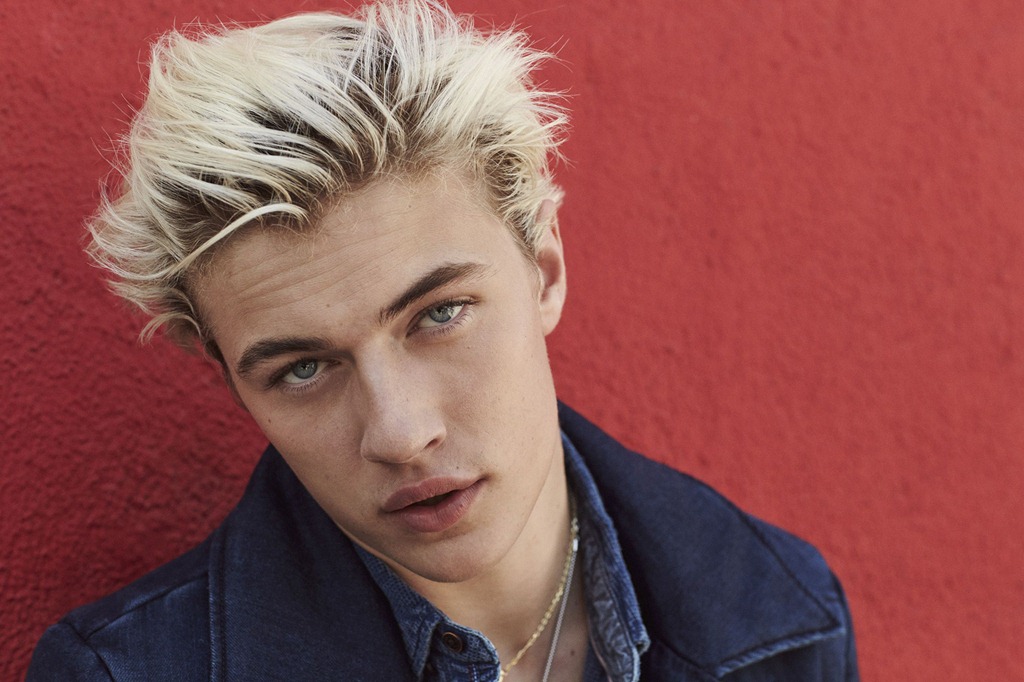
Tommy Hilfiger announces its Fall/Winter 2016 Hilfiger Denim global advertising campaign, 24/7 Hailey Baldwin & Lucky Blue Smith, which follows the two models and influencers on a 24-hour adventure through Los Angeles, California. Hailey Baldwin is having a great run as she was also part of the Guess Campaign . The two models front the 2016 Fall campaign, which was shot by Devyn Galindo and the collection includes frayed denim, jean jackets , skirt overalls and slim fit silhouettes. In this Ad Campaign , the 19-year-old is posing up a storm with Utah-born hunk Lucky Blue Smith, 18, modeling the designer’s Hilfiger Denim line. The campaign is “a 24-hour adventure captured through Los Angeles.â€
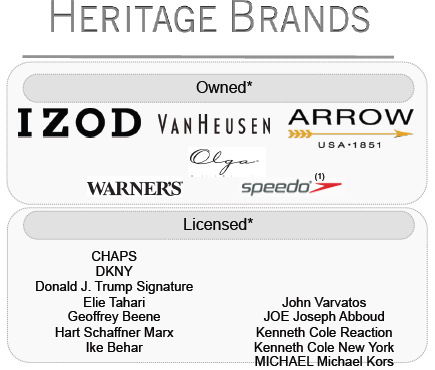
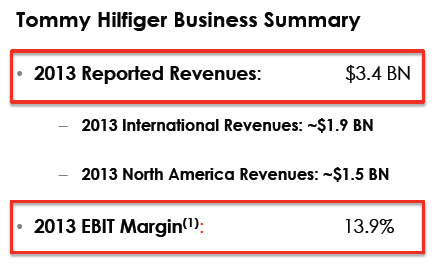
PVH is one of the largest apparel companies worldwide. With an impressive collection of brands like CK, Tommy, Van Heusen etc. the company achieved a turnover of about $8.2 Billion in 2013. About 75% of of this turnover came from CK and Tommy(Growth brands) and balance came from the Heritage brands like Izod, Van Heusen etc.
The company does not disclose their sales of jeanswear separately, but it does give an indication that jeanswear is not one of their strongest segment and they need to provide much higher focus and attention to it.
We are giving below excerpts from the annual report from PVH which give some details on the financials, market distribution and growth directions for their global growth and heritage brands.
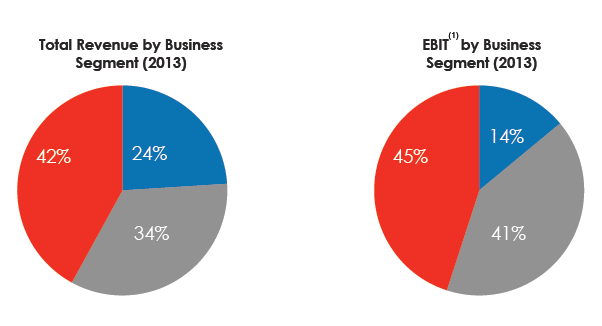
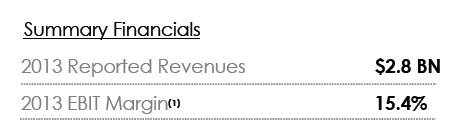
If we look at the pie charts below we will find that Calvin Klein & Tommy Hilfiger currently account for ~75% of PVH’s revenues and ~85% of PVH’s EBIT, where as heritage brands constitute the balance. We will then look at individual figures for Tommy, CK and Heritage brands.
Tommy, Calvin Klein, Heritage Brands
Tommy Hilfiger — Brand Overview
Tommy has over 1,450 Stores and over 10,000 Doors Globally in over 90 countries as of February, 2014 ~out of these 625 are Company Operated Stores.Following is the breakup of number of stores worldwide for Tommy.
Continent
No of Stores
Europe
590
Asia (excl. Japan)
310
North America
230
Rest of World
180
Japan
155
Tommy Hilfiger — Business Overview & Financials
Tommy Hilfiger Europe – Overview
Europe accounts for ~50% of Tommy Hilfiger global reported revenues Since 2000, revenues have grown at a 23% CAGR.
Tommy Hilfiger North America – Overview
North America accounts for ~45% of Tommy Hilfiger global reported revenues • Strong retail presence of ~230 stores, which are primarily company stores.
Tommy Hilfiger Asia – Overview
Geographic expansion continues in Asia.Most regions experiencing double-digit growth.The sales in different regions in Asia is given below :
Country
Sales
Japan
$175 MM
China
$135 MM
India
$90 MM
Southeast Asia and Australia
$270 MM
Calvin Klein
Calvin Klein — has a strong global presence with significant growth opportunities. Europe has most stores followed by Asia.
Continent
No of Stores
Europe
850
Asia
735
North America
160
Latin America
90
Nearly 3,000 retail locations and over 20,000 wholesale doors globally as of February, 2014 Approximately 1,700 Company Operated Stores
Calvin Klein — Business Overview And Financials
Calvin Klein — North America Overview
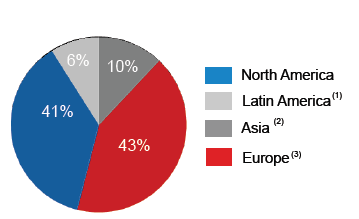
Calvin Klein North America revenues accounted for about 50% of Calvin Klein global reported revenues in 2013
The Company is not very happy about its Jeanswear business and says
“Jeanswear performance is challenging, but we are working to strengthen and rebuild the brand through strategic investments in our product, people, infrastructure and in-store presentationsâ€
Calvin Klein — Asia Overview
Asia accounted for about 20% of Calvin Klein global reported revenues in 2013 • Primarily retail-oriented model (concession shops and free-standing stores) • High-teens operating margins for the region − China: ~40% of Asia revenues; Experiencing solid sales growth − Korea: ~30% of Asia revenues; Although still down vs. LY, the region is showing improving trends over prior quarters
Calvin Klein — Latin America Overview
Latin America accounted for about 6%* of Calvin Klein global reported revenues in 2013, primarily driven by Brazil
Calvin Klein — Europe Overview
Europe accounted for about 20% of Calvin Klein global reported revenues in 2013 • Categories: Jeanswear and related products, underwear, accessories, bridge apparel • Business model: 50% retail / 50% wholesale
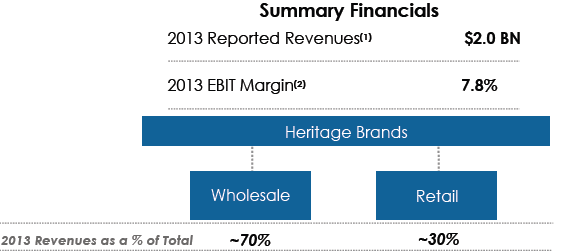
Heritage Brands — Overview & Financials
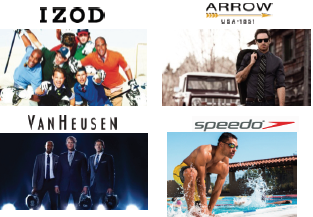
PVH has the following Heritage Brands – IZOD, ARROW, VANHEUSEN, SPEEDO and WARNER’S OLGA.
Review Of 1Q14 And FY2014 Guidance
The Group achieved a turnover of about $2 billion in the first quarter of 2014 (a 2% growth over 2013) and aims to achieve a turnover of about $8.5 Billion in 2014 with an estimated growth of 3%.
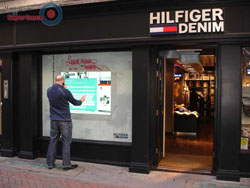
Starting from today, customers in certain cities around the world can add their photographs to the Hilfiger ‘Hall of fame’. Some of the Hilfiger stores in London, Amsterdam, Cologne, Antwerp and Dublin will feature through window Touch Screens and camera which will enable the casual passers by to capture their images and submit to the Hilfiger Hall of fame. What it means is that the user submitted images will be shown on the Digital Screens inside the stores.
At the end of the campaign, the customers can go to the stores and get T-shirts printed with images they submitted.
I feel that it is a very intelligent marketing campaign.It has been finely crafted and needs to be praised.
On the one hand Lot of Media hype will be created around the campaign – drawing lot of customers to the stores. Secondly, the casual passers by have been given the freedom to play around without any pressure of buying any product . Thirdly, with the time and effort put in creating own images, many customers will return to the store to get their T-shirts (and pay!).
I don’t know how much Tommy Hilfiger has invested in this campaign, but it looks sure to make much more than it invested…