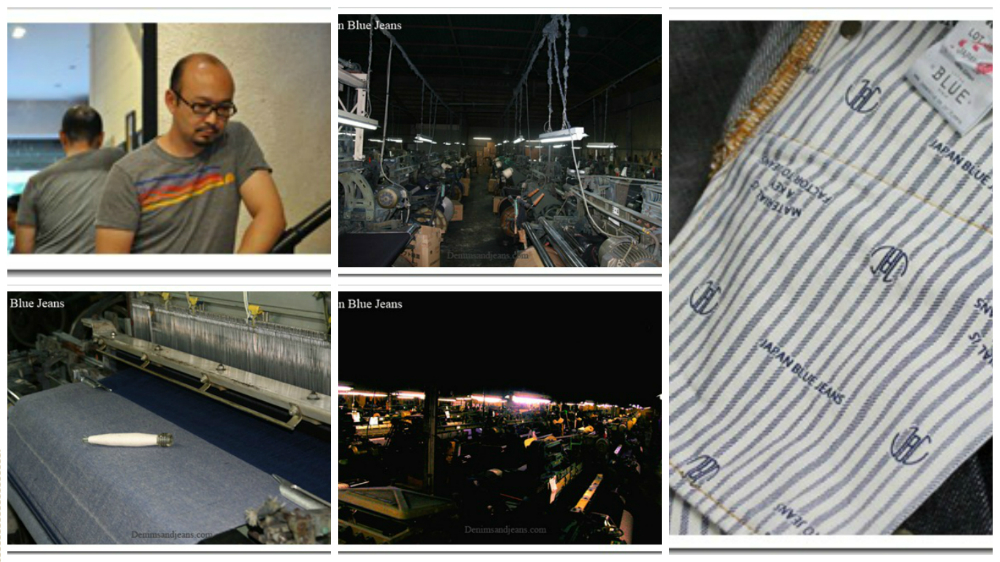
In the 1980s a group of Japanese jeans fanatics went out to research on the origin and quality of jeans. Most of them were Levi’s 501 fans and they decided to buy some vintage jeans from the US. But it was becoming more expensive and difficult to buy those jeans . So they decided to create their own vintage jeans. Mikiharu Tsujita – the owner and head designer of Full Count Japanese brand – was one of them. The group that had come together slowly separated and famous brands like Full Count , Evisu, Warehouse etc were created (in Osaka) by them with each one following his own vision of what can be the best in jeans and for their customers.
Mikiharu Tsujita created Full Count in 1992 and was the first jeans company to use Zimbabwe cotton – which was quite unheard of at that time. Due to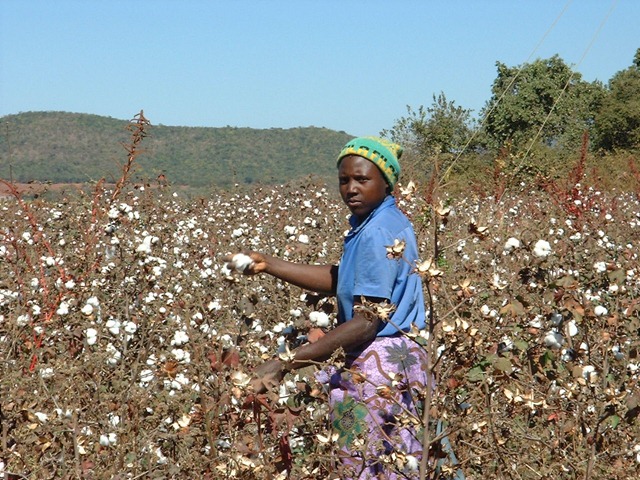 the climate in Zimbabwe, the cotton harvests are large and bountiful and because of one crop per year, the fiber length is more, which, when woven, creates a very unique texture. Zimbabwean cotton is harvested by hand as opposed to machines, which ensures that the cotton is not damaged and keeps its originality. Once woven, denim made of this cotton has soft yet sturdy touch to it, which is one of the trademark aspect of Full Count Jeans.
One of the unique things about Full Count is that they offer a variety of jeans cuts , which is a little surprising for Japanese denim brands. They offer bootcut, flare, straight leg, baggy cut jeans among others. It is a purist brand which also appeals to the westerners and does not go over the top as some other Japanese brands do .
We spoke to Mikiharu Tsujita to know more FULL COUNT and to understand its genes.. He gave his answers in Japanese as in English ( and you can go through both )!
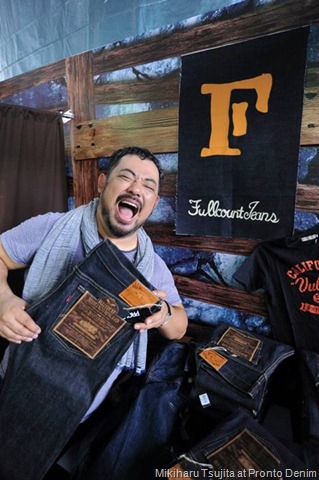
Q.Full count is one of the most famous Japanese denim brands. We also remember you were the first one to use the Zimbabwe cotton in denim fabrics two decades ago. Pl tell us something about the brand and how it developed.
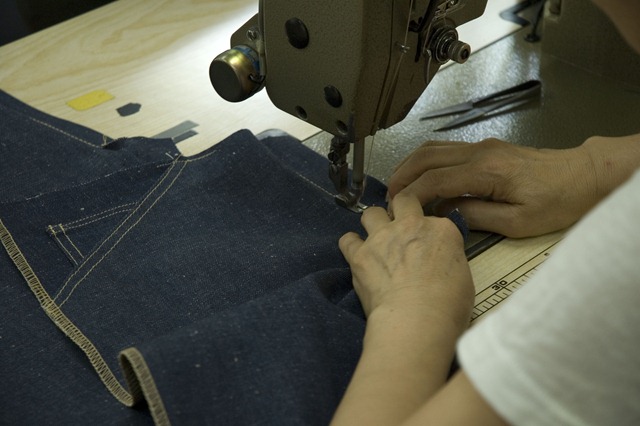
A.When we started FULLCOUNT we were attracted about classic way of 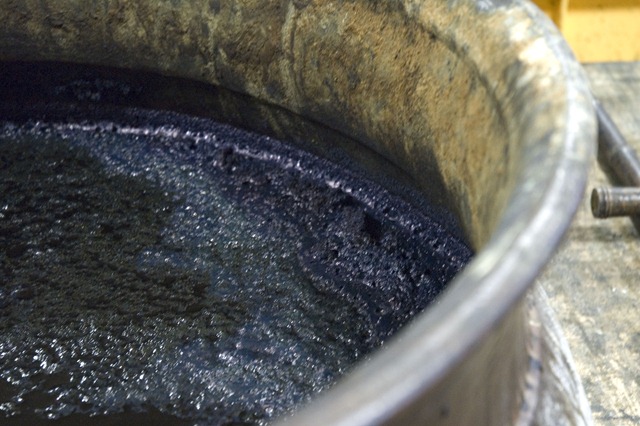 making 1950s denim. In the beginning we investigate about how it fade color and pattern cutting, sewn by cotton threads way of making garment, trimmings such as button, rivet etc. Later we focused on the details. We started using shuttle loom from the company which was taking orders from Cone mills in 1960′ for XX denim . (We still using same machine now) The vintage denim trend started 20 years ago in Japan. The original vintage denim garments value became very high at that time and we started our brand and it looks like same as the original vintage de
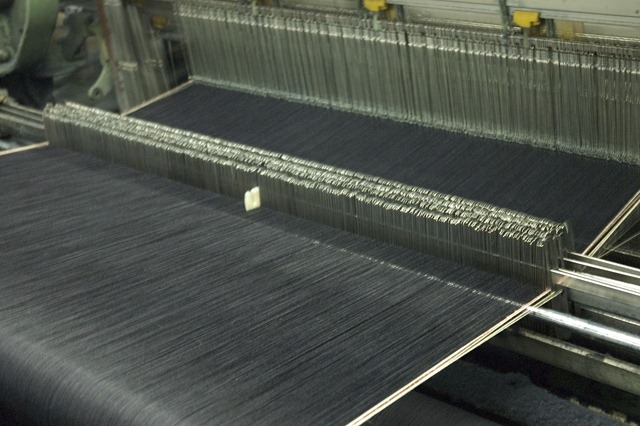 nim . That’s why people are crazy about our denim jeans. But I was not satisfied with my denim at just one point which is comfortableness. My ambitious is not just vintage look denim, I also would like to research about comfortable denim which would wear everyday such as denim I want to make. That’s why we decided to using the Zimbabwe cotton. Since then we have very large variety of customers not just vintage customers . Thats’ why we came beyond the categories.
Q.Yours is a full fashion brand while many Japanese brands which are Raw denim labels or just focusing on one type of jeans. Does this make you different from other Japanese brands?
A.We do not think our brand is a full fashion brand. Consistently, We are approaching to the customer for well coordination items with our denim. Of course we get stuck with classic way of making as we are producing our own denim fabric.
Q.Full Count is not moved by fast moving fashion trends . Is it true? What is your approach to collections?
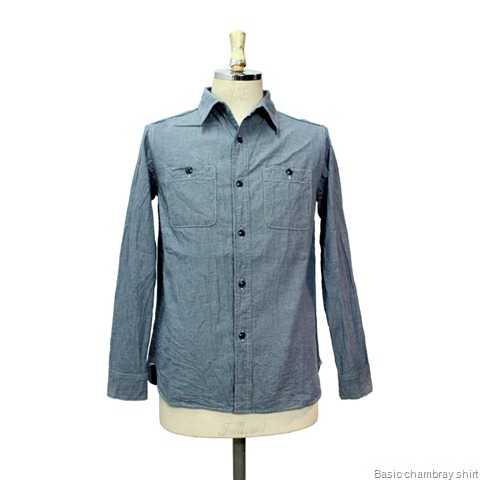
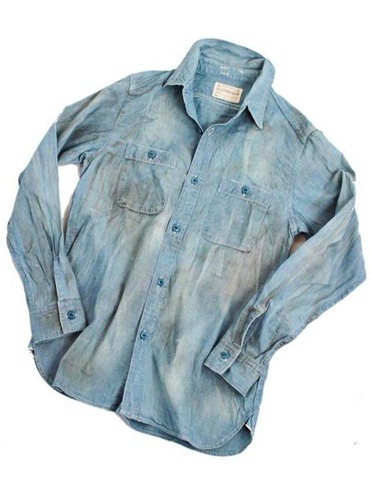
A.This does not mean we don’t consider the trend, of course the silhouette is changing time to time. We are making the chambray shirt and sweat shirt for 20 years but we are changing the silhouette little by little. But our customers image for FULLCOUNT has not changed from start I think. If we making the same thing this means we need change otherwise we could not be surviving in the industry.
Q.Please tell us about a few of most famous styles and pieces in the last few seasons
A. Some of our most famous styles and pieces are :
- 1922’s Buckle Back Jeans
- Tight Fit B.D.Shirts
- Basic Chambray Shirts
- P-coat
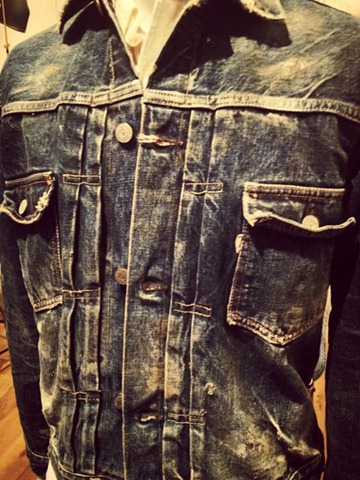
Q.You have a great deal of experience in the denim industry and must have seen how the industry has changed over the years. How do you feel the customers demands and knowledge have changed in last 2 decades and how have you applied this to your label?
A.I think in last 20 years, most of the denim jeans quality is become higher and the classic way of manufacture style be come settle down. In these days, consumers chose their denim by silhouette and concept. We do not follow the trend style and we make the product what we were making since the beginning when we started. This is our way to make an appeal to our brand in the industry.
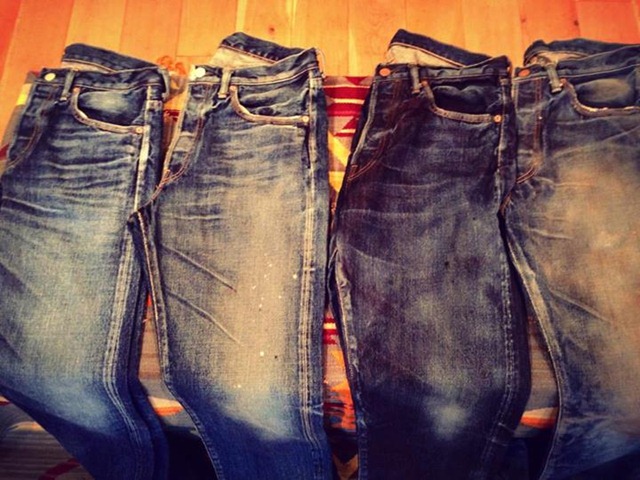
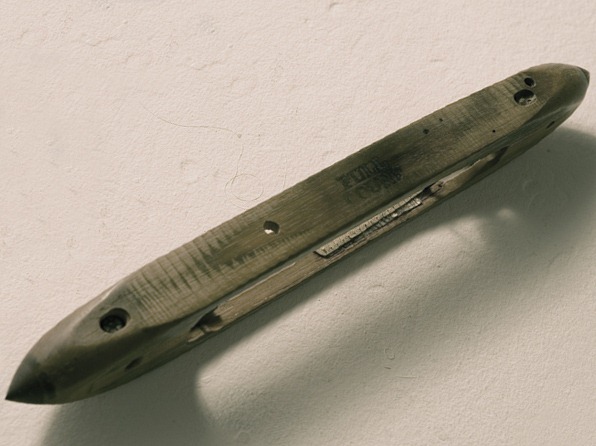
Q.It is said that Japanese mills imported the vintage shuttle looms from US and made the great fabrics. On the other hand, Japanese denim mills are understood to have used the Toyoda looms. Which one of these you think is correct.
A.The point is not good or bad, its depends on the how it used by workers. The important point is those persons who could find out placing the right fabrics in the right machine. I think it isn’t important whether the machine is made in Japan or made in America.
Q. What do you think is the difference between Full Count and other Japanese brands eg Evisu ?
A. I think Evisu has double-face. One is a purist ,the other hand is their characteristic – like painting . Some purist hate the character. Fullcount is only for the purist.
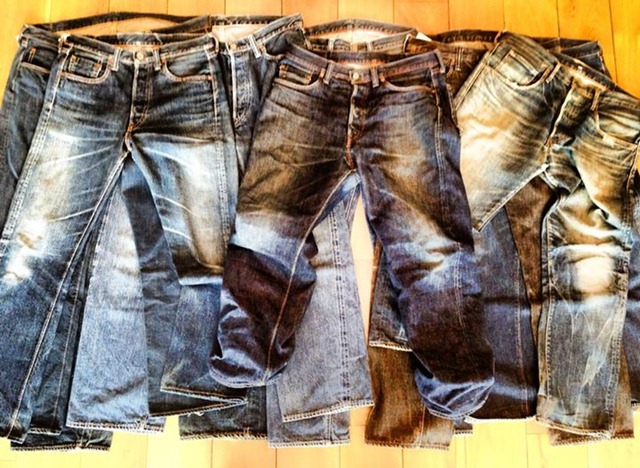
For those who wish to read the interview answers in Japanese , may go through Mikiharu Tsujita’s answers below:
1.Full count is one of the most famous Japanese denim brands. We also remember you were the first one to use the Zimbabwe cotton in denim fabrics two decades ago. Pl tell us something about the brand and how it developed.
ç§ãŸã¡ã¯1950年代ã®å¤ã良ã時代ã®ã‚¸ãƒ¼ãƒ³ã‚ºã«é…ã›ã‚‰ã‚Œã¦ãƒ•ãƒ«ã‚«ã‚¦ãƒ³ãƒˆã‚’始ã‚ã¾ã—ãŸã€‚創æ¥å½“åˆã¯ãã®è‰²è½ã¡ã‚„カッティングを徹底的ã«ç ”究ã—ã€ç¶¿ç³¸ã§ã®ç¸«è£½ã‚„ãã®æ‰‹é-“ã²ã¾ã®ã‹ã‹ã‚‹ç¸«è£½ã®ã‚„ã‚Šæ-¹ã€ãƒœã‚¿ãƒ³ã€ãƒªãƒ™ãƒƒãƒˆã®å½¢çŠ¶ãªã©ã€ãƒ‡ã‚£ãƒ†ãƒ¼ãƒ«ã«ã“ã ã‚ã‚‹ã“ã¨ã«ãƒ•ã‚©ãƒ¼ã‚«ã‚¹ã—ã€ã‚¸ãƒ¼ãƒ³ã‚ºã‚’作ã£ã¦ã„ã¾ã—ãŸã€‚力織機も1960年代ã«å®Ÿéš›ã«å½“時コーンミルズ社ã‹ã‚‰ä»•äº‹ã‚’å—ã‘ã¦XXã®ãƒ‡ãƒ‹ãƒ を生産ã—ã¦ã„ãŸã‚‚ã®ã‚’使用ã—ã¾ã—ãŸã€‚(今ももã¡ã‚ん使用ã—ã¦ã„ã¾ã™) 20å¹´å‰ã®æ—¥æœ¬ã¯ãƒ´ã‚£ãƒ³ãƒ†ãƒ¼ã‚¸ã‚¸ãƒ¼ãƒ³ã‚ºã®ãƒ-ームã§ã€ã‹ãªã‚Šãƒ´ã‚£ãƒ³ãƒ†ãƒ¼ã‚¸ã®ä¾¡æ ¼ãŒé«˜é¨°ã—ã¦ã„ãŸã®ã§ã€ä¸€è¦‹ãƒ´ã‚£ãƒ³ãƒ†ãƒ¼ã‚¸ã«è¦‹é-“é•ã†ã»ã©ã®ãƒ•ãƒ«ã‚«ã‚¦ãƒ³ãƒˆã®ã‚¸ãƒ¼ãƒ³ã‚ºã«è‹¥ã„人ãŸã¡ã¯å¤¢ä¸ã«ãªã‚Šã¾ã—ãŸã€‚ã—ã‹ã—ç§è‡ªèº«ã¯ãã®å‡ºæ¥ä¸ŠãŒã£ãŸå•†å“ã§ç´å¾—出æ¥ãªã„点ãŒä¸€ã¤ã‚ã‚Šã€ãã‚ŒãŒç©¿ã心地ã ã£ãŸã®ã§ã™ã€‚
ヴィンテージã«ãã£ãã‚Šãªã‚¸ãƒ¼ãƒ³ã‚ºã¨ã„ã†ã ã‘ã§ã¯ãªãã€ç©¿ã„ã¦ã„ã¦ã‚¹ãƒˆãƒ¬ã‚¹ãªã毎日穿ã„ã¦ã„ãŸã„ã€ãã‚“ãªã‚¸ãƒ¼ãƒ³ã‚ºã‚’作りãŸã„ã¨æ€ã„ã€æŽ¡ç”¨ã—ãŸã®ãŒã‚¸ãƒ³ãƒãƒ-エコットンã§ã™ã€‚
ãã®ãƒ‡ãƒ‹ãƒ ã‚’é-‹ç™ºã™ã‚‹ã“ã¨ã«ã‚ˆã‚Šã€ãƒ´ã‚£ãƒ³ãƒ†ãƒ¼ã‚¸ãƒ•ãƒªãƒ¼ã‚¯ã®ã¿ãªã‚‰ãšã€ãŸãã•ã‚“ã®ãƒ•ãƒ«ã‚«ã‚¦ãƒ³ãƒˆãƒ•ã‚¡ãƒ³ãŒå¢—ãˆã€ãƒ´ã‚£ãƒ³ãƒ†ãƒ¼ã‚¸ã®ãƒ¬ãƒ—リカã®ç¯„ç-‡ã‚’超ãˆæµ¸é€ã—ã¦ã„ã£ãŸã®ã ã¨æ€ã„ã¾ã™ã€‚
2.Yours is a full fashion brand while many Japanese brands which are Raw denim labels or just focusing on one type of jeans. Does this make you different from other Japanese brands?
ç§ãŸã¡ã¯ãƒ•ãƒ«ãƒ•ã‚¡ãƒƒã‚·ãƒ§ãƒ³ãƒ-ランドã¨ã¯è€ƒãˆã¦ã„ã¾ã›ã‚“。ã‚ãã¾ã§ã€ãƒ•ãƒ«ã‚«ã‚¦ãƒ³ãƒˆã‚¸ãƒ¼ãƒ³ã‚ºã¨ã‚³ãƒ¼ãƒ‡ã‚£ãƒãƒ¼ãƒˆã™ã‚‹ãŸã‚ã®ã‚¢ã‚¤ãƒ†ãƒ をシーズンã”ã¨ã«æ案ã—ã¦ã„ã‚‹ã®ã§ã™ã€‚ã‚‚ã¡ã‚ã‚“ãã®ã‚¢ã‚¤ãƒ†ãƒ 一ã¤ä¸€ã¤ã¯ã‚¸ãƒ¼ãƒ³ã‚ºåŒæ§˜ã€æ˜”ãªãŒã‚‰ã®è£½æ³•ã«ã“ã ã‚ã£ã¦ã„ã¾ã™ã€‚
3.Full Count is not moved by fast moving fashion trends . Is it true? What is your approach to collections?
トレンドをå-り入れã¦ã„ãªã„ã‹ã¨ã„ãˆã°ã€ãã†ã§ã¯ã‚ã‚Šã¾ã›ã‚“。時代ã«ã‚ˆã£ã¦ãŠå®¢æ§˜ã®å¥½ã¿ã®ã‚·ãƒ«ã‚¨ãƒƒãƒˆã‚‚変ã‚ã‚Šã¾ã™ã€‚シャンãƒ-レーシャツやã€ã‚¹ã‚¦ã‚§ãƒƒãƒˆã‚·ãƒ£ãƒ„ãªã©ã‚‚ã€20å¹´é-“作り続ã‘ã¦ã„ã¾ã™ãŒã€ã‚·ãƒ«ã‚¨ãƒƒãƒˆã¯å¾ã€…ã«å¤‰åŒ-ã—ã¾ã—ãŸã€‚ãŸã ã—ã€ãŠå®¢æ§˜ã‹ã‚‰ã®ã‚¤ãƒ¡ãƒ¼ã‚¸ã¯å…¨ã変ã‚ã£ã¦ã„ãªã„ã¨æ€ã£ã¦ã„ãŸã ã„ã¦ã„ã‚‹ã¨ãŠã‚‚ã„ã¾ã™ã€‚
åŒã˜ãƒ¢ãƒŽã‚’変ã‚らãšä½œã£ã¦ã„ãã¨ã„ã†ã“ã¨ã¯ã€å¤‰åŒ-ã—ãªã„ã¨ãã®æ™‚代ã§ç”Ÿã抜ãã“ã¨ã¯å‡ºæ¥ã¾ã›ã‚“。
4.Please tell us about a few of most famous styles and pieces in the last few seasons
1.French Army Motorcycle Coat 2.1922’s Buckle Back Jeans 3. Tight Fit B.D.Shirts 4.Basic Chambray Shirts 5.P-coat
5.Softness and comfort , I believe , are very important for you to incorporate in your jeans. What aspects do you think are the most important for your jeans to have? ã„ã„æ´‹æœã¯ã©ã‚Œã‚‚ã€ç€ã¦ã„ã¦ã‚¹ãƒˆãƒ¬ã‚¹ã‚’æ„Ÿã˜ãªã„ã‚‚ã®ã ã¨ä¿¡ã˜ã¦ã„ã¾ã™ã€‚毎日自然ã«æ‰‹ã«ã¨ã£ã¦ã—ã¾ã†ã€ãã‚“ãªã‚¸ãƒ¼ãƒ³ã‚ºãŒã‚¸ãƒ¼ãƒ³ã‚ºã®ç©¶æ¥µã®é…力ã§ã™ã€‚ 6.You have a great deal of experience in the denim industry and must have seen how the industry has changed over the years. How do you feel the customers demands and knowledge have changed in last 2 decades and how have you applied this to your label?
ã“ã®20å¹´ã§ã€ã»ã¨ã‚“ã©ã®ã‚¸ãƒ¼ãƒ³ã‚ºã®ãƒ¬ãƒ™ãƒ«ãŒä¸ŠãŒã‚Šã€æ˜”ã®è£½æ³•ã«åŸºã¥ã„ãŸãƒ¢ãƒŽãŒå®šç•ªåŒ-ã•ã‚ŒãŸã¨æ€ã„ã¾ã™ã€‚è¿‘å¹´ã¯ã€ã‚·ãƒ«ã‚¨ãƒƒãƒˆã‚„コンセプト(ãƒãƒƒã‚¯ã‚¹ã‚¿ã‚¤ãƒ«ãªã©)ã§ã‚¸ãƒ¼ãƒ³ã‚ºã‚’é¸ã¶æ™‚代ã§ã™ã€‚ã“ã†ã„ã£ãŸãƒˆãƒ¬ãƒ³ãƒ‰ã¯ã‚ã¾ã‚Šæ„è˜ã›ãšã€ã‚ãˆã¦å¤‰ã‚らãªã„モノを作るã®ãŒãƒ•ãƒ«ã‚«ã‚¦ãƒ³ãƒˆã®ç‰¹å¾´ã‚’アピールã§ãã‚‹ã¨æ€ã£ã¦ã„ã¾ã™ã€‚
7.It is said that Japanese mills imported the vintage shuttle looms from US and made the great fabrics. On the other hand, Japanese denim mills are understood to have used the Toyoda looms. Which one of these you think is correct.
大事ãªã®ã¯ã©ã¡ã‚‰ãŒè‰¯ã„ã¨ã„ã†ã®ã§ã¯ãªãã€ãれを使ã„ã“ãªã™è·äººã§ã™ã€‚åŒã˜ã‚·ãƒ£ãƒˆãƒ«ãƒžã‚·ãƒ¼ãƒ³ã§ã‚‚厚地ã«é©ã—ãŸã‚‚ã®è-„地ã«é©ã—ãŸã‚‚ã®ã‚’見極ã‚ã‚‹ã“ã¨ã‚‚ã¨ã¦ãŒã¨ã¦ã‚‚é‡è¦ã§ã™ã€‚アメリカ製ã€æ—¥æœ¬è£½ã§è‰¯ã—悪ã—ã¯ç„¡ã„ã¨æ€ã„ã¾ã™ã€‚
8.Raw denim vs washed denim . It is an ever going argument . What do your view on this subject?
ã“ã‚Œã¯å¤§ã—ã¦é‡è¦ãªå•é¡Œã§ã¯ãªãã€å¥½ã¿ã®å•é¡Œã§ã™ã。ç§ã¯ç”Ÿã‹ã‚‰ãƒ•ã‚¡ãƒ¼ã‚¹ãƒˆã‚¦ã‚©ãƒƒã‚·ãƒ¥ã¯è‡ªåˆ†ã§ã™ã‚‹ã‚¿ã‚¤ãƒ—ã§ã™ã€‚
Leave a Reply
You must be logged in to post a comment.