Author: Sandeep Agarwal

  • JNCO | 90s Unconventional Brand Being Relaunched

    JNCO | 90s Unconventional Brand Being Relaunched

    “Challenge conventionalism. Explore the unfamiliar. Honor individuality.”

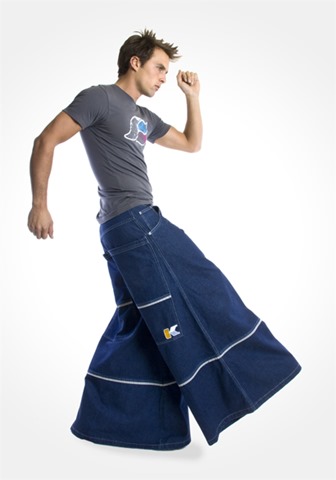
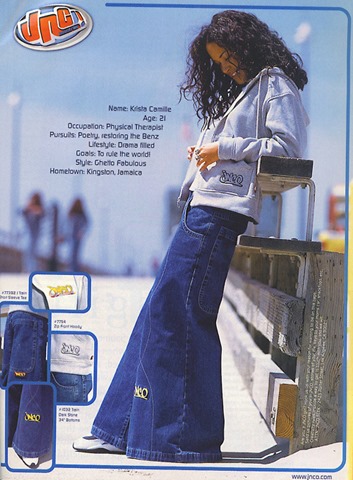
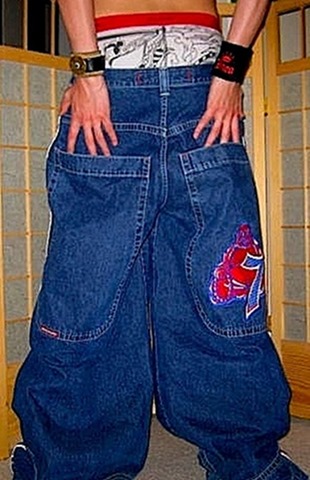
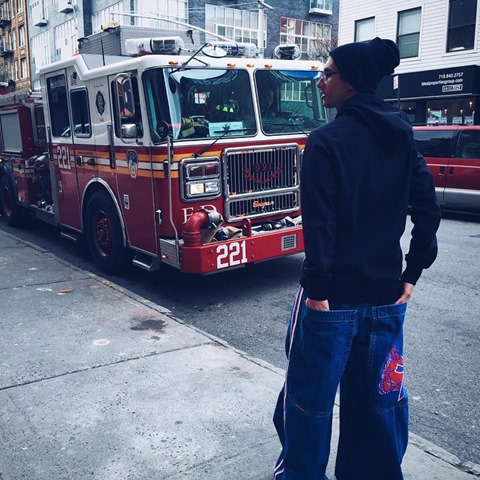
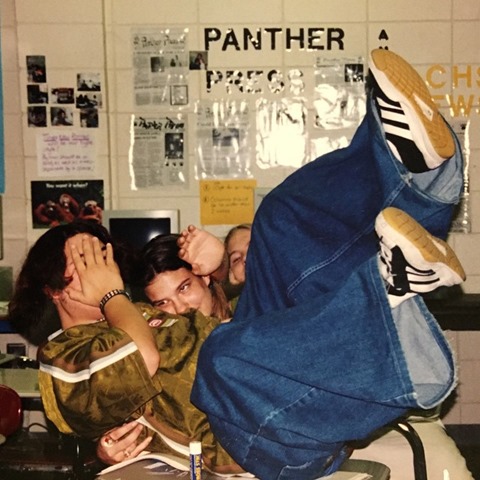
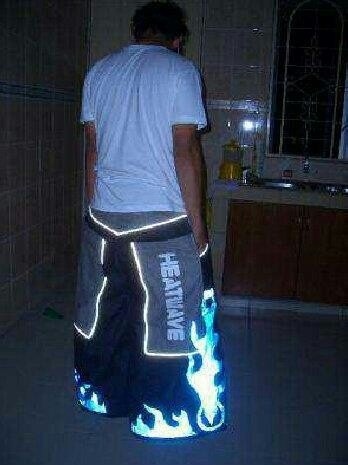
    With the above tagline JNCO – the brand which was iconic in 90s – wants to make a comeback. The brand which was known for its extremely baggy jeans that looked like giant tree trunks of denim strives to do the unconventional . It had its roots established in 1985 and immersed itself into the skate, music and art counter culture that was undoubtedly Southern California.

    Bringing together the  influences from the world of sports, music and high fashion, JNCO aims to stay true to the street/skate culture that is deeply rooted in its DNA. Through the use of experimental fits, cutting-edge techniques and application of fresh, unconventional fabrications, JNCO sets to re-establish a brand and aesthetic that is purely  its own.

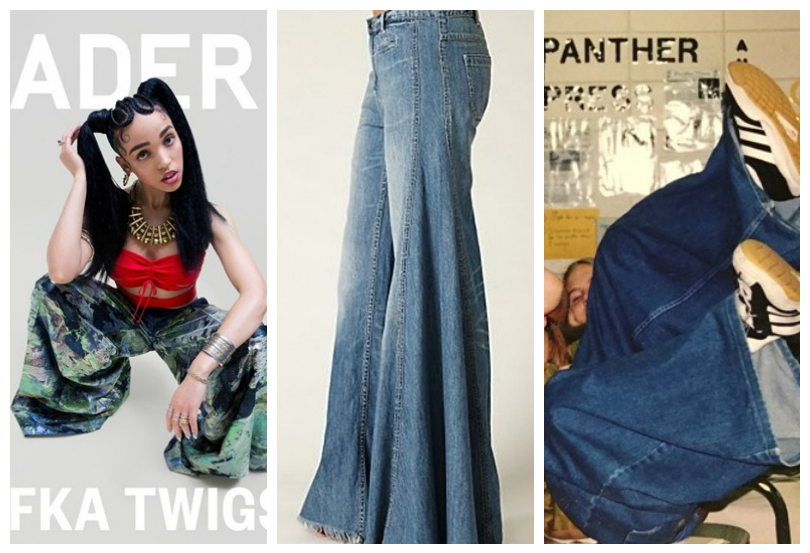
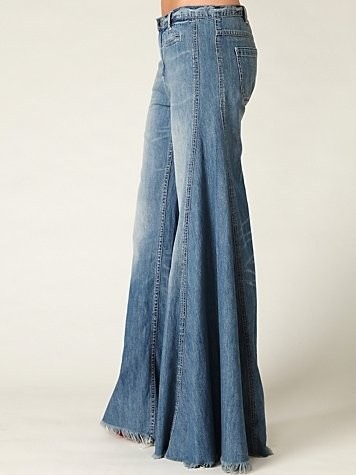
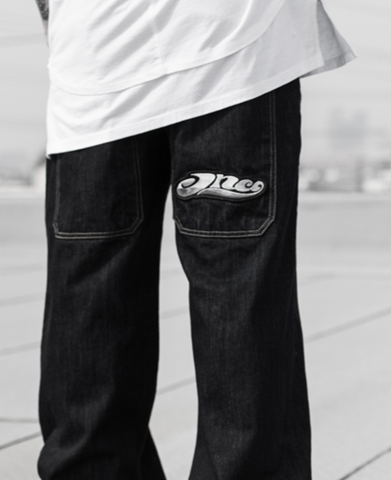
    Here are some images from some of their outrageous pieces in 90s  – with super baggy looks. It leaves one wondering how these jeans could have possibly been loved and worn !

    jnco jeans

    jnco jeans


    jnco jeans


    jnco jeans.jpg 1

    jnco jeans.2

    jnco jeans

    jnco jeans

    jnco jeans 6

    The brand is re-launching with the help of a Chinese investor and the Fall Winter’15 collection will include some slouchy “knit jeans” and joggers, in addition to its signature jeans featuring wider leg openings – though not so obnoxiously large.

    JNCO Fall Winter 2015

    JNCO Fall Winter 2015


    Sponsored Link:

  • Rajby Denim | Interview With Daniyal Saleem

    Rajby Denim | Interview With Daniyal Saleem

    rajby denim Pakistan is one of the most important country for denim production. Supported by the availability of enough cotton right for denim , the country has great strength in denim fabric production. After the receipt of GSP from EU last year , the industry got a further fillip and is adding capacities to cater to additional market it can garner. Many of the denim mills are vertically integrated from spinning to finishing of denim and some of them go a step further with apparel production. Rajby  is one such company which is completely vertical with over 18 million garments p.a (mainly jeans) being produced and supported by in house production of denim fabrics.

    We had a chat with Mr Daniyal Saleem –  Director at Rajby denim -  to take a peek into the functioning of this fully integrated denim unit and also to understand more about Pakistan industry  in the denim context.

    1. Please tell us something about Rajby and its history.

    Rajby Established in 1973 and is a vertically integrated garments manufacturing organization engaged in developing , manufacturing and marketing end-to-end apparel solutions for global fashion Brands. Specializing in denim jeans, Rajby produces 1.5 million Garments & 1.6 million yards of denim per month, giving it a very distinct tactical edge in reinforcing its core strength and to meet the expectations and needs of its customers across the globe.

    Time has been witness to our commitment for progress and excellence. Innovation, perseverance and our determined attention to customer needs, continue to be the pillars of our success. Since our beginning in 1973, it has always been our aim to be one of Pakistan’s leading apparel providers.

    At Rajby, we have always felt the pulse of the global market; welcoming change and reinventing ourselves to address the challenges presented by this dynamic and ever demanding industry. Rajby’s expertise is end-to-end; we apply exacting standards of innovation, design and services which ineradicably seal our presence in the global apparel trade.

    Finally, the company’s most recent and aggressive ventures in the branded apparel. Infrastructure and sustainability have consolidated our presence throughout the apparel value chain, and laid the foundation for a quantum leap forward to achieving our goal of being one the premium resources of denim apparel and fabric, in the world of fashion.

    2. What are the main product strengths of your company? What kind of customer base do you cater to?

    Our main strength is bottoms, in which we cater from high fashion to basics. The impressive growth of RAJBY has been a result of having state of the art plant and exclusive innovations in equipment and products, Our R&D and technical teams are working round the clock on new developments to meet the international market requirement .We are working with well- known Brands, of Europe, UK, Canada and USA.

    customers1

    customers3

    customers2


    3. Being a vertically integrated manufacturer – from yarn to garments – does it help you add value for your customers?

    Yes it helps to add value; we can produce any fabric which our customer needs. We are very fast in production. We present our collection in every season, our R&D play a vital role in presenting new product to the customers.

    4. We hear of some interesting products from Rajby for S/S16. Can you throw some light on it?


    Well, we have developed some new qualities for S/S 16 like including Selvedge denims, Combed Denims and  Jacquards and high fashion denims using  Tencel , Modal®, Dual FX, T400  . The  Brilliant colors, super-soft feels, power stretches,specialized coatings and finishes make the collection stand apart. For S/S16 it is worth watching out for our new eye catching colors which incorporate new indigo types including green cast, electric blues, cobalt blue etc.
    We have a special focus on sustainability. Besides the endeavour to reuse waste water after treatment and usage of ozone machines in our plants , we use low temperature enzymes and resins and help us in reducing consumption of bleach, potassium, utlities and water. We aim to play our  role in the creation of “Green Planet”

    At the same time we focus on  the apparel being extremely easy-care, crease-resistant and sustainable apparel.In our S/S 16 collection we mainly focused on Sustainability and we made some. We have water treatment plant as well there we purify the water before drain & reuse. In Laundry, we are using Ozone Machine, low temperature Enzyme & Resin. Due to Ozone, Special Enzyme & Resin, we reduce usage of Bleach, Potassium, Utilities and Water. Rajby is trying to be a part of “Green Planet”.

    image

    image

    5. Europe was undergoing some difficult times and seems to be still grappling with it. But with Pakistan getting GSP benefits, Pakistan manufacturers are getting an advantage. Do you think it makes EU much more imp for Rajby?

    The main focus of Pakistan’s denim and garments manufacturers  is the EU market. After the grant of  duty free status to Pakistan we are very happy  with the response and look forward to having more  exciting ventures. Overall this will also improve the sustainability of our manufacturing sector and will create additional business.

    The difficult times in Europe  affect our market, but this happens every 4/5 years .This time it is EU market and it happened similarly with  USA and Turkish markets few years ago. In such times we focus on innovating more and try to create better value for our customers by offering them a slew of new products which carry more value in terms of price and quality. Our customers appreciate this and that is why we have long term relationships and partnerships with them.

    6. How do you see the growth of Pakistan denim industry in the coming years?

    There are number of advantages, we have our own cotton and cotton yarn which is best in the world for denim production, We have invested heavily in Latest Equipment and Technology, Product Development, Innovation, Marketing, Sustainability, Compliance, Health & Safety etc. This is probably the best way which will keep the industry more strong in coming years.


    7. Do you see Pakistan becoming even more important player in the world denim industry considering China is slowly reducing their capacities?

    As you know Chinese capacities are huge and designed on basics but if you compare  we at Pakistan are designed on high end products. There are many countries in the world producing denim without having raw materials. With fast fashion becoming more important , they have no chance to produce high value product in short time. We as Pakistani producers have the entire set of  raw material and skills to produce whatever companies in countries like Italy, Spain , Turkey etc are producing and even more. We are very competitive and can give better value to customers.

    8. Lastly, how do you think Rajby would like to add value for its customers?

    We are fortunate to have a leadership that defies the conventional confines of the boardroom and is actively involved in the day to day functions of the company to ensure that it remains customer and market oriented. The blueprint of our successful manufacturer-customer relationship lies in being fair, being real and urging others to do the same. This moral fiber woven into our culture supports our courage to take bold decisions on the fringe, making ingenuity matter – always. This is our contagious attitude in a nut shell and this is exactly what helps us add value in our own unique way.

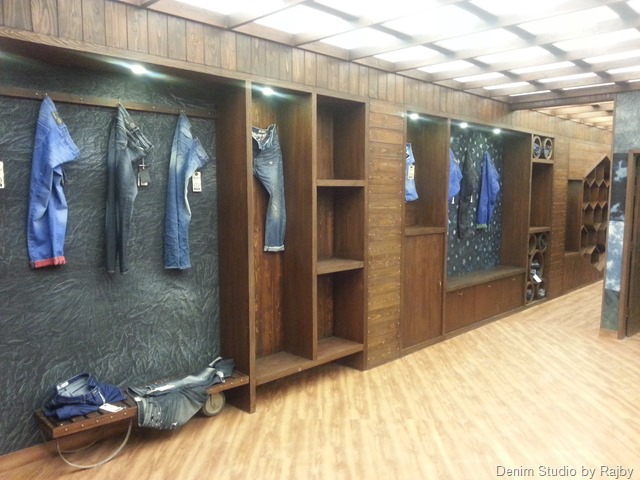
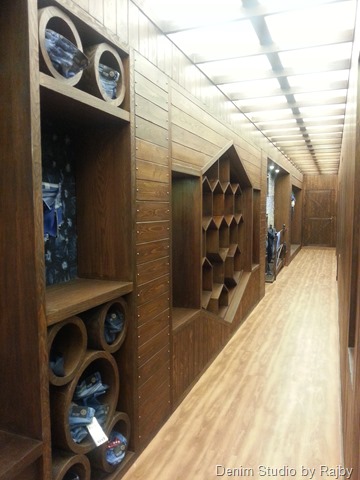
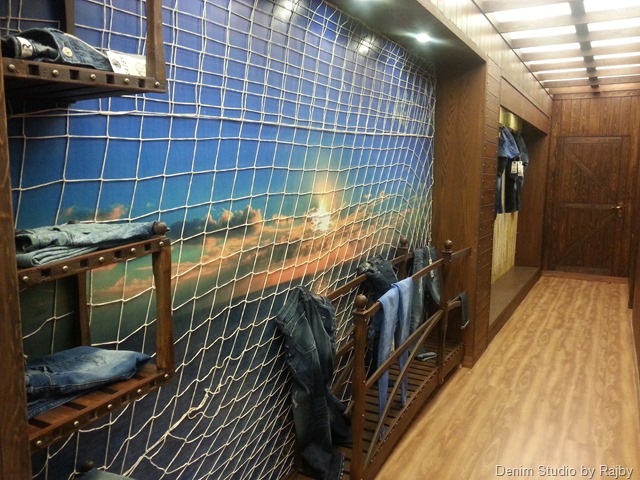
    To give additional service to our customers, Rajby has created a centralized Research & Development Department which is called “Denim Studio by Rajby”.There is cut to finish facility (Pattern Makin, Cutting, Stitching, Washing & Finishing). Rajby R&D Team studies the international trends and makes his own mood board according to Season/Fashion that our customers are targeting . Then the team starts working on the new collection & presents it to our valuable customers. We offer a complete collection to our customers , even including  Paper & Metal accessories. This helps them a lot as it reduces their effort and helps them to take quick decisions on their collections. I think this integrates us better with our customers, helps them a lot and of course gets more business for us. We try to create a WIN WIN situation for all our stakeholders ..

    20140215_172509

    20140215_172529

    20140215_172547


    Contact Rajby Denim for information on their company / products by CLICKING HERE

  • H&M Sustainability Report 2014

    H&M Sustainability Report 2014

    Recently H&M released its annual sustainability report for 2014. The document mentions in detail how the company is implementing more eco-friendly practices in its supply chain and stores to reduce the harm it causes the environment, as well as its efforts on a variety of social welfare issues such as gender equality and poverty alleviation.

    H&M manufactures at least 600 million items each year and operates more than 3,200 stores in 55 countries. If you include its subsidiary brands, such as COS, that number jumps above 3,500 stores, and the company is expanding its locations by 10% to 15% each year. To operate those stores—besides manufacturing and shiping the clothes —requires a staggering amount of resources, from energy-hungry cotton to electricity, oil, and water . Even if H&M manages to mitigate its environmental footprint slightly from one year to the next, its business continues to grow, and that footprint remains enormous—and far from sustainable.

    CEO Karl Johan Persson emphatically reiterates the integration of sustainability mantra in the DNA of H&M  as

    “Our business idea is to offer fashion and quality at the best price. It’s about the best value, not the cheapest price. Sustainability is an important part of this. We know that our customers, just as our colleagues, care more and more about it. And while we must be realistic about the fact that most customers are not prepared to pay more for added sustainability value, I am convinced that it will become an important differentiator in the future.”

    H&M Conscious

    H&M Conscious is the name of their work for a more sustainable fashion future. It’s consisting of seven commitments and is built on passion, long-term thinking and teamwork.

    “We want to make fashion sustainable and sustainability fashionable.”

    Seven Commitments

    H&M seeks to make seven commitments towards sustainability and measures its performance towards those commitments.

    1.Provide fashion for conscious customers:

    “Our goal is to increase the share of more sustainable fabrics and materials every year. We are constantly on the lookout for innovative materials and processes that can make our products more sustainable. “

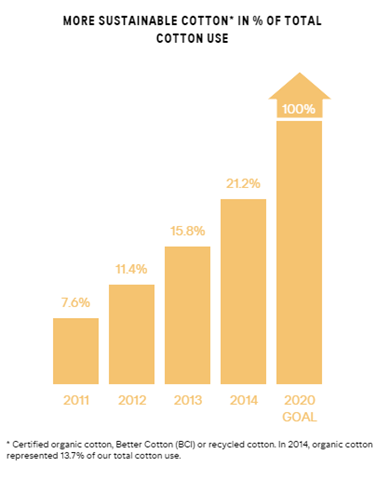
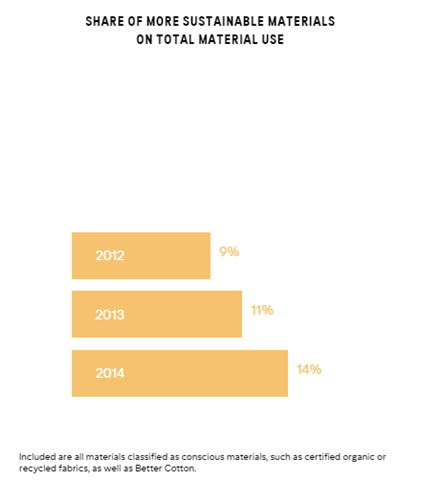
    H&M uses about 21% of total cotton consumed in the form of Organic Cotton, BCI or recycled cotton and is supposed to be No. 1 user of organic cotton according to textile exchange report of 2013. About 13.7% of all its materials consumed are in the form classified as conscious materials.

    sustainable cotton usage h&m

    sustainable material usage h&m

    2.Choose and reward responsible partners

    “We need to be a good partner ourselves. Our standards are high and we reward sustainability performance with better business. We work hard to ensure better livelihood and positive development in the communities where we operate.”

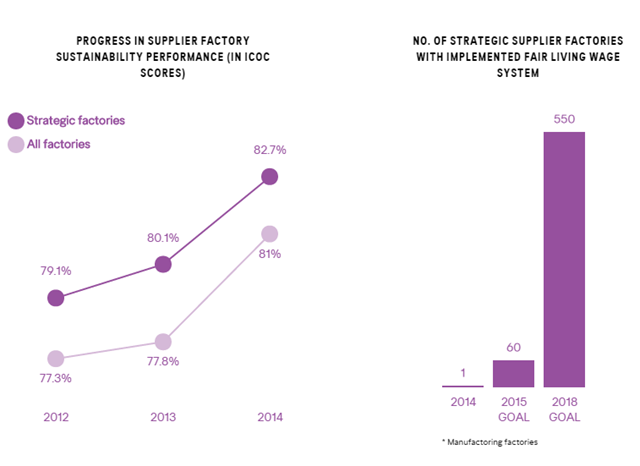
    H&M seeks to reward its responsible partners and seeks to make them more committed towards their workers and encourage role model factories. It seeks to have about 550 suppliers with fair living wage system by 2018.

    Supplier factories living wage

    3.Be ethical

    “We see diversity as an asset that makes us better and we want to set a good example wherever we operate. To us this means respecting human rights, taking a clear stand against corruption and embracing diversity and inclusion.”

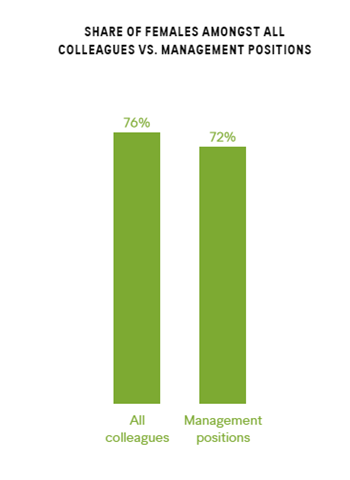
    One of the criteria that H&M takes for measuring being ethical is to employ more of female employees – though not a very right measure for the same. About 76% of their workforce is female and 72% of management positions are being held by them.

    Female employees in H&M


    4.Be climate smart

    “Tackling climate change is one of the major challenges of our time. Its consequences are as likely to affect us as everyone else on our planet, including our suppliers, colleagues and customers. So it is essential that we do everything we can to reduce climate impact – for example by only using renewable energy wherever possible.”

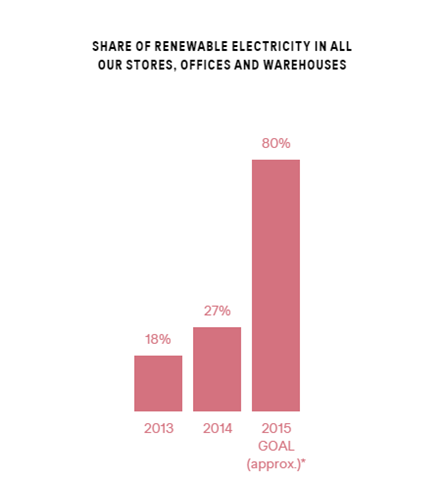
    Renewable energy is sought to be used in all stores, offices, warehouses of H&M (*100% in all markets, where this is feasible and renewable electricity is credibly available. This is currently not the case ,for example, in China or Peru).

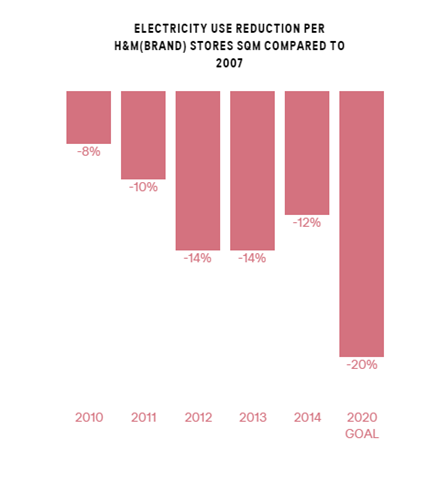
    Electricity use per sq. mtr of H&M brand store is sought to be reduced by 20% in 2015 compared to 2007 levels.


    Renewable Energy usage

    image


    5.Reduce, reuse, recycle :

    “We strive to reduce, reuse and recycle wherever we can. Our biggest concerns is that too much fashion ends up in landfill. That’s why we teamed up with I:Collect and created a the first global garment take back system.”


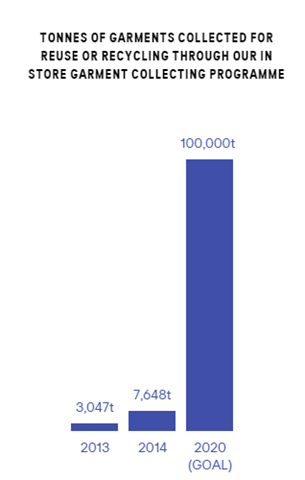
    Anyone can drop unwanted clothes at H&M and they will try to give it a new life. The goal is to create a closed loop where unwanted garments are recycled into new creations. Currently they claim to  blend in about 20% recycled fibres without any loss of quality or longevity. About 7600 tons of garments were collected for reuse or recycling through their in store garment collection programme. The target for 2020 is 100,000 tons – a very ambitious one indeed.

    Recycled garments collected by H&M


    6.Use natural resources responsibly

    “Making great fashion can require a lot of resources. Growing cotton, dyeing fabrics and washing our clothes all require significant water use. But natural resources aren’t endless.”

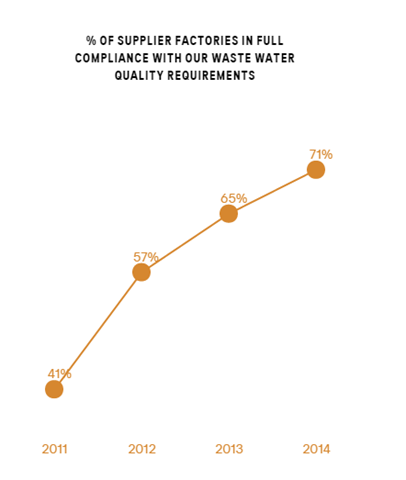
    H&M seeks to educate its suppliers on water conservation and compliance with waste water quality requirements.  Their internal guidelines on waster water quality are met by about 71% of total suppliers in 2014.

    Waste water quality requirments compliance


    7.Strengthen communities

    “Strengthening the communities around us is part of our responsibility. Prosperous and stable markets where human rights are respected, skills training are readily available and the eco-systems are healthy benefit our business.”

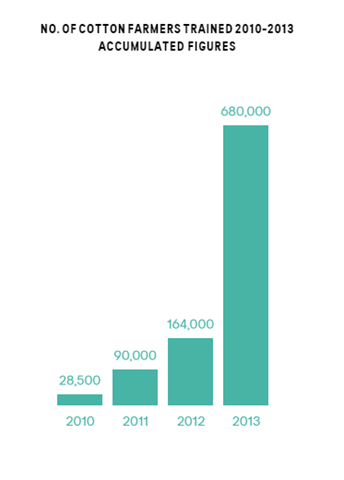
    Besides other activities of community involvement, H&M trains cotton farmers to do better crops. The numbers claimed are quite high !

    Cotton farmers trained by H&M

    While the report makes it clear that H&M is doing a good deal to lessen its impact, it is also a fact that the goal and fast fashion are inherently at odds. By its nature, fast fashion is a volume business, which is exactly what makes it a big strain on the planet. The proponents of fast fashion will try to always sell more and there is inherently the conflict with sustainability. H&M acknowledges that the sheer quantity of resources it consumes is a serious problem. In US alone about 10.5 million tons of clothes end up in landfills each year. Even if H&M ensures a large part of its clothing is organic or BCI cotton , still the landfills will be filled unless the garment recycling process becomes much more widespread and is taken up by a larger number of brands and retailers. H&M’s target of getting 100,000 tons of garments for reuse in 2020 will be still less than 1% of garments going to landfills in US alone. Currently it is about 0.2% of its own garments that are being recycled. The problem is endemic and needs industry wide awareness. However, still it is commendable that H&M has taken a lead which can offer example to other larger entities in this business.

    Sponsored link:


  • Denim Imports In Germany : 2010-2014

    Denim Imports In Germany : 2010-2014

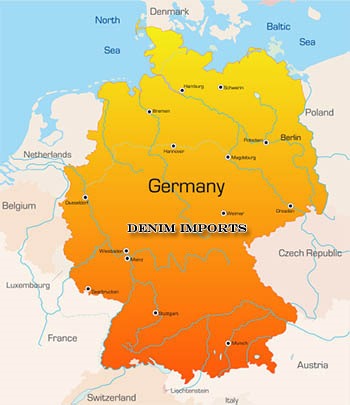
    germany denim imports Germany is the biggest market of jeans in Europe constituting about 30% of the total imports of jeans. It consumes a large quantity of value jeans and a decent quantity of premium jeans as well.

    The German economy is powered by exports. Its current-account balance (the difference between the money it receives from the outside world and what it spends abroad) is one of the world’s largest, at 7% of GDP. It is an open economy: its ratio of exports to GDP is double China’s. About 6% of German exports go to China, especially what are  "capital" goods such as heavy machinery. Germany has also been hit by slow growth in the 17 other euro-zone countries, where it sends 40% of its exports. Also issues with Russia are affecting its capital goods export to that country . Though the unemployment level is still low at about 5% , the country needs to worry about its other aspects as its costs of manufacturing are increasing. The Fukushima nuclear disaster in 2011 resulted in focus being shifted away from the nuclear energy – due to which its energy prices are increasing – and causing shifting of some manufacturing away from Germany.

    But still Germany is the country that powers the Eurozone. Its performance is an indicator of how the zone performs. We will , in this report, see how the country is performing in terms of imports of jeans over the last 5 years from 2010 to 2014. We will see:


    1. The quantity of jeans imported from the world during this period .

    2. The value and prices of such jeans imported.

    3. Breakup of these imports in terms of men’s and women’s jeans. Import market size in terms of men’s and women’s jeans component.

    3. The imports compared from within and outside EU in terms of quantities , prices , shares etc.

    4. The main gainers and losers from 2010 to  2014 for exports of jeans to Germany. Top exporting countries and their share

    5. Eight tables showing the supporting  figures and their analysis.

    [private_special]

    1.Import of Jeans into Germany from outside EU since 2010

      2010 2011 2012 2013 2014
    Men’s Jeans 92 94 84 82 82
    Women’s Jeans 43 40 31 32 32
    Total 135 134 115 114 114

    (all figures in million pcs)

    2.Share of Men’s and Women’s Jeans in total imports into Germany from outside EU

      2010 2011 2012 2013 2014
    Men’s Jeans 68% 70% 73% 72% 72%
    Women’s Jeans 32% 30% 27% 28% 28%

    3.Imports from within EU28 into Germany : 2010-2014

      2010 2011 2012 2013 2014
    Men’s Jeans 18 20 18 21 23
    Women’s Jeans 16 18 21 24 24
    Total 34 38 39 45 47

    (all figures in million pcs)

    4.Share of Men’s and Women’s Jeans in total imports into Germany from within EU28

      2010 2011 2012 2013 2014
    Men’s Jeans 53% 53% 46% 47% 49%
    Women’s Jeans 47% 47% 54% 53% 51%


    5. Share of imports of jeans from outside and within EU : 2010 and 2014

      2010 % share 2014 % share
    Total Jeans from outside EU 135 80% 114 70%
    Total Jeans from within EU 34 20% 47 30%
    Total imports 169   161  

    The above 4 tables are quite interesting. Table 1 shows the imports of jeans into Germany from outside EU since 2010. We will notice that the year 2010 was the year with highest imports into Germany from outside EU. With about 135 million pcs imported into Germany in 2010 , the imports in 2014 were 15% lesser at about 114 million pcs. The major fall in imports happened in 2012 when the European economies suffered a setback and since then the recovery has been poor or hardly any. We also note that the ratio of imports of jeans is highly in favor of Men’s jeans with about 70% of jeans being men’s . It clearly shows that Germany is male dominated market when it comes to jeans imports.

    But Germany does not only import jeans coming from outside EU. A good quantity is also imported into Germany from within the EU countries. Some of these countries like Italy, Portugal , Spain, Bulgaria and others are also manufacturers of jeans while other countries are importers themselves. We see from tables 3 and 4 that the imports from within EU countries has been increasing for Germany. From about 34 million pcs imported in 2010 , the imports are about 47 million pcs in 2014. This is quite a jump of about 33% . This is also indicative of influence of fast fashion and near sourcing getting more important. Also this is corroborated by the fact that about 50% of such jeans imported are women’s as against 30% in case of those imported from outside EU.

    The total imports of jeans , when we consider both outside and within EU imports, we find that the figures of 2010 and 2014 and not quite apart besides a small decrease. In 2010 about 169 million pcs were imported and in 2014 about 161 million pcs were imported. But the major change has been in the % of share of within EU imports which have gone up from 20% of total imports to 30% of total imports. This is a significant direction from the country with the largest consumption in Europe. And it looks that this direction may continue for some time .

    Now lets look at the prices of imports below:

    6.Prices of imports from outside EU (euro/pc)

      2010 2011 2012 2013 2014
    Men’s Jeans 7.56 8.12 8.73 8.93 8.84
    Women’s Jeans 6.61 6.56 7.79 8.03 7.97

    7.Prices of imports from within EU (euro/pc)

      2010 2011 2012 2013 2014
    Men’s Jeans 18.2 17.7 18.2 18.3 17.7
    Women’s Jeans 16.7 15.7 14.6 14.9 14.8

    The prices of imports of jeans from outside EU is hovering around Euro 8.5-9.0 per pc for men’s jeans and about 8 Euro for women’s jeans. While the prices from within EU are significantly higher at about 18 Euro and 15 Euro respectively. The prices from within EU are almost double that of the imports from outside. And the fact that still the imports are increasing from EU is again and indication of changing consumer preferences .


    8.Countrywise share in Outside EU Imports


      2010
    (mill. pcs)
    2014
    (mill.pcs)
    % share in 2010 % share in 2014
    Bangladesh 29 36 21% 32%
    China 68 26 50% 23%
    Pakistan 11 20 8% 18%
    Turkey 11 12 8% 11%
    Tunisia 4 4 3% 4%
    Indonesia 2 2 1% 2%
    Others 9 14 7% 12%
    Total ( in million pcs) 135 114    

    Now we come to the major exporters of denim jeans to Germany since 2010 . When we look at 2010 we find that China had almost 50% share of the entire market and it was a huge number with about 68 million pcs. However, year 2014 saw its share drop to 23% and that too at reduced import quantities. Thus its quantities of exports fell to about 26 million pcs which is a significant drop of over 60% !!. The loss in China’s share was the gain for other major exporting countries like Bangladesh and Pakistan. Bangladesh increased its volume by about 25% to 36 million pcs and Pakistan almost doubled its volume to 20 million pcs. Other countries like Turkey , Tunisia, Indonesia etc were almost at similar levels of absolute exports but increased their relative shares of a reduced market. Thus it is clear that China’s loss has been the benefit for most other exporting countries.

    [/private_special]

  • Alexandra Moura FW 15/16 Denim Collection

    Alexandra Moura FW 15/16 Denim Collection

    Alexandra Moura brought out his latest FW15/16 looks in the recently held London Fashion Week. He has some unique concept and approach to his designing his collection which can be described in in his own words .

    TO INVERT

    “And suddenly life turns inside out…and I find that the wrong side is the right side”
    The collection is composed by exercises of constructing and deconstructing but also by the subtle behavior of materials, its finishings and details.
    The body – the whole or partially – becomes the main stimulus for sketching and shape research.
    Once again, the duality’s universe is powered by the intentional opposition of the following concepts:
    Interior – exterior
    Right side – wrong side
    Part – whole
    Assemble – disassemble
    To do – to undo
    To subtract – to add

    SILHOUETTE/ DETAILS

    The set of actions of deconstruction applied to the constructive process of the garment builds the silhouette of this collection – pause, reversal/inversion and subversion amplify the perception of construction and shape.
    This is materialized in:
    Asymmetries (of organic and irregular nature);
    Overlaying;
    Transparencies (exposition, interior/structure visualization);
    Elastics (intentional construction detail);
    Inversions (right side/wrong side of fabrics)

    FABRICS:
    Besides denim he uses cotton, neopren, linen, silk, fleece and microfibre.


    Alexandra Moura

    Alexandra Moura

    Alexandra Moura

    Alexandra Moura


    Alexandra Moura


    Alexandra Moura

    Alexandra Moura

    Alexandra Moura


    Alexandra Moura


    Alexandra Moura

    Alexandra Moura

    Alexandra Moura

  • Tonello Presents World`s First Multi Color Laser System

    Tonello Presents World`s First Multi Color Laser System


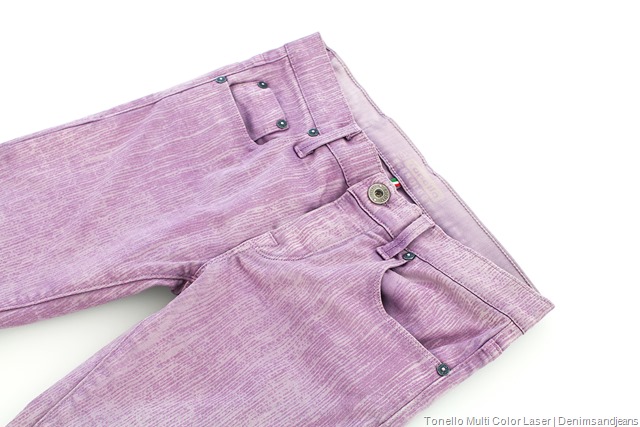
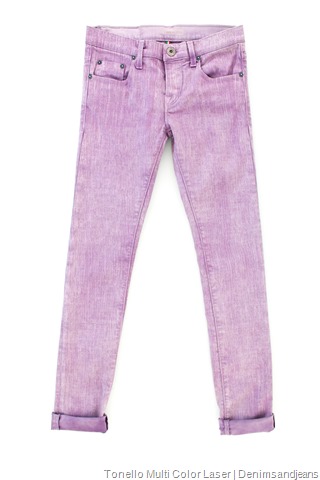
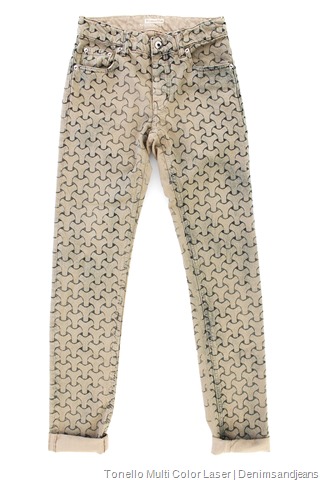
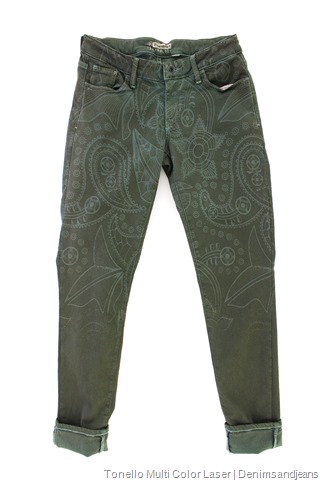
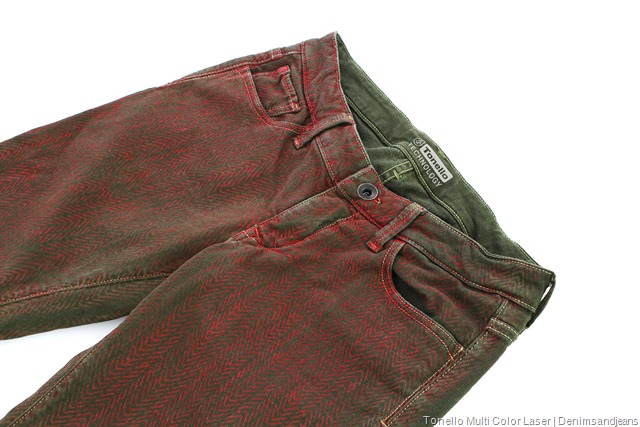
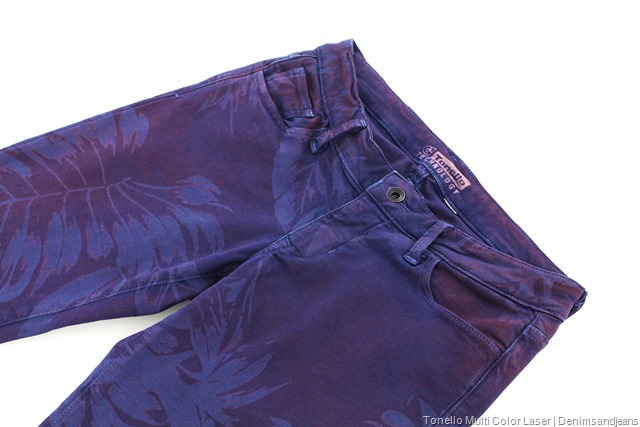
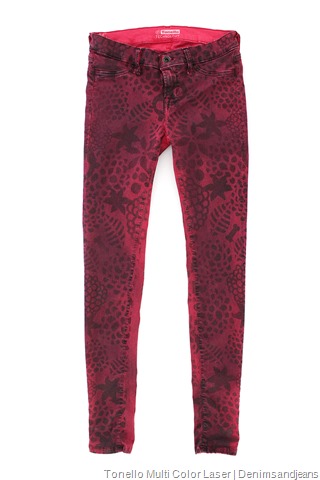
    Tonello presents Multicolour Laser which it claims is the first such laser system worldwide. .A special patent pending resin by Zaitex and Tonello specific research and know-how in laser treatment,enables them now to  colour denim and any other fabric . Multicolour Laser is the result of an accurate investigation combining a special resin with Tonello sustainable technologies. The study included several tests with the various parameters of Tonello Laser on different types of fabrics (e.g. cotton, leather, seamless fabric) each one with different kind of finishings and dyes. The resin is evenly applied onto the garments through Kit Batik, a special technology ensuring a good penetration and the less waste possible of the product used, which is then permanently imprinted on the fabric through a special setting of Tonello Laser.

    “Multicolour Laser is a truly revolution for the laser finishing market because it changes completely the concept of laser itself, until now used only to discolour or cut the fabric. Thanks to the in-depth study conducted by our Research Centre, we can now colour garments with laser, achieving results never seen before”, commented Flavio Tonello, Managing director of Tonello.

    So how does this new multi laser system work ?

    The new development exploits two of the most efficient Tonello technologies, especially in terms of sustainability: Kit Batik and Laser Blaze.

    1.Kit Batik is a special technology installable only on Tonello washing and dyeing machines which allows to apply resins and many other products inside of the machine, in a fully automatic way. The resin can be applied also manually through a spraying gun but with a huge waste of product and water. Kit Batik enables  constant saving of 96% of water and  87% of product (in the case of resins) – the company claims. It can be used to create color and special dyeing effects (e.g. Antarctic Batik, Multicolor Batik, Fading Batik) and to apply resins, eco-softeners, soil release, anti-stress, wrinkle free, water and oil repellent products and more besides on denim and ready to dye garments.

    2.Laser Blaze is the most recent model of laser machine developed by Tonello. The machine can recreate vintage effects such as localized wear, whiskers and breakages by means of the action of a laser beam. It can also create patterns, illusory holes, patches and tridimensional effects. Laser Blaze has the ability to treat all four positions of jeans-the company says.

    3.After the Batik process is done,  the garment is left to dry and then marked with a special setting of Tonello laser to permanently imprint the resin onto it. The company mentions that they have studied and worked for one year to achieve  the homogeneity of colour.
    After the laser marking, the garment is placed in their washing machine to wash away the resin from the parts of the garment not marked by the laser and the color effect is achieved.

    Tonello_multicolour_laser_ Denimsandjeans Tonello_multicolour_laser_ Denimsandjeans  Tonello_multicolour_laser_ Denimsandjeans Tonello_multicolour_laser_ Denimsandjeans  Tonello_multicolour_laser_ Denimsandjeans  Tonello_multicolour_laser_ Denimsandjeans   Tonello_multicolour_laser_ Denimsandjeans

  • Tom Ford Fall 2015 Runway Patchwork Denim Collection

    Tom Ford Fall 2015 Runway Patchwork Denim Collection

    Thomas Carlyle “Tom” Ford is an American fashion designer and film director. He gained international fame for his turnaround of Gucci and the creation of the Tom Ford label before directing the Oscar-nominated film A Single Man.  While at Gucci he had made a ultra-lux jeans which sold for $3134 !!

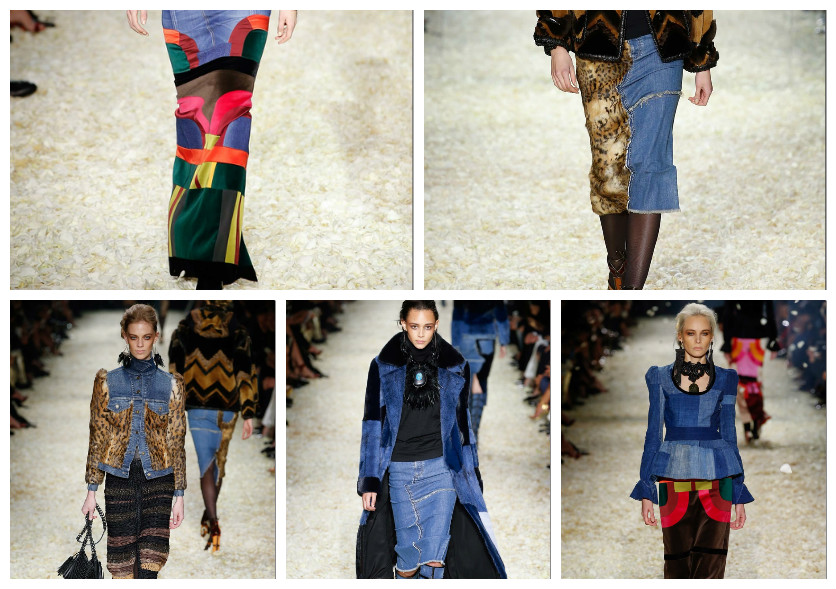
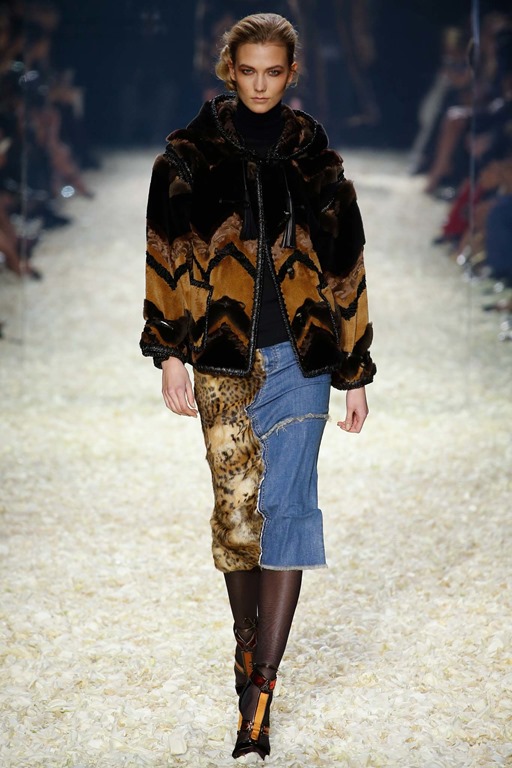
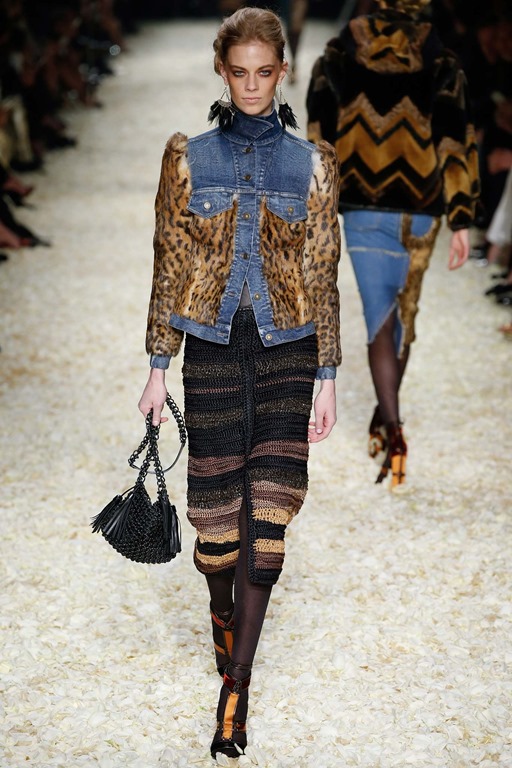
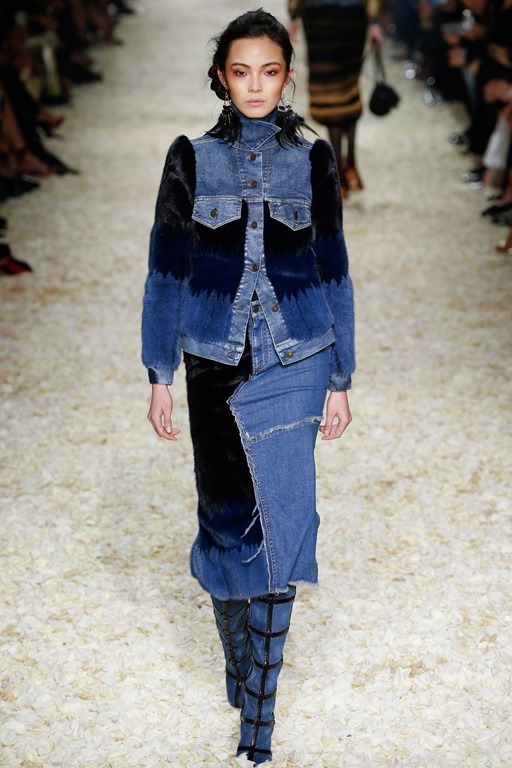
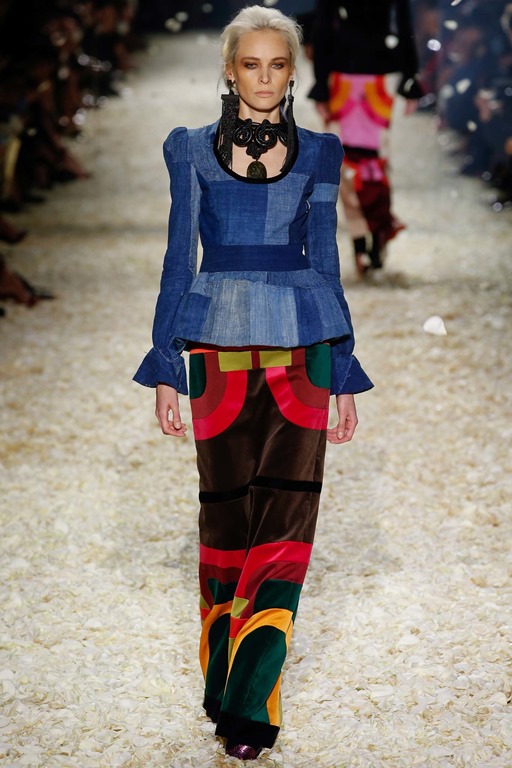
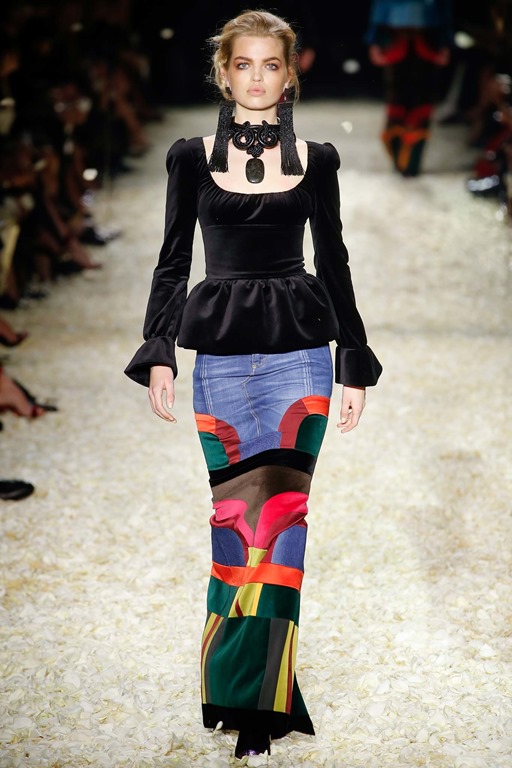
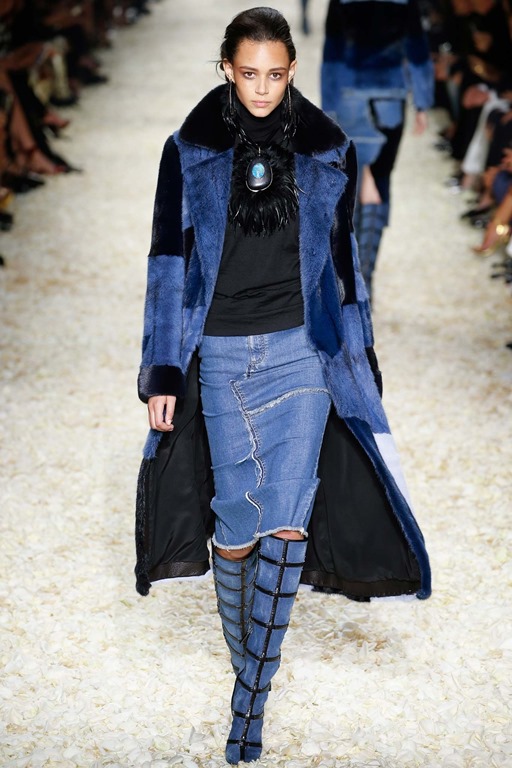
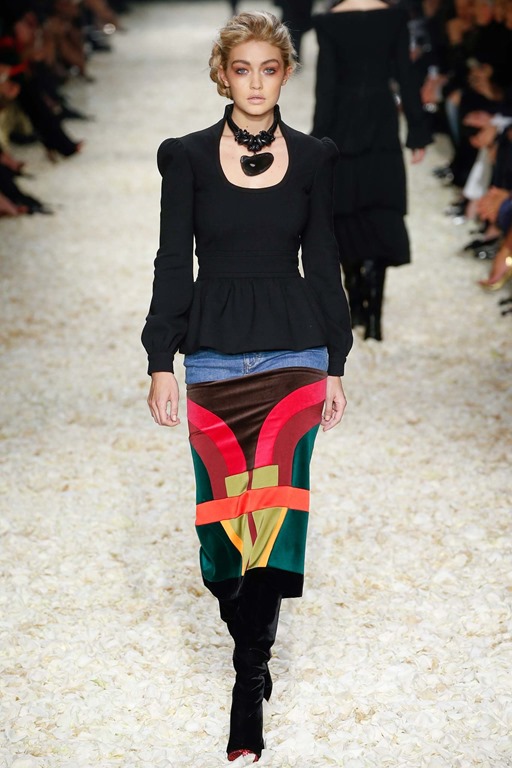
    On a recent runway presentation of his Fall 2015-16 collection at L.A , we saw a lot of patchwork denims with all kinds of fabric combinations besides denim including denim look velvets. The patchwork concept was taken down event to the boots !

    It was denim and not like denim . Knee-length skirts, pants where the utilitarian fabric just showed at the highest part of the leg, and jackets embellished with leopard. The whole idea of his collection was to use the utilitarian denim and luxurious denim colored fabrics to make those high end celebrity clothes.

    Tom Ford Fall 2015 Runway Patchwork Denim Collection

    Tom Ford Fall 2015 Runway Patchwork Denim Collection denimsandjeans

    Tom Ford Fall 2015 Runway Patchwork Denim Collection denimsandjeans

    Tom Ford Fall 2015 Runway Patchwork Denim Collection

    Tom Ford Fall 2015 Runway Patchwork Denim Collection

    Tom Ford Fall 2015 Runway Patchwork Denim Collection

    Tom Ford Fall 2015 Runway Patchwork Denim Collection

  • Vicunha SS16 Collection At Fashionim | 3rd Denimsandjeans Bangladesh Show

    Vicunha SS16 Collection At Fashionim | 3rd Denimsandjeans Bangladesh Show

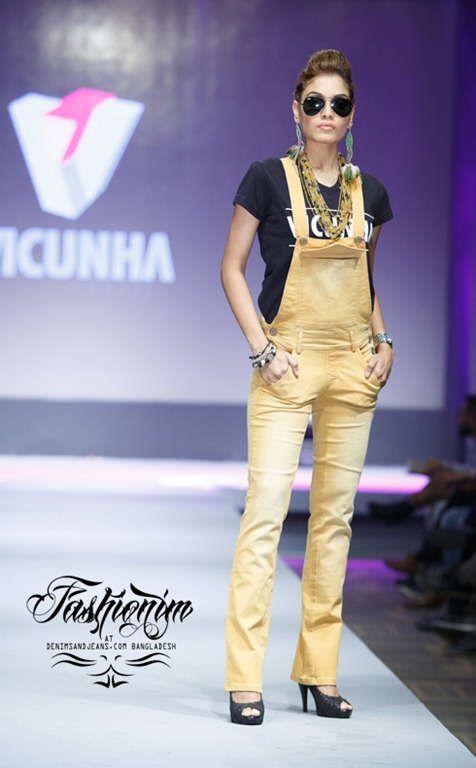
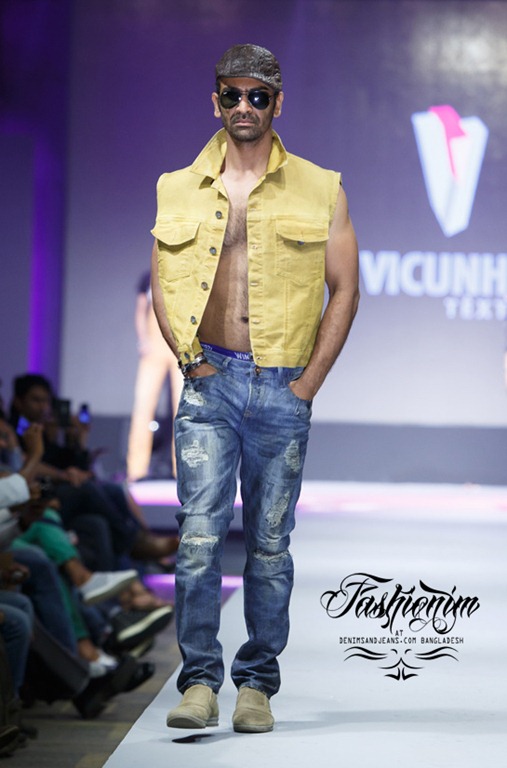
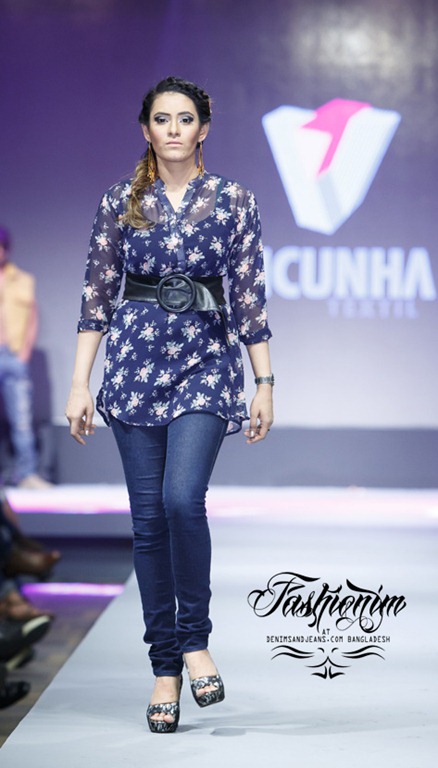
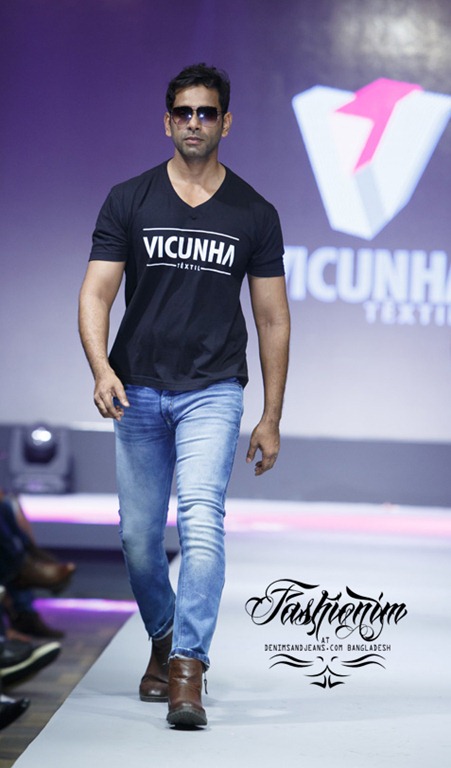
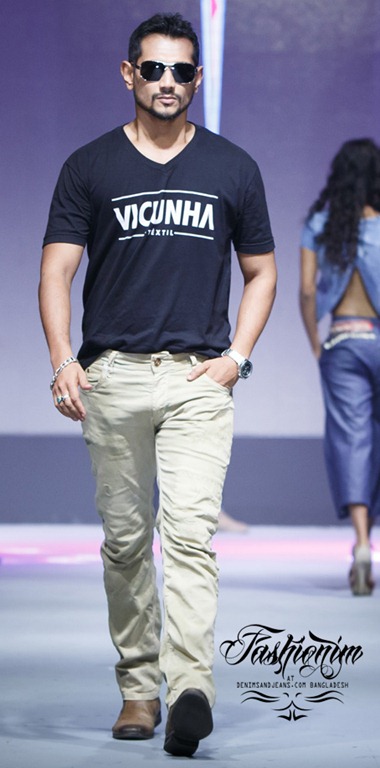
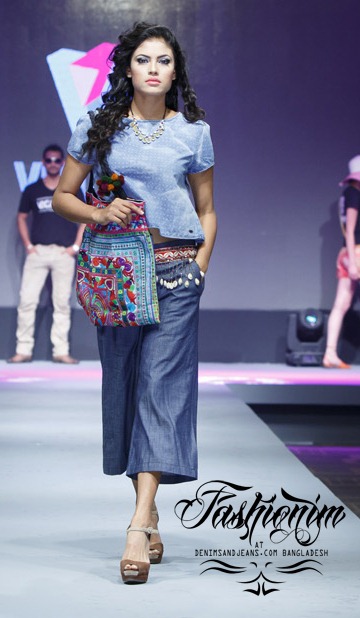
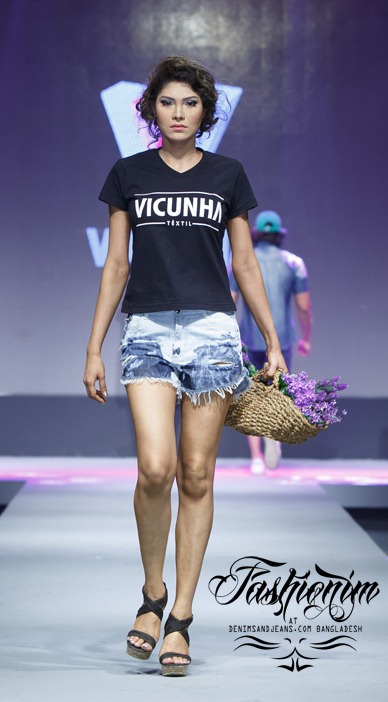
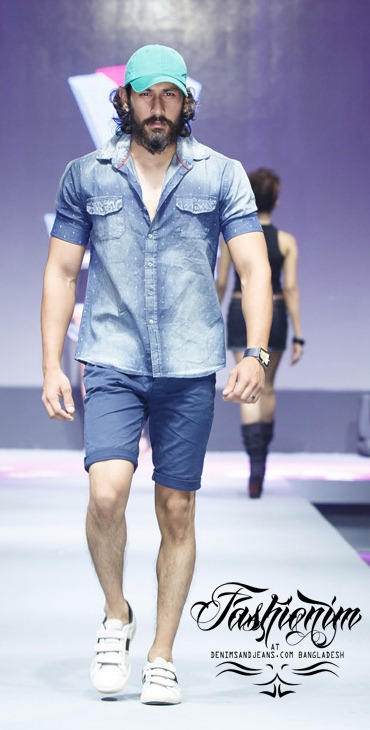
    Vicunha - at Fashionim Denimsandjeans Bangladesh


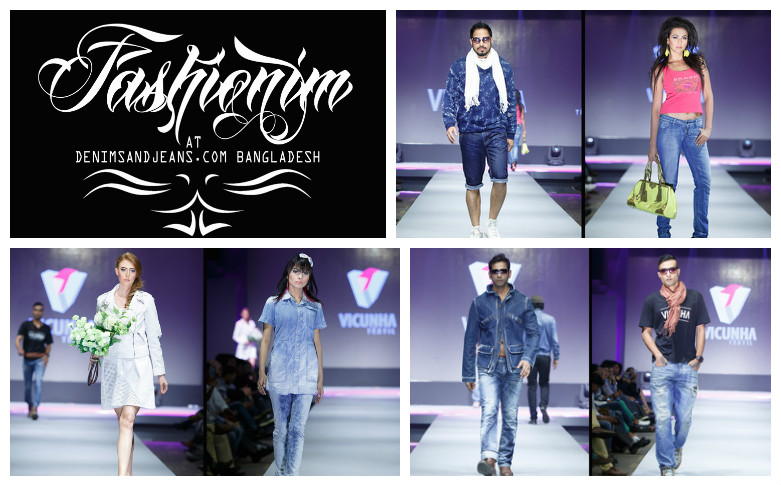
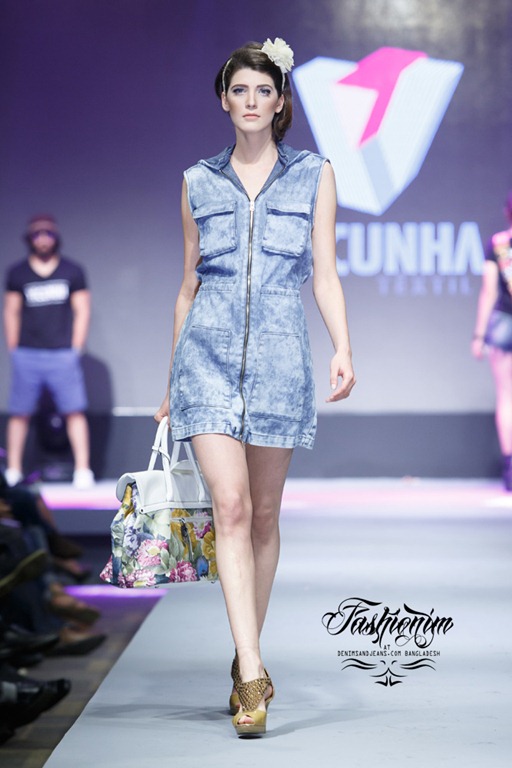
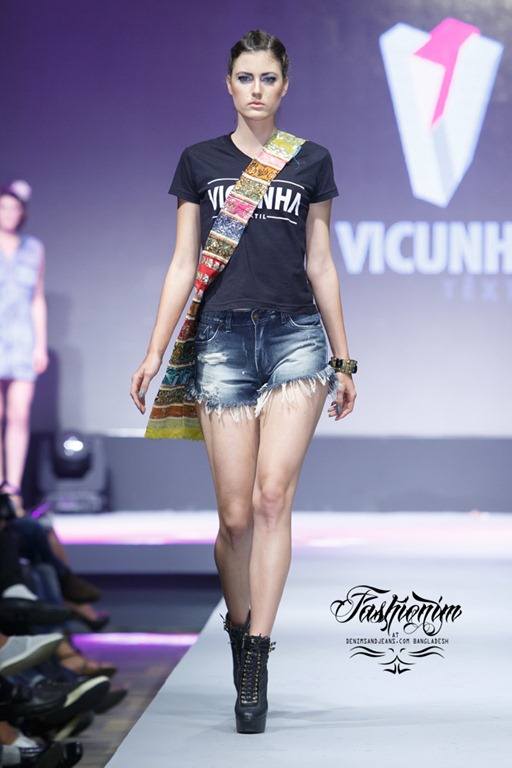
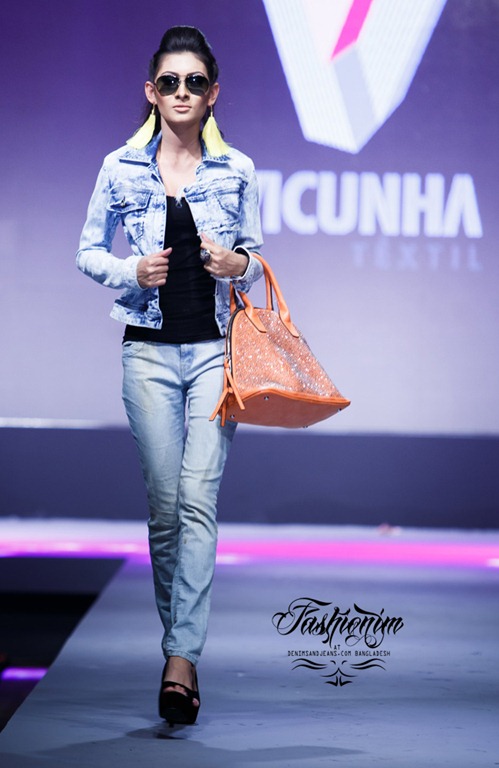
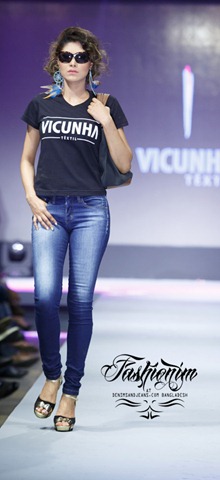
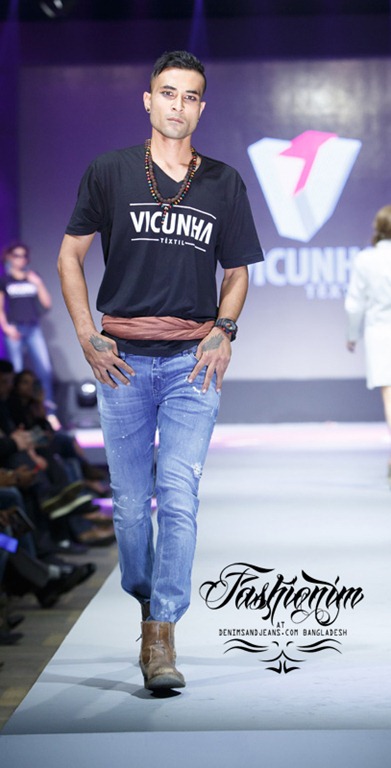
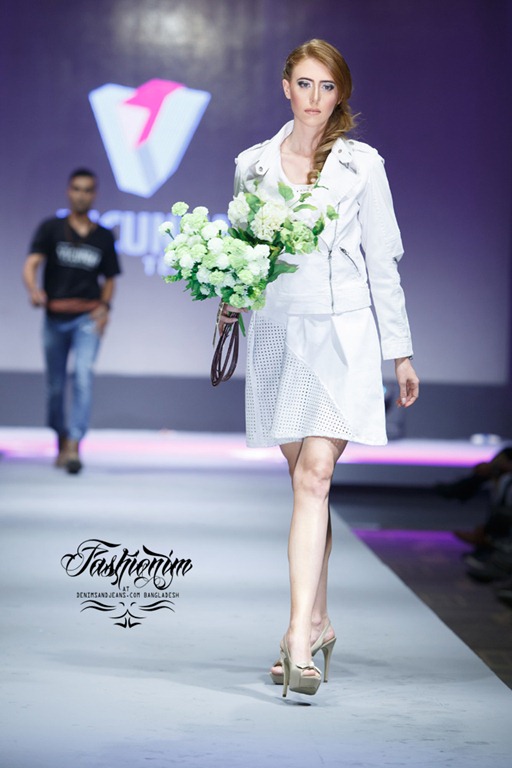
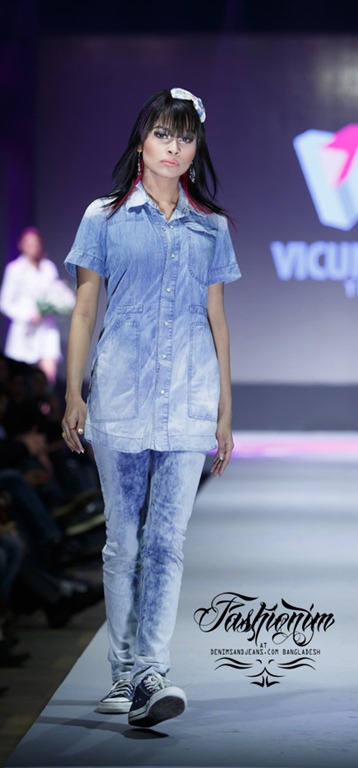
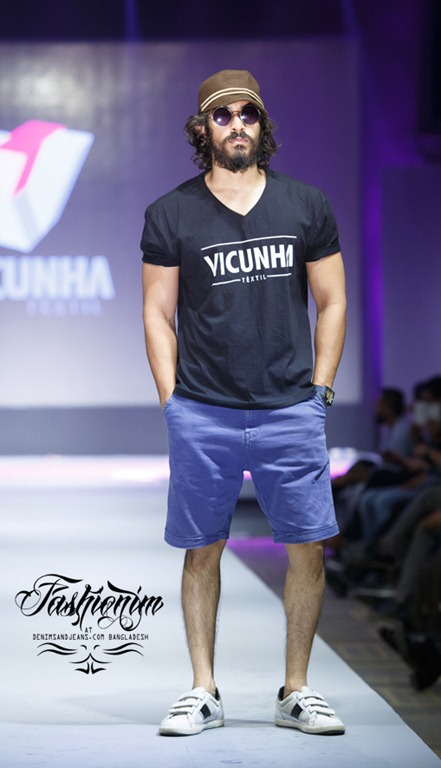
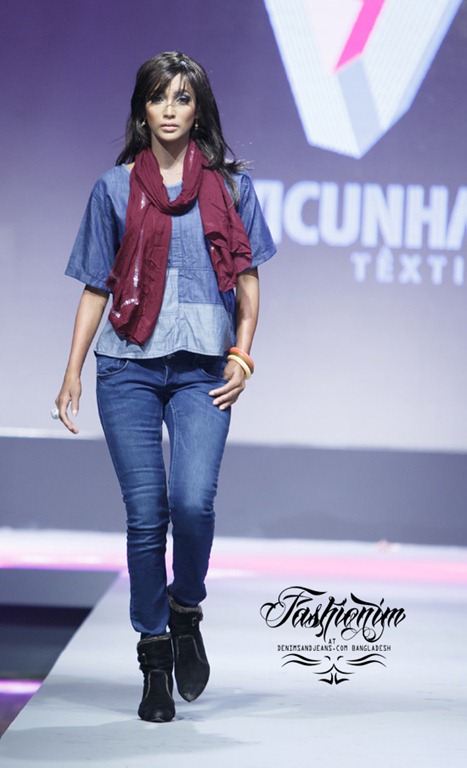
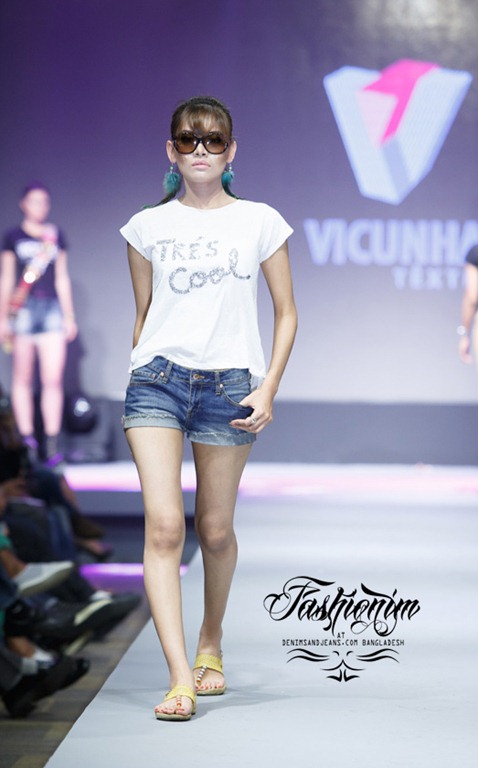
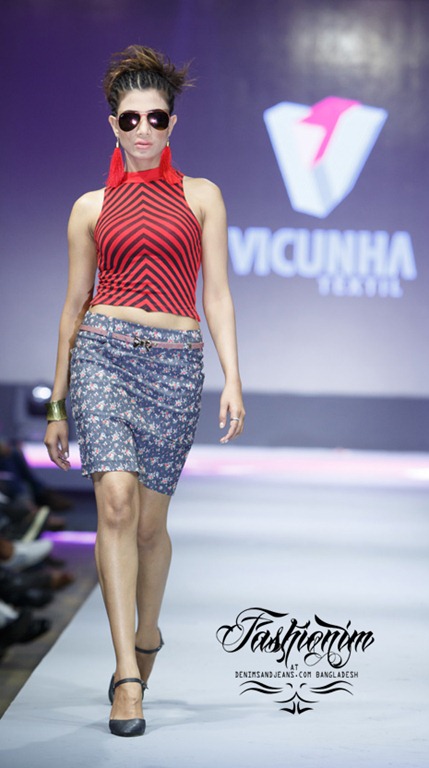
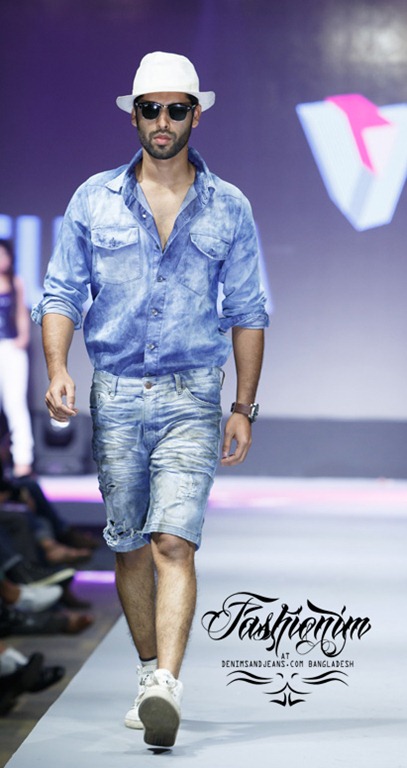
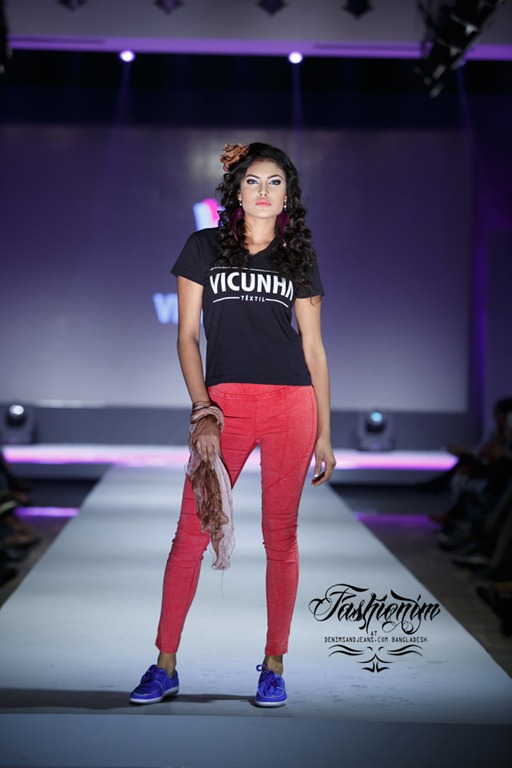
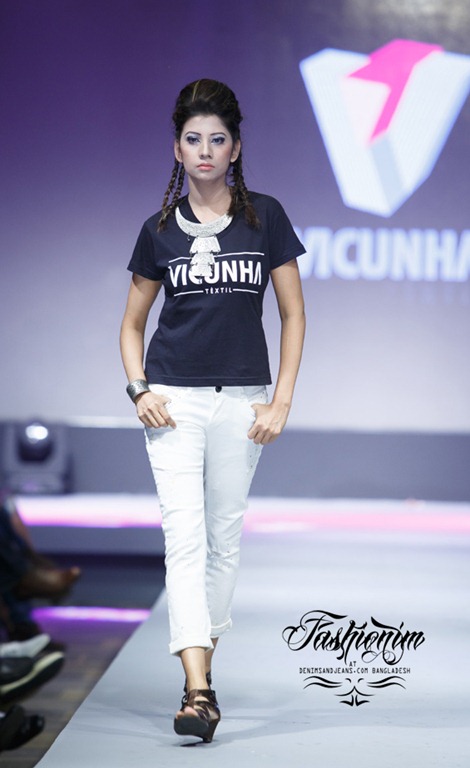
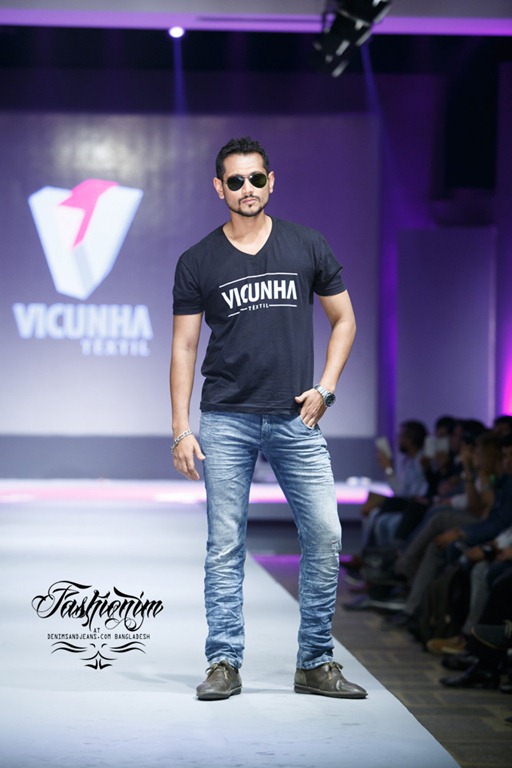
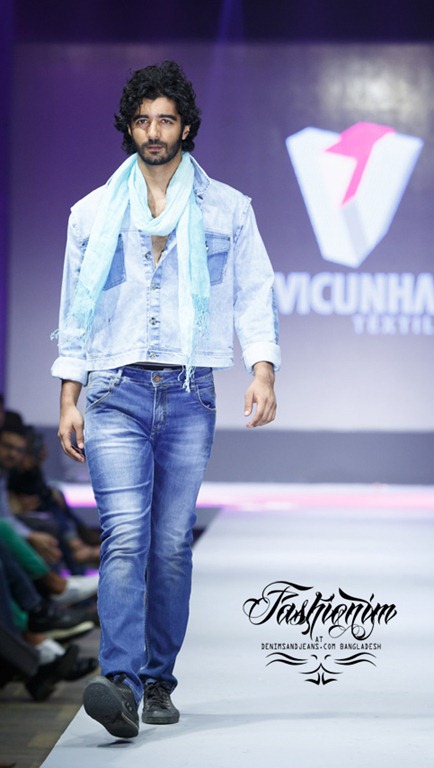
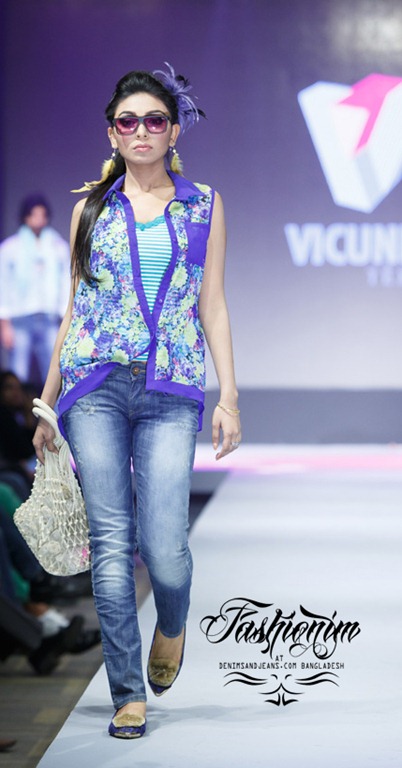
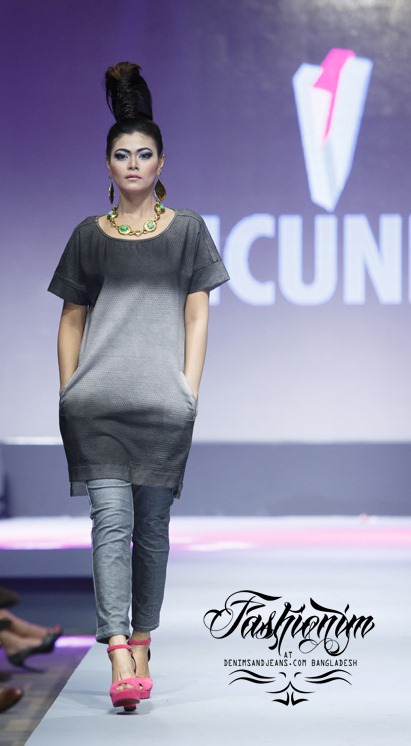
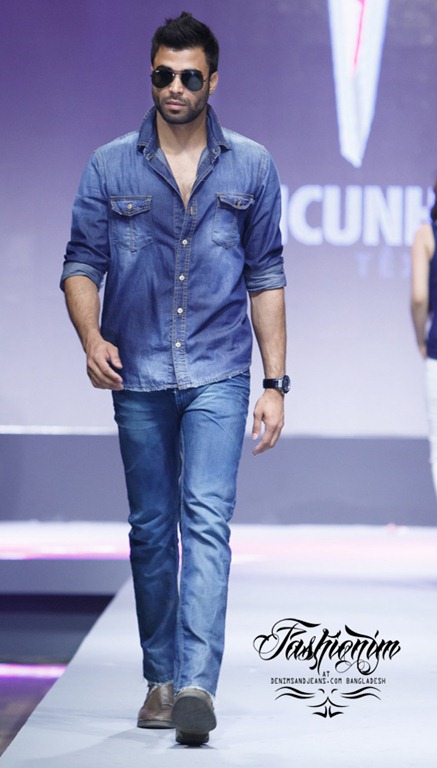
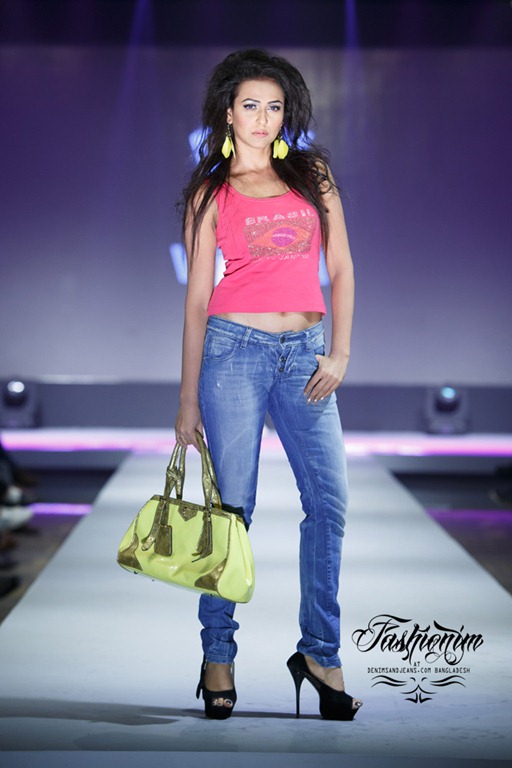
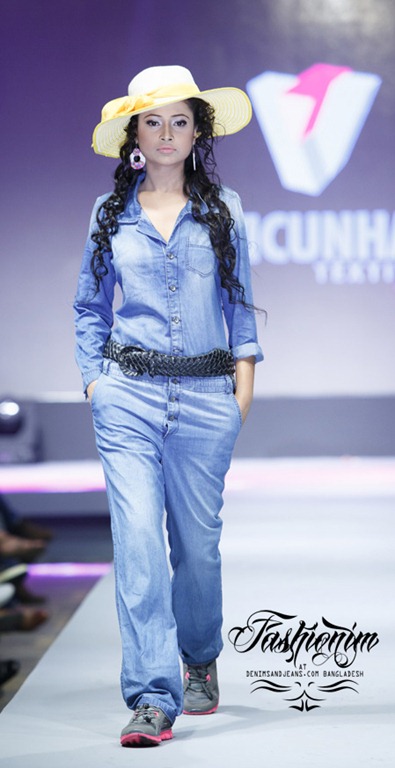
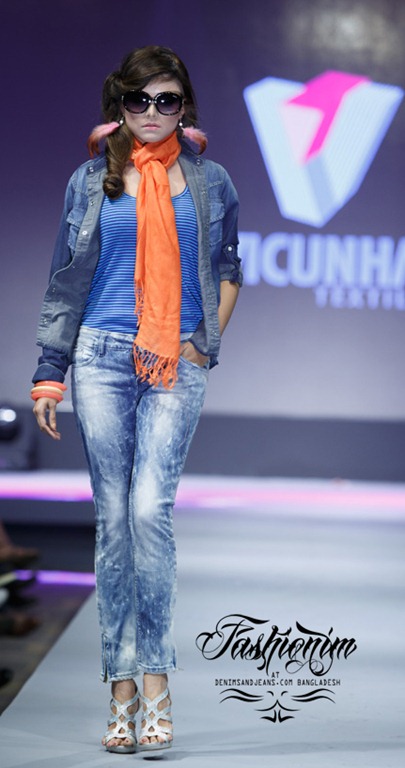
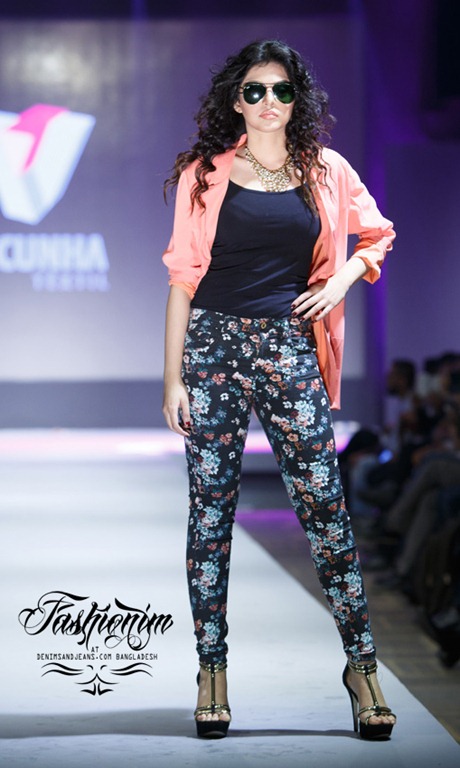
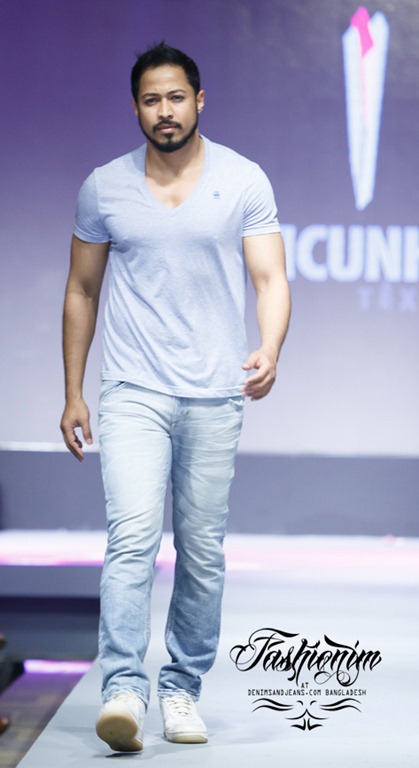
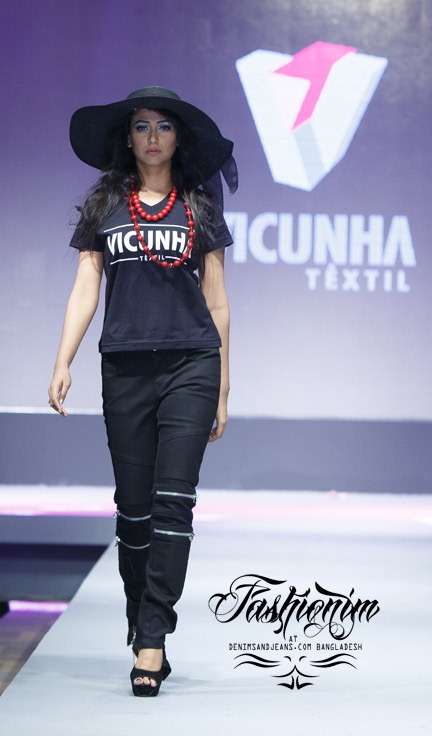
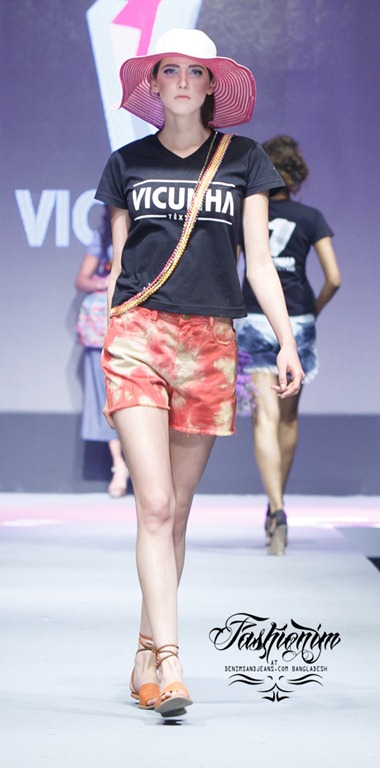
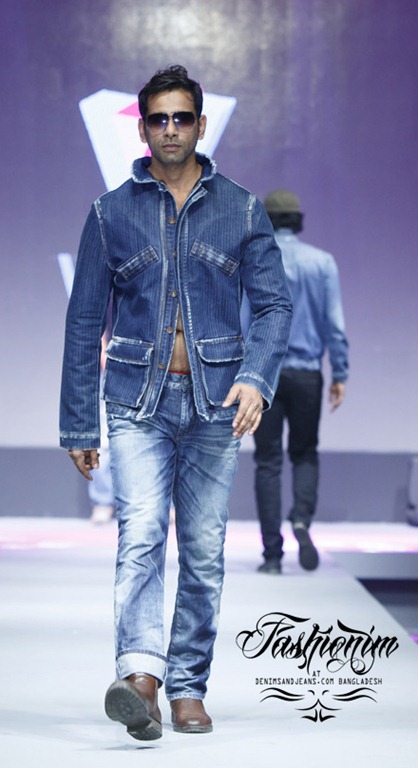
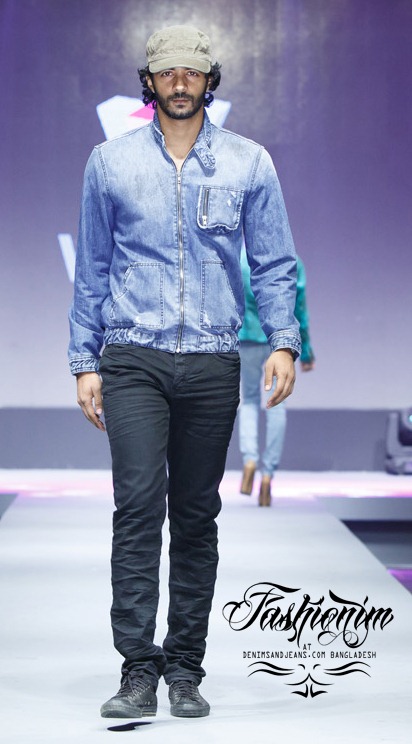
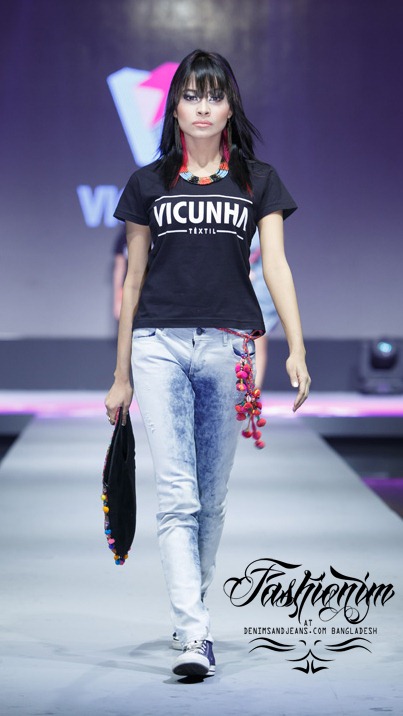
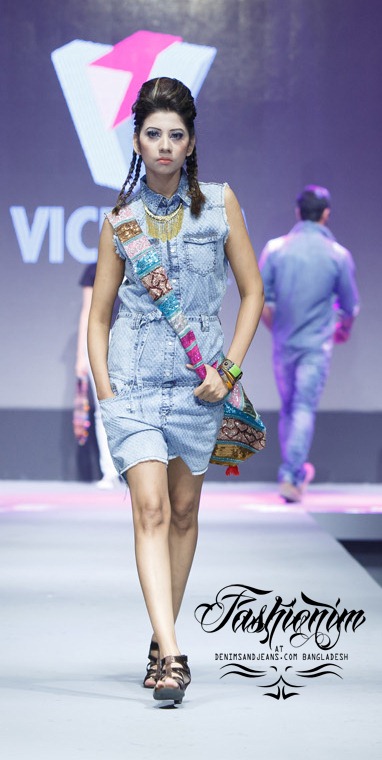
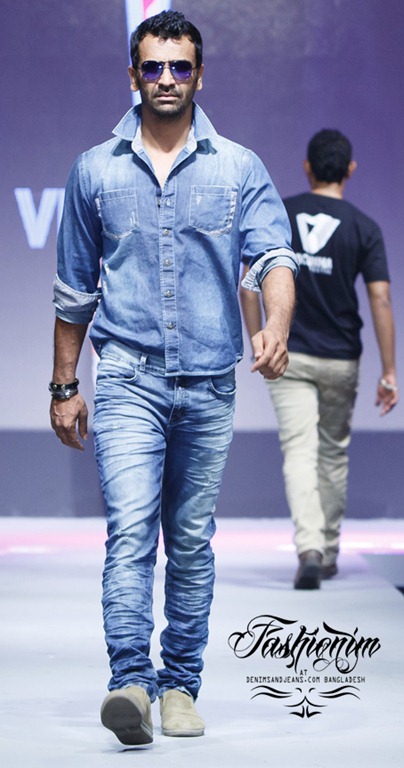
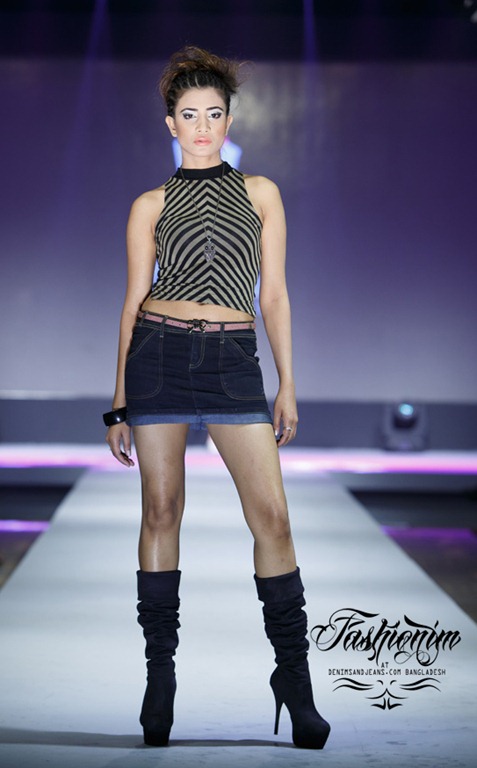
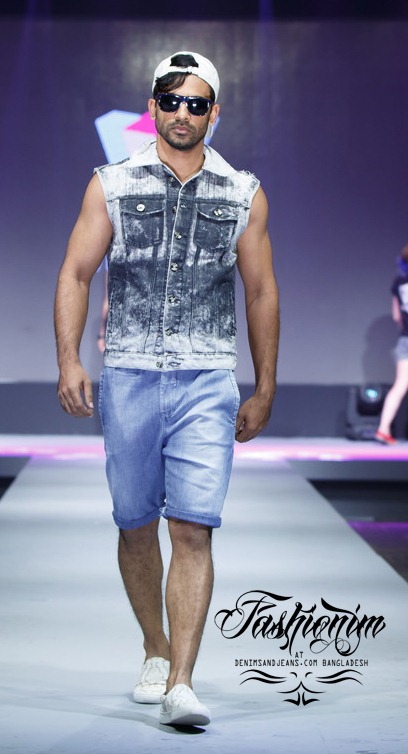
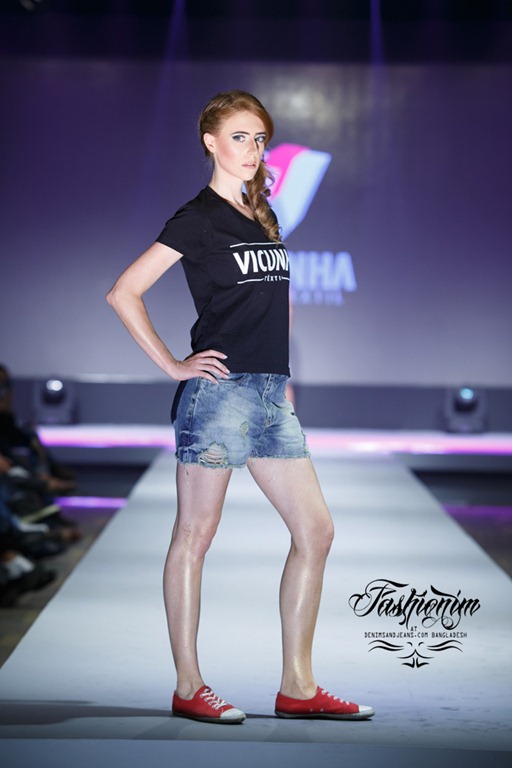
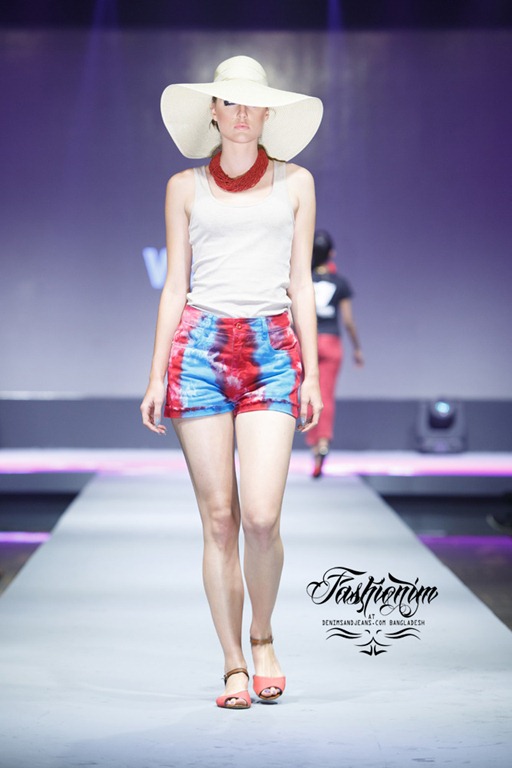
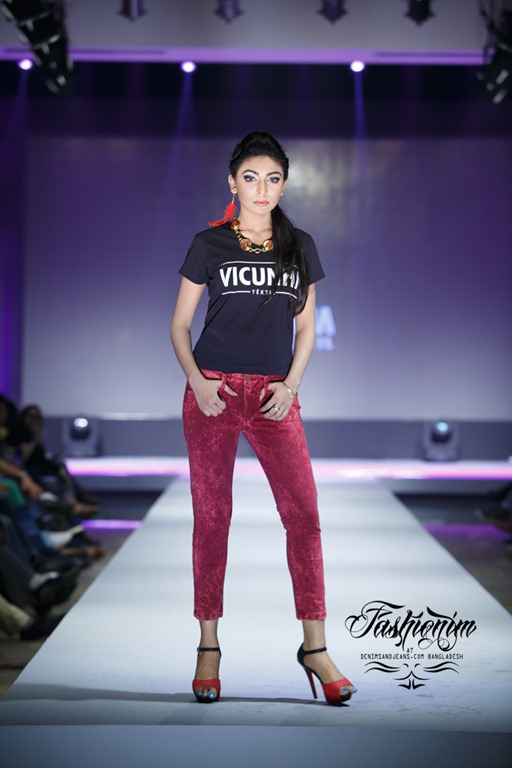
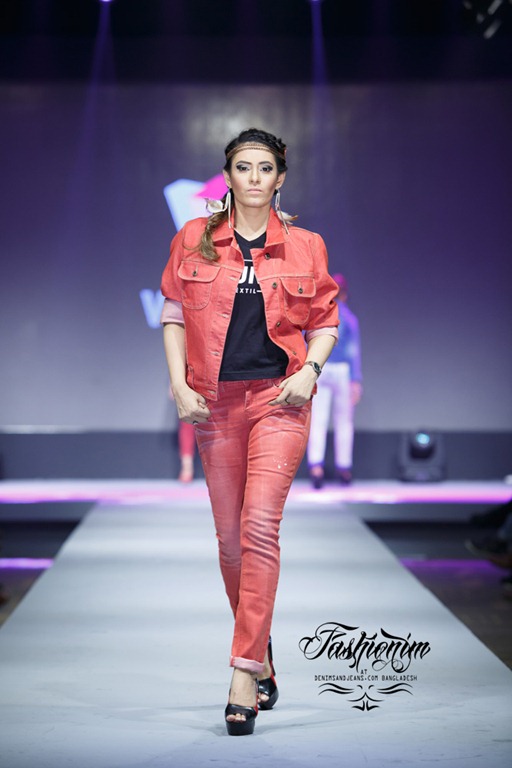
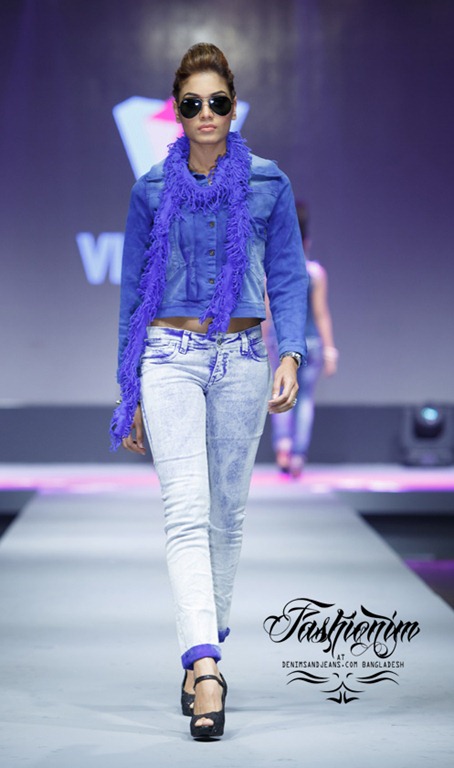
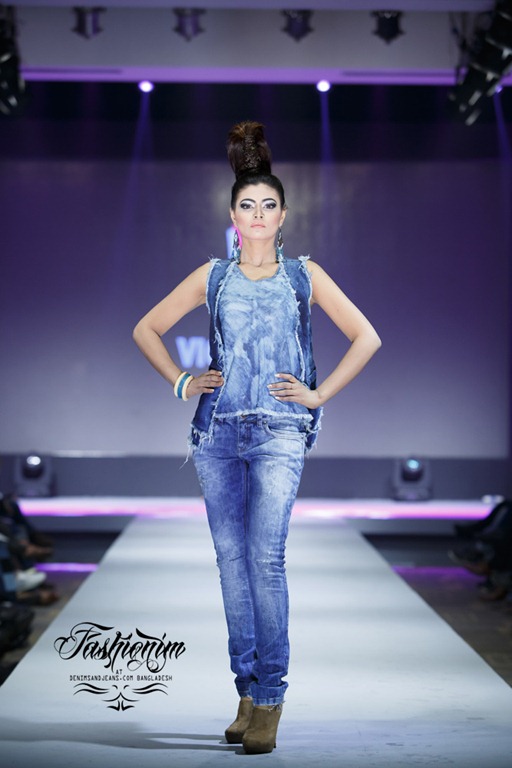
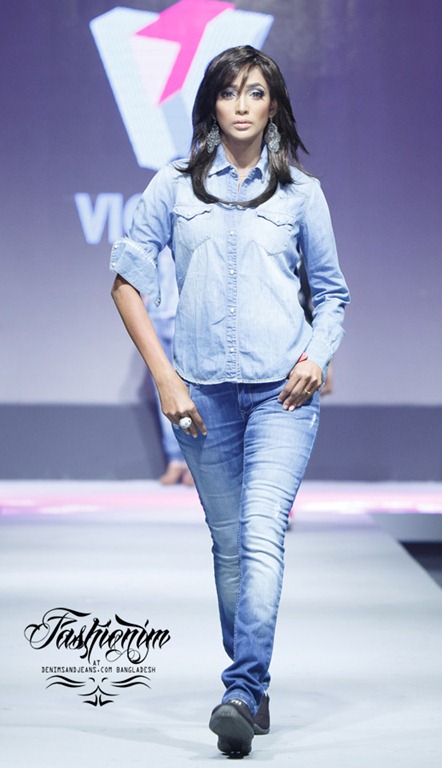
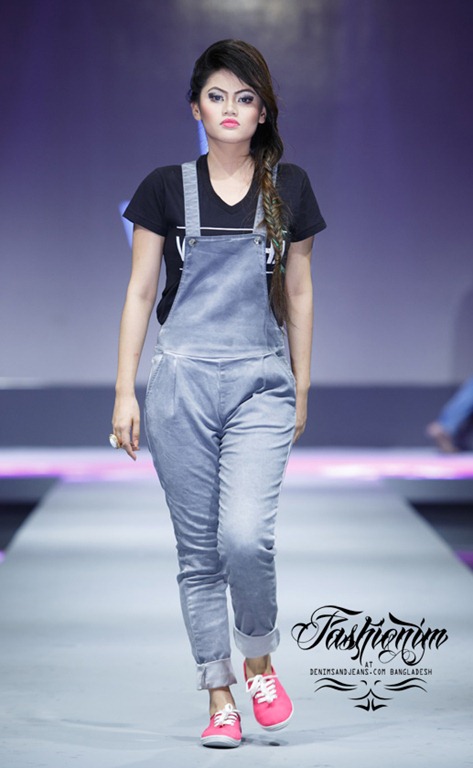
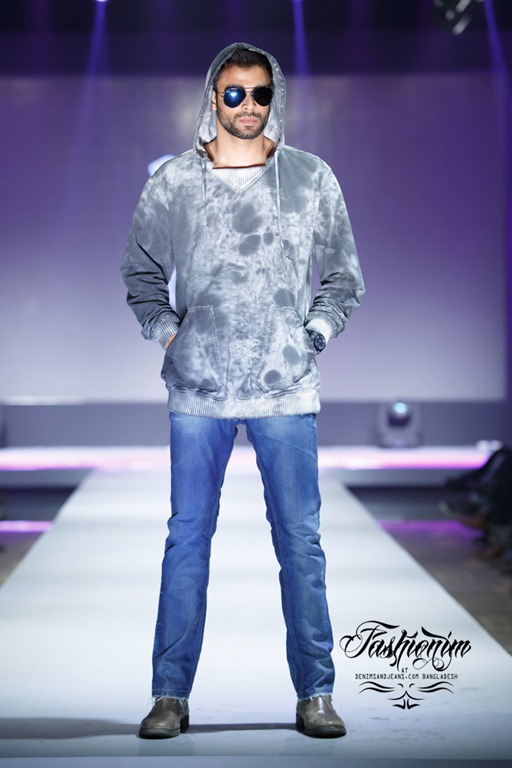
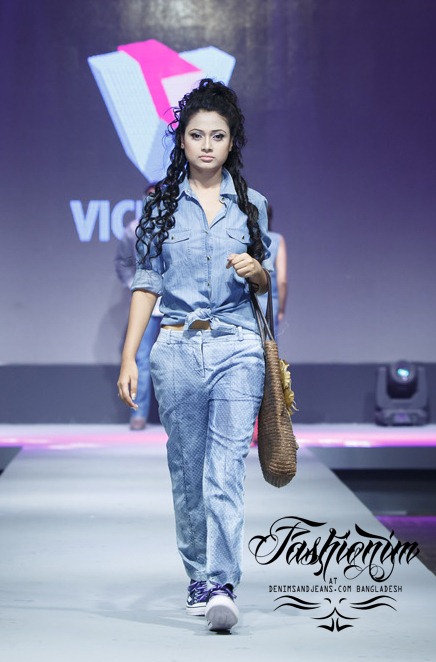
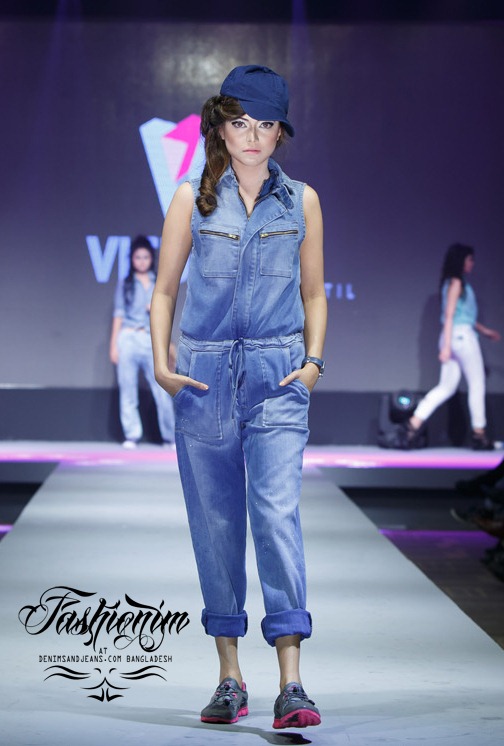
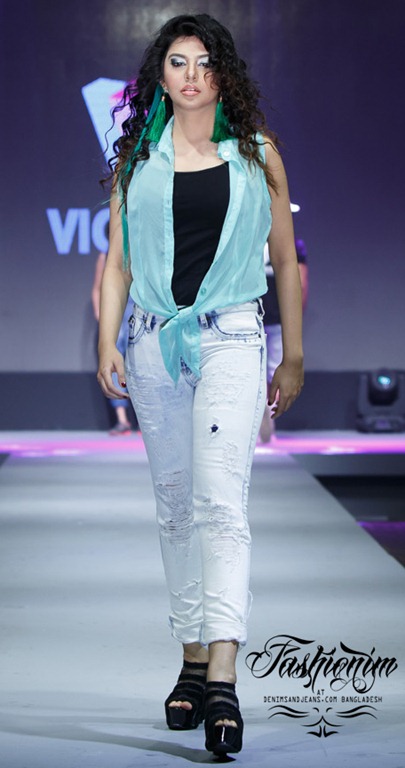
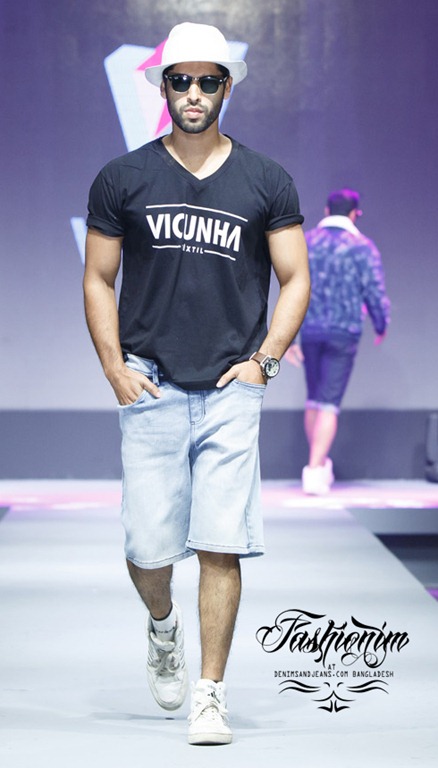
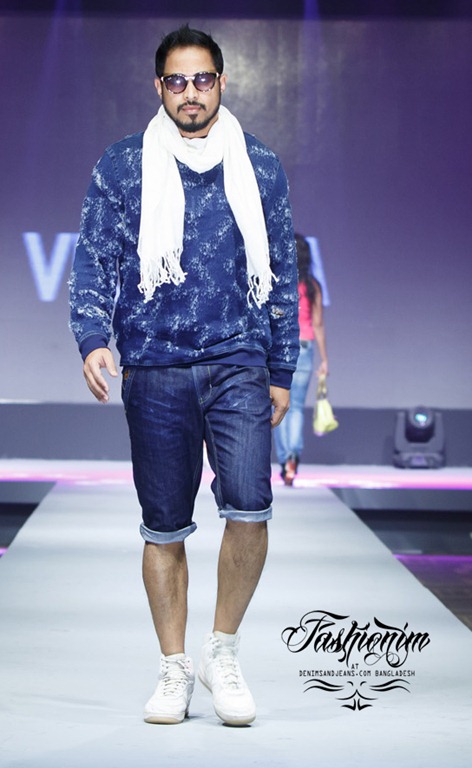
    FASHIONIM – Fashion in Denim  – event was held at our 3rd Denimsandjeans Bangladesh show on 1st March at Dhaka. Three of our exhibitors displayed their SS’16 collections at the show. Vicunha Textil from Brazil  was one of the sponsors of the show and displayed their products during the catwalk which included their following product categories. The company gives the description of these products in their own words as below:

    Stretch & Comfort

    Moove line: a variety of denim and twill fabrics with a medium/comfort stretch to be used in more adjusted fits as skinnies, aimed at providing a great freedom of movement.
    Athletic Denim & Color fabrics have an innovative construction that provides a Jeanswear look with a sweat pants touch on the inside.
    Perfect Fit offers “smart” denim that combines science, advanced technology and fashion. High performance fabrics with  flexibility and good recovery, and an ultra-soft touch.

    Classics

    True Denim: Classic rigid – 100% cotton – denim with excellent laundry performance these fabrics reaffirm the return of authentic denim look in a modern rehashes of the original denim look, developed for more pure looks and valuing raw, but also great for vintage looks.
    Shirting Collection: Articles premium light weight denim line, this collection offers sophisticated fabrics with ultra-soft touch and amazing texture effects ideal for fluid shapes such as shirts, dresses, overalls and chemises.

    Special lines

    ECO-D: Produced with 100% recycled polyester from plastic bottles, ECO- D fabrics also optimize the absorption and fixation of the dyes and reduce by 80% the water consumption.
    Carbolumen : stylish and modern fabrics with perfect fit, cold touch, brightness and as sophisticated as leather. The perfect combination of intense and bright colors with Leather look, provided by the special finishing CARBOLumen.

    Vicunha - at Fashionim Denimsandjeans Bangladesh

    Vicunha - at Fashionim Denimsandjeans Bangladesh

    Vicunha - at Fashionim Denimsandjeans Bangladesh

    Vicunha - at Fashionim Denimsandjeans Bangladesh

    Vicunha - at Fashionim Denimsandjeans Bangladesh

    Vicunha - at Fashionim Denimsandjeans Bangladesh

    Vicunha - at Fashionim Denimsandjeans Bangladesh

    6

    Vicunha - at Fashionim Denimsandjeans Bangladesh

    Vicunha - at Fashionim Denimsandjeans Bangladesh

    Vicunha - at Fashionim Denimsandjeans Bangladesh

    Vicunha - at Fashionim Denimsandjeans Bangladesh

    Vicunha - at Fashionim Denimsandjeans Bangladesh

    Vicunha - at Fashionim Denimsandjeans Bangladesh

    Vicunha - at Fashionim Denimsandjeans Bangladesh

    Vicunha - at Fashionim Denimsandjeans Bangladesh

    Vicunha - at Fashionim Denimsandjeans Bangladesh

    Vicunha - at Fashionim Denimsandjeans Bangladesh

    Vicunha - at Fashionim Denimsandjeans Bangladesh

    Vicunha - at Fashionim Denimsandjeans Bangladesh

    Vicunha - at Fashionim Denimsandjeans Bangladesh

    Vicunha - at Fashionim Denimsandjeans Bangladesh

    Vicunha - at Fashionim Denimsandjeans Bangladesh

    Vicunha - at Fashionim Denimsandjeans Bangladesh

    Vicunha - at Fashionim Denimsandjeans Bangladesh

    Vicunha - at Fashionim Denimsandjeans Bangladesh

    Vicunha - at Fashionim Denimsandjeans Bangladesh

    Vicunha - at Fashionim Denimsandjeans Bangladesh

    Vicunha - at Fashionim Denimsandjeans Bangladesh

    Vicunha - at Fashionim Denimsandjeans Bangladesh

    Vicunha - at Fashionim Denimsandjeans Bangladesh

    Vicunha - at Fashionim Denimsandjeans Bangladesh

    Vicunha - at Fashionim Denimsandjeans Bangladesh

    Vicunha - at Fashionim Denimsandjeans Bangladesh

    Vicunha - at Fashionim Denimsandjeans Bangladesh

    Vicunha - at Fashionim Denimsandjeans Bangladesh

    Vicunha - at Fashionim Denimsandjeans Bangladesh

    Vicunha - at Fashionim Denimsandjeans Bangladesh

    Vicunha - at Fashionim Denimsandjeans Bangladesh

    Vicunha - at Fashionim Denimsandjeans Bangladesh

    Vicunha - at Fashionim Denimsandjeans Bangladesh

    Vicunha - at Fashionim Denimsandjeans Bangladesh

    Vicunha - at Fashionim Denimsandjeans Bangladesh

    Vicunha - at Fashionim Denimsandjeans Bangladesh

    Vicunha - at Fashionim Denimsandjeans Bangladesh

    Vicunha - at Fashionim Denimsandjeans Bangladesh

    Vicunha - at Fashionim Denimsandjeans Bangladesh

    Vicunha - at Fashionim Denimsandjeans Bangladesh

    Vicunha - at Fashionim Denimsandjeans Bangladesh

    Vicunha - at Fashionim Denimsandjeans Bangladesh

    Vicunha - at Fashionim Denimsandjeans Bangladesh

    Vicunha - at Fashionim Denimsandjeans Bangladesh

    Vicunha - at Fashionim Denimsandjeans Bangladesh

    Vicunha - at Fashionim Denimsandjeans Bangladesh

    Vicunha - at Fashionim Denimsandjeans Bangladesh

    Vicunha - at Fashionim Denimsandjeans Bangladesh

    Vicunha - at Fashionim Denimsandjeans Bangladesh

  • Arvind SS16 Collection At Fashionim | 3rd Denimsandjeans Bangladesh Show

    Arvind SS16 Collection At Fashionim | 3rd Denimsandjeans Bangladesh Show

    Fashionim-logo

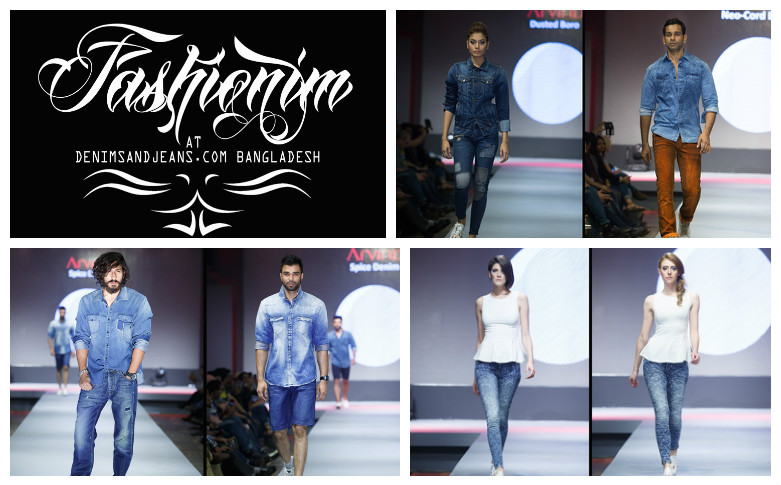
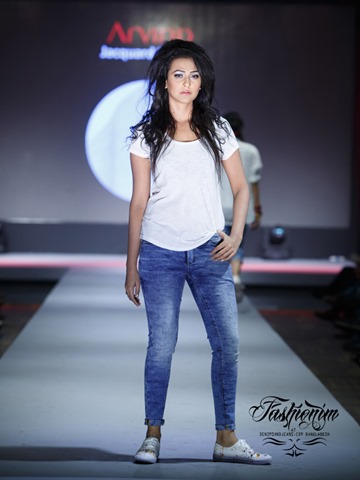
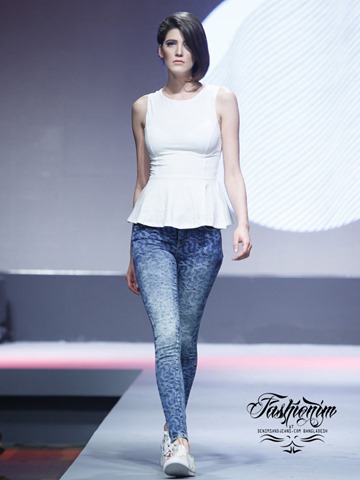
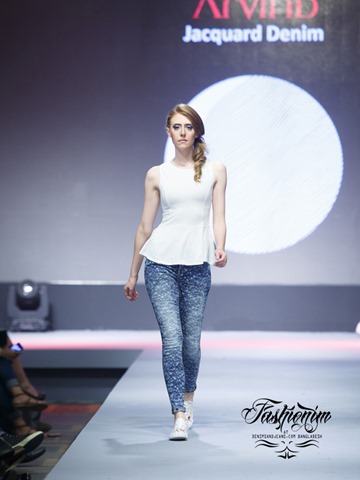
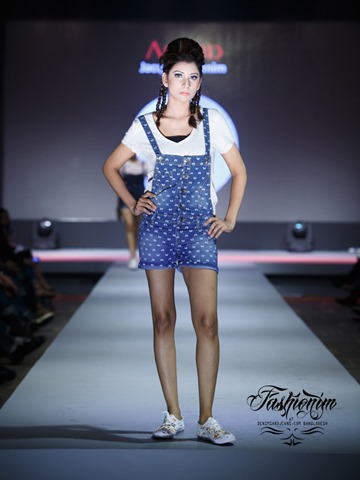
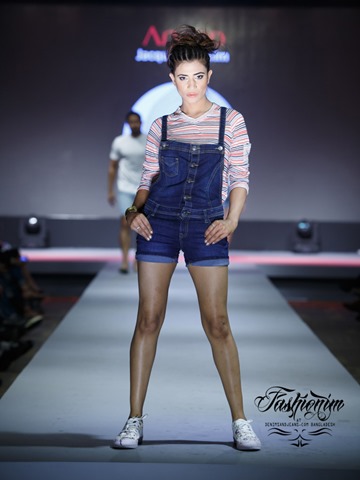
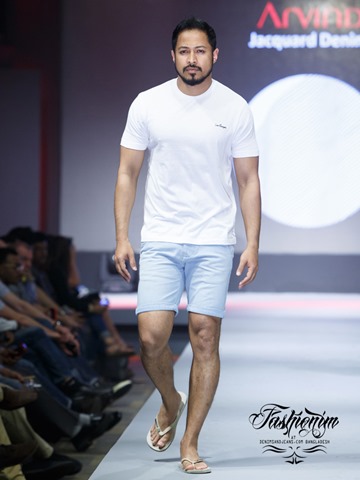
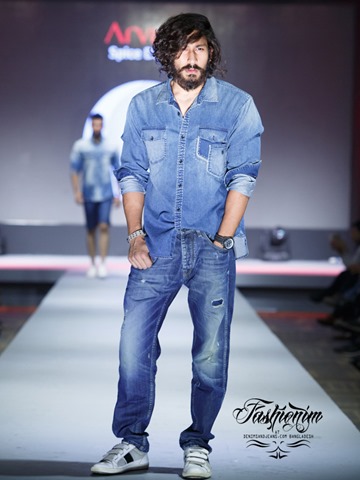
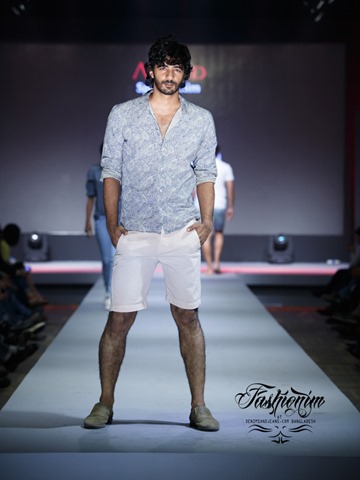
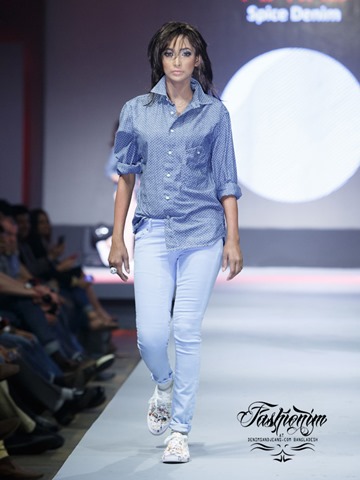
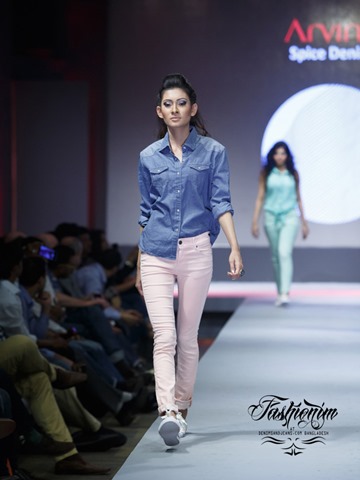
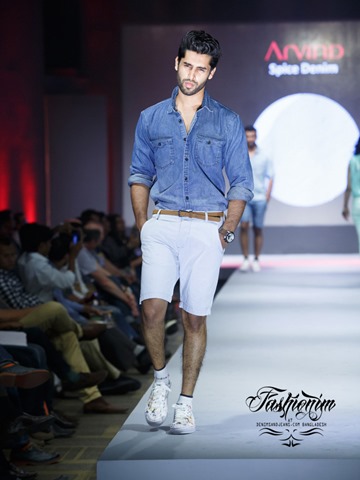
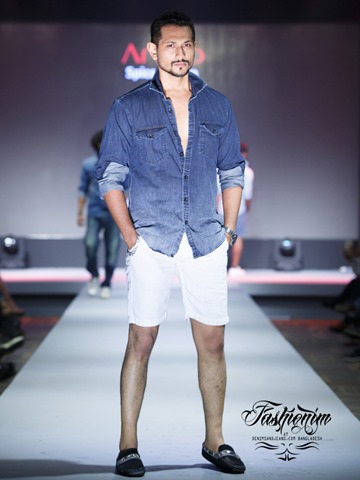
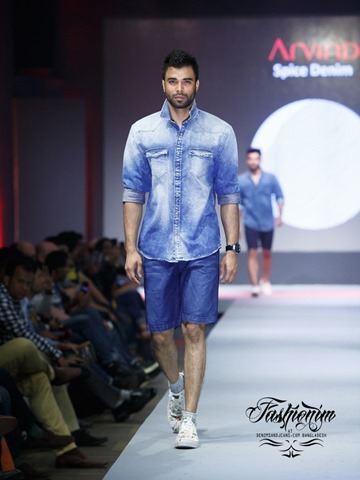
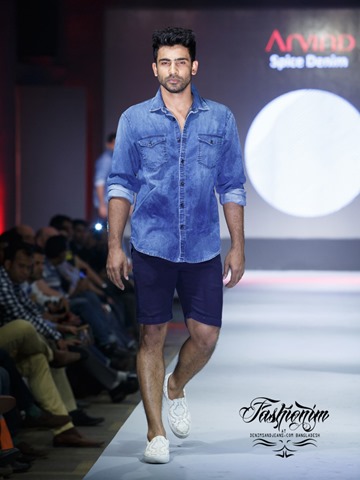
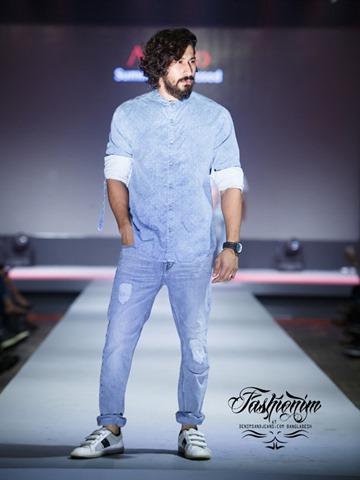
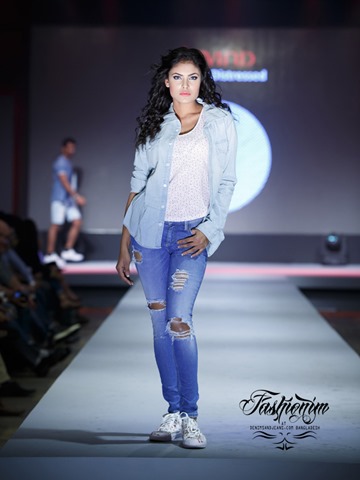
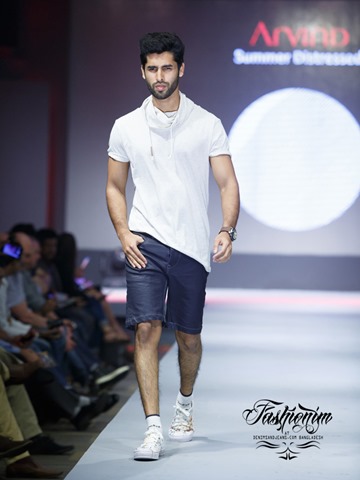
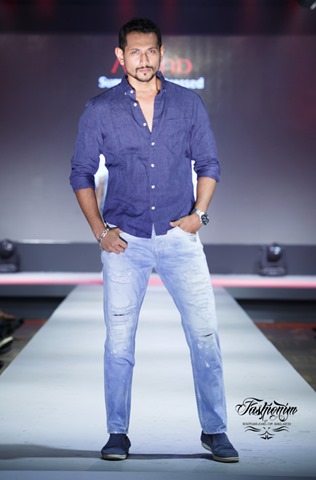
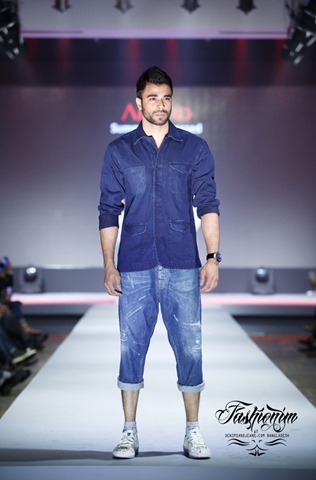
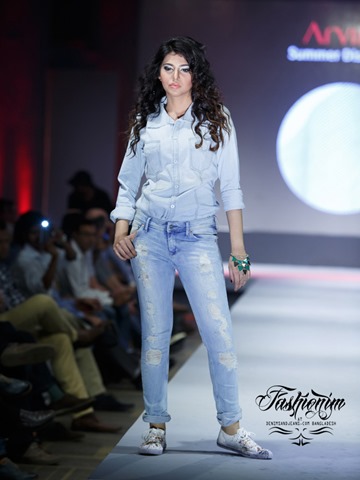
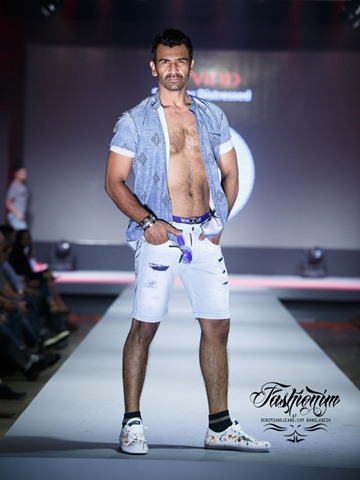
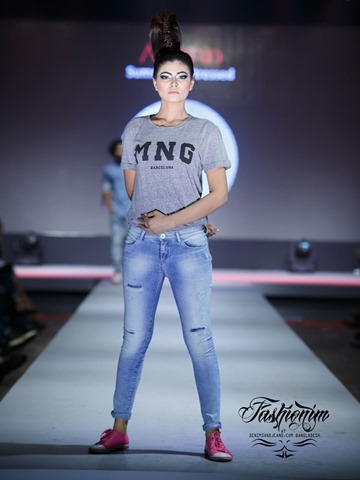
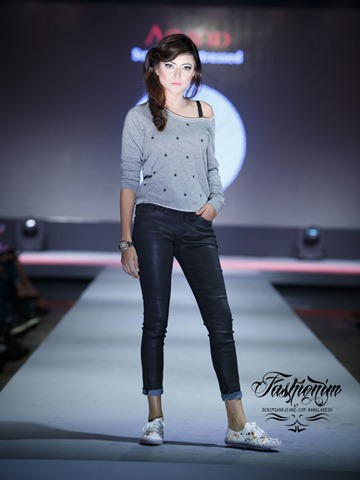
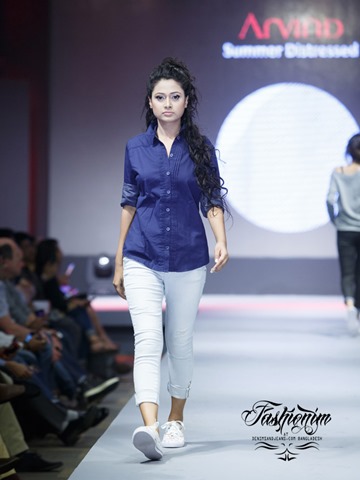
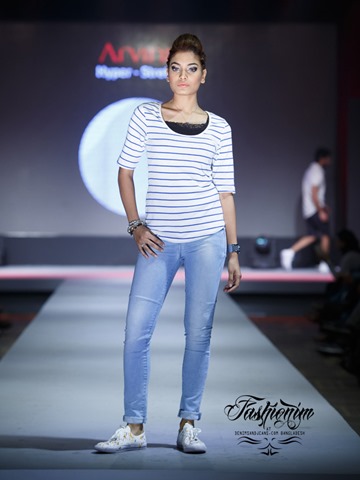
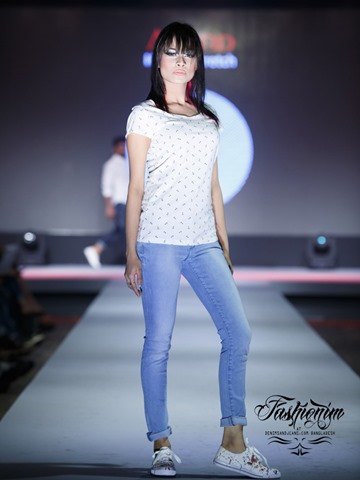
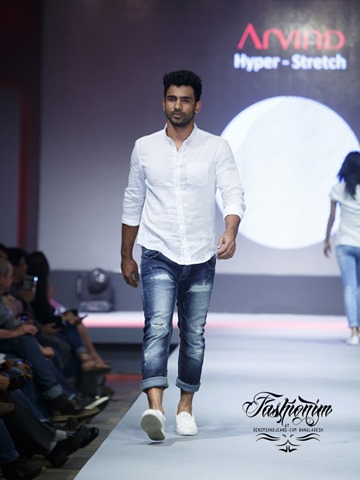
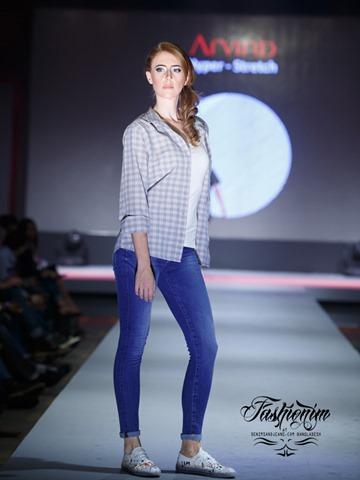
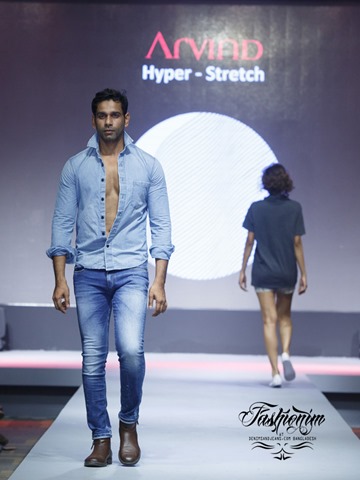
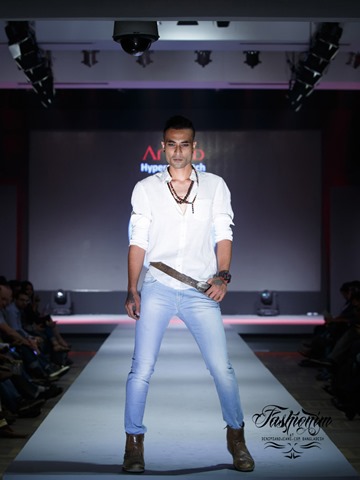
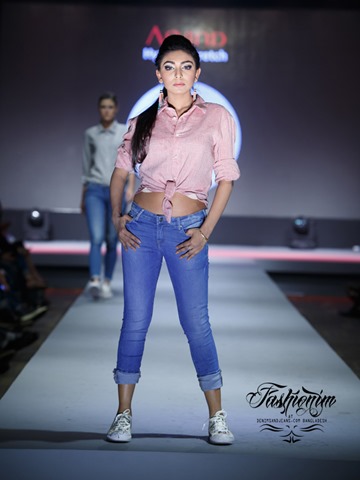
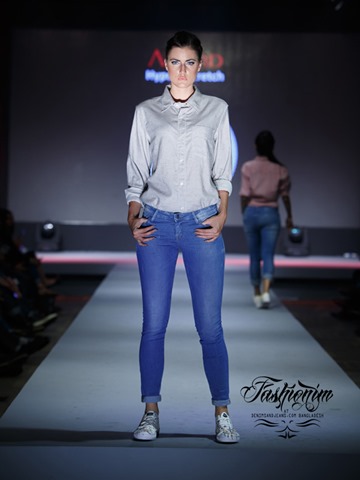
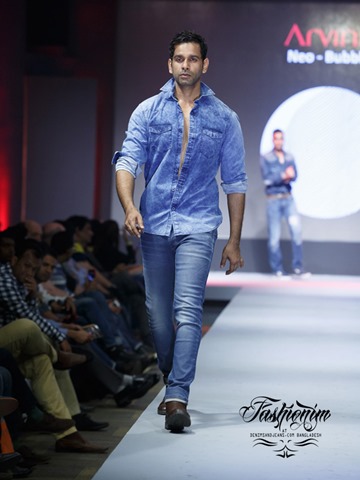
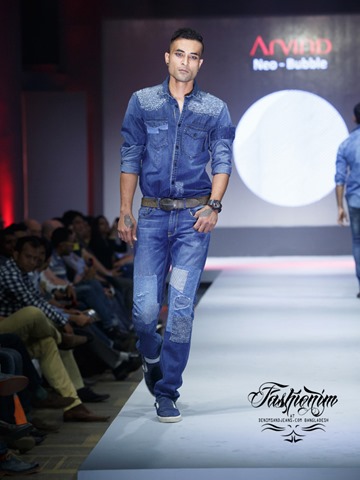
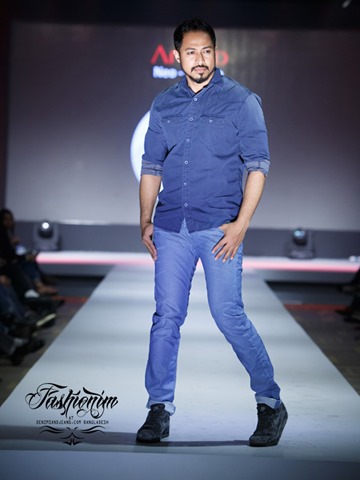
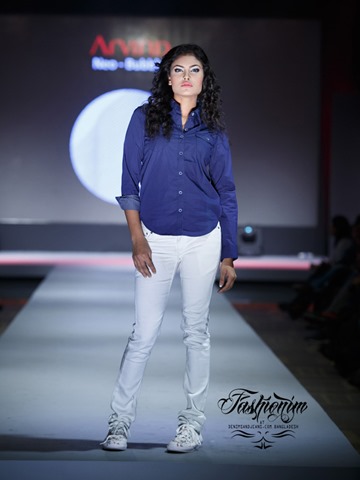
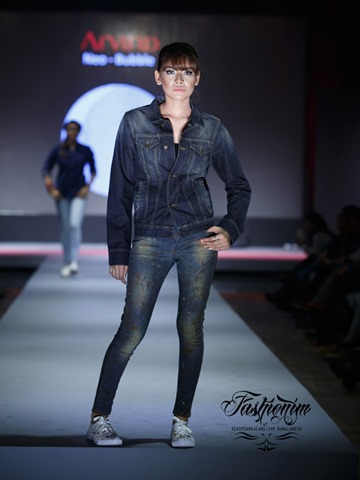
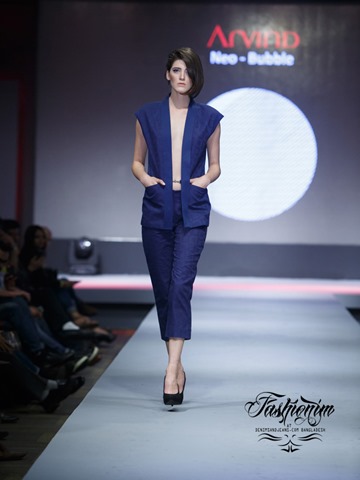
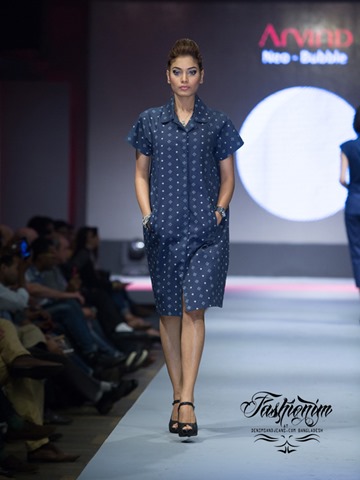
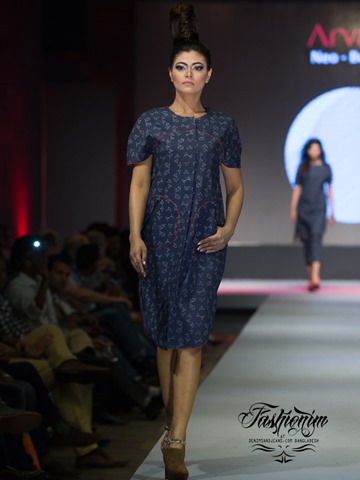
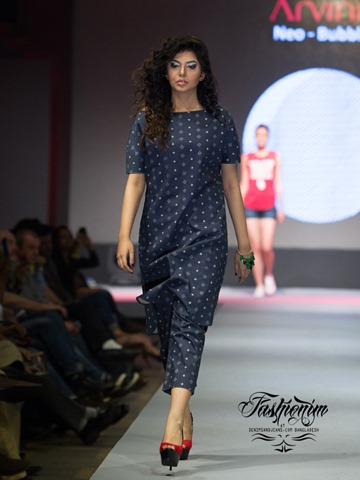
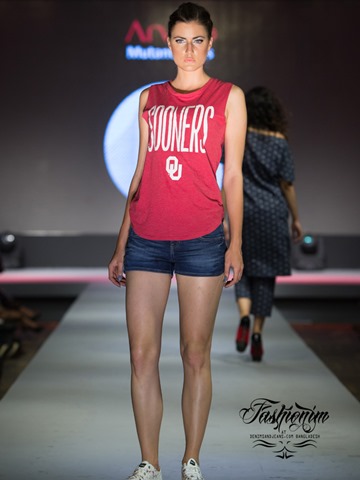
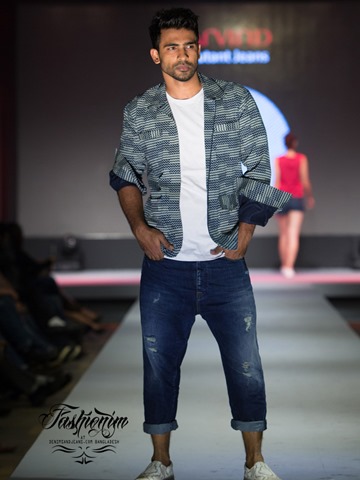
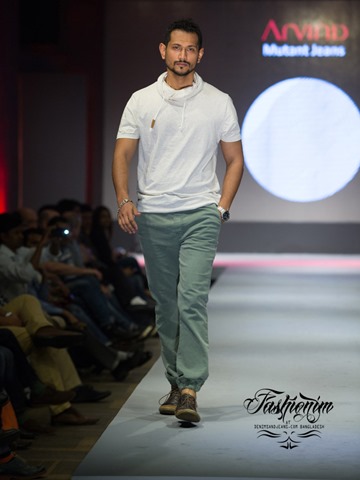
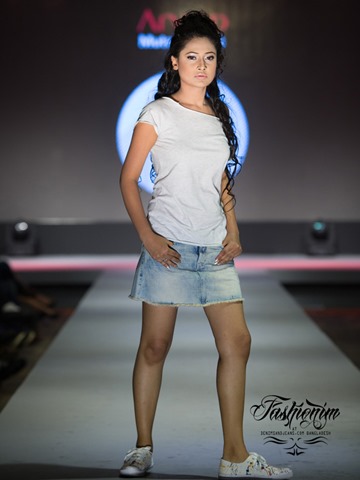
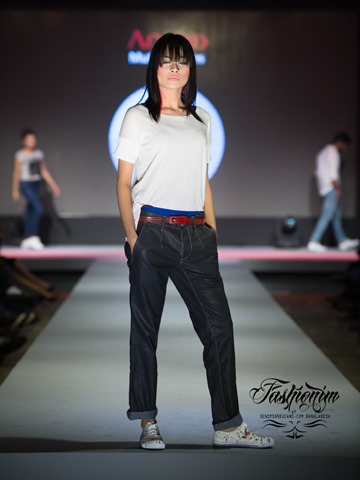
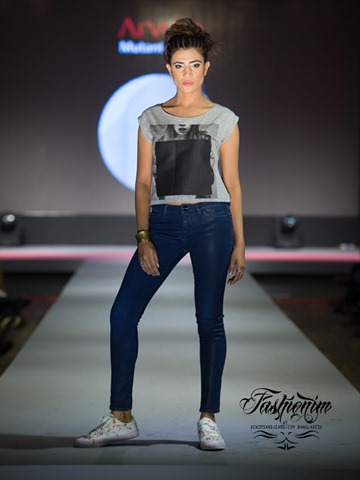
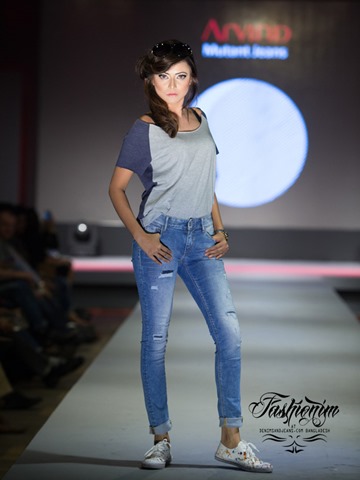
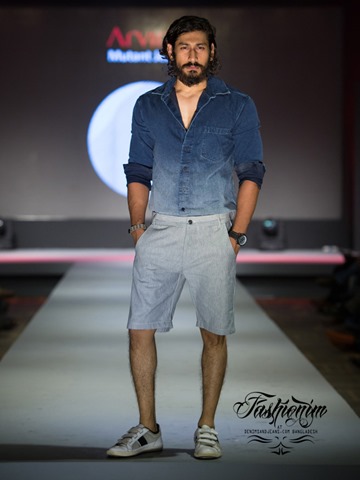
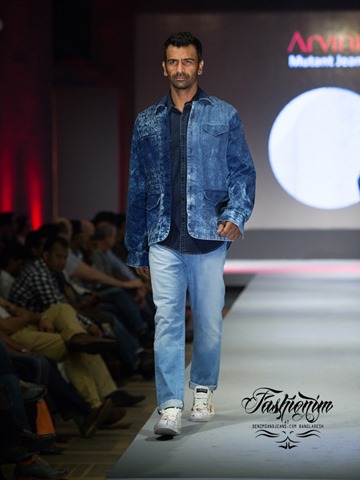
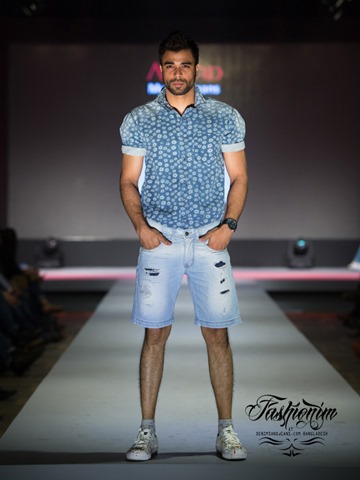
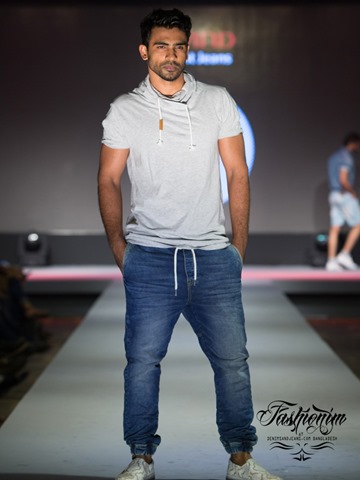
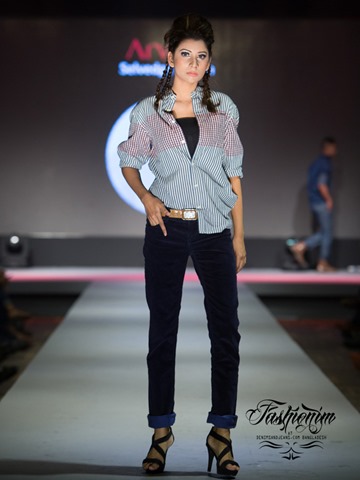
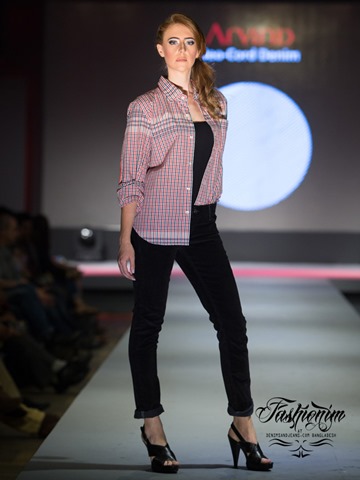
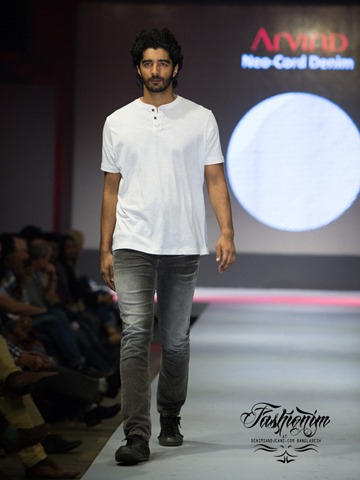
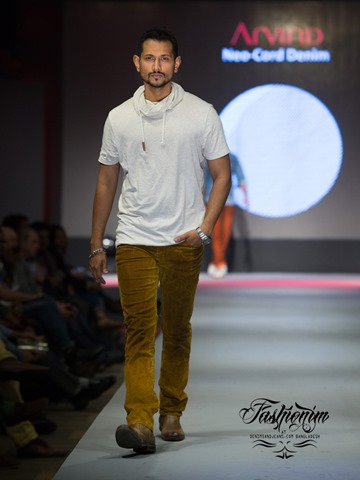
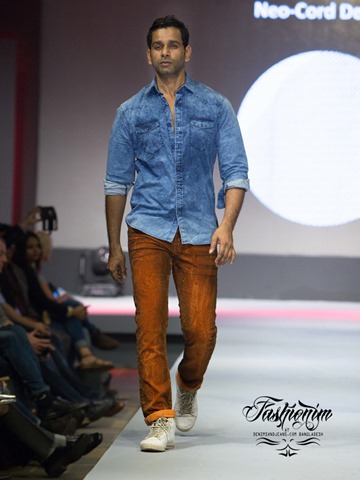
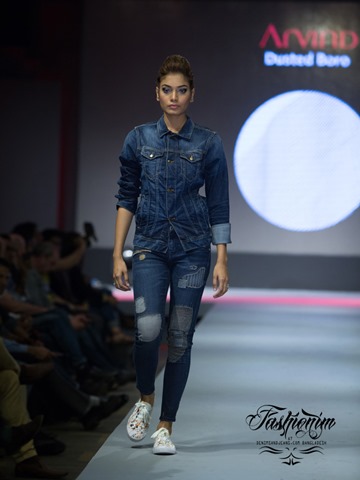
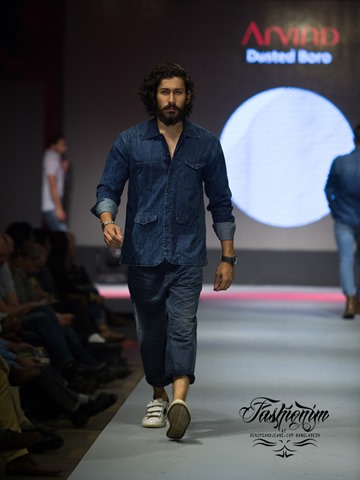
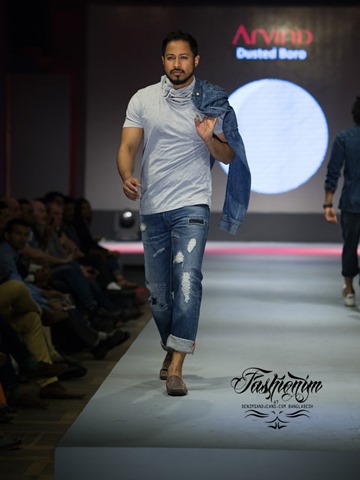
    FASHIONIM – Fashion in Denim  – event was held at our 3rd Denimsandjeans Bangladesh show on 1st March at Dhaka. Three of our exhibitors displayed their SS’16 collections at the show. Arvind , India, was one of the sponsors of the show and displayed their products during the catwalk which included their product categories like  Summer Distressed , Hyper Stretch, Spice Denim, Jacquard Denims , Neo Bubble and Neo Cord denims.  . We give here images from their catwalk and let their pictures do the talking.

    Jacquard Denim

    Arvind - Jacquard Denims at Fashionim Denimsandjeans Bangladesh   Arvind - Jacquard Denims at Fashionim Denimsandjeans Bangladesh


    Arvind - Jacquard Denims at Fashionim Denimsandjeans Bangladesh Arvind - Jacquard Denims at Fashionim Denimsandjeans Bangladesh Arvind - Jacquard Denims at Fashionim Denimsandjeans Bangladesh Arvind - Jacquard Denims at Fashionim Denimsandjeans Bangladesh

    Spice Denim

    Arvind - Spice Denim at Fashionim Denimsandjeans Bangladesh

    Arvind - Spice Denim at Fashionim Denimsandjeans Bangladesh Arvind - Spice Denim at Fashionim Denimsandjeans Bangladesh Arvind - Spice Denim at Fashionim Denimsandjeans Bangladesh   Arvind - Spice Denim at Fashionim Denimsandjeans Bangladesh   Arvind - Spice Denim at Fashionim Denimsandjeans Bangladesh   Arvind - Spice Denim at Fashionim Denimsandjeans Bangladesh

    Arvind - Spice Denim at Fashionim Denimsandjeans Bangladesh

    Summer Distressed

    Arvind - Summer Distressed at Fashionim Denimsandjeans Bangladesh

    Arvind - Summer Distressed at Fashionim Denimsandjeans Bangladesh

    Arvind - Summer Distressed at Fashionim Denimsandjeans Bangladesh

    Arvind - Summer Distressed at Fashionim Denimsandjeans Bangladesh   Arvind - Summer Distressed at Fashionim Denimsandjeans Bangladesh Arvind - Summer Distressed at Fashionim Denimsandjeans Bangladesh   Arvind - Summer Distressed at Fashionim Denimsandjeans Bangladesh Arvind - Summer Distressed at Fashionim Denimsandjeans Bangladesh   Arvind - Summer Distressed at Fashionim Denimsandjeans Bangladesh Arvind - Summer Distressed at Fashionim Denimsandjeans Bangladesh

    Hyper Stretch

    Arvind - Summer Distressed at Fashionim Denimsandjeans Bangladesh Arvind - Summer Distressed at Fashionim Denimsandjeans Bangladesh Arvind - Summer Distressed at Fashionim Denimsandjeans Bangladesh Arvind - Summer Distressed at Fashionim Denimsandjeans Bangladesh

    Arvind - Summer Distressed at Fashionim Denimsandjeans Bangladesh Arvind - Summer Distressed at Fashionim Denimsandjeans Bangladesh Arvind - Summer Distressed at Fashionim Denimsandjeans Bangladesh Arvind - Summer Distressed at Fashionim Denimsandjeans Bangladesh

    Neo Bubble

    Arvind - Neo Bubble at Fashionim Denimsandjeans Bangladesh Arvind - Neo Bubble at Fashionim Denimsandjeans Bangladesh Arvind - Neo Bubble at Fashionim Denimsandjeans Bangladesh Arvind - Neo Bubble at Fashionim Denimsandjeans Bangladesh Arvind - Neo Bubble at Fashionim Denimsandjeans Bangladesh   Arvind - Neo Bubble at Fashionim Denimsandjeans Bangladesh Arvind - Neo Bubble at Fashionim Denimsandjeans Bangladesh Arvind - Neo Bubble at Fashionim Denimsandjeans Bangladesh Arvind - Neo Bubble at Fashionim Denimsandjeans Bangladesh Arvind - Neo Bubble at Fashionim Denimsandjeans Bangladesh Arvind - Mutant Jeans at Fashionim Denimsandjeans Bangladesh   Arvind - Mutant Jeans at Fashionim Denimsandjeans Bangladesh Arvind - Mutant Jeans at Fashionim Denimsandjeans Bangladesh Arvind - Mutant Jeans at Fashionim Denimsandjeans Bangladesh Arvind - Mutant Jeans at Fashionim Denimsandjeans Bangladesh Arvind - Mutant Jeans at Fashionim Denimsandjeans Bangladesh Arvind - Mutant Jeans at Fashionim Denimsandjeans Bangladesh Arvind - Mutant Jeans at Fashionim Denimsandjeans Bangladesh Arvind - Mutant Jeans at Fashionim Denimsandjeans Bangladesh

    Arvind- Selvedge Jeans - Fashionim at Denimsandjeans Bangladesh Arvind- Selvedge Jeans - Fashionim at Denimsandjeans Bangladesh Arvind- Neo Cord - Fashionim at Denimsandjeans Bangladesh Arvind- Neo Cord - Fashionim at Denimsandjeans Bangladesh Arvind- Neo Cord - Fashionim at Denimsandjeans Bangladesh Arvind- Neo Cord - Fashionim at Denimsandjeans Bangladesh _M8A5002 _M8A5010 _M8A5016

  • Burberry Prorsum Spring Summer 2015 Denim Looks

    Burberry Prorsum Spring Summer 2015 Denim Looks

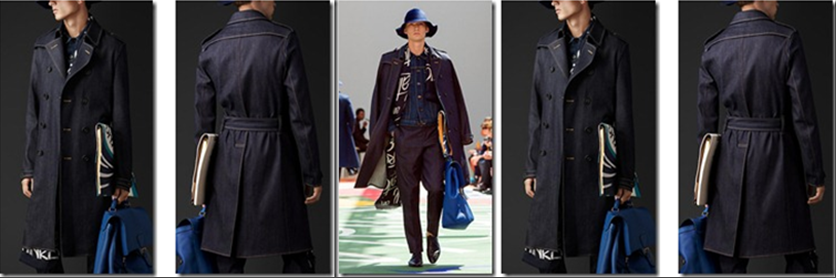
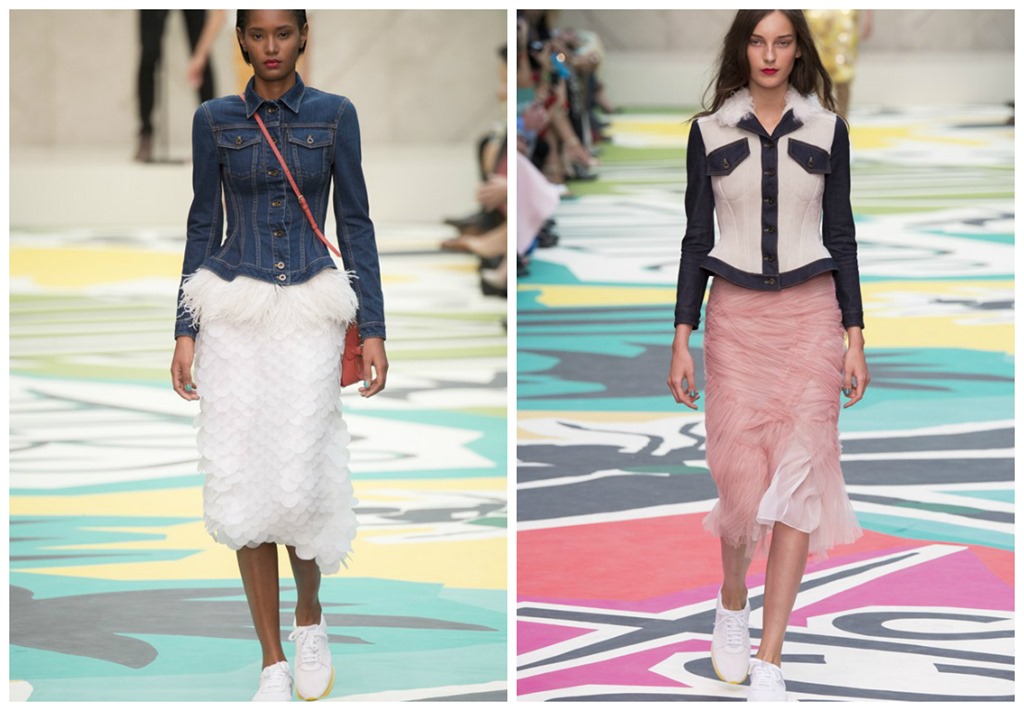
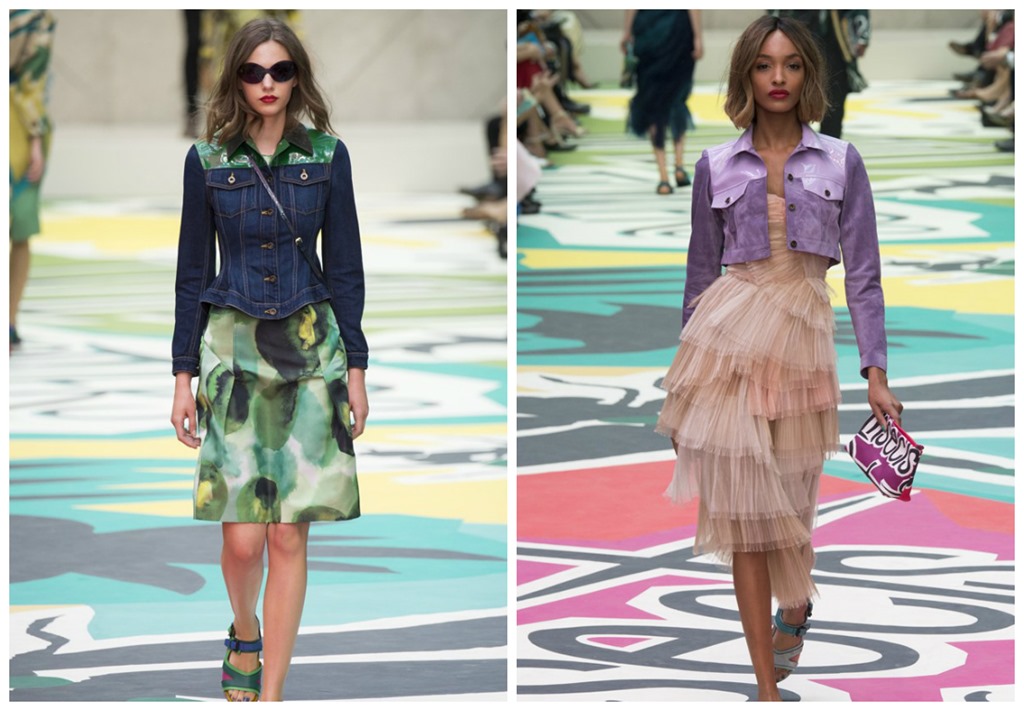
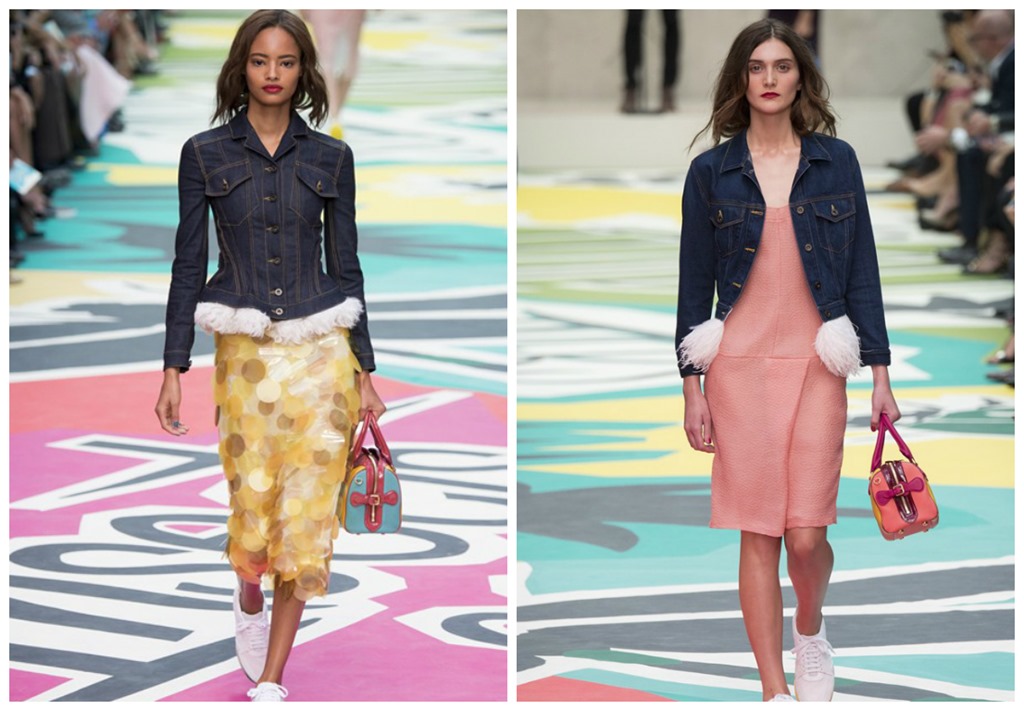
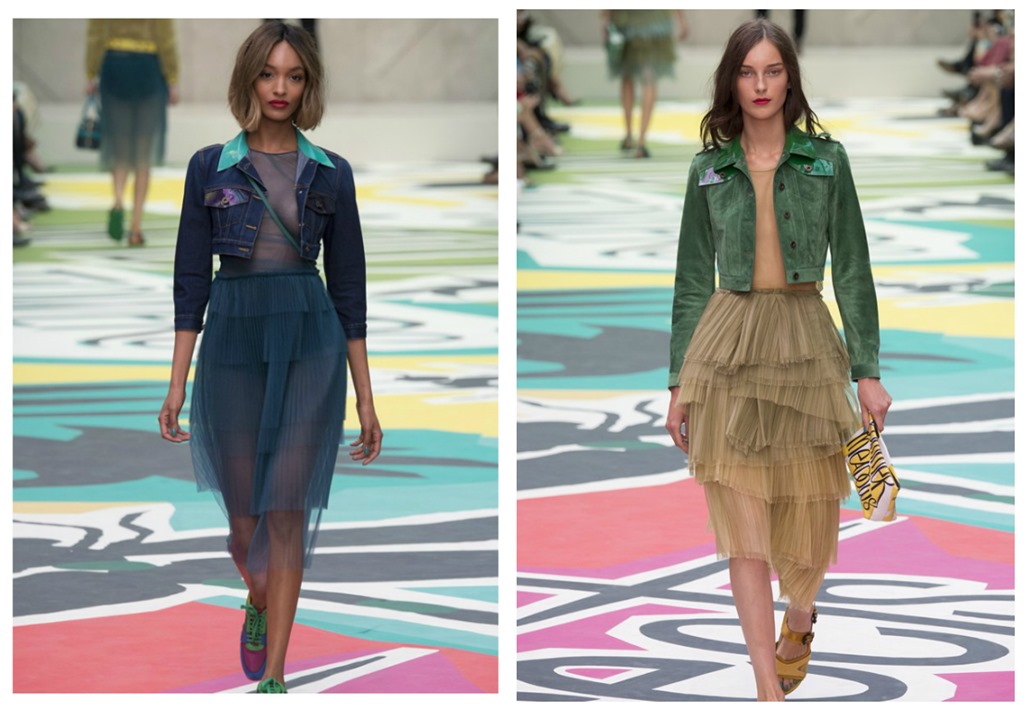
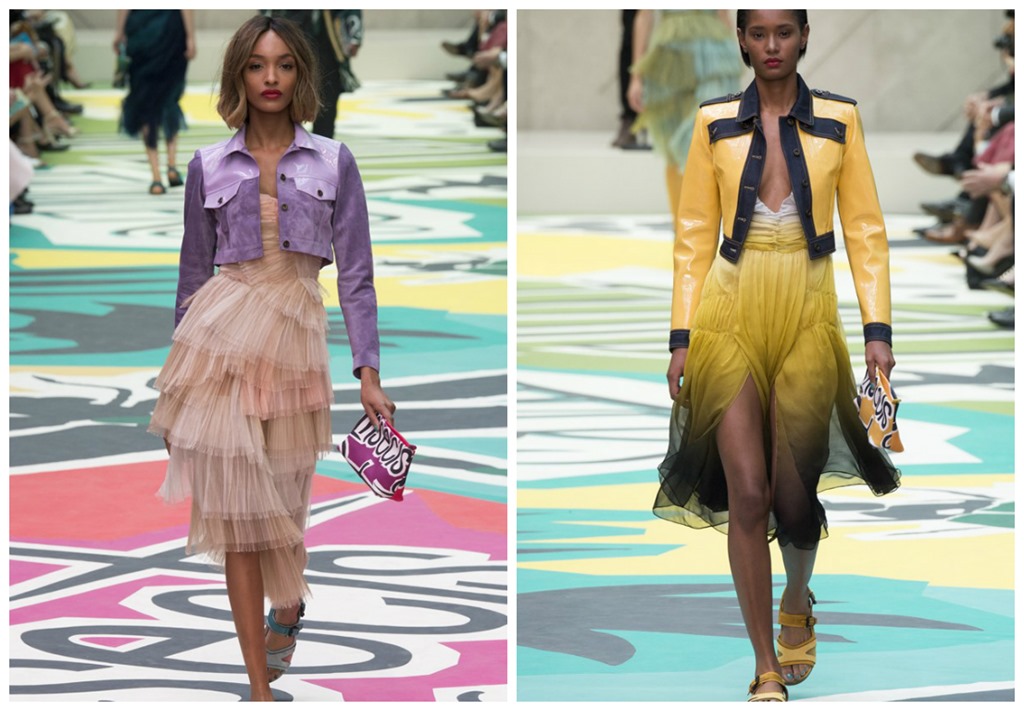
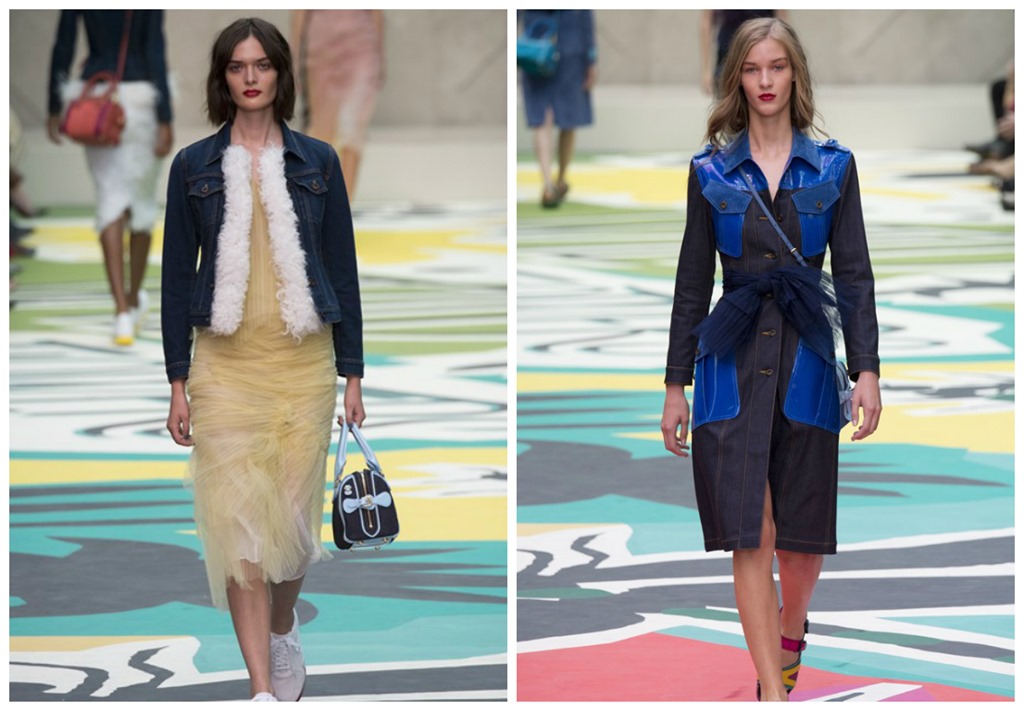
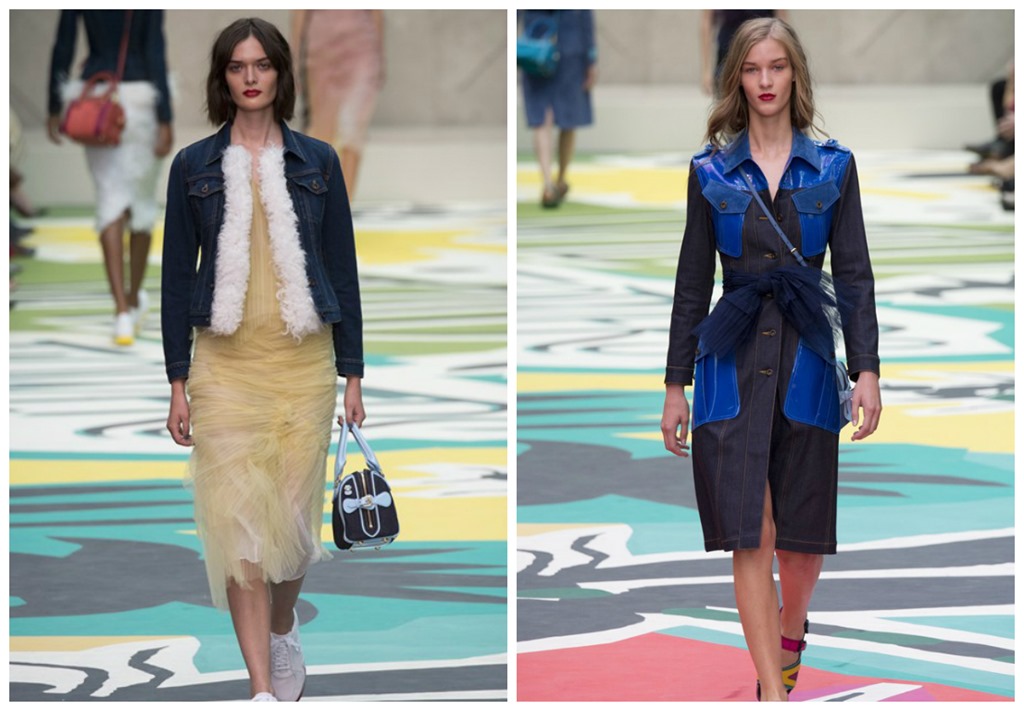
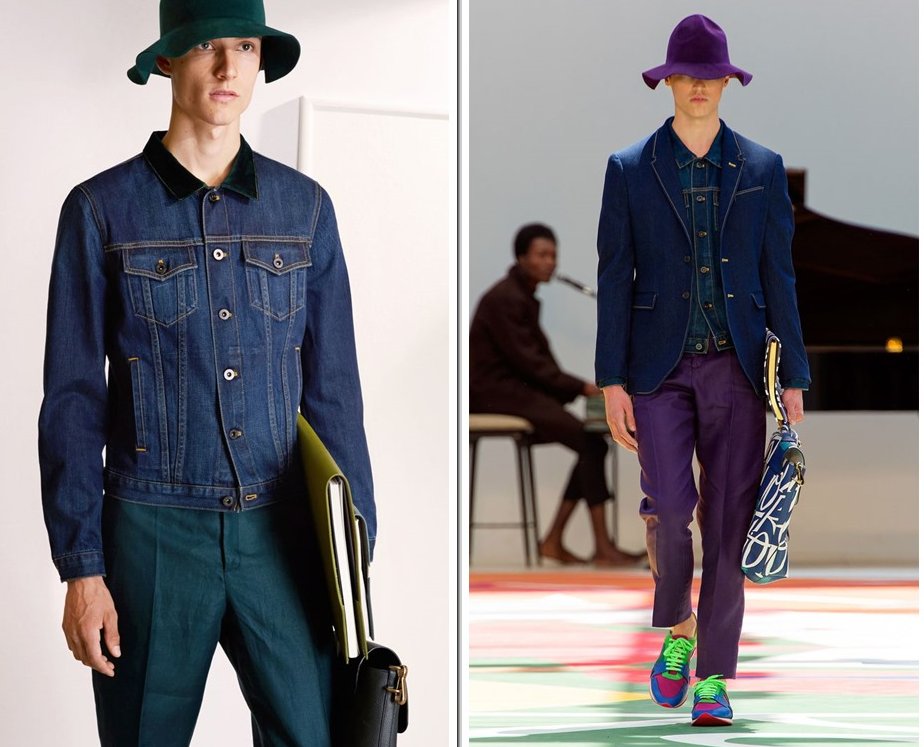
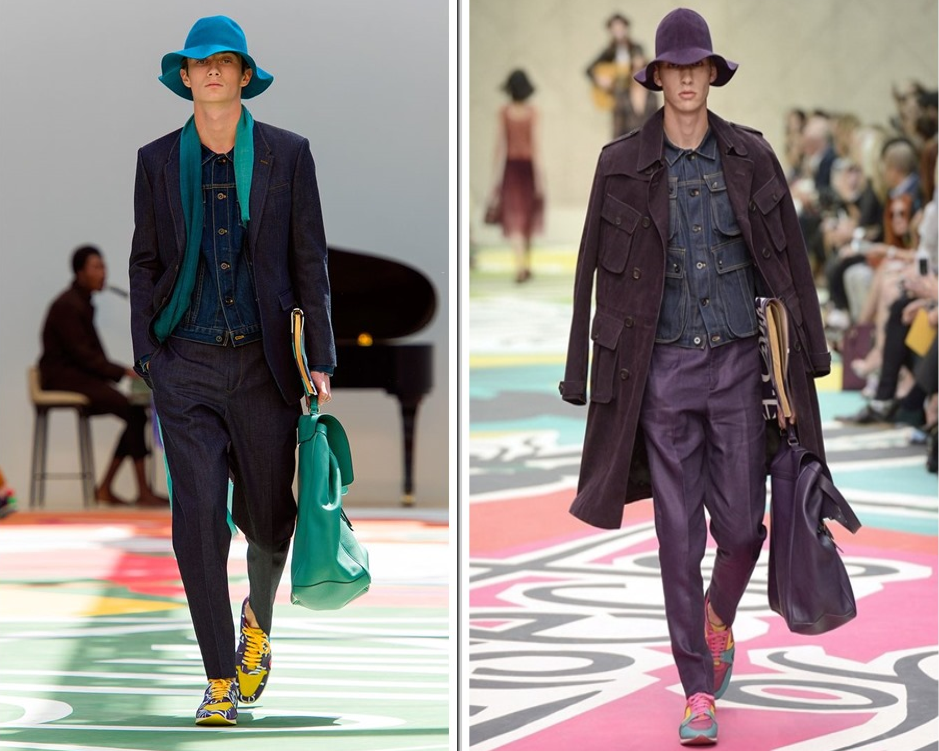
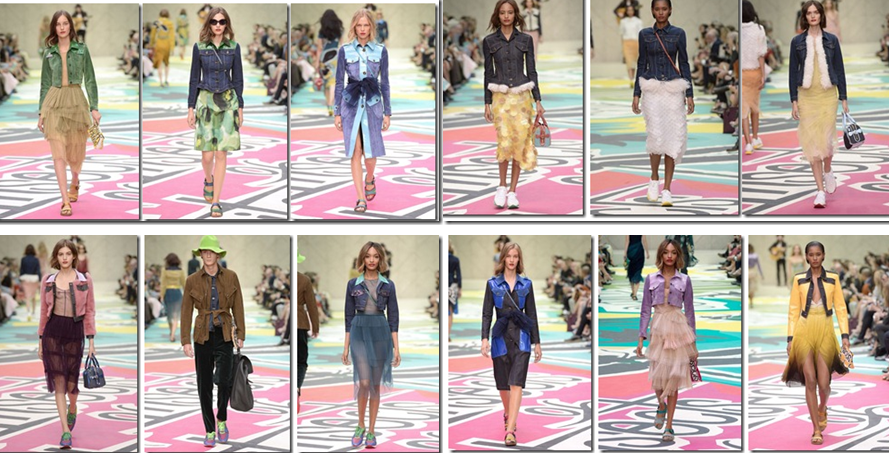
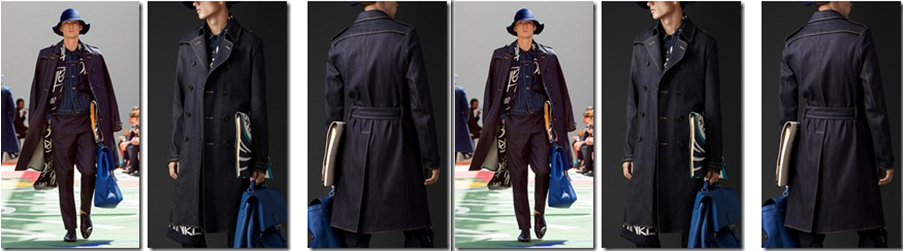
    European fashion brands increasingly seem keen to incorporate denim into their collections in some way . Most of them try to use selvedges and raw denims to add the denim element. Burberry also brings out for SS’15 limited denim numbers in their collection – mainly denim jackets. Women’s denim  are lightly washed or raw and ornamented with feathers , trims etc. Men’s denim also focuses mainly on denim jackets and coats.

    SHEARLING AND DENIM JACKET

    A slim-fit jacket in Japanese denim and short shearling. The jacket features engineered seams closely tailored to the body to create a wasp waist. Angled chest pockets are inspired by field jacket designs from the Burberry Heritage Archive.

    Burberry Prorsum Spring Summer 2015 Denim Looks

    Burberry Prorsum Spring Summer 2015 Denim Looks

    DENIM JACKET WITH OSTRICH FEATHERS

    A Japanese denim jacket with white ostrich feather trim. The jacket features dropped shoulders and engineered seams with contrast color stitching. Chest pockets and tab adjusters at the waist reference classic denim designs

    Burberry Prorsum Spring Summer 2015 Denim Looks

    CROPPED DENIM JACKET WITH PATENT TRIM

    A cropped Japanese denim jacket with a contrast high-gloss patent collar and pocket detail. The jacket features dropped shoulders and engineered seams with contrast colour stitching. Chest pockets and tab adjusters at the waist reference classic denim designs.

    Burberry Prorsum Spring Summer 2015 Denim Looks

    Burberry Prorsum Spring Summer 2015 Denim Looks

    Burberry Prorsum Spring Summer 2015 Denim Looks

    DROPPED SHOULDER DENIM JACKET WITH PATENT TRIM

    A Japanese denim jacket with a high-gloss patent collar. Featuring dropped shoulders and engineered seams, the design is closely tailored to the body to create a contoured fit. The jacket features angled chest pockets and button cuffs, referencing classic denim designs.

    Burberry Prorsum Spring Summer 2015 Denim Looks

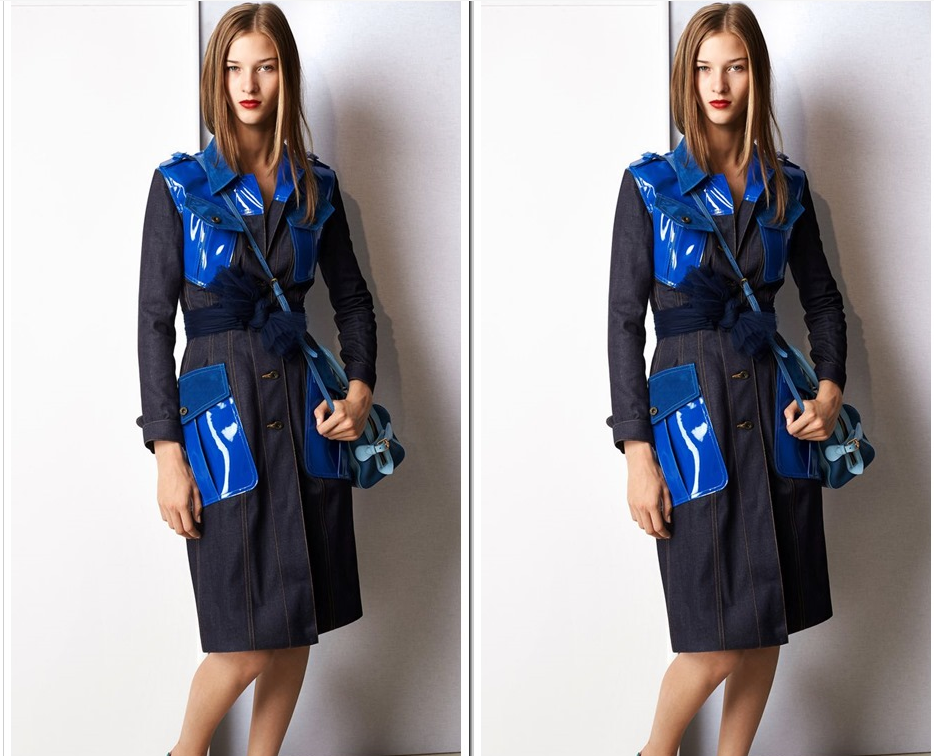
    RAW DENIM TRENCH COAT WITH SUEDE AND PATENT TRIMS

    A raw Japanese stretch-denim trench coat with a soft-brushed interior. Crafted with contrast texture trims, the coat features a suede collar and high-gloss patent leather gun flaps and storm shield. Oversize angled patent pockets are inspired by field jackets from the Burberry Heritage Archive.

    Burberry Prorsum Spring Summer 2015 Denim Looks

    Menswear

    DENIM JACKET WITH VELVET TOPCOLLAR

    A Japanese selvedge denim jacket in a mid-indigo wash. Cut in a slim fit, the jacket features a velvet topcollar and engineered seams. The design has chest pockets and tab adjusters at the waist.

     Burberry Prorsum Spring Summer 2015 Denim Looks

    RUNWAY MADE TO ORDER PIECES

    Burberry Prorsum Spring Summer 2015 Denim Looks

    Burberry Prorsum Spring Summer 2015 Denim Looks

    Burberry Prorsum Spring Summer 2015 Denim Looks

  • Moschino Fall Winter 2015 Denim Looks

    Moschino Fall Winter 2015 Denim Looks

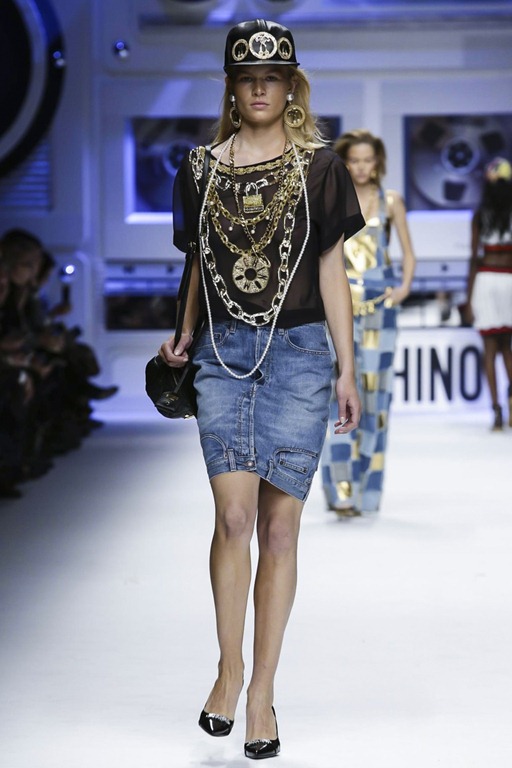
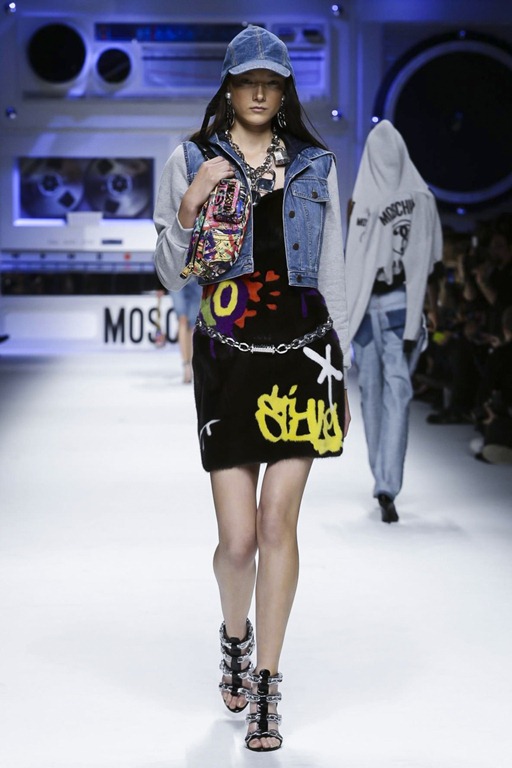
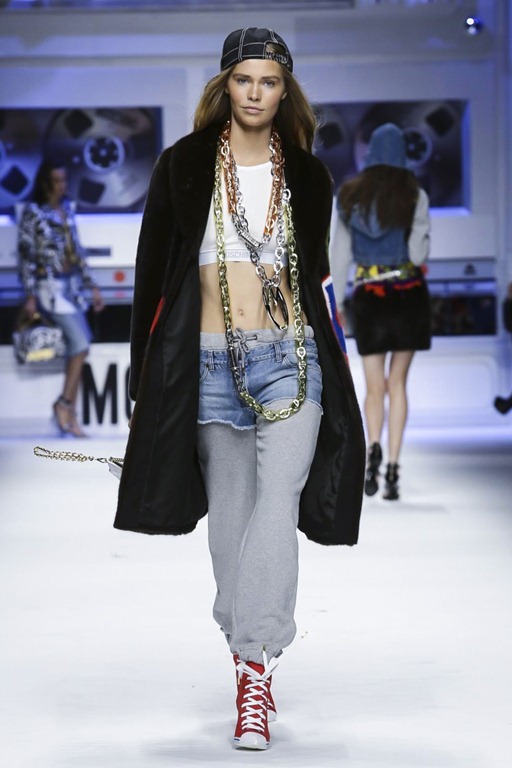
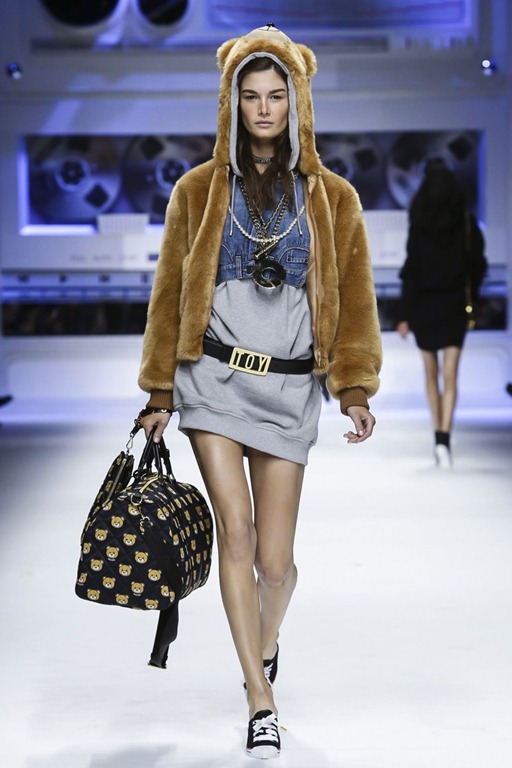
    Moschino is an Italian luxury fashion house, specialized in ready-to-wear, leather and fashion accessories, shoes, luggage, perfume etc. and was founded in 1983 by Franco Moschino.The brand was originally created in 1983 by the late Franco Moschino (1950–1994). Moschino and his fashion label became famous for his innovative, colorful – sometimes eccentric – designs, for his criticisms of the fashion industry and for his social awareness campaigns in the early 1990s. After Moschino’s untimely death, Rossella Jardini, his former assistant, became creative director. The brand has been part of the Aeffe fashion group since 1999.

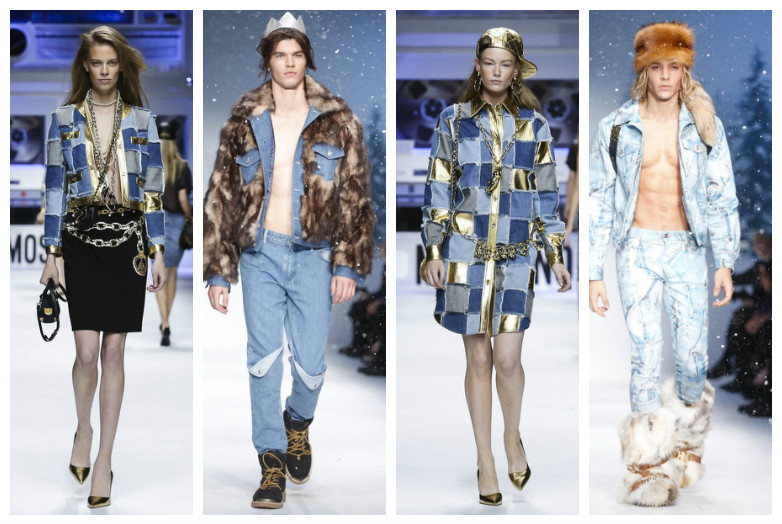
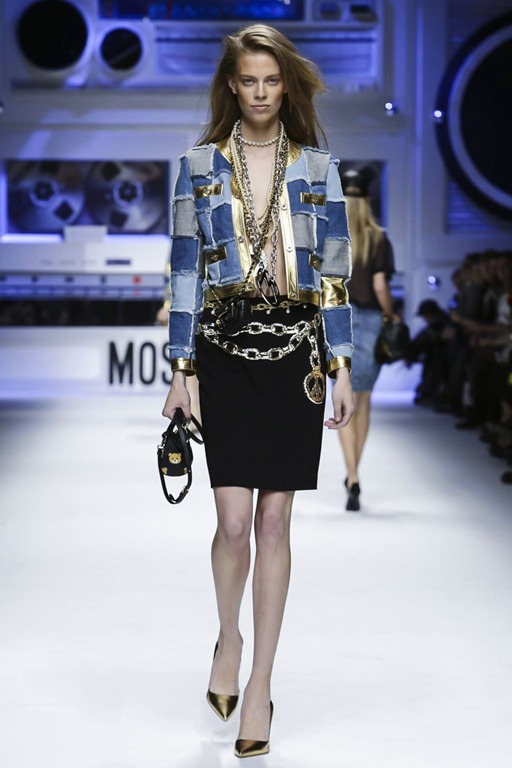
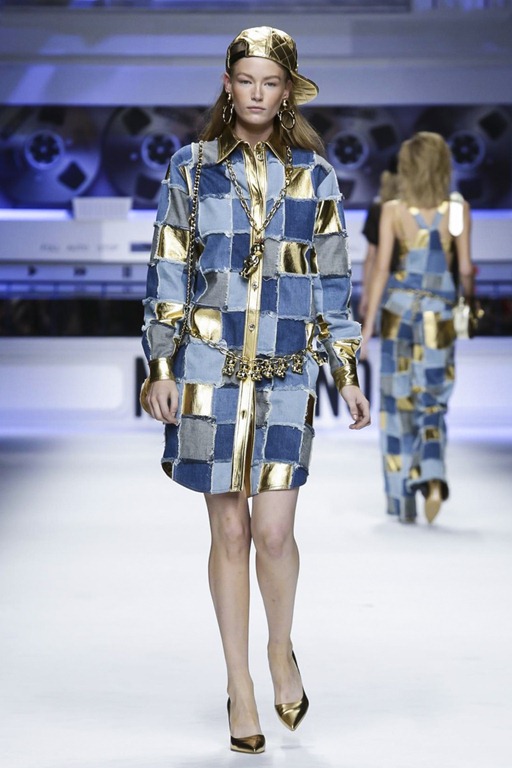
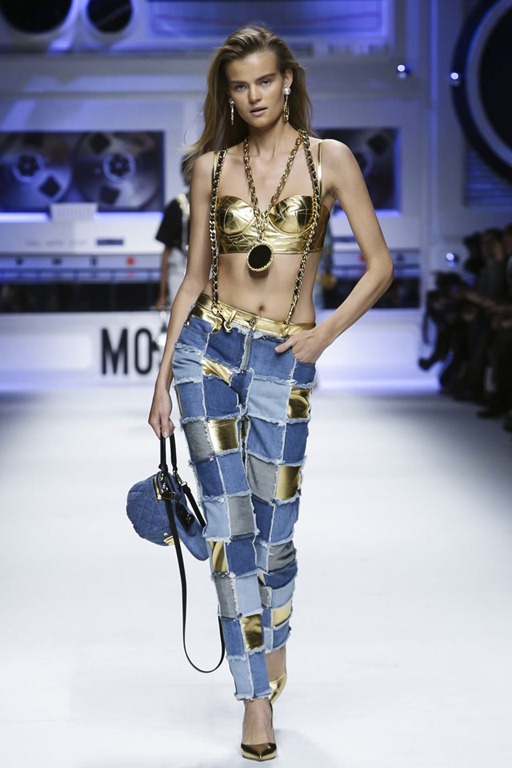
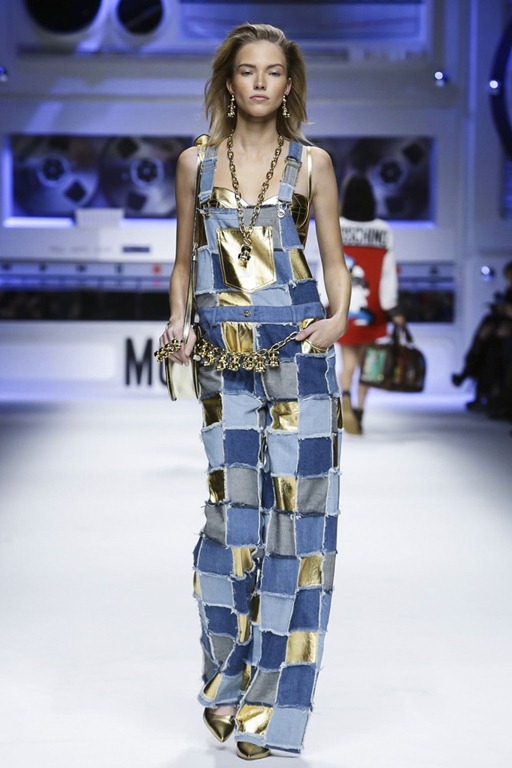
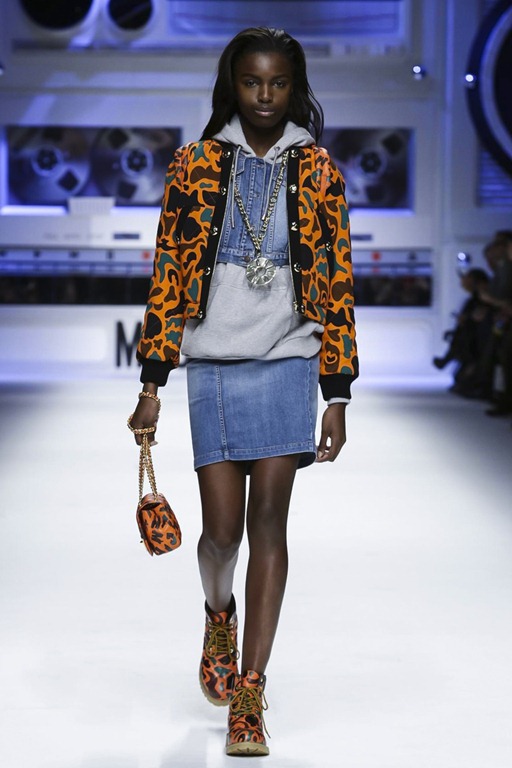
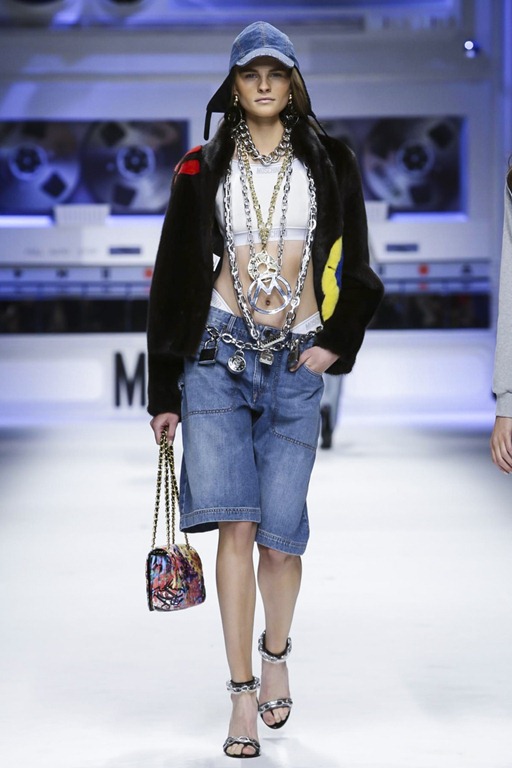
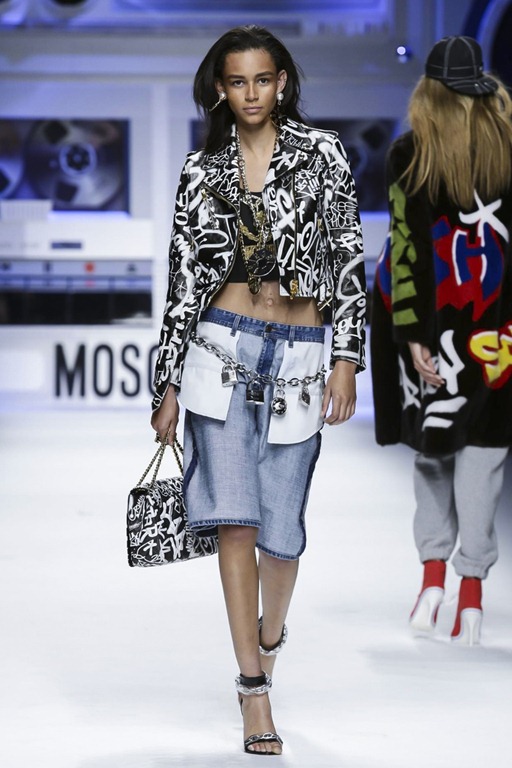
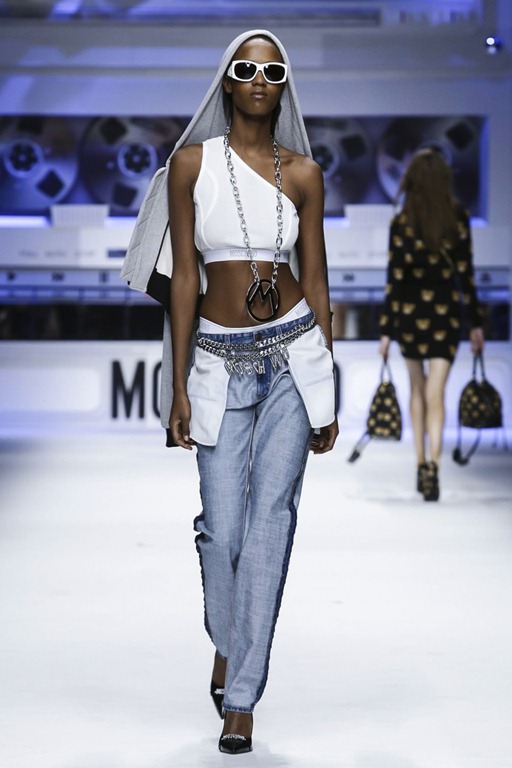
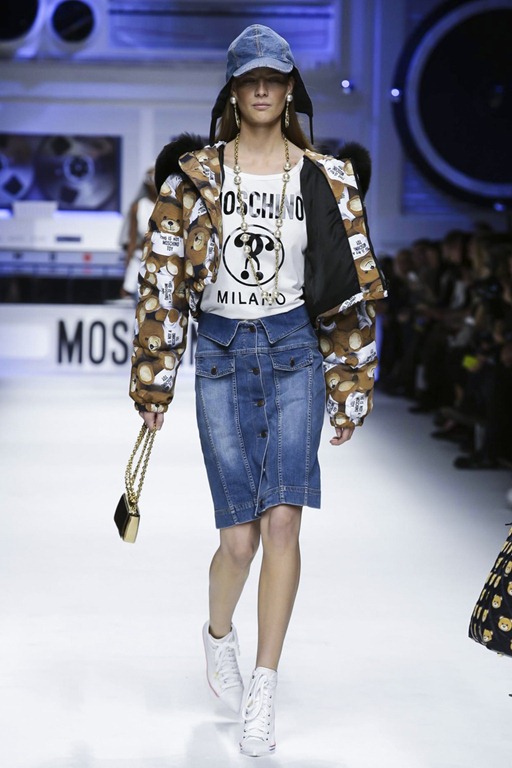
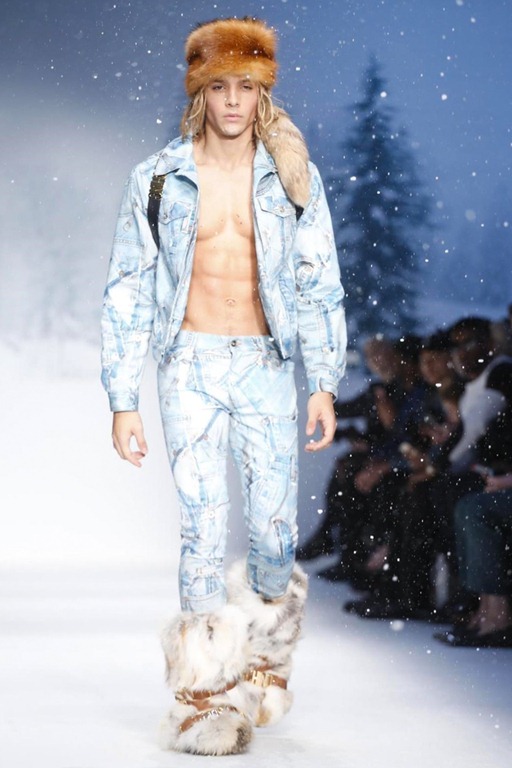
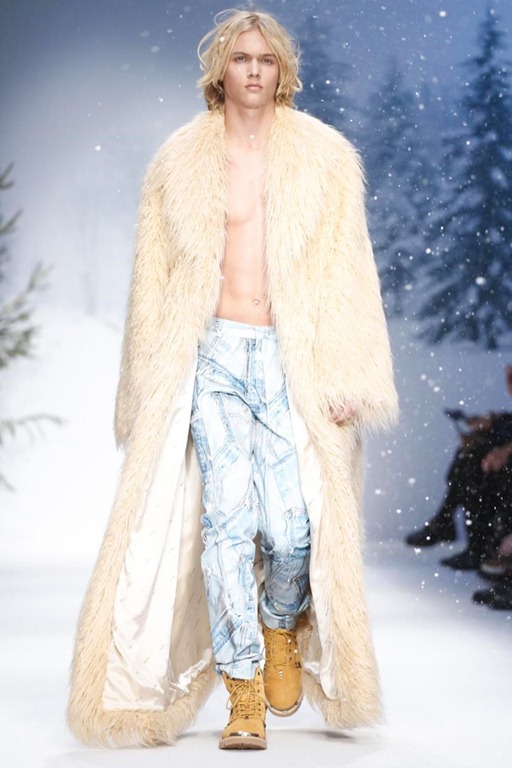
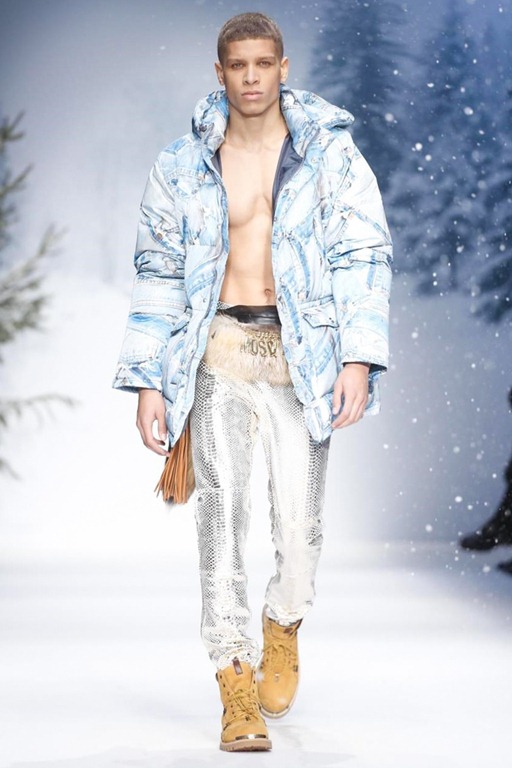
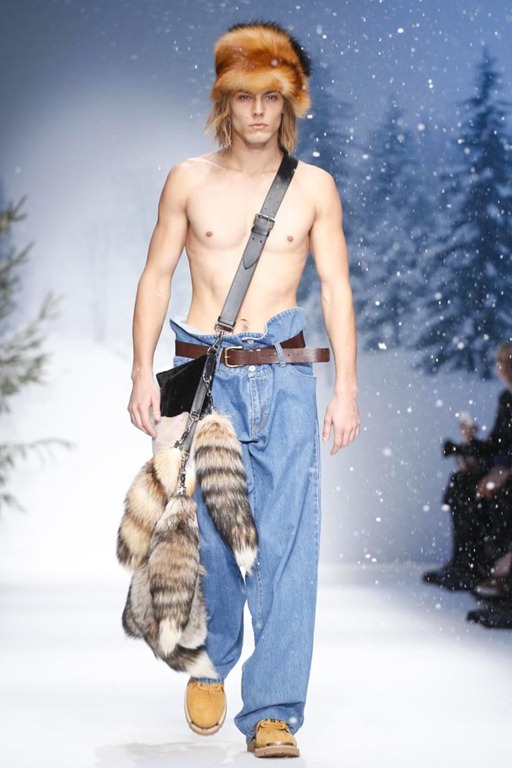
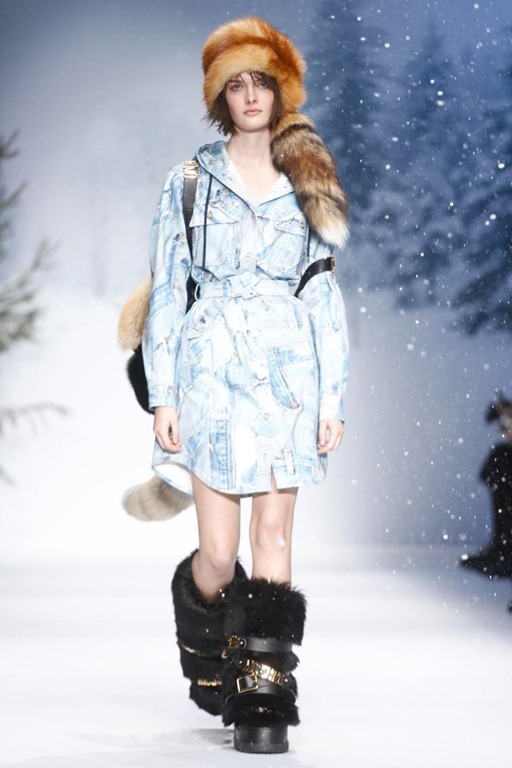
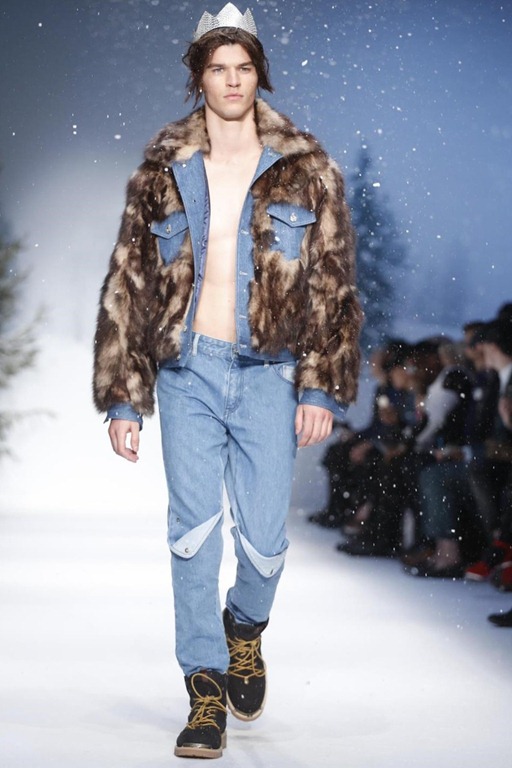
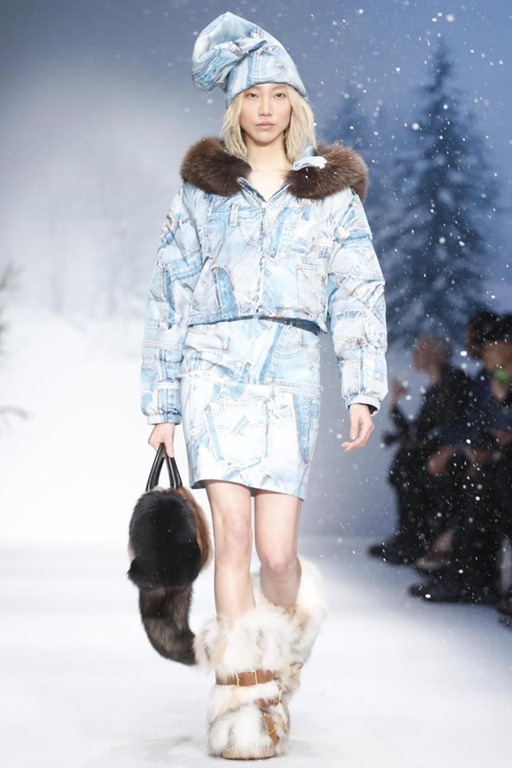
    The eccentricity in design is still an element of Moschino collections. For the Fall / Winter 2015 , the label brings out of the league denim looks mainly mixing fabrics and cuttings of denim and some synthetic shiny fabrics. Besides there are quirky but interesting combinations of sexy denim skirts/jackets with knitted pants and tops . And if wearing a jeans inside out is your kind of look, then some of the pieces would be appealing to you !

    Moschino Fall 2015 RTW 16Moschino Fall 2015 RTW 16Moschino Fall 2015 RTW 16Moschino Fall 2015 RTW 16Moschino Fall 2015 RTW 16Moschino Fall 2015 RTW 16Moschino Fall 2015 RTW 16Moschino Fall 2015 RTW 16Moschino Fall 2015 RTW 16Moschino Fall 2015 RTW 16Moschino Fall 2015 RTW 16

    Moschino Fall 2015 RTW 16Moschino Fall 2015 RTW 16

    Moschino FW15  16 Menswear Looks

    Moschino FW15 16 Menswear Looks

    Moschino FW15 16 Menswear Looks

    Moschino FW15 16 Menswear Looks

    Moschino FW15 16 Menswear Looks

    Moschino FW15 16 Menswear Looks

    Moschino FW15 16 Menswear Looks

    Moschino FW15 16 Menswear Looks

    Moschino FW15 16 Menswear Looks

    To get latest news on Denimsandjeans.com Bangladesh show ,
  • Marks And Spencer Introducing Major Changes In Supply Chain

    Marks And Spencer Introducing Major Changes In Supply Chain

    Marks & Spencer has been going through a wide range of changes to adjust to changing demands of its, mainly middle aged, customers. After hiring new designers, overhauling its online offering and giving a facelift to stores, M&S is working hard  to push home its most ambitious project: overturning more than a century of retail history by taking full control of its supply chain.

    The company , founded in 1884, has always relied on third party suppliers to drive to create, manufacture and ship most of its garments. Taking control of the supply chain means a radical departure to create more flexibility in its quest to source faster . Long-term relationships with those mostly British-based firms, based on big orders and long lead times, helped M&S keep prices down and build a reputation for quality.

    But as its most loyal customers – women aged 50-plus – have become more fashion-conscious, the middlemen have hampered M&S’s ability to quickly refresh supplies of fast-selling items before shopper interest tails off.

    “There’s a killing to be made if they can serve older women better,” said Patsy Perry, a lecturer in fashion marketing at the University of Manchester. “Unless you have money to buy designer clothes, it’s hard to find what you want on the high street unless you want to look like your daughter.”

    Even as new M&S womenswear collections won praise from the fashion press, shoppers often found the clothes were sold out in their size or were not appropriate for the weather.In contrast, nimble retailers like Zara-owner Inditex , H&M and Next, which have more direct control over factories, replenish their stores faster and offer a more frequent turnover of styles.

    Pressure mounted on M&S Chief Executive Marc Bolland after a mild winter and delivery problems at the new online distribution centre hit Christmas trading, leading to a 14th consecutive quarterly sales decline in the clothing side of the business.

    But investors seem prepared to give Bolland more time after his revamp of the supply chain started to bear fruit.

    M&S’s gross margin – gross profit as a percentage of sales – rose 150 basis points to 53.7 percent in the first half of 2014, helped by sourcing gains, but still lags an estimated 64 percent at Next and 59 percent at Inditex.

    While taking tighter control of the company’s supply chain started several years ago, the final push is being given by Hong Kong-based brothers Neal and Mark Lindsey, whom Bolland appointed as joint sourcing directors last year.The pair previously worked at Next, where they pioneered “virtual manufacturing”, a process that enables designers to produce patterns and layout plans for cutting fabric so they can give precise instructions to distant factories.
    Adopting the Next model is a big shift for M&S, which until recently ordered most of its stock through so-called full service vendors — companies that designed, made, shipped and warehoused products before sending them to M&S for sale.
    Relationships with those suppliers often went back decades, and with one, Dewhirst, to the founding of the company: Michael Marks borrowed five pounds from wholesaler Isaac Dewhirst to launch a chain of penny bazaars in the northern city of Leeds. Dewhirst also introduced Mr Marks to Tom Spencer.

    As competition mounted in recent decades, M&S pushed partners like Dewhirst to move production overseas: 78 percent of its general merchandise now comes from Asia compared to just 22 percent from Europe, including Turkey, Italy and Britain.

    M&S has already taken control in the last few years of most logistics for the 40,000-odd shipping containers it fills a year, leaving detailed product design and factory liaison as the last jobs to come in-house.

    “All of us had to learn how to manage the supply chain, how to manage third-party logistics providers, how to manage freight, how to manage working capital on a much earlier purchase than previously,” said Zen Yaworsky, head of supply chain operations at M&S until 2010.

    “M&S now have to develop negotiation capability to go into a factory and negotiate from a position of intelligence,” said Yaworsky, who runs his own consultancy.

    That is easier said than done, according to experts who used to help M&S do just that.

    “At a board level, it makes a lot of sense. At the operational level, it is a lot more difficult,” said Bill Mills, a textile industry consultant who used to manage factories for M&S suppliers Courtaulds and Coats Viyella.

    “On the one level there are some cost savings, but on the other hand M&S will have to place resource in their buying offices, whether that be UK or local, to manage the factories. It is not a panacea.”

    M&S says it is already making big progress. It has halved the number of fabric suppliers in the last couple of years, so it can secure better prices at higher volumes from preferred mills.

    Bolland, in the job since 2010, wants to increase the proportion of products designed in-house to 60 percent by 2017 from 25 percent last year.

    The first garments sourced by the Lindsey brothers are coming into stores for the spring/summer season: “Spring/summer is bought at the moment with at least a lot more flexibility than it was done last year,” Bolland told analysts in January.

    A bigger proportion of orders will be left “open to buy” depending on demand and M&S is moving to deliver new products in 12 phases a year, up from six to eight, with some coming on a three-weekly basis – closer to Zara-style “fast fashion”. This is going to be a major change for M&S and its garment and fabric suppliers. It also means that they have to be more dynamically connected to the retailer to understand its changing requirements and need for quick fashion. On the whole, a major change is in offing . Whether it helps M&S to regain its role as Britain’s omnipotent retailer, needs to be seen.

    Source:Reuters.com