Author: Sandeep Agarwal

  • Evisu Hand Painted Jeans

    Evisu Hand Painted Jeans

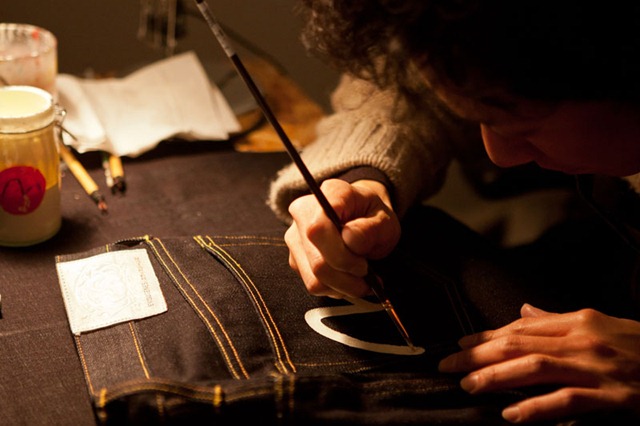
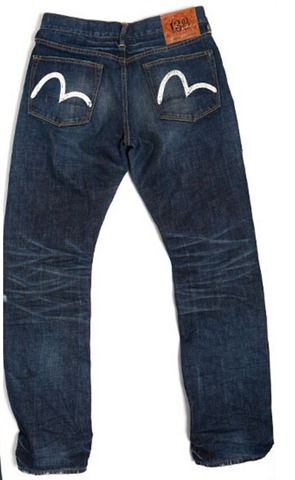
    Evisu (Japan) has always had a distinct persona as a denim brand. They have always followed their own trends  . This effect of hand-painted denim cannot be duplicated and replaced by standardized manufactured jeans, adding a unique personal patina to the pair of jeans.

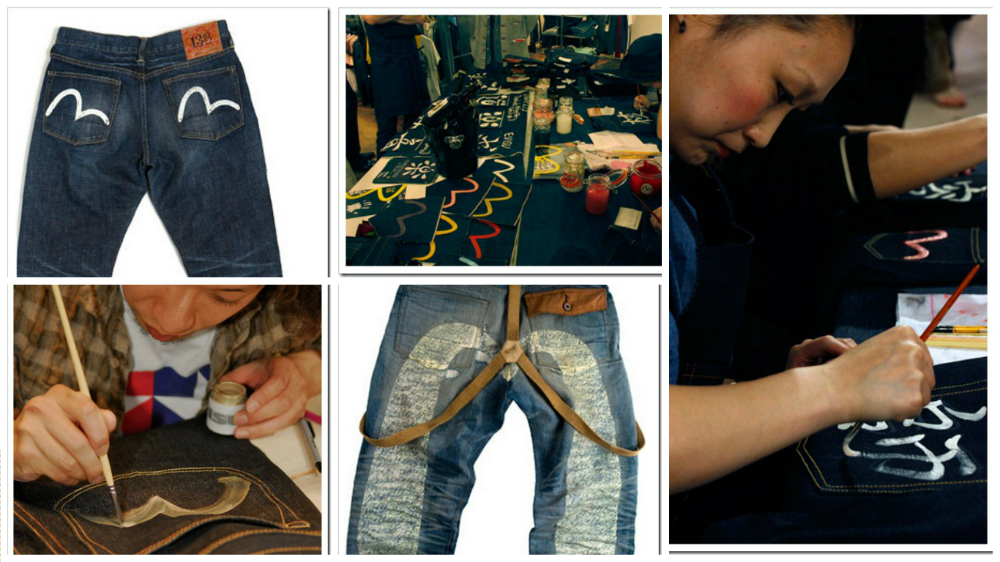
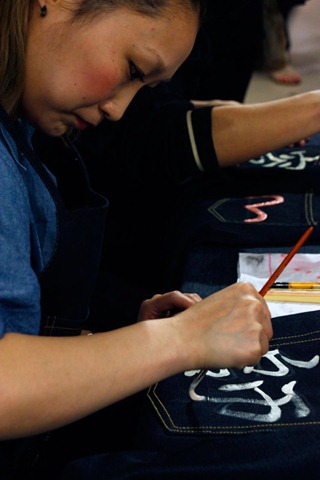
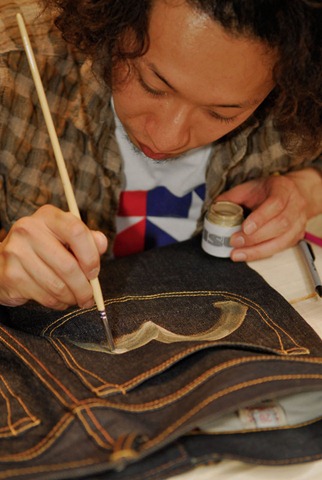
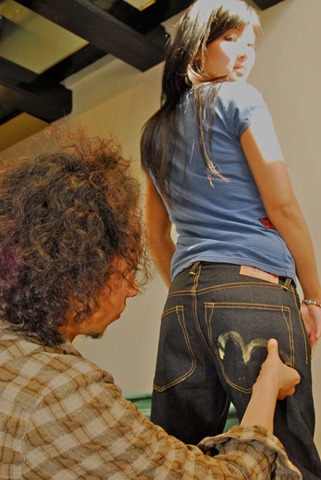
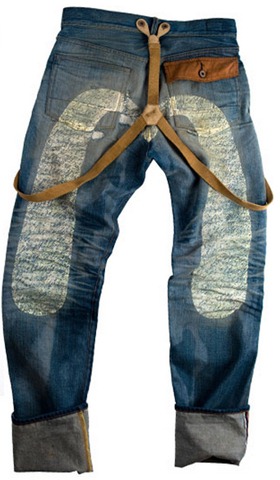
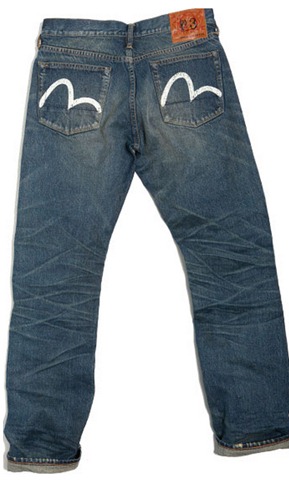
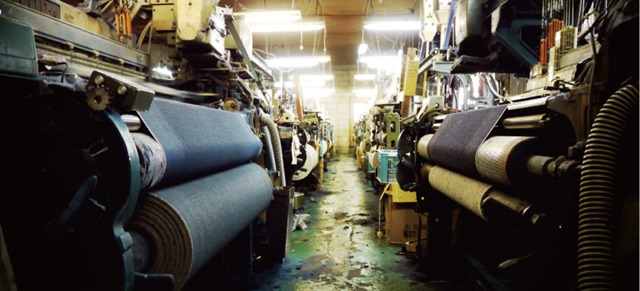
    The famous hand-painted EVISU “Seagull” logo on the back pocket was reminiscent of American vintage jeans during World War II, which at the time had to be printed instead of sewn due to restrictions on thread and other materials essential to the war effort. Over time, the hand-painted logos chipped and faded as the denim would distress- each jean becoming an individually distinctive, and collectible, vintage item in the process. At first, EVISU only managed to produce fourteen jeans a day using its antique looms and insisted to hand-paint the brand’s seagull logo on every single pair of jeans produced.

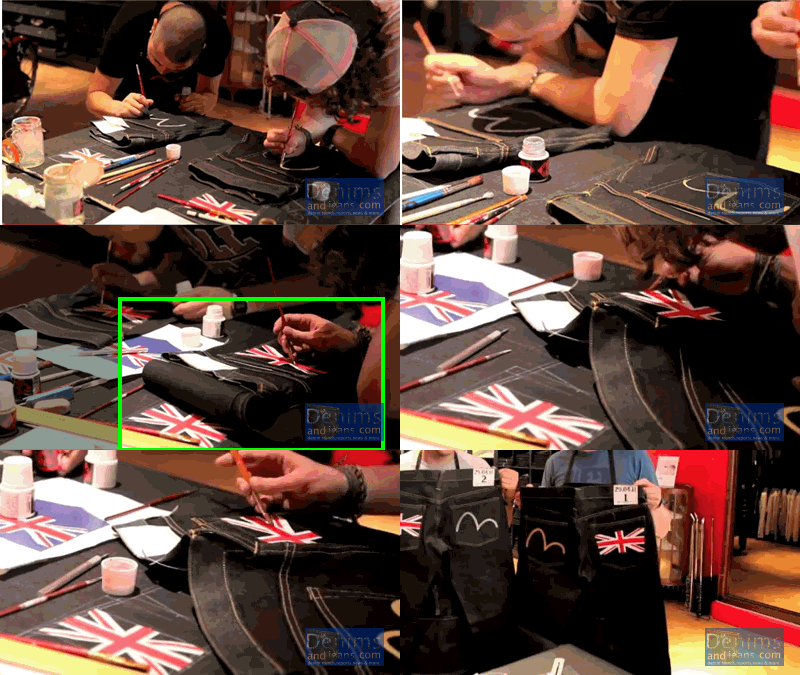
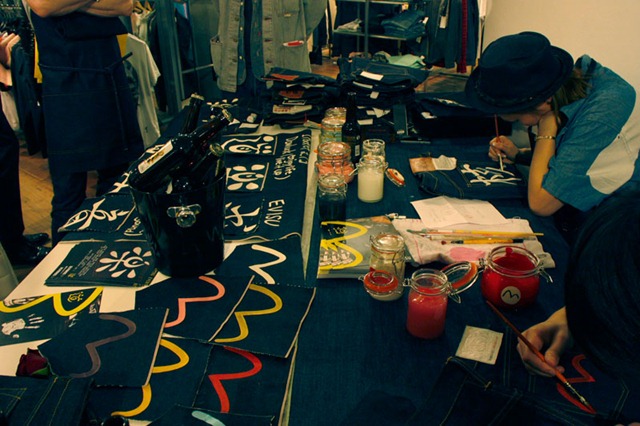
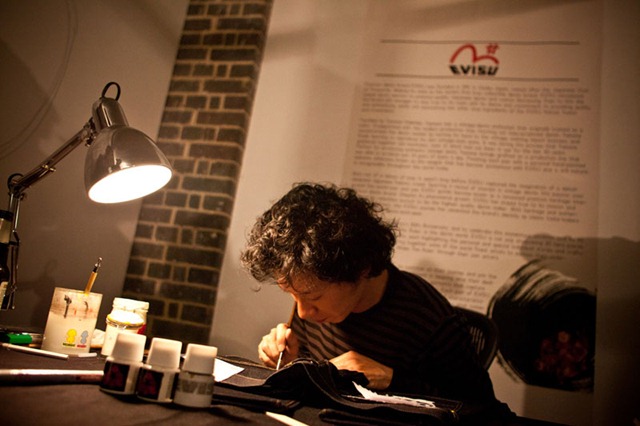
    Today, EVISU still continue to express their obsessive attention to details, having hand-painted jeans service at selected stores. As EVISU uses water-based paints, painted pockets and patterns will gradually fade and the paint will crack naturally after washing and wearing. This effect of hand-painted jeans cannot be duplicated and replaced by standardized manufactured jeans, adding a unique personal patina to the pair of EVISU jeans.

    evisu

    Evisu Hand Painted Jeans

    Evisu Hand Painted Jeans

    Evisu Hand Painted Jeans Evisu Hand Painted Jeans

    Evisu Hand Painted Jeans

    Evisu Hand Painted Jeans

    Dirt effect

    Crinkled with hand brushed dirt and creases Hand-sand effect around the thigh area Dirt colored effects and scattered bleaching patterns painted

    Evisu Hand Painted Jeans

    Handbrush effect

    Crinkled with hand brushed creases Hand-sand effect around the thigh area Dirt colored effects painted

    Evisu Hand Painted Jeans

    Ripped effect

    Hand-stitch crinkles effects near the waistline, front pocket and the leg-open Dirt colored effects painted on the area around the knees

    Evisu Hand Painted Jeans

    >http://www.evisu.com/en/evisu-rules/craftsmanship.php

    http://www.evisu.com/en/evisu-rules/washed-denim.php

  • Samurai 25oz Jeans | Super Heavy Weight Denim

    While most of the denim consumption is moving towards lighter weights – both in men’s and women’s categories, Japanese revel in challenging themselves and shocking the world by producing a higher weight than what they did on their last time . Going from 17oz to 21oz, now the bar is 25oz + . Japanese brands compete with each other to bring out that highest weight for their die hard fans  and followers and with each new level of weight the social media goes abuzz – as if a new peak has been conquered . The metaphor is quite appropriate because its not an easy task to produce denim fabrics of such weights or to even stitch them into garments. Made with a 2.5 count, the jeans is strong enough to stand on its own. And its not easy to make this weight. The seconds generation in this weight is usually samurai jeans super heavy weight1very high – further increasing the cost of the fabric. But the beauty of this fabric is that it has been designed (right from the cotton stage) in a way that , inspite of the ridiculous weight of the fabric , customers are still able to wear and enjoy it. It speaks volumes on the kind of effort that goes into this fabric.

    Samurai Jeans has always been considered a leader in bringing out such outrageous jeans and is closely followed by denim brands like Iron heart. In this article we are featuring one of their latest , and limited edition , jeans which have been created on their 15th anniversary to cater to their die hard fans.

    Features

    • Model Name : S5000VX25oz-15TH
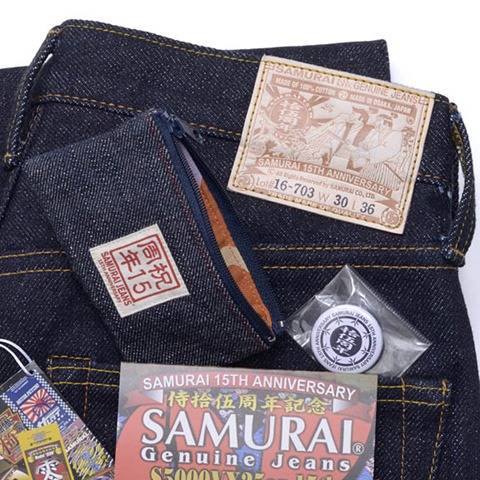
    • Type : Limited Edition 15th Anniversary Model
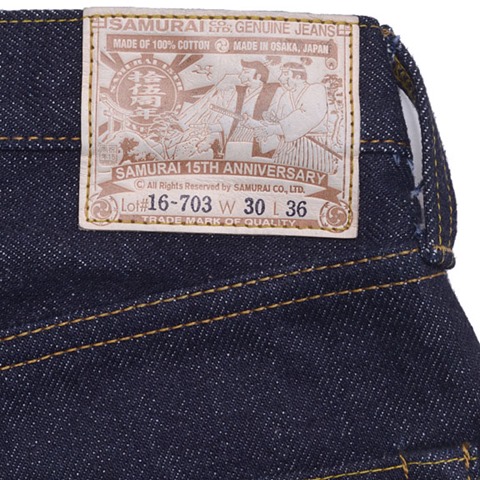
    • *Each pair serial numbered on the patch
    • 25oz Samurai Original Japanese selvage denim
    • 100% Cotton. Pure Indigo
    • Raw / Unwashed (will shrink approx. 4-6% with washing)
    • Available at BIG at around $430.

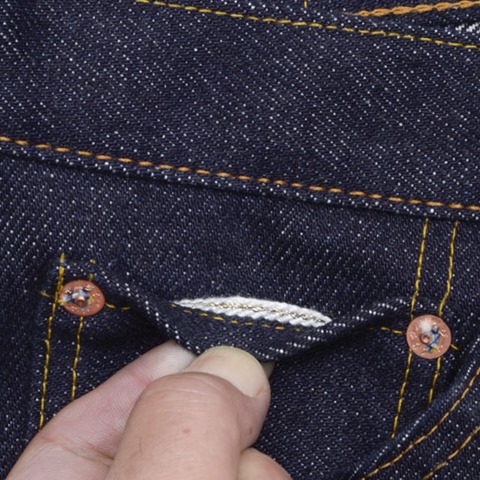
    Front pocket bags have an original Jacquard pattern interwoven with thin Beige threads which reads “Shogyo Mujo” (諸行無常), a basic belief principle that all things of this world are transient and impermanent; also translated as “Everything is transient and always changing” or “All Things Change”.

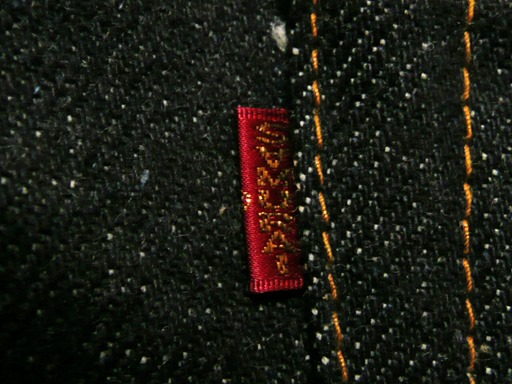
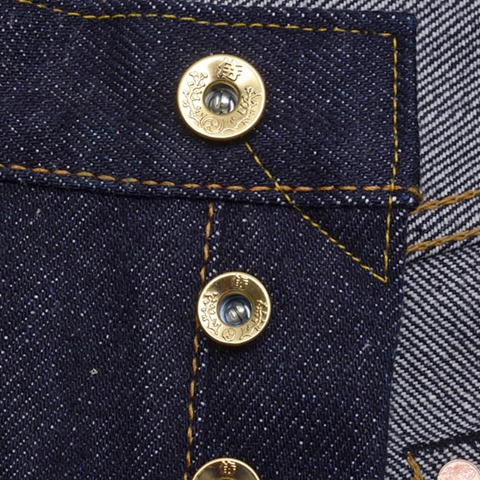
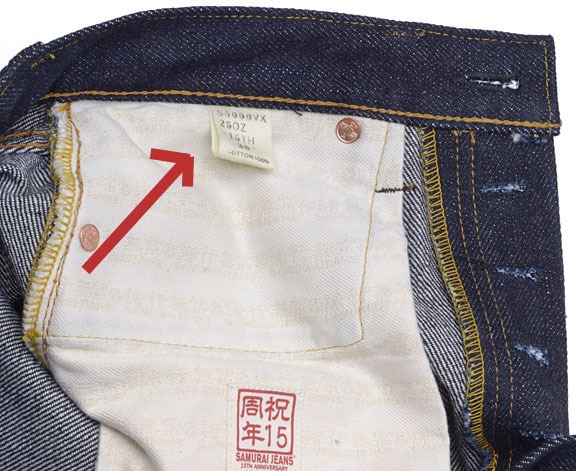
    The rivets are made of copper with the underside of the front rivets reading サムライ “Samurai” . The selvage ID contains strands of metallic lamé symbolizing the sword which the samurai possesses. The S5000VX25oz uses gold lamé so it is also referred to as  “Golden Sword Selvage“. Golden Steel tack buttons at the fly give that golden look .


    samurai jeans super heavy weight samurai jeans super heavy weight  samurai jeans super heavy weight samurai jeans super heavy weight   samurai jeans super heavy weight samurai jeans super heavy weight samurai jeans super heavy weight

  • Shade Control In Indigo Dyeing | Part 2

    This is a technical article by Harry Mercer on the process of Shade control in Indigo dyeing. The first part of this article can be found here

    While it cannot be disputed that, ultimately, how the individual consumer values color with their human subjectivity is the true test of coloration, in large-scale manufacturing of fabric and garments, the resort to evaluation of color visually is extremely unreliable. Color vision is denim eyedifferent among human observers and varies with the same observer depending on factors like fatigue, age, emotional state and even race Color blindness related to difficulty in distinguishing red-green color differences is most common among Caucasians, affecting 8% of males, but only 0.6% of females, 5% of Asian males and 0.25% of females and 4% of African males, 0.16% of females. The Ishihara test is used to quickly identify colorblindness problems. Many fashion houses require colorists to pass the Farnsworth-Munsell 100 Hue test for employment. This test provides a rating of ability to distinguish colors and demonstrates how different individuals are in this regard. When I had the test, it showed that I have excellent color vision in terms of distinguishing violet and Indigo, but hopeless with shades of red. These differences in individual color perception result in endless disputes regarding conformance-to-standard expectations. For final determination of whether a sample and a standard are identical, the eye is still the best instrument, it fails in describing the exact quantity and quality of the differences in a submitted sample to the approved standard. Color measuring instruments, on the other hand, will objectively and precisely measure the exact differences in multiple dimensions, how the standard and sample are related to each other and will determine if the sample is acceptable within a given tolerance through thousands of tests with extreme accuracy and repeatability which nearly impossible with visual measurements.

    How Color Measuring Instruments Work

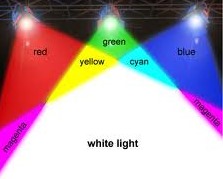
    Without engaging in the complex physics and mathematics of color science and measurement, the basic principles of determining color involve a standard light source, an object to bounce the light off of and an observer (human or color measuring instrument). Color starts with light. In a color white light color measurement in denim measuring instrument, a standard white light source illuminates the sample to be measured. This white light can be thought of as containing equal amounts of all visible light colors at a high level-100 units of red, orange, yellow, greens, blues, Indigo, violets etc. Dyes and pigments absorb these colors of light in different amounts and allow the rest to escape, which the instrument measures. With a light shade of Indigo, of 100 units of each light color illuminating the sample, perhaps reflected are 50 of violet, 70 of Indigo, 60 of blue, 50 of blue-green, 30 of green, 20 of yellow-green, 10 of yellow and 25 of red. The instrument collects these quantities and converts that into various numerical values. A curve is produced from this data that serves as a “fingerprint” of a color that distinguishes it from all other colors. The data collected by measuring the escaping light colors is mathematically converted into basically 3 numbers that are coordinates in a 3-dimensional color space. This color space is roughly like a sphere in which all colors thatcolor measurement in denim hunter scale can be perceived by the human mind are contained. The distance and direction in 3-dimensions precisely relate each color to all other colors. From these mathematically precise locations the differences are calculated. These values are then mathematically transformed into a color coordinate system, most often L*a*b*.

    Color Descriptors

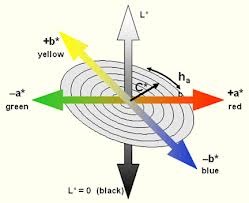
    The starting point of these color spaces is the L-scale which is a vertical axis around which all colors are organized. The L-scale establishes the differences in lightness between samples-how dark or light a sample is. The L-scale starts at the top of the sphere with a value of 100, for a perfect white and ends at the bottom with 0 for a perfect black. In between are degrees of grayness. This axis is neutral with regard to color, having no color or hue, meaning without red, green, blue etc. A dark shade of Indigo may have an L-value of 30 while a light shade may have an L-value of 60. If a color difference were calculated between the dark and light values it would be a minus 30, reported as a DL -30 (delta L, or ΔL, Δ being the scientific symbol for “difference”). Starting from this neutral central axis of this sphere where are colors are mathematically located, moving outward hue is added, hue being the scientific name for color.

    From the central, neutral axis, color is added gradually so that when the outer edge of the sphere is reached a saturation limit is reached at which the human eye perceives that the color is too dark to be at the same level of lightness. For example, at a lightness (L*) level of 85, which is very white, as you move outwards at first there is a small amount of red added and you have a color that would be identified as pink. If you add the maximum amount of red, then the color becomes a dark, but bright red. When the maximum amount of red has been added, more than the human eye can recognize at the L* level of 85, the lightness level will drop to 80 because the color had increased to a darker level.

    If this color sphere is bisected into a series of planes that go from top to bottom of the sphere, these planes are initially divided into 4 quadrants. In the most commonly used color space (L*a*b*), there is one line labeled a* that represents red-green differences and a line labeled b* that represents yellow-blue differences. Red and green are considered to be opposing colors as are yellow and blue, just as east and west, north and south are opposites.

    On the a* line a positive number like +3.5 indicates a red color and a negative number like -3.5 indicates a green. If a standard has an a* value of +3.5 and a sample has a value of +0.5, then the difference between standard and sample is expressed as Δ a*-3.0, simple subtraction. However if the standard has a value of +2.0 and the sample has a value of -1.0, then the total red-green difference is Δa*-3.0 because these are Cartesian coordinates. The total color difference is the same, but the overall visualcolor measurement in indigo denim color chart difference is much greater because crossing the boundary between the red and green sides of color space results in much greater contrast. Red-green differences are the most significant with Indigo, not only because of the visual contrast, but also red-green differences are good predictors of wash-fastness of Indigo and even small differences in the a*values means higher variation in the laundry.

    The b* line is similar for yellow-blue differences. The –b* values should be monitored as a way to evaluate changes in the original dyed color of Indigo on yarn.

    The third part of the article Shade control in Indigo Dyeing follows shortly..


    image
    This is a guest post by Harry Mercer. Mr. Mercer has 30 years experience in the denim business including 3 prominent U.S. denim companies.He is an expert colorist for measurement and color matching as well as textile testing.

  • Levis Revel Jeans | Shaping The Bodies

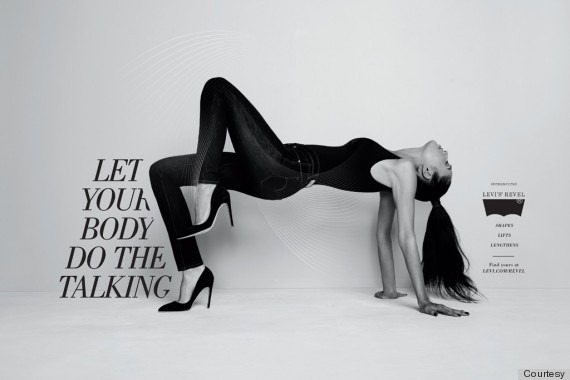
    Levis revel. Let your body do the talking

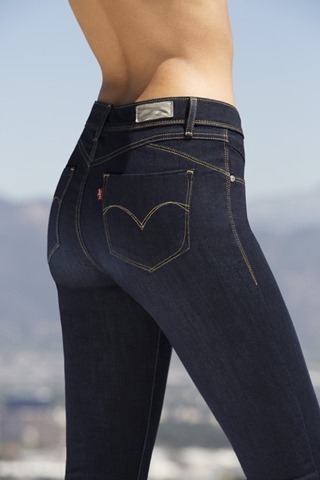
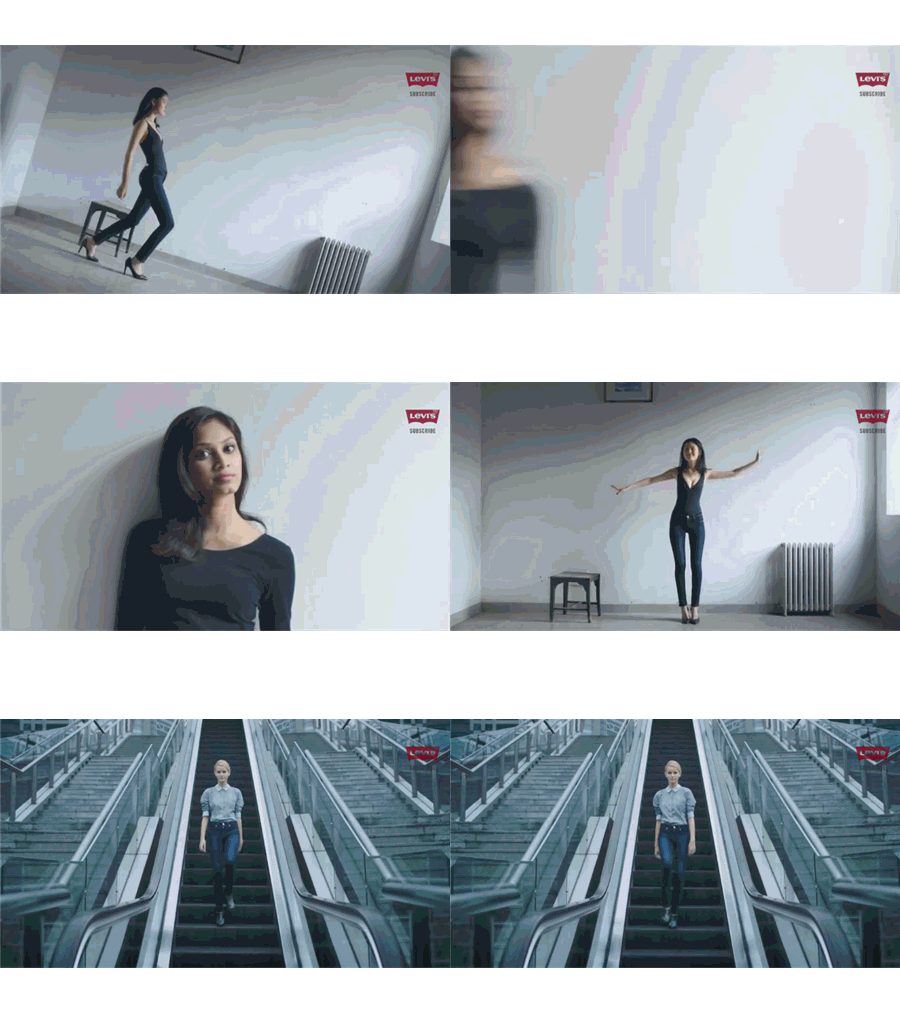
    Levi Strauss Co. designed the first pair of ladies’ jeans nearly 80 year ago. Shorn of any kind of feminine cuts or looks, the jeans was a pure workwear.  Fashion evolution has enabled the women’s jeans into much more than workwear clothing product. While many premium denim brands  like 7 For All Mankind ,  J Brand etc stole the show from Levi’s for that near perfect premium  jeans for women, Levi’s continues to invest in new innovations and technologies that  would help create that great jeans for women. Few seasons back it  had launched the Curve ID  which markets denim fits to a woman’s specific degree of curves and now has extended this concept with the launch of the REVEL Jeans .Revel jeans pledges to combine figure-slimming materials with the classic denim.

    “Levi’s Revel takes that curve innovation one step further by actively shaping a woman’s body, giving her the legs and butt she always wanted,” said Jill Guenza, Levi’s vice president of women’s design.

    “The fabric works on the principle of a coiled telephone spring as explained by Jessica Lawrence of MiH Jeans.

    “The body is pushing against the outline, but the denim is like a phone cord – it keeps springing back into shape”.

    The fabric is believed to be made of two new generation high stretch fibers wound around one another. And the jeans

    Levis Revel Jeans Thin Butts

    Liquid Shaping Technology

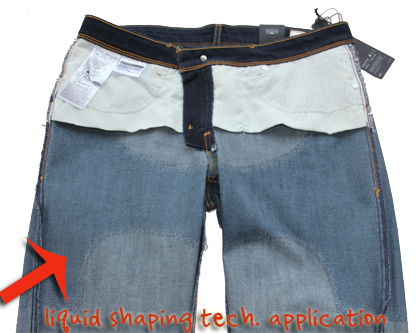
    Levi’s starts with a four-way stretch fabric comprised of cotton, polyester, Lycra and DuPont’s Sorona fiber. The fabric has been created by the Turkish denim mill Isko .Levi’s seems to have used a liquid shaping technology in this product . While full details on this patent pending formula are not available, Levi’s seems to have applied a  liquid chemical formula to the fabric’s interior using screen-printing techniques . The purpose of this application is to regulate stretch in strategic areas , such as the inner thigh and stomach providing structure, support and a figure-hugging shape to the jean, rather than simply uniform stretch. The application is made on the reverse of the jeans.  The denim stretches in all four directions offering women comfort, yet the jeans clings to the body. The result is a jean that carves out the inner thigh, slims and smoothes the outer thigh, lifts the seat and flattens the tummy.Essentially it helps the women to look slimmer than they are – a feature of  great value for the female customers.  In the image below see the liquid chemical application on the reverse of the jeans. This application is supposed to support the stretchability and recovery in the key areas of inner thighs , stomach support and seat. The application is claimed to last about 50-60 home laundry washes.
    levis revel liquid shaping technology copy

    Levi’s is not the only company which has come out with these “Make You Skinny”  jeans. J Brand came out with Photo ready jeans (92.5% cotton, 5% polyester, 2.5% lycra)  which claims to make women look 2 sizes smaller . Some other premium brands have been working aggressively on similar products since it holds promise of a huge market potential. For Levi’s this is the most significant launch after the Curve ID launched in 2010.

    levis1

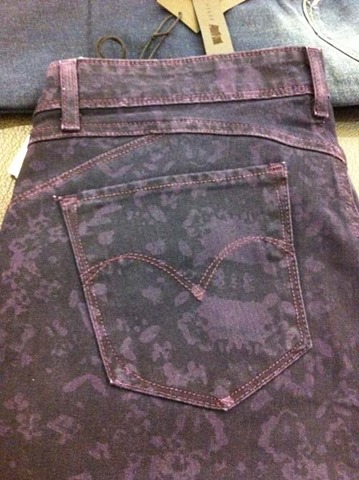
    Revel currently has been launched in four different looks – including black and a printed version -and retails between $98 to $128 . This is a reasonable price for a jeans with so much value.

    Levis Revel Printed

    Sponsored link:

    American and Efird

  • Euro 6000+ Jeans ! from Nadel & Pen | World’s Most Expensive?

    Ever since the premium denim blasted their way on the denim scene, the prices of  jeans have skyrocketed . Transformed from a work wear to a fashion item, denim has indeed seen itself elevated in the last couple of decades. Going beyond the high priced premium denims from a multitude of brands , we reach the bespoke denim and when the “Haute Couture’ service from styling experts from Paris provides this bespoke service, you reach close to the zenith of denim creation.

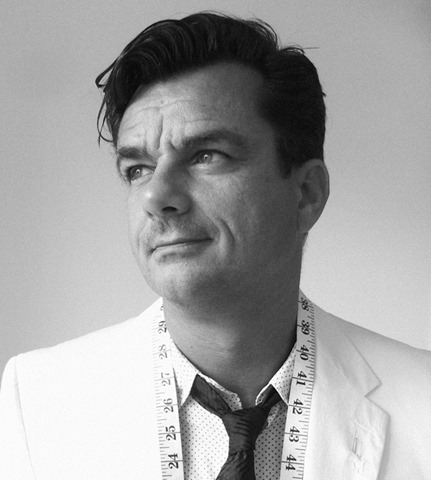
    Tilman Wrobel Tilman created the Nadel & Pen service  last year , after his long experience of working with Dior, Nina Ricci , Courrèges , Lee Cooper and other brands. Nadel & Pen   is not a brand but a bespoke service. It aims to create a jeans for his clients after having deeply studied their needs and lifestyles.  Tilman prefers to call his creations “bespoke denim trousers", rather than jeans since, as he says,

    “each piece is a unique and artistical re-interpretation of one of the most industrialized products in the world…”

    His clients include rock stars, sportspersons, businessmen and other elite of the society who are looking for that perfect jeans designed to their specifications and , more importantly, their lifestyle.

    We spoke to him to find out what really this “Haute Couture” service is about and why does it make  his “bespoke denim trousers”  unique and interesting for his clients to justify the price tag.

    nadel_pen_arbeitstisch1

    Q.Hi Tilman ! Pl tell me about the full process of getting a denim trouser made from Nadel & Pen .

    Until now our customer got directly in contact with us…. word to mouth, our website or thanks to interviews in press… Luckily the profiles of our exclusive customers are quite interesting. Modern day dandy, businessman, rock-star, sportsman, designer, chief cook ( we had already different kinds of customers ) think one day of a noble denim trouser…

    • We meet him ( in Paris, or his preferred city, depending on his demands ), listen to him, make him feel comfortable and understand his "denim-dreams" his demands…
    • We measure his body. At the next appointment we show him the "collectible ,wooden shuttle, rare selvage denim fabrications", we collected exclusively following his demands / dreams.
    • We also offer him a wide variety of adapted marvelous & rare trimmings ( horn, mother of pearl, solid silver or solid gold ).
    • Exclusive custom designed drawings are presented, including specific pocket, cut & sew, outside, inside-design… specific embroidery & trims proposals, this is where our designer experience is fully privatized .
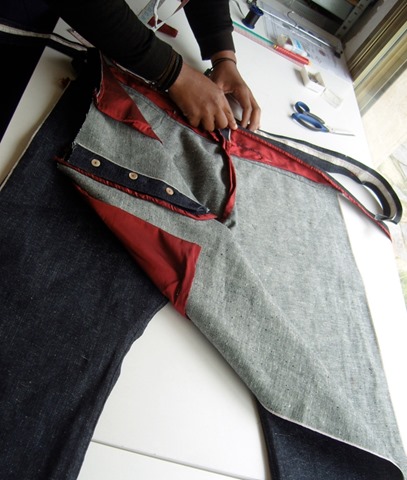
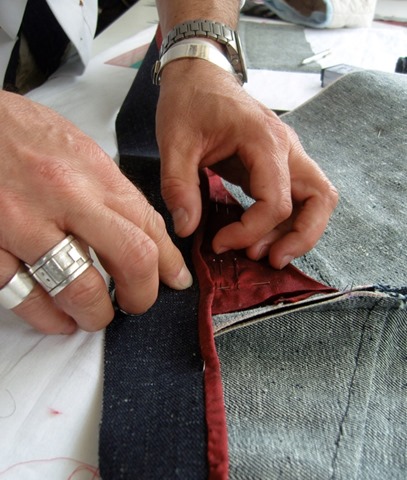
    • Then starts the process of bespoke pattern making, hand embroidering, hand sewing ( no sewing machines ! ), hand make of trims ( made by a partner who is creating jewelry ) starts.
    • Two month later a first fitting is set up.
    • After a total of 4 month our customer owns an incredible and unique bespoke piece of selvage denim….
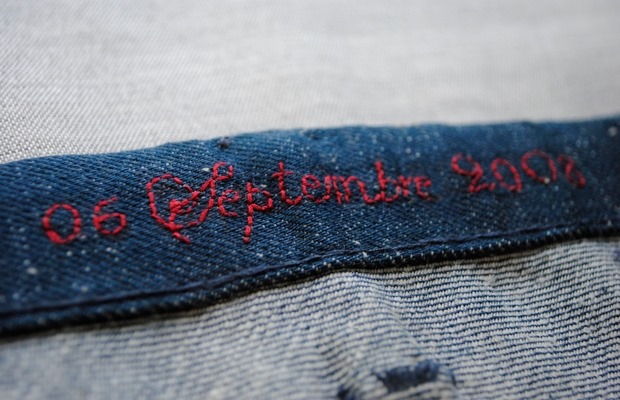
    • Reminding him his career as…. a rock-star, or sometimes matching with the logo and colors of his chain of topnotch restaurants, there was also a gift of his wife with their wedding date hand embroidered…. and finally he is able to wear his very own denim, and supporting the most noble art of denim-making in France.

    Nadel Pen Stitching

    Q.Why are your denim trousers so expensive ? What justifies a starting price tag of Euro 6000+?

    Well, the whole process of couture like bespoke design & service, plus the actual make of the denim trouser which is “Hand Made” and artisan. From the time we first meet the customer and when the final unique denim trouser is delivered, about 140 hours are spent only on hand sewing 1 pair of trousers, without any help of machines… That’s the kind of detailed involvement we have in each denim trouser to be able to bring out a perfect bespoke trouser to our client. And in Europe the costs of managing this kind of activity is at the level of the workers skills, which means high.

    nadel_pen_hosenbund

    Q. When you say your denim trousers are 100% sewn by hand, do you really mean no machines are used ?

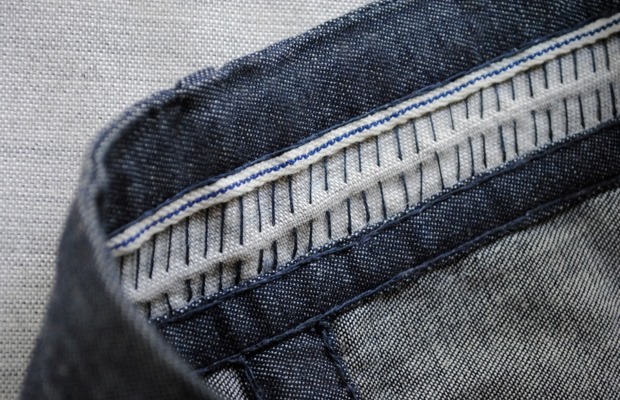
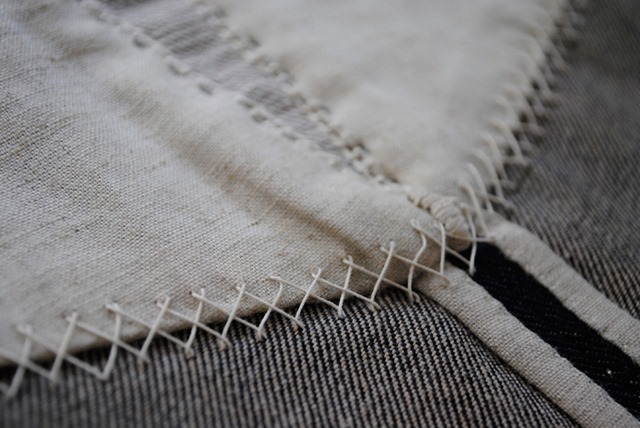
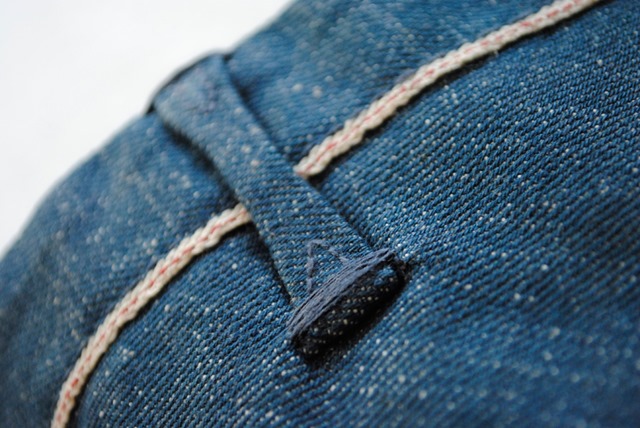
    The unique, bespoke Nadel & Pen pieces are 100% sewn by hand… that means absolutely no sewing machines are involved, not only we do pin tuck stitches, fully felted stitches, all by hand, but we also take inspiration from what I learned, back in the days when I was working in the Haute Couture, here in Paris. Until know, you heard, or have seen seen, incredibly skillful French craftsman ship on princesses dresses…. Now these techniques are used to build the most exciting denim trouser you can imagine. I am working with skilled workers from the Haute Couture and they hand sew these pieces of art, with die-hard, glazed and hand waxed threads, here in our office, mixing my "denim knowledge and passion" with Haute Couture "savoir-faire". When you have a look at our slideshow and pictures, you will notice how many incredible and almost invisible, natural fusibles , stitches, embroideries, build the difference to anything else you ever saw… It’s all hand embroidered, hand sewn, here in France… true 100% "Made in France", bespoke, created for each exclusive customer with a privatized design-studio service.

    nadel_pen_details3

    Q. I understand that some very exclusive trims are used in your jeans – whether its gold or silver buttons on which engraving is done by a jeweler or exclusive pocket linings, monograms by hand etc. Pl tell me more  about it .

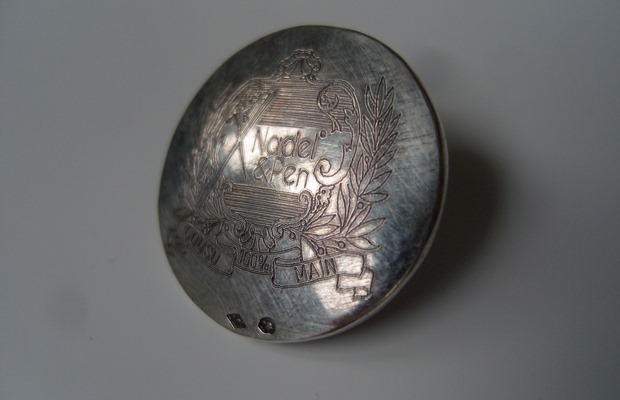
    As you might have understood, our service is all about subtle elegance, no posh "showing off", so we do not propose diamonds and pearls "all over the place", still we are having a partnership with an artisan jeweler, who creates our shank buttons by hand. If the customer wishes, and most did so, we can then have their coat of arms, initials or company logos, get hand engraved in their button.
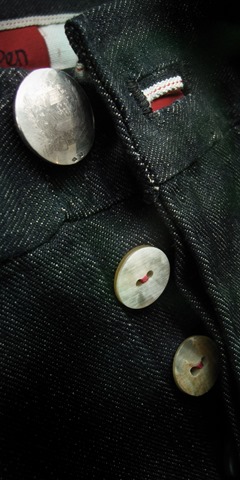
    From far away it looks like a very nice shank-button, when looking close you see the fine artisan work & signature of the artist.Nadelandpen  stitching

    Nadelandpen handmade loop

    nadel_pen_knopf

    Q. You work only with Raw denim and there are no washes involved. Can you tell why you and your clients love only Raw Denim?

    At Nadel & Pen, we believe that "used jeans" are fake testimonies of a past and present which isn’t the one of our unique customer. Our unique customer is acquiring a piece of art which will use and wear following the movements of the owners life, creating a "portrait" like usage. Never forget this denim pant is so resistant that it might pass on from generation to generation ! We also believe that "using" other than true collectible artisan selvage denim would be a real abuse, and not correspond to the demands of any connoisseur.

    Nadelandpen06

    Q. The denim you use  is  is sourced from Japan and (maybe) Italy.. Why do you think need Japanese fabrics to create these jeans?

    It’s not that much a question of providence, it’s rather because the places where we connected with these artisans are located in these countries. If I meet a true "blue blood" artisan in England, then some of the fabrications, which we exclusively source for each individual customer, would maybe come from England !

    Q. Nadel & Pen is more of your passion than a business venture . It is also a very personal service with a deep involvement with the client.  Do you wish to scale it up ?

    Right, the fact that we have our "denim studio" running and fully booked, enables us to have our unique service Nadel & Pen running at it’s own pace. Which is slow, and that’s how we like it. No ranges, no fashion-weeks, no "people sponsoring", no PR bla-bla…. just feeling deep down in our hearts, that we are providing the maximum of what we can imagine. It is so fulfilling ! If one day, a business partner steps up to me, who shares our point of view, maybe we could look forward to opening a "Savile Row" kind of workshop, not making suits, not using machines, but creating the most exciting purist indigo elegance.

    braguette-hdef

    nadel_pen_datum

    Sponsored Link:
    Soorty Denim

  • FDMTL Japan |FW’13 Collection

    FDMTL Denim Collection FW13

    FDMTL – with a long complete name of  Full Agreement Luxury-
    is a denim label from Tokyo, Japan which aims to be differentiate itself from other brands in Japan. While most brands in Japan focus on Raw denim, FDMIL’s main emphasis is on distressed denims. They also work out interesting and not so regular looks  with their denims. We spoke to the founder and creative designer Tsuyoshi Gaku  to know more about the label.
    When we asked him about the concept behind his label and its long name, he described :

    “FUNDAMENTAL AGREEMENT LUXURY” produces mainly denim garments which are made in the world-wide manufacturing capital for denim  Okayama, Japan Their uncompromising products are carefully made with such incredible detail that is difficult to obtain by mass production means.The brand name is derived from the literal interpretation of its words. FUNDAMENTAL AGREEMENT = having a basic agreement with our customers to provide them with quality product. Our promise. LUXURY = suggests that our product is a cut above the rest in every way”

    To stress further the make of the brand , he further said :

    “FUNDAMENTAL AGREEMENT LUXURY denim is “JAPAN MADE”. This includes the fabric, sewing and manufacturing. The vast knowledge and experience from skilled workmen is put into each product, resulting in detailed special product that you can ‘ t achieve through mass production.

    Check out their video on jeans manufacturing here

    shuttle looms for denim

    When we wanted to clarify with him the reason for focusing on distressed denim  while most Japanese brands tend to be oriented towards raw denim, he said:

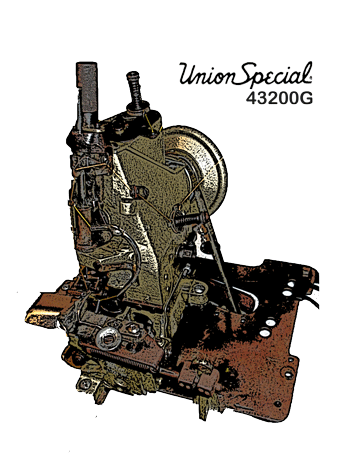
    “I like jeans because i think jeans is an industrial product just like TV, iPod etc ,but at the same time, jeans are more like creatures ,because they change…depending on the shape of the person who wears etc…i like the distressing process, and this is why i’m making distress jeans, but i would say it’s an aging jeans jeans in which you can feel the background. And our customers are quite comfortable in distressed jeans. …..All our jeans are hand made, we use small machines too, but work with  hands too. For the sewing process, we use vintage sewing machines too – Union Special machines.  And the distressing is done by hands and not large laundries.

    For its  FW’13 collection, FDMTL follows two concepts –

    • Bi color
    • Military

    Putting 2 or more kinds of fabric together and trying to show new feeling of fabrics is what is the focus for this collection as per Tsuyoshi Gaku . He further says

    “i like making clothing only with denim fabric, but for the current season most items are made with the combination of some kinds of fabrics…”.

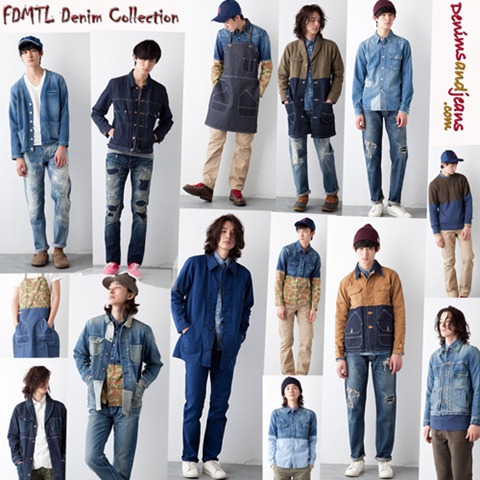
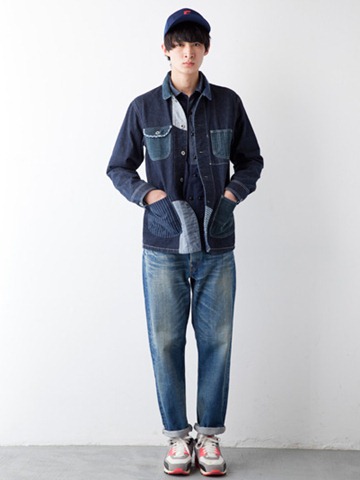
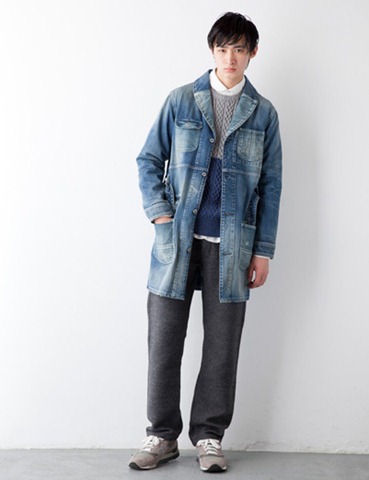
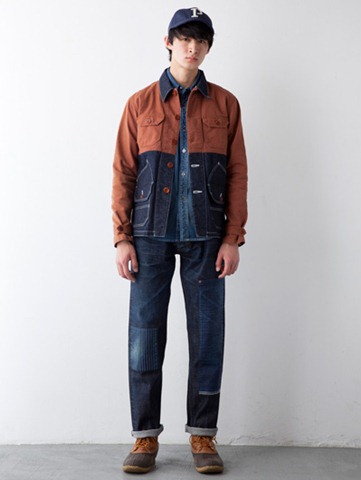
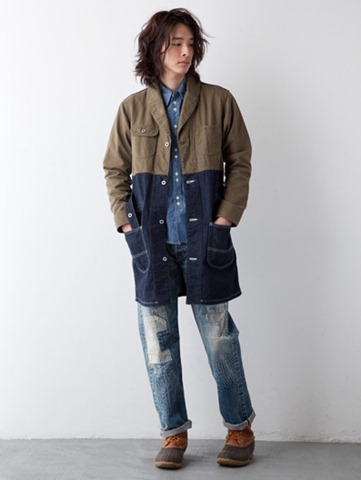
    Looks from part of his collection follow . The bi-color and bi-fabric  combinations are particularly interesting in some of them especially where military fabrics have been conjoined with the denim fabrics. Distressing on some of the jeans is quite intricate and the hard work appreciable. The retail price point of  FDML  range from $150-$350 .

    FDMTL Fall Winter 2013 Collection

    FDMTL Fall Winter 2013 Collection

    FDMTL Fall Winter 2013 Collection

    FDMTL Fall Winter 2013 Collection

    FDMTL Fall Winter 2013 Collection

    FDMTL Fall Winter 2013 Collection

    FDMTL Fall Winter 2013 Collection

    FDMTL Fall Winter 2013 Collection

    FDMTL Fall Winter 2013 Collection

    FDMTL Fall Winter 2013 Collection

    FDMTL Fall Winter 2013 Collection

    FDMTL Fall Winter 2013 Collection

    FDMTL Fall Winter 2013 Collection

    FDMTL Fall Winter 2013 Collection

    FDMTL Fall Winter 2013 Collection

    FDMTL Fall Winter 2013 Collection

    FDMTL Fall Winter 2013 Collection

    FDMTL Fall Winter 2013 Collection

    FDMTL Fall Winter 2013 Collection

    FDMTL Fall Winter 2013 Collection

    FDMTL Fall Winter 2013 Collection

    FDMTL Fall Winter 2013 Collection

  • Free Denim Newsletter subscription

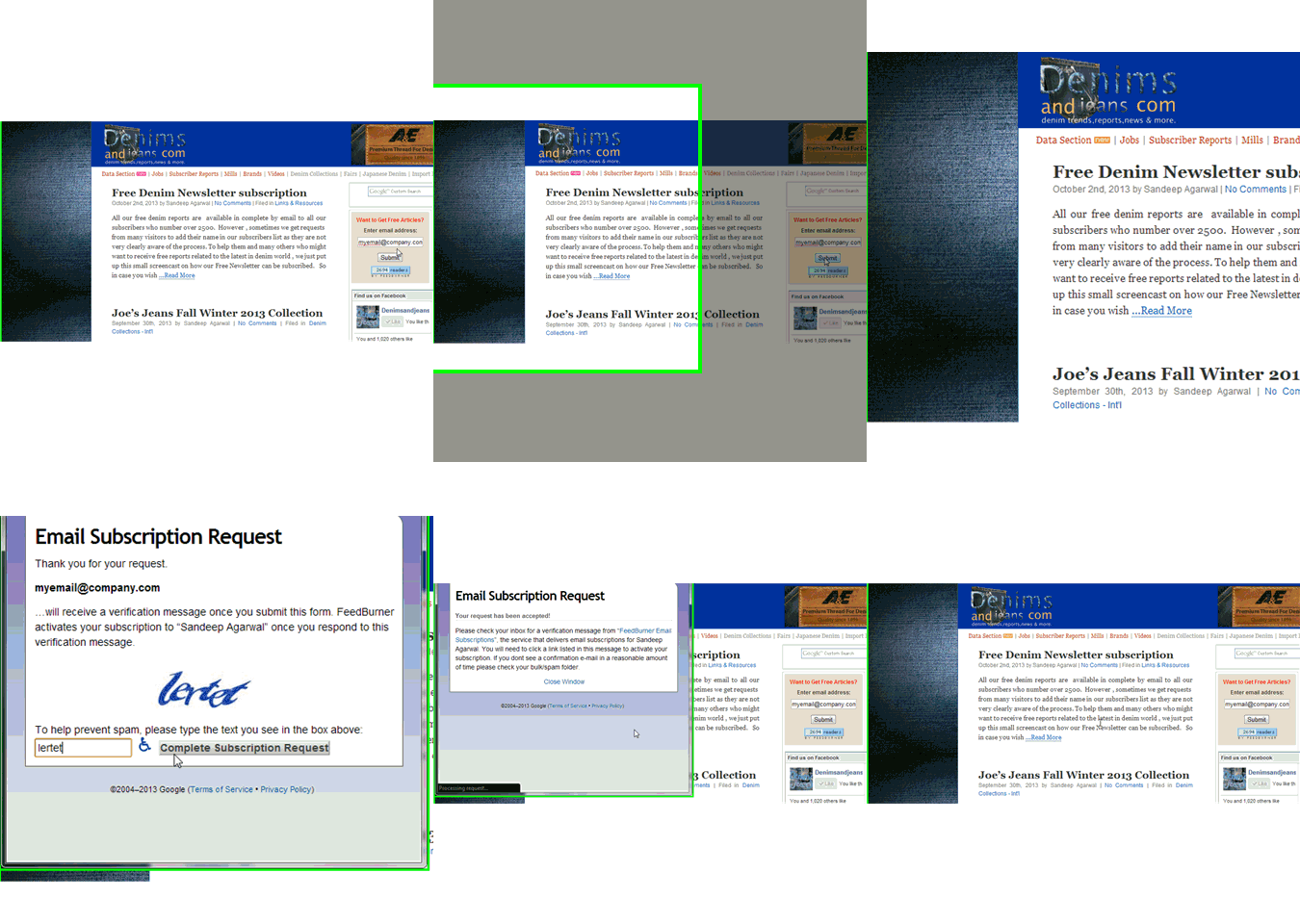
    All our free denim reports are  available in complete by email to all our subscribers who number over 2500.  However , sometimes we get requests  from many visitors to add their name in our subscribers list as they are not very clearly aware of the process.
    To help them and many others who might want to receive free reports related to the latest in denim world , we just put up this small screencast on how our Free Newsletter can be subscribed.   So in case you wish to subscribe to our newsletter , you know exactly what to do . In case  you are already subscribed and want to forward the details to your friends, just forward the message below .


    Subscribe to Free Denim Reports from www.Denimsandjeans.com 


    free denim reports subscription

    Once the email address is entered, the important part is to click on the confirmation link that you will get in your inbox. Sometimes, this email goes to junk box – so its better to check there as well.

    free denim newsletter

    Once you click on the confirmation link, you are all set and ready to receive your reports. In an (unlikely) event of your not wanting to continue receiving the newsletter, just click unsubscribe link given under each of the articles that you received..

    Thanks and all the best ..
    Team, Denimsandjeans.com

    image

  • Joe’s Jeans Fall Winter 2013 Collection


    Joes Jeans Fall Winter 2013 Collection

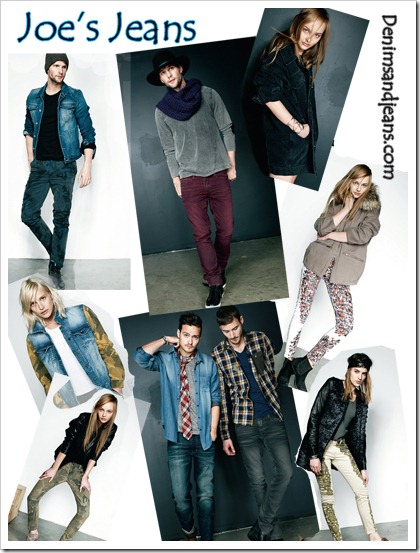
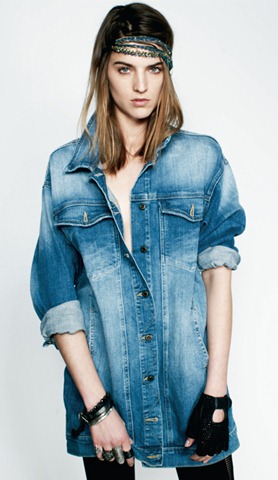
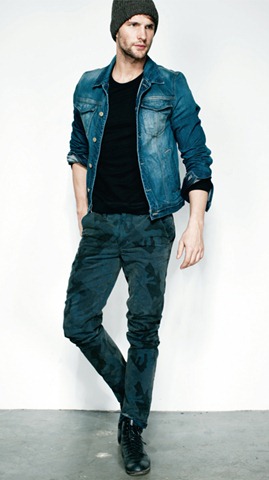
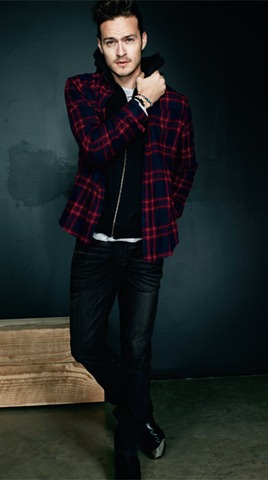
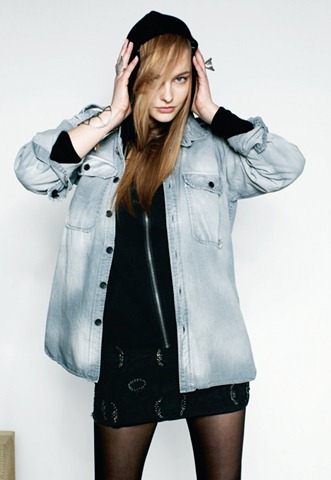
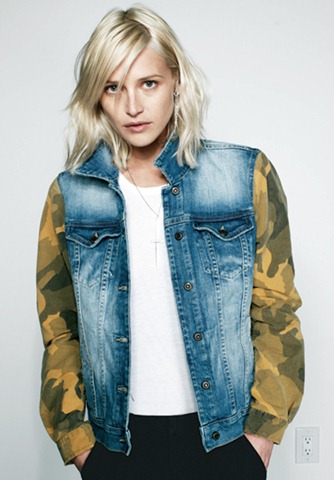
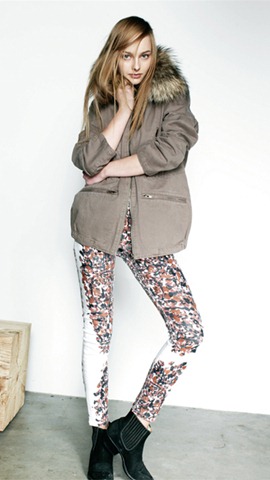
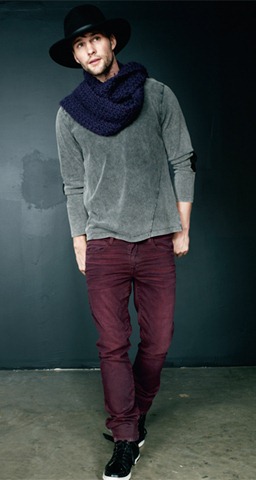
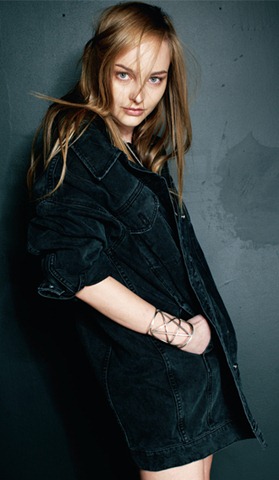
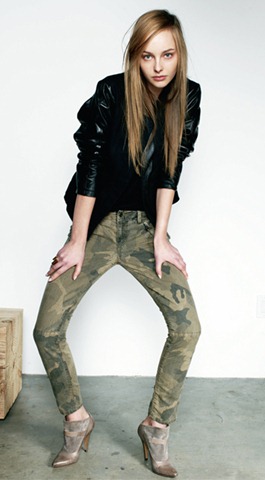
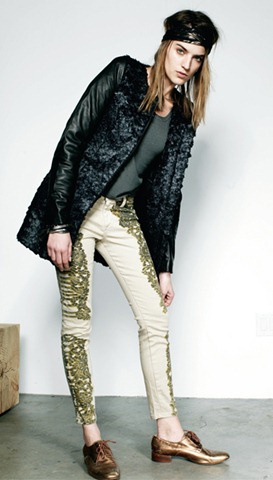
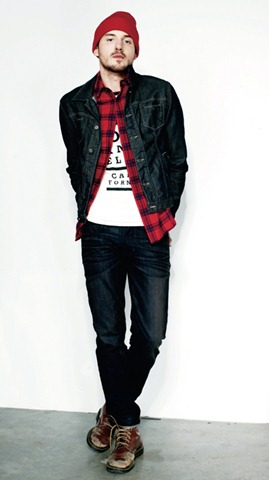
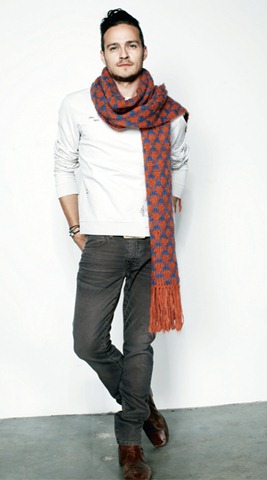
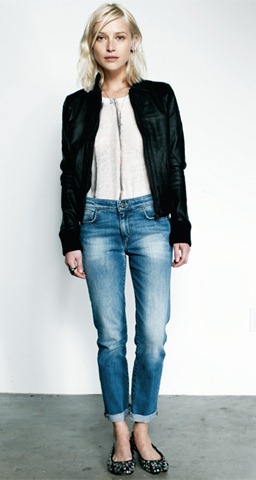
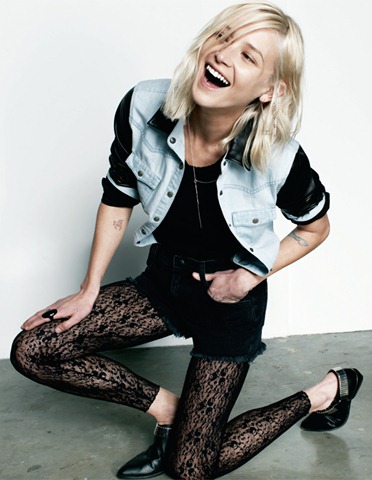
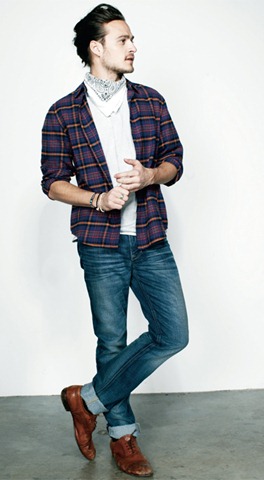
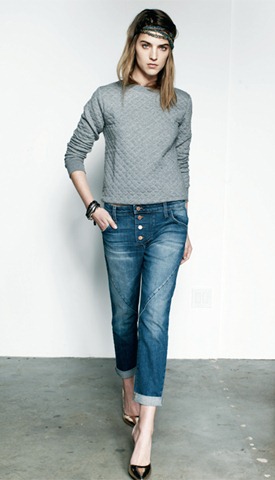
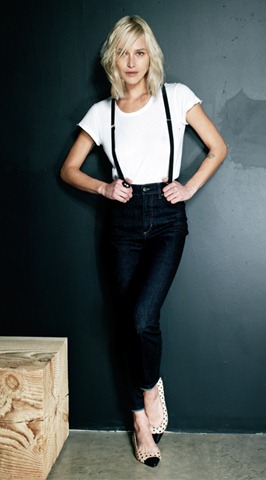
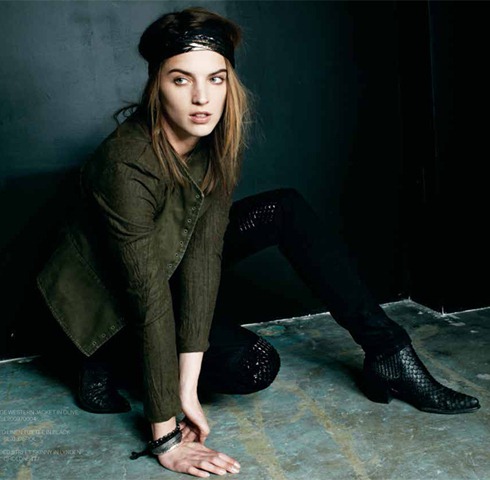
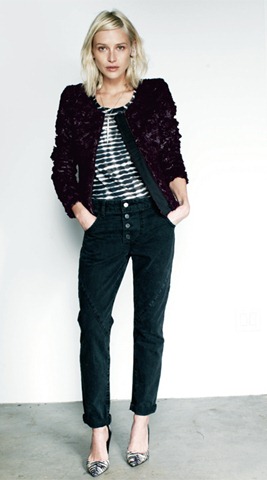
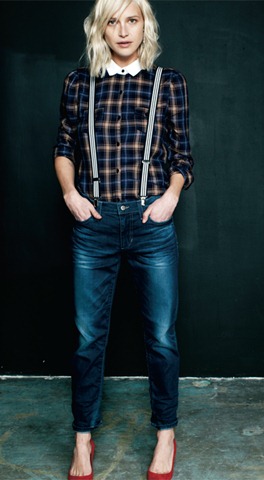
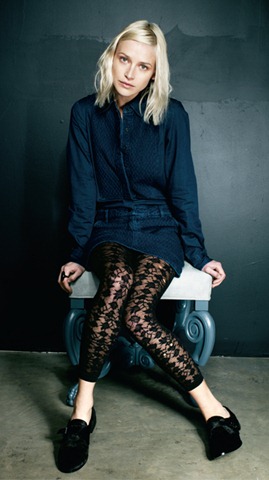
    The Joe’s Jeans fall 2013 lookbook brings out some very cool garments  and combos and play around with fabrics, wash and styling  to create some very desirable looks . The brand explores Plaids, Camoe motifs, different prints and lot of waxed denim. Choose between preppy accents, bohemian vibes or even sporty chic ensembles with a classy twist . And the accessories to go with the denim are not forgettable either – whether its ankle boots, trendy metallic oxfords, chic pointy toe pumps, cool metallic bracelets . The women clothing are grunge inspired and for those who love edgy and urban garments.

    With 1990s inspired looks, the label plays with dark and deep shades of denim  – other than pure indigo. The waxed denim , prints (also for men!) , motifs – all add color to the collection .

    Joes Jeans Fall Winter 2013 Collection

    Joes Jeans Fall Winter 2013 Collection

    Joes Jeans Fall Winter 2013 Collection


    Joes Jeans Fall Winter 2013 Collection

    Joes Jeans Fall Winter 2013 Collection

    Joes Jeans Fall Winter 2013 Collection

    Joes Jeans Fall Winter 2013 Collection Joes Jeans Fall Winter 2013 Collection

    Joes Jeans Fall Winter 2013 Collection

    Joes Jeans Fall Winter 2013 Collection

    Joes Jeans Fall Winter 2013 Collection

    Joes Jeans Fall Winter 2013 Collection

    Joes Jeans Fall Winter 2013 Collection

    Joes Jeans Fall Winter 2013 Collection

    Joes Jeans Fall Winter 2013 Collection Joes Jeans Fall Winter 2013 Collection Joes Jeans Fall Winter 2013 Collection

    Joes Jeans Fall Winter 2013 Collection

    Joes Jeans Fall Winter 2013 Collection

    Joes Jeans Fall Winter 2013 Collection

    Joes Jeans Fall Winter 2013 Collection  Joes Jeans Fall Winter 2013 Collection Joes Jeans Fall Winter 2013 Collection  Joes Jeans Fall Winter 2013 Collection

    Joes Jeans Fall Winter 2013 Collection

    Joes Jeans Fall Winter 2013 Collection

    Joes Jeans Fall Winter 2013 Collection

    Joes Jeans Fall Winter 2013 Collection

    Joes Jeans Fall Winter 2013 Collection


    About Joe’s :
    Joe’s Jeans products are the creation of Joe Dahan, the founder and president of Joe’s Jeans, Inc. Joe grew up in Casablanca. A place that fed his eyes with contrasting elements. From attending a private French school, in the colonial period of all white buildings, to walking through what he terms “uncivilized markets”, with wild animals.After leaving Morocco for Los Angeles, and keeping with his rebel spirit, Joe made his initial impact on the fashion world with a menswear line called “Joe the Hun”, casual body-enhancing bohemia wear, offering guys freedom from the Wall Street “American Psycho” prototype.

  • AW13 Evisu Collection


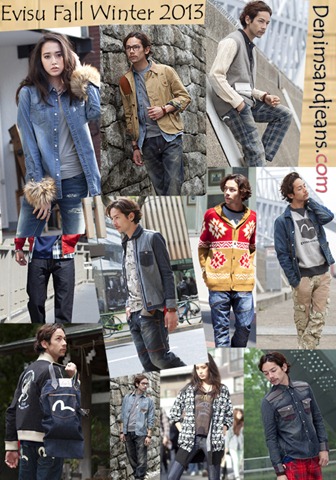
    Evisu Fall Winter 2013 denim collection collage

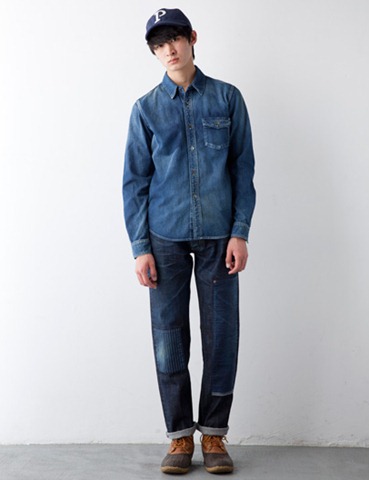
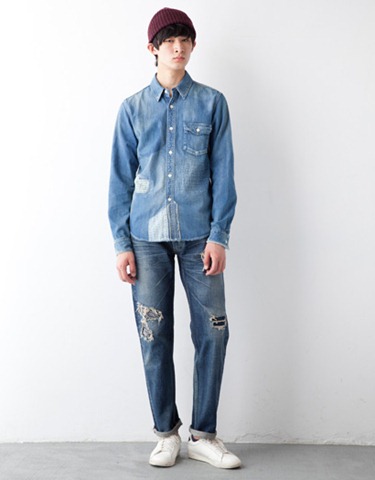
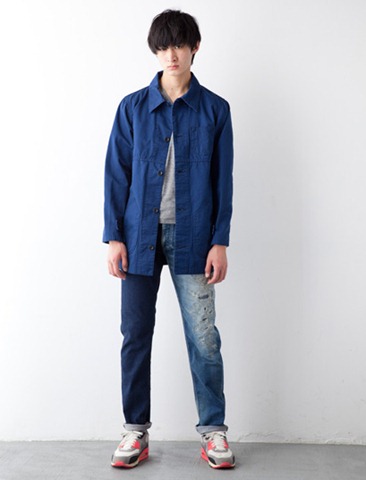
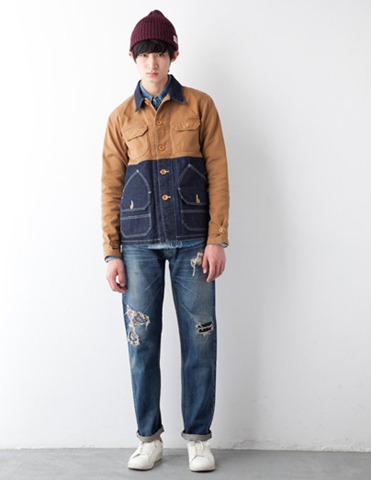
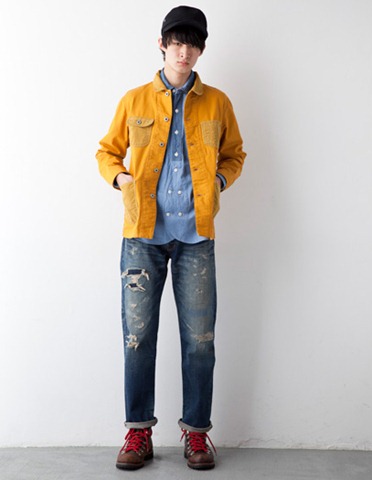
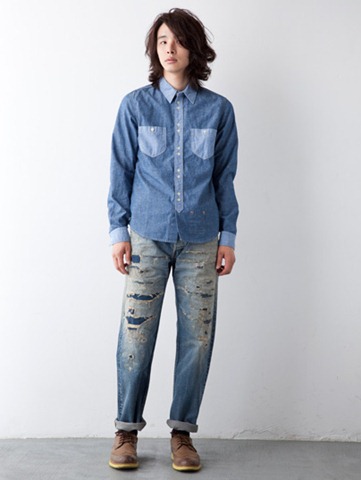
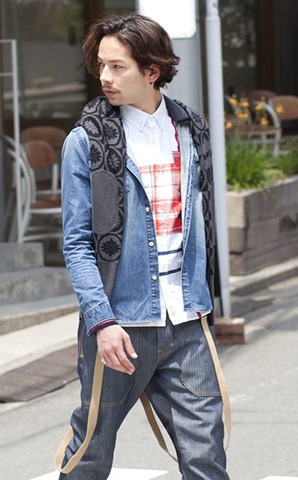
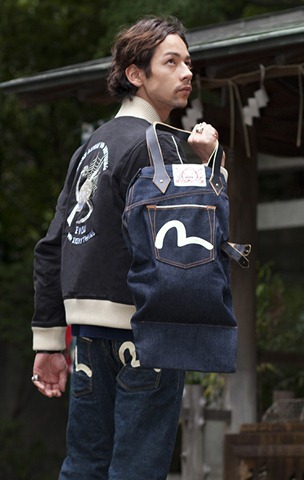
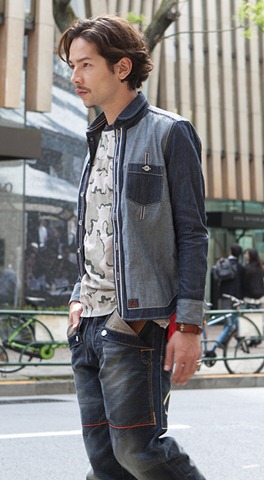
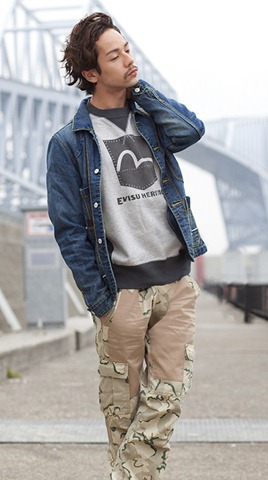
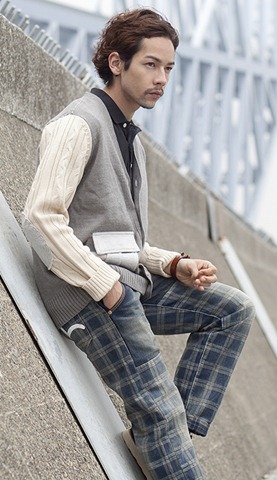
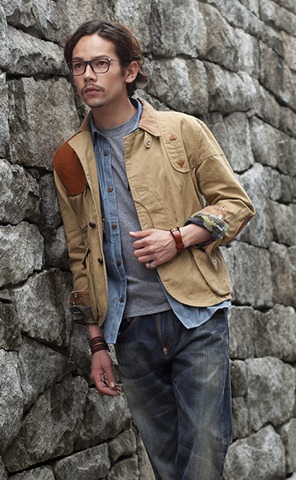
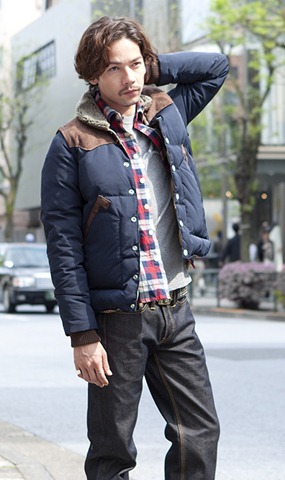
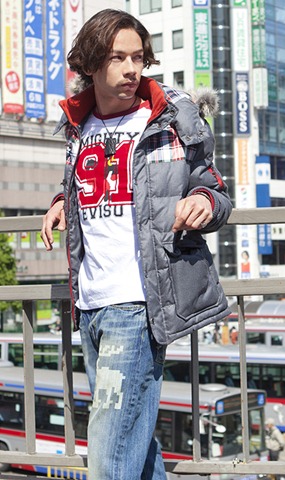
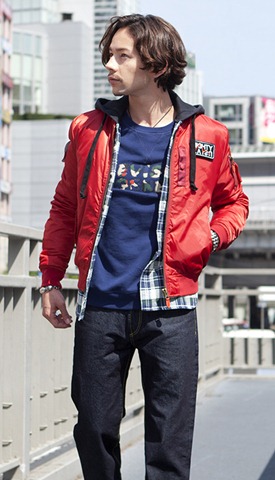
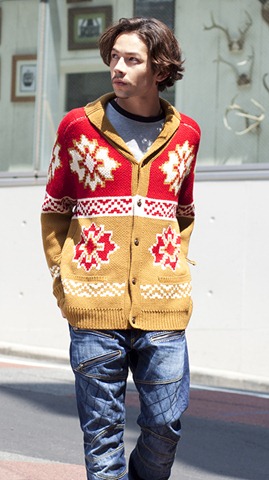
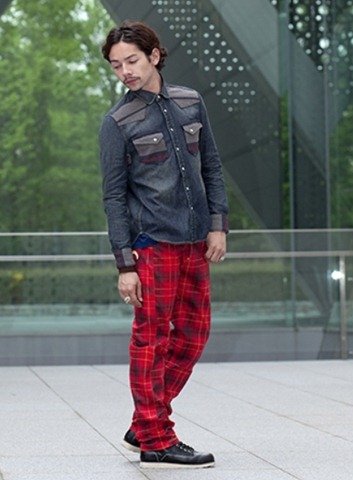
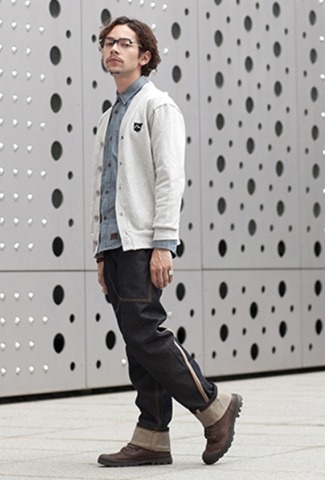
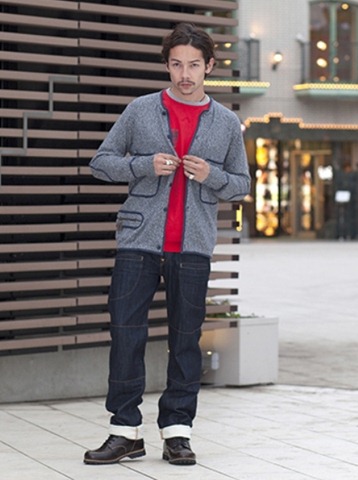
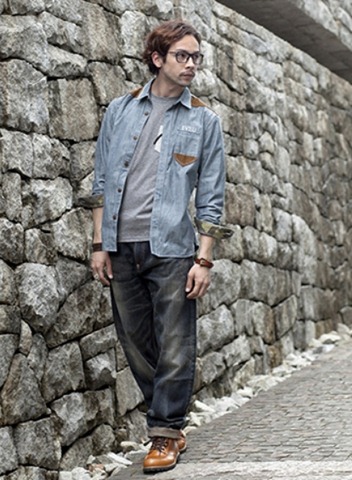
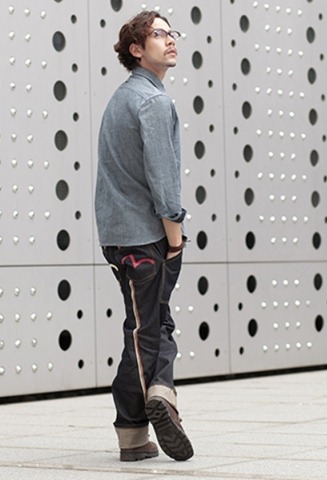
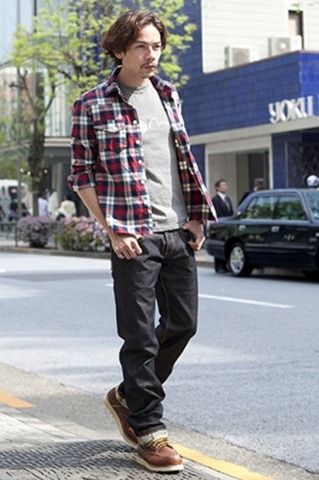
    Japanese denim specialist EVISU infuses core elements of traditional Japanese denim wear with modern touches to create its  2013 Autumn Winter Collection. The collection is presented in a series of advertisements shot across multiple locations in Tokyo that best capture the spirit and style of the brand.

    EVISU Private Stock Collection

    Traditional Japanese denim wear is at the core of the EVISU brand and the EVISU Private Stock collection, the brand’s flagship line, showcases the essence of Japanese culture at superlative levels of quality and craftsmanship. The entire collection is crafted in Okayama, Japan, the home of Japanese denim. Using sophisticated, specially crafted looming machines, the premium quality unsanforized selvedge denim, KIBATA, undergoes more than 30 steps to dye it the famous indigo blue color. A handful of recognized master craftsmen then hand paint the EVISU Seagull logo on the back pockets in separate layers. These  jeans are an example of  Japanese commitment to perfectionist  craftsmanship.

    EVISU Heritage Collection

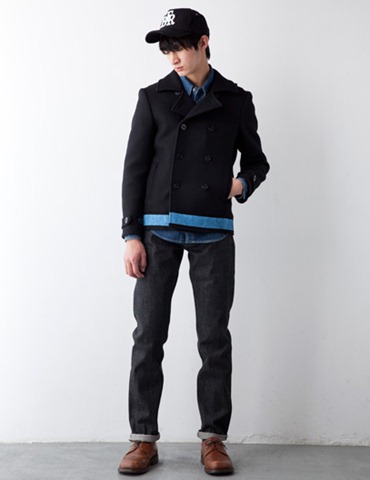
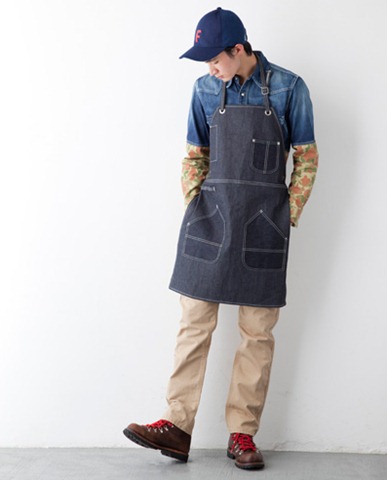
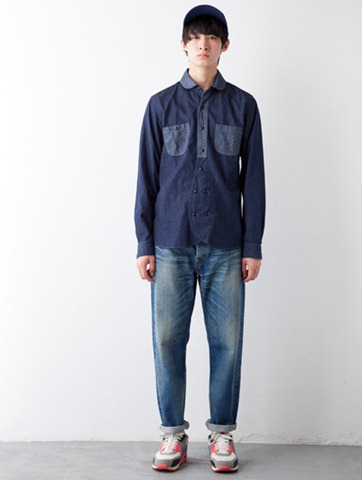
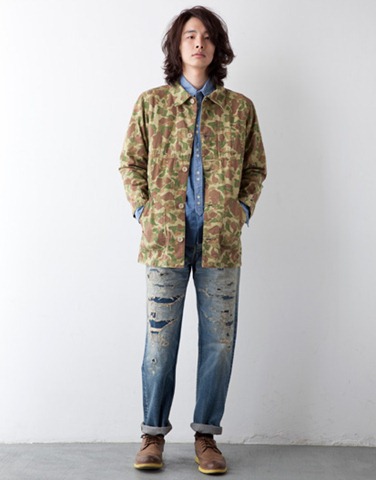
    “Classic with a Twist” underpins the design direction of the EVISU Heritage collection. Fusing new-age design elements with traditional denim wear, the collection offers a sophisticated and stylish look. This season EVISU integrates the ever-popular camouflage print and other outdoor gear elements into the collection, which makes the pieces easy to complement with a variety of styles, offering a different and more mature side to denim wear.

    EVISU Genes Collection

    The stylish EVISU Genes collection is a core line within the EVISU brand. It stands out from the other collections by being designed specially for the street. This new-age, pop-colored denim package is inspired by Tokyo’s unbridled buzz and presents the fun-loving face of Japan to the world. Suitable for all ages, the collection features elements such as patchwork and colorful prints that are used to update classic designs such as MA-1 and varsity jackets. The bright color palette for slim and skinny denim adds a more modern touch to the entire collection.

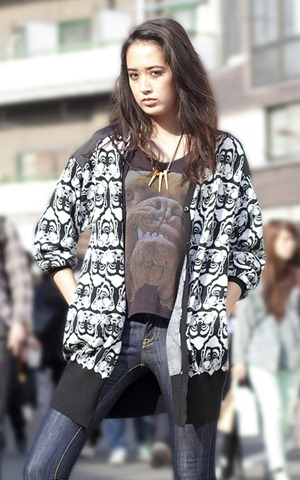
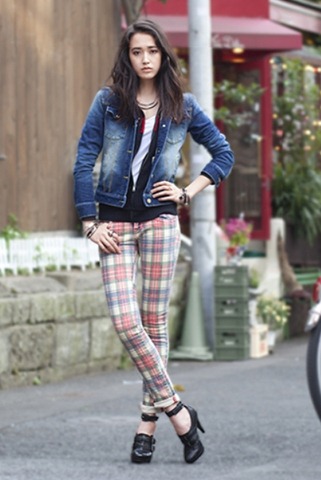
    Women’s Collection

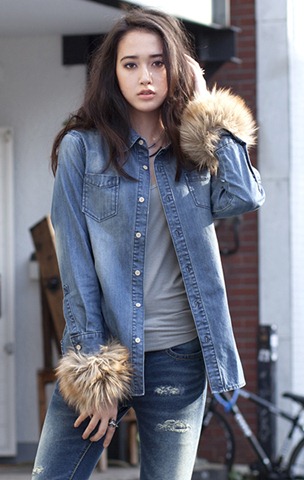
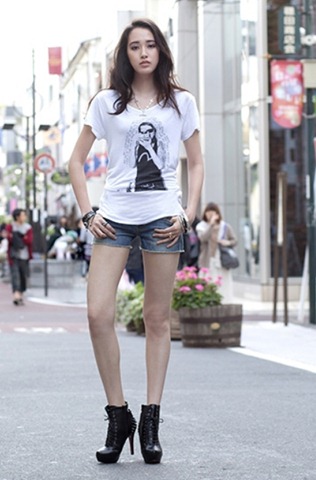
    Denim may highlight the masculinity of men, but it has the opposite effect on women. A slim silhouette of denim showcases feminine curves, while the right pair of shorts can bring attention to a woman’s youthful vitality.  Evisu tries to pep this up !

    Some cool looks from the collection shot at different locations in Tokyo..

    Evisu AW' 13 Japanese Denim collectin

    Evisu AW' 13 Japanese Denim collectin

    Evisu AW' 13 Japanese Denim collectin

    Evisu AW' 13 Japanese Denim collectin

    Evisu AW' 13 Japanese Denim collectin

    Evisu AW' 13 Japanese Denim collectin

    Evisu AW' 13 Japanese Denim collectin

    Evisu AW' 13 Japanese Denim collectin

    5

    Evisu AW' 13 Japanese Denim collectin

    Evisu AW' 13 Japanese Denim collectin

    Evisu AW' 13 Japanese Denim collectin

    Evisu AW' 13 Japanese Denim collectin

    Evisu AW' 13 Japanese Denim collectin

    Evisu AW' 13 Japanese Denim collectin

    Evisu AW' 13 Japanese Denim collectin

    Evisu AW' 13 Japanese Denim collectin

    Evisu AW' 13 Japanese Denim collectin

    Evisu AW' 13 Japanese Denim collectin

    Evisu AW' 13 Japanese Denim collectin

  • Interview With Alberto Candiani | TRC

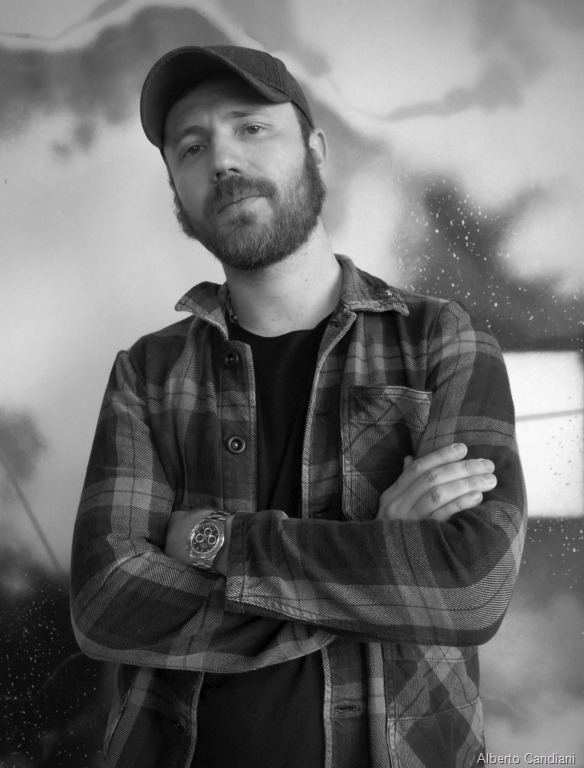
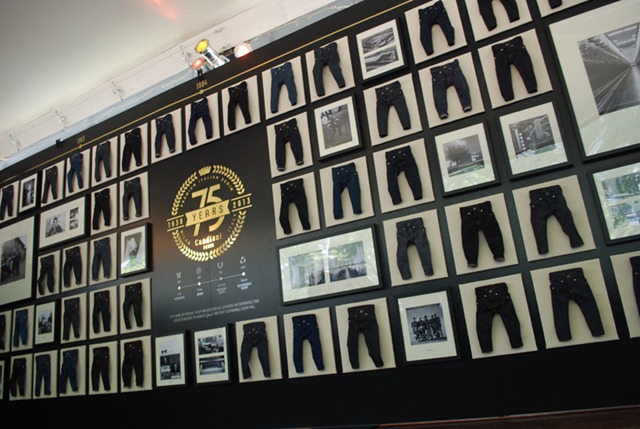
     candiani Candiani (TRC)  is one of the most famous denim mills in the history of denim. Based in north Italy , near Milan, the company is one of the bastions of denim where most of the European mills have vanished . Easily counted among top 3 denim mills worldwide, TRC is celebrating its 75th anniversary and it was our pleasure to discuss with Alberto Candiani about what moves TRC . Alberto Candiani is the fourth generation of the Candiani family active in the denim industry. As a child, he explored his creativity as a DJ, music producer, and band member—before joining the family business. He is involved in multiple facets of the business , including marketing ,sales, product development and product re-engineering. And he  likes to consider TRC as “Oversized Artisans” rather than a large corporate. At 30 years old, Mr. Candiani is already considered one of the foremost denim experts in the world. Here are some parts of the conversation with him.

    Q.Pl tell us something about the history of TRC .

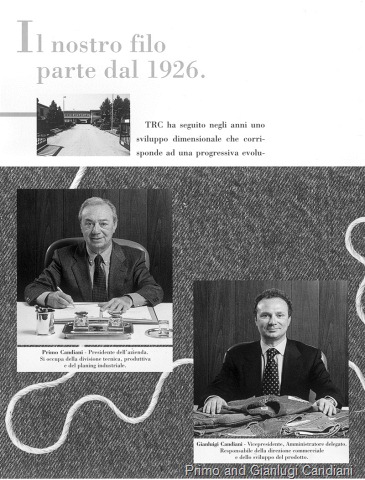
    Candiani’s history is our family history. It all began with Mr. Luigi Candiani who bought several looms back in 1938. At that time we were weaving workwear fabrics and sold 05 Alberto Candiani them in the local markets. Luigi’s son, Primo, built up the actual company adding spinning, dyeing and finishing to the weaving department. From its local roots the market became national and our textile experience turned into Denim in the beginning of the 70’s. Primo and GianLuigi (his first son) understood the importance of making a good product and the potential of the international markets.
    The company has always invested in new technologies and innovation. Yarns went back to "Ring", slasher dyeing got closer to the wrap system and GianLuigi moved the focus on the development of a good looking and performing stretch Denim.
    In the second half of the 90’s exports overtook the domestic business, the company became global and 100% product driven. In 2005 we increased our capacity investing in a superior spinning department which made us completely self-sufficient in terms of yarns supply.
    Today Alberto Candiani, the 4th generation, together with his father GianLuigi are challenging the industry by taking Denim to the next level every season.

    TRC Candiani History

     75th Anniversary Paris Candiani

    Candiani 75th Anniversary

    Q.TRC – Candiani is one of the strongest brand in denim industry worldwide. While so many other European denim mills faded away, you have emerged stronger. What makes Candiani so vibrant and dynamic ?

    I believe the reason is our structure and our strong innovations. We are a family owned business, with a very small management and decision making, and we are proud to consider ourselves "oversized artisans" instead of a sort of textile corporate.
    I think our product and our service are the key points of a successful business.

    Q.I believe this is the  third generation from Candiani which is running the show . What changes you have seen in the last 30 years as denim evolved from a workwear  to a fashion product, from an OE to a primarily ring product ?

    This is actually the 4th… We can easily focus on some points which describe the rise of Denim and the transformation of a pair of Jeans in a fashion item:

    • From Open End to Ring
    • Deeper dyes and versatile colors which gave the opportunity to treat the Jeans in the second step: the laundry.
    • The advent of stretch Denim and the creation of a Women Premium Industry.
    • More compact constructions
    • Fancy finishings
    • Sustainable products.

    Q.You are very strong in  innovations and denim brands around the world vouch for your quality . You are personally so deeply involved in the development process. The knowledge base that you have developed over such a long time must have really helped you to innovate so well.

    In the end that’s still the most fun part of my job: creating the product, Denim. We need to experiment a lot, we need to invent, not to follow trends. That’s why I always pay attention to other segments of the textile industry too.
    What is also very important is to have a direct and transparent relationship with the brands’ designers and with our suppliers.

    08 Candiani Warping

    Q.Can you tell us about some denim products from your mill’s history which have been a great success and still inspire you.

    Well, there were a few of big OE items I can’t really remember because of my young age…
    Let’s say that the fabric that has changed our philosophy was designed by my father GianLuigi and Mr. Austoni (our GM) at the end of the 90’s.
    It was called, or it is called (cause we are still selling quite a lot of this fabric today) RR 7070 Ink Shiny and RR 7008 Ink Millennium in its stretch version.
    This item is pretty much an open weave construction, 3 by 1, around 12 Oz, with multi-twisted yarns in the warp which give a nice authentic look to the construction, in a deep grey cast indigo, flat optic finished.. and the stretch version made the difference since our recovery has always been considered the best in the market.
    A more recent item, developed in 2005, has been RR 1532, a finer, lighter and more compact construction compared to the previous one, which came in different colors and finishes, with a pretty marked crosshatch effect.
    I believe we sold over 50.000.000 mts in these two constructions.

    Q.Pl tell us about your SS ‘15 denim collection

    It looks like authentic Denim is finally coming back. When I say authentic I am mostly talking about the Ring character and the red cast deep indigo shades.
    In our specific case the new stretch technologies are the core of our business and our performance stretch technology (from comfort to power) is re-defining a new standard in the market.

    Sling Denim Candiani Candiani Sling Denim

    Good elasticity and recovery are everything for women’s Jeans, together with soft hand, which does not have to be drapey, cause the Jeans have to hold you in.
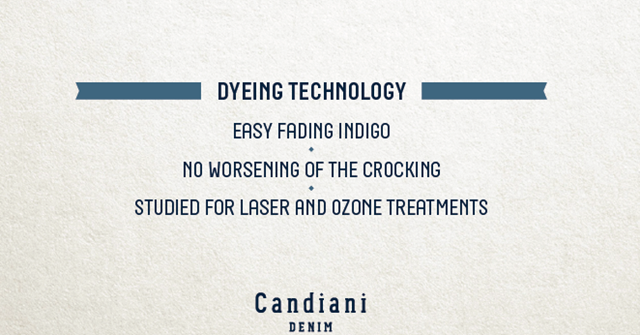
    We also developed a big family of comfort stretch fabrics which you willN7 Candiani never tell that they are stretch, it will be very great for both, men’s and women’s. The Nitrogen dyeing system that we have developed in-house and patented (which is very sustainable because it allows us to cut the consumption of water by 30% and eliminate hydro-sulfites) gave us the opportunity to develop different ways of making indigo penetrate into the yarns, so we go from easy fading colors to almost no fading ones.

    Indigo juice Candiani Dyeing technology denim

    Alternative finishings are still big, from pigment or sulfur foam to the classic coating, but we are trying to re-interpret them in a waterless way.
    Sustainability is taking more and more space in this collection, our consumption of Organic and BCI cotton is growing exponentially as much as the use of our Recycled Cotton Yarns.

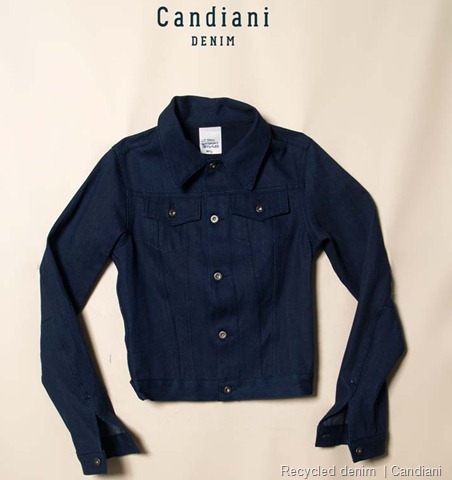
    Recycled denim Candiani

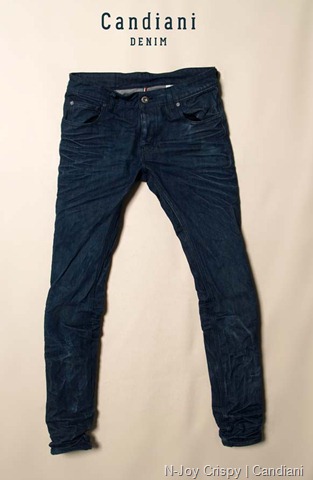
    N-Joy Crispy denim | Candiani

    7. Europe must still be the most imp market for you.. But the recent recession and drop in European sales has affected all. Do you see Europe doing better in near future?

    Actually yes, I am pretty positive. Europe does not mean Italy of course. Our Country is unfortunately suffering more than others (for too many reason) and it will take longer to recover.
    Hopefully Europe and US will understand they have to cooperate and establish a duty free relationship, it really makes sense in 2013.

    8. Denim in the 80s and early 90s was mainly OE . We then saw the shift back to Ring denim. Do you think there is any possibility of OE being reinvented and reborn?

    Not as much maybe but I am convinced that our latest stretch technologies are setting a new benchmark.
    Considering that women’s skinny Jeans are still the main item in our market I can say that there is no way to make a sexy pair of Jeans without taking this direction in combination with a nice touch and color.

    Ever Blue Candiani Selvedge denim Candiani


    Follow Denimsandjeans on Facebook  and get the latest in denim trends worldwide – daily !!

  • A Conversation With Lennaert Nijgh | Benzak Denim Developers

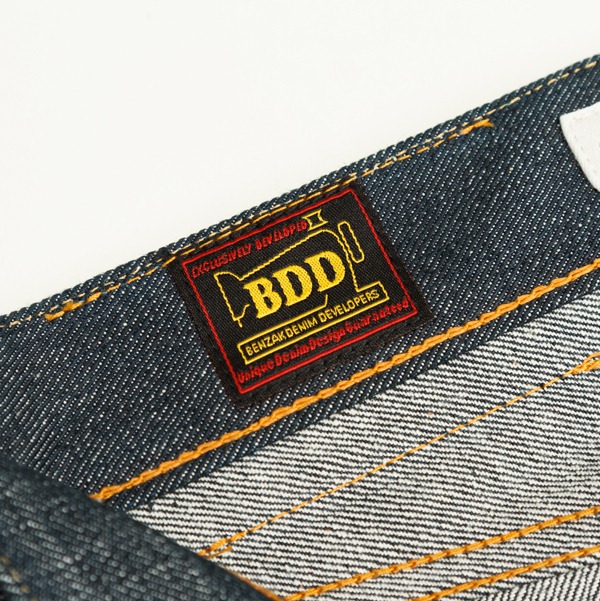
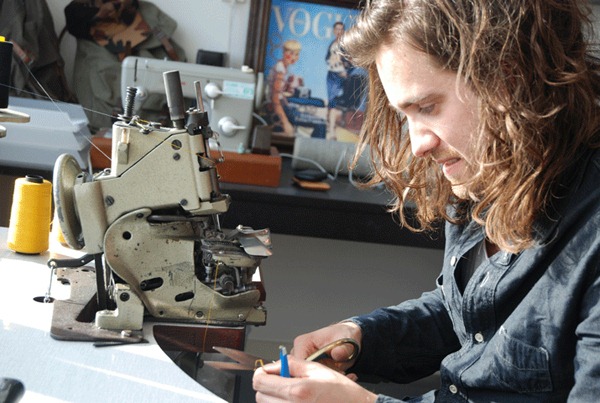
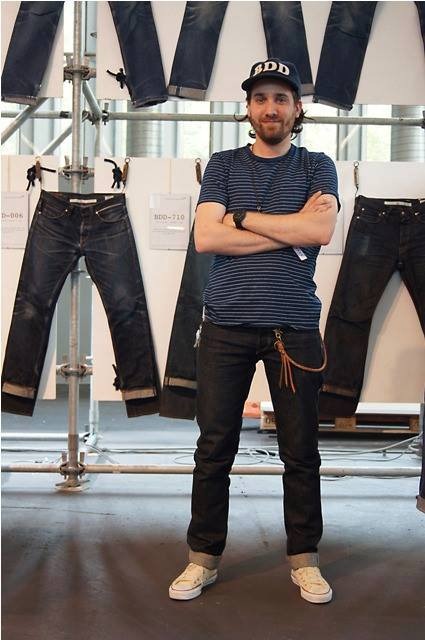
    Denim from Netherlands – the first recall from  these words is “ G-Star” the mega brand from Netherlands. There are a lot other denim brands which are closely associated with Netherlands including Pepe , Tommy and others. While these are mega retail brands, we also have some niche small brands in Netherlands who try to explore the heritage denimBenzag Denim Developers roots through their jeans. Most of them start with humble one man origins and develop  a fan base based on their quality perfected with passion. One such label is Benzak Denim Developers. Created and designed by Lennaert Nijgh, the brand attempts to recreate the magic of Original dry denim. We had a conversation with Lennaert and he exchanged his views on how he views the denim world and his own brand’s place in it.
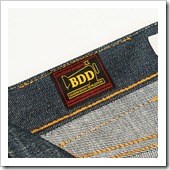
    1.Tell us something on how you created your brand BDD ..

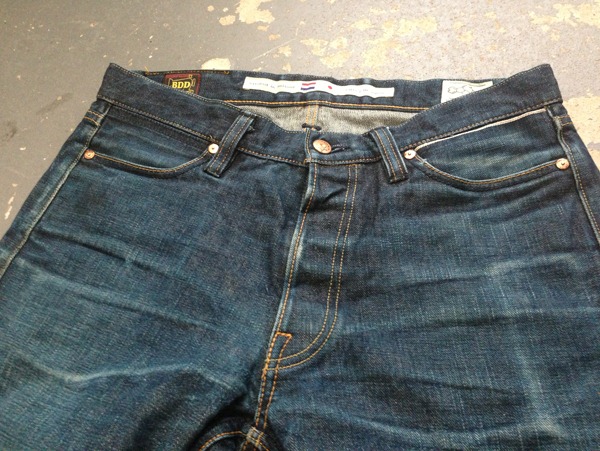
    BDD was born from the passion for jeans and the unique fading capability of denim. I have been working in the denim industry for a couple of years now, and I was already highly interested in denim since the age of 16. Then, 5 years ago I started my own company, alongside working for other denim brands, to develop my own collection of items I wanted to wear. I do not do any concessions regarding anything whenBenzag denim Netherlands Jeans
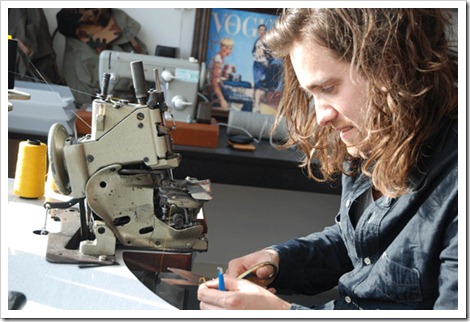
    Lennaert Nijgh

    it comes to my products; with BDD I strive to create a product that is perfect in my eyes. With the years and experience coming along the way my products have grown into something that I now fully stand behind. Although as a perfectionist I can always find small things to improve, which keeps me going forward with development all the time.

    2.What makes you a denim aficionado and enables you to go deep down into denim DNA?

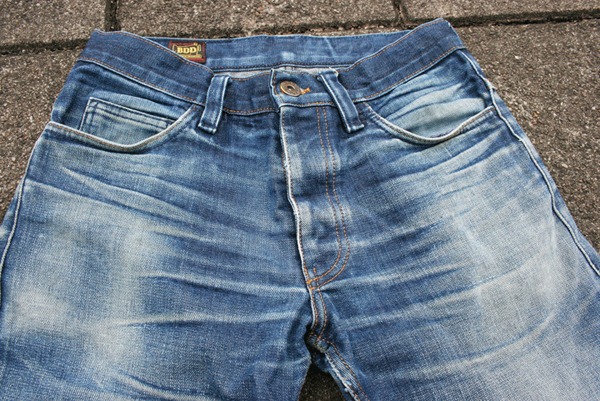
    I’m not sure how to express what makes me a denim aficionado with words, as this has so much to do with emotion. Maybe it’s the fading capability of indigo, that makes every pair of jeans a unique item by wear and wash. Maybe it’s the rich history of jeans, that has roots in manyRaw denim washed layers of our society, and has it’s very interesting evolution from workwear to a symbol of rebelliousness to fashion and that any day garment of which most people in the Western world own at least 1 example of. There are just so many interesting facts about denim and jeans, and I am still learning every day as well. Up till today working in this field has never bored me.
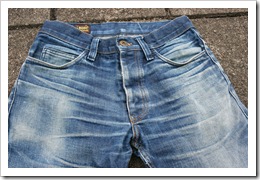
    3.You do mainly raw denim in your collection. What makes working with raw denim a fun and a challenge ?

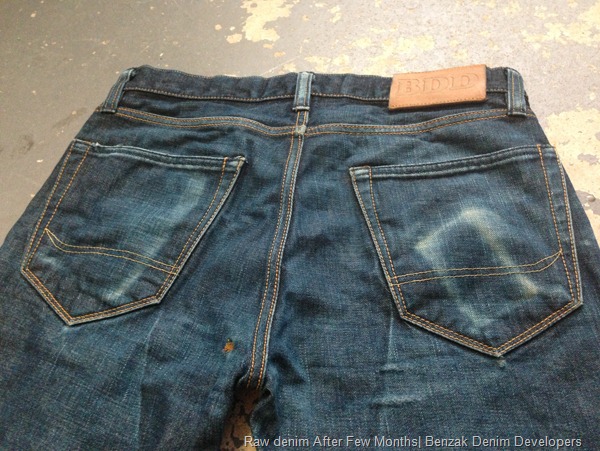
    I prefer to refer to unwashed jeans as ‘dry’, from the term ‘dry goods’. I love dry denim as I want to create my own fading pattern, to reflect your every day of life. It is beautiful to see how 2 of the same pairs of jeans can turn out so different on 2 different people. It is really a blank canvas when you start, painting your experiences on it along the way. There are not many chances to catch me wearing a pre-washed pair of jeans.
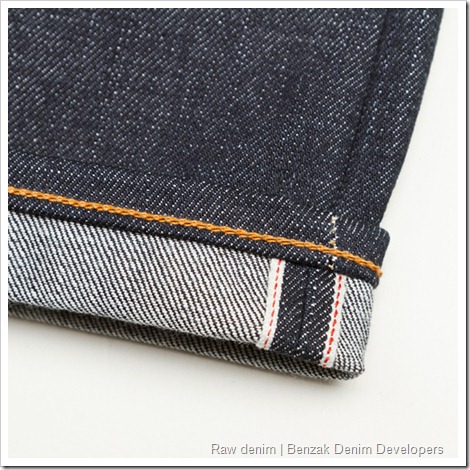
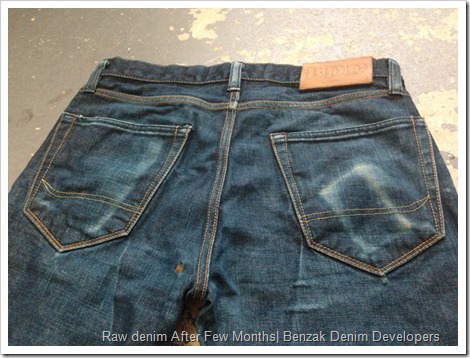
    Raw denim | Benzag Denim Developersafter wash close backRaw denim | Benzag Denim Developers

    4.Netherlands is increasingly becoming a denim hub. From the times when G-Star took off, we have seen denim roots growing . What  do you think has helped denim brands to grow out of Netherlands.

    There are a couple of reasons. First of all the Netherlands has a very healthy climate for big companies, regarding taxes and such. International companies like Tommy Hilfiger and Pepe Jeans are based here for (not limited to) this reason. Secondly the Dutch wear a lot of denim; young and old, rich and poor, everyone wears jeans. It might be the casual, no-nonsense attitude of the Dutch that goes perfectly well together with a pair of jeans. Also, because there are so many denim companies based in the Netherlands, for many years now, we have a high amount of experts in the field. ThisRaw denim Netherland results in many new brands popping up, like BDD as a niche brand, but also more mass-market focused brands like KOI (Kings of Indigo) and Denham. By the way, both their founders used to work for Pepe Jeans and some other influential brands in the past, so this is a good example of what denim in the Netherlands has created over the past decades.
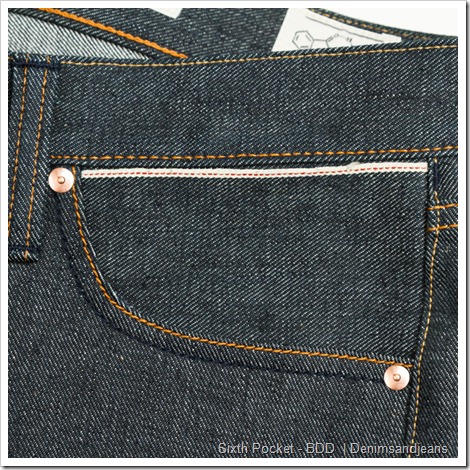
    5.You have created a famous ‘sixth pocket’ on the jeans. What was the concept and idea behind it ?

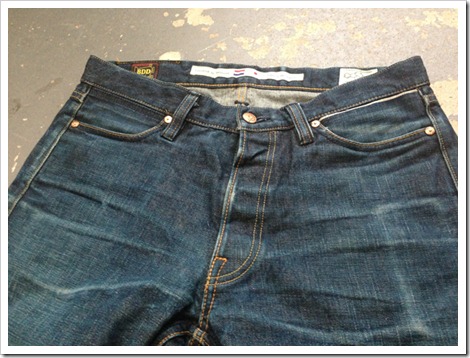
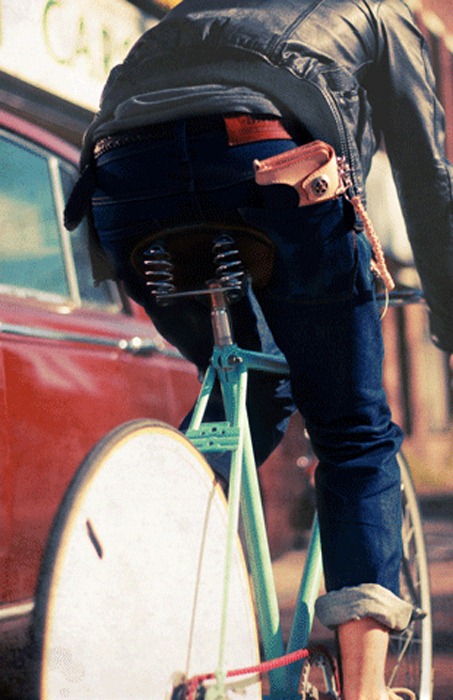
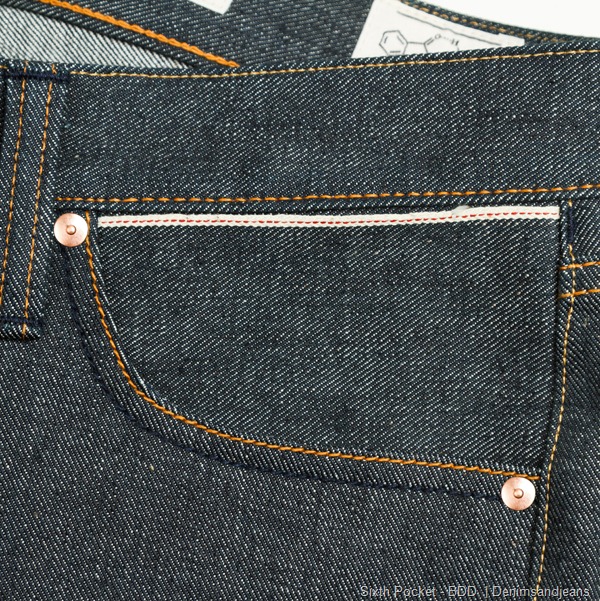
    The idea about the 6th pocket comes from the idea of staying true to the past, but at the same time evolving with time. Jeans used to have 4 pockets (2 front pockets, 1 backpocket and 1 coinpocket); a 2nd backpocket was added later to create_YM_8738-rivet the now famous 5-pocket jeans. This extra pocket was introduced as the miner, railroad worker and later cowboy needed more space to carry stuff around. Today we don’t use our jeans as workwear anymore, but I still consider us denim lovers as the ‘modern day cowboys’. And we carry a bit more with us every day (such as a phone, wallet, keys and other loads of other small objects – you name it). So I created a hidden 6th pocket as products need to evolve with the changes of society, just like it did from 4 to 5 pockets. I purposely made it hidden, only with the selvage exposed at the top (to create a thin layer) which will be covered by your belt, as I don’t like these ‘in your face’ details, and maintain the look of a pair of 5-pocket jeans.
    6.Your pieces are timeless and not season specific. What makes them so ? Do you think the timelessness is an inherent character of raw denim?

    They are timeless because I do not look at fashion, but I follow a lifestyle that has been going on for years, with only minor changes applied over the years. My jeans could have been worn 5 years ago, and can still be worn in 5 years. It is about quality, about the fabric and construction, not what is the trend at the moment.

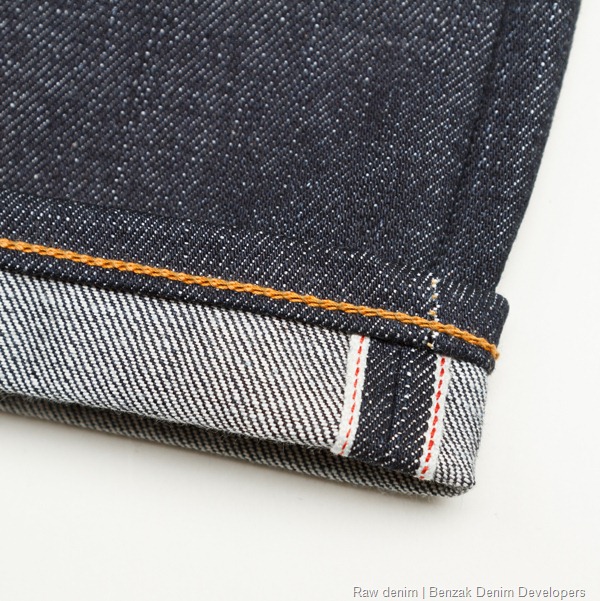
    I don’t think the two (dry denim and timelessness) go together hand in hand: most timeless denim (but not all) is dry, but there are so many non-timeless dry jeans out there, as their main focus is not on the dry aspect.raw denim stitching
    7.When and how much to wash the raw denim? There are lots of debates on this subject with experts advocating minimum 1 year of wear without wash . What do you feel is the best period for the dry jeans  to be washed ?

    Ah, the endless debate of whether to wash or not to wash. There is simply no single correct answer, as it all comes to preferences. If you want to create super high contrast jeans, then delaying the first wash as long as possible is a good idea. If you want to have a more vintage and subtle worn in pair of jeans, you don’t have to wait too long. If you don’t like contrast, you should wash frequently, but then you should also think for yourself why you picked a pair of dry denim jeans ;-).

    It also really depends on the quality of the fabric. Good quality denim can be washed much more frequently without losing it’s faded pattern. And don’t forget the temperature: wash at 60 degrees for more contrast (and shrinkage), or 30 degrees or even cold, to loose a less indigo as possible.

    I prefer to have a very pronounced fading pattern (my personal wearing pattern), but without the super high contrast. So, I usually wash my jeans after between 6-9 months, depending on the evolution. But after that first wash I wash them much more frequently, like once every 3-4 months.

    Washing is also good for the fabric: it stabilises the fibres from within. Without washing, the dirt will weaken the fibres and create rips and tears much too soon.

    In the end, it all comes down to preference, but picking a pair of high quality jeans is always something I’d recommend.

    8. According to you what are the most important characteristics of a denim fabric which make it special ?

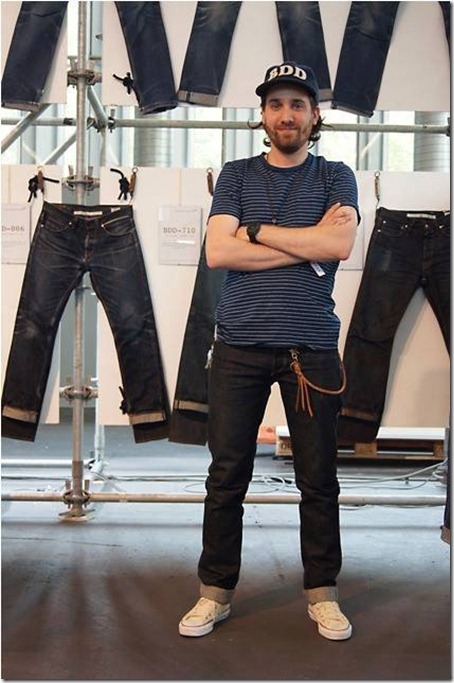
    Construction and cast are the 2 most important characteristics of a denim fabric in my opinion. I really love left hand twill denim because of the more subtle, low-contrast fading and it’s soft touch. The BDD-710 is a LHT denim, and so is the very first pair I did, the BDD-001. I’m always looking for special casts, such as green cast or grey cast, to create a ‘colour palet’, despite only using shades of indigo. The current pairs, BDD-006 and BDD-710, are now respectively a pure indigo and a green cast, which makes both of them stand out as they look very different. I also like a subtle slub in denim, not too much though. Weight is something that is a secondary priority to me. Selvedge too actually, although the nicest fabrics I have found are usually selvedge denim as well. But I can fall in love with a non-selvedge fabric just as easy — I have seen quite some really nice projectile loom fabrics over time.

    8.Do you want BDD to continue to be  niche brand or do you want to grow in volumes and take your denim to other segments too?

    Like I explained before, for BDD I do not do any concessions, which means it will be very unlikely my brand can grow into big volumes. I pick quality over quantity. I simply love my product and enjoy working on it every day too much this way. But this is how I feel about it now; you should ask me the same question in 5 years again! 🙂
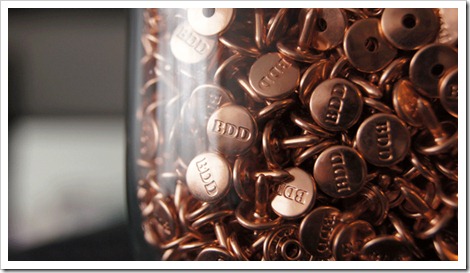
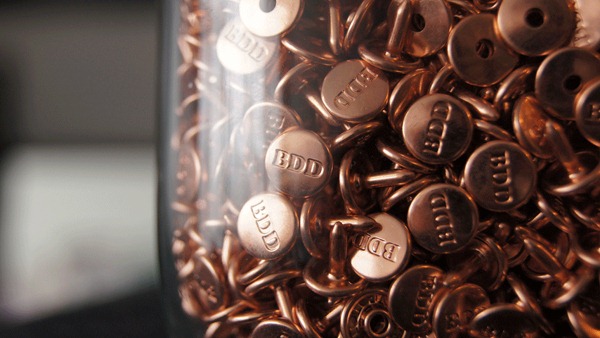
    Raw denim buttons

    10.Can you take us through your latest collection?

    The latest collection (and actually first ‘true’ collection of BDD) contains of 6 items: 2 jeans, 2 t-shirts and 2 accessories. The jeans are made in Japan, the indigo dyed t-shirts in Portugal, the belt in Singapore and the baseball cap in the USA; all area’s known for high quality products with their own speciality. For a detailed explanation of the products, please go to the website  or check out the collection book

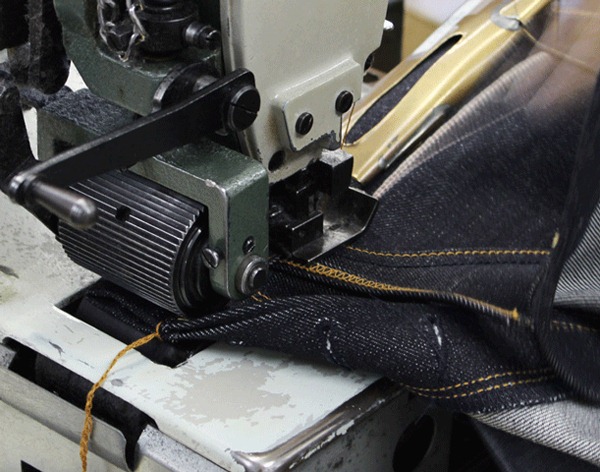
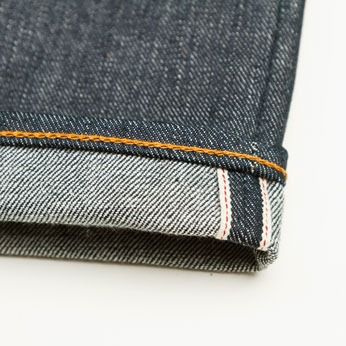
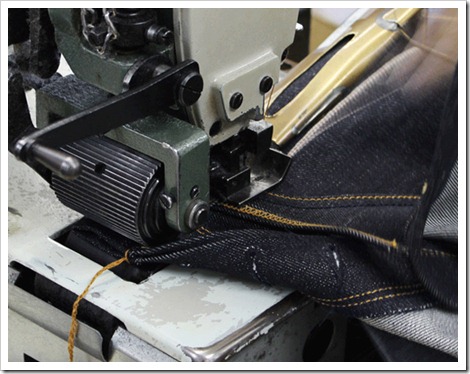
    And by the way, if you are looking to get a chain stitch hem done on your jeans, BDD provides the service of doing so on a Union Special machine !
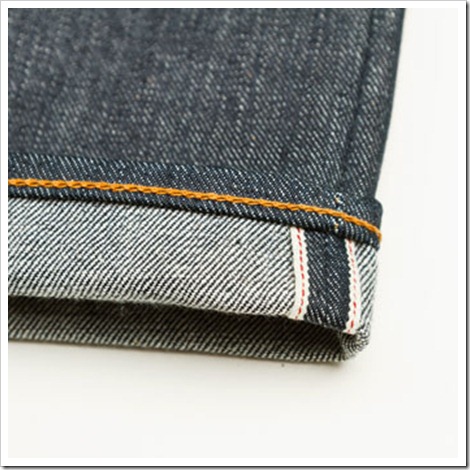
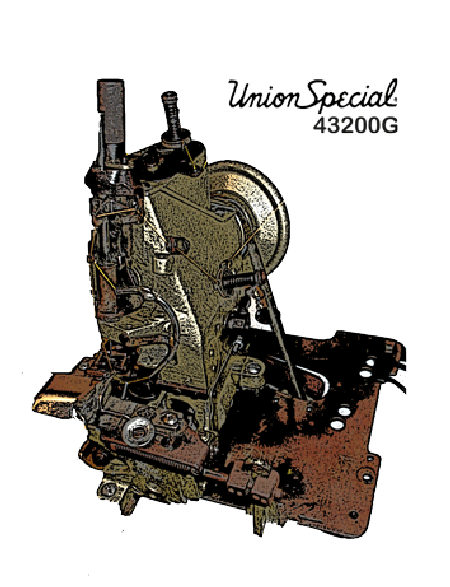
    union special chain stitchUnion Special Jeans Stitching Machine

  • Japan–Imports Of Denim Fabrics | 2012-2013

    japan denim fabric importsJapan is the most important region for denim production , when we speak of niche , premium and selvedge denim fabrics.  While Japanese producers love their own denim and most of the jeans produced in Japan is made from their own denim. However, there is some quantity that is being imported from different countries.

    In this report we shall look at the imports of denim fabrics from various destinations around the world in Jan-July 2013 vs same period in 2012. We had previously covered the exports from Japan in another report. This report will cover:

    1. Quantities of denim fabrics imported from various countries around the world in the period Jan-July 2013 and 2012 (table) and graph)
    2. Average prices from each destination and as a consolidated figure will be there in a table.
    3. It would be interesting to see the average weight of fabrics being imported from different countries. Some surprises here as Japan is normally considered to be fond of  heavier denims.
    4. Change in imports and prices in 2013 vs that in 2012 (table)

    [private_special]

     Denim fabric imports 2012 and 2013

    We can see a fall of about 12.5% in imports in 2013 as compared to 2012. The overall imports fell from 1.53 million mtrs in Jan-July ‘12 to  1.34 million mtrs in 2013. This fall may or may not be temporary. We have seen that the imports sometimes tend to make up in the later part of the year. We will have a better idea when we look again at the figures towards the end of the year.

    Lets look at some of the top exporting countries which exported denim fabrics to Japan.

    Imports of Denim Fabrics in Japan (Countrywise)

    Country 2012 (Jan- July)
    Sq mtrs
    2013 (Jan- July)
    Sq. mtrs
    % 2012 % 2013
    China 6,20,460 6,83,822 40.5% 50.8%
    Indonesia 4,03,871

    2,44,346

    26.36% 18.1%
    Taiwan

    3,38,583

    2,72,537

    22.1% 20.2%
    Turkey

    85,903

    1,02,935

    5.6% 7.6%
    Hong Kong

    33,341

    25,353

    2.1% 1.88%
    India 29,332 1.91%
    Others 20,080 16,608    
             
    Total 1,531,570 1,345,601
       

    China’s exports are almost 50% of the imports of denim fabrics into Japan. It has increased its share from 40% in 2012 to 50% in 2013 . The other important exporting nations are Indonesia  and Taiwan , exporting about another 40% of denim fabrics to Japan. Within these countries, Indonesia again seems to have lost some sales to China and has lost some market share. China, due to its proximity and a better understanding of the Japanese market due to its higher business links, is in a better position to serve this market.

    Turkey, though currently exporting only a small quantity of denim to Japan, seems to have increased its share a bit , specially when the overall imports of denim have fallen. Turkish companies have been trying very hard to enter the Japanese market and seem to have made some dent there – though its still a miniscule quantity.
    Other countries like India, Hong Kong and other countries are small players in this market.

    Av prices of Imports of Denim Fabrics Into Japan

    Country 2012 (Jan- July)
    Av Price in USD/ Sq. Mtr
    2013 (Jan- July)
    Av. Price in USD/ Sq Mtr
    China 2.04 2.53
    Indonesia 2.18

    2.28

    Taiwan

    2.79

    4.32

    Turkey

    5.71

    5.35

    Av. Price 2.38 3.10

    Note : Prices in yen converted into USD prices assuming 1 USD = 100 yen

    When we look at the price levels of denim fabric imported in Japan, it is hard to believe that the denim is being imported there at such low prices. With average prices of  about $2.40/ sq mtr which comes to about $3.60/ mtr for a 150 cm fabric in 2012 and about $4.65/mtr in 2013 , we realize that the prices are quite low. These prices are very far off from the levels at which Japanese denim is being sold.
    So, is Japan importing low quality fabrics from other countries ? This may be true to some extent but not entirely , because of following reasons :

    a) Japanese companies have their own denim fabric units in China and they import some fabrics from their own units. The prices for such fabrics may be not reflective of market prices . Eg Kurabo has its own manufacturing in China .Similarly, Nissinhbo has its own unit in Indonesia which might be exporting fabrics to the parent unit.

    b) Turkey , which is a quality denim producer and a late entrant to this market seems to be exporting at very good prices of about $5.3-$5.5 per sq mtr or about $8/mtr for a 150 cm fabric. This is a good price ! .
    b) Japan also has some low end market which sells jeans at very low prices. Some of this fabric may have imported for manufacturing these kind of jeans.

    Weight of Fabrics Imported

    Japan is normally considered to be a market where heavier wt. rigid  fabrics are normally preferred . Manufacturers are known to excel in production of very heavy fabrics ranging from 16oz to 29oz!! 
    Though this might be true for locally produced fabrics, the imported fabrics do not show such a trend. The imported fabrics are in the weight range of  11oz –11.5oz , which is the normal weight range in other denim regions like EU. Though, when we look at 2012 and 2013 figures , we find a small trend towards weight increase from all main exporting countries except Turkey..

    Av weight of Imported Denim Fabrics Into Japan

    Country 2012 (Jan- July)
    Av Oz/ Sq. yd
    2013 (Jan- July)
    Av. Oz / Sq. yd
    China 11.20 11.68
    Indonesia 10.85

    12.50

    Taiwan

    10.85

    11.62

    Turkey

    9.70

    7.80

    Av Wt of all fabrics imported 11oz 11.5oz

    [/private_special]