Author: Sandeep Agarwal

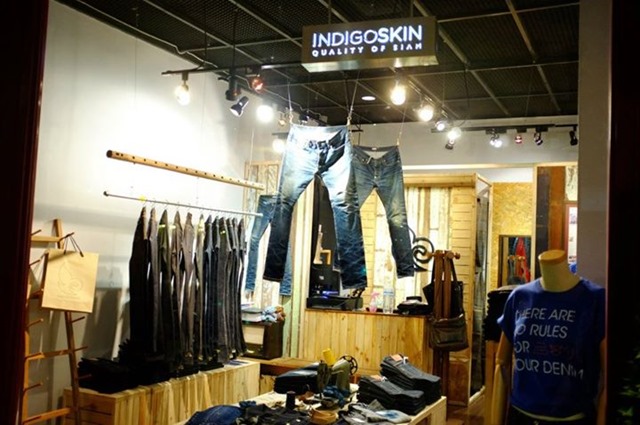
  • A Conversation With Tuchawee Sonthirati | Indigoskin

    indigo skin

    Denim is a special fabric, not only because it is probably the most versatile fabric ever made , but also because it enables its lovers to become artists . And artists don’t need to be mass producers , they just need to create great paintings and they have instant recognition and followers. Same goes with a number of smaller niche denim brands worldwide. They don’t need to be Lev’s or a Gap to create great denims. What is needed is just a very high degree of passion for denim fabrics for using it as a canvass to create great jeans..

    One such denim brand is Indigoskin from Thailand..We can call it a ‘SIANESE’ or ‘JAPAMESE ‘label – since it uses both Thai and Japanese denim character.

    The owner designer of this brand –58129_588306794527005_522938592_n Tuchawee Sonthirati is a great denim enthusiast and his label  is loved in eastern regions – Japan, Thailand, Hong Kong , Taiwan etc.. He sells these jeans in his own Indigoskin stores. We spoke to him to find what makes him and his denim passion tick ..

    1.Hi Tuchawee ! Welcome to our site. Do tell us something about your Indigoskin brand

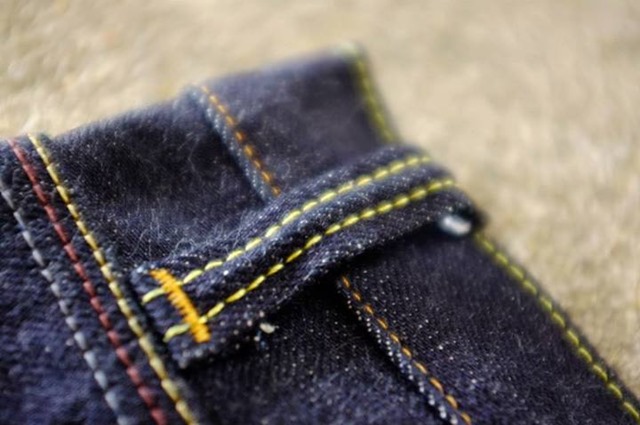
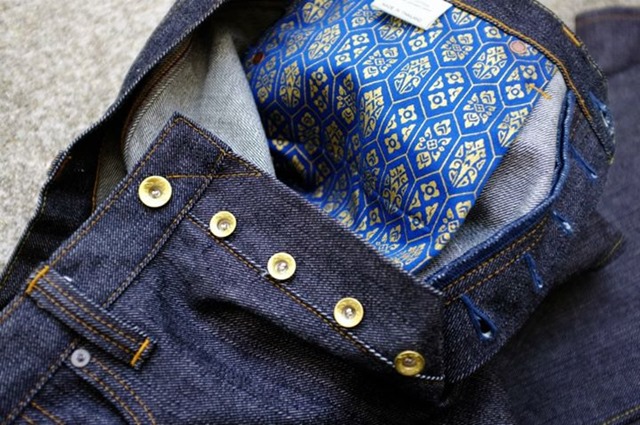
    Indigoskin is a brand of passions Inspired by my wholehearted love for jeans. Indigoskin intends to convey the concept of “The Quality of Siam” though a perfect blend between traditional Thai art and quality Japanese denim.

    Indigo skin

    2.You are a raw denim aficionado .. Why raw denim fascinates you?

    Raw denim is very fascinating. The time you wear it, more beautiful you get from it. Can’t imagine the world with out raw denim.

    raw denim indigo skin

    raw denim from indigo skin thailand

    3.What characteristics do you look for in a raw denim fabric?

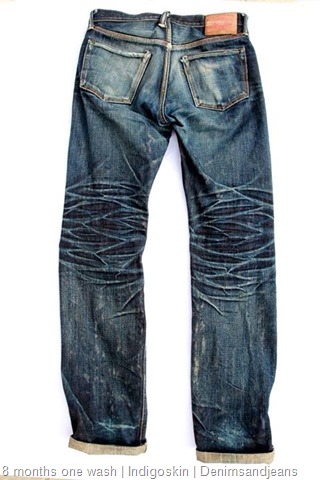
    I like a lot of character from denim. I am always searching for best denim for Indigoskin. Mostly I like how indigo colour turns out after you wear it for couple of years.

    raw denim washed

    raw denim 8 months 1 wash

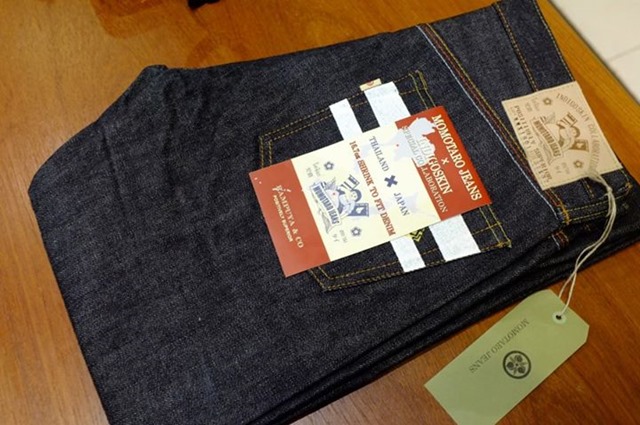
    4.You have collaborated with Momotaro jeans to create a special limited edition of jeans. What was it about ? I am sure customer response must have been great ..

    I have been a good friend with Momotaro jeans team. So we decided to make our collaboration project base on what we love about our concept and then put them together. We made 80 pairs of them and sold out in 1 day.

    indigoskin x momotaro jeans

    5.You are based in Thailand . Still you maintain very close and strong relations with Japanese denim world.. Do you think Japanese are the best ?

    Indigoskin is mostly made in Thailand but I used all denim fabrics from Japan. Every year I go to Japan to meeting with the fabrics mill to create my own denim and that make us a good friends . What I like about using Japanese fabrics is they are always willing to help you create you own fabrics with a small quantity (It is expensive but I think it worth with). There are so many fabrics mill that I want to try on my collections (Such as "Cone"). I think each fabrics mill around the world have there own strength.

    indigo skin denim jeans thailand

    6. Do you plan to go global with Indigoskin brand?

    Yes soon.

    7.What makes it difficult for other origins to come close to Japanese ?

    My last collections mostly come with mix cotton type of fabrics. That make each model come in a very unique way. example V-series (V from Vintage) come with 18 oz exclusive Japanese fabrics, I used mix cottons to created rough surface denim but inside is very soft. also I repeat dyed process to make the denim as dark as they can. It is really nice.

    8.Any advice for the lovers of raw denim?

    My advice ? Just wear it the way you are, and denim will show the way you live.

    Tuchawee plays not only with a jeans but with anything to do with denim and indigo.

    tuchawee sonthirati

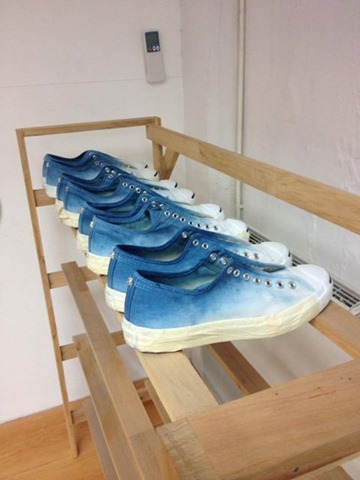
    Whether its working on an indigo dyed white canvass shoes ( a recent project )

    indigo dyed shoes

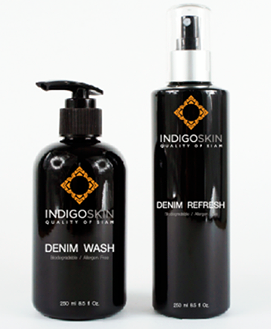
    or working on a spray for the aficionados of raw denim so that their denim remains disinfected and smell proof, he does it all. 

    1173776_648966881794329_561579670_n

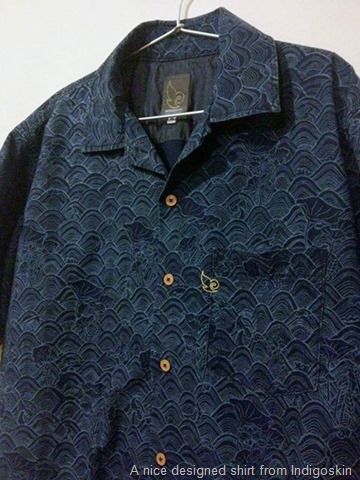
    indigo denim designed shirt

  • A Visit to Momotaro – Kojima , Japan

    This article is a reproduction of an articleby Adam Marelli on his recent visit to Kojima (Japan) where he saw the traditional denim production by the jeans brand Momotaro..It is a beautiful outsider’s view of the rare art of Japanese denim production.

    Blue jeans emerged from humble beginnings as the workwear of Americans, but in the wake of World War II it was the Japanese who would usher in a new era for blue jeans.  During the reconstruction of post war Japan, American looms were imported and set up in small factories.  Soon enough, companies like Toyoda (who would later become Toyota) produced shuttle looms of their own.  Many of these machines are still in use today, because as much as companies, like Apple, can’t seem to understand…you can actually build a product that lasts more than four years.

    Last year Adam embarked on a project called “Lost Ceremony.”  The first stop was a town that most people would never visit.  There are no famous temples or red gates sprinkled along the river.  Kojima, located in Western Japan is home to fabric producers, most specifically makers of some of the world’s finest denim.
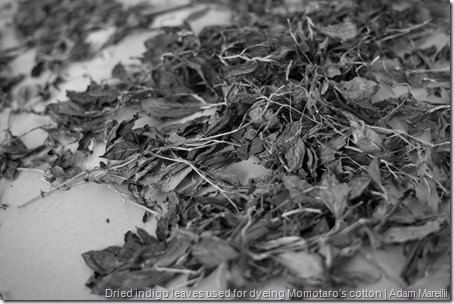
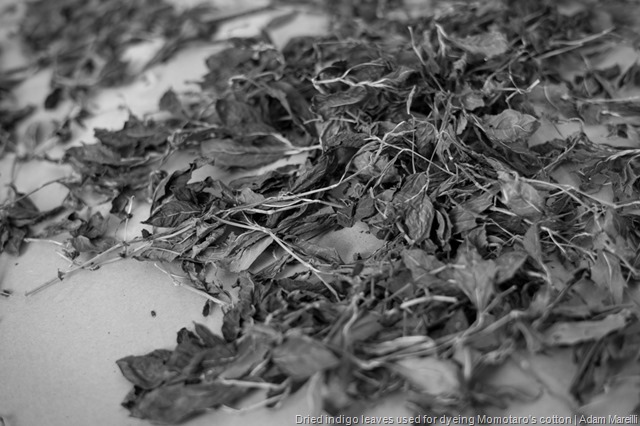
    Dried indigo leaves

    Marco Polo, Ali Baba, and Columbus

    Exotic fabrics from India to Peru have commanded treasure chests of gold, started wars and paid some of the most famous dowries in history.  While advancements in technology have allowed industry to produce the vomit-inspired upholsteries that scratches us on bus trips and the miserable patterned rugs than can depress an entire Texas cheerleading squad, there will always be specialty producers who take the time to make  a top quality product that feels, wears, and looks better than any imitation.
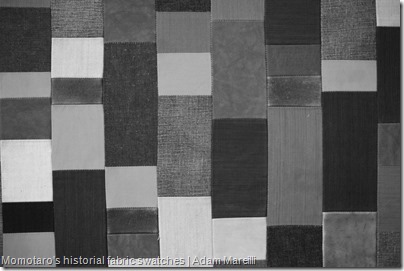
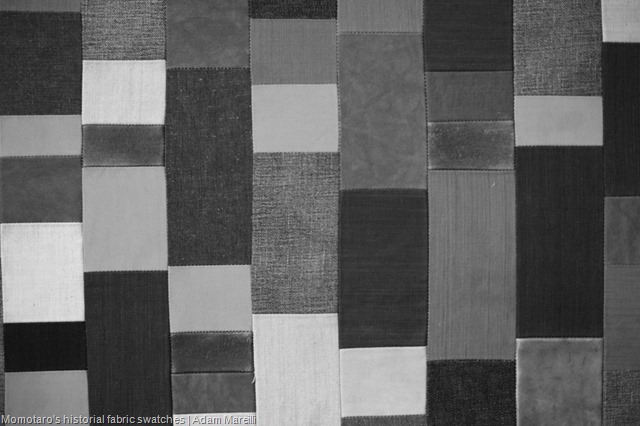
    Momotaro fabric swatches

    How to Spot Quality

    Most of our clothes are bought off the shelf.  In a person’s lifetime they might get a handful of garments made for them.  Something I learned during my years in construction was that most of the things we buy from Hondas to Bentleys are pretty much a-la-carte options at best.  Very few items are actually custom made from start to finish.  And that’s not necessarily a bad thing.  Because with the endless options that customization offers come the anxiety of not knowing what you want, how to ask for it, and if you really need it at all.

    So how could someone spend $1,500 on a pair of customized jeans?  Well a trip through the Momotaro workshops opened my eyes to the areas where most companies fall flat on quality production and where they chose to rip open the DNA of a jean and redesign them from the ground up.

    Uchida coaching the shuttle loom into the smooth rhythm of production. With all its belts and pulleys, they look like something out of a Dr. Suess book. But in the end the machines put out some incredible denim.

    Momotaro has a history of fabric production that is over one hundred and fifty years old.  This is not your “Hipster-pop-up-hand made-authentic-heritage-over-hyphenated-excuse” for small scale production.  Denim only represents 20% of their total fabric production annually.  In true Japanese style, if they can’t do it perfectly they would rather not do it at all.  The range of denim they produce ranges from hand dyed and hand woven to synthetic dye and motorized loom weaving.  They cover all of price ranges as an artists would learn how to mix all of their colors.  As new lines of jeans are introduced, they rest of a firm foundation which allows Momotaro to make decisions based on preference not strictly economy.  In the last few years Momotaro has branched out to European and American markets which has presented them with a new set of obstacles.  The international markets, not only, have different visual tastes…they are also shaped differently.  What does that translate to in jeans?  Well there are not too many 6’-4” guys named Lars cruising around the streets of Kojima.  People come in a multitude of sizes.  Momotaro had to make some scale adjustments for their clothing to be internationally compatible.  But the little tweaks in length and breadth did not impact the quality at all.
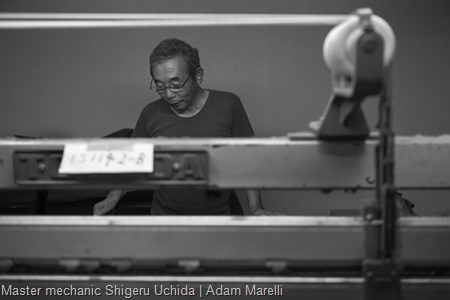
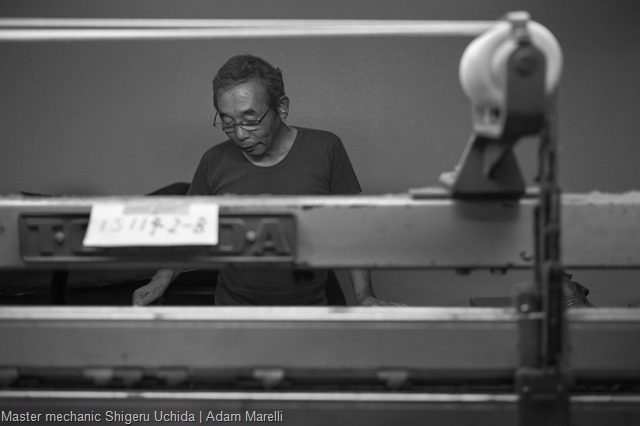
    Master mechanic Shigeru Uchida

    Master mechanic Shigeru Uchida is one of the dividing factors between Momotaro and the rest of the denim world. Adam Marelli

    Why your old Levi’s aren’t Momotaros

    At the moment American denim companies like Levi’s and Lee are ironically trying to reinvent themselves as quality brands.  The irony is that the denim business they shipped to Japan fifty years ago is now producing their highest quality jeans ever.  So where are the details in a pair of jeans?  Just flip a pair of Momotaro’s inside out to see some of the attention they give to their jeans.

    Zimbabwe Cotton.  If you really want to compete in the denim world the cotton has to come from Zimbabwe.  Why?  Well…contrary to Eli Whitney, they claim that the finest cotton still needs to be hand picked.  The cotton gin crushes the husk of the cotton into the fibers and damages them.  The feel is outstanding, but I have a feeling if anyone tried to resurrect hand picked cotton in the United States it would cause riots.

    Copper or Sterling Silver Buttons & Rivets with the family crest.  Inside the jeans you will not find anonymous copper rivets.  Momotaro embosses their family crest of the rivets.  Its a subtle way to say that the company is held together by family.

    Heavy Duty Pocket Liners. I wear jeans for any type of work day.  Whether I am at a work bench, on a shoot, or trying to keep my eyes open through a meeting, I often wear jeans.  One thing that kills me about cheap pants is that without fail the pockets rip.  How do I know?  Well usually its because I lost something (like my keys) and then realize there was a hole in the pocket.  Replacing those magnetic front door keys can be expensive.  So I love that the pocket fabric is not made of the standard tissue paper you find in chain store denim.

    The Fade. I am not talking about your barber’s ability to go from skin 1 to a number 4, when I say fade I mean how well Momotaro’s break in.  An axiom of aesthetics is that anything that looks best new is of poor design.  In contrast to a fashion culture that is constantly trying to pass off 16 year old girls as women (Calvin Klein, I’m looking at you…) age is not something to be feared.  And while we are all doing our best to “Earn our grays” or jeans should be along for the ride.  A well made pair of jeans will reflect their owner, which is why my jeans and yours will never look the same.  Its the closest thing to a fashion fingerprint out there.  Much better than buying some pre-faded, belt sander interpretations of denim.  You will have to wear these in yourself.  And that is half of the fun.

    The Peach. The Momotaro myth of a young warrior who protected the region is symbolized by the peach.  The surrounding area is famous for its produce, which is tangled in local folklore.  Momotaro decided to pay homage to their local production through the embossed design on the rivets and also the pink inseam stitching of the jeans.  Its a small and subtle detail.  But nothing makes the Japanese happier than playing the game of subtlety.

    Selvedge/Self Edge Fabric. If you have ever walked into a boutique and a sales person has tried to sell you on “Selvedge denim” and you thought they just had a lisp, you are not alone.  Turns out, they are not mispronouncing “self edge.”  Selvedge refers to the narrower width of fabrics produced on shuttle looms.  Its a tailoring detail that may not interest anyone but denim die hards, but from a production stand point its worth noting.  Textile companies are always looking for ways to stream line, aka lessen production costs, even at the expense of quality.  Selvedge denim is not an open weave at the end of the loom.  The fabric is woven closed on the ends.  This limits the overall width of the bolts.  So its not less expensive, in fact its a good deal more.  The end result is a different feeling and looking outside seam on the leg of the pant.  When we consider that it is the longest seam in the entire garment, it makes sense not to cut corners.

    Master Shigeru Uchida

    The pulsing clicks of the shuttle looms dominate the workshop.  Master mechanic Shigeru Uchida excuses himself for not having ear protection for us.  Click and bang of springs, gears, and rollers sounds like someone dropping a box of wrenches down a flight of stairs.  But underneath this cacophony is a rhythm that Uchida conducts with a small box of hand tools.  He is the only one who knows how to work all of the looms, something that is not lost on Katsu Manabe, next in line at Momotaro.  He explained that Uchida has been servicing these machines for over forty years.  His education in their inner workings was a classical apprenticeship, light on questions and heavy on beatings.  Uchida’s tough upbringing in this maze of fabric and gears is not something he wants to pass on.  He speaks softly to his apprentice who is fetching tools for the constant adjustments.  It almost appears that making fabric is not much different than farming produce.  Both require an inordinate amount of attention and maintenance.
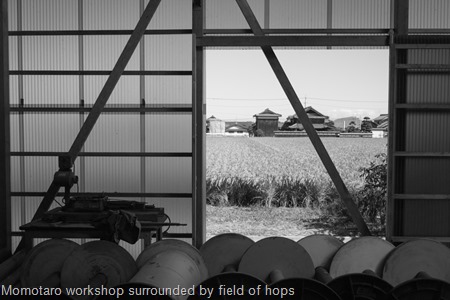
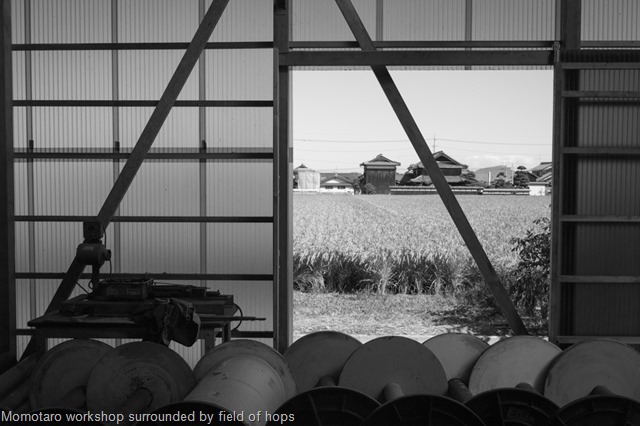
    Momotaro workshop surrounded by field of hops

    The Momotaro workshop is surrounded be fields of hops grown by the local breweries. Adam Marelli

    Working around Uchida was a delightful experience.  Whenever I have the opportunity to watch people who are extremely good at their profession, I get all excited.  The dexterity at which he reaches through these machines is astounding.  There are no electronic read outs or manuals.  He touches the machine to feel and listen to its sounds.  As he checks the output of the fabric from the loom he makes small adjustments to keep the machine on track.  Its rocking motion appears to eventually shake itself loose.  Each machine teeters on the verge or production and destruction at the same time.  Without the right touch, I got the impression the looms would shake themselves to death.  But with Uchida’s tuning hand they pump out thousands of yards of beautifully rich denim.
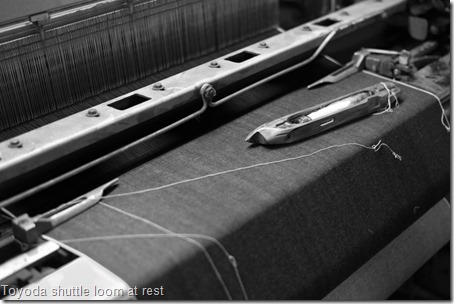
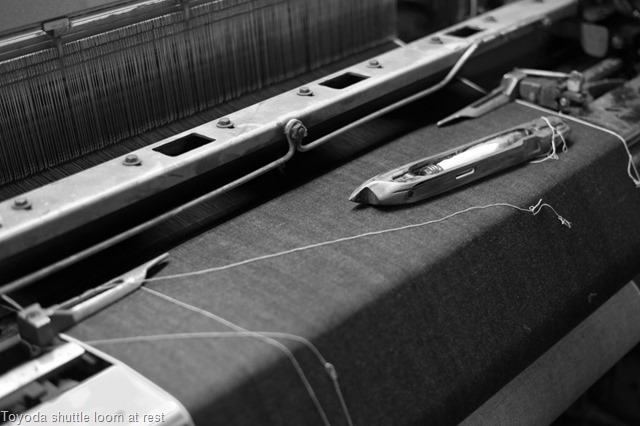
    toyoda shuttle loom at rest

    A detail shot of the Toyoda shuttle loom at rest. Keeping these machines running has been Uchida’s study for over forty years. Adam Marelli

    Sun Down

    At the end of the day we all retire to the back of the workshop, for the post work smoke break.  Never having been a smoker myself, its strange that I actually enjoy these breaks.  Its nice to see Katsu and Uchida step away from their work.  They have a calm satisfaction that belies the complexity of their daily tasks.  But as the sun is setting on the fields of hops and a bit of sun light catches a lone persimmon hanging from the tree, it is easy to see how work and poetry made their way together in Japan.

    On a journey, ailing–

    My dreams roam about

    Over a withered moor.

    –Matsuo Basho

    About : Artist & photographer, Adam Marelli is based in New YorkAdam Marelli City.  His projects explore the ancient crafts of building, maestros in their   workshops, and designs handed down through generations.  Whether he is photographing a master carpenter, dodging fish at a local market, or at the drafting table, he is in constant search of the threads which bind our cultures together.

  • Vicunha SS’ 15 Denim Trends

    “It’s a denim reboot!” Thomas Dislich, Director for Europe and Asia, succinctly sums up Spring/Summer 2015! “The blue gold is back on top as the protagonist in all collections. Denim is once again a fashion dynamo, and will significantly impact the shape of the market.” “Real denim” with cross-effects and irregular thread structures will play an important role. Discreet lines will more likely be in the background, while vintage is unmistakably at the fore!

    VICUNHA is known worldwide for  collections andvicunha production volumes –over 100 different items per season and about 14 million meters produced per month – and even better known for its pioneering role in South America. The denim powerhouse meets the highest international standards in terms of environmental protection, social responsibility, recycling and the sustainable, clean production of cotton. For years, VICUNHA has worked exclusively with cotton farms in Brazil and the USA whose business and employee policies meet the approved standards. In addition, the company is one of MARKS & SPENCER’s “Plan A” partners.July 2013, BCI’s South American debut took place in the VICUNHA showroom n São Paulo.

    SS’15 – DENIM REBOOT

    DENM REBOOT is VICUNHA’s general seasonal theme for Spring/Summer 2015.It’s also the name of this group of highlights, which includes some of  the most fashionable items. Here are some select denim fabrics from Vicunha for SS’15 from the ‘Denim Reboot’…. Gradient The Gradient line is striking thanks to its distinctive cross hedging and very lightweight 10-oz weight. It’s ideal for vintage effects in inner linings, as well as for distressed jeans and the used look. Vicunha SS’ 15 Denim Trends/Gradient Vicunha SS’ 15 Denim Trends/Gradient Blaine Blaine is eyecatching with its 11.5-oz weight, conspicuous cross structures and stronger ring slubs in a beautiful indigo. American vintage with iconic James Dean allure! Also perfect for dark dyeing! Vicunha SS’ 15 Denim Trends/Blaine Vicunha SS’ 15 Denim Trends/Blaine     Jordan This cool, unusual green-cast vintage look in an authentic 12-oz weight counts on relaxed texture and open weave cross hedging. Vicunha SS’ 15 Denim Trends/Jordan

    Tango

    Tango is oriented towards Japanese denim, in 12-oz and a summery dark blue. Strong irregular threads with ring effects and heritage-inspired slubs catch the eye. Vicunha SS’ 15 Denim Trends/Tango

    Sendai II

    This is the resurrection of a VICUNHA classic, one of the big favorites from 10 years ago. The 11-oz heritage line is experiencing a brilliant comeback through the use of new technologies, and gives commercial trends just the right twist. Vicunha SS’ 15 Denim Trends/Sendai

    Kiroshi

    Comfortable stretch for men and women is essential. Especially this robust 12-oz line with strong textures in special dark blue indigo. Vicunha SS’ 15 Denim Trends/Kiroshi CORE LINES The 100% cotton CORE LINES are strong all-round items made for function, with dense textures, and – depending on the wash – a more unobtrusive look. A quieter alternative or the ideal complement to the DENIM REBOOT trend highlights. Jackson The 12.75-oz Jackson features close-ups and fine interpretations with fashionable cross hedging. Its wearing comfort makes it an excellent choice for comfortable yet fashionable styles geared towards middle-aged customers. Marvin The 11.5-oz Martin is great for authentic, robust, non-elastic boyfriend jeans, equally beloved by fashionable girls and stylish male teenagers. Vicunha SS’ 15 Denim Trends/marvin/jackson/summit ridge Ridge With a weight of 11.8-oz, this all-round item is suitable for all washes and product lines.Ridge is especially beloved and purchased in large amounts by the major international verticals. Vicunha SS’ 15 Denim Trends/Ridge CORE STRETCH/MOOVE Super stretch and power stretch are still essential components. In women’s denim,body-hugging sexiness without tightness is essential for both boutique and mainstream businesses! VICUNHA claims to have developed high degrees of silkiness through satin weaves and the use of fluid twisted threads. Andaluz In a light 8.4-oz weight, specially combed and twisted threads yarns charm with a fine, silky feel. Polyester blends make for excellent recovery, in order to ensure perfect fit over the long term. Caprice This 9.8-oz light cotton satin luxuriates in poetic shades of silky soft blue denim in summer colors. Vicunha SS’ 15 Denim Trends/Caprice

    Some more  Looks from Vicunha denim collection

    Vicunha_SS15_trendmoods_4_13Vicunha SS’ 15 Denim Trends/ready to dye Vicunha_SS15_trendmoods_3_2 Vicunha_SS15_trendmoods_2_2 Vicunha_SS15_trendmoods_1_4

  • Shades of Indigo | Nature’s Beauty

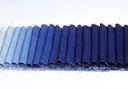
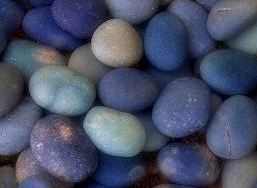
    Indigo is a color that was traditionally regarded as a color on the visible spectrum and as one of the seven colors of the rainbow: the color between blue and violet.

    Indigo is a deep, purply blue with some indigos having more blue or more violet. Some of the many shades of indigo:

    • Bright Indigo (Crayola) | Hex #4F69C6 | RGB 79,105,198
    • Denim (Crayola) | Hex #1560BD (more blue) | RGB 21,96,189
    • Indigo (Web color) | Hex #4B0082 | RGB 75,0,130

    Pure Indigo blue color has been used for centuries to dye wool, silk and cotton products and of course denim . The traditional indigo blue color gives out a resplendent blue tone and is markedly reddish blue in color. We have been seeing this color ever since we lay our eyes on ‘Jeans’-  the traditional day to day jeans blue ..

    Denim brands today are looking to differentiate themselves on various levels – whether its quality of fabric, wash, styling or their marketing . However, one of the key elements of this differentiation is now the cool and numerous SHADES OF INDIGO.. Deep dark indigo is still fascinating for the denim enthusiast. But  keeping the tradition of versatility, many new colors of denim are fascinating the consumers.
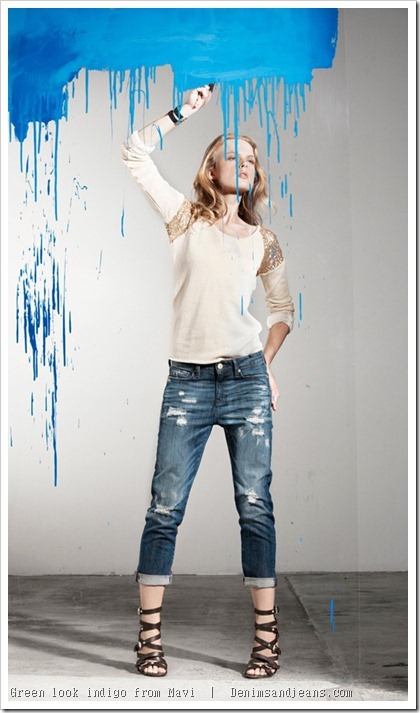
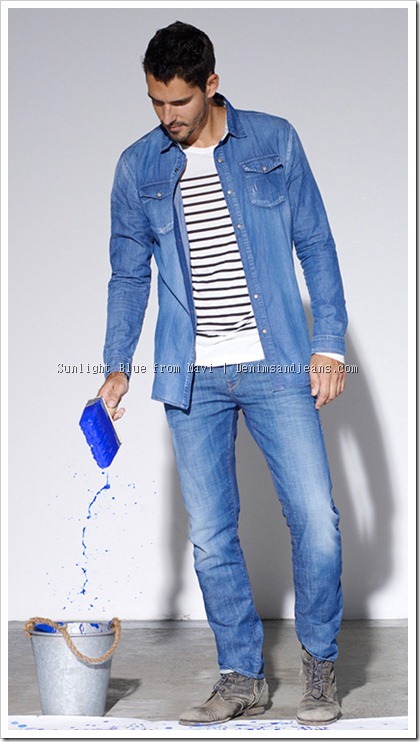
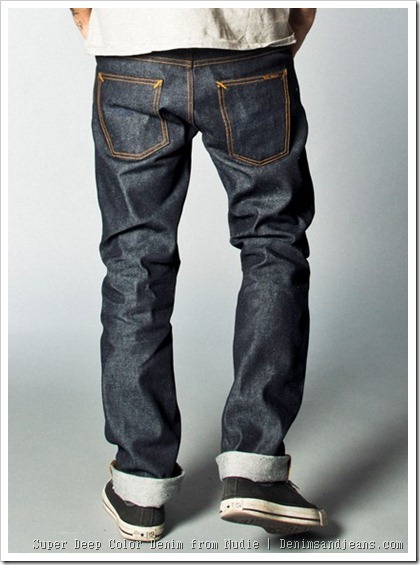
    These new shades can be seen at various catwalks and also in look books and stores of some of the famous brands. These shade range from bright royal blues to dark and dusky dark overcast blues. Lets have  a look below at some of the looks from brands like Nudie Jeans , Mavi , J Brand etc..

    This jeans and jacket duo from Mavi has that sky  blue bright cast giving a totally different flavour to the indigo.

    clip_image001

    This heavy rigid super dark indigo from Nudie jeans is just an example of how the one end of indigo spectrum might look like when it goes real deep and dark.

    clip_image002

    A tinge of violet in the indigo ?? From J Brand ..

    clip_image003

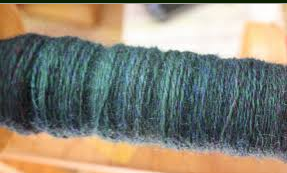
    Another shade of indigo – the green

    clip_image004

    Soorty Denim – Nature’s Beauty

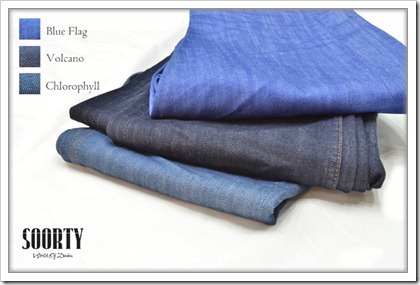
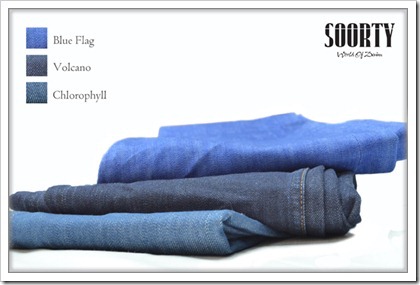
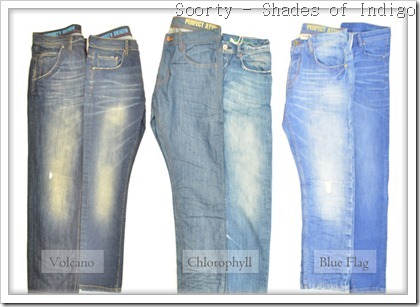
    While these trends are getting hot, the denim mills are not resting on their laurels. Their product development departments are working overtime to create new colors – new looks and hence the new shades of Indigo. We look below at some of the latest shades in indigo from Soorty denim of Pakistan. Their AW 14/15 collection has some interesting shades categorized as

    1)Volcano…

    2)Chlorophyll…

    3)Blue Flag…

    As the names indicate , these are different shades within indigo  closely resembling their names. During the recent Denim by PV show, companies like Soorty updated their color palette with a new collection “Nature’s Beauty”

    This collection  has new colors inspired by nature’s beauty. Soorty’s  R & D department has this to say about the “Nature’s Beauty” color collection:

    “…It has been one of the best sellers in the last PV and people are also asking them in summer collection. What does this trend indicate? It indicates the changing mood of today’s consumer. The willingness to accept innovation is increasing and now suppliers can show off their new collection with less fear of consumer rejection. Each of these shade has its own indigo story to tell and washes out totally differently…”.

    The company asserts that they are capable of doing many more colours in a wide spectrum of indigo range.

    Here are some images from Soorty’s  new colors..

    Soorty Denim | Shades of Indigo

    Soorty Denim | Shades of Indigo

    Soorty Denim | Shades of Indigo

    For more details on “Nature’s Beauty” collection, contact Soorty here. .
  • Cone Gemini Fx Color Weft System

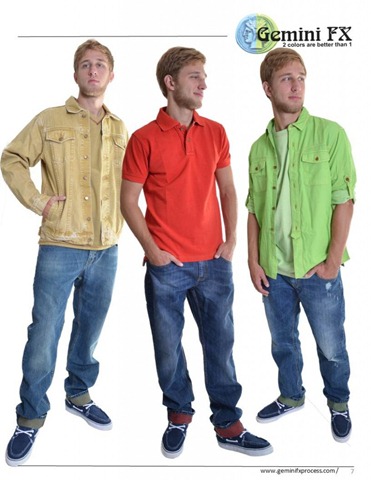
    Cone denim (ITG – Burlington Apparel Solutions)  is always on the forefront of innovations providing apparel solutions to brands and retailers worldwide on various fashion and lifestyle products. In their latest effort , they have tried to find a solution to address the demand for achieving color weft looks on the denim and non-denim fabrics. Colored wefts have been a strong denim trend for the last few seasons. The garment manufacturers faced some problems in this kind of product :

    • The minimums required by mills to produce these fabrics are usually not very small.
    • The color in the weft is created by the mill and the garment manufacturer cannot make any changes in the color if he wants.
    • There is a limitation on the number of colors a manufacturer can buy or a mill can supply.

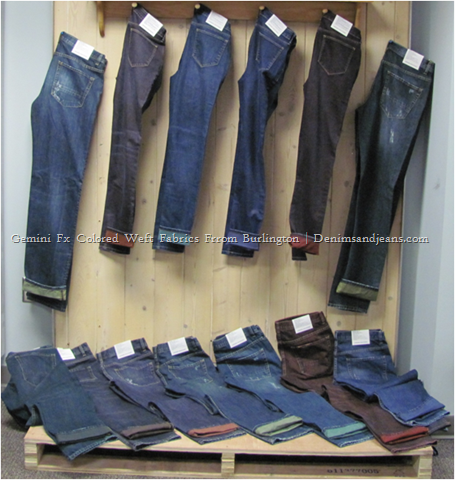
    To overcome these shortcomings of traditional way of  coloring the weft –Colored weft denim fabrics from Cone whether its by way of using colored weft yarn or performing a color coat on the reverse of the fabric , Burlington developed chemicals and its application process which, the company claims, overcomes the above mentioned drawbacks..

    Cone denim Gemini Fx Men


    The Process

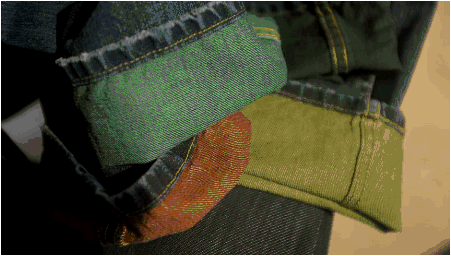
    • The fabric to be given different color wefts in the laundry are first coated with an invisible chemical on the reverse side (weft area). At this stage the denim (or non-denim) does not look any different than what it was before.
    • The fabrics are cut and sewn by manufacturer and the garments are either washed or kept raw.
    • The jeans/garments are finally taken through an overdyeing  process where special chemicals – the Hi White chemicals are used in the dyeing. The property of these chemcials (from Garmon) is such that they will show color only on the reverse side of fabric where the coat of chemical was applied.  Thus the front part , in case of denim , will still show as Indigo color and the reverse would be dyed in the color the buyer choses.
    • And the color weft fabric is created !

    I asked Gary Kernagham from Burlington whether these chemicals to used during the overdyeing process would also be supplied by them.


    colored weft fabrics in denim

    He said

    “..We do not Supply the Dye and other Chemicals used in the garment dye recipes provided on our website. These chemicals come from Garmon. We worked with Garmon  to  develop a range of Dyes they call HI White Dyes that work with our Gemini FX  textile Pretreatment . They have Global  distribution & technical services that our customers can utilize They have screened & tested the 10 dyes noted on our website for Color fastness & light fastness. HI Whites also have an advantage over other dyes in that they have very little staining on non pretreated fibers yarns or in the case of Gemini FX  the front of the fabric. The other chemicals found on the Recipes provided Such as Geopower PFD, Hydros TED , ECO2, Elam ECO-c , & Elam RP are also available from Garmon.  Of course  the obvious reason for  including these Garmon chemicals in our recommended procedures was to  control the usual  variables of other suppliers cemisties. By using a consistent supplier to take developments from the lab to a broad global we feel we have a much better chance to replicate these looks in laundries ranging from China to  Bangladesh to Cambodia to Vietnam  Etc.  which is consistent with our customers sourcing plans. These desizing Enzymes softeners and Ant back stain chemistry   were also  chosen due to their Enviromental friendly Low Temperature capabilities which we felt were consistent with the Low temperature and Salt free environmental advantages of HI White Dyeing of Gemini FX Fabrics .We realize that  a mill such as ours publishing garment dye recipes with such detail is not the norm but it the Objective of our Cone apparel solutions to make it as easy as possible for our customers  to implement new innovations like Gemini Fx into their global sourcing instruction no matter how globally challenging that might appear to be.

    I asked further whether these whether these colors bonded strong enough to sustain heavy washes on denim . Gary Kernagham  replied “

    “ For Both the Denim & Natural ready to dye Gemini FX fabrics The HI Whites dyes are bonded to the back side using a Cationic chemistry similar to the one used in our Affinity process fabrics thus the Bond is extremely strong and thus have great wash fastness Crocking etc .

    He further suggested that

    “ …we would recommend that  these denim garment are garment dyed first  as the recipe procedure provided  outlines and then stonewashing  & dry process is done in order to avoid the rear shade from tinting in Scraped and Stoned areas.

    The technology is new and interesting and looks quite promising for addressing a fashion related backend problem. It now needs to be seen whether it can pass the tests in bulk productions.

  • Cool Denim Looks

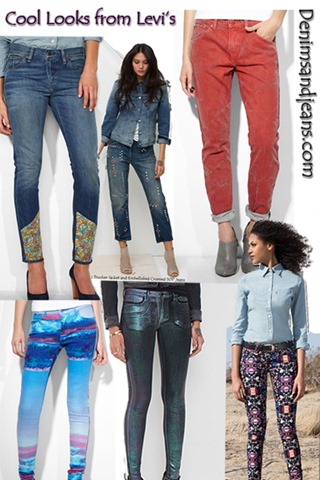
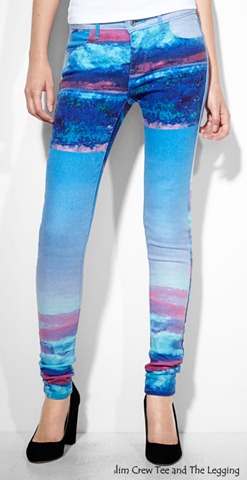
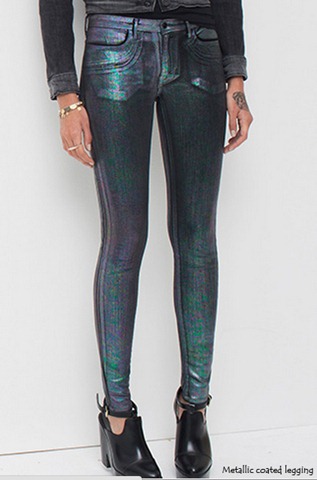
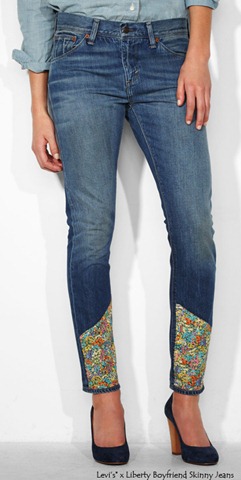
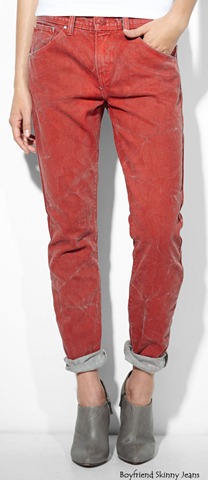
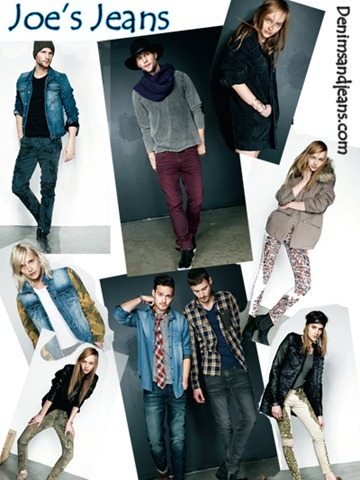
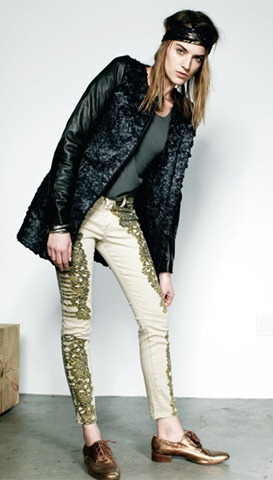
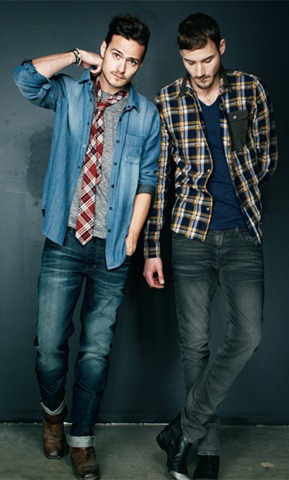
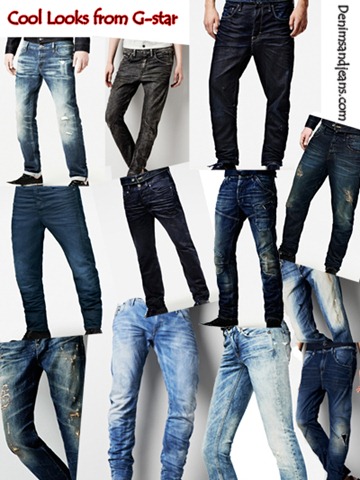
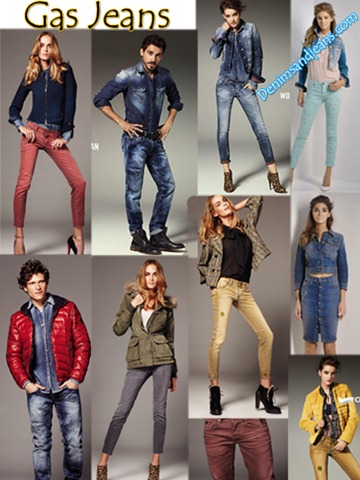
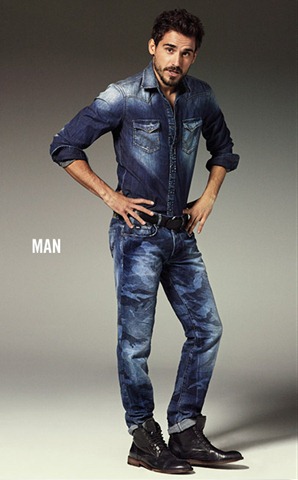
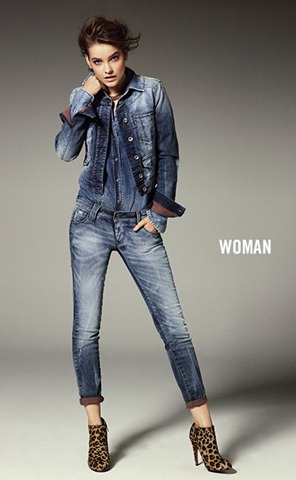
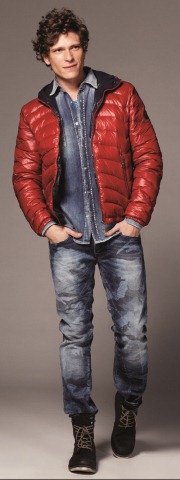
    It may be a cool color coat on one jeans, some nice embellishment on another, another jeans might be an artists canvas painting the ocean on it , one might reflect a reinvention of a famous jeans by mutation, railroad stripes on another might make one of the jeans look like a driver’s haven! Well , we have tried to collect a number of cool looks from some of the well know brand names in one article. Check out and find some very interesting looks on jeans whether its due to their special color, finish, embellishments, prints or whatever !. From brands like Levi’s , Nudie, Gas Jeans, Joe’s etc, these denim looks inspire creativity.. We are not very bothered to find the season to which they pertain or collection which they belong to .. They are just cool jeans !

    Levi’s Jeans

    Cool Denim Looks from Levi's

    Denim Leggings from Levi's

    Embellished Cropped 501 Jeans

    Metallic Coating Legging

    Metallic Coated Jeggings from Levis

    Levi’s® x Liberty Boyfriend Skinny Jeans

    Levis x Liberty Boyfriend Skinny Jeans 

    Boyfriend Skinny Jeans

    Boyfriend Skinny Jeans Levi's

    Joes Jeans

    Joe's jeans - cool denim looks

    Joes Jeans Embroidery

    Joes Cool Jeans.

    G-star Jeans

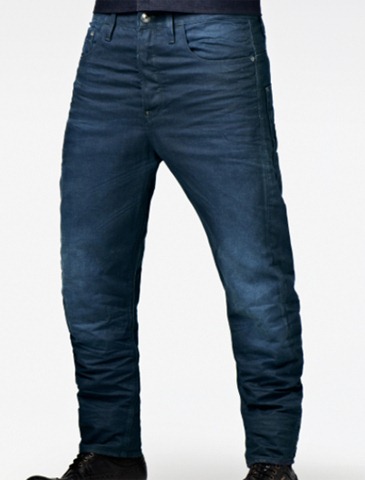
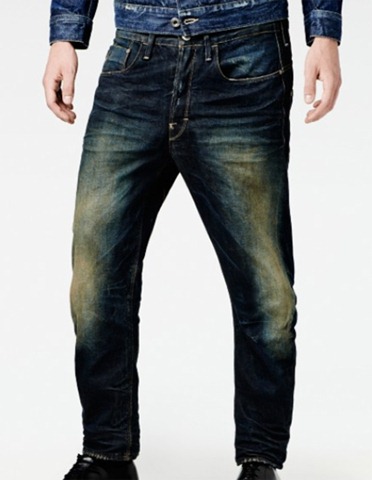
    cool looks from G-star

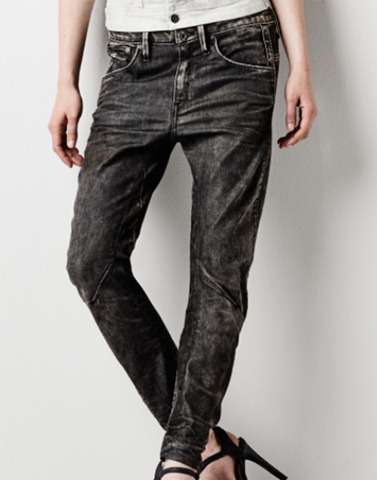
    ARC 3D TAPERED WMN

    G-star/Arc 3D Tapered Women Jeans Nudie

    G-star cool jeans

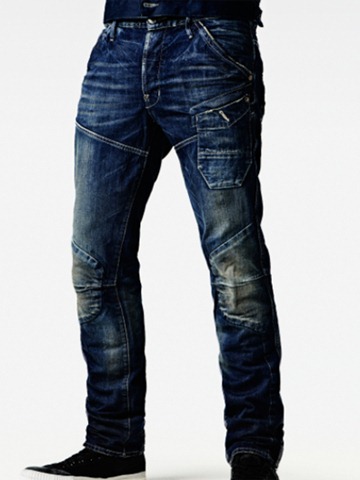
    3301 STRAIGHT

    G-star/3301 Straight

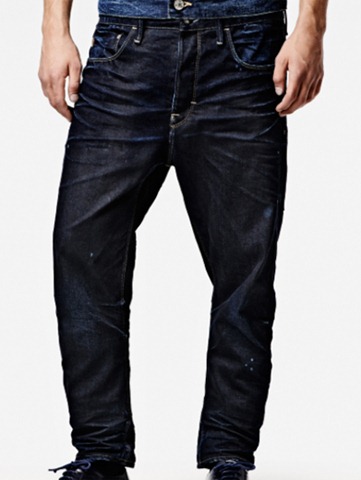
    TYPE C 3D LOOSE TAPERED

    G-star/TYPE C 3D LOOSE TAPERED

    TYPE C 3D LOOSE TAPERED

    G-star/TypeC 3D Loose Tapered Jeans from Nudie

    TYPE C 3D LOOSE TAPERED

    G-star/Type C 3D Loose Tapered Nudie Jeans

    Gas Jeans

    Gas Jeans Cool Looks


    Gas Jeans - double denim

    Gas Jeans - Woman


     Gas Jeans printed denim

    Nudie Jeans

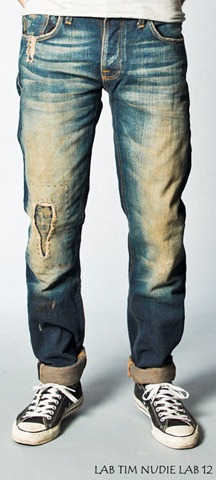
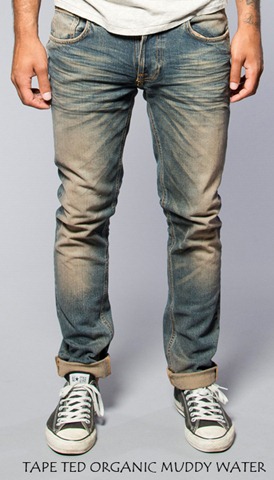
    Dry selvedge denim from Nudie

    PERRY ORGANIC DRY SELVAGE DENIM

    Preppy organic dry selvedge

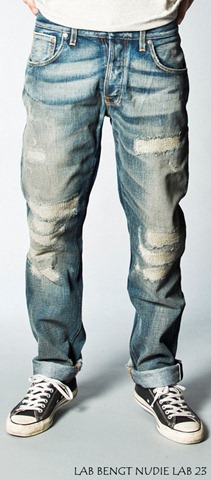
    LAB BENGT NUDIE LAB 23

    Lab Bengt Nudie Lab

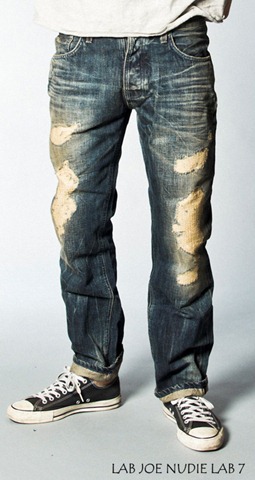
    LAB JOE NUDIE LAB 7

    Lab Joe Nudie Lab 7 Jeans

    TUBE TOM ORGANIC SANG BLEU

    Tube Tom Organic Jeans Nudie

  • A Conversation With Vasco Pizarro | Ice Washing & More..

    • Capacity of washing 25,000 garments per day
    • Dyeing capacity – 10,000 kg per day
    • Finishing and logistics -15 000 Denim + 15 000 Knits/wool/mohair    per day
    • Printing  – about 10,000  per day

    These figures look relevant for washing and finishing houses in countries like China, Bangladesh and other Asian countries with high production capacities . Europe was long left behind in this race as the costs soared and it was unviable to wash  and finish at mass scales  in Europe..Also , washing and finishing on denim is an art that Italians have perfected in Europe and whenever a discussion on this topic comes up, one tends to immediately think of them . Hence , when we come to know that the above figures pertain to a washing / finishing  house  of Europe and that too non-Italian , we need to sit straight and take notice !

    Pizarro, based in Portugal,  is a large company doing full package servicespizarro denim washing for large brands/ retailers and dealing with EU and US markets mainly.  I spoke to the Marketing Director  of the company – Vasco Pizarro – to find out what makes this company tick and enables it to swim against the tide. After the conversation, I could sum up their secret of growth  in a few words – ‘Innovation in technology and systems’.. Our conversation goes thus :

    1.Hi Vasco! Yours  is a large washing / finishing & logistics/ printing/dyeing  house  in Europe. Can you explain in more details about your company.

    This year marks the 30th anniversary of Pizarro S.A. My father, along side my mother, started this company in a small garage with just one machine. We still manage the company in family with my family fully involved in the business. Today we have 650 workers divided in laundry house, dye house, print house and finishing house, although in the most part of our business we work only in garment, for some top level brands we supply full package.

    2.Washing laundries/ dye houses in Europe are disappearing . How is your company growing from strength to strength?

    Yes you are correct Sandeep, in fact these types of companies are disappearing from Europe. Our company grows through a mix of factors like these: We have a very good balance between scale economy and high level brands. We have a relationship with the Inditex group for almost 25 years and we have adapt our structure to respond very very fast to all our clients. Beside that the finishing & logistcs is of a great value to all our clients because we can receive raw garments and put them ready to go to the stores in 2/3 days. The cost of labor in Portugal is not as high as the rest of Europe and we have a very good financial business that reduces heavily the costs with the whole structure and not only labor but chemicals, machines, etc. We only invest in things that can allow us to evolve constantly, for example for you to have an idea we were the first European company to automatize   the dye house in 1993, then the laundry house We were the first company to have the three levels of certification, Quality, HSW and Environmental.. We are always in the cutting edge technology, but also our team of professionals is one that we are very proud of.

    3.Icelite  – achieving the sandblasted look with dry ice is one of the latest technologies. Your company is understood to have  invented this process .Pl tell us something about it . Is it a commercially feasible and future ready technology?


    The idea started in 2011 and when some brands responded to the incident in Turkey and the health problems that emerged due to the use of silica in the sand.With that in mind my father start doing several tests with different materials and equipment. He first tested it with a water blast .But the results were insufficient and he turn to a great friend of his that is a manufacturer in Italy. They both start exploring ice. The journey was not easy, but in 2012, in September we receive the first Icelite machine in the world.

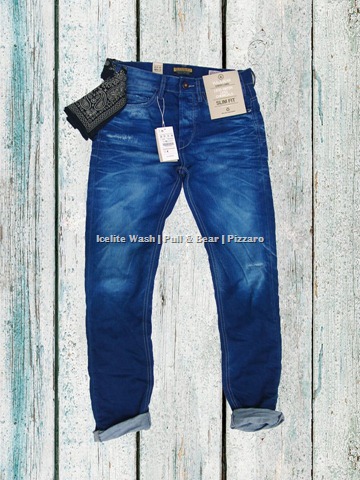
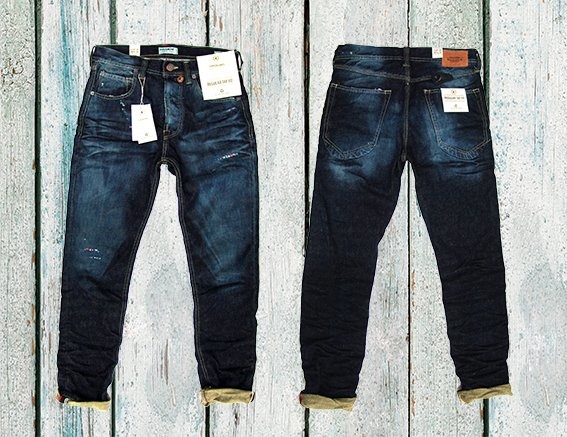
    pull and bear pizarro icelite wash denim

    pizarro icelite washing

    pizarro icelite washing machine

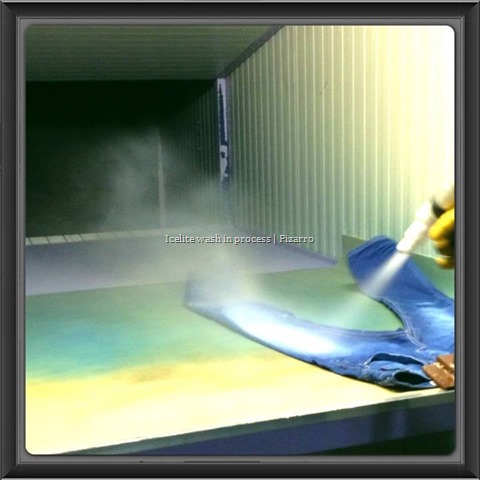
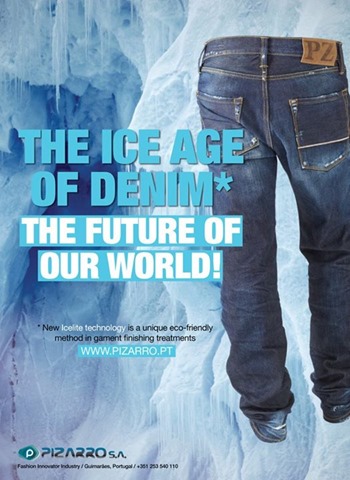
    The machine uses CO2 to create ice that is store at -70 degrees.Those small particles are used to create an abrasion blast that gives that vintage look to the garments.It can be used in every type of garment and the savings are significant:
    – 70 litres of water per garment
    -and 150 grams of chemicals per garment

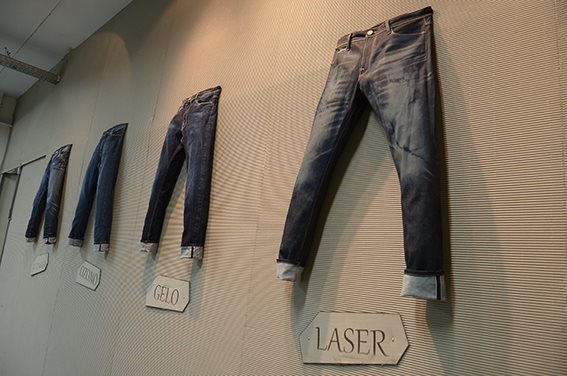
    These effects and final looks that you see in our garments are due, not only with the icelite, but also mixing ozone washes and laser washes. We called it EcoWash.

    4. These are big saving.. but do you plan to shift major part of your washing to Icelite technology? It must be expensive..

    We have a big project in mind that will revolutionize even more these savings and will allow us to turn the Icelite even more competitive that the sandblast. These will allow almost any company that want to work with us to do garments with Icelite. For now its a little bit more expensive to do so and therefore only the high level and Pull&Bear are doing it..So as you can see its already in a commercial success and we believe it will be the future of Denim.

    5.You also print a huge number of garments in your company. Do these include denim garments also ?

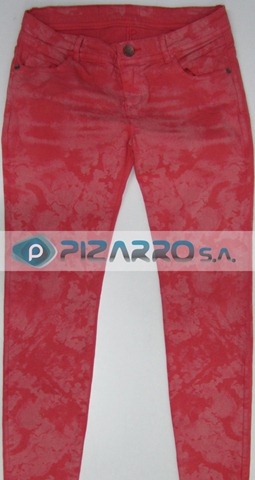
    We are printing a great deal of Denim garments…the demands of our clients are with vintage prints without touch.Even on jackets, if its Denim these are the prints that are trendy. Specially on vintage looks, total garment laser or just partial is something that our clients are asking a lot. All our prints are done garment by garment..

    7.. Do you see any specific trends in denim washes for SS14 ?

    For trends we  see that the vintage look (in terms of trying to imitate the  natural aging of garments) its something that is not going to stop. Furthermore the 3D whiskers are also something that is not going to stop. Another trend that we see is the  imitation of leather or glow on jeans – leather coating and  metallic coating.

    Here is a video on Icelite  process and some cool pics from Pizarro..

    pizarro denim washes 1

    pizarro denim washes

    pizarro icelite wash

  • Paige Denim Fall Winter 2013 Women’s Lookbook

     PAIGE USA

    DOWN THE RABBIT HOLE

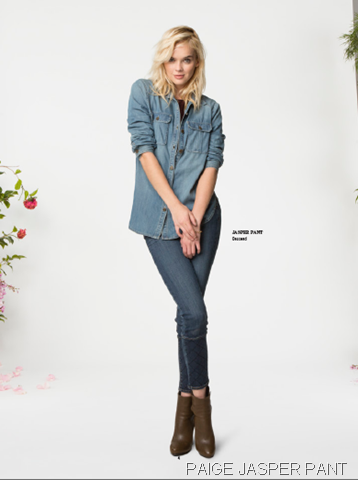
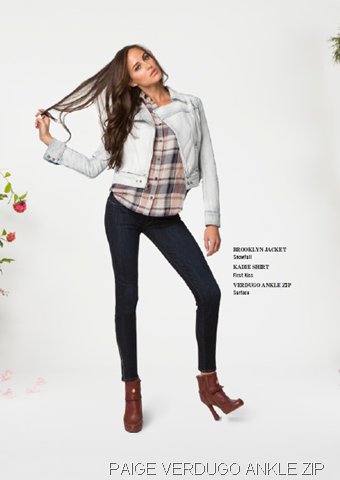
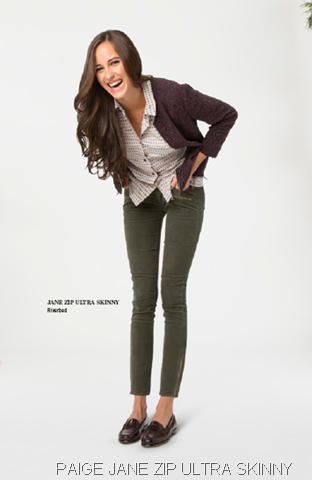
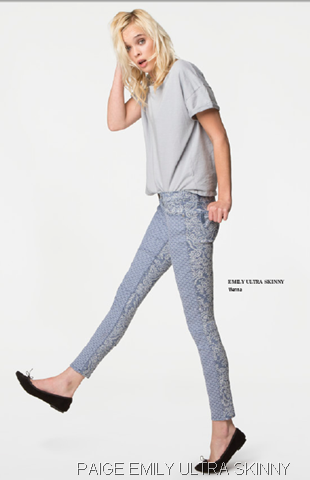
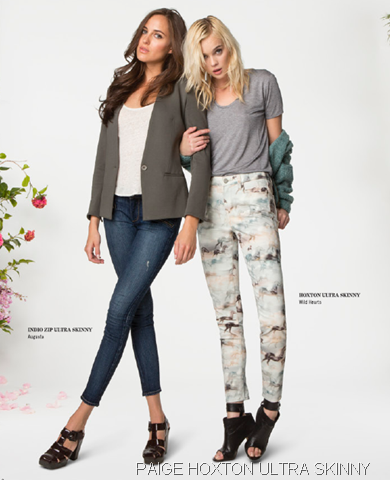
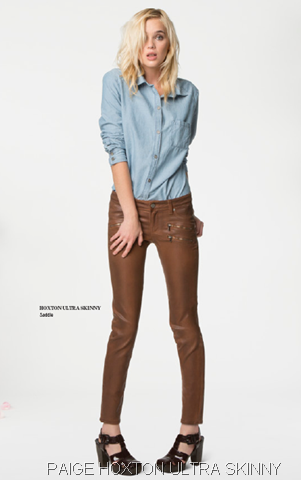
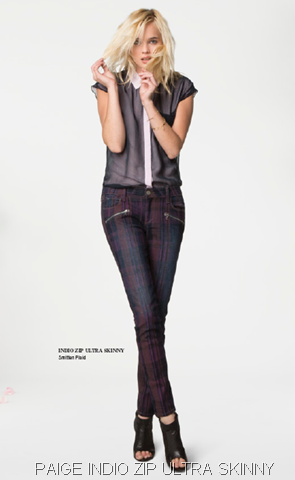
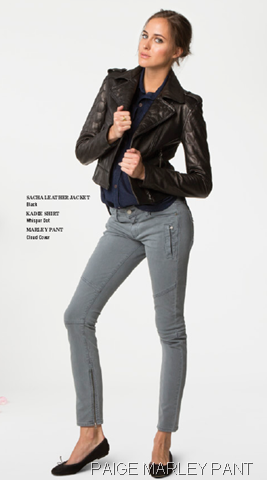
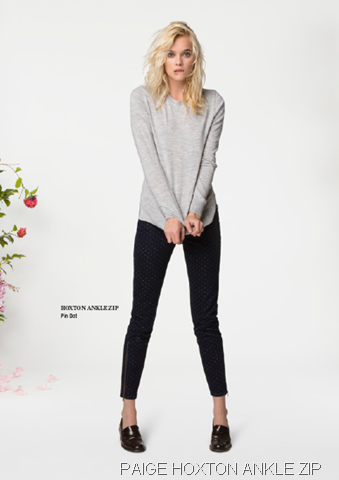
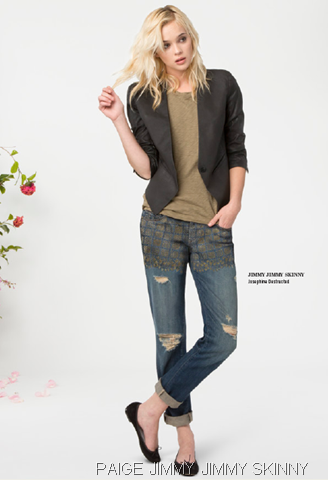
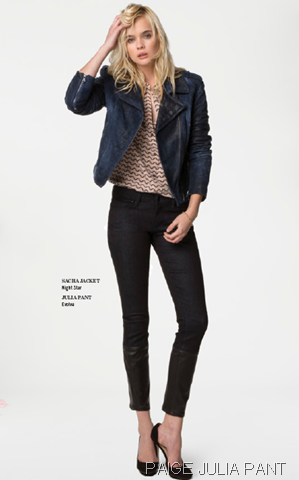
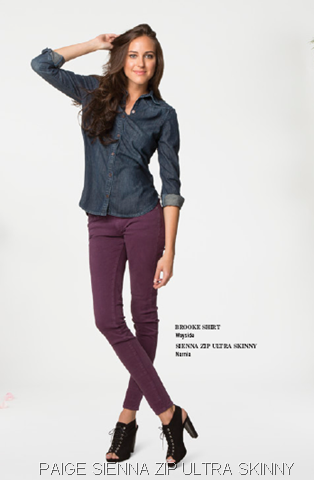
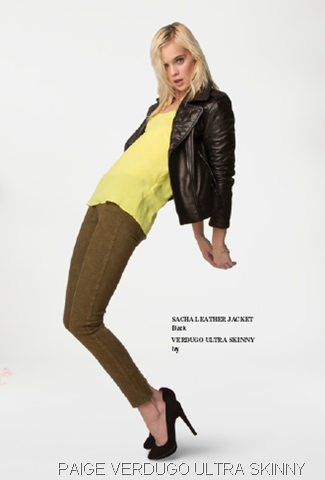
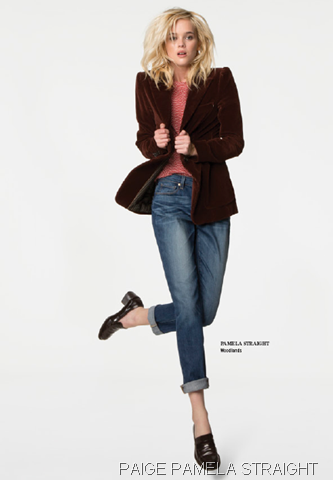
    Play with luxury in a wondrously whimsical world where haute hues of green and rose bloom alongside our intoxicating indigos and moody blues. Paige denim brings out some exotic looks complementing indigo with other hues like green and rose, a sprinkle of  prints . Paige premium has always been strong on their fits and this collection looks no different.

    Paige Denim Fall Winter 2013 Women’s Lookbook

    Paige Denim Fall Winter 2013 Women’s Lookbook

    Paige Denim Fall Winter 2013 Women’s Lookbook

    Paige Denim Fall Winter 2013 Women’s Lookbook

    Paige Denim Fall Winter 2013 Women’s Lookbook

    Paige Denim Fall Winter 2013 Women’s Lookbook

    WONDROUSLY WHIMSICAL

    Paige ultra dip ultra skinny has an amazing play of multiple colors in the jeans – through fabric and wash innovation.

    Paige Denim Fall Winter 2013 Women’s Lookbook


    Paige Denim Fall Winter 2013 Women’s Lookbook


    Paige Denim Fall Winter 2013 Women’s Lookbook

    A real cool jacquard woven short look shorts seemingly extended into a ripped jeans . Very different !

    Paige Denim Fall Winter 2013 Women’s Lookbook

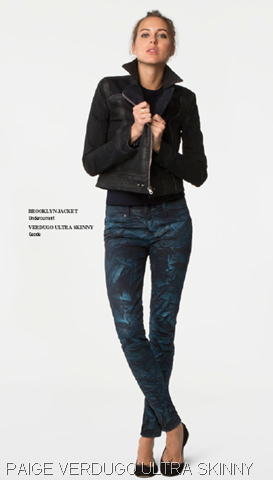
    Just some very cool play of light blue on dark indigo achieved in washing process in the Paige Verdugo Ultra Skinny jeans.

    Paige Denim Fall Winter 2013 Women’s Lookbook

    MOODY BLUES

    Paige Denim Fall Winter 2013 Women’s Lookbook


    Paige Denim Fall Winter 2013 Women’s Lookbook

    BLOOM
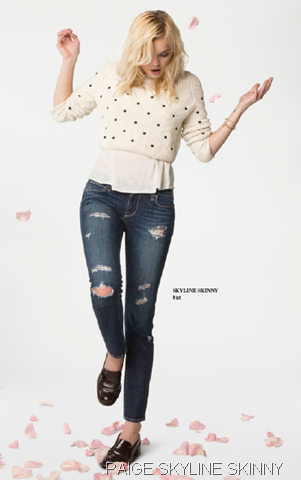
    Ripped, ripped, ripped…Paige skyline skinny jeans

    Paige Denim Fall Winter 2013 Women’s Lookbook


    Paige Denim Fall Winter 2013 Women’s Lookbook

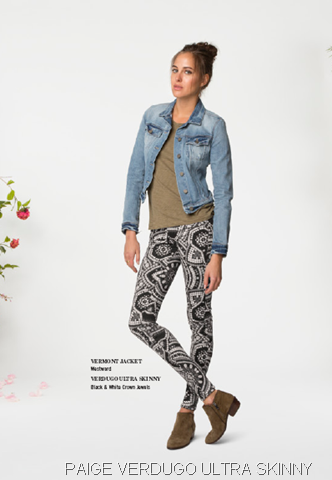
    A cool denim jacket of light stretch denims paired with printed denim.

    Paige Denim Fall Winter 2013 Women’s Lookbook

    Paige Denim Fall Winter 2013 Women’s Lookbook


    About : Paige Denim is the jeanious of former fit model turned denim designer Paige Adams-Geller. With over ten years of behind-the-seams experience, Adams-Geller has parlayed her denim expertise into her own eponymous collection of men’s and women’s denim. Created on the foundations of fit, fabric and finish Paige Denim has become the go-to denim house for celebrities such as Penelope Cruz, Reese Witherspoon, Jennifer Garner and many more. Paige Denim, PPD Jeans for Men, Paige Maternity, and Paige Petites are available at Paige Boutiques in Los Angeles, Las Vegas, and New York and at fine retailers nationwide.

  • Production of Jeans in East EU Countries

    east eu copy Many of East European  countries, and erstwhile members of former Soviet Republic, had been integrated into EU in the last decade and have been climbing up the development ladder. Many of these countries had low costs of production due to reasonable wage structures . But over the years , as they integrated into EU , their economies no longer remained as competitive as before . Apparel production, which was there is some of these countries in some numbers could not be carried forward in the same way and they lost the productions to Asian countries. However, in spite of these losses , some of these countries still have some apparel productions and we will check out about jeans production in a few of these countries in 2011 and 2012.
    We shall cover these countries in this report (also given their years of integration into EU).

    Country Year Of Integration in EU
    Lithuania 2004
    Hungary 2004
    Romania 2007
    Bulgaria 2007
    Poland 2004

    We will look at the production of jeans in these countries in the year 2012. These numbers will be given for men’s and women’s jeans separately. Also we will have a look at the production values for men’s and women’s jeans and see how they compare with the average value of import of jeans into EU.

    [private_special]

    Jeans production in five east EU countries in 2012

    Country

    Men’s Jeans

    Women’s Jeans

    Total

    Lituania

    7,762

    45,657

    53,419

    Hungary

    4,735

    46,524

    51,259

    Romania

    2,427,471

    3,720,639

    6,14,8110

    Bulgaria

    9,06,766

    1,27,699

    1,034,465

    Poland

    44,932

    3,79,459

    4,24,391

    Total

    3,391,666

    4,319,978

    7,711,644

    From the above table , we can see that the highest production of jeans remains in Romania . It is almost 80% of the total jeans produced in these above mentioned five countries. However, Romania produced about 14 million jeans in 2007 , hence we have come down to less than half in just 5 years.    Other countries like Lithuania , Hungary, Poland etc have hardly any jeans production left. Bulgaria , at about 1 million jeans, is the next highest , but again not something that they can be really proud of .  However, it would be important to mention here that in these countries sometimes entire production quantities may not be fully reflected due to some productions escaping govt. records – as the records maintained in these countries are not as perfect as those of developed countries like Germany, France  etc. Hence these figures need to be taken with a pinch of salt.
    Also to be noted is that the production of women’s jeans is higher than that of men’s jeans. Women’s jeans are about 60% of the total jeans production in these countries – again indicating production for fast fashion items for women. We will see another reason too.

    We will also see how these countries value the production of these jeans in their countries. We will see the different valuations for men’s and women’s jeans.

    Production value of Men’s Jeans Produced

    Country

    Men’s Jeans
    (No. of pcs)

    Prod. Value per unit of Jeans ( In Euros)

    Lituania

    7,762

    10.9

    Hungary

    4,735

    16.9

    Romania

    2,427,471

    14.6

    Bulgaria

    9,06,766

    14.3

    Poland

    44,932

    9.3

    Total

    3,391,666

    14.4

    Production value of  Women’s Jeans Produced

    Country

    Women’s Jeans
    (No. of pcs)

    Prod. Value per unit of Jeans ( In Euros)

    Lituania

    45,657

    N.A

    Hungary

    46,524

    12.8

    Romania

    3,720,639

    10.3

    Bulgaria

    1,27,699

    7.9

    Poland

    3,79,459

    6.3

    Total

    4,319.978

    9.9

    As we can see from the figures above, it is more costly to produce a men’s jeans in these countries with average production values coming to about  Euro 14.4 and those for women’s jeans nearing about 10 Euros.  This is also probably a reason for higher production of women’s jeans in these countries when compared to men’s. We must , however, remember that these are production valuations and not necessarily the prices at which the retailer might be able to get the jeans to retail.

    In this context, it would be interesting to see what are the average prices of jeans being imported into EU from around the world. Are those prices significantly different from figures seen above  ? We can have a look at the following figures of import of jeans into EU with their average prices( sans duties) .

    image 

    If we make a comparison with the of jeans production in these countries in 2011 vs 2012 , we will find that the falling trend of production continues.

    image

    [/private_special]

  • Diesel Fall Winter 2013 Women’s Denim Lookbook


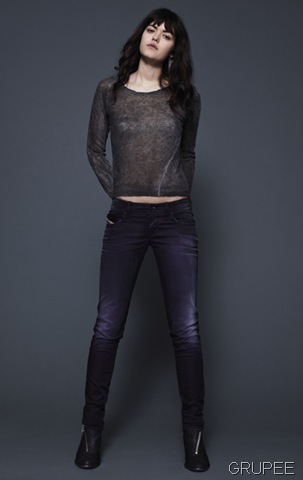
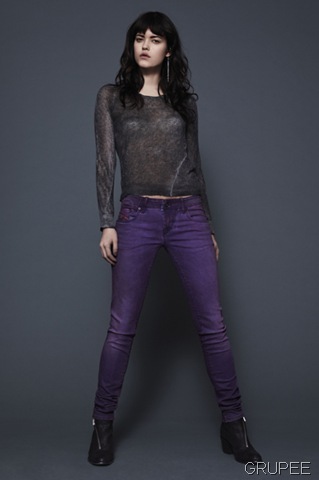
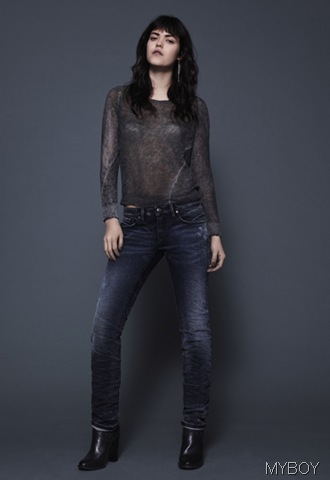
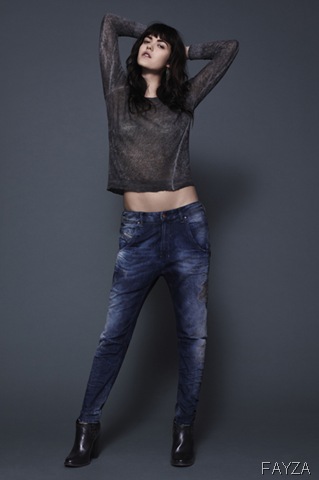
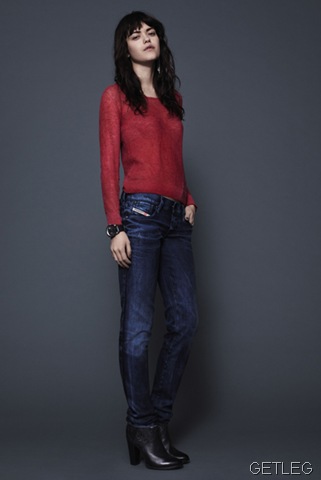
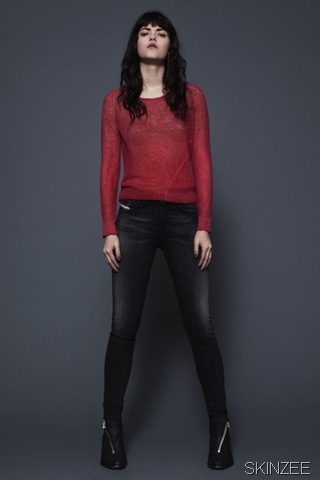
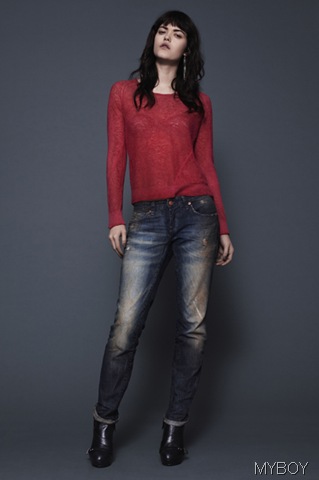
    We had previously posted the FW’13 lookbook of Diesel Men’s Denim .  The cool collection’s central characteristic was   dark and grey colors,  other colors – color mutations as Diesel calls it and some classic indigo redesigned.   The women’s lookbook is also directed on similar lines with Black and Gray mutations, color mutations and some vintage pieces created with different indigo looks.  Of course, the women collection is more girlish , though seemingly no-nonsense looks.


    Black and Gray Mutation :-

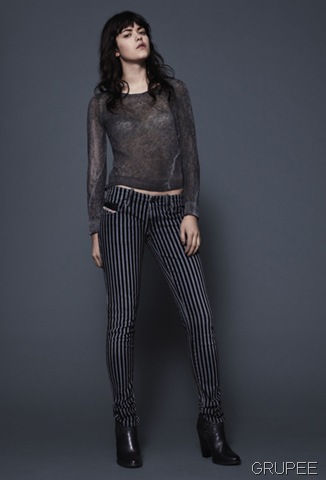
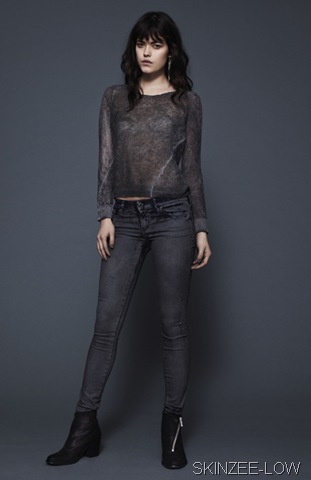
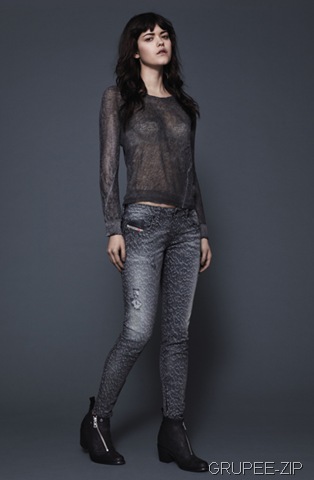
    The black and gray mutations bring out the darker and grey cast colors for women as well.  Light greys, stripes , laser prints are all part of this collection.

    DieseL-GRUPEE ZIP-Fall Winter 2013 Women’s Denim Lookbook

    DieseL-GRUPEE-Fall Winter 2013 Women’s Denim Lookbook

    COLOR MUTATION : –

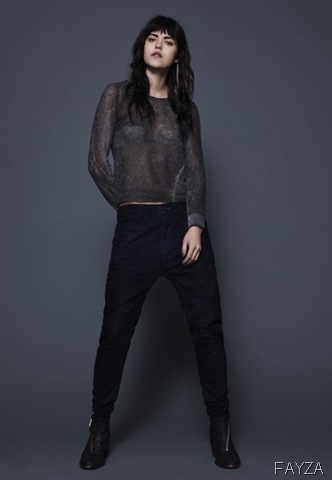
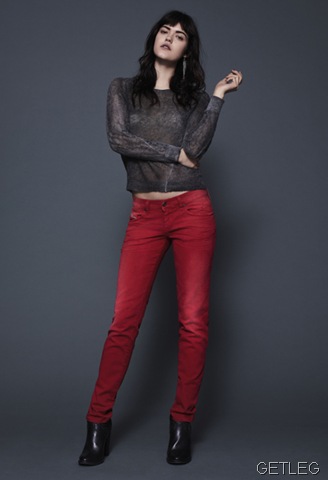
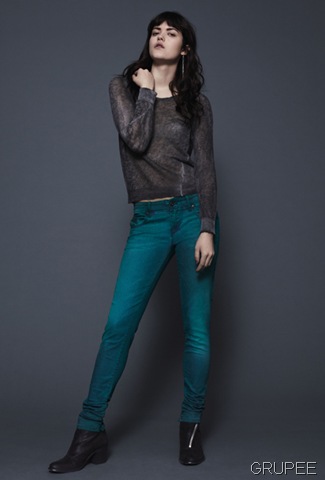
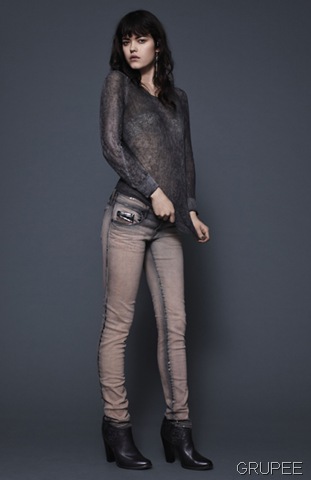
    Mutation of colors brings out some bright reds, purple, dark  turquoise and some cool mixes of browns/beige color with greys at the seams.

    DieseL-FAYZA-Fall Winter 2013 Women’s Denim Lookbook

    DieseL-GETLEG-Fall Winter 2013 Women’s Denim Lookbook

    DieseL-GRUPEE-Fall Winter 2013 Women’s Denim Lookbook

    DieseL-GRUPEE-Fall Winter 2013 Women’s Denim Lookbook

    DieseL-SKINZEE LOW-Fall Winter 2013 Women’s Denim Lookbook

    DieseL-GRUPEE-Fall Winter 2013 Women’s Denim Lookbook

    DieseL-GRUPEE-Fall Winter 2013 Women’s Denim Lookbook

    INDIGO & VINTAGE :-

    The Indigo vintage seems to be the collection on which Diesel seems to have worked very hard. They say

    “.OUR BLUE DENIM, WORKED, TREATED AND HANDCRAFETD TO CREATE A UNIQUE VINTAGE PIECE. FOR TRUE DENIM (OBSESSIVE) LOVERS, THE PROVERBIAL CRÈME DE LA CRÈME OF THE "CLASSIC BLUE" INDIGO WORLD. DESIGNED WITH A CLINICALLY INSANE PASSION, THESE HAVE BEEN CRAFTED WITH OUR MOST COMPLEX WASHES AND QUINTESSENTIAL DESIGN…..”

    DieseL-MYBOY-Fall Winter 2013 Women’s Denim Lookbook

    DieseL-FAYZA-Fall Winter 2013 Women’s Denim Lookbook

    DieseL-GETLEG-Fall Winter 2013 Women’s Denim Lookbook

    DieseL-SKINZEE-Fall Winter 2013 Women’s Denim Lookbook

     DieseL-MYBOY-Fall Winter 2013 Women’s Denim Lookbook

  • Shade Control In Indigo Dyeing | Part 1


    For customers of denim, color is the quality that distinguishes denim from other apparel fabrics, especially the unique appearance of Indigo. Indigo has been in use for perhaps 5000 years, originally as a natural dye and in the last 100 years primarily available in the synthetic form. No other commercially available dye can match the appearance of Indigo, especially when faded to light shades which produces a special appearance known as a “patina” which is similar to the glow of a blue sky. The color of Indigo is associated in lore with notions of intuition, religion, spirituality and loyalty.

    Indigo-dyed denim presents unique problems in garment production because of variations in color, especially after washing. Fabric shipments to indigo shadeslaundry customers can contain literally dozens of visibly different shades  after washing which requires special efforts in cutting and sewing to avoid mixing garment panels that produce a garment with parts that do not match in color.

    The most basic method of organizing shipments of Indigo-dyed denim is to cut small samples of fabric from each roll of fabric that will go into a shipment and sew them together in a “blanket”. This blanket is then washed so that there is some representation of the eventual color after fading indigo shades during laundering. Then these samples are compared by the customer and “shaded”, sort usually from dark to light. Then, the fabric rolls with the most similar after-wash colors are combined on the cutting table in order to minimize variation in the garments produced. This technique is often favored by denim mills. This approach can be generally satisfactory, however has a number of deficiencies.

    First, the fabric samples are taken usually from one end of the roll, when both ends should be sampled. Almost all denim companies fail to control Indigo dyeing so that multiple shades are produced in each dye lot and these changes can occur quickly, so that even within a short fabric roll of 100 meters the washed color can change. By sampling from both ends of a fabric roll it can be determined if the roll needs to be cut again in order to isolate different shades.

    Secondly, these washed fabric samples are often graded visually, by human eye, which is unreliable because of its subjective nature. Consistent visual evaluation of color requires careful training and management due to problems with eye fatigue, differences in evaluator skill and carelessness. When a poor job has been done during visual shade sorting, it is impossible to supervise the reliability of the evaluation because it is based on subjective individual opinion. The visual approach is favoured by fabric suppliers and customers because of its simplicity. There is also a conceit factor that interferes with reliable color management because of a common assumption that color is obvious and those that have roles in judging color that they are natural masters of judging color which is rarely true.

     Thirdly, the fabric supplier will rely on one wash method, usually a rinse wash to produce these blankets for sorting, while with other procedures such as stonewashing, bleaching or enzyme treatments, the samples will fade differently than in a rinse wash so that samples that are close in color in a rinse only will not match well when subjected to other laundry techniques.

    Indigo is the most difficult and complicated of all dyes to apply to cotton. Until the 20th century, it was used primarily for wool and silk which are more suitable for Indigo dyeing. The Indigo dyeing process is inherently unstable as normally practiced. The dye must be reacted with a reducing agent, normally sodium hydrosulfite, which begins to lose strength as soon as it is mixed and the concentration available in the dye mix changes during the dyeing operation unless it is buffered, which results in the Indigoindigo dyeing shades shade changing during the long periods of dyeing. This in turn, results in from 8 to 15 washed Indigo shades per set, assuming a tolerance of 0.2 Delta E for a visually-noticeable color difference. The lack of dyeing control for Indigo is nearly universal, so that customers have accepted the variation as unavoidable, which is not actually the case since a few companies have mastered the problem and can produce around 95% single shade consistency

    While the Indigo dye molecule does not itself change color during dyeing, the yarn does develop different color tones , usually with reddish or greenish effects occurring. These tone differences are almost always a result of variations in reducing agent levels during Indigo dyeing, with greenish green cast on indigo effects appearing with higher levels of reducing agent and reddish with relatively lower concentrations of reducer. What actually occurs is that the Indigo is more finely dispersed with high levels of reducer which increases the number of points of color (higher chroma) resulting in a greener, brighter, lighter color while low levels of reduction, there are fewer points of color (lower chroma) resulting in a redder, darker and duller Indigo color with the same % of Indigo on weight of yarn. The greener tone is more difficult to wash to lighter shades and is more colorfast to rubbing, while the reddish tone fades quickly and will have greater rub-fastness problems.

    The article will be continued in Part II shortly…………


    image
    This is a guest post by Harry Mercer. Mr. Mercer has 30 years experience in the denim business including 3 prominent U.S. denim companies.He is an expert colorist for measurement and color matching as well as textile testing. He can be contacted here

  • G-Star A-Crotch Jeans Collection

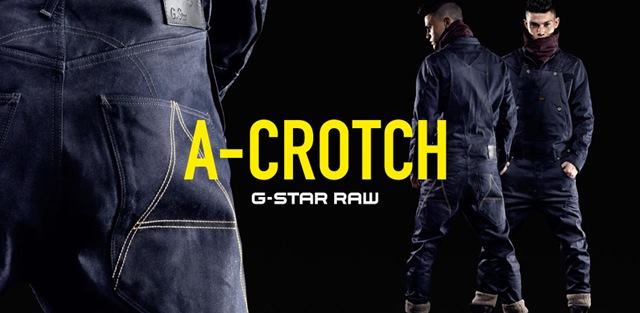
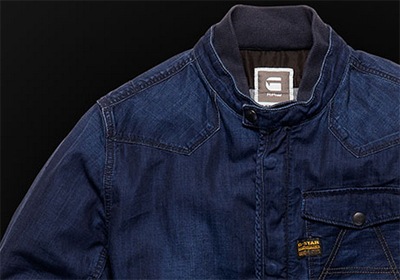
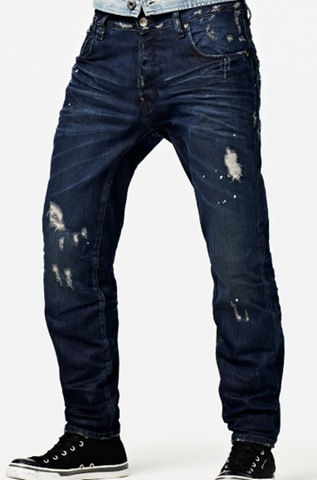
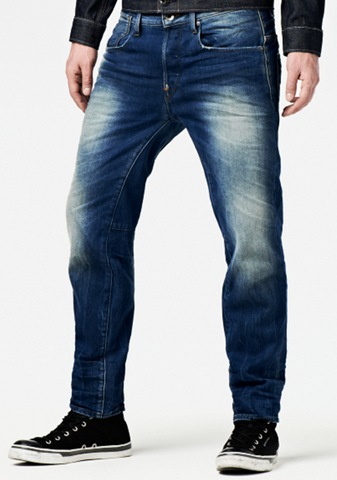
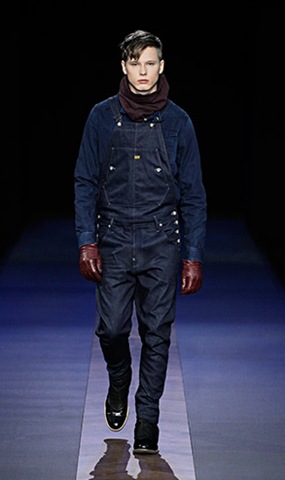
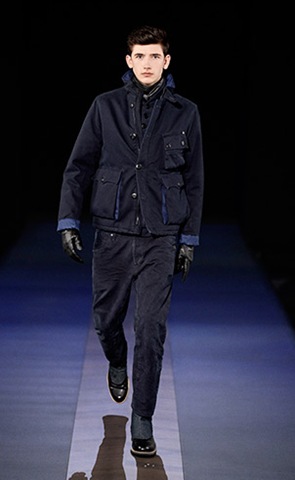
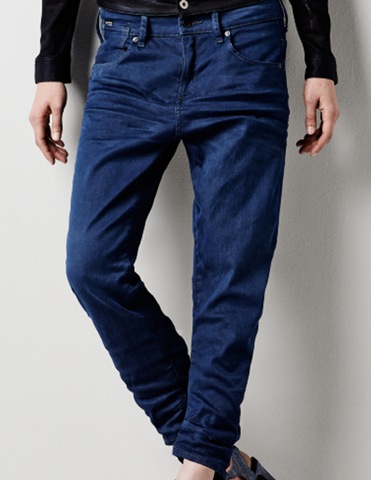
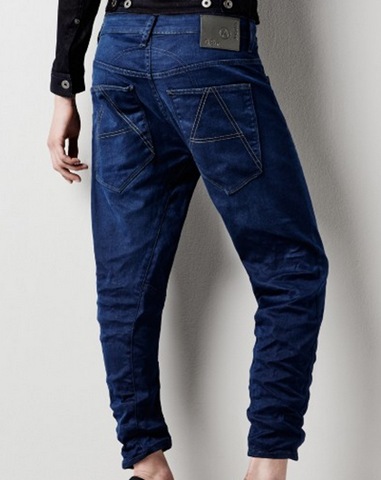
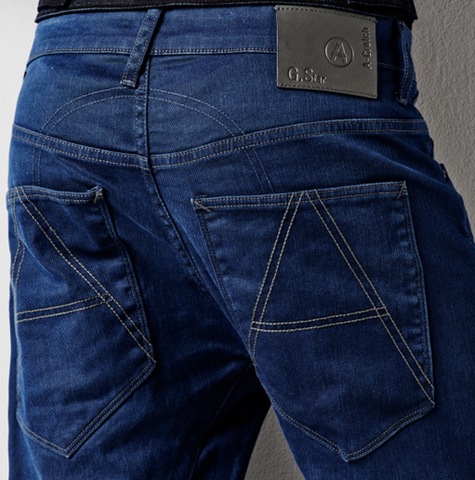
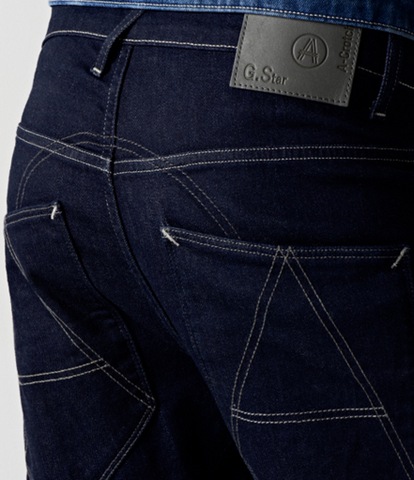
    The A-Crotch jeans from G-Star  is a Pierre Morriset (head designer) 3D original re-released in a new, more tapered fit. Theseg star horse riding jeans a crotch jeans are inspired  by a horse-riding pant and has an extra panel in the inner leg and a dart at the knee for maximum freedom of movement and a bowed silhouette. The pant takes its name from the letter ‘A’ formed by the seams in the leg. The new A-Crotch is available in both a 5-pocket and salopette, accompanied by an entire range of A-Crotch shirts and jackets. Some of the features of these jeans are :

    3D Construction
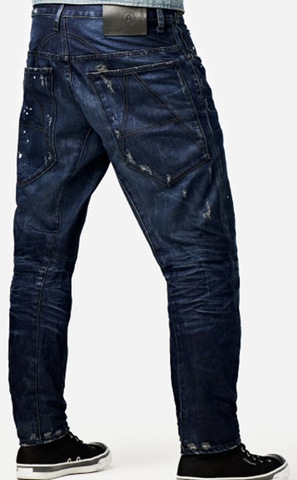
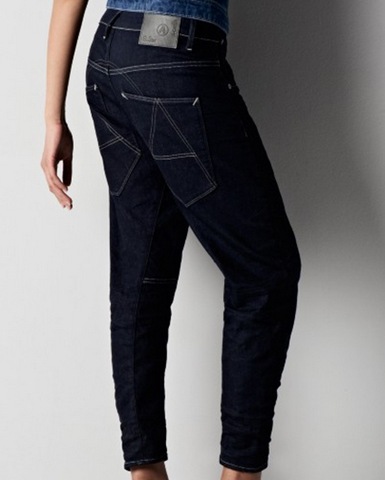
    In contrast to conventional flat denim with simple leg construction, the A-Crotch has an extra inner leg panel and a dart at the knee. This construction creates the ‘A’ symbol from which the pant takes its name and creates  a more ergonomic fit and distinctive profile.
    Back Pockets
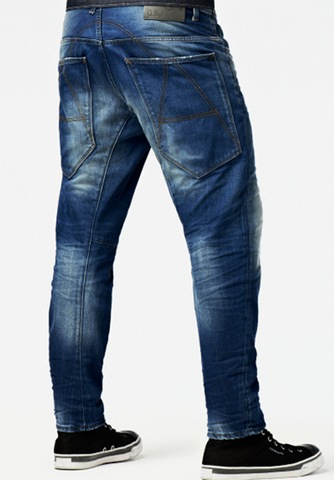
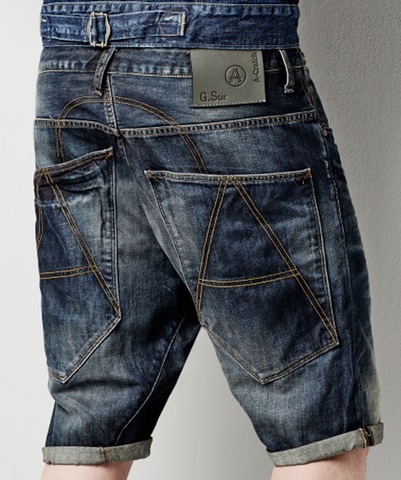
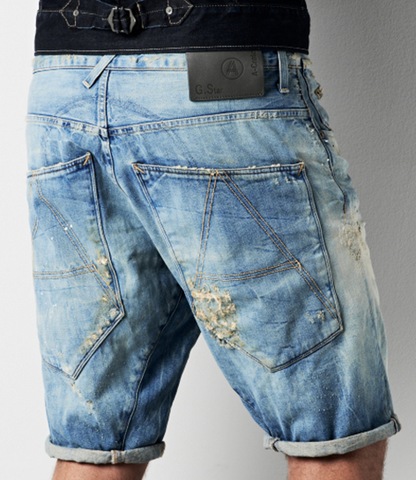
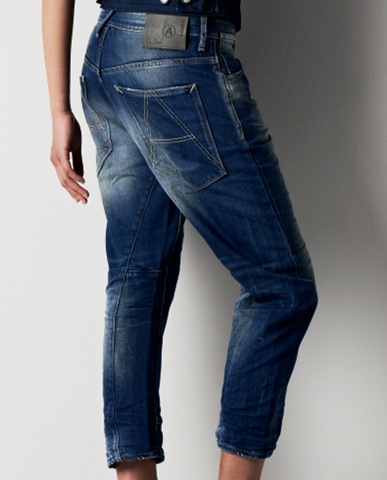
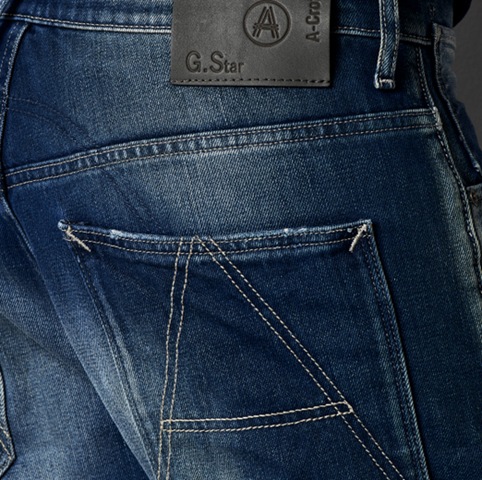
    The rear looks different !. To reflect the pants unconventional design, the rear pockets of the A-Crotch are angular and exaggerated. Each pocket carries the symbol of the A-Crotch: the letter ‘A’ in contrast double-stitch.

    A Complete Line The iconic A-Crotch has now been translated into an entire range of denim shirts and jackets. Every piece includes the distinctive A-Crotch pocket and 3D construction.

    G-Star/A-CROTCH

    The  3D approach that started with the G-Star Elwood in 1996, the original A-Crotch was introduced in 2000. The panel inserted on the inside of the leg creates a 3D silhouette, which is further articulated by the horizontal seam (a dart) on the inside leg panel.

    G-Star/A-CROTCH

    A-Crotch Taperd in lexicon denim, dark aged destroy

    G-Star/A-CROTCH/lexicon denim

    G-Star/A-CROTCH/lexicon denim

    G-Star/A-CROTCH/lexicon denim

    A crotch taperd, dekay denim, medium aged.

    G-Star/A-CROTCH/dekay denim

    G-Star/A-CROTCH/dekay denim

    G-Star/A-CROTCH/dekay denim

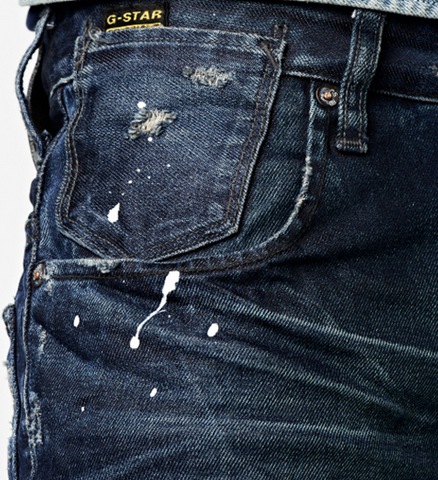
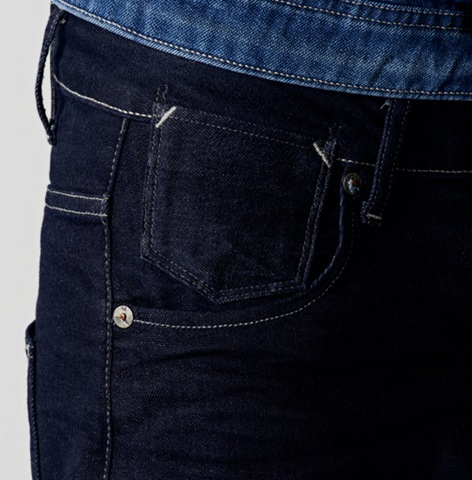
    Note the A pocket stitch, coin pocket at waistband and angular belt loop detailIn a denim fabric featuring a grey cast and defined high-low contrast fading finished with mustaches and crinkling effects. Some great washing effects indeed !  The following A crotch jeans in :
    Loose fit: Loose fit at waist and hip, with wide leg from thigh to knee. Long rise at front and back.
    Fabric: 3×1 right hand twill, 12 oz. 100% cotton. Dark aged.

    G-Star/A-CROTCH/men's denim

    G-Star/A-CROTCH/men's denim

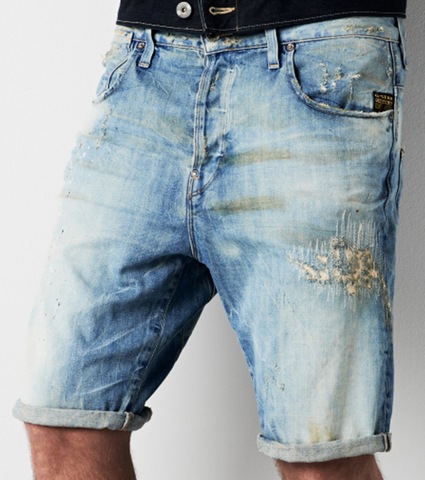
    The following jeans in a high density broken twill with a red-blue cast. The destroyed finish features repaired holes with paint, rust and oil spot, and fray and abrasion at pockets and fly.
    Loose fit: Loose fit at waist and hip, with wide leg from thigh to knee. Long rise at front and back.
    Fabric: 3×1 right hand twill, 12 oz. 100% cotton. Medium aged destroy.

    G-Star/A-CROTCH/men's denim

    G-Star/A-CROTCH/men's denim

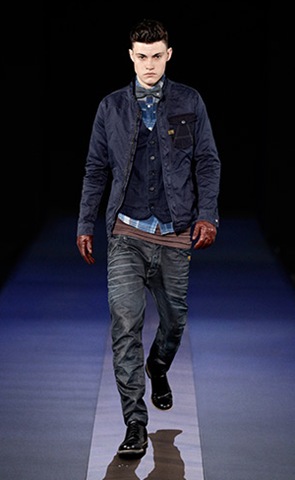
    Some A crotch looks on the runway.

    G-Star/A-CROTCH/men's denim

    G-Star/A-CROTCH/men's denim

    G-Star/A-CROTCH/men's denim

    Womens

    A-CROTCH 3D LOOSE TAPERED WMN

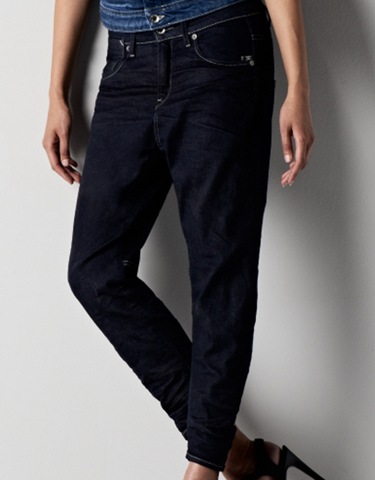
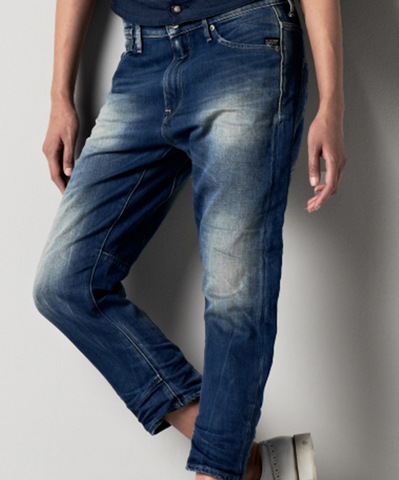
    There are also A-Crotch designs for the women  with elongated back pockets and unique A-line construction for a sturdy feminine look.In a dark aged denim with good stretchability and recovery. The denim features a special deep blue green cast derived from the combination of dark gray weft, blue warp and colour coating applied to the surface.Loose tapered fit: Loose fit at waist, hip and thigh; tapered from knee to ankle. Low waist and dropped crotch.
    Fabric: Comfort shell denim, ring/ring spun 3×1 right hand twill. 9.75 oz. 98% cotton and 2% elastane.
    Wash: Dark aged.

    G-Star/A-CROTCH/3D LOOSE TAPERED WMN

    G-Star/A-CROTCH/3D LOOSE TAPERED WMN

    G-Star/A-CROTCH/3D LOOSE TAPERED WMN

    The surface of this next 3D raw denim is deep and saturated blue with a red cast. This quality offers a clean and contemporary look with an excellent stretch and recovery.
    Loose tapered fit: Loose fit at waist, hip and thigh; tapered from knee to ankle. Low waist and dropped crotch.
    Fabric: 3×1 right hand twill. 10.5 oz. 92.5% cotton 6% polyester 1.5% elastane. 3D raw

    G-Star/A-CROTCH/women's denim

    G-Star/A-CROTCH/women's denim

    G-Star/A-CROTCH/women's denim

    G-Star/A-CROTCH/women's denim

    A-Crotch 3d looses tapered, dekay denim, medium aged


    G-Star/A-CROTCH/women's dekay denim

    G-Star/A-CROTCH/women's dekay denim

    G-Star/A-CROTCH/women's dekay denim

    World Denim Production and Consumption Report