Author: Sandeep Agarwal

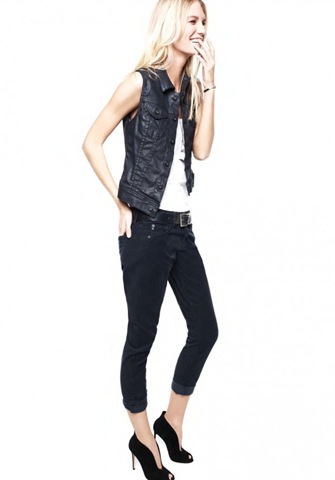
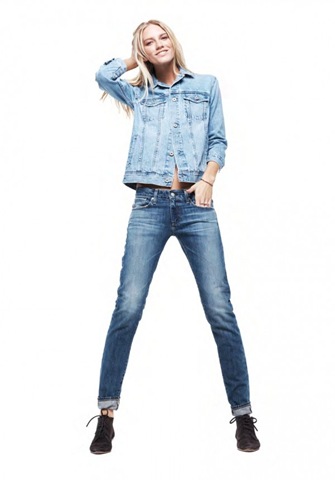
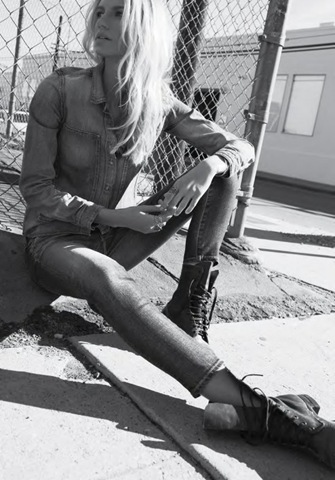
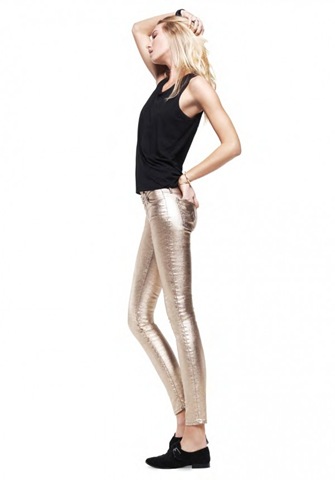
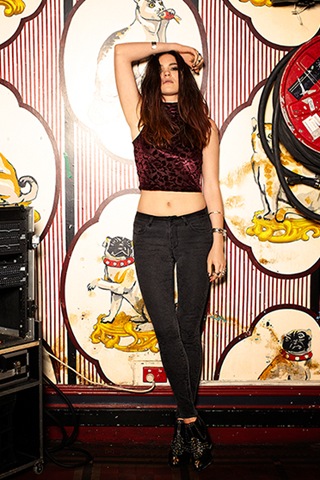
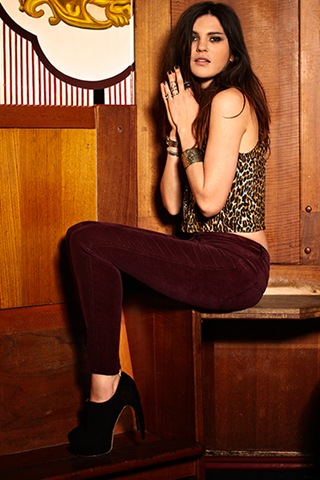
  • AG Jeans Fall Winter 2013 Lookbook

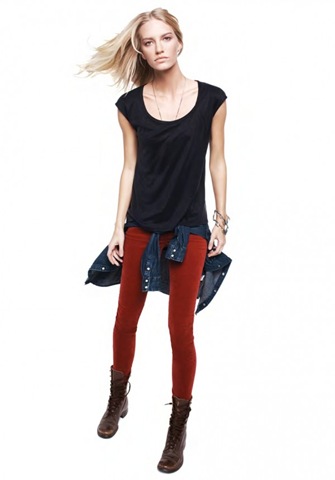
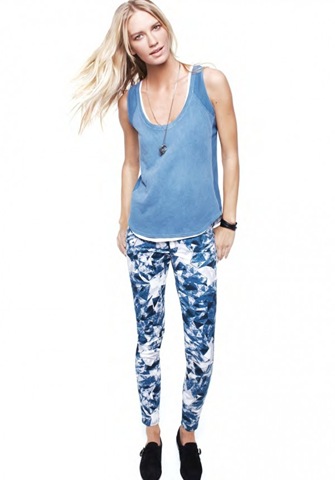
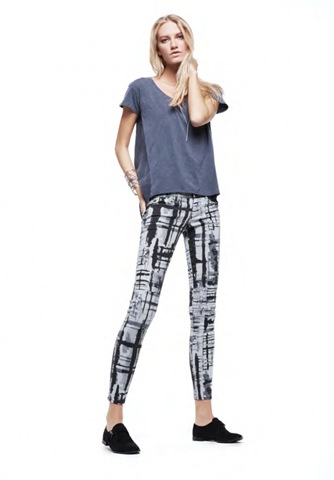
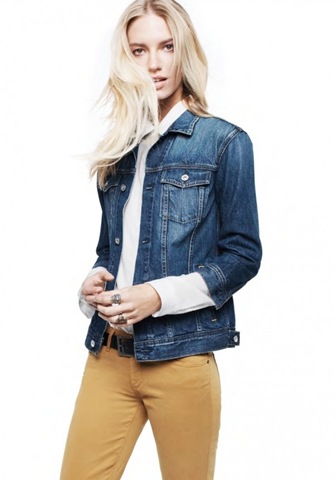
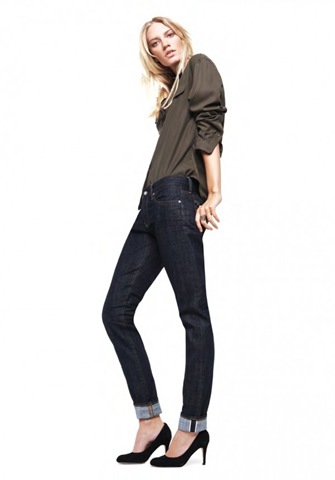
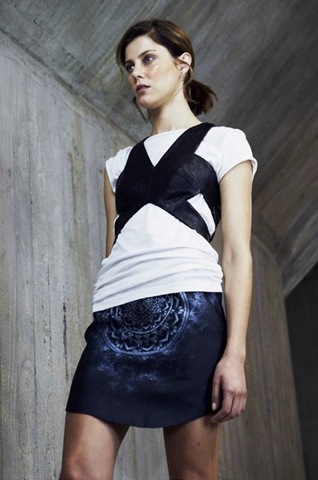
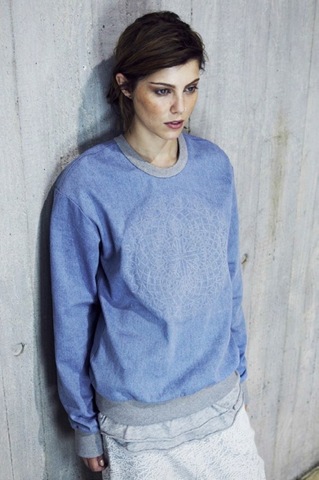
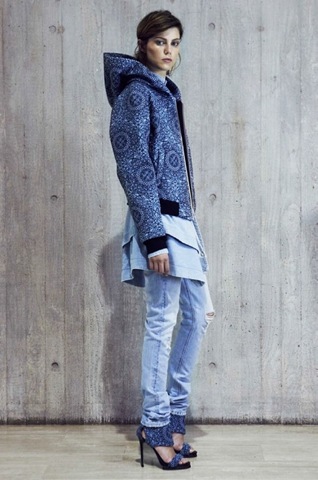
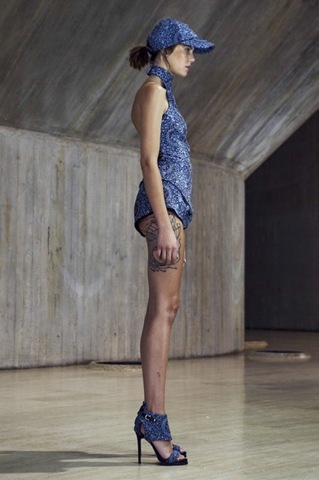
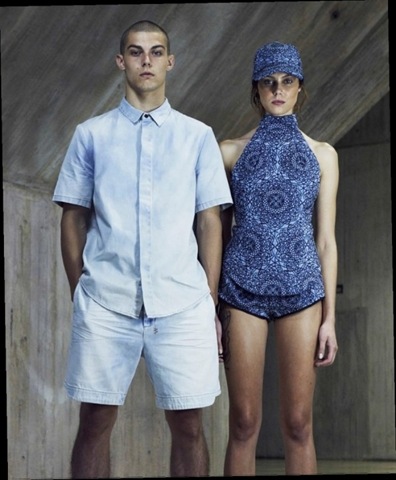
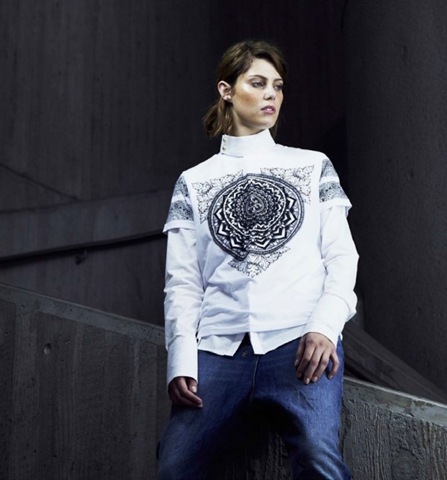
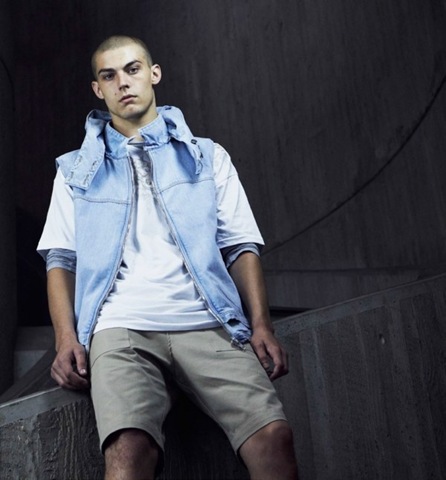
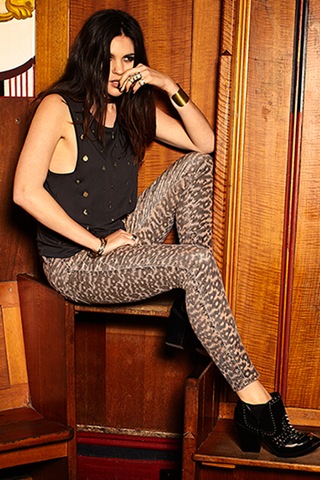
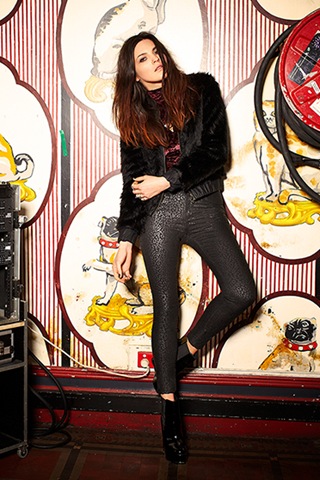
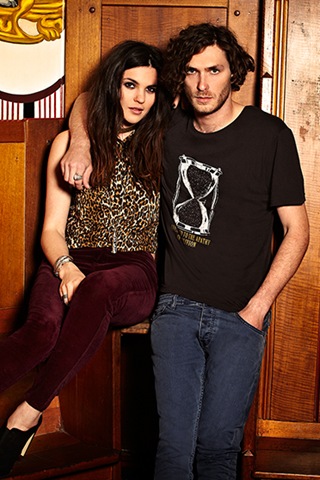
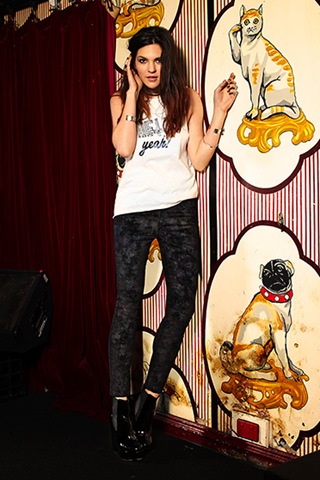
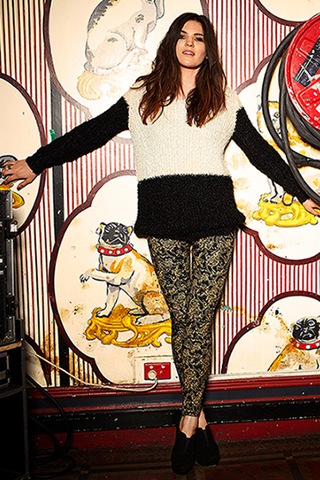
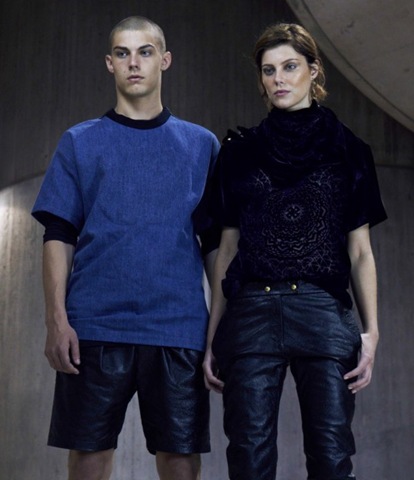
    AG brings out for AW 13/14 interesting boyfriend jeans, metallic style skinny jeans, ripped jeans, tie dyed print jeans, eyecatching washed pairs, patent black fitted shorts and other vibrant color skinnies. In colors they bring out  Burgundy and  camel solid colors which are undefeated in autumn and winter choices.

    AG Jeans Fall Winter 2013 Lookbook

    AG Jeans Fall Winter 2013 Lookbook


    AG Jeans Fall Winter 2013 Lookbook

    AG Jeans Fall Winter 2013 Lookbook

    AG Jeans Fall Winter 2013 Lookbook


    AG Jeans Fall Winter 2013 Lookbook

    AG Jeans Fall Winter 2013 Lookbook

    AG-Jeans-Fall-Winter-2013-2014-Womens-Denim-Lookbook-7-600x859

    AG Jeans Fall Winter 2013 Lookbook

    AG Jeans Fall Winter 2013 Lookbook


    AG Jeans Fall Winter 2013 Lookbook

    AG Jeans Fall Winter 2013 Lookbook

    AG Jeans Fall Winter 2013 Lookbook

    AG Jeans Fall Winter 2013 Lookbook

    AG Jeans Fall Winter 2013 Lookbook

    AG Jeans Fall Winter 2013 Lookbook

    About AG Jeans :A premium denim line launched in 2002, AG Jeans are known for high quality, skillful design, and perfect washes. From classic skinny jeans to new silhouettes like boyfriend jeans, each piece in this boutique collection is artfully destroyed and gives the wearer an ideal sexy fit.

  • Indigo 2013 To Be Held At Noida

    Denim Club India presents InDIGO 2013 :: Second Edition of International Denim Business Exhibition on 19-20 April, 2013 at International Trade Expocentre, Sector 62, NOIDAInDIGO, the denim B2B expo, organized by Denim Club India, is an event  in South Asia covering the complete denim value chain. The first edition was organized  in August, 2012.

    DCI is  now organizing the second edition of Indigo- INDIGO 2013

    A major highlight of the second edition is the setting up of a fully operational state-of-the-art denim jeans production line, to demonstrate the benefits of automation in terms of enhanced productivity and quality of products.

    The production line will comprise of more than 20 machines, some of which are being brought in by VI.BE.MAC, Italy, a well known global leader in automated machines for denim jeans production. Some other well known brands that will be a part of the production line are Typical, Kaiyu, Macpi, and Tukatech.
    The consumables will be contributed by Oswal Denim , Coats, U. K., Groz Beckert, Germany, YKK, Preet Buttons, Chaudhary Labels, Sangam Denim, R & B Denim and Vinod Denim.

    It would be a unique experience for visitors to see denim jeans  be manufactured during an exhibition, in a live demonstration of latest state-of-the-art technology using modern jeans production machines.

    In addition, there will be presence and participation of companies like Clariant, Oswal Denim, Genext Logistics, Indorama Synthetics, Intellocut, LNJ Denim, PKPN Spinning Mills, Roidec Chemicals, SGS, Wonder Polymers, among others. Three denim mills from Pakistan are also expected to participate in the show .
    The exhibition will be inaugurated by H. E. Burak Akcapar, Ambassador of Turkey to India, on the morning of 19th April, 2013.

    The concurrent conference will witness the participation of international experts and masters of the trade who shall be sharing their wealth of thoughts and idea on a wide variety of subject lines, covering automation, innovations and sustainability.,

    Some of the eminent professionals and decision makers who shall be sharing the platform are Dr. Darlie Koshy, Director General IAM, ATDC, Mr. Enrico Guerreschi, Sales Director, VI.BE.MAC Spa, Mr. H. B. S. Lamba,  Executive Director, MUST Garments, Ms. Mausmi Ambastha,  Founder & CEO, Intellocut, Mr. Nirmal Punjabi, Head – Business Development – India, Clariant Chemicals (India) Ltd. Mr. S. N. Modani, Managing Director, Sangam Denim Limited, Dr. Satish Bhardwaj, Director, The Indian Institute of Crafts and Design,  Mr. R. D. Lal, Chairman, International Institute of Fashion Technology,  Ms. Savita Manjunath, Head- Audit Operations and Business Development Manager – CPCH, SGS India Private Limited etc.

    Venue : International Trade Expo Center, Sector 62, Noida (Near Delhi) , India.

  • Calik Denim AW 14/15 Collection

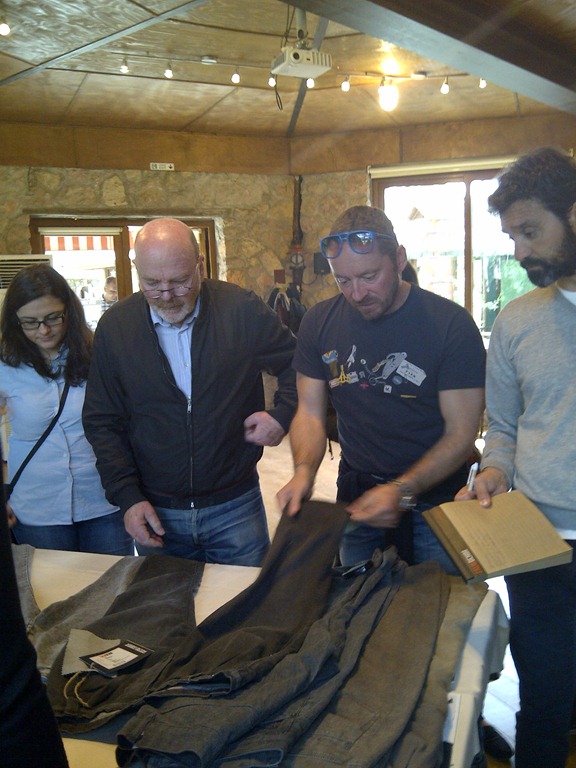
    Calik is a rapidly growing denim company from Turkey . With a capacity of 36 million meters and both rope dyeing and slasher facilities, the company is focusing on high end market.  During the recent mill week at Turkey, the company launched its Fall / Winter 14-15 Collection. This event was attended by Adriano Goldschmied – the legendary denim veteran.
    Adriano G at Calik Denim Millweek2

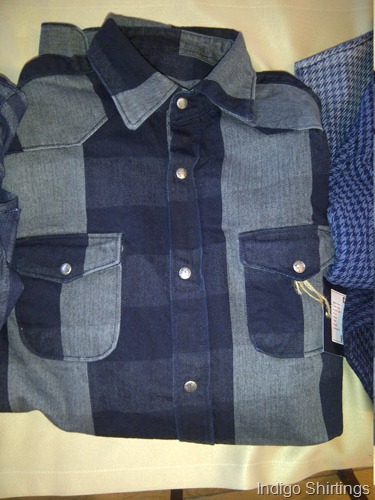
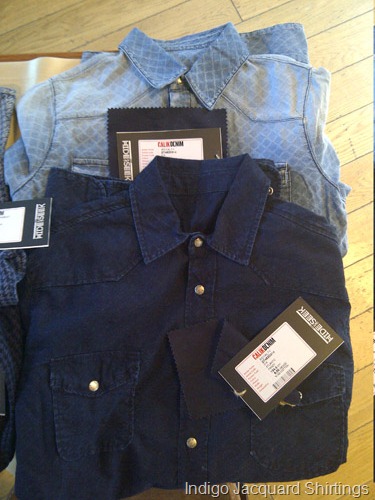
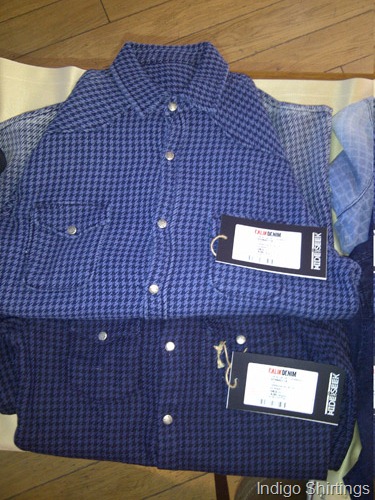
    Calik’s  collection which is titled – Hide and Seek – and it focuses on new constructions, softer handles and blends of fibers that result in premium denims. The company also claims to have novel products with special finishes and sophisticated fabrics for indigo shirting.

    Some key highlights of this collection are :

    1. Spectrum: a colored denim concept with emphasis on grey, black and green indigo in 3/1 twills and Batavia

    2. Raw as itself: RTD denims to complement the colored denim story in superstretch and rigid both with slubby character and more flat looks.

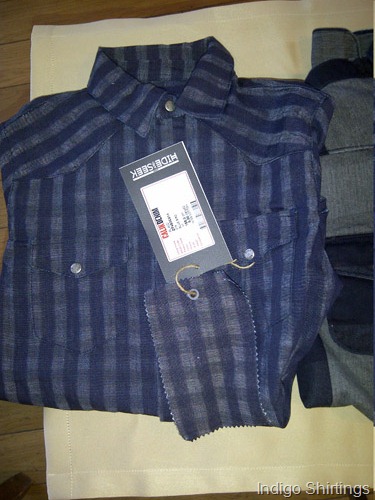
    3. Superego: an innovative indigo shirting story with a whole variety of weaves such as pied de poule, checks, dobby as well as twills.

    4. Fix-Fit: the superstretch story for womenswear, stable recovery and growth, soft handles and sateen for a smooth surface and 3/1 twills for a genuine denim look in high elasticity denims.

    5. Made: exclusive denims for tailored looks in special finishes for a smoother, shinier surface and soft handle, complemented by viscose and tencel blends with cotton for luxurious denims.

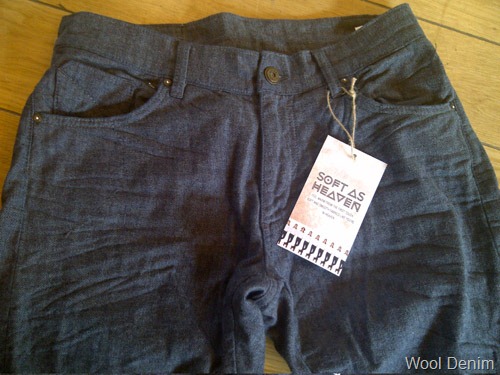
    Soft as Heaven: the warmth and softness of wool give an edge to these denims for the cold winter days in playful constructions of BT, double face, herringbone in blends of cotton and wool. Classic winter colors of grey, brown, black and indigo add a strong touch to any winter closet.

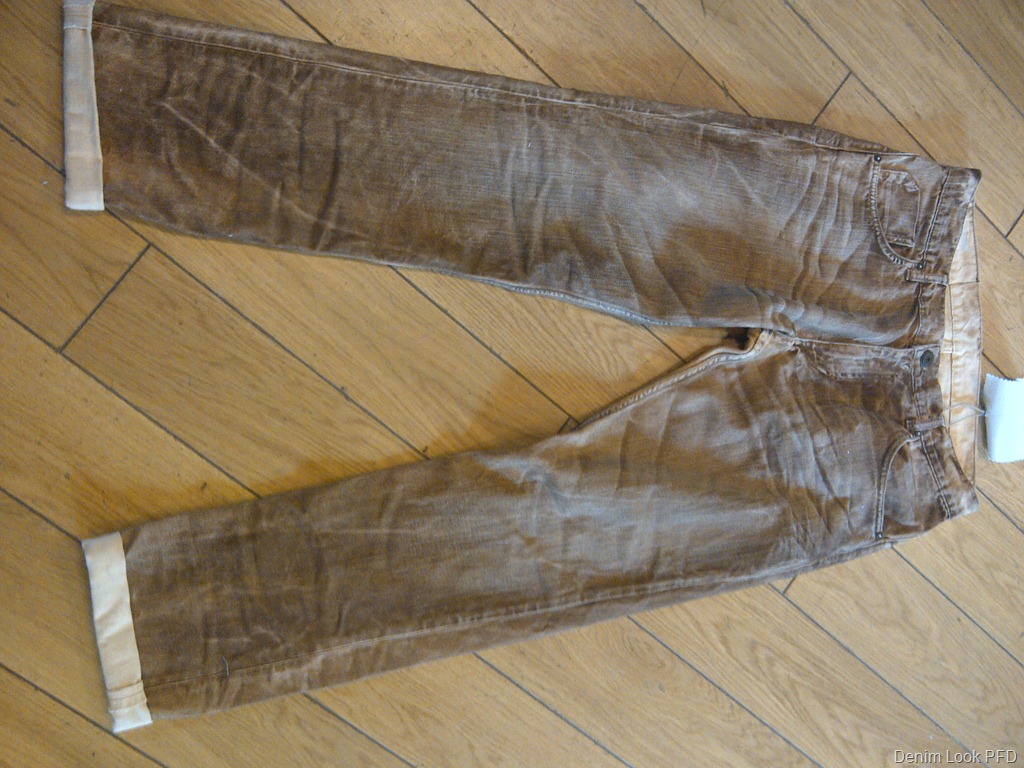
    Here are some visuals of the products launched.

    Calik aw1415 denim look pfdCalik aw1415 indigo shirting1Calik aw1415 indigo shirting2

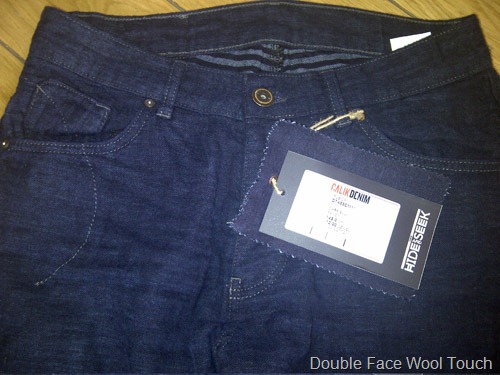
    Calik aw1415 jacquard indigo shirtingCalik aw1415 pied de poule indigo shirtingCalik aw1415 wool denimcalik aw1415-double face wool touch

  • Ksubi Fall Winter 2013 Lookbook

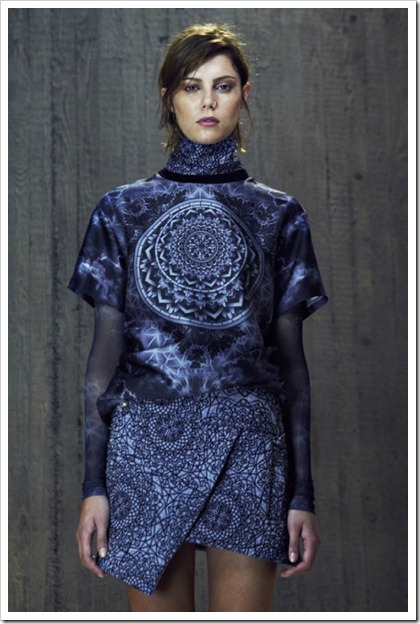
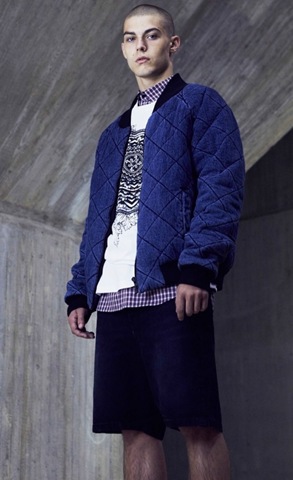
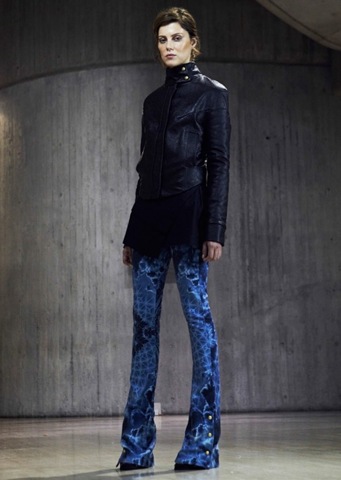
    Ksubi  – the Australian denim label – has come out some cool high end denim looks . They have played with tie dyes, denim thread embroideries and different fabrics to come out with some amazing urban and modern denim looks. Check out some of the cool looks below.

    Ksubi Fall Winter 2013 Lookbook

    Ksubi Fall Winter 2013 Lookbook

    Ksubi Fall Winter 2013 Lookbook

    Ksubi Fall Winter 2013 Lookbook

    Ksubi Fall Winter 2013 Lookbook

    Ksubi Fall Winter 2013 Lookbook

    Ksubi Fall Winter 2013 Lookbook

    Ksubi Fall Winter 2013 Lookbook

    Ksubi Fall Winter 2013 Lookbook

    Ksubi Fall Winter 2013 Lookbook

    Ksubi Fall Winter 2013 Lookbook Ksubi Fall Winter 2013 Lookbook

    Ksubi Fall Winter 2013 Lookbook

    Ksubi Fall Winter 2013 Lookbook

    Ksubi Fall Winter 2013 Lookbook

  • H & M Suppliers In 5 Countries – I

    H & M is one of the largest and the fastest growing retailers around the world.  Established in 1947 by  Erling Persson , H &M brings fashion to women, men , teenagers and children. With over 150 in house designers, the retail group is focusing on not only develop great designs , but also sustainable chain of design, manufacturing and product handling both for the people and the environment. With a turnover of about US$21.5 billion in 2012, it is ahead of Gap Inc and is on fast growth path and plans to increase number of stores by about 10-15% every year.
    H & M has  6 independent brands under its umbrella – H&M, Other Stories, Cheap Monday, COS, Monki and Weekday. H & M also sells cosmetics, accessories, footwear, and a textile interiors concept – H&M home.

    H & M sources its products from a large number of  suppliers around the world – a large number of them from Asia. Many of these are apparel and denim suppliers. We have compiled in this report a list of 60 companies who are supplying to H & M from Bulgaria, Greece, Egypt, Turkey, Cambodia and companies headquartered in Singapore  etc.
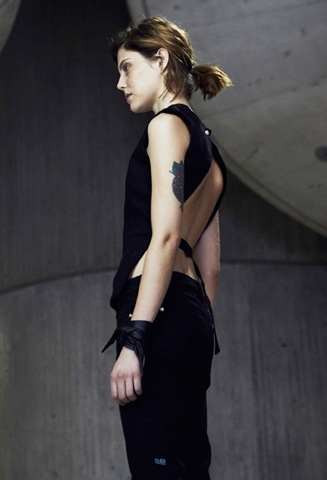
    Here is a list of  over 60 companies and about 150 factories which supply apparel (including denim) to  to H & M  . The list contains the phone/fax /website /email details of most companies and short descriptions of many of them. The details are in excel file and can be downloaded immediately.

    [private_special]

    Click here to download the file

    h&m suppliers

    [/private_special]

  • Self Edge Launches Denim Repair Studio in San Francisco

    Self Edge is one of the most famous denim store in US  having antique and most authentic denims. Located in NY, San Francisco  and LA , the store carries a full line of denim clothing and jewelry from cutting edge designers and artists from Japan.
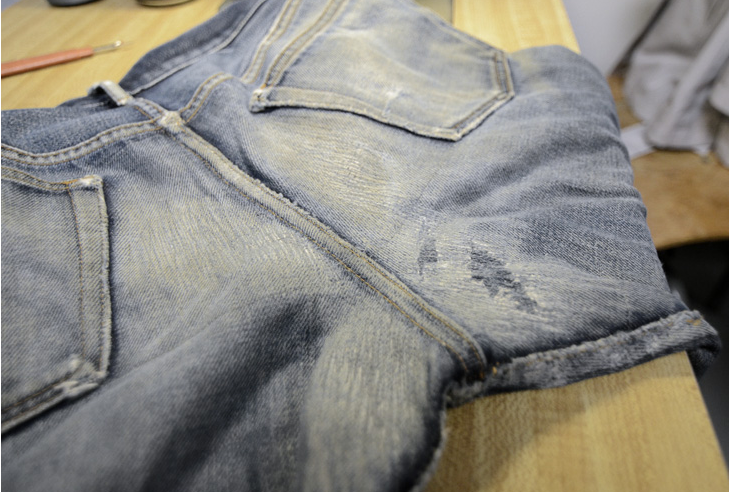
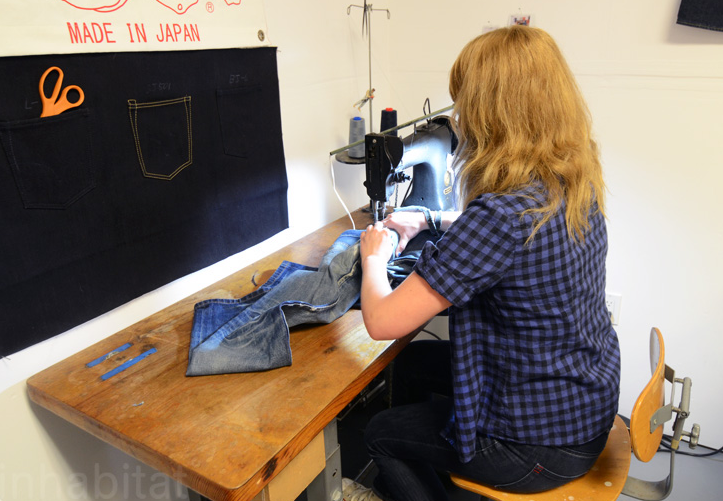
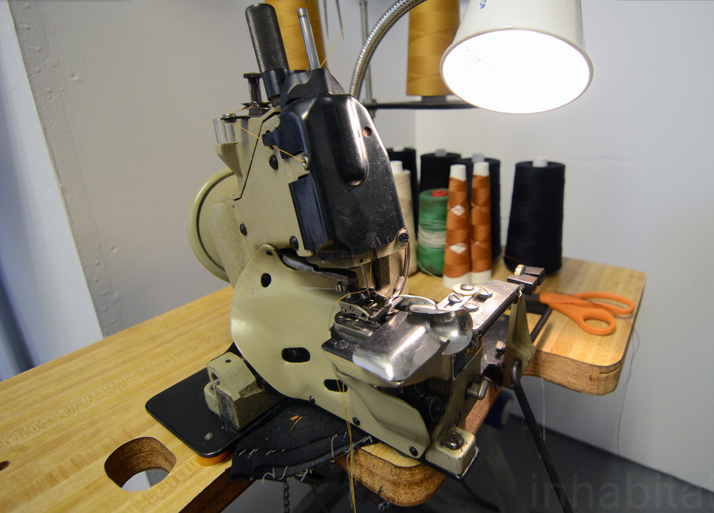
    Recently , they launched a denim repair studio – “Darn It” -  in San Francisco. Opened with a purpose to repair old and worn out jeans , the studio has some very special machines – 1950s Singer Darning Machines, a rare 43200G Union Special Chainstitching Machine and a 1920s Steel kick press. These are some very rare machines – specially the 43200G. Most of these machines were lapped up by the Japanese in the 80s and 90s and then it became really difficult to find them.
    So if you have an old favourite jeans which is wearing out and you do not want to lose it , it would be a good idea to get it repaired at “Darn- It” .

    Darn-It! specializes in hard-to-find services like chainstiched hems and fixing holes without the use of patches, but they can pull off just about any job you can imagine – from replacing buttons and zippers to fixing torn pocket bags and installing iron-riveted suspender buttons. Repairs cost a flat fee of $40 which is not less . But if your jeans is worth  a few hundred dollars (of cost and your personality print) , then sure its not a large amount.

    Darn it Denim Repair

    Darn It - Denim Repair

    Darn It - Denim Repair

    Image credit-Ecouterre

  • Sri Lankan Denim Exports Down 34% in 2012

    Sri Lanka is an important  apparel manufacturing and export center in South Asia . The nation has been exporting quality garments to major markets like US and EU over the last few decades. However, over the years, the apparel exports have reduced – while in 2000 the apparel exports were about 49% of total exports of Sri Lanka, in 2011 , the figure dropped to 38%.

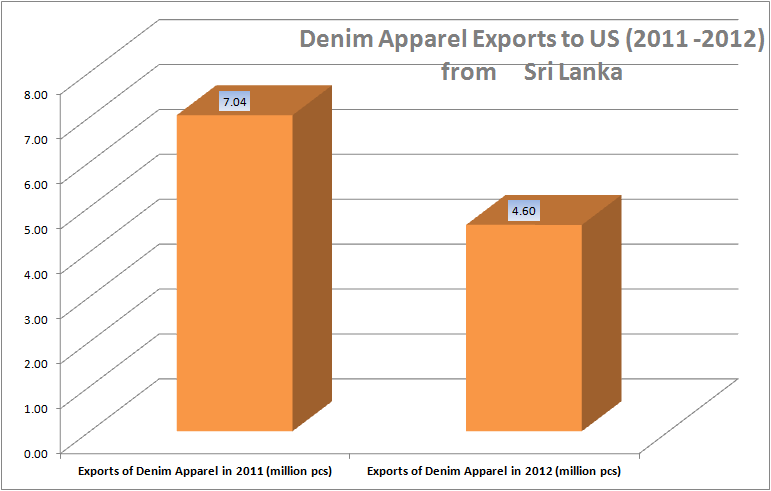
    Also, the last 2 years have not been very good for Sri lanka . On the one hand it lost the GSP+ facility to EU due to disagreement over certain clauses and as a result lost over $ 1 billion (estimated)  in exports, , its exports to US have also dropped. When we look at the exports of denim apparel, the scenario has worsened in 2012  with a fall of over 34% . Lets look at the chart below :

    Sri Lanka denim exports

    In a single year 2012 , as compared to 2011, the exports of denim apparel to US fell about 34% . While a number of reasons have been attributed for the same – including rising labour costs and economic situation in US , the exact reasons are still to be explored. If we look at the average prices, it is surprising to see that the same to have fallen by about 5 % .

    The average prices for these years were :

    2011- $8.47

    2012 – $8.07

    In a following article , we will explore the causes of this fall in Sri Lankan denim exports and what are suggestions from Industry leaders. Do send us your comments regarding the same if you wish to…

  • Denim Production And Consumption In Italy

    italy denim consumptionWhen one speaks of denim fashion in EU , the first nation that comes to mind is Italy. Italy has been the harbinger of denim developments with a number of important mills like TRC  and denim brands like Diesel  having originated from here.

    But what is the consumption of denim jeans in Italy ?  How many jeans are produced in Italy? How many of these are men’s and how many are women’s jeans ? What are the exports and imports of the same ? Is the production of jeans going down ? Does men’s jeans sell more than women’s ? What is the net consumption of jeans? Is this consumption stable or is it changing?  What is the per capita consumption of jeans in Italy ?

    We will look at these  and more figures in this data report for the years 2009 – 2011.  [private_special]

    Production of Jeans in Italy 2009-2011


    Year Men’s Jeans Production Quantity(million pieces) Women’s Jeans Prod. qty
    (million pcs) 
    Total Jeans
    (million pcs)
    2009 27.44 12.54 39.98
    2010 22.31 13.42 35.73
    2011 21.34 12.61 33.95

    As we can see that the production of jeans is continuously falling and not without reason. The increasing costs of production and cheaper imports have affected the production of jeans in this fashion capital of Europe. However, the men’s jeans production has falle almost 23% from 2009 to 2011 whereas Women’s jeans production is almost constant. This also shows that it is important for quick fashion requirements of women’s jeans that the jeans be produced in Italy.

    Consumption of Jeans in Italy 2009-2011

    Year Production Import Exports Consumption
    2009 39.98 43.03 26.36 56.63
    2010 35.73 46.13 26.62 55.25
    2011 33.95 42.86 23.68 53.13

    The  consumption of jeans in Italy seems to be sliding with a fall of about 5% over the three year period of 2009-2011. This shows that the jeans market is saturated in Italy . Great changes in consumption patterns are not expected barring small year to year changes .

    Per Capita Consumption of Jeans in Italy

    What is the per capita consumption of jeans in Italy ? Lets see below :

    Population Consumption of Jeans (2011) Per Capita Consumption (2011)
    60.5 million 53.13 million 0.87 jeans

    The per capita consumption of jeans in Italy seems to be around 0.9 jeans per person – which is in line with the European consumption. This looks quite low in comparison to US where the consumption is about 2 jeans /person. However, it needs to be kept in mind that Italian consumption of denim jeans is about 50% of the total consumption of denim apparel . A large quantity of denim fabric is consumed in the form of shirts, jackets,  skirts and other denim apparel.  Check out some figures from Cotton Inc survey regarding the approx consumption of jeans vs other denim apparel. 
    The consumption of denim fabric in Italy during 2011 is expected to be more than 150 million meters taking into account all the products including jeans, jackets, shirts, skirts etc.

    [/private_special]

  • Jeanologia Laser Prints

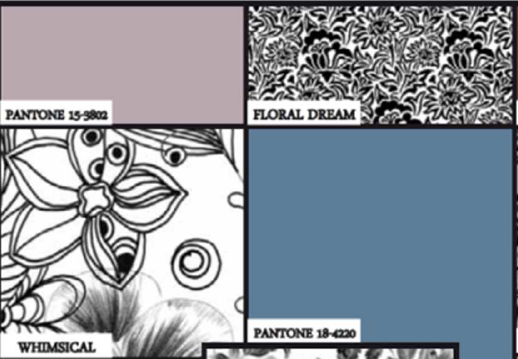
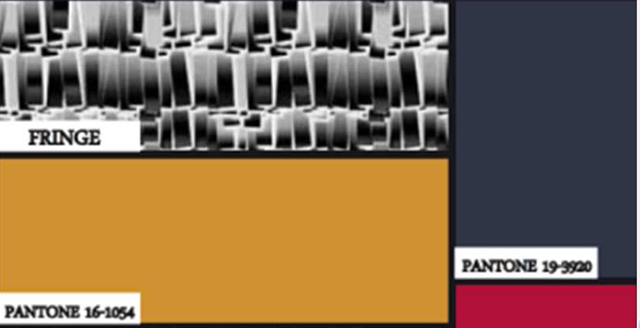
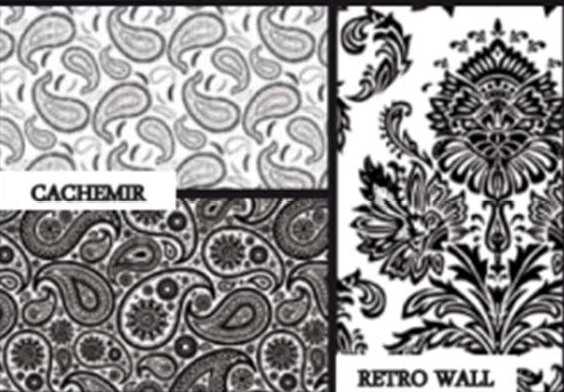
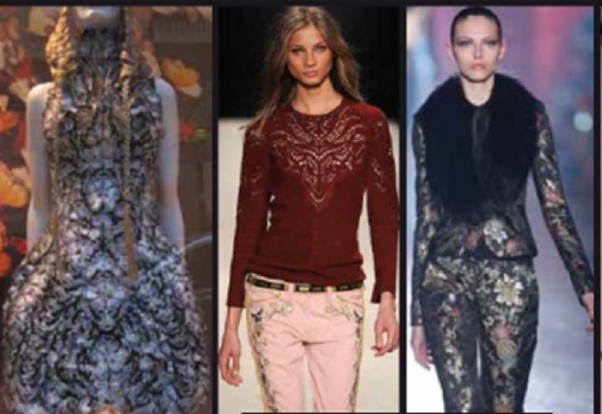
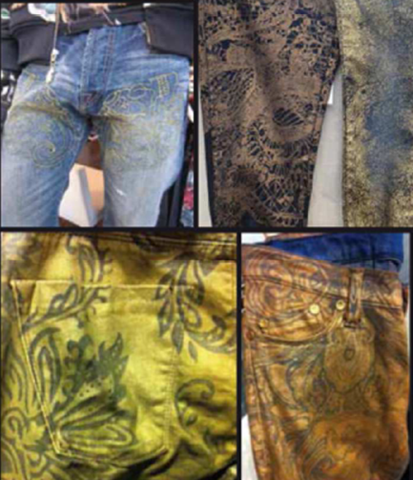
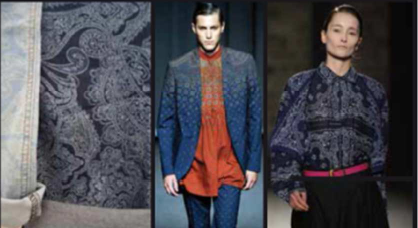
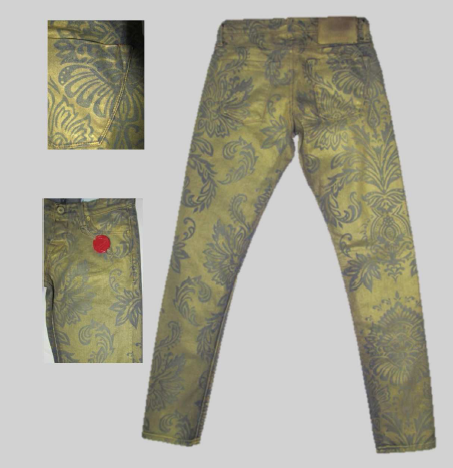
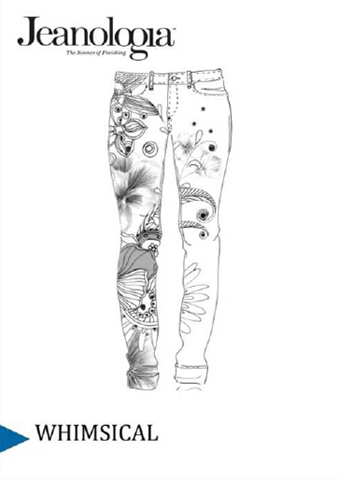
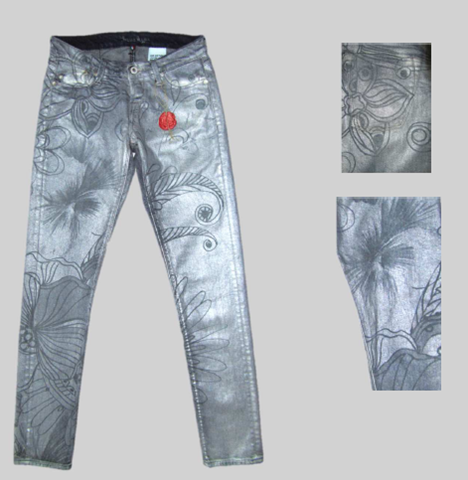
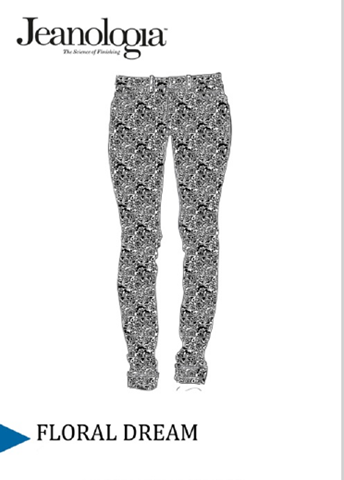
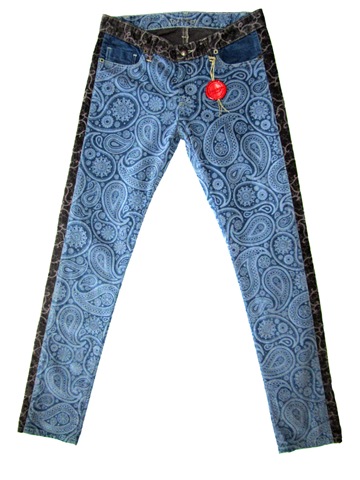
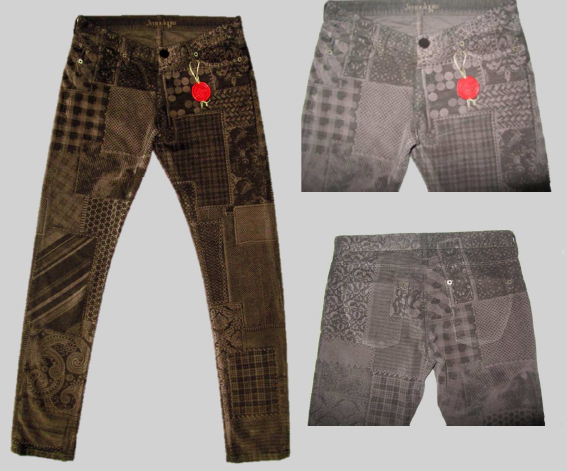
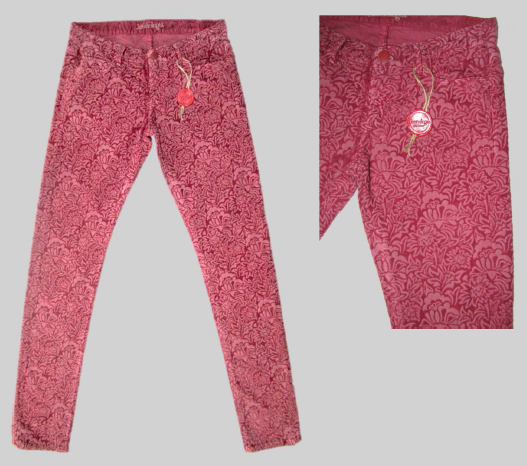
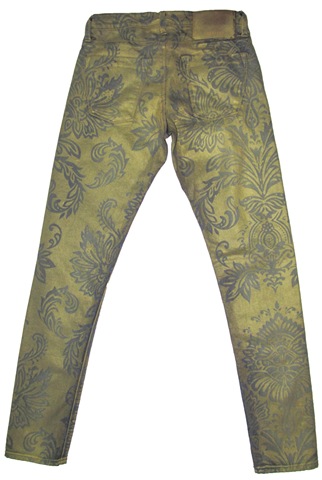
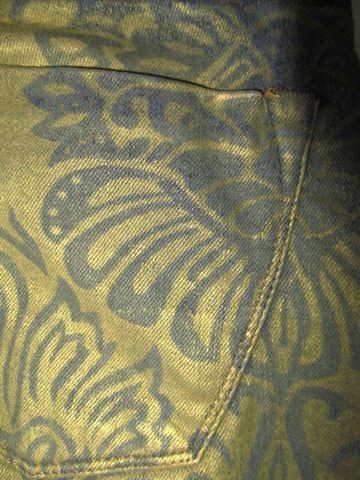
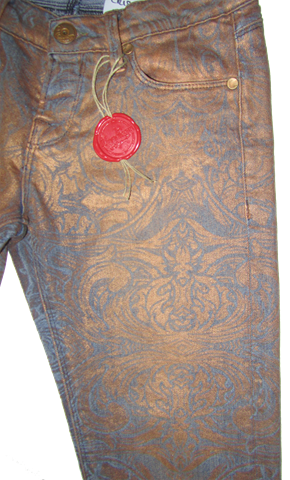
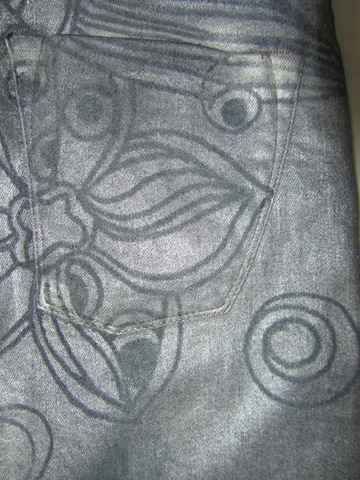
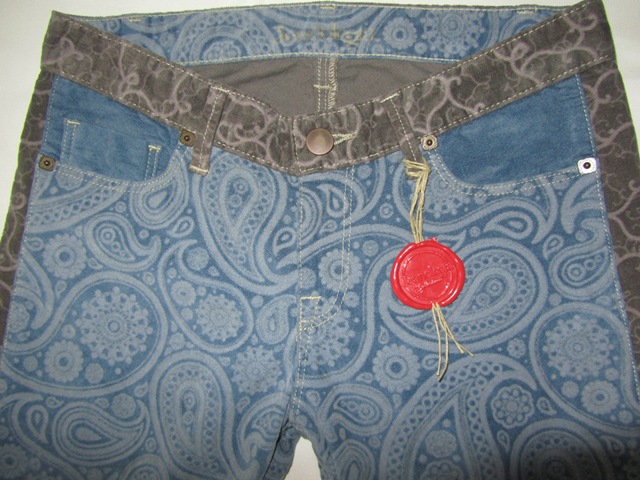
    Jeanologia is an innovative company in Spain which has brought  out various environment  friendly products for denim industry including the Ozone washing systems ,  lasers for washing denim and more. Latest in the line of these developments is the “Opulent Denim”  – a new collection of prints made by lasers.This is an evolution of the baroque trend, more focused on the atmosphere characteristic of the nineteenth century. Some details from this new collection created by them using lasers can be seen below . These prints have been done on various base products including denims, non-denims, velvets and color denims.

    Haute Couture On Denim

    CONCEPT: Jeanswear with decorative opulence.
    Graphic inspiration:
    Baroque flowers.
    Faberge decorations.
    Tie motifs.
    Early 20th century liberty inspiration.
    Asian impressions.
    Elegant animal hides.
    Photographic prints with surrealist references.
    Enlarged or oversized illustrations and photographic jewellery-printed trompe l’oeil styles make this trend new and updates traditional embellishment.

    Jeanologia Laser Prints

    Jeanologia Laser Prints

    Jeanologia Laser Prints

    Jeanologia Laser Prints

    Jeanologia Laser Prints

    Jeanologia Laser Prints

    Jeanologia Laser Prints

    Jeanologia Laser Prints

    Sumptuous fabrics

    Brilliant surfaces, super-soft handfeels & deep colours. Coating; super stretch & lightweight coated fabrics (chalk & glitter looks).

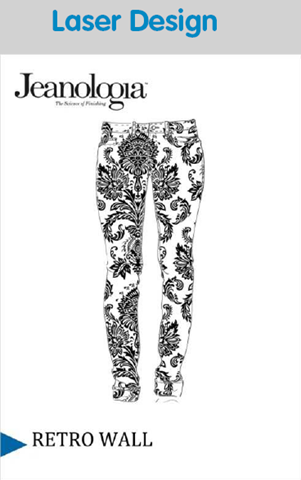
    Jeanologia Laser Prints | Retro Wall

    Jeanologia Laser Prints


    Jeanologia Laser Prints

    Jeanologia Laser Prints

    Velour 3D effect made with laser

    For an extra shinny & sophisticated look, look for velour with viscose in their composition.

    Jeanologia Laser PrintsJeanologia Laser PrintsJeanologia Laser Prints

    Jeanologia Laser Prints

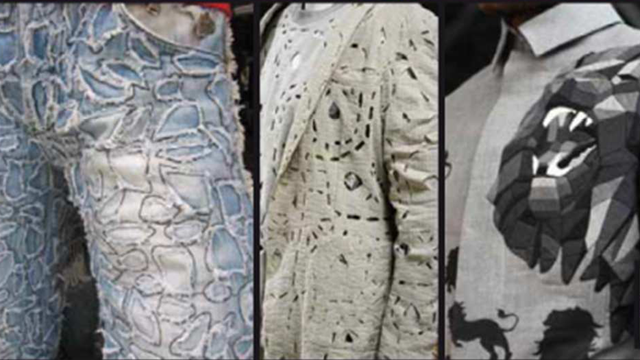
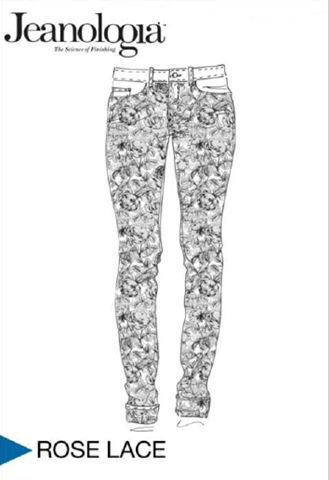
    Jeanologia Lasered Lace

    A conceptual garment that capture up where the laser can reach. The lace trend comes to denim and also may be developed by laser.

    Jeanologia Laser Prints

    Jeanologia Laser Prints

    Laser on Metallic Coated Fabrics

    Jeanologia Laser Prints

    Jeanologia Laser Prints

    Jeanologia Laser Prints

    Jeanologia Laser Prints

    Jeanologia Laser Prints


    Jeanologia Laser Prints

  • Cone Denim And Crailar Technologies Collaborate

    CRAiLAR Technologies Inc. which produces and markets a natural fiber made from flax and other bast fibers, has entered into a marketing and development agreement with CONE DENIM, America’s largest and most innovative working denim mill, to begin this month. The agreement calls for CONE DENIM to market and develop the use of CRAiLAR Flax in its denim fabric line, which is sold to a broad range of the best global brands in fashion, work wear and casual lifestyle categories. The agreement is through December 2015.


    • Cone denim will immediately launch Crailar  Flax denim developments in its CONE® 3D offering to its existing clients.
    • Crailar  and Cone Denim will jointly introduce Crailar  Flax denim developments to Crailar’s current partner brands.
    • Crailar  and Cone Denim will jointly create and manage marketing materials, sales meetings, trade shows, press launches, trade and consumer marketing activities. 

      Crailar Technologies Inc., offers cost-effective and environmentally sustainable natural fiber in the form of flax, hemp and other bast fibers for use in textile, industrial, energy, medical and composite material applications. Produced using a fraction of water and chemical inputs compared with other natural fibers, CRAiLAR Flax is the newest natural fiber introduction to the market in decades. The Company supplies its CRAiLAR Flax to HanesBrands, Georgia-Pacific, Brilliant Global Knitwear, Tuscarora Yarns, Target Corp., and Kowa Company for commercial use, and to Levi Strauss & Co., Cotswold Industries, Cintas, Carhartt, Ashland, PVH Corp., and Lenzing for evaluation and development. The Company was founded in 1998 as a provider of environmentally friendly, socially responsible clothing.

      crailarCrailar flax is supposed to be a highly eco friendly fiber where a kilo of CRAiLAR Flax only requires 17 liters to produce the same quantity of finished fiber — 99 percent less water than cotton, using Field to Market’s research. Factor in far fewer pesticides and herbicides and it increases its eco friendliness . For such reasons, the USDA has designated CRAiLAR Flax Fiber 100% BioPreferred®

      CONE DENIM, probably the most well known name in world denim industry ,  is headquartered in Greensboro, N.C., where its flagship White Oak is located. Its operations there consist of the most modern equipment and technology alongside vintage looms from mid-century denim making. Its has manufacturing facilities in US, Asia and Mexico . It is also  one of the top 10 World denim corporations.

  • Lee Jeans Autumn Winter 2013 Women’s Lookbook

    Prints and colors still look strong for Fall/Winter’13 collection as can be seen in Lee Jeans’ look book for this season.
    The prints are strong for SS’13 season and seem to be carrying spilling over to the next seasons too.

    Check out the look book below :

    Lee Jeans Autumn Winter 2013 Women’s Lookbook

    Lee Jeans Autumn Winter 2013 Women’s Lookbook

    Lee Jeans Autumn Winter 2013 Women’s Lookbook

    Lee Jeans Autumn Winter 2013 Women’s Lookbook

    Lee Jeans Autumn Winter 2013 Women’s Lookbook

    Lee Jeans Autumn Winter 2013 Women’s Lookbook

    Lee Jeans Autumn Winter 2013 Women’s Lookbook

    Lee Jeans Autumn Winter 2013 Women’s Lookbook

    Lee Jeans Autumn Winter 2013 Women’s Lookbook

    Lee Jeans Autumn Winter 2013 Women’s Lookbook

    Checkout our updated Denim Import Reports – till Dec ‘12

  • Japanese Denim Production And Consumption–A Note

    japan denimJapan is one of the important countries in the world – both for denim fabric and apparel production as well as for denim consumption. In this report, we will provide the following details on the Japanese market:

    • Production of denim fabrics in Japan – capacities and actual estimated production in 2011
    • Fabric exported and and consumed in the same year
    • Denim apparel production in Japan –2011 and  Imports . The net consumption of jeans in million pcs .
    • A note on history of denim in Japan.
    • Production capacities of denim mills in Japan

    Note: Pl ignore our last article emailed on 7th March – it was sent by mistake and was not related to denim industry…Sorry for inconvenience.

    [private_special]

    Denim in Japan has a long history. In the decade after the second world war the craze was for used denim released from the American military and sold on the Japanese black market, usually after resizing to fit the typical Asian build. But after liberalisation of imports, the first Japanese-made jeans were manufactured by Maruo Clothing from 50 rolls of denim produced at the Canton Textile Mills in Georgia. The year was 1964. In 1972, Kurabo initiated a collaboration with the Japanese denim brand Big John, which to many around the world is quite an unknown brand. Additionally, like most of the early Japanese denim brand, before Big John established the cooperation with Kurabo they got their denim from Cone Mills. Another well known Japanese weaving mill, Kaihara, did not begin their production of selvage denim before 1994. Currently there are only 4 denim fabric mills in Japan – Kurabo, Kaihara, Kuroki and Collect. Nisshinbo, which used to manufacture in Japan has shifted fabric operations to Indonesia. Japanese denim is synonymous with selvedge denim . There is a general belief that old looms from US were bought by Japanese and that ensured Japanese domination as a selvedge denim producer. However, the contribution of Japan to selvedge fabric production began with the introduction of Toyoda looms by the Toyota manufacturing . In 1924, Sakichi Toyoda invented the Model G automatic selvage loom, a techical wonder of its time that overshadowed the American equivalents like the Draper looms. The loom has been described as, “a landmark achievement that advanced the global textile industry and laid the foundation for the development of the Toyota Group,” and the design of loom was exported to Europe, and produced under licence in the UK. Toyoda shuttle looms were still in widespread use in the 1970s, in particular at the Kurabo mill that produced the first fabric. The looms still surviving keep on weaving the magic in denim. On the garment side, Japan still produces a decent quantity of denim apparels. According to the Japan Jeans association, for the first time after 2006, the jeans production has increased in Japan in 2011 over the previous year by 2.7% to 56 million units. The production of denim bottoms rose by 2.6% to 47 million units and that of tops grew by 3.3% to 9 million units.
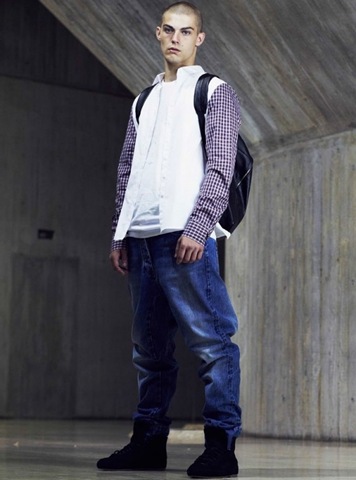
    Denim Fabric Consumption For Jeans Manufacturing  in Japan (million mtrs)

    Year Denim Fabric Capacities Actual Estimated Prod. (estimated) Exported Consumed in Japan
    2011 65 48 10 38

    From the above table we can see that Japan consumes about 80% of fabric produced within their own country and about 20% is exported. This also shows the strength of the domestic market.

    Denim Consumption in Japan

    The Japanese denim industry is invested with powerful emotions: the big-sky romance of the American West, the pre-digital age nostalgia of blue-collar workwear and a kind of raw-boned masculinity are quite foreign to the average Japanese male.The Japanese consumers are very brand and quality conscious and ready to pay the extra price for the brand name. Premium Brands like Momotaro, Big John, Evisu , Sugarcane, Iron Heart etc still carry the brand value . But there are worries on economic front as Japanese economy suffered a contraction in 2011. However, real clothing expenditure has been declining since 2009 and the Japanese consumer has become more pragmatic and price conscious. Brands like Uniqlo allow the consumers to keep up their wardrobe at lower cost. But the real low in prices in Japan came with the launch of the G.U Brand by Uniqlo at 990 yen ie around US$13. The economic situation is forcing consumers to buy such jeans in numbers. The total garment ownership of denim apparel in Japan is high at 16 pieces.
    The Japanese market is estimated to consume about 250 million pairs of denim apparel as seen in the table below. Imports continue to be about 80% of total consumption, though domestic production has improved a little. Japan, for a country with its high costs of production, manages to produce more jeans that are made in US !.

    Denim Apparel Consumption in Japan (million pcs)

    Year Denim Apparel Prod. Jeans Imports
    Denim Apparel / Jeans Consumption
    2011 56 195 251


    Production capacities of denim mills in Japan

    Company Name Prod. Capacity (Million mtrs p.a)
    Kaihara Denim

    36

    Kuroki Co. Ltd

    12

    Kurabo

    12

    Collect Co. Ltd

    5

    [/private_special]