Tag: Japanese denim

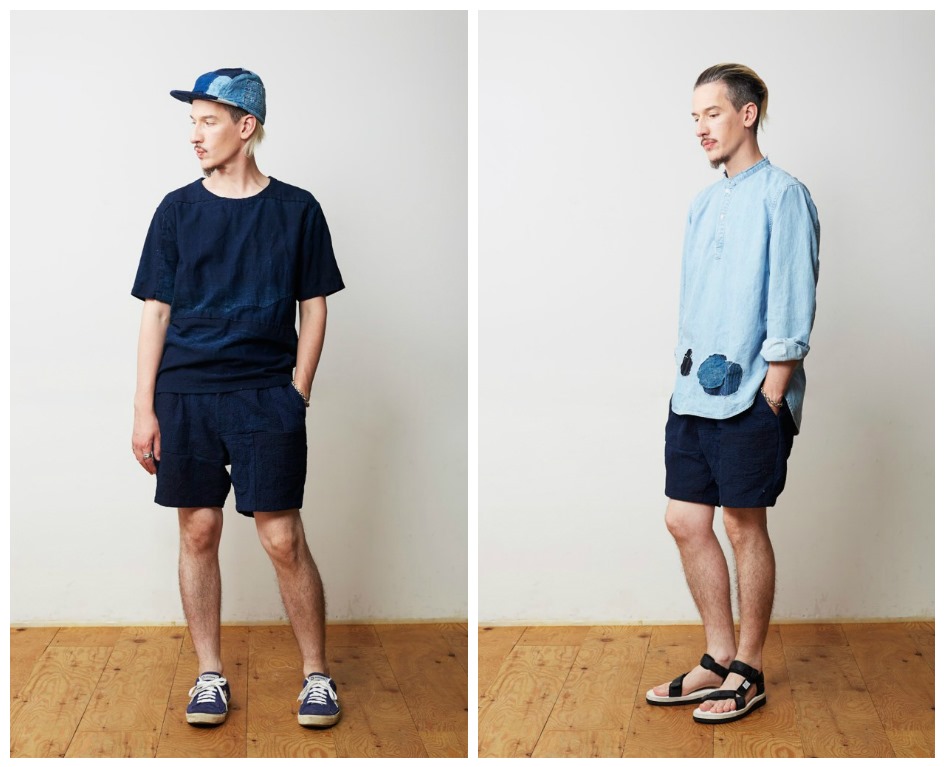
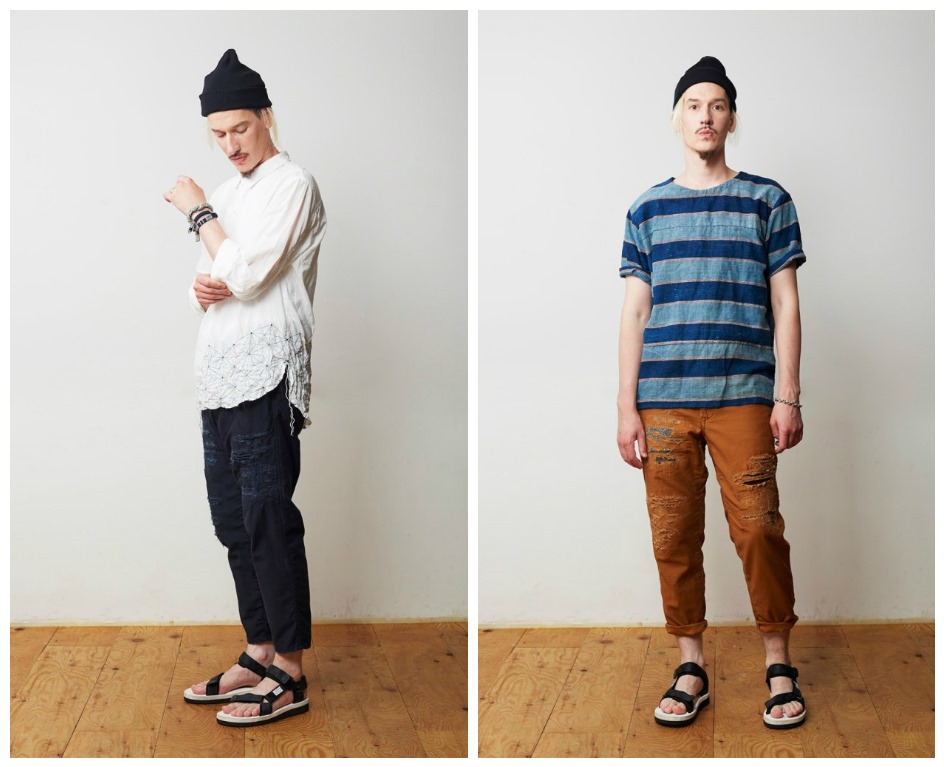
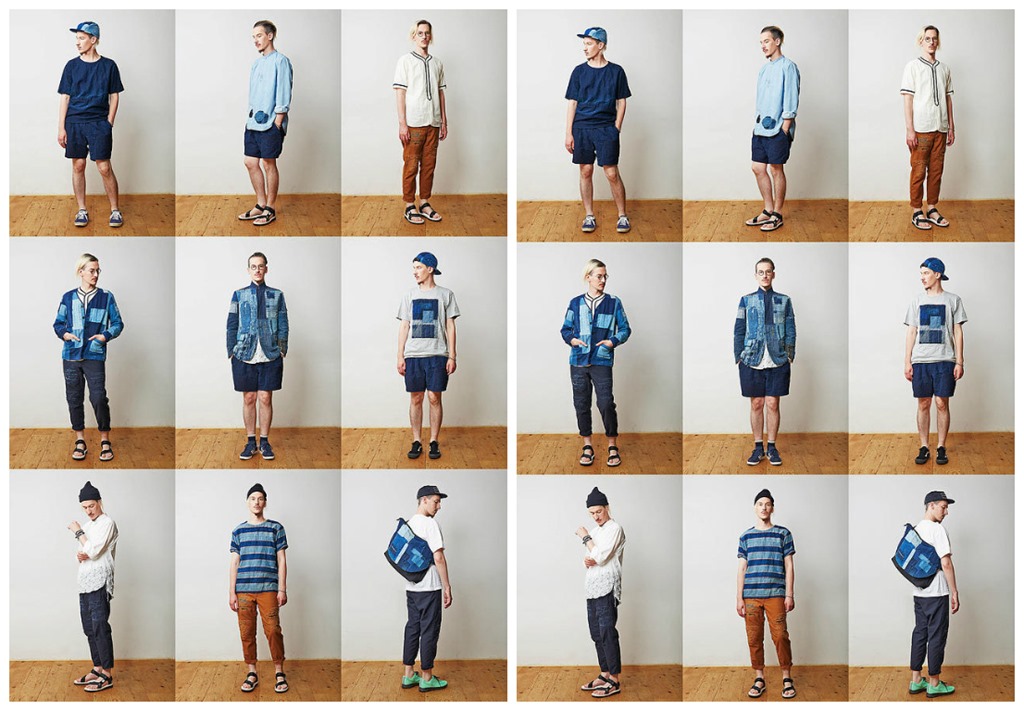
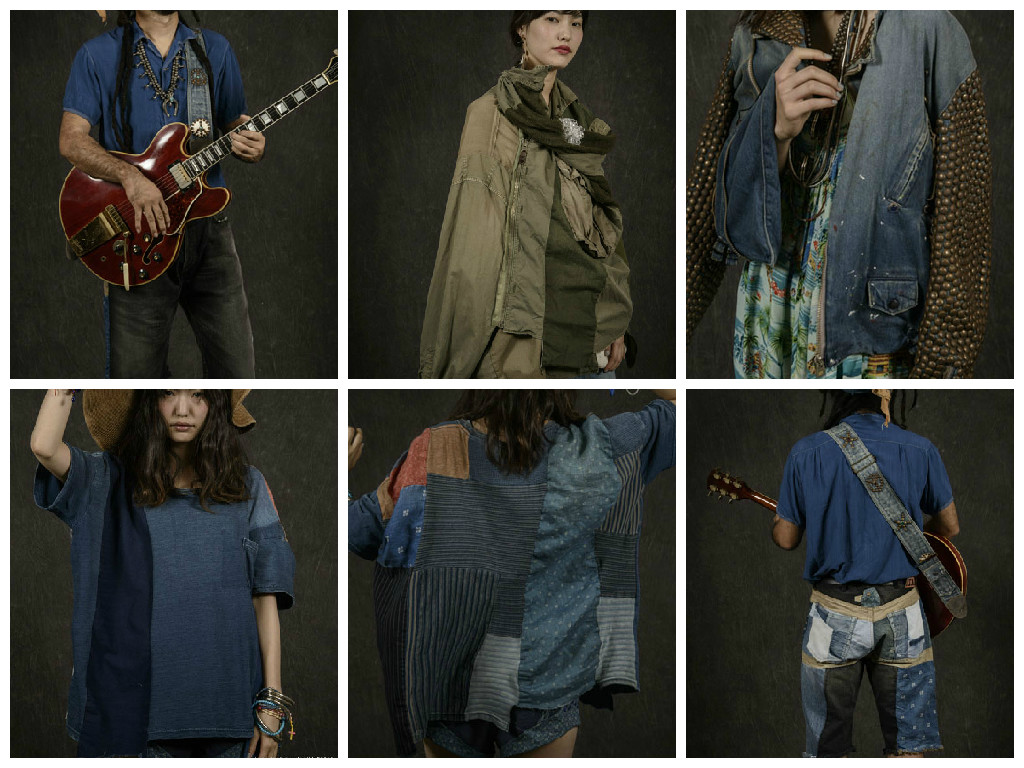
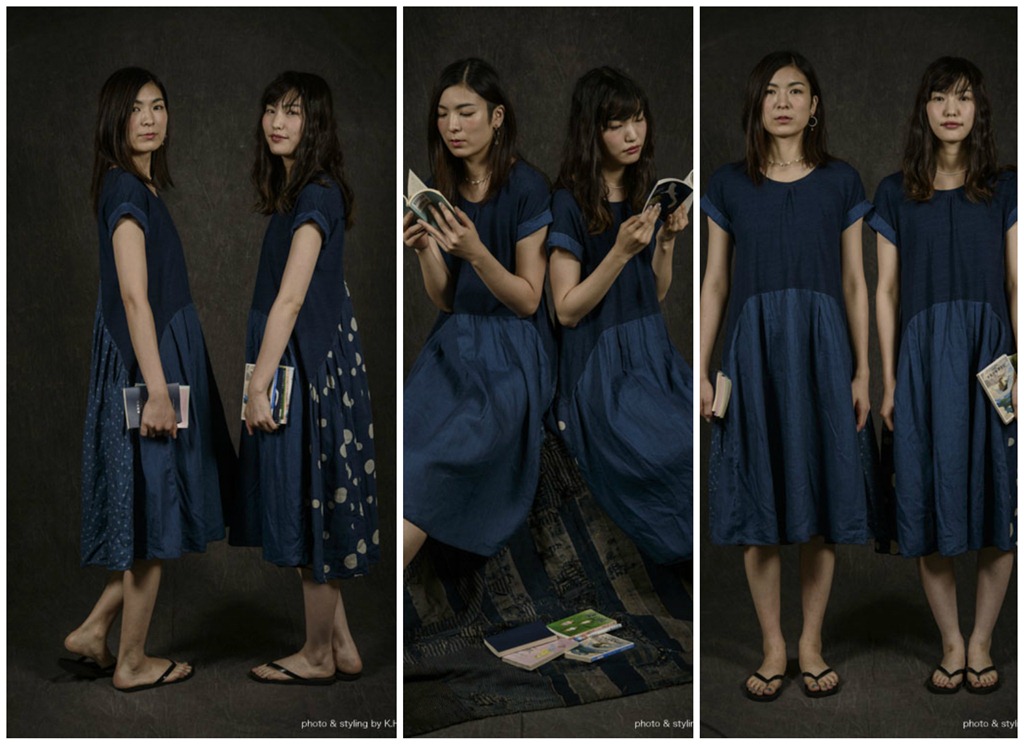
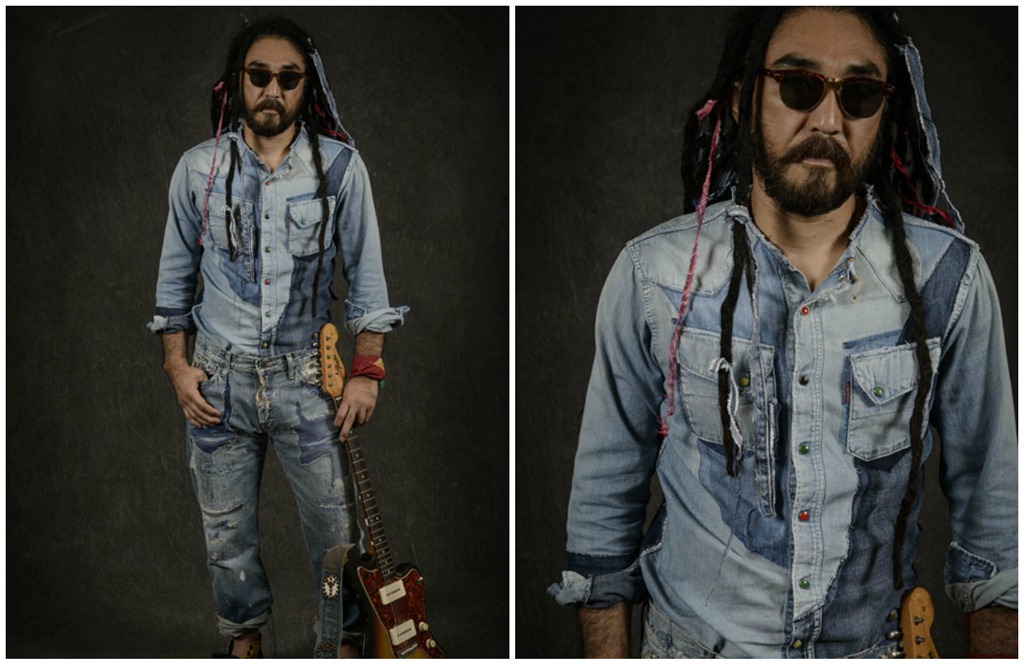
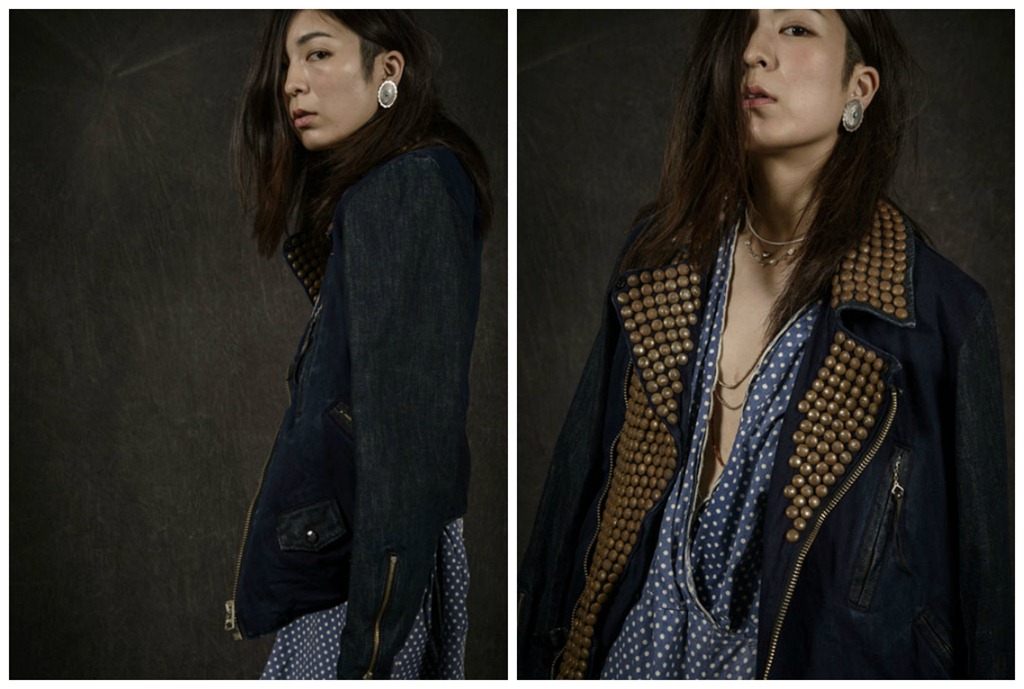
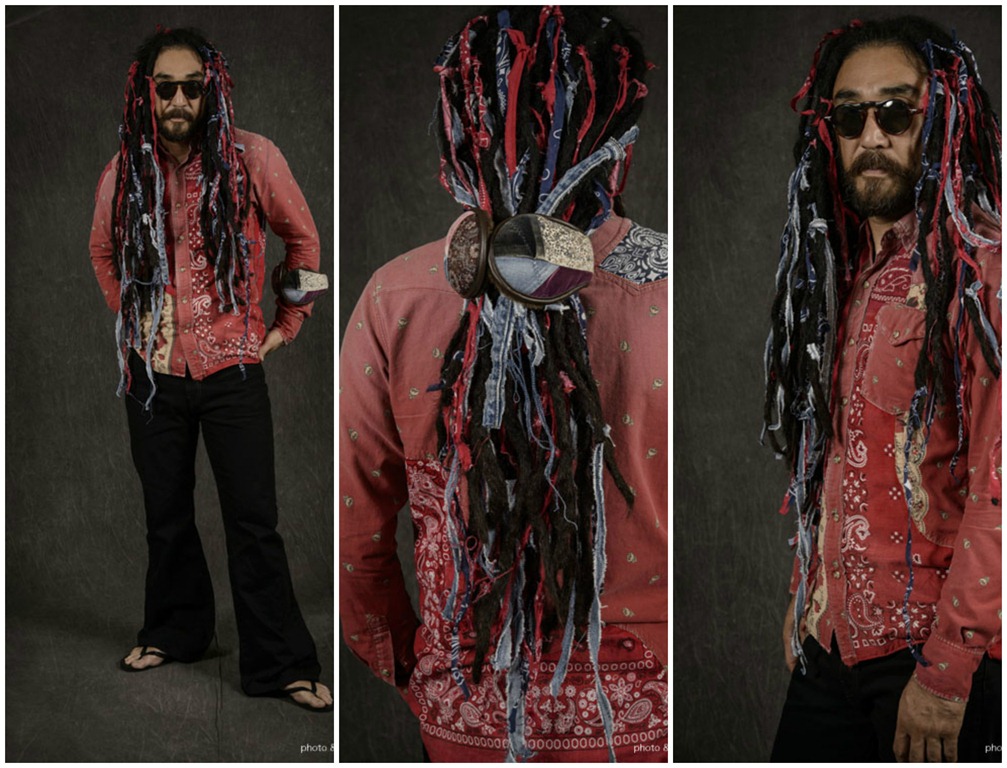
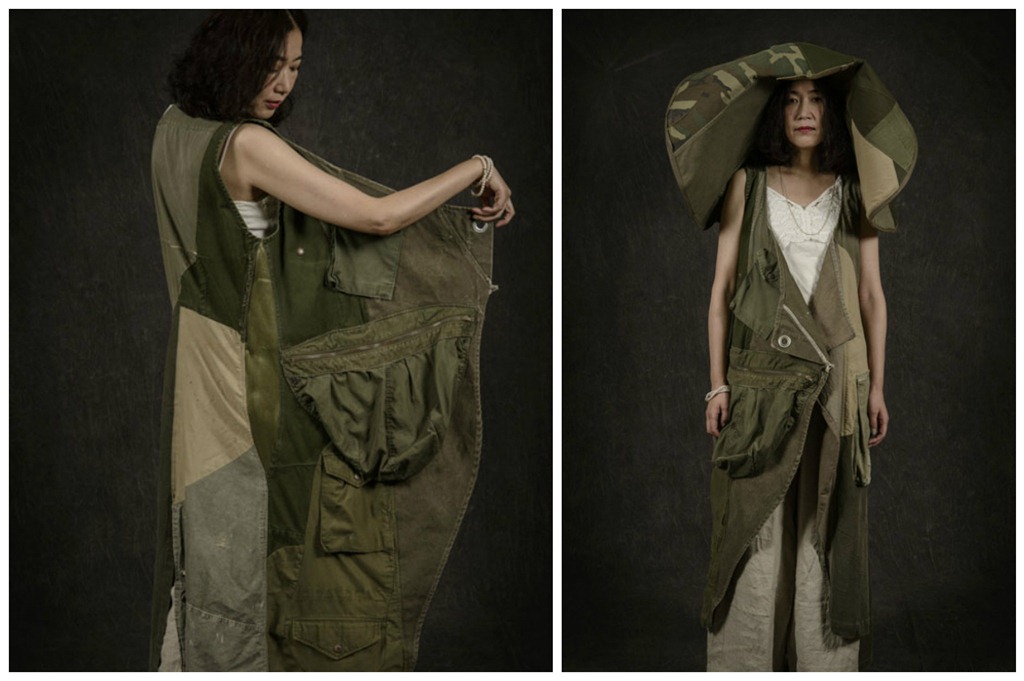
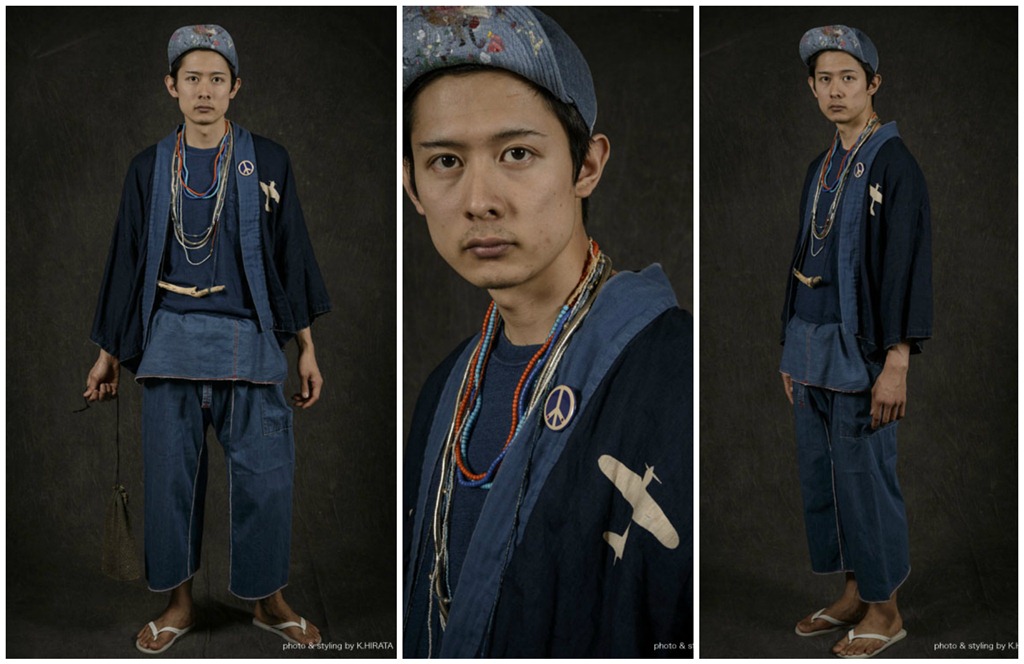
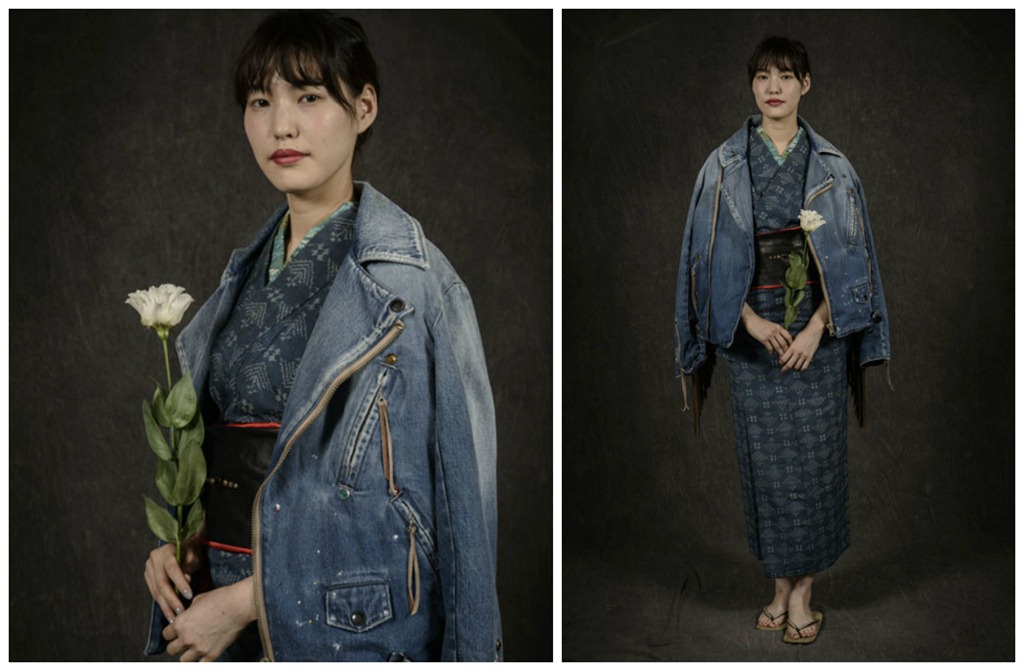
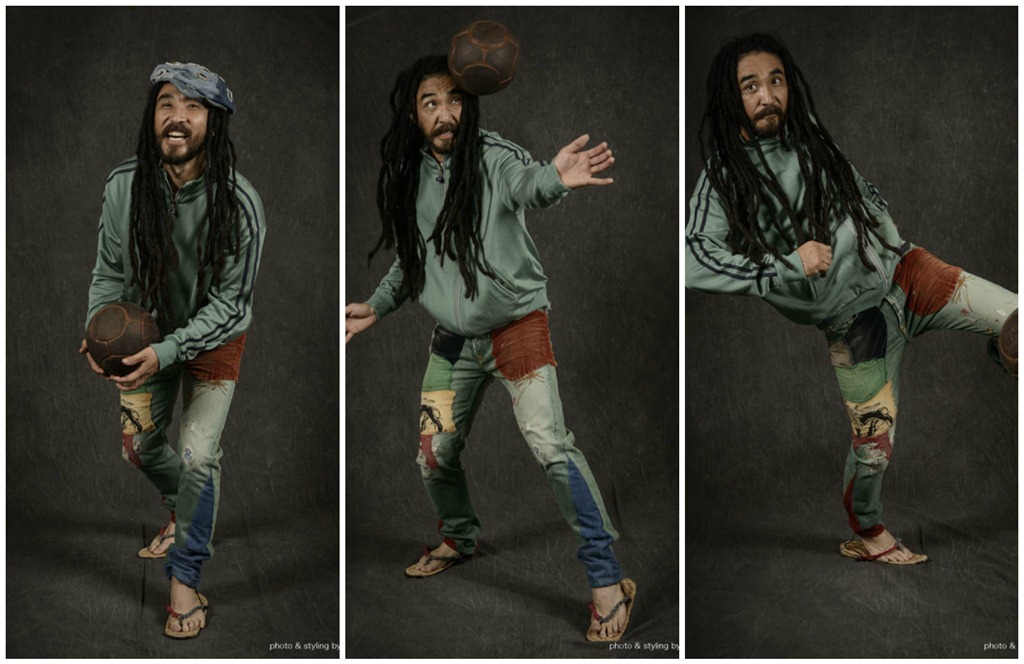
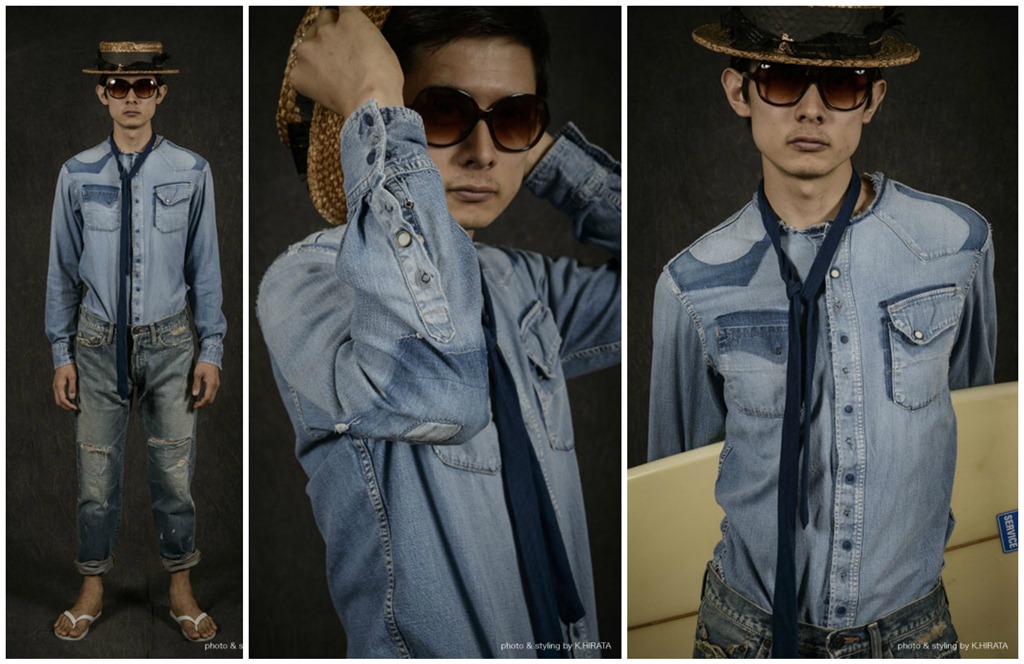
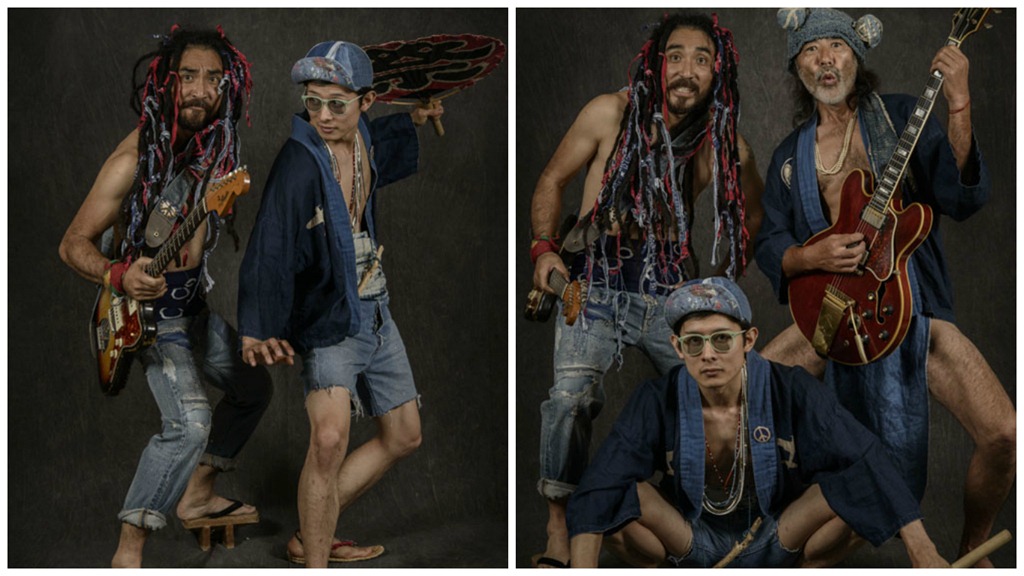
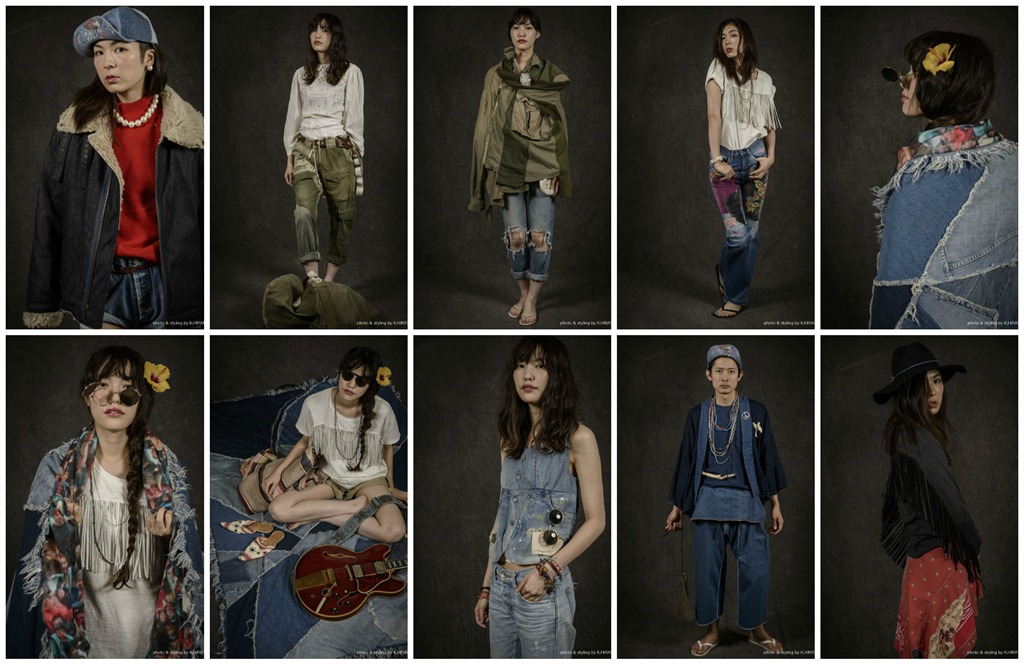
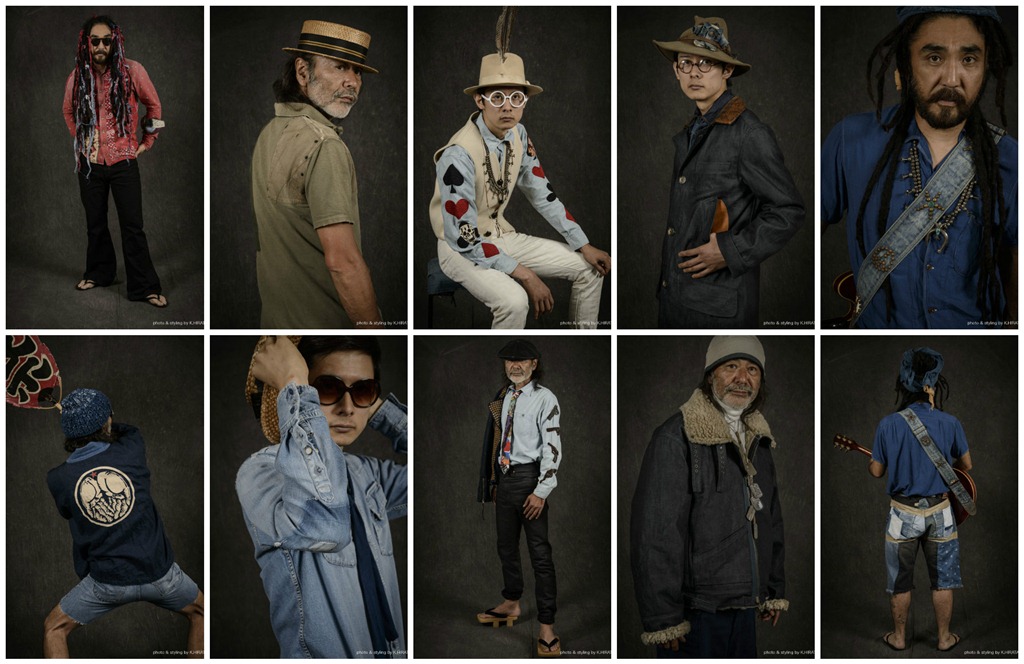
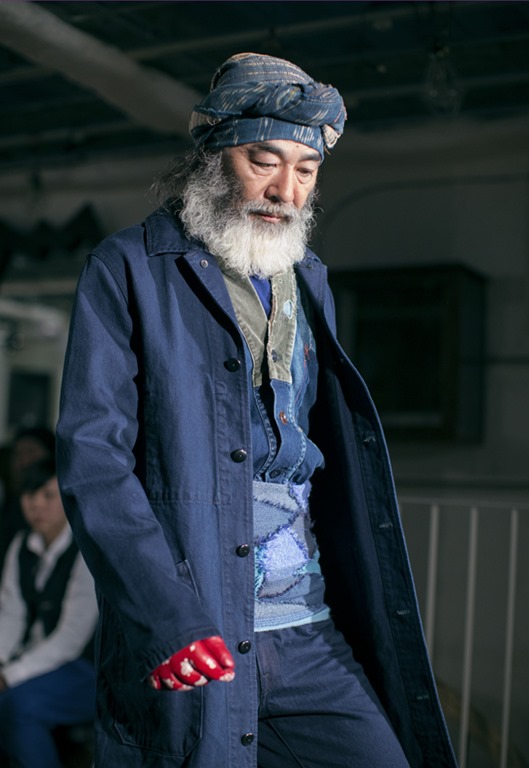
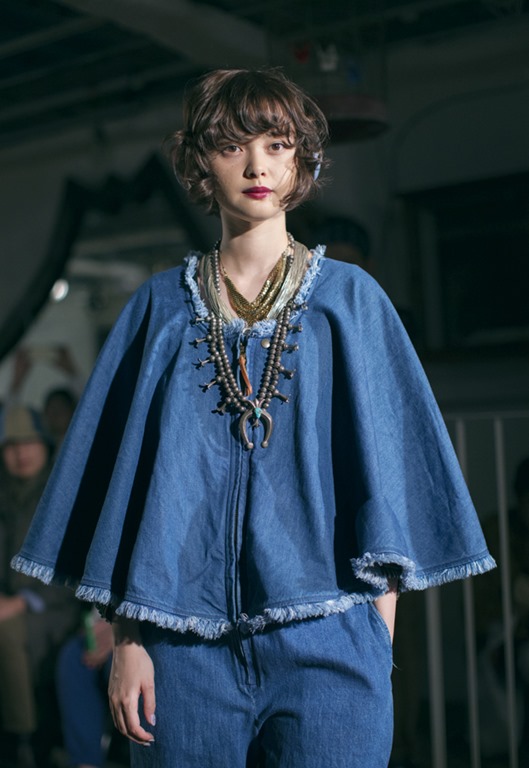
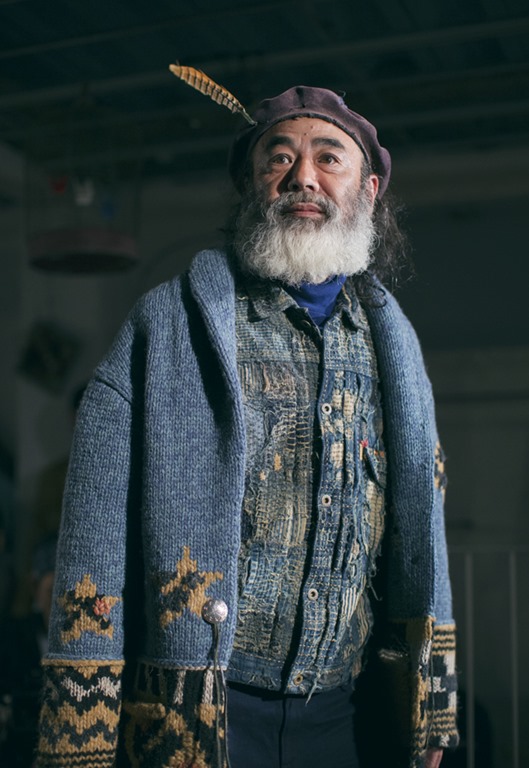
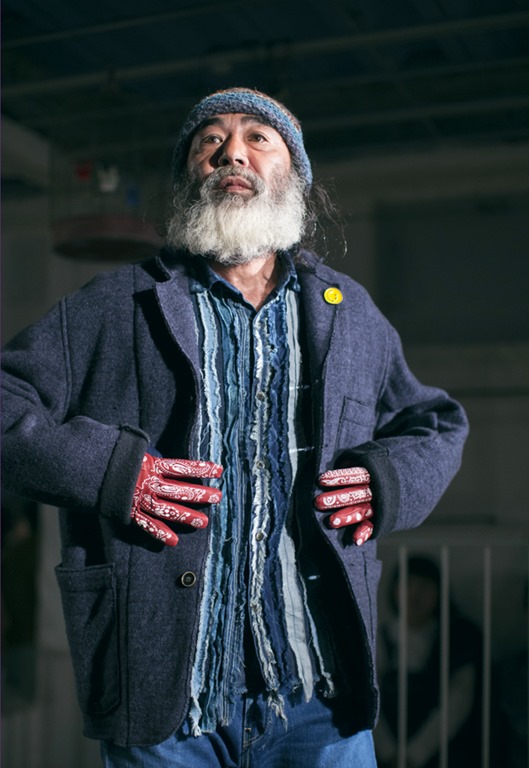
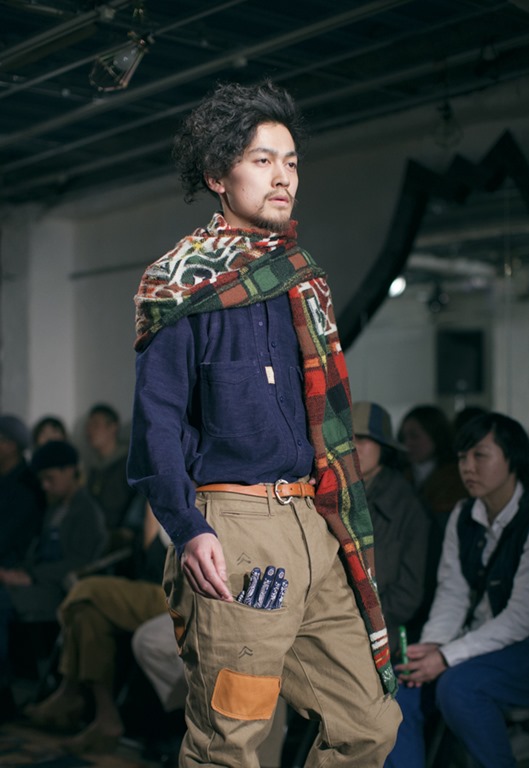
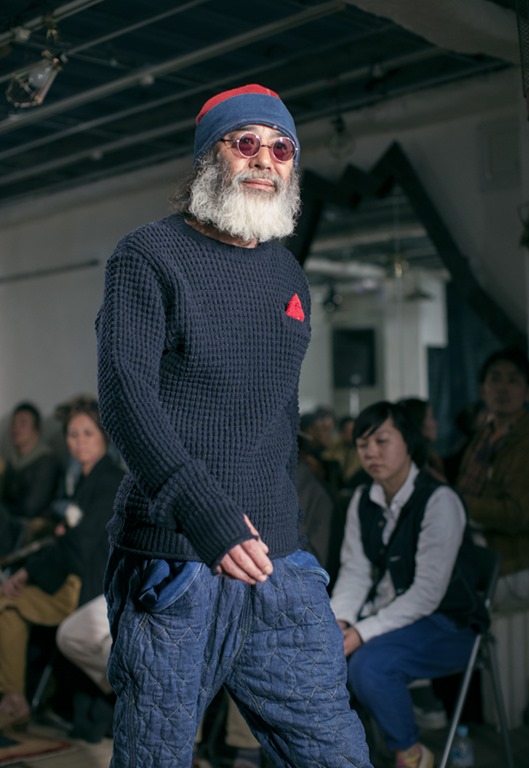
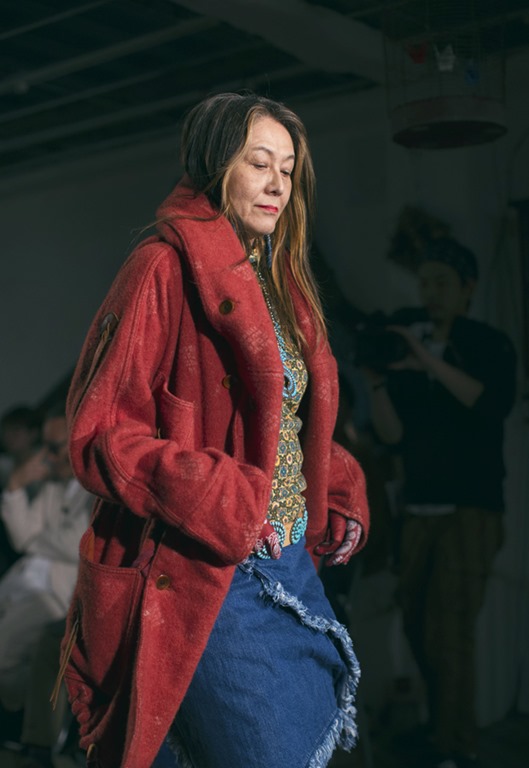
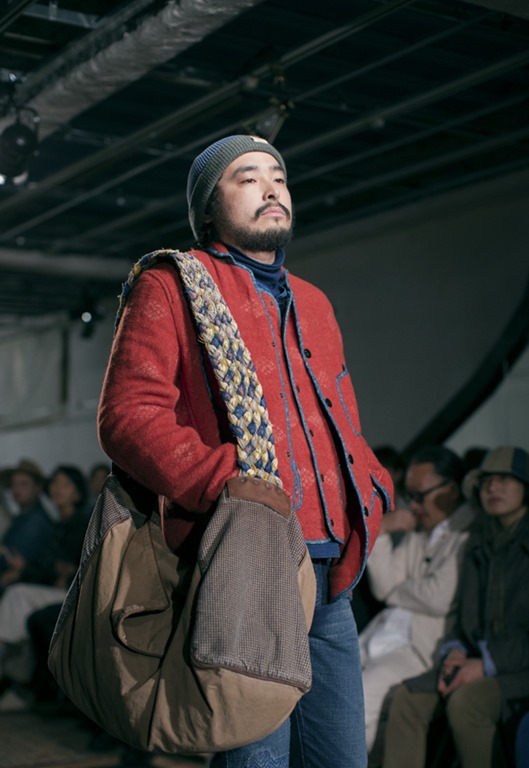
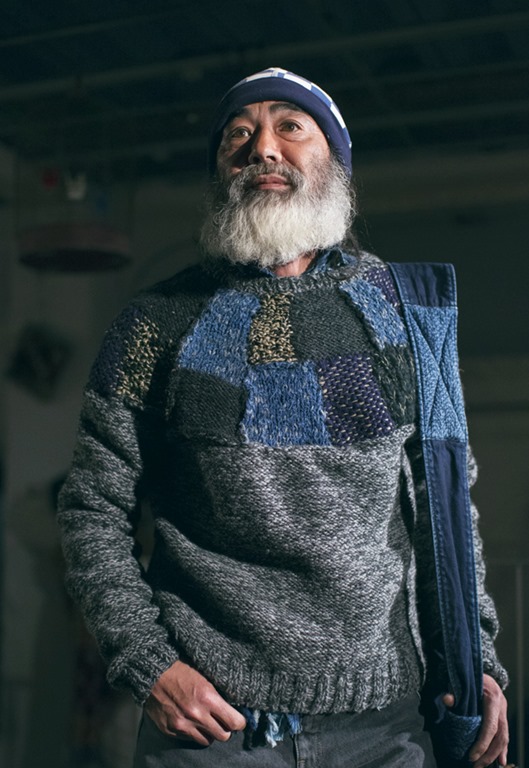
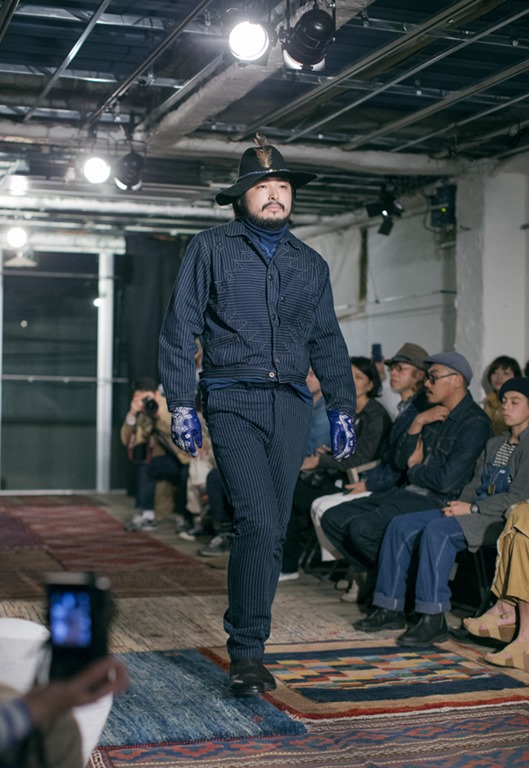
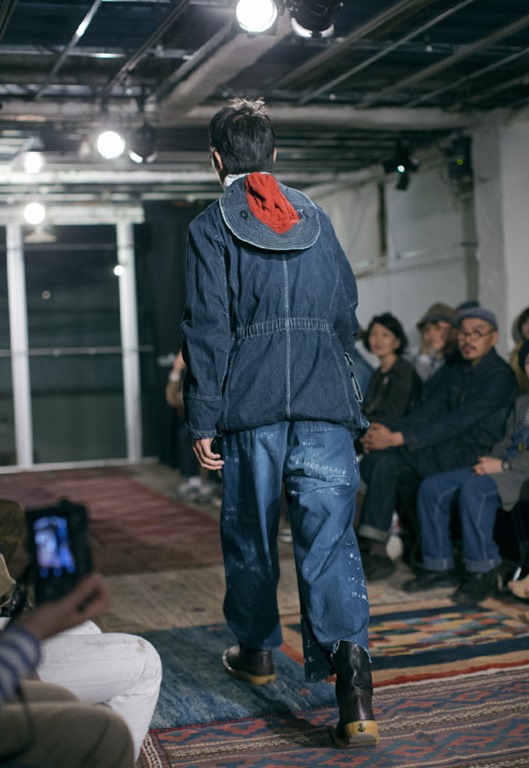
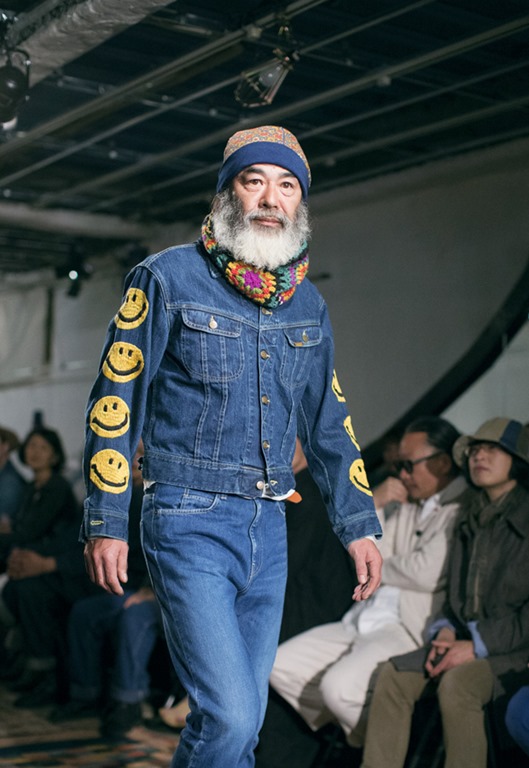
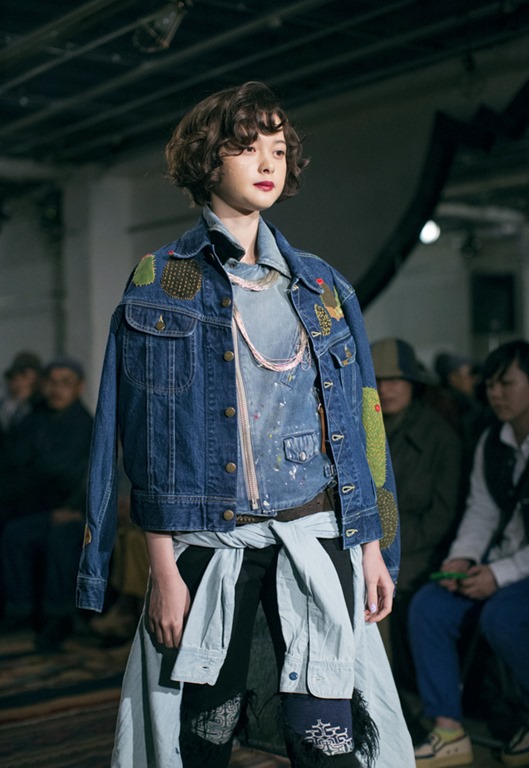
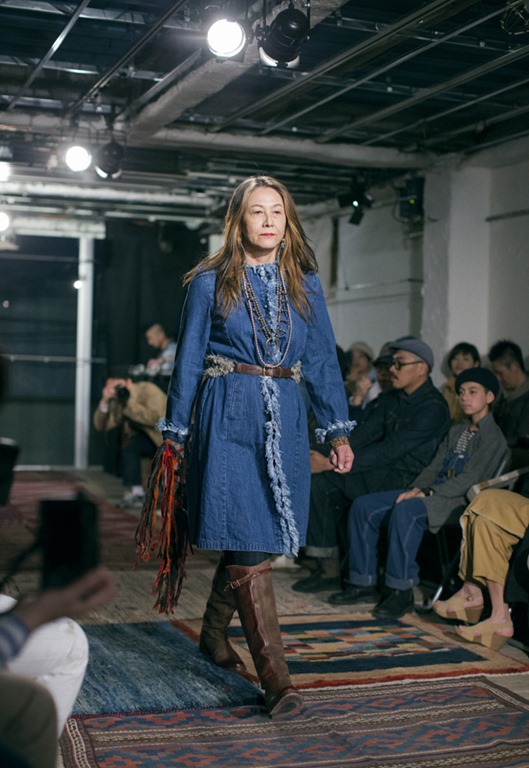
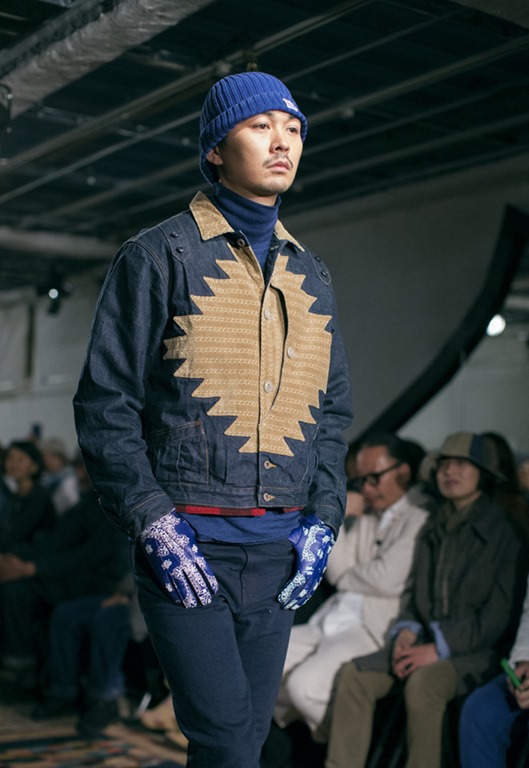
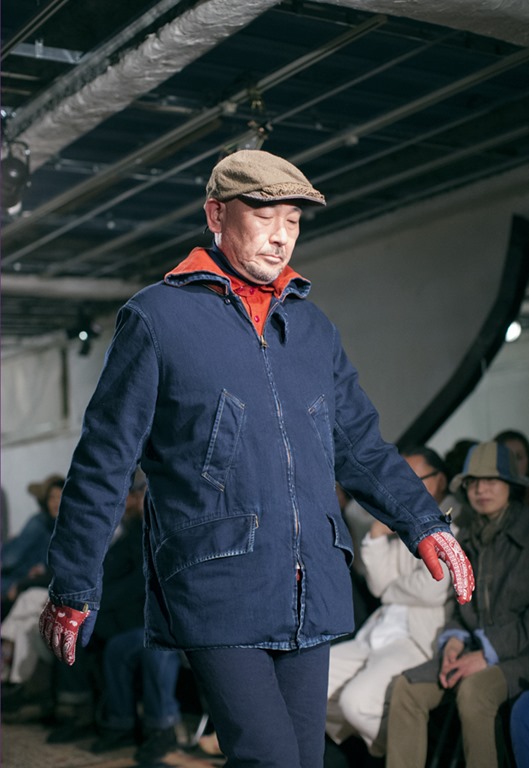
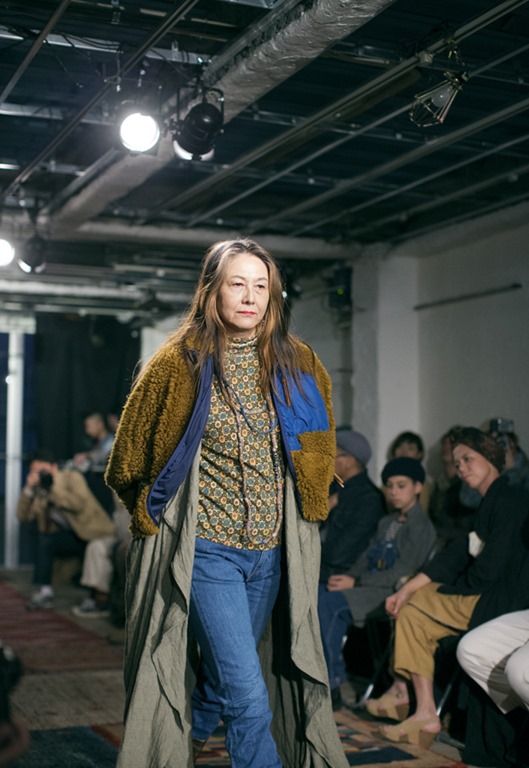
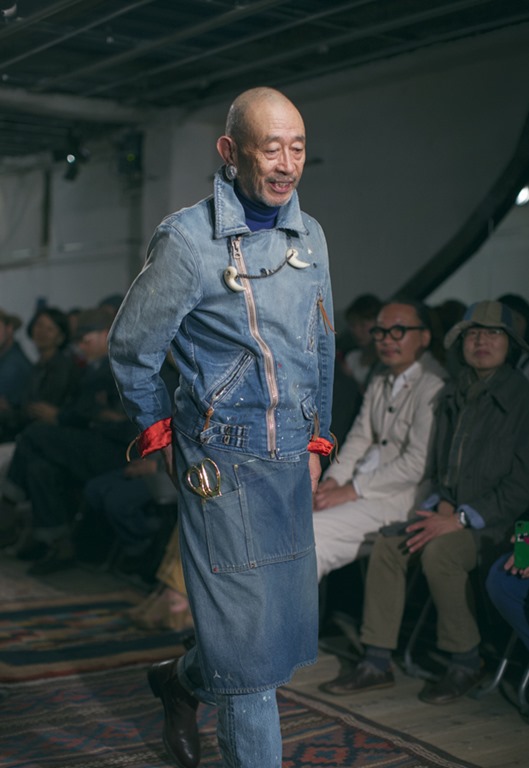
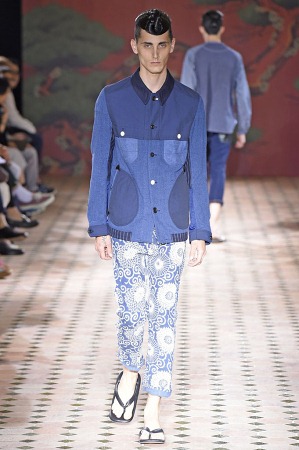
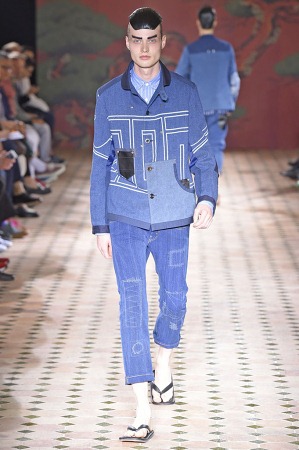
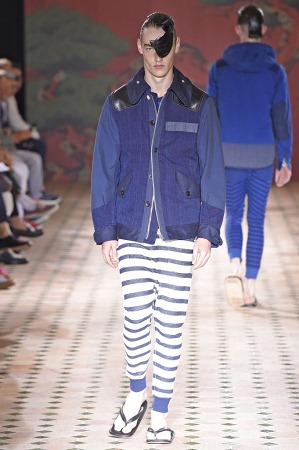
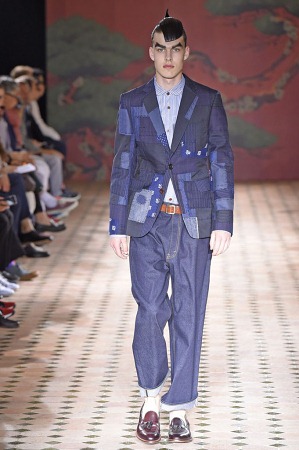
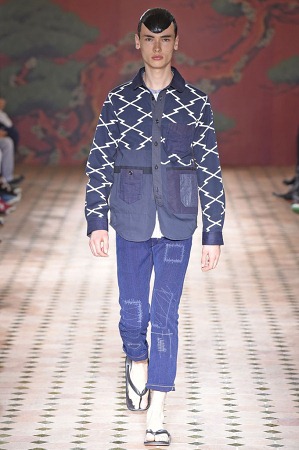
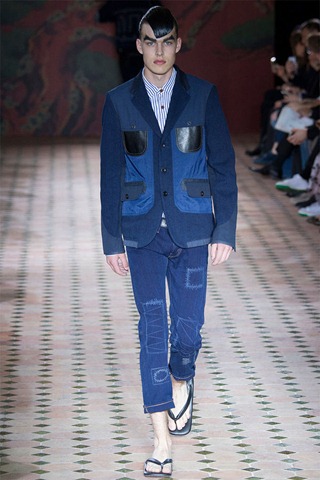
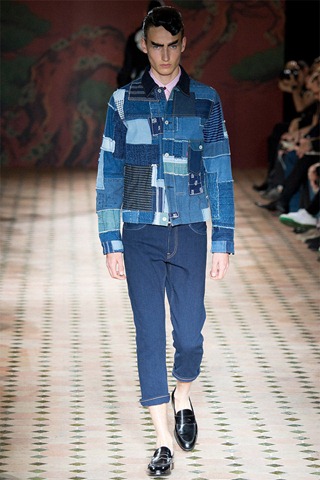
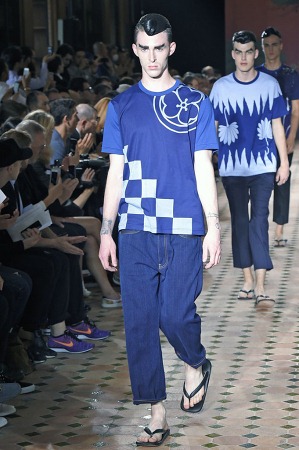
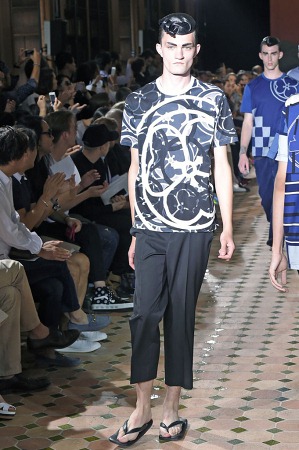
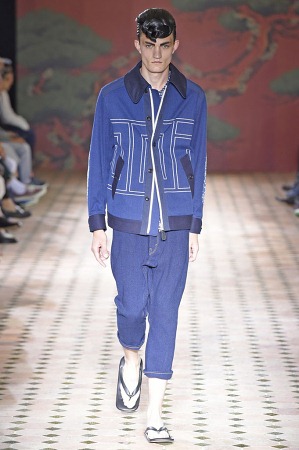
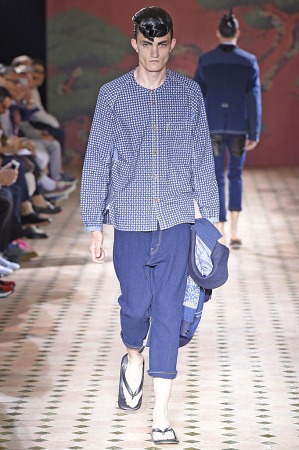
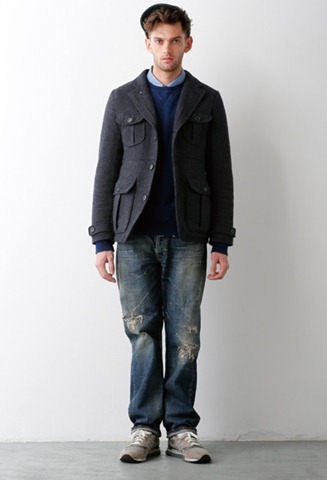
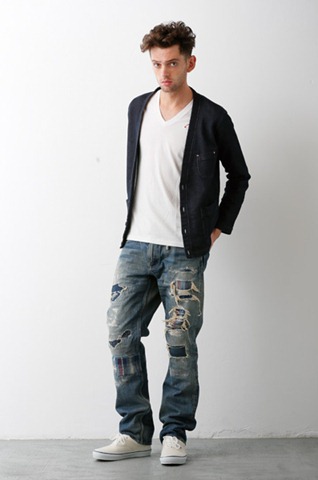
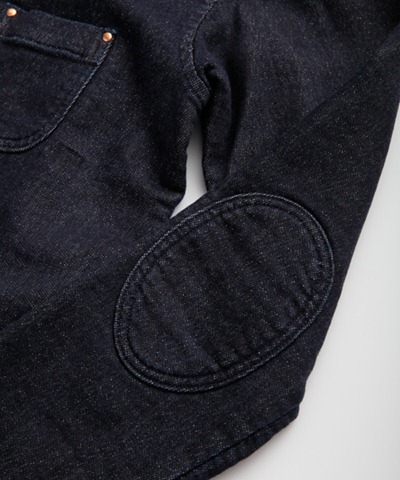
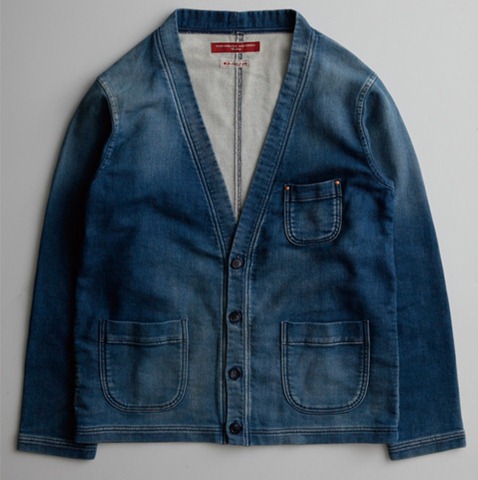
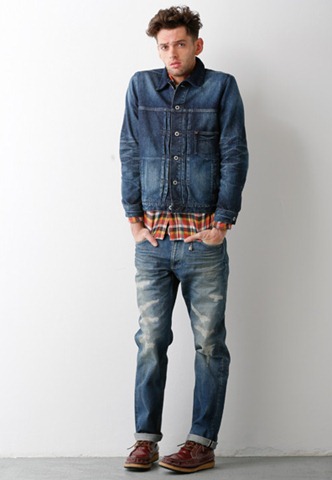
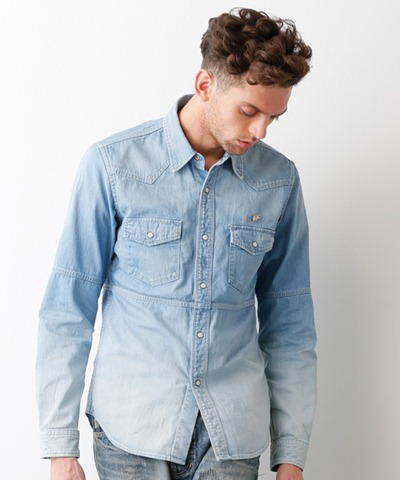
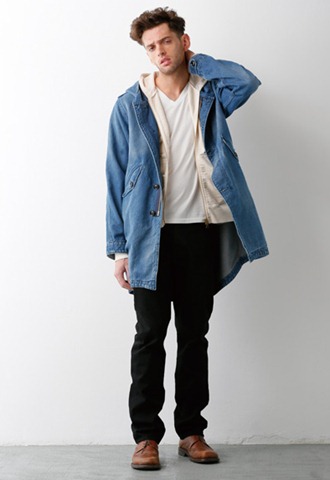
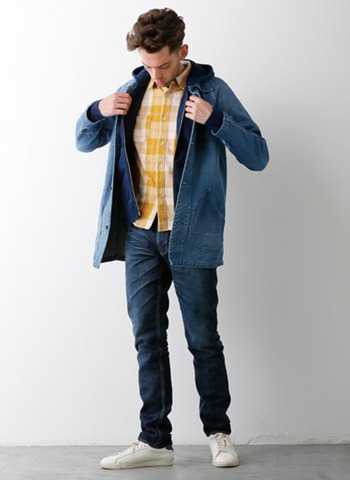
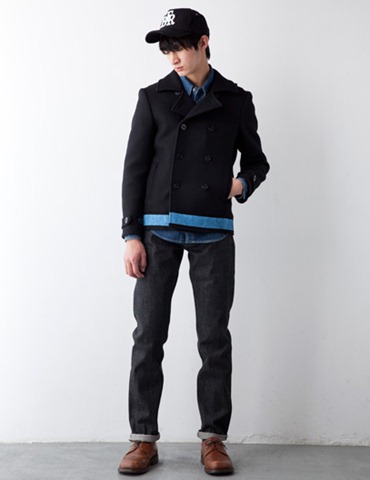
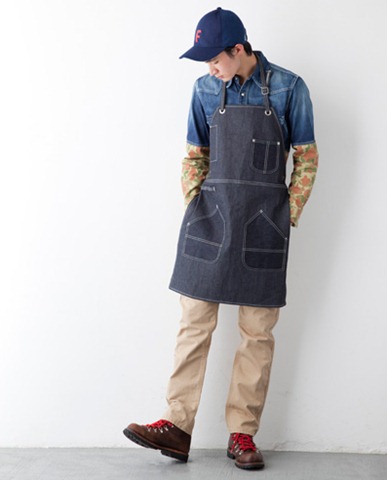
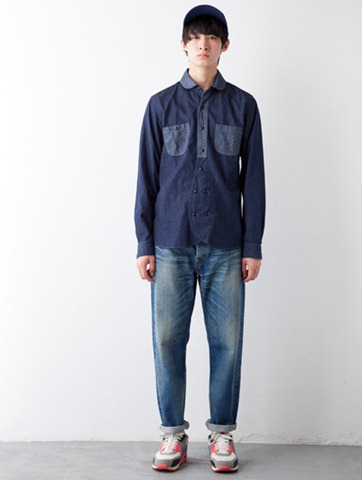
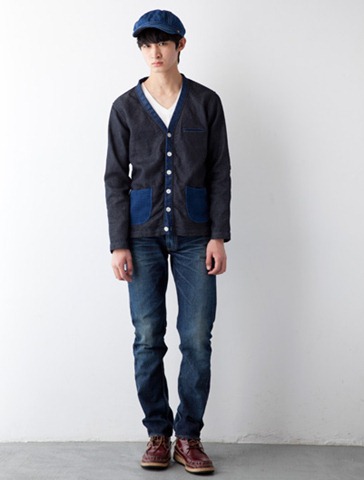
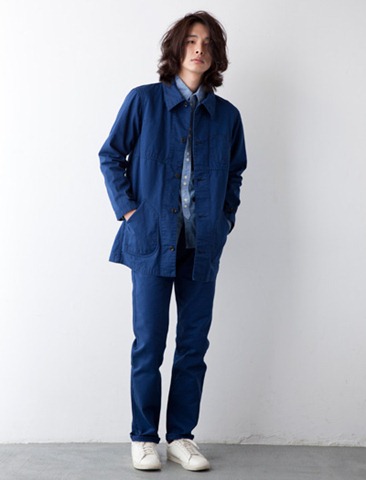
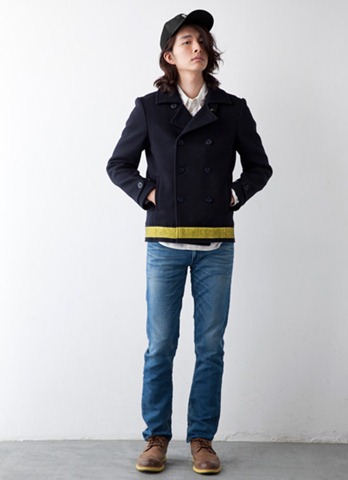
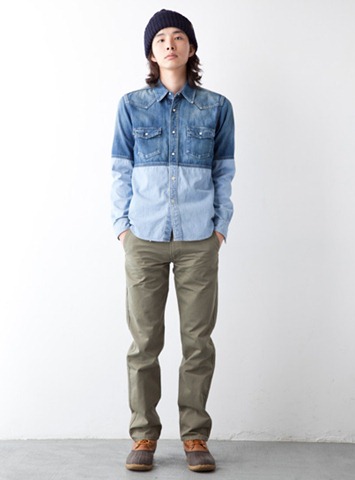
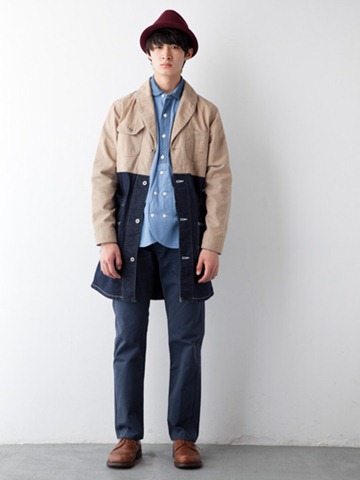
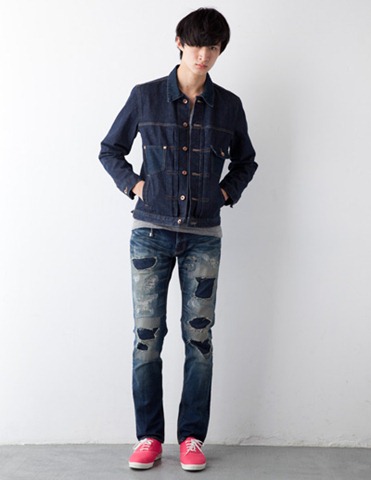
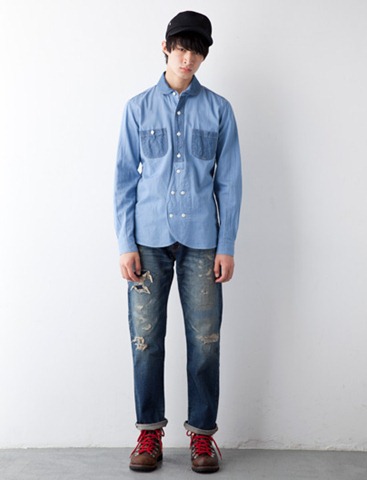
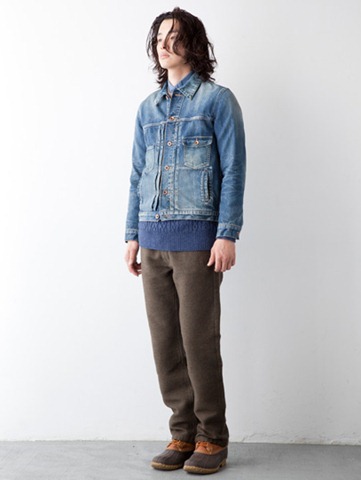
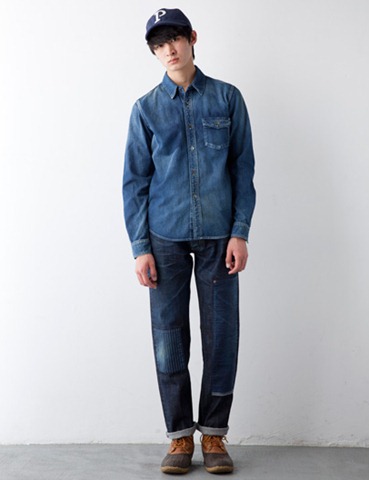
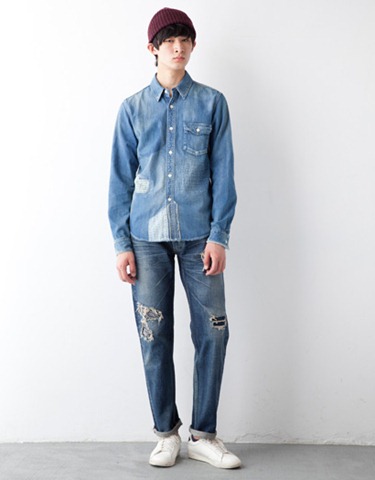
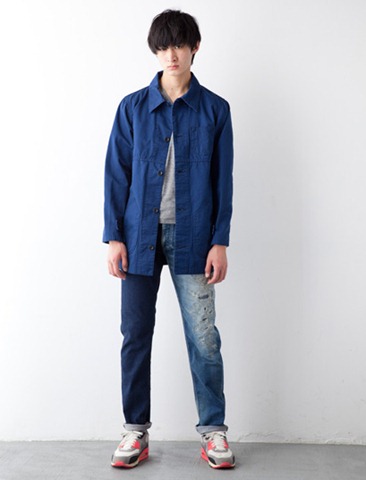
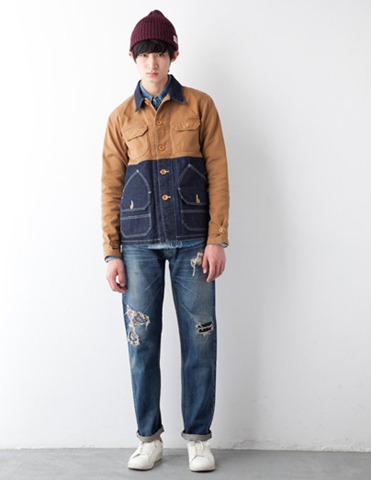
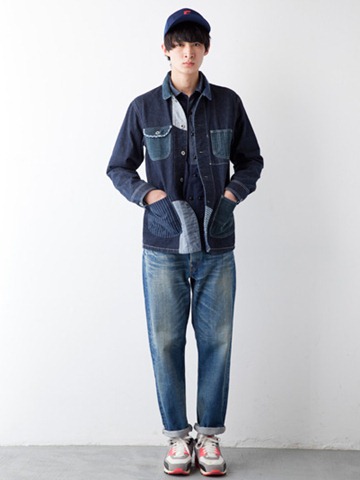
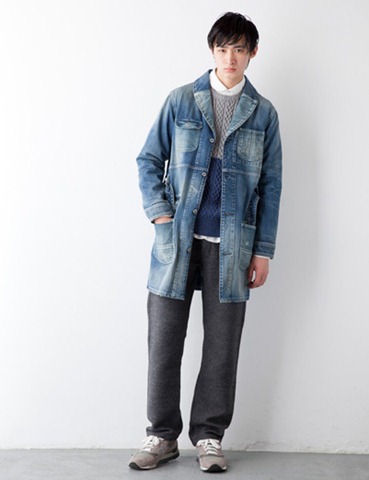
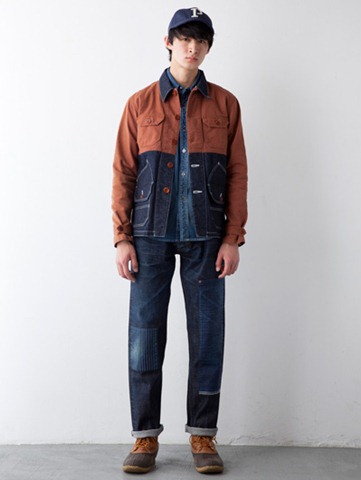
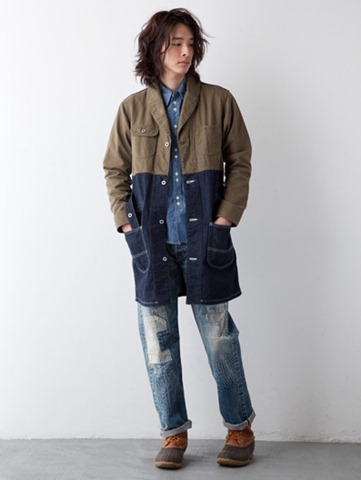
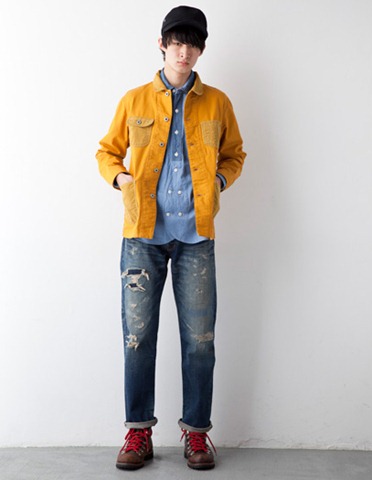
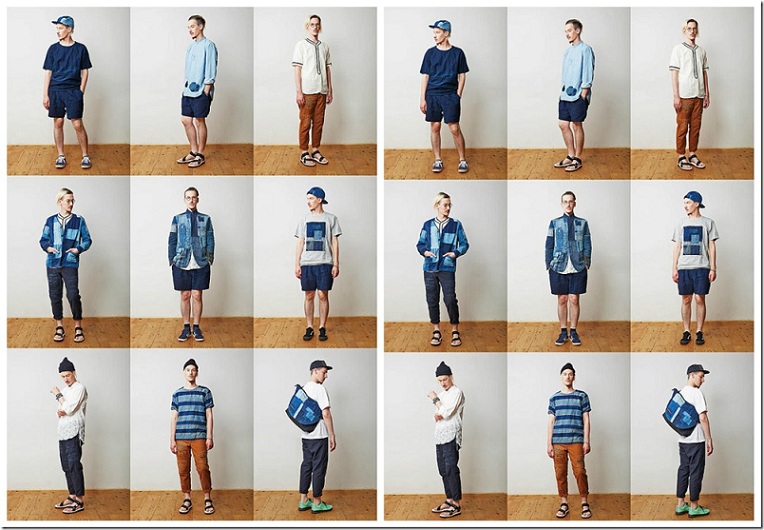
  • Kuon Spring/Summer 2016 Lookbook The Japanese label unveils its very first collection

    Kuon Spring/Summer 2016 Lookbook The Japanese label unveils its very first collection

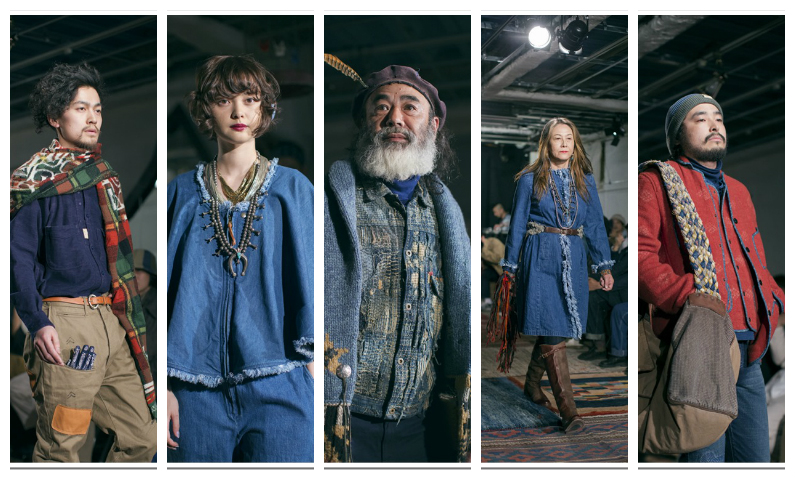
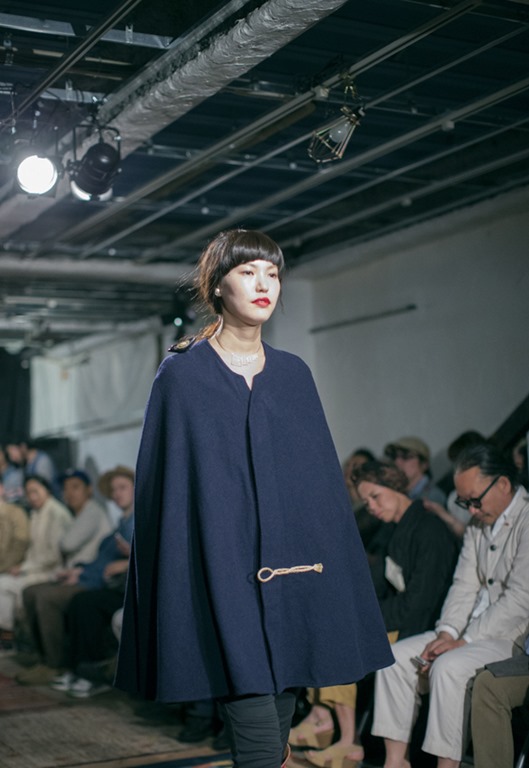
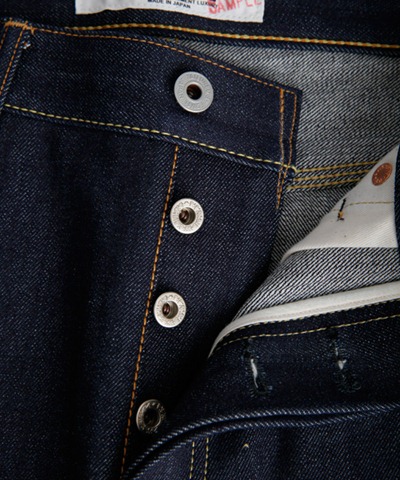
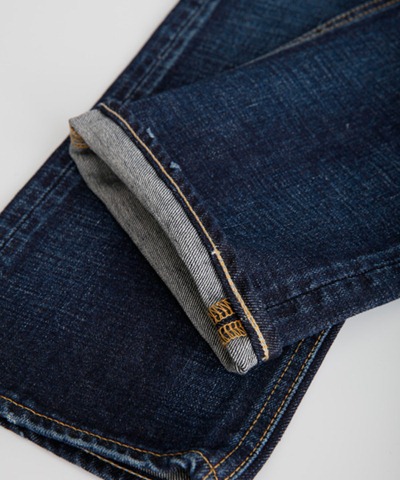
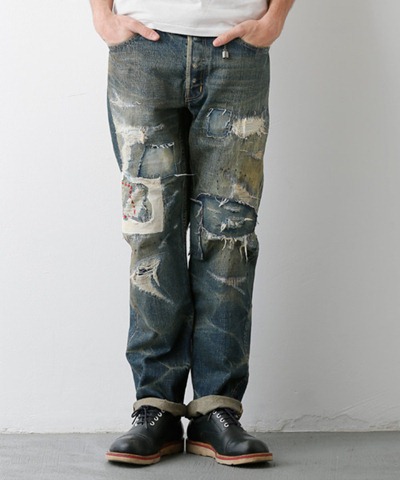
    KUON means “eternity”,  “remote past or future”, and “permanence”. While appreciating the history and culture of vintage clothes or textiles, KUON always seeks for permanent, simple, authentic value, not bound by traditional values.KUON challenges the existing traditional notion on vintage clothes and revitalizes it with new value. KUON changes and re-invents the notion of vintage clothes.

    Shinichiro Ishibashi is the designer and creator of Kuon brand from Japan. After serving his apprenticeship at an established tailor in Marunouchi area, Tokyo prefecture, he worked as pattern maker for a regular manufacturer at Paris Collection.  In 2014 he became self-employed and started to design for several manufacturers on freelance basis. As from 2016 S/S, he became designer of KUON

    KUON , according to him, addresses social agenda via fashion business.

    “We believe that fashion possesses power to make people excited. KUON challenges the existing mass-production and consumption approach, instead we propose products and lifestyle where “stylish” and “socially good” can go together. KUON products bridges between people and society. “

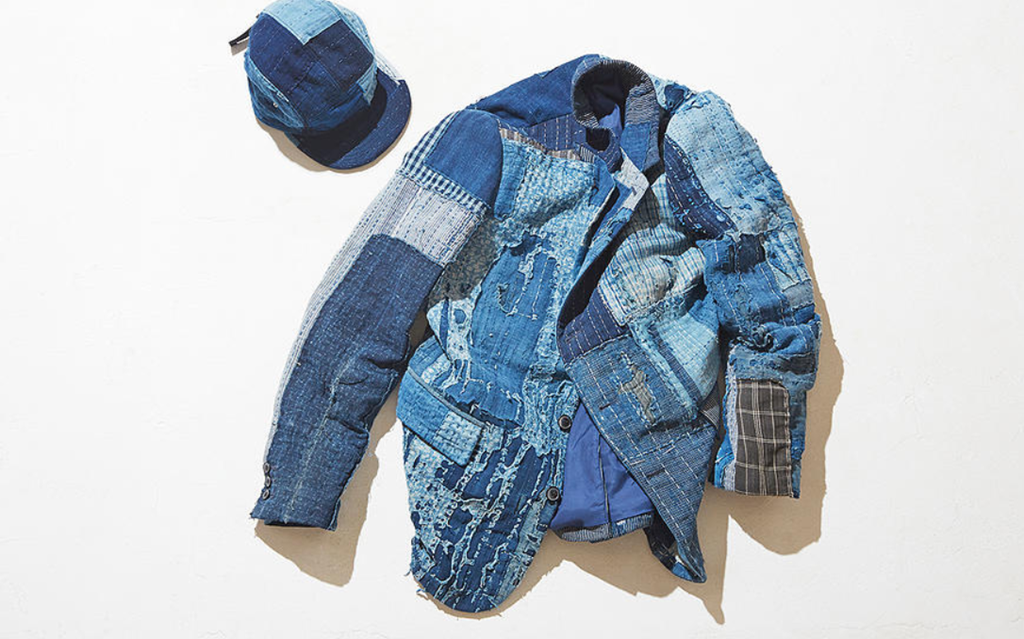
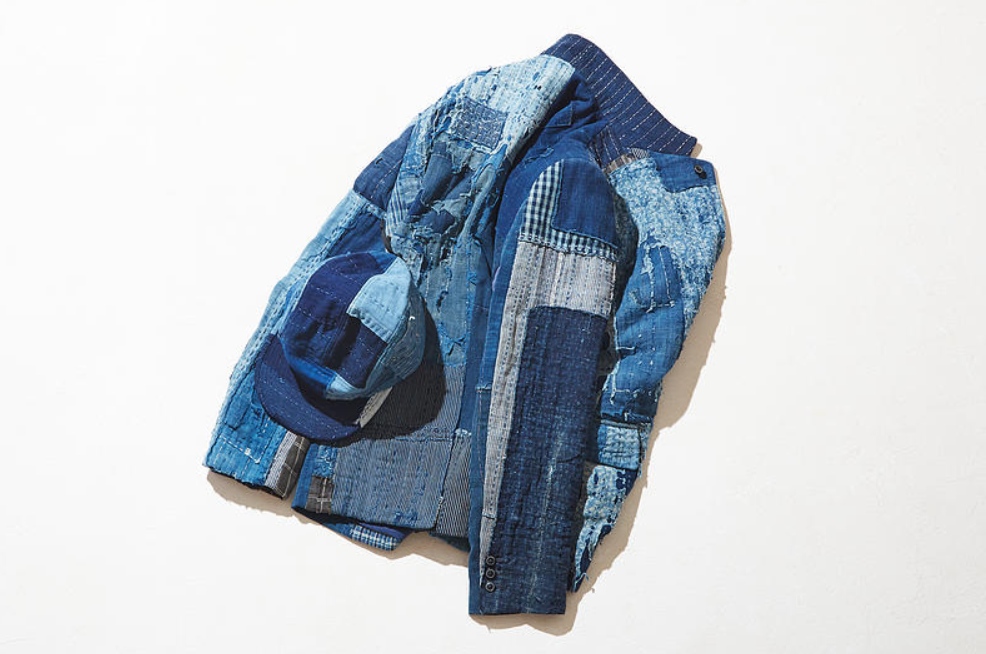
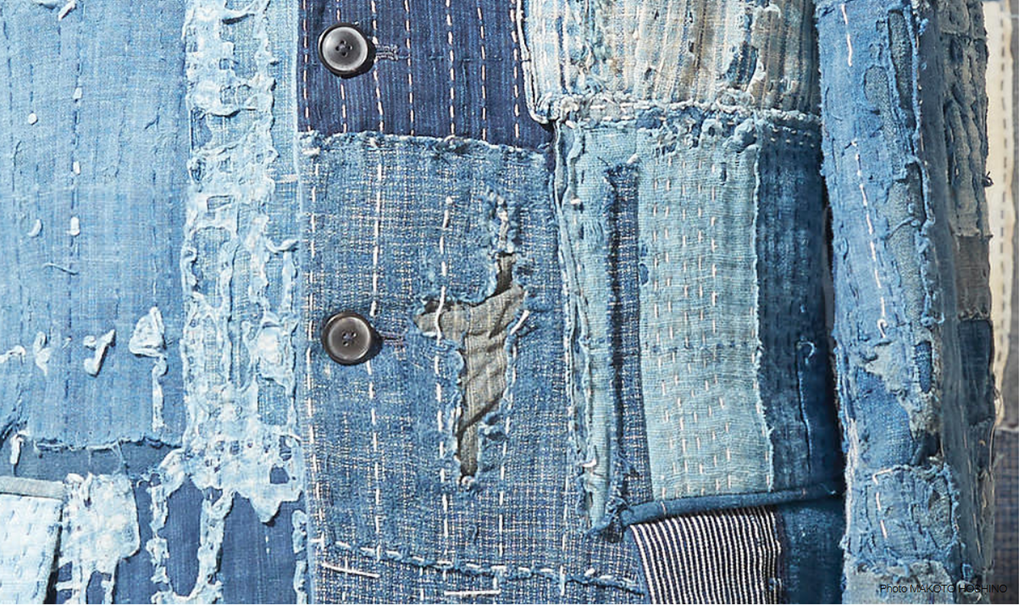
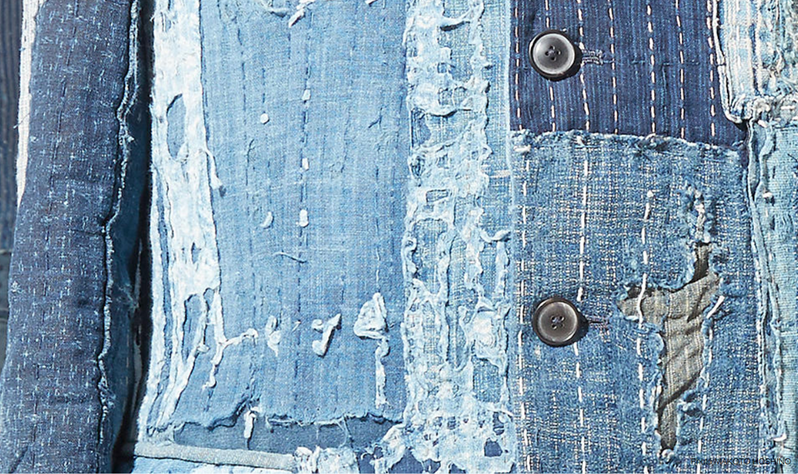
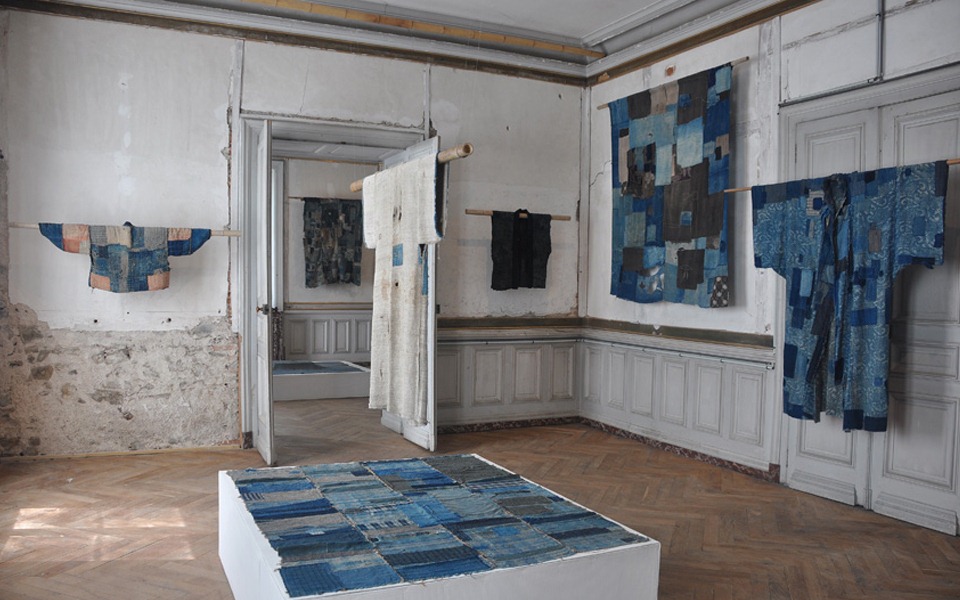
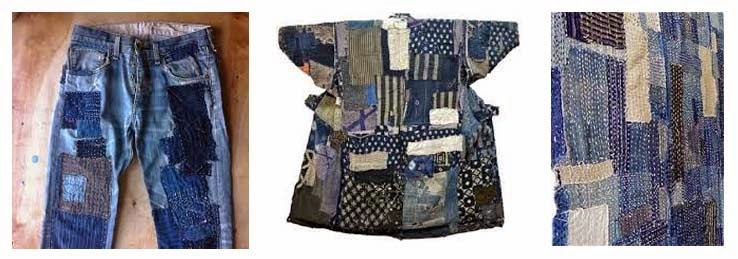
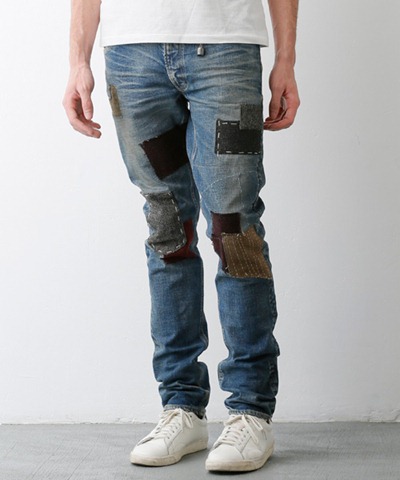
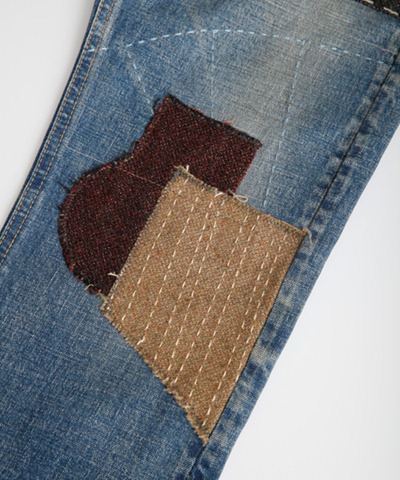
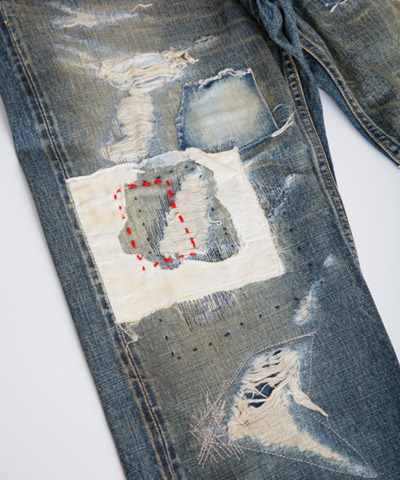
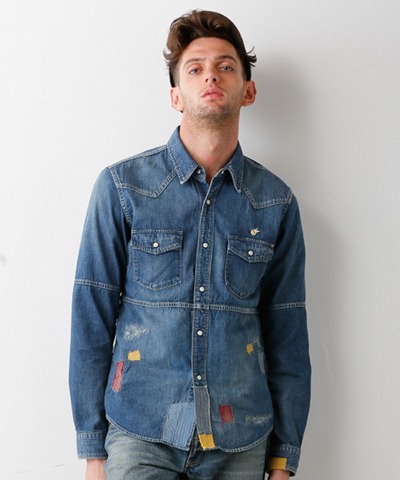
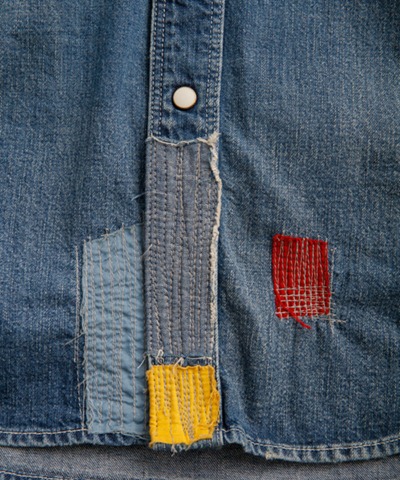
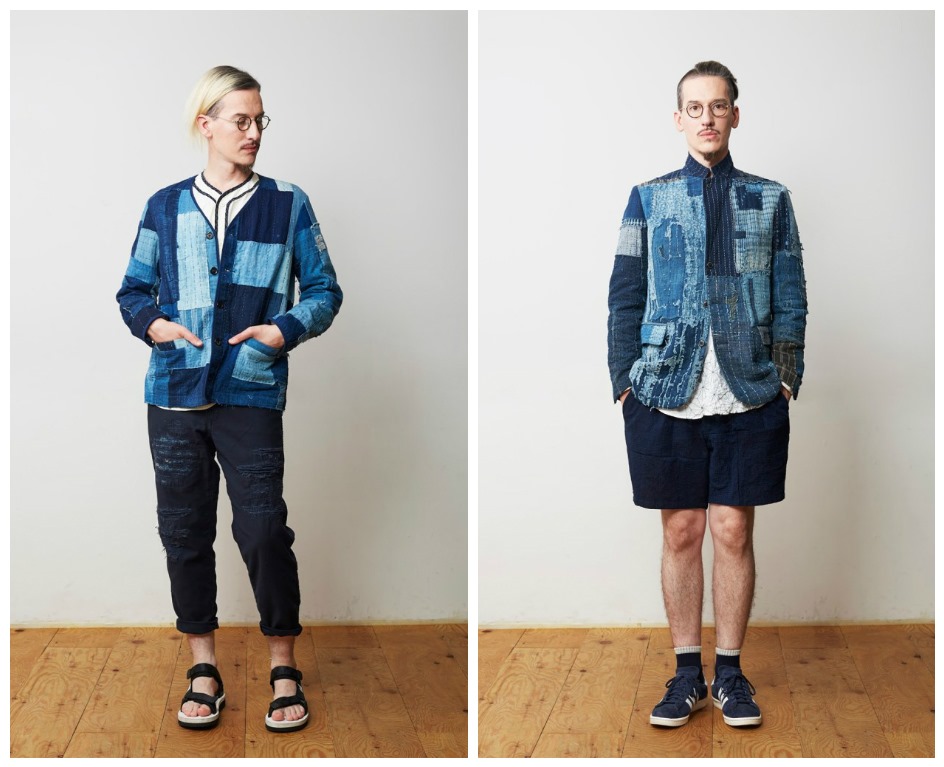
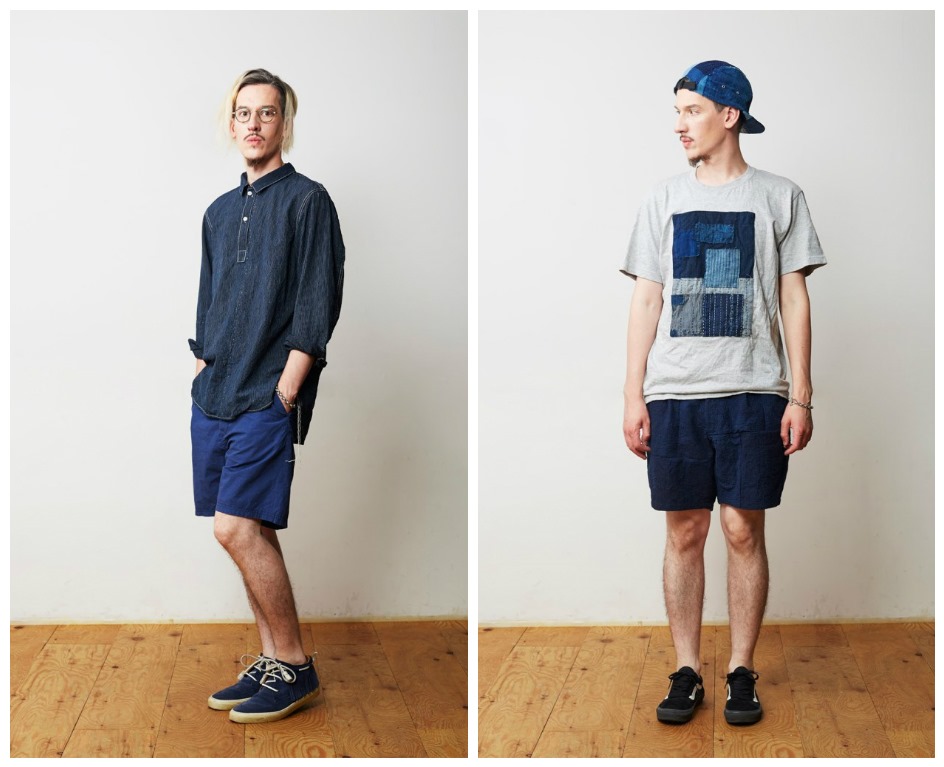
    Most of the BORO fabric KUON uses is anywhere from 50 to 150 years old. Fabric which is old and about to be thrown away, is used after it has been properly repaired. We can say this is the ultimate in eco-friendliness without the killing of any animals, and it is also easy on the environment. The people who repair the BORO are mothers who live in the Tohoku region, who suffered from the devastating earthquake that occured in Japan four and a half years ago. KUON cherishes the concept of making “stylish” clothing as a fashion statement.
    kuon spring summer 16 denimsandjeans.com

    kuon spring summer 16 denimsandjeans.com

    kuon spring summer 16 denimsandjeans.com

    kuon spring summer 16 denimsandjeans.com

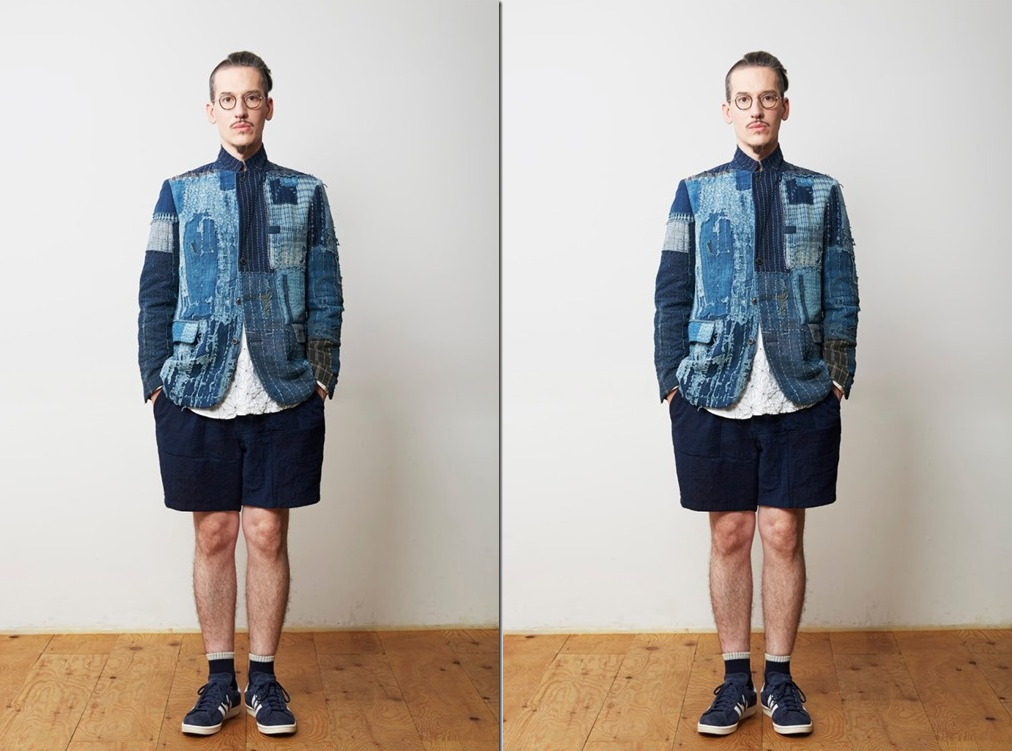
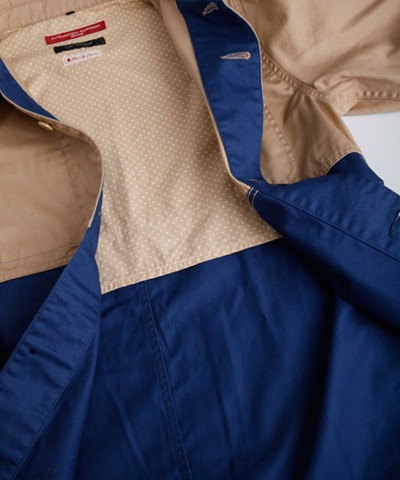
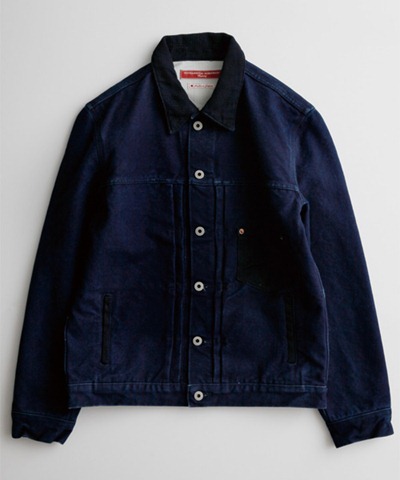
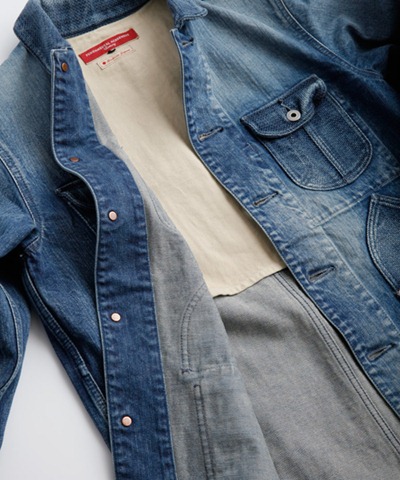
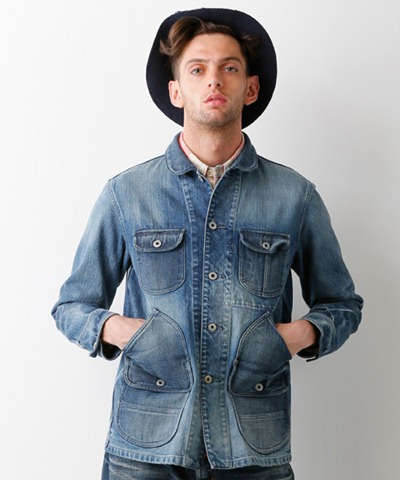
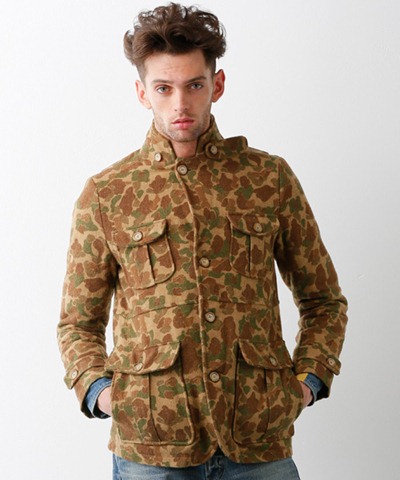
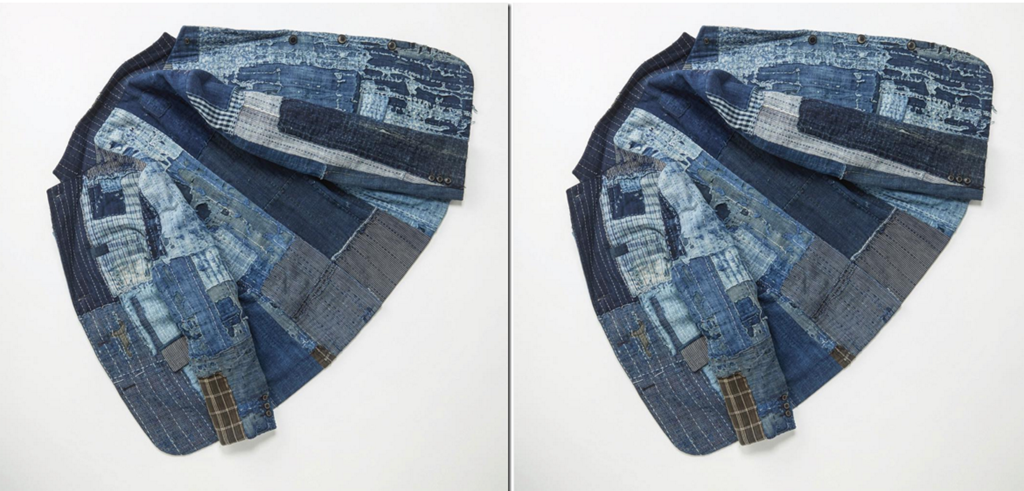
    BORO Jacket.This Jacket will be released in February 2016.
    kuon spring summer 16 denimsandjeans.com

    These short pants are actually the most labor intensive product that  KUON produced Kuon used BORO from about 100 years ago on one on the sides and, for the opposite side, They also used a plain old fabric that they had SASHIKO in Otsushi town. It took about 80 hours in total!
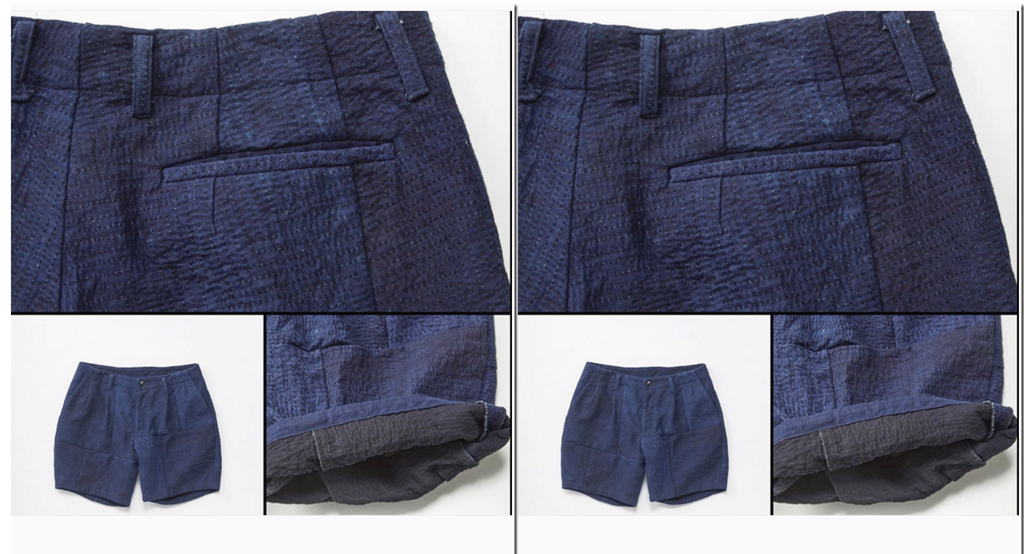
    kuon spring summer 16 denimsandjeans.com

    This may be a mountain of treasures for kuon, and yet to many other people it may only be a load of garbage. But when it turns into actual clothes, it becomes so beautiful that many people are moved by it. This is why BORO is so interesting, and why we are so fascinated by it.
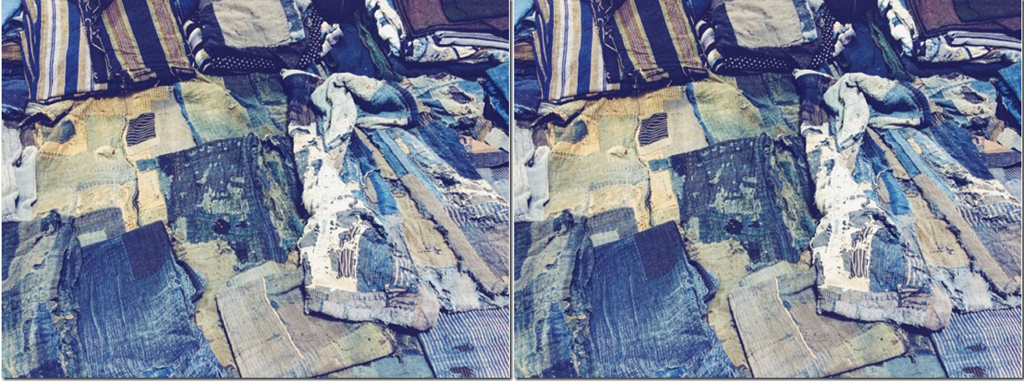
    kuon spring summer 16 denimsandjeans.com

    Undoing the stitching of a kimono, washing it, and drying it. This is a very important process for KUON, and it is the hardest one. If the kimono has cotton inside, this really becomes a time-consuming job!
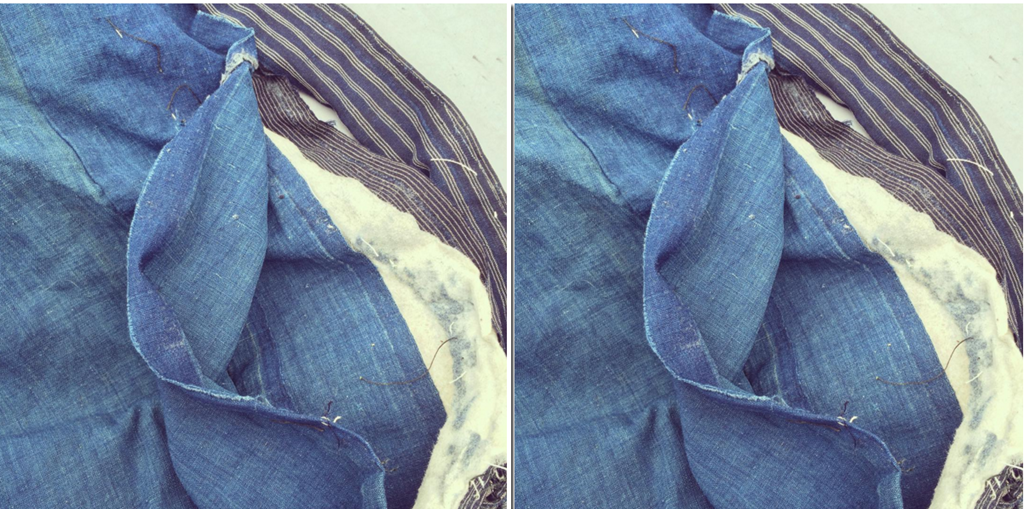
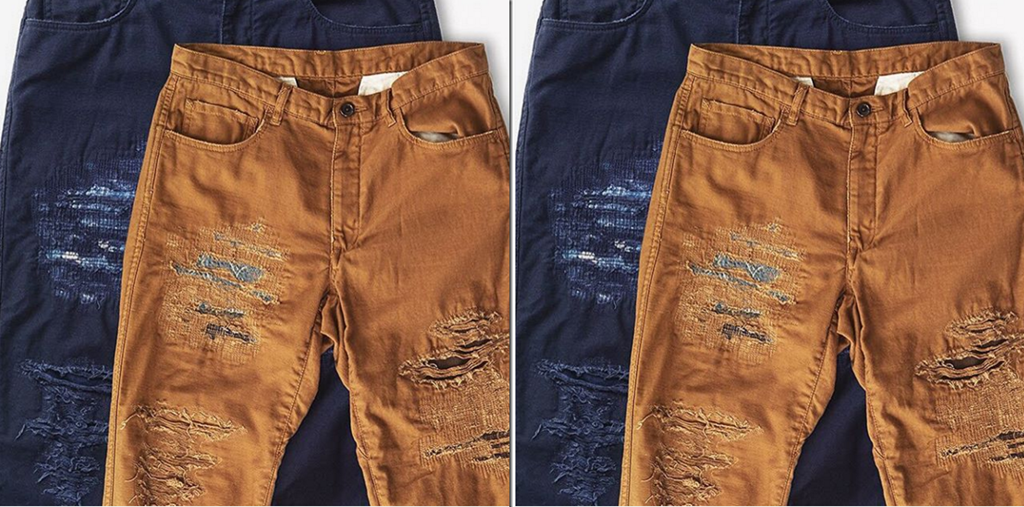
    kuon spring summer 16 denimsandjeans.com

    kuon spring summer 16 denimsandjeans.com

    KUON Pocket Tee

    kuon spring summer 16 denimsandjeans.com

    kuon spring summer 16 denimsandjeans.com

    kuon spring summer 16 denimsandjeans.com

    kuon spring summer 16 denimsandjeans.com

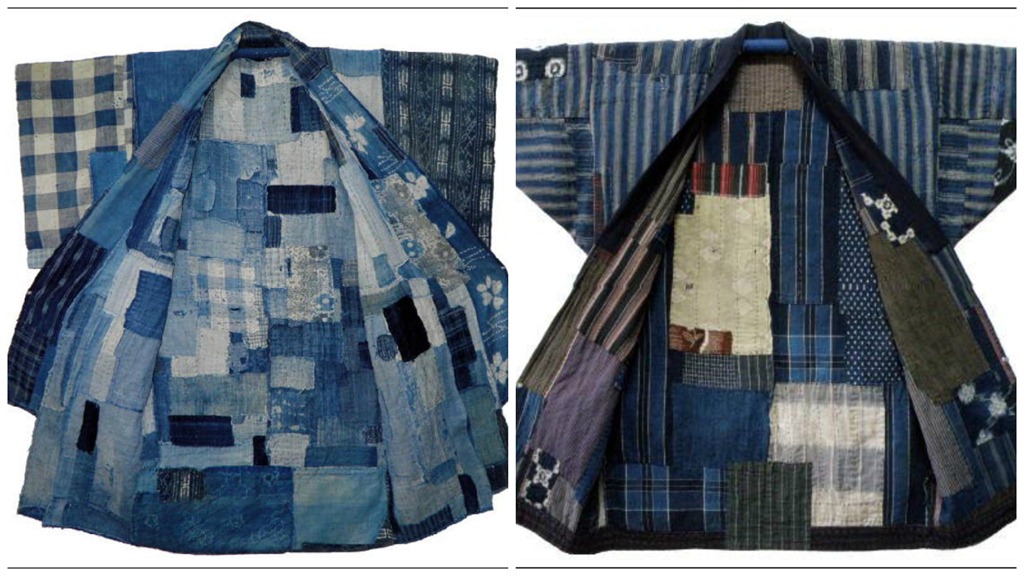
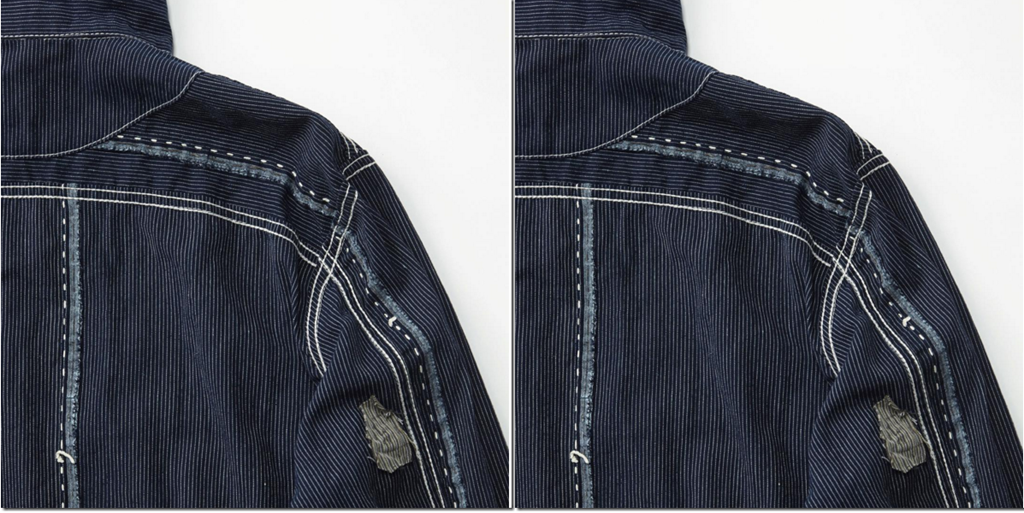
    Reverse side is  the essence of KUON.

    Traditional Japanese fabric has a width of only about 30cm, so when it is used to make clothing, there will always be several joints.Because you can see where the pieces come together, it is interesting to wear inside out as well.
    kuon spring summer 16 denimsandjeans.com

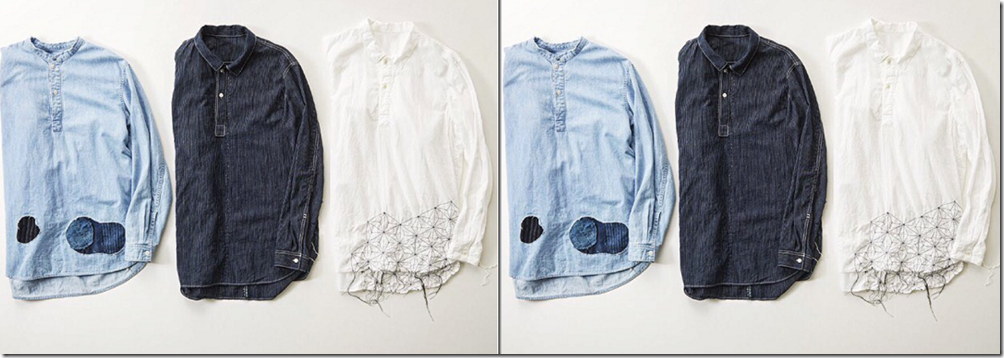
    This is called a ASANOHA by the traditional pattern of the sashiko.
    kuon spring summer 16 denimsandjeans.com

    kuon spring summer 16 denimsandjeans.com

    kuon spring summer 16 denimsandjeans.com

    Here are some answers from Mr Shinichiro regarding his brand Kuon. He does not know English and has replied in Japanese. We are publishing the same with hope to convert in English with suitable translation soon !


    1. What is the meaning of Kuon and why did you chose it.

    KUONは日本語で「永遠」「遠い過去と未来」を意味する「久遠」という言葉が元になっています。

    襤褸(BORO)は今から150-50年前の生地です。私たちは襤褸に限らず古いけれど素晴らしい世界中の生地を現代に甦らせ未来につなげることをテーマのひとつにしています。

    2. Your collection is supposed to be made of Boro fabrics 50-150 years old. How is that done. Pl explain to us. Does it mean no two garments are same?

    襤褸は日本中から探し集めています。それらを一度すべて解体し私たちのコレクションのデザインに落とし込みます。

    例えばジャケットで考えると、デザインは同じですが襤褸は一点物なので同じデザインのジャケットでもまったく同じ物は世界にひとつしかありません。

    3.How do you think Kuon can achieve a social purpose while making a fashion statement

    私たちは20世紀型の大量生産、大量消費に疑問を持っています。

    もちろんそれによってファッションがここまで進化したことはとても素晴らしいことだと思います。

    しかし21世紀に入って世界中の人々の価値観が大きく変化し始めています。

    新しいだけの物は次の新しい物が発表されれば古くなり価値を失います。

    しかし美しい物はいつまでも美しいのです。

    夕陽はいつ見ても美しいように襤褸にはいつまでも人を惹きつける美しさがあると思います。

    KUONはファッションを通じて新しい価値観の提案をしたいと考えます。

    またKUONで使用する襤褸はそのままでは使えない状態の物を多くあります。

    2011年3月に日本の東北地方に大きな被害をもたらした地震と津波で被災した岩手県大槌町のお母さんたちに襤褸の補修をお願いしています。

    このプロジェクトは単なる寄付ではありません。彼女たちは僕たちの大事なパートナーでKUONが大きくなるほどに彼女たちの仕事が継続かつ充実します。

    ファッションには人を元気にワクワクさせる力があると私たちは信じています。

    150年かけて熟成された生地を現代の人が補修をして甦らせそれを新しいファッションにして未来につなげる。

    こんなに興奮することはありません。

    4. How will you ensure supply of old Boro fabrics when your brand expands

    企業秘密の部分もありますが…

    KUONには日本を代表する古美術の専門家が何人もバックアップをしてくれています。

    私たちの元には日本中から貴重な襤褸がたくさん集まってきます。

    それでも襤褸は限られた資源ですので無尽蔵にあるわけではないので大切に扱っています。

    同じ襤褸を作ろうとしたら50年後になってしまうわけですから!

    日本でも近年投資目的で襤褸の価格が高騰しています。

    僕たちはそういう人たちからは買いません。

    なぜならそうすることで襤褸が単なる一過性のトレンドで終わってしまい、

    私たちの思い描くファッションの理想像とは違ってしまうからです。

    5. Boro fabrics are normally supposed to be about 30 cm wide. Does it make difficult to use these fabrics ?

    よくご存知ですね。

    もともと欧米から洋装が入ってくるまで日本人は着物を着てました。

    着物の生地幅は36cmくらいです。襤褸は両端が破けたりして使えるのは30cmくらいになります。

    それらをつなぎ合わせて仕立てます。しかも襤褸は大きさもそれぞれ異なります。

    その作業は今の工場にとっては難しく断れれますので私たちが予め処理をしてから工場に依頼します。

    このために通常の洋服作りの工程の倍以上の時間と労力が掛かると思います。

    6. When will your collection be available online ?

    来年の2月頃にオンラインストアもオープンできるように準備中です。

  • Kapital Fall Winter 2015 Collection

    Kapital Fall Winter 2015 Collection

    Further to previous looks from Kapital for Fall’15 , the brand brings out some new looks from their stable directed at 30 something generation. Packed with signature Kapital looks, layered textures and textiles and quirky personality that the brand is known for , the  autumn assortment offered by designer Kiro Hirata has new takes on timeless classics like patchworks, classic coats, military , French workwear etc. The collection sees  Thunderbird style jackets and other 70s pieces like the smiley sleeve trucker. Patchwork, embroidery and ‘tear – distress’ weave into with layering and texturing.


    Kapital Fall Winter Collection 2015

    Kapital Fall Winter Collection 2015

    Kapital Fall Winter Collection 2015

    Kapital Fall Winter Collection 2015

    Kapital Fall Winter Collection 2015

    Kapital Fall Winter Collection 2015

    Kapital Fall Winter Collection 2015

    Kapital Fall Winter Collection 2015

    Kapital Fall Winter Collection 2015

    Kapital Fall Winter Collection 2015

    Kapital Fall Winter Collection 2015

    Kapital Fall Winter Collection 2015


  • Boro: Japanese Folk Fabric

    Boro: Japanese Folk Fabric

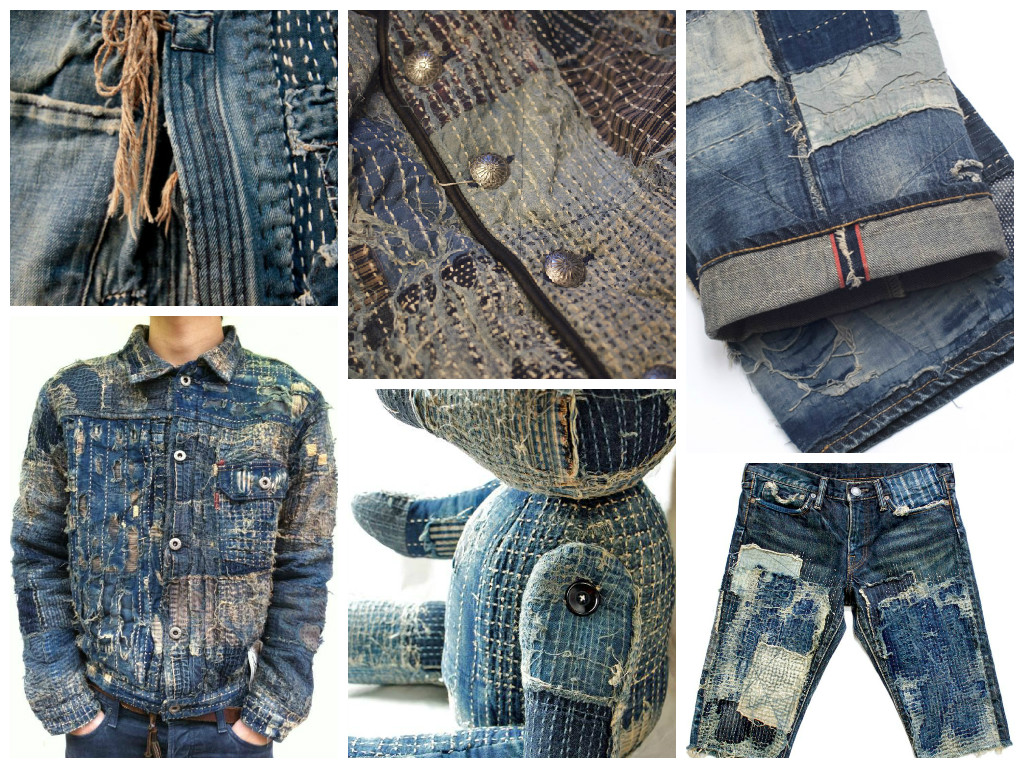
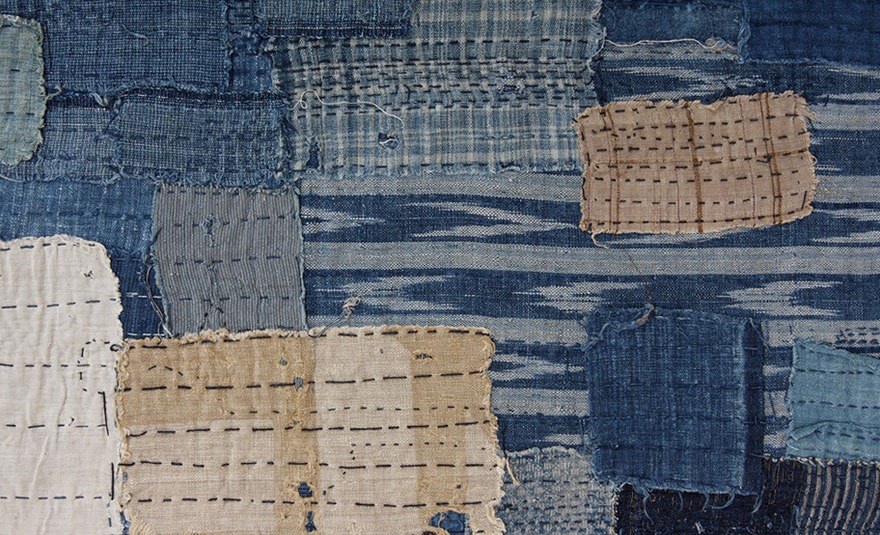
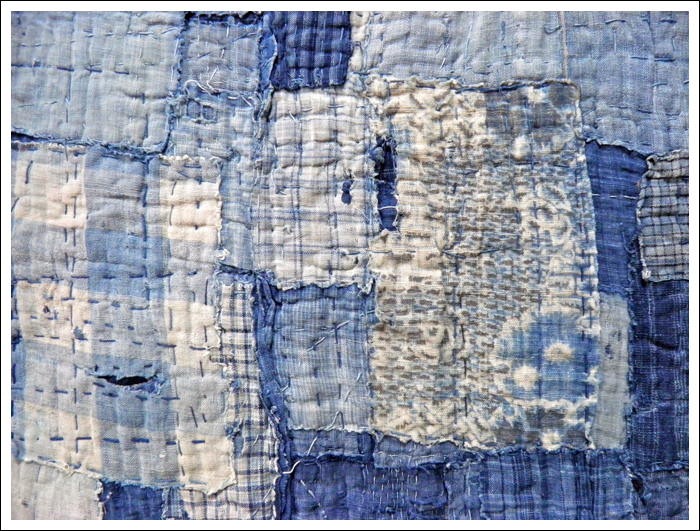
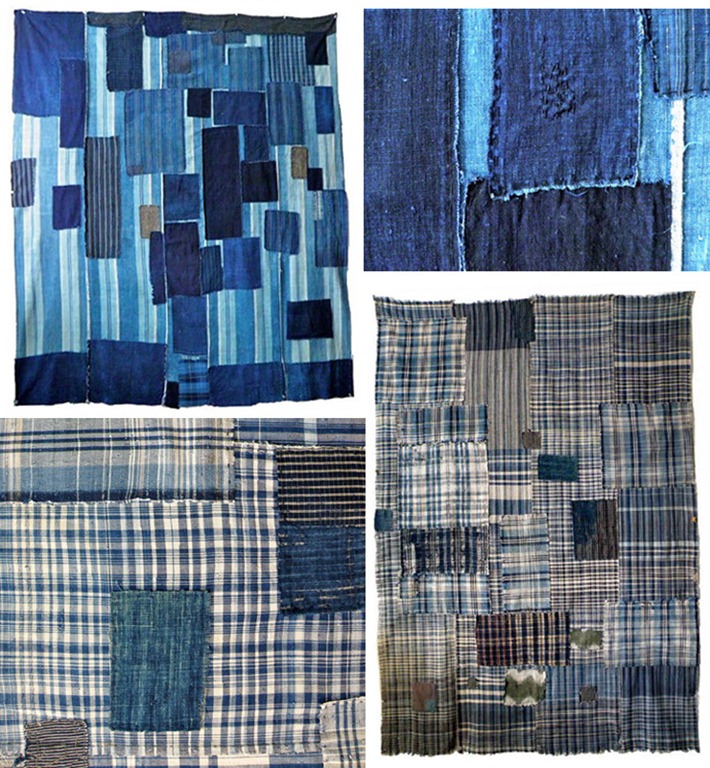
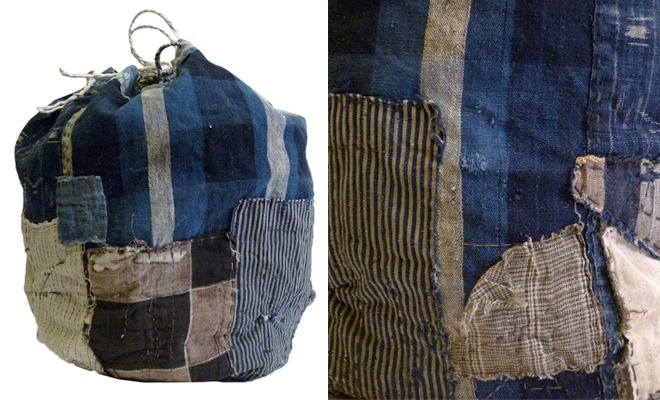
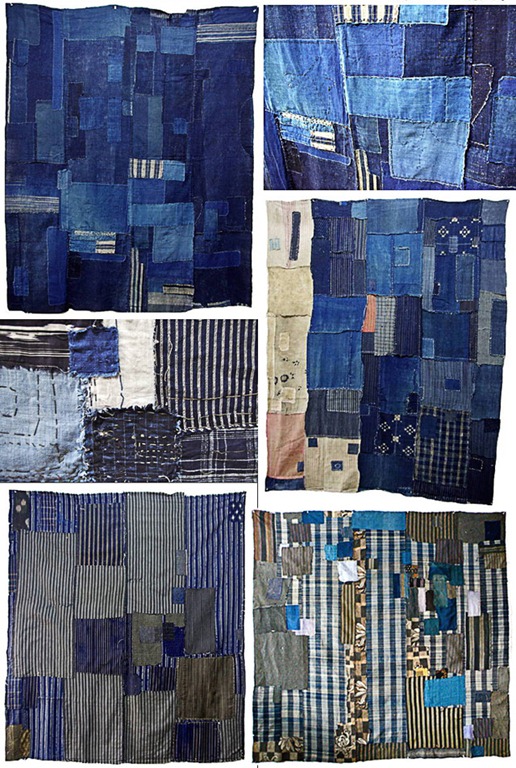
    What is Boro? Traditionally, it’s mending ragged textiles with 19th century, indigo died, hand-loomed, natural fibers such as cotton or hemp.  Boro is a Japanese word meaning “tattered rags” and it’s the term frequently used to describe lovingly patched and repaired cotton bedding and clothing, used much longer than the normal expected life cycle. Like early North American patchwork quilts, boro textiles revealed much about the Japanese family’s living standards and the nature of the economy of their time.Once clothing was made, it would be maintained throughout the owner’s lifetime, or perhaps even longer. Cotton was scarce in Japan, but hemp was abundant.  Hemp would be homespun and woven into beautiful patterns. Cotton could be woven through the hemp fabrics to make it warmer. The diversity of patches on any given piece is a veritable encyclopedia of hand loomed cotton indigo from old Japan. In most cases, the beautiful arrangement of patches and mending stitches is borne of necessity and happenstance, and was not planned by the maker.

    Boro was born of forgotten values of ‘mottainai’ or ‘too good to waste’. An idea dangerously lacking in the modern consumer lifestyle.When creating your Boro think, messy is best and rough is lovely. Boro is the clothing that was worn by peasants, merchants or artisans in Japan from Edo up to early Showa (17th – early 19th century). In feudal times, the majority were peasant farmers. Not everyone could afford the lavish silk kimono and vivid obi worn by the aristocracy. Clothes were crafted from cheaper materials, but were no less beautiful than those worn by the upper classes.
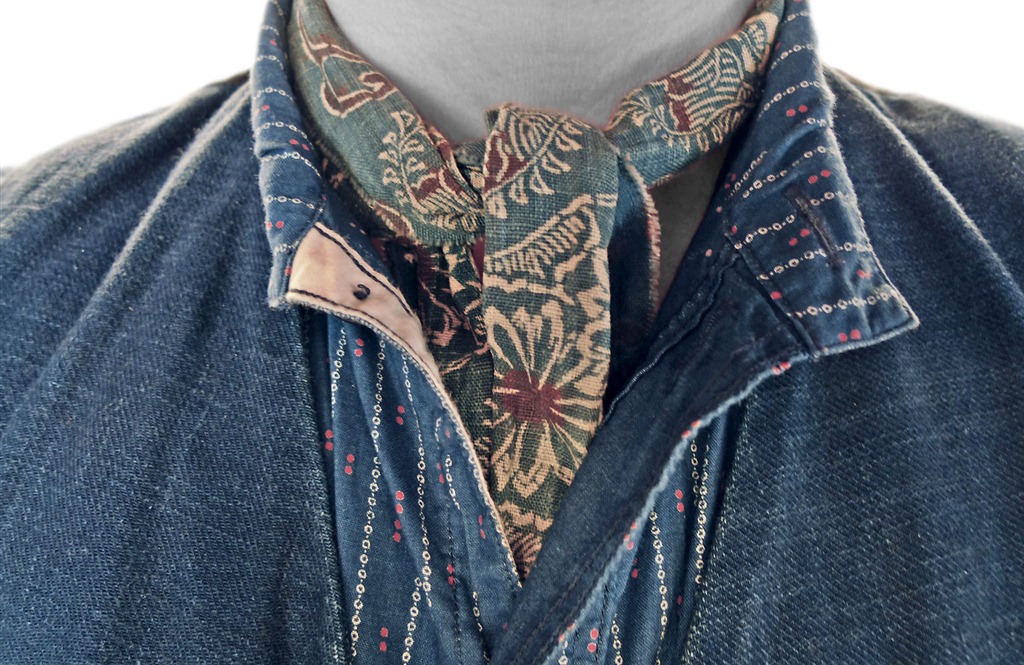
    Boro art has been influencing the modern denim distressing looks. Only the Japanese could make something that literally translates to “tattered rags” so upscale and luxurious.It easy to recognize something that has been mended in this style; usually in indigo, multiple patches and fabrics of the same color or hue are woven together, creating a garment that looks old and patched together, but beautifully handcrafted at the same time.

    We think its in place to have some cool indigo looks and different styles from this unique craft for our denim aficionado readers !

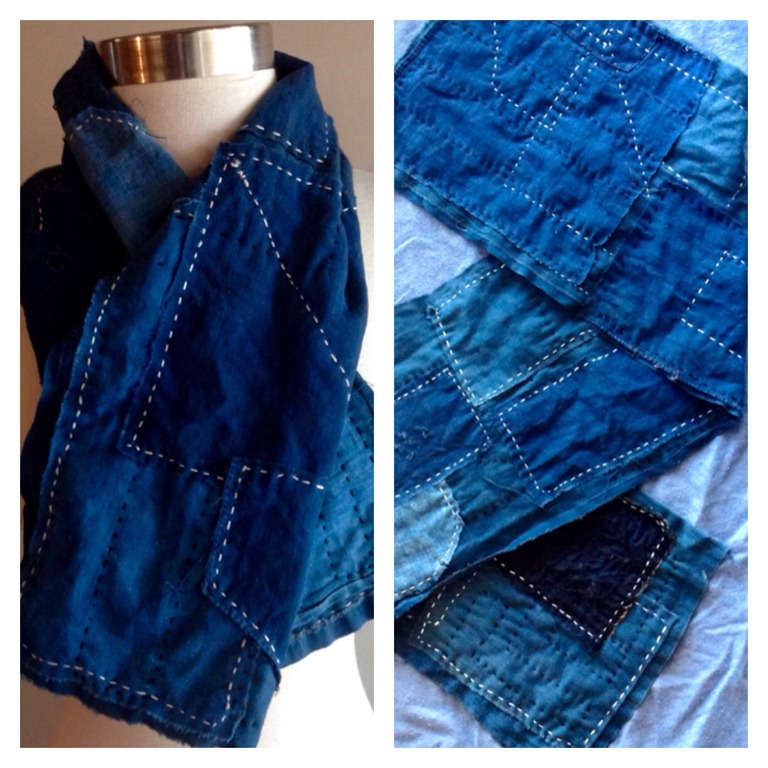
    Handmade Japanese Indigo Boro Scarf Denim Sashiko Japan

    Boro: Japanese Folk Fabric

    Boro Scarf | Vintage Japanese Aizome Indigo Cotton With Sashiko

    Boro: Japanese Folk Fabric

    Found on etsy.com

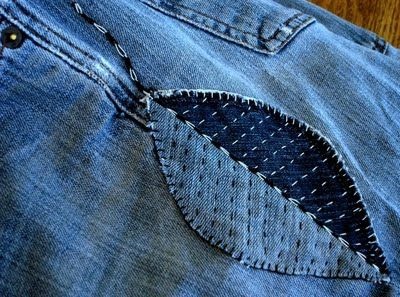
    Intricate Boro Repairing

    Boro: Japanese Folk Fabric

    Found on stylesight.com

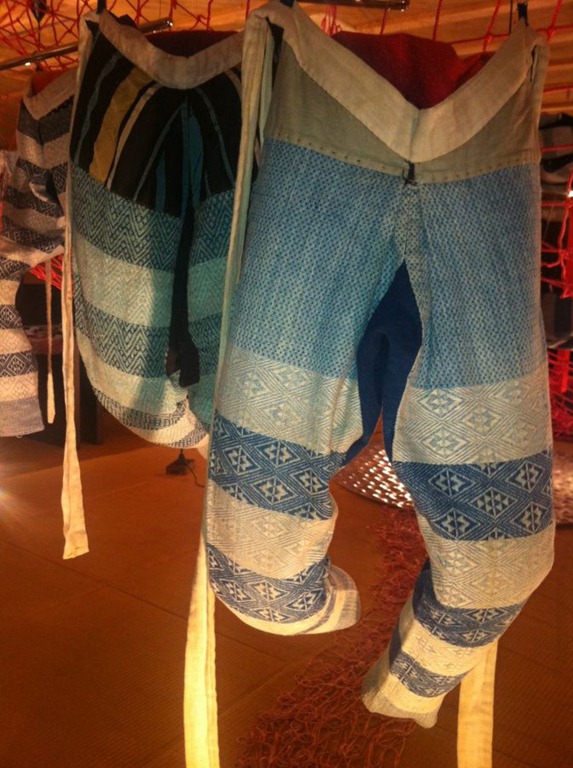
    Hishizashi Monpe Pants

    Boro: Japanese Folk Fabric   The beauty of boro fabric is the highly sophisticated sewing and  weaving techniques used by the women who made it.  For peasant   families, each garment would last long enough to be passed down through generations. Daily use would require frequent repair.The pattern woven into the fabric of these trousers is known as hishizashi. Women would invent their own designs and compete with friends.

    An interesting item is the DONJA below .It is a very large, and extremely heavy sleeping coat. Today, we might think this inappropriate, but parents and children would sleep naked together inside it. Wrapped in layer upon layer of boro scraps and wadding, shared body heat would protect them from the dangerously cold winter.

    Donja

    Boro: Japanese Folk Fabric

    Source furugistarjapan.wordpress.com

    The BODOKO  (below) is translated as ‘life-cloth’. It was actually  a bed sheet. However, it was also used when giving birth. Women would hang from ropes fastened to the ceiling and kneel on the bodoko. Layers of rags worn by ancestors would be the first thing the baby would touch.

    Bodoko

    Boro: Japanese Folk Fabric

    Some more cool Boros.

    Boro: Japanese Folk Fabric

    Boro: Japanese Folk Fabric

    Boro: Japanese Folk Fabric

    Found on womanwithwingsblog.blogspot.com

    Japanese Indigo Boro (below) is a rare boro and was composed in 1900 but made of earlier fragments of Shibori, Katazome and Kasuri.

    Boro: Japanese Folk Fabric

    Found on estherfitzgerald.com

    There is no end to the Boro designs that we like . Here are some more boro visuals .

    Boro: Japanese Folk Fabric

    Boro: Japanese Folk Fabric

  • Kapital Japan Fall Winter 2015 Collection

    Kapital Japan Fall Winter 2015 Collection

    Kapital – the specialist brand from Japan – excels in the game of using multiple layers, fabrics , stitches and combinations to achieve unique vintage links.layering textures and textiles to give some of the most liked pieces in Japanese denim industry.  They do not follow any trends and try to follow their instincts and directions for development of new collections. Some of them are real rare pieces with only 3-4 numbers created . The tattered and repaired denim shirts below are some very crafty pieces which probably would be very numbered. Concentrate on each piece as an individual rather than trying to find connecting threads. Each item is a masterpiece whether it is quilt jeans , denim overalls, embroidered and patched jackets, or the super vintage denim shirts.

    Kapital Japan Fall Winter 2015 Collection

    Kapital Japan Fall Winter 2015 Collection

    Kapital Japan Fall Winter 2015 Collection

    Kapital Japan Fall Winter 2015 Collection

    Kapital Japan Fall Winter 2015 Collection

    Kapital Japan Fall Winter 2015 Collection


    Kapital Japan Fall Winter 2015 Collection


    Kapital Japan Fall Winter 2015 Collection

    Kapital Japan Fall Winter 2015 Collection


    Kapital Japan Fall Winter 2015 Collection


    Kapital Japan Fall Winter 2015 Collection


    Kapital Japan Fall Winter 2015 Collection

    Kapital Japan Fall Winter 2015 Collection

    Kapital Japan Fall Winter 2015 Collection


    Kapital Japan Fall Winter 2015 Collection


    Kapital Japan Fall Winter 2015 Collection

    Kapital Japan Fall Winter 2015 Collection

    Kapital Japan Fall Winter 2015 Collection

    Kapital Japan Fall Winter 2015 Collection

    Photo credits :http://kvatek.com , ponytailjournal.com

  • Big John Fall Winter 2014 Lookbook

    Big John Fall Winter 2014 Lookbook

    Big John started their denim production in 1965 – and were the first ones to do it in Japan ! They also got the first denim fabric developed in Japan in 1972 . Based at Kojima, the denim capital of Japan, Big John continues to be focused on creating some of the best denims for their dedicated customers.

    Big John concentrates on all things Japanes – whether it is design, fabric or productions – as key elements of their brand.  Dark raw denim is one of the key focus , but we can also see some highly distressed jeans as well.  The fabrics stand out by their cast and richness of color depth.

    Big John Fall Winter 2014

    2

    Big John Fall Winter 2014

    Big John Fall Winter 2014

    Big John Fall Winter 2014

    Big John Fall Winter 2014

    Big John Fall Winter 2014

    Big John Fall Winter 2014

  • Junya Watanbe Spring/ Summer 2015 Collection

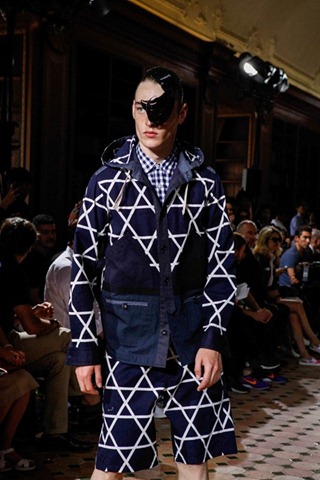
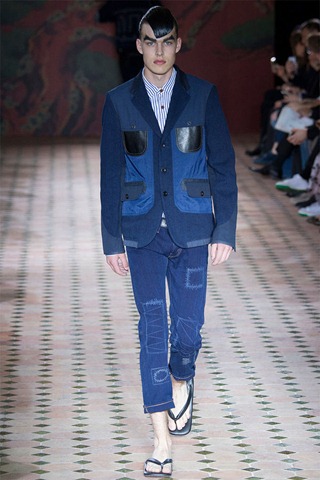
    As a part of the Paris Fashion week held recently , the Japanese designer Junya Watanabe presented his forthcoming Spring/Summer 2015 collection . The collection was a visual treat as the designer used exaggerated patchworks, 50s inspired coifs to , mostly, slouchy and cropped jeans. Denim Patchwork jackets  incorporate a mix of fabrics including florals, stripes, plain cotton fabrics to create that ,one of the most , subtle patchwork looks seen in such designs. That Denim on  denim trend is strong , can be easily understood from his collection. Sashiko Stitching and geometric patterns in sewing  can be predominantly viewed   on many of his  jeans . The collection was ALL BLUE with either denim on denim aspects or indigo dyed t-shirts combined with the jeans.
    This retro-modern collection revives 50s styles  embraces the versatility and durability of the most well known modern textile material – denim .

    Junya Watanbe SS15 Denim Collection12

    250428_2_600 Junya Watanbe SS15 Denim Collection1 Junya Watanbe SS15 Denim Collection3 Junya Watanbe SS15 Denim Collection5 Junya Watanbe SS15 Denim Collection7 Junya Watanbe SS15 Denim Collection9 Junya Watanbe SS15 Denim Collection13junya-watanabe-springsummer denim collection -2015

    Junya Watanbe SS15 Denim Collection14

    Junya Watanbe SS15 Denim Collection16

    junya-watanabe-springsummer-2015-collection-01-300x450

    Junya Watanbe SS15 Denim Collection

    Image credits : Dazeddigital.com, highsnobiety.com

  • FDMTL Fall Winter 2014 Collection

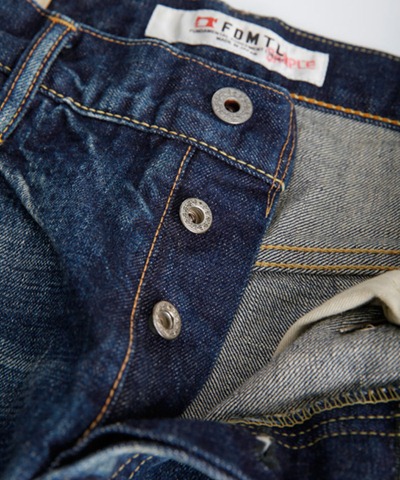
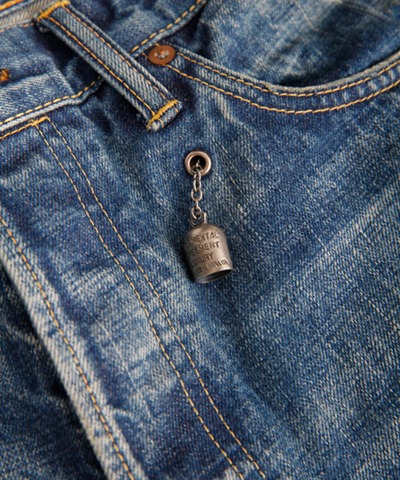
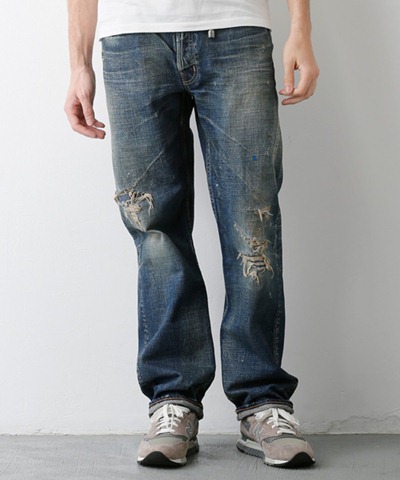
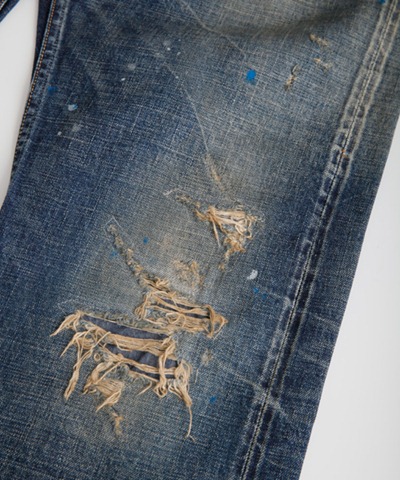
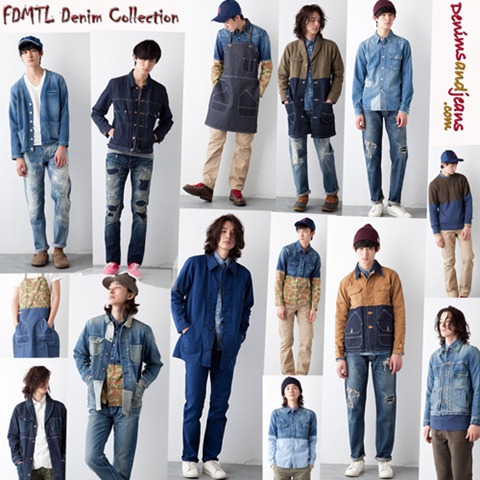
    FDMTL – the denim brand from Japan- came  out with a lot of distressed, bi colors ,patchworks and military looks in  their  AW’14/15 collection.  The label stands distinguished from many other brands in Japan in its uniqueness of distressed and combo fabric looks.  The founder designer – Tsuyoshi Gaku – designs and creates these items in Okayama, Japan.


    FDMTL Fall Winter 2014 Collection

    FDMTL Fall Winter 2014 Collection

    FDMTL Fall Winter 2014 Collection

    FDMTL Fall Winter 2014 Collection

    FDMTL Fall Winter 2014 Collection

    FDMTL Fall Winter 2014 Collection

    FDMTL Fall Winter 2014 Collection

    FDMTL Fall Winter 2014 Collection

    FDMTL Fall Winter 2014 Collection

    FDMTL Fall Winter 2014 Collection

    FDMTL Fall Winter 2014 Collection

    FDMTL Fall Winter 2014 Collection


    FDMTL Fall Winter 2014 Collection

    FDMTL Fall Winter 2014 Collection

    FDMTL Fall Winter 2014 Collection

    FDMTL Fall Winter 2014 Collection

    FDMTL Fall Winter 2014 Collection

    FDMTL Fall Winter 2014 Collection

    FDMTL Fall Winter 2014 Collection

    FDMTL Fall Winter 2014 Collection

    FDMTL Fall Winter 2014 Collection

    FDMTL Fall Winter 2014 Collection

    FDMTL Fall Winter 2014 Collection

    FDMTL Fall Winter 2014 Collection

    FDMTL Fall Winter 2014 Collection

    FDMTL Fall Winter 2014 Collection

    FDMTL Fall Winter 2014 Collection

    FDMTL Fall Winter 2014 Collection

    FDMTL Fall Winter 2014 Collection

    Check out their AW13/14 collection here .

  • Japanese Imports of Denim Fabrics | 2012 and 2013

    Japan , inspite of its high costs remains an important jeans production region specifically with regard to their own consumption. Fabrics are produced in various small and large mills in Japan and used for conversion into jeans as well as exported. Some quantities are also imported from other countries like China, Korea, US, Turkey, Taiwan etc. In this report we will analyse the imports of denim fabrics into Japan in 2013 (till Sept) as compared to same period in 2012 . The contents of the report are :

    a) Quantities of denim fabric imported into Japan in 2012 and 2013 during Jan – Sept .
    b) Values  and prices of these fabrics : Perception of prices in Japan might be stereotyped and we see quite a wide range of price spectrum being covered on the fabrics imported from different origins. There is a marked difference in average prices of imports during 2012 and 2013.
    c) Exporting countries and their share in this export . We will also look at their respective av.prices of exports. They vary from very low stock prices to high value prices from some origins.  
    d)Top  exporting countries – it is interesting to see that 2-3 countries dominate the exports to Japan and have over 85% of the market. One of the countries which hardly exported any denim to Japan in 2012 , exported the second highest qty of fabrics in 2013.  
    d) Average ounce of fabric imported and ounce of fabrics from each origin country : Origin seems to be affecting the kind of fabric weights imported. The average weight of fabrics seems to be quite different for different origins . While some countries are exporting high value fabrics in 6-8oz range, others export 11oz + fabrics.
    e) Total value of denim fabric imported during this period.
    f) Graph showing relative quantities and prices in 2013 and 2012

    [private_special]

    Imports of Denim Fabrics into Japan, Jan-Sept 2012

    Country Sq. Mtrs Value (US$ ) Price/ Sq. Mtr (in US$) Av. Weight (in ounce) % Share of mkt.
    China 7,27,272 1,500,490 2.06 11.27oz 41%
    Indonesia 4,61,698 1,002,540 2.17 11.15oz 26%
    Taiwan 3,78,049 1,067,980 2.82 9.98oz 21.3%
    Turkey 1,15,615 5,51,430 4.77 6.62oz 6.51%
    Hong Kong 43,619 54,890 1.26 10.97oz 2.5%
    India 29,332 48,560 1.66 10.07oz 1.65%
    others…          
    Total 1,775,231
    1.77 million sq mtrs
    4,269,880 $2.40 11.18oz  


    Imports of Denim Fabrics into Japan , Jan-Sept 2013

    Country Sq. Mtrs Value (US$ ) Price/ Sq. Mtr (in US$) Av. Weight (in ounce) % Share 2013 % share 2012
    China

    8,05,828

    2,039,650

    2.53 11.74oz 49.5% 41%
    Korea

    3,62,503

    1,611,360

    4.45 12.41oz 22.2%  
    Indonesia

    3,01,718

    7,02,390

    2.33 12.36oz 18.5% 26%
    Thailand

    62,633

    3,52,330

    5.63 6.58oz 3.84%  
    Turkey

    49,125

    2,54,510

    8.36 8.36oz 3.01% 6.5%
    Hong Kong

    28,863

    66,400

    2.30 9.29oz 1.77% 2.5%
    others…            
    Total

    1,627,631
    1.62 million sq mtrs

    5,132,340

    $3.15 11.96oz    

    Source : Japan customs, Codes of import 520942 and 521142. 1 USD taken as 100 yen

    Japan- denim imports in 2012 and 2013

    From the above two tables we can see that the quantities, values, prices of denim imported into Japan in 2012 and 2013.  The  total quantities imported into Japan were 1.77 million sq mtrs in 2012 and fell to 1.62 million sq mtrs in 2013 – almost a 8% fall. The price at which the fabrics are being imported are a surprise and show that the Japanese import market is also price sensitive and imports low priced denims mainly from China  which holds a large share of the market. While the share of Chinese exports in Japanese market was about 41% in 2012 , it rose to 49% in 2013 and the price also increased from $2.06 / sq mtr to $2.53 per sq mtr. The result of the increase of Chinese prices had a major contribution in increasing the average import prices from $2.40/sq mtr to $ 3.15/sq mtr.
    Some countries have an interesting involvement with Japanese market. While Korea had almost no exports to Japan in 2012, in 2013 it became the second largest exporter and exporting fabrics at a price of about $4.50/ sq mtr. Indonesia’s volume of exports of 4.6 lac sq mtrs fell down to 3.62 lac sq mtrs. Exporting countries like Thailand and India keep on exporting to Japan intermittently in small quantities.

    Average weight of fabrics : While the average weight of fabrics imported varies between 11 and 12oz/ sq yd for all imports , the weight of fabrics exported from different destinations varies a lot . China and Indonesia are exporting mainly 11oz  + fabrics , countries like Turkey and Thailand are exporting lower weight fabrics from 6-8oz . However, the prices from both these origins is among the highest indicating that high value fabrics are being exported from here as against low value fabrics from China, Indonesia etc. Korea exported the highest weights of fabrics of about 12.4oz . However, the average weight of 11-12oz being imported in Japan does reflect that Japan is not a market for very heavy fabrics as is sometimes believed due to many brands in Japan using fabric weights of over 18oz . 


    [/private_special]

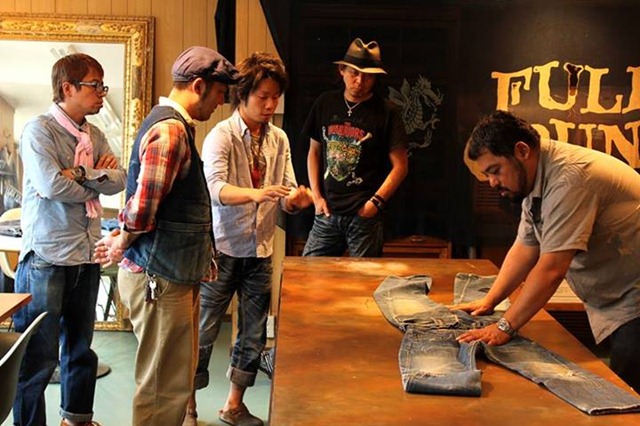
  • A Chat With Mikiharu Tsujita | Full Count Jeans , Japan

    A Chat With Mikiharu Tsujita | Full Count Jeans , Japan

    In the 1980s a group of Japanese jeans fanatics went out to research on the origin and quality of jeans. Most of them were Levi’s 501 fans and they decided to buy some vintage jeans from the US. But it was becoming more expensive and difficult to buy those jeans . So they decided to create their own vintage jeans. Mikiharu Tsujita – the owner and head designer of Full Count Japanese brand – was one of them. The group that had come together slowly separated and famous brands like Full Count , Evisu,  Warehouse etc   were created (in Osaka) by them with each one following his own vision of what can be the best in jeans and for their customers.

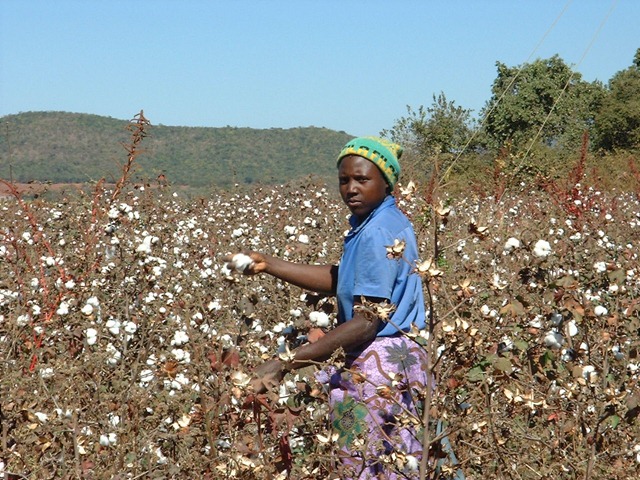
    Mikiharu Tsujita created Full Count in 1992 and was the first jeans company to use Zimbabwe cotton – which was quite unheard of at that time.  Due toZimbabwe Cotton Growing For denim the climate in Zimbabwe,  the cotton harvests are large and bountiful and because of one crop per year, the fiber length is more, which, when woven, creates a very unique texture. Zimbabwean cotton is harvested by hand as opposed to machines, which ensures that the cotton is not damaged and keeps its originality. Once woven, denim made of this cotton has  soft yet sturdy touch to it, which is one of the trademark aspect of Full Count Jeans.

    One of the unique things about Full Count is that they offer a variety of jeans cuts , which is a little surprising for Japanese denim brands. They offer bootcut, flare, straight leg, baggy cut jeans among others. It is a purist brand which also appeals to the westerners and does not go over the top as some other Japanese brands do .

    We spoke to Mikiharu Tsujita to know more FULL COUNT and to understand its genes.. He gave his answers in Japanese as in English ( and you can go through both )!

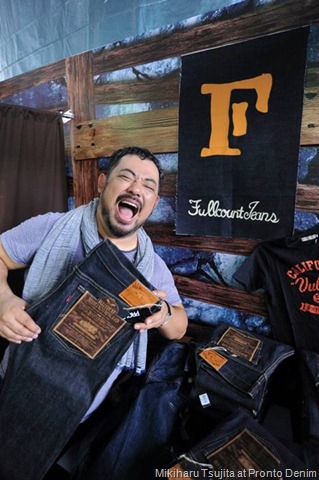
    Mikiharu Tsujita at Pronto Denim

    Q.Full count is one of the most famous Japanese denim brands.  We also remember you were the first one to use the Zimbabwe cotton in denim fabrics two decades ago. Pl tell us something about the brand and how it developed.

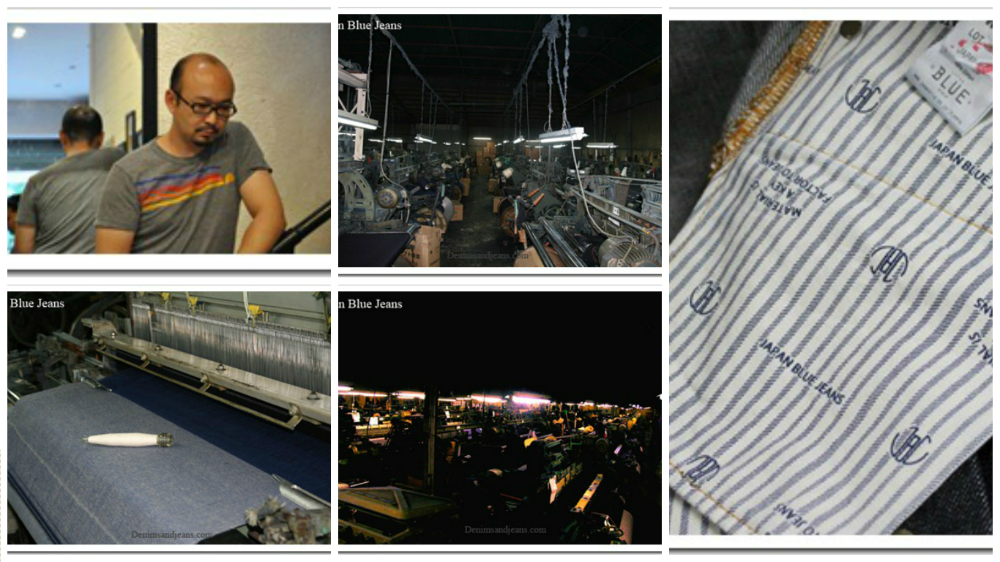
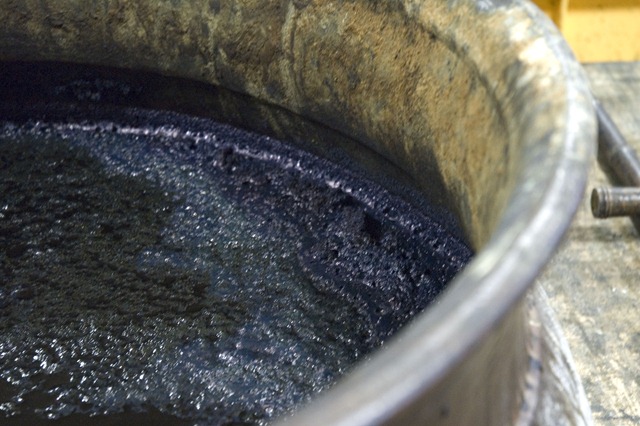
    A.When we started FULLCOUNT we were attracted about classic way of Indigo dyeingmaking  1950s denim. In the beginning  we investigate about how it fade color and pattern cutting, sewn by cotton threads way of making garment,  trimmings such as button, rivet etc. Later  we focused on the details. We started using shuttle loom from the company  which  was taking orders from Cone mills in 1960′ for XX denim  . (We still using same machine now) The vintage denim trend started 20 years ago in Japan. The original vintage denim garments value became very high at that time and  we started our brand  and it looks like same as the original vintage  deShuttle weaving selvedge loomnim . That’s why people are crazy about our denim jeans. But I was not satisfied with  my denim at just one point which is comfortableness. My ambitious is not just vintage look denim, I also would like to research about comfortable denim which would wear everyday such as denim I want to make. That’s why we decided to using the Zimbabwe cotton. Since then we have very large variety of customers not just vintage customers . Thats’ why we came beyond the categories.

    Q.Yours is a full fashion brand while many Japanese brands which are Raw denim labels or just focusing on one type of jeans. Does this make you different from other Japanese brands?

    A.We do not think our brand is a  full fashion brand. Consistently, We are approaching to the customer for well coordination items with our denim. Of course we get stuck with classic way of making as we are producing our own denim fabric.

    Q.Full Count is not moved by fast moving fashion trends . Is it true? What is your approach to collections?

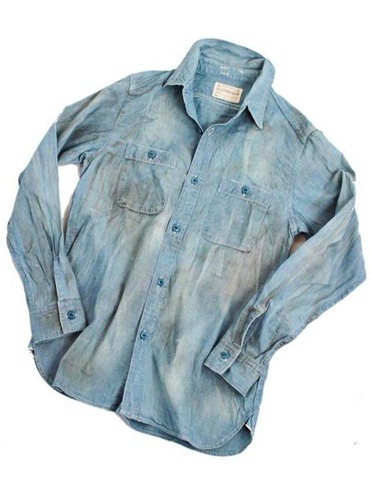
    A.This does not mean we don’t consider the trend,  of course the silhouette is changing  time to time. We are making the chambray shirt and sweat shirt for 20 years but we are changing the silhouette little by little. But our customers image for FULLCOUNT has not changed from start I think. If we making the same thing this means we need change otherwise we could not be surviving in the industry.

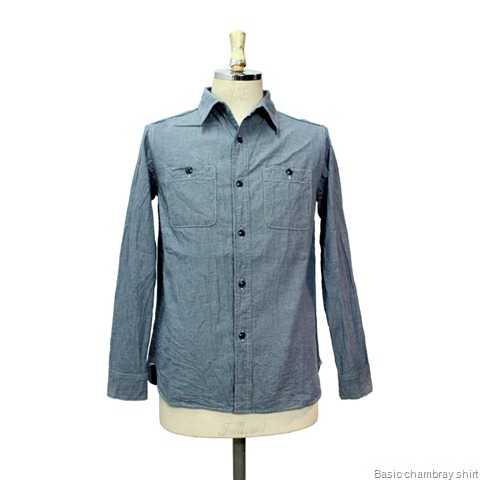
    4810-basic-chambray-shirts

    selvedge denim

    Q.Please tell us about a few of most famous styles and pieces in the last few seasons

    A. Some of our most famous styles and pieces are :

    1. 1922’s Buckle Back Jeans
    2. Tight Fit B.D.Shirts
    3. Basic Chambray Shirts
    4. P-coat

    Fullcount co.,ltd.

    Hand Shave & Dry Stone Wash.


    Q.You have a great deal of experience in the denim industry and must have seen how the industry has changed over the years. How do you feel the customers demands and knowledge have changed in last 2 decades and how have you applied this to your label?

    A.I think in last 20 years, most of the denim jeans quality is become higher and the classic way of manufacture style be come settle down. In these days, consumers chose their denim by silhouette and concept. We do not follow the trend style and we make the product what we were making since the beginning when we started. This is our way to make an appeal to our brand in the  industry.

    Hand Wash Series Full Count

    Q.It is said that Japanese mills imported the vintage shuttle looms from US and made the great fabrics. On the other hand, Japanese denim mills are understood to have used the Toyoda looms. Which one of these you think is correct.

    A.The point is not good or bad, its depends on the how it used by workers. The important point is those persons who could find out placing the right fabrics in the right machine. I think it isn’t important whether the machine is  made in Japan or made in America.

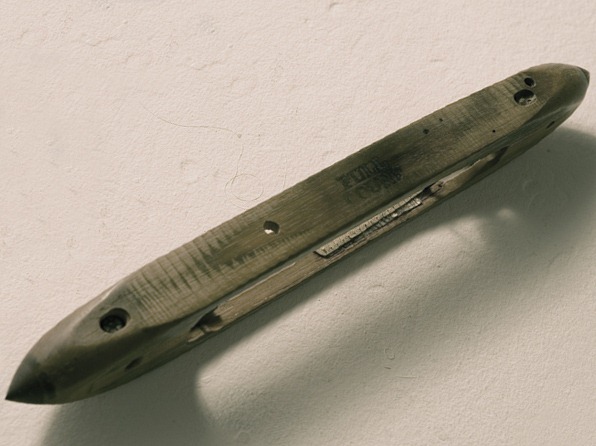
    Shuttle for weaving selvedge denim

    Q. What do you think is the difference between Full Count and other Japanese brands eg Evisu ?

    A. I think Evisu has double-face. One is a purist ,the other hand is their characteristic – like painting . Some purist hate the character. Fullcount is only for the  purist.

    Full Count denim collection

    Full Count Denim

    Full Count Team

    For those who wish to read the interview answers in Japanese , may go through Mikiharu Tsujita’s answers below:

    1.Full count is one of the most famous Japanese denim brands. We also remember you were the first one to use the Zimbabwe cotton in denim fabrics two decades ago. Pl tell us something about the brand and how it developed.

    私たちは1950年代の古き良き時代のジーンズに魅せられてフルカウントを始めました。創業当初はその色落ちやカッティングを徹底的に研究し、綿糸での縫製やその手間ひまのかかる縫製のやり方、ボタン、リベットの形状など、ディテールにこだわることにフォーカスし、ジーンズを作っていました。力織機も1960年代に実際に当時コーンミルズ社から仕事を受けてXXのデニムを生産していたものを使用しました。(今ももちろん使用しています) 20年前の日本はヴィンテージジーンズのブームで、かなりヴィンテージの価格が高騰していたので、一見ヴィンテージに見間違うほどのフルカウントのジーンズに若い人たちは夢中になりました。しかし私自身はその出来上がった商品で納得出来ない点が一つあり、それが穿き心地だったのです。

    ヴィンテージにそっくりなジーンズというだけではなく、穿いていてストレスなく毎日穿いていたい、そんなジーンズを作りたいと思い、採用したのがジンバブエコットンです。

    そのデニムを開発することにより、ヴィンテージフリークのみならず、たくさんのフルカウントファンが増え、ヴィンテージのレプリカの範疇を超え浸透していったのだと思います。

    2.Yours is a full fashion brand while many Japanese brands which are Raw denim labels or just focusing on one type of jeans. Does this make you different from other Japanese brands?

    私たちはフルファッションブランドとは考えていません。あくまで、フルカウントジーンズとコーディネートするためのアイテムをシーズンごとに提案しているのです。もちろんそのアイテム一つ一つはジーンズ同様、昔ながらの製法にこだわっています。

    3.Full Count is not moved by fast moving fashion trends . Is it true? What is your approach to collections?

    トレンドを取り入れていないかといえば、そうではありません。時代によってお客様の好みのシルエットも変わります。シャンブレーシャツや、スウェットシャツなども、20年間作り続けていますが、シルエットは徐々に変化しました。ただし、お客様からのイメージは全く変わっていないと思っていただいているとおもいます。

    同じモノを変わらず作っていくということは、変化しないとその時代で生き抜くことは出来ません。

    4.Please tell us about a few of most famous styles and pieces in the last few seasons

    1.French Army Motorcycle Coat 2.1922’s Buckle Back Jeans 3. Tight Fit B.D.Shirts 4.Basic Chambray Shirts 5.P-coat

    5.Softness and comfort , I believe , are very important for you to incorporate in your jeans. What aspects do you think are the most important for your jeans to have? いい洋服はどれも、着ていてストレスを感じないものだと信じています。毎日自然に手にとってしまう、そんなジーンズがジーンズの究極の魅力です。 6.You have a great deal of experience in the denim industry and must have seen how the industry has changed over the years. How do you feel the customers demands and knowledge have changed in last 2 decades and how have you applied this to your label?

    この20年で、ほとんどのジーンズのレベルが上がり、昔の製法に基づいたモノが定番化されたと思います。近年は、シルエットやコンセプト(ロックスタイルなど)でジーンズを選ぶ時代です。こういったトレンドはあまり意識せず、あえて変わらないモノを作るのがフルカウントの特徴をアピールできると思っています。

    7.It is said that Japanese mills imported the vintage shuttle looms from US and made the great fabrics. On the other hand, Japanese denim mills are understood to have used the Toyoda looms. Which one of these you think is correct.

    大事なのはどちらが良いというのではなく、それを使いこなす職人です。同じシャトルマシーンでも厚地に適したもの薄地に適したものを見極めることもとてがとても重要です。アメリカ製、日本製で良し悪しは無いと思います。

    8.Raw denim vs washed denim . It is an ever going argument . What do your view on this subject?

    これは大して重要な問題ではなく、好みの問題ですね。私は生からファーストウォッシュは自分でするタイプです。

  • FDMTL Japan |FW’13 Collection

    FDMTL Denim Collection FW13

    FDMTL – with a long complete name of  Full Agreement Luxury-
    is a denim label from Tokyo, Japan which aims to be differentiate itself from other brands in Japan. While most brands in Japan focus on Raw denim, FDMIL’s main emphasis is on distressed denims. They also work out interesting and not so regular looks  with their denims. We spoke to the founder and creative designer Tsuyoshi Gaku  to know more about the label.
    When we asked him about the concept behind his label and its long name, he described :

    “FUNDAMENTAL AGREEMENT LUXURY” produces mainly denim garments which are made in the world-wide manufacturing capital for denim  Okayama, Japan Their uncompromising products are carefully made with such incredible detail that is difficult to obtain by mass production means.The brand name is derived from the literal interpretation of its words. FUNDAMENTAL AGREEMENT = having a basic agreement with our customers to provide them with quality product. Our promise. LUXURY = suggests that our product is a cut above the rest in every way”

    To stress further the make of the brand , he further said :

    “FUNDAMENTAL AGREEMENT LUXURY denim is “JAPAN MADE”. This includes the fabric, sewing and manufacturing. The vast knowledge and experience from skilled workmen is put into each product, resulting in detailed special product that you can ‘ t achieve through mass production.

    Check out their video on jeans manufacturing here

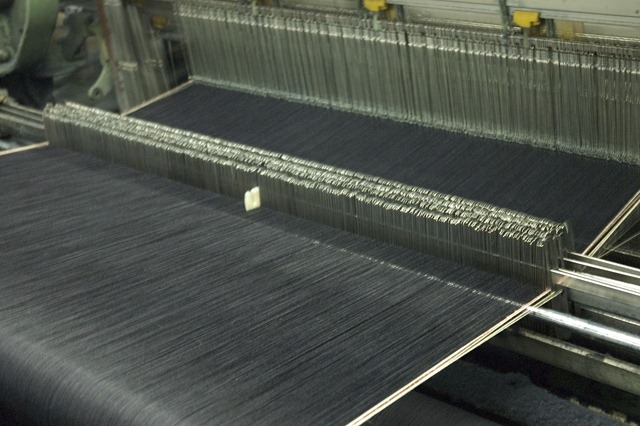
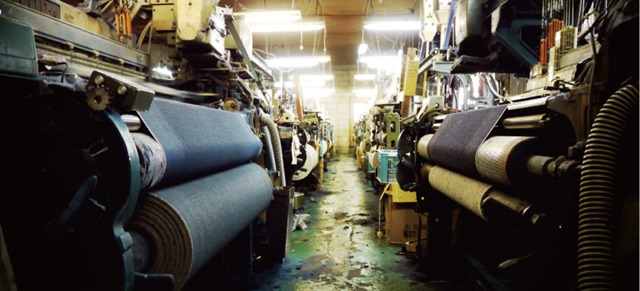
    shuttle looms for denim

    When we wanted to clarify with him the reason for focusing on distressed denim  while most Japanese brands tend to be oriented towards raw denim, he said:

    “I like jeans because i think jeans is an industrial product just like TV, iPod etc ,but at the same time, jeans are more like creatures ,because they change…depending on the shape of the person who wears etc…i like the distressing process, and this is why i’m making distress jeans, but i would say it’s an aging jeans jeans in which you can feel the background. And our customers are quite comfortable in distressed jeans. …..All our jeans are hand made, we use small machines too, but work with  hands too. For the sewing process, we use vintage sewing machines too – Union Special machines.  And the distressing is done by hands and not large laundries.

    For its  FW’13 collection, FDMTL follows two concepts –

    • Bi color
    • Military

    Putting 2 or more kinds of fabric together and trying to show new feeling of fabrics is what is the focus for this collection as per Tsuyoshi Gaku . He further says

    “i like making clothing only with denim fabric, but for the current season most items are made with the combination of some kinds of fabrics…”.

    Looks from part of his collection follow . The bi-color and bi-fabric  combinations are particularly interesting in some of them especially where military fabrics have been conjoined with the denim fabrics. Distressing on some of the jeans is quite intricate and the hard work appreciable. The retail price point of  FDML  range from $150-$350 .

    FDMTL Fall Winter 2013 Collection

    FDMTL Fall Winter 2013 Collection

    FDMTL Fall Winter 2013 Collection

    FDMTL Fall Winter 2013 Collection

    FDMTL Fall Winter 2013 Collection

    FDMTL Fall Winter 2013 Collection

    FDMTL Fall Winter 2013 Collection

    FDMTL Fall Winter 2013 Collection

    FDMTL Fall Winter 2013 Collection

    FDMTL Fall Winter 2013 Collection

    FDMTL Fall Winter 2013 Collection

    FDMTL Fall Winter 2013 Collection

    FDMTL Fall Winter 2013 Collection

    FDMTL Fall Winter 2013 Collection

    FDMTL Fall Winter 2013 Collection

    FDMTL Fall Winter 2013 Collection

    FDMTL Fall Winter 2013 Collection

    FDMTL Fall Winter 2013 Collection

    FDMTL Fall Winter 2013 Collection

    FDMTL Fall Winter 2013 Collection

    FDMTL Fall Winter 2013 Collection

    FDMTL Fall Winter 2013 Collection

  • AW13 Evisu Collection


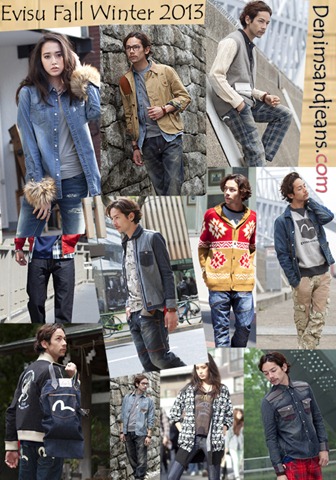
    Evisu Fall Winter 2013 denim collection collage

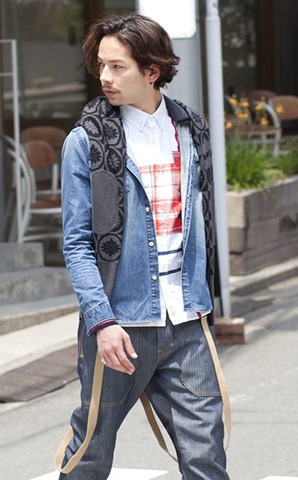
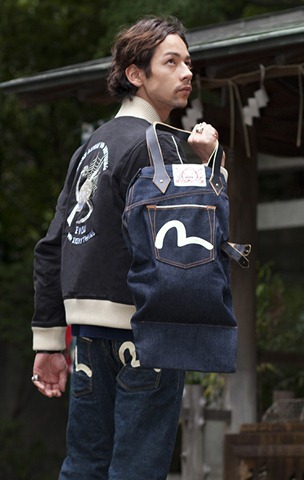
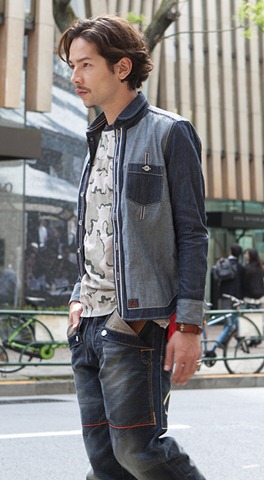
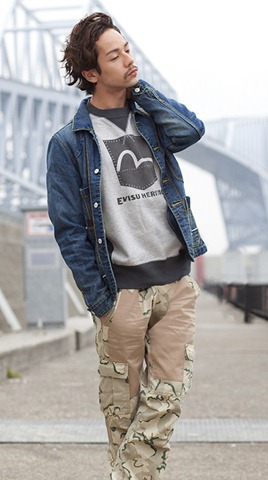
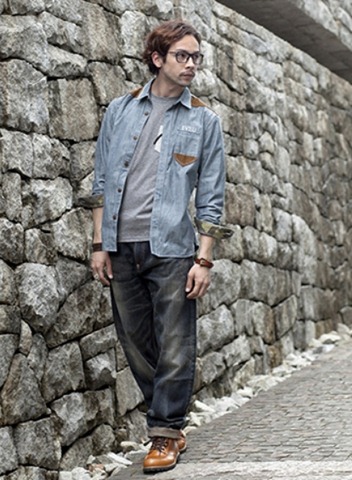
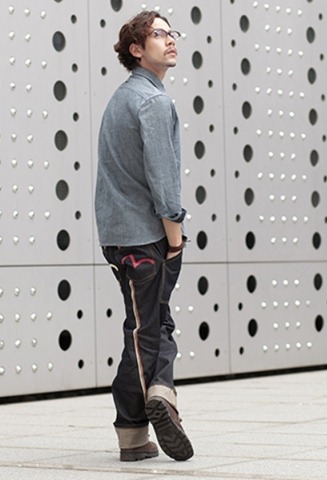
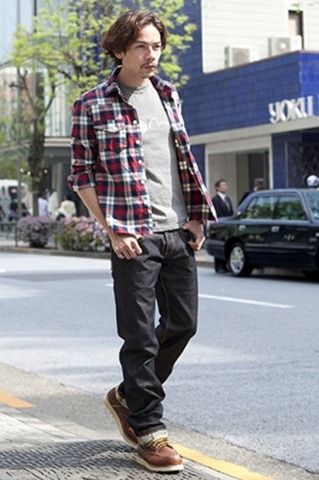
    Japanese denim specialist EVISU infuses core elements of traditional Japanese denim wear with modern touches to create its  2013 Autumn Winter Collection. The collection is presented in a series of advertisements shot across multiple locations in Tokyo that best capture the spirit and style of the brand.

    EVISU Private Stock Collection

    Traditional Japanese denim wear is at the core of the EVISU brand and the EVISU Private Stock collection, the brand’s flagship line, showcases the essence of Japanese culture at superlative levels of quality and craftsmanship. The entire collection is crafted in Okayama, Japan, the home of Japanese denim. Using sophisticated, specially crafted looming machines, the premium quality unsanforized selvedge denim, KIBATA, undergoes more than 30 steps to dye it the famous indigo blue color. A handful of recognized master craftsmen then hand paint the EVISU Seagull logo on the back pockets in separate layers. These  jeans are an example of  Japanese commitment to perfectionist  craftsmanship.

    EVISU Heritage Collection

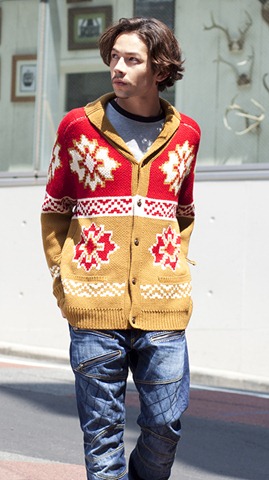
    “Classic with a Twist” underpins the design direction of the EVISU Heritage collection. Fusing new-age design elements with traditional denim wear, the collection offers a sophisticated and stylish look. This season EVISU integrates the ever-popular camouflage print and other outdoor gear elements into the collection, which makes the pieces easy to complement with a variety of styles, offering a different and more mature side to denim wear.

    EVISU Genes Collection

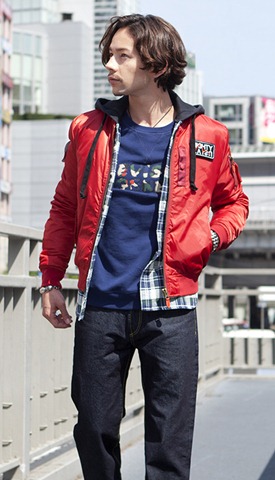
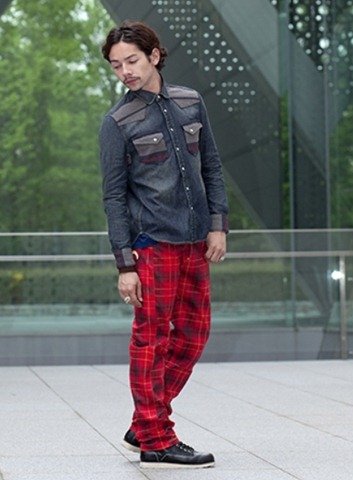
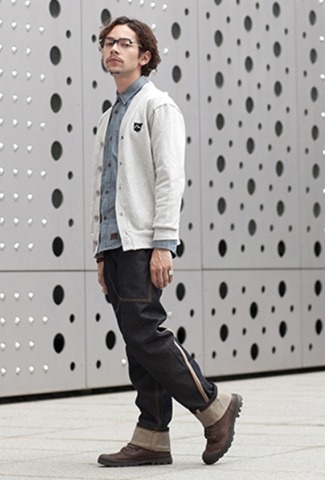
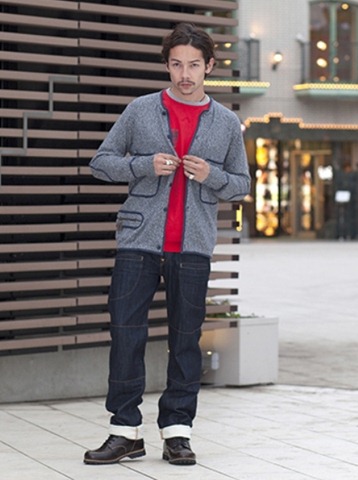
    The stylish EVISU Genes collection is a core line within the EVISU brand. It stands out from the other collections by being designed specially for the street. This new-age, pop-colored denim package is inspired by Tokyo’s unbridled buzz and presents the fun-loving face of Japan to the world. Suitable for all ages, the collection features elements such as patchwork and colorful prints that are used to update classic designs such as MA-1 and varsity jackets. The bright color palette for slim and skinny denim adds a more modern touch to the entire collection.

    Women’s Collection

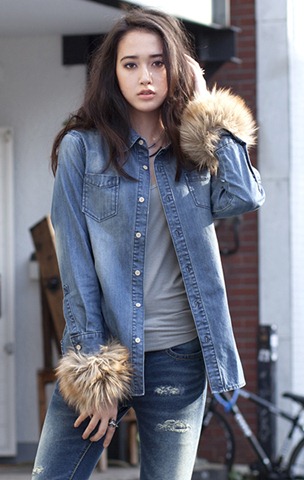
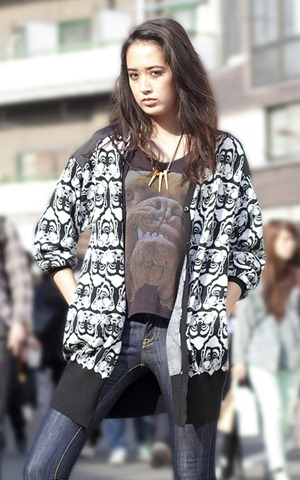
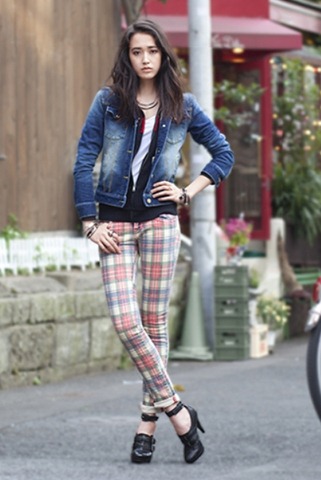
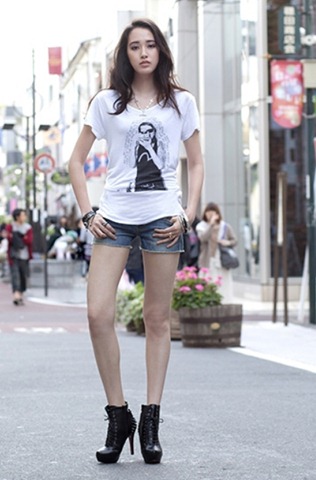
    Denim may highlight the masculinity of men, but it has the opposite effect on women. A slim silhouette of denim showcases feminine curves, while the right pair of shorts can bring attention to a woman’s youthful vitality.  Evisu tries to pep this up !

    Some cool looks from the collection shot at different locations in Tokyo..

    Evisu AW' 13 Japanese Denim collectin

    Evisu AW' 13 Japanese Denim collectin

    Evisu AW' 13 Japanese Denim collectin

    Evisu AW' 13 Japanese Denim collectin

    Evisu AW' 13 Japanese Denim collectin

    Evisu AW' 13 Japanese Denim collectin

    Evisu AW' 13 Japanese Denim collectin

    Evisu AW' 13 Japanese Denim collectin

    5

    Evisu AW' 13 Japanese Denim collectin

    Evisu AW' 13 Japanese Denim collectin

    Evisu AW' 13 Japanese Denim collectin

    Evisu AW' 13 Japanese Denim collectin

    Evisu AW' 13 Japanese Denim collectin

    Evisu AW' 13 Japanese Denim collectin

    Evisu AW' 13 Japanese Denim collectin

    Evisu AW' 13 Japanese Denim collectin

    Evisu AW' 13 Japanese Denim collectin

    Evisu AW' 13 Japanese Denim collectin

    Evisu AW' 13 Japanese Denim collectin

  • Japan–Imports Of Denim Fabrics | 2012-2013

    japan denim fabric importsJapan is the most important region for denim production , when we speak of niche , premium and selvedge denim fabrics.  While Japanese producers love their own denim and most of the jeans produced in Japan is made from their own denim. However, there is some quantity that is being imported from different countries.

    In this report we shall look at the imports of denim fabrics from various destinations around the world in Jan-July 2013 vs same period in 2012. We had previously covered the exports from Japan in another report. This report will cover:

    1. Quantities of denim fabrics imported from various countries around the world in the period Jan-July 2013 and 2012 (table) and graph)
    2. Average prices from each destination and as a consolidated figure will be there in a table.
    3. It would be interesting to see the average weight of fabrics being imported from different countries. Some surprises here as Japan is normally considered to be fond of  heavier denims.
    4. Change in imports and prices in 2013 vs that in 2012 (table)

    [private_special]

     Denim fabric imports 2012 and 2013

    We can see a fall of about 12.5% in imports in 2013 as compared to 2012. The overall imports fell from 1.53 million mtrs in Jan-July ‘12 to  1.34 million mtrs in 2013. This fall may or may not be temporary. We have seen that the imports sometimes tend to make up in the later part of the year. We will have a better idea when we look again at the figures towards the end of the year.

    Lets look at some of the top exporting countries which exported denim fabrics to Japan.

    Imports of Denim Fabrics in Japan (Countrywise)

    Country 2012 (Jan- July)
    Sq mtrs
    2013 (Jan- July)
    Sq. mtrs
    % 2012 % 2013
    China 6,20,460 6,83,822 40.5% 50.8%
    Indonesia 4,03,871

    2,44,346

    26.36% 18.1%
    Taiwan

    3,38,583

    2,72,537

    22.1% 20.2%
    Turkey

    85,903

    1,02,935

    5.6% 7.6%
    Hong Kong

    33,341

    25,353

    2.1% 1.88%
    India 29,332 1.91%
    Others 20,080 16,608    
             
    Total 1,531,570 1,345,601
       

    China’s exports are almost 50% of the imports of denim fabrics into Japan. It has increased its share from 40% in 2012 to 50% in 2013 . The other important exporting nations are Indonesia  and Taiwan , exporting about another 40% of denim fabrics to Japan. Within these countries, Indonesia again seems to have lost some sales to China and has lost some market share. China, due to its proximity and a better understanding of the Japanese market due to its higher business links, is in a better position to serve this market.

    Turkey, though currently exporting only a small quantity of denim to Japan, seems to have increased its share a bit , specially when the overall imports of denim have fallen. Turkish companies have been trying very hard to enter the Japanese market and seem to have made some dent there – though its still a miniscule quantity.
    Other countries like India, Hong Kong and other countries are small players in this market.

    Av prices of Imports of Denim Fabrics Into Japan

    Country 2012 (Jan- July)
    Av Price in USD/ Sq. Mtr
    2013 (Jan- July)
    Av. Price in USD/ Sq Mtr
    China 2.04 2.53
    Indonesia 2.18

    2.28

    Taiwan

    2.79

    4.32

    Turkey

    5.71

    5.35

    Av. Price 2.38 3.10

    Note : Prices in yen converted into USD prices assuming 1 USD = 100 yen

    When we look at the price levels of denim fabric imported in Japan, it is hard to believe that the denim is being imported there at such low prices. With average prices of  about $2.40/ sq mtr which comes to about $3.60/ mtr for a 150 cm fabric in 2012 and about $4.65/mtr in 2013 , we realize that the prices are quite low. These prices are very far off from the levels at which Japanese denim is being sold.
    So, is Japan importing low quality fabrics from other countries ? This may be true to some extent but not entirely , because of following reasons :

    a) Japanese companies have their own denim fabric units in China and they import some fabrics from their own units. The prices for such fabrics may be not reflective of market prices . Eg Kurabo has its own manufacturing in China .Similarly, Nissinhbo has its own unit in Indonesia which might be exporting fabrics to the parent unit.

    b) Turkey , which is a quality denim producer and a late entrant to this market seems to be exporting at very good prices of about $5.3-$5.5 per sq mtr or about $8/mtr for a 150 cm fabric. This is a good price ! .

    b) Japan also has some low end market which sells jeans at very low prices. Some of this fabric may have imported for manufacturing these kind of jeans.

    Weight of Fabrics Imported

    Japan is normally considered to be a market where heavier wt. rigid  fabrics are normally preferred . Manufacturers are known to excel in production of very heavy fabrics ranging from 16oz to 29oz!! 
    Though this might be true for locally produced fabrics, the imported fabrics do not show such a trend. The imported fabrics are in the weight range of  11oz –11.5oz , which is the normal weight range in other denim regions like EU. Though, when we look at 2012 and 2013 figures , we find a small trend towards weight increase from all main exporting countries except Turkey..

    Av weight of Imported Denim Fabrics Into Japan

    Country 2012 (Jan- July)
    Av Oz/ Sq. yd
    2013 (Jan- July)
    Av. Oz / Sq. yd
    China 11.20 11.68
    Indonesia 10.85

    12.50

    Taiwan

    10.85

    11.62

    Turkey

    9.70

    7.80

    Av Wt of all fabrics imported 11oz 11.5oz

    [/private_special]