Tag: Japanese denim

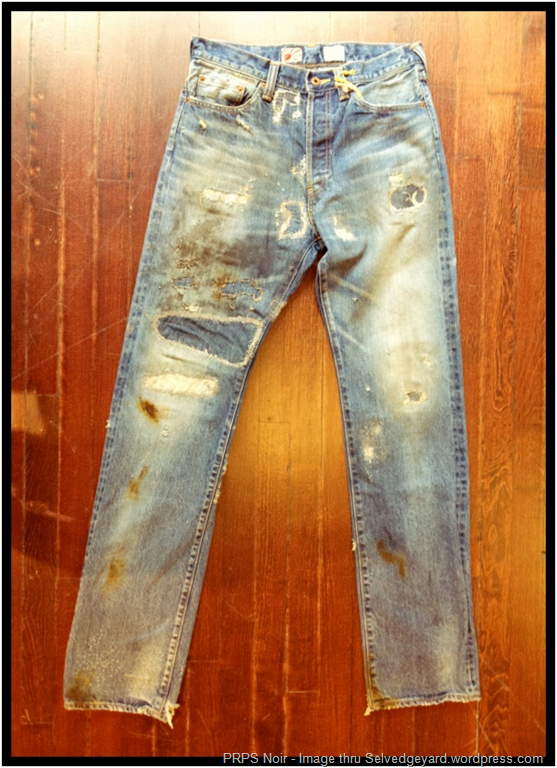
  • PRPS Denim : Thru Pictures

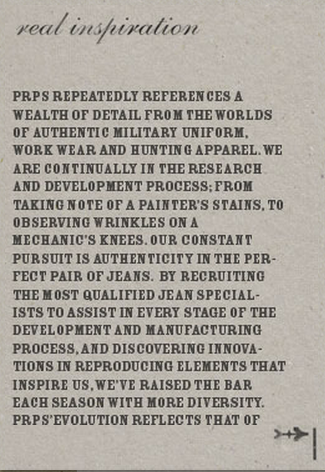
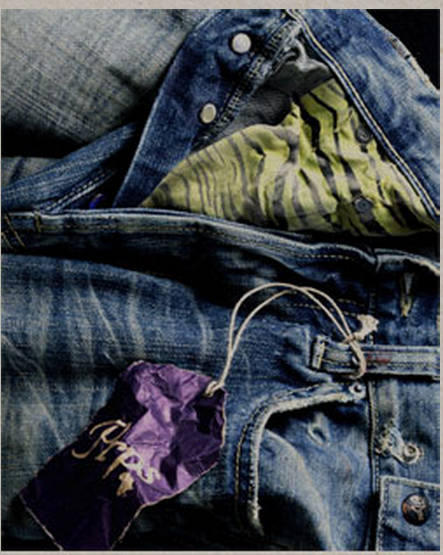
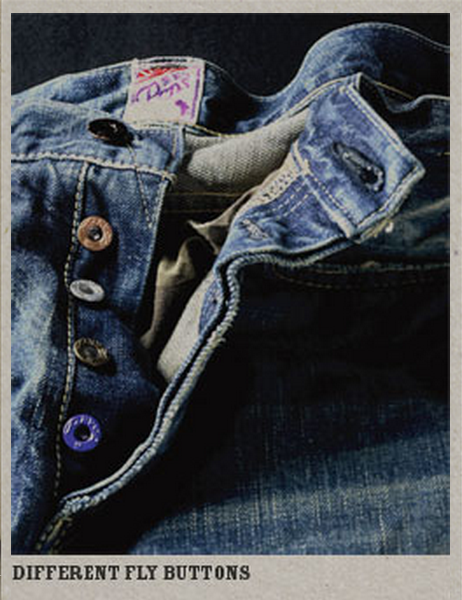
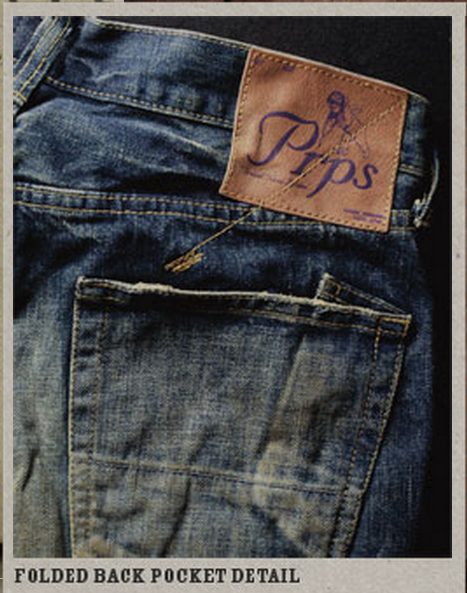
    PRPS is one of the most reputed Japanese denim brand started in 2003 by Donwan Harell with the philosphy that authenticity is the first priority. Each item in the collection is conceived with a specific purpose and function in mind. No Detail is overlooked – there is extraordinary attention to detail !

    Lets check out  PRPS is pictures

    PRPS Denim Jeans Collection

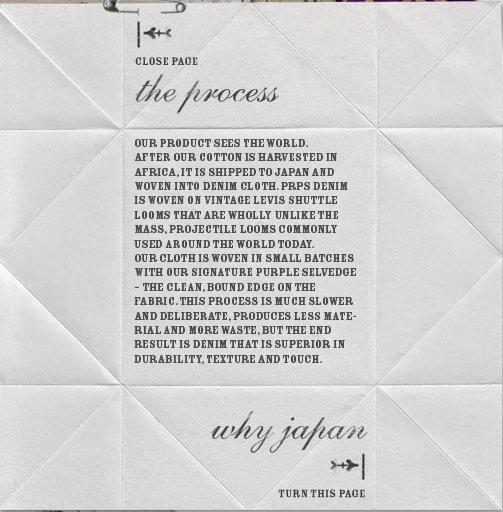
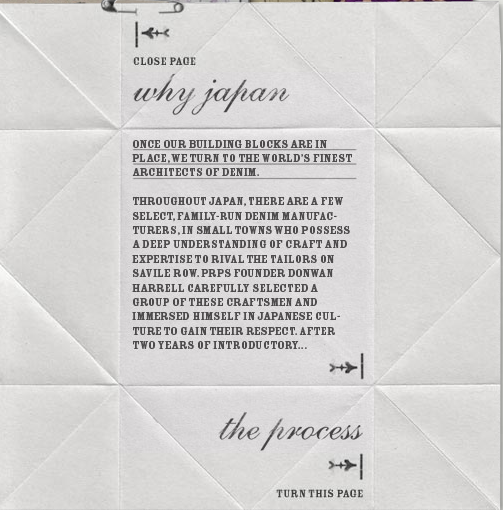
    PRPS Denim Jeans Process

    PRPS Denim Jeans Process

    PRPS Denim Jeans Process

    image

    image

    image

    image

    image

    image

    image

    image

    Note: The jeans shown above may take more than a week of painstaking efforts to make.


  • Color Denim Splash By Uniqlo–Spring/Summer 2012

    Uniqlo Jeans - Color Denim

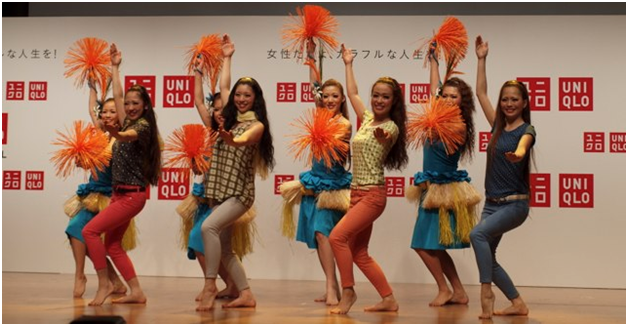
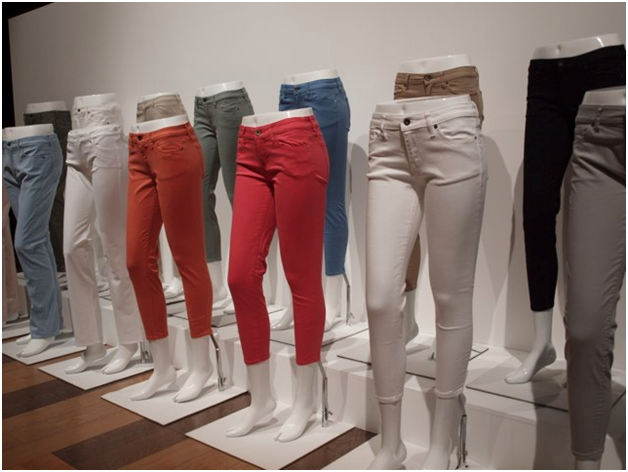
    It seems that most of the  denim brands  have decided to paint the world with rainbow colors. With almost every brand worth the name coming with colors this season, Uniqlo from Japan was not to be left behind.UNIQLO announces a new line of Color Skinny Fit Ankle Jeans for spring/summer 2012 . Available in eight of this season’s trendiest colors, the jeans are ankle fit .

    SpriUniqlo Jeans - Color Denimng/summer 2012 is all about color, with pastel colors dominating the runways of fashion shows around the world. Starting with the Color Parka, UNIQLO has rolled out a range of new lines offering women all of ages colorful new options for their wardrobes this season. The range is available in 8 colors. The eight colors included in this new line were selected after a meticulous testing process to ensure they complement a wide range of hair colors and skin tones. Similar to the color schemes used in cosmetics, the line features natural hues that can match any look and style.

    Uniqlo Jeans - Color Denim
    The skinny fit design and just-above-ankle length beautifully accentuate the line of the leg and offer a slimmer look. The length of the UNIQLO Color Skinny Fit Ankle Jeans is slightly shorter than conventional jeans, a design feature that makes it easier for women to create a balanced, color-coordinated look that flatters rather than overpowers.
    This spring, UNIQLO plans to offer new lines of T-shirts, cardigans, scarves, belts and accessories designed to perfectly compliment colored pants.
    To celebrate this focus on color, UNIQLO has launched a new TV and online campaign calling on women of all ages to “lead colorful lives!”  Here is the video …

    lead colorful lives–Uniqlo

    About Uniqlo :
    Working with over 100 factories throughout Asia, UNIQLO is distinctive in that it combines the quality and craftsmanship that is synonymous with Japanese culture with the ability to manufacture in high volume, thereby offering consumers affordable everyday products with exceptional attention to every detail.

    Image credits: Telegraph.co.uk, Japantoday.com etc

  • Edwin Jeans : Spring Summer 2012 Look Book

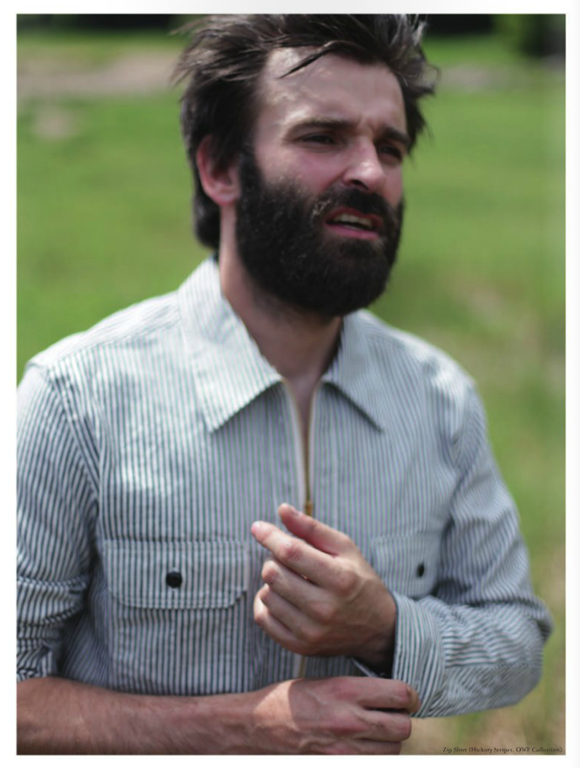
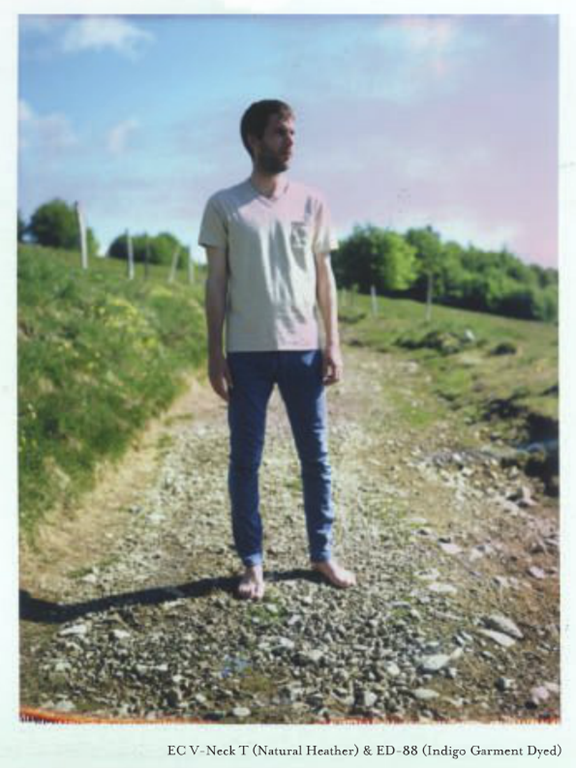
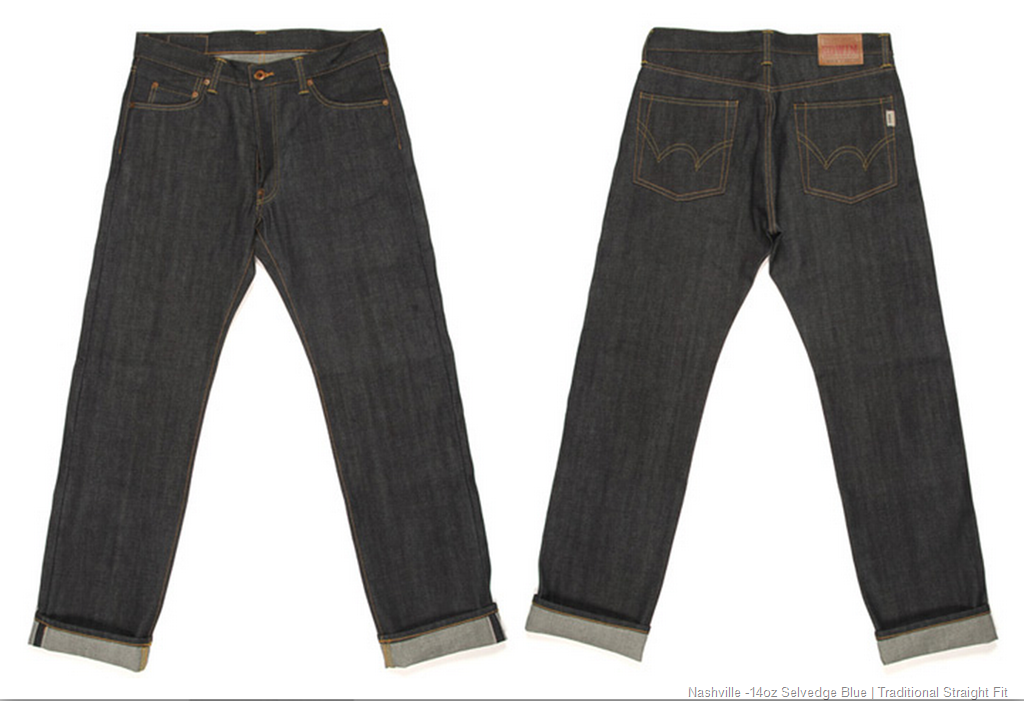
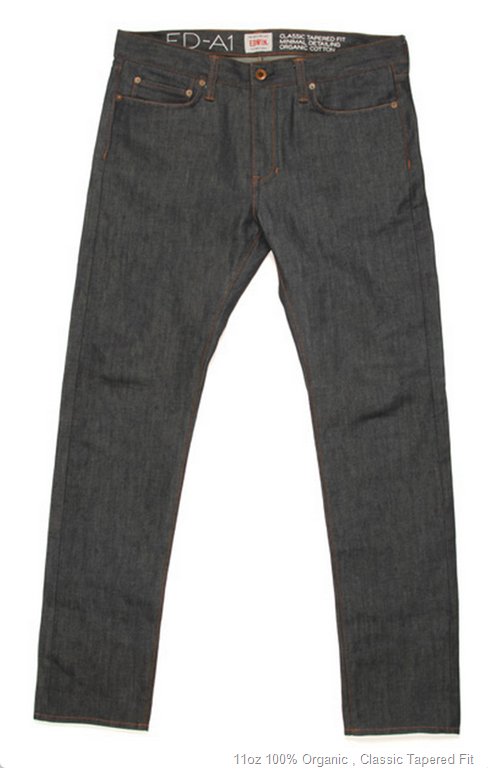
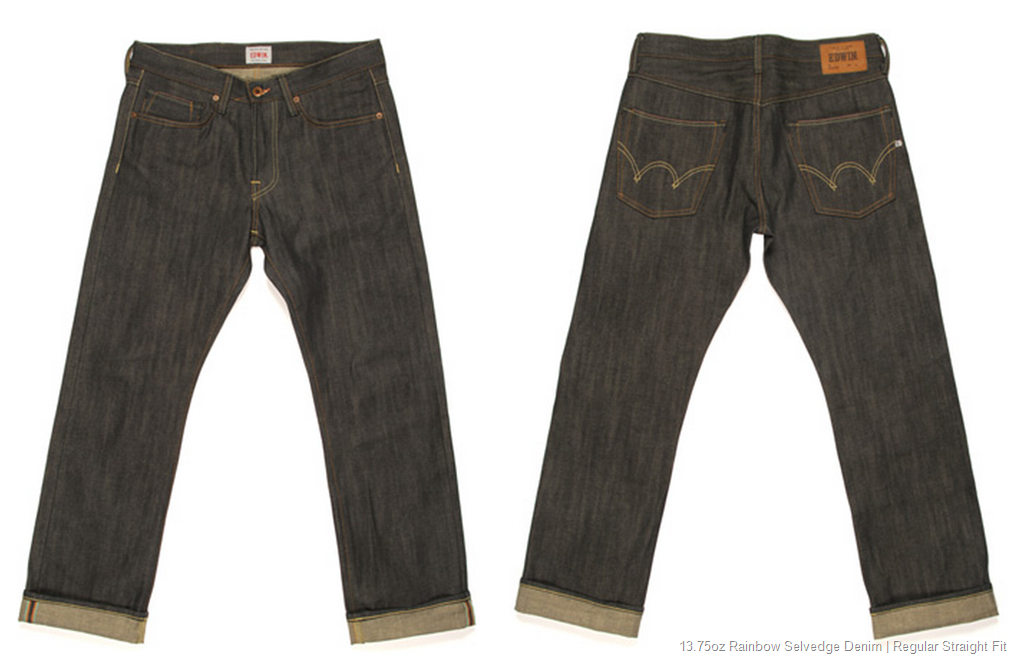
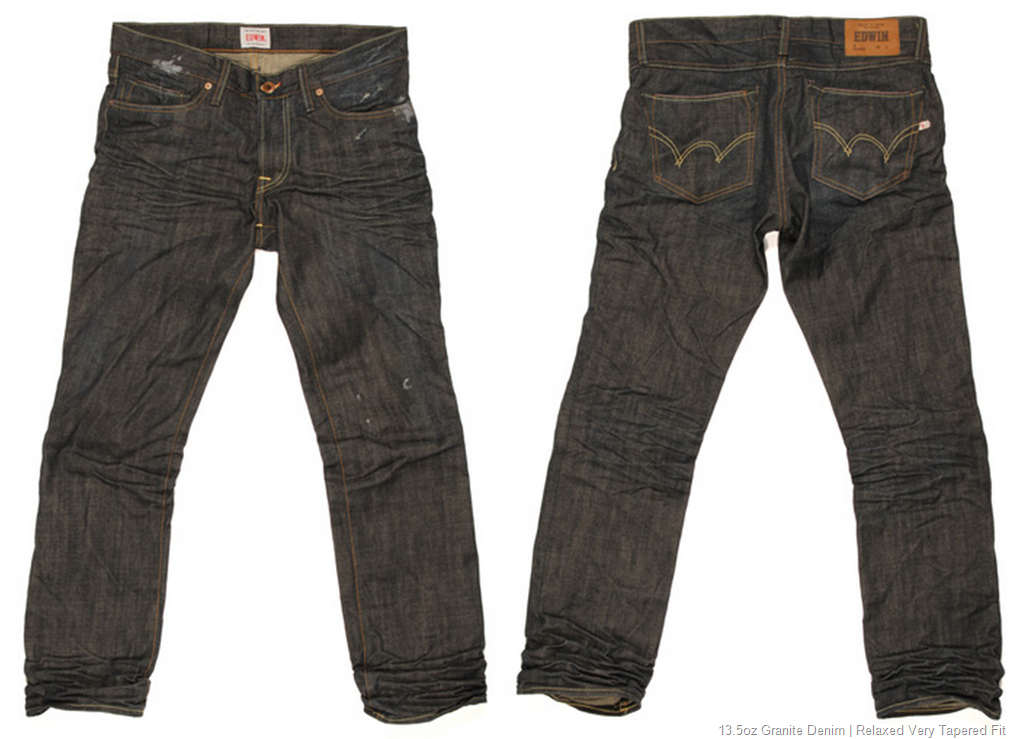
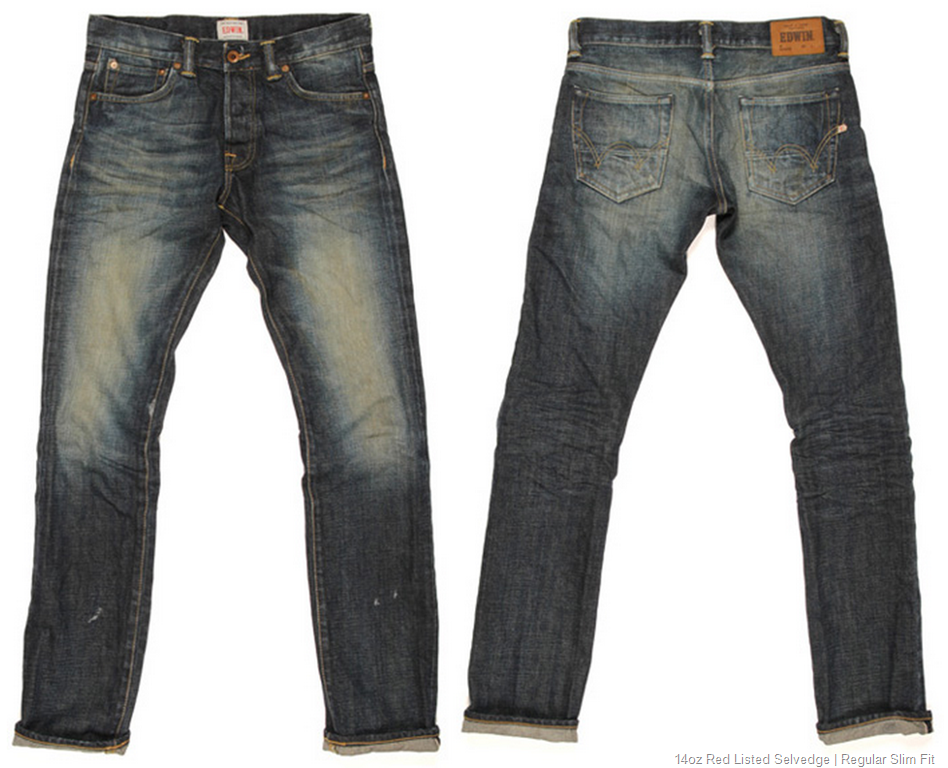
    The denim  from Edwin range has been extended again for SS12 with a couple of new products  worth mentioning including the a light organic jean  and the ED-55 (available for the first time in red-listed selvedge).

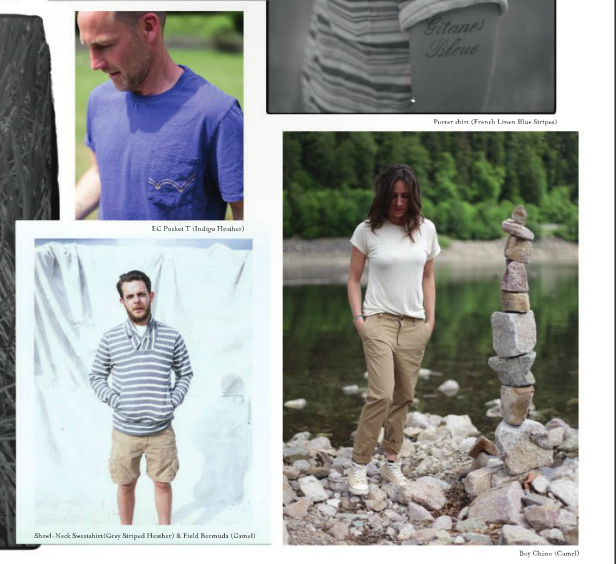
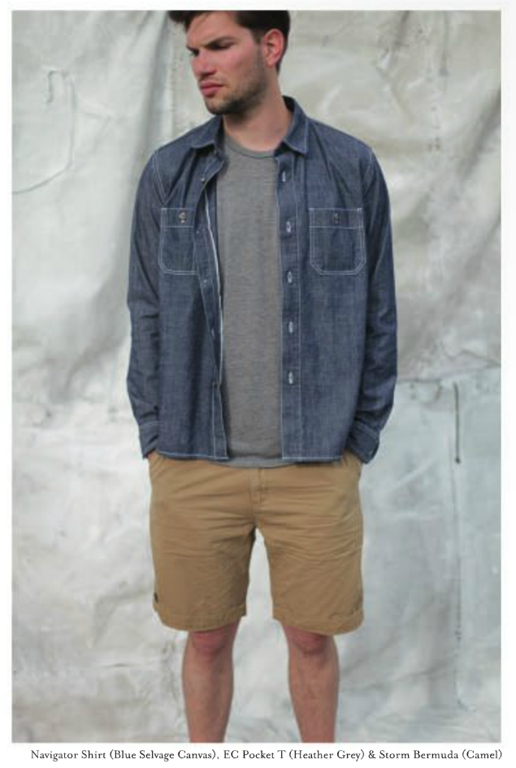
    Shirting is designed for a free and easy lifestyle – chambrays, linen, stripes are the order of the day..

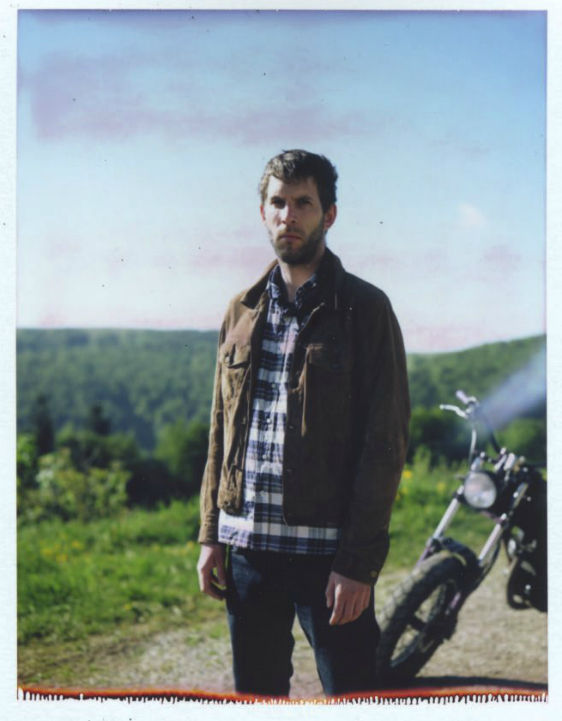
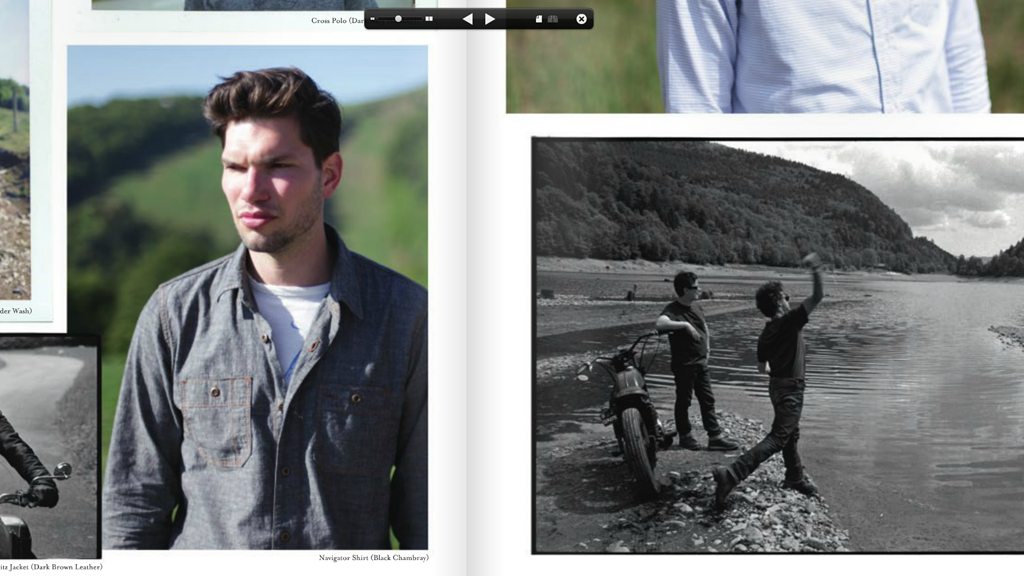
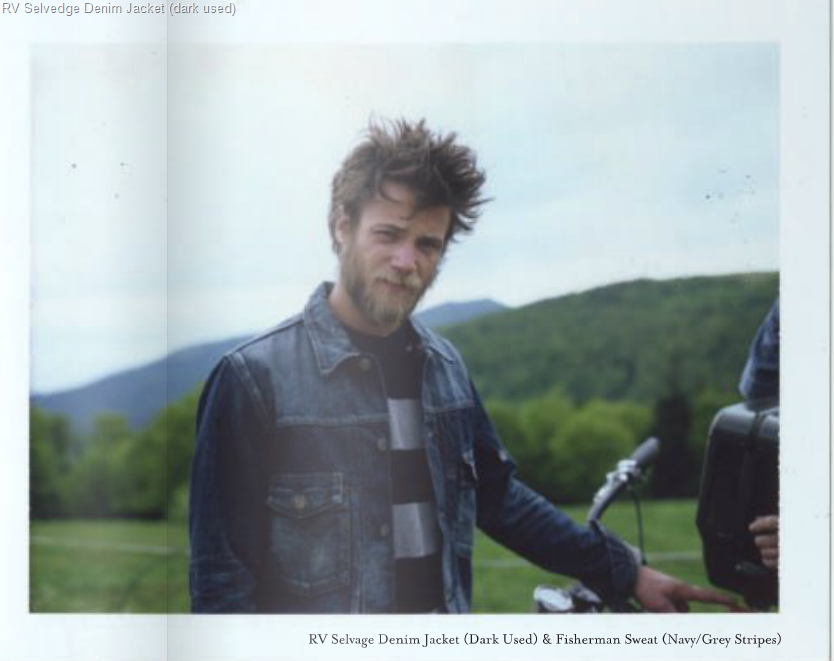
    The riders were outfitted in Edwin denim,: including covetable RV selvage denim jacket., black chambray shirts,  Red Listed selvage and  Rainbow Listed selvage jeans.

    Edwin - Spring/ Summer Denim Look Book 2012


    Edwin - Spring/ Summer Denim Look Book 2012


    Edwin - Spring/ Summer Denim Look Book 2012

    Edwin - Spring/ Summer Denim Look Book 2012

    Edwin - Spring/ Summer Denim Look Book 2012

    Edwin - Spring/ Summer Denim Look Book 2012


    Edwin - Spring/ Summer Denim Look Book 2012

    Edwin - Spring/ Summer Denim Look Book 2012

    Edwin - Spring/ Summer Denim Look Book 2012

    Edwin - Spring/ Summer Denim Look Book 2012

    Edwin - Spring/ Summer Denim Look Book 2012

    Edwin - Spring/ Summer Denim Look Book 2012

    Edwin - Spring/ Summer Denim Look Book 2012

    Edwin - Spring/ Summer Denim Look Book 2012

    About Edwin’s History:

    Mr Tsunemi had a passion for denim, which inspired him to import them directly from the United States as no denim was manufactured in Japan at that time. Used, worn-out and dirty denim which had to be laundered and mended by hand in order to sell on to his customers. In 1951 domestically manufactured denim was available for the first time in Japan. This product was expensive and of inferior quality compared to its American counterparts. Mr Tsumeni was driven to create his own denims, with greater sophistication in fits, washes and quality. From this point on in Edwin denim , quality, craftsmanship, innovation and integrity have been paramount to the ethos and aesthetic for the brand. In 1961 Mr. Tsunemi crafted the first pair of Edwin denim jeans. Utilising the letters D, E, N, I & M (reversing the M creating a W) he created the brand name ‘Edwin’. By 1963 Edwin had produced the world’s heaviest(at that time) ringspun denim jean (16oz), featuring the famous three-colour rainbow selvedge, which is still being used today. In the 1970’s Edwin were the first company in the world to develop ‘old wash’ designed to replicate denim which have been worn from its rigid, unwashed state traditionally designed for workwear due to its durability. In the 1980’s Edwin invented ‘stone washing’ which revolutionised the entire denim industry and was a pivotal moment in the evolution of denim manufacturing, thus influencing, every denim company in existence today. In the 1990’s Edwin created the ‘new vintage’ denim concept, which encompasses the subtle beauty of hand replicating vintage washes from archive references pre-dating 1947.


  • Evisu Boxpark Shoreditch And Other Denim Looks

    Evisu Jeans

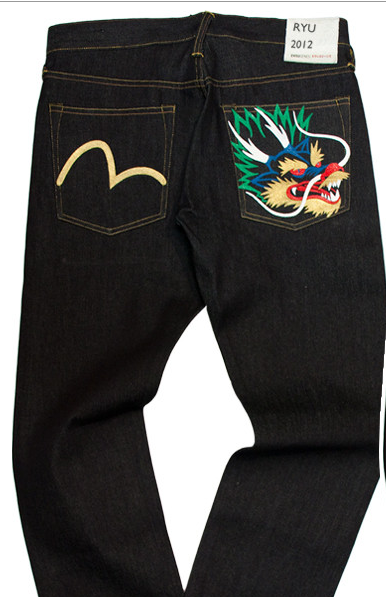
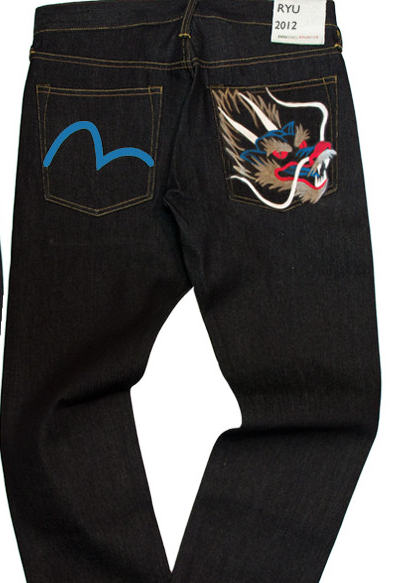
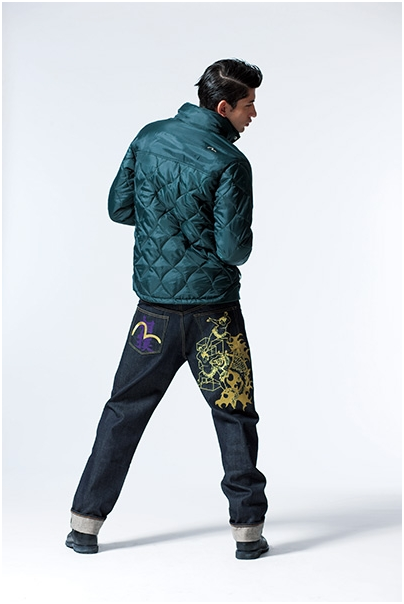
    In celebration of 2012 – Year of the Dragon, a limited edition hand painted RYU (Dragon) Jean were released exclusively at the new EVISU London Boxpark Store.

    Available in limited supply of 30 pairs only at £300 each, EVISU artists once again pushed  boundaries on raw denim, expertly painting traditional Japanese dragons together with its famous Seagull, creating this unique and one-off range of customised denim especially for the arrival of the Year of the Dragon.

    The 2012 RYU Jeans were be personally customised and skillfully hand painted by EVISU artists at its London Boxpark Store on Sat,January 28th 2012 from12:00 GMT. Each jean will have the option of a personalised colour scheme together with the RYU 2012 print on the leather patch authenticating the jeans exclusivity.

    Evisu Jeans

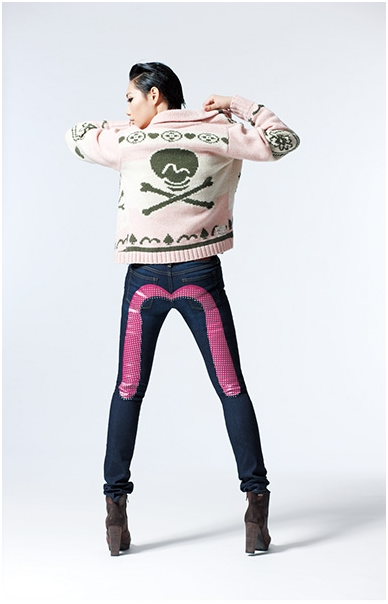
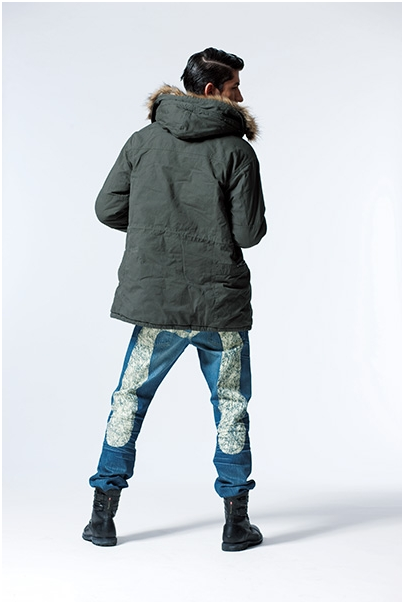
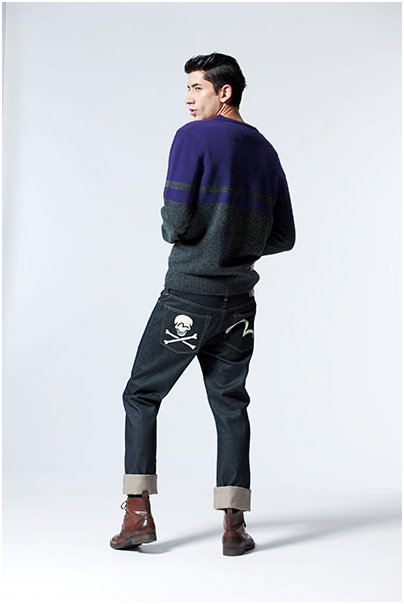
    Here are some more looks from the latest denim collection from Evisu.

    Evisu Jeans -2012

    Evisu Jeans -2012

    Evisu Jeans -2012

    image

    Evisu has always been a little different from most other denim brands using motifs and paintings as an integreal part of their denim jeans . Of course , it does not appeal to all , but there are some die hard fans of the brand – though the brand is nowhere near its peak of popularity in early 2000’s

    About :Evisu or Evisu Genes is a Japanese designer clothing company that specializes in producing premium denim wear through traditional, labor-intensive methods. It is a premium denim brand founded in 1991 in Osaka Japan, named after the Japanese god of prosperity.EVISU was considered  the first true collectible denim brand in the world, introducing casual denim wearers across the globe to connoisseur-quality Japanese selvedge denim and custom distressing.

    In 1991, YAMANE HIDEHIKO founded EVISU in Osaka Japan. YAMANE was trained as a tailor but his love for vintage jeans and his disappointment with the mass-produced modern version led him firstly to the vintage clothing import business and then, revolutionarily, to start putting together the elements required reproducing vintage-style jeans. This needed the gathering together of all the various bits of machinery, none of which had been produced for the last 40 years, which are required to make authentic vintage jeans. The initial production line allowed about 14 pairs of jeans a day to be produced and each of them was lovingly hand-painted with the now famous seagull logo by YAMANE himself.

  • 25oz Denim Jeans From Iron Heart !!

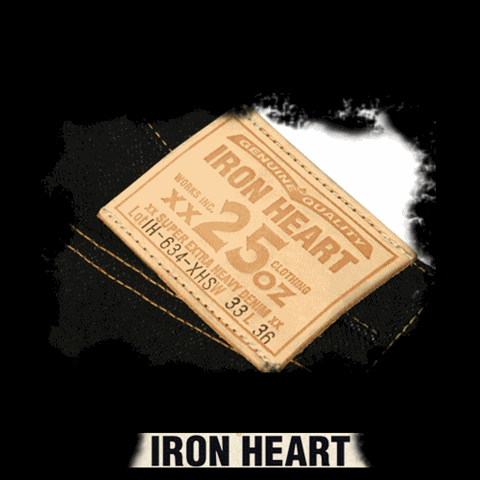
    14.5oz was supposed to be normal jeans and one used to consider 15.5oz as heavy jeans. Then we heard about 18oz jeans and 21oz jeans was considered a shock …!

    So , how do we react to a 25oz denim jeans from Iron Heart ??

    Iron Heart – denim brand from Japan – excels at making jeans which justify its name – Iron Heart . Created by bikers from Japan in search of a tough jeans to support their passion – biking , the jeans is actually now bought internationally by over 90% customers who are non-bikers .. The reason may lay in the desire to buy a jeans that will last a lifetime ..
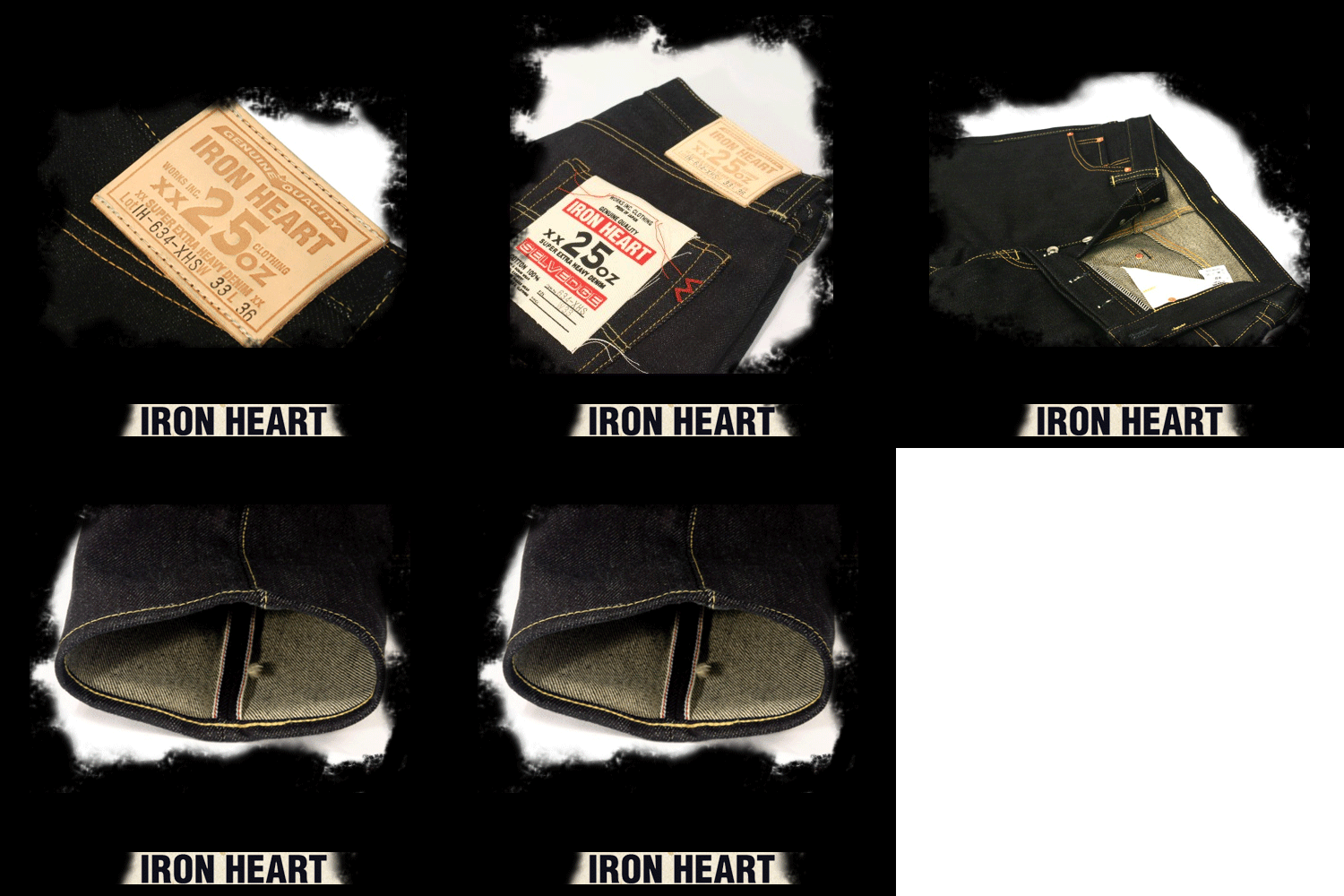
    Iron-Heart-Jeans2

    We had previously interviewed Giles Padmore from Iron Heart (UK) to know about how the brand developed and the concept behind it . When they just launched the 25 oz denim  , it was time again to speak to him and get into the thick of a 25oz Jeans ..Its not really easy to make a 21oz denim and stitch it , let alone a 25oz denim. Iron heart gets their fabric made exclusively at a Japanese denim mill which can do this kind of product.  I was sure it must have been really tough and Giles confirmed the same.

    Hi Giles, welcome back to Denimsandjeans.com . Another first from Iron Heart – a 25oz denim jeans .. Wow !! Who would be the typical customer for such jeans?

    We don’t really have a typical customer, but I guess the people who will be buying these are people who like to wear something really special.  These are not for the faint of heart and will take some time and dedication to tame.

    It must be really tough making these jeans.. How did your people manage to weave it in the first place ?

    It was really tough, we lost a lot of fabric in the weaving process.  Typically in the weaving room, one person will look after a number of shuttle looms.  With the 25oz denim we had to dedicate a full time person to oversee the loom that was weaving the 25oz denim.  This way we could spot problems with the weave immediately are make adjustments.

    With such a heavy denim, how do you manage the starch component? It would be really difficult to wash it off..

    Starch actually is not much of an issue.  We soaked these jeans after construction to remove most, if not all of the starch.  When you get them, they will feel super stiff, but that is down to the density of the denim,not to the amount of starch in the fabric.

    Maintaining comfort in a heavy jeans is not easy.. Have you also worked on this aspect ?

    True, they certainly hurt for a couple of weeks, but after that they start to soften up and become very comfortable.

    Stitching such a jeans must be a nightmare ? Must have broken a large number of needles ..!

    It was a nightmare!  In the first run we needed to produce 300 pairs, we had to make 370 just to ensure that we had the 300 perfect jeans we needed.  We had to develop a number of new ways of using our vintage sewing machines to construct the jeans.  Bar tacking the belt loops on was the most dangerous and we had to insist that the workers wore eye protection!

    As I understand about Iron Heart – you do not care about denim trends.. You create specialized jeans for your customers whom you understand well . Does this help you to create exclusivity and does away with the need of going for volumes ?

    We try and make stuff that will look as good in 20 years as it does to day.  Simple, classic, well made garments.  We do not aim for exclusivity, but we are well aware that are clothing is not for everyone.

    I once again congratulate you on creating these exclusive jeans.. Wishing you all the best. Any advice for our readers ?

    Thank you.  If you do buy a pair of these, make sure you tuck your tee shirt in for the first few weeks, if you don’t, you’ll be bleeding……

    And if you wish to buy this $480 Jeans, click on this link .
  • Kurabo Earth Denim – Making Cool Money From Waste..


    earth denim kurabo

    Making economic sense from environmental conciousness is not an easy task. Taking care of environment takes money, but if you can make more money than you spend, it makes great business sense.

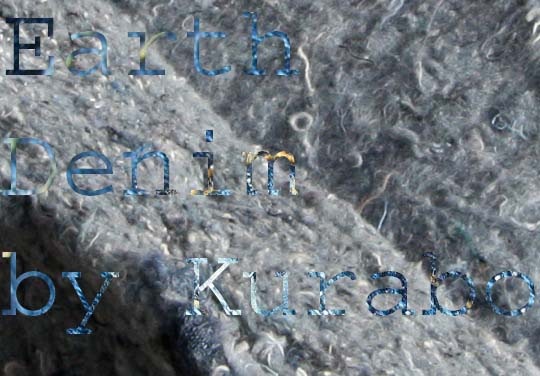
    Kurabo Denim’s Earth Denim does precisely that.  Kurabo has ventured to contribute to reduction in Carbon Dioxide emissions by not burning its denim waste and instead recycling it back as a premium denim !


    The Earth Denim is made in three steps:

    1. Textile wastes from Kurabo’s manufacturing process are collected and dyed.
    2. Then they are broken up into fiber forms, mixed with virgin cotton, spun into yarn.
    3. This yarn is  then dyed in indigo.
      Because parts of the newly spun yarn are already colored at the beginning of the process, Kurabo doesn’t need to use a sulphuric dye necessary for deep color. Only indigo dyeing is required and it further reduces the requirement for chemicals.


    The best part is that this denim is positioned as a premium denim and it sells at $8/yard.. The Denim features features a white core and super-dark-blue color due to its unique makeup. West Coast (USA) designers  re-sponded to stretch and rigid denim with a vintage look.

    I think this is a good example of innovative thinking whereby the company shall be helping the environment as well their own kitty.

    However, it also needs to be remembered that only mills with this kind of fame can encash such innovative developments as lesser known mills will not get the price that may be required to cover the cost of such a product.

    Another noteworthy point is that the need to recycle such wastes is a more urgent requirement for developed nations as in developing economies, such wastes are automatically recycled because there is a market for almost every kind of waste ..


    Note:Check out the Denim Mills Directory for links to Kurabo and other Japanese denim mills.

  • Japanese denim specialities explained by a denim expert-video

    Gordon Heffner is the owner of the Denim shop Blue in Green in New York. This shop is one of the best shops in the world for buying Japanese denims.
    In an interview to Tokyo Eye, Gordon tells about some specialities of the jeans from Japan and takes us through a tour of Tokyo denim market.
    Some highlights of the video:

    1. Have a look at Green tea dyed, Persimmon dyed or even MUD dyed jeans . Sugarcane denim made from 50% sugarcane extract is also interesting.
    2. Distressing of jeans: Can you age your jeans without destroying the fabric a little ? The normal techniques used for ageing the jeans are with sandblasting or sandpaper scrubbing. However, there are some solutions available which can age the jeans without affecting the fabric.
    3. Vintage Jeans: Can anyone spend upto 3 years to recreate a vintage a tattered 150 years old jeans? Some denim maniacs in Japan do
  • Japanese denim – Environment friendly jeans manufacturing attempts

    Japan Fashion Week recently concluded in Tokyo.
    Besides the usual show, there was an exhibition on the denim industry in Japan – Japan Blue.
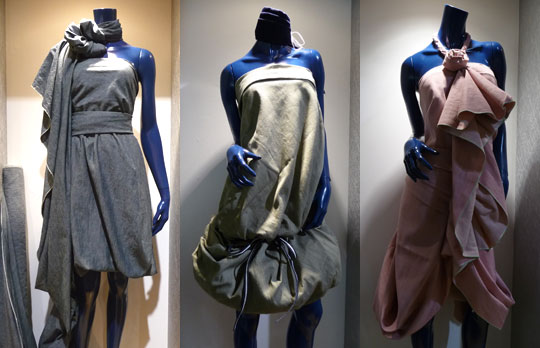
    The highlight of this exhibiton was that the Japanese denim industry is working on various ways to make the entire Denim/Jeans manufacturing process as environment friendly as possible.Denim fabric manufacturer Nisshinbo is using discarded banana stocks in its fabrics .Manufacturer Nihonmenpu is producing items dyed with natural mulberry lavender.See the photo below (left one is Nisshinbo fabrics and right ones are Nihonmenpu fabrics).

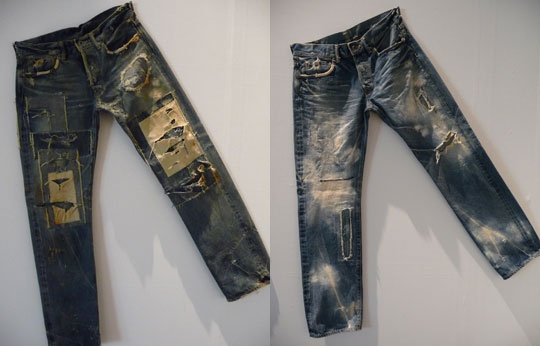
    There is also a very interesting attempt to reduce the water required to produce Jeans. One pair of Jeans supposedly takes around 200 litres of water to be produced . With billions of jeans produced around the world, a huge amount of water is used to manufacture jeans and the wastage is then released into the rivers and hence oceans. A Japanese company Howa is working on a technology to wash down the Jeans using OZONE and not water. It displayed the results from its experiments and here are some photographs.If this company succeeds in making this process commercially viable, it has huge implications for the denim industry. Not only will it has the possibility to reduce the water consumption for Jeans production drastically, but it can also help in denim/jeans manufacturing units to be put up in place where water is scarce.See here jeans washed by this method.

    Check more details on this exhibition here
    [ad#video-400]

  • Exports of Denim fabrics from Japan to USA (Years 2000-2007)

    It may be interesting to see how much Japan exports to the US and the EU. I did an analysis and here are the results.The results are not very surprising because exports to both the markets show some similar trends.
    The year 2004 & 2005 have been the best for exports to both EU and US. Though for exports to US , 2006 has also been the best
    The prices have been more or less stable over a period of time . In EU also the prices /kg have been more or less stable and so is the case in US. However, US shows an increase in average prices in 2007
    The decline in exports of denim fabrics is visible in 2006 in EU and in 2007 in USA
    If we extrapolate the figures of 5 months of 2007 for USA, then approximately 5.5 million square mtrs will be exported to US in 2007 against 6.2 million sq mtrs in 2006.
    Lets have a look :

    Year Quantity(Sq.Mtrs) Value(1000 Yen) Value(million USD) Price(USD/Sq.Mtr)
    2000 765045 379121 3.13 4.09
    2001 600841 323281 2.67 4.44
    2002 2047052 1013449 8.37 4.09
    2003 3534981 1768710 14.61 4.13
    2004 7987713 3943224 32.58 4.07
    2005 6132694 3137537 25.93 4.22
    2006 6219223 3441724 28.44 4.57
    2007(Jan-May) 2230106 1272908 10.51 4.71

    Source: The Customs Deptt of Japan

    Note: The exchange rate of USD to Yen has been taken as the current rate of
    121 Yen/USD