Tag: sustainable denim

  • ITMA 2015 – Sustainable Innovations

    ITMA 2015 – Sustainable Innovations

    ITMA is the world’s largest textile and garment machinery exhibition ,which is held every four years in a different country and has been always a focal point for a large number of highly qualified international visitors and top decision makers. Held in Milan this year after a 20 year gap, the show was welcomed not only by the city but by the industry as well.

    In the last few years there has been an increased , sustained and market pushed focus on sustainable technologies which could help in saving of energy, chemicals, water and other resources. In this article, we bring out information on some of the companies who showcased their sustainable technologies and products.

    Jeanologia , Spain

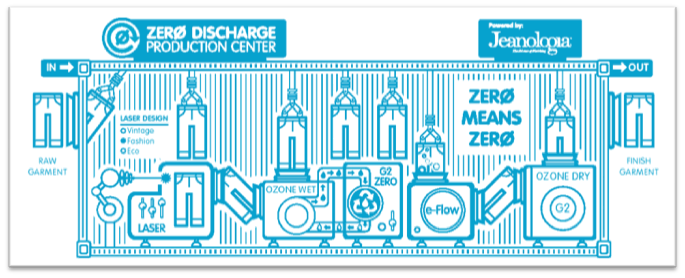
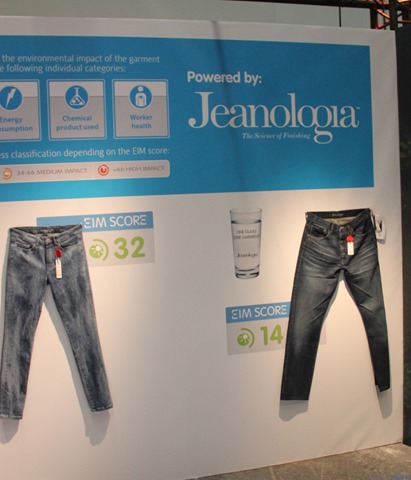
    Jeanologia presented a complete combination of machines which can enable the jeans manufacturer, as the company claims, to have ZERO contamination. The process involves usage of different machineries from the company to eliminate different environment harming steps. It involves-

    • Combination of  three main technologies – laser, wet and dry ozone G2, e-Flow nano bubbles – to reduce use of water and chemicals by 90% and energy by 50%.
    • Doing away with the usage of pumice stone , manual scraping and potassium permanganate by usage of advanced features of  laser which can be attached to existing laser machines.
    • The complete system to create a high level of eco-sustainability bringing ZERO contamination benefits to the producers.

    ITMA MILAN 2015 : Denimsandjeans.com

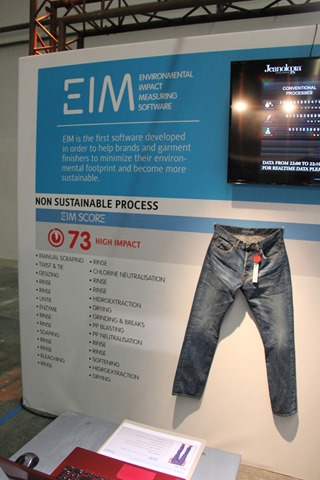
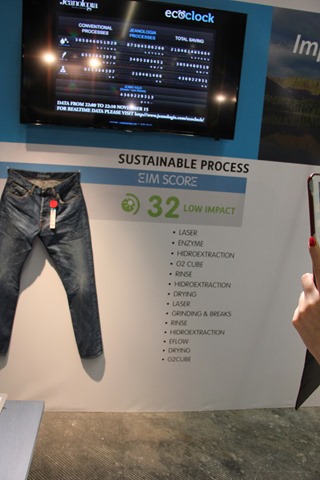
    The company calculates EIM – Environmental Impact Measure to arrive show how usage of different processes can make an impact on sustainable production.

    IMG_8988

    IMG_8989

    IMG_8996

    Tonello , Italy :  NoStone® And Water Brush

    In a collaboration with Levi Strauss & Co. ,Tonello announced the latest award winning technology – the NoStone®.  The new process is designed to overcome economic, mechanical and environmental limitations of existing stone-wash processes. The thrust of the innovation is to eliminate the use of pumice stone ,replacing it with a stainless –steel abraders ,attached to the washing machine. The process is entirely mechanical and not chemical in nature  and the company claims the following advantages of the process.

    The Advantages of NoStone are as under :

    • Eliminates usage of pumice stones
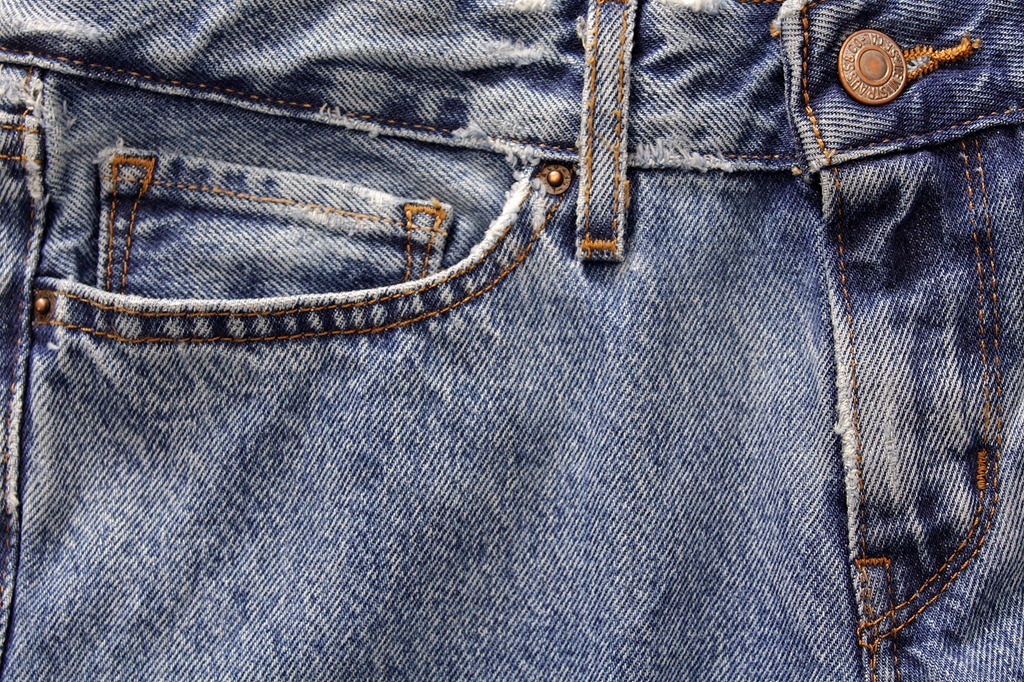
    • The effect is similar to that of of stone-wash
    • All logistics, transport, mining and storing activities related to stones can be done away with
    • Doing away with the costly cleaning and maintenance operations
    • No need to dispose the sludge, stones and to purify waste water.

    ITMA MILAN 2015 : Denimsandjeans.com

    ITMA MILAN 2015 : Denimsandjeans.com

    Water Brush By Tonello

    The second denim finishing technology announced by Tonello is the WATER BRUSH. The water brush helps whitening and abrasion process for jeans as it uses jets of water to bring out the abraded look on the jeans.   Unlike permanganate and manual brushing , which cause irritation and also harmful for the eyes ,skin as well as for the respiratory system , this Water Brush from Tonello is claimed to be totally ecological as it runs on water but consumes none. The water brush requires only one operator for its operation while the Permanganate and manual brushing needs considerable labour .

    In essence, the technology of Water Brush  consists of:

    • A robot that whitens and abrades the garment by spraying water under high pressure;

    • A central column to alternate two mannequins, one in the loading/unloading position and the other in the working position;

    • A tank for collecting the water, with a filtration and recirculation system.

    The system offers much reduced environmental impact and no health risk for the end user as the company claims.

    Officiana+39, Italy

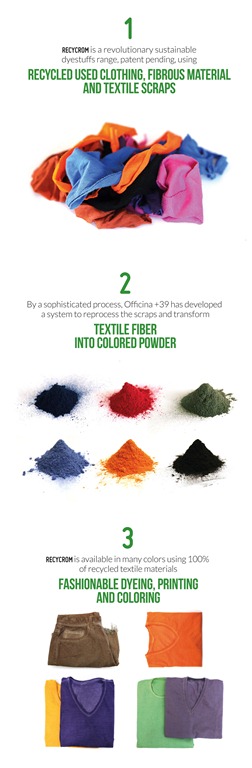
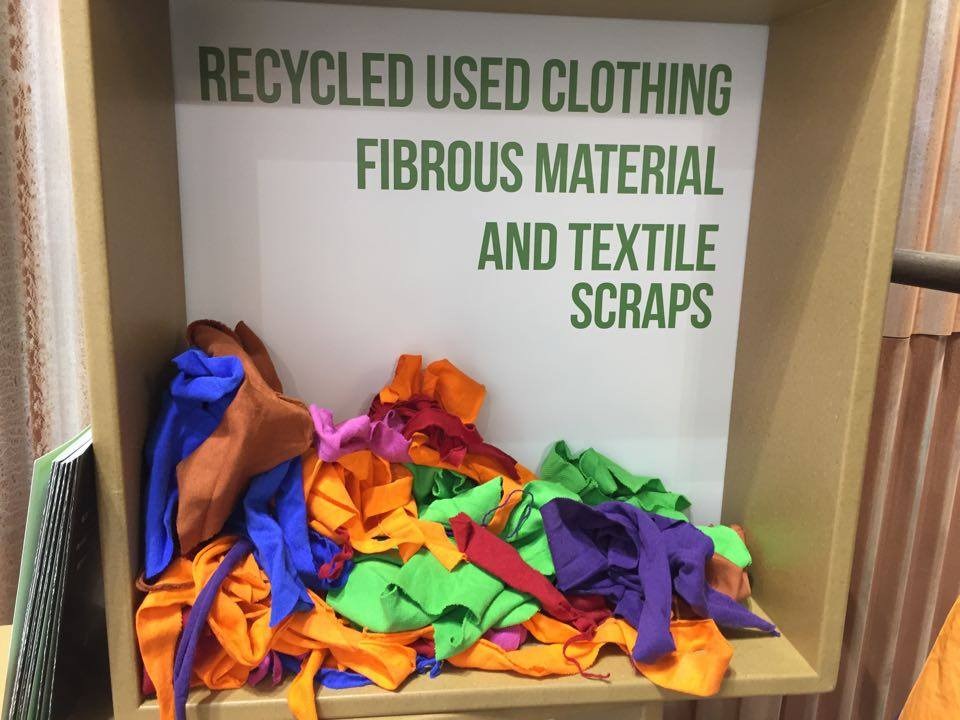
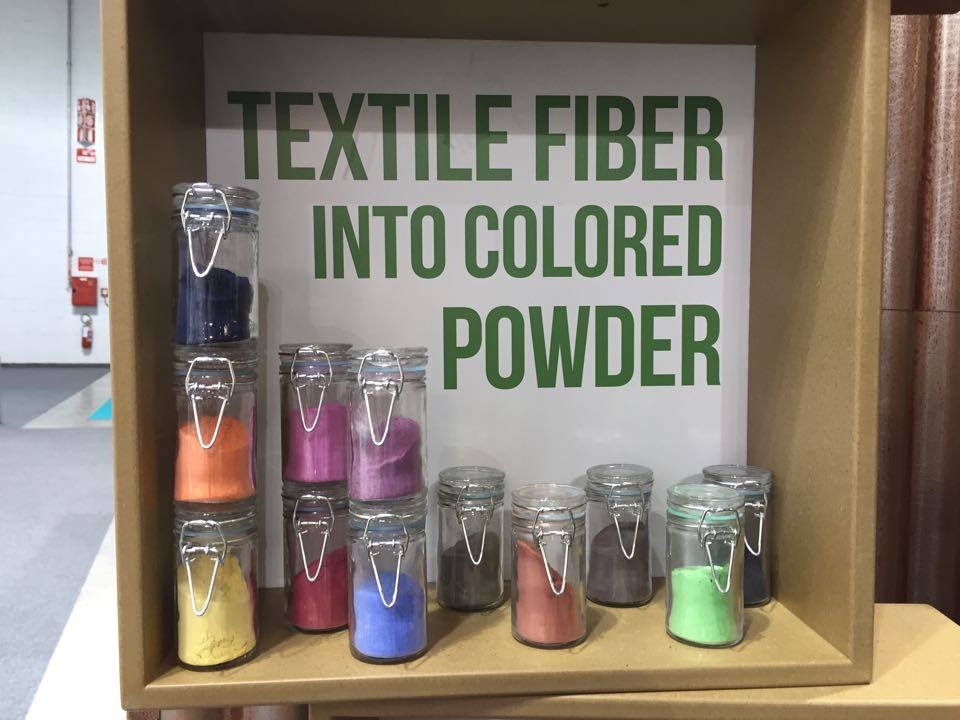
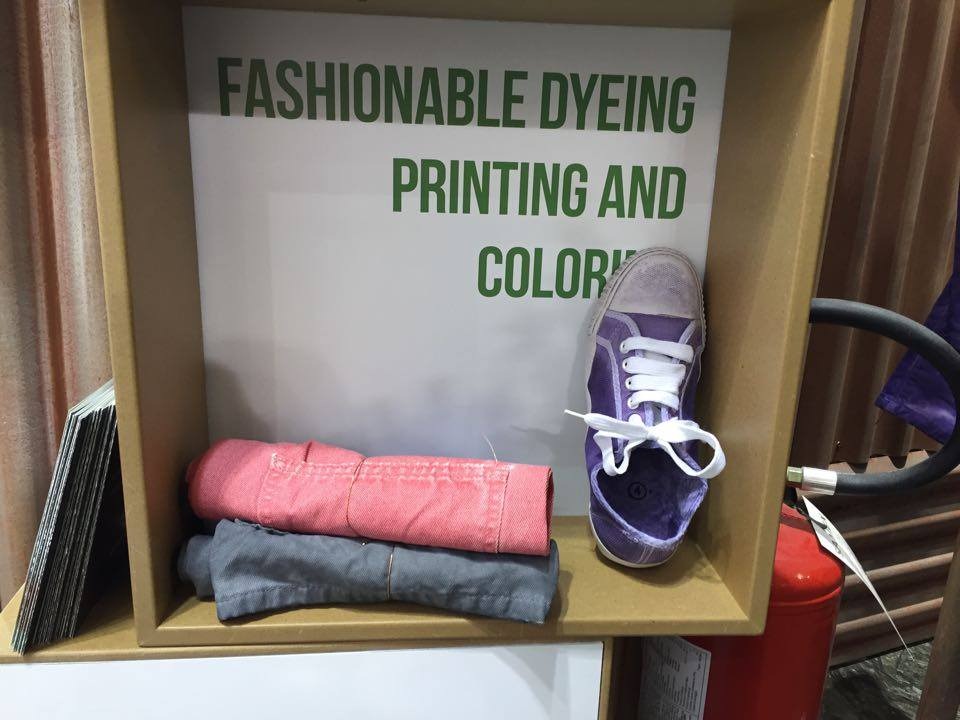
    The company brings out RECYCROM – the dye made with 100% recycled textile powder. Basically the process involves recycling used clothing material into colored powder and dyes . These dyes can then be used for dyeing various textile items with eco-sustainable inputs and not environment harming chemical dyes.

    ITMA MILAN 2015 : Denimsandjeans.com

    ITMA MILAN 2015 : Denimsandjeans.com

    ITMA MILAN 2015 : Denimsandjeans.com

    ITMA MILAN 2015 : Denimsandjeans.com

  • H&M Sustainability Report 2014

    H&M Sustainability Report 2014

    Recently H&M released its annual sustainability report for 2014. The document mentions in detail how the company is implementing more eco-friendly practices in its supply chain and stores to reduce the harm it causes the environment, as well as its efforts on a variety of social welfare issues such as gender equality and poverty alleviation.

    H&M manufactures at least 600 million items each year and operates more than 3,200 stores in 55 countries. If you include its subsidiary brands, such as COS, that number jumps above 3,500 stores, and the company is expanding its locations by 10% to 15% each year. To operate those stores—besides manufacturing and shiping the clothes —requires a staggering amount of resources, from energy-hungry cotton to electricity, oil, and water . Even if H&M manages to mitigate its environmental footprint slightly from one year to the next, its business continues to grow, and that footprint remains enormous—and far from sustainable.

    CEO Karl Johan Persson emphatically reiterates the integration of sustainability mantra in the DNA of H&M  as

    “Our business idea is to offer fashion and quality at the best price. It’s about the best value, not the cheapest price. Sustainability is an important part of this. We know that our customers, just as our colleagues, care more and more about it. And while we must be realistic about the fact that most customers are not prepared to pay more for added sustainability value, I am convinced that it will become an important differentiator in the future.”

    H&M Conscious

    H&M Conscious is the name of their work for a more sustainable fashion future. It’s consisting of seven commitments and is built on passion, long-term thinking and teamwork.

    “We want to make fashion sustainable and sustainability fashionable.”

    Seven Commitments

    H&M seeks to make seven commitments towards sustainability and measures its performance towards those commitments.

    1.Provide fashion for conscious customers:

    “Our goal is to increase the share of more sustainable fabrics and materials every year. We are constantly on the lookout for innovative materials and processes that can make our products more sustainable. “

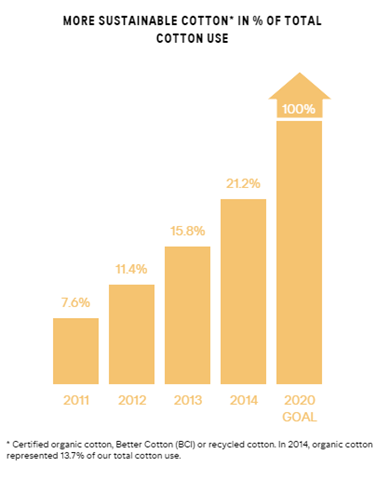
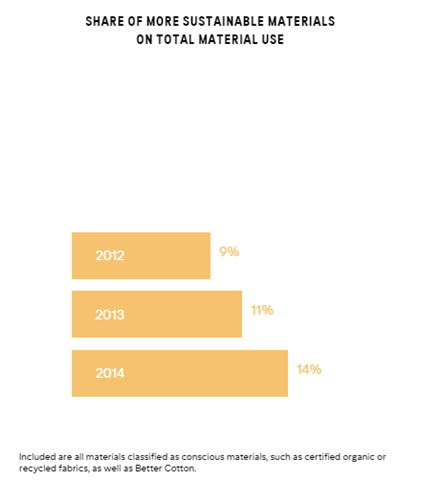
    H&M uses about 21% of total cotton consumed in the form of Organic Cotton, BCI or recycled cotton and is supposed to be No. 1 user of organic cotton according to textile exchange report of 2013. About 13.7% of all its materials consumed are in the form classified as conscious materials.

    sustainable cotton usage h&m

    sustainable material usage h&m

    2.Choose and reward responsible partners

    “We need to be a good partner ourselves. Our standards are high and we reward sustainability performance with better business. We work hard to ensure better livelihood and positive development in the communities where we operate.”

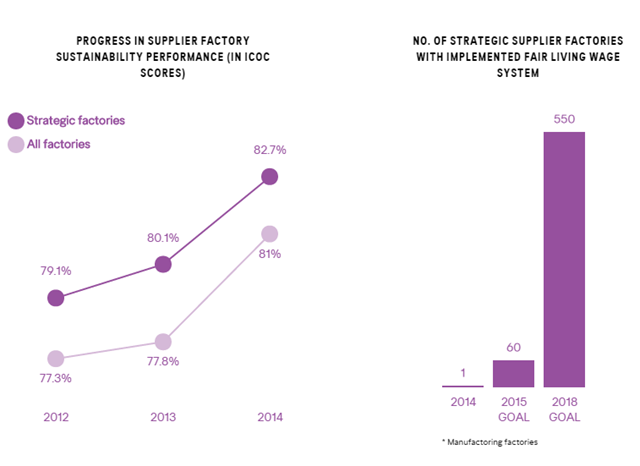
    H&M seeks to reward its responsible partners and seeks to make them more committed towards their workers and encourage role model factories. It seeks to have about 550 suppliers with fair living wage system by 2018.

    Supplier factories living wage

    3.Be ethical

    “We see diversity as an asset that makes us better and we want to set a good example wherever we operate. To us this means respecting human rights, taking a clear stand against corruption and embracing diversity and inclusion.”

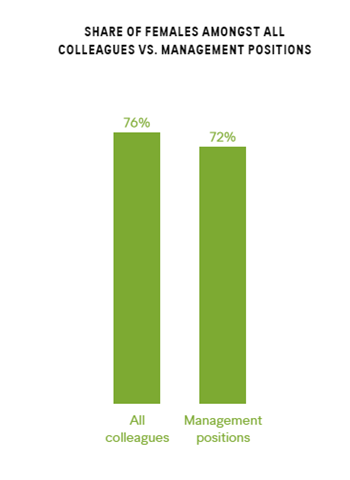
    One of the criteria that H&M takes for measuring being ethical is to employ more of female employees – though not a very right measure for the same. About 76% of their workforce is female and 72% of management positions are being held by them.

    Female employees in H&M


    4.Be climate smart

    “Tackling climate change is one of the major challenges of our time. Its consequences are as likely to affect us as everyone else on our planet, including our suppliers, colleagues and customers. So it is essential that we do everything we can to reduce climate impact – for example by only using renewable energy wherever possible.”

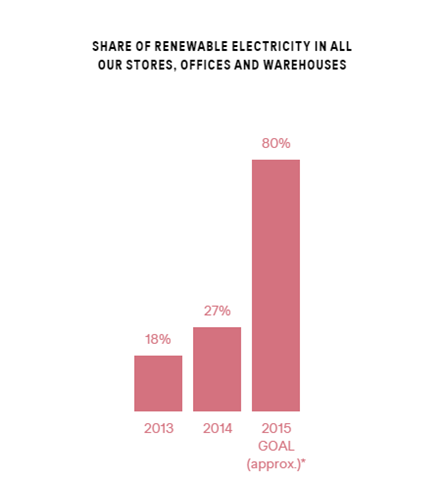
    Renewable energy is sought to be used in all stores, offices, warehouses of H&M (*100% in all markets, where this is feasible and renewable electricity is credibly available. This is currently not the case ,for example, in China or Peru).

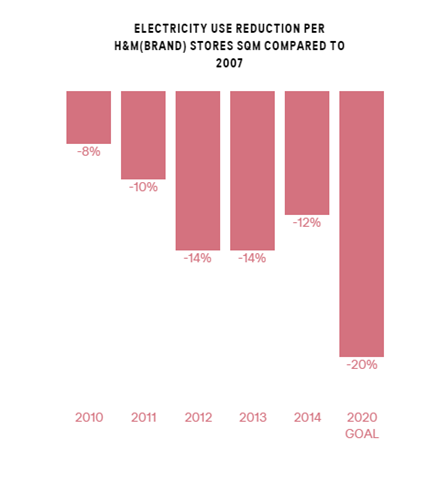
    Electricity use per sq. mtr of H&M brand store is sought to be reduced by 20% in 2015 compared to 2007 levels.


    Renewable Energy usage

    image


    5.Reduce, reuse, recycle :

    “We strive to reduce, reuse and recycle wherever we can. Our biggest concerns is that too much fashion ends up in landfill. That’s why we teamed up with I:Collect and created a the first global garment take back system.”


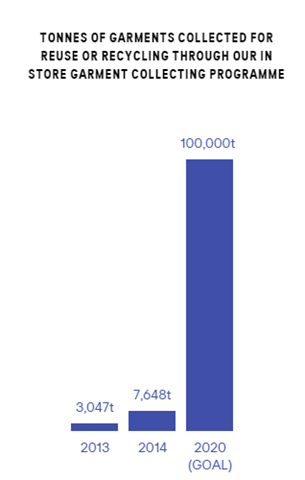
    Anyone can drop unwanted clothes at H&M and they will try to give it a new life. The goal is to create a closed loop where unwanted garments are recycled into new creations. Currently they claim to  blend in about 20% recycled fibres without any loss of quality or longevity. About 7600 tons of garments were collected for reuse or recycling through their in store garment collection programme. The target for 2020 is 100,000 tons – a very ambitious one indeed.

    Recycled garments collected by H&M


    6.Use natural resources responsibly

    “Making great fashion can require a lot of resources. Growing cotton, dyeing fabrics and washing our clothes all require significant water use. But natural resources aren’t endless.”

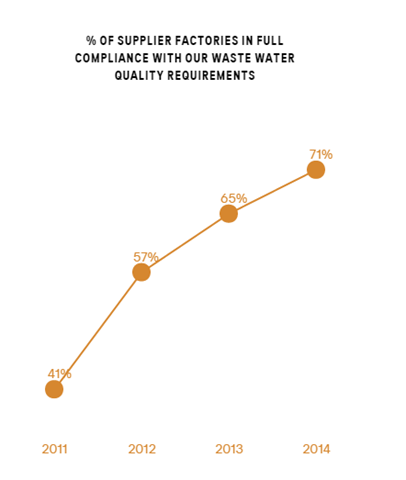
    H&M seeks to educate its suppliers on water conservation and compliance with waste water quality requirements.  Their internal guidelines on waster water quality are met by about 71% of total suppliers in 2014.

    Waste water quality requirments compliance


    7.Strengthen communities

    “Strengthening the communities around us is part of our responsibility. Prosperous and stable markets where human rights are respected, skills training are readily available and the eco-systems are healthy benefit our business.”

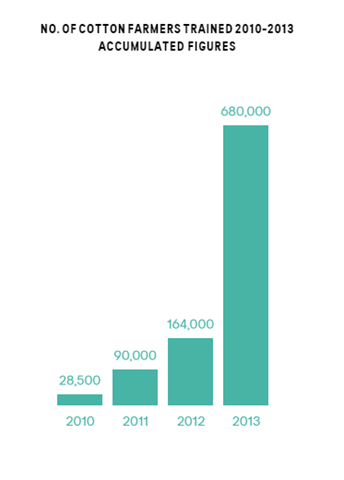
    Besides other activities of community involvement, H&M trains cotton farmers to do better crops. The numbers claimed are quite high !

    Cotton farmers trained by H&M

    While the report makes it clear that H&M is doing a good deal to lessen its impact, it is also a fact that the goal and fast fashion are inherently at odds. By its nature, fast fashion is a volume business, which is exactly what makes it a big strain on the planet. The proponents of fast fashion will try to always sell more and there is inherently the conflict with sustainability. H&M acknowledges that the sheer quantity of resources it consumes is a serious problem. In US alone about 10.5 million tons of clothes end up in landfills each year. Even if H&M ensures a large part of its clothing is organic or BCI cotton , still the landfills will be filled unless the garment recycling process becomes much more widespread and is taken up by a larger number of brands and retailers. H&M’s target of getting 100,000 tons of garments for reuse in 2020 will be still less than 1% of garments going to landfills in US alone. Currently it is about 0.2% of its own garments that are being recycled. The problem is endemic and needs industry wide awareness. However, still it is commendable that H&M has taken a lead which can offer example to other larger entities in this business.

    Sponsored link:


  • Tonello Presents World`s First Multi Color Laser System

    Tonello Presents World`s First Multi Color Laser System


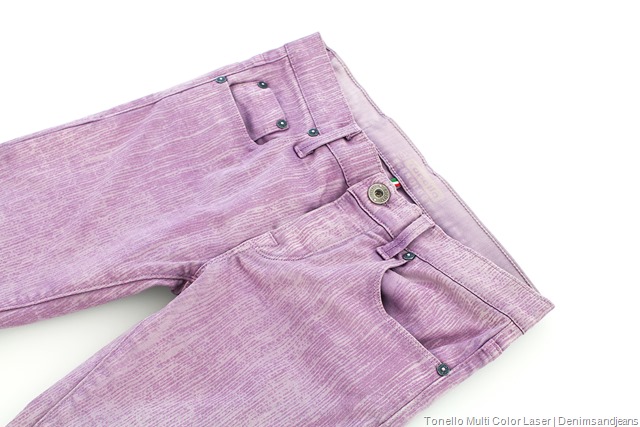
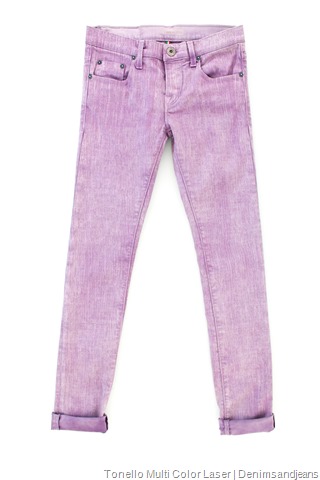
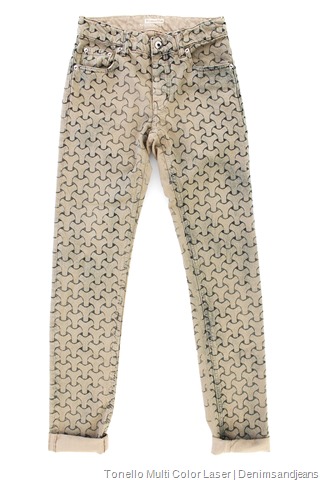
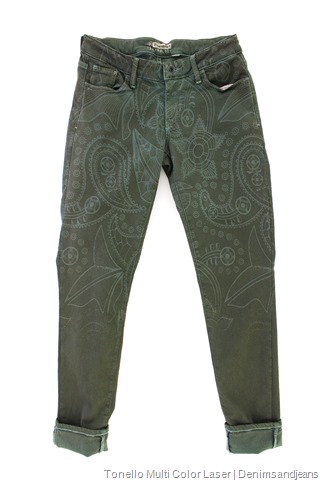
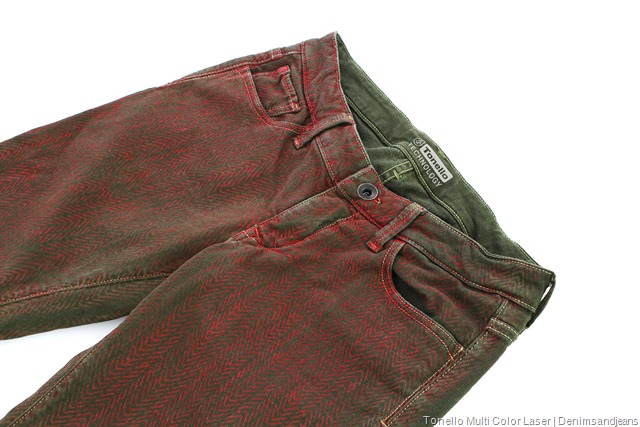
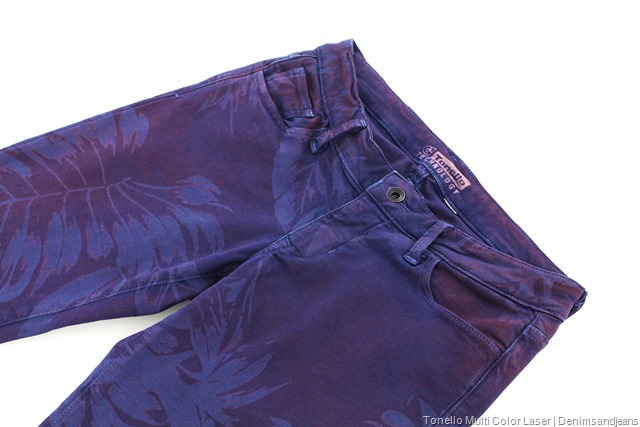
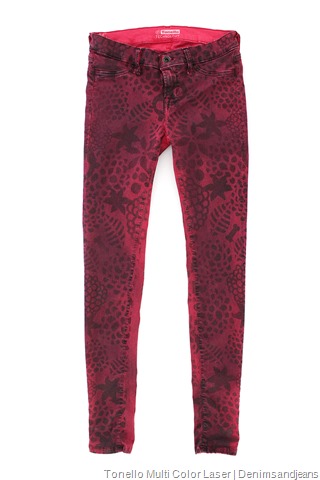
    Tonello presents Multicolour Laser which it claims is the first such laser system worldwide. .A special patent pending resin by Zaitex and Tonello specific research and know-how in laser treatment,enables them now to  colour denim and any other fabric . Multicolour Laser is the result of an accurate investigation combining a special resin with Tonello sustainable technologies. The study included several tests with the various parameters of Tonello Laser on different types of fabrics (e.g. cotton, leather, seamless fabric) each one with different kind of finishings and dyes. The resin is evenly applied onto the garments through Kit Batik, a special technology ensuring a good penetration and the less waste possible of the product used, which is then permanently imprinted on the fabric through a special setting of Tonello Laser.

    “Multicolour Laser is a truly revolution for the laser finishing market because it changes completely the concept of laser itself, until now used only to discolour or cut the fabric. Thanks to the in-depth study conducted by our Research Centre, we can now colour garments with laser, achieving results never seen before”, commented Flavio Tonello, Managing director of Tonello.

    So how does this new multi laser system work ?

    The new development exploits two of the most efficient Tonello technologies, especially in terms of sustainability: Kit Batik and Laser Blaze.

    1.Kit Batik is a special technology installable only on Tonello washing and dyeing machines which allows to apply resins and many other products inside of the machine, in a fully automatic way. The resin can be applied also manually through a spraying gun but with a huge waste of product and water. Kit Batik enables  constant saving of 96% of water and  87% of product (in the case of resins) – the company claims. It can be used to create color and special dyeing effects (e.g. Antarctic Batik, Multicolor Batik, Fading Batik) and to apply resins, eco-softeners, soil release, anti-stress, wrinkle free, water and oil repellent products and more besides on denim and ready to dye garments.

    2.Laser Blaze is the most recent model of laser machine developed by Tonello. The machine can recreate vintage effects such as localized wear, whiskers and breakages by means of the action of a laser beam. It can also create patterns, illusory holes, patches and tridimensional effects. Laser Blaze has the ability to treat all four positions of jeans-the company says.

    3.After the Batik process is done,  the garment is left to dry and then marked with a special setting of Tonello laser to permanently imprint the resin onto it. The company mentions that they have studied and worked for one year to achieve  the homogeneity of colour.
    After the laser marking, the garment is placed in their washing machine to wash away the resin from the parts of the garment not marked by the laser and the color effect is achieved.

    Tonello_multicolour_laser_ Denimsandjeans Tonello_multicolour_laser_ Denimsandjeans  Tonello_multicolour_laser_ Denimsandjeans Tonello_multicolour_laser_ Denimsandjeans  Tonello_multicolour_laser_ Denimsandjeans  Tonello_multicolour_laser_ Denimsandjeans   Tonello_multicolour_laser_ Denimsandjeans

  • Kassim Denim Project

    The London College of Fashion MA Fashion Futures course launched a project on speculative and futuristic denim apparel based on sustainable denim, which was supported by The Sustainable Angle, a non-profit body from UK and Kassim Textiles (Pakistan).Through the Future Fabrics Expo, The Sustainable Angle facilitated the sponsorship of the latest project from LCF’s MA Fashion Futures course, and sponsored by Kassim Textiles.This is a project that exercised the practice of speculative design. The aim of the project was to use design as a media to catalyze social discussion and debate over what life could be in the near future, to explore how to create clothes that make people think.
    One of the student’s projects contemplated using five steps to achieve that (Image credits – all images are from Caroline Yan Zheng’s (student at LCF ) project ‘Wearable Data’)

    1. Choose Data

    According to RAY KURZWEIL (author of the singularity is near) the average $1,000 laptop should be computing at the rate of the human brain in fewer than 9 years (that is the year 2023). Fast-forward another 23 years (that is the year 2043). and average $1,000 laptop is performing 100 million billion billion calculations  per second – which would be equivalent to all the brains of the entire human race.

    2. Visualize Data

    Denim Data

    3. Create Pattern for cutting and moulage

    Denim Data

    4. Create forms on body & experiment on finishing

    Futuristic Denim

    Futuristic Denim

    5. Creating The Final Designs

    Futuristic designs were created using the sustainable fabrics from Kassim Denim.

    Futuristic Denim

    Futuristic Denim

    We spoke to the Project Manager of The Sustainable Angle – Charlotte Turner, and London College Of Fashion MA Futures student Caroline Yan Zheng to understand what was the concept behind the whole project and how they see it contributing in influencing denim designs in coming times.

    1. How was this project conceived and what was the idea behind it

    Charlotte Turner, The Sustainable Angle –

    The Sustainable Angle have been working with educational establishments including the London College of Fashion and the Royal College of Art over recent years, to provide students with the opportunity to experience and learn about sustainable textiles. When the London College of Fashion MA Fashion Futures course leader approached us to set up a collaborative project, we thought that it was a great opportunity to bring in Kassim, a company with a strong commitment to becoming more sustainable, and engaging with students, our future industry leaders.

    Caroline Yan Zheng –

    Practicing speculative design is a major theme in my master degree studies. So this project is part of my practice to raise social reflections using fashion design. The question behind this project is to question the relation of science and technology, humanities and human identity, to raise the reflection of ‘are we ready to cope with the overwhelming development and smartness of artificial intelligence’.

    2. How do you think sustainability is a pillar of the project?

    Charlotte Turner, The Sustainable Angle –

    Within this project, each student had the space to explore what sustainability means to them, and to decide how to investigate and communicate this through their work. Sustainability should be inherently present in everything we do, and this project allowed the students to visualize their ideas in relation to sustainability in fashion and textiles, providing them with a platform to share it outside of the studio.

    Caroline Yan Zheng –

    Sustainability for me is not merely using sustainable material or up-cycling. Designers as the creators of things need to initiate from sustainable thinking. Asking questions and being speculative is a critical start of creating sustainability. Of course, as an embodiment of the concept, sustainable fabrics enhance the message.

    3. Do you think in near future consumers might be strongly attracted by the sustainability mantra?

    Charlotte Turner, The Sustainable Angle –

    We are already seeing a growing interest and concern about sustainability in fashion and textiles, as well as in other areas of design and production. At The Sustainable Angle we are seeing this first hand via the increasing number of visitors to the Future Fabrics Expo each year, attending to find out more about the latest developments in sustainable fashion and textiles, and through interest from all levels of the market for workshops on integrating sustainable thinking and sustainable textiles in to their collections. This is led in part by consumer demand, and partly by an industry that knows it must reduce it’s negative environmental and social impact now.

    Caroline Yan Zheng –

    Yes, absolutely. But it won¹t be limited to a showcase of a series of products marketed as sustainable, it will be sustainable thinking and sustainable lifestyle. This is not only to maintain the environment we live in but also to sustain human identity.

    4. Your designs are very futuristic. Why do you think consumers could go for such designs?

    Futuristic Denim

    Caroline Yan Zheng –

    For people who are thoughtful and reflective, this type of design will echo their ideas. Instead of being dressed in trendy fashion whose standard of beauty is defined by others for a surface value, to dress to be reminded to reflect or to demonstrate personal messages is definitely appealing for many.

    We also spoke to Sohail Ahmed at KassimDenim to take their views on this project :

    a) What was the the thought behind to promote this project by Kassim Textiles?

        We at Kassim textiles always believe in progress, and on this belief when we were approached by The Sustainable Angle to assist the students of LCF, we felt obligated to participate in these projects. This was our way of helping out future tex-perts complete their studies and step into the real world.

    b) How do you think the consumer can be made aware of the fabric part of sustainability?

         The enlightened consumer of today is aware of the eco situation with drastic changes in the climate, problems in the water resources etc. hence they tend to be more cautious of what they buy. The less enlightened consumers group is either unaware or has lack of empathy, and organizations like The Sustainable Angle educate these masses, reaching out to them with online literatures, lectures, expos etc. and then we ,as producers ,should play our role in supporting such organizations in every possible way.

    c) Do you envisage a major changes in apparel designs to take care of sustainability aspect ?

        It has been slow, but yes the trend towards sustainability is now becoming a big factor in the textile industry and apparel designs, and I believe that in not the distant future, sustainability will be the major factor. 

    About

    The Sustainable Angle is an award winning not for profit organization which initiates and supports projects which contribute to minimizing the environmental impact of industry and society. Their biggest project to date, the Future Fabrics Expo focuses on the fashion industry and how its environmental impact can be lowered through innovation in the textile industry, and novel ideas to transform the fashion system and design practice.

    Fashion SVP is a fashion manufacturing sourcing event comprising an exhibition showcase and industry seminars, presenting retail, brand and wholesaler/importer buyers with local region producers (UK, European and Mediterranean) of casual and formal fashion garments, workwear, outdoor wear and accessories. Launched in 2011, the show is currently co-located with the established fashion stock event, Off-Price Show London.

    Kassim Textiles (Pakistan) use primarily natural fibres to create their denims, combining certified organic cotton with linen and cellulosic fibres to create diverse denims for the international fashion market. The company has achieved a wide range of internationally recognized environmental certifications including GOTS, Oeko-Tex, and OE100, and will have a range of their denims showcased in the 4th Future Fabrics Expo on 28th – 30th September 2014 at Fashion SVP, London.

    MA Fashion Futures at the London College of Fashion is a ground-breaking design course at the London College of Fashion that combines practice with theory to evolve sustainable solutions for the fashion industry.

  • Copenhagen Fashion Summit | Isko Denim Challenge

    On April 24th took place in Copenhagen one of the most important events for the fashion industry and sustainability: the Copenhagen Fashion Summit, a biennial event organized by the Danish Fashion Institute on behalf of the Nordic Fashion Association, where more than 1,100 companies from 34 countries confronted themselves with sustainability among the fashion industry.

    The event was inaugurated by the presence of the Princess Mary of Denmark and 23 speakers participated in the summit, for example Livia Firth of Eco-Age Ldt., Alan Roberts of Bangladesh Accord on Fire and Building Safety, Vanessa Friedman – fashion editor of the Financial Times – and Helena Helmersson of H&M.

    Industry leaders were gathered with the mission of discussing solutions that can come to terms with the fact that the fashion industry is one of the world’s most polluting industries.

    Among the outcomes was the launch of Clevercare.info, a care label aiming to educate consumers to care for their clothes in a more sustainable way. Another solution presented was the project Restart Fashion: Five Easy Steps to Sustainability; an online platform helping designers make more sustainable choices in the design and production process.

    Some of the quotes from the summit were quite incisive and thought provoking .

    “Sixty million people work in the fashion industry globally and it is an industry worth 2.5 trillion dollars, yet somehow we have divorced the clothes we buy from the fact that living, breathing people make them”. “It’s a case of out of sight, out of mind. We cannot keep eating from this big, cheap fashion pile without thinking about who made our clothes.” –Livia Firth, Eco-Age Ltd.

    H&M feels that there is an increased push from the consumers to bring out ethical clothing.

    H&M has carried out a research that suggests their shoppers are 21% more interested in ethical clothing than they were a year ago. “Ethical clothes only work when they look good and are affordable.” –Helena Helmersson, head of sustainability at H&M

    “Designers are expected to do six to eight collections a year; high-street retailers bring new collections in every week. The system is based on planned obsolescence, and guess what? It is unsustainable. – Vanessa Friedman, journalist, Financial times

    quote source:huginbiz.com

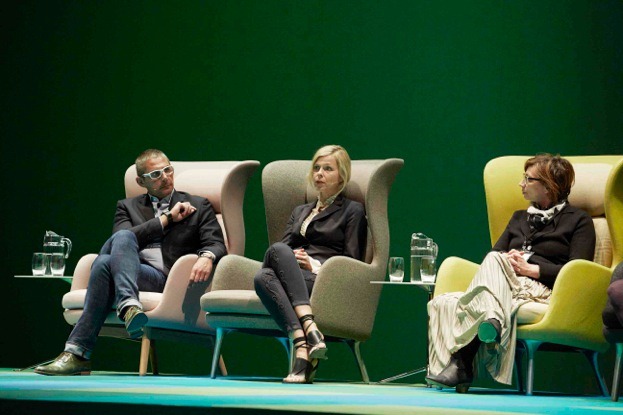
    ISKOâ„¢, that always focuses its activity on innovation, was one of the sponsors of this event and participating in the panel discussion about innovative materials, together with Chantal Malingrey-Perrin – Marketing Director Première Vision, Giusy Bettoni – CEO and Founder C.L.A.S.S., Catarina Midby – Head of Sustainable Fashion H&M.

    Panel debate 01 - Copenhagen Fashion Summit 

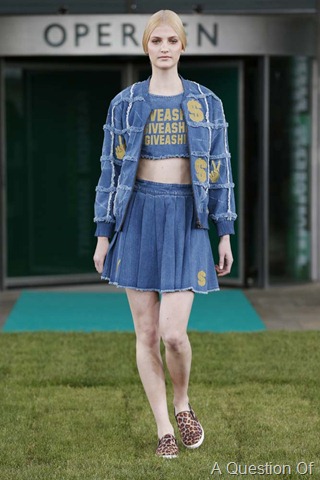
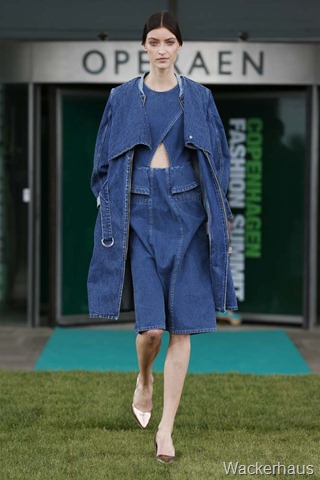
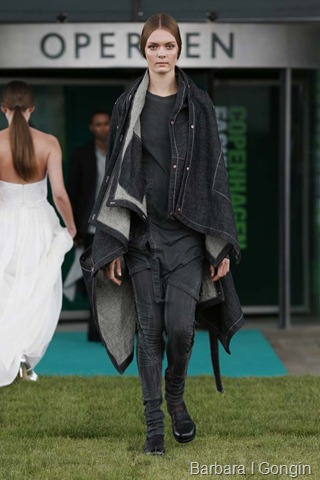
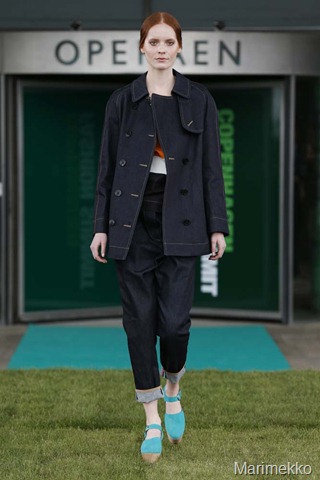
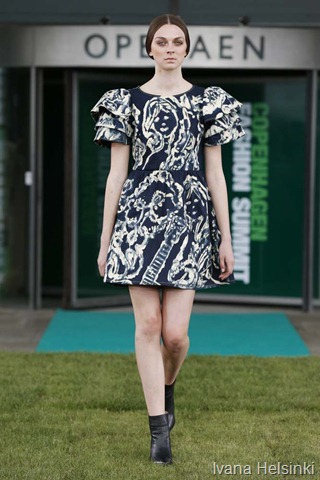
    In addition, ISKOâ„¢ (Turkey) also promoted the Denim Challenge dedicated to 5 emerging designers that had the opportunity to realize their designs in collaboration with Creative Room â„¢ , ISKOâ„¢ division  for style and research. Each of them presented their designs and the designers  Barbara i Gongini and Paola SuhÖnen from  Ivana Helsinki got the accolades and were declared winners. We are giving below a design from each of the five designers with their brand names on the images.

    Ivana Helsinki 03 - Copenhagen Fashion Summit A Question Of 01 - Copenhagen Fashion Summit Wackerhaus 01 - Copenhagen Fashion Summit

    Barbara I Gongini 03 - Copenhagen Fashion Summit Marimekko 03 - Copenhagen Fashion Summit

    The panelists felicitated the two designers saying

    ”Barbara i Gongini put an edge to sustainability with fantastic and sexy styles. She re-thought denim and understood how to transform it into her DNA. Very inspirational"

    "Ivana Helsinki’s collection is like an artist’s canvas. It’s a new way to look at denim, especially as she works with volume in a very unique way. And in addition, the styles are easy to transform from day use to night use only by accessorising differently.

  • Sustainable Denim – Eco-Labeling and Environmentally Friendly Denim Production

    This is a guest article by  Dr. Wolfgang Schrott, University of Applied Sciences Hof  on sustainable denim .

    Denim, especially Blue Jeans, is meanwhile the biggest article segment in the textile industry. Besides many colors and shade variations, effects and cuts, which ongoing changes with the fashion, many brands have combined from the beginning of the denim fashion in the 60s a promotional message with their advertisement campaigns. From the “Young Rebels” (60s), “Western Style” (70s), “US lifestyle” (80s), “Italian Fashion” (90s) the today’s pre-dominate message is “leisurewear for young and old”. In combination with general lifestyle slogans many brands added also an ecological message as the environmental awareness is picking up in well-situated customer segments.

    This eco-positioning of the brand was communicated with the customers via adverts and hang tags on the jeans and pointed out a singular aspect out of the total denim production chain. Therefore the today’s eco labelling does not cover the entire jeans production, although the message is closely related to the offered blue jeans in the point of sales.

    Since the beginning of the millennium different detached eco messages could be seen on fairs and in the shops, covering environmental as well as social aspects of the denim production, but all failed in achieving a sustainable sales support.

    This might be a proof that the – especially eco-sensitive – consumer is not as uninformed as many marketing and advertising experts do believe. On the other hand many eco-relevant production aspects are no longer actively promoted but are declared as standard in case of requesting for them. This is the case for child labor as well as or the avoidance of sandblasting as well as for the avoiding of banned products and processes (poisonous or hazardous products and processes, e.g. heavy metals, carcinogenic, mutagenic or toxic to fish and aqueous organisms products).

    Organic Denim

    organic denim Looking back onto the last 10 years of eco-relevant marketing of denim articles, this started with a big campaign for “Organic”. It was a marketing campaign for organic cotton, which is a strict regulated cotton growing under natural condition, avoiding all kind of synthetic product support. From the very beginning of this campaign we pointed out, that the limitations of the organic cotton growing causes inefficient yield of the limited soil, need far more irrigation and less optimal cotton quality. Although higher effort in the total production chain of organic products is necessary (e.g. separation from the regular cotton production lines), many well known denim producer invested in the organic production to be prepared for the consumer’s demand caused by the organic promotion. Due to the limited organic cotton production, at the beginning of the organic campaign many cotton articles had been labeled with Organic hang tags, although they contained less than 5% organic cotton and more than 95% regular cotton. This mislabeling was stopped by the GOTS organization and today only articles with majority of organic cotton as substrate are allowed to be labeled with “Organic”.

    Natural Jeans

    In parallel to the organic-campaign several brands used the consumers demand for natural products to offer a natural jeans, being a Blue Jeans not only produced out of organic cotton but also dyed with natural indigo. Earlier evaluations by DyStar Textilfarben GmbH showed clearly, that natural indigo is – as well as organic cotton – not only not available to the market’s demand (therefore many natural indigo samples were identified as mixtures from natural and synthetic indigo) but also the eco balance of the natural indigo dyestuff production process in total is in disfavor compared with an environmental optimized indigo synthesis. Still today the indigo production process developed by BASF Aktiengesellschaft and the pre-reduced indigo (as 40% solution) established in the global denim market by DyStar Textilfarben GmbH are perceived as Best Available Technology (BAT). Besides the low yield of the natural indigo production in plants, a problem is caused by the insolubility of indigo in water. Therefore for the extraction of indigo from the natural plant big amounts of alkali is necessary, which regularly contains small amounts of heavy metals. After the dyeing process most of the heavy metal can be found on the Blue Jeans.

    Dyeing Process

    Also, for the synthetic indigo the production process and the purification process of the primary indigo as well as the finished product is a most important quality issue for the indigo dyeing result as well as the amount of the necessary reducing agent. Aniline is luckily no longer an issue since this starting material for the indigo synthesis during purification and finish of the commercial product is diminished below critical limits. Based on the eco-efficiency analysis, developed by BASF, it was shown already in 2000 that the total eco balance of the production of Blue Jeans based on pre-reduced indigo and using the electrochemical dyeing process is the optimum.

    The electrochemical dyeing (ECD) process, which was proven in lab and pilot plant scale but is not yet established in the market place, replaces the chemical reducing agent hydrosulfite completely by electrons from the main. This technology reduces waste water pollution significantly and betters the ecological and economical situation in the dye house. Unfortunately this new technology was not supported by a labeling concept from retailers. Therefore the big denim producers were afraid to invest into the new machinery, needed for the ECD process.

    This is also the situation in sulphur dyeing, especially with C.I. Sulphur Black 1, the most important dyestuff for black denim, which is also used for topping and bottoming of dark indigo blue dyeing and needs a lot of environmentally critical sulphur based reducing agents. Instead of using the electrochemical dyeing process and avoiding all type of chemical reducing agents, today in sulphur dyeing the environmentally non hesitating glucose is used as best option, which causes in the necessary quantities huge COD- and CSB values in the effluent.

    After dyeing the cotton yarn and weaving the denim fabric is partly treated for special effects before cutting and sewing to garments. The blue denim fabric can be dyed in regular dyeing machines or printed or coated. The minimal application technologies are in this part of the production chain environmentally most friendly. A first production scale installation based on the patented foam application was realized by Gaston Systems at Orta Anadolu in Kayseri/Turkey.

    Garment Treatments And Washing

    Garments are mostly treated with physical and/or chemical methods to achieve special effects; especially for denim, the typically worn (vintage) look. Among the chemical methods the chlorine bleach (based on sodium hypochlorite) was widely used but disappeared – at least in Europe – due to the AOX problematic. Also special processes, e.g. the patented “moon wash”, based on a potassium permanganate bleach is no longer common. Achieving different, more cleaner, looks the peroxide, oxygen and ozone bleach is picking up in garment finish due to less environmental impact.

    Instead of chemical methods and besides the established stone wash other mechanical processes (labor intensive) and laser application (investment) are increasing. The economically preferred sandblasting is banned by many brands since health problems at workers were detected.

    The last production step in the denim chain is the final washing of the garments in industrial laundry machines. In this machines the garments can also be over-dyed with other dyestuffs (direct dyes, reactive dyes, pigments) or treated (finished) with other effect chemicals*) for special effects (e.g. soft hand, shine). As long as the used dyestuffs and effect chemicals are environmentally friendly, the most important impact in the laundries is the big quantity of water used and the high load of effluent produced there, because all process chemicals**) from the entire denim production chain are replaced from the raw jeans into the waste water. Therefore the knowledge about the previous production processes and an optimal wash-off process is essential for the environment, as well as an efficient waste water treatment plant.

    On the latest BREAD & BUTTER fair (July 2011 in Berlin), one of the most important fairs for the denim brands, only few environmental aspects were promoted actively this time. Among them the saving of water in the laundries was predominant.

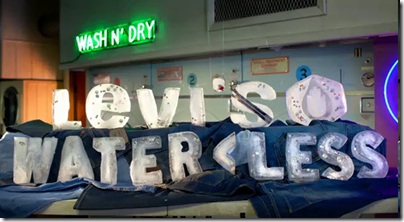
    The US based denim giant Levis, which was ongoing promoting eco effects during the last years, presented now a “waterless” concept, achieving alevis water less denim jeans significant saving of water in the denim finish. One element of the concept is the use of ozone as bleaching agent. At least the efficiency of the process compared with other treatments (denim finish processes including washing) can only be quantified, if – neglecting the many fashion and effect orientated processes – exactly specified standard washing processes are defined. This proposal was already established by DyStar Textilfarben GmbH with its pre-reduced indigo customers in the quality control of indigo dyeing (the wash down behavior is an important quality criterion for the indigo dyeing [ring dyeing]). The actual discussion and marketing concepts of global denim brands is forcing to establish a wash-off standard to avoid mislabeling again.

    As well shown on BREAD & BUTTER by Japan Rags was a patented water-free denim finish “ Japan-RAGS ZERO ”, which – for the time being limited to six shades – is an ozone based finish process without of any water. This is hardly understandable due to the normally necessary wet of the substrate. On the other hand a totally water free garment finish means that all process chemicals**) from the denim production chain remains in the final blue jeans and can be removed firstly in the household wash by the consumer. Based on a total environmental evaluation of the Blue Jeans , this cannot be the optimum .

    The eco-awareness meanwhile has arrived at the big denim finisher (laundries), as many of their activities show. The German Jeans maker Joker Jeans had already years ago heavily invested in an ozonisation of its waste water treatment system in Southern Germany.

    Freshtex, Heilbronn/Germany , meanwhile producing in 10 countries as global player in the denim industry, has announced this year a company-wide recycling concept, which will be marketed and communicated by an own sustainability label. Also the Italian Martelli Group, one of the globally most innovative denim finisher, has presented in 2011 a new ecologically preferable finishing concept which supports a particular production step . The used products  are removed after “having done the job” mostly by washing off into the waste water.

    Recycling Denim

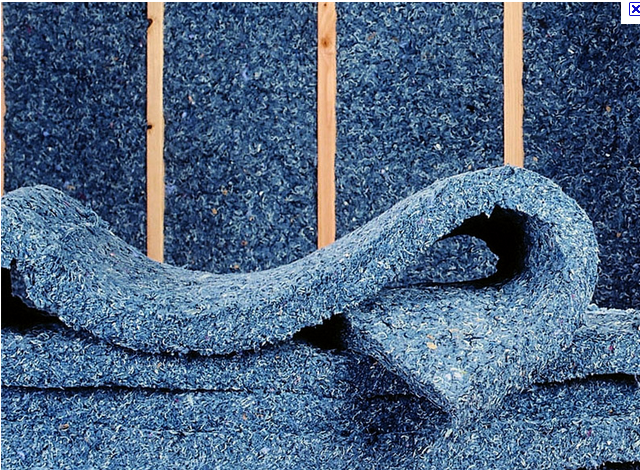
    Another eco-relevant theme in the textile and especially in the denim industry is “Recycling”. In the past there could be found different approaches and realization by different producers and brands. The mostdenim insultation important directions are re-use of waste and raw materials in the production chain (e.g. cotton, process water) and the recycling of fabric , used garments and all kinds of textile waste for other application segments (e.g. fleece or non-textile application like isolation material). At least for accessories, e.g. Denim Bags, denim waste from the production was used.
    A ‘real’ denim recycling starting from worn out Blue Jeans as raw material in the denim production chain, as established in the paper industry for packing and newspaper, was evaluated only from few producers, e.g. Orta Anadolu in Kayseri/Turkey. The article segment is big enough to achieve a technical and economical interesting process, if several big denim brands would agree in a mutual concept. For this concept only the absence of non-recyclable raw materials is necessary. Then, a pure cotton Blue Jeans could be liberated from all metal parts and labels and shreddered. The shreddered denim, mainly cellulosic material, could be similarly deinked as realized in the paper industry for another origin of cellulosic material. The so achieved recycling cotton could as is or as mix with fresh cotton used again as raw material in the denim production chain. This “real denim recycling” could become more attractive for the consumer by launching a pledge (for a recyclable jeans). Additionally such an “R-Jeans” would generate an attractive marketing concept, especially for the growing, environmental-conscious customers.

    Which ideas remain to a technical orientated visitor of the last denim fashion fairs?

    Nothing really new – more labels, more action, hopefully in the right direction!

    What is the right direction regarding an environmental friendly denim production ?

    Surely a sustainable denim production has in terms of the eco-efficiency analysis to show an optimum for the environment as well as to be commercial feasible. The development and comparison of sustainable denim production processes therefore should be measured by the eco-efficiency analysis procedure.

    In principle, innovative and eco-friendly products and processes should be economically attractive if the cost for waste water cleaning and other environmental protection initiatives are calculated  realistically. Most important for all ecological evaluations and comparisons of Blue Denim production concepts is the aspect, that the entire denim production chain is compared, because many process steps and products used in it have implementations on the following production step(s). Therefore only a total process comparison can offer a real comparison.

    This total process approach was firstly presented 2006 by DyStar Textilfarben GmbH in its econfidence® denim concept. Unfortunately, this concept could not fully realized in the denim industry due to the insolvency of DyStar Textilfarben GmbH. Examples out of the concept for a sustainable denim production are: Electrochemical dyeing (ECD)  on rope and slasher dyeing ranges, Minimal Application Processes in the denim production, electrochemical dyeing (ECD) and especially  electrochemical bleaching (ECB) in garment dyeing/finishing machines (laundry machines), combination processes and recycling concepts in denim laundries and garment finishing mills, eco-efficiency evaluation of denim processes (analogously to econfidence® Denim).

    The today’s Best Available Technology (BAT) in denim production as well as the future denim production trends are summarized in a separate publication of the author (in preparation). The result out of this publication can be summarized as follows:

    Summary

    The sustainable denim production in future will be always a process, involving all single steps of the entire denim production chain. Hereby, the optimum comes from harmonizing the used products, machinery equipment and process parameters to an optimum. In this process of development it would be very helpful, if the retailers (global jeans brands) could not only implement a global jeans recycling concept but also orientate the future eco-labeling on BAT parameters. Minimizing environmental impact and cost in the denim production will mean the use of minimal resources, chemicals, energy and water as well as minimal CO2 emission.

    Notes:

    *) effect chemicals: products, e.g. dyestuffs, optical brighteners, softeners, which causes a special effect on the textile material and keeps on the garment  during wearing.
    **) process chemicals: products, e.g. reducing agents dispersing agents, detergents which supports a particular production step and which are removed after “having done the job” mostly by washing off into the waste water.

    clip_image002Dr. Wolfgang Schrott has more than 25 years experience in the chemistry and textile industry with BASF SE and DyStar Textilfarben GmbH. He has always been focusing on sustainable concepts based in environmental friendly products and processes and developed many new products and machinery equipment. The last 15 years he was focusing on the denim production process and is a specialist in textile dyestuffs. Besides business consultancy he is now teaching as professor for textile chemistry and ecology at the University of Applied Sciences in Hof, Germany.  Contact him by email here
  • Denim Processing & Finishing in Environmentally Friendly Context

    Nowadays, when it comes to eco-friendly treatments within the denim industry, there seems to be no shortage of innovative views, technological progression or the investments as witnessed by the attendees of last December’s AATCC Denim and Sustainability symposium. Instead, the difficulty lies in the power to implement the green solutions into the apparel market. Naturally, no long-lasting change happens over night.

    Reasons vary throughout the supply chain: from short term pricing issues to lack of education concerning the production methods and or simple reluctance of companies as well as consumers to embrace a breath of fresh air in the way they conduct their business and or lead their lives.

    Having identified the problems, three potential answers echoed throughout the guest lectures.

    1. A first observation is that there is an enormous need for an interdisciplinary consideration, education and open dialogue regarding the methods and technologies involved from the beginning phase of raw material sourcing through design, production and the consumer use stages.
    2. Secondly in order for the fresh ideas to fully materialize, one should not disregard the importance of the collaboration between the ground-breaking developments and the capital intensive apparel manufacturers.
    3. Thirdly, we can all agree that retail is saturated with insincere “green” claims which cause mass confusion. To deliver honest products into the market manufacturers must adhere to the existing laws, employ appropriate testing policies and allow for transparency throughout the value chain. Putting the same into practice seems to be the most problematic as it requires additional research, time and advanced education. As a remedy to these issues, a multidisciplinary minded team of faculty and students at the University of Delaware Department of Fashion and Apparel Studies have joined forces with key industry partners and developed 10 business policies which aim to cultivate positive economic, environmental, and social benefits for the world and its inhabitants.
    The two day AATCC conference was packed with informative presentations and inspiring discussions between academics, industry professionals, policy makers and students. Considering the nature of Denims and Jeans blog, this article will highlight four environmentally friendly dying/laundering solutions presented at the symposium. Notably, the examples discussed below have actually surpassed the market barriers and are becoming vastly embraced.

    1.The “Holy Grail” of denim the Levi’s ® brand-did research regarding a life cycle assessment of pair of their Levi’s ® 501 jeans. They found 58% of climate change impact happens at the consumer-use phase. Together with Goodwill International, Levis Strauss & Co. launched the “Care Tag for Our Planet” campaign. This collaborative project shares the data from the lifecycle assessment and educates consumers about the benefits of cold washing, line drying and donating used clothing to keep it out of landfills.

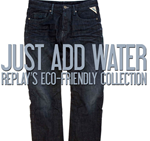
    2.The Advanced Denim presentation by Clariant addressed Diresul RDT® range of dyes and the PAD-OX® Process. Their new low sulphide content dyestuff can achieve various indigo shades without the actual use of imagesynthetic indigo. The Pad-OX® process manages to condense the typical 10-12 step indigo dying procedure into 4, consequently reducing water consumption and water clean up by 60%. Furthermore, these dyes are superior in their fabric adherence affinity and are available in other colors. The entire color pallet is highly compatible with ozone technologies in achieving faded or bleached looks, minimizing the need for harsh chemicals. Replay has used the Diresul RDT® products in their “Just Add Water” campaign.

    3. Genencor– exhibited a line of enzymes called PrimaGreen ® which can achieve a collection of stone washed, vintage and bleached looks. The biodegradable nature of enzymes serves as a great substitute to other harmful agents such as bleach or potassium permanganate which are habitually used by laundries in attaining the above mentioned aesthetics. In addition, PrimaGreen® products provide substantial savings in overall water process and energy consumption.

    4.Perhaps the most remarkable and technologically sophisticated was the “0” Means “0” presentation by Mr. Enrique Silla, president of Jeanologia™. His team did a case study on consumer perception, asking the following question:

    Given a choice when buying a jean with labels expressing the following ecological characteristics:
    -No water used in the finishing of the jean
    -No energy used in the finishing of the jean
    -No chemical used in the finishing of this jean.

    Which would you choose and why? (keeping the price, fit and style being equal)

    99% responded no chemicals, 1% responded no water. Most noted reasons were chemicals contaminate more, chemicals are toxic, chemicals are hazardous to my skin and chemicals are not natural.

    imageInspired by their findings, the Jeanologiaâ„¢ team set on a mission and forever marked the apparel history by introducing a garment finishing process with zero chemical use. Their presentation showed a collection which included 3d resin, vintage fading, whiskering, bleaching, handsanding, blasting; pretty much any denim effect one can imagine. Instead of chemicals they used laser technology to mark the wash details. If desired, they showed one can further manually add grinding scrapping and tagging.

    • After the laser has mapped-out the garment, it undergoes a short hot wash and or stone wash-depending on the look one whishes to achieve.
    • Subsequently, the washed garment is placed into one of the most revolutionary machines in garment finishing called G2.
    • This device uses air, transforms it into plasma which brings out the laser details and or the aged look.
    • Following the G2 process, garments are rinsed and dried.

    Moreover, Jeanologia™ also introduced another ground-breaking device called e-Soft. e-Soft is a garment softening technique which operates based on electro –flow technology. It uses a continuous electricity flow and wet air to create positively charged microscopic air bombs. When the air bombs hit the fabric, they change its surface tension yielding a very soft handfeel without weakened tensile strength.
    It is truly extraordinary what a bit of water, pumice stone, sand paper, grinder combined with Laser, G2 and e-Soft technologies can achieve. Thanks to Jeanologiaâ„¢, brands now have an opportunity to process their garments with zero chemical contamination, save water and energy while maintaining same or even better cost margins.

    There exist limitless opportunities in every industry. Where there is an open mind, there will always be a frontierCharles F. Kettering

     Adriana Galijasevic is an American designer of Yugoslavian descent currently residing in Amsterdam.Her passion for denim, educational,professional and personal experiences prompted her to start up a Denim Institute. In collaboration with other denim enthusiasts and educational institutions, Denim Institute’s mission is to research the past, confront the present and open doors to the future innovation in denim design and production. Contact her at this email address