Tag: us denim

  • 10 LA Denim Full Package Companies

    LA has been at the epicenter of premium denim manufacturing boom that have we witnessed in the last decade. A large number of premium denim brands originated in and around LA providing the customers in US and other countries the  option of buying premium jeans made in US. But this growth would not have been possible if there were not enough jeans manufacturers in LA who , by providing excellent designing, sewing, manufacturing, washing etc services, served as the backbone for the denim brands. There are a number of reputed Full package companies for denim which provide various services from designing to distribution. These companies helped power the growth of brands like 7 for all Mankind, J Brand , Citizens and more ..
    We are listing below 11 full package companies who have played an important role in the growth of denim industry in and around LA.  Details include introductory brief, contact details etc.
    [private_special]

    1.New Fashion

    Description: Established in 1974, New Fashion products, incorporated is a premier apparel manufacturer specializing in full package and cut and sew programme for the some of the most influential names in the denim  industry.

    New Fashion offer a simple one-stop approach to manufacturing. It has  vertically integrated facilities in Los Angles and Mexico produce upto 56,000 units a week and employ a work force over 1200. All resources are under one roof.

    Address: 13344 S. Main Street, Suit B Los Angeles, CA 90061.

    Phone: 310-354-0090

    Email: info@newfashionproducts.com

    Website: http://www.newfashionproducts.com/

    2.Caitac

    Description: Caitac has the ability to source premium Japanese fabric  such as Kuroki, Nisshinbo, Suma, Toko, and Caitac Corp. who develop and offer high quality, innovative specialty fabrics.
    Caitac services include handling all the necessary document preparations and the main communications for the importation of their specialty fabrics and offer to their clients.

    Caitac offers private label packages that start with research and development and end delivering the finished product to client distribution center in a timely and cost-competitive manner. An extensive research and development department that is fully supported by the management to carry out its directives serves all  pre-production needs, pattern, and especially wash development. Uses the latest in automation technology in all facets of production. Specialize in, but are not limited to, basic and fashion jackets, vests, and bottoms in denim, corduroy, twill fabrication.

    Address: 14725 S. Broadway Gardena, CA 90248 USA.

    Phone: 310-217-9888

    Email: administrator@caitacgarment.com

    Website: http://www.caitacgarment.com/

    3.Atomic Denim (E & C Fashion)

    Description: Atomic Denim is a division of E&C Fashion, Inc., who has been one of a handful of consistent leaders in the cut & sew industry for over 20 years in the Los Angeles Area. Atomic Denim provides private label & package product needs. E&C handle a variety of pre-production needs including but not limited to fabric/wash development & sourcing, complete pattern and marking, and all of your sampling  needs. Also works on low minimums.

    Address: 2425 E. 30th Street, Los Angeles, CA 90058

    Phone: (323) 582-0099

    Email: info@atomicdenim.com

    Web site: http://www.atomicdenim.com/

    4.Blue Creations

    Description:

    Located 15 miles south of Los Angeles, Blue Creations of California, Inc. is  a wash house and specializes in garment washing and dyeing. Offer various types of washes and dyes ranging from  typical regular wash, to more complicated washes that require a greater detail of precision and, even art skill.

    Address: Blue Creations of CA Inc. 22632. S. Avalon Blvd. Carson, CA 90745.

    Phone:  310-816-0060

    Email: info@bluecreationsinc.com

    Web site: http://www.bluecreationsinc.com/

    5.Koos Manufacturing

    Description: Established in 1985 by Yul Ku, Koos Manufacturing, Inc. is the premier denim jeans manufacturer in Los Angeles. Its a vertically integrated jeans factory on the West Coast, every step from design, cutting, sewing, washing, and finishing are performed in one facility. In 2000, Yul Ku began exploring a new direction by developing his own brand of jeans in partnership with industry legend Adriano Goldschmied, co-creator of brands like Diesel and Replay. Adriano’s design talent coupled with the unique manufacturing experience and capabilities of Koos Manufacturing proved an instant formula for success. They own the label Big Star which is now sold as a premium brand.

    Address: 2741 Seminole Ave, South Gate, CA 90280, United States

    Phone:  323-564-2100
    Email: ronb@koos.com

    Web site: http://www.koos.com/

    6.9B Apparel

    9b offers full service apparel manufacturing services.Established in 2001, 9b serves a broad range of customers. From Start-ups to Retail Chains and Online Retailers, 9b manufactures a range of high quality apparel destined for the Children’s, Activewear, Premium Denim, and Contemporary Markets. The company does work on low minimums . Find details of their minimums, costs etc on this page http://www.9bapparel.com/denim-bar.php

    Address:
    850 S. Broadway, #801-B , Los Angeles, CA 90014

    Phone:   (213) 622-6655
    Fax:         (213) 622-6656
    Website: http://www.9bapparel.com/

    7.Full Package Denim

    Description: Services offered include pre-production services, production services and project management.The team has many years of experience in denim development and manufacturing. They offer  pattern making, sample making, denim sourcing, and full production services.

    Address: 850 S. Broadway, # 801-B, Los Angeles, CA 90014.

    Phone:  (213) 596-8828.

    Email: inquiries@fullpackagedenim.com

    Web site: http://www.fullpackagedenim.com/

    8.JS Denim

    Description: For over 25 years JS DENIM has produced jeans for the finest names in the apparel industry, from JBrand  to Diesel. Over the last 5 years JS has also been in the development of a new JS line of jeans under their own POSTAGE label.

    JS offer the finest Private Label Production for the some of the well known brands and to new young companies with a great vision toward the future.

    Address: Martin Barrack, J.S. Denim, 1540 CALZONA ST, Los Angeles, CA 90023-3254

    Phone: 310.351.5763

    Email: martin@jsdenimusa.com

    Web site: http://www.postageselvagedenim.com/

    9.AGS (American Garment Sewing)

    Description: Manufacturing, sewing, and full package services for the premium denim apparel industry,current capacity to manufacture 30,000 units per week. Specialized machinery for denim such as Juki, Pegasus, and Brother.Gerber equipment for patterns, marking, and grading,  30,000 sq. ft facility holds a large sewing area, a sample room, cutting room, and pressing  and have a wide range of sewing equipment/machines such as single needle, cover stitch, button hole, bar tack and automatic pocket setter machines.

    Clients include  7 For All Mankind, Levi’s, Babakul, Jcrew, Earnest Sewn, Vince, Wrangler, Rogan, Nordstrom, Theory, Mothers, Dylan George, Fetish Group, Lacoste

    Address: American Garment Sewing, 3850 S. Santa Fe Ave. Los Angeles, CA 90058

    Phone: 32-588-2200

    Web site: http://www.agsusallc.com/

    10.Trinity Sports Inc.

    Description: Trinity Sports Inc., located in the heart of the garment industry of Los Angeles, CA and is an important player in premium denim manufacturing since its start in 1993. Its focus on excellence in quality and consistency has afforded its customers continued success and growth in the denim business. Trinity’s loyal clients include some of the most influential premium producers such as Citizens of Humanity and Goldsign as well as Private Brands.

    Trinity Sports Inc., offers both CMT and Full Package contracting services. With a highly experienced management team, each customer is guaranteed one-on-one attention from the development stage to final production.

    Trinity Sports Inc. has become synonymous with innovation, technique, experience and most importantly consistency in customer satisfaction.

    Address: 2067 East 55th Street, Vernon, CA   90058, Los Angles.

    Phone: 323-277-9288

    Email: kate.mchale@trinitysportsinc.com

    Website: http://www.trinitysportsinc.com/index.html

    [/private_special]

  • Rialto Jeans – Art Recycled

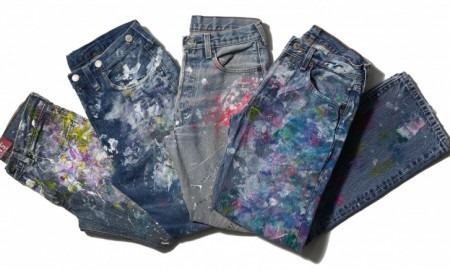
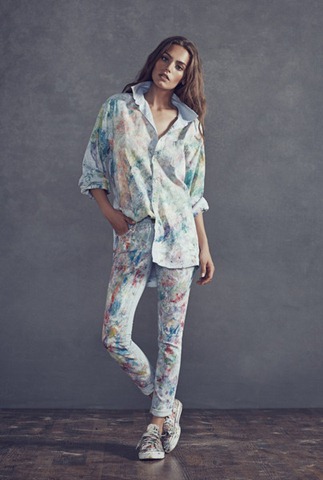
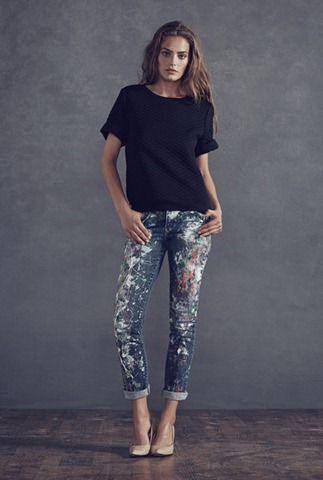
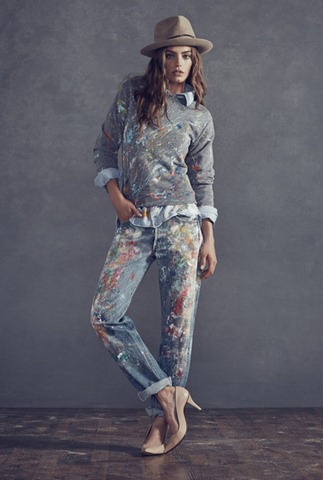
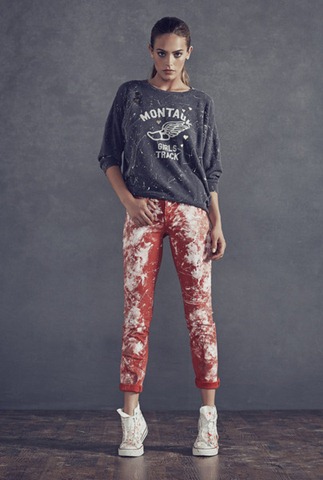
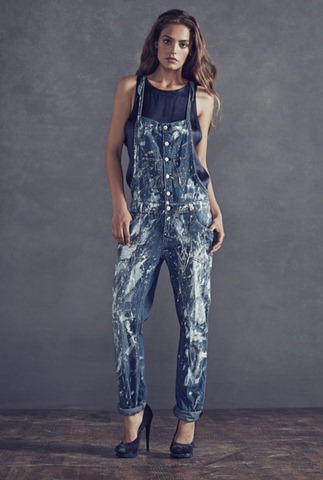
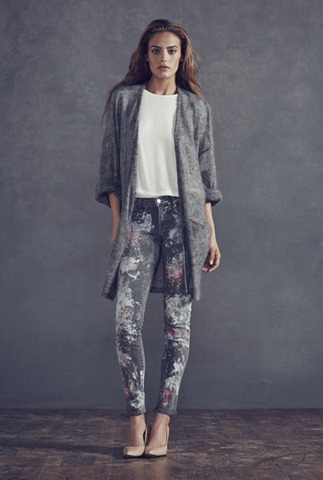
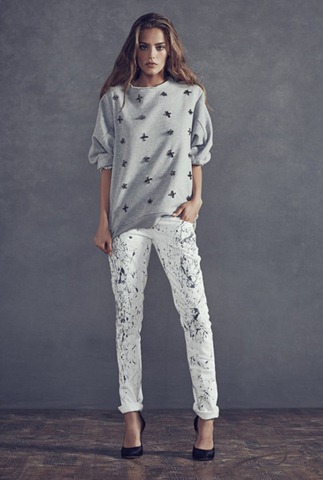
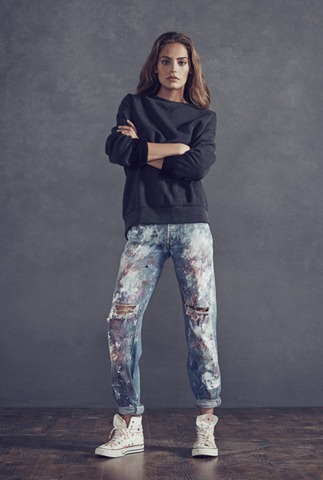
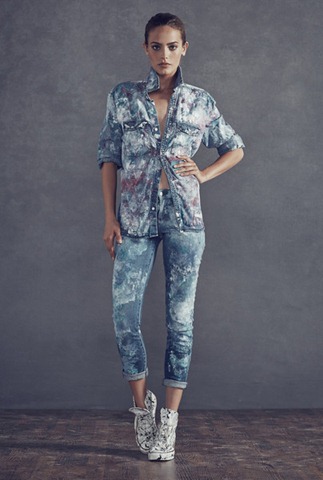
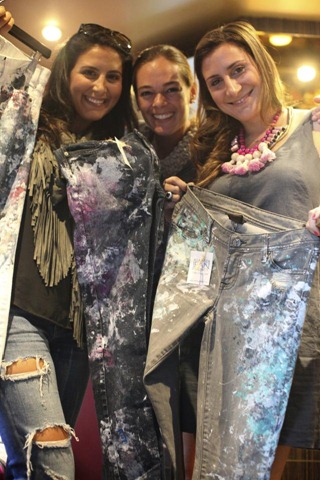
    Rialto Jean ProjectIts strange how a small hand painted denim brand born one year back in 2013 ,with a totally non-conventional production concept , can be featured on Vogue and be a favorite of large number of models, musicians and fashion editors. Born in 2013 and 100% hand-crafted in Venice, California, Rialto Jeans (RJP for Rialto Jeans Project)  denim line has received apt media coverage.  Featured in Vogue’s, Need It Now: Jane Herman Bishop from Vogue says “Maybe it’s because 20 years have passed already since Kate Moss wore a pair of Calvin Klein paper-bag boyfriends splashed with bold, acrylic colors in Vogue that the heavily painted jean feels ripe for a revival? Or, perhaps it’s that painted jeans are just the most natural next thing, after printed ones.”

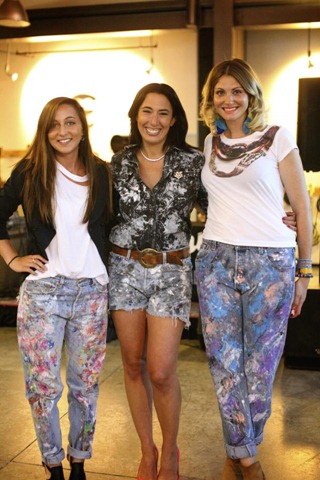
    Each pair of RJP jeans are unique. Vintage and contemporary styles are sourced from flea markets and hand painted by Erin Feniger– Founder & Designer of the project in her garage at home in Venice.CA. Feniger sources vintage denim from reputable brands such as Levi’s and hand paints them in her Venice, California studio. The result is an entire line of artfully paint spattered jeans. Erin found herself picking up a paintbrush as a form of therapy when diagnosed with a rare autoimmune disease that makes her extremely sensitive to heat.  Their motto Denim doing good is substantiated as for every pair sold (jeans are $200 ; jean shorts are $100) $40   goes toward art therapy programs at the Children’s Hospital Los Angeles. So its the deadly tri combination of Art , Recycling and Philanthropy that forms the base of the RJP.

    Rialto Jeans AW`14

    Rialto Jeans AW`14

    Rialto Jeans AW`14

    Rialto Jeans AW`14

    Rialto Jeans AW`14

    Rialto Jeans AW`14

    With jeans available in several cuts, colors and styles -from classic blues to whimsical pinks, from popular flares and skinnies to comfortable boot cuts and boyfriends, and from a vintage distressed aesthetic to a crisp clean-cut style, there seem to be a lot of options for  RJP customers. Its USP of having a unique jeans made from purchased vintage items should appeal to the customers. However, its USP  can also be its weakness as it might be difficult for RJP to expand itself given the limitations of its base garment sourcing as the production of same is not directly under its control- but maybe another reason for its customers to be happy as their jeans will not be seen on many legs !.

    Rialto Jeans AW`14

    Rialto Jeans AW`14

    RJP offer six hand-painted styles in every cut and shade of denim, ranging from distressed to clean-cut, and available in a rainbow of colors and assortment of styles.

    Rialto Jeans AW`14

    Rialto Jeans AW`14

    rialtojeans3 rialtojeans2

    rialto jeans1

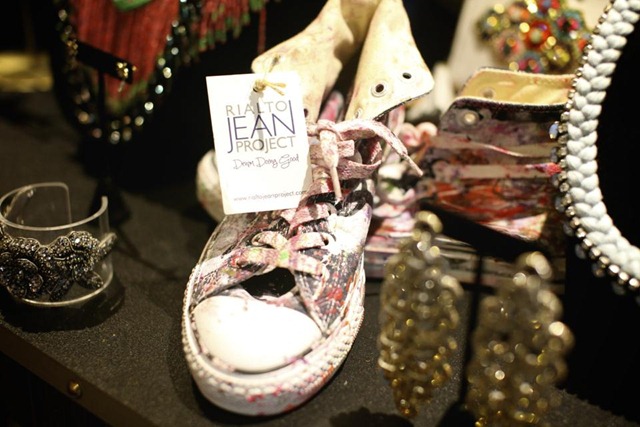
    And of course, jeans are not the only thing that RJP hand paints !

    rialto sneakers

  • Mefiver – A Totally Different Denim Look

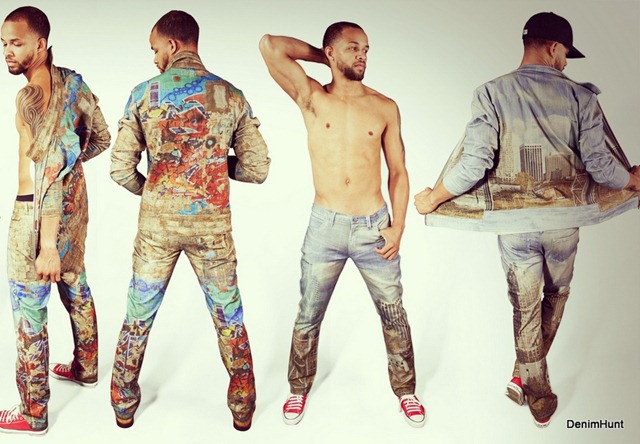
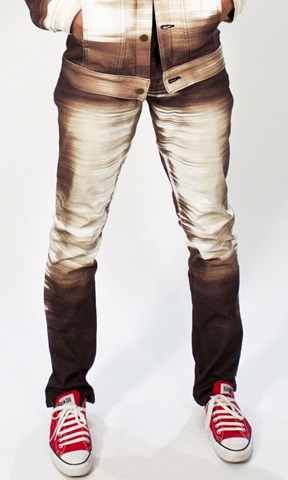
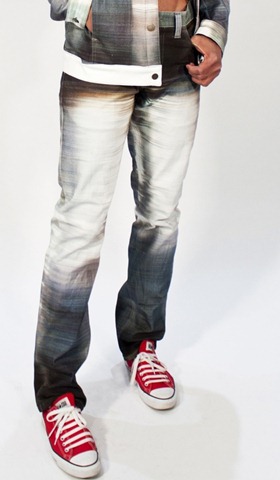
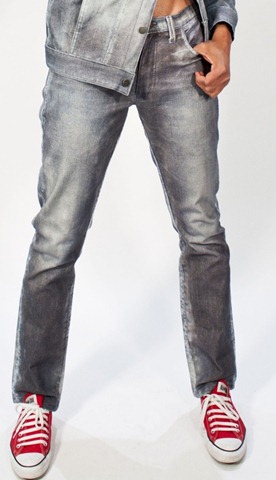
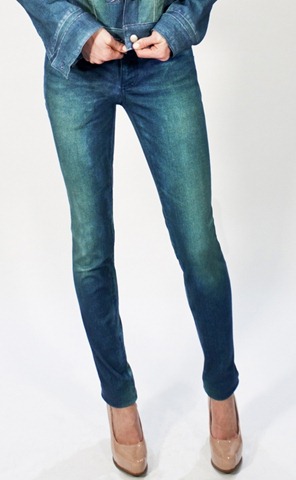
    In the last few years , when denim creators were unleashing their creativity with a vehemence on the indigo denims worldwide and bringing out rainbow colors, digital prints,  visual aesthetics enhanced with  washing  treatments , lasers and many other surface applications, we often wondered what would be next fresh looking surface application  possible on this ever versatile fabric which we have not seen before. And when we looked at the jeans by a new company from USA – Mefiver- we felt that it was a totally different , fresh  but  flambuoyant . Not everyone’s cup of cake !

    SRGB Denim Jeans

    SRGB COllage

    The process followed includes a digital wash which is supposed to be proprietary and eco friendly using local materials from US . We look at some cool pieces from their  brand SRGB .

    Men’s Jeans

    Most of the men’s jeans are straight leg and slim fit  and use 99% cotton and 1% stretch .

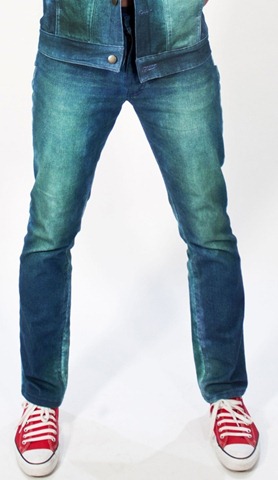
    ANTIQUE PEACOCK MEN’S JEAN

    Soft stretch denim jean with engineered antique character print in turquoise blue. 

    mens peacock front LL


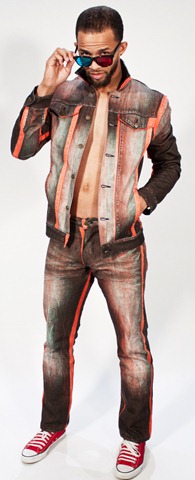
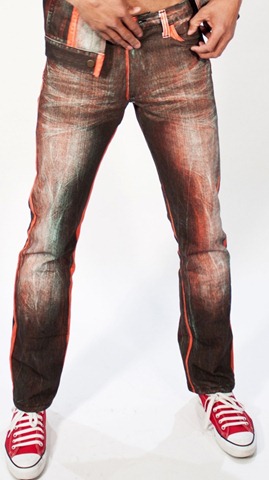
    3D ANAGLYPH MEN’S JEAN

    Soft stretch denim jean with engineered 3D anaglyph print.  (3D glasses included with purchase..

    mens 3D front LL

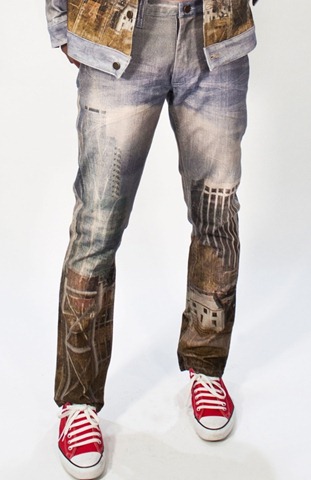
    CITY OF OAKS MEN’S JEAN

    Soft stretch denim jean with engineered skyline print of  their  hometown, Raleigh, NC.

    mens raleigh front LL

    ANTIQUE INDIGO MEN’S JEAN

    Denim jeans with engineered antique character print in indigo blue. 

    mens indigo front LL

    HAZE DIGIKAT MEN’S JEAN

    Engineered digital ikat print.

    mens haze front LL 

    cerulean front LL

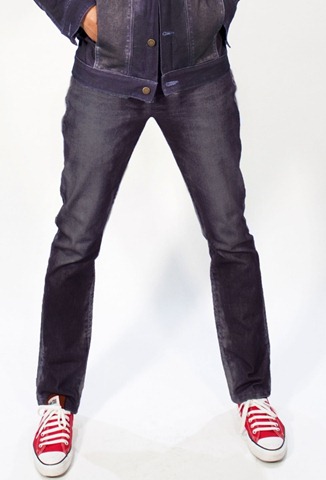
    ANTIQUE SLATE MEN’S JEAN

    Engineered antique character print in slate blue. 

    mens slate front LL


    Women’s Jeans

    The set of women jeans are made from similar techniques but look a bit more flashy  Same 1% stretch is used, through fabric must be definitely lighter

    peacock front LL

    3D ANAGLYPH WOMEN’S JEAN

    3D front LL

    HAZE DIGIKAT WOMEN’S JEAN

    haze front LL

    CITY OF OAKS WOMEN’S JEAN

    raleigh front LL

    CERULEAN DIGIKAT WOMEN’S JEAN

    cerulean front long legs

    ANTIQUE SLATE WOMEN’S JEAN

    slate front LL

  • Abercrombie & Fitch – Women Denim Styling

    Skinny style rules the roost when it comes to women jeans. This style is even invading the men’s bastion successfully in many markets .

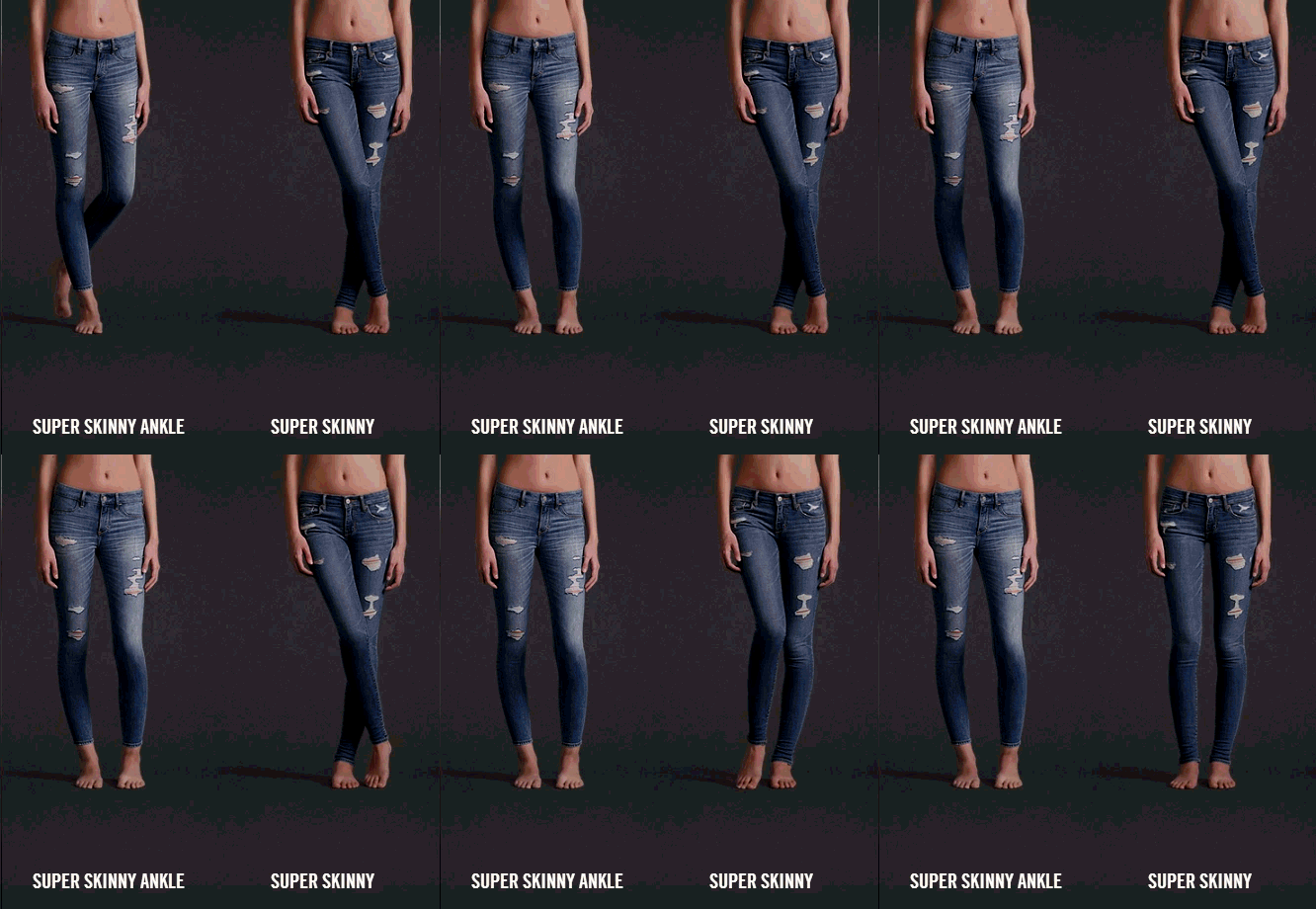
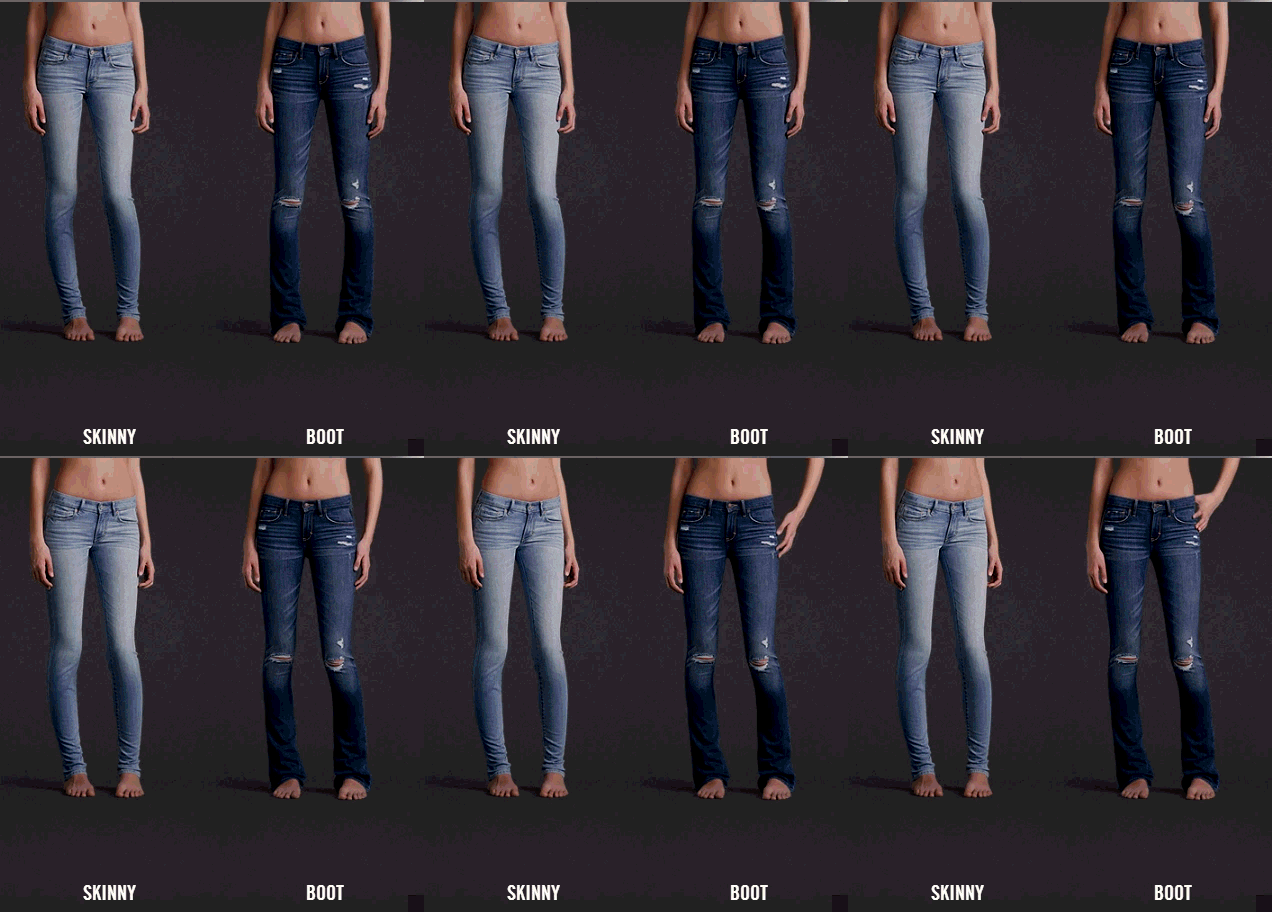
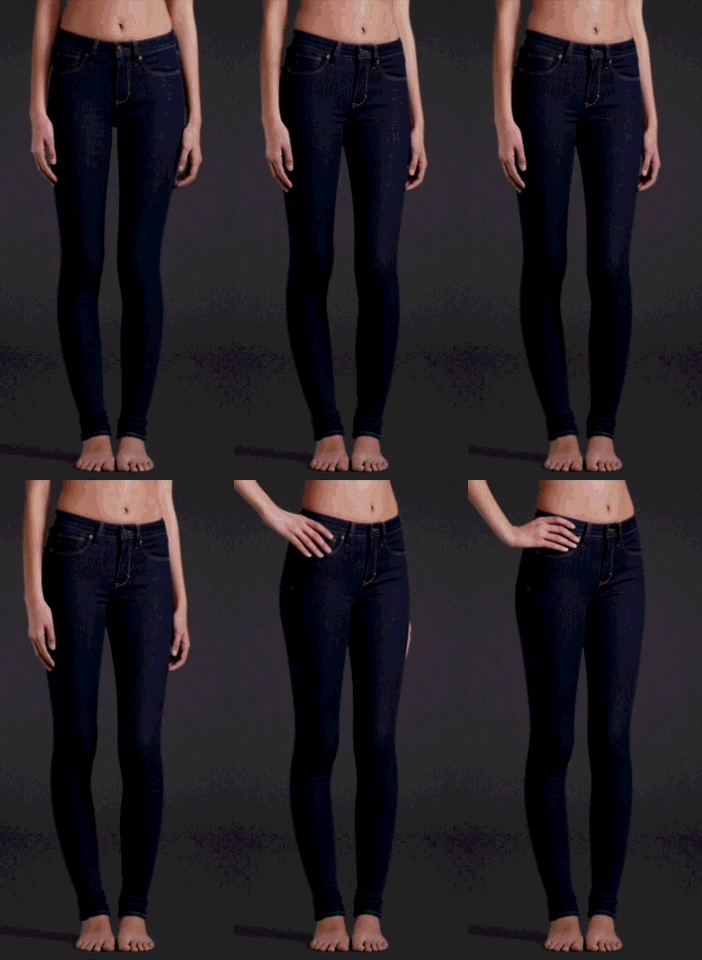
    We will have  a look at some of the latest women denim styles from Abercombie and Fitch. Almost all styles are different versions of skinny – ankle skinny, super skinny, high rise etc. Distressing is visible on most styles and colors range from super dark to light washes.We are giving below details of some of these styles.
     

    Abercrombie & Fitch/Super Skinny Ankle and super skinny

    1.Super Skinny Ankle

    – Mid Rise waist – Designed to sit high on the hips

    – High stretch

    – Close fitting leg, hits just above the ankle

    2.Super Skinny

    – Low Rise waist – Designed to sit high on the hips

    – High stretch

    – Close fitting leg

    Abercrombie & Fitch/skinny and Boot

    3. Skinny

    – Low Rise waist –

    – Skinny Leg

    – Narrow opening

    4.Boot

    – Mid Rise waist

    – Fitted through the thigh

    – Widens slightly from the knee down

    Abercrombie & Fitch/High Rise Super Skinny

    5.High Rise Super Skinny

    – High Raise waist – designed to sit just below the natural waist

    – The perfect amount of stretch

    – Close fitting leg

  • Citizens of Humanity Spring Summer 2014 Women’s Lookbook

    For their spring / summer collection 2014 put Citizens of Humanity at three pioneering styles:  Maritime details take on a touch of 70’s bohemian , which is mainly the combination of fresh white and rich red and blue colors , in classic Navy tradition lightweight coveralls, as well as the return of flared jeans reflects. We can also see the vintage wash and flare. Military influences and references to the nomadic life found in cargo fits of newly developed materials and a color palette of rich earth tones. Irregular faded washes and patterns, such as the Thalia Jacket, or Charlie Flare, consciously play with the longing for distance and unlimited freedom. As a supplement to the main collection operates the premium vintage line which offers luxurious and contemporary nostalgia. Meet on non-tree-lined materials to create exceptional vintage washes and hand-made details to create an authentic, sophisticated denim distressed look. Specially made ​​labels and hangtags give the line its unique exclusive touch.

    Citizens of Humanity Spring Summer 2014 Women’s Lookbook

    Citizens of Humanity Spring Summer 2014 Women’s Lookbook

    Citizens of Humanity Spring Summer 2014 Women’s Lookbook

    Citizens of Humanity Spring Summer 2014 Women’s Lookbook

    Citizens of Humanity Spring Summer 2014 Women’s Lookbook

    Citizens of Humanity Spring Summer 2014 Women’s Lookbook

    Citizens of Humanity Spring Summer 2014 Women’s Lookbook

    Citizens of Humanity Spring Summer 2014 Women’s Lookbook

    Citizens of Humanity Spring Summer 2014 Women’s Lookbook

    Citizens of Humanity Spring Summer 2014 Women’s Lookbook

    Citizens of Humanity Spring Summer 2014 Women’s Lookbook

    Citizens of Humanity Spring Summer 2014 Women’s Lookbook

    Citizens of Humanity Spring Summer 2014 Women’s Lookbook

    Citizens of Humanity Spring Summer 2014 Women’s Lookbook

    Citizens of Humanity Spring Summer 2014 Women’s Lookbook

    Citizens of Humanity Spring Summer 2014 Women’s Lookbook

    Citizens of Humanity Spring Summer 2014 Women’s Lookbook

    Citizens of Humanity Spring Summer 2014 Women’s Lookbook

    Citizens of Humanity Spring Summer 2014 Women’s Lookbook

    Citizens of Humanity Spring Summer 2014 Women’s Lookbook

    Citizens of Humanity Spring Summer 2014 Women’s Lookbook

  • Agave Denim – An Interview With Jeff Shaffer

    jeff shaffer Many denim brands have taken birth in garages or living rooms  and have grown from a small sapling to large trees. Agave denim from US is one such brand which started in 2002 with the passion of a single person operation in California producing only 8 jeans and  has now grown into a brand which people are taking note of.. It is also a brand which does 100% manufacturing in US using  mainly Japanese denim.

    We speak to Jeff Shaffer – owner/designer – to find what makes Agave denim tick..

    What prompted you to start a denim label and how did it grow and reach its present state?

    I have always been in love with denim jeans.  From my early days 501’s and Zeppelins to my Diesel’s and G-Stars.  In 1993, I went to Japan to visit vintage clothing and denim shops.  I met a lot of the vintage dealers and saw all of the super cool small companies building 501 reproductions.  I wanted to make great jeans too.  My first brand was called BC Ethic and we did some cool denim.  In 2002, I founded Agave with the mission “Agave exists to design and produce the best tailored, most beautiful and highest quality denim jeans, authentically sewn and hand finished, exclusively in California.”  I started out really small and I was my only employee for the first three years.  Then, I slowly added staff and increased distribution.  Agave has never been about being big but about being great.  Always focused on product.

    What makes your denim line different from every other denim line out there?

    Quality.  I use the best fabrics in the world.  Mostly Japanese denim and Italian.  I spend twice as much as most brands on fabrics.  I focus on ring spun yarns, mostly long staple or ELS.

    Are all your jeans produced in US?

    Yes

    What inspired you to become a denim designer?

    Necessity.  Couldn’t afford to hire a designer.

    I understand Agave uses mainly Japanese and Italian denim fabrics. What tells you to select a particular fabric – is it market trends that you read or is it just your own inner instinct and liking which enables you to select new fabrics?

    Inner Instinct.  I am a fabric freak.  We stock 75 fabrics. 75 SKUS IN MENS ALONE WHICH IS OVER 7 FITS per season and offer every variation of denim.  2×1, 3×1, RHT, LHT, Broken Twill, Selvage, Stretch, Rigid in weights from 7oz to 16oz.

    Is it an art to select a new fabric?

    Not an art.  Passion and Intuition.

    Do you think Asian fabrics are catching up with those from Italy or Japan?

    Yes but then will never match because they lack the soul.

    Why do you think the Asian fabrics lack soul?

    Perhaps this is too strong of statement. There are two parts to the answer. One has to do with passionate artesian Japanese weavers and the other has to do with American workwear. Japan has an ancient history of indigo dyed fabric dating back centuries. At some point when denim became an important texile the japanese weavers started making denim as opposed to silk and other fabrics. They put their passion into the denim rather than treating like a commodity. The understood the unique idiosyncrasies of blending yarn sizes, different shades of indigo, all the different weaves like 2×1 3×1 1×1 broken twill and how all this related to American workwear. It is possible to export that passion from japan to china. I am sure there are native Chinese that are starting to understand this but it will take a while. Even so the cultures are very different. It is the Japanese that have created markets for highly evolved tastes like sushi and selvage.

    What makes a successful designer for a denim brand? Someone who works on expected trends or someone who follows his own instincts without worrying about trends?

    • Understanding your customer.   Talent.
    • BOTH

    What are you denim predictions for the next 12 months for both men and women?

    RAW, RINSE, DARK & NATURAL, CLEAN, INTENTIONAL, BEAUTIFUL, IMPECCABLE TAILORING.

    One of the greatest trends that we have seen recently in denim are Jeggings . What is your take on this trend? Will it last and become a generic trend that lasts for a long time or will it fade out  soon ?

    IT IS PRETTY MUCH OVER.  WOMEN ALWAYS WANT SOMETHING DIFFERENT.

    Dry and wet processing makes a critical difference to denim production. With water conservation becoming an important topic, do you think that waterless processing will gain in importance in next few years?

    Yes. Sustainability will become more and more important as the environment deteriorates.

    Agave Gold Purist Jeans is one of your great products in selvedge denim .  Are all selvedge denims popular with your customers?

    NO.  SELVAGE IS FOR TRUE BLUE BLOODS.  A LOT OF MY CUSTOMERS DO LOVE SELVAGE BUT MANY LOVE SOFT FABRICS.

    What other international markets do you intend to expand to?  Do you see China and India as important markets for the future?

    We are starting to build our oversees distribution. CHINA, INDIA AND BRASIL ARE THE NEXT BIG MARKETS.

    Here are some of the jeans from Agave..

    Agave-denim


    Sponsored Link:

  • A Chat With Stefano Aldighieri – Ex-Creative Director 7 For All Mankind

    stefano1 On my recent visit  at Hong Kong , I met Stefano Aldighieri . Stefano has worked as creative director at ‘7 For All Mankind’ and ‘Hudson Jeans ‘ and as design director at Levi’s. He has been involved with the US denim industry for a very long time . He is currently running his own design studio – Another Design Studio – which provides design services on denim concept to pre-production and marketing.I had a long chat with him on the  situation of the denim industry in the US . Excerpts  from the  same are being reproduced below :

    Tell me something about yourself  and your company ?

    I have been in this industry for a long time and I have a design studio based in L.A  where we do design consultancy and marketing consultancy for different brands.

    How many years you have been in denim business ?

    Almost 25 years . “Eternity” – interjects  Michael from Kingpins  who had been listening to our conversation !.

    How do you think the denim business has changed in the last 5 years?

    It’s a very interesting and a fascinating business and is never boring. It  changes all the time. Last 2-3 years have been very challenging for all companies. A few companies have had a significant drop in their business and unfortunately we are going to see more fall by the wayside in this year and the next year. But I think the companies that managed to survive and manage to hold their position would do ok.

    Premium denim wave. Is it going to continue ?

    It’s changing. Lots of brands who were selling jeans at a very expensive price are now finding it very hard to justify their price points. We had a good run for a while. People were very excited about these new jeans and were ready to pay pretty much any money for the same. The reality is now sinking in, and even the end user is realizing that could be a little  too much. I think if the garment is very special and has something to offer and differentiates with whatever else is out there , then it’s justifiable. Just slapping a ‘premium’ label on a pair of jeans and sell it a high price point  is probably not so realistic

    Have the denim prices come down in the recent times?

    I believe so , yes. There are still cases where people sell jeans for lot of money but most of the high end brands are either reducing their price points or introducing new brands at lower price points to keep their sales volume.

    Has the introduction of Gap 1969 Premium denim jeans affected the market in any way?

    It probably has. Between Gap and few other large companies which are aggressively promoting nicer denims at reasonable price point , they are kind of showing people that it is possible to wear a nice pair of jeans without breaking the bank.

    Does it mean that regular denim brands like Levi’s, Gap, VF etc could  take away a major share of the premium denim market?

    You have to keep in mind that the whole high-end jeans segment is a very small percentage of the market . Even if it were to disappear completely  tomorrow, it would not have such a huge impact on the overall market. The US jeans market is about 600 million pairs of jeans per year, and out of that the so called ‘premium jeans’ is probably 5-6 million pairs. So we are looking at less than 1% of the market. It is not really significant .Where it is significant, is the shift that it has caused in the market. If you look back at the US 10 years ago, it was absolutely unthinkable that people would pay $100 for a pair of jeans –never mind $200 or $300. You could buy expensive jeans if you wanted to – but had to import them  from Italy or Japan. Pretty much until the day when Diesel opened their first store in New York and Adriano Goldshcmied moved to US, and Earl jeans started in L.A . These things kind of showed to major retailers and market in general that it was possible to sell expensive jeans.

    What would be number of premium denim brands in  US , specially in L.A?

    I don’t know how many brands are there right now. I know that in the last few years you would see a new brand popping a up  almost every week  . Specially in L.A because you had access to  the contractors, the laundries, the fabric sources – so it was comparatively easy to put together a line. And Quite frankly , a lot of people would think , ‘wow’ those people are making so much money selling jeans – why not do the same thing. Everybody just jumped the bandwagon without having knowledge of the product .

    As a consulting company what kind of value do you add to the profile of the brands you consult?

    Our company offers a pretty comprehensive range of services . It goes from initial concept development , custom product development , research, development of fabric, development of styles . We can do trims & accessories , we can do patterns, washing – pretty much the whole package up to production . We also do marketing and branding . A couple of projects that we are doing right now specifically over branding and positioning initiatives.

    Thanks Stefano. I hope that  your business keeps on increasing and so does the business of the denim world!

    I don’t think we are going to see denim disappear any time soon. It evolves , it changes – but its always going to be around for us !

    Stefano Aldighieri can be contacted at this email address.

  • Dirty Denim – A Look Into L.A Denim Business

    The wave of upscale jeans started in 2003 when a large number of national and international players descended upon Los Angeles and it became the centre of the denim growth story and  home to master denim technicians .

    Here is a series of some very interesting videos on the denim business – “Dirty Denim”- in L.A. The documentary created by Douglas Keeve is web exclusive and runs in 4 parts .Why the documentary has been named Dirty denim ? – Probably because of the stealing and cutthroat activities of many denim brands.

    Dirty Denim – First Episode

    In the first episode, we hear from top denim designers and technicians including Jeff Rudes(J Brand), Mik Serfontaine(Serfontaine), Gavin and Drew Foster(Chip & Pepper), Peter Kim(Hudson Jeans) and more…

    It is interesting to see that how serious or dirty the denim business is . Gavin and Drew Foster(the twin brothers at Chip & Pepper) mention that  they foresaw the premium denim wave coming and just plunged into it creating a multi million dollar business.

    Dirty Denim – Episode 1 Video

    Dirty Denim – Episode 2

    The second episode is quite interesting too. It shows the importance of the washing process in the creation of premium denim or any denim for that matter.
    And hitting the nail on its head, Chip & Pepper brothers  say–“ You can get the best denim in the world , but if you don’t have the right guy that knows what he is doing, he will f… it up”. Its a very interesting to watch the passion that the denim manufacturers put into their production. It is also clear that the manufacturers have to be on their toes all the time getting the right washes, creating new looks to beat the competition.

    Dirty Denim Episode 2 Video


    In the next post , the other two videos in the series will be posted and we will come to know why denim is dirty ?

  • The Rise and Fall of the U.S. Denim Manufacturing Industry: 1960-2010

    denim industry in usa

    Denim Fabric has been produced in the United States since the 1830’s. The denim twill weave results in high strength and durability. For those reasons denim has been used for centuries in garments worn by sailors, farmers, cowboys and laborers of all types.

    Denim Industry In US Till 1960s

    The Indigo-dyed denim produced in the U.S until the 1960’s was possibly the least fashionable of apparel fabrics. Since denim was primarily found in garments for manual laborers, it was widely viewed as being “low-class”. When I was in my 4th year of public school, students were not allowed to wear denim at school. The quality of denim, other than its strength and comfort, was the worst among apparel fabrics. Interestingly, one of the most common defects were slubs, that resulted from poor cotton blending, but later became fashionable.

    Denim production remained at relatively stable, but low levels until the 1970’s, when the demand reached explosive levels as a result of the potential for color fading of Indigo. Until the 1960’s this color loss after washing was not a characteristic of Indigo-dyed denim. Prior to that time, it was completely unacceptable to consumers to pay for garments that lost color after washing. Indigo dyeing machinery and procedures were quite different from those in use today. With the old procedures the basic Indigo color would remain unchanged for the life of the garment.

    In an attempt to reduce the cost of Indigo used to dye denim, the dyeing procedure was altered in order to reduce the solubility of Indigo. This resulted in a heavy concentration of dye at the surface of the yarn, but not allowing the dye to penetrate into the interior of the yarn. This produced the so-called “ring-dyed” effect in which the cotton fibers in the interior of the yarn to remain white. With this method, a very dark shade of Indigo could be produced with 1.5% Indigo instead of the 3% required previously.

    This manufacturing change, while reducing costs, was in the short-term a disaster for the denim business that many observers thought would lead to its extinction.

    The 1970s

    The astonishing reversal of circumstances that occurred in the 1970’s has generally been credited to the “youth rebellion”. In particular, an American film, ”Easy Rider”, portrayed young men wearing faded jeans, riding motorcycles and smoking marijuana. Faded jeans became associated with rebellion and independence.

    Rise Of Denim In High Fashion

    The rise of denim in high-fashion was completely unexpected and more difficult to comprehend.

    There is a famous anecdote that has been often cited. The story is that in New York City, a high-fashion princess walked by a construction site where all the workers wore denim garments. She was fascinated by the faded, worn appearance of the garments and asked the workers about it.

    The construction workers explained that they could not wash the garments at home because the sand and cement would damage the motors in their home washing machines. Therefore, in order to clean the garments, they put them into a cement mixer with water, detergent and rocks, which resulted in the faded, worn appearance. This is a logical explanation for the origin of stone-washing.

    As a result of the new denim fashion, demand for denim increased far beyond capacities that were then available. Prices increased and existing denim companies (5 at the time) rushed to expand production and other textile companies moved quickly to enter the denim business. Several failed, largely as a result of an inability to master the challenge of denim weaving.

    The rapid expansion of denim production was achieved. However, fabric quality was generally poor. Initially, this was not a problem since the demand for denim, even low-quality fabric, was so great that even the worst denim could be marketed at a profit.

    The 1980s

    Eventually by the early 1980’s, the important customers like Levi’s had made increasing demands for higher quality denim. The leading denim companies, Cone and Burlington, instituted quality assurance programs in all areas, most notably in dyeing and finishing, that dramatically improved their fabric quality. Burlington published an impressive manual for denim quality that reflected their determination not to ship any fabric to a customer unless it was “right”.

    In a period of a few years the U.S. denim business went from near extinction, producing some tens of million of meters per year, to hundreds of millions. The U.S. was the center of the international denim business with a reputation for the highest quality denim produced under conditions of high efficiencies.

    The Decline Of The US Denim Mfg. Industry

    By around 1990, the U.S. denim industry was showing signs of decline. Some of the key reasons for that decline are listed below.

    1. The U.S. government was until the 1980’s very supportive and protective of the U.S. textile business. Other U.S. industries were favored to export to some foreign countries in exchange for those countries being allowed to send more textiles to the U.S.
    2. The World Bank, which receives its funds from American taxpayers, provided enormous funds to developing countries, much of which was used to improve their ability to compete with U.S. textile companies.
    3. The emergence of China as an economic power is a result of a mobilization of that nation’s resources with the single-minded goal to eventually become a world power. No democracy could have directed a program that massive in order to rapidly become dominate in manufacturing and also in global finance. The U.S textile market was a primary target of the Chinese.
    4. The denim manufacturers in the U.S. were slow to react to the Chinese threat. It has been suggested that if the U.S. denim companies had worked together as an industry-team the damage could have been limited.
    5. Denim executives in the U.S. were shy about taking risks and avoided making the hard, strategic decisions for long-term survival. Instead of mounting a defense of their industry, they often looked to joint ventures outside the U.S. as away to economic salvation. While these joint-ventures provided short-term benefits, U.S. domestic manufacturing was weakened in the long-term.
    6. U.S. denim companies in the 1980’s concentrated on expanding their production capacity to the point that they became too big to effectively control. Producing large volumes of denim became an end-in-itself, even when market-demand could not justify it. The overproduction resulted in larger inventories and lower prices.
    7. The 1980’s witnessed a burst of corporate greed in the U.S. Textile companies were a favorite target of financial looters, both inside and outside the textile companies. Many textile executives sought to enrich themselves by arranging for compensation in the millions of dollars. There were cases of top managers in textile companies that, fearing a takeover of the company by outside investors, arranged for management buy-outs, in which the companies assumed massive debts so that the managers could become owners of the company.
    8. Major purchasers of denim, the “Brands”, developed a strategy to increase the scale and profits of their business. This strategy was characterized by cunning and driven by ruthless greed. The objective was to expand garment volume and create garment price stability, but still increase their profits. This has been accomplished by forcing fabric suppliers to accept smaller margins, even though garment prices stayed the same. The reduced margins paid to the fabric suppliers are absorbed as profits by the big apparel companies.
    9. There was a significant change in the attitudes of American consumers toward clothing. Americans had long appreciated quality in their garments and had been willing to pay for it.By the 1990’s, young people generally demonstrated what could be a clothing “fetish”. They typically own enough clothes so that they can wear something different every day for weeks.They have more disposable income than any previous American generation, but they prefer quantity over quality. They passion is for getting the cheap bargain and are generally indifferent to quality.

    image This is a guest post by Harry Mercer. Mr. Mercer has 30 years experience in the denim business including 3 prominent U.S. denim companies . He is an expert colorist for measurement and color matching as well as textile testing.

  • US Jeans Buyers Care Most About Fit

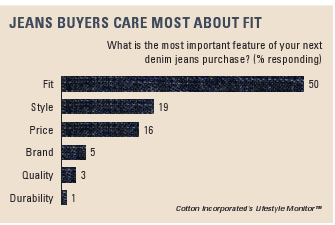
    Price has always been an important criteria for buyers of jeans . However, the success of premium denim jeans has shown that when purchasing denim , buyers are looking for many other things. A report by Cotton Inc on US consumers last year shows that fit is the most important criteria for the purchase of jeans.

    denim report

    50% of the buyers make a denim purchasing decision based on the FIT OF THE JEANS..

    Price has been a factor for jeans purchase only for 16% of the respondents. Against this , on an average , 84% of consumers purchase other apparel products based on Price..

    Other interesting facts about  US Denim consumers As Per Report :

    • 78% of consumers love wearing denim (should be higher !)
    • 62% of consumers bought denim because they needed to replace old ones and 28% wanted to get something new !
    • 96% of consumers own denim .
    • On an average US consumers own about 7 pairs of jeans – This is about 6% of their wardrobe.. This translates into about 105 garments owned by an average US consumer (wow!).
    • Women are more likely to care about fit 55 % vs 41% in case of men.

    Download the full report here or check out more denim reports here.

  • US Denim Wardrobe

    The US Denim Wardrobe
    Women Men
    No. of Denim Jeans 7.9 8.1
    No. of Denim Shorts 3.5 2.8
    No. of Denim Jackets 1.1 1
    No. of Denim Shirts 2 2.4
    No. of Denim Dresses 1.1
    No. of Denim Skirts 1.4
    No. of Denim Overalls 0.8 1
    17.7 15.2

    Source : Cotton Incorporated

    The US always tends to lead in denim consumption, though there are exceptions in countries like Brazil , which are also heavy consumers. The Wardrobe of an average American Men has 15.5! Denim Clothes and that of an American Women about 17.7(women always tend to lead in denim purchase).

    This trend of increasing denim consumption has witnesssed various ups and downs but the basic trend is always positive , thus showing the remarkable resilience of Denim.

    Cool……

    Sandeep