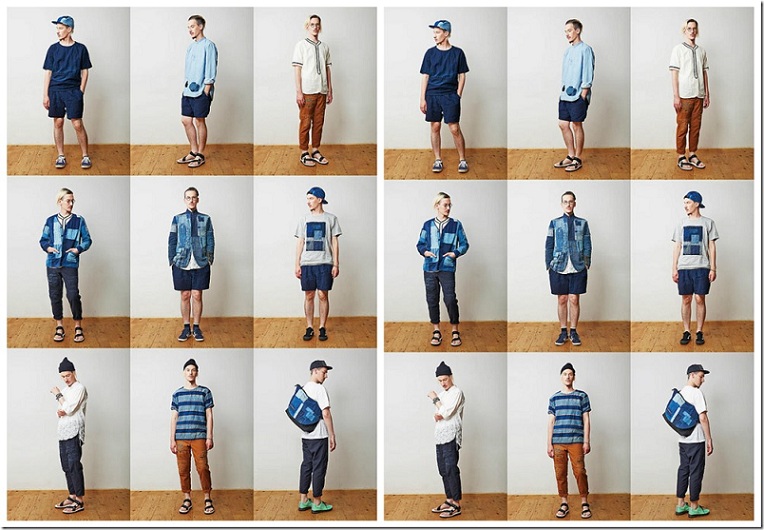
KUON means “eternity”, “remote past or future”, and “permanence”. While appreciating the history and culture of vintage clothes or textiles, KUON always seeks for permanent, simple, authentic value, not bound by traditional values.KUON challenges the existing traditional notion on vintage clothes and revitalizes it with new value. KUON changes and re-invents the notion of vintage clothes.
Shinichiro Ishibashi is the designer and creator of Kuon brand from Japan. After serving his apprenticeship at an established tailor in Marunouchi area, Tokyo prefecture, he worked as pattern maker for a regular manufacturer at Paris Collection. In 2014 he became self-employed and started to design for several manufacturers on freelance basis. As from 2016 S/S, he became designer of KUON
KUON , according to him, addresses social agenda via fashion business.
“We believe that fashion possesses power to make people excited. KUON challenges the existing mass-production and consumption approach, instead we propose products and lifestyle where “stylish” and “socially good” can go together. KUON products bridges between people and society. “
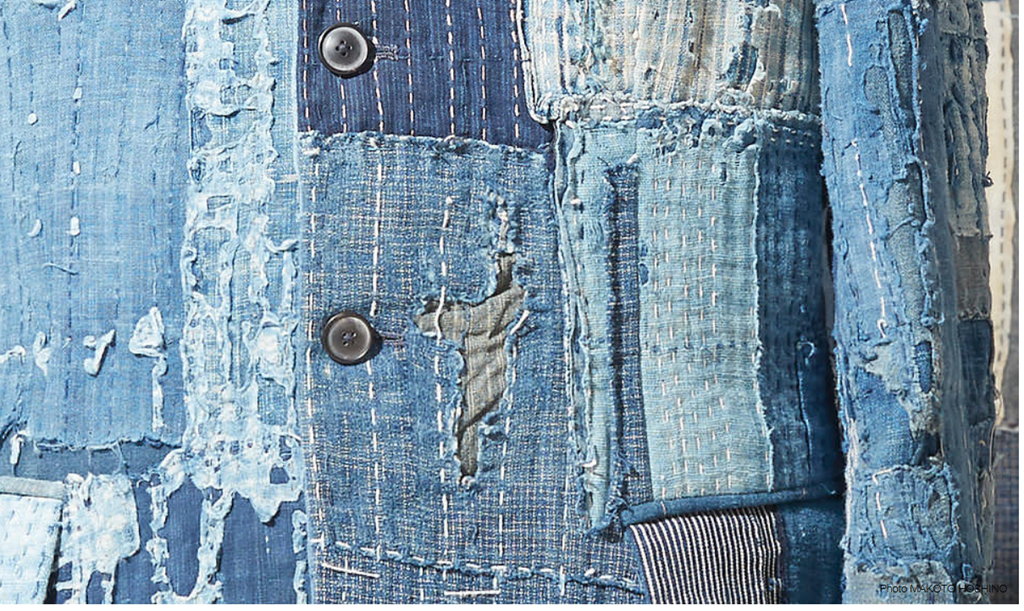
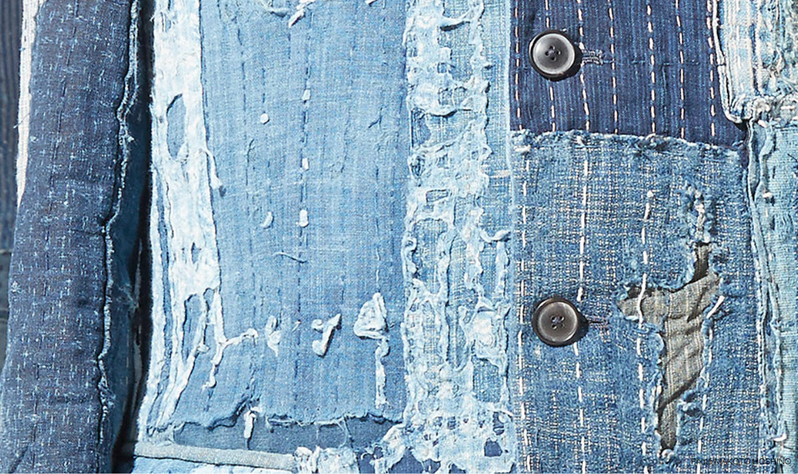
Most of the BORO fabric KUON uses is anywhere from 50 to 150 years old. Fabric which is old and about to be thrown away, is used after it has been properly repaired. We can say this is the ultimate in eco-friendliness without the killing of any animals, and it is also easy on the environment. The people who repair the BORO are mothers who live in the Tohoku region, who suffered from the devastating earthquake that occured in Japan four and a half years ago. KUON cherishes the concept of making “stylish” clothing as a fashion statement.
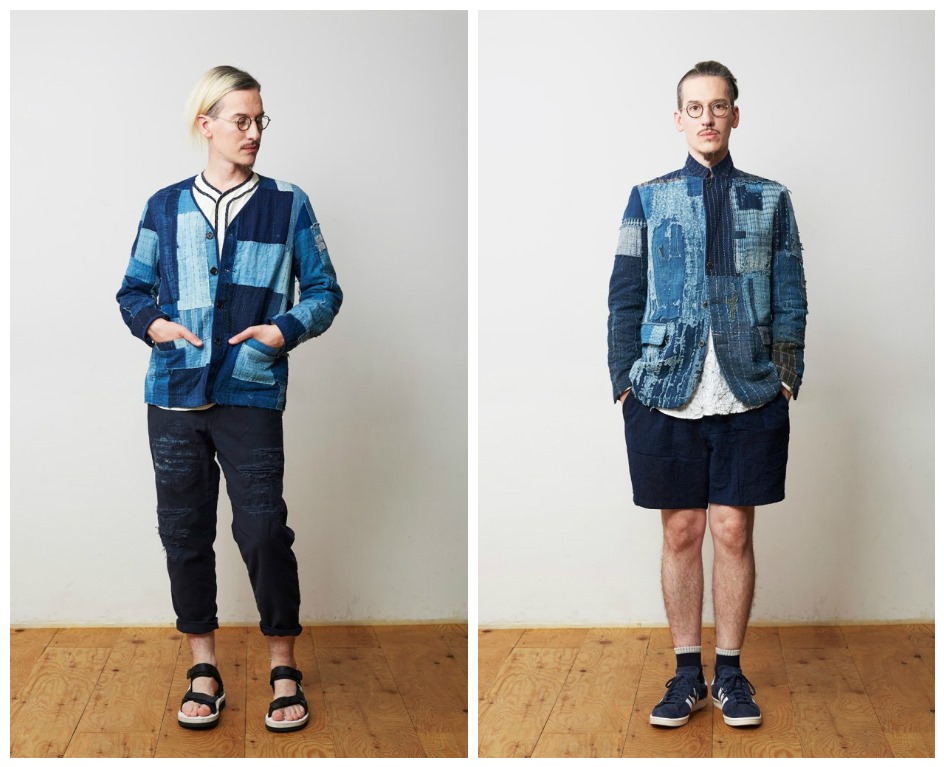
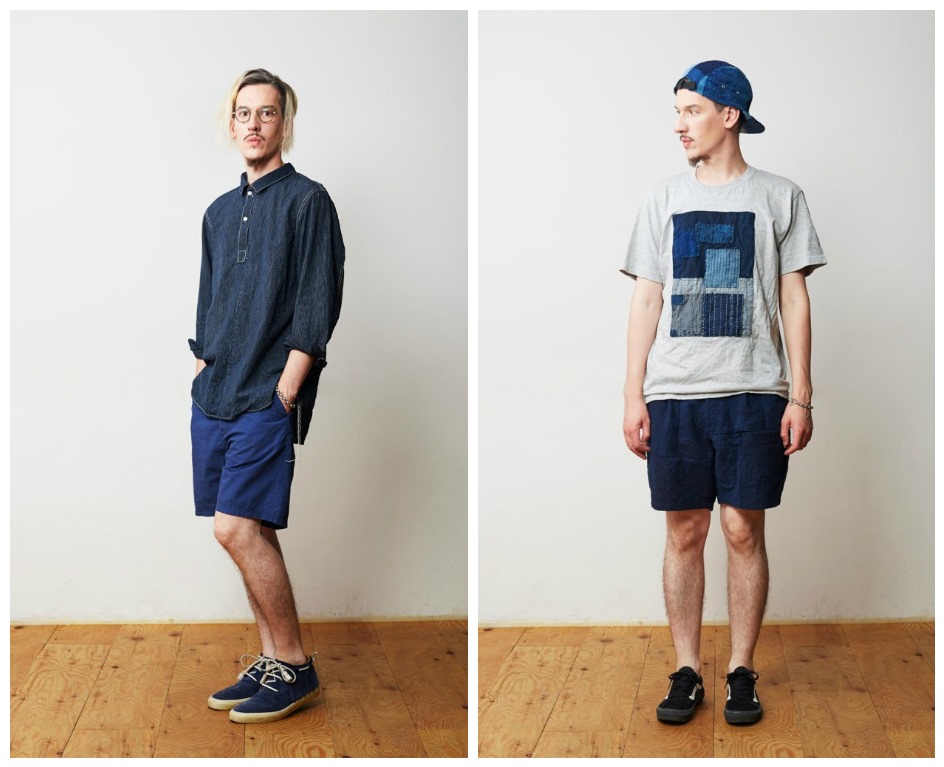
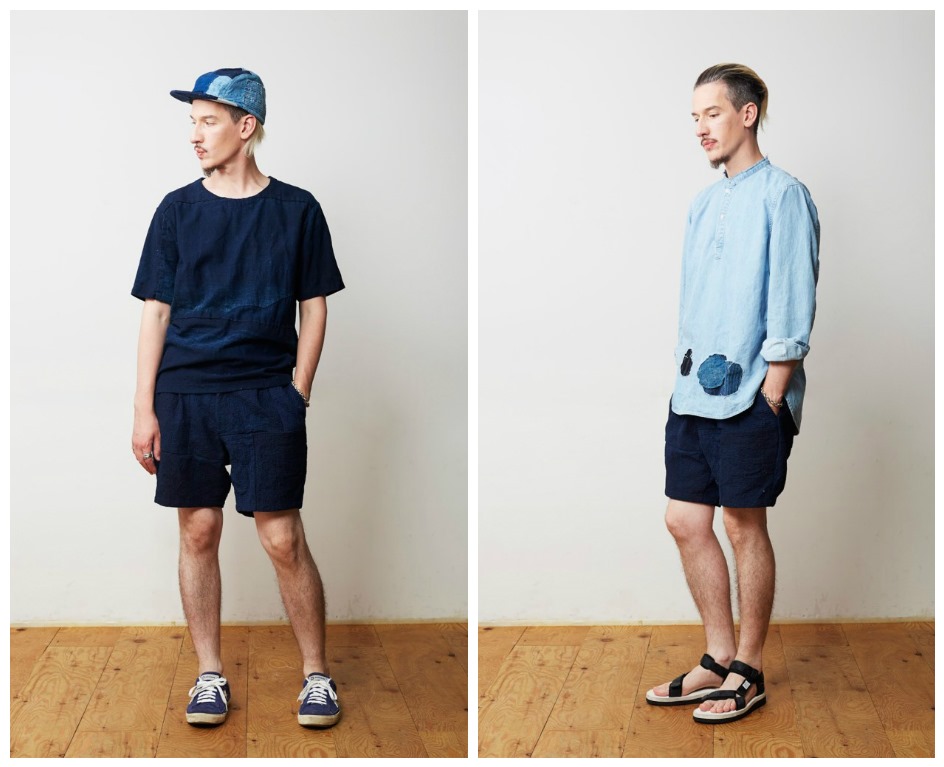
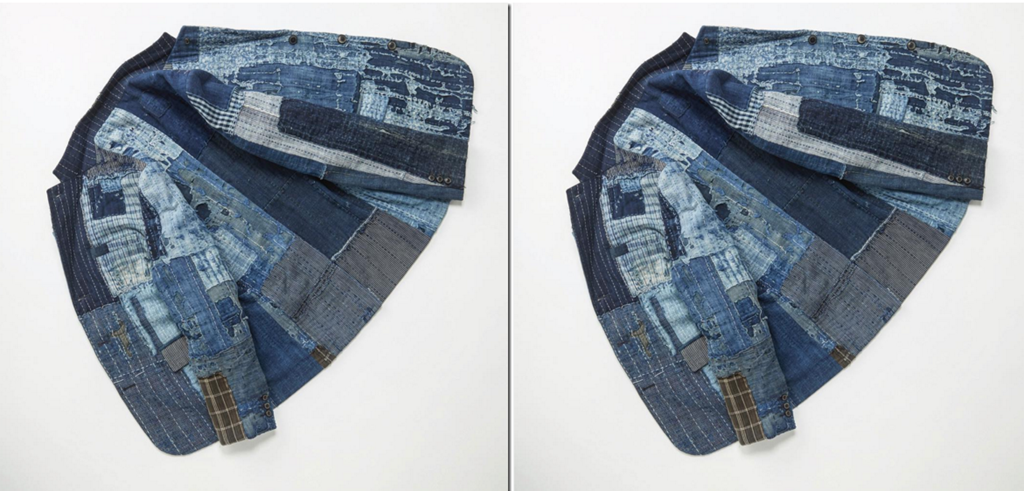
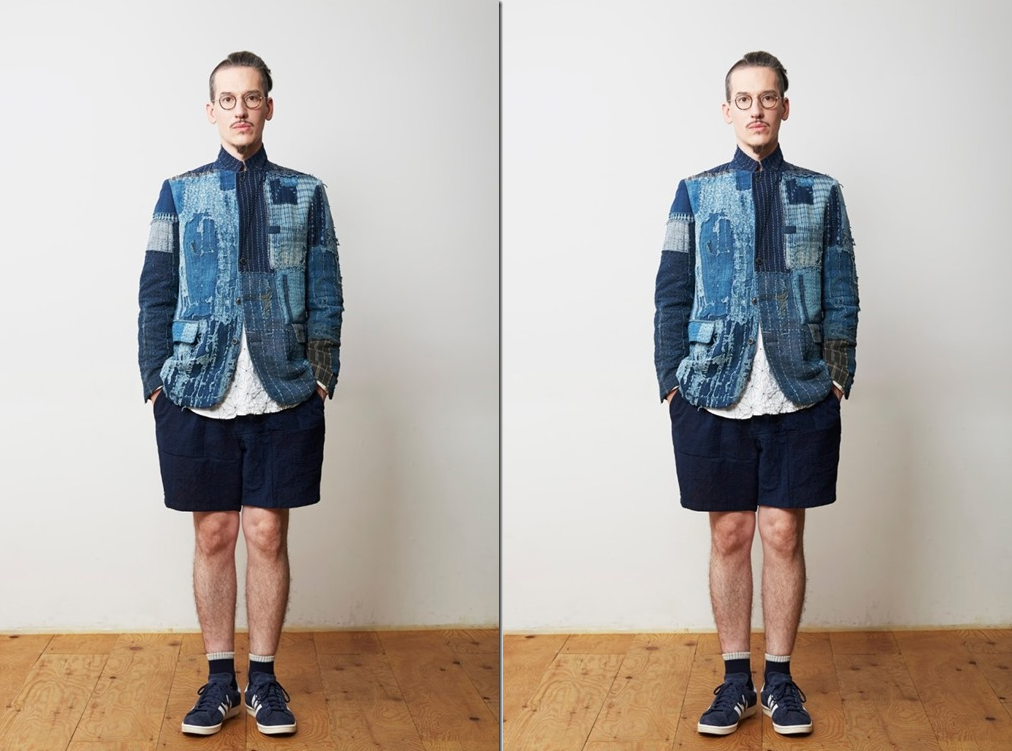
BORO Jacket.This Jacket will be released in February 2016.
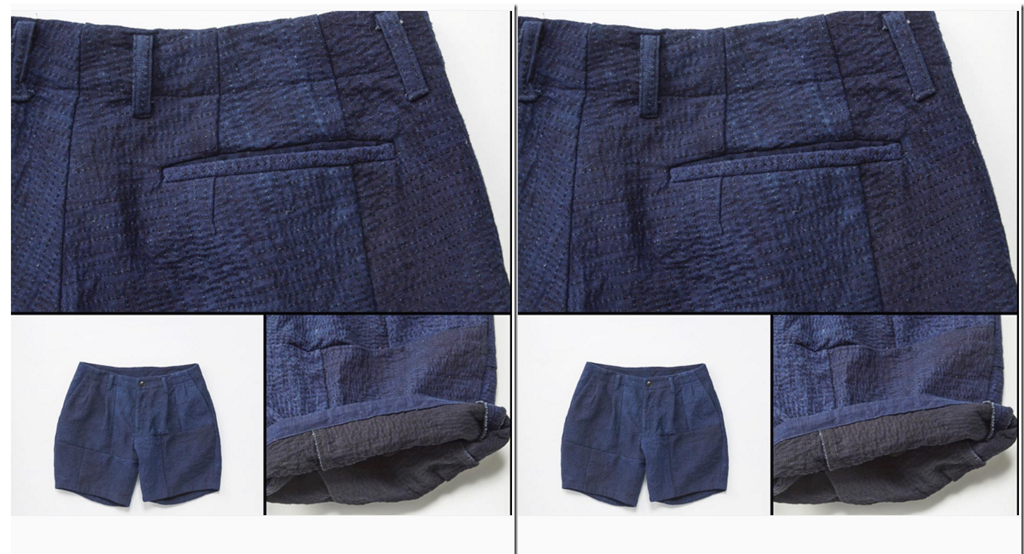
These short pants are actually the most labor intensive product that KUON produced Kuon used BORO from about 100 years ago on one on the sides and, for the opposite side, They also used a plain old fabric that they had SASHIKO in Otsushi town. It took about 80 hours in total!
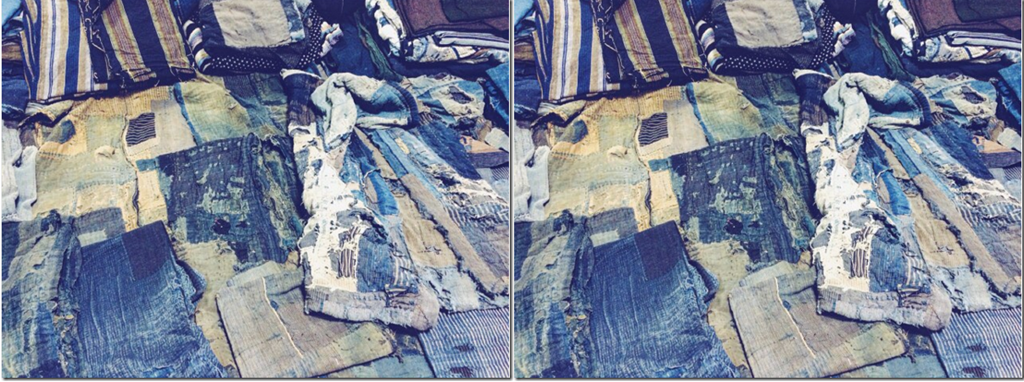
This may be a mountain of treasures for kuon, and yet to many other people it may only be a load of garbage. But when it turns into actual clothes, it becomes so beautiful that many people are moved by it. This is why BORO is so interesting, and why we are so fascinated by it.
Undoing the stitching of a kimono, washing it, and drying it. This is a very important process for KUON, and it is the hardest one. If the kimono has cotton inside, this really becomes a time-consuming job!
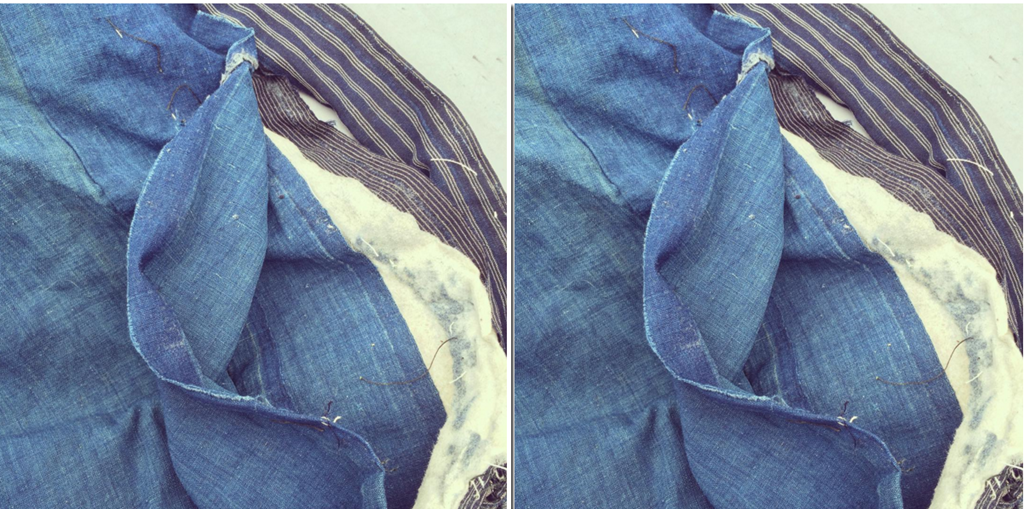
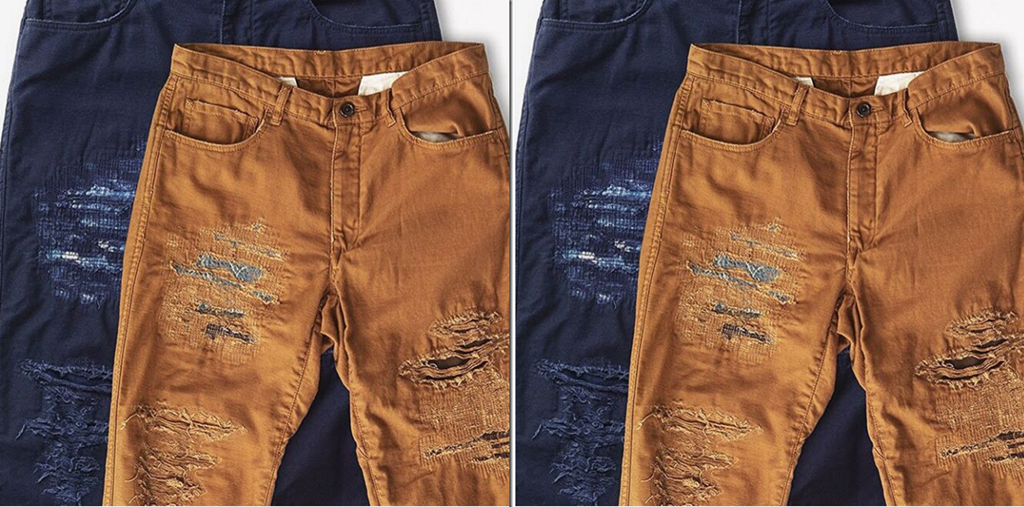
KUON Pocket Tee
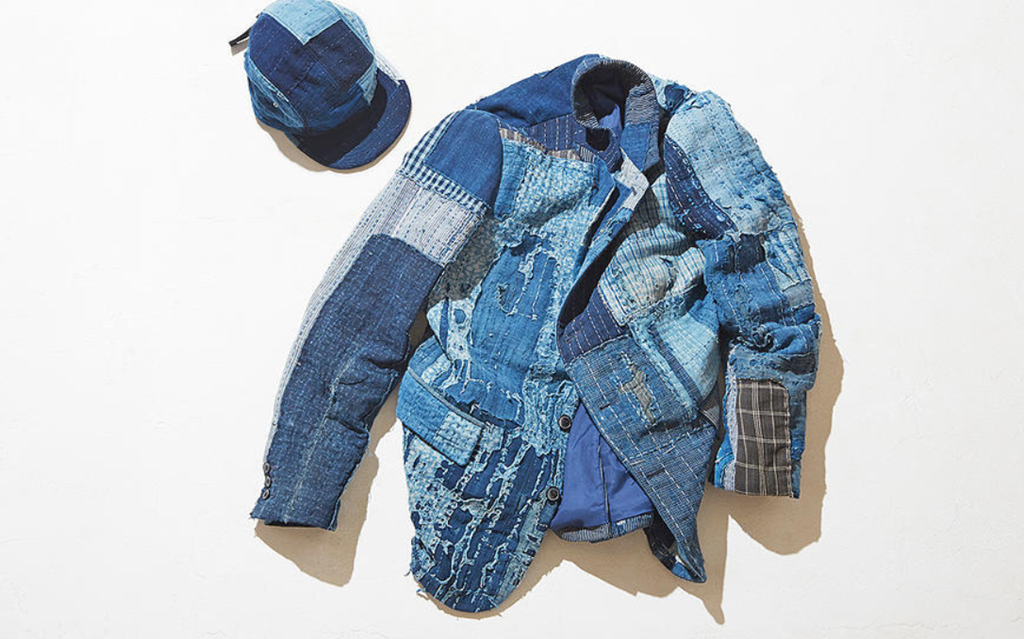
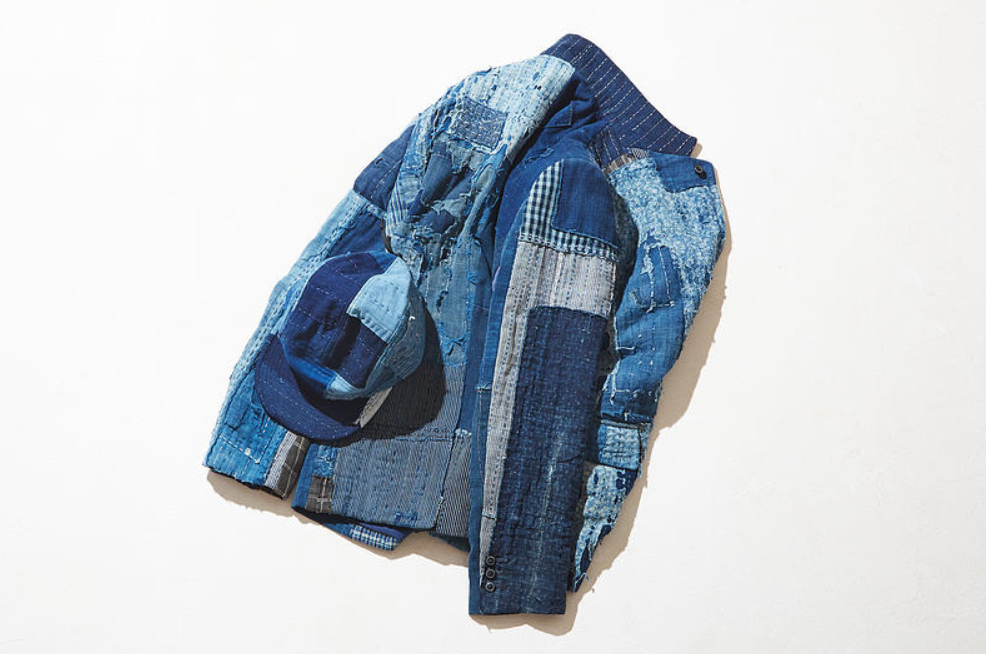
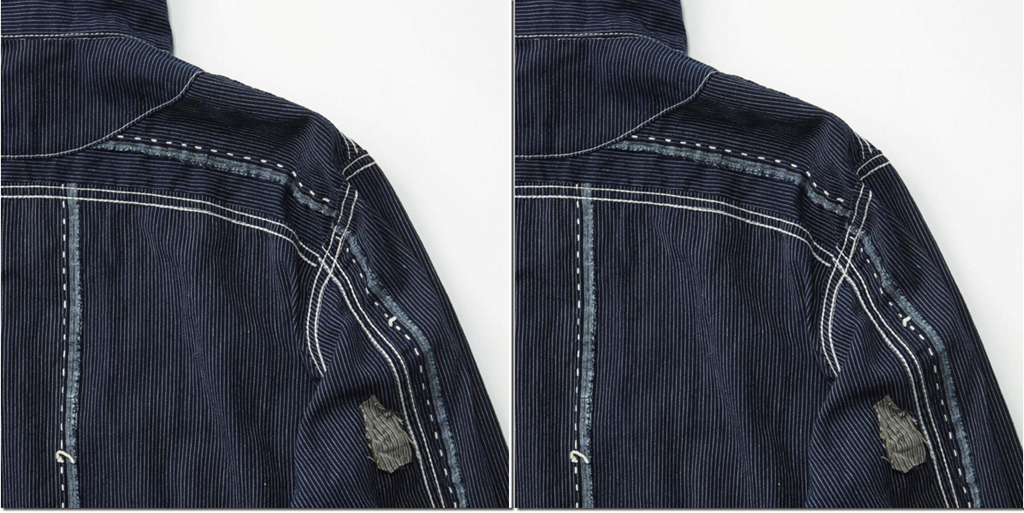
Reverse side is the essence of KUON.
Traditional Japanese fabric has a width of only about 30cm, so when it is used to make clothing, there will always be several joints.Because you can see where the pieces come together, it is interesting to wear inside out as well.
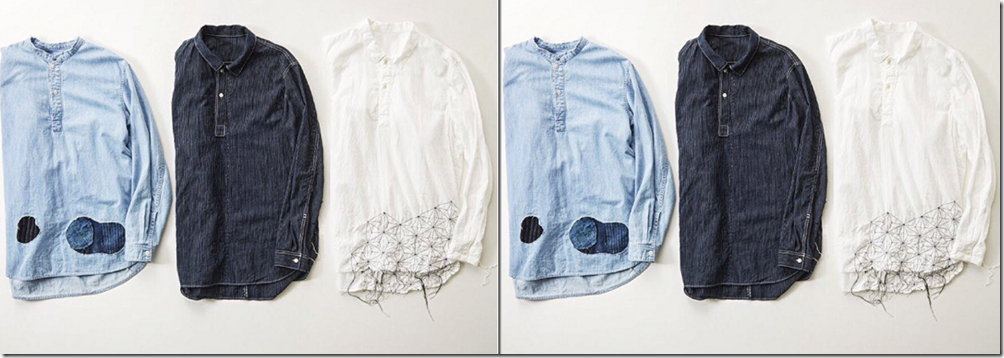
This is called a ASANOHA by the traditional pattern of the sashiko.
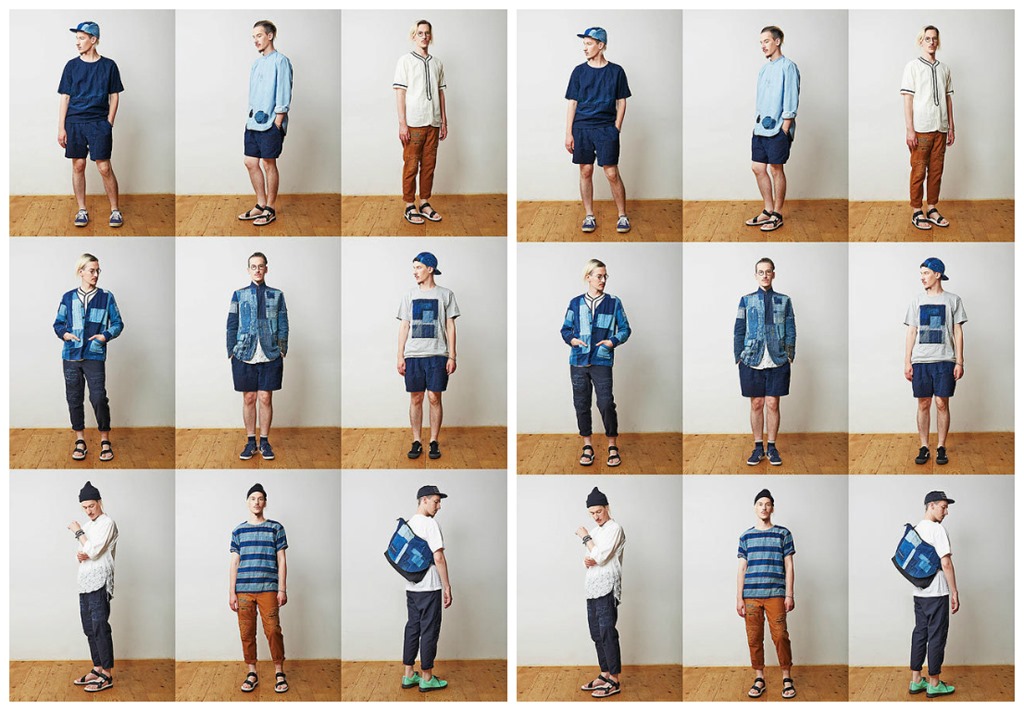
Here are some answers from Mr Shinichiro regarding his brand Kuon. He does not know English and has replied in Japanese. We are publishing the same with hope to convert in English with suitable translation soon !
1. What is the meaning of Kuon and why did you chose it.
KUONã¯æ—¥æœ¬èªžã§ã€Œæ°¸é ã€ã€Œé ã„éŽåŽ»ã¨æœªæ¥ã€ã‚’æ„味ã™ã‚‹ã€Œä¹…é ã€ã¨ã„ã†è¨€è‘‰ãŒå…ƒã«ãªã£ã¦ã„ã¾ã™ã€‚
襤褸(BORO)ã¯ä»Šã‹ã‚‰150-50å¹´å‰ã®ç”Ÿåœ°ã§ã™ã€‚ç§ãŸã¡ã¯è¥¤è¤¸ã«é™ã‚‰ãšå¤ã„ã‘ã‚Œã©ç´ 晴らã—ã„ä¸-ç•Œä¸ã®ç”Ÿåœ°ã‚’ç¾ä»£ã«ç”¦ã‚‰ã›æœªæ¥ã«ã¤ãªã’ã‚‹ã“ã¨ã‚’テーマã®ã²ã¨ã¤ã«ã—ã¦ã„ã¾ã™ã€‚
2. Your collection is supposed to be made of Boro fabrics 50-150 years old. How is that done. Pl explain to us. Does it mean no two garments are same?
襤褸ã¯æ—¥æœ¬ä¸ã‹ã‚‰æŽ¢ã—集ã‚ã¦ã„ã¾ã™ã€‚ãれらを一度ã™ã¹ã¦è§£ä½“ã—ç§ãŸã¡ã®ã‚³ãƒ¬ã‚¯ã‚·ãƒ§ãƒ³ã®ãƒ‡ã‚¶ã‚¤ãƒ³ã«è½ã¨ã—è¾¼ã¿ã¾ã™ã€‚
例ãˆã°ã‚¸ãƒ£ã‚±ãƒƒãƒˆã§è€ƒãˆã‚‹ã¨ã€ãƒ‡ã‚¶ã‚¤ãƒ³ã¯åŒã˜ã§ã™ãŒè¥¤è¤¸ã¯ä¸€ç‚¹ç‰©ãªã®ã§åŒã˜ãƒ‡ã‚¶ã‚¤ãƒ³ã®ã‚¸ãƒ£ã‚±ãƒƒãƒˆã§ã‚‚ã¾ã£ãŸãåŒã˜ç‰©ã¯ä¸-ç•Œã«ã²ã¨ã¤ã—ã‹ã‚ã‚Šã¾ã›ã‚“。
3.How do you think Kuon can achieve a social purpose while making a fashion statement
ç§ãŸã¡ã¯20ä¸-紀型ã®å¤§é‡ç”Ÿç”£ã€å¤§é‡æ¶ˆè²»ã«ç-‘å•ã‚’æŒã£ã¦ã„ã¾ã™ã€‚
ã‚‚ã¡ã‚ã‚“ãã‚Œã«ã‚ˆã£ã¦ãƒ•ã‚¡ãƒƒã‚·ãƒ§ãƒ³ãŒã“ã“ã¾ã§é€²åŒ-ã—ãŸã“ã¨ã¯ã¨ã¦ã‚‚ç´ æ™´ã‚‰ã—ã„ã“ã¨ã ã¨æ€ã„ã¾ã™ã€‚
ã—ã‹ã—21ä¸-ç´€ã«å…¥ã£ã¦ä¸-ç•Œä¸ã®äººã€…ã®ä¾¡å€¤è¦³ãŒå¤§ãã変åŒ-ã—始ã‚ã¦ã„ã¾ã™ã€‚
æ-°ã—ã„ã ã‘ã®ç‰©ã¯æ¬¡ã®æ-°ã—ã„物ãŒç™ºè¡¨ã•ã‚Œã‚Œã°å¤ããªã‚Šä¾¡å€¤ã‚’失ã„ã¾ã™ã€‚
ã—ã‹ã—美ã—ã„物ã¯ã„ã¤ã¾ã§ã‚‚美ã—ã„ã®ã§ã™ã€‚
夕陽ã¯ã„ã¤è¦‹ã¦ã‚‚美ã—ã„よã†ã«è¥¤è¤¸ã«ã¯ã„ã¤ã¾ã§ã‚‚人を惹ãã¤ã‘る美ã—ã•ãŒã‚ã‚‹ã¨æ€ã„ã¾ã™ã€‚
KUONã¯ãƒ•ã‚¡ãƒƒã‚·ãƒ§ãƒ³ã‚’通ã˜ã¦æ-°ã—ã„価値観ã®æ案をã—ãŸã„ã¨è€ƒãˆã¾ã™ã€‚
ã¾ãŸKUONã§ä½¿ç”¨ã™ã‚‹è¥¤è¤¸ã¯ãã®ã¾ã¾ã§ã¯ä½¿ãˆãªã„状態ã®ç‰©ã‚’多ãã‚ã‚Šã¾ã™ã€‚
2011å¹´3月ã«æ—¥æœ¬ã®æ±åŒ—地æ-¹ã«å¤§ããªè¢«å®³ã‚’ã‚‚ãŸã‚‰ã—ãŸåœ°éœ‡ã¨æ´¥æ³¢ã§è¢«ç½ã—ãŸå²©æ‰‹çœŒå¤§æ§Œç”ºã®ãŠæ¯ã•ã‚“ãŸã¡ã«è¥¤è¤¸ã®è£œä¿®ã‚’ãŠé¡˜ã„ã—ã¦ã„ã¾ã™ã€‚
ã“ã®ãƒ—ãƒã‚¸ã‚§ã‚¯ãƒˆã¯å˜ãªã‚‹å¯„付ã§ã¯ã‚ã‚Šã¾ã›ã‚“。彼女ãŸã¡ã¯åƒ•ãŸã¡ã®å¤§äº‹ãªãƒ‘ートナーã§KUONãŒå¤§ãããªã‚‹ã»ã©ã«å½¼å¥³ãŸã¡ã®ä»•äº‹ãŒç¶™ç¶šã‹ã¤å……実ã—ã¾ã™ã€‚
ファッションã«ã¯äººã‚’元気ã«ãƒ¯ã‚¯ãƒ¯ã‚¯ã•ã›ã‚‹åŠ›ãŒã‚ã‚‹ã¨ç§ãŸã¡ã¯ä¿¡ã˜ã¦ã„ã¾ã™ã€‚
150å¹´ã‹ã‘ã¦ç†Ÿæˆã•ã‚ŒãŸç”Ÿåœ°ã‚’ç¾ä»£ã®äººãŒè£œä¿®ã‚’ã—ã¦ç”¦ã‚‰ã›ãれをæ-°ã—ã„ファッションã«ã—ã¦æœªæ¥ã«ã¤ãªã’る。
ã“ã‚“ãªã«èˆˆå¥®ã™ã‚‹ã“ã¨ã¯ã‚ã‚Šã¾ã›ã‚“。
4. How will you ensure supply of old Boro fabrics when your brand expands
ä¼æ¥ç§˜å¯†ã®éƒ¨åˆ†ã‚‚ã‚ã‚Šã¾ã™ãŒâ€¦
KUONã«ã¯æ—¥æœ¬ã‚’代表ã™ã‚‹å¤ç¾Žè¡“ã®å°‚é-€å®¶ãŒä½•äººã‚‚ãƒãƒƒã‚¯ã‚¢ãƒƒãƒ—ã‚’ã—ã¦ãã‚Œã¦ã„ã¾ã™ã€‚
ç§ãŸã¡ã®å…ƒã«ã¯æ—¥æœ¬ä¸ã‹ã‚‰è²´é‡ãªè¥¤è¤¸ãŒãŸãã•ã‚“集ã¾ã£ã¦ãã¾ã™ã€‚
ãã‚Œã§ã‚‚襤褸ã¯é™ã‚‰ã‚ŒãŸè³‡æºã§ã™ã®ã§ç„¡å°½è”µã«ã‚ã‚‹ã‚ã‘ã§ã¯ãªã„ã®ã§å¤§åˆ‡ã«æ‰±ã£ã¦ã„ã¾ã™ã€‚
åŒã˜è¥¤è¤¸ã‚’作ã‚ã†ã¨ã—ãŸã‚‰50年後ã«ãªã£ã¦ã—ã¾ã†ã‚ã‘ã§ã™ã‹ã‚‰ï¼
日本ã§ã‚‚近年投資目的ã§è¥¤è¤¸ã®ä¾¡æ ¼ãŒé«˜é¨°ã—ã¦ã„ã¾ã™ã€‚
僕ãŸã¡ã¯ãã†ã„ã†äººãŸã¡ã‹ã‚‰ã¯è²·ã„ã¾ã›ã‚“。
ãªãœãªã‚‰ãã†ã™ã‚‹ã“ã¨ã§è¥¤è¤¸ãŒå˜ãªã‚‹ä¸€éŽæ€§ã®ãƒˆãƒ¬ãƒ³ãƒ‰ã§çµ‚ã‚ã£ã¦ã—ã¾ã„ã€
ç§ãŸã¡ã®æ€ã„æãファッションã®ç†æƒ³åƒã¨ã¯é•ã£ã¦ã—ã¾ã†ã‹ã‚‰ã§ã™ã€‚
5. Boro fabrics are normally supposed to be about 30 cm wide. Does it make difficult to use these fabrics ?
よãã”å˜çŸ¥ã§ã™ã。
ã‚‚ã¨ã‚‚ã¨æ¬§ç±³ã‹ã‚‰æ´‹è£…ãŒå…¥ã£ã¦ãã‚‹ã¾ã§æ—¥æœ¬äººã¯ç€ç‰©ã‚’ç€ã¦ã¾ã—ãŸã€‚
ç€ç‰©ã®ç”Ÿåœ°å¹…ã¯36cmãらã„ã§ã™ã€‚襤褸ã¯ä¸¡ç«¯ãŒç ´ã‘ãŸã‚Šã—ã¦ä½¿ãˆã‚‹ã®ã¯30cmãらã„ã«ãªã‚Šã¾ã™ã€‚
ãれらをã¤ãªãŽåˆã‚ã›ã¦ä»•ç«‹ã¦ã¾ã™ã€‚ã—ã‹ã‚‚襤褸ã¯å¤§ãã•ã‚‚ãã‚Œãžã‚Œç•°ãªã‚Šã¾ã™ã€‚
ãã®ä½œæ¥ã¯ä»Šã®å·¥å ´ã«ã¨ã£ã¦ã¯é›£ã—ãæ-れれã¾ã™ã®ã§ç§ãŸã¡ãŒäºˆã‚処ç†ã‚’ã—ã¦ã‹ã‚‰å·¥å ´ã«ä¾é ¼ã—ã¾ã™ã€‚
ã“ã®ãŸã‚ã«é€šå¸¸ã®æ´‹æœä½œã‚Šã®å·¥ç¨‹ã®å€ä»¥ä¸Šã®æ™‚é-“ã¨åŠ´åŠ›ãŒæŽ›ã‹ã‚‹ã¨æ€ã„ã¾ã™ã€‚
6. When will your collection be available online ?
æ¥å¹´ã®2æœˆé ƒã«ã‚ªãƒ³ãƒ©ã‚¤ãƒ³ã‚¹ãƒˆã‚¢ã‚‚オープンã§ãるよã†ã«æº-å‚™ä¸ã§ã™ã€‚
Leave a Reply
You must be logged in to post a comment.