Author: Sandeep Agarwal

  • Denim By PV Trends For Spring/Summer ‘13

    We have been late in bringing the report of trends from Denim by PV for the Spring/Summer 2013. However, its better to be late than never!

    Here is a report from Stylesight – the leading trend agency worldwide – on the trends from Denim By PV held in Dec’11.

    Cheat Sheet

    1. Soft touch remains a key focus for many mills Cellulose TENCEL® and Modal fibers become essential Soft-focus looks for peached surfaces and dense, tactile hands.
    2. Growing each season, eco-friendly technology remains key for S/S 13
      Recycled yarns become more widely used and aesthetically pleasing
      Low-impact technologies, fibers and processes remain priorities for mills.
    3. Finishes and treatments evolve shine for S/S 13 Pearlescent and iridescent looks move on from traditional resin shine. Two-tone and shot silk looks create fashion-forward denim surfaces.

    1.Engineered Herringbone

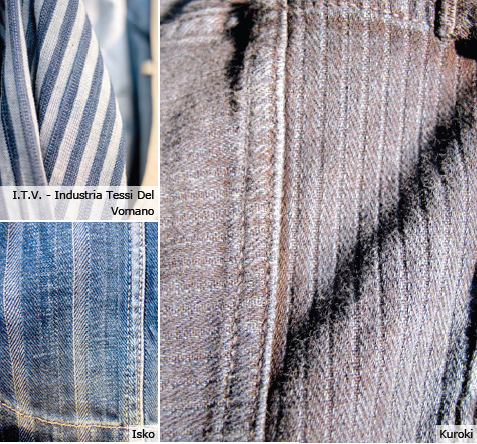
    Herringbone evolves for S/S 13 with new 3-D weaves. Graphic and pronounced herringbones create cord-like surfaces / Deep ridged textures offer tactile touch / New take on the engineered stripe trend / Workwear and tailoring references / Double weaves and double-faced fabrics.
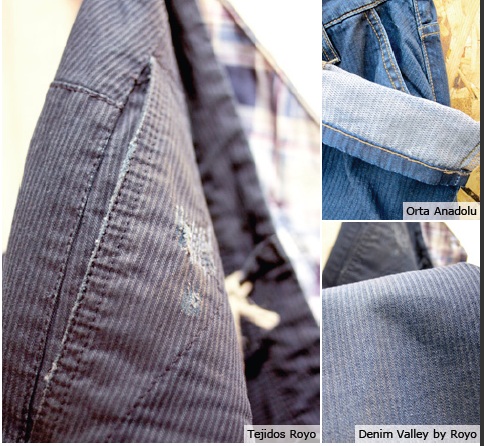
    Engineered Herringbone Orta Anadolu Tejidos Royo Denim

    Engineered Herringbone Isko Kuoki Denim

    2.Dobby Weaves

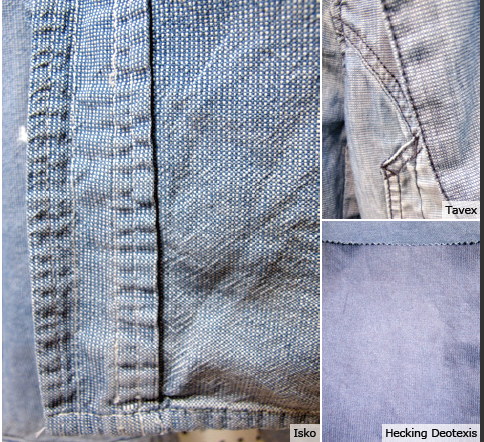
    A trend that emerged at last winter!s show, dobby weaves had a stronger presence this season. Small, intricate designs created using dobby attachments on looms / Allover geometric designs / Raised, extra
    yarn weaves create 3-D looks / Honeycomb and waffle appearances / Broken twill variations / Strong white weft presence on fabric faces.
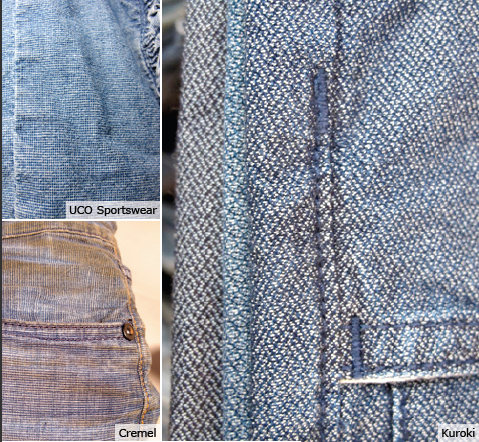
    Dobby Weaves UCO sportswear Denim

    Dobby Weaves Isko Tavex Denim

    3.Duck Canvas

    A trend that emerged two seasons ago at niche mills, duck canvas offerings grow to meet demand.Clean and durable canvas constructions, reminiscent of workwear fabrics / Neutral shades of ecru and mustard /Indigo overdyes and yarn dyes / Premium selvedge canvas as chino alternative / Popular visual texture with rugged associations.
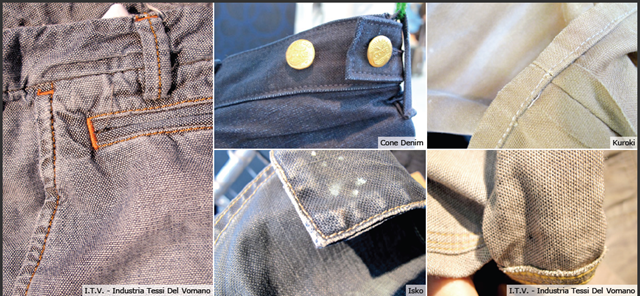
    Duck Canvas Cone Denim Isko Denim

    4.Salt+Pepper wefts

    Tweedy textures emerged two seasons ago and continue their importance for S/S 13.Switching focus to weft yarns, creates a more subtle, wearable fabric / Weft textures add visual interest to denim faces after wash-down / Twisted yarn alternative with a more menswear and heritage feel / Cozy denim look for summerweight denims.
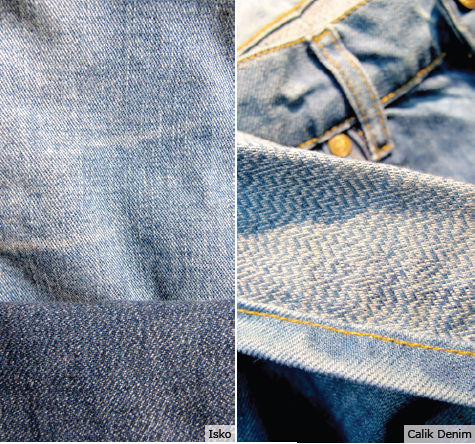
    Salt+Pepper wefts Isko Calik Denim


    5.Marled Grey

    Mélanges create a summery textured yarn for S/S 13.Neppy, textured and flecked greys / Jersey denim looks / Inspired by retro marls and activewear / Cone Denim!s recycled yarns / Twisted yarns and slubby surfaces / Menswear-centric story.
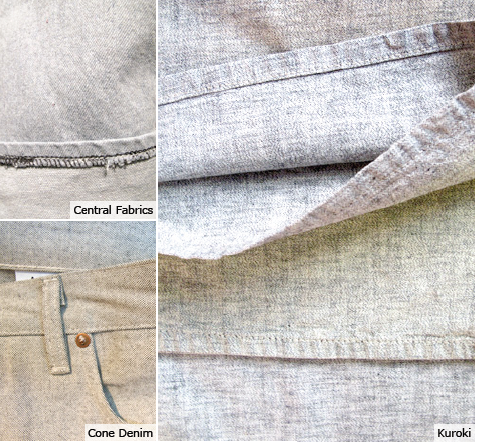
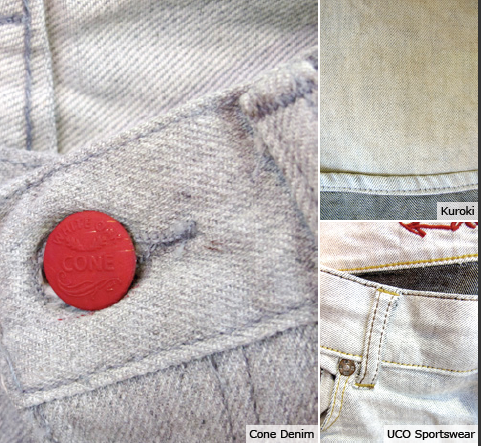
    Marled Grey Central fabrics cone denim

    Marled Grey Uco Sportswear Cone denim

    6.Knit Indigo

    Jersey-look indigo or indigo-look knits emerge for S/S 13.Knit indigo is making big waves in denim / Focus on comfort denim with soft and stretch capabilities / Indigo knits at Isko led to Diesel!s “Jogg Jeans” range / Bossa, Calik and Montebello are all experimenting / Ultra-high stretch / Improved recovery and super-soft hands / Activedenim hybrid fabrics for casualwear.
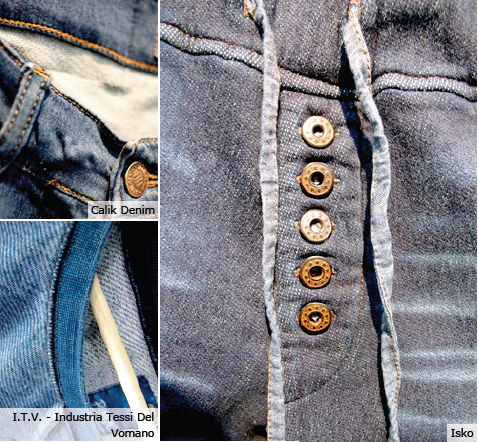
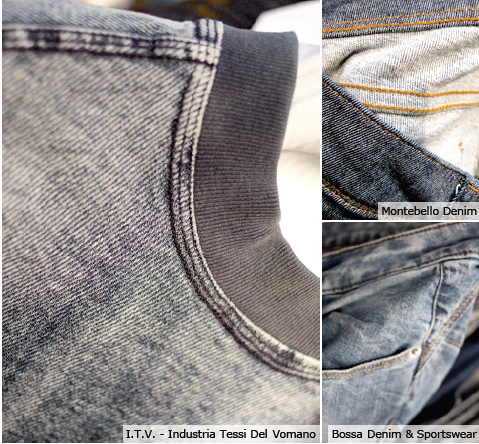
    Knit Indigo I.T.V Industria tessi del vomano Isko Denim

    Knit Indigo I.T.V Industria tessi del vomano Montebello denim

    7.Tencel Stretch

    Stretch continues to be a key denim initiative with new TENCEL® blends for S/S 13. Super stretchy blends merge the fluidity and softness of cellulose / Orta Slow Fit TENCEL® and cupro blends have memory stretch / Huge range of TENCEL® stretch fabrics by Italdenim includes colored denims / Surfacesare glossy, super-soft and malleable / Second skin feeling.
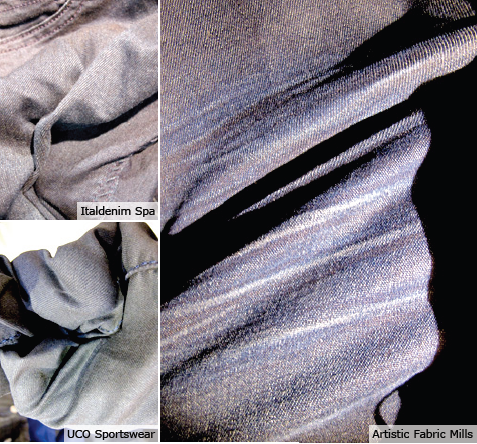
    Tencel Stretch italdenim spa artistic fabric mills denim

    8.Soft Focus

    Focusing on hand, mills look to finish, weave and fiber advancements for increased tactility.Brushed cottons have peached surfaces / Sateen weaves remain important / Tightly constructed, dense stretch weaves/Soft moleskin looks and fluffy appearances.
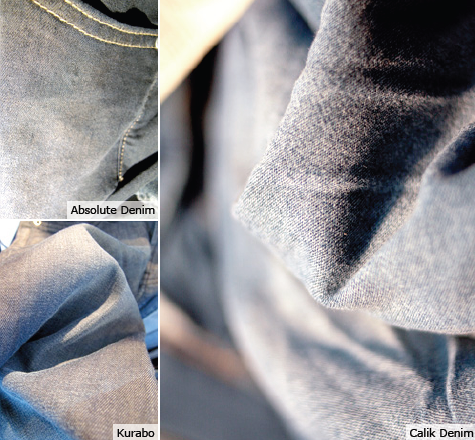
    Soft Focus absolute denim calik denim


    9.Dense+Compact

    Clean, compact fabrics have smooth and refined denim finishes.Premium looks with clean and compact surfaces / Durable, dry and dense weaves / Deadstock raws and clean constructions / Dry and flat finishes give denim smooth shine.
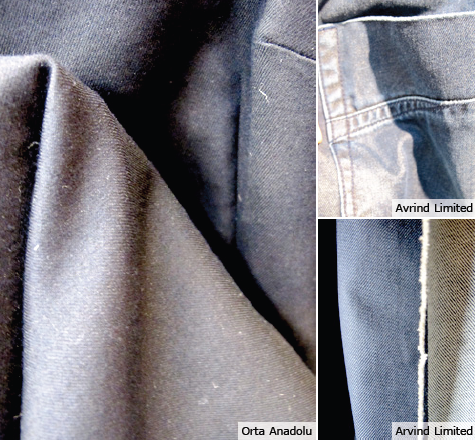
    Dense+Compact orta anadolu arvind limited denim

    10.cellulose updates

    Cellulose alternatives to traditional cotton are flooding the denim market.
    New innovations continue to drive these denims forward / Lyocell expert Royo offers colored, laundered and treated blends for S/S 13/ Cone explores unexpectedly authentic yet super-soft blends, proving denim does not have to be lightweight and fluid / Black TENCEL® denims emerge.
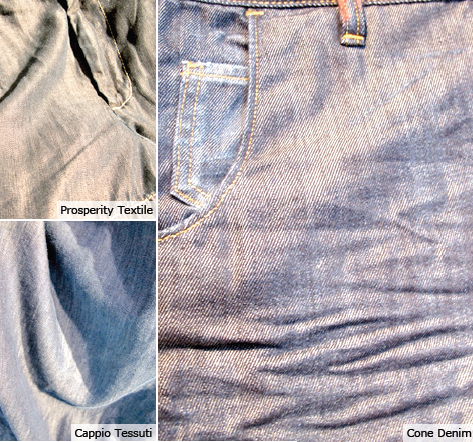
    cellulose updates prosperity textile cone denim

    11.Vintage Drape

    Open construction and drape offer comfortable hands and summery, vintage attitude. Lightweights reemerge for summer / Focus on open, fluid and unstable weaves / Crosshatch lightweights remain an important texture story from S/S 12 / Comfortably worn-in fabrics create an “old favorite” jean feeling / Bias cuts enhance drape.
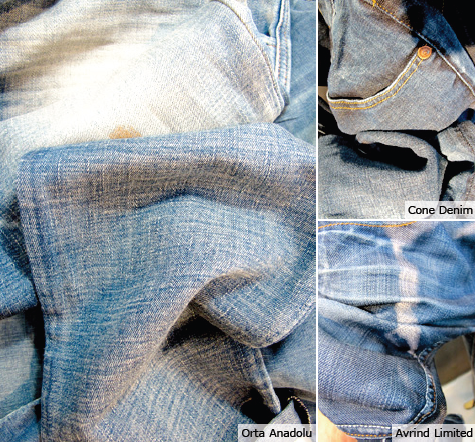
    Vintage Drape orta anadolu cone denim

    12.Recycled Yarns

    Working toward a sustainable future, mills highlight recycled denims.
    Reused denim scrap waste from fabric and garment manufacturing stages / Cone Denim!s EarthSPUN wefts made from recycled green, brown and blue plastic bottles / Eco-premium recycled selvedge denim from Nihonmenpu / Paper wefts at Calik Denim / Unique indigo shades and neppy constructions / Textured fill yarn qualities.
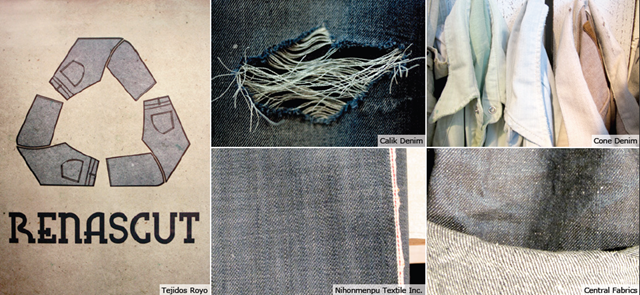
    Recycled Yarns tejidos royo calik denim cone denim

    13.Linen/cotton

    A key S/S 13 development, mills look to linen to update traditional all cotton denim.Air-dried and creased looks have casual summer attitude / Linen wefts bring cooling properties / Glossy yet relaxed surfaces / Neppy and slubby yarns / Used on 7 to 12oz. denims.
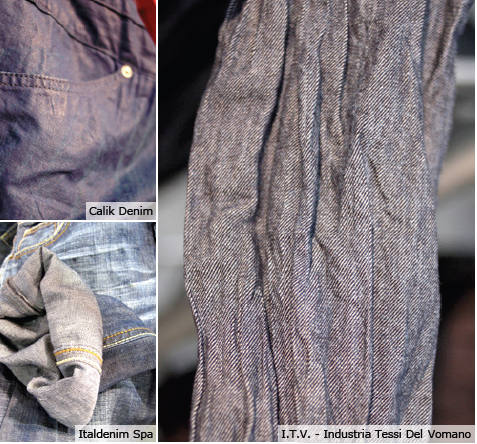
    Linen/cotton calik denim I.t.v-industria tessi del vomano denim

    14.Slub chambray

    Chambray looks rustic with slubby and neppy textures.Vertical and horizontal slub yarns / Rustic updates for plain weaves / Exaggerated crosshatches are key / Skyblue indigo shades / Vintage loom defects nod to the Dust Bowl era.
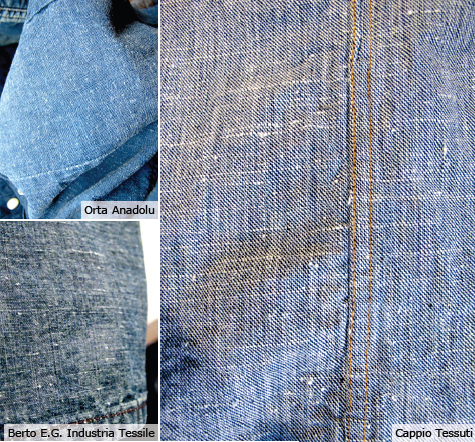
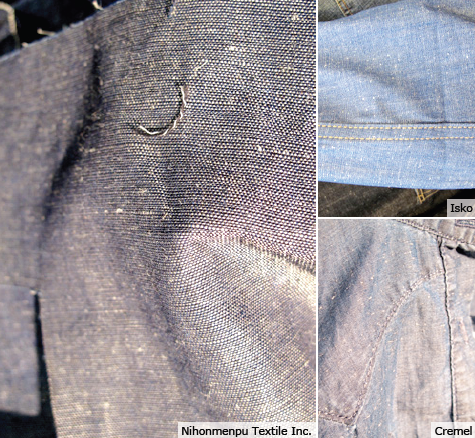
    Slub chambray orta anadolu cappio tessuti denim

    Slub chambray nihonmenpu textile inc. isko crenel denim

    15.Summer greens

    Last season!s green-cast denims become laundered and muted for S/S 13.
    More obvious, cleaner greens take over from tinted green indigos of last season / Chambrays and textured,neppy denims / Rustic weaves and vintage laundries / Pale pastel looks and recycled wefts at Cone Denim /
    Unisex denim story mixes vintage with fashion.
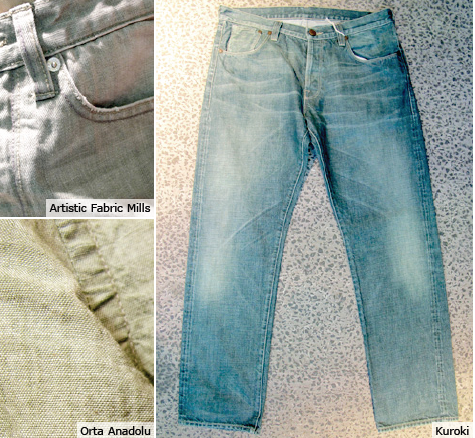
    Summer greens artistic fabric mills ota anadolu kuroki denim

    16.Pastel wash

    Pale shades are two-tone, diffused and laundered.Soft palette of baby blue, mint green, peach and pink / Whitened colors and coated pales / Pastel shades bleed through at seams / Colored wefts with white warps / Breakages and surface distressing create interest.
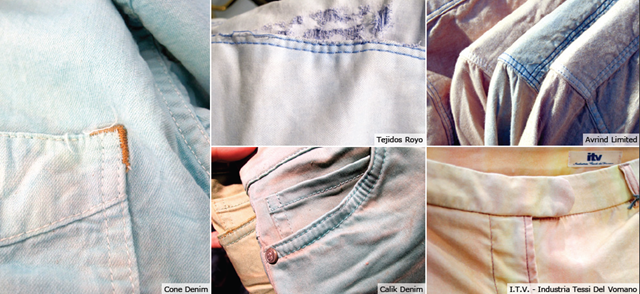
    Pastel wash cone denim calik denim avrind limited

    17.Pearlescent

    For S/S 13, resin finishes become pastel and pearlescent.New stretch coatings offer summer alternatives to leather / Super shiny / Glitter particles / Color ranges from pastels to girly brights / Pearlescent resin finishes suit Juniors and Tweens.
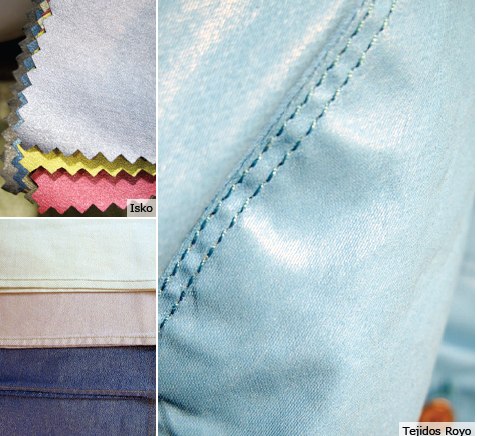
    Pearlescent isko tejidos royo

    18.Luminescence

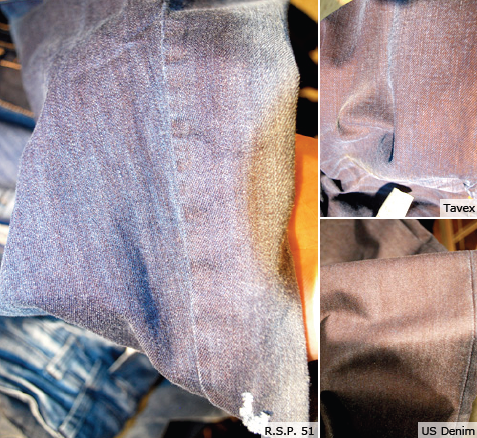
    Distinctly purple-cast, two-tone denims emerge for S/S 13.Two-tone indigo replicates shot silk / Colored wefts with indigo warps / Iridescent yarns and glossy TENCEL® /Focus on glossy surface sheen.
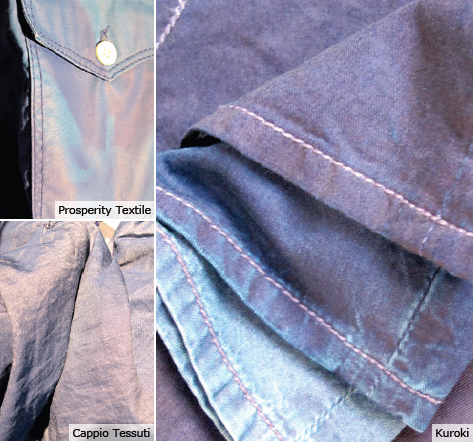
    Luminescence prosperity textile kuroki denim

    Luminescence R.s.p.SI tavex denim

    19.Lurex shine

    The shiny denim trend strengthens with metallic yarns, wefts and treatments expanding offerings.Liquid gold and silver effects add dazzling glamour to denim / Iridescent metallic lightweights at Kuroki / Metallic
    coatings become malleable, lighter weight and fluid for summer / High stretch constructions.
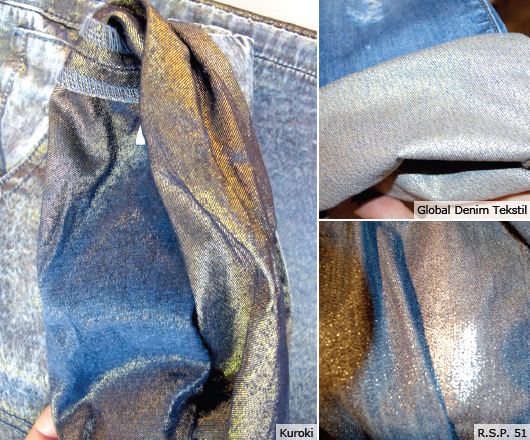
    Lurex shine kuroki global denim tekstil denim


    20.Plastic people

    Clear resins give new plastic shine to black and indigo fabrics.Polished looks achieved with new resin layers / Flattened constructions create a starched and pressed effect /Shine creates sculptural and molded relief to denim / Clean, classic denims transform with sophisticated finishes.
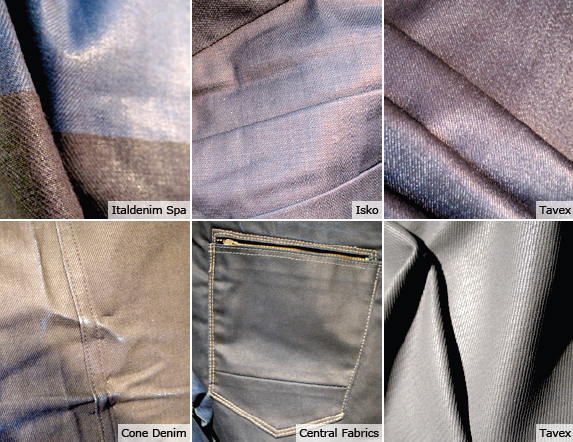
    Plastic people itadenim spa isko tavex denim

    21.Color explosion

    Attendees could not ignore the vast color ranges for S/S 13.Color stories show no sign of abating for S/S 13 / Colored wefts in significantly brighter shades / Saturated brights and gemstone palettes / Quirky contrast red, purple and green wefts against blue.
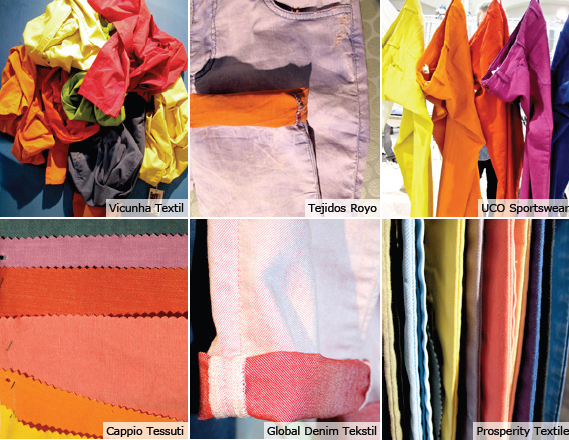
    Color explosion vicunha texti tejidos royo uco sportswear denim

    Color d : Colored Premium Denim Fabrics For Spring – Summer 2013  yarn dyed color denim fabrics

    22.Awning stripes

    Railroad stripes inspire a new breed of indigo pattern for S/S 13.Thick woven awning or prison stripes / Horizontal looks / Mattress ticking and vintage tea towel looks / Doubleweave denims with striped wefts / New jacquard plaids at Nihonmenpu / New proportions and scales move the story forward / Screen-printed and discharge stripes / Ecru and indigo color palette.
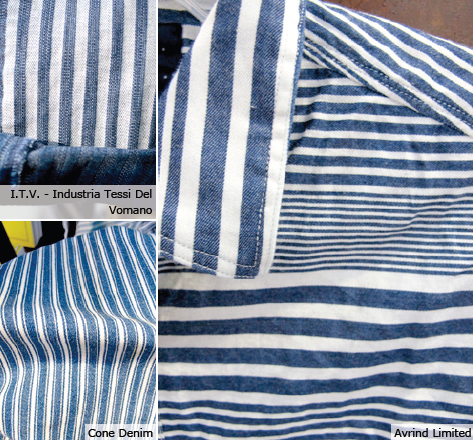
    Awning strips i.t.v - industria tessi del vomano avrind limited denim


    About Stylesight:  Stylesight  is a leading provider of trend content, tools and technology for creative professionals in the fashion and style industries.
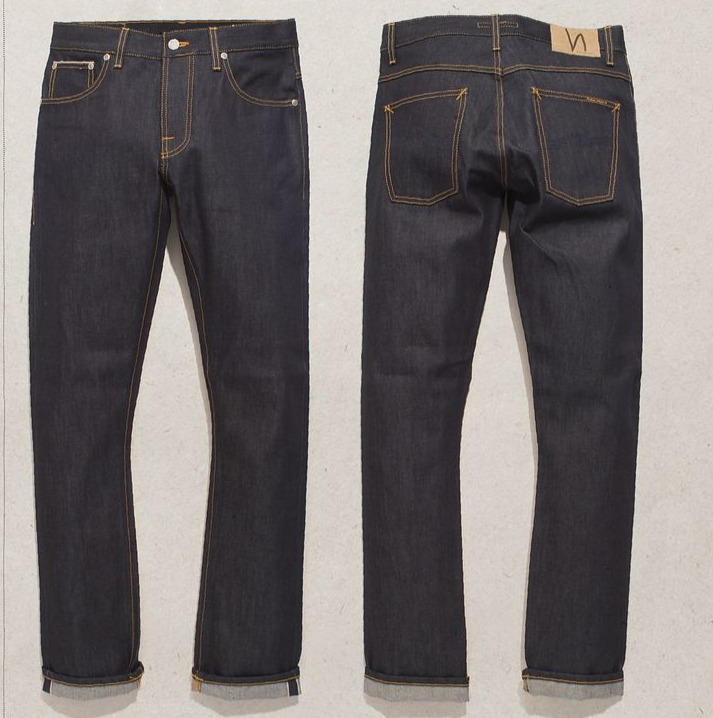
  • Nudie Jeans : Spring / Summer 2012 Denim Collection

    “Rather than doing the conventional trend spotting , we find inspiration in other cultural fields such as movies and music. We also find it in the inexhaustible history of denim , and we get it from all the dedicated users wearing our dry jeans until they fall apart . The Swedish work culture and the melting pot of modern Scandinavia culture also meet and merge in the collections.”

    This is what the Swedish denim brand Nudie Jeans have to say about their collections. They do not go for any trend spottings and follow their own instincts and derive inspiration from culture and history to make the new collections.
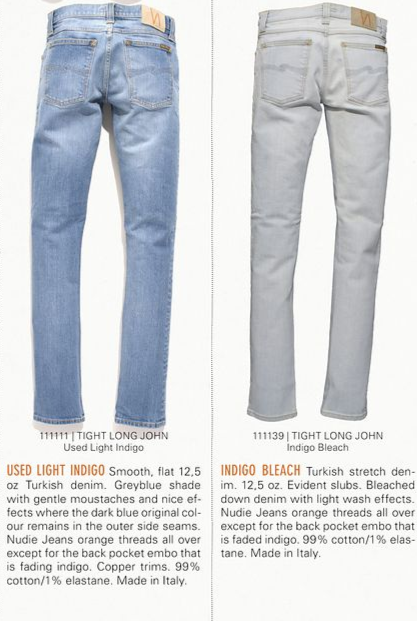
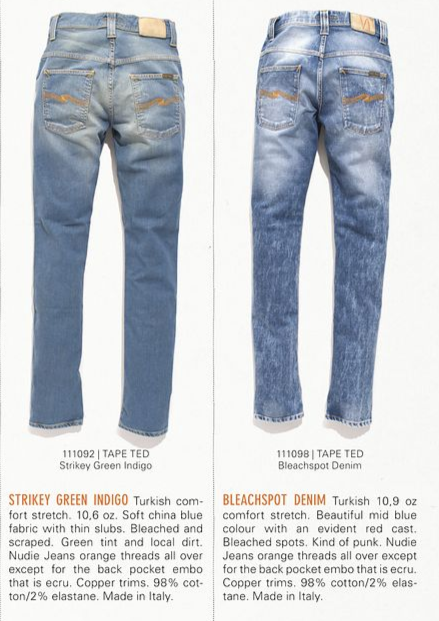
    The Spring Summer 2012 denim range is divided into Dry, Worn and Worn Authentic – simply after the amount of washing treatments given at the laundry.
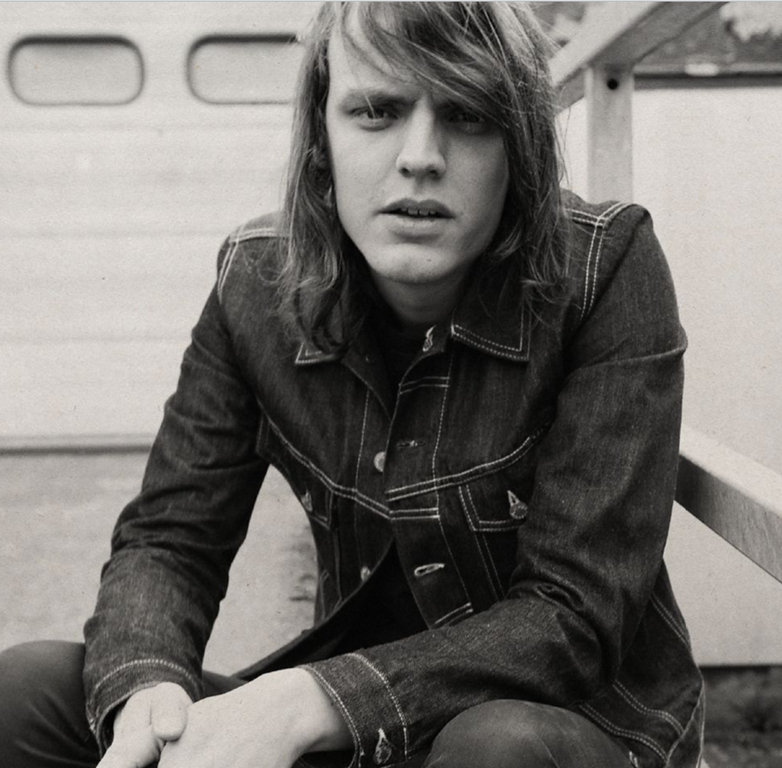
    The Nudie Jeans Indigo tops range is a selection of indigo dyed knitwear , shirts, T-shirts and washed denim jackets – a range where indigo shows its diversity in shades and intensity.

    1. DRY

    dry selvedge denim nudie

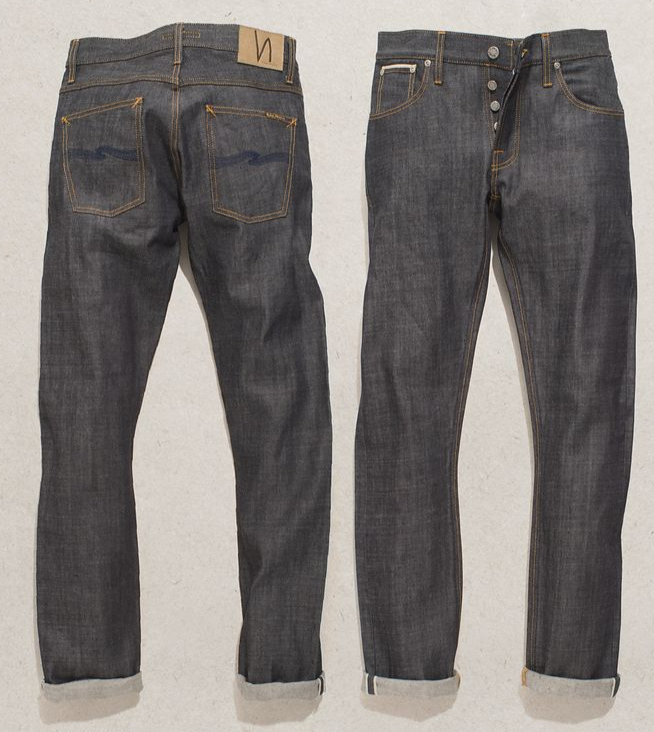
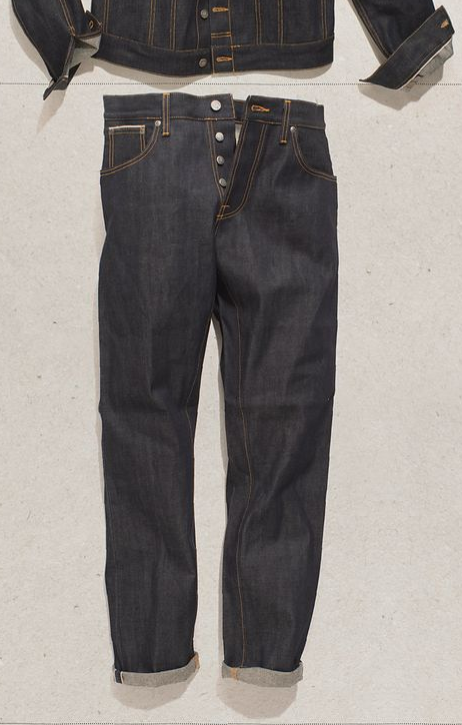
    Dry Flat Selvedge : Dry Italian 13.25oz selvedge denim with a little red cast. Its compact and regular with a smooth flat surface.

    dry selvedge denim nudie

    12oz Dry Selvedge Italian denim . It has a very open construction allowing weft to shine through. The surface is dry  and flat, shiny with a little bit of streakiness.

    dry selvedge denim nudie

    Dry Orange Selvedge :

    Made of 13.5oz japanese denim , the warp has been dipped in 13 indigo baths on top of sulphur to create a green cast . The fabric is slubby and with a tight weaving. For an authentic look, the weft has a beige shade. And by the way , buttons and rivets are made of silver !

    dry selvedge denim nudie jeans

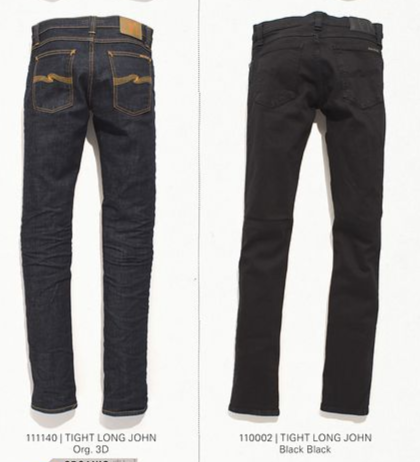
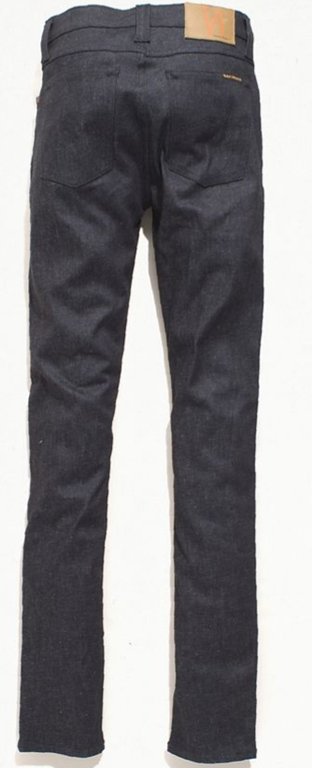
    Organic Dry Twill : 11.5oz organic Turkish power stretch. Clean flat surface and dry hand feel and  low red cast

    Organic dry selvedge denim nudie

    Recycle Dry Navy : 11.5oz power stretch denim from Turkey made with both organic cotton and recycled cotton. It’s a red cast with tight construction , smooth shiny surface and is neppy. 68% Organic cotton, 29% recycled cotton and 3% elastane.

    Organic Recycled dry selvedge denim nudie

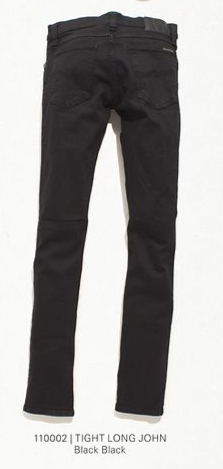
    Black Black :
    12oz Turkish power stretch with super blue indigo overdyed with black .
    Black Black Denim

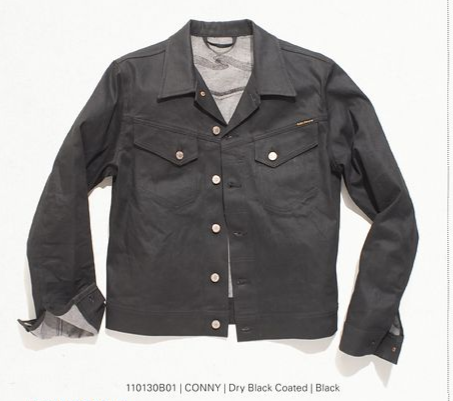
    Dry Black Coated:
    The core Nudie jeans denim jacket in a dry black coated denim. Black back pocket stitching at back yoke. Twin needle stitches in black all over and customized copper buttons. 98% cotton , 2% Elastane.
    Dry Black Coated:

    2.Worn:

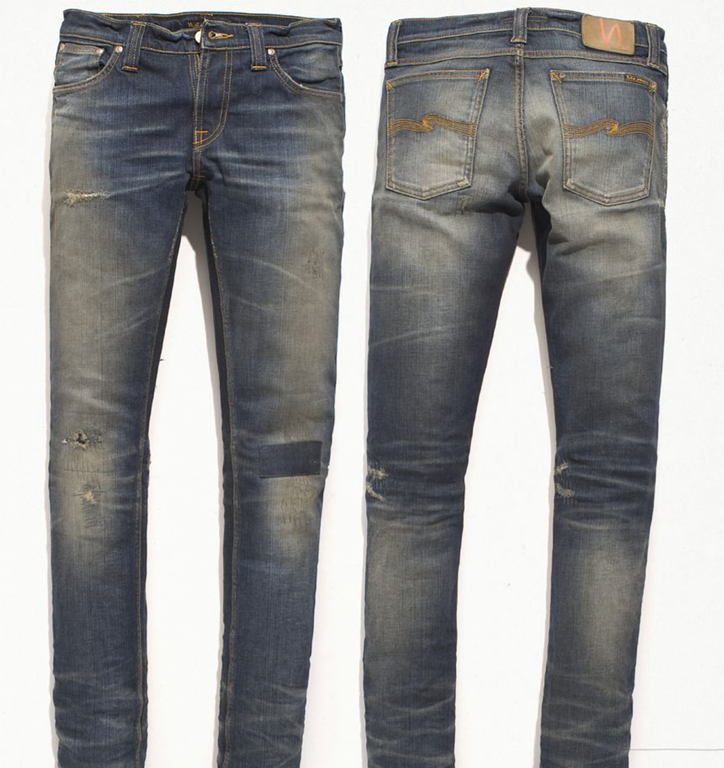
    The worn concept emulates the qualities of worn in dry jeans in many aspects. A shortcut to breaking in own jeans !
    Worn Look : Nudie  Jeans

    Worn Look : Nudie  Jeans

    Worn Look : Nudie  Jeans

    Worn Look : Nudie  Jeans

    3.Worn Authentic

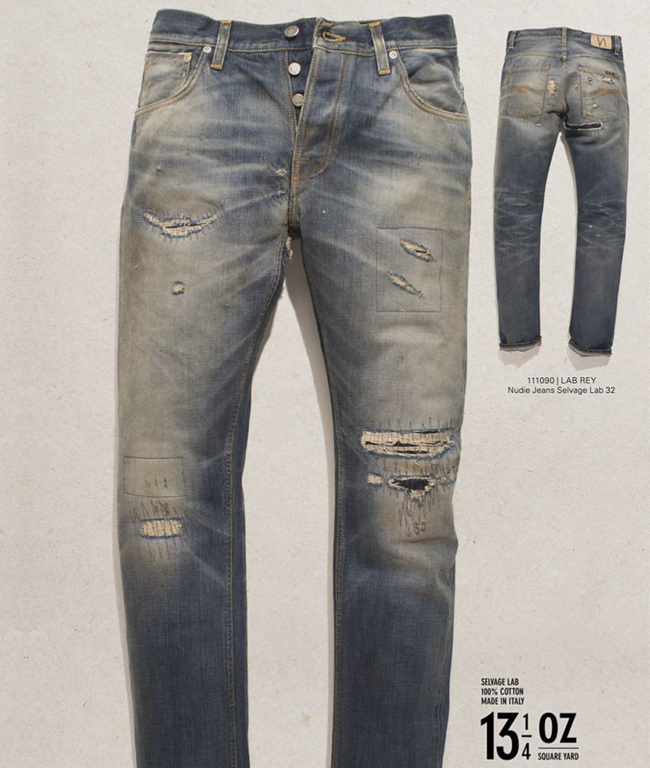
    Giving a pair of jeans looks of at least having been worn for one year. The creases on the thighs and the back of knees have to be exactly in the same places. Folded sandpaper with the right grit is used to create streaks on denim . Rasps are used to carefully create holes, which are patched after washing.

    Madde Replica: 12oz denim from Italy . The original was broken into to create this look . The jeans has very natural worn in look , mending, great honey combs  and moustaches.

    Worn Authentic Look : Nudie  Jeans

    Lab 32
    A pair of well worn jeans by a photographer in Stockholm inspires this great looking jeans in a 13.25 oz Italian denim.
    Worn Authentic Look : Nudie  Jeans

    Color denim collections

  • Egypt : Denim Exports 2000-2011 ; Main Suppliers Etc

    Here is our latest in the series of subscriber reports for Egypt. The report contains the following :

    1. Table for import quantities, prices and values of all denim apparel from Egypt into US from 2000-2010.
    2. Graph of prices denim apparel from Egypt into US from 2000-2010.
    3. 3 large suppliers of denim apparel from Egypt and their contacts and some of their buyers’ details.
    4. Table for import quantities, prices and values of men’s denim jeans from Egypt into US from 2000-2010.
    5. Table for import quantities, prices and values of women’s denim jeans from Egypt into US from 2000-2010.
    6. Table for import quantities, prices and values of all jeans from Egypt into EU from 2000-2010.
    7. Table for import quantities, prices and values of men’s denim jeans from Egypt into EU from 2000-2011.
    8. Table for import quantities, prices and values of women’s denim jeans from Egypt into EU from 2000-2011.
    9. Table for imports of denim fabrics into Egypt from EU and the average prices for the same for 2010 and 2011.

    Egypt is an important garmenting location for sourcing a large amount of apparel by companies in US and EU. A large amount of denim apparel is also produced in Egypt and exported to these destinations. Lets have a look at how Egypt has performed in the last 10 years  for different categories of denim products to US and EU .

    [private_special]

    1.Exports to USA

    The following are the tables which show the volumes of denim apparel exported to US and their prices . We can also see below the breakup in terms of Men’s/Boy’s denim and Women’s/Girls denim apparel. It can be seen that Egypt exports almost equal quantities of men’s and women’s denim apparel.

    image_thumb79_thumb

    image_thumb83_thumb

    image_thumb87_thumb

    image_thumb91_thumb

    Here is the comparison of apparel exports in 2010 vs 2011 and the changes that have occurred.

    Period All Denim Apparel (qty) Denim Apparel (Value USD million) Av Price(USD/ piece)
    2010 27.76 million pcs $191.3 $7.17
    2011 22.70 million pcs $191.9 $8.45
    Change % -18.2% +0.3% +17.8%

    2.Exports to Europe

    Here are the stats on the exports to EU27 countries from Egypt. Egypt seems to be doing more of women’s jeans than men’s jeans when it comes to exporting to EU.

    image_thumb37_thumb

    image_thumb42_thumb

    image_thumb46_thumb

    image_thumb50_thumb

    Period Jeans Qty
    (qty)
    Value in Euros Av Price(Euro/pc)

    2010 (Jan-Oct)

    5.49 million pcs

    56.1 million Euros

    10.2

    2011(Jan-Oct)

    5.50 million pcs

    59.4 million Euros

    10.78

    Change % Almost same +6.2% +5.6%

    3.Exports From EU to Egypt : Denim Fabrics

    How much of denim fabrics goes to Egypt from EU for conversion and at what prices.. Lets see:

    Period Quantity in sq mtrs Value in Euros Average price in Euro/sq. mtrs

    2010

    1.45 million sq mtrs

    5.03

    3.46

    2011 (Jan-Oct)

    1.02 million sq mtrs

    4.60

    4.48

    4.Some important suppliers from Egypt

    We are listing herebelow some important suppliers of denim apparel from Egypt.

    Lotus Garments

    Is one of the leading Egyptian garments companies with some 3,200 employees. Lotus Garments Co. is located in Port Said Public Free Zone, Port Said, Egypt. A total area of 24,262 square meters divided into 5 factories With 22 production lines, it exports to customers like Calvin Klein, Levi’s , VF etc

    http://www.lotusgarments.com/
    image_thumb132_thumb

    Some Customers in US

    image_thumb136_thumb

    Velocity Apparels

    Is a garment manufacturing and exporting company with factories in Egypt, U.A.E & Jordan. Top buyers include Target Stores, Gap Inc., Wal-Mart, Gloria Vanderbilt, etc. It is a part of Vogue International. Vogue International is Established in 1989 full package- full development center to support concept through production. Vogue International consists of 3 facilities. One located in UAE and the the other two located in Egypt. Velocity Apparels in UAE, Velocity Jeans and Velocity Apparelz in Egypt.
    Vogue International is a manufacturing and exporting firm, specializing in woven apparel having a client portfolio spanning Europe and North America. For more than 15 years we have been a strategic partner to some of the best known apparel companies.
    http://vogue-intl.com/web/Velocity/home.html

    image_thumb124_thumb

    Some customers in US.

    image_thumb128_thumb

    Lets see some details about their customer: Hybrid Promotions LLC

    image_thumb147_thumb

    Hybrid Apparel is a diversified US based premiere apparel company servicing all tiers and trade channels of distribution. The company designs, develops, sources, produces and distributes apparel strategically as follows Manufactures knit t-shirts & tops Hosiery, Waistcoats, Clothing, Slacks and trousers and shorts, Shirts and blouses, Sweaters, Coats and jackets, Suits, Dresses and skirts and saris and kimonos.

    Trans Africa Garments

    TRANS AFRICA GARMENTS COMPANY was established at Port Said Public Free Zone for Investments (PPFZI) in 1993 producing 6000 dozen monthly. They are specialized in the field of garments specially Jeans and Twill.

    image_thumb156_thumb

    Some customers in US.

    image_thumb9_thumb

    image_thumb19_thumb
    Started as a little surf shop in Newport Beach in 1980, and we`re now one of the top names in teen fashion with 900 stores in 50 states.Their roots are in youth culture and offer what`s next now. PacSun is headquartered in sunny Anaheim, California

    Sheeba International Garment Company

    Established in 1991 as a family-owned production facility, Sheeba International Garments is now considered to be one of the main woven ready-made garments producers in the Middle-East region.

    Sheeba International Garments main line of business is woven products, ranging from basic to fashion pants, shorts, overalls, skirts, denim shirts and jackets.

    image_thumb30_thumb

    http://www.sheebagarments.com
    info@SheebaGarments.com

    The main market for Sheeba is USA followed by Italy in Europe and other countries .

    Some of the important buyers for Sheeba are – Hugo Boss, Warnaco (Calvin Klein) and others.

    [/private_special]

  • Edwin Jeans : Spring Summer 2012 Look Book

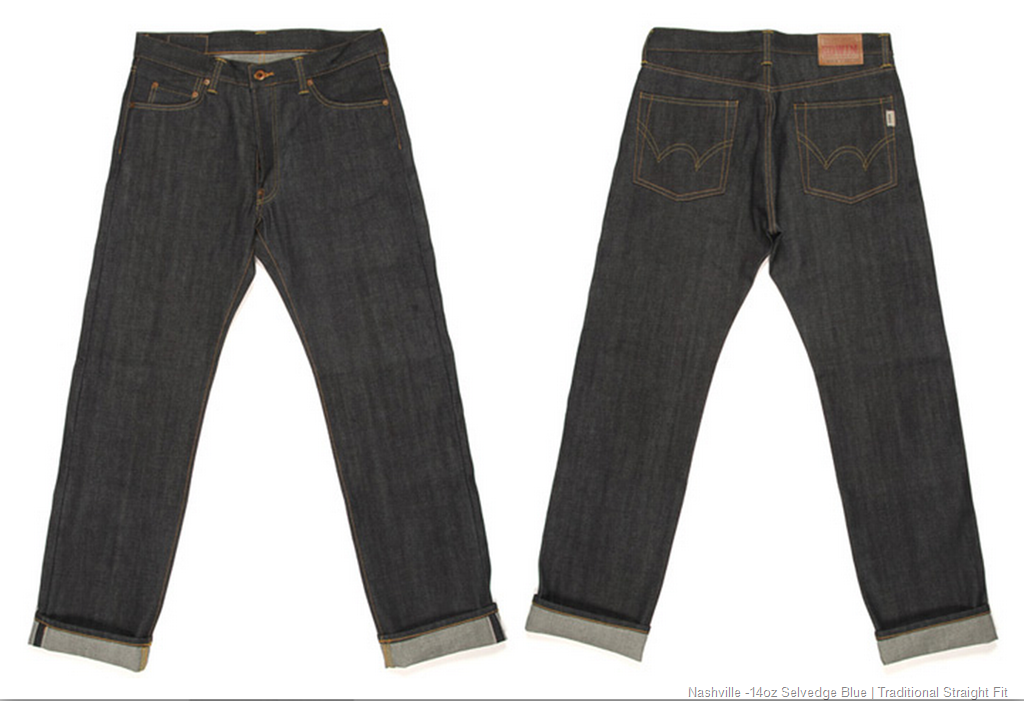
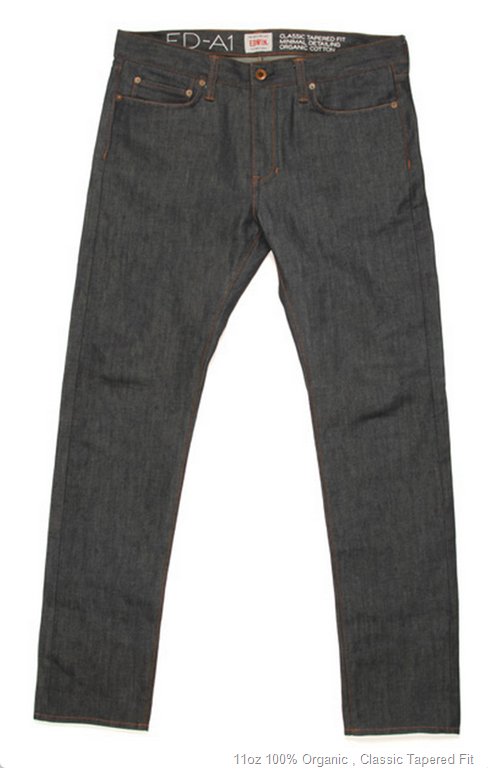
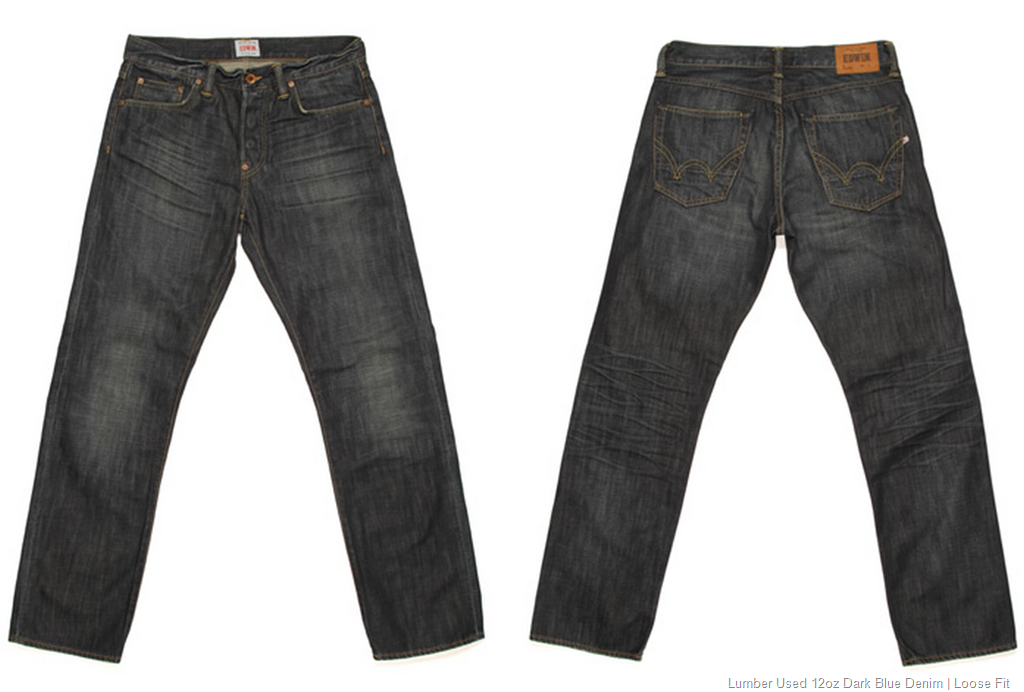
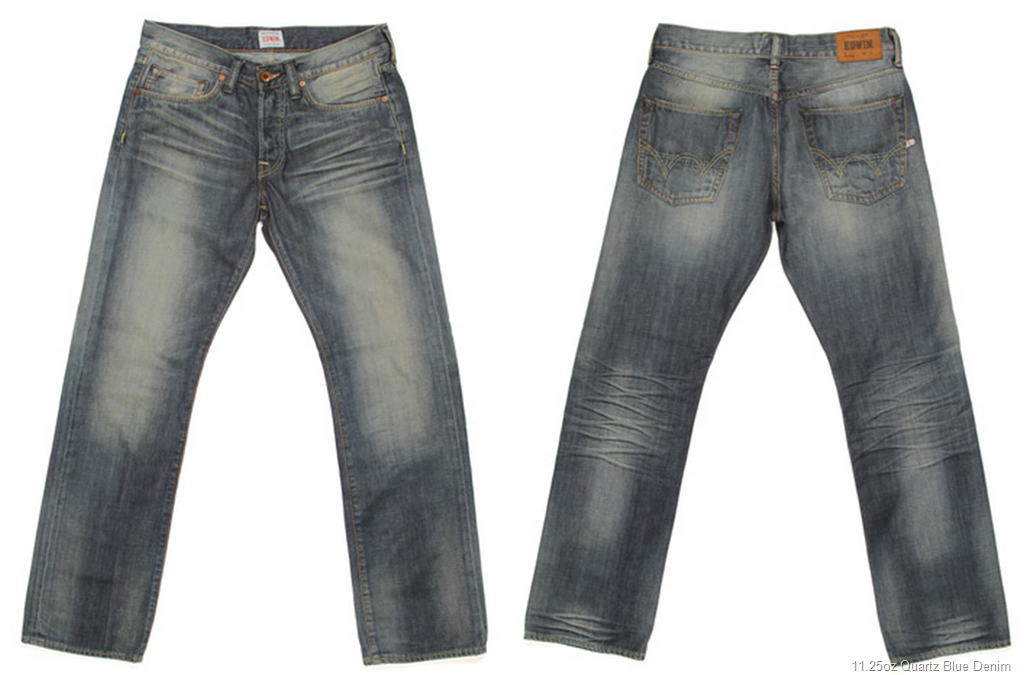
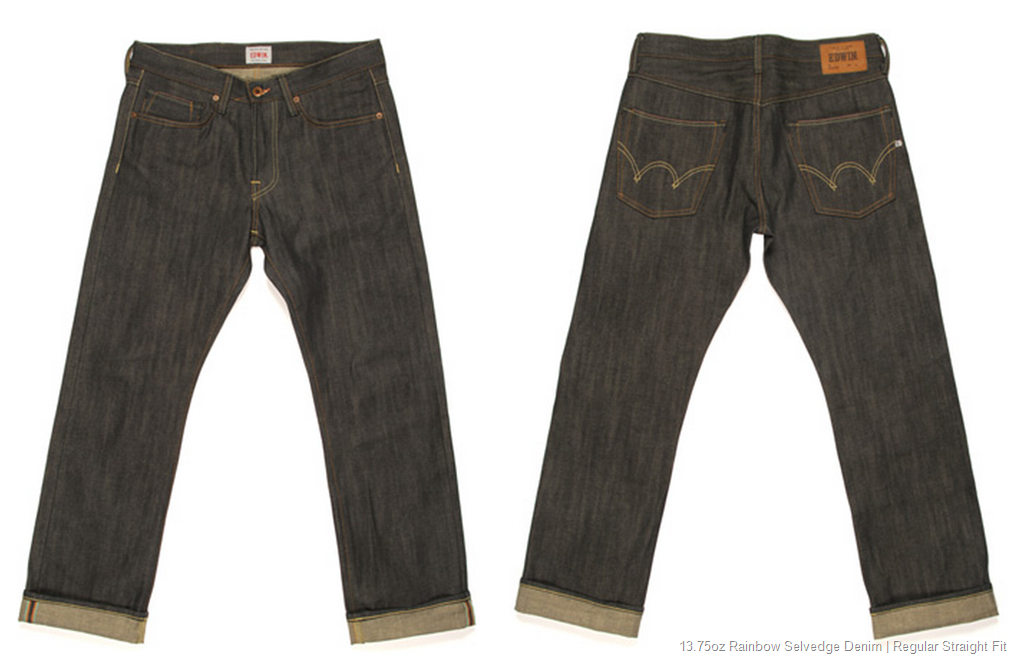
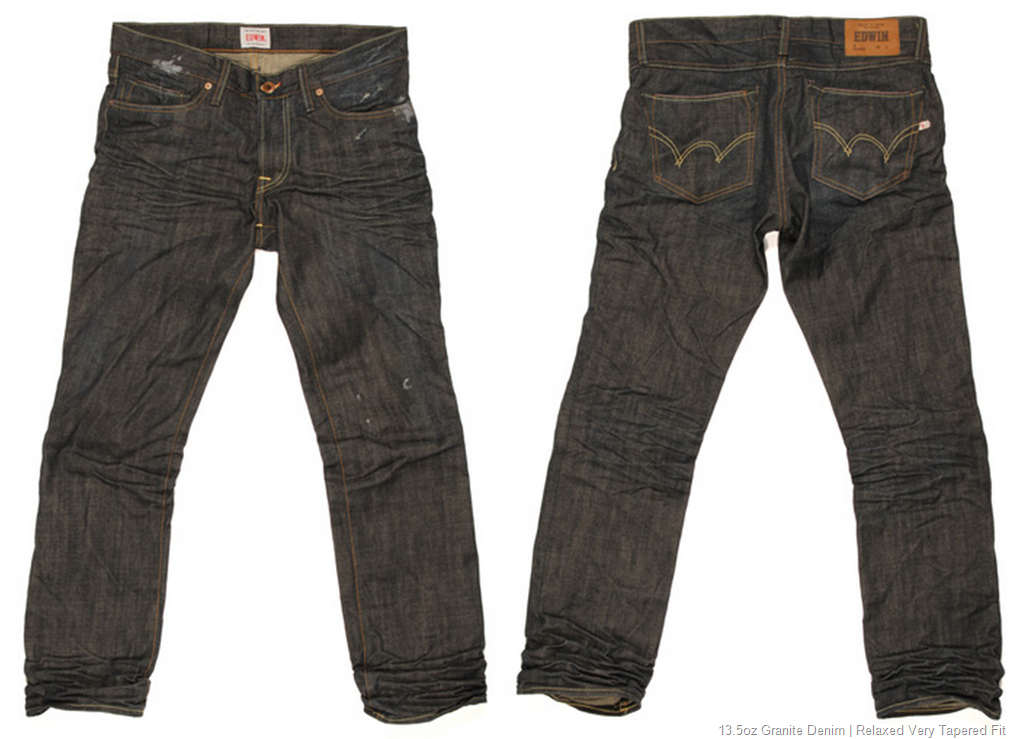
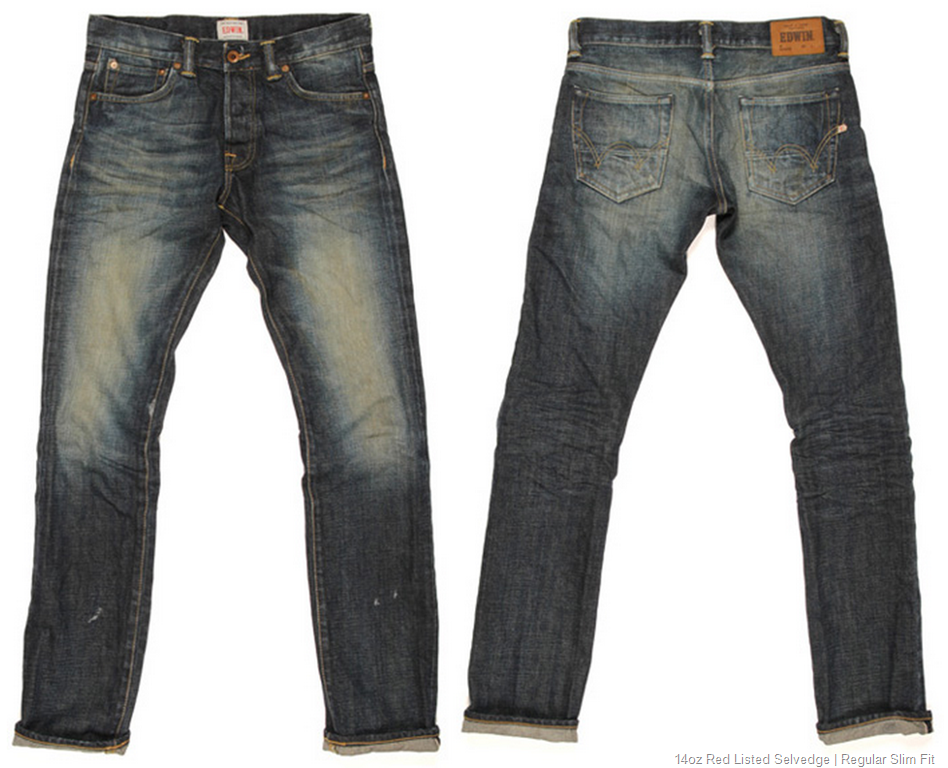
    The denim  from Edwin range has been extended again for SS12 with a couple of new products  worth mentioning including the a light organic jean  and the ED-55 (available for the first time in red-listed selvedge).

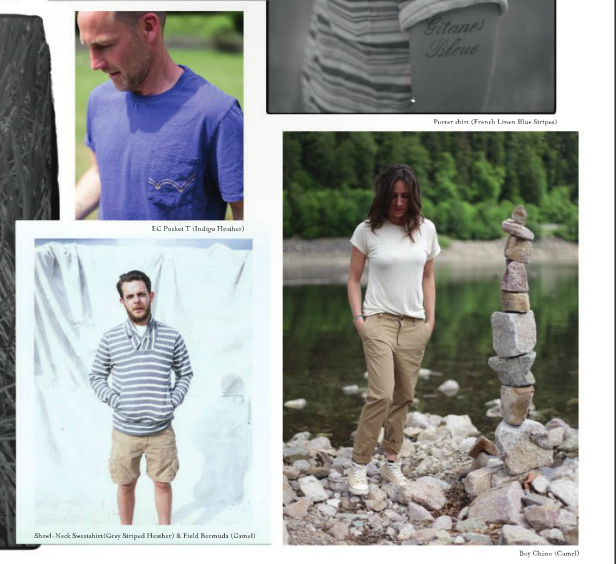
    Shirting is designed for a free and easy lifestyle – chambrays, linen, stripes are the order of the day..

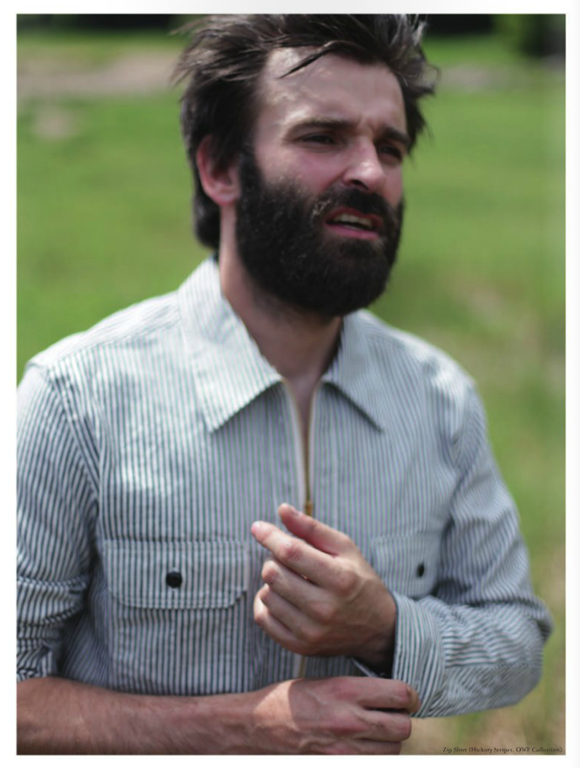
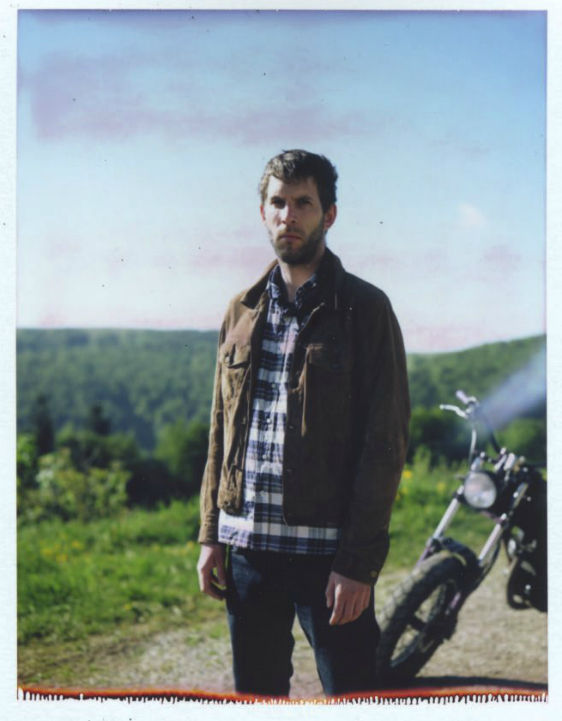
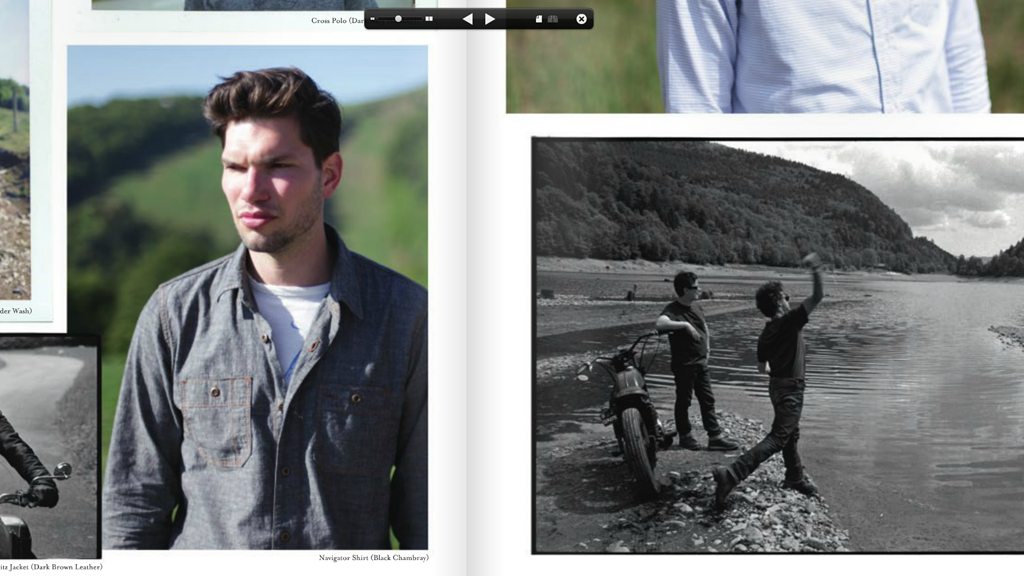
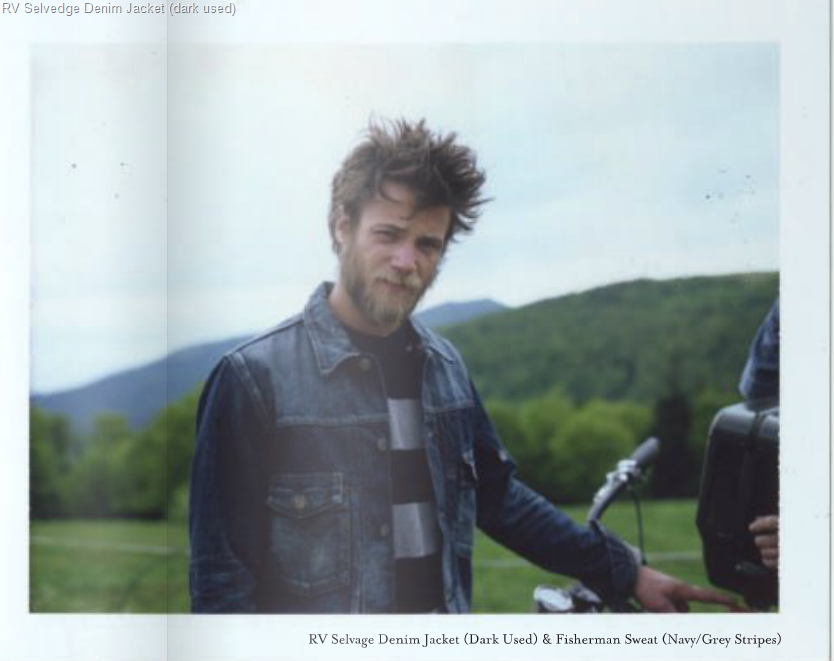
    The riders were outfitted in Edwin denim,: including covetable RV selvage denim jacket., black chambray shirts,  Red Listed selvage and  Rainbow Listed selvage jeans.

    Edwin - Spring/ Summer Denim Look Book 2012


    Edwin - Spring/ Summer Denim Look Book 2012


    Edwin - Spring/ Summer Denim Look Book 2012

    Edwin - Spring/ Summer Denim Look Book 2012

    Edwin - Spring/ Summer Denim Look Book 2012

    Edwin - Spring/ Summer Denim Look Book 2012


    Edwin - Spring/ Summer Denim Look Book 2012

    Edwin - Spring/ Summer Denim Look Book 2012

    Edwin - Spring/ Summer Denim Look Book 2012

    Edwin - Spring/ Summer Denim Look Book 2012

    Edwin - Spring/ Summer Denim Look Book 2012

    Edwin - Spring/ Summer Denim Look Book 2012

    Edwin - Spring/ Summer Denim Look Book 2012

    Edwin - Spring/ Summer Denim Look Book 2012

    About Edwin’s History:

    Mr Tsunemi had a passion for denim, which inspired him to import them directly from the United States as no denim was manufactured in Japan at that time. Used, worn-out and dirty denim which had to be laundered and mended by hand in order to sell on to his customers. In 1951 domestically manufactured denim was available for the first time in Japan. This product was expensive and of inferior quality compared to its American counterparts. Mr Tsumeni was driven to create his own denims, with greater sophistication in fits, washes and quality. From this point on in Edwin denim , quality, craftsmanship, innovation and integrity have been paramount to the ethos and aesthetic for the brand. In 1961 Mr. Tsunemi crafted the first pair of Edwin denim jeans. Utilising the letters D, E, N, I & M (reversing the M creating a W) he created the brand name ‘Edwin’. By 1963 Edwin had produced the world’s heaviest(at that time) ringspun denim jean (16oz), featuring the famous three-colour rainbow selvedge, which is still being used today. In the 1970’s Edwin were the first company in the world to develop ‘old wash’ designed to replicate denim which have been worn from its rigid, unwashed state traditionally designed for workwear due to its durability. In the 1980’s Edwin invented ‘stone washing’ which revolutionised the entire denim industry and was a pivotal moment in the evolution of denim manufacturing, thus influencing, every denim company in existence today. In the 1990’s Edwin created the ‘new vintage’ denim concept, which encompasses the subtle beauty of hand replicating vintage washes from archive references pre-dating 1947.


  • How Much Were US Apparel And Textile Imports in 2011?

    What is really the quantum of apparel and textile imports into US ?
    How do these imports compare to those made in 2009 and 2010 ?
    Did the recessionary conditions affect the imports of textile and apparel in 2011 ?
    How much of these imports were under Free Trade Agreements ?
    Lets find answer to these questions in the following  table :

    Import From 2011 (Jan –Nov) 2010 (Jan-
    Nov)
    2009 (Jan- Dec) 2010 (Jan – Dec)
    World $106.1 billion $96.7 billion $90.5 billion $104.6 billion
    Under Free Trade Agreements $15.7 billion $13.99 billion $13.6 billion $15.2 billion
    % under Free Trade Agreements 14.8% 14.46% 15.02% 14.53%

    Source: Otexa

    The total textile and apparel imports into US in 2010 were about $104 billion and those in 2011 (Jan-Nov) have touched $106 billion. Also when we compare with 2009, the imports increased from $90.5 billion significantly rose to $104 billion in 2010 and continue to rise in 2011. This reflects the inherent strength of the US market that  inspite of the economic recession the textile and apparel imports continue to rise .Though the increased cotton prices may have played some role in increasing the value of these imports, still the sentiment for imports seems positive for the entire industry..

    Also, it is interesting to note that almost 15% of all imports fall under the various Free Trade Agreements like CAFTA, AGOA etc. The govt. has been maintaining this figure at around 15% for last 2 years .

    What is the % of denim apparel imports out of these total imports ??
    Its around 4% !. Though it looks small, denim is still an important apparel category when viewed in comparison to other categories.

  • Denim Colors: The Next Big Fashion Trend?

    This is a guest post by Harry Mercer.

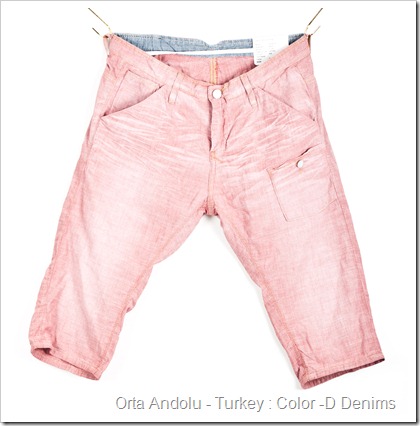
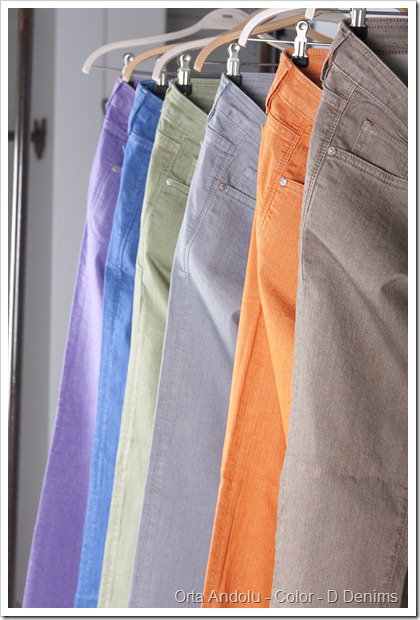
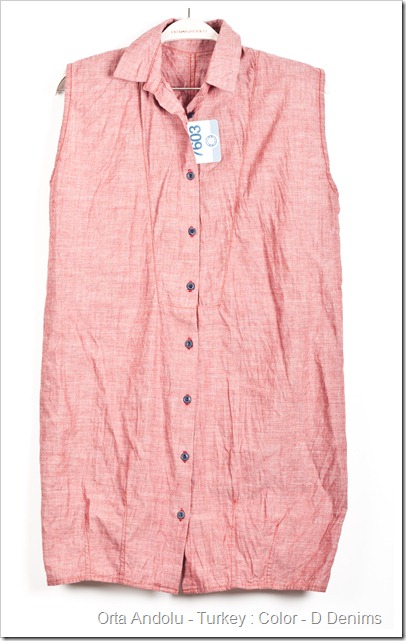
    For denim executives that are trying to anticipate the next big fashion trend, there are clear indications of what that trend will be. The indications are that denim in a wide range of colors is emerging as the most promising path to significantly improved denim business by 2013. These are other than the pure Indigo blue, sulfur bottoms, sulfur tops and black shades that dominate the denim market. The availability of denim colors in the world market is presently very small because only a very few denim companies have overcome the technical challenges of dyeing colors on standard denim equipment. These problems along with the route to success in producing colors will be explained in following article.

    Yarn Dyed Color Denim Fabric - Orta

    The technical aspects of controlling colors on Indigo machinery consist of:

    1) Understanding affinity factors( the velocity of dye particles) of indigo and sulfur dyeing

    2) Control of reduction potential(millivolts) and alkalinity(pH) of indigo and sulfur dye

    3)Dye box volumes( larger boxes are better for Indigo, smaller are better for sulfurs)

    4) Control of wet pick-up where dyes are applied to dry cotton and the concept of “liquor exchange” where dye is applied to wet cotton

    5) Effective washing for maintaining color consistency

    6) Control of oxidation, especially with sulfur dyes to avoid strength loss with blacks and the extreme color variation with colors other than black. These will be addressed in detail in the following article.

    These color denims are appearing in increasing volumes in higher-fashion retail stores such as Dillards in the U.S. as well as in Europe and Japan. These include yarn-dyed denims with the white weft preserved and garment dyes which can be produced with sulfur dyes, reactives, directs or pigments. One constant in yarns dyed by Indigo machinery is that there will be an undyed, white center in the yarns regardless of which class of dye or dyeing method is used. The reserved, undyed cotton in the center of the yarns is responsible for the unique brightness of denim garments. Light is reflected from the dyed fibers on the outside of the yarns, but also from the white fibers in the center which results in a special brightness that has been described as “blooming”.

    Sulfur dyed garments seem to have greater appeal because of the more natural looking “earth tones” that are generated. Reactives have a more intense appearance because of the higher chroma, but are more expensive and are perceived as being artificial. Direct dyes are the lowest cost to use and there are pink and light greens that have penetrated the market, but present colorfastness problems in dark shades. Pigments are relatively easy to apply and since they are a surface coloration, can produce a distressed look, but also present colorfastness problems in darker shades and have a harsher feel than dyed garments. Sulfur colors offer easy application, are very low cost and can produce a wide range of colors that imitate colors in nature which have a more durable appeal in the higher-fashion markets. The basic procedure for producing sulfur dyes is to take “any organic compound with color and react it with sulfur”, so any naturally occurring material can be used to produce sulfur dyes. When sulfur dyes were introduced in the 1870’s, the first colors were brown dyes produced from sawdust, animal blood and horse manure reacted with sulfurs. More sophisticated methods since then have resulted in a full palette of colors with sulfur dyes.

    The expression “sulfur colors” refers to colors like browns, greens, yellow, violets, greys, pinks and oranges, colors that will stand out in stores and catch the attention of retail consumers that are ready for something fresh to wear, but are in the unique denim fabric constructions.

    Yarn Dyed Color Denim Fabric - Orta

    The presence of white weft-yarns behind the colored weft yarns makes for a brighter, cleaner appearance and because the weft yarns have not been affected by dyes or chemicals, the feel of natural cotton against the skin is one of the important reasons for the appeal of denim.

    Yarn Dyed Color Denim Fabric - Orta

    Denim colors first became a huge success in the fashion denim area about 20 years ago, when U.S. companies invested in research programs to solve the mysteries of the physical chemistry involved in continuous dyeing on Indigo machinery, which none of the dye suppliers was able to solve. A serious effort is required which involves a basic understanding of color science, the chemistry of dyeing, especially the selection of reducing agents and special buffers to maintain stability in the large dye boxes of Indigo machinery, but the profit margins to be realized will make the effort financially worthwhile, especially for smaller, more flexible and technically capable denim companies.

    The business cycle in fashion has always demonstrated that the fabric supplier who enters the market first with an entirely new product gains the greatest share of the profits form product development. Those who try to catch up and wait to follow the leaders will continue to struggle.

    This is a guest post by Harry Mercer. Mr. Mercer has 30 years experience in the denim business including 3 prominent U.S. denim companies. He is an expert colorist for measurement and color matching as well as textile testing and is considered to be a leading authority  for denim dyeing, finishing and fashion denim development.

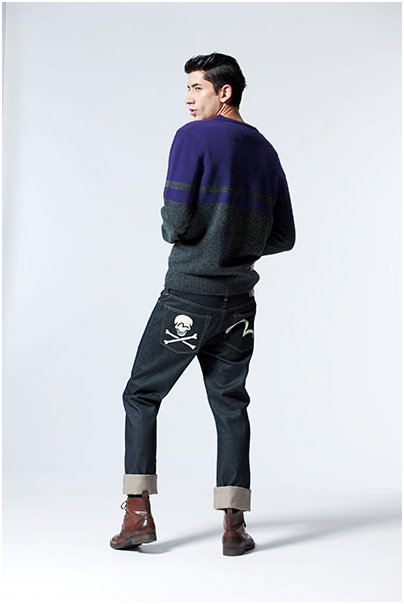
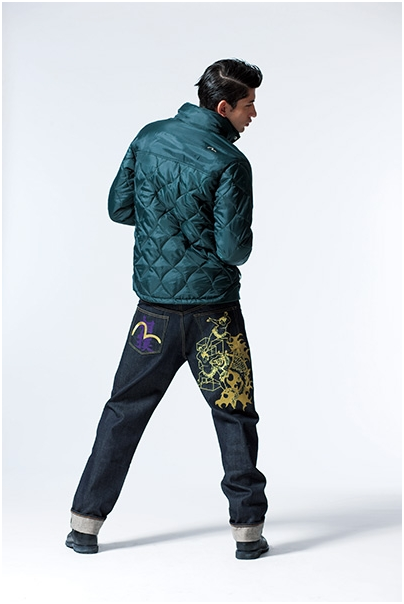
  • Evisu Boxpark Shoreditch And Other Denim Looks

    Evisu Jeans

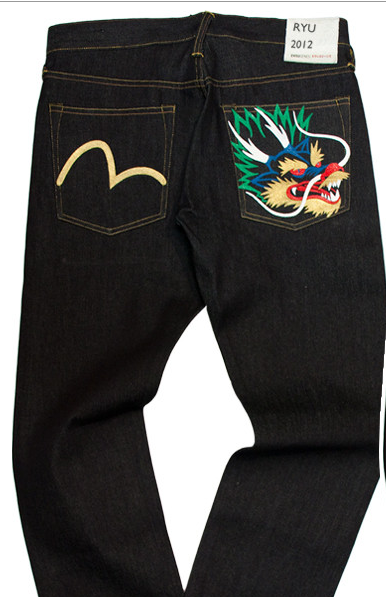
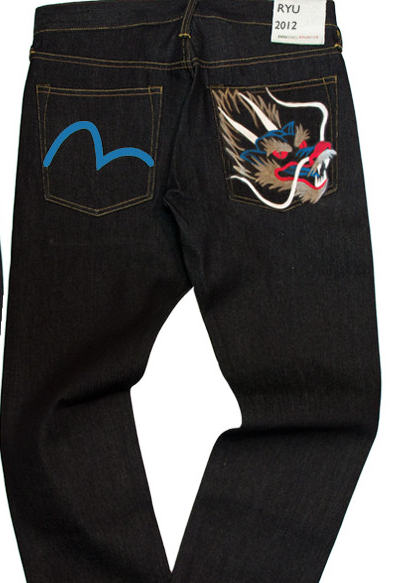
    In celebration of 2012 – Year of the Dragon, a limited edition hand painted RYU (Dragon) Jean were released exclusively at the new EVISU London Boxpark Store.

    Available in limited supply of 30 pairs only at £300 each, EVISU artists once again pushed  boundaries on raw denim, expertly painting traditional Japanese dragons together with its famous Seagull, creating this unique and one-off range of customised denim especially for the arrival of the Year of the Dragon.

    The 2012 RYU Jeans were be personally customised and skillfully hand painted by EVISU artists at its London Boxpark Store on Sat,January 28th 2012 from12:00 GMT. Each jean will have the option of a personalised colour scheme together with the RYU 2012 print on the leather patch authenticating the jeans exclusivity.

    Evisu Jeans

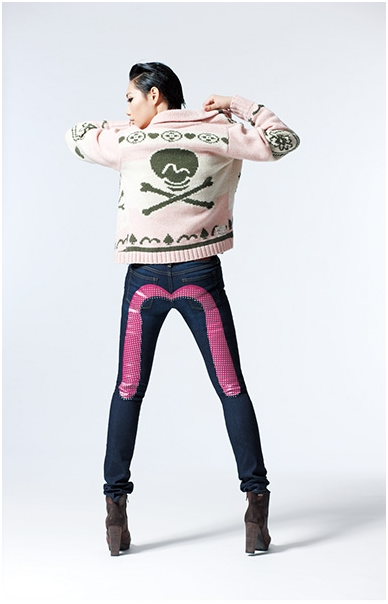
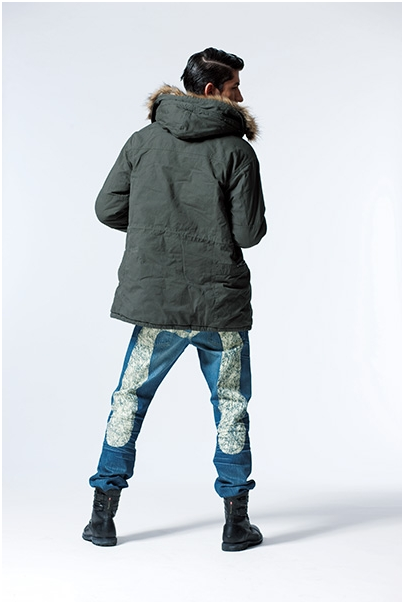
    Here are some more looks from the latest denim collection from Evisu.

    Evisu Jeans -2012

    Evisu Jeans -2012

    Evisu Jeans -2012

    image

    Evisu has always been a little different from most other denim brands using motifs and paintings as an integreal part of their denim jeans . Of course , it does not appeal to all , but there are some die hard fans of the brand – though the brand is nowhere near its peak of popularity in early 2000’s

    About :Evisu or Evisu Genes is a Japanese designer clothing company that specializes in producing premium denim wear through traditional, labor-intensive methods. It is a premium denim brand founded in 1991 in Osaka Japan, named after the Japanese god of prosperity.EVISU was considered  the first true collectible denim brand in the world, introducing casual denim wearers across the globe to connoisseur-quality Japanese selvedge denim and custom distressing.

    In 1991, YAMANE HIDEHIKO founded EVISU in Osaka Japan. YAMANE was trained as a tailor but his love for vintage jeans and his disappointment with the mass-produced modern version led him firstly to the vintage clothing import business and then, revolutionarily, to start putting together the elements required reproducing vintage-style jeans. This needed the gathering together of all the various bits of machinery, none of which had been produced for the last 40 years, which are required to make authentic vintage jeans. The initial production line allowed about 14 pairs of jeans a day to be produced and each of them was lovingly hand-painted with the now famous seagull logo by YAMANE himself.

  • Denim Fabric Exports From India–Oct – Nov’2011

    imageThe export markets of EU and US being dull, the export of fabric from India too has taken a beating. The companies are trying to find new markets to sell their denim as the western markets continue to reel under recessionary conditions.
    It would be interesting to see which markets Indian companies have been selling their fabrics and at what prices.

    [private_special]

    We had seen in a previous data report  some details on this and we are now updating the same with the information of 2 months – Oct  to Nov 2011.

    The main markets where fabric from Indian denim mills was shipped during Oct’11 and Nov’ 11 were Bangladesh, Turkey , Sri Lanka, Portugal , Peru, Lesotho , Guatemala, Egypt etc,
    Lets have a look at some idea on quantities and prices shipped to these destinations.. (please read disclaimer below).

    Shipments to Turkey dropped drastically due to the imposition of high duties in mid 2011. Inspite of the same, Turkey continued to import some quantities ..

    Sri Lanka continued to be a good importer of denim fabrics from India but was still short of shipments made to Turkey in terms of both quantities and prices.

    Shipments to South American countries like Peru , Guatemala etc have shown an increase. This reflects the shifting production capacities from China to these regions and the growing interest of denim companies from India to sell there. The prices , however , are not very high .

    Lesotho is another destination which is not taking very low quantities from India . The garments from Lesotho are being shipped to US and EU under various duty benefits.

    Egypt is another market which is a favourite destination for Indian fabric due to nominated shipments for various brands and also some direct shipments.

    Qty shipped to Various Countries in Oct – Nov 2011

    Country Quantities
    (million mtrs(
    Average Price (US$/ mtr)
    Turkey 0.79 3.44
    Sri Lanka 0.74 3.28
    Lesotho 0.46 3.31
    Egypt 0.61 3.14
    Guatemala 0.46 2.93
    Peru 0.30 2.98
    China 0.13 4.29
    Pakistan 0.08 3.16

    A surprise destination is China which seems to be getting shipments from India at very good prices reflecting that only the very high end fabric is being shipped to this country. Since China is now getting expensive in terms of both fabric and garment production, there is a growing space to ship fabric to this country . It is expected that the low value orders would disappear from China due to increasing costs and only high value brands would manufacture there.

    Prices Compared to 2010 Q4

    The prices of fabrics have normally increased across the board due to cotton impact. However, we can see some markets where prices have suffered too eg Portugal.

    Prices in 2011 (Oct –Nov) Compared
    to those 2010 Oct to Dec

    Country Prices (US$/mtr) 2010 Prices (US$/mtr) 2011 Change %
    Turkey 3.05 3.44 +12.7%
    Sri Lanka 2.88 3.28 +13.88%
    Portugal 3.02 2.67 -11.5%
    Peru 2.63 2.98 +11.7%
    Lesotho 2.73 3.31 +17.5%
    Guatemala 2.14 2.93 +40%
    Egypt 2.42 3.14 +29%
    China 3.34 4.29 +28%

    Disclaimer : We collect data from various sources and try our best to bring out the best data for our readers. However, we take no guarantees on the accuracy of the same and readers are requested to apply their own judgement before acting upon any data. Also, we do not cover the shipments made to Bangladesh by road.

    [/private_special]

  • Paige Premium–Spring / Summer 2012 Denim Collection

    Paige premium is the jeanious of former fit model turned denim designer Paige Adams-Geller. With over ten years of behind-the-seams experience, Adams-Geller has parlayed her denim expertise into her own eponymous collection of men’s and women’s denim. Created on the foundations of fit, fabric and finish Paige Denim has become the go-to denim house for celebrities such as Penelope Cruz, Reese Witherspoon, Jennifer Garner and many more.

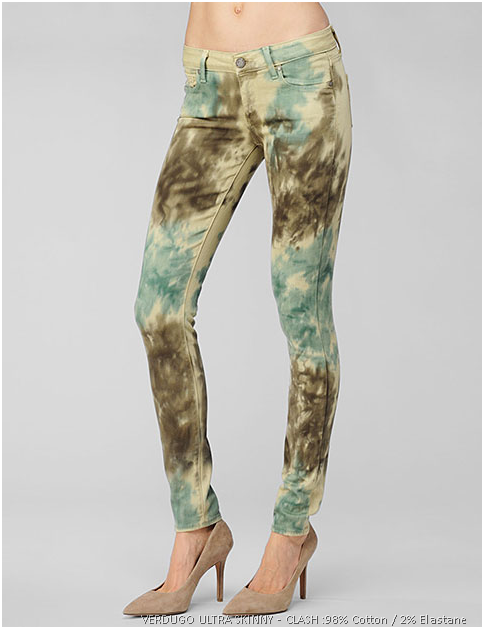
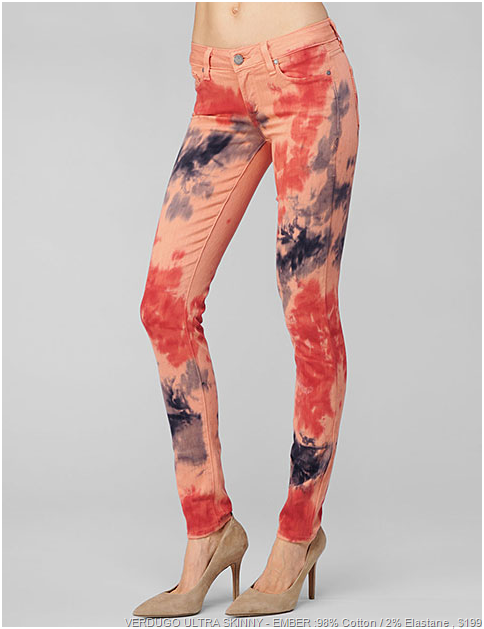
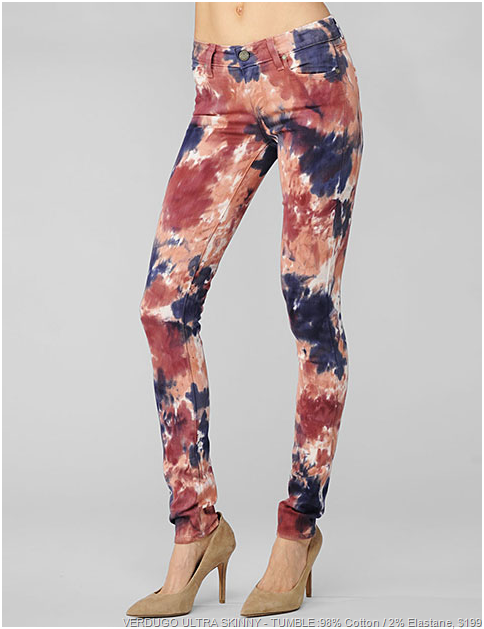
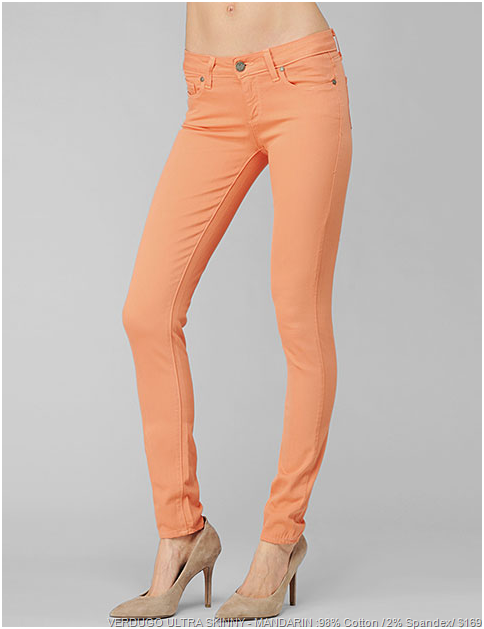
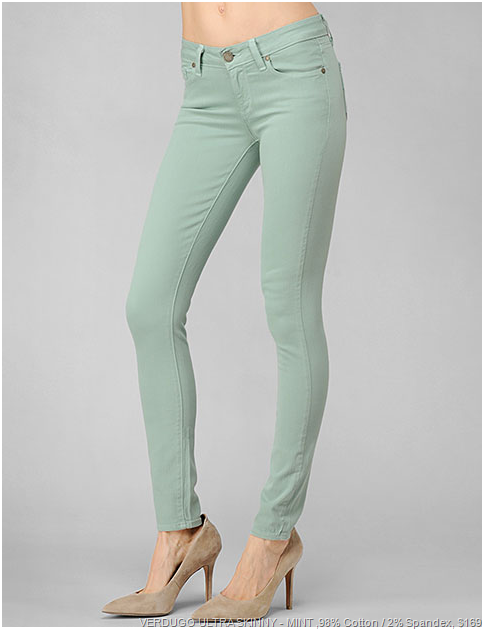
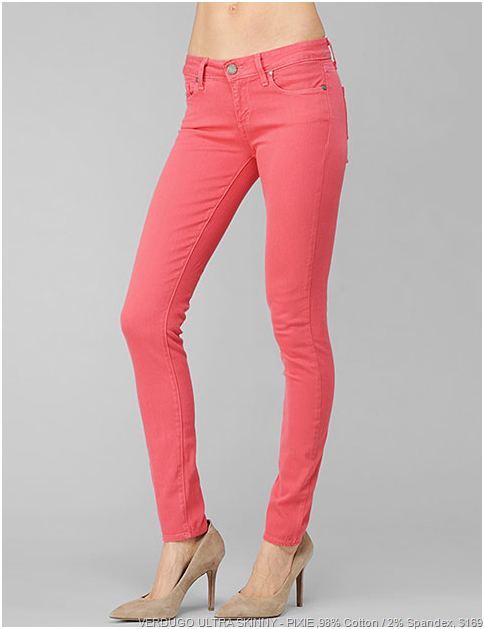
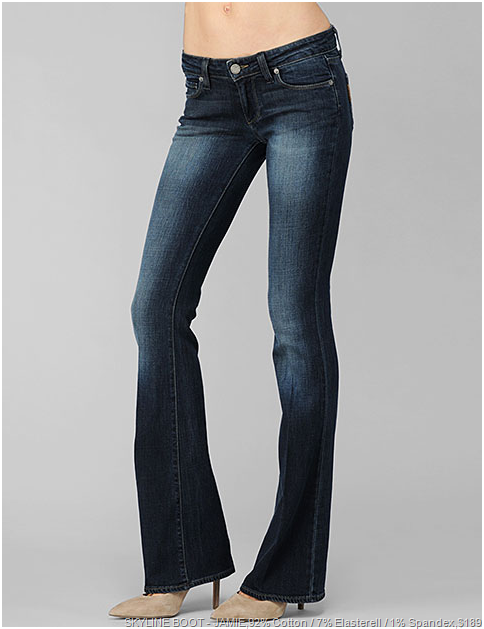
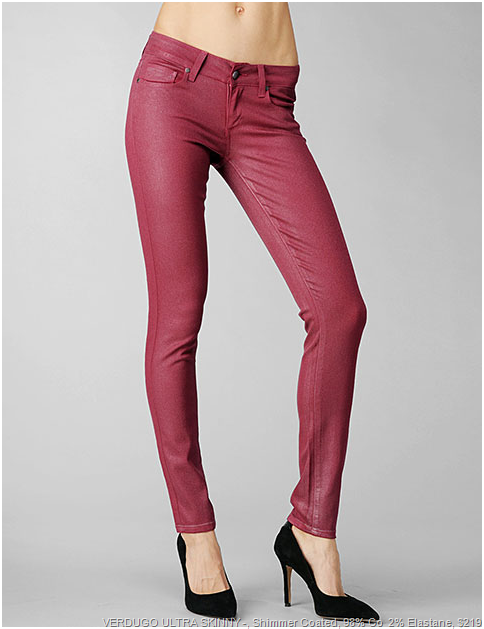
    Though the USP of Paige has been ‘FIT’ , it has never lost sight of the need to use great fabrics coupled with latest wash trends . The Spring/ Summer 2012 Denim Collection for women and , in some cases, even for men , is a splash of rainbow colors – though we have already  seen in some other denim brands. The collection is full of fun colors ,   tie-dyes etc.  For women, the colors include oranges, pinks, reds, and a wide variety of other colors in lightweight sateen and super stretch denim and of course jeggings are quite visible alongwith flare fits.

    VERDUGO ULTRA SKINNY - CLASH


    VERDUGO ULTRA SKINNY - EMBER

    VERDUGO ULTRA SKINNY - TUMBLE

    image

    VERDUGO ULTRA SKINNY - MINT

    image

    image

    image

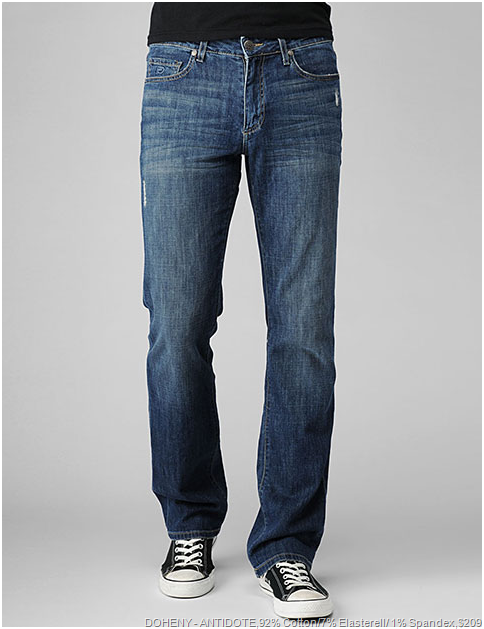
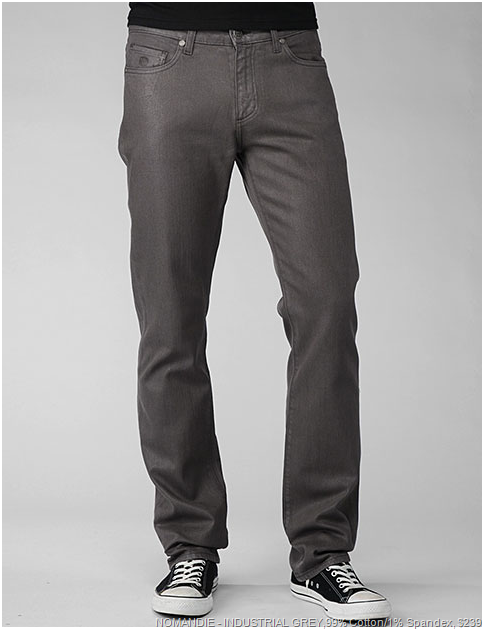
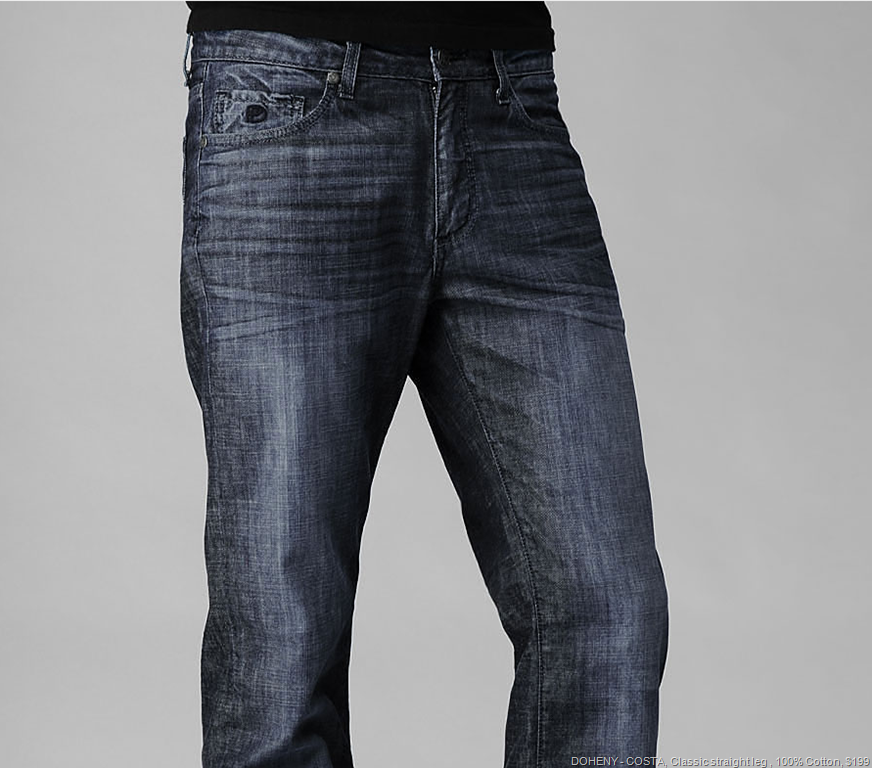
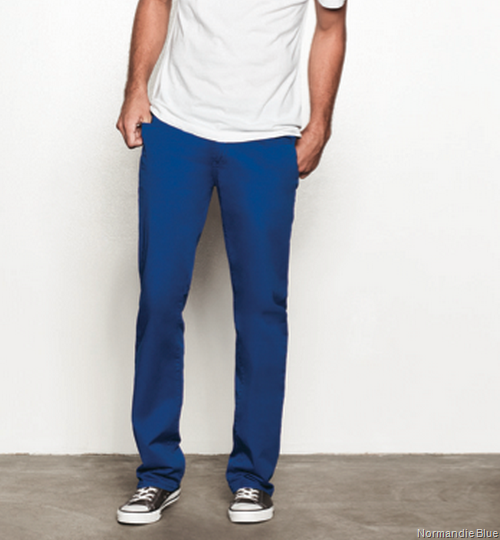
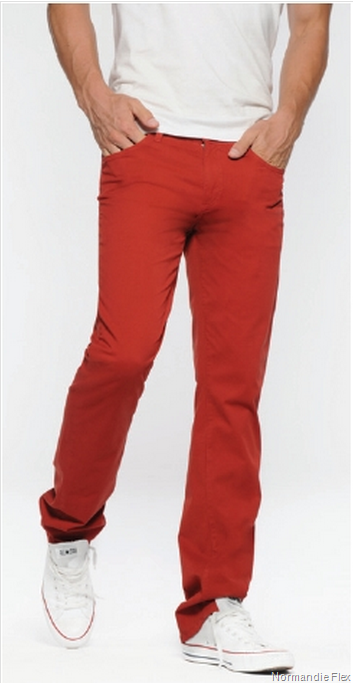
    The men’s denim collection has soft washes in the Doheny range while bold colors are offered in Normandie slim fits.

    image

    image

    image

    image

    image

  • Denim Fabric Imports Into India 2011

    denim fabric importsThis is a data report on the import of denim fabrics into India. The report gives the following info  for period of 9 months April – Oct 2011 :


    a) List of countries from where the denim fabric is being imported into India either for re-export in the form of garments or for local use .

    b) The quantity of fabric coming from major exporting countries.
    c) The  value and average prices of fabrics coming from each destination.

    Though India has a large manufacturing base for denim, denim has started coming into India from various countries around the world. The denim is mainly being imported due nominated orders from final garment customers in the West . But now local brands in India have also started to have a taste of premium denim from other companies around the world and are trying to import the same despite high duties.
    Some of the countries from where denim is coming from are mentioned below for the period April to Oct 2011 . Also given are average prices , quantities coming from each country.

    [private_special]

    Country

    Quantity in sq mtrs

    Approx Value (USD)

    Av price (USD/ Sq mtr)

    Turkey

    2.71 million

    12.45 million

    4.59

    Tunisia

    0.24 million

    1.31 million

    5.45

    Thailand

    0.27 million

    .89 million

    3.29

    Spain

    0.14 million

    .84 million

    6.00

    Pakistan

    0.68 million

    1.65 million

    2.42

    Italy

    0.76 million

    3.80 million

    5.00

    China

    0.71 million

    1.70 million

    2.33

    Japan 0.048(48,000mtr approx) 0.32 million 6.75

    Disclaimer: We collect our information from various sources and though we take full care to ensure that the data is correct, we are dependent on external sources and hence do not take any liability for the correctness or completeness of the information. Kindly use your judgement to use the data.

    It is interesting to see the prices at which denim is coming into India. The normal range of prices of denim from Indian mills is about Rs 150 to Rs 200 which is about $3 to $4 PER MTR. In sq mtr it would be about $ 2 to less than $3 . So it is actually surprising to see the difference in prices from Indian mills and that from countries like Japan, Turkey and other places. However , it must be remembered that some of these fabrics is nominated and only a small qty is actually imported for domestic use.
    The duties in the range of 20 – 40% are a big hindrance for imports of denim into India , otherwise Indian market would have seen much higher quantities of imports of denim fabrics.
    [/private_special]

  • Orta Anadolu– Social Denim Missions

    Denim – the ever versatile fabric –has seen growth over the last 130 years like no other fabric has seen. We can easily associate denim with fashion , comfort, durability , verstaility , sturdiness and whole lot of such qualities.  But is there any association of denim with Charity , with Social causes , with an effort to improve lives ????
    Normally , it is difficult to find such an association.

    Orta Anadolu

    Orta BlueOrta Anadolu (Turkey) is one of the most reputed denim mill around the world and it is one of the very few companies which has made such an  association for denim – successfully. Through their social arm – Orta Blu – Orta Anadolu is trying to make an impact on the lives of poorest of people. It has undertaken a number of social missions around the world to in this direction. As Orta describes :

    “Social Missions are a new form of charity in which the donor’s product becomes the catalyst of the operation. Denim is what we know how to do well. Using denim we have launched a series of initiatives that are helping local NGOs in 3 different continents to sustain their programs. We travel to the field, roll our sleeves, and approach the problems with the determination to make a difference and the know-how of an international business. We train the local people , we spend time with them. We share their everyday lives to better understand how we can help. As we try to solve a problem, many others come up. We go back and look for partners whose business could help solve the new problems. We call it the life loop. We don’t recycle just denim. We try to recycle life too and help people get a fresh start..”

    One of the missions among the various undertaken by Orta ,   is “ THE SCHOOL UNIFORM PROJECT “

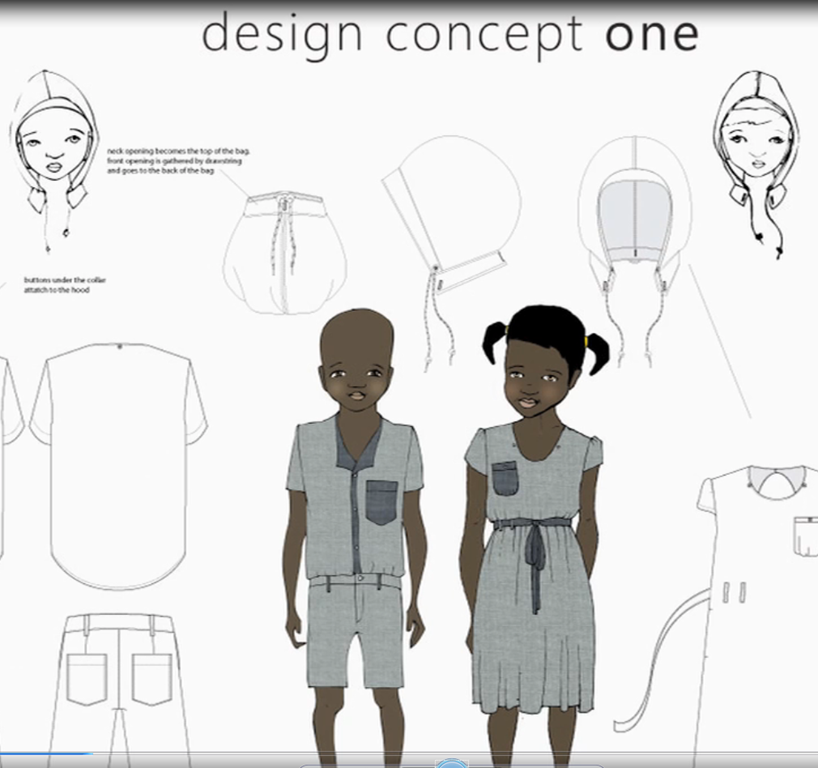
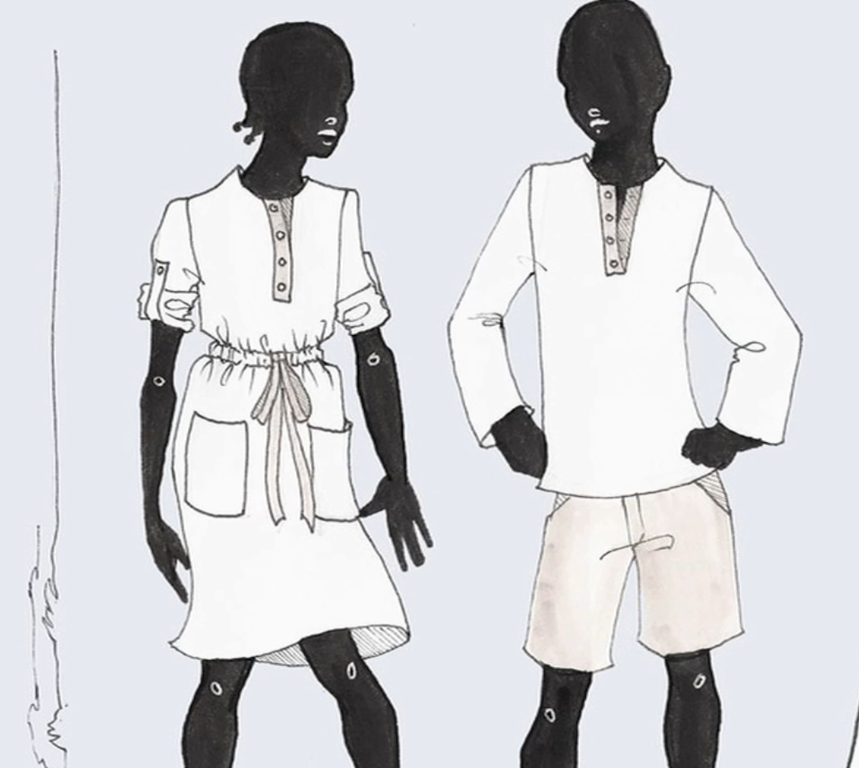
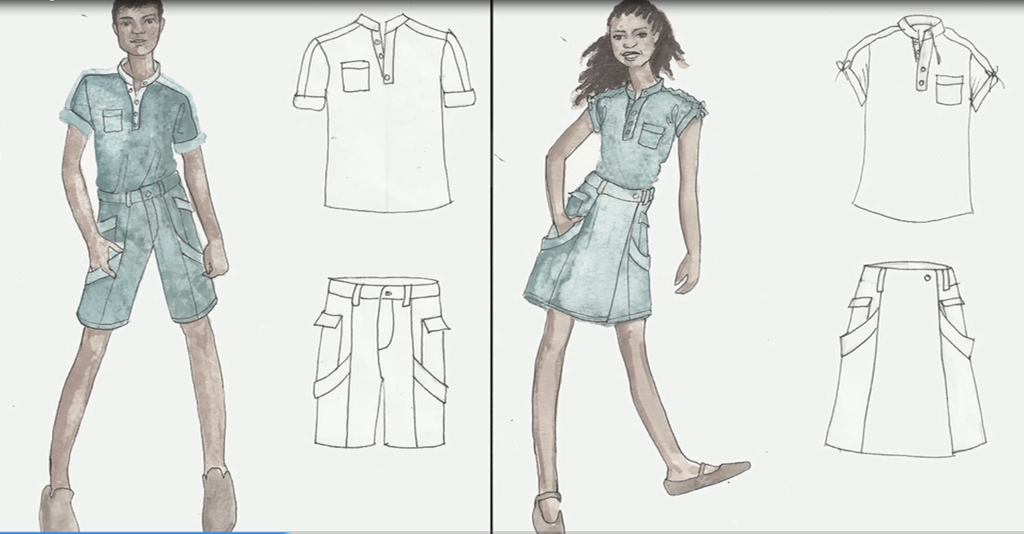
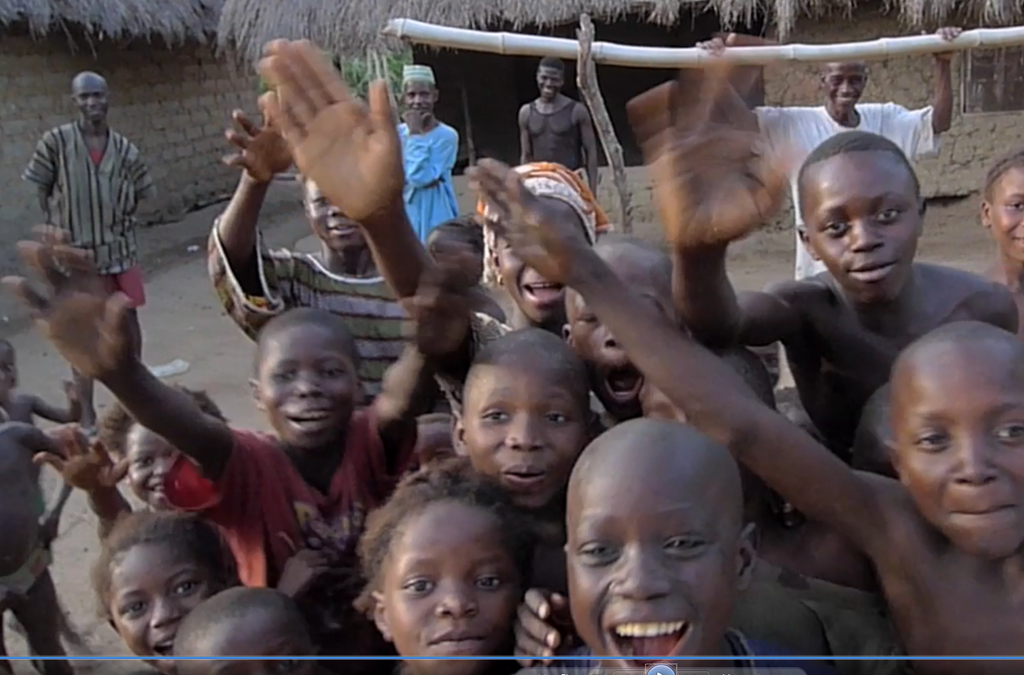
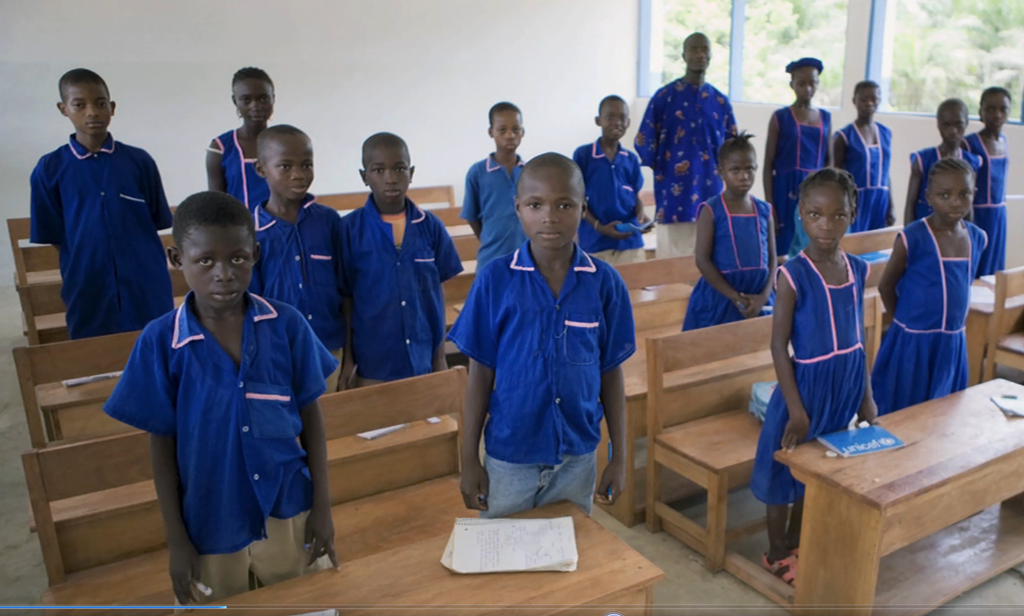
    Many African children do not send their children to school because they cannot afford to buy  a school uniform.  Orta Blu launches a School Uniform Design contest with SCAD , Savannah School or Art and Design.

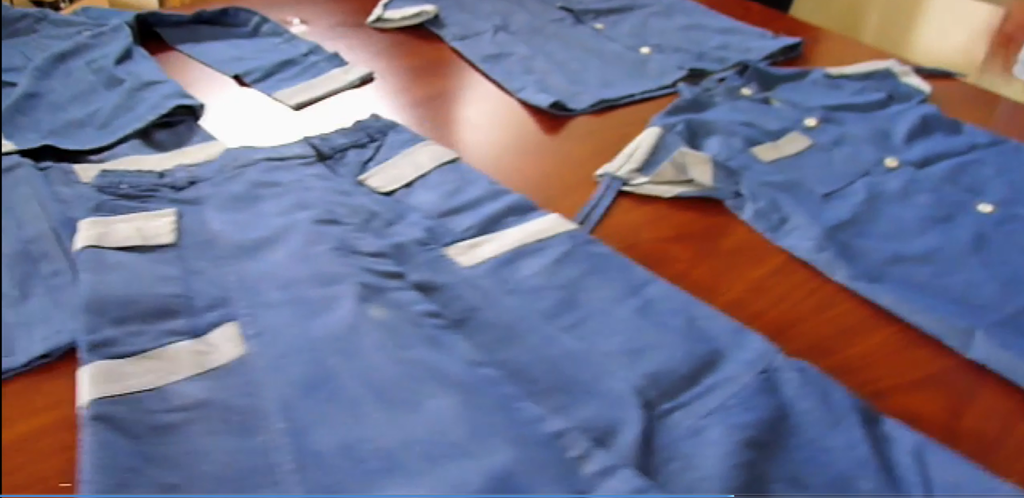
    School unform design - denimschool uniform design in denim

    school uniforms in denim 2

    The winning design is used to manufacture free school uniforms for children around the world.

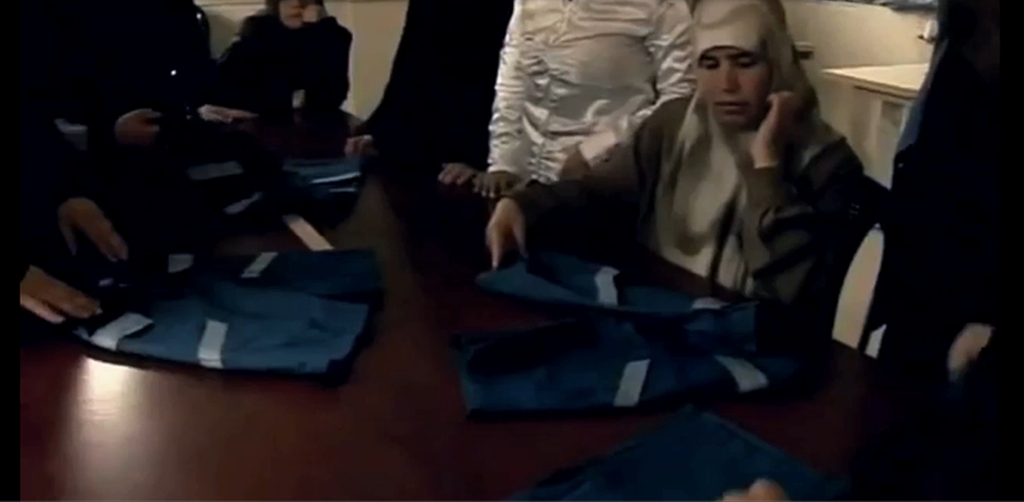
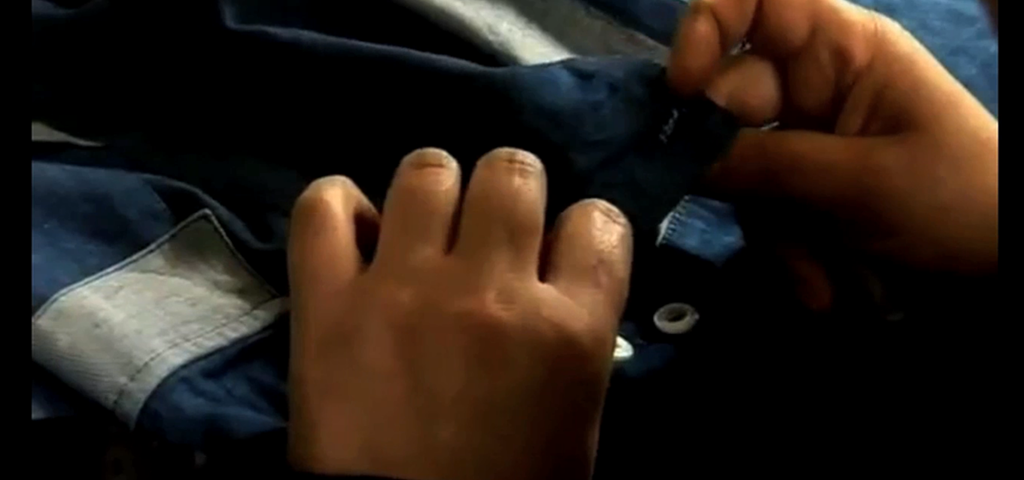
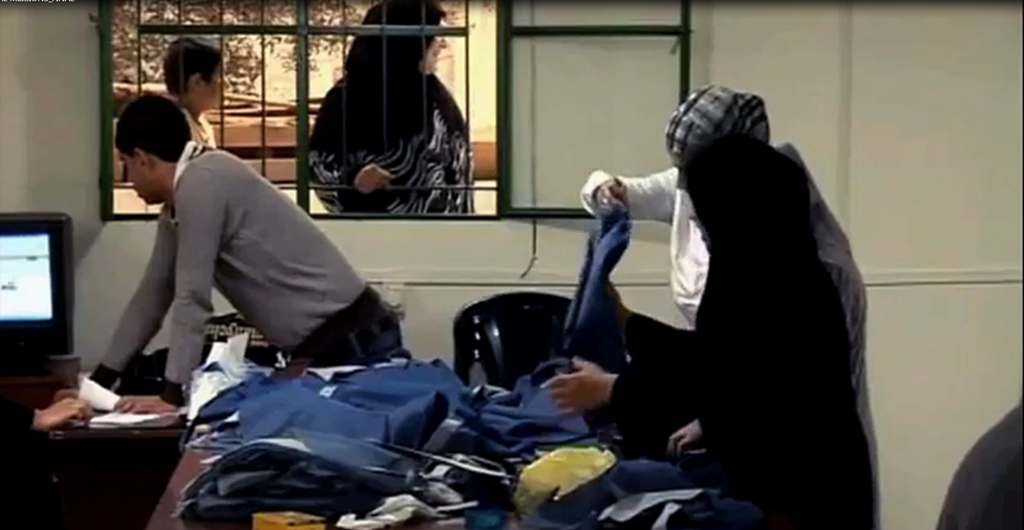
    Now , the other part of this story . The Women’s Association is a small NGO that’s a part of a UNICEF programme in a Lebanese village. It had to shut down its literacy programme because of lack of funds. Orta Blu , under the supervision of UNICEF , supplied them with denim , new equipment , and training to manufacture school uniforms.

    Denim uniforms

    Denim uniforms

    Denim unforms lebanon

    School uniforms - denim

    After this process of uniform manufacturing is over , Orta Blu purchases the uniforms and delivers them to children locally and in Africa.

    African childrenDenim Orta Blue

    Besides the African children getting the uniforms ,  20 jobs are created with the manufacturing of the uniforms . The money from the sale of the uniforms allows the Lebanese Women’s Association to restart their literacy programme and enroll a number of children.

    Lebanese child in the school

    So this programme has  created many jobs, helped many  children stay in school through a literacy program, and has made it affordable to attend school for hundreds of more children in 2 continents. It has created a large online community made of the most diverse people. Its globalization at its best !

    This is one of the commendable social missions undertaken by Orta Blu . They have undertaken many other such missions .Want to know more about their social missions ? Contact Orta here

    Orta

    Sponsored :

  • Interview With Andreas Kurz : Ex CEO 7 For All Mankind

    Andreas KurzHere is a very interesting  interview with Andreas Kurz – ex CEO 7 for All Mankind and ex President Diesel USA. Andreas has been associated with the global fashion industry for a long time particularly the denim industry. Here are some of his erudite answers to the questions that I put to him.

    Hi Andreas. Welcome to Denimsandjeans.com ? Its a pleasure to have you with us. Please tell us something about yourselves and your company – Akari Enterprises..

    I have worked in the fashion business all my life, since 1985, first with Hugo Boss in Germany, then with various companies in the US: Diesel, Versace, Ralph Lauren and then I became CEO of 7 For All Mankind in Los Angeles. Since 2006 I have my own consulting firm Akari Enterprises. I work in three areas: global business development for my clients (mostly premium denim companies), M&A and Executive Search. Currently, I work with Joe’s Jeans, Agave Denim, Kuyichi and Robert Graham. My site is www.akarienterprises.com.

    You have held some of the most senior positions in the denim industry ..What do you think really is the moving spirit behind this product ?

    It’s all about the product and particularly in denim, about the fit and the fabric and wash. Jeans will never go away and are the most versatile piece of clothing that goes through life with you and tells your story. Jeans are something very personal. They represent a lot of things for many people: adventure, rebellion, youth, sex appeal, independence, etc. Jeans bring up emotions in people, that’s why they are here to stay.

    How do you think it is going to evolve in the future..?

    Jeans will always be an important part of everyone’s wardrobe, however, the way people look at jeans is changing and it will be more important in the future for jeans to more conscious of the environment. Many brands have now incorporated the use of organic cotton and/or switched to laser wash techniques, which use much less water and no chemicals. Some companies, like Kuyichi, use only organic cotton and the new denim line from Girbaud is entirely made with their WattWash technique (with Laser and Ozone).

    Despite regular recessions and downfalls, denim refuses to bow down.. Do you think this product has an eternal life ?

    Denim will never go away. It is the most versatile garment and can be used for the office and for leisure and going out at night. Jeans are loaded with sex appeal and that will always be an important factor or wearing them.

    Many companies and celebrities want to jump into the denim bandwagon by launching a denim brand . What do you think about such a trend ? Can the market sustain and absorb such an increasing number of brands?

    The number of denim brands has significantly decreased since the crises in 2008. The bigger companies have benefited from this by growing their market share and the entry into this market for newcomers has become much more difficult. It used to be easy to come up with a pair of jeans, get some celebrity to wear it and become an overnight success. That is not so easy anymore with the consolidation that has taken place. Buyers are more cautious and concentrate on the brands that have made them money in the past.

    Its sometimes said that whatever needs to be done with denim has been done . Do you think this is a gross  underestimation of denim potential ?

    I think there is revolution going on right now with denim and we are just beginning to see a new era of denim from many points of view: alternative fabrics (tencel, hemp, etc.), organic cotton, laser wash techniques, ozone treatment. Cotton in itself already uses a lot of water to grow and the washing techniques used so far account for an enormous amount of water being used and polluted with all the chemicals. All of this is about to change in a big way. Sandblasting has already been prohibited by many big brands and more developments in this field will follow. That is very encouraging .

    Coming to ‘Premium Denims’. There is a lot of confusion regarding the definition itself . How do you define it ?

    Premium denim is foremost referring to superior material: sturdy quality yet soft at the touch. The best material comes from Italy and Japan. It’s like with food. If you want to make a great meal, you have to have great ingredients. Then the washing is obviously very important and the keen attention to fit. There is a noticeable difference between premium denim and other denim jeans and consumers are willing to pay the difference.

    What do you think would be the market size of Premium Denims in US ?

    The US market for denim is about $16.5bn. Premium denim (jeans that retail for $100 and more) makes up about 5% of that, so roughly $1bn. In 1990, when the LA premium denim boom started, the total market was only $11bn and the premium market then was only 1.8% or roughly $200m at retail. There has been an explosion of both the total market and of the premium denim market from 2000 – 2007 and since 2008 things have slowed down considerably, but the big brands are, for the most part, still growing their business and market share.

    Some experts say that in recession it is the lowest priced and the highest priced products that sell well . Do you subscribe to this view ?

    In the good years, from 2000-2007, there was a clear high-low market development: the segment below $50 and the segment above $100 grew at the expense of the middle market from $50-$100, however, since the crisis, the middle segment has picked up again and jeans that retail for about $85-$140 have become stronger again.

    How long do you think would it take for mid priced retailers to really give a serious challenge to the high priced denims from premium denim brands ? Current efforts by retailers like Gap have had mixed responses ..

    Once a brand is in one particular segment it is hard to make an inroad into another segment and obviously the hardest thing to to is to trade up. When you are perceived as a low or middle priced brand it is nearly impossible to enter the premium denim market, even though your product may be equal or superior. At the end of the day, it’s also a lot about perception and branding.

    Denim fabrics from Japan and Italy are reputed to be the best .. How far do you think mills in Asia are in comparison ? Do they have the right ingredients to take up the mantle ?

    Other Asian manufacturers are definitely stepping up and will be more important players going forward. One example is Arvind. They are one of the largest denim manufacturers at low prices, but have also successfully gone into premium denim with what they call denim lab and have developed beautiful materials.

    Something on your personal choices.Which is your favourite pair of Jeans and why ?

    I have many different pairs of jeans obviously, but I keep coming back to my favorite: Citizens of Humanity. Their fit for me is perfect and the softness of the fabric, combined with great styling and understated styling is what I like the most. Jerome Dahan is doing a superb job and since a few years, he is working with Adriano Goldschmied, the godfather of denim and both of them just keep coming up with fantastic products. In terms of revolutionary washing techniques, I would have to mention Marithe+Francois Girbaud as the pioneer and my favorite socially conscious jean.

    How many times do you wash a single pair of jeans in a year ? What advice would you give our readers on this ?

    Wash as little as possible. I wash mine about 4 times per year, inside out and with cold water.

    Thanks for being with us Andreas.. It was really a pleasure interacting with you..

    Same here, thank you.


    denim social missions