
Category: Japanese denim

  • Q&A With Ex-Evisu Creative Director – J Diamandis

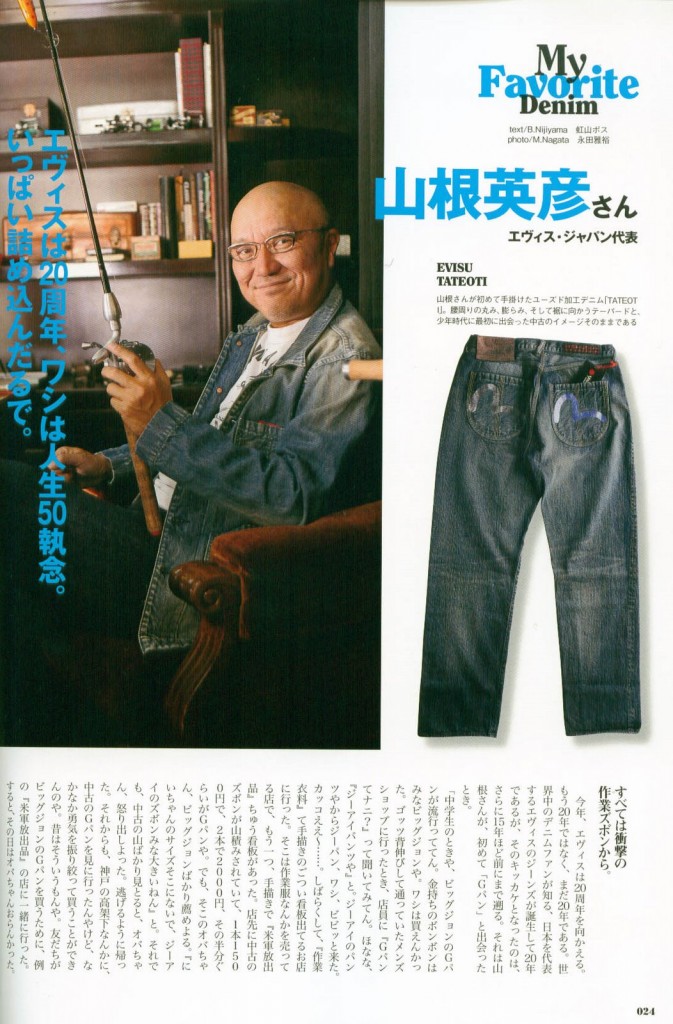
    J diamandis head shot evisu-logoJ Diamandis worked for Evisu – the famed Japanese brand – for some years as its international  creative director. Besides denim designing, he is also involved in denim education at various internationally reputed design schools including Parsons in New York and RCA in London where he recently ran a project on reducing environmental impact during denim production. Here is a Q&A session I had with him on his work with Evisu and after. a

    Q. When and how Evisu brand started? 

    A. Tailor, Hidehiko Yamane, founded Evisu in Osaka, Japan in 1991. Disappointed with the mass produced jeans of the time Yamane set out to produce his own using (it was always widely rumored) vintage 1950’s denim weaving and garment sewing machinery from the USA whilst paying painstaking attention to traditional construction techniques and details. What followed captured the imagination of the detail obsessed Japanese fashion crowd and is was not long before interest spread globally. Yamane had created a cult brand.

    Q. How does Evisu stand out from other Japanese Denim brands?

    A. There are many other fantastic Japanese Denim Brands  that were born of a similar purist denim lover’s philosophy. Evisu managed to stand out due to a great story, a very recognizable logo, a very characterful founder/leader (Yamane) and a great collection of other clothing items that work well along with the denim such as sweats, tee’s, shirts etc.

    Q. You were the International Creative director in Evisu. How long did you work there?

    A.  I was with Evisu from 2003 to 2007, over 4 years

    Q. How was your experience of working with Evisu?

    A.  I had a very fun and very challenging experience. I joined at a time when the brand was already experiencing terrible counterfeit problems which were affecting sales and so on. A lot of my efforts therefore were focused on building back up the brand image and integrity and re-hauling without changing the brand’s essence and spirit. I am glad to say we achieved this successfully under my tenure receiving great press and increased sales.

    Q. How did you help Evisu to grow in international markets?

    A. Two key reasons I would say the first was the focus on brand image and integrity and re-hauling the brand without changing its essence and spirit. Secondly and quite interesting was that we had a global design team. Instead of having one design team under one roof we spread ourselves somewhat through Asia, Europe and the UK (our key markets) this meant that important local needs/ trends were met which was especially lucrative in large and important markets such as Italy and UK. I oversaw this process ensuring that brand identity and integrity were upheld across all markets. The brand grew tremendously in this period and we attracted a lot of collaborative partners (such as Puma) and opened some great stores.

    Q. Would you like to mention any interesting experiences that you had at Evisu?

    A. Most of my interesting experiences at Evisu involved traveling to Japan and being in the company of our enigmatic founder Yamane-San and his fantastic staff. Its probably better I spare you the details.

    Q. Who is the typical customer for Evisu?

    A. The Evisu customer varies greatly from country to country but the one thing that typifies an Evisu customer regardless is an appreciation of a quality product that lasts a long time and not a seasonal throwaway fashion item. In Osaka we had our own Evisu Repair Shop full of customers old Evisu jeans in for repair and patching. The old jeans looked fantastic with an amazing variety of patina’s unique to the wearer. My first collection for Evisu was inspired by this store and our findings there.

    Q. Which are the best selling jeans for Evisu?

    A.  In my 4 years the best seller was always the unwashed basic with a cream logo. I always loved and pushed for the completely plain without-logo option but they were always a hard sell

    Q. Most Japanese denim brands do not believe in volume games and prefer to be niche players. Is this the philosophy of Evisu as well?

    A. Certainly it was. Although as we grew our investors saw opportunity and we were pushed to be more commercial. As a designer moving from niche to mainstream is a tough transition unless you own the business!!

    Q. How is Japanese way of making jeans different from that of Europe or other parts of the world that you may have seen?

    I have worked with Italian and Japanese denim textile and sewing factories for many years and I find the approach similar. The factory philosophy is a craftsman style of approach as oppose to a business, commercial approach (in my experience). They seem to add the passion, craftsmanship and love into the garment or textile. As a designer this makes your job a lot easier and enjoyable. The Japanese and the Italians  are also the best textiles makers in the world but the Japanese absolutely rule on denim. Nobody makes denim like the Japanese, especially selvedge. They have been indigo dying for thousands of years so what do you expect! I had many great experiences working in these countries and found a similarity.

    Q. After Evisu, are you still connected with Denim?

    A. Yes I have continued to design denim as parts of wider collections but do not consider myself purely a denim designer as I enjoy all areas of design and have worked on most other categories including accessories. I am involved in education and have designed a denim-course that will run on Monday evenings at Parsons School through Spring in New York. I also guest lecture at the RCA in London, we recently ran a denim/sustainability project there.

    Q. What denim trends do you see the strongest in this year?

    A. I am not really a trend follower I leave that for the PR and marketing experts. In fashion generally trends are omnipresent depending on what kind of person you are and what sort of fashion and music you like.

    Q. What is your advice to denim lovers?

    A.  My advice is do not buy your jeans pre washed and vintage looking. Buy them unwashed and raw and let them wear down naturally with wear. Indigo is such a beautiful and unique dye that wears and washes away gradually like no other. It’s such a waste to have it blasted out. Customers should also be aware that the laundering and treating of denim has a negative impact on our environment, this is being addressed by the industry quite dramatically right now.

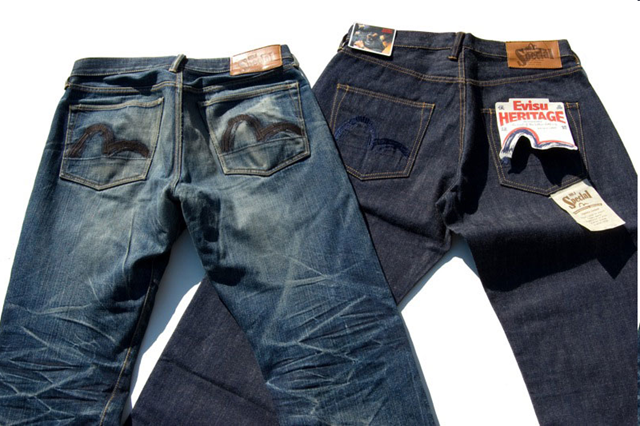
    Natural Wear Evisu Jeans
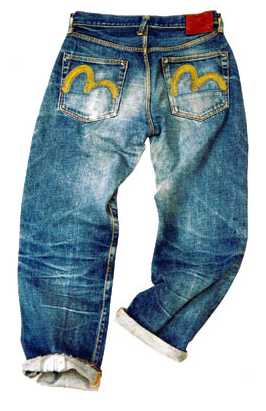
     NATURAL WEAR EVISU JEAN 

    Evisu Heritage

    image

  • Iron Heart – Japanese Denim Jeans That’s Tough..

    These are the toughest, strongest, most stubborn jeans in the world, no argument…

    iron heart

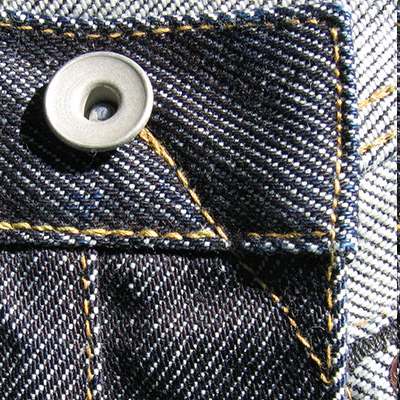
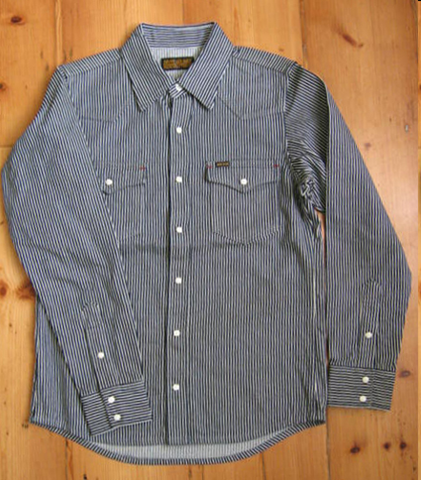
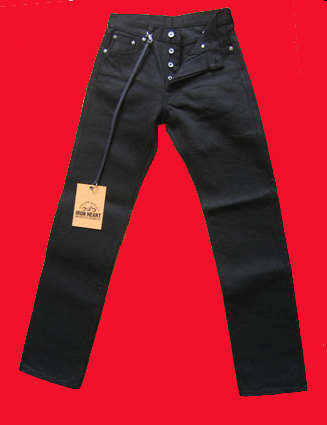
    This statement greets you when you visit the website of Iron Heart Jeans . It can leave one wondering whether it could be true . However, made with an average of 21 oz denim , the jeans are really tough and built to last a lifetime. Started over 9 years ago by Japanese bikers in search of the perfect jeans for daily riding, Iron Heart’s denim jeans and jackets are nothing short of impressive as they are not only tough but comfortable also.With all styles with a price tag of over $250, the jeans are definitely not cheap – but are worth the price.

    We had a Q & A session with Giles Padmore – the person (from UK) who introduced Iron Heart to the world outside Japan .

    I believe the Iron Heart jeans were started by Japanese bikers 9 years back.. Can you tell us more about how the brand originated and with what purpose in mind?

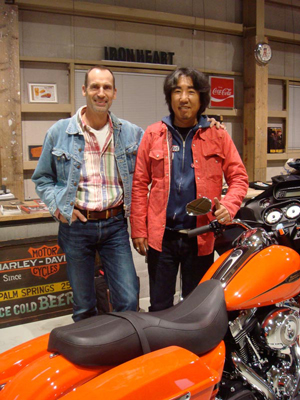
    Yes, Iron Heart was set up 9 years ago by Shinichi Haraki.  Haraki-san is a dedicated Harley Davidson fan and lover of vintage clothing.  His concept behind Iron Heart was to make clothing that worked perfectly for bikers and took absolutely no notice of fashion. He wanted his clothing to be beautifully made out of the highest quality fabrics, to be absolutely pure in function and last well, but age beautifully.  An interesting and not anticipated side effect is that his clothing is loved by non-bikers too, I would estimate that only 5-10% of the garments we sell outside of Japan are sold to bikers.

    How does Iron Heart stand out from other Japanese Denim brands ?

    I think that Iron Heart is unique in that it takes zero notice of fashion trends.  We have always concentrated on making the best clothing we can, irrespective of what is happening on the high street.  Our clothes have a timeless quality about them that will not date.

    Iron heart jeans are believed to be the heaviest jeans . Is it so ?

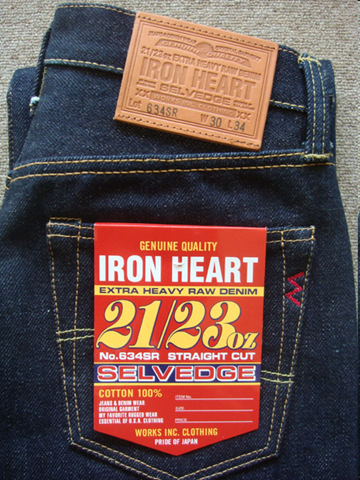
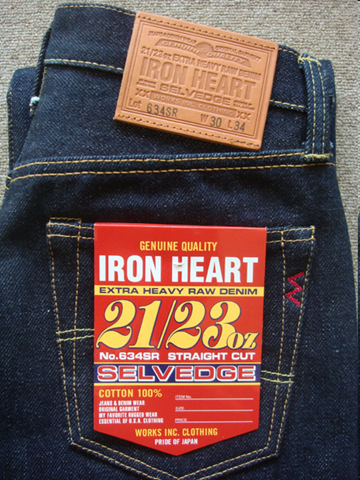
    Our normal weight denim is 21oz, this compares to 13-16oz for most other brands.  We also do the IH634SR which in its raw state is 21oz, but when washed comes out at a hefty 23oz.  There are a couple of denims out there that claim to be heavier, however our driving force is not to make the heaviest denim you can buy, but to make the best denim for the article we are creating.  Haraki personally designs from scratch all our denims, from the selection of the cotton, to the choice of the dye, to the weaving process.  One thing to note is that our 21oz denim is some of the most comfortable denim you can wear. 

    How does Iron Heart maintain the comfort aspect of the jeans in such a heavy fabric eg  -The  23 oz jeans (IH634SR) that you have launched recently?

    Because we use the highest quality long staple cotton, the warp and weft do not have to be overly spun to keep their integrity.  The result is that we can make a heavy denim that is really quite soft and comfortable.  Yes, it is true, you will have to suffer a little bit of pain to get the 23oz to submit, but once you have done that, they too are really comfortable.

    Is the denim fabric used in  Iron Heart jeans produced in  Japan only ?

    Yes 100%.  And more so it is designed from scratch by Haraki.

    Who is your typical customer ?

    3 main groups:

    1) People of all ages, including some still in their teens, who love the philosophy and cult status of Iron Heart

    2) People who want a proper pair of jeans made the way they used to be, in the traditional manner and with exceptional quality

    3) Bikers who like the idea of having a few extra ounces of denim between them and the tarmac if they have an accident

    Which are your best selling jeans ?

    IH634S, the 21oz straight cut selvedge jean

    Most Japanese denim brands do not believe in volume games and prefer to be niche players. Is this your philosophy as well ?

    This is absolutely our philosophy. We want to make sure as we grow, our quality does not suffer.  But partly, that is forced upon us because there is only one denim mill in Japan that can make the heavy weight denim we love to a quality that we will accept – and we take a 100% of that mill’s capacity!

    What denim trends do you see the strongest in the next year ?

    The short answer is that we don’t care!  The longer answer is that we see more and more people understanding that Japanese made denim and jeans are in a different league quality-wise than anything else on the market and as a result demand will continue to rise.

    What is your advice to denim lovers ?

    A pair of jeans is an extension of your personality and soul.  Buy a pair that you feel great in, then wear them as much as possible before washing them, that way they will mould and fade uniquely to your body shape and the way you live.  They will become part of who you are.

    23 oz denim jeans 21 oz denim jeans


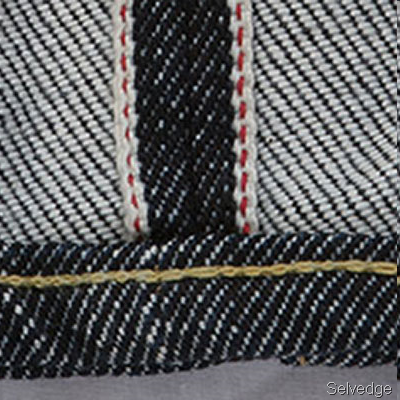
    japanese selvedge denim selvedge japanese denim
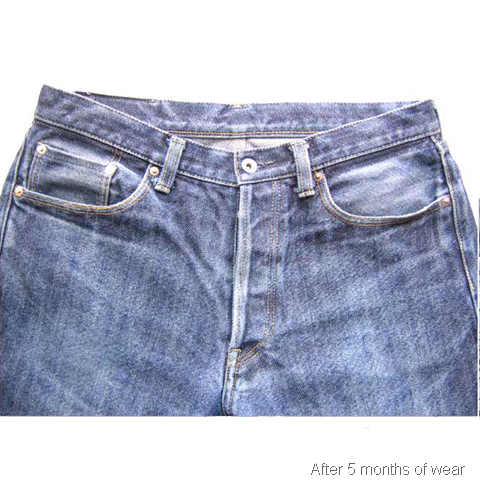
    After 5 months of wear vintage jeans image
    image image


    giles Giles  Padmore is the person who introduced Iron Heart to the world outside of Japan and has been working with Haraki-san for well over 5 years now.  He looks after all world-wide sales.  He lives in The UK, but  makes frequent trips to Tokyo to spend time with the Iron Heart HQ team.  He has loved denim all his life, and if he wears anything else, it is a cause for comment !. HE can be contacted on email here . And if you are impressed with jeans, buy them here.

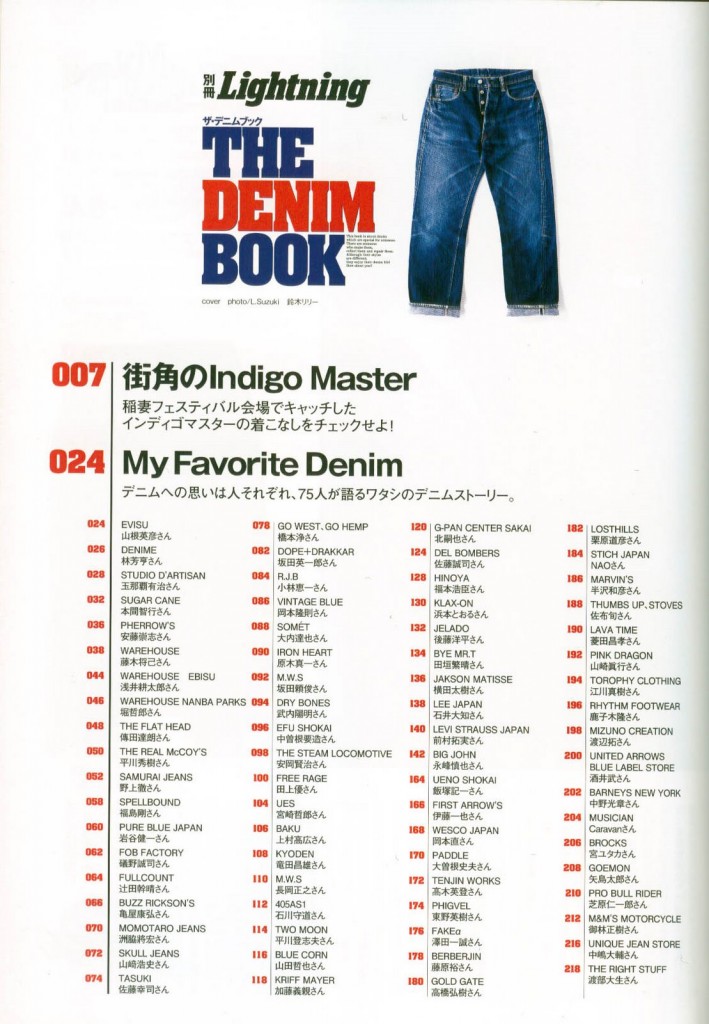
  • “The Denim Book” – Profiling who’s who of Japanese denim .

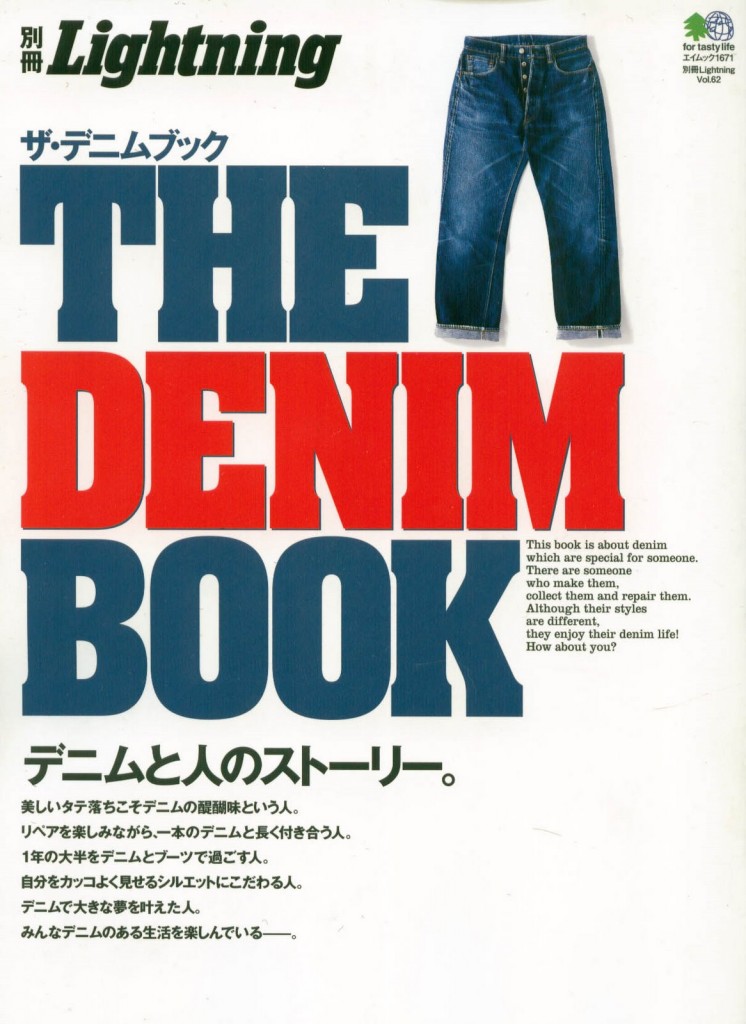
    Just released ‘The Denim Book‘ by Lightning is a great read with the who’s who of Japanese denim industry being profiled. This book follows in the series of journals that started with The Boots Book a few months ago.Over 70 Japanese denim brands, retailers and managers are interviewed ,giving a great insight into how the Japanese Denim Industry works.
    Here are some photographs of the book :

    the denim book japanese brands

    the denim book japanese brands

    the denim book japanese brands

    Via : Denim News

  • Evisu Spring and Fall 2009 Heritage collection –Green cast, Red cast & more..

    In last couple of years Evisu seemed to have been losing some reputation among international denim buyers because of  too many flashy artifacts on the back pockets and for lacking subtelity. However, there is still lot of love among its dedicated consumers in Japan and Evisu seems determined to get much more of international attention and customers with its new heritage releases. Also it has to be remembered that Evisu is still one the best producers of Selvedge denim in the world.
    Evisu is releasing a set of  5 Heritage Denims for Spring and Fall 2009 . Each of them stays true to the traditional Japanese denim dyeing methods . The set includes both green cast and Red Cast denim.

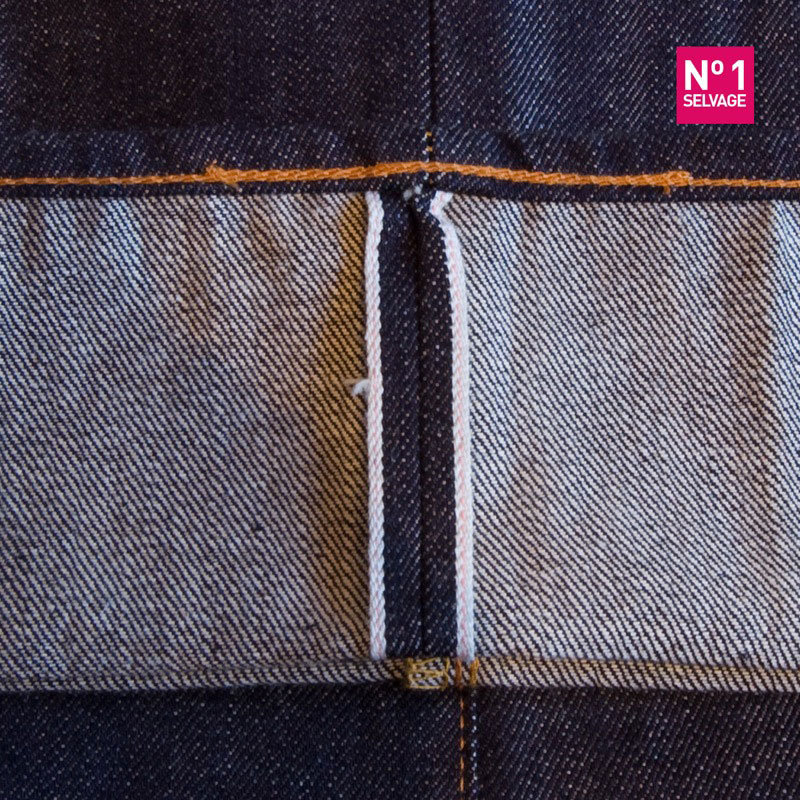
    NO.1 SPECIAL


    No1Special is unsanforized japanese selvage denim woven by Kaihara Corps Ltd. Unsanforized denim is the most authentic cloth, as used on the very earliest jeans. It has a slightly hairy surface and the warp and weft yarns are quite loose. When washed for the first time, the denim will shrink because it is not sanforized. Another effect would be that the legs would skew. Though highly undesirable to many users, skewing is  a sign of  Vintage Jeans (remember they did not have sanforizing facilities in the 19th century. The process  was invented in 1933 by Sanford Cluett). Buyer has to hot soak the jeans before wearing and they will get to the size he is looking for .

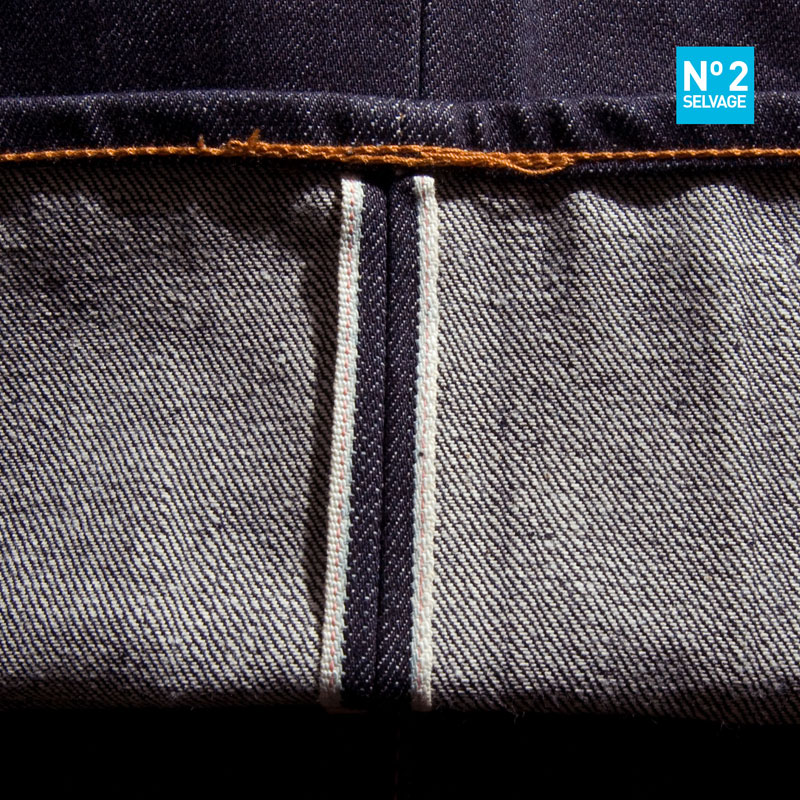
    NO. 2


    This denim is identical to No1Special, but sanforized – which means that the jeans will not shrink unduly and will hardly have any  hair on the surface.Woven in Osaka Japan on half-width shuttle looms with signature pink selvage. No2 is a mid-to heavy-weight 13.7 oz denim and has a deep blue tone with a very slight red cast.
    NO. 3

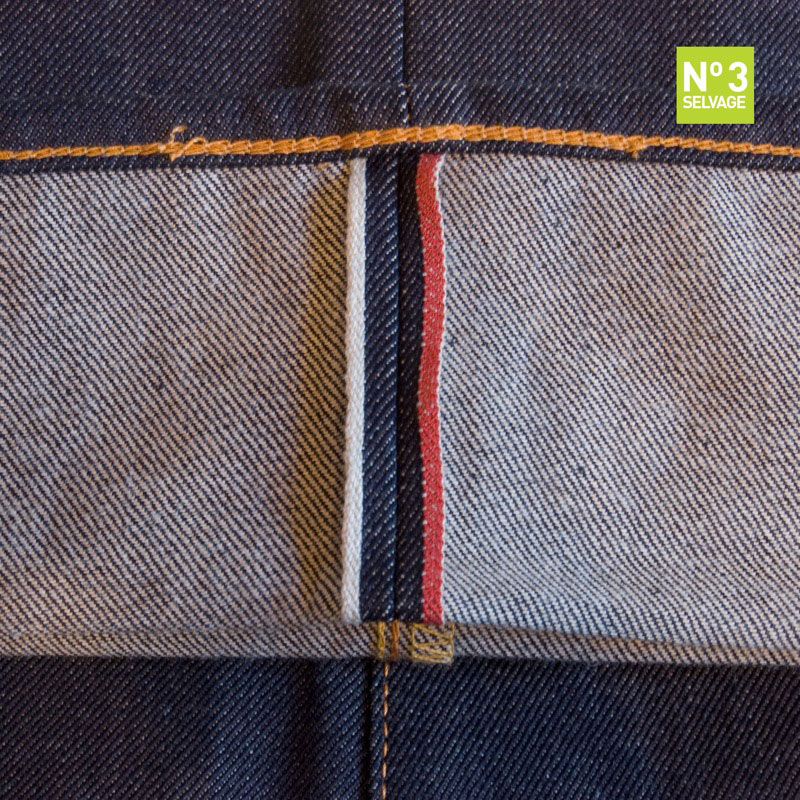
    No3 is the original famous Evisu Heritage selvage denim, previously known as D85. It is rope dyed with indigo to an extremely deep blue, almost black tone. No3 can be recognized by the unusual ‘rising’ sun red and white selvage
    NO. 4


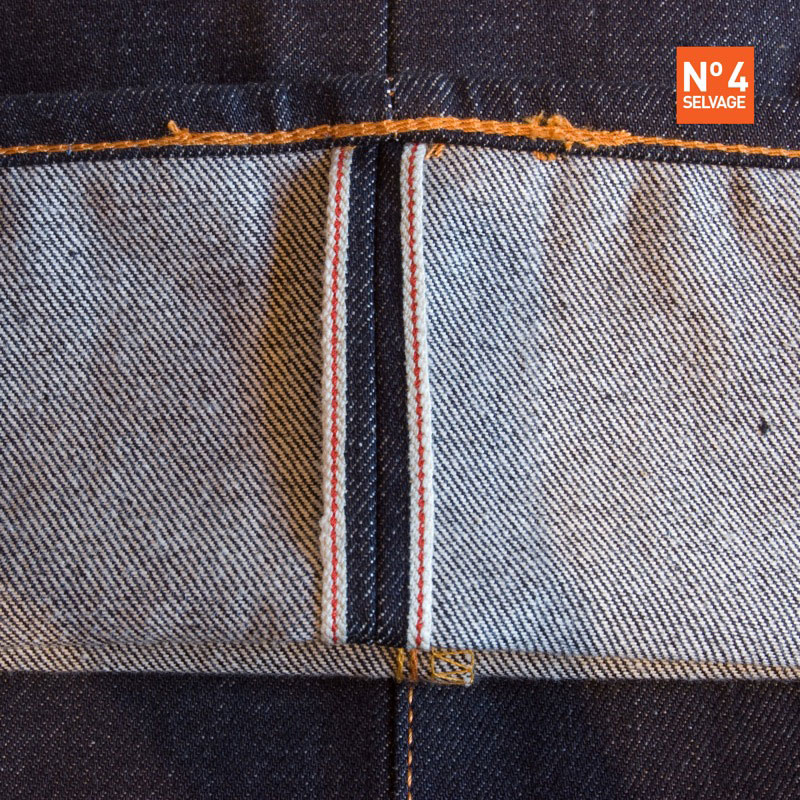
    No4 is something different developed for the  Evisu Heritage Spring 2009 collection. The denim is woven from open-end yarn, as against Ring spun traditionally used by Evisu. Open-end yarn denim has a smoother, flatter surface than ring-spun denim. Like all Evisu Heritage denim, No.4 is woven on half-width shuttle looms.
    NO13


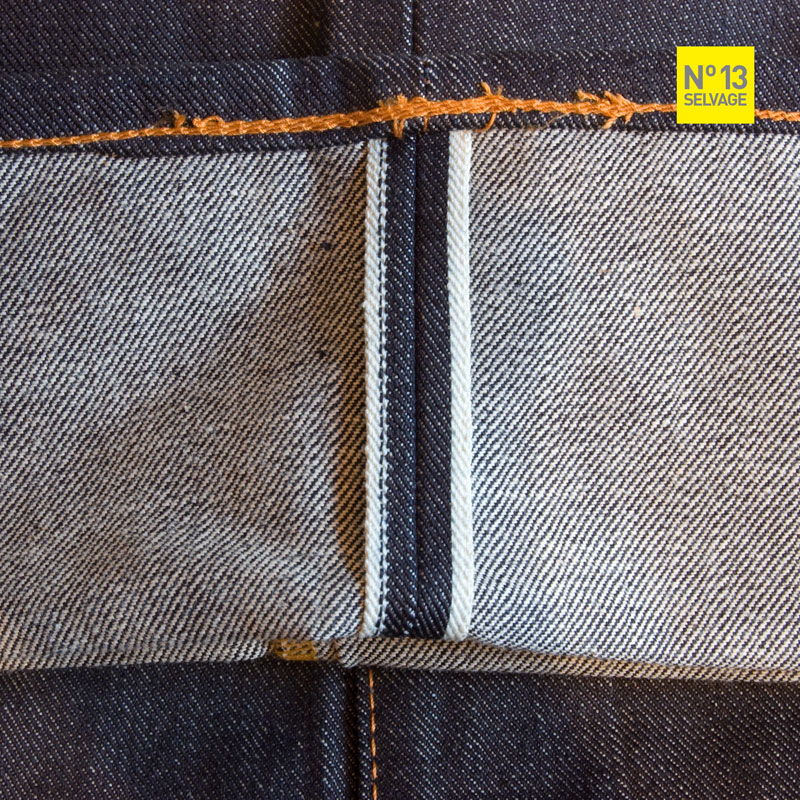
    And if you are looking for softer denim, then No13Left is the one to go for because of its Left hand twill weave . It  is a close reproduction of the early denim used by Lee from the 1910s onwards. Left hand twill denim has a twill direction opposite to the right hand twill and is softer because the direction of the fibres aligns with the direction of the twill. No13Left is green caste indigo, and has mismatched selvage: one side is plain white, and the other side has a single warp thread of indigo woven into it, staying true to the specifications of the original Lee version.

    Related Posts:
    Evisu Spring/Summer 2009 Collection
    Evisu DD1 project

    More details on Evisu blog

  • Japanese denim specialities explained by a denim expert-video

    Gordon Heffner is the owner of the Denim shop Blue in Green in New York. This shop is one of the best shops in the world for buying Japanese denims.
    In an interview to Tokyo Eye, Gordon tells about some specialities of the jeans from Japan and takes us through a tour of Tokyo denim market.
    Some highlights of the video:

    1. Have a look at Green tea dyed, Persimmon dyed or even MUD dyed jeans . Sugarcane denim made from 50% sugarcane extract is also interesting.
    2. Distressing of jeans: Can you age your jeans without destroying the fabric a little ? The normal techniques used for ageing the jeans are with sandblasting or sandpaper scrubbing. However, there are some solutions available which can age the jeans without affecting the fabric.
    3. Vintage Jeans: Can anyone spend upto 3 years to recreate a vintage a tattered 150 years old jeans? Some denim maniacs in Japan do
  • Japanese denim – Environment friendly jeans manufacturing attempts

    Japan Fashion Week recently concluded in Tokyo.
    Besides the usual show, there was an exhibition on the denim industry in Japan – Japan Blue.
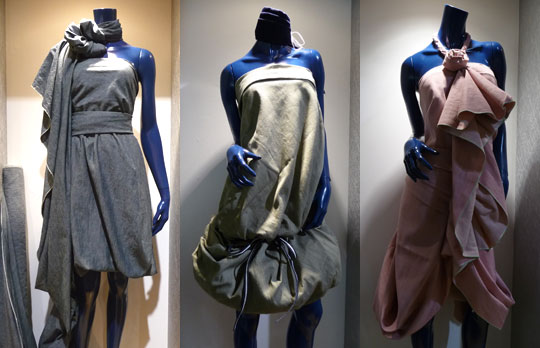
    The highlight of this exhibiton was that the Japanese denim industry is working on various ways to make the entire Denim/Jeans manufacturing process as environment friendly as possible.Denim fabric manufacturer Nisshinbo is using discarded banana stocks in its fabrics .Manufacturer Nihonmenpu is producing items dyed with natural mulberry lavender.See the photo below (left one is Nisshinbo fabrics and right ones are Nihonmenpu fabrics).

    There is also a very interesting attempt to reduce the water required to produce Jeans. One pair of Jeans supposedly takes around 200 litres of water to be produced . With billions of jeans produced around the world, a huge amount of water is used to manufacture jeans and the wastage is then released into the rivers and hence oceans. A Japanese company Howa is working on a technology to wash down the Jeans using OZONE and not water. It displayed the results from its experiments and here are some photographs.If this company succeeds in making this process commercially viable, it has huge implications for the denim industry. Not only will it has the possibility to reduce the water consumption for Jeans production drastically, but it can also help in denim/jeans manufacturing units to be put up in place where water is scarce.See here jeans washed by this method.

    Check more details on this exhibition here
    [ad#video-400]

  • Sugarcane Denim – A Unique Denim Brand From Japan

    Ever heard of the famous Japanese Denim Brand – Sugarcane. ?
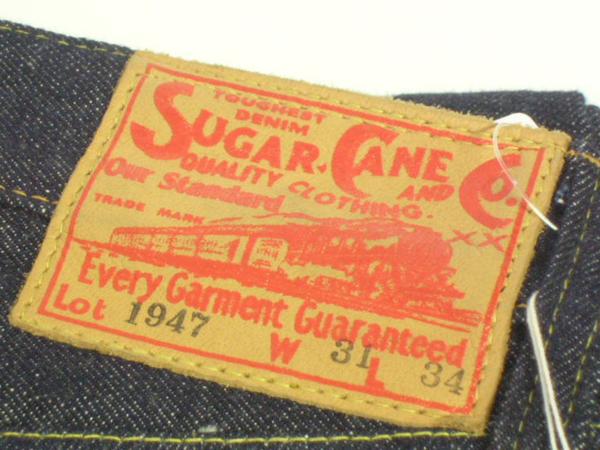
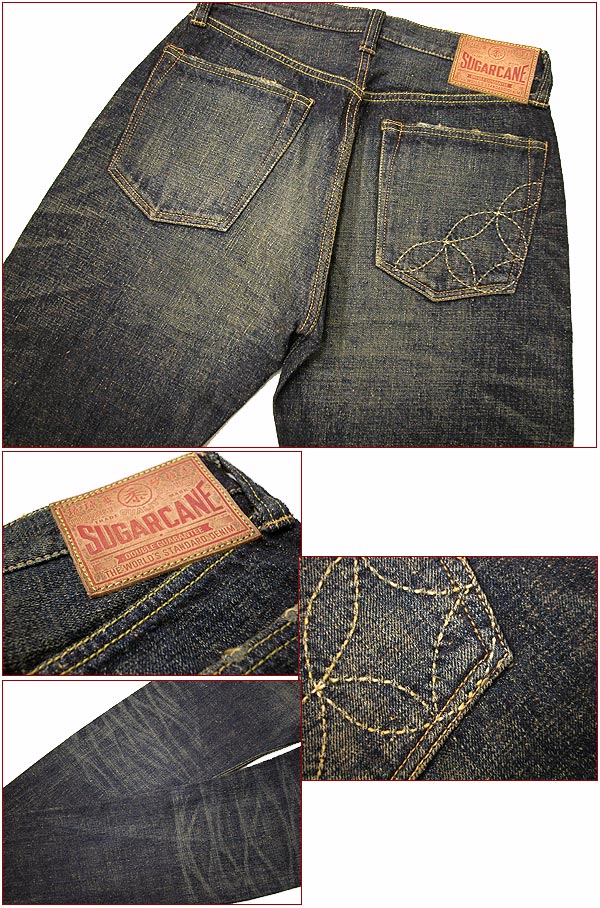
    The unique thing about these Jeans is that they are made from Sugarcane fibre mixed with cotton threads. These threads are dyed in natural dyes(mostly) and then Selvedge denims is woven over 40+ year old Shuttle looms – resulting in a very unique texture due to all these processes..
    These can be called truely Vintage denims and are rightly termed as Dungarees and not Jeans.
    .sugar-cane-index.jpg600x450-2007100200013.jpgsc40601_429-4.jpg

  • Evisu DD +1 Jeans project

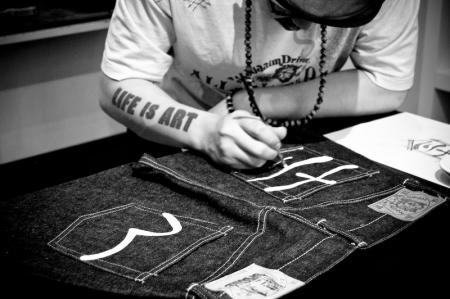
    Evisu has launched a new Denim Project called Dirty Dozen + 1 (DD+1) in association with Superfuture and the Blue in Green store in NY . 13 people are wearing a pair each of special customized jeans from Evisu – hand painted by a famous Japanese artist. The jeans shall be worn for a period of 13 months and evaluated….

    dd1-jeans-of-evisu.jpg

    I like the way Evisu spends time and energy in getting out products which will have ‘TIME APPEAL’ – ie they will be become better with time and age like OLD WINE… I would have liked to know the kind of fabric they are using in this project .. Will post when available….

    Want to see how the jeans has been hand painted ? See here

  • Selvedge Denim and Loop Dyeing..

    What is Selvedge/Selvage Denim ?
    selvage-denim.jpg
    Selvage Denim is the denim made on Old Style Shuttle Looms rather than the modern shuttleless looms. Simply stated it is ‘Self – Edge’ denim which is created since the Weft goes back and forth as a single thread rather than individual threads for each weft weave..As the weft loops back from the end, it creates a ‘Selvage’. Traditionally the denim made on the Shuttle Looms was so narrow that about 3 yards were required to make a jeans. To maximize fabric consumption, the jeans makers used the Selvage also which can be seen when the Jeans is turned up.The color of the thread in the Selvage was used to differentiate between fabrics. True Vintage Jeans can be recognised by the Selvage thread.

    Traditionally , American Denim was considered superior. However, the Americans replaced all their Shuttle Looms by faster looms. Many of these looms were bought by Japanese who felt that there was a market for Traditional Denim. And when the Premium Denim craze began after 2000, many Jeans manufacturers introduced the Jeans made from Shuttle looms and Quality Dyeing .. . Quality Dyeing?
    Quality Dyeing is Indigo Dyeing done using Loop Dyeing machines – which are themselves rare and vintage machines. The Rope of Cotton Yarn goes through a Vat of Indigo and then is taken to the ROOF of the factory where it is allowed to oxidize and then brought back to dip. Some companies do as many as 30 DIPS creating a rich blue Indigo character.
    Another traditional thing that goes in the process of creating a Traditional Premium Denim is the Chain Stitch at the leg opening – which gives a thick stitch line at the hem.

    Denim produced on Shuttle Looms is naturally irregular . Accompanied with the additional details in dyeing and stitching, it produces a unique product and as the Jeans age, they produce a unique pattern. Like Fine Wood, Selvage denim will become more beautiful with age and acquire a patina which is impossible to create artificially.
    Many of the Japanese Denim brands are using Selvage Denim. The most famous of them is EVISU. Their HERITAGE Collection is made entirely of Selvage Denim only , produced on 30″ looms and dyed by LOOP Dyeing method. With a minimum of 16 dips, they go upto 30 dips . For Chain stitching, they use the ‘Union Special Machines’ which are considered to be the ‘ROLLS ROYCE’ of stitching machines in 1950s..

    Heritage Jeans - EVISU

  • ‘Kato’ – Original Denim from Japan

    I just do not seem to be stopping to write about Japanese denim. There actually is so much to learn from them that it feels great to write about them.
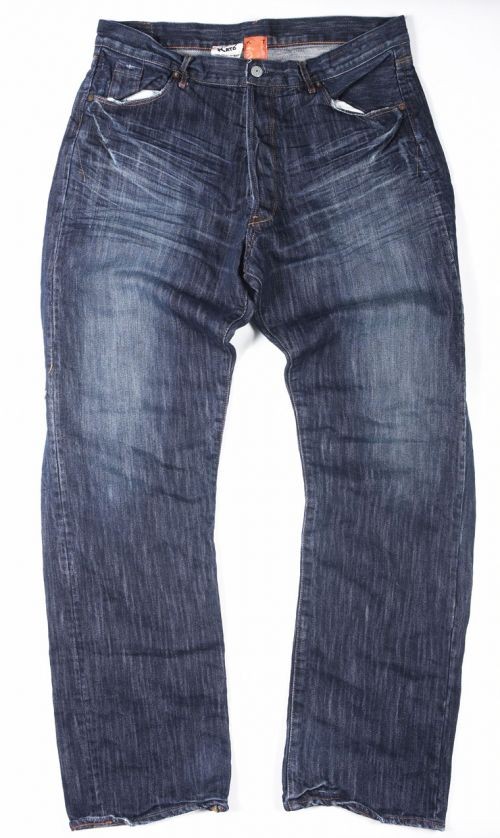
    Kato’ is a brand from Japan which is making special Natural Jeans. Their Jeans are made from Zimbabwe Cotton and are dyed by the ‘Hank System’ in natural indigo . This is the oldest system of dyeing cotton in Indigo in which the yarn spends one day in dyeing to the core and another day is spent hanging in a steam room.. The Denim is then woven on 32″ slow shuttle looms ..The jeans are hand riveted and details hand stitched..
    All these slow processes add up to the cost a lot . However, Connoiseur items are not made easily and by everyone and are also not affordable by everybody (prices in range about USD 300)..
    ANd the looks are COOL…..Kato Denim

    By the way, pertinent to mention that Hiroshi Kato of ‘Kato’ also designed some selvedge denim for Arvind in India..

  • Exports of Denim fabrics from Japan to USA (Years 2000-2007)

    It may be interesting to see how much Japan exports to the US and the EU. I did an analysis and here are the results.The results are not very surprising because exports to both the markets show some similar trends.
    The year 2004 & 2005 have been the best for exports to both EU and US. Though for exports to US , 2006 has also been the best
    The prices have been more or less stable over a period of time . In EU also the prices /kg have been more or less stable and so is the case in US. However, US shows an increase in average prices in 2007
    The decline in exports of denim fabrics is visible in 2006 in EU and in 2007 in USA
    If we extrapolate the figures of 5 months of 2007 for USA, then approximately 5.5 million square mtrs will be exported to US in 2007 against 6.2 million sq mtrs in 2006.
    Lets have a look :

    Year Quantity(Sq.Mtrs) Value(1000 Yen) Value(million USD) Price(USD/Sq.Mtr)
    2000 765045 379121 3.13 4.09
    2001 600841 323281 2.67 4.44
    2002 2047052 1013449 8.37 4.09
    2003 3534981 1768710 14.61 4.13
    2004 7987713 3943224 32.58 4.07
    2005 6132694 3137537 25.93 4.22
    2006 6219223 3441724 28.44 4.57
    2007(Jan-May) 2230106 1272908 10.51 4.71

    Source: The Customs Deptt of Japan

    Note: The exchange rate of USD to Yen has been taken as the current rate of
    121 Yen/USD

  • Imports of Japanese Denim into EU from 1999-2006

    Lets have a look at the import figures of Japanese denim into EU over a period of 7 years from 1999 to 2006

    New Page 1

    YEAR Import Value(Million Euros) Quantity(100 kgs) Value/Kg (Euros)
    1999 9.96 9895 10.06
    2000 5.19 4847 10.72
    2001 2.80 2504 11.19
    2002 3.56 4637 7.68
    2003 5.66 6035 9.38
    2004 14.37 15811 9.09
    2005 14.49 14357 10.09
    2006 8.98 9120 9.85

         TOTAL IMPORT  : About USD 65 million
    over 7 years
         

    Source : Eurostat       


    Now what are the trends that we notice?

    Years 1999 to 2001 : the exports from Japan fell continously.
    Years 2002 and 2003: the exports increased at a good rate.
    Years 2004 : exports increased exponentially.
    Year 2005 : maintained the sales of 2004
    Year 2006 : again witnessed a fall in exports

    The hype for the Japanese denim started to surface in 2003 -2004 when Premium denim labels were starting to become a craze in the US and it EU. Japanese denim became a byword for many of these labels. Hence we see a great surge in the exports from Japan.
    However, in 2006, the downtrend has begun and it remains to be seen whether it continues in 2007 also. The figures of the growth of Premium denim labels market in the US and EU seems to growing at a slower pace in 2006 than in 2005 and hence it is affecting the market.

    Also, an important fact is that the Japanese labels are themselves becoming stronger and consuming more denim locally. Brands like Evisu, have developed a large fan following in the US and EU and hence more of Jeans made from these denims is being exported to these countries.

    Prices: The prices are given in Euros/kg and look to be more or less stable over a 7 year period except in 2002 when they were at their lowest. However, a better picture may emerge when we see the prices in Euros/mtr (we shall be providing that shortly).