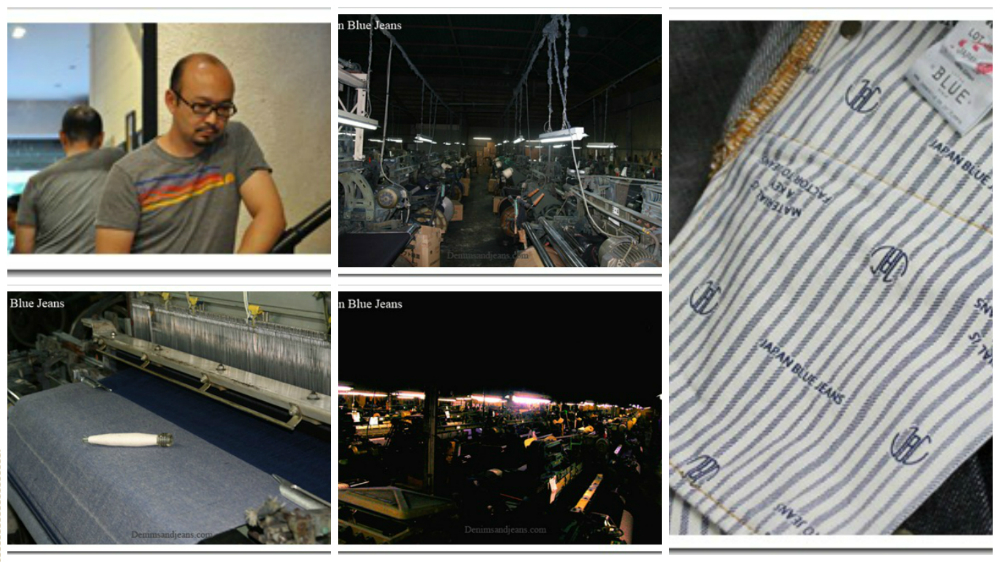

Category: Japanese denim

  • A Chat With Hiroki Kishimoto | Japan Blue

    A Chat With Hiroki Kishimoto | Japan Blue


    japan blue logo JAPAN BLUE is a jeans brand created by legendary Japanese denim fabric mills – COLLECT – in 2010. COLLECT has a

    A Chat With Hiroki Kishimoto | Japan Blue

    deep routed tradition of denim making in Kojima, Okayama. Collect is also the fabric maker the same fabric manufacture behind Momotaro denim and has a deep routed tradition of denim making in Kojima, Okayama.

    JAPAN BLUE does spent most of time developing and creating materials.
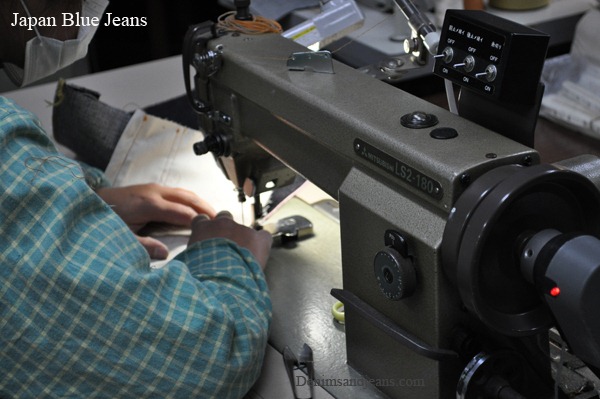
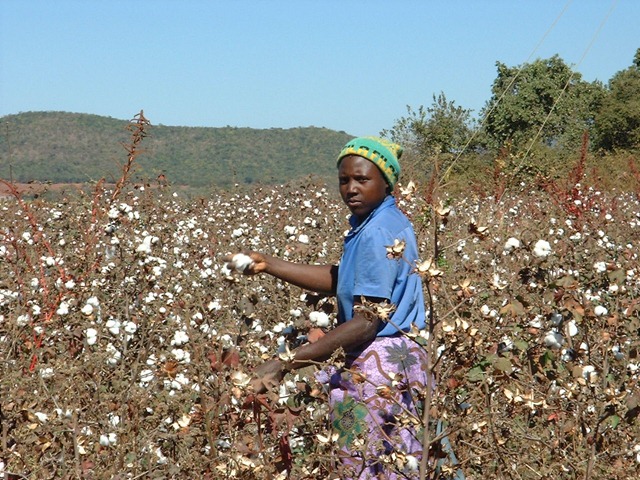
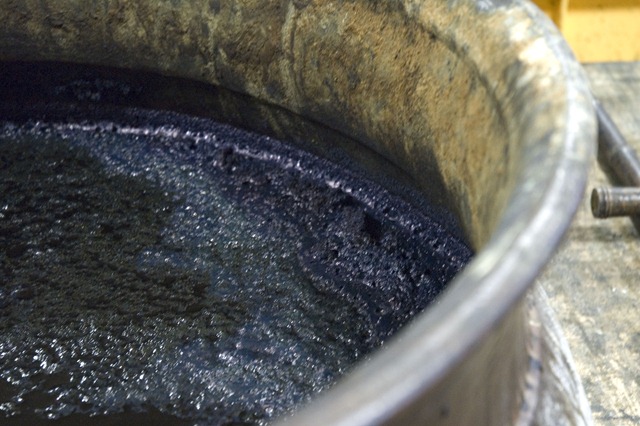
    Because they feel that  material is a key factor to determine the quality of jeans.Selecting cotton,spinning cotton, dying the yarn and finally weave a fabric, JAPAN BLUE considers all four processes an creates a fabric best suited at that time.  Using Zimbabwe, Memphis and other special cotton, Japan blue creates magic with their fabric and jeans.

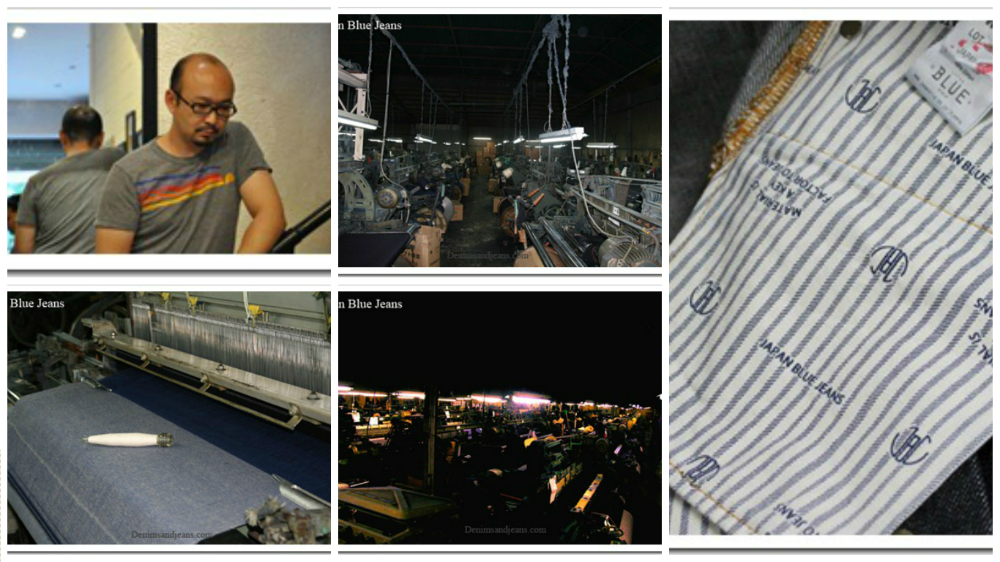
    We  had a chat with  Mr Hiroki Kishimoto , the designer and over all manager at Japan Blue Jeans to understand their principles and ideals of jeans making.

      Hi Hiroki. Can you tell us about Japan Blue Group?


    Our group has two company, COLLECT co.,ltd and RAMPUYA & co.Hiroki COLLECT started in 1992 for fabric maker. COLLECTsupply fabric to a lot of brand, not only jeans maker but also other fashion brand now.Main customer are Japanese brand. of course we work overseas brand too. RAMPUYA started in 1996 for in order to master natural indigo and is owned by the same person -Mr.Manabe. We make own factory to dye natural indigo at first. We dyed yarn, tshirts,shirts,pants, leather, wood! . Mr Manabe started  Momotaro Jeans in 2005. We want to make jeans that has vintage, Japanese traditional, luxury, NO.1 jeans.
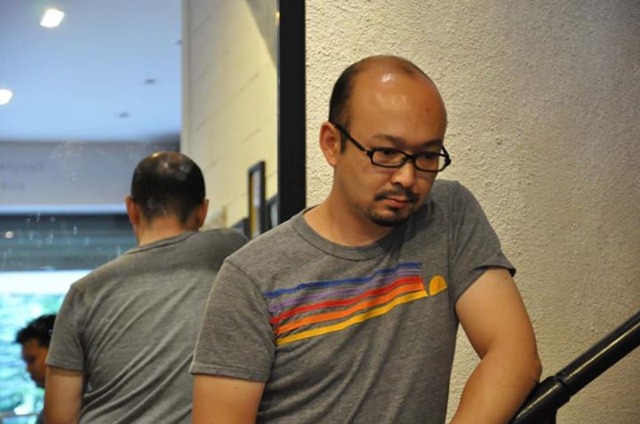
     

    And I starter Japan Blue Jeans in 2010. I  want to put different concept to Japan Blue. I  produced Japan Blue with vintage and innovative mixed. I can produce a lot of variety fabric. But our fabric customer (COLLECT customer) buy some of them. A lot of fabric which was excellent couldn’t appear to the world.

    So I  produced Japan Blue Jeans. This is one of reason for the launch of the brand.Japan Blue Jeans
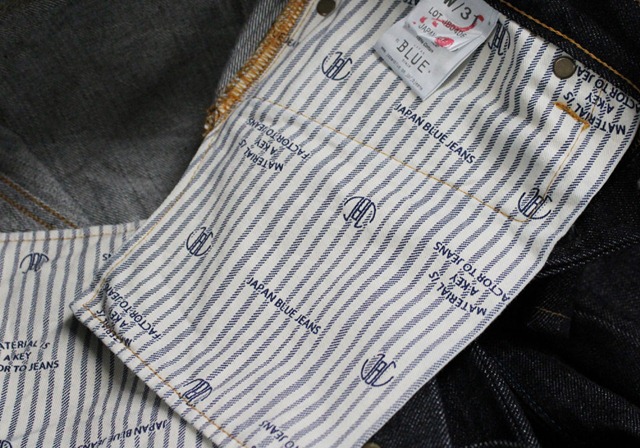
     

    Japan Blue focuses a lot on the material – the fiber, the yarn spinning, dyeing , weaving etc. Do you think it makes a huge difference ?


    Of course. I think jeans making equal fabric making. If I change small detail, huge difference will be coming after wearing.
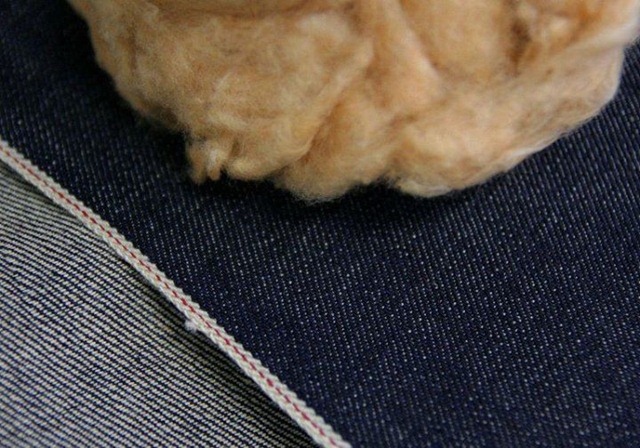
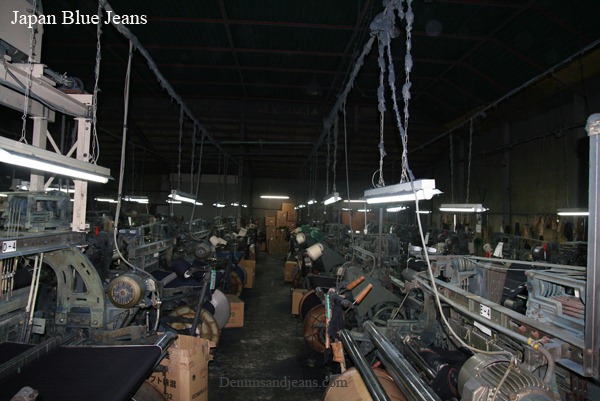
    zimbabwe cotton for denim

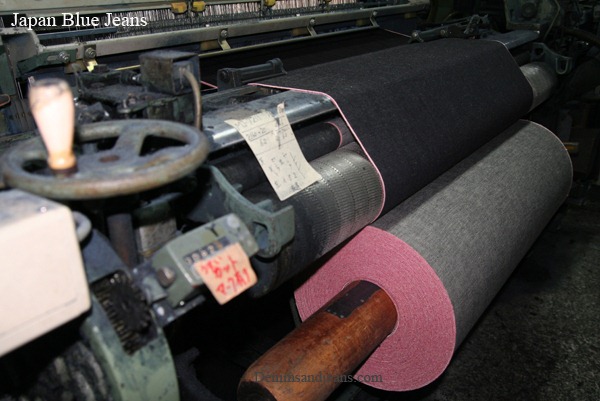
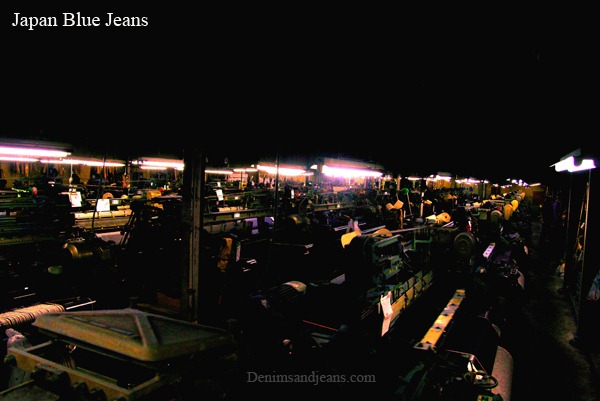
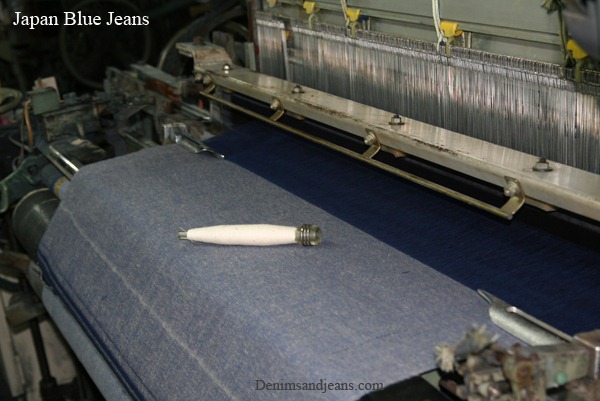
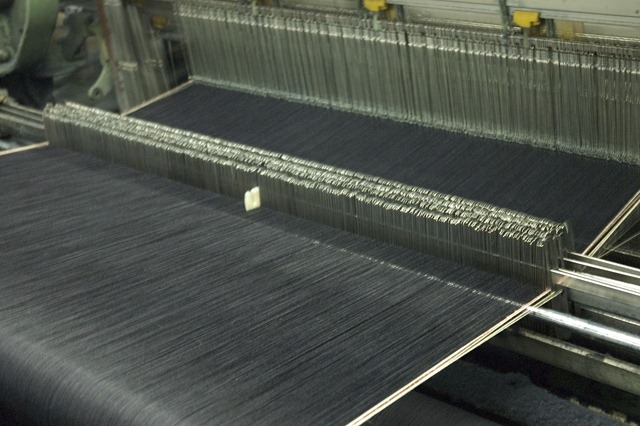
    Selvedge denim looms weaving Selvedge denim looms weaving Selvedge denim looms weaving Selvedge denim looms weaving


    How did you get into the denim business? What Were there any big hurdles you had to overcome?


    I met owner Mr.Manabe by chance before graduate university. We talked a bit, and he said, come to my office.I worked fabric business about 15years.  Designed, production, sales,,, sometimes dying , grow cotton…I talked other jeans maker designer, he said, “I want to wear jeans by COLLECT  fabric for personally.So I made so made small pieces jeans at first.


    Big hurdles are craftsman, factory. We loose good factory and good craftsman every year. We are concerned that made in Japan product is shrinking.


    How is Japan Blue different from competitor brands , say Evisu or even your own sister brand Momotaro. Who would you count as your main competitors?


    I think Japan Blue is quite different to some Japanese jeans brands. Almost Japanese jeans brands pursue vintage jeans individually.Of course I use some vintage detail, machine for Japan Blue. But not everything. I compare which is better vintage or modern tech for every product..
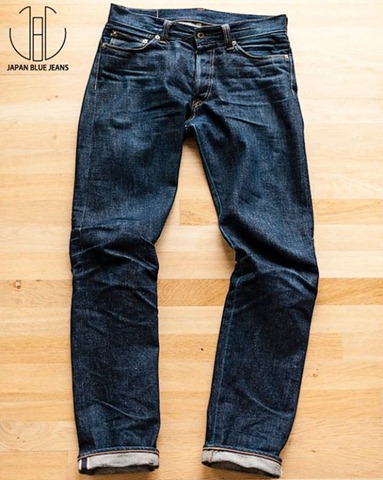
      Japan blue denim


    Do you think Japanese denim fashion is different from rest of the world ?


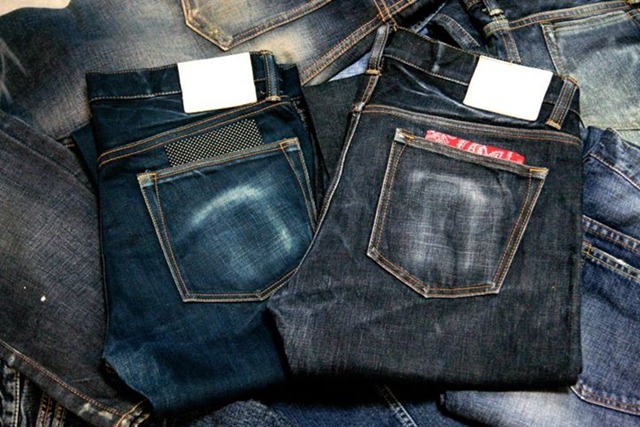
    Some parts are different, some parts are similar. Eg, I produced jeans for US market. But Japanese also likes that model. There is also reverse. But there are not same time, different season. So there will be similar someday.Japan blue denim1
     

    What according to you is the definition of a great denim ?


    Something which people wear every morning.!


    Why do you think Japanese denim is so famous worldwide

    I think the  quality is the  best.

    Is it because of good craftsmen who have been working for a long time?

    That is one of reason. and, Japanese jeans designer require to craftsman very difficult denim fabric.

    So the designers push the innovation ?

    I think so. designer want to make vintage jeans. So craftsman consider how to make.

    But why so much focus on vintage jeans? Why not something very modern and different?

    Because of unique market only in Japan. In Japan, we pursue vintage fabric, sewing detail, cut, everything. Actually, i worked to produce fabric and  a lot of designer sent vintage jeans. SoI reaserched vintage.

    What do you think is the most imp thing for making vintage denim ?

    i think balance is imp, cotton, spinning , dying , weaving. vintage jeans did not think fading, or some design. they use very bad condition machines.

    Do you mean the old looms?

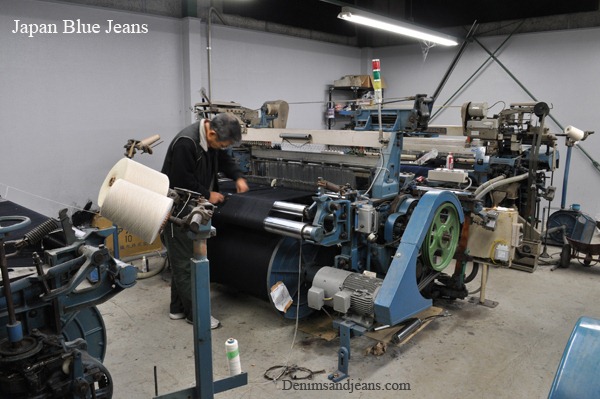
    Old looms and old spinning machine, old dying machine, old sewing, everything old..

    So using these old machines is an advantage or a disadvantage ?

    Of course disadvantage for almost people, but advantage for a few  jeans freaks over 20years ago. I produced fabric for some  jeans freaks at that time.
    A Chat With Hiroki Kishimoto | Japan Blue

    Really ! which year you started?

    Our company started 1992. i started 1996.

    Your brand Japan Blue – is it selling mainly in Japan ?

    We sell
    50:50 Japan and other countries.
    1st year – only showed designs and did not sell.
    2nd year – sold  only to overseas markets.
    3rd year – sold to Japan.

    Ok that’s great.. I see that you also make heavy denims like 16.5oz Monster selvage. What is the heaviest ounce you make ?

    28oz.

    Wow ! what kind of customers wear 28oz fabric jeans?

    I do not recommend to wear this fabric for daily use. Only if you go to very cold area or ride on bike.

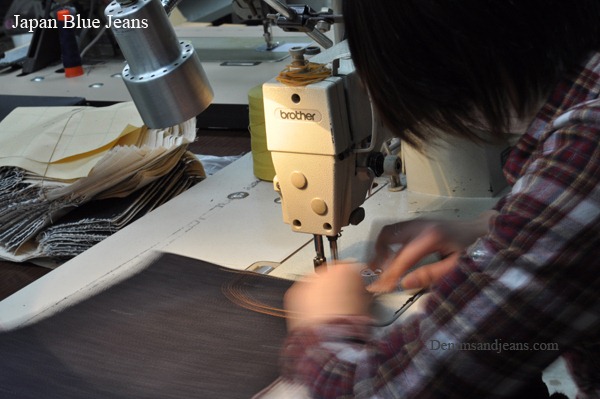
    But  jeans must be very stiff and rough ? Must be breaking many needles during sewing .

    That’s right. very difficult to sewing. they need hammers!!
    A Chat With Hiroki Kishimoto | Japan Blue A Chat With Hiroki Kishimoto | Japan Blue A Chat With Hiroki Kishimoto | Japan Blue

    So normally you must be doing about  max 16-17oz .

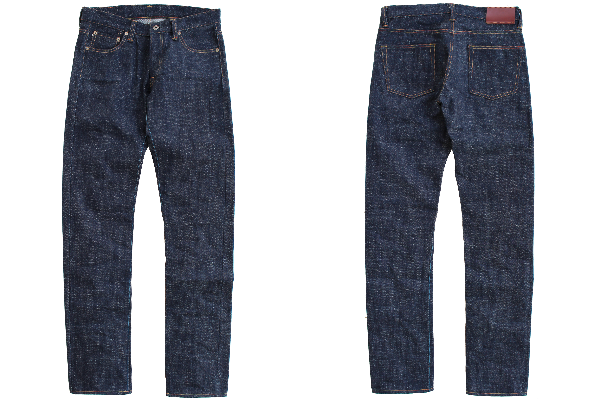
    Yes, but our 16.5oz is soft and comfortable. i can produce 16.5oz  soft, So i make jeans. If i produce more heavy jeans with comfort, i will make those  jeans. Eeven 16.5oz is not so easy to make soft .
    Monster Skinny Japan Blue

    Where can customers buy your Japan blue jeans?

    We have 70 dealers in Japan and 80  overseas. and 1 own store in japan. Some dealers can send world wide. Blue owl, AND, Okayamadenim , Cultizm,,,,and more,,

    Please tell us something  about your latest jeans articles .

    Some of the famous ones are

    • 16.5oz Monster selvage .I produce JB0412/Tapered cut and JB0212/Skinny cut to this fabric.This fabric is heavy, but very soft feeling after wash.
    • JBM04A3   10oz freedom jeans. We use indigo knit fabric to this jeans. Very soft, comfortable.
    • JB0414  10.5oz Joker jeans. We use selvage stretch fabric to this jeans. Of course comfortable. And good fading coming.
    • 5 colors jeans : JB0211 and JB0411 has 5color(cobalt, ruby red, forest green, carrot, egg plant)
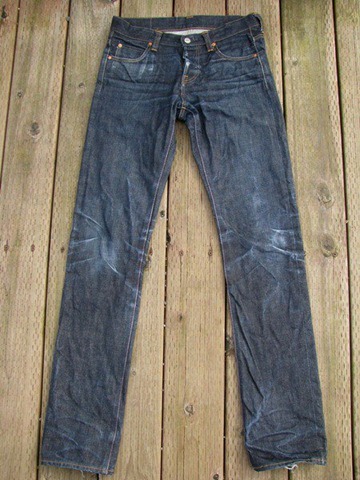
    Japan blue - seven months  one wash

    Is there something we can expect from Japan Blue in  the coming years?You have talked a lot about quality. Having been in the denim scene for a while; nowadays do you see a marked difference in what people are looking for in terms of quality, where the garment is made or how it is washed?


    I want to produce jeans which nobody have never seen someday.Of course I brush up current model. And we always produce new fabric, jeans. I just enjoy making fabric! Actually, I can’t expect Japan Blue in the coming year. I will try wash jeans too. so I produced fabric for wash jeans. Maybe it will be  released in near future.
  • A Chat With Mikiharu Tsujita | Full Count Jeans , Japan

    A Chat With Mikiharu Tsujita | Full Count Jeans , Japan

    In the 1980s a group of Japanese jeans fanatics went out to research on the origin and quality of jeans. Most of them were Levi’s 501 fans and they decided to buy some vintage jeans from the US. But it was becoming more expensive and difficult to buy those jeans . So they decided to create their own vintage jeans. Mikiharu Tsujita – the owner and head designer of Full Count Japanese brand – was one of them. The group that had come together slowly separated and famous brands like Full Count , Evisu,  Warehouse etc   were created (in Osaka) by them with each one following his own vision of what can be the best in jeans and for their customers.

    Mikiharu Tsujita created Full Count in 1992 and was the first jeans company to use Zimbabwe cotton – which was quite unheard of at that time.  Due toZimbabwe Cotton Growing For denim the climate in Zimbabwe,  the cotton harvests are large and bountiful and because of one crop per year, the fiber length is more, which, when woven, creates a very unique texture. Zimbabwean cotton is harvested by hand as opposed to machines, which ensures that the cotton is not damaged and keeps its originality. Once woven, denim made of this cotton has  soft yet sturdy touch to it, which is one of the trademark aspect of Full Count Jeans.
    One of the unique things about Full Count is that they offer a variety of jeans cuts , which is a little surprising for Japanese denim brands. They offer bootcut, flare, straight leg, baggy cut jeans among others. It is a purist brand which also appeals to the westerners and does not go over the top as some other Japanese brands do .

    We spoke to Mikiharu Tsujita to know more FULL COUNT and to understand its genes.. He gave his answers in Japanese as in English ( and you can go through both )!

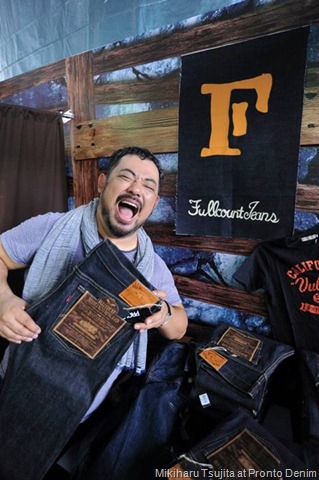
    Mikiharu Tsujita at Pronto Denim

    Q.Full count is one of the most famous Japanese denim brands.  We also remember you were the first one to use the Zimbabwe cotton in denim fabrics two decades ago. Pl tell us something about the brand and how it developed.

    A.When we started FULLCOUNT we were attracted about classic way of Indigo dyeingmaking  1950s denim. In the beginning  we investigate about how it fade color and pattern cutting, sewn by cotton threads way of making garment,  trimmings such as button, rivet etc. Later  we focused on the details. We started using shuttle loom from the company  which  was taking orders from Cone mills in 1960′ for XX denim  . (We still using same machine now) The vintage denim trend started 20 years ago in Japan. The original vintage denim garments value became very high at that time and  we started our brand  and it looks like same as the original vintage  deShuttle weaving selvedge loomnim . That’s why people are crazy about our denim jeans. But I was not satisfied with  my denim at just one point which is comfortableness. My ambitious is not just vintage look denim, I also would like to research about comfortable denim which would wear everyday such as denim I want to make. That’s why we decided to using the Zimbabwe cotton. Since then we have very large variety of customers not just vintage customers . Thats’ why we came beyond the categories.

    Q.Yours is a full fashion brand while many Japanese brands which are Raw denim labels or just focusing on one type of jeans. Does this make you different from other Japanese brands?

    A.We do not think our brand is a  full fashion brand. Consistently, We are approaching to the customer for well coordination items with our denim. Of course we get stuck with classic way of making as we are producing our own denim fabric.

    Q.Full Count is not moved by fast moving fashion trends . Is it true? What is your approach to collections?

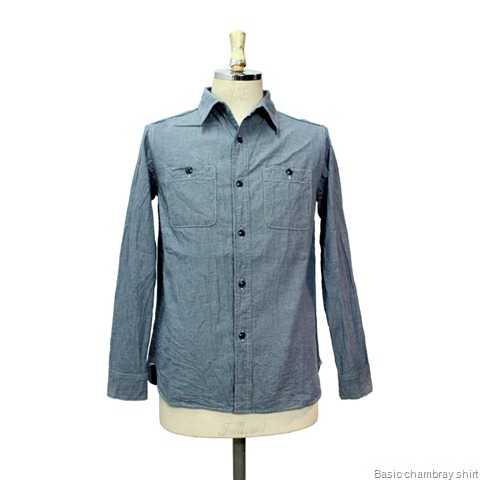
    A.This does not mean we don’t consider the trend,  of course the silhouette is changing  time to time. We are making the chambray shirt and sweat shirt for 20 years but we are changing the silhouette little by little. But our customers image for FULLCOUNT has not changed from start I think. If we making the same thing this means we need change otherwise we could not be surviving in the industry.

    4810-basic-chambray-shirts

    selvedge denim

    Q.Please tell us about a few of most famous styles and pieces in the last few seasons

    A. Some of our most famous styles and pieces are :

    1. 1922’s Buckle Back Jeans
    2. Tight Fit B.D.Shirts
    3. Basic Chambray Shirts
    4. P-coat

    Fullcount co.,ltd.

    Hand Shave & Dry Stone Wash.


    Q.You have a great deal of experience in the denim industry and must have seen how the industry has changed over the years. How do you feel the customers demands and knowledge have changed in last 2 decades and how have you applied this to your label?

    A.I think in last 20 years, most of the denim jeans quality is become higher and the classic way of manufacture style be come settle down. In these days, consumers chose their denim by silhouette and concept. We do not follow the trend style and we make the product what we were making since the beginning when we started. This is our way to make an appeal to our brand in the  industry.

    Hand Wash Series Full Count

    Q.It is said that Japanese mills imported the vintage shuttle looms from US and made the great fabrics. On the other hand, Japanese denim mills are understood to have used the Toyoda looms. Which one of these you think is correct.

    A.The point is not good or bad, its depends on the how it used by workers. The important point is those persons who could find out placing the right fabrics in the right machine. I think it isn’t important whether the machine is  made in Japan or made in America.

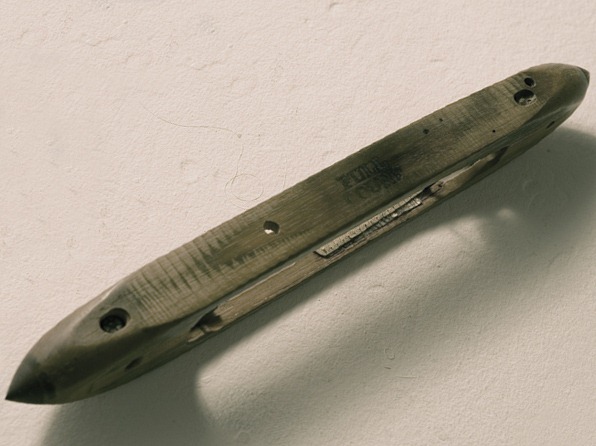
    Shuttle for weaving selvedge denim

    Q. What do you think is the difference between Full Count and other Japanese brands eg Evisu ?

    A. I think Evisu has double-face. One is a purist ,the other hand is their characteristic – like painting . Some purist hate the character. Fullcount is only for the  purist.

    Full Count denim collection

    Full Count Denim

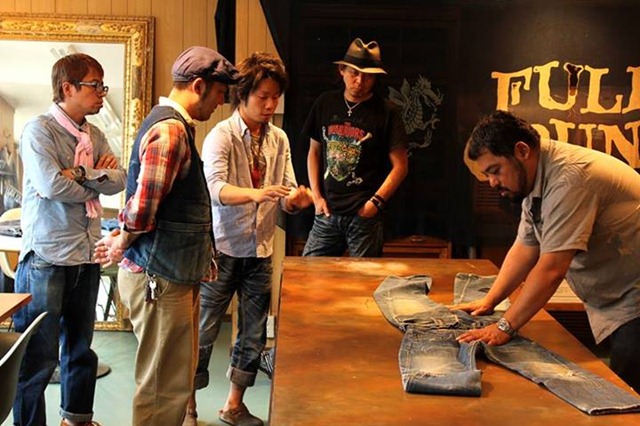
    Full Count Team

    For those who wish to read the interview answers in Japanese , may go through Mikiharu Tsujita’s answers below:

    1.Full count is one of the most famous Japanese denim brands. We also remember you were the first one to use the Zimbabwe cotton in denim fabrics two decades ago. Pl tell us something about the brand and how it developed.

    私たちは1950年代の古き良き時代のジーンズに魅せられてフルカウントを始めました。創業当初はその色落ちやカッティングを徹底的に研究し、綿糸での縫製やその手間ひまのかかる縫製のやり方、ボタン、リベットの形状など、ディテールにこだわることにフォーカスし、ジーンズを作っていました。力織機も1960年代に実際に当時コーンミルズ社から仕事を受けてXXのデニムを生産していたものを使用しました。(今ももちろん使用しています) 20年前の日本はヴィンテージジーンズのブームで、かなりヴィンテージの価格が高騰していたので、一見ヴィンテージに見間違うほどのフルカウントのジーンズに若い人たちは夢中になりました。しかし私自身はその出来上がった商品で納得出来ない点が一つあり、それが穿き心地だったのです。

    ヴィンテージにそっくりなジーンズというだけではなく、穿いていてストレスなく毎日穿いていたい、そんなジーンズを作りたいと思い、採用したのがジンバブエコットンです。

    そのデニムを開発することにより、ヴィンテージフリークのみならず、たくさんのフルカウントファンが増え、ヴィンテージのレプリカの範疇を超え浸透していったのだと思います。

    2.Yours is a full fashion brand while many Japanese brands which are Raw denim labels or just focusing on one type of jeans. Does this make you different from other Japanese brands?

    私たちはフルファッションブランドとは考えていません。あくまで、フルカウントジーンズとコーディネートするためのアイテムをシーズンごとに提案しているのです。もちろんそのアイテム一つ一つはジーンズ同様、昔ながらの製法にこだわっています。

    3.Full Count is not moved by fast moving fashion trends . Is it true? What is your approach to collections?

    トレンドを取り入れていないかといえば、そうではありません。時代によってお客様の好みのシルエットも変わります。シャンブレーシャツや、スウェットシャツなども、20年間作り続けていますが、シルエットは徐々に変化しました。ただし、お客様からのイメージは全く変わっていないと思っていただいているとおもいます。

    同じモノを変わらず作っていくということは、変化しないとその時代で生き抜くことは出来ません。

    4.Please tell us about a few of most famous styles and pieces in the last few seasons

    1.French Army Motorcycle Coat 2.1922’s Buckle Back Jeans 3. Tight Fit B.D.Shirts 4.Basic Chambray Shirts 5.P-coat

    5.Softness and comfort , I believe , are very important for you to incorporate in your jeans. What aspects do you think are the most important for your jeans to have? いい洋服はどれも、着ていてストレスを感じないものだと信じています。毎日自然に手にとってしまう、そんなジーンズがジーンズの究極の魅力です。 6.You have a great deal of experience in the denim industry and must have seen how the industry has changed over the years. How do you feel the customers demands and knowledge have changed in last 2 decades and how have you applied this to your label?

    この20年で、ほとんどのジーンズのレベルが上がり、昔の製法に基づいたモノが定番化されたと思います。近年は、シルエットやコンセプト(ロックスタイルなど)でジーンズを選ぶ時代です。こういったトレンドはあまり意識せず、あえて変わらないモノを作るのがフルカウントの特徴をアピールできると思っています。

    7.It is said that Japanese mills imported the vintage shuttle looms from US and made the great fabrics. On the other hand, Japanese denim mills are understood to have used the Toyoda looms. Which one of these you think is correct.

    大事なのはどちらが良いというのではなく、それを使いこなす職人です。同じシャトルマシーンでも厚地に適したもの薄地に適したものを見極めることもとてがとても重要です。アメリカ製、日本製で良し悪しは無いと思います。

    8.Raw denim vs washed denim . It is an ever going argument . What do your view on this subject?

    これは大して重要な問題ではなく、好みの問題ですね。私は生からファーストウォッシュは自分でするタイプです。

  • Evisu Hand Painted Jeans

    Evisu Hand Painted Jeans

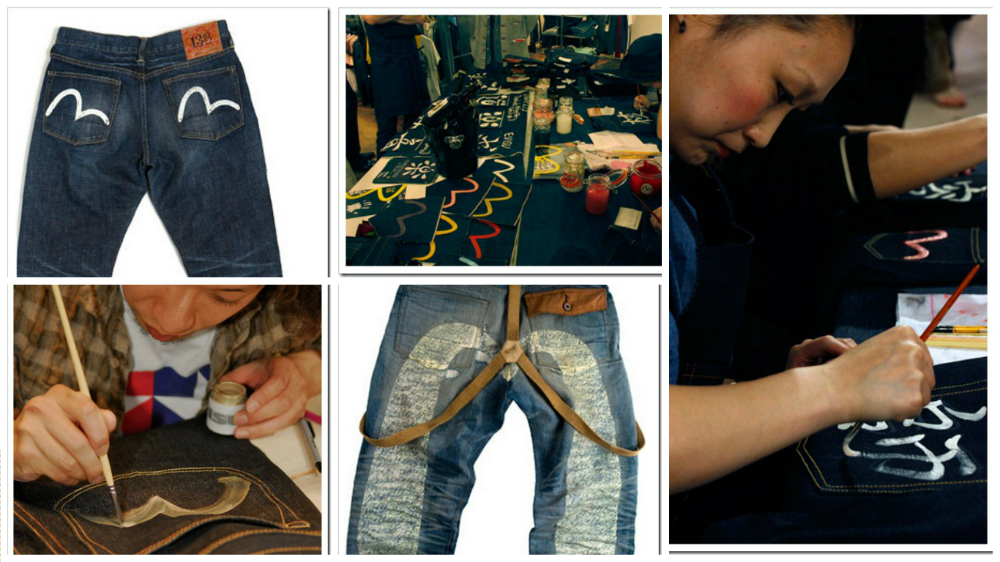
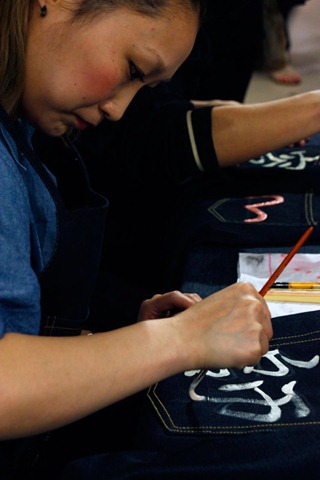
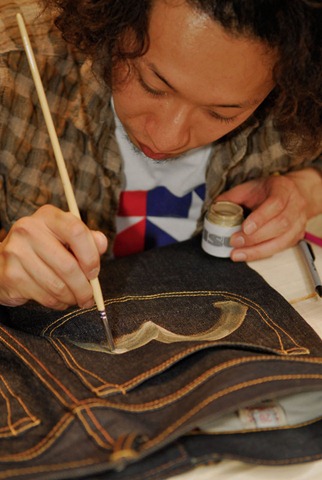
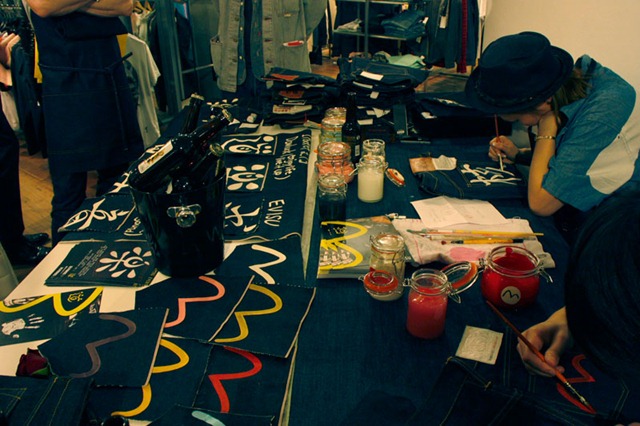
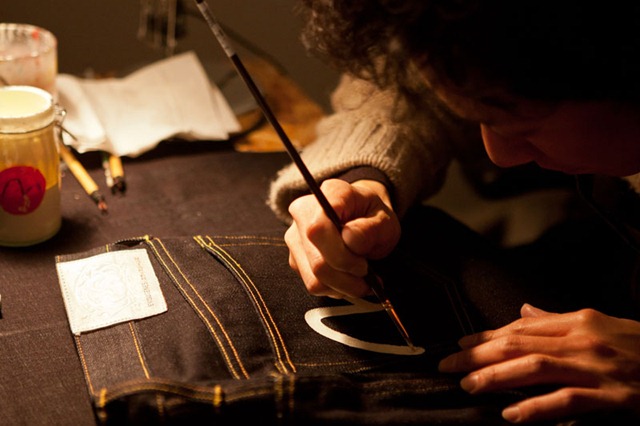
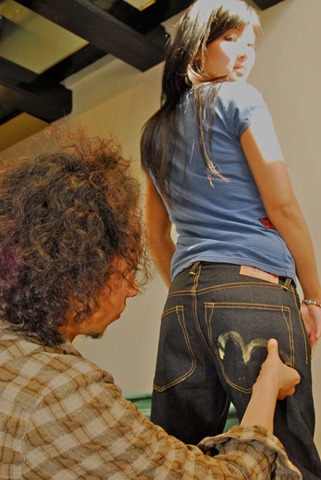
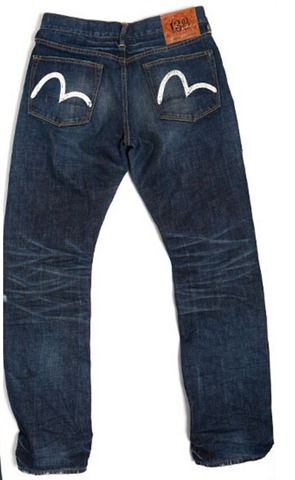
    Evisu (Japan) has always had a distinct persona as a denim brand. They have always followed their own trends  . This effect of hand-painted denim cannot be duplicated and replaced by standardized manufactured jeans, adding a unique personal patina to the pair of jeans.

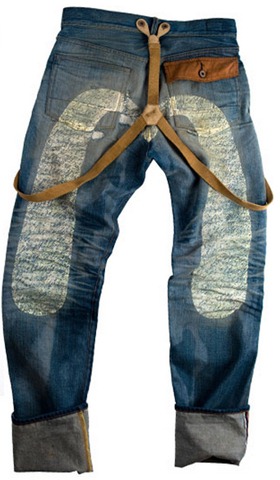
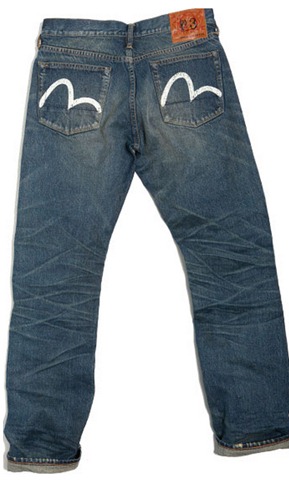
    The famous hand-painted EVISU “Seagull” logo on the back pocket was reminiscent of American vintage jeans during World War II, which at the time had to be printed instead of sewn due to restrictions on thread and other materials essential to the war effort. Over time, the hand-painted logos chipped and faded as the denim would distress- each jean becoming an individually distinctive, and collectible, vintage item in the process. At first, EVISU only managed to produce fourteen jeans a day using its antique looms and insisted to hand-paint the brand’s seagull logo on every single pair of jeans produced.

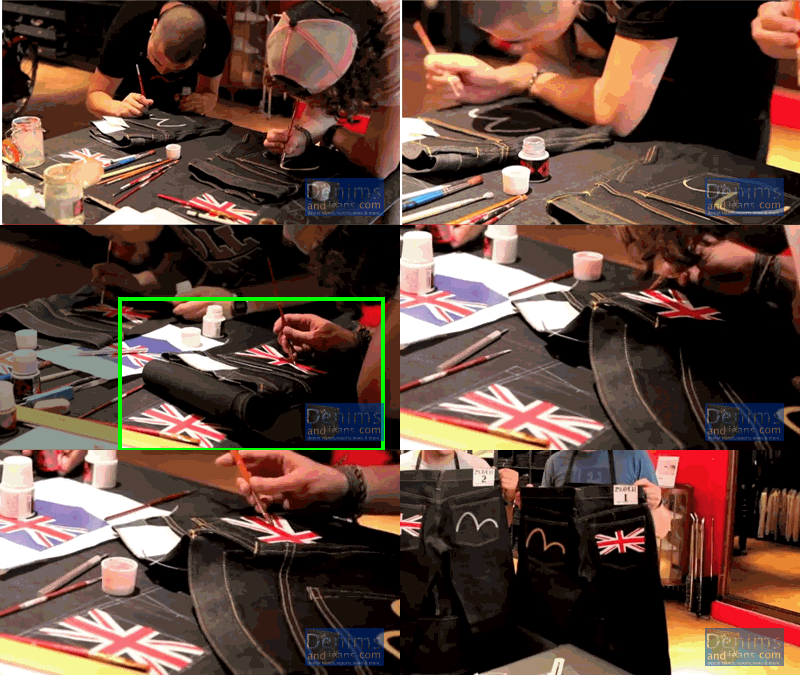
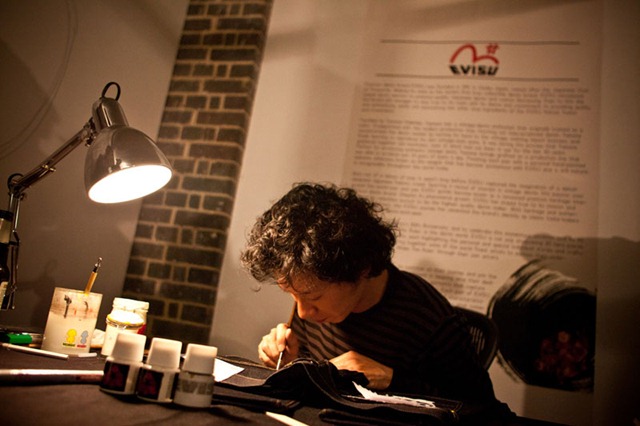
    Today, EVISU still continue to express their obsessive attention to details, having hand-painted jeans service at selected stores. As EVISU uses water-based paints, painted pockets and patterns will gradually fade and the paint will crack naturally after washing and wearing. This effect of hand-painted jeans cannot be duplicated and replaced by standardized manufactured jeans, adding a unique personal patina to the pair of EVISU jeans.

    evisu

    Evisu Hand Painted Jeans

    Evisu Hand Painted Jeans

    Evisu Hand Painted Jeans Evisu Hand Painted Jeans

    Evisu Hand Painted Jeans

    Evisu Hand Painted Jeans

    Dirt effect

    Crinkled with hand brushed dirt and creases Hand-sand effect around the thigh area Dirt colored effects and scattered bleaching patterns painted

    Evisu Hand Painted Jeans

    Handbrush effect

    Crinkled with hand brushed creases Hand-sand effect around the thigh area Dirt colored effects painted

    Evisu Hand Painted Jeans

    Ripped effect

    Hand-stitch crinkles effects near the waistline, front pocket and the leg-open Dirt colored effects painted on the area around the knees

    Evisu Hand Painted Jeans

    >http://www.evisu.com/en/evisu-rules/craftsmanship.php

    http://www.evisu.com/en/evisu-rules/washed-denim.php

  • Samurai 25oz Jeans | Super Heavy Weight Denim

    While most of the denim consumption is moving towards lighter weights – both in men’s and women’s categories, Japanese revel in challenging themselves and shocking the world by producing a higher weight than what they did on their last time . Going from 17oz to 21oz, now the bar is 25oz + . Japanese brands compete with each other to bring out that highest weight for their die hard fans  and followers and with each new level of weight the social media goes abuzz – as if a new peak has been conquered . The metaphor is quite appropriate because its not an easy task to produce denim fabrics of such weights or to even stitch them into garments. Made with a 2.5 count, the jeans is strong enough to stand on its own. And its not easy to make this weight. The seconds generation in this weight is usually samurai jeans super heavy weight1very high – further increasing the cost of the fabric. But the beauty of this fabric is that it has been designed (right from the cotton stage) in a way that , inspite of the ridiculous weight of the fabric , customers are still able to wear and enjoy it. It speaks volumes on the kind of effort that goes into this fabric.

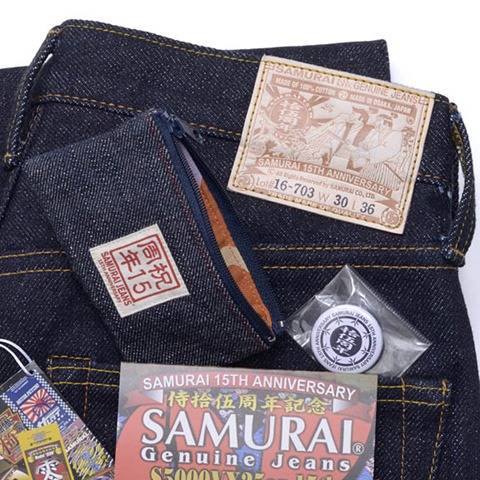
    Samurai Jeans has always been considered a leader in bringing out such outrageous jeans and is closely followed by denim brands like Iron heart. In this article we are featuring one of their latest , and limited edition , jeans which have been created on their 15th anniversary to cater to their die hard fans.

    Features

    • Model Name : S5000VX25oz-15TH
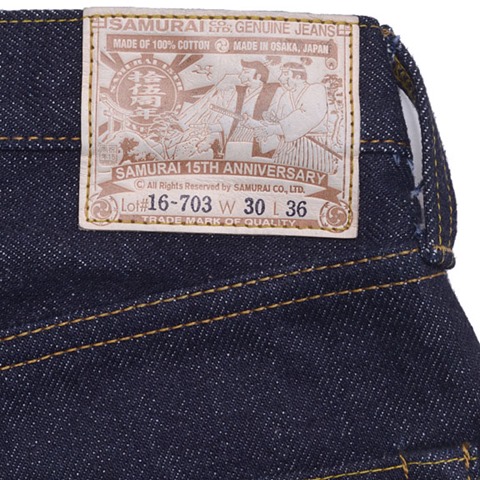
    • Type : Limited Edition 15th Anniversary Model
    • *Each pair serial numbered on the patch
    • 25oz Samurai Original Japanese selvage denim
    • 100% Cotton. Pure Indigo
    • Raw / Unwashed (will shrink approx. 4-6% with washing)
    • Available at BIG at around $430.

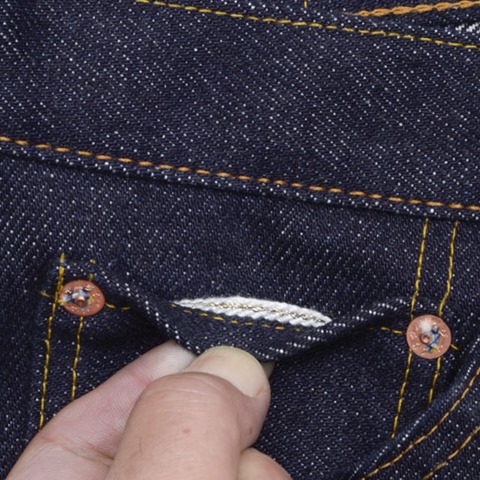
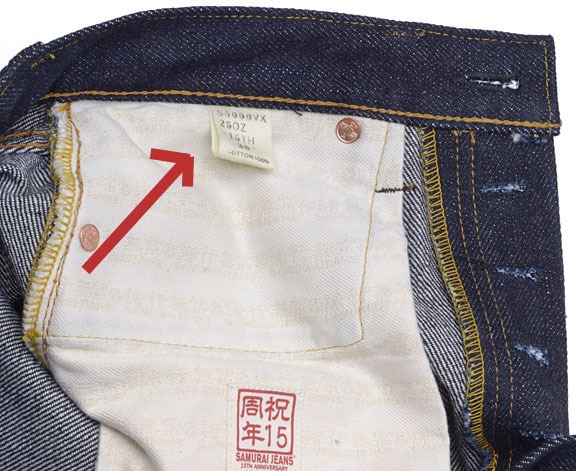
    Front pocket bags have an original Jacquard pattern interwoven with thin Beige threads which reads “Shogyo Mujo” (諸行無常), a basic belief principle that all things of this world are transient and impermanent; also translated as “Everything is transient and always changing” or “All Things Change”.

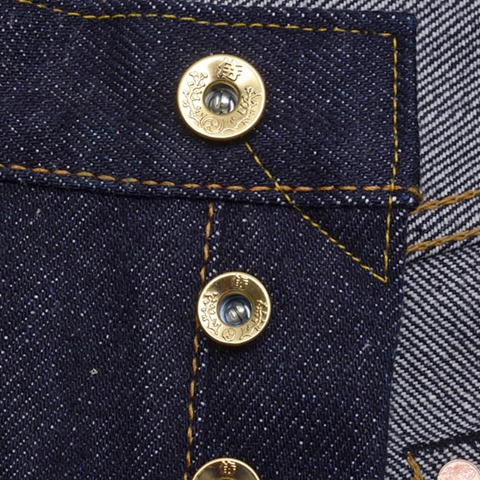
    The rivets are made of copper with the underside of the front rivets reading サムライ “Samurai” . The selvage ID contains strands of metallic lamé symbolizing the sword which the samurai possesses. The S5000VX25oz uses gold lamé so it is also referred to as  “Golden Sword Selvage“. Golden Steel tack buttons at the fly give that golden look .


    samurai jeans super heavy weight samurai jeans super heavy weight  samurai jeans super heavy weight samurai jeans super heavy weight   samurai jeans super heavy weight samurai jeans super heavy weight samurai jeans super heavy weight

  • A Visit to Momotaro – Kojima , Japan

    This article is a reproduction of an articleby Adam Marelli on his recent visit to Kojima (Japan) where he saw the traditional denim production by the jeans brand Momotaro..It is a beautiful outsider’s view of the rare art of Japanese denim production.

    Blue jeans emerged from humble beginnings as the workwear of Americans, but in the wake of World War II it was the Japanese who would usher in a new era for blue jeans.  During the reconstruction of post war Japan, American looms were imported and set up in small factories.  Soon enough, companies like Toyoda (who would later become Toyota) produced shuttle looms of their own.  Many of these machines are still in use today, because as much as companies, like Apple, can’t seem to understand…you can actually build a product that lasts more than four years.

    Last year Adam embarked on a project called “Lost Ceremony.”  The first stop was a town that most people would never visit.  There are no famous temples or red gates sprinkled along the river.  Kojima, located in Western Japan is home to fabric producers, most specifically makers of some of the world’s finest denim.

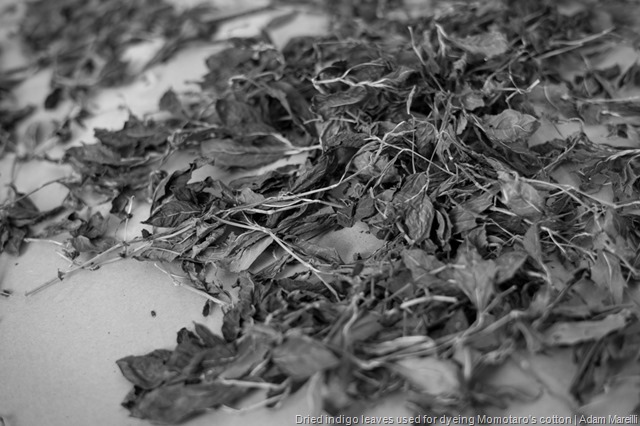
    Dried indigo leaves

    Marco Polo, Ali Baba, and Columbus

    Exotic fabrics from India to Peru have commanded treasure chests of gold, started wars and paid some of the most famous dowries in history.  While advancements in technology have allowed industry to produce the vomit-inspired upholsteries that scratches us on bus trips and the miserable patterned rugs than can depress an entire Texas cheerleading squad, there will always be specialty producers who take the time to make  a top quality product that feels, wears, and looks better than any imitation.

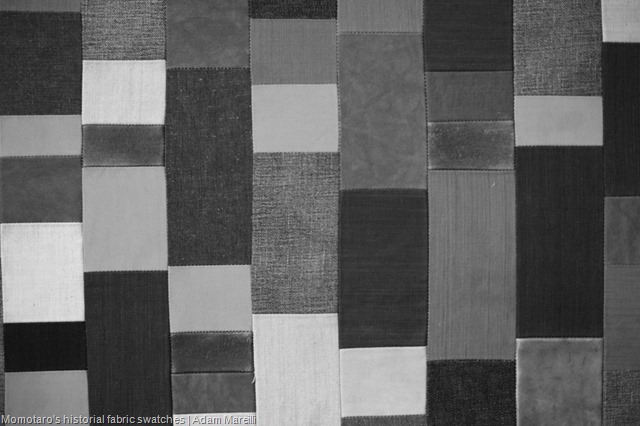
    Momotaro fabric swatches

    How to Spot Quality

    Most of our clothes are bought off the shelf.  In a person’s lifetime they might get a handful of garments made for them.  Something I learned during my years in construction was that most of the things we buy from Hondas to Bentleys are pretty much a-la-carte options at best.  Very few items are actually custom made from start to finish.  And that’s not necessarily a bad thing.  Because with the endless options that customization offers come the anxiety of not knowing what you want, how to ask for it, and if you really need it at all.

    So how could someone spend $1,500 on a pair of customized jeans?  Well a trip through the Momotaro workshops opened my eyes to the areas where most companies fall flat on quality production and where they chose to rip open the DNA of a jean and redesign them from the ground up.

    Uchida coaching the shuttle loom into the smooth rhythm of production. With all its belts and pulleys, they look like something out of a Dr. Suess book. But in the end the machines put out some incredible denim.

    Momotaro has a history of fabric production that is over one hundred and fifty years old.  This is not your “Hipster-pop-up-hand made-authentic-heritage-over-hyphenated-excuse” for small scale production.  Denim only represents 20% of their total fabric production annually.  In true Japanese style, if they can’t do it perfectly they would rather not do it at all.  The range of denim they produce ranges from hand dyed and hand woven to synthetic dye and motorized loom weaving.  They cover all of price ranges as an artists would learn how to mix all of their colors.  As new lines of jeans are introduced, they rest of a firm foundation which allows Momotaro to make decisions based on preference not strictly economy.  In the last few years Momotaro has branched out to European and American markets which has presented them with a new set of obstacles.  The international markets, not only, have different visual tastes…they are also shaped differently.  What does that translate to in jeans?  Well there are not too many 6’-4” guys named Lars cruising around the streets of Kojima.  People come in a multitude of sizes.  Momotaro had to make some scale adjustments for their clothing to be internationally compatible.  But the little tweaks in length and breadth did not impact the quality at all.

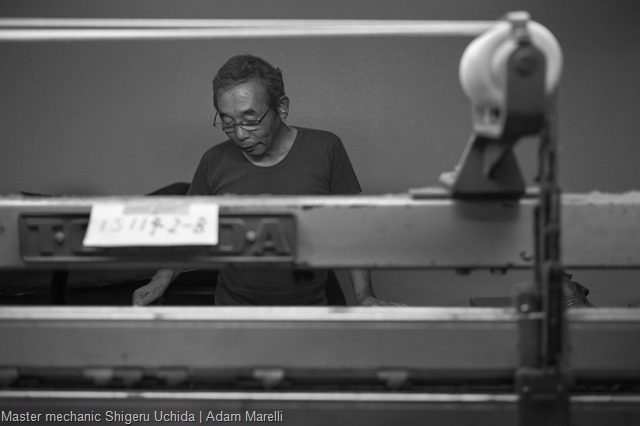
    Master mechanic Shigeru Uchida

    Master mechanic Shigeru Uchida is one of the dividing factors between Momotaro and the rest of the denim world. Adam Marelli

    Why your old Levi’s aren’t Momotaros

    At the moment American denim companies like Levi’s and Lee are ironically trying to reinvent themselves as quality brands.  The irony is that the denim business they shipped to Japan fifty years ago is now producing their highest quality jeans ever.  So where are the details in a pair of jeans?  Just flip a pair of Momotaro’s inside out to see some of the attention they give to their jeans.

    Zimbabwe Cotton.  If you really want to compete in the denim world the cotton has to come from Zimbabwe.  Why?  Well…contrary to Eli Whitney, they claim that the finest cotton still needs to be hand picked.  The cotton gin crushes the husk of the cotton into the fibers and damages them.  The feel is outstanding, but I have a feeling if anyone tried to resurrect hand picked cotton in the United States it would cause riots.

    Copper or Sterling Silver Buttons & Rivets with the family crest.  Inside the jeans you will not find anonymous copper rivets.  Momotaro embosses their family crest of the rivets.  Its a subtle way to say that the company is held together by family.

    Heavy Duty Pocket Liners. I wear jeans for any type of work day.  Whether I am at a work bench, on a shoot, or trying to keep my eyes open through a meeting, I often wear jeans.  One thing that kills me about cheap pants is that without fail the pockets rip.  How do I know?  Well usually its because I lost something (like my keys) and then realize there was a hole in the pocket.  Replacing those magnetic front door keys can be expensive.  So I love that the pocket fabric is not made of the standard tissue paper you find in chain store denim.

    The Fade. I am not talking about your barber’s ability to go from skin 1 to a number 4, when I say fade I mean how well Momotaro’s break in.  An axiom of aesthetics is that anything that looks best new is of poor design.  In contrast to a fashion culture that is constantly trying to pass off 16 year old girls as women (Calvin Klein, I’m looking at you…) age is not something to be feared.  And while we are all doing our best to “Earn our grays” or jeans should be along for the ride.  A well made pair of jeans will reflect their owner, which is why my jeans and yours will never look the same.  Its the closest thing to a fashion fingerprint out there.  Much better than buying some pre-faded, belt sander interpretations of denim.  You will have to wear these in yourself.  And that is half of the fun.

    The Peach. The Momotaro myth of a young warrior who protected the region is symbolized by the peach.  The surrounding area is famous for its produce, which is tangled in local folklore.  Momotaro decided to pay homage to their local production through the embossed design on the rivets and also the pink inseam stitching of the jeans.  Its a small and subtle detail.  But nothing makes the Japanese happier than playing the game of subtlety.

    Selvedge/Self Edge Fabric. If you have ever walked into a boutique and a sales person has tried to sell you on “Selvedge denim” and you thought they just had a lisp, you are not alone.  Turns out, they are not mispronouncing “self edge.”  Selvedge refers to the narrower width of fabrics produced on shuttle looms.  Its a tailoring detail that may not interest anyone but denim die hards, but from a production stand point its worth noting.  Textile companies are always looking for ways to stream line, aka lessen production costs, even at the expense of quality.  Selvedge denim is not an open weave at the end of the loom.  The fabric is woven closed on the ends.  This limits the overall width of the bolts.  So its not less expensive, in fact its a good deal more.  The end result is a different feeling and looking outside seam on the leg of the pant.  When we consider that it is the longest seam in the entire garment, it makes sense not to cut corners.

    Master Shigeru Uchida

    The pulsing clicks of the shuttle looms dominate the workshop.  Master mechanic Shigeru Uchida excuses himself for not having ear protection for us.  Click and bang of springs, gears, and rollers sounds like someone dropping a box of wrenches down a flight of stairs.  But underneath this cacophony is a rhythm that Uchida conducts with a small box of hand tools.  He is the only one who knows how to work all of the looms, something that is not lost on Katsu Manabe, next in line at Momotaro.  He explained that Uchida has been servicing these machines for over forty years.  His education in their inner workings was a classical apprenticeship, light on questions and heavy on beatings.  Uchida’s tough upbringing in this maze of fabric and gears is not something he wants to pass on.  He speaks softly to his apprentice who is fetching tools for the constant adjustments.  It almost appears that making fabric is not much different than farming produce.  Both require an inordinate amount of attention and maintenance.

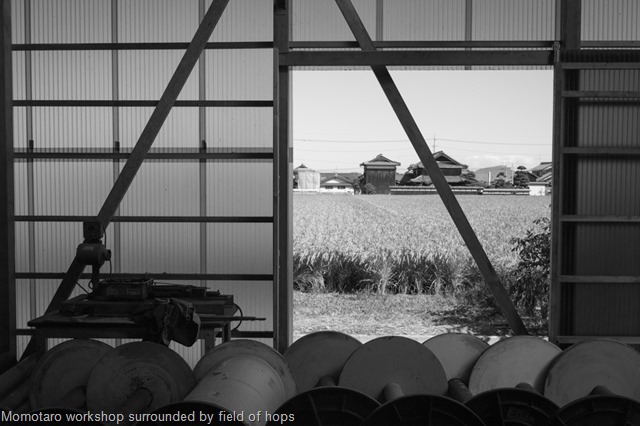
    Momotaro workshop surrounded by field of hops

    The Momotaro workshop is surrounded be fields of hops grown by the local breweries. Adam Marelli

    Working around Uchida was a delightful experience.  Whenever I have the opportunity to watch people who are extremely good at their profession, I get all excited.  The dexterity at which he reaches through these machines is astounding.  There are no electronic read outs or manuals.  He touches the machine to feel and listen to its sounds.  As he checks the output of the fabric from the loom he makes small adjustments to keep the machine on track.  Its rocking motion appears to eventually shake itself loose.  Each machine teeters on the verge or production and destruction at the same time.  Without the right touch, I got the impression the looms would shake themselves to death.  But with Uchida’s tuning hand they pump out thousands of yards of beautifully rich denim.

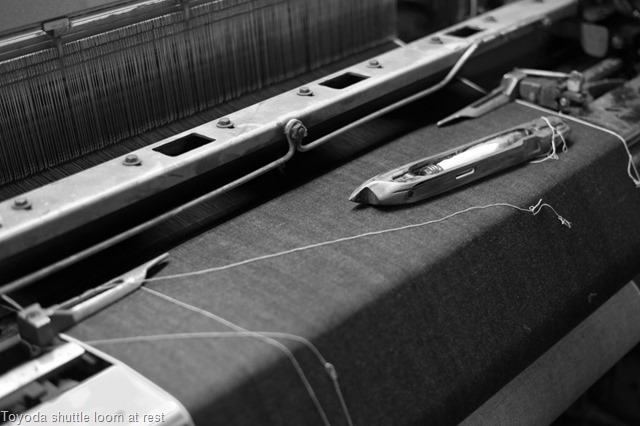
    toyoda shuttle loom at rest

    A detail shot of the Toyoda shuttle loom at rest. Keeping these machines running has been Uchida’s study for over forty years. Adam Marelli

    Sun Down

    At the end of the day we all retire to the back of the workshop, for the post work smoke break.  Never having been a smoker myself, its strange that I actually enjoy these breaks.  Its nice to see Katsu and Uchida step away from their work.  They have a calm satisfaction that belies the complexity of their daily tasks.  But as the sun is setting on the fields of hops and a bit of sun light catches a lone persimmon hanging from the tree, it is easy to see how work and poetry made their way together in Japan.

    On a journey, ailing–

    My dreams roam about

    Over a withered moor.

    –Matsuo Basho

    About : Artist & photographer, Adam Marelli is based in New YorkAdam Marelli City.  His projects explore the ancient crafts of building, maestros in their   workshops, and designs handed down through generations.  Whether he is photographing a master carpenter, dodging fish at a local market, or at the drafting table, he is in constant search of the threads which bind our cultures together.

  • Japanese Denim Production And Consumption–A Note

    japan denimJapan is one of the important countries in the world – both for denim fabric and apparel production as well as for denim consumption. In this report, we will provide the following details on the Japanese market:

    • Production of denim fabrics in Japan – capacities and actual estimated production in 2011
    • Fabric exported and and consumed in the same year
    • Denim apparel production in Japan –2011 and  Imports . The net consumption of jeans in million pcs .
    • A note on history of denim in Japan.
    • Production capacities of denim mills in Japan

    Note: Pl ignore our last article emailed on 7th March – it was sent by mistake and was not related to denim industry…Sorry for inconvenience.

    [private_special]

    Denim in Japan has a long history. In the decade after the second world war the craze was for used denim released from the American military and sold on the Japanese black market, usually after resizing to fit the typical Asian build. But after liberalisation of imports, the first Japanese-made jeans were manufactured by Maruo Clothing from 50 rolls of denim produced at the Canton Textile Mills in Georgia. The year was 1964. In 1972, Kurabo initiated a collaboration with the Japanese denim brand Big John, which to many around the world is quite an unknown brand. Additionally, like most of the early Japanese denim brand, before Big John established the cooperation with Kurabo they got their denim from Cone Mills. Another well known Japanese weaving mill, Kaihara, did not begin their production of selvage denim before 1994. Currently there are only 4 denim fabric mills in Japan – Kurabo, Kaihara, Kuroki and Collect. Nisshinbo, which used to manufacture in Japan has shifted fabric operations to Indonesia. Japanese denim is synonymous with selvedge denim . There is a general belief that old looms from US were bought by Japanese and that ensured Japanese domination as a selvedge denim producer. However, the contribution of Japan to selvedge fabric production began with the introduction of Toyoda looms by the Toyota manufacturing . In 1924, Sakichi Toyoda invented the Model G automatic selvage loom, a techical wonder of its time that overshadowed the American equivalents like the Draper looms. The loom has been described as, “a landmark achievement that advanced the global textile industry and laid the foundation for the development of the Toyota Group,” and the design of loom was exported to Europe, and produced under licence in the UK. Toyoda shuttle looms were still in widespread use in the 1970s, in particular at the Kurabo mill that produced the first fabric. The looms still surviving keep on weaving the magic in denim. On the garment side, Japan still produces a decent quantity of denim apparels. According to the Japan Jeans association, for the first time after 2006, the jeans production has increased in Japan in 2011 over the previous year by 2.7% to 56 million units. The production of denim bottoms rose by 2.6% to 47 million units and that of tops grew by 3.3% to 9 million units.

    Denim Fabric Consumption For Jeans Manufacturing  in Japan (million mtrs)

    Year Denim Fabric Capacities Actual Estimated Prod. (estimated) Exported Consumed in Japan
    2011 65 48 10 38

    From the above table we can see that Japan consumes about 80% of fabric produced within their own country and about 20% is exported. This also shows the strength of the domestic market.

    Denim Consumption in Japan

    The Japanese denim industry is invested with powerful emotions: the big-sky romance of the American West, the pre-digital age nostalgia of blue-collar workwear and a kind of raw-boned masculinity are quite foreign to the average Japanese male.The Japanese consumers are very brand and quality conscious and ready to pay the extra price for the brand name. Premium Brands like Momotaro, Big John, Evisu , Sugarcane, Iron Heart etc still carry the brand value . But there are worries on economic front as Japanese economy suffered a contraction in 2011. However, real clothing expenditure has been declining since 2009 and the Japanese consumer has become more pragmatic and price conscious. Brands like Uniqlo allow the consumers to keep up their wardrobe at lower cost. But the real low in prices in Japan came with the launch of the G.U Brand by Uniqlo at 990 yen ie around US$13. The economic situation is forcing consumers to buy such jeans in numbers. The total garment ownership of denim apparel in Japan is high at 16 pieces.
    The Japanese market is estimated to consume about 250 million pairs of denim apparel as seen in the table below. Imports continue to be about 80% of total consumption, though domestic production has improved a little. Japan, for a country with its high costs of production, manages to produce more jeans that are made in US !.

    Denim Apparel Consumption in Japan (million pcs)

    Year Denim Apparel Prod. Jeans Imports
    Denim Apparel / Jeans Consumption
    2011 56 195 251


    Production capacities of denim mills in Japan

    Company Name Prod. Capacity (Million mtrs p.a)
    Kaihara Denim

    36

    Kuroki Co. Ltd

    12

    Kurabo

    12

    Collect Co. Ltd

    5

    [/private_special]

  • From Denim To Strawberries !!

    Nisshinbo Denim Textile

    What is the relation between Denim and Strawberries ?
    Well if Strawberries are grown on the ex-denim plant, then a relation develops !!!

    Nisshinbo Holdings Inc. of Japan  has started growing strawberries in large volume at its idled denim plant in Tokushima, western Japan . The facility is the first in Japan to grow strawberries on a large scale using only artificial light as the light source, according to the company. The denim plant was shut down in 2009. Nisshinbo is shifting its textile production business to such countries as Indonesia and China , and the strawberry growing is part of the company’s efforts to make effective use of idled facilities. Nisshinbo spent some 100 million yen to convert the denim plant into a facility that can grow about 70,000 strawberry plants .

    Nisshinbo has in fact moved most of its textile manufacturing divisions overseas . It would be interesting to see how Japanese groups are spreading out their operations in various markets to achieve economies in costs and operations. Mentioned below are the overseas units of Nisshinbo around the world ..

    Pt Malakasari Nisshinbo Denim Industry  (Indonesia) : Nisshinbo established this rope dyed unit in 2010 with a capital of $6.5 million. The unit is vertically integrated from yarn manufacturing to processing and uses some of the older machineries from Japan.

    Pt. Nisshinbo Indonesia – Again around 2010 , Nisshinbo invested in this plant for manufacutring of shirt fabric and the total capacity of this plant is about 24 million yards p.a

    Pt. Nagai Shirts – Again in Indonesia , this unit manufactures about 1.6 million shirts p.a out of which about half are APOLLOCOT or non-iron shirts.
    Nisshinbo Textile  Changzhou Co.  Ltd (China) : Another company to manufacture shirt fabrics in China with a capacity of 6 million mtrs.

    Vardhman Nisshinbo Garments Co. Ltd (India)  – This company ,a joint venture with Vardhman group of India is going to make about 2 million shirts .

    Nisshinbo Do Brazil Industrial Textile LDA (Brazil) – This is a yarn manufacturing unit of Nisshinbo  in Brazil   to manufacture yarns.

    Like many other manufacturers in Japan, Nisshinbo has slowly shifted its textile production facilities overseas to be able to overcome the increased costs of manufacturing in Japan and to still retain its Japanese name to be able to get the desired premium in the market.  Nisshinbo seems , for some reasons , to favour Indonesia as a destination of its overseas expansion. However, there are still denim mills like Kaihara, Kuroki etc, which still prefer to stay in Japan and sell the fabric  ‘ Made in Japan’.

    Note : For the Denim Seminar (Mexico) in Nov ‘12 – Registrations can be done at this page …

  • PRPS Denim : Thru Pictures

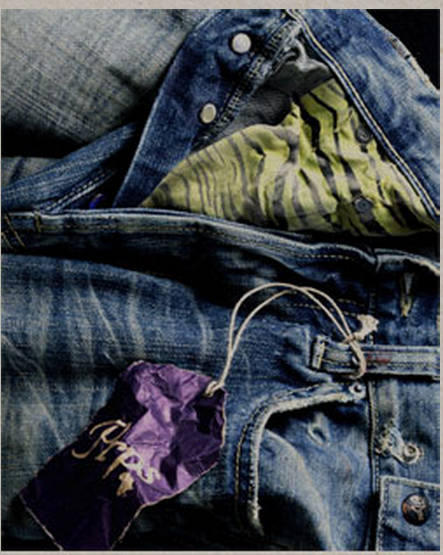
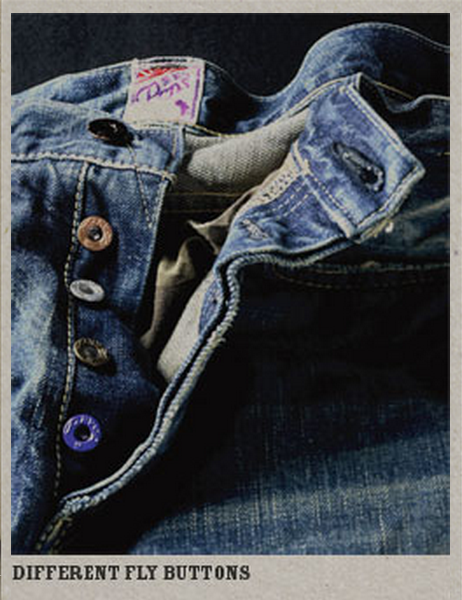
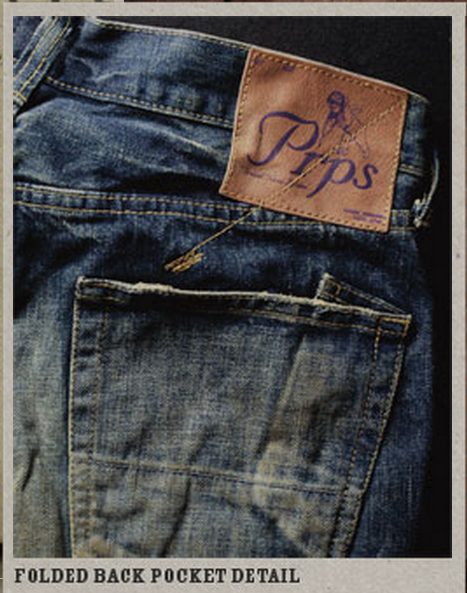
    PRPS is one of the most reputed Japanese denim brand started in 2003 by Donwan Harell with the philosphy that authenticity is the first priority. Each item in the collection is conceived with a specific purpose and function in mind. No Detail is overlooked – there is extraordinary attention to detail !

    Lets check out  PRPS is pictures

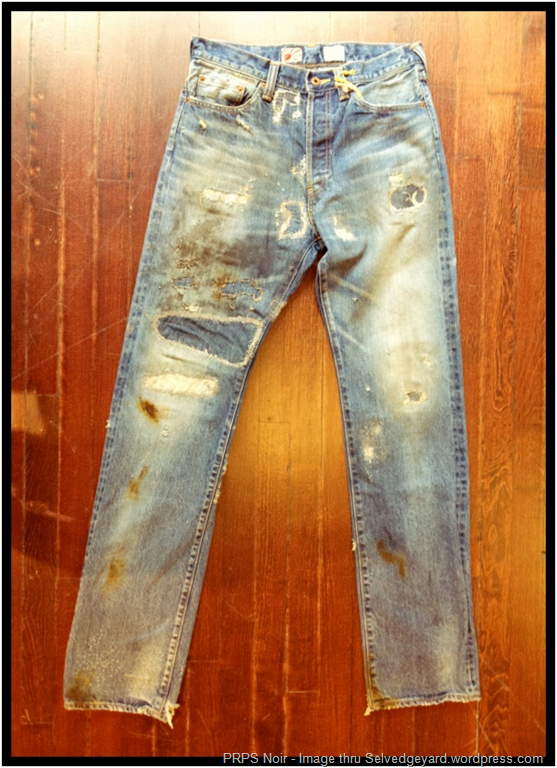
    PRPS Denim Jeans Collection

    PRPS Denim Jeans Process

    PRPS Denim Jeans Process

    PRPS Denim Jeans Process

    image

    image

    image

    image

    image

    image

    image

    image

    Note: The jeans shown above may take more than a week of painstaking efforts to make.


  • Talking About Kaihara Denim Mill And Uniqlo Jeans

    image Telegraph UK has come out with an interesting report on Kaihara Denim Mills and Japanese denim . Japanese denim always draws rave reviews about its quality and methods of production which makes it stand apart from other mills around the world. Japanese denim has always been fascinating the denim world due to its great quality, selvedge weaves (on old shuttle looms) and passion for perfection  that goes as a very important ingredient . But the  report from Telegraph comes out with some interesting facts about Kaihara and Japanese Denim Brand ‘Uniqlo’  which also produces its premium denim range at the same location.

    • Kaihara denim mill was started in 1893 to manufacture Indigo Kimonos. For those who are not aware – Kimono is a Japanese traditional garment worn by women, men and children.
    • Kaihara uses a large quantity of  Pima cotton from US as it is one of the best cottons in the world. This would come as a surprise for many other denim mills as Pima cotton is hardly used for denim  due to its high cost. However, if a top of the line product has to be made, the ingredients have to go in accordingly !.
    • Rope dyeing technology is used in the manufacture of denim. 
    • Uniqlo jeans are also manufactured in Bangladesh and China to keep the costs down. So what happens is that the jeans made from the best denim mill are available at reasonable prices (eg starting from $39.50 in US !)  . So where on the one hand , most premium denim brands are available at prices of &100 and above, Uniqlo manages to bring out jeans made from a great denim fabric at a very reasonable price – making it affordable for masses.

    The constant barrage of information on Japanese denim has increased the awareness amongst consumers about the importance of fabrics in the jeans. This has also partly helped a brand like Uniqlo to sell its jeans . The report mentions that Sam Lobban, the menswear buyer at Selfridges, attributes this to an increased awareness among savvy buyers of authentic fabrications.

    “What really makes Japanese selvedge so superior is the depth of colour – the specialist washing techniques take to selvedge denim better to give a more 3D and rich colour.’ Just as important as the finish is the shape of the jean. ‘Selvedge denim tends to be on a more "regular" fit,’”Lobban says.

    Something About Uniqlo

    It would be in place to say something more about this important Japanese retailer . Uniqlo is a  blend of the words "unique" and "clothing" – and 3-4 years ago , it would’ve meant nothing to anyone but the exceptionally well-travelled. The Japanese chain launched itself into the UK in November 2007 by opening two huge new stores in one day (it was actually a relaunch; it tried first in 2001 but scaled back). Since then, its popularity in Britain has exploded. In the midst of the worst recession in Britain since the Second World War, UK sales since Christmas have been up 140 per cent on the same period last year Worldwide, the store says it sells 400 million items a year.

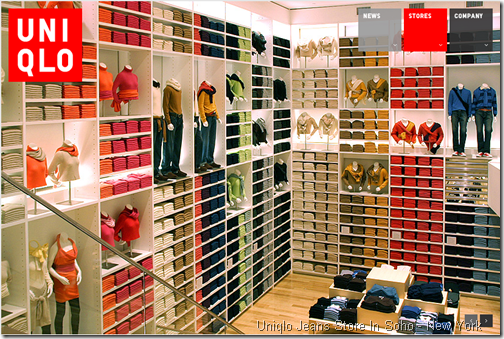
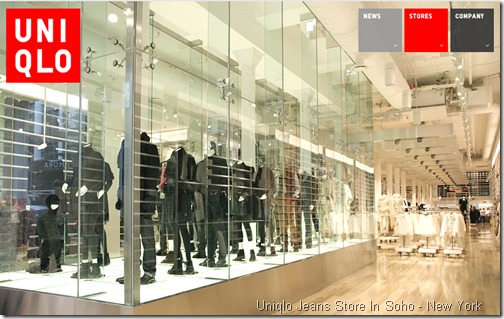
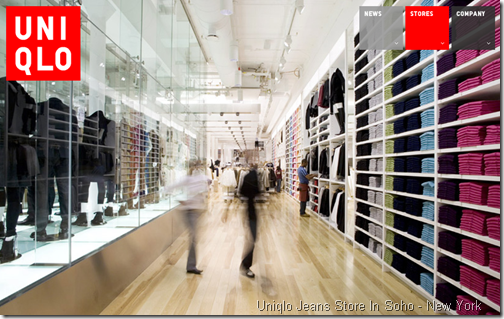
    Its New York store in SOHO (the only store in US)  is their largest store anywhere in the world with a huge  89000 sq feet of space and an unbelievable  rent of $20 million a a year .

    Uniqlo Jeans Store In Soho - New York Uniqlo Jeans Store In Soho - New York Uniqlo Jeans Store In Soho - New York

    Uniqlo already has a prescence in the Chinese market with about 47 stores and has just entered the Russian market. It is eyeing Indian market and is sure to make an entry within an year or two . With the kind of quality of jeans it has, it is surely going to give the existing players (including Levi’s) a run for their money.

    Working with over 100 factories throughout Asia, UNIQLO is distinctive in that it combines the quality and craftsmanship that is synonymous with Japanese culture with the ability to manufacture in high volume, thereby offering consumers affordable everyday products with exceptional attention to every detail. For this reason, UNIQLO’s can offer its customers denim from the same denim fabric mill used by many high-end denim brands at a substantial savings. And if you are looking for some customer reviews on Uniqlo, here are some.

    It would be interesting to see the prices of some other Japanese denim brands when we are talking about Uniqlo. These prices were posted in our previous post on Blue in Green Soho – Japanese Denim Shop

    Denime – $298-$325
    Eternal – $255
    Evisu Japan – $240-$385
    Fullcount & Co. – $275-$330
    Momotaro Jeans – $250-$315
    Oni Denim – $185-$585
    Paul Smith Japan – $325
    Pure Blue Japan – $169-$559
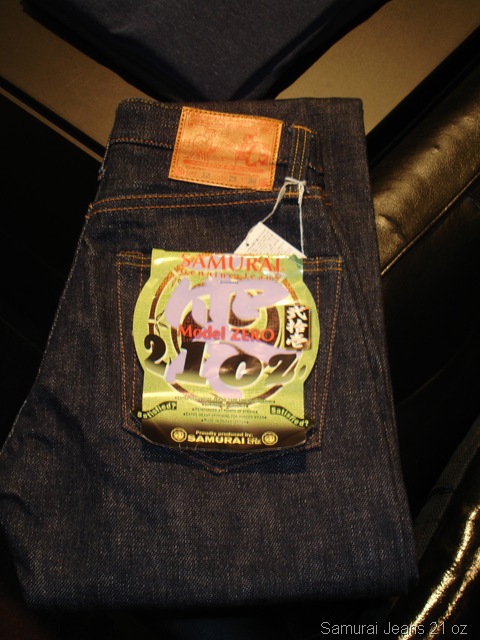
    Samurai Jeans – $275-$665
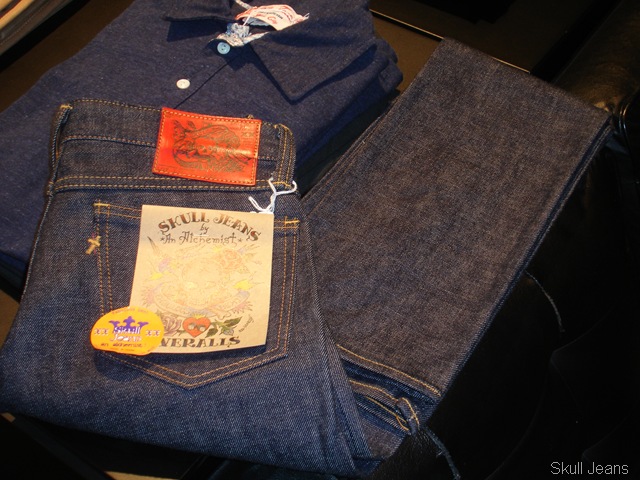
    Skull Jeans – $240-$350
    Somet – $210-$295
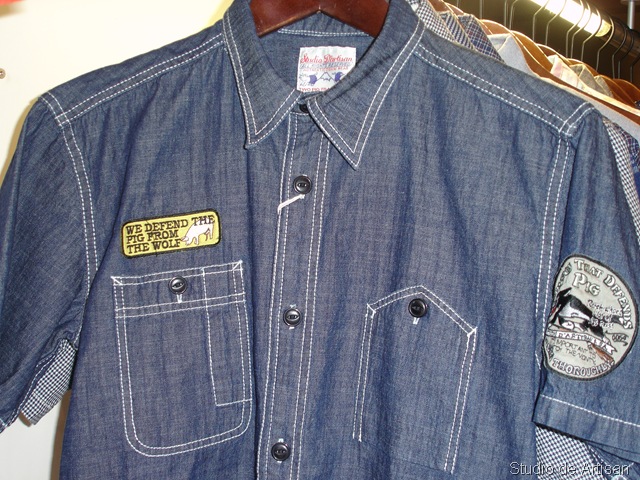
    Studio D’Artisan – $265-$620
    Sugar Cane & Co. – $265-$370
    Sunrise Japan – $348-$358
    The Real McCoy’s – $248-$368
    Warehouse Co. – $245-$275

    JAPANESE DENIM

  • R By 45rpm Denim Jeans – A Chat With Ehren At NY Store

    DSC05540 Japanese denim is famous for its attention to detail – like many other things in the Japanese culture. That is the reason the Japanese denim brands stand out and outshine most other denim brands and have cult following  around the world. One such brand is R by 45rpm .  I visited their store in SOHO , New York , last month and chatted around with Ehren at the store and I found that he is deeply knowledgeable on denim matters . It was fun and very  interesting to discuss with him regarding 45rpm and denim in general .

    Hi Ehren !  Tell me something about the 45RPM jeans that we can see   here ?

    All our jeans are made with Zimbabwe organic cotton. They are all selvedgeDSC05533 denim. We do all our weaving on antique vintage denim selvedge looms which we have slowed down to increase the slubby texture . We also control the quality of our yarn in order to make sure that instead of a flat machine feel their should be slubby structure. We use a variation of either synthetic based indigo dyes or organic plant dyes . A lot of our organic indigo stuff is dyed by hand.
    What is the advantage of dyeing by hand ?


    sythetic indigo wash down‘Advantage’ may not be the word – it is the outcome. The advantage of dyeing is the color of course – it is a much richer and very serious blue . The people might call the advantage  to the fact that over time instead of washing  out and color fading very dramatically at certain areas – on your thighs etc – anything like thisNatural Indigo Wash Down After 10 years (shows a synthetic washed jeans)  whiskers etc – that is not going to happen that with natural indigo dye . It could happen but it is very very difficult to get there . You have to almost make it happen . If you normally wear  those jeans ,they won’t naturally fade like this over time and you will get a more even sort of distribution of color .  Have a look at these jeans I am wearing . After 10 years of use they will  eventually reach this color ( see the comparison in the picture above) . When they started they were this color – you will see that it lines up very evenly over time and still keeps a very intense , very vivid blue as opposed to synthetic blue which fades much more.
    Tell me what is so special about your yarns

    Most  special thing about our yarns is the way  we control the quality of our yarn . I suppose instead of just making mass produced machine spun yarns , a lot our stuff is done by hands. Even the stuff which is not done by hands, we control it and purposely make sure that it has  a slubby vintage texture to it .

    What is the price range of 45 RPM Jeans ?

    We are doing $368 and above .

    Going up to $ 1000 ?

    Our top of the line denim  before tax is in the  $800- $900 range . But you can make it more expensive by adding Silver rivets , custom distressing etc . We offer like 2 years , 5 years , 7 years custom distressed washes.  We have studios in Japan to do these washes.

    So that can be done on individual orders ..

    Yes,  Bespoke denim  basically.

    How many times should denim be washed at home?

    There is a sort of a debate on that. And I actually personally fall on both sides of the debate.  There are people who want to wear raw denim imagecontinuing as much as possible without it to get more extreme , more severely individualized color fade and that  looks really really cool and it works . If you don’t wash them very often , and then wear as much as you  can  and then wash them , you will notice much more lines behind the legs and much more direct lines above here (near the crotch) .

    The disadvantage to that is that Jeans are an organic material – its cotton. Over time bacteria gets into there and starts eating away at the denim . So when you do that , the denim is not necessarily going to last a long time . You could reverse that by patching it up or by washing them often – you could make them last longer. But if you do not wash them , you should expect them to fall apart . Your pockets are going to fall apart , your knees are going to come apart ……

    That’s your personality on your jeans .

    Exactly . Other thing to do is to turn them inside out and wash them after every 2-3 times you wear them . Very short wash , just a very little detergent . You will get a more even fade , you will not get very expressive lines on your jeans  but they will probably last a little longer and still look great . My suggestion is

    “If you have natural  indigo denim ,  I would recommend washing it pretty well. If you have synthetic indigo denim ,  I would personally recommend wear them as long as you can  , get some awesome color going and then rock them …”

    Thank you so much  Ehren. Our readers really love 45 rpm Jeans .

    We are happy. Thanks and have a great day.

    Here is a video on the chat with Ehren (Those who are reading this report in email will have to go online to see the video).

    Here are some snaps from the store and its location :

    R by 45rpm
    SOHO STORE
    169 Mercer St.
    (Between Houston & Prince Sts.)
    New York, NY 10012
    Tel:917-237-0045

    Contact R by 45rpm at this email address


    45rpm 45rpm jeans

    45rpm denim jeans 45rpm denim jeans

  • Blue in Green Soho – A Great Japanese Denim Shop

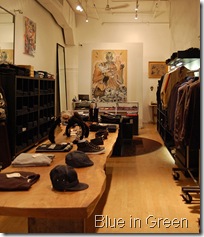
     blue in green sohoFor the denim fanatics , Japanese denim is the holy grail. And for such people, there is one store in New York which is a must visit  – Blue in Green Soho . This is one of the most famous denim shops in the US because it stores and sells a number of very well known Japanese denim brands exclusively .

    During my recent visit to New York , I felt it imperative to visit this famous store . In the well known fashion locality – Soho – the shop is rather non-descript from outside and you can miss it if you are not looking carefully . However, once you enter the shop, the smell and sights of  raw Japanese denim fills up your eyes.  I met Gordon – the owner of the famous store and got him into talking about his store  . He is quite a shy guy and did not want to face the camera . But it was a really very interesting discussion I had with him and I  learnt  certain  new aspects of the Japanese denim world.

    Gordon – Why, when and how  did you start this shop with a unique proposition ?

    gordon_pic We started in Jan 2006 and the main reason was that my partner and I were designing a clothing line and we were looking around for stores to sell our own  line. During this time ,we came across this place and came to the idea to actually start our own store instead of finding stores to sell. And the idea was taken forth that some brands Japan and Europe would like to be selling in US . Once people started to find that we are catering to these denim brands from Japan – it brought a big interest in this . We started off small and little by little people started finding out and as that grew and we put off our plans for our own line and concentrated on selling these Japanese denim brands.

    Why did you chose to sell Japanese brands ?

    Aahhhh……  My partner is Japanese and we have been going back and forth  toDSC05544 Japan for over 12 years . I learnt to speak Japanese and I was kind of into the Japanese culture – so to say – before we opened the store and so when decided to do this , it was a kind of  natural influence on us already and we knew about a lot of stuff that was going on there and wasn’t happening in the US. We knew we had to have denim selection in our store but we were not sure we would be able to make popular business with the denim in the US. We knew that people had tried a couple of times and did not succeed very well with doing it . When you start a business, you try to store something that no one has and something which has a different concept specially in a place like New York city where there is lot of competition. We wanted stuff in the store that was as much about craftsmanship as it was about fashion and we tried to follow that up even outside jeans – everything that we buy – our clothing , shoes , jackets our workshoes , we always have tried to chose stuff  at the same level of quality with same  attention   paid to quality , fabrics, fashion and fits . There was another part of the attraction to the Japanese denim and that thing is Raw – I have always liked Raw jeans – whether it was a cheap $25  Raw Jeans…..

    So that you could have your persona on the jeans ….?

    Right. Actually in the beginning I just liked the dark color . My attraction was – years before we opened the store – it was more about the color and the raw texture .I did’nt get into pre distressed jeans even as a teenager . We knew we wanted to bring the raw jeans and Japanese denim was a natural choice.

    How come Japan is making better jeans than US when US has been making jeans for about 150 years?

    studio de artisan I think …I would’nt say its better . US is just not doing it . In the early days we had several mills that were producing denim on old looms but now probably we really only have one mill with shuttle looms – maybe a couple more about which people do not know . As  denim companies became bigger, they stopped using wooden shuttle  looms  and started using projectile looms . People had no use for them and they were broken down or thrown away, In Japan they also had wooden shuttle looms but they were not really making denim on the same doing  other things like  silk , wovens or whatever they were doing but there were not much emphasis on denim at that time. But when they started getting making into denim themselves, and when they started getting into vintage jeans  and saw the details that the selvedge denim were made on shuttle looms, they realised that they have not thrown away these machines .  When it came time to setup to produce these denim, they had all the tools to make these denim. US does not just have the tools anymore .Its hard to say we can do it as well but we do not have the machinery. And we may not have the talent and the skill of the workers to do it. In Japan and in area  where they are making jeans – Okayama area – they were making school,military and police uniforms . It was a production facility 100 years ago and it still is- it never stopped being so  They have just moved from one product to another . Its always being quality work.

    Don’t you think the Japanese  put in more passion in their work ?

    Japan is about a tenth the size of the US. Living in Japan can be  like living insamurai jeans 21 oz California- sizewise . Imagine that all these people in that area – you can filter in actually a lot of good talent in a smaller place. In a place like US we have people sprinkled around the country , but they are just not in one area . You cannot lock them in one area – one city and if we could , I am sure we could produce amazing work. But there is much more concentration in Japan and when it became a  big  business, they got serious and said hey ‘ it is a premium product, people are paying for it , they can’t produce fast enough. Lets concentrate more ….’. There are people with these skills who  came out and said that hey I can do this , I enjoy this work and I need the work. There is more emphasis on the quality of work , handmade work, craftsmanship of product on a broader scale in Japan. In US it is about how fast and how much you can produce. If we can’t ,we will find a country which can do it for us.  In Japan its not like this and they are quite strict on these things where the consumer sort of demands certain level of quality and a lot of time its Japanese quality they want. It is  therefore desirable to keep things within the country. Discerning consumers want home made quality . Japan prides itself on its quality . US wants quality too – but they are not mostly very concerned where its made. Again in Japan I think , its  old  vintage jeans and clothing that a lot of people were attracted to in early 80s when boom started happening for vintage products. When they started dissecting the products, they found that most of the goods are hand made. They did’nt have the automatic controls  or robots which produced them etc and if we want to make like these we have to make it by hand . Its a slower process , more tedious but its true to original and it looks more cool. Its hand made and stitch is not always straight . A little bit crooked ……….

    Should not be  too perfect …

    And that’s another thing which is why this stuff has worked well in Japan. You know what it is  like hand blown glass, drinking glasses,  silverware – the little imperfections is what let people know that its hand made . In US people want things to be perfect , look a certain way -mass produced . I think its not good or bad – its just a different choice.  And I think for people who are into fashion but also want fashion that also has a bit of story and passion in it , things which are hand made will be a bit  more attractive to those people than the things which are mass produced , auto controlled . I think Japan had the right things at the right time – the old machines ,people who could use them , skilled eyes which would pick up on the small details which they knew would attract people that were into these quality goods. Outside of jeans really I feel there is  not much demand from the fashion world for the ‘Made in Japan’ products. There are High Fashion Japanese brands which too  have demand but not necessarily because they are made in Japan but because they are a brand. But for the guys who are into Jeans – the customers are definitely demanding ‘Made in Japan’ label.

    Which are the Japanese brands that you have in your store and what are their price ranges?

    Denime – $298-$325
    Eternal – $255
    Evisu Japan – $240-$385
    Fullcount & Co. – $275-$330
    Momotaro Jeans – $250-$315
    Oni Denim – $185-$585
    Paul Smith Japan – $325
    Pure Blue Japan – $169-$559
    Samurai Jeans – $275-$665
    Skull Jeans – $240-$350
    Somet – $210-$295
    Studio D’Artisan – $265-$620
    Sugar Cane & Co. – $265-$370
    Sunrise Japan – $348-$358
    The Real McCoy’s – $248-$368
    Warehouse Co. – $245-$275

    We also have started our own label ‘Blue in Green’ which is made 100% in Japan.

    Which brand has the most styles ?

    Samurai jeans  has the highest number of styles .This is followed by Pure Blue Japan, Studio D’Artisan, and Somet.

    Thanks Gordon. Keep up the good work.

    Thanks  Sandeep


    43200_frt The store also carries a beautiful Union Special machine  from the 1950s for  hemming purposes . This machine is nowadays  quite difficult to find and is much sought after by denim companies. For those who want to visit Blue in Green can go to 8 Greene Street , New York . Ph: 212-680-0556  or  Email here

  • Kurabo’s New Kantanmen Super Soft Wrinkle And Shrink Resistant Denim

    kurabo denim The famous denim mill from Japan – Kurabo – has come out with a great product  once again . Known for bringing out  innovating denim products from time to time – some of which have defined the denim developments the world over- Kurabo has brought out a Wrinkle Free and Shrink Resistant Denim which is Super Soft and remains so after a large number of washes. I met Mr Kenshi Kawano from Kurabo at Kingins Honkong( I am writing this post from the Kingpins show in Hongkong!)  explained the product to me :

    Kurabo Kantenmen Denim  – A Description

    Kanatanmen is a new functional 100% cotton material made by Kurabo’s innovative production method and it actually makes it difficult to shrink the or wrinkle even after washing. The wrinkle resistant effect of this product is much cleaner than the conventional cotton fabrics and enables the clothe to remain neat after washing.

    • Kantanmen does not become hard and keeps the softness after repeated washing.
    • Less scuffing; and maintains a neat  quality and appearance.
    • Products made of 100% conventional cotton become hard in texture after repeated washing but Kantanmen remains soft.
    • Ensures a long lasting beautiful shape and neat fit.

    What is meant by Kantanmen ?

    “Kantan” in Japanese means “ Easy Care” and “Men” in Japanese means “Cotton ”. So Kurabo has appropriately named their new product Kantanmen.

    The Technicalities In Kantanmen Finished Denim

    Kurabo’s Kantanmen is a shrink and wrinkle resistant material developed using a unique method of  manufacturing from an alternative perspective, after an analysis of of the factors that cause shrinkage and wrinkles . In conventional cotton textiles, variations in the degree of agglomeration of cotton molecules cannot be avoided. For this reason, large amounts of resin were needed to produce shrink and wrinkle resistant effects. This left practical issues such as decrease in strength and significant changes in the textile.

    In Kantanmen, the quality of cotton was improved in order to produce cotton with a  uniform monomolecular structure . Kurabo has succeeded in significantly improving the above effects in comparison with conventional cotton. Additional processes at the spinning and finishing stages lend the feature of remarkably low shrinkage  and super soft handle (that lasts) to the fabric. In normal  cotton fabric, the shrinkage after 50 washes can go upto 8% whereas in Kantanmen finish fabric , the shrinkage will be under 5% – see graphical image below:

    denim shrinkage

    Lets have a look at two fabrics – one with Kantanmen finish and one without (other parameters remaining the same) and see the difference.

    kantanmen denim kurabo

    And Mr. Cotton from Kurabo will be glad if you like the product !

    kenshi kawano About Mr Kenshi Kawano : Mr Kenshi Kawano is the President Kurabo Denim(HK) Ltd. and Kurabo Denim (China division) and has been with Kurabo for over 25 years. He has been a key person in the growth of Kurabo denim and of Kurabo name around the world.