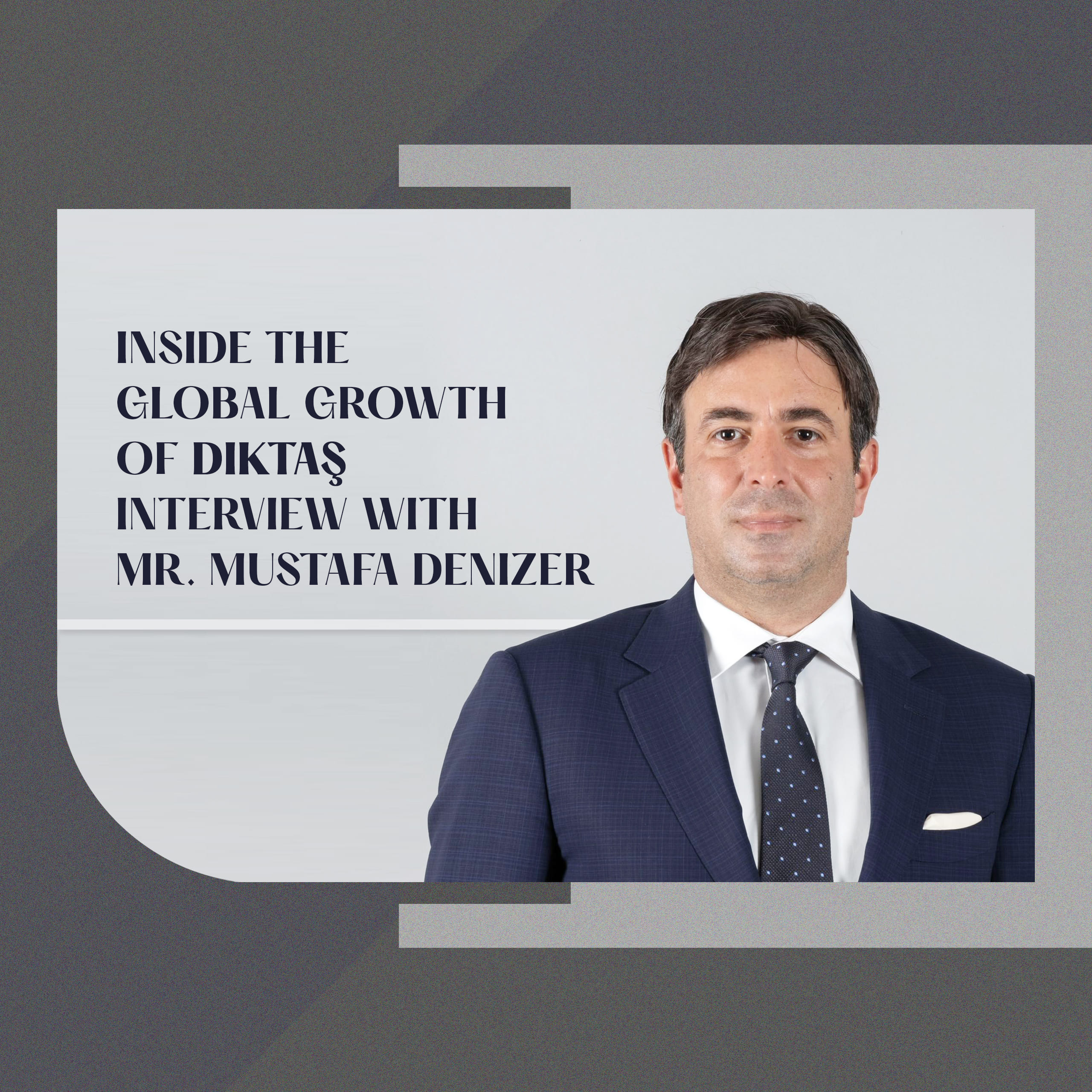
Exclusive Interview with CEO Mustafa Denizer
Diktas is a long-established company in Turkey’s sewing thread and yarn industry. Interview with Mustafa Denizer explores the company’s global growth through long-term investments, multi-country manufacturing, and strategic partnerships with leading brands.
As the textile landscape evolves, Diktas is expanding its international footprint. The company is adapting to rising demands for denim performance, sustainability, and responsible sourcing.
In this exclusive interview, CEO Mustafa Denizer shares insights into the company’s growth journey. He also discusses the impact of the QIZ framework, sustainability priorities, upcoming innovations, and Diktas’s strategic roadmap for the next five years.
Diktas has a long history in sewing thread and yarn production. How would you describe your core strengths today? And what has allowed you to grow significantly over decades?
Diktas, founded in 1945, is an 80-year-old company deeply rooted in sewing thread production. In its early years, the textile industry was almost entirely cotton-based, and our operations reflected that landscape. As the sector transformed in the 1980s with the introduction of new fibers and technologies, Diktas evolved in parallel expanding its industrial thread portfolio while continuing to serve the hand-knitting and hobby markets, particularly products designed for women and end consumers.
This dual-market focus enabled us to build two long-standing brands with strong recognition in the Turkish market. One of our longstanding strengths is that nearly everything produced in our factories is sold under Diktaş-owned brands. We do not sell raw materials, and contract manufacturing has always been extremely limited. This approach created a healthy, balanced structure: a robust industrial thread range for apparel manufacturers combined with a strong consumer-facing hobby segment.
A major turning point came in 2007, when Diktas established a greenfield investment in Egypt. This facility continued to grow and helped transform the company into a multinational producer. The expansion opened doors to new markets, enabling us to sign licensing agreements and later enter strategic production partnerships with some of the world’s top thread and accessories manufacturers.

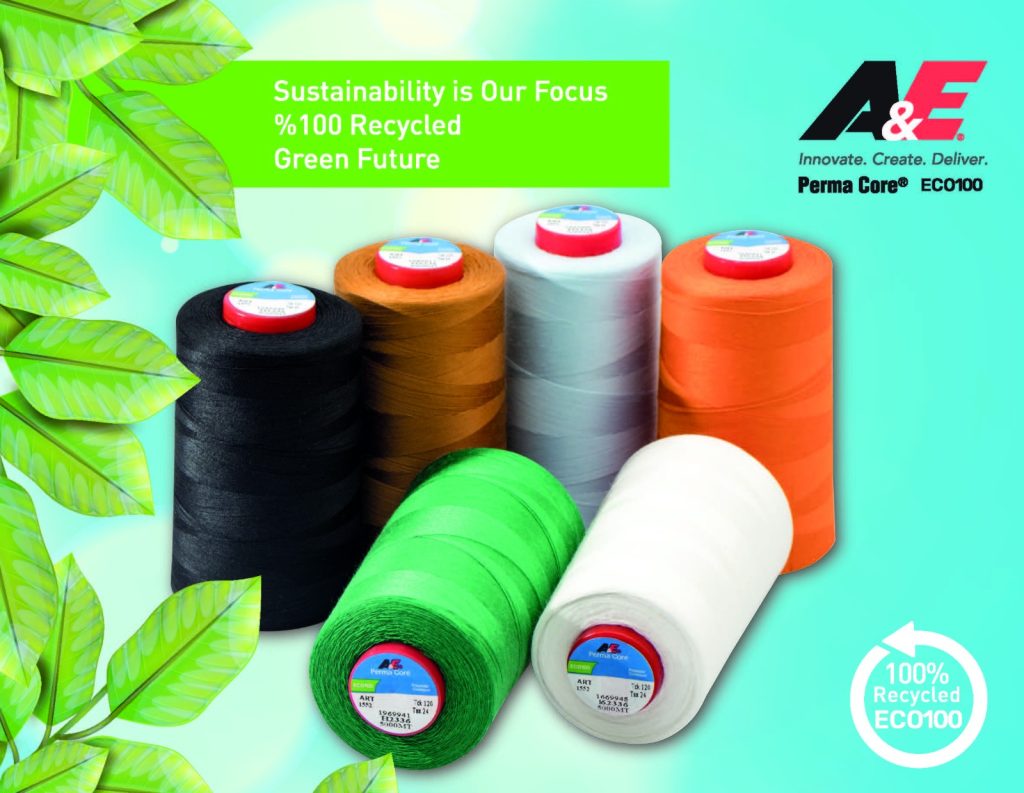
Today, our international partners include A&E, Gütermann, Wing Hing, Copen, and TAT Zippers. These collaborations began as licensing agreements and gradually deepened into strategic alliances that combine technical exchange, shared innovation, and market development. For us, working with these international brands has supported our technical development and market expansion.
Diktas is now transitioning into a five-country manufacturing group. In addition to Egypt, we have launched operations in two more countries, with a fifth planned in the coming years. We are also expanding our product ecosystem by adding new categories including items we do not produce ourselves but distribute through our established brand network.
Despite global demand challenges and rising input costs in Turkey, we continue to scale. Over the next five years, we project 50% growth driven by new factories, new product categories, and advanced technology partnerships. Diktas is expanding its international operations and strengthening its business structure.
Your product range includes industrial sewing threads, nylon/polyester threads, cotton threads, and hand-knitting yarns. Which of these categories has the most applications in denim, and how do you see this category growing, especially within the QIZ framework?
In denim, performance is everything. Because denim garments undergo intense washing, abrasion, laser finishing, tinting, and other demanding treatments, the threads must maintain exceptional durability, strength, and color consistency. For this reason, the leading thread types used in denim production are poly-core threads, high-tenacity polyester threads, and bonded polyester threads.
Today’s denim supply chains require not only durability but variety. Brands typically need five to six different thread types simultaneously to meet diverse stitching, strength, and texture requirements. Speed has also become a critical factor. Customers who once tolerated 10 – 12 week lead times now expect samples within days, salesman samples soon after, and bulk production delivered in 3 – 4 weeks. Diktas has built the rapid-response manufacturing model needed to support this new reality.
Within the QIZ (Qualified Industrial Zones) framework, the growth potential becomes even stronger. Historically, QIZ provided roughly a 30% cost advantage for Egyptian apparel exports to the U.S. With the recent tariff changes introduced under the Trump administration, Egypt’s competitiveness has increased even further. When combined with QIZ benefits, the total cost advantage can reach 30 – 50% compared to Bangladesh, Sri Lanka, China, or Vietnam.
While global demand softness is currently affecting overall export growth, the tariff structure positions Egypt for long-term expansion potentially 20% annual growth in U.S.-focused apparel exports.
Moreover, Egypt benefits from Mercosur, Agadir, and Euro-One trade agreements, making it a strategically well-connected sourcing destination.
As Diktas, we are now a key supplier across the QIZ supply chain. We aim to support customers with critical components – including sewing threads, zippers, pocketing fabrics, and buttons, contributing meaningfully to the 10.6% input requirement for QIZ-qualified manufacturers. This allows us to play a broader role within the QIZ supply chain.
With the growing global emphasis on responsible sourcing, how does Diktas approach sustainability in raw materials, manufacturing processes, and environmental or social compliance?
For Diktas, sustainability is not a trend , it is an obligation. We view environmental responsibility as a core part of our operational approach. Our sustainability strategy encompasses major investments in green energy, reduced water consumption, improved production efficiency, and strict adherence to environmental and social compliance standards.
We continuously enhance our certification portfolio, and these certifications influence our operational standards and continuous improvement efforts.
The next major shift in the industry will be the expanded use of recycled products, and we are fully prepared. We have already implemented internal material recycling programs and are actively expanding our capabilities in plastics and packaging recycling.
Additionally, we work closely with our American partners to ensure our compliance systems meet world-class sustainability benchmarks. This collaborative, transparent approach strengthens our position as a responsible global manufacturer.
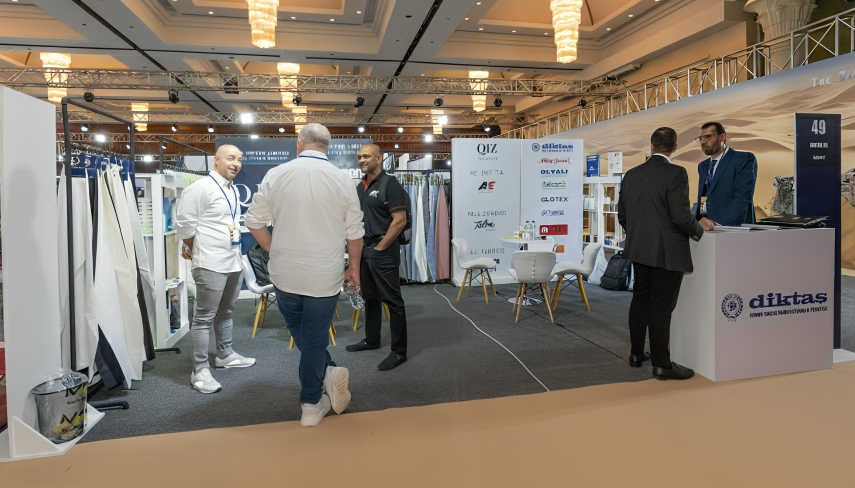
Thank you for supporting the D&J Show in Egypt. What are your thoughts on the show, and how can it become even more relevant for the Egyptian market?
From both an industrial and investment standpoint, events like Denimsandjeans play a crucial role in strengthening national textile ecosystems. When a country grows economically and industrially, companies like ours grow with it. Supporting such events is therefore both a responsibility and a way to contribute to the markets where we operate.
The show launched last year with great success, and it will be even stronger this year. Egypt’s denim sector is sizable and continues to expand. The event provides an important platform connecting manufacturers, suppliers, designers, and global brands.
What makes this show especially strong is the combined support of Egyptian ministries, local investors, and the Turkish textile community. This community views Egypt as a strategic market and contributes valuable experience to the platform.
Our long-term vision is to further professionalize and expand the event. We aim to strengthen links with international textile exhibitions and increase its value for the entire industry.
Looking at innovation, what will be the most important product categories for denim and non-denim segments?
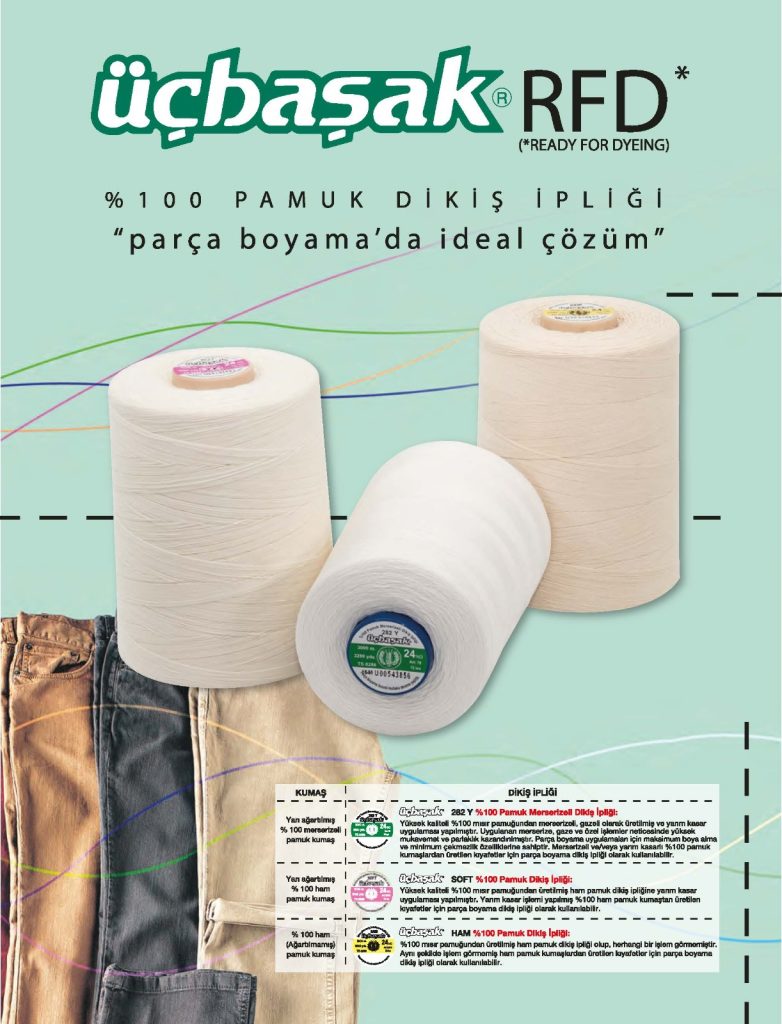
For both denim and non-denim, we expect the core product groups of the past five years to remain dominant. In denim, key thread categories such as poly/poly, poly/cotton, nylon filaments, bonded threads, and chlorine-resistant dyeable threads will continue to lead. Their reliability during heavy washing and finishing processes remains critical.
In non – denim, cotton threads used in garment dyeing remain essential. At the same time, elastic threads are becoming more important as stretch fabrics gain market share.
Instead of dramatic changes in product composition, the next stage of competitiveness will revolve around service. Brands are demanding more color options, fewer standard models, faster sampling, and more complex decorative stitching. This means flexibility, speed, and technical reliability will be the true differentiators for suppliers.
Looking ahead 3 – 5 years, what are Diktaş’s priorities?
Our roadmap centers on ambitious growth of approximately 50% over the next five years. This will be driven by new factories, expanded markets, and additional product groups.
Diktas is on track to operate manufacturing facilities in five countries, giving us greater flexibility, resilience, and proximity to customers.
We plan to enter accessory and garment trim categories through joint ventures and partnerships – including pocketing, zippers, and buttons. Additionally, we are also preparing investments in specialized technical threads for high-value niche applications.
In short, Diktas is evolving into a wider and more international group. This growth is built on sustainability, multi-country operations, and a long-term strategic vision.
Register here to attend Denimsandjeans Egypt Show.
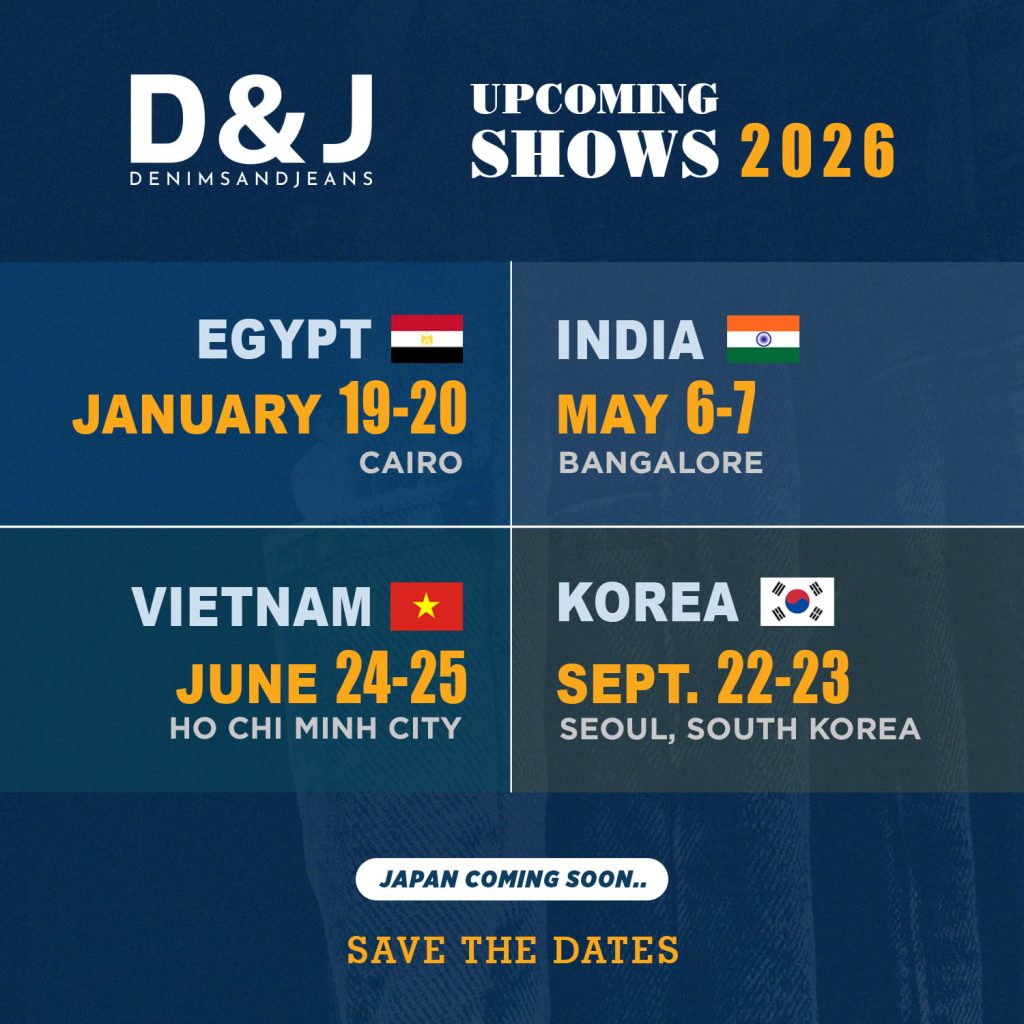
Save Dates for Denimsandjeans (D&J) 2026
D&J Vietnam | D&J Egypt | D&J India