Category: Denim Trends

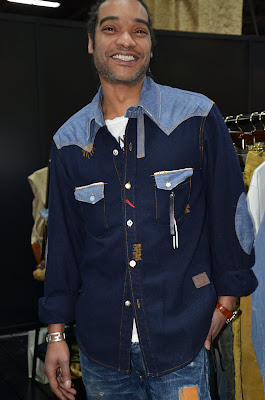
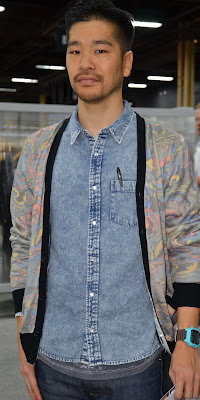
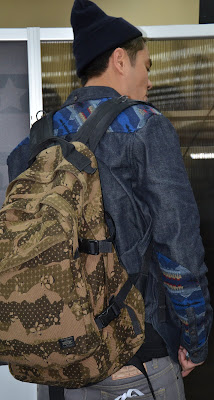
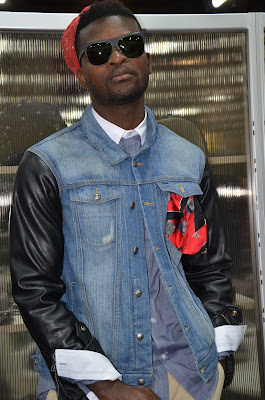
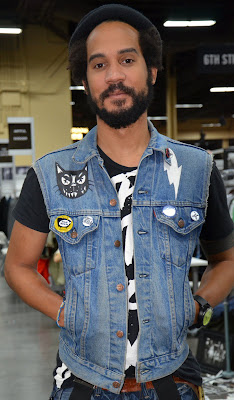
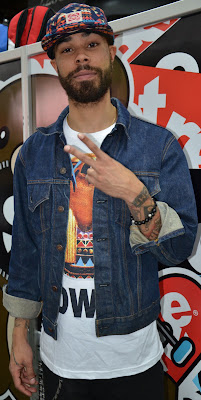
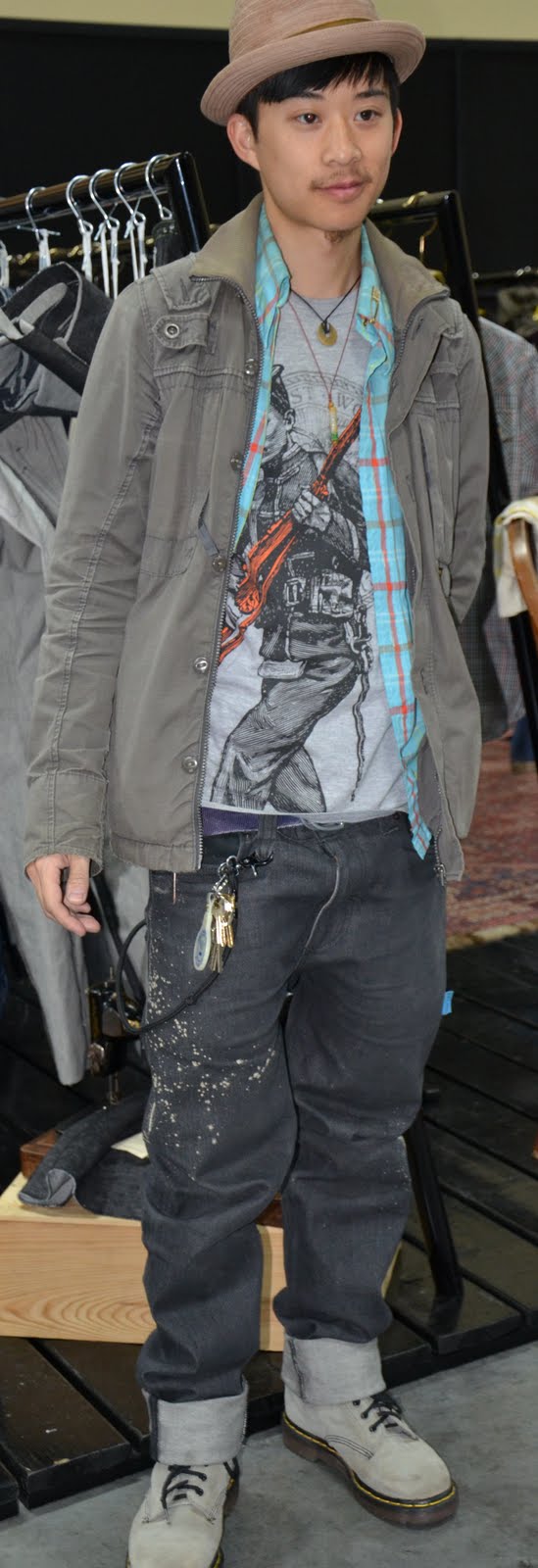
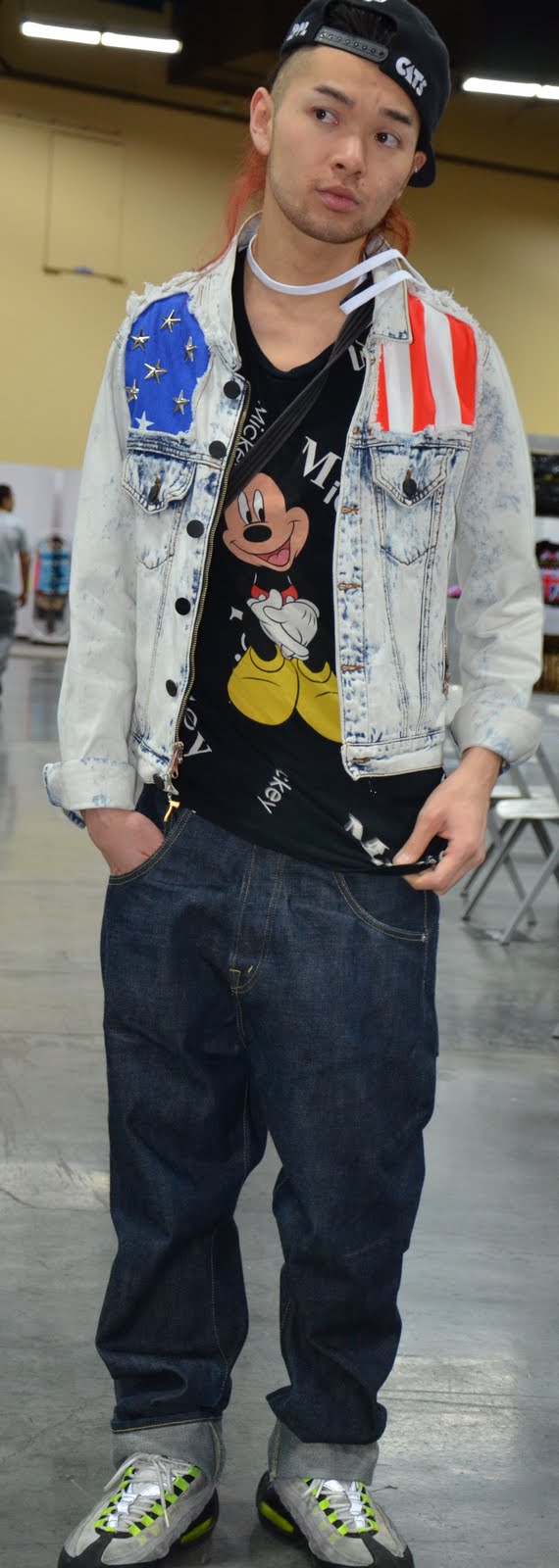
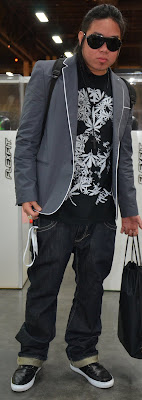
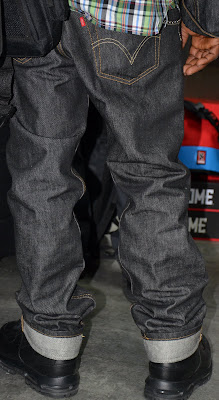
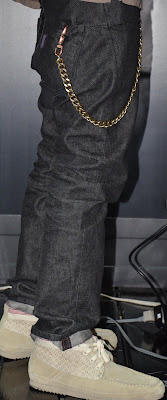
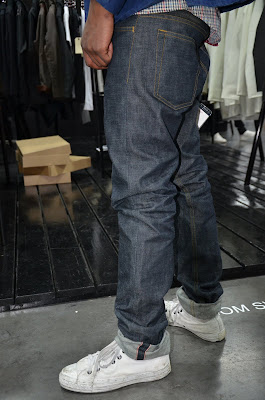
  • Denim Trends In India – Streetwear Shots From Delhi , Bangalore And Mumbai

     streetwear-trends-arvind The Indian market is a fast growing market for denim products.  From a small market in early 1990s , we are looking at a market today which consumes over 250 millions pcs of jeans in a year and is growing at a pace of over 10%. Going at this pace, the Indian market will overtake that of US – which consumes about 590 million pcs of denim apparel – in about 6 –7 years !

    This makes the market for denim in India very serious .. It has enabled a  number of new mills to make entry into the denim market in the last 3-4 years and their productions have got absorbed easily. We are also looking at a number of expansions in the market in the coming year and the production capacity of Indian mills is likely to cross 750 million mtrs pa. Large international denim mills have started showing interest in the market despite high rate of import duties – to gain an early foothold in the market which is expected to be of huge size in the coming years.

     Arvind mills is the largest denim mill in the market and is present in almost every segment of the market . Being market leaders , they are in a position to study the market deeper . One of the ways to study about the happenings in the market is to get to see what people are wearing on the streets. This is one of the activities the company does to study the market and regularly arranges street wear shoots in various Indian cities. This gives further insights into the market.  They have kindly shared some of these streetshots with us and we are reproducing them herebelow  in different presentations. The shots have been taken separately in the three big markets – Delhi, Mumbai and Bangalore.  Its interesting to see what people are wearing in these cities . It must be remembered while watching these shots that about 85% of the denim market in India is still dominated by unorganized sector and less than 15% share is held by brands. Another fact of the matter is that , again , about 85% of the market share is held by men’s denim – and the rest by women’s and children. This is basically due to conservative nature of Indian society – something which is changing fast !

    Denim Streetwear Trends in Delhi


    Denim Trends : Streetwear Shots from Mumbai

    Denim Trends in India : Streetwear shots from Bangalore

    Some interesting observations from these pictures . Please take them with a pinch of salt since these could change with change in the timing and places where shots are taken! .

    • Denim consumers in Delhi like more of embellishments , embroidered and generally differentiated looks as compared to other markets.
    • Mumbai likes more of dark and subtle looks on their denim .
    • Girls generally have a preference for skinny fits in all the  three cities.
    • Distressed looks are generally not in – probably its difficult for youngsters  to convince parents  in India the logic to buy a torn jeans !!
    • Hardly any color denim is visible . This will change with the season and hopefully 2012 will see more of colors.
    • Girls  in Delhi are more conscious of denim fashion – sorry Mumbai and Bangalore !
    • For the lower ends of the market, accentuated embroideries, big streaks and cross hatches , bold whiskers and big patches of sandblasting or pp washing are visible. But as we have seen before, the consumers grow up very fast and change their preferences. Poly denim, which was probably one of the highest selling denim product , seems to have lost some sheen over time.

    For more information on these street shots, contact Rajesh Gupta from Arvind

    Any other comments ? Please feel free to leave. We would love to have them

  • Denim Trends From Magic Fair

    This is a guest post by Caroline . She covered the denim trends at the recently held Magic fair in USA.  She runs the blog – Nudawngtown

    The Denim Shirt !

    The sturdy denim shirt showed how it’s evolving for the young men’s market. Basic denim styles to more updated versions with mixed fabrics, stitch detailing and elbow patches looked new. Worn denim on denim and layered, of course!

    The Denim Jacket

    There was a mixed message with denim jackets and vests at Magic.Popular throughout the show was the washed-down, broken-in styles that carried out an Eighties revival and grunge styling. New looks with upscale interpretations of the jacket featured leather sleeves and more refined touches like the printed silk pocket scarf. Denim jackets are personalized for authenticity, just the way this market likes it!

    denim jackets magic fairdenim jackets from magic


    denim trend jacketdenim jackets trends

    On the Loose !

    Loose tapered fits from Magic show .

    Skinny slacker and dropped crotch fits

    The skinny slacker and dropped crotch fits made the strongest fit statement across all markets. Urban, street, contemporary all had their own interpretation on how low it can go. It was the one fit that successfully crossed over into all markets making it the fit of the moment!

  • Denim Abstraction Collection

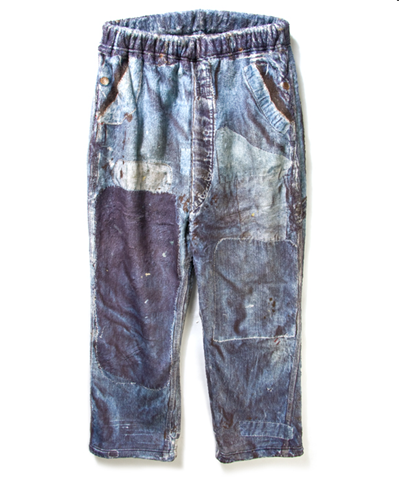
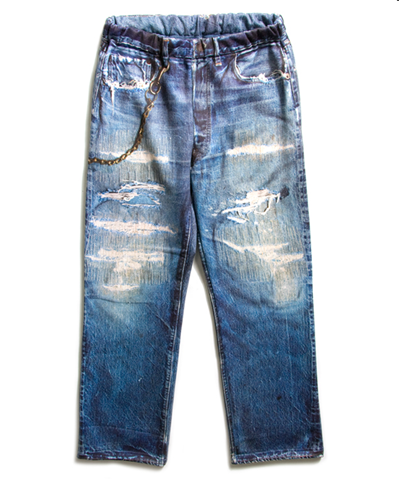
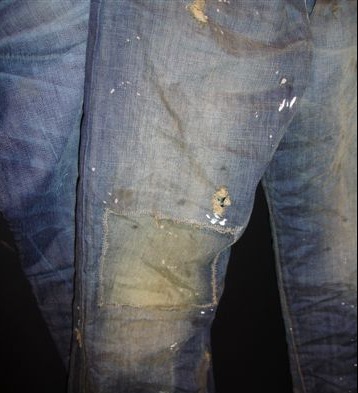
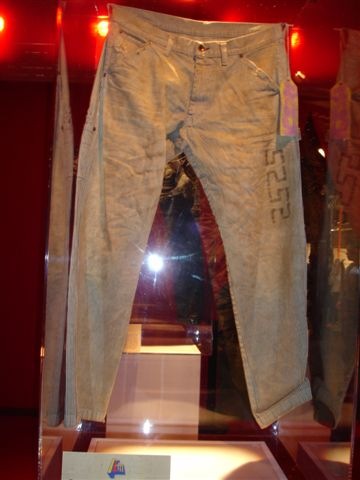
    What do you think of  the vintage denim jeans shown below ?

    image

    image

    Would you like to own one of these vintage jeans ?

    image

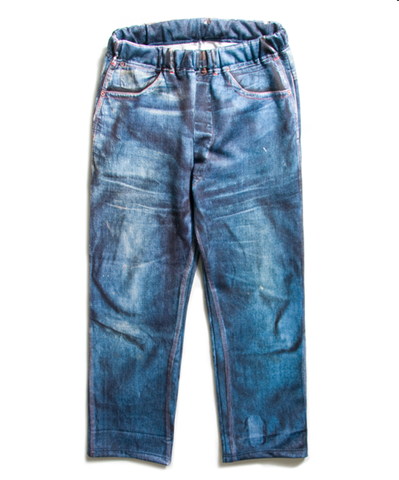
    And what if you found that these jeans do not fade further ?

    image

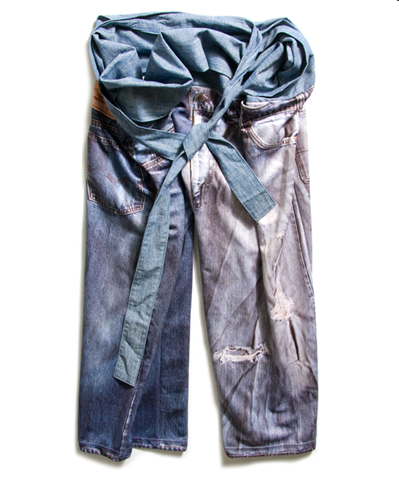
    And that  these are actually not jeans  made of denim fabrics??

    These are actually made up of uniquely digitally printed fleece and according to Stylesight , are talk of the Japanese blogging world.  This is a collection by the Talk About The Abstraction  and made with a theme derived from vintage denim.  Also see report by Slamxhype .
    Though not actually not denim, the product is expected to be a hit with digital printing technology bringing great new looks to a  simple fleece product. Soft feel of the fleece fabric will further add attraction to this product. 
    So we have another cool product Inspired By Denim  and will hopefully keep on having many such innovations dropping in at regular intervals. However, none of these products threaten the denim domain as long as technology to dye and process denim remains as expensive as it is today.

  • Cyclic Trends In Denim Jeans

    This is a guest post by Sourabh Sharma. He writes about the cyclicality of trends in denim fits in this article.

    Jeans are a second skin to many, including myself. For boys and girls, men and women, and dudes and babes, jeans are the epitome of style, comfort, and are often referred to as timeless. However, the varying ‘fit’ combinations of waist rises, leg openings and ankle openings across the several decades since jeans were first made popular have always evoked mixed feelings. On the one hand I am always fascinated, and on the other I frequently cringe looking at the styles of yore (especially on me, in unforgotten photo albums, in the days of glossy photographs kept safely in withering albums). It is a natural phenomenon to want to conceal adolescent fads that seem almost inexplicable today. I am a Generation Y (aka millennial) guy, so I have lived through the straight-leg, boot-cut, and have arrived at the skinny, with waist rises dropping throughout the time period. Along with my passion for collecting and observing jeans and denim styles worldwide, I am curious to see how these styles have evolved over time, in terms of ‘fit’.

    Not PhD equivalent research by any means, but enough to get a hold of the way jeans trends have become almost cyclical. Thankfully, the ‘research’ is made possible by the lucrative trend-spotting already conducted by curious Georges like myself, by speaking with numerous first hand designer sources and acquaintances, and by simply having a fashionable set of parents who have lived through many more denim variations than I have my slightly-over-two-decades span of life. I was curious to learn primarily about the evolution of the ‘fit’ element of jeans, not so much the embellishments, garnishings you might say, and distress factor, which can all combine nicely into an investigation of its own.

    The history of denim is fascinating, right from its unfashionable roots of the 1500s, to the patenting of its rivets in 1873 (to think these actually have  a purpose!), to the various taboos and associations of jeans with cultural elements. I have looked primarily at the last six decades, as these have been the years that have escalated the demand and popularity of jeans, and have had the most impact on today’s jeans culture. Moreover, for practical purposes, these are the decades in which I still have mortal sources to recount their experiences, who are always the best and wisest resource (with the most terrific of personalities and storytelling abilities, too).

    ‘Knowns’ regarding Trends in Denim Fashion

    As is the case with any experiment, I have laid out a few ‘knowns’ in my background clause. The first of these ‘knowns’ is that this is a unisexual study, looking at denim influences amongst the trendy, psychographically youthful, metropolitan and internationally well traveled crowd (this is my target market, or my sample space, in marketing and statistical terms, respectively).  Despite having not lived around for many years, I have definitely kept my eyes on trends, and have noticed that although men’s fashion may be slightly behind women’s fashion, it does follow the same path, especially when it comes to jeans. So, I feel that I can rightfully assume no gender barriers to denim fashion over time. Secondly, having lived and traveled in the Americas, Europe, Asias and Africas of the world, the second ‘known’ is that fashion moves westwards, an ironic twist to the fact that Easterners often want to behave in an unorthodox of Western way. I find Asia to be on top of the trend tier, with the most creative ideas for any outfits, especially jeans. Europe tends to also lead with its prowess in fashion shows and the elite aura that it exudes Northern America, for its business savvy mindset and lack of work life balance, seems to lag behind in accepting trends as they surface. Many women in my life have complained about this fact; for if they are American, they find themselves looking a little plain in Europe and especially in Asia, whereas if they are European or Asian, they see themselves looking a little too glam, or at least overdressed, in the Americas. Add this time delay to the natural slowness of men in accepting cultural trends (my first ‘known’), and you find men like myself buying outfits in Asia in 2005 and wearing them in the US in 2010 when they are just becoming a rage. I guess David Zinzenko’s detailed fitness and nutrition tips for maintaining body sizes really do come in handy to still enable one to fit into the styles over the years! (yes, guys do care and do need to work out too).

    Variables of Jeans ‘Fit’

    Returning to my ‘research’, if one may call it that, I have broken jeans into three identifiable parts that characterize the evolution of the ‘fit’ over time:

    Waist rise: Defined as the length measurement between the crotch and waist, it is interesting to see the variations in rise from sitting at the hips and barely there to tummy tucking and belly covering.

    Leg openings: This includes everything from below the butt-area to halfway down the calf, so basically what covers the knee area and its surroundings. The variations range from balloon-wide opening to the unbreathably clingy.

    Ankle openings: This mainly focuses on at the lower leg, and more specifically around the ankle area, ranging from shoe-tripping flared to choking skinny.

    Although I have sources and data on exact centimeters and inches that the rise is, or the diameter of the ankle, etcetera, I will leave the statistical analysis for a private study. For the purposes of trend spotting in a more perceptual and diagrammatic way, I have instead come up with hypothetical but relatively comprehensive extreme ranges for each of the three jeans arenas, and have classified trends in the last six decades accordingly, with the middle/median line symbolizing the ‘standard’ acceptable norm.  These can be noticed as follows.

    Evidently, what my findings show are the definite cyclicality in denim jeans trends over the years, along with a divergence of simultaneously existing trends in the past few years. This is probably in virtue of rising populations, the wholehearted acceptance of denim jeans as a convenient must-have, the inevitably diversifying tastes, and the increasing resources for multiple designs.

    Combining the trends yields an interesting pattern that correlates with historical and cultural influences, indicating how denim jeans are indeed a second skin to the populations of the world. The evolving trend is not merely created, but seems to be more a reflection of the perception of the society and its culture at various points in time. So, an interesting insight will arise from a more historical and perceptual element of analyzing denim trends.

    On trying to better grasp the evolution and cyclical trends of the ‘fit’ of jeans, clearly identified above ,I have chosen to proceed as follows. I have split the decades into culturally influential time periods, aptly defined as eras, which do not necessarily correlate with the decade spillovers. This is exhibited as follows. Bear in mind that the collective trend diagram is for visual purposes; the vertical axis is slightly skewed as it is conceptual, not numerical, which is done for simplicity (i.e. smaller in terms of rise indicates extremes lower than the average 30 cm/12 inch rise in denim jeans, as low as sometimes 2.5 cm / 1 inch; while large in terms of leg openings could be as high as 20 or 26 inches for wide leg jeans; etc. Nevertheless, the trends are readily apparent) .

    The last few years have been the most interesting, exhibiting not only the prominent trend is made popular by the millenials and fashionistas, but how an almost opposite trend lurks forward and prevails. Perhaps this is due to the fact that in these years, jeans have gotten smaller, lower, skinnier and overall require a more fit lifestyle and body, contrary to increasing obesity rates in many nations. The alternative trend (in a lighter shade in the figures) is perhaps in the mindsets of those seeking solace, comfort, alternative fashion, or are perhaps just a large chunk of late adapters.

    Era A: Star Stuck Jeans

    The likes of Marilyn Monroe left guys lusting with modestly slim jeans, whilst Elvis rocked the world with the dude’s version, as did James Dean, making it unisex at a time when gender fashion separation was quite prominent. The waist rise wasn’t given as much dominance, and the classic fit was at the waist, as it supposedly should be. At this point in time, jeans were not a fashionable item, but just a casual addition to a wardrobe, akin to its roots of being used for comfort during laborious work.

    Era B: Party Time Jeans

    The Beatles proceeded with the slim jeans trend, but the introduction of what our parents and grandparents call ‘hip hugger‘ jeans were a rage, popularized by rock icons, and were almost a precursor to the present day low rise trend. In retrospect, clearly this was the start of a rebellious and party centric trend that would eventually push the envelope in years to come, and bring jeans out of the casual closet and into the fashionable one. Interestingly, the newly positioned denim jeans were actually harder to get!

    Era C: Hippie Disco Jeans

    In this era, the disco scene became popular as the hippie culture took over the entire world, which, contrary to the tail of fashion following, wanted to be more ‘Western’.  ‘Hip huggers’ turned into low waist jeans, with wider and wider flares being christened as visually accurate ‘bell bottoms’. As is the case with any fashion fad, diversification is inevitable to occur, and the likes of elephant bell jeans also popped up, with flares so large they covered the shoes in entirety! Talk about tripping hazards.

    Era D: Breathable and Workable Jeans

    With the disco backlash, a derogatory term to something so culturally influential, flared bottoms reached an end as straighter jeans were demanded, in a modestly slim fit, thus marking a comeback of narrower ankles. However, baggy jeans came back in style with the hip hop and rap culture. These were also times of heightened global warming awareness, so perhaps people felt the need to breathe in their jeans. Waistlines also crept back up due to the more ‘straight leg’ feel (which I personally think is the least flattering of all fits). For practical purposes, including a rise in women joining the workforce, high waists and straight legs were in style, with baggy ruling the youthful boy’s nest. Designers jumped on the band wagon to capitalize on the increasingly popular goldmine of fashion.

    Era E: Provocative Jeans

    I call this era provocative since this marks a prominent rise in underwear exposition. If jeans were a fad on the framework of products, then this was the time when the low respect came into play, as jeans lost their fashionable and must-have position to other fabrics. Yet, a king never lies low for long, and the low rise ‘bumster’ jeans made a comeback, thus marking a repetition point in this cycle, as a successor to the earlier ‘hip hugger’. The credit belongs to designer Alexander McQueen who changed the face, or the derriere, of denim jeans. Initially these were paired with baggy jeans and made popular by the oddly popular concept of ‘sagging’, thus revealing men’s boxers and underwear (giving these a reason to become a raging trend of their own, for both men and women). Gradually, the jeans themselves began to slim down, too, particularly for women. The low rise was still a taboo, and restricted amongst the boldest of populations: the uber fashionable and extremely elite, or simply followers of Kate Moss’s strategic first move at Alexander McQueen’s show.

    Era F: The Joyous Enjoyous Jeans

    This is when laws got liberal, and the world became more united as if saluting entering a new century together. This was indeed the case, as celebrations became viral with joy, worldwide were shared via emerging social media forms and are still recalled today. The feelings seemed to have reciprocated on the world’s most loved attire. The low rise jeans became more acceptable and less of a taboo, thanks to the acceptance of starry characters like Britney Spears.  The next comeback, and thus a mark of cyclicality once again, was the widening ankles. Fashion enthusiasts thankfully glossed over the term ‘bell bottom’ replaced it with flared bottoms and the popularly called ‘boot cut jeans‘, thus lending to a visual image of being less dramatic than their bell bottom parent. The difference was the slimness of the fit at the leg and knee. Freedom and breathability was thus the main association with denim of this era.

    Era G: The Split-Personality Jeans

    With the low rise style at its peak, the skinny, drainpipe style of jeans returned, marking a repeat in this element of the cycle too. This was to the critiqued dismay of populations worldwide, as it went beyond the slimness of the 80s and into a skin clinging skinny style, with the notion that its wearer had to fall into its size reference.

    The strange thing about the mid 2000s onwards has been the dual nature of fashion. Whilst it is apparent that trends are leaning towards lower, skinnier, slimmer, it is almost as if the bulk of the population is starting to feel discomforted by the aspirational aspect, and is clinging onto what we may call fashion of the yore. This explains why boot cut and moderately flared jeans have not disappearing entirely. High rise jeans, such as the Not Your Daughter’s Jeans brand, are also in style for their tummy tucking marketing to trendy baby boomer women. Men of hip cities, and particularly those of non-metropolitan areas, are completely averse to low rise and skinny fit, explaining their lack of adaption to the new styles of denim. The point was emphasized by Dockers’ sexist advertisement which blatantly mocked the skinny jeans trend for men, albeit its archaic undertones probably encouraged a higher trial rate!

    Remarks about Cyclicality

    The most apparent finding here is the cyclicality of the trends, and how the three main fit elements, namely waist, leg and ankle, always recombine to form the next trend. The cycles of all three do not necessarily correlate, else things would be too predictable.

    The low rise trend of Period B made a comeback in Periods F and G.

    The slim leg trend of Period C made a comeback in Period G.

    The skinny ankle of Period B made a quick comeback in Period D, and a more prominent one in Period G.

    Jeans trends seem to return every 3 to 4 of my defined eras. So, the upcoming fashions may not be too difficult to foresee (albeit trends like diversification, along with the importance of fabric type, embellishments, etc., can cause significant differentiation; these require yet another insightful exploration!).

    What’s Next?

    Naturally one may wish to anticipate what is next in terms of ‘fit’, obviously without ignoring the possibility of diversifying the current ‘fit’ elements via garnishing jeans with embellishments, destroying them via various strategic techniques, etc.  The unveiled trends give prominent hints that the duality will continue, at least for some time, despite Kate Moss’s influential prowess in sporting the high rise jean, marking an end to the popular and beloved (personal votes here, too) low rise. Ironically, she modeled Alexander McQueen’s ‘bumster’ jeans too, so things indeed do come into a complete cycle. So, here is some basic yet strategic advice for both consumers and designers.

    As a consumer, one must invest in both flared, lose and high waist denim, alongside low slung skinny jeans. Both are likely to remain for a while, but the more extreme a trend gets, the less it is lauded in the long run, and the more repulsive it looks in retrospect. The indication hear is of the way we laugh at bell bottoms, or laugh at whale tails. This does not mean that people should look identical, like packs of cards; individuality should and always will be praised, and one should not shy away from displaying a quirky or crazed streak. But with few likes, limited closet space and few resources and options at hand, invest smartly, as you would in stocks.

    As a designer, the waters turn murkier. A designer must first look to see what their designs are relaying: comfort or fashion, or the tiptoe friendly bridge joining both. Also, one must check to see who the target market is: those following trends to the tee, or the late adapters of the cycle. Bearing these elements in mind, designers should go for either the risky niche jeans strategy for the fashionable and conscious, or the universally embracive denim for the evergreen comfort huggers. Again, this depends on their positioning, appetite for risk and differentiation, and forward thinking strategy.

    At the end of the day, nothing is predictable, but seeking trends in the most random aspects of the past is a rewarding exercise, particularly if it indicates that some things will remain around forever… like jeans!

    About Sourabh:
    sourabhSourabh Sharma is  professionally a marketer, a strategist and an engineer, has worked in corporate arenas for cosmetics and consumer products, but has flexibly crossed paths with the fashion arena, both via work and through perpetual passion. He has worked with brands that sponsor fashion weeks worldwide, yet the inclination towards fashion has been more inevitable. With denim being his favorite conversation piece, it is only natural that he chooses to investigate denim throughout the tides of time, cutting through barriers of trends, culture and creativity. He runs the blog – Food, Fashion and Frameworks

  • Denim Is Dead (Distressed?) . Long Live Denim !!

    This is a guest post by Sourabh Sharma. He gives a great analysis on the distressed denim  with a historical perspective in this article.

    We live in times when distress is actually in fashion.

    denim is deadI was surprised when I realized this. To think everyone preaches the exact opposite. My addiction to denim has made me curious about another trend that I have not quite embraced; distress.

    On unbuttoning a favorite pair of jeans, I noticed the words “Denim is Dead” engraved on the button. I looked at my marginally frayed and excessively faded  jeans, and thought, perhaps denim is indeed dead . This is not denim, or the classic denim that I have known for a lifetime. But then I noticed a smaller inscription on the rivet. Recalling that the rivet is to a pair of jeans like a spine is to a human being, thus the mandatory asset to hold a pair of jeans up and in place, I closely examined what it said. “Long Live Denim”; a stark juxtaposition to the former statement, and one that I will discuss later. It is an interesting acknowledgment of my conquest to know why distressed jeans are so important to fashion history, and so prevalent in today’s world.

    denim skirt fashionAs if warning consumers of the distressful economic times to come, distressed jeans have technologically advanced over time and become a symbolic fashion staple . Wherever I go, regardless of what city or transit-zone, regardless of what type of location it is, an airport or club, restaurant or beach, I always see it. A bony knee, poking out of a perfectly asymmetric ripped hole, a chunk of thigh peeking out through what looks like the survival from a tiger attack, and sometimes I wonder if I’m looking at someone who is missing the homeless sign from their fingertips, or whether the Armani shirt or Jimmy Choo heels that they are wearing with the denim carcass is in fact stolen. I know that sometimes one can tastefully rise above regularity and seem eccentric, but this fad takes a while to swallow.

    Why should I wear denim that is so worn? Worn is an interesting word. It can either mean pre-possessed, or overused. In both cases, it epitomizes distress. And distress is the new fashion statement.

    Or maybe not so new. Unbelievable as it sounds, distressing denim has been in style for about five decades. However, unlike the analysis of denim openings and waist rises, the distress phenomenon is not cyclic, but additive. With each add on, designers instantly craft combinations of denim creations, in effect creating a layering effect of various types of designs, levels of distress, etc. filtering down to what we have today: strategically ripped denim.

    Types of Distress (for Denim)

    Un-distressed Jeans

    With distress being so much in vogue, a term for the un-distressed, plainer counterparts seems to have languished over time. Classic, perhaps? Nevertheless, these are as they seem. Some categorize them as grandparents’ jeans, blaming the ever widening generation gap. Jeans have historically first been worn by carpenters and workers, when utility and comfort were more prominent factors than style. Which explains why this look is often one that goes negative on the scale of flattery, with bulges in inappropriate places, and tapering so stark that it makes its wearers seem like they are auditioning for a circus that is going out of business. However, off late the trend  has revived itself in the form of trouser jeans. Much like Classic Coke’s timeless taste proposition, these offer a timeless fashion proposition.

    I squirm at these too, for they are closer to trousers than they are to jeans. Yet on the other end of the spectrum, we have distressed jeans. Having worked and dined with many designers, I have found that there is actually a process that goes into distressing jeans, despite many people’s willingness to massacre their own vintage denim so as to keep up with the trend.

    Applique Technique

    Applying something on denim is akin to accessorizing it, as it does not deviate from the essence. Splattered paint is a fashionable recollection of yesteryears. Although it started off as painting simply on jeans to form uniform colors and hues, the messy and chaotic look revived itself with the grunge era, as a form of self expression, and still prevails today. Embroidery on jeans started as a symbol of grace, but quickly moved towards self expression, too. Over the years, embroidery has gotten louder and more creative, differentiated from its archetypal ‘pretty’ routine. Embroidery’s natural next extension is embellishment, often intertwined with embroidery. This falls into two categories; the aesthetically pleasing, and the disorientingly chaotic. The pleasing segment ensures symmetry and style, mostly on back pockets and leg linings. The experimental ones offered more than just sequins and patches, but relays whole stories. The combination of these appliqué techniques yields a creative and chaotic look, evoking emotional adjectives like wild and free, the very words that form the foundation of distress.

    Worn Jeans

    Fraying is a natural phenomenon. Jeans as a fabric tend to stretch, and thus the ends fray with repeated wearing. If one works in bent over positions for whatever reason, the knees lose color and texture. Due to the way humans walk, the edges of the hips can give way over time to. The concept of worn jeans came into limelight with pre-washed jeans, an idea initiated by Lee and followed by the Abercrombies and the Gaps. This made fraying such a demanded style that consumers did not have to wait for their jeans to fray naturally, but could either expedite the process, or better yet, purchase a pair of worn jeans. For dramatic frayed denim jeanseffect, the whiskering technique is utilized, drawing attention to the worn out streaks around the crotch area, inevitably impacting a consumer’s choice for the perfect fitting jeans. As if pre washing jeans was not enough, stone washing became popular, starting with private designers in France, with the use of various stones like pumice and pea gravel, enabling a fiber plucking and rip inducing effect, usually achieved by washing the denim with these stones, or by scraping effectively. Stones are now classified by their porosity and abilities to induce damage. Acid washed jeans give them a more uniformly coarse feel, for a level of distress that is a notch higher.Acid washing also allows for more creativity, depending on how and where it is utilized. Sand blasting, usually used to clean or etch a surface, was first conceived by Italian designers, almost like a hybrid of acid washing and stone washing. Mass retailers have greedily lapped the concept, marketing their jeans for the active, trendy, or simply sexually charged youth. The actual sand blasting technique has attracted some negative buzz due to health concerns for workers used to manufacture denim with this technique. Bleached jeans amplify the natural wear and tear, especially in that they bleed the blue out of denim. Bleaching dramatizes the distress, thereby making it more appealing. After all, all dramatic things have a tendency to garner more attention.
    Strategically Ripped Jeans

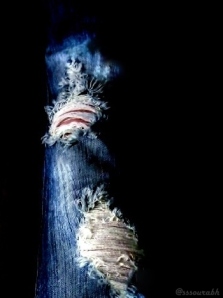
    Strategically ripped jeans, as I like to call them, are an amalgamation of all the aforementioned distress factors and techniques. These lead to the strategic and inevitable fraying and ripping of jeans at various predictable areas around the leg, knee, hip and butt zone. As noticed, distress is not a sequential process, but an additive one, using several techniques in simultaneity to create an almost customizable level of distress to suit a mood or an occasion. Its not only retailers, but even top end designers that have lapped up on the trend. They are for any occasion too; severe distress for the beach, tasteful distress for a party, and slouchy distress for a brunch. There is no bar; the jeans are available for everyone at varying levels of design, distress, and price, from Paris Fashion week to Lakme India Men’s Fashion week, from a mere twenty dollars to an appalling three thousand dollars. And for seek luxury within distress, there are the diamond encrusted jeans for over a million dollars. Whatever the case, distress prevails throughout.

    The Chaotic Denim Market

    Due to such trends, we live in an era where there is not just one denim market. It has been segmented into various categories based on tastes, occasions, preferences, geographies, social acceptabilities, and  many more refined market segments, each of which has a surplus of brands associated that cater to it. Denim has gone into use beyond jeans, and into jackets, bags, car seat covers, and numerous other accessories and products. Some have argued whether we live in a denim bubble which will burst soon. Judging from the rising sales of denim, the annual introduction of new denim brands, the forays of all designers into the web of blue, regardless of whether they are mass or niche, and an equator-wide range of price points luring consumers from all market segments, I do not foresee the denim bubble bursting anytime soon.

    So what is the point of wearing a pair of denim jeans that has is so worn? Why do silhouetted ramp models continue to strut in these shards of fabric, inevitably inspiring the world? Why does Zac Efron succumb to wearing his jeans multiple times to give them a worn in look, and perhaps marginally worse, admit to doing so?

    The Mindset Framework, which relies on emotional intelligence and emotional attraction, can explain the target market segments that such distress appeals to. However, distressed denim is more than just an appeal. To better understand the existence of a trend that has permanently cemented itself in the history of fashion, I think it is more appropriate to look at the the four quadrants of pressure which influence decision making.

    Explaining the Trend: The Four Quadrants of Pressure

    I feel that there are four types of pressures that drive a trend into continued existence. These are perhaps the key to deciphering which fads are lovemarks in my favorite marketing framework. These pressures are placed upon individuals to make decisions, and can be well adapted to explaining the success of distressed denim.

    denim buying pressure

    Business Pressure

    Businesses thrive to capitalize on a presently profitable idea. The pressure is thus to reinvent the success, or diversify from it, keeping its essence in tact.

    Durability: Denim is definitely durable. Unlike other fabrics which become synonymous for wardrobe malfunctions, denim rips do not necessarily translate into irreparable damage. Denim is a fabric which can still be physically held up, and deemed wearable, even after exposed to deathly conditions. Although this is perhaps an ode to the patenting of its rivets, it is this characteristic that has prompted businesses to test the durability of denim by exposing it various levels of distress in the name of product development.

    Reinvention: Distress is one of those rare elements that is not replicable. Ever notice how some retail brands promise customized distress to ensure no two pieces are alike? This gives creative minds a virtuous cycle of continuous reinvention with regards to the distress phenomenon. The tears, cuts, embellishments and numerous other techniques give birth to a plethora of combinations, especially when paired with the various sizing and fit variationsthat consumers are assaulted with in a denim store. Both creative enthusiasts and tactful businessfolk see this as a win-win situation. And when such a situation exists, businesses compete vigorously to reap the maximum benefit.

    Diversification: Diversification from a successful product is a classic growth strategy. Distressed denim is akin to what one marketers may call a line extension. Denim colors have never really taken off as a trend, with the exception of perhaps black or white jeans, but even these fall pale in comparison to classic hues of blue. So, if you cannot change the color, you may as well change the texture. Simply ripping the fabric has successfully become both a consumer friendly and a business friendly trend. This explains the start of businesses like “Destroyed Brand” or “Indi”, which monetize the trend and destroy your clean, plain jeans for you! When is the last time you paid to have something damaged?

    Societal Pressure

    Society often coerces us into doing things that are seemingly correct, or are simply being done by everyone around us.

    Me-Too : What’s in vogue is always followed, sometimes mindlessly. While the ‘me too’ phenomenon generally spells doom for a brand, it is sometimes quite successful if done right. This explains the rise of fads like Crocs and Lance Armstrong bracelets. Similarly with denim fashion, once something is in style, worn on catwalks or by celebrity favorites, or simply created by easily devoured brands, it becomes gaped and aped worldwide. Hence the success of distressed denim, owing its popularity to societal pressure and the human psych!

    Emotional Pressure

    Feelings have the power to overpower us. There are some things that we simply cannot bear to ignore, bear to part with, for fear that the aftermath will be intolerable.

    Adoration: Although adoration for something does not explain why one would purchase a pair of worn jeans, it does validate why one never wishes to part with a pair that has been a companion for eons. Clinging onto an item that is akin to an artery in your heart, and thus irreplaceable, may be the reason why distressed jeans came into style in the first place, as the worn look relays an association of eternal companionship!

    Liberation: Strange (and sad) as it may seem, psychology has shown that destruction can be quite liberating. Bonfire parties fueled by end of term papers, chucking a delicately intact crystal wine glass against a tough stone brick wall, the classic movie scene of a person sweeping a tabletop worth of breakables and easing the tension by hearing the sequential crash, or a macho wannabe clutching a glass so hard that it shatters to release ketchup (oops, I mean blood). Psychology has shown that the snipping sound (even more magnified when snipping tough) is extremely gratifying to a distressed mind. Distress for distress?

    Frugality : Frugal consumers often see that if they can change the look of their jeans by simply distressing it, then why not? This explains the rise of DIY distress procedures, so readily available and so simplistic to undertake with the help of utensils like graters, knives and sandpaper! Combine this with the societal pressure of reusing and recycling, and you have a prefect value proposition for keeping the trend of distressed denim alive for centuries.

    Unknown Pressure

    As Oscar Wilde said, you can resist anything but temptation. And that which is unknown is, to some degree, very tempting.

    Enigma: As the classic gossip phrase goes: “Love it, hate it, but you cannot ignore it.” Ever thought of what this “it” is, especially if no emotion can be attached to it? More than any other era, now is the time to question why distressed jeans are so much in vogue, after so much damage has been done to them. With so many answers, there still lies a gray area in the realm of conviction, which gives distressed denim its veil of mystery. Wrapped in such enigma, there is something severely sexy about their appeal, so much so that nobody can pin point the exact reason for their success. And that is what makes them all the more appealing.

    Next Steps: More or Less Distress?

    I have not fully accepted the hype behind jeans that are damaged beyond repair, and sometimes do sympathize with the DIY folks who turn their vintage into carcass. And then, I envy those who can carry it off with amazing grace and poise. It is a classic dilemma that many are in, perhaps waiting to see just how much more successful this phenomenon can get, and whether it will ever diminish with time. So, will it? And if so, what’s next?

    jeansAs with all businesses, I believe that diversification, despite its many advantages, can be a plague. One issue that I have seen is that denim is no longer purely denim, but is often interwoven with the likes of lycra, nylon, or polyester, which factually reduce its durability. Jeans rest on the surface of durability, and to play with this core competency is a seemingly erroneous move. I do foresee this trend rising dramatically, as rivalrous designers churn out products to clamor for a finer niche in the densely segmented market, introducing jeans that relay different aesthetic feels. My feeling here is that designers should not stray too much from the crux of denim’s durability, unless it exponentially boosts marginal returns. Denim, as a fundamental foundation for all distress techniques, will remain unchanged.

    The distress factor itself however, is probably not going to disappear. We may go through a less distressed phase, when whiskered and slightly faded jeans are in vogue, but the snips and cuts will soon creep back in. With the penchant of distress for looking simultaneously drab and alarmingly stylish, this fad has become a lovemark, and much beyond it, and will not languish for many, many years.

    Recalling the juxtaposed phrase of “Denim is Dead” and “Long Live Denim“, tactfully placed in zones of undoing (button) and support(rivet), respectively, I realized how clever Topman is in engraving these onto their jeans.  In retrospect, this is a sattire of a proclamation using the same two phrases in synchrony, replacing ‘Denim’ with ‘The King’: “The King is Dead! Long Live the King!”. Naturally, the Kings in this reference refer to the former deceased King, and the successive heir, respectively; the phrase itself is used after the selection of a new monarch. Topman, my favorite brand of London origins, could not have nailed the reality and the irony of distressed denim more aptly. In some eras, in some regions, denim may seem dead, but will actually just be reinventing itself, perhaps going through a patch of distress. Its reign shall never die out; denim will indeed live forever. It may just change its face from time to time, owing to various levels of distress.

    Long Live Denim. With or Without Distress.

    Picture Courtesy: The Sartorialist

    About Sourabh:

    sourabh Sourabh Sharma is  professionally a marketer, a strategist and an engineer, has worked in corporate arenas for cosmetics and consumer products, but has flexibly crossed paths with the fashion arena, both via work and through perpetual passion. He has worked with brands that sponsor fashion weeks worldwide, yet the inclination towards fashion has been more inevitable. With denim being his favorite conversation piece, it is only natural that he chooses to investigate denim throughout the tides of time, cutting through barriers of trends, culture and creativity. He runs the blog – Food, Fashion and Frameworks
  • Denim Trends – Fabrics, Styling and Wash Trends for Fall 2010 and Summer 2011

    • What are the latest hot trends in Denim for this Fall and Spring/ Summer 2011 ?
    • What kind of denim fabrics are in demand by major brands ?
    • What kind of styles and silhouettes are moving the most and how are they affecting the fabric constructions and washing ?
    • What kind of washes and finishes on Denim are in demand and what kind of fabrics might be required to meet these finishes ?

    Too many questions  !! But we tried to provide an answer in a presentation on denim trends . It covers the denim trends in fabrics , silhouettes and washing/ finshing for the coming two seasons.  This trend report was also presented in the Annual Textile Convention of  The Mexican Textile Industry – held at Puebla .

    The trend report has been given below .

    Look forward to some more trend reports on denim being published shortly !

  • Women’s Denim Jeans – Street Trends Around The World

    What trends in women’s denim can be seen on streets in Paris, London, Tokyo, Berlin and other cities around the world? Is Skinny jeans still going strong ? Is Boyfriend jeans witnessing  new variations and silhouettes ? What new looks can be seen in Jeggings ?
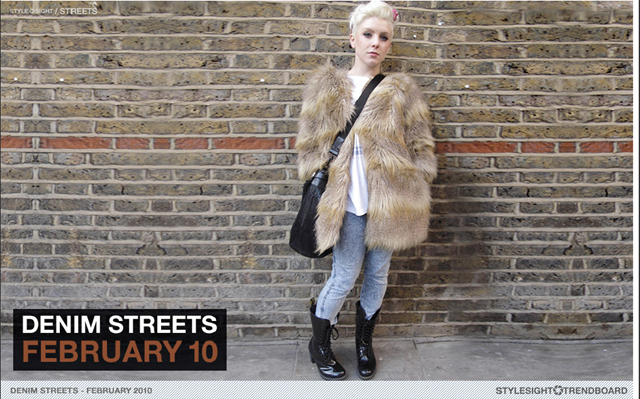
    To find answers to many of these and similar questions, lets take a look at the Denim Street Trend Report from Stylesight.com . The report covers street looks from various cities.
    Skinny Jeans still looks like one of the top trends on the streets and has added new silhouettes and finishes . Among the washes, acid wash seems to be invading all types of styles. Check the full report below. The report is in two pages, find the second page here

    Denim Streets  Report From Stylesight

    1 

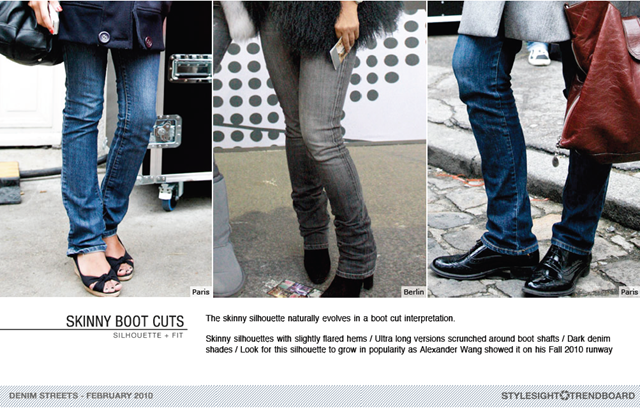
    1. Skinny Bootcuts:

    The skinny silhouette naturally evolves in a boot cut interpretation.
    Skinny silhouettes with slightly flared hems / Ultra long versions scrunched around boot shafts / Dark denim shades / Look for this silhouette to grow in popularity as Alexander Wang showed it on his Fall 2010 runway.

    denim trends women

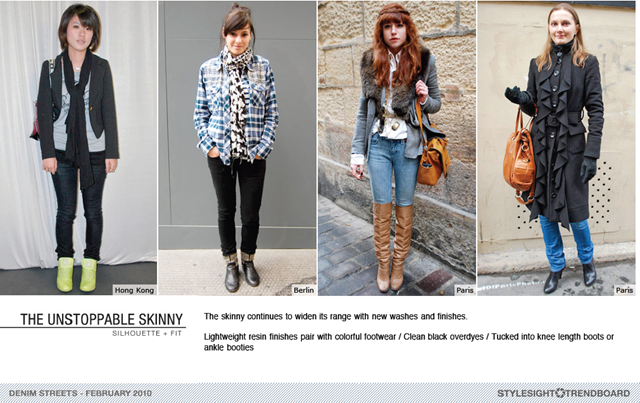
    2. Skinny Jeans – New Washes & Finishes

    The skinny continues to widen its range with new washes and finishes.Lightweight resin finishes pair with colorful footwear / Clean black overdyes / Tucked into knee length boots or ankle booties.

    skinny jeans trends women


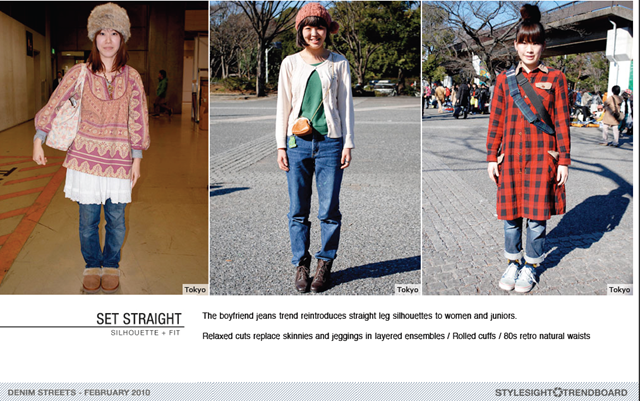
    3.Boyfriend Jeans Straight Legs 

    The boyfriend jeans trend reintroduces straight leg silhouettes to women and juniors.Relaxed cuts replace skinnies and jeggings in layered ensembles / Rolled cuffs / 80s retro natural waists.

    boyfriend jeans straight legs

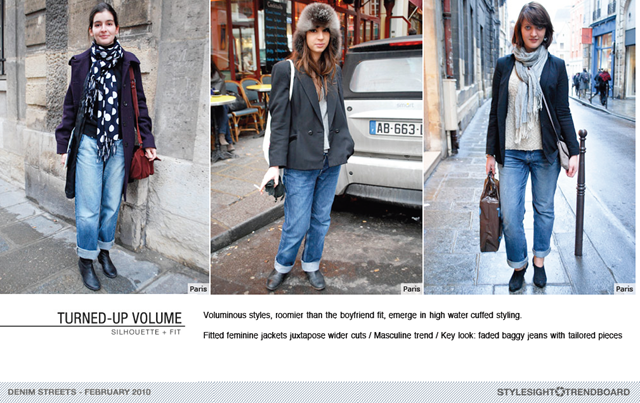
    4. Turned-up Voluminous Styles

    Voluminous styles, roomier than the boyfriend fit, emerge in high water cuffed styling. Fitted feminine jackets juxtapose wider cuts / Masculine trend / Key look: faded baggy jeans with tailored pieces.

    Turned up jeans trends


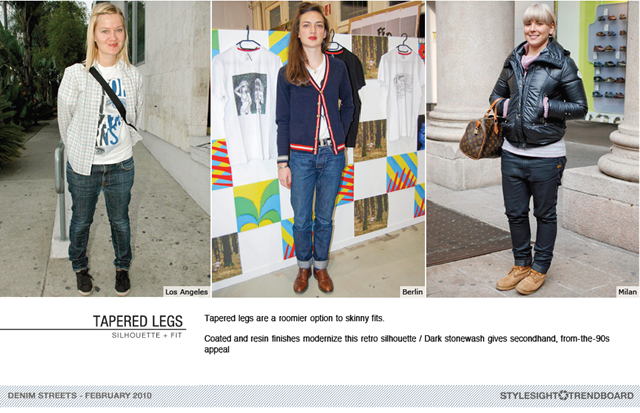
    5.Tapered Legs

    Tapered legs are a roomier option to skinny fits. Coated and resin finishes modernize this retro silhouette / Dark stonewash gives secondhand, from-the-90s appeal.

    tapered legs jeans trend

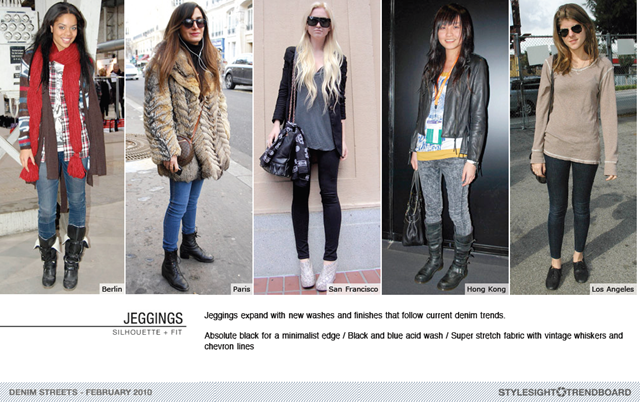
    6.Jeggings – New washes and finishes. Acid wash catches up on Jeggings too

    Jeggings expand with new washes and finishes that follow current denim trends. Absolute black for a minimalist edge / Black and blue acid wash / Super stretch fabric with vintage whiskers and chevron lines.

    jeggings washes and trends

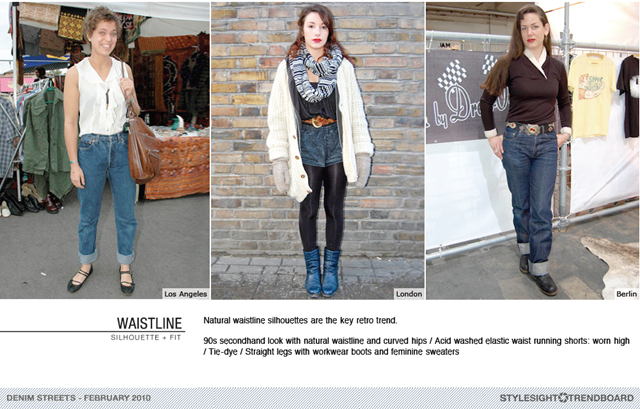
    7. Natural Waistlines –Worn High.

    Natural waistline silhouettes are the key retro trend.90s secondhand look with natural waistline and curved hips / Acid washed elastic waist running shorts: worn high/ Tie-dye / Straight legs with workwear boots and feminine sweaters.

    natural waistlines jeans

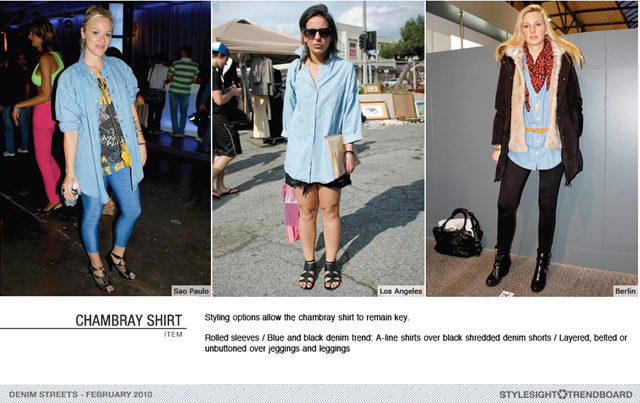
    8. Chambray Shirts – Interesting combinations with Jeggings.

    Styling options allow the chambray shirt to remain key.Rolled sleeves / Blue and black denim trend: A-line shirts over black shredded denim shorts / Layered, belted or unbuttoned over jeggings and leggings.

    chambray shirts denim trend

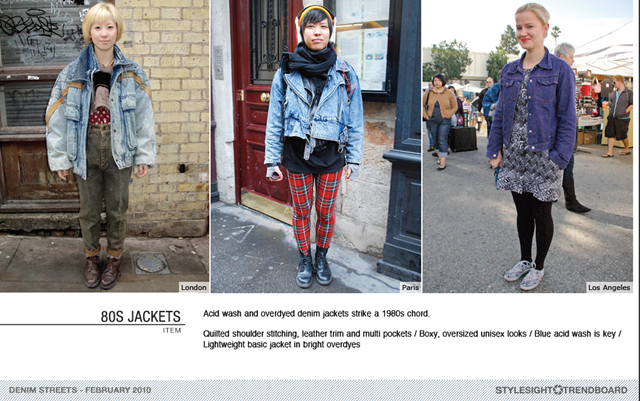
    9. Denim Jackets : 80s looks with acid washes.

    Acid wash and overdyed denim jackets strike a 1980s chord.
    Quilted shoulder stitching, leather trim and multi pockets / Boxy, oversized unisex looks / Blue acid wash is key /Lightweight basic jacket in bright overdyes.

    denim jackets trend 80s

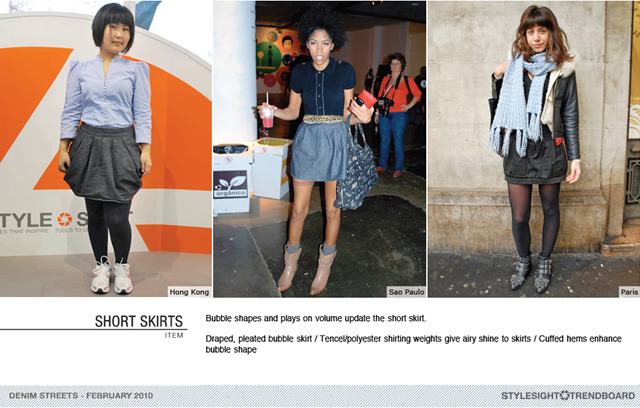
    10. Short Skirts

    Bubble shapes and plays on volume update the short skirt.Draped, pleated bubble skirt / Tencel/polyester shirting weights give airy shine to skirts / Cuffed hems enhance bubble shape.

    short skirts denim trend

  • A/W 2010-11 Denim Trends Analysis

    Here is a detailed analysis and forecast of Autumn/Winter 2011 denim trends by Prosperity Textiles – a denim manufacturing company from Hongkong. This post is the first part of a 3 part series. Part I shows the trends falling under the header ‘Classic”

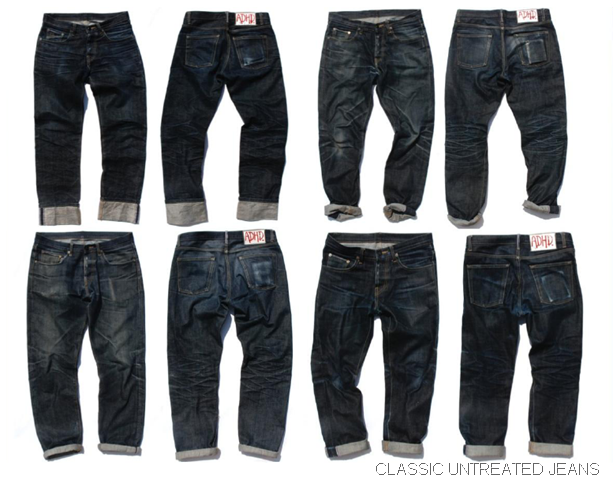
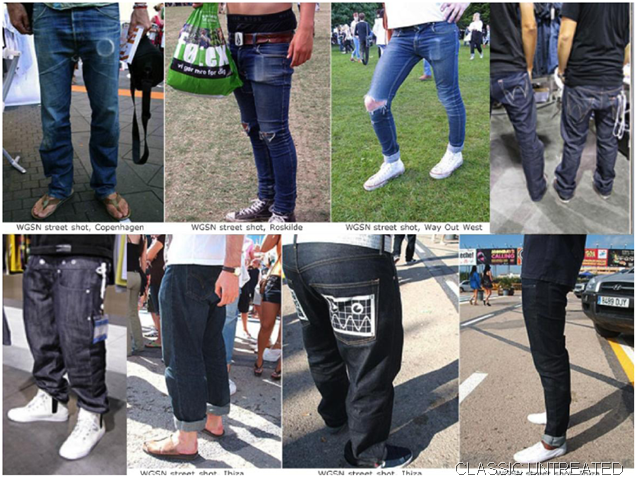
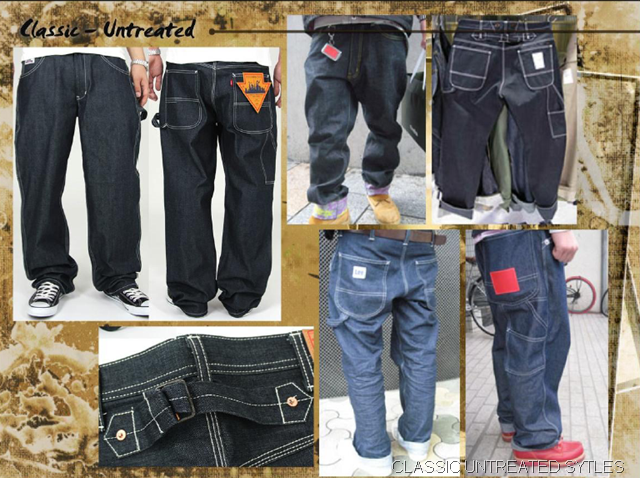
    A.Classic Untreated

    Denim Fabric Trend

    • raw Style – Selvedge
    • 3/1 twills
    • short rings , crosshatch
    • dark indigo
    • 12-15oz weight
    • Suitable for men’s jeans

    Laundry/Finishing Effects :

    • Unwashed
    • Dark Rinse
    • Grunge slashed
    • 3D Whiskers

    denim jeans trends

    denim jeans trends

    Jeans Styling

    • Workers Style
    • 50s 501
    • XL Loose Fit
    • Classic Western Jacket

    denim jeans trends

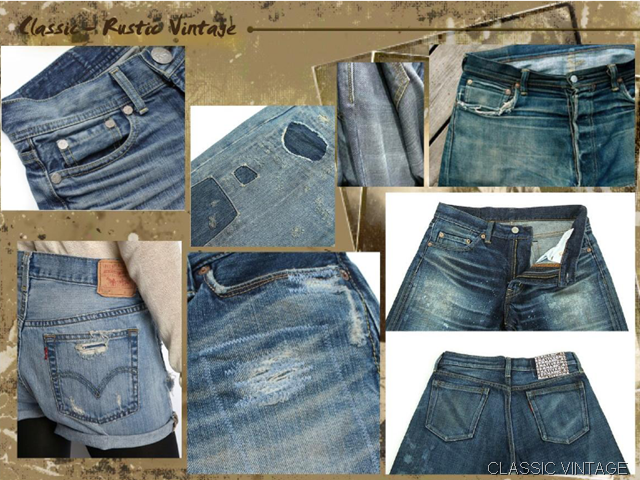
    B.Classic Vintage

    Denim Fabric Trends

    • Vintage Looks with selvedge
    • 3/1 twill, irregular weaves
    • crosshatch ,no slubs
    • Indigo/Grey color, Green Cast Indigo
    • Women’s jeans weight 11-12.5oz weight
    • Men’s jeans weight – 12.5oz to 14oz weight

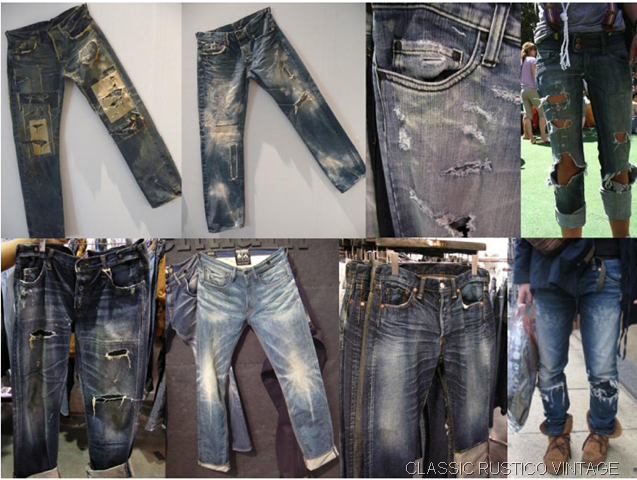
    Laundry/Finishing Effects

    • Stonewashed
    • Aged & faded washing
    • Hi-Low contrast
    • Heavy Tinting
    • Patchwork

    denim jeans trends

    denim jeans trends

    Denim Styles

    • Workers Style
    • Cut-off gilet
    • 70s , 80s classic jacket
    • Boyfriend Fit
    • Daddy shirt for dress..

    denim jeans trends

    denim jeans trends


    This post shall be continued in two more parts listing the other trends as specified by Prosperity Textiles.
    In their own words “

    Our slogan is We redefine denim, our development is not from swatch, but from our understanding with denim trend; For fabric presentation, we build up our own garment design team for garment sampling£¬while we didn’t have real garment business.; When other mills complain that the market is becoming more and more tough, we still kept business growing at 30% these two years. The devil is in the details, and our secret is just in the details”.

    Contact Prosperity Textiles – email here.

  • Denim By Premier Vision Dec 2009 – Trends On Denim Fabrics And Jeans

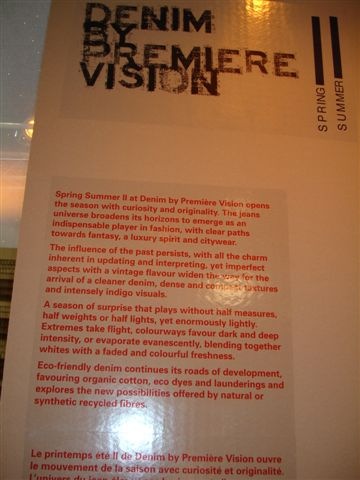
    The December edition of the Denim By Premier Vision  was a successful fair with a good summary of different qualities and finishings. The visitors showed a lot of interest in the new denim developments .


    What Were The New Denim Trends

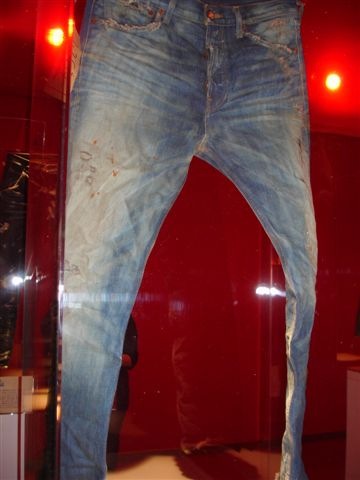
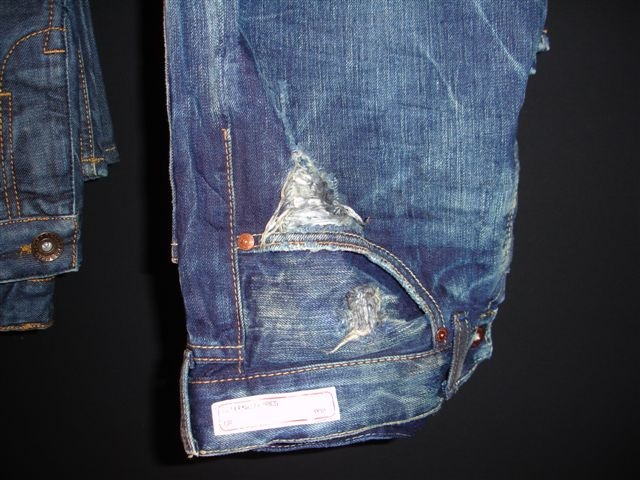
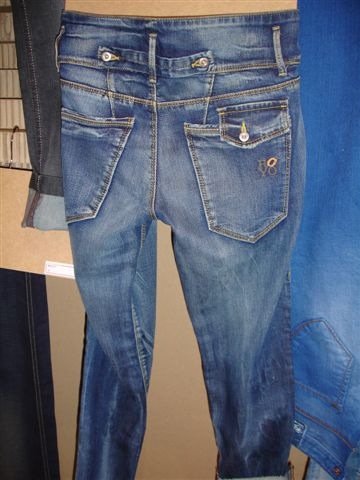
    This was a season of a perfectly imperfect jean. The following effects on denim jeans could be noticed:

    • hard abrasion-  ripped and torn denim!!!
    • dirt and stains .
    • oil marks .
    • very extreme washes!!!! + finishes
    • dirty and paint staining
    • paint and bleach spotted garments
    • holes
    • patch work
    • bleach spots
    • tye dyed (green casts)
    • warp cotton indigo + green fill dyed
    • pu coated jeans (with pigments)
    • permanent wrinkles + no pressing simple blowing of jeans and even without blowing..

    Another noticeable product was HIGH TECH DENIM——- special treatment on denim with special products which improve and activates blood circulation!! . The only question is  the permanancy of this kind of product.

    It was surprising to note that  ECO Denim  was not showing too much — perhaps due to the heavy and extreme washes.

    I could also notice new finishing plants and laundries attending the show.

    It seems that the revival of the jeans is now more concentrated on finishing and very comfortable stretch fabrics.


    Color Denimsystems

    Application of color on the denim was in various forms :

    • with pu coating weft color metallic yarn
    • coating + pu coating -pigment
    • overdying

    Cozy Denim

    Soft denims could be described as the ones with the following materials :

    • Tencel
    • T400/ Lycra
    • Bi-stretch-high stretch-open weaves

    Some Photographs From The Show

    denim by premier vision jeans

    denim by premier vision

    Click on thumbnails to see the larger image..

    mens jeans trends mens jeans trends denim mens jeans trends
    denim trends jeans denim trends jeans denim trends


    image This is a guest post by Rik Vanniewenborgh who has over 30 years experience in Denim Industry. He has worked over 25 years in the VF Corporation (Belgium) in various capacities (including quality control)and has travelled over around the world living and breathing denim. This post is from his recent visit to the Denim By Premier Vision Fair Edition December 2009.Contact him on email here.

    See some of his other posts here

  • Denim Trends For Fall/Winter 2010

    Here are some Denim Trends for F/W 2010-11 for Men’s and Women’s denim contributed by Denimatrix (a vertically integrated producer of fashion denim jeans based in Guatemala City).

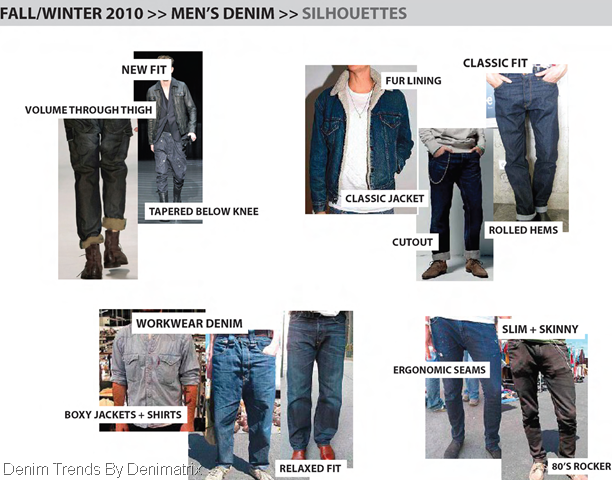
    Men’s Denim Silhouettes For Fall/Winter 2010

    Men’s denim silhouettes mainly include the following:

    • Tapered below knee
    • Volume through thigh
    • Relaxed fit
    • Ergonomic seams
    • Slim+Skinny
    • 80s rocker
    • Cutout
    • Rolled Hems
    • Classic Jackets with fur lining

    Here are the images for these silhouettes :

    men's denim jeans trends 

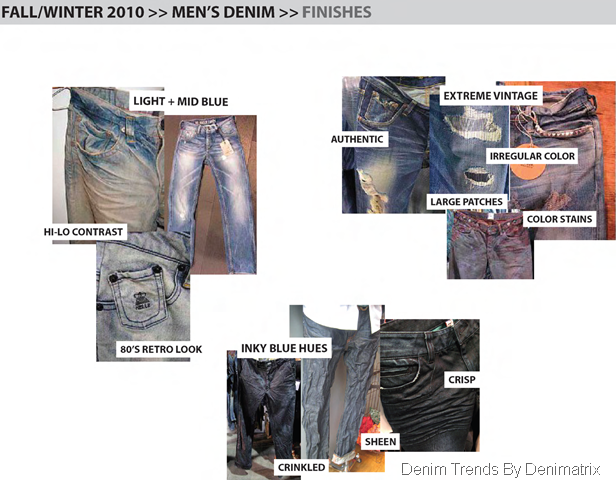
    Men’s Denim Finishes For Fall/Winter 2010

    • Hi-Low contrast
    • Light+Mid blue
    • Extreme vintage look
    • Irregular colors , stains and patches
    • 80s retro look
    • Crinkled
    • Crisp –resin treated

    denim womens jeans trends


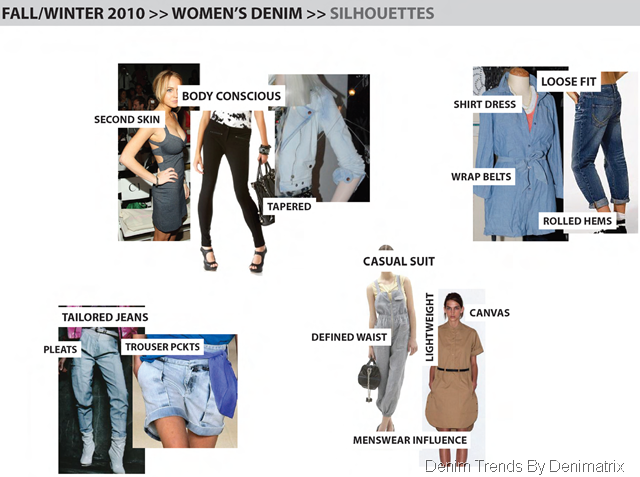
    Women’s Denim Silhouettes –F/W2010

    • Tailored looks with pleats ,trouser pockets etc.
    • Tight skinny fits
    • Tapered looks
    • Rolled hems
    • Denim dresses with wrap belts

    denim womens jeans trends

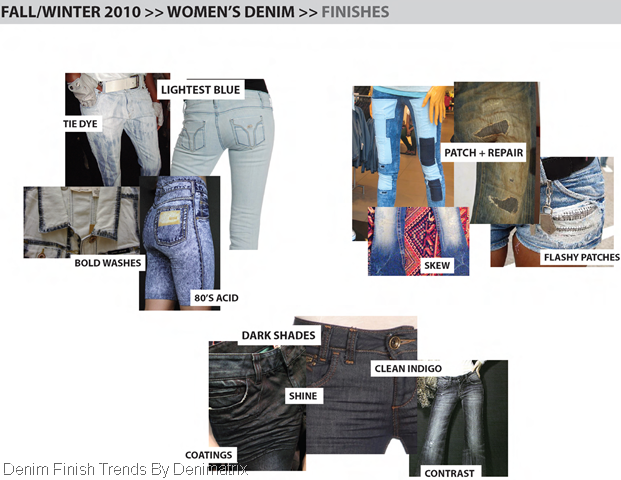
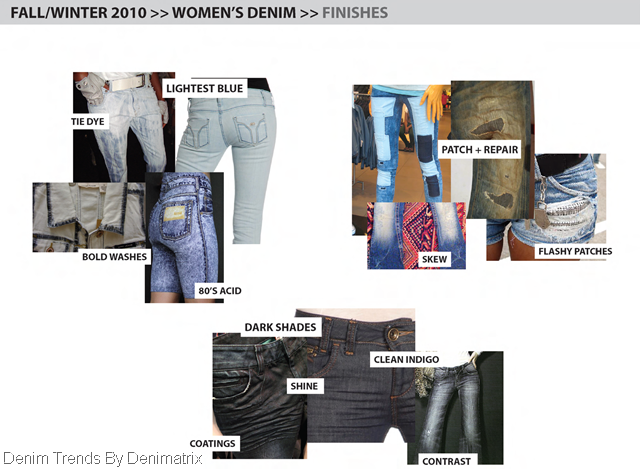
    Women’s Denim Finishes For F/W 2010

    • Tie Dye ,light blues and acid washes
    • Patchy denim
    • Dark shades
    • Clean indigo (mercerised denims)
    • Shines and coatings.

    image


    A/W 2010 – Women’s Denim Trims

    The trends for the women’s denim trims  include unusual placements,beads and rhinestones ,material mixing and more..

    womens denim jeans trims 


    About Denimatrix : A vertically integrated producer of fashion denim jeans based in Guatemala City.
    In their own words “We offer our customers vertically integrated solutions “from the ground up.” Our specialized dry and wet processing capabilities, as well as our focus on fit and construction details of our jeans, give our customers an advantage in this ever- changing marketplace”.

  • Power Jeans On The Rise

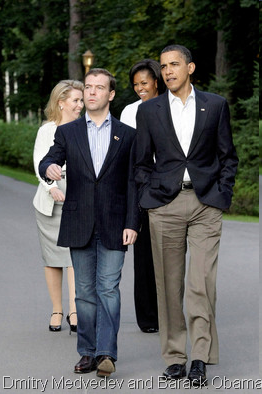
      Dmitry Medvedev and Barack Obama


    “Power jeans are increasingly common in high-ranking business and political circles. Indeed, jeans are now a legitimate part of the global power-dress lexicon, worn to influential confabs where the wearers want to signal they’re serious—but not fussy—and innovative”. This is what Wall Street Journal  says about powerful people wearing jeans – turning jeans into Power Jeans.Whether its the Russian President Dmitry Medvedev  coming to meet Obama or the French President Nicolas Sarkozy with his pretty wife, all appear powerful and relaxed in Jeans.

    Gone are the times when jeans were considered very casual and non-serious. Today, jeans worn properly can reflect that a person is creative ,non-fussy and sometimes even powerful. No surprise that in IT industry jeans are not only well accepted , but  even promoted by tech icons like Steve Jobs of Apple  who is considered by many as the Marlon Brando of his time. So much so that one senior executive of a well know Tech company says about jeans:

    "When someone shows up to an interview or meeting in anything other than jeans, it shows inexperience and a lack of confidence," 

    image

    However, there are still sectors (in US) which look at jeans with suspicion – Banking, Law,Accounting Firms etc. However, this would differ from country to country  as popularity ,acceptability and penetration of jeans changes from region to region.

    But generally speaking, there are lot of No’s of power jeans if you want to get it right :

    • No Skinny Jeans
    • No Distressed Jeans
    • No Embroideries
    • No Baggies
    • No high rise or low rise
    • No Acid washes
    • No Bootcuts ,shorts etc
    • No holes

    To get the power jeans right , try the Yes’s !

    • Dark washes
    • Straight fits
    • Pressed shirt and good shoes with jeans


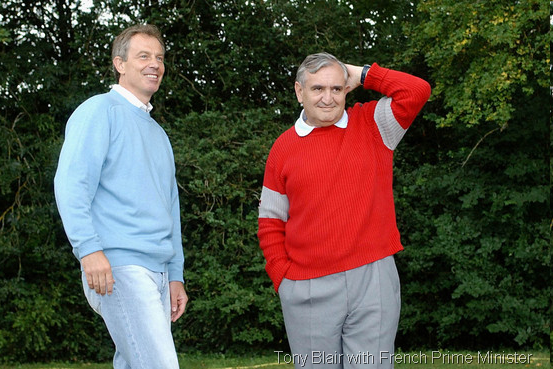
    Tony Blair with French Prime Minister

    And if you want to look really creative , do what Steve Jobs does – wear Jeans with Black Turtles!

    steve jobs jeans apple

    Via WSJ . Images via wsj,Associated Press,Getty Images etc.

    And for the denim industry, powerful people endorsing jeans  is  a good news. Denim consumption can only go northwards  !

  • Denim Trend Analysis – Compare Different Trends, Brands & More

    denim trends

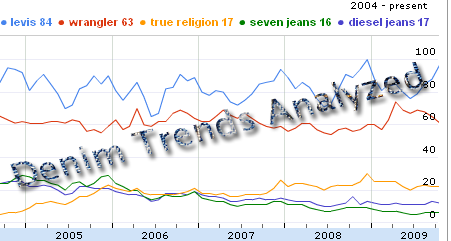
    Denim trends – like all other trends – are always difficult to quantify. Eg though we know that a particular trend is on – eg Skinny Jeans trend – how can we find how this trend compares to another trend – say Wide Legged Jeans . Fortunately there are some tools provided by Google which can help us find the same.
    We have now created a page dedicated to denim trends which will have dynamic charts to help find out

    • What the consumers are looking for in their denims.
    • Which brands they are searching more ..
    • Which trends are getting popular in a time frame of as less as last 1 quarter.
    • How these trends compare with each other relatively – Eg if one trend is having a popularity index of ‘1’ and another is having a popularity index of ‘5’ , we can safely assume that the second trend is almost 5 times as popular as the first trend (though these are always approximations).

    So if you are looking for a dynamic and continuous information on denim trends, bookmark and VISIT THIS PAGE