Category: Environment

  • C&A To Launch Cradle to Cradle Platinum Certified Products

    C&A To Launch Cradle to Cradle Platinum Certified Products

    denimsandjeans

    • C&A has introduced the first Cradle to Cradle Certified Platinum denim fabric . C&A’s Platinum certified denim fabric paves the way for sustainable product innovations.
    • To create the world’s most sustainable denim fabric, created in partnership with Rajby Textiles Limited and Eco Intelligent Growth (EIG).

    An off-white denim,“Beluga Denim” created by a partnership of retailer C&A, Pakistani textile mill Rajby Textiles and circular economy consultants Eco Intelligent Growth (EIG), is claimed to be the first fabric worldwide to be certified at the Platinum level by the Cradle to Cradle Products Innovation Institute, a global non-profit dedicated to transforming the safety, health and sustainability of products through the Cradle to Cradle Certified Product Standard . C&A has been leading the sustainability push. In  2017, the company C&A, became the first retailer to launch Cradle to Cradle Certified Gold T-shirts.

    Beluga Denim for C&A is manufactured with 100% rapidly renewable resources and is fully recyclable although this is achieved through offsetting, rather than emissions reductions, which is not officially recognized by the Science Based Targets initiative (SBTi). To achieve the highest levels of Cradle to Cradle Certified requirements, Rajby, its supplier, Archroma, and C&A teamed up to research and identify the most suitable materials and chemicals for the fabric. The resulting denim is optimized for material health–including the use of Global Organic Textile Standard (GOTS)-certified organic cotton fiber to the process chemicals. As well as, the process produced using a closed-loop process water system specially developed for this project and it is claimed to be 100% carbon neutral  in the final manufacturing stage.

    Garments made with Beluga Denim will launch at retail within about four months.

    Previously Artistic Milliners from Pakistan had also released their first C2C Gold-level fabric with G-Star Raw in 2018, followed by Soorty (also from Pakistan) C2C Gold-level fabrics .

    denimsandjeans

  • Sense the Substance of BIO INDIGO

    Sense the Substance of BIO INDIGO

    Textile Industry is growing big day by day and so the level of pollution. Gradually, the industry has started sensing the urgency for reducing the pollution but the pace for the purpose is a bit slow. The industry has taken few initiatives like the shift from Potassium Permanganate, lesser water consumption, waterless dyeing, Better Cotton Initiative, etc. but still, Natural Dye is the segment that is not explored much yet. Natural dyes can be highly effective in reducing the level of pollution in the Textile Industry. Since emergence, they have normally passed all the certifications and standards without any modification.

    Denim is one of the most preferred articles of style nowadays in the textile world. Blue jeans are most likely what one considers as far as denim is concerned, though usage of denim has gone past the usual pattern and colors. 10% of the whole cotton generation around the world transforms into denim. It indicates the huge demand and popularity of denim around the globe.

    Synthetic Indigo is used to accomplish such huge demands for the denim. Usage of such high quantities of Synthetic Indigo is one of the major concern for sustainability. The textile industry is making praiseworthy efforts for flourishing sustainability but Synthetic Indigo is creating an alarming situation. There have been some attempts at reducing the impact of Indigo dyeing through various process controls etc. However, there can still be no comparison on Synthetic dye with the Natural one.

    Sense the Substance of BIO INDIGO®

    Bio Indigo® By AMA Herbal

    India based company AMA herbal has been producing Bio Indigo® for a long time and they have been at the forefront of pushing Natural Indigo dyes in the supply chain around the world . CEO and Owner Yawar Ali gave us detailed statistics on how the Natural Indigo (Bio Indigo®) can help in greatly reducing carbon footprint as compared to Synthetic Indigo. He stresses :

    ” If we start correcting our surroundings, the world will be a better place. Therefore, preferring a sustainable and environment-friendly dyeing option can be the game-changer. If you want to go for a sustainable dyeing option then you can go for Bio Indigo® . To reduce 10kg of Carbon Footprint from your production, you will require too many things and expenditure whereas if you shift consumption of 1kg of synthetic Indigo to Bio Indigo® you can reduce 10kg of CO2 in lesser expenses and lesser efforts. Bio Indigo® is made to counter the limitations Textile Industry is facing against constantly increasing pollution levels. Life Cycle Analysis (LCA) report clearly states that consuming 1KG of Bio Indigo® results in a 10KG lesser Carbon footprint in comparison to Synthetic Indigo. So, if you are willing to craft a sustainable future, you need to sow its seeds today by initiating for the right. “

    He gives statistics below to prove the difference :

    Sense the Substance of BIO INDIGO®

    AMA Herbal team feels very strongly that Bio Indigo®clip_image001[12] is an unexplored segment and shifting preferences towards Bio Indigoclip_image001[13], a greater contribution towards sustainability can be made. AMA team further gives an example of how the usage of Bio Indigo®clip_image001[14] can affect carbon emissions.

    “World’s total denim manufacture is estimated at around 7.7 billion meters. Out of this total production let’s assume 90% of such manufacture (6.93 billion meters) is used for making blue denim. When we use Synthetic Indigo for dyeing such quantity then it will generate935.13 million kg of CO2 emission, which will certainly dent our ecosystem quite heavily. Now just presume if we are able to shift 20% of 6.93 billion meters from Synthetic Indigo to Bio Indigoclip_image001[15] then how it will impact the scenario? In that situation, we can reduce 36.14 million kg of CO2 emission. It will become a big change. That’s why we are mentioning that Bio Indigoclip_image001[16] is the segment in the textile industry which is not explored much yet. We are endeavoring hard to conquer all the odds and if we become able to shift our dyeing preferences from Synthetic Indigo to Bio Indigoclip_image001[17] it will be a sustainable revolution. It’s time for exploring the unexplored segment…Bio Indigoclip_image001[18]. “ 

    Sense the Substance of BIO INDIGO®

    “Our greener strategies will flourish sustainability if we initiate to shift towards Bio Indigoclip_image001[26]. We all are dedicated entities of the textile industry and endeavoring hard to make it fully sustainable. To bring the inspired change we need to adapt to such change first. Let’s shift to Bio Indigoclip_image001[27] for building greener and more sustainable future” –  Yawer Ali Shah

    Contact AMA Herbal for more details on their herbal dyes at  yawer@amaherbal.com


  • 100 % ? Sustainable Collection By Desigual X Ecoalf

    100 % ? Sustainable Collection By Desigual X Ecoalf

    Waste and raw materials  have been put into great use by Spanish brand , Desigual along with Ecoalf. A collection , claimed to be 100 percent sustainable ,  has been unveiled by the brand recently. This collection is made  entirely from recycled and reusable materials using the textile waste thereby being more environment friendly. Ecoalf is the first fashion brand in Spain to become B CorpTM .

    Desigual , with  the help of Ecoalf produced this collection as a “ Gift Waste” that is 100% love for everybody and our planet . Ecoalf originated in 2009 with the idea  to create a sustainable fashion brand and in the current collection created jackets, bags, sneakers and a lot more from the waste like plastic, textile waste etc. Enhancing the concept of reuse, reinterpret, rethink and relove, the brand has tried to have its own footprint on the sustainability road .  With technology , it made the capsule with recyclable materials.

    A second version of the iconic denim jacket has been created which was originally created by Thomas Meyer in the 80s from denim scraps with leather embellishments of different colours. The jacket is made with patchwork and scraps of vintage jeans.

    100 % Sustainable Collection By Desigual X Ecoalf  | Denimsandjeans

    100 % Sustainable Collection By Desigual X Ecoalf  | Denimsandjeans

    100 % Sustainable Collection By Desigual X Ecoalf  | Denimsandjeans

    100 % Sustainable Collection By Desigual X Ecoalf  | Denimsandjeans

    100 % Sustainable Collection By Desigual X Ecoalf  | Denimsandjeans

    Some other non-denim articles launched are below. The 2in 1 reversible jackets are made from 100 % recycled nylon.The trainers and sneakers are made from recycled polyester from plastic bottles. The lightweight and waterproof bags are made using 20 per cent less water consumption, 50 per cent less energy and 60 per cent less CO2 emissions – as claimed by the brand. However, as always, there is no way to measure these claims.

    Javier Goyeneche, president and founder of Ecoalf, said in a statement: “Reducing environmental impact is everyone’s responsibility. This is why alliances between fashion industry companies are essential to continued progress towards a model that facilitates sustainable fashion manufacturing.“Joining forces with Desigual in this effort to pair their unique designs and creativity with sustainability and a commitment to the environment is both challenging and satisfying.”

    100 % Sustainable Collection By Desigual X Ecoalf  | Denimsandjeans

    100 % Sustainable Collection By Desigual X Ecoalf  | Denimsandjeans

    100 % Sustainable Collection By Desigual X Ecoalf  | Denimsandjeans

    100 % Sustainable Collection By Desigual X Ecoalf  | Denimsandjeans

    100 % Sustainable Collection By Desigual X Ecoalf  | Denimsandjeans

    100 % Sustainable Collection By Desigual X Ecoalf  | Denimsandjeans

    100 % Sustainable Collection By Desigual X Ecoalf  | Denimsandjeans

    For more information on the capsule , visit here.

  • Brands, Fabric Mills & Manufacturers Join Jeans Redesign Initiative

    Brands, Fabric Mills & Manufacturers Join Jeans Redesign Initiative

    In February 2019, Make Fashion Circular brought together a group of industry experts in an intensive workshop, to collaboratively test and further develop a common vision of what good looks like for jeans. As an outcome of the workshop, a draft set of Guidelines were produced for the Jeans Redesign, these have been tested and iterated with representatives from brands, garment manufacturers, fabric mills, recyclers, and academics in addition to those present on the day.
    The result of this work is a set of co-developed Guidelines that define a starting point for the industry to design and produce jeans in accordance with the principles of a circular economy at scale. The Guidelines are divided into four areas: durability, material health, recyclability, and traceability. This document lays out the definition of terms in each area, the detailed requirements that must be achieved as a minimum, and the process for validating these achievements.

    Thus The Ellen MacArthur foundation launched its JEANS REDESIGN initiative.This initiative aims to make the jeans manufacturing process a circular process.This initiative promises to  meet guidelines including minimum requirements on garment long lasting capability , using material which is good for environment and the workers , recyclability and traceability. The Jeans Redesign was created by Make Fashion Circular Initiative by British Circular Economy Charity.The Ellen MacArthur Foundation has extended these norms to allow fabric mills and manufacturers to join the project.

    GUIDELINES

    Durability – Garments should have labels with clear information. Jeans should withstand a minimum of 30 home laundries.

    Health – Jeans manufacturing should be free of chemicals and organic methods must be used to ensure the environment safety.

    Recyclability – The materials or accessories used in the jeans should be easily removable for re-use and re-cycle. Jeans should be made with 98% cellulose fibers.

    Traceability – The garments with the Jeans Redesign logo should be traceable and easily available.

    The foundation was launched in 2010 to make the economy circular. Make Fashion Circular was launched by UK charity the Ellen MacArthur Foundation at the Copenhagen Fashion Summit 2018.

    For joining the Jeans Redesign initiative, the mills must fulfill the guidelines for ZDHC (Zero Discharge Hazardous Chemicals) including testing and produce less than 0.025 MN of wastewater per yard.This initiative aims to improve jeans manufacturing, track the waste management  and is developed for denim heads from brands, retailers, manufacturers, sorters etc.

    “More companies joining the Jeans Redesign demonstrates the appetite in the industry for practical solutions that support the transition to a thriving fashion industry, where all our clothes are used for longer, are made from safe and renewable materials, and are made to be made again. This kind of industrywide shift needs companies from across fashion to work together,” Make Fashion Circular’s Francois Souchet said in a recent statement.

    How To Participate

    To take part in the Project, Participants must specify how their jeans will meet the Jeans Redesign Guidelines, and how they intend to accelerate progress against the Guidelines beyond the minimum requirements set out.
    Participants will detail the validation methods that will be used to confirm the Guidelines have been met. This information will be provided on the Participation Form and, unless otherwise stated, will be publicly disclosed as part of the reporting progress by the Ellen MacArthur Foundation on behalf of Make Fashion Circular.
    Participants are encouraged to disclose the percentage of jeans produced that will meet the Guidelines in either their annual report or sustainability report to offer a benchmark for progress. In addition, Participants are requested to disclose the number of their jeans produced that will meet the Guidelines to Make Fashion Circular which will publish the figure as an aggregated number for all Participants.
    By the end of May 2021, Participants will be required to submit the Report Form to Make Fashion Circular to confirm that they have met the initial agreed specifications, to share any deviations from this original specification, and to provide details of how these meet each element of the criteria. To comply with its charitable objectives, the Ellen MacArthur Foundation on behalf of Make Fashion Circular will make the information submitted on the Report Form public on the Make Fashion Circular website. Make Fashion Circular encourages third-party verification or assurance of reported data where appropriate. If Participants confirm this has been obtained, this will be included alongside the Participant’s reported data. Make Fashion Circular do not verify or audit the data provided to it, and this is then reported on an ‘as is’ basis.
    Participants need to  provide high-level information about the type of third-party organisation who will
    perform the verification or assurance exercise, and any plans for future development of verification or assurance processes for the data reported. It is the responsibility of each Participant to make available on request information on the third-party verification that confirms compliance with any element of the requirements set out in Guidelines. Participants meeting the logo terms and conditions will be granted permission to use the Jeans Redesign logo on jeans produced in line with the Guidelines. Use of the Jeans
    Redesign logo will be reassessed yearly, based on compliance with reporting requirements.

    Participants

    Over thirty leading brands, manufacturers and fabric mills are using the Guidelines to make jeans that will be available on the market by Autumn 2020. The members currently joined the foundation include H&M, Tommy Hilfiger, Lee,Guess, Ateliers and Repairs as Brands. Advance denim mill, Artistic Miliners, GAP,  Cone Denim, House of Gold (through Blue Diamond: Xingtai H&J Textiles Co. Ltd), Prosperity Textiles, Soorty as Fabric Mills. BESTSELLER (through the VERO MODA brand), Boyish Jeans, C&A, GAP, Hirdaramani, H&M Group (through the H&M and Weekday brands), Saitex , HNST, Kipas, Lee®, Mud Jeans, Arvind Limited as manufacturers.

  • Natural Dyes – Confronting Prejudice of Synthetic Arena

    Natural Dyes – Confronting Prejudice of Synthetic Arena

    Does ecological balance is at stake? It doesn’t seem much in daily life but it is gradually changing social and environmental scenarios on a global level. What are we doing presently will silhouette the tomorrow for sure? Emerging toxicity is slowly choking purity and mineral equilibrium of air and water resources. What are the reasons behind such colossal pollution?
    There are plenty of other reasons but being the second largest source for emerging pollution Textile Industry is heavily affecting the ecological balance.

    Is there any sense of self-realization in the Textile Industry?

    If we compare the depiction from the phase a few decades ago, it can be said that Textile The industry has started sensing the utility of sustainability and collective efforts are made towards maintaining the ecological balance.

    Is something still there restricting the industry from making more impactful efforts to reach sustainability? Yes, there is, and it’s the hesitation to acclimatize the change and being distinct from the rest. A sense of realization is certainly there, but having a will to acclimatize the change may take time. People have worked on several areas of Textile from Supply Chain to Processing to Finishing but Natural Dye is a kind of unexplored area.

    Textile Industry is probing a permanent solution for sustainability since 1995. Millions of dollars are done and dusted; even then the situation has not changed much. In the year 1995, Azo dyes were banned due to the presence of hazardous substances. It is quite surprising to know that a cotton fabric comes in contact with around 800 chemicals until it transforms into a final product. At that time, only 70-80 hazardous substances were researched and banned to use in dyes. Research on substances is a constant process and as per the outcome of research, bans are levied on substances. Therefore, a synthetic dye which had passed the previous certification may fail in the next. This is the reason industry hasn’t witnessed an inspiring change in
    emerging toxicity.

    What is such change and what is the most prolific solution for sustainability? Probably one of the answers is Natural Dyes. Since emergence, Natural Dyes have passed all the certifications and standards without any modification.

    Veracity of Aniline-Free Products

    One of the common things happening is that a product that is made a bit different from the existing ones is highlighted or promoted as a unique product. It can be sensed sometimes that concern has been shifted towards making unique product rather than making right, safe and environmental-friendly product. For instance, if you look at the hair dye segment, products are promoted by stating they are ‘Ammonia-Free’. But the matter of fact is different as Ammonia is not a color giving component, its PD that provides color to hair-dyes and until it remains in the component, hair- dyes stay allergen.

    We were speaking to the owner of AMA Herbal – Mr Yawar – and according to him he has a solution which the denim industry must look at – the BIO INDIGO (Natural Indigo) . He says :

    “If you are finding a product which is unique then you can go for the Aniline-Free product but ifyou like to go for a product which should be environmental friendly and sustainable as well you should go for Bio Indigo.”

    He further stresses

    “Bio Indigo absolutely justifies the realism of sustainability. Life Cycle Analysis (LCA) reports also clarify that Bio Indigo certainly has an upper hand in improving the sustainability. It is good to know that consuming 1KG of Bio Indigo results in 10KG lesser Carbon footprint in comparison to Synthetic Indigo. People usually talk about the ecological sustainability but sustainability actually relies on three vital pillars i.e. Society, Economy and Ecology.”

    Further adding some spin off benefits of using this indigo , he mentions :

    “It’s good to know that people are showing their apprehension towards ecological sustainability but the rest two pillars can’t be left behind. When you consume 1KG of Bio Indigo it gives one day wages to two people in rural areas. Such earned money gives them a social and economical strength and they utilize it for education of their kids and for betterment of their family as well. This is why Bio Indigo completely justifies the absolute meaning of sustainability as it is strengthening all its pillars. Now it is your call as which sustainability is more important for you an Aniline-Free product or a product that is enriching life along with maintaining the ecological balance. The choice belongs to the consumer. “

    images_thumb2

    Contact Mr. Yawar for more info at this email – yashah@amaherbal.com

    Disclaimer: This article has been contributed by AMA Herbal and represents their views

  • Denimsandjeans Speaks To Guess And Lenzing Fibers On Their Recent Collab

    Denimsandjeans Speaks To Guess And Lenzing Fibers On Their Recent Collab

    This fall 2019, GUESS launched GUESS Eco: a collection for men and women made with environmentally conscious materials and manufacturing processes. The collection supports the brand’s sustainability goal to develop 25% of its denim and source 20% of its materials* according to its GUESS Eco guidelines by 2021. The GUESS Eco collection started in Europe in 2016 and is now offered globally every season.

    Utilizing water-saving techniques and environmentally friendly practices, all GUESS Eco denim this season, as well as select non-denim styles, features Lenzing’s TENCEL™ Lyocell. TENCEL™ branded fibers are derived from responsibly managed forests protected from illegal forest management practices.

    GUESS’s Eco Luxe denim, available in six different styles and washes, features TENCEL™ lyocell with REFIBRA™ technology – an innovative process that helps to reduce industry waste by upcycling cotton scraps from manufacturing. The brand’s classic 1981 Skinny and Sexy Curve fits have been developed with Eco Luxe denim fabrication, and can be outfitted with logo and graphic t-shirts and tanks made with 100% Organic cottons well knit tops and dresses made with Lenzing’s TENCEL™ Modal. For men, Eco Luxe slim tapered denim jeans in light to medium washes are seen alongside Super Skinny and Skinny style fits.

    “Guess Eco started as a grassroots initiative from our sustainability and product design teams, and has quickly grown into an important Company initiative. At GUESS we are responding with our resources and our strong commitment to change. The world is watching iconic brands like GUESS and asking ever more demanding questions about the impact we create with everything we do. Our promise is to make a conscious effort to offer high quality products designed with the environment and our communities in mind. I am very proud to see how our associates are using this incredible business as a force to make this world a better place.” – Carlos Alberini, CEO of GUESS?, Inc.

    “The evolution of the GUESS Eco denim to include TENCEL™ x REFIBRA™ brings circularity to denim by utilizing cotton scraps without compromising quality or aesthetics. With the technology in fiber developments, GUESS is on a path to reduce its environmental footprint. We are pleased to partner with GUESS as they raise consumer awareness with educational messages across digital and retail platforms.” – Tricia Carey, Director of Global Business Development, Lenzing.

    Denimsandjeans Spoke to Guess and Tencel to understand more on this special collection :

    Q&A with Guess – Ms Cecilia Hands

    • You have a sustainability goal of reaching 25% denim and 20% of materials as per Guess Eco guidelines. Can you tell us more about it?
      Sustainability is a growing movement in our company and we wanted to set short term goals we could reach to benchmark our progress. So far, we are on track to meet or even exceed these goals. The 25% denim goal pertains only to GUESS Brand. The 20% materials portfolio goal pertains to all GUESS brands.
    • Please tell us the background of your collaboration with Tencel and how does this collaboration help you to achieve your sustainability goals recently unveiled?
      TENCEL is a branded, certified sustainable material from Lenzing. Lenzing is a preferred fiber provider because they are industry leaders in sustainable fiber production. Their processes are certified at every stage of the fiber production process as sustainably sourced, energy efficient and waste efficient.
    • How is Eco-Luxe Denim Collection different from your previous collections?
      The Eco Luxe Denim is a fresh iteration on our classic denim styles, with sustainable components that never compromise quality.
    • Do you have long term plans to reach higher goals of sustainability as some other brands are targeting?
      Our 2021 GUESS Eco goals are ambitious yet achievable. We intend to meet our goals so that we can set the bar higher for ourselves and our products in the long term. However, our sustainability reporting is third-party verified to assure the trust and integrity of reporting, which can sometimes require us to be more conservative than our peers, who do not have 3rd third party validation of their sustainability metrics.
    • Do you think the final consumer is ready to pay extra to buy sustainable denim even though a the cheaper but not sustainable option is readily available?
      Our goal is to recreate our classic styles in sustainable fabrics without compromising our price points. Although sustainable apparel can sometimes be more costly, we strive to offer our customers a luxury experience at accessible pricing.

    Q&A with Lenzing Fibers (Tencel) – Ms Tricia Carey

    • Lenzing has been working hard towards increasing the sustainability of the global fashion industry. How important is a collaboration with Guess in this direction?
      It was important to collaborate with Guess to support their strategic goals lowering the environmental impact, without compromising style and quality.  Guess established a viable fiber strategy, as well as an educational platform for their team.  Throughout the development process the Guess team was inquisitive and eager to learn.
    • Your most products have different elements of sustainability. Refibra is one of them. Can you enumerate how you would rank your own products from a sustainable angle?
      The Lenzing portfolio of fibers includes LENZING™ ECOVERO™ viscose, TENCEL™ Modal and Lyocell; all produced under our global pulp policy.  We offer manmade cellulosic options to support the sustainability strategies of brands and retailers across various product categories and price levels.  One of our latest developments is TENCEL™ Lyocell with  REFIBRA™  technology bringing circularity to textiles using cotton scraps to make new TENCEL™ lyocell fibers.  There is no compromise to strength or comfort with TENCEL™ x REFIBRA™ Denim.
    • How good, do you think, is the march of the global denim industry towards sustainability?
      Each season the denim industry is attempting to tackle the global sustainability challenges from fiber to finished products to consumer use. It is complex to address the water, chemical, energy, social issues and more impacting the denim industry.  At the same time we are faced with the factors of increased consumption, investment costs, greenwashing and price demands.  There certainly is a realization that we have to change our ways during this era of global sustainability revolution.

    Here are some images from the launch of Guess Eco Luxe Denim Collection :

  • Gap-Arvind Partnership Aims At Reducing Water Usage In Textile Industry

    Gap-Arvind Partnership Aims At Reducing Water Usage In Textile Industry

    Water pollution has been a major problem in the apparel industry and major giants have been implementing various measures and technologies to overcome it.The American clothing retailer GAP Inc. has partnered with sourcing and franchise partner in India, Arvind Ltd. to open an Innovation Centre with technologies and methods to curb the rising problem of water waster in the textile industry.

    The Innovation Centre

    Gap-Arvind Partnership Aims At Reducing Water Usage In Textile Industry | DenimsandjeansPicture Credit : GAP Inc

    The 18000 square foot plant will be opened in Ahmedabad, India next year that will analyse and research on the ways to reduce the water waste.The investment is being made in a water treatment facility also that will reduce the use of fresh water at the Arvind’s mills in India by reusing the water from the plant.The facility will save three billion liters of fresh water by the end of next year and preserve the local community’s vital freshwater resources, as per GAP and ARVIND’s estimates.This space will also include best techniques, a library, classroom trainings , conference space and lab space to develop water management ways. Gap believes that after the completion of this innovation center, various other laundries and mills will scale the technology to preserve the water from being getting polluted.

    Gap-Arvind Partnership Aims At Reducing Water Usage In Textile Industry | DenimsandjeansPicture Credit : GAP Inc

    “The apparel industry is one of the most intensive users of water in the world and, in India, 54 percent of the population faces high to extremely high water risk,” as mentioned in the Gap’s press release.

    The technology that will be used in the center is MBR-Membrane Bio Reactor which treats the waste domestic water for reusable purposes without involving any chemicals and without disturbing the fresh water levels.The current fresh water consumption of Arvind is eight million liters per day. This practice will eventually reduce the water usage from local community and will enhance business for both GAP and Arvind thereby reducing the local water scarcity issues.

    “Traditionally, manufacturing apparel has been a water intensive, water wasting process,” says Art Peck, president and CEO of Gap Inc.

    Gap-Arvind Partnership Aims At Reducing Water Usage In Textile Industry | Denimsandjeans
    Art Peck,president and CEO of GAP

    Once the treatment of water will start, the water cleaning process will pace up and benefit the mills as well as the local community.This is highly required in India where 70% of the water is contaminated and a large number of people do not have safe drinking water.This partnership will be a large step in making the environment more sustainable.

    “The industry has been a borderline irresponsible consumer of water across many of those processes,” Gap Inc. Chief Executive Officer Art Peck said in an interview. “For us, this was a step forward.”

  • Sustainability Report 2018- NUDIE JEANS

    Sustainability Report 2018- NUDIE JEANS

    NUDIE JEANS, a Swedish denim brand which was founded in 2001, recently launched its Sustainability Report for FY 2018. The company has a sale network in over 50 countries and has recently opened 31 Nudie Jeans Repair Shops, all of them offering Free Repair service. The Repair shops are located in Gothenburg, Stockholm, Oslo, London, Munich, Malmö, Zurich, Barcelona, Berlin, Sydney, Melbourne, Brisbane, Tokyo, Nagoya, Osaka, New York, Amsterdam, and Los Angeles. In 2018, the brand has reported a turnover of EUR 34.9 million.

    Nudie has been focusing on Sustainability for few years now . In 2017, the brand claimed to achieve 100% organic cotton in all cotton products and in 2018, they launched Re-use (reselling old jeans)  Online and Free Repair Shops initiatives under their recycling program and also they let go of leather on denim and have moved on to patches made with paper .

    In 2018 they sold around 2,900 pairs of Re-use jeans  and collected around 10,500 pairs of old Nudie Jeans in their Repair Shops. This is an increase of 3,000 pairs compared to 2017, and the brand is hoping to have more and more people who could come and return their jeans which are of no use to them. This enables them to prolong the life of the cotton fiber, regardless of whether this is as a pair of Re-use jeans, patches, new accessories or as a new fiber blend in a new pair of jeans. In 2018 they also repaired 55,173 pairs of jeans which collectively saved 44,000 kg of clothes from being thrown away and 386, 000, 000 liters of water. For the full year of 2018, the company also claimed to produce 98.8% sustainable products and for them, a garment or an accessory is sustainable only when it contains at least 70% sustainable materials. The company also got featured in ‘Fair Wear Foundation’ Leaders category for the 5th year in a row.

    The company has further launched several initiatives to achieve its sustainability goals which you will find later in this report.

    FACTORS OF SUSTAINABILITY


    A. Materials Used

    1. Organic Cotton: Nudie Jeans only uses organic cotton since 2017. According to reports, the company revealed that around 85% of the organic cotton used for Nudie Jeans products is being sourced from Turkey and the second largest sourcing country for cotton in India. In 2018, a total of 386,398 kg organic cotton was used, including organic Fairtrade cotton, which makes up 95 % of all material use. In 2018, total 12,890kg of organic Fairtrade cotton was used.

    2. Recycled Cotton: During 2018, the company used recycled cotton in a few of their tops i.

    3. Polyester: In 2018, the brand introduced the use of recycled polyester as the main material in a few of their styles. In 2018, 1,466 kg of recycled polyester and 1,765 kg of virgin polyester were used.

    4. Lyocell: In 2018, 31 kg of TENCELâ„¢ Lyocell to produce Nudie Jeans products was used and In the coming year, the company would like to increase the use of TENCELâ„¢ Lyocell .

    5. Wool: In 2018, the company has used only recycled wool, 1,685 kg in total, for their products.

    6. Leather:  According to the report, the brand works only with such Leather Suppliers who are Gold rated, according to The Leather Working Group. Out of the 2 leather jacket styles they made in 2018, one is made in semi-vegetable tanned leather. The majority of leather accessories were made in full vegetable-tanned leather. This is one way of decreasing chemical use in the leather industry, but until the company can guarantee that the animal comes from a certified organic farm, Nudie Jeans will not define their leather products as sustainable. In 2018, Nudie Jeans used 751 kg chrome-tanned leather and 1,544 kg vegetable-tanned leather.

    7. Jacron: In 2018, the company stopped using leather patches on denim and replaced them with a Jacron patch. Jacron is a material made of FSC-labeled cellulose fibers and acrylic polymers. Offering leather free denim was a natural step in Nudie Jeans´ sustainability journey. In 2018, 1,502 kg of Jacron was used.

    8. Trims: All of Nudie Jeans’ buttons, rivets and snap fasteners are claimed to be made under environmentally safe (EMAS) and transparent conditions by Berning & Söhne in Germany. They source threads from Coats and zippers from YKK and are bought locally by their nominated suppliers in each supplier country. The booklets in the back pocket of each pair of jeans are made in Denmark by A-tex and the paper used is FSC-certified. The woven Nudie Jeans tag and paper waist tag are made in Turkey by A-tex, and the paper bag for underwear is made locally in India with recycled cotton. The Jacron patch is made from FSC-labeled cellulose fibers and is produced for Nudie Jeans in northern Italy. In 2018, the company is still working with plastic buttons made in Portugal for shirtings. In 2018, 2,581kg of copper, 689 kg stainless steel, 102 kg zink and 324 kg of polyamide was used for all the metal buttons and rivets.

      Though these volumes don’t look huge, we need to remember that Nudie is a small brand which is making efforts to be sustainable at different stages of their production processes. Sustainability Report 2018 –NUDIE JEANS

    CHEMICALS

    According to the Sustainability Report 2018, Nudie Jeans took several measures in order to reduce the use of the chemical. The company decided to only work with suppliers with approved wastewater systems, as chemicals released with wastewater are a large source of chemical pollution. Nudie Jeans requires all of its suppliers, whether production is outside or within Europe, to comply with European legislation and regulations on chemicals.

    All Nudie Jeans suppliers must sign and follow their Chemical Policy, including their Restricted Substance List (RSL) which is based on the European chemical legislation REACH, but with stricter limitations for many of the listed chemicals. In 2018, Nudie Jeans continued to map which denim qualities and washes could be made according to GOTS criteria, and have encouraged their suppliers to become GOTS certified or to increase their use of GOTS certified chemicals. No % reduction of chemicals during 2018, was revealed in the report.

    TRANSPORT

    For outgoing shipments from the warehouse in Sweden, Nudie Jeans use trucks for delivery in Europe and airfreight for all other destinations. According to the report, the company is planning to allow the suppliers to deliver according to the timeframe decided to avoid airfreight where possible and to promote sea fright.

    In 2018, the total CO2kg emissions from transports increased by 5% compared to 2017. Both incoming and outgoing deliveries increased their emissions by 5% each. The increased emissions in 2018 were due to growing delivery volumes. Airfreight deliveries to customers have intensified, largely due to the fact that Nudie Jeans’s online business has grown by over 16% in the last year.

    Sustainability Report 2018 –NUDIE JEANS

    TRANSPARENCY

    For Nudie Jeans, transparency is a key part of the sustainability work. All the production data is visually displayed on their website where one can click on the products and receive detailed information about the production premises. The Production Guide is updated four times a year according to the season presented in the Repair Shops.

    They also publish Production Guide which is very comprehensive and enables the user to access the information on audit procedures, materials, transportation, audit summaries, and general supplier info. They have also mapped all suppliers and subcontractors working with their products, including sewing, laundry, packing, and printing. The raw material suppliers are mentioned with links to their websites.

    Sustainability Report 2018 –NUDIE JEANS

    WORKPLACE

    Nudie Jeans, in additions to their collections, believes its employees one of the most important resources as they offer the vigor and strength needed. The company has 171 employees globally and the Head Office in Go – Gothenburg employs 70 people. The management group consists of 11 members. The Head Office covers all aspects of the business including design, product development, sustainability, wholesale, retail, e-commerce, finance, marketing, supply chain management, customer service, IT and HR. The majority of the employees at Nudie Jeans Marketing are employed full-time. Numbers from 2018 show that only 6% of all employees worked part-time, of which 1.5% are men and 4.5% are women. All Nudie Jeans employees with children are entitled to parental leave. In 2018, a total of 11 people were on parental leave, 45% men and 55% women. All employees that were on parental leave have returned to work. In 2018, a total of 54 employees were on sick leave, 29 men and 25 women. In total, these employees were absent for 3,550 hours. Men account for 44% of this leave and women 56%.


    Crescent Booth At My Earth My Denim

  • Affordable Sustainability Effort By H&M:Clothes Made From Pineapple Leaves, Orange Peels, and Algae

    Affordable Sustainability Effort By H&M:Clothes Made From Pineapple Leaves, Orange Peels, and Algae

    “ The 3 R’s – Reduce , Reuse and Recylce “ – the concept has been taken out of theories and has been implied in practical life not only in our daily lifestyle but in the fashion world since long. Sustainability has taken center stage with  big brands and retailers having employed a number of environment friendly processes in their productions downline. However, organizations like H&M are trying to go a step further . They are trying to create clothes from plant material that is not usable otherwise. Its hard to imagine the dresses made from fruits and their peels !! Or  fabric made with algae !. Not only organic cotton and natural dyes are a part of the sustainable solution, but the future lies in alternative methods and techniques which can save the mother earth along while creating beautiful fashion .

    H&M’s latest Conscious Exclusive collection which introduces three materials the brand is using for the first time: Piñatex, a leather alternative made from the cellulose fiber of pineapple leaves (which become waste after the fruit is harvested); Orange Fiber, a silk like fabric made from the peels of oranges at the end of the juice production cycle; and BLOOM Foam, a high-performance foam made from algae biomass, which “cleans the environment and reduces the risk of algal blooms while reducing our dependence on fossil fuels,” according to the company’s website.

    The unexpected mix of feminine flounces and sporty silhouettes, florals and shimmering surfaces make this collection fun, liberating and unique.The knotted slide sandals have BLOOM foam soles,  the abstract floral dresses and suits utilize Orange Fiber, the patchwork cowboy boots are made with beige and metallic Piñatex. The collection is extremely SMART and shows new ways to create fashion.H&M is trying to be a global leader in its sustainability efforts and its recent Sustainability Report  does speak volumes about the seriousness of the efforts of the retailer.

    Expect many more  surprises to come from H&M in the sustainable world as their goals have been set for customers’ benefits as claimed by Ann-Sofie Johansson, H&M’s creative advisor.

    Check out more about this  fascinating collection here!

    Affordable Sustainability Effort By H&M:Clothes Made From Pineapple Leaves, Orange Peels, and Algae | Denimsandjeans

    Affordable Sustainability Effort By H&M:Clothes Made From Pineapple Leaves, Orange Peels, and Algae | Denimsandjeans

    Affordable Sustainability Effort By H&M:Clothes Made From Pineapple Leaves, Orange Peels, and Algae | Denimsandjeans

    Affordable Sustainability Effort By H&M:Clothes Made From Pineapple Leaves, Orange Peels, and Algae | Denimsandjeans

    Affordable Sustainability Effort By H&M:Clothes Made From Pineapple Leaves, Orange Peels, and Algae | Denimsandjeans

    Affordable Sustainability Effort By H&M:Clothes Made From Pineapple Leaves, Orange Peels, and Algae | Denimsandjeans

    Affordable Sustainability Effort By H&M:Clothes Made From Pineapple Leaves, Orange Peels, and Algae | Denimsandjeans

    Affordable Sustainability Effort By H&M:Clothes Made From Pineapple Leaves, Orange Peels, and Algae | Denimsandjeans

    Affordable Sustainability Effort By H&M:Clothes Made From Pineapple Leaves, Orange Peels, and Algae | Denimsandjeans

    Affordable Sustainability Effort By H&M:Clothes Made From Pineapple Leaves, Orange Peels, and Algae | Denimsandjeans

    Affordable Sustainability Effort By H&M:Clothes Made From Pineapple Leaves, Orange Peels, and Algae | DenimsandjeansPicture Courtesy : H&M

  • H&M Sustainability Report 2018

    H&M Sustainability Report 2018

    Hennes & Mauritz AB, a Swedish multinational and also one of the biggest clothing-retail company, has recently released its SUSTAINABILITY REPORT for 2018. In 109 pages of the report, the company has reported its efforts towards sustainability and also the future plans to enlarge the ambit of sustainability in its entire supply chain. Before we move towards the key highlights of this report, let’s look at some key figures of H&M below. Currently, the company operates in 71 markets with 4968 physical stores and have online shopping facility in 47 markets which collectively bring 22,696 million USD of net sales. The company is currently working with 2383 factories globally and has claimed to 800 million customers on an annual basis.

    H&M Sustainability Report–2018

    As stated in the report, the company has categorized its vision and strategy under the following three key ambitions:

    100% LEADING THE CHANGE

    1. Promote and scale innovation
    2. Drive transparency
    3. Reward sustainable actions

    100% CIRCULAR & RENEWABLE

    1. A circular approach to how products are made and used
    2. Use only recycled or other sustainably sourced materials
    3. A climate positive value chain

    100% FAIR & EQUAL

    1. Fair jobs for all
    2. Inclusion and diversity

    “From the beginning, our role has been to democratize fashion. Today, that means making it sustainable: it’s the only way we’ll keep making great fashion and design available today, tomorrow and for generations to come. We will continue our work to lead the change towards a sustainable fashion industry”, says Anna Gedda, Head of Sustainability H&M Group.

    H&M Sustainability Report–2018

    FACTORS OF SUSTAINABILITY

    RECYCLING

    As per the released report, the company claimed to recycle 57% of all materials used during the course of production/manufacturing in 2018 which is 23% more than what they had last year. So far as the recycling of cotton is concerned, it reached 95% and the company is targeting for 100% for next year. The report further stated that, approx. 20,649 tonnes of textiles were collected for reuse and recycling through their collecting initiative which is 16% more than last year and represents the equivalent of 103 million T-shirts. The company also managed to reduce the carbon emission by 11% from the year 2017 and as per the report, the group set new goals of reducing absolute GHG-emissions in the company’s own operations by another 40% by 2030.

    Not only production but H&M has also reportedly set a new goal of using either 100% recycled or sustainably sourced materials for all kind of packaging by 2030. The group has also created a roadmap to save the consumption as well as to re-use wastewater, which will be supported by WWF, and the target would be to reduce the water usage by 25% in production and to recycle 15% of wastewater back into production processes by 2022.

    “Recycled materials are truly a win-win: they stop waste material from going to landfill and reduce the use of virgin raw materials. However, for many types of textiles, viable recycling solutions either do not exist or are not commercially available on a large scale. We are therefore collaborating with scientists and innovators to tackle this change, but at the same time working to increase other sustainably sourced materials as quickly as possible”, says Cecilia Brännsten, Environmental Sustainability Manager H&M Group.

    H&M Sustainability Report–2018

    TRANSPARENCY

    Taking the entire narrative of Transparency to a different level, according to the report , later in April, H&M and H&M Home will add more information to its products on hm.com, enabling customers to find out in which factory their favorites products were produced, as well as further information on material composition and solutions for re-using and recycling products that are worn-out.

    The group has also launched The Take Care Concept in further four markets, offering customers guidance, repair services, and products to care for their garments so they can live a longer life. The company has invested a lot of resources in the Artificial Intelligence to ensure the effectiveness in the entire supply chain and also to make it easier to ensure a good match between production and demand, thus saving energy, transport, and resources.

    “Big change requires bold actions and the courage to aim high. At the same time, we have to be humble to the challenges our planet is facing. So if we want to make a real change, we have to be brave, push the boundaries and not be afraid to fail.” ANNA GEDDA, HEAD OF SUSTAINABILITY, H&M GROUP

    EQUAL AND FAIR PAY

    For a fair pay, the group has launched Fair Living Wage Strategy, under which the company set some targets last year and the result of which has been published in this report. Here is what their’ target and result :

    Goal: Ensure that supplier factories producing 50% of H&M Group’s product volume are implementing improved Wage Management Systems by 2018.

    Result: Exceeded the goal. 67% of their product volume is made in factories that are implementing improved Wage Management Systems. This covers 500 factories and about 635,000 workers.

    Goal: Ensure that supplier factories producing 50% of H&M Group’s product volume have democratically-elected worker representation in place by 2018.

    Result: Exceeded the goal. 73% of their production volume is made in factories that have democratically-elected worker representatives in place. This covers 594 factories and about 840,000 workers.

    Goal: Ensure that 100% of supplier factories In Bangladesh have democratically-elected worker representation in place by 2018.

    Result: Reached this goal ahead of schedule. 100% of their tier 1 supplier factories in Bangladesh had democratically-elected worker representation by December 2017.

    Goal: 90% of business partners should regard H&M Group as a fair business partner by 2018.

    Result: Reached this goal, 93% of their business partners see H&M Group as a fair business partner by 2018.

    With such encouraging results, now the company is also focusing on building industry collaborations. Therefore, a conglomerate of 22 brands, several Industries, a global trade union representing the textile workers, have been formed which will come together within the collaboration platform. The objective is to create a ground-breaking system change and to transform the textile industry by promoting collective bargaining agreements, that are supported by brands’ responsible purchasing practices. The brands within this arrangement have signed a Memorandum of Understanding which commits them to ensure that their purchasing practices facilitate the payment of a living wage.

    “The fact that 22 global brands have come together to tackle the issue of wages in the textile industry makes ACT a really ground-breaking coalition. It’s a true game-changer for the industry, paving the way for collective bargaining agreements and making it possible to find solutions at industry level which will stand the test of time. By ensuring that brands’ purchasing practices are included in the equation, a crucial step in creating a solid foundation for fair living wages has been taken”, says Jenny Fagerlin, Global Social Sustainability Manager H&M Group.H&M Sustainability Report–2018

    Keeping the sustainability in the center, Denimsandjeans Vietnam is also coming up with its 4th edition of Denim Show under the theme- MY EARTH MY DENIM which is scheduled for June 12-13 at Ho Chi Minh City. To get the invites, log on to www.vmshow..denimsandjeans.com.

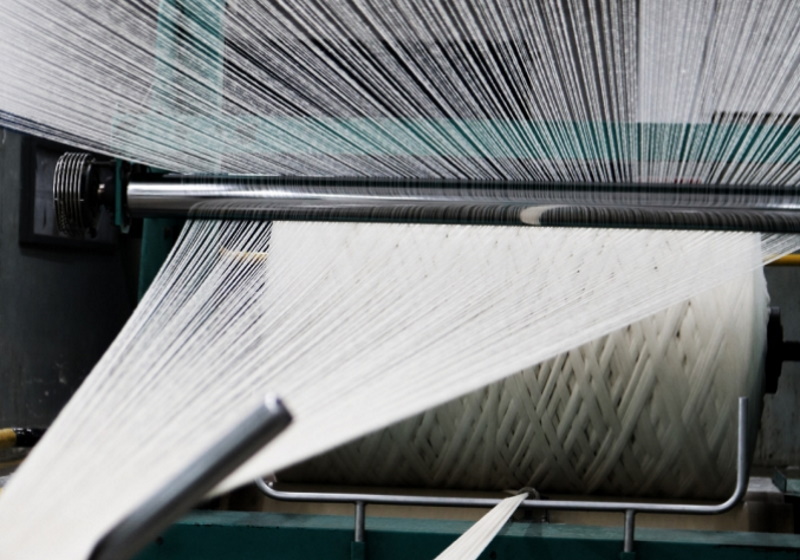
  • Bext360 Blockchain Technology To Trace Organic Cotton

    Bext360 Blockchain Technology To Trace Organic Cotton

    Bext360–Blockchain Technology To Trace Organic Cotton | Denimsandjeans

    Cotton is most widely used as a raw material in the world for manufacturing apparels, denims, textiles, lingerie and even food and medical products.With an increase in the organic cotton demand in the fashion world, it is a known fact that growing cotton has many challenges. This renewable and biodegradable resource has became an essential part of textile industry. The increase in interest in organic materials in fashion is growing, and the global market for just organic cotton alone has risen to $15 billion according to the recent article in Forbes.

    What is Organic Cotton ?

    The organic cotton eliminates the use of harmful pesticides, fertilizers and chemicals. The techniques used does not harm soil fertilization , prevents polluton of water etc.Farmers who have shifted to organic cotton farming, not only made their lives healthy but also benefitted the ecosystem. Not only this, organic ways improves the working and provides a healthy environment for farmers and wrokers.

    Bext360 – The Initiative

    The Blockchain startup Bext360 has decided to partner with multiple tech companies for testing if the blockchain can be used for using the organic cotton supply chian.

    “We’ve developed systems at the farm level,” said Dan Jones, founder and CEO of Bext360. “We can mark those bags so that we’re sure about the location where we’ve harvested the cotton.”

    “By integrating these marker partners into this, we’re able to decrease the cost of people to manage their supply chain and increase their ability to prove authenticity, sustainability and origin,” added Jones

    Bext360 provides comprehensive and measurable accountability for critical supply chains. The SaaS platform provides unsurpassed blockchain traceability and quantifiable measurements for sustainability.Bext360 focuses on supply chains such as coffee, seafood, timber, minerals, cotton and palm oil to provide a traceable fingerprint from producer to consumer.

    The pilot test is called as Organic Cotton Traceability Pilot. It is a partnership between the C&A Foundation, the Organic Cotton Accelerator and Fashion for Good supported by C&A, Zalando, PVH Corp and the Kering Group. In the current phase, organic cotton is traced from farms to the gin for processing. The second and third phase will ensure the tracing of cotton from gin to consumer and then scaling it for fashion industries respectively.Organic cotton only accounts for under 1% of the total global production of cotton, according to the statistics from Textile Exchange. Still as it costs too much to produce, that percentage still accounts for nearly $15 billion market.

    Several companies are working with technical pilot Bext360 for this initiative.To ensure the authenticity of the cotton , these companies “tag” the cotton which is further being “fingerprinted”  in the supply chain by Bext360 to ensure the veritable nature of the cotton.The blockchain software then creates a “token” through which the consumer can trace every path of cotton.  These individual electronic tokens can be used to track the process of harvesting, processing, manufacturing uptill the final product.

    The blockchain software attached with every individual cotton source provides a digitized way to manage the payment of the stakeholders at every level.This way genuine farmers and cotton producers can be tracked and given their fair share of hardwork. It does not end here, the quality delivered to the customer can be fairly managed and maintained via this technology as it tracks those producers and fashion companies who are not producing the quality cotton that they claim.

    The pilot Bext360 Agricultural project can be a great contributor in the sustainability efforts of the brands and the supply chain. With cotton becoming more verifiable, there will be added incentive for all in the chain to use the sustainable cotton and the brands will be happy to give verifiable tags to their consumers. In all , it can be a game change for DENIM and other cotton specific industries.

  • American Eagle Clothing Rentals – A New Trend ?

    American Eagle Clothing Rentals – A New Trend ?

    American Eagle–Clothing Rental Service | Denimsandjeansimage courtesy : businessinsider.com

    American Eagle with 933 American Eagle Outfitters stores, 109 Aerie stand-alone stores, and 4 Tailgate stand-alone store Outfitters, Inc., is the famous American lifestyle clothing and accessories retailer that targets male and female university students, although older adults and teenagers wear the brand, The company has now launched a path breaking rental subscription service for clothing recently. Taking cues from the evergrowing sustainable discussions, the company has started  STYLE DROP Plan which offers used clothing with unlimited exchanges and free shipping for a fee of $49.95 a month. AEO Inc. has around 1,000 stores in the United States, Canada, Mexico, China and Hong Kong and ships to 81 countries worldwide.

    The younger crowd today seeks newness in every attire.This enabled the fashion world to come up with latest designs and trends nearly every week and making fast fashion a success. However, fast fashion has had its very adverse effects on the environment . As a result companies are coming up with new options to cater to young consumer demands while trying to balance environmental concerns. This new initiative is one of such efforts.

    In more and more categories, consumers are choosing to rent rather than own goods outright. Eg Spotify has supplanted CD sales and downloads, Netflix replaced video stores and ZipCar standing in for car ownership among many young urbanites,” a group of writers wrote in the publication’s State of Fashion report for 2019.

    How Does It Work?

    A pre- paid envelope will be created for your account when you subscribe for the STYLE DROP on American Eagle ‘s website.You can explore all the styles and trends and get the favourite ones in your closet. Wear them as much you want and when you are done, you can send them back using the pre-paid wallet.Repeat the process with monthly subscription of $49.95 and save on the retail price.You can rent three items at a time and exchange them an unlimited no of times! If you want to keep the item, you will be able to purchase it at 25% discount. This does not end here , along with this , you get free drycleaning and the zero shipping cost each side.

    1.RENT                                                                2.RETURN                                                               3.REPEAT

    Have a look at the trendy denim designs in the STYLE DROP.

    American Eagle–Clothing Rental Service | Denimsandjeans

    American Eagle–Clothing Rental Service | Denimsandjeans

    American Eagle–Clothing Rental Service | Denimsandjeans

    American Eagle–Clothing Rental Service | Denimsandjeans

    American Eagle–Clothing Rental Service | Denimsandjeansimage courtesy : aestyledrop.com

    The STYLE DROP by American Eagle is on the boom with “No contracts. No commitments. Cancel anytime.” policy.”Just got my first box today! In luv with this game changer!” one subscriber wrote on American Eagle’s  facebook page.

    The initiative seems quite interesting and looks like a grand success right in the beginning. However, the real test will come over time as it will be clear what is the real cost for American Eagle in maintaining this service . How long do the garments last and how much profit they are able to make from each customer.

    Another big question that will soon need to be addressed is – what will happen if this initiative is taken up by many other big retailers and the consumers start loving it ! Will it mean that the retailers will start buying less ? Will it mean lesser orders for the entire supply chain ?

    We need to wait and see !