Category: Interviews

  • Calik Denim Completes 30 Years | A Talk With Hamit Yenici

    Calik Denim Completes 30 Years | A Talk With Hamit Yenici

    Çalık Denim, the globally well known denim mill,  marks its 30th anniversary this year. The company launched its #DenimLovesArt project bringing 30 designers from across the world and providing them the all the means to create an Artful Collection. Denimsandjeans wanted to understand the thought behind this project and also to understand how is the company making a difference to the industry and looks to its and the industry’s future. We spoke to the Mr Hamit Yenici – the General Manager at the company to understand more about the vision and mission .

    1.  We understand Calik  is inviting 30 Designers from different parts of globe for a project. Can you explain about this project and what Calik aims to achieve with it ?

    As we approached our 30th anniversary we wanted to create a special project inspired by denim’s ubiquitous nature in both fashion but also across so many different aspects of our lives. And as a youthful and innovative brand with a passion for denim, we also wanted to celebrate and support upcoming young talent in the industry – hence how the idea for our “Denim Loves Art” exhibition came into being. Collaborating with 30 young talented international designers seemed the perfect way to celebrate 30 years.

    To mark our three decades of Çalık Denim, we started by inviting young designers from around the world to create their own unique denim-inspired artworks for our three international exhibitions in Istanbul, Amsterdam and LA. We had a lot of designers interested in submitting projects from an array of leading design schools such as Parsons, AMFI, Mimar Sinan Fine Arts University, FIDM and Hannover University. As we had so much interest, the 30 projects for the exhibition were selected by our international jury, namely Dio Kurazawa, Lucia Rosin and myself. An important part of the project for us was being able to support the designers throughout the whole process – by providing the fabrics, support for their production of the art works and their travel to the three events.

    The final 30 denim creations are really outstanding – each piece is so unique and creative, reflecting all the different places and cultures that the designers come from around the world. We feel really proud to have collaborated with such talented young people and their work highlights just how much denim is interwoven into every aspect of our lives because as well as clothing, we had a variety of submissions including denim furniture, accessories, shoes, bags and rugs.The Denim Loves Art exhibition first opened to great acclaim in Istanbul on 11th October. We then moved onto Amsterdam, where we collaborated with Kingpins, on 25th and 26th October – and we will be now be relocating to the USA for the finale of these three special events celebrating Calik Denim’s 30th anniversary in Los Angeles on 6th December 2017.

    An Exclusive Interview With Mr Hamit Yenici - Calik Denim’s CEO Denim On The Eve Of Calik Denim’s 30th Anniversary| Denimsandjeans.comAn Exclusive Interview With Mr Hamit Yenici - Calik Denim’s CEO Denim On The Eve Of Calik Denim’s 30th Anniversary| Denimsandjeans.comAn Exclusive Interview With Mr Hamit Yenici - Calik Denim’s CEO Denim On The Eve Of Calik Denim’s 30th Anniversary| Denimsandjeans.comAn Exclusive Interview With Mr Hamit Yenici - Calik Denim’s CEO Denim On The Eve Of Calik Denim’s 30th Anniversary| Denimsandjeans.comAn Exclusive Interview With Mr Hamit Yenici - Calik Denim’s CEO Denim On The Eve Of Calik Denim’s 30th Anniversary| Denimsandjeans.com

    2. As Calik Denim is celebrating its 30th Year, How do you see ,as an organisation its journey till date ?

    At 30 years, we feel proud to have built one of the world’s leading denim producing brands – one that is both innovative and dynamic but also deep-rooted and socially and environmentally responsible. It’s been a real journey from our beginnings in Turkey supplying the domestic market in the 1980s when it was virtually impossible to find any blue jeans in the country; to today becoming a global leader of premium denim exporting to the world’s most prestigious denim brands in more than 40 countries. At the heart of our journey and its success is a combination of a really outstanding young and dynamic team, the power of technology and being committed to investing in our future over the years.

    Our 30th anniversary milestone is also a chance for us to look forward to the next 30 years – and so it was the perfect time for us to launch a new brand identity that really gets to the essence of who we are. It’s the result of our collaboration with a marketing company and detailed research into the views of the Çalık Denim team, suppliers, customers and key players in the industry – to really define our DNA, who we are and what’s important to us – which is to always be striving for better, to spearhead innovation and creating a better future for all. That’s how we arrived at our new motto “Ever Evolving”.

    Indeed, throughout our 30 years in the denim sector, we have pioneered many world–first high-tech fabrics with our innovations in production technology:

    High resistance denim fabrics, Retina (the application of warp thread coating), Natural Antibiotic denim fabric (the integration of Aloe Vera micro beads), Outlast Denim (with a Thermo-climatic effect), Elastech and Oxygene technologies. As we continue on our journey we’ll be “Ever Evolving” with every step that we take, striving always to innovate for better.

    An Exclusive Interview With Mr Hamit Yenici - Calik Denim’s CEO Denim On The Eve Of Calik Denim’s 30th Anniversary| Denimsandjeans.comAn Exclusive Interview With Mr Hamit Yenici - Calik Denim’s CEO Denim On The Eve Of Calik Denim’s 30th Anniversary| Denimsandjeans.com

    3. ​Turkish companies have been producing the best denim fabric in the world and out of many reputed denim mills including Calik, ISKO, Orta, Bossa.  Denim carries its own unique identity , what makes you different from others ?

    We believe we are the leaders in terms of innovation. As our new brand image attests to, we are always innovating with both technology and our work processes to help our clients grow further and really stand out with their products. We believe that as we stride into the future we will continue to make further gains with our new strong global Çalık Denim brand and a work model that aims always to innovate for better.

    4. What are the future plans of Calik Denim , in terms of Capacities, client focus,  expansion and Technological Advancements.

    We now have ever greater capacity as a result of our $120m investment over the past seven years. As we look to the future we will be looking to increase our capacity even further to 60m metres with another $120m investment between 2018 and 2021. As we mentioned, we currently export to 40 countries, with our main markets being the USA and Europe. With our increased capacity and continued innovations and added value. One of our key aims in the long term is to grow our market share in the Far East.

    As well as focussing on innovation, we also highly value the partnerships we have and what they mean for our brand. It’s important that the end-consumer also gets a sense of the “Çalık Denim” mark of quality with our innovative and hi-tech denim products. That’s why we’re also developing several partnerships with international brands and with fashion and design schools. In the long term our goal is for the consumer to want their jeans produced with Çalık Denim fabric; as well as for design student to be familiar with the Çalık Denim brand when they graduate so that they choose to work with our fabrics as they develop their careers.

    An Exclusive Interview With Mr Hamit Yenici - Calik Denim’s CEO Denim On The Eve Of Calik Denim’s 30th Anniversary| Denimsandjeans.comAn Exclusive Interview With Mr Hamit Yenici - Calik Denim’s CEO Denim On The Eve Of Calik Denim’s 30th Anniversary| Denimsandjeans.com

    5. Apart from US and EU do you see any region which is important for you as a premium denim mill ?

    As well as America and Europe, we believe East Asia is one of the most important regions in the world for premium denim production – in part due to its size and interest in fashion, with Japan having a special place as a global trendsetter; but also due to the brands and producers that already exist there.

    6. We understand you have initiated several steps for sustainability. Do you really think they help you in reaching out to new customers and cover the additional costs. Do explain something about these initiatives.

    From the very first day of setting up Çalık Denim, corporate responsibility and ethical values have been an integral part of who we are and what we do. Our aim is to be a company that adds value to economic, environmental and social realms with our sustainable approach and thus we carry out an array of activities and investments in the field of sustainable development in both the national and international arenas. We are receptive to the needs and priorities of our internal and external stakeholders and provide an environment that is respectful of the rights and thoughts of everyone in our team.

    In terms of specific actions, we as Çalık Denim work hard to reduce our environmental impact at every stage of the production process, from the collection of raw materials to the production, distribution and recycling, to which our international certificates in this field attest to. We are constantly monitoring and evaluating all aspects of our business, to foresee and prevent any negative effects on our staff, clients or the society at large – including assessing and managing any possible environmental risks through our advanced R&D, system improvements and product development programs.

    We’re also working hard to develop sustainable products for our clients and the customer. With our new more environmentally friendly production processes we use fewer resources and we have been able to create new product lines that have created new demand as well as garnering a lot of interest from sustainable and mainstream fashion brands. For instance, our Oxygene concept launched a new era in sustainability in the sector as we use less energy and water, fewer chemicals and it takes less time to produce – thus significantly reducing its environmental impact. We are proud of the impact not only we have had within our company and sector but also the wider industry as many textile and clothing producers are now following our lead and investing in sustainable methods. In addition we will be publishing our first standalone CSR report in the first quarter of 2018.

    An Exclusive Interview With Mr Hamit Yenici - Calik Denim’s CEO Denim On The Eve Of Calik Denim’s 30th Anniversary| Denimsandjeans.comAn Exclusive Interview With Mr Hamit Yenici - Calik Denim’s CEO Denim On The Eve Of Calik Denim’s 30th Anniversary| Denimsandjeans.com
  • Denim The stuff That Our Dreams Are Made Of | Fabio Adami Dalla Val and Christian Reca

    Denim The stuff That Our Dreams Are Made Of | Fabio Adami Dalla Val and Christian Reca

    The stuff That Our Dreams Are Made Of | Fabio Adami Dalla Val and Christian Reca

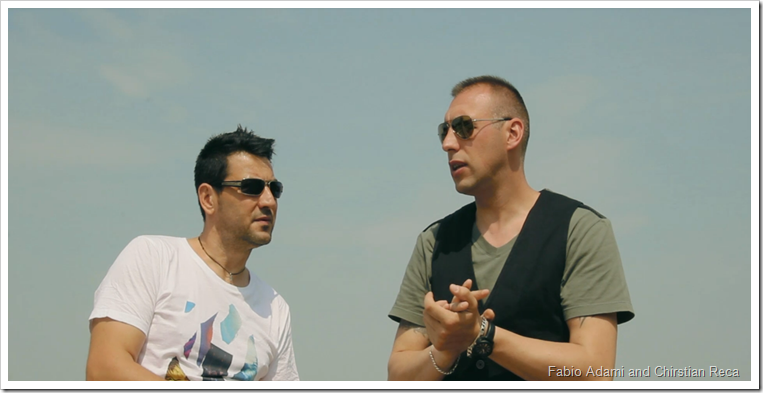
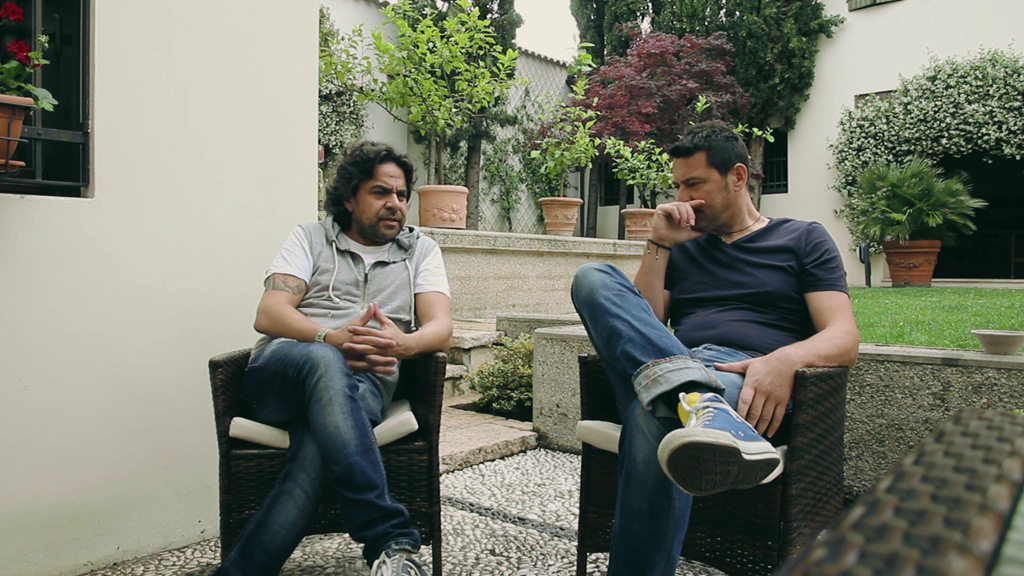
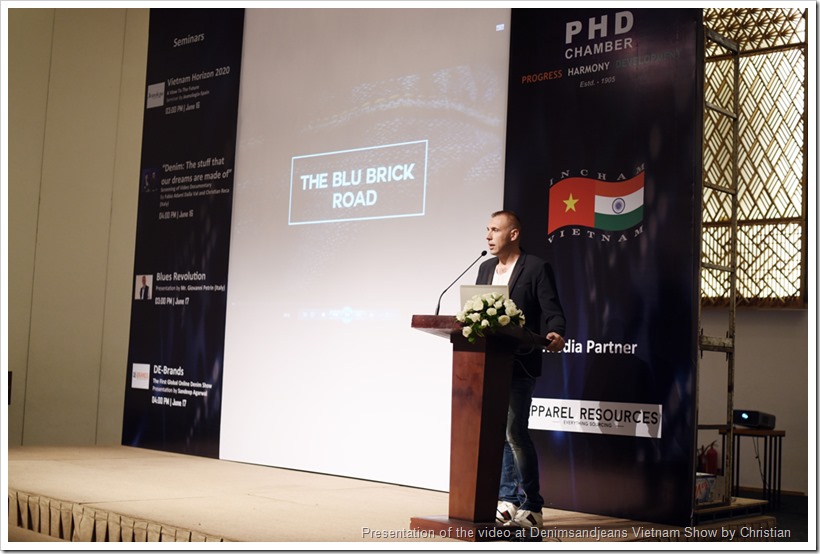
    Two sustainable  denim experts from Italy – Fabio Adami Dalla Val and Christian Reca released their much awaited documentary titled – ‘Denim : The stuffs that our dreams are made of ‘ at the first ever denim show in Vietnam held in June 2016. The documentary focuses on   the new trends, sustainability,technology and new innovations surfacing in the industry . From denim suppliers to the street shops , both experts travelled all over Italy to get different perspectives from the  Italian denim industry on the emerging trends .  The documentary covers interviews with important people in the Italian denim industry and brings out their take on the direction that denim is taking.

    Fabio Adami Dalla Val starts by summing up the journey for this video

    “ We are finally at the end of this amazing tour around Italy , around Denim. We met denim suppliers – the oldest of Italy, we met shop owners, the street people and today we have a new view of our dream , our denim “.

    Christian adds up

    “ We put denim in the middle but we have the point of view of different kind of people concentrating on denim. Its amazing how the viewpoints differ but at the same time the final dream is same – The Product . So we can understand now even better how many people worked behind the scenes ,  behind the denim , and its always important to understand the history of people behind denim . We cannot create something from zero , something from scratch if we do not have background since long time ! “

    Denim The Stuff Dreams Are Made Of | Fabio Adami Dalla Val and Christian Reca

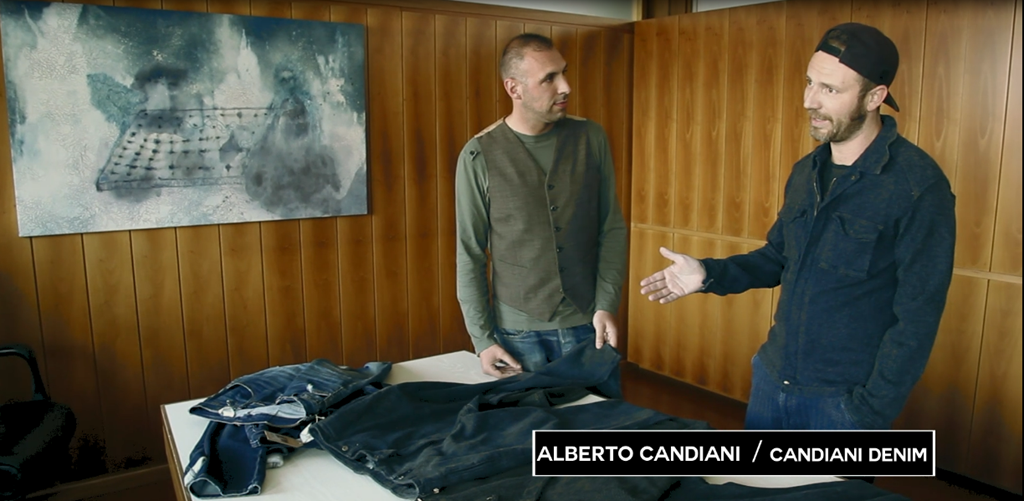
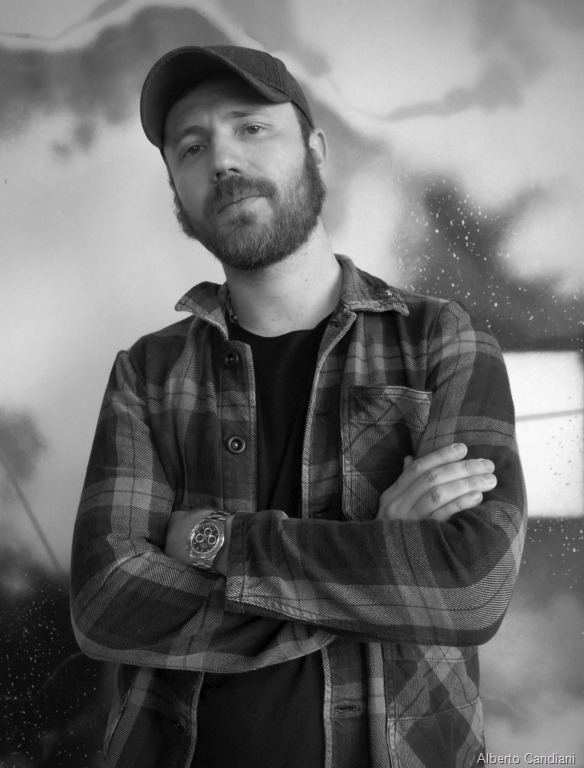
    Alberto Candiani from Candiani denim speaks about the changes in the last few years

    “The last few years  have been full of new technology specially concerning stretch and at Candiani we are good at combining these new technological elements with the heritage of denim.  Which is why I brought some examples here . “

    Denim The Stuff Dreams Are Made Of | Fabio Adami Dalla Val and Christian Reca

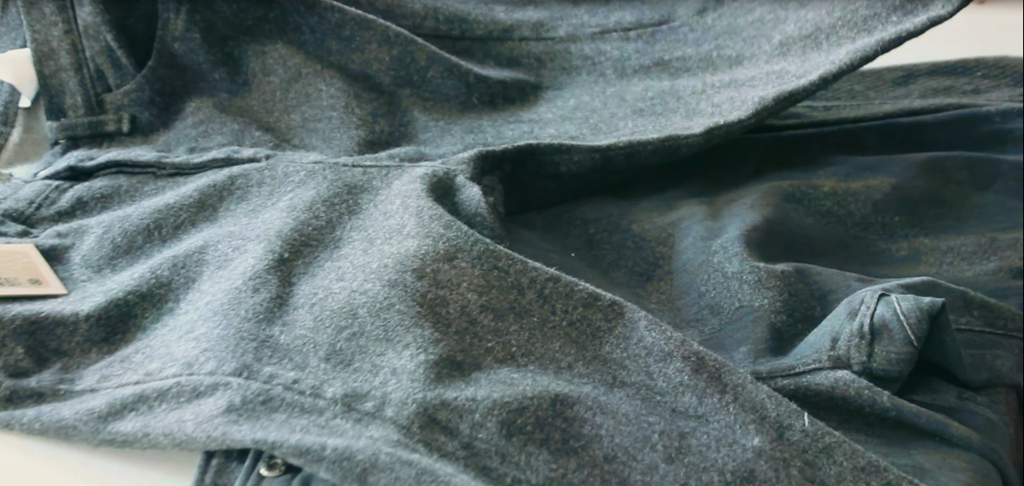
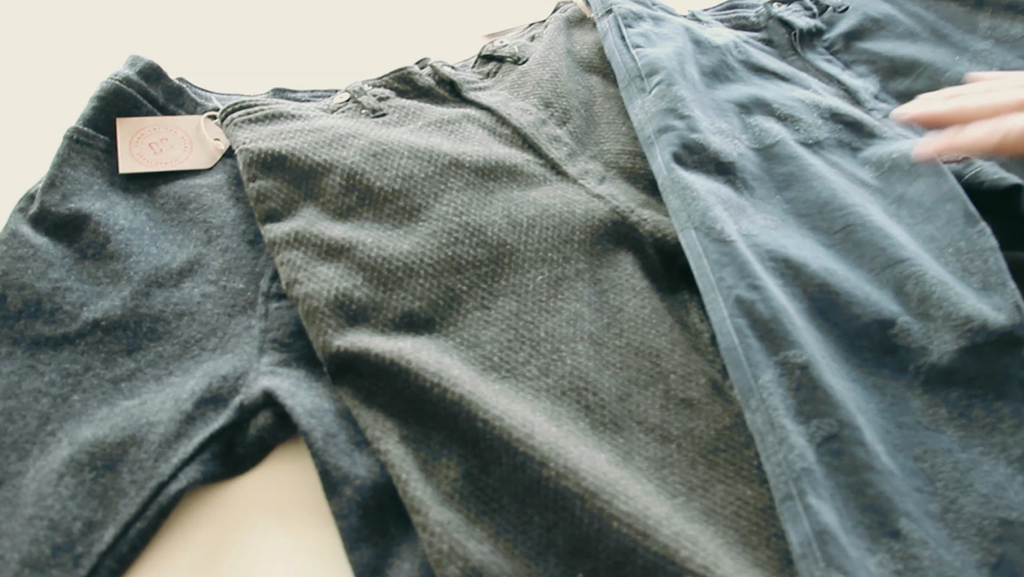
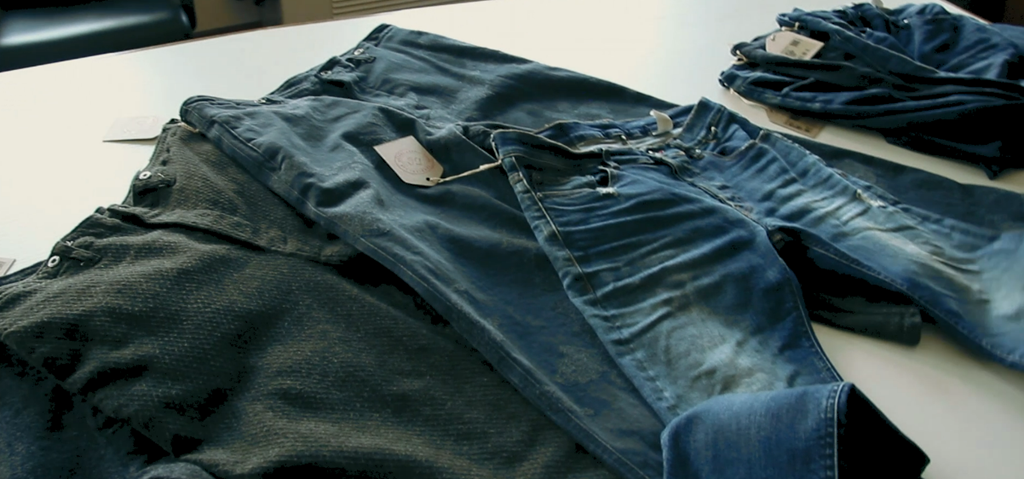
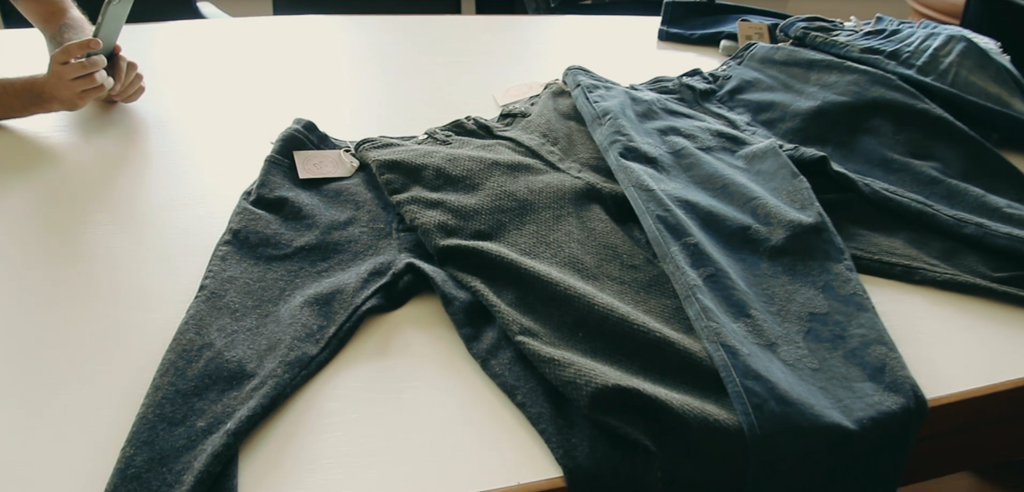
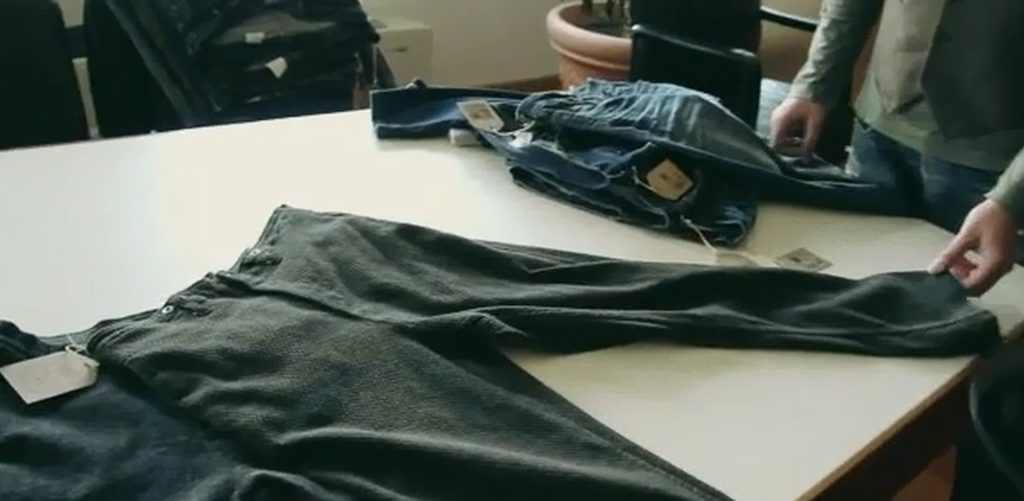
    Alberto Candiani displays the first product – fabric made of  cotton but looks of wool, a very thick sateen with Dual Fx in the weft  to give 40% elasticity and the fabric is brushed to give the fuzzy woolen looks.

    Denim The Stuff Dreams Are Made Of | Fabio Adami Dalla Val and Christian Reca

    “The very interesting part comes up when you engineer these fabrics with the latest technology like laser. You can just go deep into the fuzz and create different patterns, different layers and making it a much more innovative fabric “ Alberto says. “ To make a special construction to enable the fabric to be bruhsed  and applied the laser  . It tells you the   combination of elements and the experience  you need to have to build such a product . It is the natural combination of heritage and technology . You need to know how to put these two together . In Italy, we believe we know this better than anybody else  “

    Denim The Stuff Dreams Are Made Of | Fabio Adami Dalla Val and Christian Reca

    He also displayed the Stretch Selvedges that the company is making.

    “Selvedge was meant to be be 15oz , heavy but as Candiani we thought why don’t we make the first cool performance Stretch Selvedge.” he added showing the techy stretch selvedges.

    Coming down to the sustainable part , he mentioned that

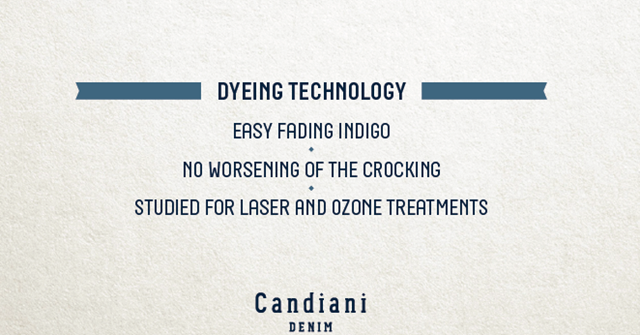
    “ We are a 78 years old company and we are located in a national reserve. So this area is national park  Rules are extremely strict here and we have to strive to be as green as possible. We stick to the rules which we like . Its an investment and it helps us to do the things in a better way, in a conscious way and a more responsible way . … We focused our attention on  water saving and dyes. You know it takes lot of water to process indigo and it takes even more water when we have to treat garments. So we decided to engineer a new color . We engineered the dyes according to suitability with laser and ozone . We engineered what we call  INDIGO JUICE – which is basically a selection of colors which react great with laser and ozone . Takes nothing to achieve the contrast , takes nothing to create vintage looks without using lot of water. On the other hand to create colors which looked more interesting when not washed, we created a different category of products we call N as NITROGEN . So we dye under nitrogen and we save internally about  30% water. We do not use any hydrosulphide or fixation agent. “

    Denim The Stuff Dreams Are Made Of | Fabio Adami Dalla Val and Christian Reca


    Denim The Stuff Dreams Are Made Of | Fabio Adami Dalla Val and Christian Reca

    Fabio and Christian | Denimsandjeans.com

    Paolo Gnutti from ITV denim has also been featured in this documentary . Paolo is also a veteran in the denim industry and has been a pioneer in brining out denim with the mix of fibers including the merino wool , cashmere and more.

    “Denim is a fabric which is in constant evolution. Its a fabric which has life inside and moves every time in different way. Its very important to understand what the market needs and how we can be different from normal denim. We try to do do something new by taking different warp  and try to mix two different technical concepts . Denim is everyday and everywhere and is a part of you. Its not really a part of fashion world . We try to enter this kind of world which is not from now but from many years. “ He further says “ Market in the last few years is focused really on fabric but  on marketing to give some news to the clients . If we talk about denim , we always talk about super stretch and comfort stretch ,The denim spoke every time the same language therefore it is the time when we need to be more focused on the need of the market and technological fabrics…Quality for me is the first point. The client saves a lot  of waste during laundry or garmenting . Also eco sustainability is a very important point for us.

    Fabio and Christian | Denimsandjeans.com

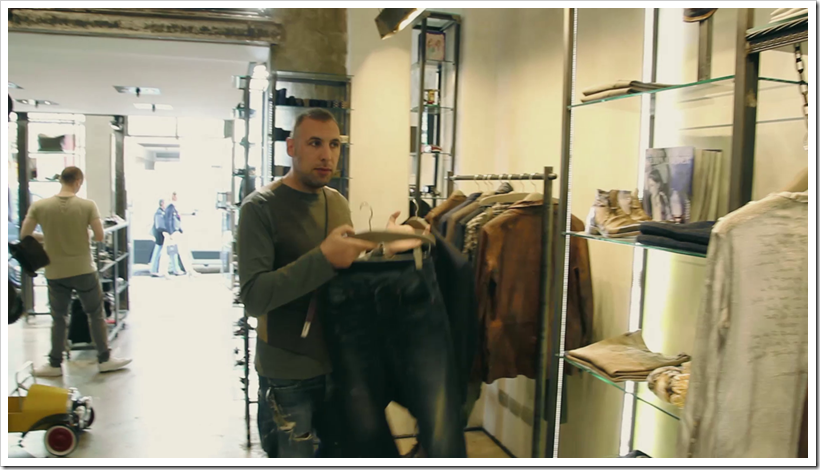
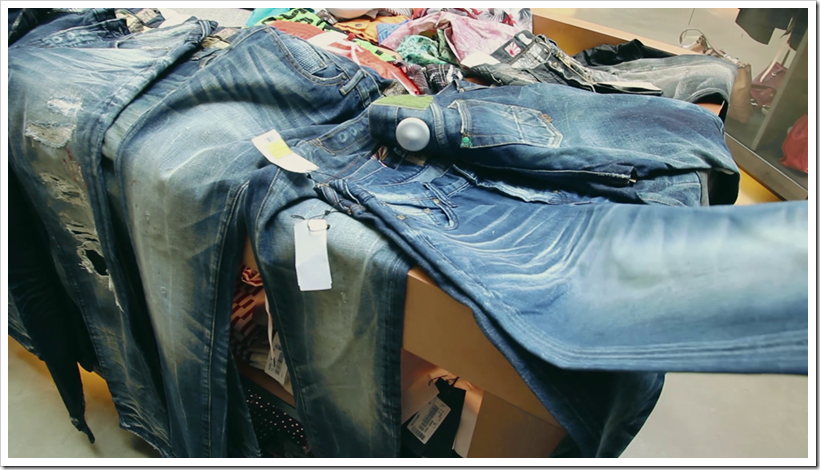
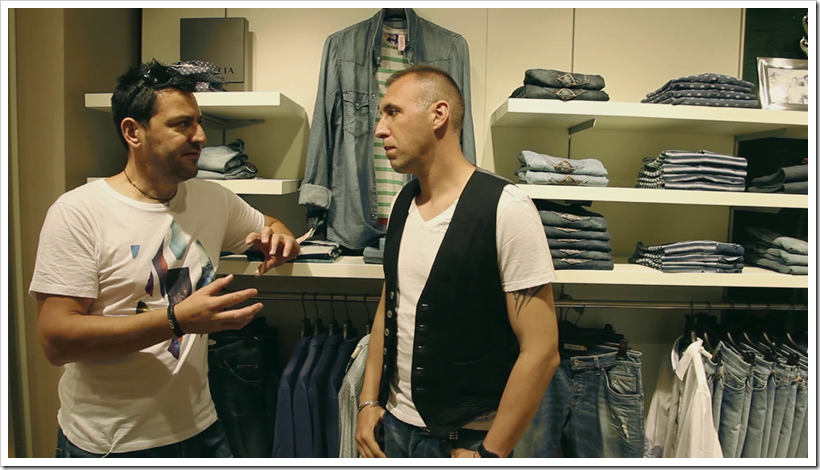
    At the end of the video , both the expert were seen roaming around different retailers in Verona, Milan etc to see the new classic and casual looks with denim. Christians shows the classic looks with formal jacket and the casuals with leather jacket , shoes etc mostly in hard colors like brown, dark blue, rusty brown, etc. The combination is between classic in a sportswear way and casuals. .

    Fabio and Christian | Denimsandjeans.com

    Fabio and Christian | Denimsandjeans.com

    Fabio and Christian | Denimsandjeans.com

    Fabio and Christian | Denimsandjeans.com

    In their closing remark , Fabio says ,

    “The technical part of the denim, I mean denim is changing , keeping the vintage look but using high level of technology inside.  …
    Fortunately we are in Verona in stores in June  and we can see the Spring Summer collection.We can see some trends – denim is not only heritage , its going in premium level and some of the highlights we saw for AW17/18 are already here. Also what is most imp is the hand feel. Hand feel is very gentle but with the life of denim and we can see that touch in most jeans here….

    Christian says ,

    “We need not any more denim as it is ,but we need denim that we can wear in every part of the day. Combination between technical denim cotton is the key point. Also style is important as it helps to develop innovation.  How to wash denim is very important and we need to think how to work on these technological things.  Open your mind . Don’t think about only heritage classic because different styles mean different kind of washes. ..
    All the three categories Premium, Fashion and Heritage – all of them has one common thing that is handfeel – super soft but not fluffy. Specific customers like each of these categories  . Fabrics that we can consider for all of them need not be super stretch but green cast , open end, 3x 1 , heavy fabrics . So three different categories but one hand feel –super soft. !

    You can watch the full documentary here 

  • Interview With Mr Kutubuddin Ahmed | Chairman , Envoy Textiles Limited

    Interview With Mr Kutubuddin Ahmed | Chairman , Envoy Textiles Limited

    ENVOY TEXTILES LTD. : Denimsandjeans.com

    With over $25 billion of apparel exports , Bangladesh is home to some of the largest apparel groups worldwide . The country has witnessed a steep growth curve in the last 10 years and a large part of this can be particularly attributed to garment exports. The country is aiming to achieve $50 billion in such exports by 2021 on the strength of many of the huge apparel groups which employ hundreds of thousands of people to increasingly ship all kinds of apparel to the retailers worldwide. Many of these groups are run by entrepreneurs who are first generation businessmen – who started their business with almost no capital and built huge corporates on the strength of their grit and determination. Many of these groups can be easily termed as ‘Empires’. A smaller group among them are people who are visionaries , who not only built large businesses but also initiated highest levels of corporate social responsibilities , brought the latest global management principles to their organizations, infused a spirit of innovation and high level of customer service within and outside their organizations.

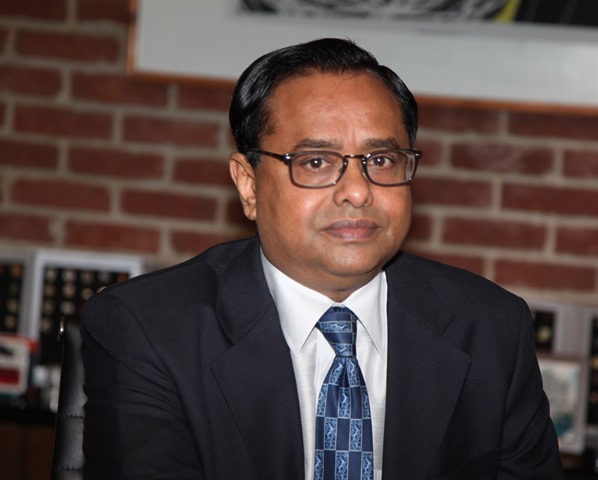
    One  such  visionary is Mr Kutubuddin Ahmed – the Chairman of Envoy Group from Bangladesh. We had the opportunity to visit his textile plant and had the privilege to talk to him and learn more about the group , his vision and the direction the group is taking. Envoy group is conglomerate of a number of companies built over the last 3 decades and their denim and apparel companies are a part of the same.


    1. Welcome to our website Mr. Kutubuddin. You are a first generation entrepreneur. Please tell us about your journey and how Envoy Group grew in the last couple of decades

    Thank you, Sandeep.

    Mr Kutubuddin Ahmed I started my career in 1984 in readymade garments industry with 44 plain machines and used to manufacture garments only for export purpose.  As I was very much dedicated on keeping my commitments to the buyers in terms of delivery and desired quality, the factory started to earn profit. And eventually, I ended up with a substantial amount of fund to expand the business. At that time, the industry was very new and some companies were not doing well, which gave me an opportunity to buy those factories one after another and to turn them into a profitable concern. Here I was using the experience of one factory to improve and sustain the profitability of the other one.Currently we are producing more than 30 million pieces of readymade garments in a year from those factories.

    At that point, I realized that a huge amount of money was going out in the importation of fabrics which was almost 60 to 65% of the total cost. In addition to the cost, the lead time to import the fabric was also very high. It used to take a lot of effort and at least 60 – 75 days for the fabrics to reach to the garment factory. The buyers usually would not want to wait for such a long time unless they are bound to import from us. Immediately, I realized the demand for textile factory here in Bangladesh.

    Currently we are manufacturing Denim fabric through Envoy Textiles Limited (ETL). We started in the year 2008, with a capacity of 18 million yards of fabric per annum. In the last few years we have gradually increased our production capacity and are currently capable of manufacturing 50 million yards of denim per annum. To have better controls in the manufacturing process we are in the process of setting up a spinning mill with a capacity of 50 Tons Per day. This will make us a composite textile group starting from Cotton to Readymade Garments.

    This has been possible with a very professional blend of man and machinery. We have installed state-of-the-art technology and a team of dedicated professionals to help us grow.Our focus areas now are to improve efficiencies, consistent product quality and new product development.

    In addition to ETL,more than 32 other business enterprises are running under my leadership in the name of ‘ENVOY GROUP’ & ‘SHELTECH GROUP’. Nowadays, these two groups are emerging as most thriving conglomerate in Bangladesh comprising of various concerns in the industry of Readymade Garments, Textile, Freight Forwarding, Trading, Consumer Product, and in Real Estate, Construction, Brokerage House, Security/Protection Services, Hospitality & Airlines (Cargo &Passenger).


    2. Being a vertical integrated unit with fabrics as well as garments, do you think it gives you a great leverage with the buyers?

    As a Textile Group, we offer multiple options to our valued customers. They can work with us as a fully vertical unit. They also have the option of either utilizing our Denim (Textile) facility or Garmenting facility.

    In addition to conventional integration, we are also moving toward virtual vertical integration. For instance, we have made a treaty with a factory at Bangladesh for buying fabric only from us to manufacture jeans for globally renowned brands, and we are working to build more network like this to make our business sustainable and integrated.


    3. I saw some very unique initiatives and facilities for your workers. Can you tell us more about them?

    Yes, but first of all, I must let you know that we do not use the term ‘worker’ – the total staff of ETL is like a family and it is often called as ‘ETL Family’ (Envoy Textiles Family)! . Of course they have different roles to play, but, at the end of day, we all have a common target and that is ‘the development of the organization’.

    ETL is a company, which is more of ‘people’ oriented, and thus ‘Facilities for People’ or CSR (Corporate Social Responsibilities) is not an extended program at the ETL, rather it is one of the core value that we are nurturing in every possible manner.

    Some of the unique initiatives for the ETL family include Birthday Celebrations of every employee with balloons, whistles and presents; Wedding Gift; Gifts for New Born; Assistance for Children Wedding, Prize bond for good performers; 3D Movie Theatre; Medical Assistance for Self & Family; Recognition for service of more than 10 years; Sports Round the Year, Complimentary Snacks; Award for Best Healthy Room at Dormitory; Cultural Show & Competitions; Eid Gift Hamper; Salary Transfer before 1st day of the month; Profit Sharing; Participation Committee; Scholarship Scheme. 24 Hour Ambulance; Gymnasium; 24 Hour Convenient Shop (Self Service); Computer KIOSKs accessible by all; Complimentary Computer Courses, including Trainer’s Training Allowances, Accommodation; Emergency In-House Medical Center; Chef Service; Food Subsidy; In-House Bakery; ATM & Mobile Banking; Provident Fund; In-House Mosjid,  Arabic Training; etc..

    In addition to the welfare of staff, ETL also extends its CSR activity for the external community as well with initiatives like: Pediatric ICU for Burn Victims (At Dhaka Medical College Hospital); Art Competition for neighboring children; Effluent Treatment Plant; Priority Appointment for Physically Challenged Persons; Salary Payment for other factory’s fire victims (Tazreen Fashions, through BGMEA), Donation to Rana Plaza; Salary Continuation Even after closing; Financial Assistance for Autistic Children; etc.

    It will bring a great happiness to us if any of these functions can bring inspiration to other fellow manufacturer, that’s how we look at our CSR program!


    4. Eco Sustainability is getting more important for the textile – specially denim world. How is your company focusing this important aspect of business?

    For us Eco sustainability is as important as our denims. We believe that it has to go hand in hand. Our philosophy is to give it back to the nature so that the next generation can survive.

    Some of the steps that have been taken by us in this direction include:

    • Putting up a fully equipped Effluent Treatment Plant.
    • Building a comprehensive system for Rainwater Harvesting
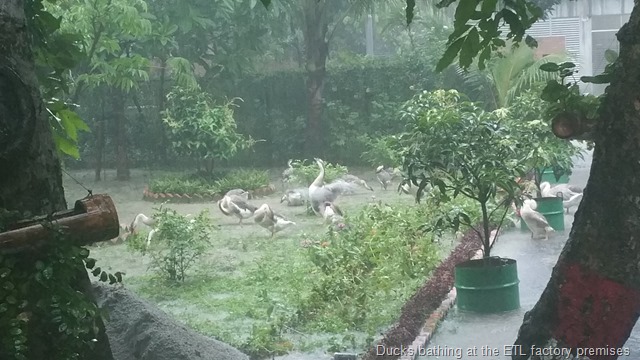
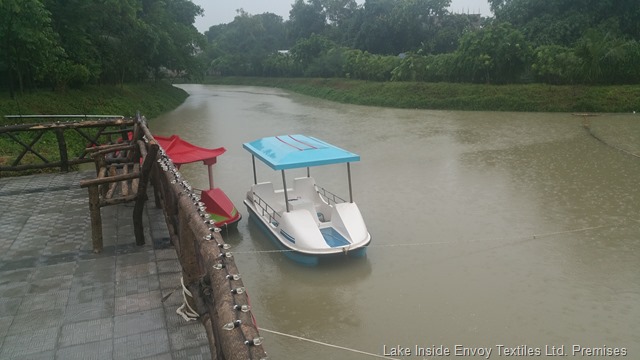
    • Building a lake inside the factory premises
    • Using captive power from gas
    • We have been recognized with ISO 9001:14000 standard for environmental management system.

    We are currently working for LEED Certification and expecting to get that soon.

    We are also in the process to establish an eco-park within the factory premises. We are planning to plant 2,000 trees where live animals will roam around. (license from government is under process).

    Envoy Textiles Eco Initiative

    20150611_110209


    5. Please do tell us about your latest collection and product that Envoy is offering to its customers.

    There are many innovative and state-of-the-art products in the market from ETL, like Knit Look denim; Super Stretch Denims, etc. In this season we have included special performance Denims like Thermolite and Coolmax. We will also be showcasing blends like Modal, Tencil & Rayon in Denims.

    In addition to those, our upcoming products also includes Specialized Handloom Products, Selvedge Denim, etc.A lot more are also evolving in our Research & Development Division and are in the process to be offered to our customers periodically.

    We are also focusing to provide a value added service to our customers by setting up a full-fledged Physical and Chemical Laboratory. We have already got our lab accreditation by Levi’s. Also we are currently in the process to get lab accreditations from few other global retailers.


    6. Bangladesh is becoming very important for denim apparel. It is already the largest exporter of denim apparel to EU. How do you think your country would further develop this industry in the coming years and position itself in the world market.

    Bangladesh already has a good foot hold in the Readymade Garments Industry exporting approximately 25 billion dollar worth of products annually. Due to the development of our textiles mills, the industry is able to offer a better lead time, improved R&D and availability of skilled workforce.

    In order to further consolidate the country’s position, we should focus on improving our Technical know-how, invest in Research & Development for improving our product mix and install state of the art technology. Also need to focus on improving a the washing capabilities


    7. What are your future plan of growth and how do you plan to serve your customers better? (if possible, mention some customer names).


    Our future plan includes but is not limited to –Adding Spinning by April 2016 (Backward Linkage) ,Manufacturing of Twill fabric , Manufacturing of Yarn Dyed fabrics etc. And, we plan to serve our customers through offering Premium Products ,State-of-the-art Laboratory Facility and Finest Customer Service . Some of our Major Customers are LEVI’S , VF Corporation, Inditex Group , Tema Turkiye, Marks and Spencer, NEXT, Carrefour, Gymboree ,Walmart , TCP etc


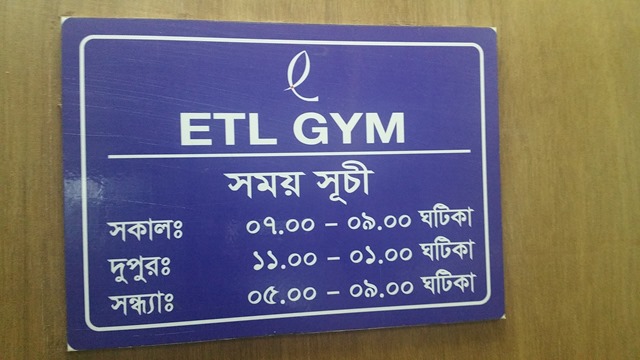
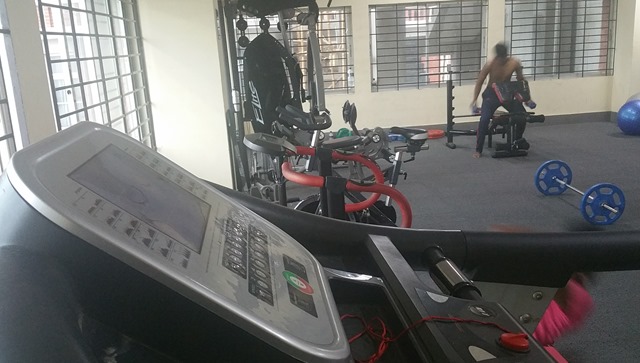
    We could capture images from some of the important areas of the ETL which showed how the ETL family was really built up as a strongly knit unit. The facilities for all employees included Gyms, Movie theatres, Computer kiosks and much more. Employees could be seen coming to the gym at different times during the day to do workouts.

     ETL Gym

    20150611_104517

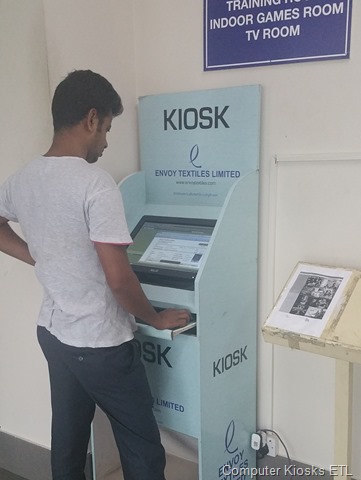
    Computer kiosks help employees at all levels to be computer aware.

    Computer Kiosks ETL

    They can even check all particulars about their salary online on these kiosks.

    20150611_104004
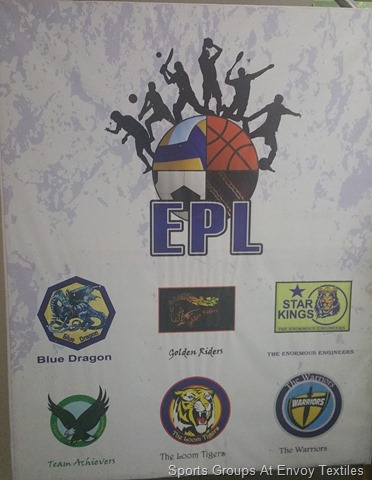
    One interesting thing was the very active promotion of sports competition within the ETL family. There are various teams under which employees are encouraged to compete for different sports activities throughout the year .

    Sports Groups at ETL

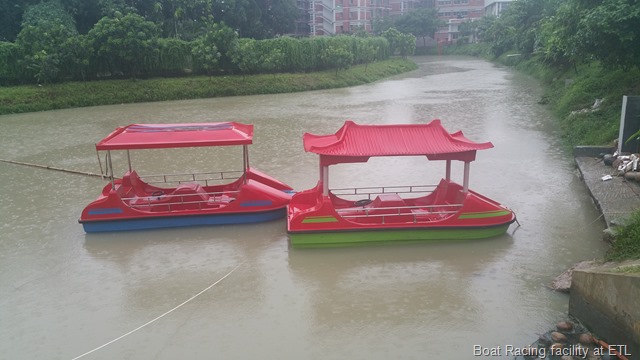
    Boat racing in ETL lake
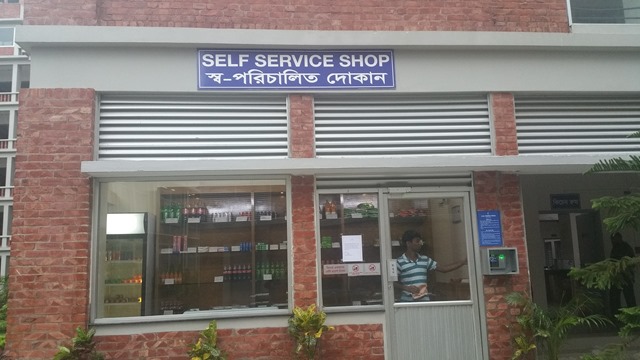
    One very unique idea was setting up a self service shop. There is no attendant in this shop which has various items of daily use including bakery, eatables , drinks, ice creams etc. Anyone taking something from here has to drop the money for the equivalent amount in the box without anyone watching it. This shop is never monitored and I came to know that the shop never had collection short of the value of items taken . This speaks volumes about the management confidence in their employees and they responding to it to their best.

    20150611_103354
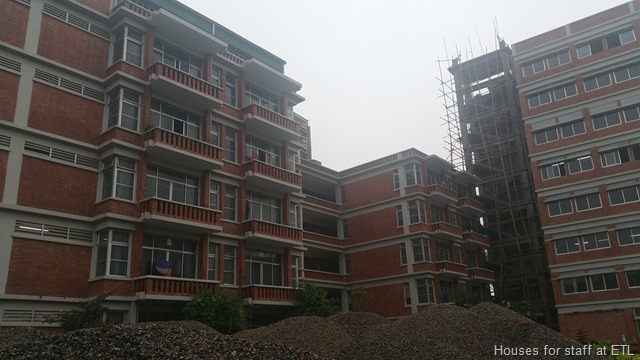
    The worker’s quarters at ETL seemed very high quality, clean and built well.

    Worker's Quarters at ETL

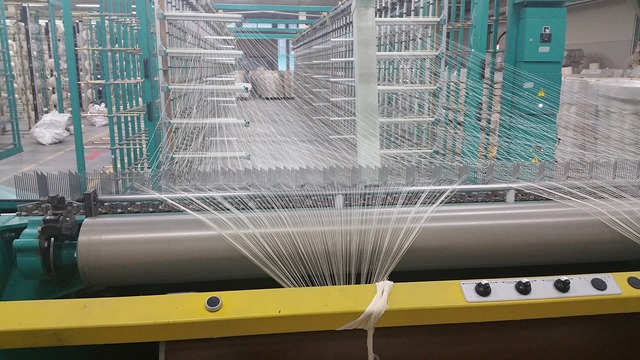
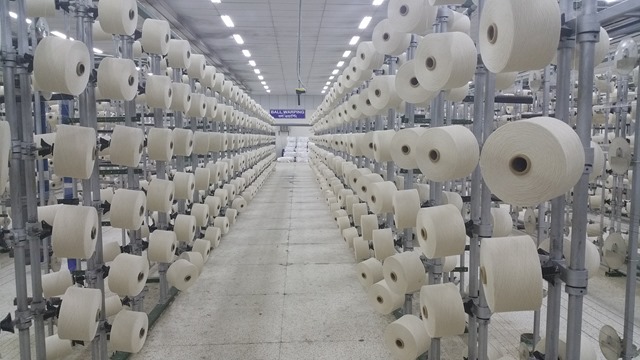
    A few pics from their plant.

    20150611_101013

    20150611_094412

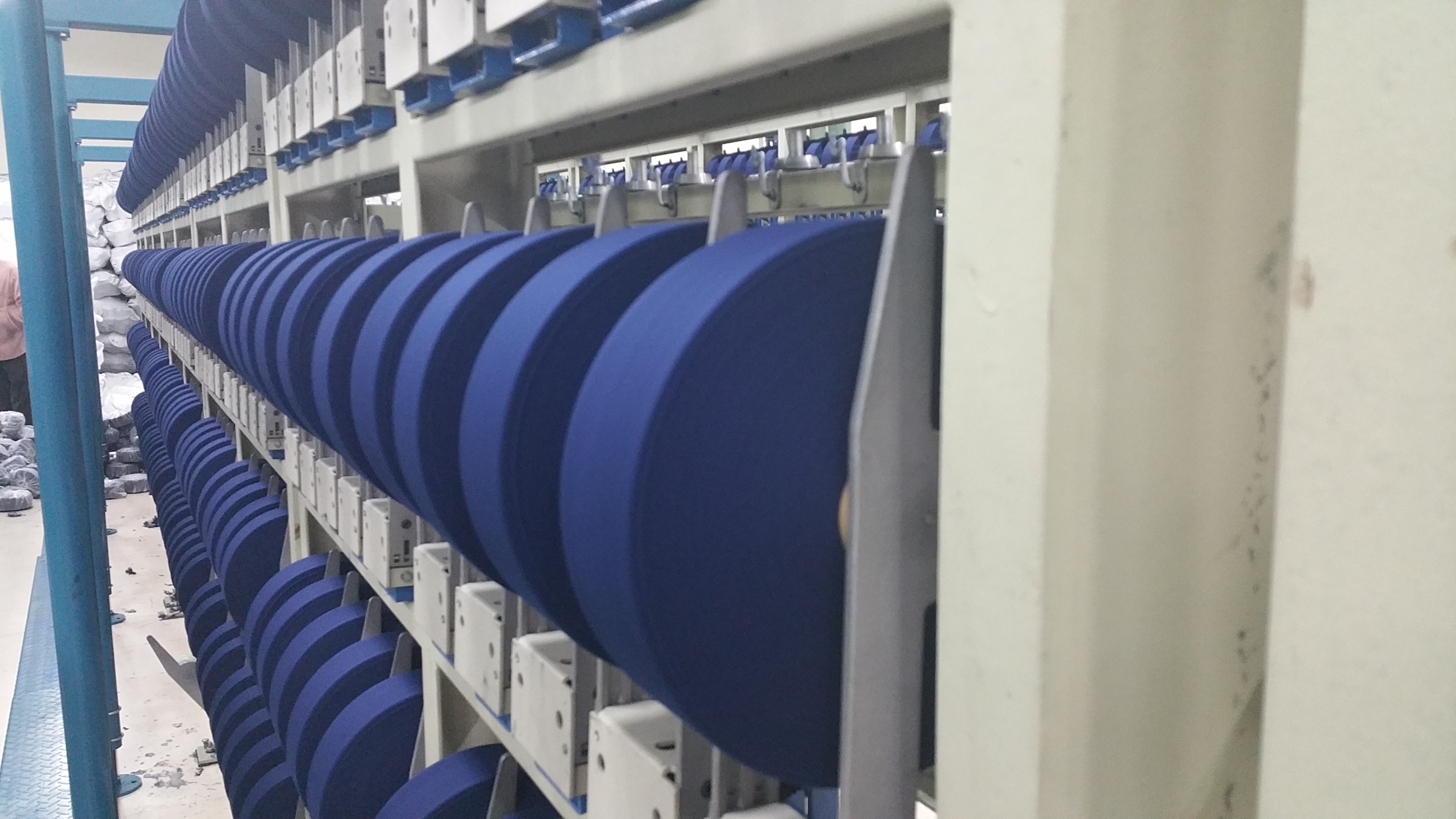
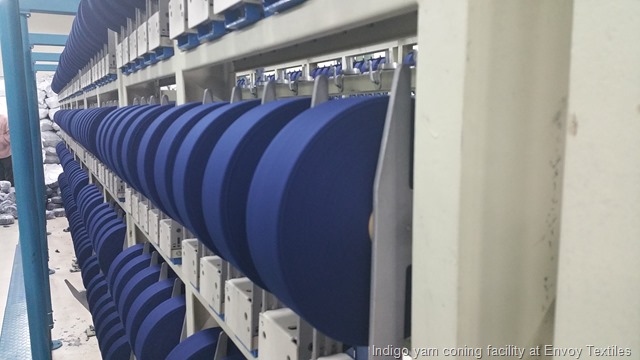
    Indigo yarn coning facility

    More info about the Envoy group can be had through this email

    .

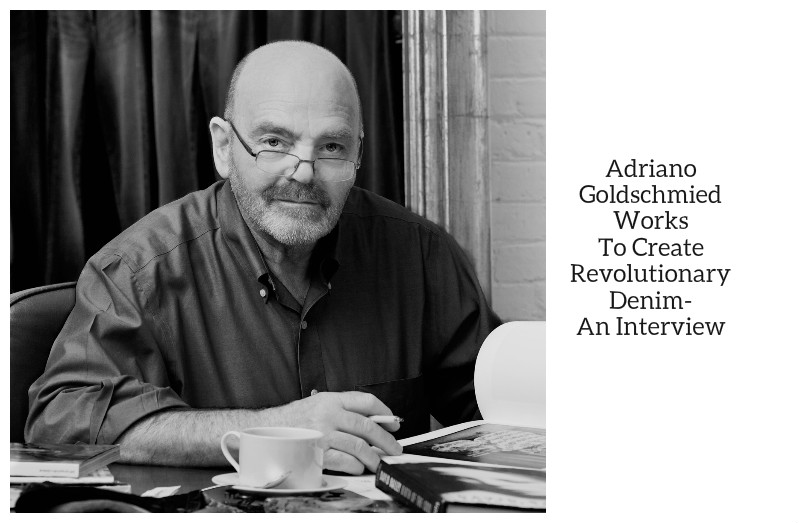
  • Adriano Goldschmied Works To Create Revolutionary Denim- An Interview

    Adriano Goldschmied Works To Create Revolutionary Denim- An Interview

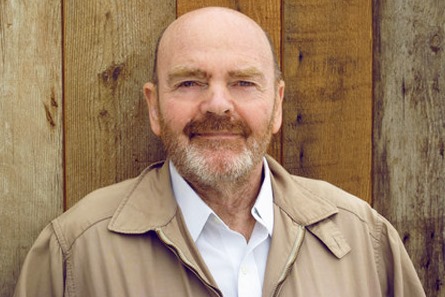
    Adriano Goldschmied needs to introduction. Often referred to as ‘Godfather of Denim’ he is revered by denim community worldwide . With a career in denim spanning over 35 years, Goldschmied took jeans from work wear and made them fashionable. He is the founder of iconic brand Diesels , AG, Goldsign etc and played important role in development of a large number of important brands like Replay, Goldie, Evisu etc. He has never rested on his laurels and has made continuous efforts to bring the denim industry to the next level  . Lately he has been working on a new stretch fabric which he feels will turn the fortunes of the denim industry. The ‘Active Denim’ fabric which he feels is revolutionary , is made by blending cotton, nylon and polyester and is already being taken up by some important denim brands. We got the opportunity to interact with the legend and to ask him more about how the active wear segment is affecting the denim industry and how his new development is  industry’s answer to this segment’s onslaught on the denim market, besides his views on general movements in the industry.

    Why is active wear as a segment getting more important from denim perspective?.

    There is an important change of life style. In the past the active wear was mostly limited to people making sport, today is expanding to people that do not, and they just feel more comfortable and they like to be ideally more close to a look that is more healthy and active. They have been jeans "aficionados" .

    Yoga pants  seem to be highly popular . Are they taking share away from the denim market ?

    They are, and they definitely are taking space and consumers from the denim brands. But it is not only about this, the yoga pants are just the top of a big iceberg. In my opinion the market in general, including denim, is going in a direction that is not the traditional one where we been working for decades. Consumers are going into new fabrications that are  much more comfortable also in the classic five pocket. The knit denim, the real one, made with the circular machines, is substtituting the woven denim including the fake knit woven that has stretchability only in one way. We will see in those fabric not only yoga leggings but also training pants, boyfriend jeans and classic five pockets.

    You have been working on creating new game changing stretch fabrics made with blended cotton, nylon and polyester which have been creating ripples in the denim market. Pl tell us know more about these fabrics. How do you think they will help denim industry to grow further.

    As you probably know in the past I been working a lot in fabric innovations, bringing stretch abilities never seen before and mixing fiber and making blends in order to make the jean more comfortable. I arrived to a point when I developed the two way stretch that I understood that it was the right time to invent something totally new. This was not an evolution but a revolution. I started thinking that people love the indigo but there was a need of new constructions. So,now  bringing the circular machines in the denim world we change completely the industry. I been working in a new generation of fabrics that all the time are stretch at 360 degrees. Basically I been working in two directions in the same family of products. I take the indigo ropes and instead going to the looms I use the circular machines. The first family is with a very high stretch performance as i mix the cotton indigo yarns with nylons or polyesters creating a product that is in between a denim and a performance fabric for the more active design The second direction is still with the indigo yarn but developed in more stable knits that can substitute the classic denim in more traditional fits.
    I strongly believe that the denim industry survives all the time because we bring innovation that is keeping the attention and the interest of consumers. In this case this revolution will be probably bloody but very beneficial..

    Are these knit denims dimensionally stable  and are these products  tested by brands? What kind of fibers have been used in such fabrics..

    Most of them are on a poly base in the back that is giving a lot of stability. They are in development at many brands and they  will be in the market in January. In general they are 60% indigo yarn, 30% Poly or Nylon and 10% Spandax.

    Do you think this direction could take a sizeable portion of denim market in coming times ?

    It is very early to forecast the size of this business, for sure we need to have a test in the market but I feel it will be really big. This is a product that can be very important and be used from denim brands but also for sport brands. In addition we don`t have to forget that making a legging is much cheaper then making a Jean. So for sure they will be an opening price that naturally will generate a serious volume. What I have in my mind is that in the future could be 30% of the women denim business.

    You are often referred to as ‘Godfather of Denim’. What do you think about the broad directions the industry seems to be taking.

    I don`t care about how they call me.. What I care is about bringing more interest and business to our industry. I feel that this new direction will add a lot to our segment. We don`t have to forget that today we are under "attack" from the sport giants and new sport brands and I feel that is crucial to have anadequate answer and get back our market.

    Eco Sustainability – it seems to be becoming a buzzword in denim . Though brands/retailers like Levi’s ,M&S and H&M are taking it seriously still a very small portion of world denim is eco friendly.  Do you think we might reach a stage in next few years where a small % of total denim would be eco sustainable making a visible impact on the environment..

    Regarding eco sustainability, we started small and it will be big as long we all understand that it is not just a marketing tool but a practice that we use every day in everything we do. It is our next big challenge and we need to be winners.

  • A Life With Denim | Piero Turk

    How many of us can use the phrase “ A life with denim” to describe their denim experience ?. Not many!  Because it needs a very long , dedicated and passionate indulgence with this fabric to justify the usage of such words. But there are few professionals in the denim world for whom such words could be an understatement.
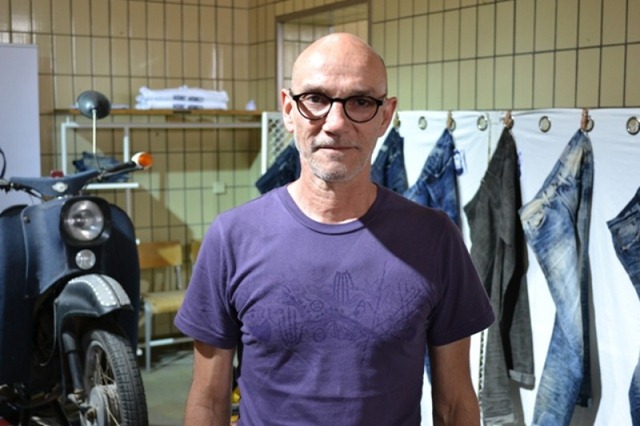
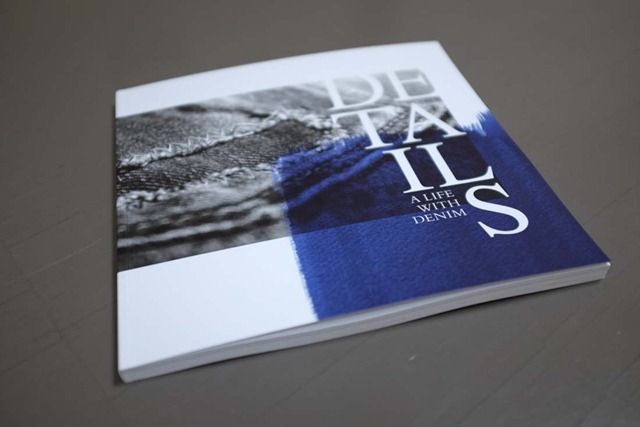
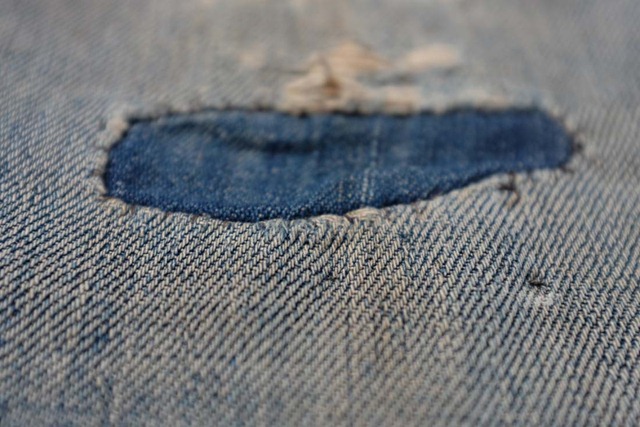
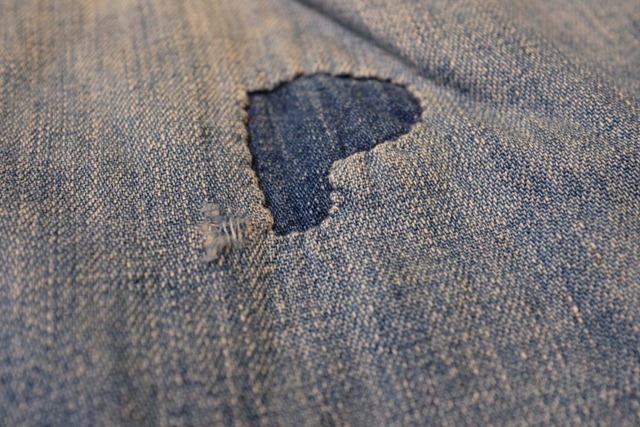
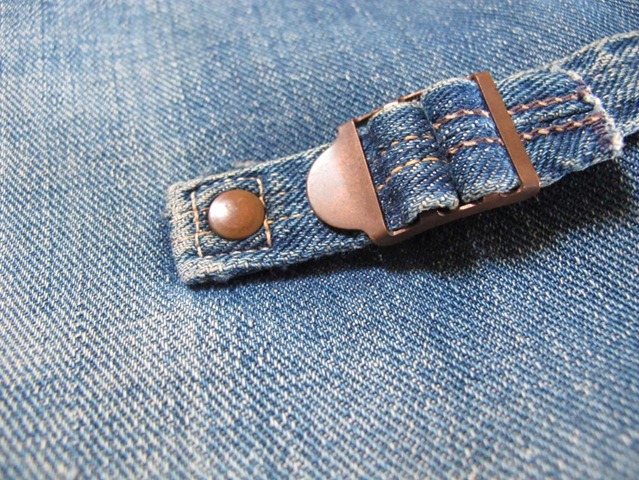
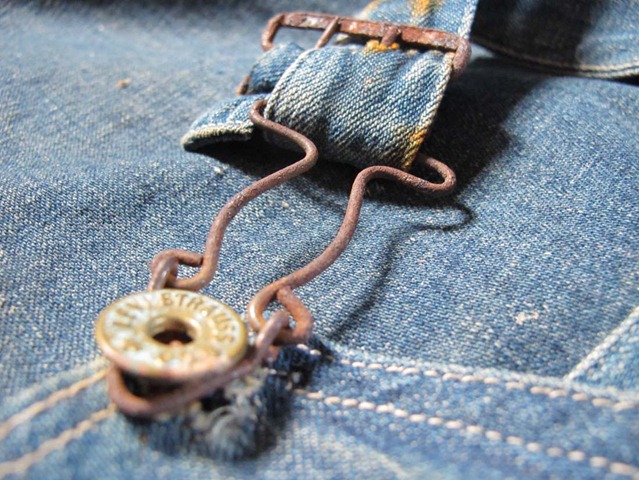
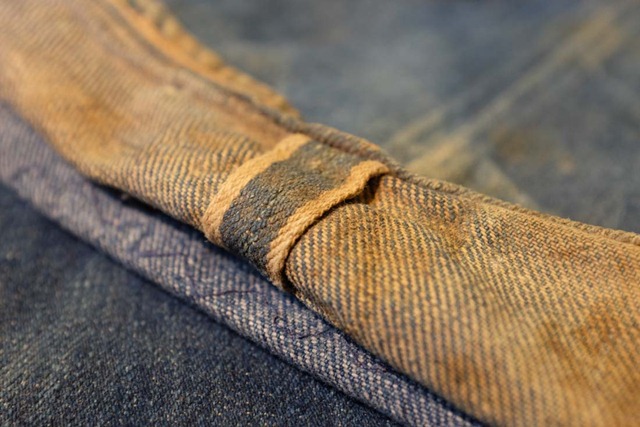
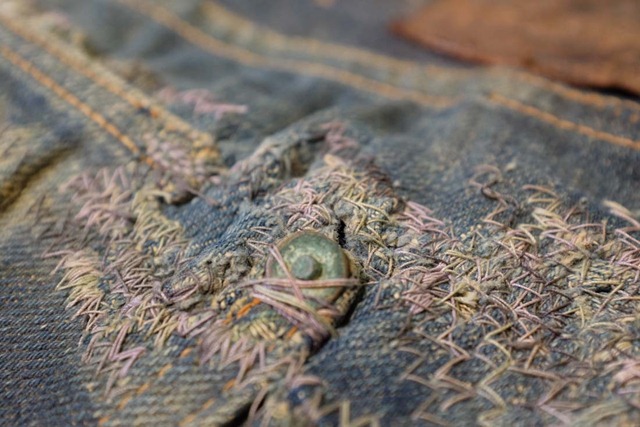
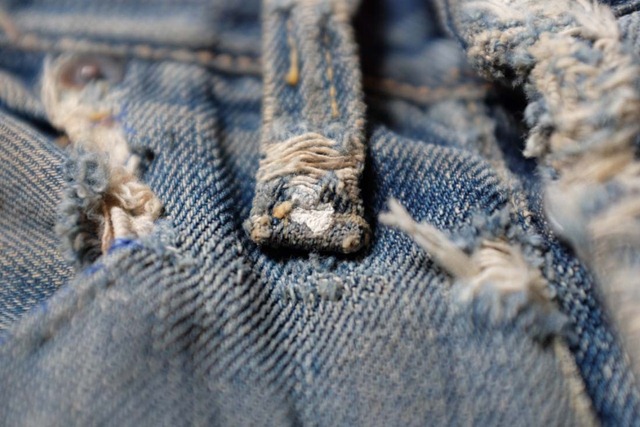
    Piero Turk from Italy is one such denim aficionado. His association withpiero turk denim is long and deep and he has worked for some of the top denim brands worldwide (let him tell about it in his own words below) . He is also an amateur photographer and has been shooting images from vintage jeans from his own vintage collection with enlarged views of fabric , wash and mending details , accessories etc. He decided to recently publish his images in the form of a photo book : Details – A life with Denim . With over 300 amazing photographs of denim in close details covered in 90 pages, the book is a great  inspiration for denim professionals . I spoke to him to learn about his love for denim and to know why he decided to go for this book .

    DSCF2978

    Hi Piero, you have a very long history of contributing to the denim world. Can you tell us more about your denim life ..

    I loved denim since I was a child. 50 years ago I was wearing jeans imported from USA as much as I could.

    When I started working in textile industry, 30 years ago, with people already famous in jeans world, Adriano Goldschmied, Claudio Buziol, I had the opportunity to be very close to the new denim era that started in Europe and Japan at beginning of ’80s. From then I worked more and more in jeans and denim world.

    Then after working many years together with Adriano Goldschmied for many of the most jeans and fashion brands around the world, in year 2000 I opened my own design studio. During the last 15 years I did work for many top level denim brands. EDWIN, BIG STAR, MUSTANG, AG, SEVEN, GUESS among others and for fashion brands like SPORTMAX, SEE by CHLOE and others helping them to develop their jeans line.

    DSCF1984 DSCF1983 

    Your new book " A life with denim" is one more step in this direction. Can you tell us why and how you thought about this book.

    The book is the end of a process I started many years ago. Photographing detail of vintage garments from my own collection. Using those images for my design work. Taking inspiration from them to develop new and modern products. First I started 2 years ago my blog  A life with denim and the book is one step forward of all the work I’ve done. Images of details useful for me and people working in denim industry.

    DSCF1598

    DSCF1607

    Why do you think that denim is full of life and seems to be getting younger with passing time ? Do you think any other fabric has ever achieved or can achieve similar status ?

    Denim is the only fabric that can change its face millions and millions of times. And it’s democratic. Can be worn by everybody. Any age, any income level, any size, any country.No other fabric can achieve that.

    DSCF1983 DSCF0954

    What are the biggest differences you see in denim as it stands today compared to when you had just started your work in denim

    The biggest difference is that now denim is a fabric with high technological contents and it develops very fast. Now it’s used as a "noble" fabric in the fashion world. In the ’80s it was mostly related to youth culture and workwear.

    The book is priced at $38 and can be bought at Etsy here .
    We can’t get enough of lovely images from his book. Some more below ! DSCF1983 DSCF1572 DSCF1561 DSCF0123

  • Interview With Katsu Manabe | Momotaro Japan

    Interview With Katsu Manabe | Momotaro Japan

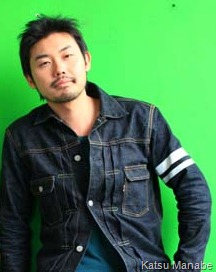
    We had the pleasure to talk to Mr Katsu Manabe of the Momotaro / Japan   Blue family who make waves in the denim industry worldwide with their original and authentic denims.  He speaks to Denimsandjeans.com in length about how he got involved in his father’s denim business, and about the the  philosophy and concepts in the collections from Momotaro / Japan Blue and what is real good denim for him.

    1. Pl do tell us about your denim background. How you came to be associated with this industry?

    I’m Katsu Manabe,son of the owner of Japan Blue Group. But I was not interested in denim until I found what our company had done. It wasInternational developper Katsu Manabe
    1995-1997, I was just a usual high-school student who was interested in fashion, games sports etc.. At that time, vintage denim replica trend started, then many stores made their own denim. I had Levi’s 501XX replica, then I bought some piece of store original replica denim( Japan made). A year after, I found exact same denim in father’s office and he told me that its made by him.. I was surprised..I found several fabrics and samples which I wanted to buy and it was huge trend in the market at that time.. After all , I started work his company. I had experience
    for overseas production manager and taking care of the store, opened the
    website, after all ,started to sell material and garment in overseas
    market. It was around 15years back .

    2.How do you think an American product came to be perfected in Japan and actually becoming a symbol of best quality denim worldwide  with raw denim being at the centre of this attention.


    After 2nd war, U.S military brought us a lot of clothing, and its so
    interest and cool for Japanese at that time. I think we love not only
    the denim, also American culture behind. Its so diffrent culture than
    Japan.
    Past 100years Levi’s build denim as a daily wear and work wear in the
    market. Most of people still think denim=Levi’s=U.S.  And this is
    history and its never change.
    But professional people, designers, manufactures,craftsmans, they
    undersatnd what the quality is. We love American culture and denim.
    But we’ve been trying to make the best quality denim in this 50years.
    I bring high quality japanese raw denim to Europe and US market since 2007 and try to build up raw denim market in 6years. Past 3 years there are
    many raw denim brands that  appeared  in the market.
    I’m so happy that people have interest again in  raw material which was the trend  1995 in Japan. I know its good way to enjoy the denim and people
    will think about quality of denim material after you wear a pair of
    jeans. The best quality denim, that customer will decide.
    We are just trying to produce the best material.

    3.Pl tell us how Momotaro grew from its origins and how it came to become an iconic symbol for denim lovers worldwide.


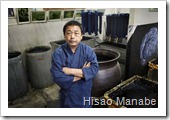
    President Hisao Manabe Momotaro started is 2005 as store original denim (Rampuya Original denim). We just tried to make a pair of the best Japan made denim for Japanese Indigo momo logopeople. Our president wanted to put some name on this label which can easy to understand its from Okayma, Japan. And we put the Momotaro name as a label. For Japanese people, Momotaro is one of famous fairy tales (like a “Peter Pan”). And this source of story came from Okayama. So
    people know Momotaro=Okayama. And we try to connect
    Momotaro=Okayama=denim=No.1
    In this 6years,I started selling overseas market and trying to visit the
    store as much as possible. Bring all the samples, telling history and
    culture,spirit,japanese denim..etc. We don’t think we are the best,we just try to be the best. Our friends and denim lovers who share our spirit,they bring us into the market.


    4.What is the basic concept behind Momotaro collections? Do you go  for seasonal collections or timeless ones which are not affected by seasons.


    Concept:
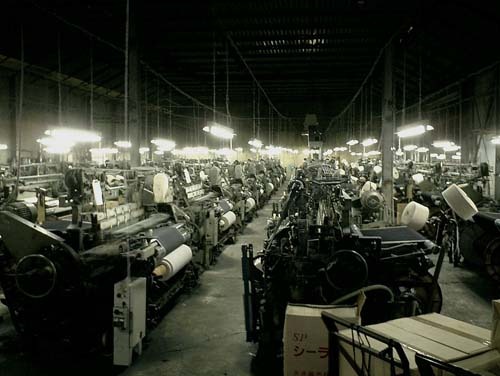
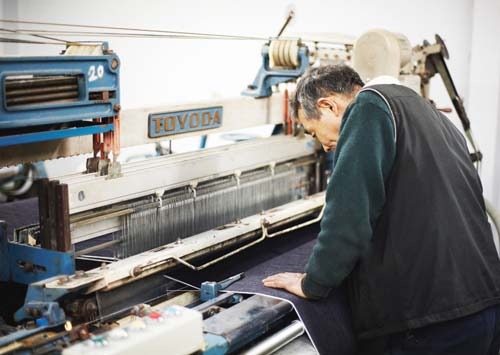
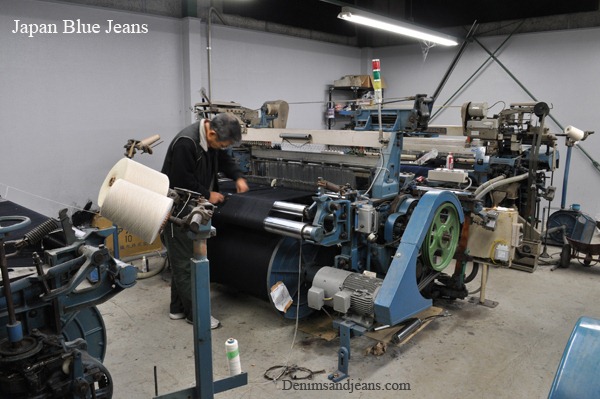
    Momotaro Jeans uses only the best natural raw materials and dyes the cotton yarn with pure indigo to weave the Original denim using its vintage looms by hand.
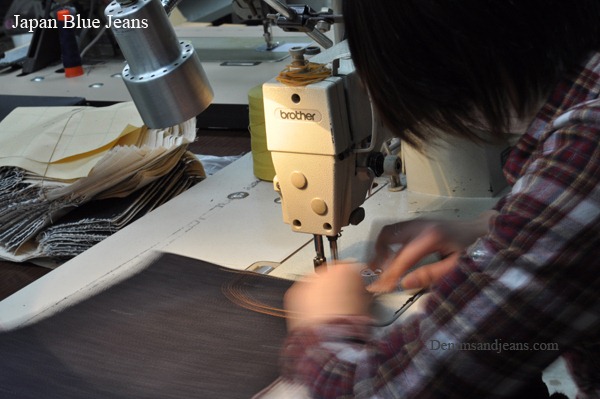
    At Momotaro Jeans, the artisans have a saying:  Made by hand without
    compromise
    g. All you have to do is try on a pair of Momotaro Jeans and
    you will see for yourself from the exquisite details and rich indigo
    blue that Momotaro jeans are of superior quality.
    Mainly we sell timless collection. But we also sell seasonal collection
    mostly in Japanese market. I try to build Euro collection which not
    selling to Japan.  Normally we don’t make big discount sale.

    5.You also have the Japan Blue brand. How is it different from Momotaro?


    Japan Blue started from Euro,U.S and Asia then Japan. = its focus
    overseas market and focus on material. Not only denim but high quality
    material.
    Momotaro started for Japanese market then Asia-US-Euro. = focus the best quality vintage denim.

    Modefabriek Momotaro & Japan Blue logo

    6.There is a lot of misunderstanding on the kind of looms used by denim pioneers  in Japan for making denim. Do you think these  looms  were all imported from US mills ? What role did these looms play in bringing up the Japanese denim industry?


    50years ago Belgium looms maker export them machine to the world, and
    some of our craftman remeber the machine came from Belgium also
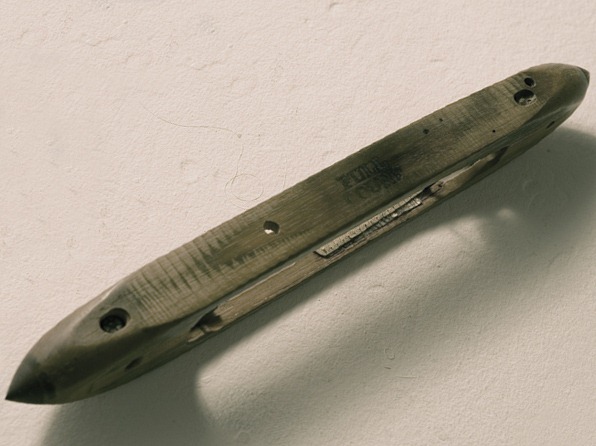
    technician came to teach how to work.And we also use vintage deadstock”TOYODA” looms which TOYOTA car company started them business in 1890. Shuttle rooms shuttle machine2

    7.You are also a unique brand because you weave your own denim. Do you think it makes a huge difference to have your denim woven by yourselves?

    Our sister company Collect Textile has been trying to produce high quality material and denim for 22years.
    I think raw denim needs good quality material. If we want to try to build the best quality denim in the world, that’s the best way to weave your own material. Ofcourse you need a lot of knowledge ,experience and practice for the same..

    8.What role do you think does cotton play in denim quality . I believe you use mainly Zimbabwe cotton.  There must be  a strong reason  behind the same.


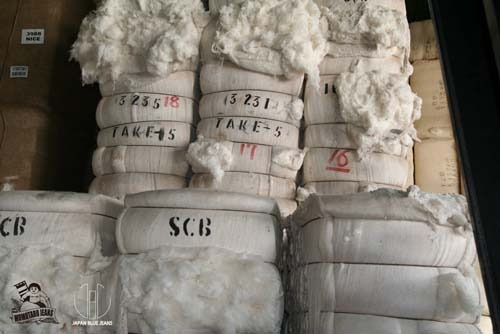
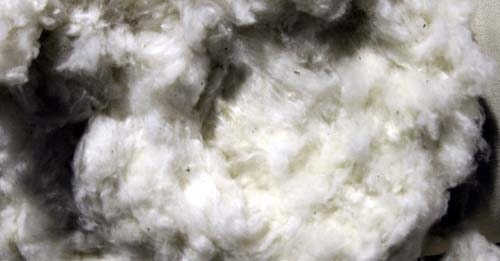
    Yes, we mainly used Zimbabwe cotton. Its one of the finest cottons and
    long staple, its can create great color with Indigo. Also it gets softer
    after uses, makes good fade and fit your body.
    zimbabwe cotton raw cotton zimbabwe

    9.How do you think Japanese denim fashion has changed in last decade . I am sure it must be reflecting in your collections too!

    Its changed like this –
    Hard washing denim->Natural fade denim.
    Hard raw denim -> Rinsed raw denim.
    Vintage replica -> original denim
    Of course we follow this change but not always. We want to create new
    vintage generation with new denim history for next 100years by Japanese
    denim.
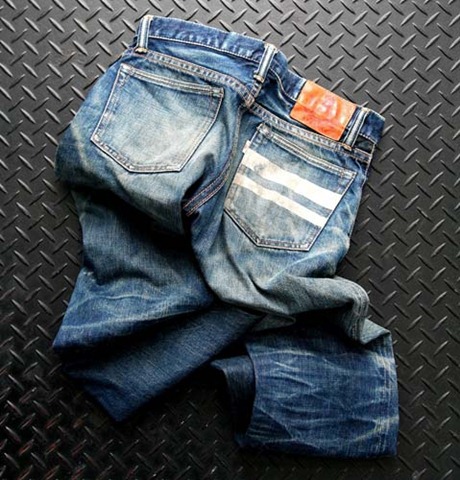
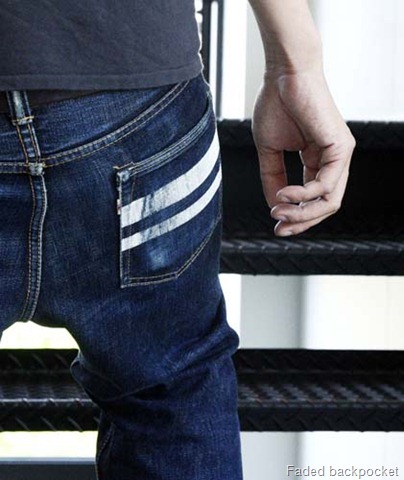
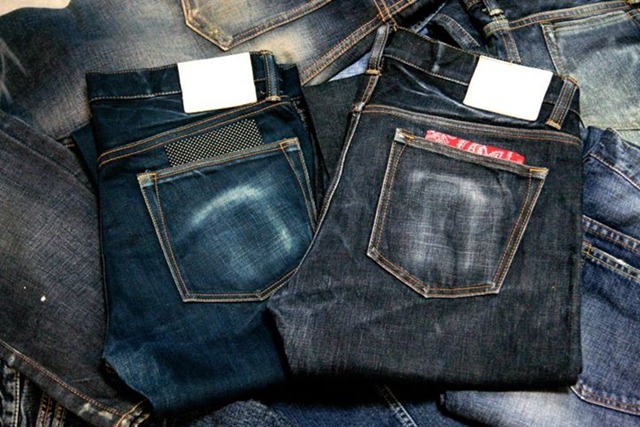
    Momotaro Jeans Image photo1 styles faded backpocket

    10.Many thanks for taking out time to speak to us. Any advice for denim lovers ?

    Enjoy with your raw denim, your life will appear on your denim. Its your
    history of denim.

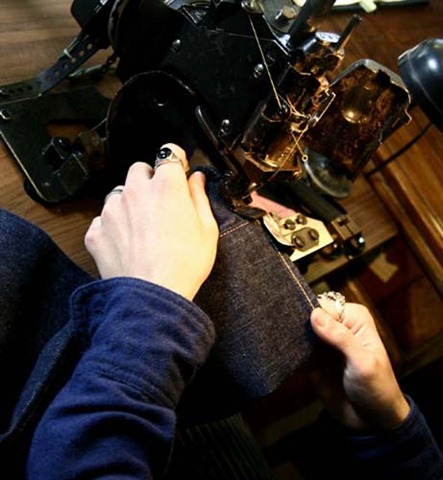
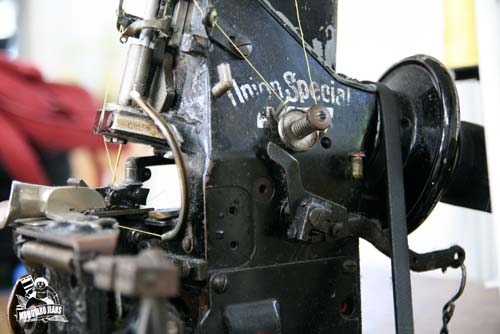
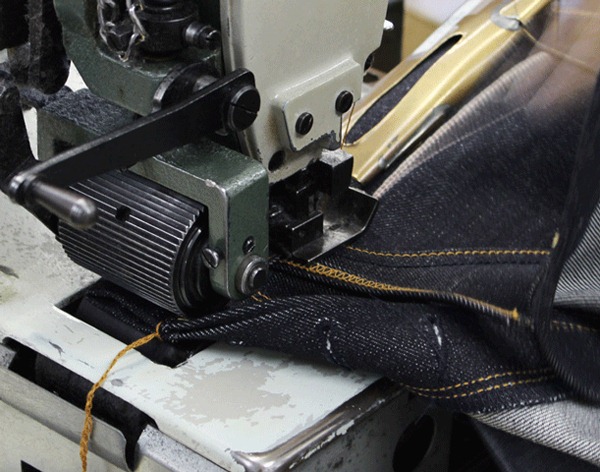
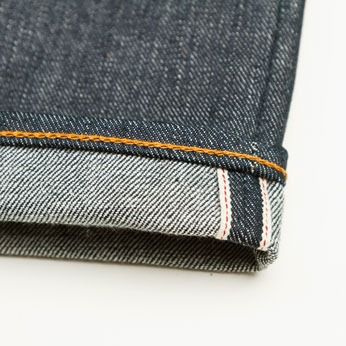
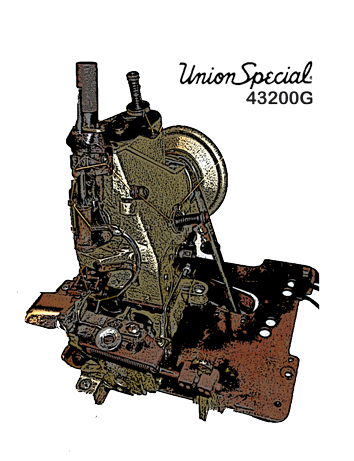
    Sewing Vintage Union special2 original fabric samples

  • Denim Studio In A Desert !

    clip_image002_thumb2

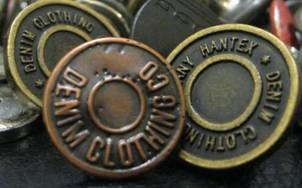
    On a recent visit to Dubai, it was interesting to see that a jeans manufacturing unit has been recently set up. It felt quite strange to see a new garment unit coming up in the heart of Desert. This was the Desert Studio set up by the Denim Clothing Company of Pakistan. We decided to check out the company and know more about the company and to explore the rationale behind setting up such a unit and had a chat with the Director of Machiyara Group of Companies, Mr Munaf.

    Hi Mr Munaf! Welcome to Denimsandjeans. Pls tell us something about Hantex & Denim Clothing Company (DCC)..

    It is a fine example of limitless energy and efforts which put together to establish highly competent fully vertical denim manufacturing setup in a short span of time (Just 6-7 years). One of the great challenges was to penetrate a matured industry and we did it by communicating market norm and needs efficiently from the scratch. Intelligent Business Approach, top class R&D facility, latest technology, fashion philosophy, finest quality and highly competent people.
    In half decade, we successfully achieved 1.5 million garments / month with well-known market clients.

    Do you think DCC is different from other companies in this region?
    Yes, definitely .We are the only denim company in this region to have own cotton fields n fully vertical with fair trade & organic cotton including a modern and sustainable fabric mill & garment sets up with state of the art fully equipped laundries.
    We also have in house carton, poly bag and thread factories to support our garment division. We believe that no other company can offer this combination of services.

    Creating a denim factory at Dubai is quite a unique thing when you consider that most of the factories that existed here have shifted due to high costs and environmental issues. What was the thought process behind this creation?

    Well, I was expecting this question from you. Operating denim manufacturing facility in Dubai is completely different dynamics. Globalization, brought business norms entirely on a different page. Clients have been treated more as business partners. This state of the art facility is a smart model of customer centric approach.
    Considering rapid innovations in fashion world, we feel that it’s a genuine need of our partners to get them involved more with us in developing their products then and there.
    Dubai is the most preferred place as it has become an important centre of business world. At Desert Studio, we are conducting highly interactive sessions with our clients where they develop their product line, experience each stage of product with highly transparent system and shorten their lengthy processes of making collections. Desert Studio is an exclusive facility for very high end products and it enables its partners to free from other limitations such as (MOQ, material management from different sources, high fashion finishes, efficient team to understand fashion philosophy).


    Do you think it would be easy to go green on the products you make here?

      (we show some images of the ozone and laser treatments)

    We found Dubai and green product is a perfect combination. We are very conscious in terms of water usage and less harmful chemicals. We are offering water less washes, conscious washes, sustainable products etc. Further, you will hear a lot more in this direction from us soon.

    What are the facilities available in this factory? Is it a fully equipped one?

    Desert Studio is fully equipped with all latest technologies and facilities to make top of the line products.

    (Automated cutting, stitching, laundry and finishing).
    Fully equipped design room / show room for creative heads to design their collections.
    Laser Technologies
    Ozone
    Automated Spray / Ovens
    Margareta
    And fully skilled sample team in production line to secure quality and efficiency.

    clip_image006_thumb2

    What kind of washes on jeans can you do here ?

    Desert Studio is specially designed for doing high fashion washes which you can easily differ from mass market. Besides adapting latest technologies we always remain focus on precision and details which is one of our biggest strength. We are capable of serving variety of washes to denim world , like low impact denims, conscious washes, green washes, garment coatings, vintage washes with lasers, ozone washes etc.

    clip_image004_thumb2

    clip_image008_thumb2clip_image010_thumb2clip_image012_thumb2clip_image014_thumb2

    6. Pakistan has been awarded the GSP for EU.. It must be great news for all exporters in Pakistan. How does it affect your business?

    In Pakistan we are taking max advantage but in Dubai, the customer gets the premium product, so they are not really into duty advantage when it comes to Dubai.

    Contact Denim Clothing for more info on Desert Studio here

  • A Chat With Hiroki Kishimoto | Japan Blue

    A Chat With Hiroki Kishimoto | Japan Blue


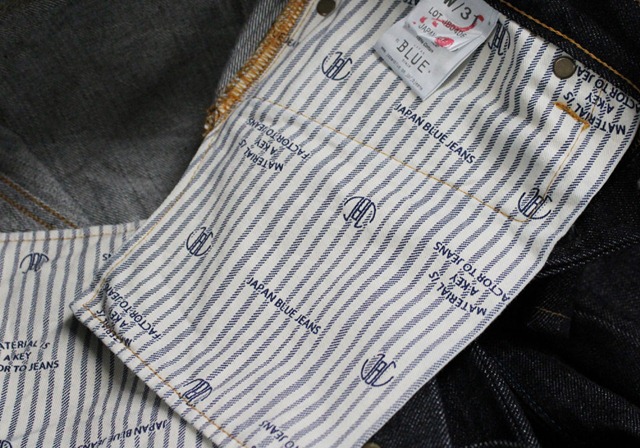
    japan blue logo JAPAN BLUE is a jeans brand created by legendary Japanese denim fabric mills – COLLECT – in 2010. COLLECT has a

    A Chat With Hiroki Kishimoto | Japan Blue

    deep routed tradition of denim making in Kojima, Okayama. Collect is also the fabric maker the same fabric manufacture behind Momotaro denim and has a deep routed tradition of denim making in Kojima, Okayama.

    JAPAN BLUE does spent most of time developing and creating materials.
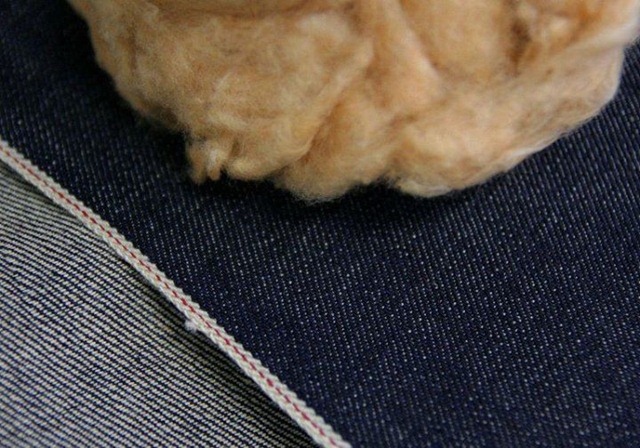
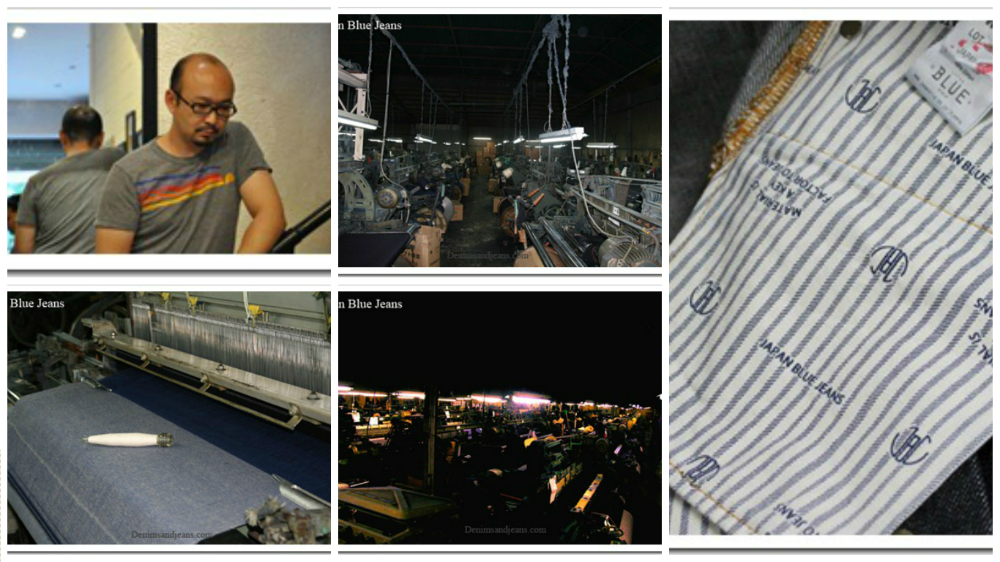
    Because they feel that  material is a key factor to determine the quality of jeans.Selecting cotton,spinning cotton, dying the yarn and finally weave a fabric, JAPAN BLUE considers all four processes an creates a fabric best suited at that time.  Using Zimbabwe, Memphis and other special cotton, Japan blue creates magic with their fabric and jeans.

    We  had a chat with  Mr Hiroki Kishimoto , the designer and over all manager at Japan Blue Jeans to understand their principles and ideals of jeans making.

      Hi Hiroki. Can you tell us about Japan Blue Group?


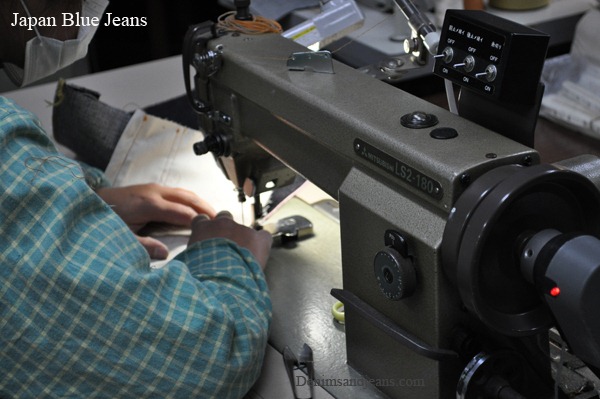
    Our group has two company, COLLECT co.,ltd and RAMPUYA & co.Hiroki COLLECT started in 1992 for fabric maker. COLLECTsupply fabric to a lot of brand, not only jeans maker but also other fashion brand now.Main customer are Japanese brand. of course we work overseas brand too. RAMPUYA started in 1996 for in order to master natural indigo and is owned by the same person -Mr.Manabe. We make own factory to dye natural indigo at first. We dyed yarn, tshirts,shirts,pants, leather, wood! . Mr Manabe started  Momotaro Jeans in 2005. We want to make jeans that has vintage, Japanese traditional, luxury, NO.1 jeans.


    And I starter Japan Blue Jeans in 2010. I  want to put different concept to Japan Blue. I  produced Japan Blue with vintage and innovative mixed. I can produce a lot of variety fabric. But our fabric customer (COLLECT customer) buy some of them. A lot of fabric which was excellent couldn’t appear to the world.

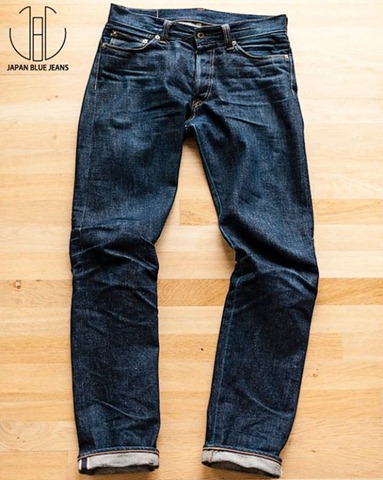
    So I  produced Japan Blue Jeans. This is one of reason for the launch of the brand.Japan Blue Jeans


    Japan Blue focuses a lot on the material – the fiber, the yarn spinning, dyeing , weaving etc. Do you think it makes a huge difference ?


    Of course. I think jeans making equal fabric making. If I change small detail, huge difference will be coming after wearing.

    zimbabwe cotton for denim

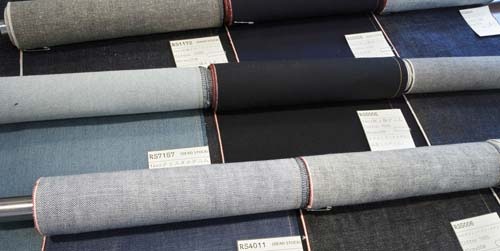
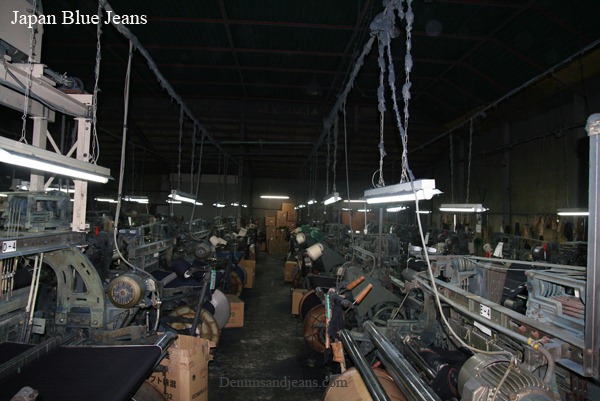
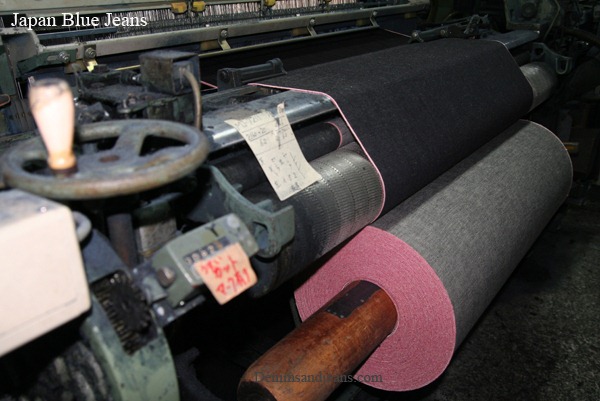
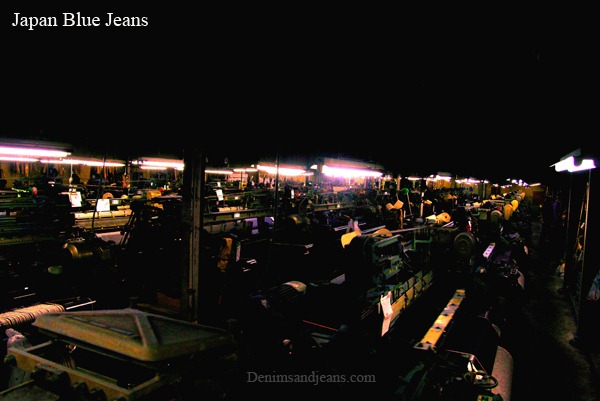
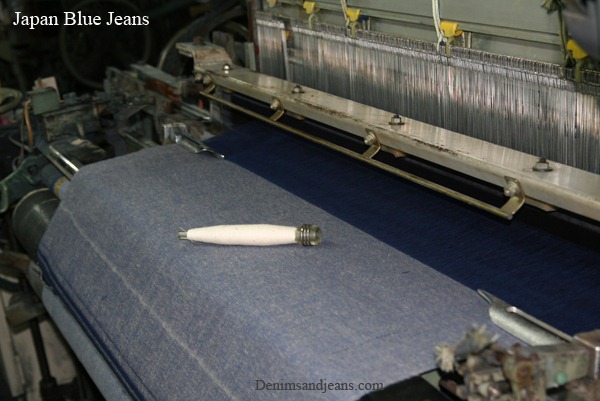
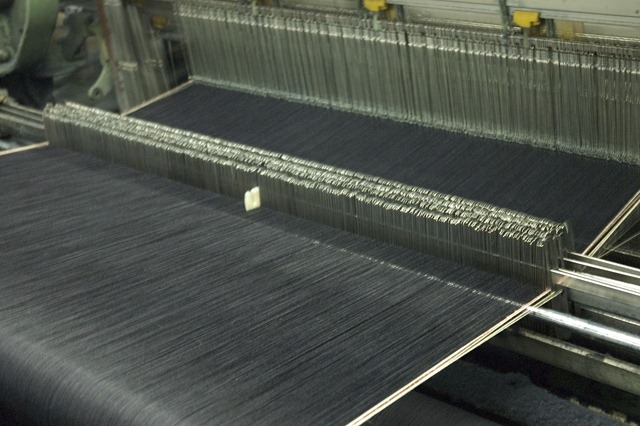
    Selvedge denim looms weaving Selvedge denim looms weaving Selvedge denim looms weaving Selvedge denim looms weaving


    How did you get into the denim business? What Were there any big hurdles you had to overcome?


    I met owner Mr.Manabe by chance before graduate university. We talked a bit, and he said, come to my office.I worked fabric business about 15years.  Designed, production, sales,,, sometimes dying , grow cotton…I talked other jeans maker designer, he said, “I want to wear jeans by COLLECT  fabric for personally.So I made so made small pieces jeans at first.


    Big hurdles are craftsman, factory. We loose good factory and good craftsman every year. We are concerned that made in Japan product is shrinking.


    How is Japan Blue different from competitor brands , say Evisu or even your own sister brand Momotaro. Who would you count as your main competitors?


    I think Japan Blue is quite different to some Japanese jeans brands. Almost Japanese jeans brands pursue vintage jeans individually.Of course I use some vintage detail, machine for Japan Blue. But not everything. I compare which is better vintage or modern tech for every product..
      Japan blue denim


    Do you think Japanese denim fashion is different from rest of the world ?


    Some parts are different, some parts are similar. Eg, I produced jeans for US market. But Japanese also likes that model. There is also reverse. But there are not same time, different season. So there will be similar someday.Japan blue denim1


    What according to you is the definition of a great denim ?


    Something which people wear every morning.!


    Why do you think Japanese denim is so famous worldwide

    I think the  quality is the  best.

    Is it because of good craftsmen who have been working for a long time?

    That is one of reason. and, Japanese jeans designer require to craftsman very difficult denim fabric.

    So the designers push the innovation ?

    I think so. designer want to make vintage jeans. So craftsman consider how to make.

    But why so much focus on vintage jeans? Why not something very modern and different?

    Because of unique market only in Japan. In Japan, we pursue vintage fabric, sewing detail, cut, everything. Actually, i worked to produce fabric and  a lot of designer sent vintage jeans. SoI reaserched vintage.

    What do you think is the most imp thing for making vintage denim ?

    i think balance is imp, cotton, spinning , dying , weaving. vintage jeans did not think fading, or some design. they use very bad condition machines.

    Do you mean the old looms?

    Old looms and old spinning machine, old dying machine, old sewing, everything old..

    So using these old machines is an advantage or a disadvantage ?

    Of course disadvantage for almost people, but advantage for a few  jeans freaks over 20years ago. I produced fabric for some  jeans freaks at that time.

    A Chat With Hiroki Kishimoto | Japan Blue

    Really ! which year you started?

    Our company started 1992. i started 1996.

    Your brand Japan Blue – is it selling mainly in Japan ?

    We sell
    50:50 Japan and other countries.
    1st year – only showed designs and did not sell.
    2nd year – sold  only to overseas markets.
    3rd year – sold to Japan.

    Ok that’s great.. I see that you also make heavy denims like 16.5oz Monster selvage. What is the heaviest ounce you make ?

    28oz.

    Wow ! what kind of customers wear 28oz fabric jeans?

    I do not recommend to wear this fabric for daily use. Only if you go to very cold area or ride on bike.

    But  jeans must be very stiff and rough ? Must be breaking many needles during sewing .

    That’s right. very difficult to sewing. they need hammers!!
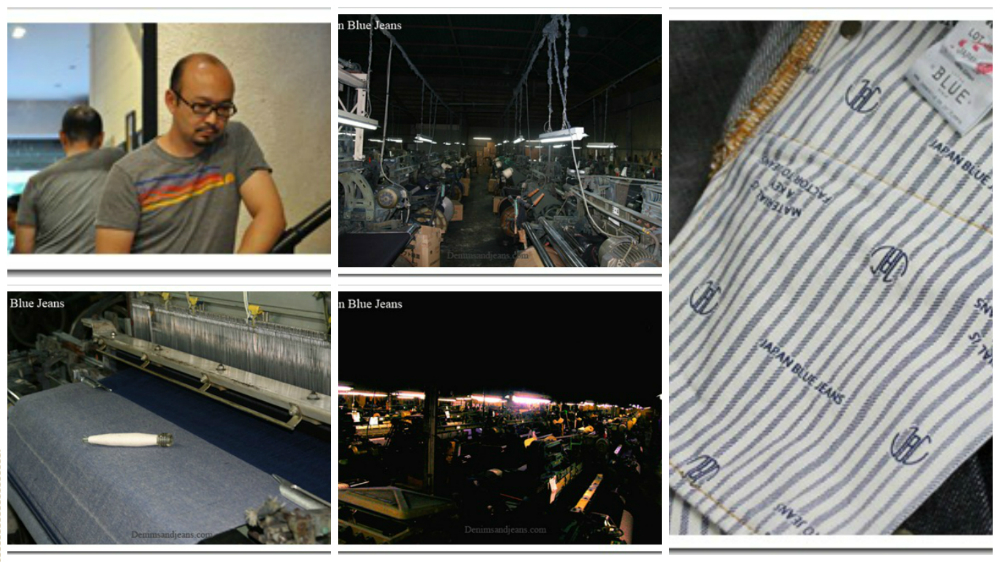
    A Chat With Hiroki Kishimoto | Japan Blue A Chat With Hiroki Kishimoto | Japan Blue A Chat With Hiroki Kishimoto | Japan Blue

    So normally you must be doing about  max 16-17oz .

    Yes, but our 16.5oz is soft and comfortable. i can produce 16.5oz  soft, So i make jeans. If i produce more heavy jeans with comfort, i will make those  jeans. Eeven 16.5oz is not so easy to make soft .
    Monster Skinny Japan Blue

    Where can customers buy your Japan blue jeans?

    We have 70 dealers in Japan and 80  overseas. and 1 own store in japan. Some dealers can send world wide. Blue owl, AND, Okayamadenim , Cultizm,,,,and more,,

    Please tell us something  about your latest jeans articles .

    Some of the famous ones are

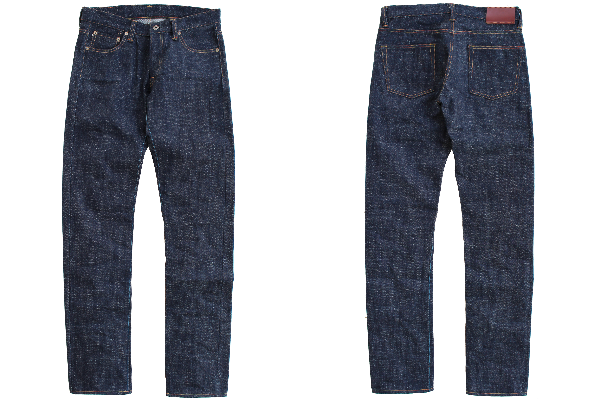
    • 16.5oz Monster selvage .I produce JB0412/Tapered cut and JB0212/Skinny cut to this fabric.This fabric is heavy, but very soft feeling after wash.
    • JBM04A3   10oz freedom jeans. We use indigo knit fabric to this jeans. Very soft, comfortable.
    • JB0414  10.5oz Joker jeans. We use selvage stretch fabric to this jeans. Of course comfortable. And good fading coming.
    • 5 colors jeans : JB0211 and JB0411 has 5color(cobalt, ruby red, forest green, carrot, egg plant)

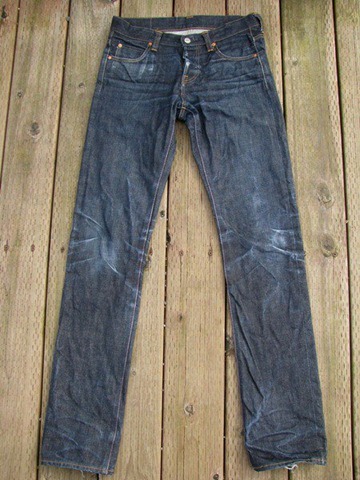
    Japan blue - seven months  one wash

    Is there something we can expect from Japan Blue in  the coming years?You have talked a lot about quality. Having been in the denim scene for a while; nowadays do you see a marked difference in what people are looking for in terms of quality, where the garment is made or how it is washed?


    I want to produce jeans which nobody have never seen someday.Of course I brush up current model. And we always produce new fabric, jeans. I just enjoy making fabric! Actually, I can’t expect Japan Blue in the coming year. I will try wash jeans too. so I produced fabric for wash jeans. Maybe it will be  released in near future.

  • A Chat With Mikiharu Tsujita | Full Count Jeans , Japan

    A Chat With Mikiharu Tsujita | Full Count Jeans , Japan

    In the 1980s a group of Japanese jeans fanatics went out to research on the origin and quality of jeans. Most of them were Levi’s 501 fans and they decided to buy some vintage jeans from the US. But it was becoming more expensive and difficult to buy those jeans . So they decided to create their own vintage jeans. Mikiharu Tsujita – the owner and head designer of Full Count Japanese brand – was one of them. The group that had come together slowly separated and famous brands like Full Count , Evisu,  Warehouse etc   were created (in Osaka) by them with each one following his own vision of what can be the best in jeans and for their customers.

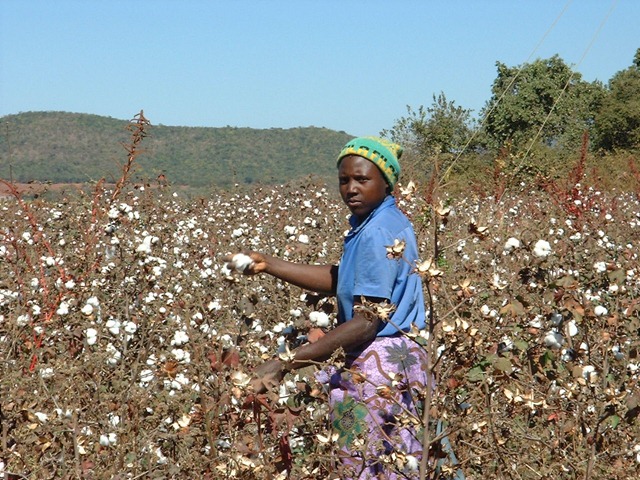
    Mikiharu Tsujita created Full Count in 1992 and was the first jeans company to use Zimbabwe cotton – which was quite unheard of at that time.  Due toZimbabwe Cotton Growing For denim the climate in Zimbabwe,  the cotton harvests are large and bountiful and because of one crop per year, the fiber length is more, which, when woven, creates a very unique texture. Zimbabwean cotton is harvested by hand as opposed to machines, which ensures that the cotton is not damaged and keeps its originality. Once woven, denim made of this cotton has  soft yet sturdy touch to it, which is one of the trademark aspect of Full Count Jeans.

    One of the unique things about Full Count is that they offer a variety of jeans cuts , which is a little surprising for Japanese denim brands. They offer bootcut, flare, straight leg, baggy cut jeans among others. It is a purist brand which also appeals to the westerners and does not go over the top as some other Japanese brands do .

    We spoke to Mikiharu Tsujita to know more FULL COUNT and to understand its genes.. He gave his answers in Japanese as in English ( and you can go through both )!

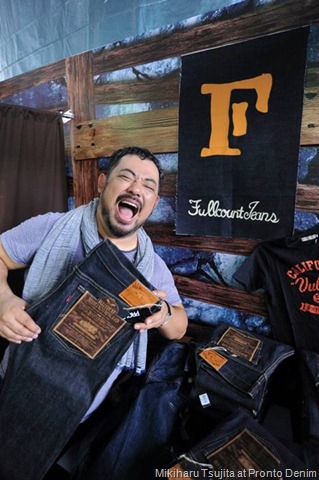
    Mikiharu Tsujita at Pronto Denim

    Q.Full count is one of the most famous Japanese denim brands.  We also remember you were the first one to use the Zimbabwe cotton in denim fabrics two decades ago. Pl tell us something about the brand and how it developed.

    A.When we started FULLCOUNT we were attracted about classic way of Indigo dyeingmaking  1950s denim. In the beginning  we investigate about how it fade color and pattern cutting, sewn by cotton threads way of making garment,  trimmings such as button, rivet etc. Later  we focused on the details. We started using shuttle loom from the company  which  was taking orders from Cone mills in 1960′ for XX denim  . (We still using same machine now) The vintage denim trend started 20 years ago in Japan. The original vintage denim garments value became very high at that time and  we started our brand  and it looks like same as the original vintage  deShuttle weaving selvedge loomnim . That’s why people are crazy about our denim jeans. But I was not satisfied with  my denim at just one point which is comfortableness. My ambitious is not just vintage look denim, I also would like to research about comfortable denim which would wear everyday such as denim I want to make. That’s why we decided to using the Zimbabwe cotton. Since then we have very large variety of customers not just vintage customers . Thats’ why we came beyond the categories.

    Q.Yours is a full fashion brand while many Japanese brands which are Raw denim labels or just focusing on one type of jeans. Does this make you different from other Japanese brands?

    A.We do not think our brand is a  full fashion brand. Consistently, We are approaching to the customer for well coordination items with our denim. Of course we get stuck with classic way of making as we are producing our own denim fabric.

    Q.Full Count is not moved by fast moving fashion trends . Is it true? What is your approach to collections?

    A.This does not mean we don’t consider the trend,  of course the silhouette is changing  time to time. We are making the chambray shirt and sweat shirt for 20 years but we are changing the silhouette little by little. But our customers image for FULLCOUNT has not changed from start I think. If we making the same thing this means we need change otherwise we could not be surviving in the industry.

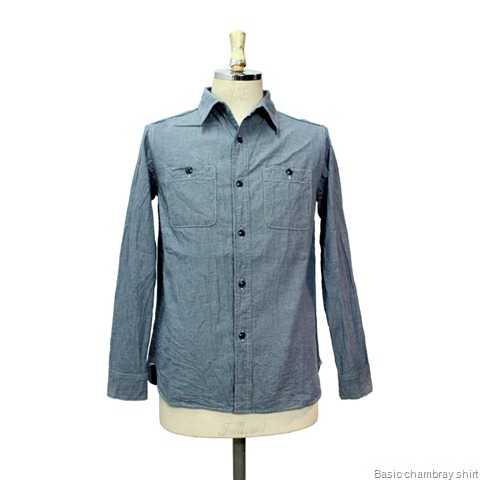
    4810-basic-chambray-shirts

    selvedge denim

    Q.Please tell us about a few of most famous styles and pieces in the last few seasons

    A. Some of our most famous styles and pieces are :

    1. 1922’s Buckle Back Jeans
    2. Tight Fit B.D.Shirts
    3. Basic Chambray Shirts
    4. P-coat

    Fullcount co.,ltd.

    Hand Shave & Dry Stone Wash.


    Q.You have a great deal of experience in the denim industry and must have seen how the industry has changed over the years. How do you feel the customers demands and knowledge have changed in last 2 decades and how have you applied this to your label?

    A.I think in last 20 years, most of the denim jeans quality is become higher and the classic way of manufacture style be come settle down. In these days, consumers chose their denim by silhouette and concept. We do not follow the trend style and we make the product what we were making since the beginning when we started. This is our way to make an appeal to our brand in the  industry.

    Hand Wash Series Full Count

    Q.It is said that Japanese mills imported the vintage shuttle looms from US and made the great fabrics. On the other hand, Japanese denim mills are understood to have used the Toyoda looms. Which one of these you think is correct.

    A.The point is not good or bad, its depends on the how it used by workers. The important point is those persons who could find out placing the right fabrics in the right machine. I think it isn’t important whether the machine is  made in Japan or made in America.

    Shuttle for weaving selvedge denim

    Q. What do you think is the difference between Full Count and other Japanese brands eg Evisu ?

    A. I think Evisu has double-face. One is a purist ,the other hand is their characteristic – like painting . Some purist hate the character. Fullcount is only for the  purist.

    Full Count denim collection

    Full Count Denim

    Full Count Team

    For those who wish to read the interview answers in Japanese , may go through Mikiharu Tsujita’s answers below:

    1.Full count is one of the most famous Japanese denim brands. We also remember you were the first one to use the Zimbabwe cotton in denim fabrics two decades ago. Pl tell us something about the brand and how it developed.

    私たちは1950年代の古き良き時代のジーンズに魅せられてフルカウントを始めました。創業当初はその色落ちやカッティングを徹底的に研究し、綿糸での縫製やその手間ひまのかかる縫製のやり方、ボタン、リベットの形状など、ディテールにこだわることにフォーカスし、ジーンズを作っていました。力織機も1960年代に実際に当時コーンミルズ社から仕事を受けてXXのデニムを生産していたものを使用しました。(今ももちろん使用しています) 20年前の日本はヴィンテージジーンズのブームで、かなりヴィンテージの価格が高騰していたので、一見ヴィンテージに見間違うほどのフルカウントのジーンズに若い人たちは夢中になりました。しかし私自身はその出来上がった商品で納得出来ない点が一つあり、それが穿き心地だったのです。

    ヴィンテージにそっくりなジーンズというだけではなく、穿いていてストレスなく毎日穿いていたい、そんなジーンズを作りたいと思い、採用したのがジンバブエコットンです。

    そのデニムを開発することにより、ヴィンテージフリークのみならず、たくさんのフルカウントファンが増え、ヴィンテージのレプリカの範疇を超え浸透していったのだと思います。

    2.Yours is a full fashion brand while many Japanese brands which are Raw denim labels or just focusing on one type of jeans. Does this make you different from other Japanese brands?

    私たちはフルファッションブランドとは考えていません。あくまで、フルカウントジーンズとコーディネートするためのアイテムをシーズンごとに提案しているのです。もちろんそのアイテム一つ一つはジーンズ同様、昔ながらの製法にこだわっています。

    3.Full Count is not moved by fast moving fashion trends . Is it true? What is your approach to collections?

    トレンドを取り入れていないかといえば、そうではありません。時代によってお客様の好みのシルエットも変わります。シャンブレーシャツや、スウェットシャツなども、20年間作り続けていますが、シルエットは徐々に変化しました。ただし、お客様からのイメージは全く変わっていないと思っていただいているとおもいます。

    同じモノを変わらず作っていくということは、変化しないとその時代で生き抜くことは出来ません。

    4.Please tell us about a few of most famous styles and pieces in the last few seasons

    1.French Army Motorcycle Coat 2.1922’s Buckle Back Jeans 3. Tight Fit B.D.Shirts 4.Basic Chambray Shirts 5.P-coat

    5.Softness and comfort , I believe , are very important for you to incorporate in your jeans. What aspects do you think are the most important for your jeans to have? いい洋服はどれも、着ていてストレスを感じないものだと信じています。毎日自然に手にとってしまう、そんなジーンズがジーンズの究極の魅力です。 6.You have a great deal of experience in the denim industry and must have seen how the industry has changed over the years. How do you feel the customers demands and knowledge have changed in last 2 decades and how have you applied this to your label?

    この20年で、ほとんどのジーンズのレベルが上がり、昔の製法に基づいたモノが定番化されたと思います。近年は、シルエットやコンセプト(ロックスタイルなど)でジーンズを選ぶ時代です。こういったトレンドはあまり意識せず、あえて変わらないモノを作るのがフルカウントの特徴をアピールできると思っています。

    7.It is said that Japanese mills imported the vintage shuttle looms from US and made the great fabrics. On the other hand, Japanese denim mills are understood to have used the Toyoda looms. Which one of these you think is correct.

    大事なのはどちらが良いというのではなく、それを使いこなす職人です。同じシャトルマシーンでも厚地に適したもの薄地に適したものを見極めることもとてがとても重要です。アメリカ製、日本製で良し悪しは無いと思います。

    8.Raw denim vs washed denim . It is an ever going argument . What do your view on this subject?

    これは大して重要な問題ではなく、好みの問題ですね。私は生からファーストウォッシュは自分でするタイプです。

  • Euro 6000+ Jeans ! from Nadel & Pen | World’s Most Expensive?

    Ever since the premium denim blasted their way on the denim scene, the prices of  jeans have skyrocketed . Transformed from a work wear to a fashion item, denim has indeed seen itself elevated in the last couple of decades. Going beyond the high priced premium denims from a multitude of brands , we reach the bespoke denim and when the “Haute Couture’ service from styling experts from Paris provides this bespoke service, you reach close to the zenith of denim creation.

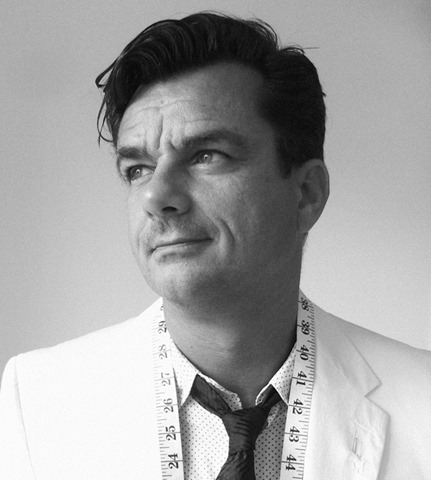
    Tilman Wrobel Tilman created the Nadel & Pen service  last year , after his long experience of working with Dior, Nina Ricci , Courrèges , Lee Cooper and other brands. Nadel & Pen   is not a brand but a bespoke service. It aims to create a jeans for his clients after having deeply studied their needs and lifestyles.  Tilman prefers to call his creations “bespoke denim trousers", rather than jeans since, as he says,

    “each piece is a unique and artistical re-interpretation of one of the most industrialized products in the world…”

    His clients include rock stars, sportspersons, businessmen and other elite of the society who are looking for that perfect jeans designed to their specifications and , more importantly, their lifestyle.

    We spoke to him to find out what really this “Haute Couture” service is about and why does it make  his “bespoke denim trousers”  unique and interesting for his clients to justify the price tag.

    nadel_pen_arbeitstisch1

    Q.Hi Tilman ! Pl tell me about the full process of getting a denim trouser made from Nadel & Pen .

    Until now our customer got directly in contact with us…. word to mouth, our website or thanks to interviews in press… Luckily the profiles of our exclusive customers are quite interesting. Modern day dandy, businessman, rock-star, sportsman, designer, chief cook ( we had already different kinds of customers ) think one day of a noble denim trouser…

    • We meet him ( in Paris, or his preferred city, depending on his demands ), listen to him, make him feel comfortable and understand his "denim-dreams" his demands…
    • We measure his body. At the next appointment we show him the "collectible ,wooden shuttle, rare selvage denim fabrications", we collected exclusively following his demands / dreams.
    • We also offer him a wide variety of adapted marvelous & rare trimmings ( horn, mother of pearl, solid silver or solid gold ).
    • Exclusive custom designed drawings are presented, including specific pocket, cut & sew, outside, inside-design… specific embroidery & trims proposals, this is where our designer experience is fully privatized .
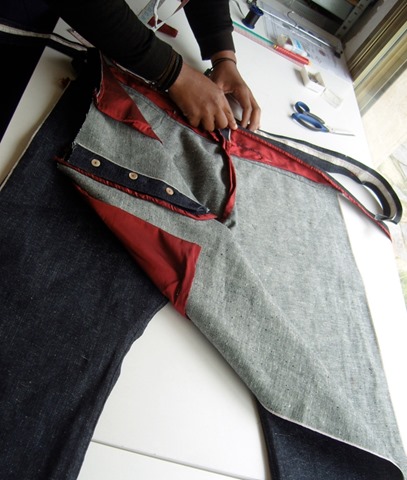
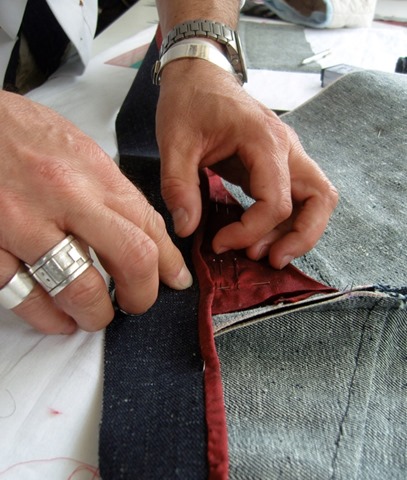
    • Then starts the process of bespoke pattern making, hand embroidering, hand sewing ( no sewing machines ! ), hand make of trims ( made by a partner who is creating jewelry ) starts.
    • Two month later a first fitting is set up.
    • After a total of 4 month our customer owns an incredible and unique bespoke piece of selvage denim….
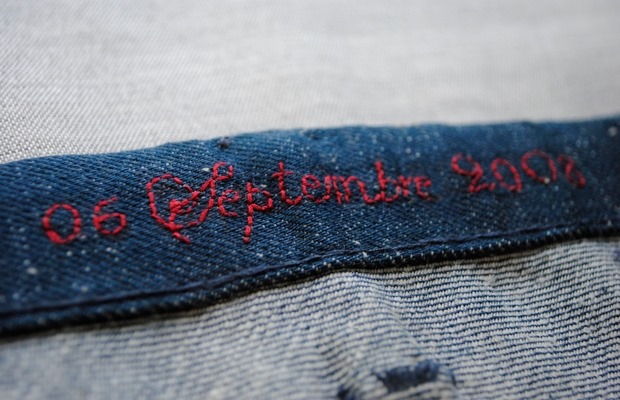
    • Reminding him his career as…. a rock-star, or sometimes matching with the logo and colors of his chain of topnotch restaurants, there was also a gift of his wife with their wedding date hand embroidered…. and finally he is able to wear his very own denim, and supporting the most noble art of denim-making in France.

    Nadel Pen Stitching

    Q.Why are your denim trousers so expensive ? What justifies a starting price tag of Euro 6000+?

    Well, the whole process of couture like bespoke design & service, plus the actual make of the denim trouser which is “Hand Made” and artisan. From the time we first meet the customer and when the final unique denim trouser is delivered, about 140 hours are spent only on hand sewing 1 pair of trousers, without any help of machines… That’s the kind of detailed involvement we have in each denim trouser to be able to bring out a perfect bespoke trouser to our client. And in Europe the costs of managing this kind of activity is at the level of the workers skills, which means high.

    nadel_pen_hosenbund

    Q. When you say your denim trousers are 100% sewn by hand, do you really mean no machines are used ?

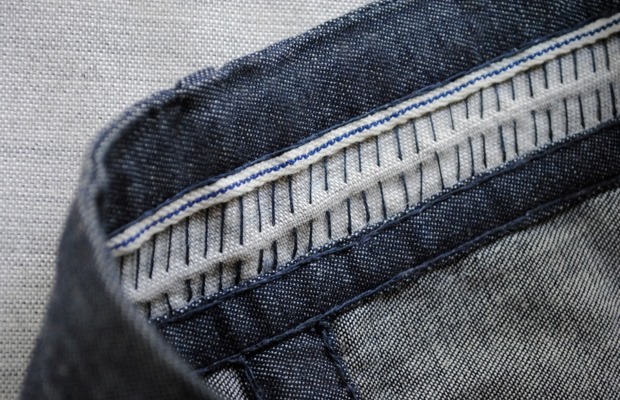
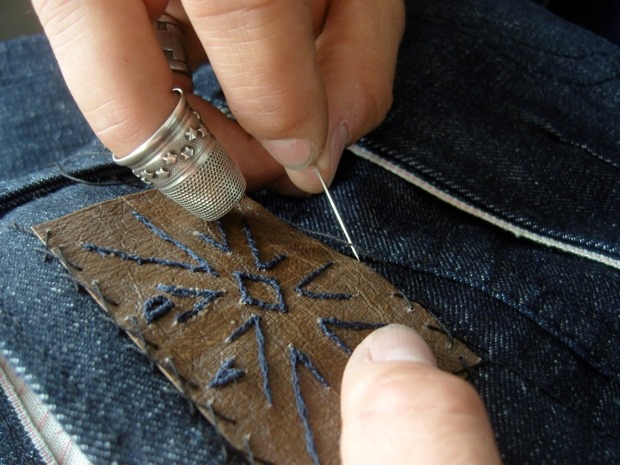
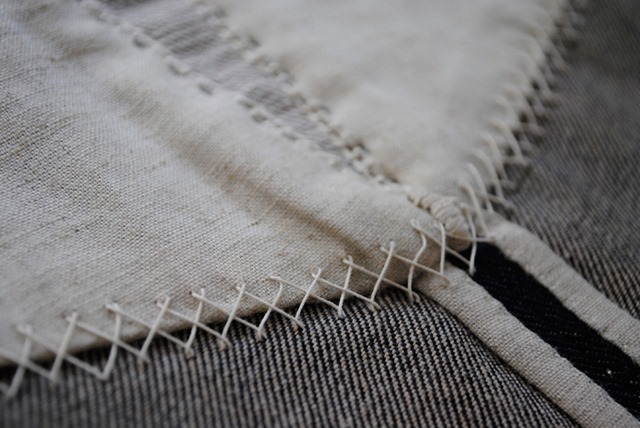
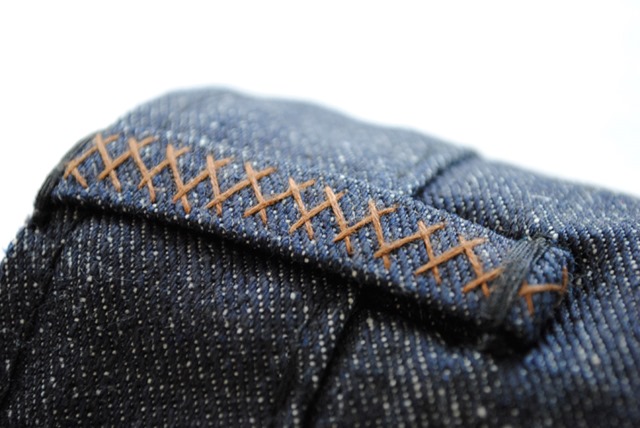
    The unique, bespoke Nadel & Pen pieces are 100% sewn by hand… that means absolutely no sewing machines are involved, not only we do pin tuck stitches, fully felted stitches, all by hand, but we also take inspiration from what I learned, back in the days when I was working in the Haute Couture, here in Paris. Until know, you heard, or have seen seen, incredibly skillful French craftsman ship on princesses dresses…. Now these techniques are used to build the most exciting denim trouser you can imagine. I am working with skilled workers from the Haute Couture and they hand sew these pieces of art, with die-hard, glazed and hand waxed threads, here in our office, mixing my "denim knowledge and passion" with Haute Couture "savoir-faire". When you have a look at our slideshow and pictures, you will notice how many incredible and almost invisible, natural fusibles , stitches, embroideries, build the difference to anything else you ever saw… It’s all hand embroidered, hand sewn, here in France… true 100% "Made in France", bespoke, created for each exclusive customer with a privatized design-studio service.

    nadel_pen_details3

    Q. I understand that some very exclusive trims are used in your jeans – whether its gold or silver buttons on which engraving is done by a jeweler or exclusive pocket linings, monograms by hand etc. Pl tell me more  about it .

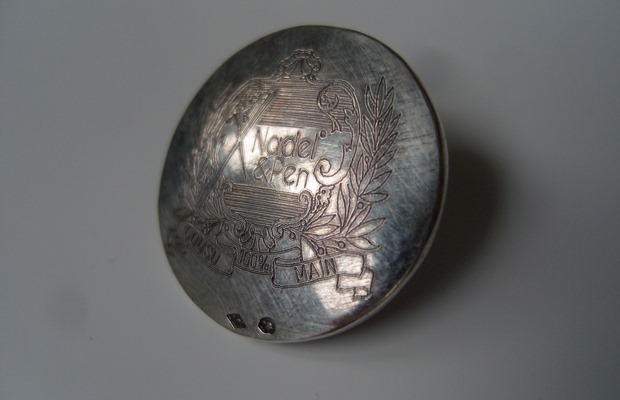
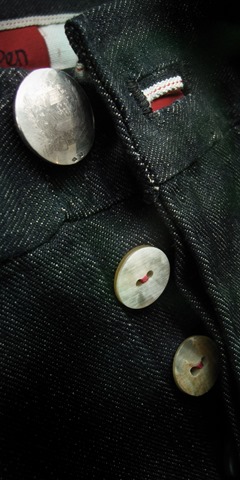
    As you might have understood, our service is all about subtle elegance, no posh "showing off", so we do not propose diamonds and pearls "all over the place", still we are having a partnership with an artisan jeweler, who creates our shank buttons by hand. If the customer wishes, and most did so, we can then have their coat of arms, initials or company logos, get hand engraved in their button.
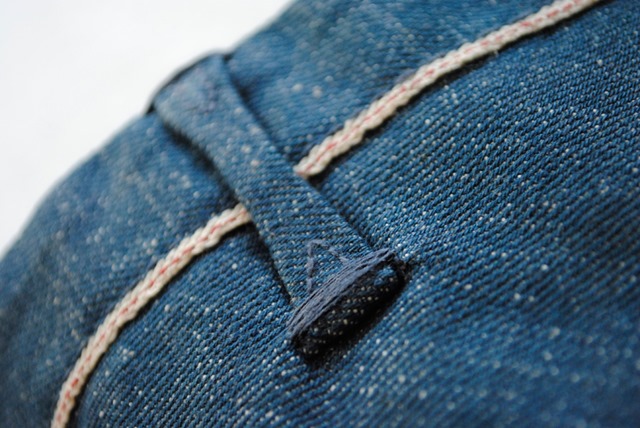
    From far away it looks like a very nice shank-button, when looking close you see the fine artisan work & signature of the artist.Nadelandpen  stitching

    Nadelandpen handmade loop

    nadel_pen_knopf

    Q. You work only with Raw denim and there are no washes involved. Can you tell why you and your clients love only Raw Denim?

    At Nadel & Pen, we believe that "used jeans" are fake testimonies of a past and present which isn’t the one of our unique customer. Our unique customer is acquiring a piece of art which will use and wear following the movements of the owners life, creating a "portrait" like usage. Never forget this denim pant is so resistant that it might pass on from generation to generation ! We also believe that "using" other than true collectible artisan selvage denim would be a real abuse, and not correspond to the demands of any connoisseur.

    Nadelandpen06

    Q. The denim you use  is  is sourced from Japan and (maybe) Italy.. Why do you think need Japanese fabrics to create these jeans?

    It’s not that much a question of providence, it’s rather because the places where we connected with these artisans are located in these countries. If I meet a true "blue blood" artisan in England, then some of the fabrications, which we exclusively source for each individual customer, would maybe come from England !

    Q. Nadel & Pen is more of your passion than a business venture . It is also a very personal service with a deep involvement with the client.  Do you wish to scale it up ?

    Right, the fact that we have our "denim studio" running and fully booked, enables us to have our unique service Nadel & Pen running at it’s own pace. Which is slow, and that’s how we like it. No ranges, no fashion-weeks, no "people sponsoring", no PR bla-bla…. just feeling deep down in our hearts, that we are providing the maximum of what we can imagine. It is so fulfilling ! If one day, a business partner steps up to me, who shares our point of view, maybe we could look forward to opening a "Savile Row" kind of workshop, not making suits, not using machines, but creating the most exciting purist indigo elegance.

    braguette-hdef

    nadel_pen_datum

    Sponsored Link:
    Soorty Denim

  • Interview With Alberto Candiani | TRC

     candiani Candiani (TRC)  is one of the most famous denim mills in the history of denim. Based in north Italy , near Milan, the company is one of the bastions of denim where most of the European mills have vanished . Easily counted among top 3 denim mills worldwide, TRC is celebrating its 75th anniversary and it was our pleasure to discuss with Alberto Candiani about what moves TRC . Alberto Candiani is the fourth generation of the Candiani family active in the denim industry. As a child, he explored his creativity as a DJ, music producer, and band member—before joining the family business. He is involved in multiple facets of the business , including marketing ,sales, product development and product re-engineering. And he  likes to consider TRC as “Oversized Artisans” rather than a large corporate. At 30 years old, Mr. Candiani is already considered one of the foremost denim experts in the world. Here are some parts of the conversation with him.

    Q.Pl tell us something about the history of TRC .

    Candiani’s history is our family history. It all began with Mr. Luigi Candiani who bought several looms back in 1938. At that time we were weaving workwear fabrics and sold 05 Alberto Candiani them in the local markets. Luigi’s son, Primo, built up the actual company adding spinning, dyeing and finishing to the weaving department. From its local roots the market became national and our textile experience turned into Denim in the beginning of the 70’s. Primo and GianLuigi (his first son) understood the importance of making a good product and the potential of the international markets.
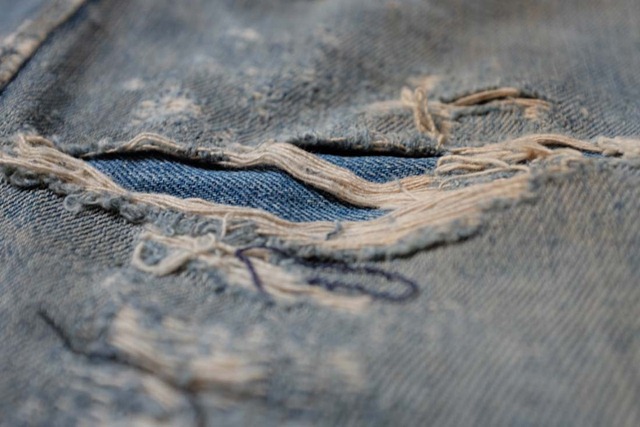
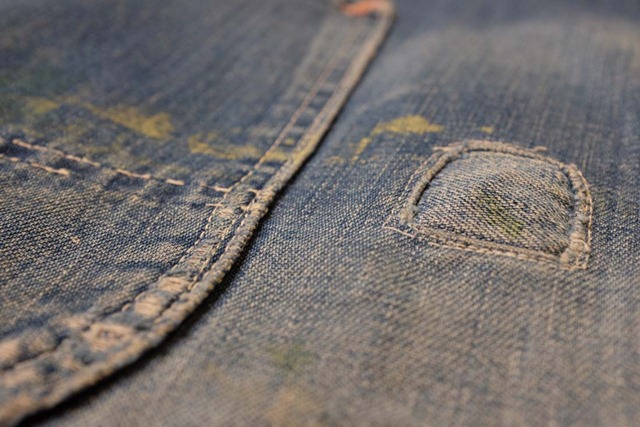
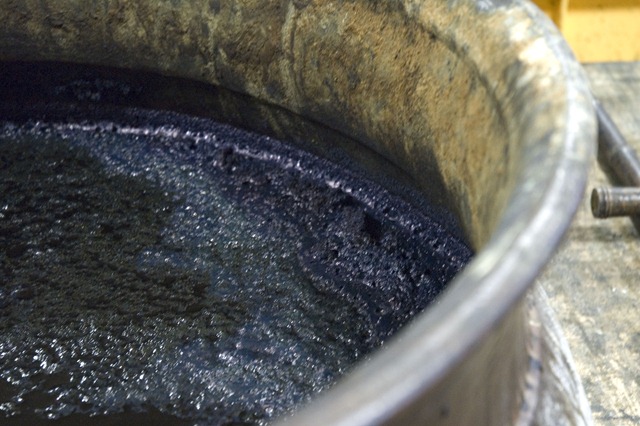
    The company has always invested in new technologies and innovation. Yarns went back to "Ring", slasher dyeing got closer to the wrap system and GianLuigi moved the focus on the development of a good looking and performing stretch Denim.
    In the second half of the 90’s exports overtook the domestic business, the company became global and 100% product driven. In 2005 we increased our capacity investing in a superior spinning department which made us completely self-sufficient in terms of yarns supply.
    Today Alberto Candiani, the 4th generation, together with his father GianLuigi are challenging the industry by taking Denim to the next level every season.

    TRC Candiani History

     75th Anniversary Paris Candiani

    Candiani 75th Anniversary

    Q.TRC – Candiani is one of the strongest brand in denim industry worldwide. While so many other European denim mills faded away, you have emerged stronger. What makes Candiani so vibrant and dynamic ?

    I believe the reason is our structure and our strong innovations. We are a family owned business, with a very small management and decision making, and we are proud to consider ourselves "oversized artisans" instead of a sort of textile corporate.
    I think our product and our service are the key points of a successful business.

    Q.I believe this is the  third generation from Candiani which is running the show . What changes you have seen in the last 30 years as denim evolved from a workwear  to a fashion product, from an OE to a primarily ring product ?

    This is actually the 4th… We can easily focus on some points which describe the rise of Denim and the transformation of a pair of Jeans in a fashion item:

    • From Open End to Ring
    • Deeper dyes and versatile colors which gave the opportunity to treat the Jeans in the second step: the laundry.
    • The advent of stretch Denim and the creation of a Women Premium Industry.
    • More compact constructions
    • Fancy finishings
    • Sustainable products.

    Q.You are very strong in  innovations and denim brands around the world vouch for your quality . You are personally so deeply involved in the development process. The knowledge base that you have developed over such a long time must have really helped you to innovate so well.

    In the end that’s still the most fun part of my job: creating the product, Denim. We need to experiment a lot, we need to invent, not to follow trends. That’s why I always pay attention to other segments of the textile industry too.
    What is also very important is to have a direct and transparent relationship with the brands’ designers and with our suppliers.

    08 Candiani Warping

    Q.Can you tell us about some denim products from your mill’s history which have been a great success and still inspire you.

    Well, there were a few of big OE items I can’t really remember because of my young age…
    Let’s say that the fabric that has changed our philosophy was designed by my father GianLuigi and Mr. Austoni (our GM) at the end of the 90’s.
    It was called, or it is called (cause we are still selling quite a lot of this fabric today) RR 7070 Ink Shiny and RR 7008 Ink Millennium in its stretch version.
    This item is pretty much an open weave construction, 3 by 1, around 12 Oz, with multi-twisted yarns in the warp which give a nice authentic look to the construction, in a deep grey cast indigo, flat optic finished.. and the stretch version made the difference since our recovery has always been considered the best in the market.
    A more recent item, developed in 2005, has been RR 1532, a finer, lighter and more compact construction compared to the previous one, which came in different colors and finishes, with a pretty marked crosshatch effect.
    I believe we sold over 50.000.000 mts in these two constructions.

    Q.Pl tell us about your SS ‘15 denim collection

    It looks like authentic Denim is finally coming back. When I say authentic I am mostly talking about the Ring character and the red cast deep indigo shades.
    In our specific case the new stretch technologies are the core of our business and our performance stretch technology (from comfort to power) is re-defining a new standard in the market.

    Sling Denim Candiani Candiani Sling Denim

    Good elasticity and recovery are everything for women’s Jeans, together with soft hand, which does not have to be drapey, cause the Jeans have to hold you in.
    We also developed a big family of comfort stretch fabrics which you willN7 Candiani never tell that they are stretch, it will be very great for both, men’s and women’s. The Nitrogen dyeing system that we have developed in-house and patented (which is very sustainable because it allows us to cut the consumption of water by 30% and eliminate hydro-sulfites) gave us the opportunity to develop different ways of making indigo penetrate into the yarns, so we go from easy fading colors to almost no fading ones.

    Indigo juice Candiani Dyeing technology denim

    Alternative finishings are still big, from pigment or sulfur foam to the classic coating, but we are trying to re-interpret them in a waterless way.
    Sustainability is taking more and more space in this collection, our consumption of Organic and BCI cotton is growing exponentially as much as the use of our Recycled Cotton Yarns.

    Recycled denim Candiani

    N-Joy Crispy denim | Candiani

    7. Europe must still be the most imp market for you.. But the recent recession and drop in European sales has affected all. Do you see Europe doing better in near future?

    Actually yes, I am pretty positive. Europe does not mean Italy of course. Our Country is unfortunately suffering more than others (for too many reason) and it will take longer to recover.
    Hopefully Europe and US will understand they have to cooperate and establish a duty free relationship, it really makes sense in 2013.

    8. Denim in the 80s and early 90s was mainly OE . We then saw the shift back to Ring denim. Do you think there is any possibility of OE being reinvented and reborn?

    Not as much maybe but I am convinced that our latest stretch technologies are setting a new benchmark.
    Considering that women’s skinny Jeans are still the main item in our market I can say that there is no way to make a sexy pair of Jeans without taking this direction in combination with a nice touch and color.

    Ever Blue Candiani Selvedge denim Candiani


    Follow Denimsandjeans on Facebook  and get the latest in denim trends worldwide – daily !!

  • A Conversation With Lennaert Nijgh | Benzak Denim Developers

    Denim from Netherlands – the first recall from  these words is “ G-Star” the mega brand from Netherlands. There are a lot other denim brands which are closely associated with Netherlands including Pepe , Tommy and others. While these are mega retail brands, we also have some niche small brands in Netherlands who try to explore the heritage denimBenzag Denim Developers roots through their jeans. Most of them start with humble one man origins and develop  a fan base based on their quality perfected with passion. One such label is Benzak Denim Developers. Created and designed by Lennaert Nijgh, the brand attempts to recreate the magic of Original dry denim. We had a conversation with Lennaert and he exchanged his views on how he views the denim world and his own brand’s place in it.

    1.Tell us something on how you created your brand BDD ..

    BDD was born from the passion for jeans and the unique fading capability of denim. I have been working in the denim industry for a couple of years now, and I was already highly interested in denim since the age of 16. Then, 5 years ago I started my own company, alongside working for other denim brands, to develop my own collection of items I wanted to wear. I do not do any concessions regarding anything whenBenzag denim Netherlands Jeans

    Lennaert Nijgh

    it comes to my products; with BDD I strive to create a product that is perfect in my eyes. With the years and experience coming along the way my products have grown into something that I now fully stand behind. Although as a perfectionist I can always find small things to improve, which keeps me going forward with development all the time.

    2.What makes you a denim aficionado and enables you to go deep down into denim DNA?

    I’m not sure how to express what makes me a denim aficionado with words, as this has so much to do with emotion. Maybe it’s the fading capability of indigo, that makes every pair of jeans a unique item by wear and wash. Maybe it’s the rich history of jeans, that has roots in manyRaw denim washed layers of our society, and has it’s very interesting evolution from workwear to a symbol of rebelliousness to fashion and that any day garment of which most people in the Western world own at least 1 example of. There are just so many interesting facts about denim and jeans, and I am still learning every day as well. Up till today working in this field has never bored me.

    3.You do mainly raw denim in your collection. What makes working with raw denim a fun and a challenge ?

    I prefer to refer to unwashed jeans as ‘dry’, from the term ‘dry goods’. I love dry denim as I want to create my own fading pattern, to reflect your every day of life. It is beautiful to see how 2 of the same pairs of jeans can turn out so different on 2 different people. It is really a blank canvas when you start, painting your experiences on it along the way. There are not many chances to catch me wearing a pre-washed pair of jeans.

    Raw denim | Benzag Denim Developersafter wash close backRaw denim | Benzag Denim Developers

    4.Netherlands is increasingly becoming a denim hub. From the times when G-Star took off, we have seen denim roots growing . What  do you think has helped denim brands to grow out of Netherlands.

    There are a couple of reasons. First of all the Netherlands has a very healthy climate for big companies, regarding taxes and such. International companies like Tommy Hilfiger and Pepe Jeans are based here for (not limited to) this reason. Secondly the Dutch wear a lot of denim; young and old, rich and poor, everyone wears jeans. It might be the casual, no-nonsense attitude of the Dutch that goes perfectly well together with a pair of jeans. Also, because there are so many denim companies based in the Netherlands, for many years now, we have a high amount of experts in the field. ThisRaw denim Netherland results in many new brands popping up, like BDD as a niche brand, but also more mass-market focused brands like KOI (Kings of Indigo) and Denham. By the way, both their founders used to work for Pepe Jeans and some other influential brands in the past, so this is a good example of what denim in the Netherlands has created over the past decades.

    5.You have created a famous ‘sixth pocket’ on the jeans. What was the concept and idea behind it ?

    The idea about the 6th pocket comes from the idea of staying true to the past, but at the same time evolving with time. Jeans used to have 4 pockets (2 front pockets, 1 backpocket and 1 coinpocket); a 2nd backpocket was added later to create_YM_8738-rivet the now famous 5-pocket jeans. This extra pocket was introduced as the miner, railroad worker and later cowboy needed more space to carry stuff around. Today we don’t use our jeans as workwear anymore, but I still consider us denim lovers as the ‘modern day cowboys’. And we carry a bit more with us every day (such as a phone, wallet, keys and other loads of other small objects – you name it). So I created a hidden 6th pocket as products need to evolve with the changes of society, just like it did from 4 to 5 pockets. I purposely made it hidden, only with the selvage exposed at the top (to create a thin layer) which will be covered by your belt, as I don’t like these ‘in your face’ details, and maintain the look of a pair of 5-pocket jeans.

    6.Your pieces are timeless and not season specific. What makes them so ? Do you think the timelessness is an inherent character of raw denim?

    They are timeless because I do not look at fashion, but I follow a lifestyle that has been going on for years, with only minor changes applied over the years. My jeans could have been worn 5 years ago, and can still be worn in 5 years. It is about quality, about the fabric and construction, not what is the trend at the moment.

    I don’t think the two (dry denim and timelessness) go together hand in hand: most timeless denim (but not all) is dry, but there are so many non-timeless dry jeans out there, as their main focus is not on the dry aspect.raw denim stitching

    7.When and how much to wash the raw denim? There are lots of debates on this subject with experts advocating minimum 1 year of wear without wash . What do you feel is the best period for the dry jeans  to be washed ?

    Ah, the endless debate of whether to wash or not to wash. There is simply no single correct answer, as it all comes to preferences. If you want to create super high contrast jeans, then delaying the first wash as long as possible is a good idea. If you want to have a more vintage and subtle worn in pair of jeans, you don’t have to wait too long. If you don’t like contrast, you should wash frequently, but then you should also think for yourself why you picked a pair of dry denim jeans ;-).

    It also really depends on the quality of the fabric. Good quality denim can be washed much more frequently without losing it’s faded pattern. And don’t forget the temperature: wash at 60 degrees for more contrast (and shrinkage), or 30 degrees or even cold, to loose a less indigo as possible.

    I prefer to have a very pronounced fading pattern (my personal wearing pattern), but without the super high contrast. So, I usually wash my jeans after between 6-9 months, depending on the evolution. But after that first wash I wash them much more frequently, like once every 3-4 months.

    Washing is also good for the fabric: it stabilises the fibres from within. Without washing, the dirt will weaken the fibres and create rips and tears much too soon.

    In the end, it all comes down to preference, but picking a pair of high quality jeans is always something I’d recommend.

    8. According to you what are the most important characteristics of a denim fabric which make it special ?

    Construction and cast are the 2 most important characteristics of a denim fabric in my opinion. I really love left hand twill denim because of the more subtle, low-contrast fading and it’s soft touch. The BDD-710 is a LHT denim, and so is the very first pair I did, the BDD-001. I’m always looking for special casts, such as green cast or grey cast, to create a ‘colour palet’, despite only using shades of indigo. The current pairs, BDD-006 and BDD-710, are now respectively a pure indigo and a green cast, which makes both of them stand out as they look very different. I also like a subtle slub in denim, not too much though. Weight is something that is a secondary priority to me. Selvedge too actually, although the nicest fabrics I have found are usually selvedge denim as well. But I can fall in love with a non-selvedge fabric just as easy — I have seen quite some really nice projectile loom fabrics over time.

    8.Do you want BDD to continue to be  niche brand or do you want to grow in volumes and take your denim to other segments too?

    Like I explained before, for BDD I do not do any concessions, which means it will be very unlikely my brand can grow into big volumes. I pick quality over quantity. I simply love my product and enjoy working on it every day too much this way. But this is how I feel about it now; you should ask me the same question in 5 years again! 🙂

    Raw denim buttons

    10.Can you take us through your latest collection?

    The latest collection (and actually first ‘true’ collection of BDD) contains of 6 items: 2 jeans, 2 t-shirts and 2 accessories. The jeans are made in Japan, the indigo dyed t-shirts in Portugal, the belt in Singapore and the baseball cap in the USA; all area’s known for high quality products with their own speciality. For a detailed explanation of the products, please go to the website  or check out the collection book

    And by the way, if you are looking to get a chain stitch hem done on your jeans, BDD provides the service of doing so on a Union Special machine !

    union special chain stitchUnion Special Jeans Stitching Machine