Tag: sustainable denim

  • Indigo Wonderland: Anthropologie’s Upcycled Denim

    Indigo Wonderland: Anthropologie’s Upcycled Denim

    WINDOW DISPLAYS

    Anthropologie

     American Clothing Retailer Anthropologie announced the release of Pilcro, a new inclusive-sizing denim collection. With one foot in the historical roots of denim production and the other in the future of planet-friendlier production methods, Pilcro offers style with a story. To exhibit their initiative, the brand devised window displays on their selected storefronts titled “Indigo Wonderland,” which invites people to step outside of their day-to-day chores and dive into a whimsical denim dreamscape. Select storefronts of the brand are all set to incorporate surreal, storybook-inspired elements into their facades including think larger-than-life toadstools, sweet-singing songbirds, and fabulous foxes. 

    Anthropologie

    This time the artists crafted their sculptural props of the window from community-sourced upcycled denim. Anthropologie’s Display Director Erika Lavinia told that their team took an autumnal idea and paired it with the notion that they could highlight Pilcro’s sustainability efforts. To accomplish this intention, invitations were sent to their staff and community to participate in the displays by donating used denim. These denim pieces were later used to create the elements of the forest.

    “Indigo Wonderland is based on the idea that the forest is composed of all these elements of nature, the flora and the fauna all working together. That’s when you get the beauty of something like a medley, or a symphony: The wind rustling through the leaves, the birds chirping, the squirrels running through. It’s all about the harmony that results.” said  Anthropologie Display Director Erika Lavinia

    One could easily see the seams, the pockets, the details that come from the original life of the denim itself in the upcycled one. The assortment highlighted the materiality of authentic, high-quality denim while emphasizing the planet-friendlier practices at the root of their newest Pilcro pairs. With a community-focused approach and an eco-conscious ethos at its core, the window transformations were unlike any other that the world has seen. The brand also invited its customers to engage with the folkloric fabrications themselves at its interactive installations in Chicago, Nashville, Devon Yard, Rockefeller Center, Newport Beach, and Chelsea Market shops.

    THE PILCRO DENIM COLLECTION

    Pilcro Collection


    The new only-at-Anthro collection from Pilcro features premium-quality denim crafted using more sustainable practices and materials, and the brand being thrilled to turn this cleaner, greener page. The brand strives to approach denim in its traditional manner, so it’s rooted in authentic, historical indigo.  It starts most of the design processes looking around the world for garments from the last 200 years. Anthropologie aims to translate beautiful vintage garments that wildly beat up from the 1950s into something that still has the soul but with Pilcro’s hallmarks of femininity.

    “While there’s no such thing as perfection, our philosophy is to try to let sustainable principles inform each little decision throughout the day. The key for us is to try everything and always be open.” Said Anthropologie’s Senior Designer Nick Hathaway who surveyed vintage garments to find inspiration for the new Pilcro collection. 

    Pilcro Collection

    Denim for Pilcro gets sourced from several mills. Among them are sustainability-minded Candiani in Italy and Orta Anadolu in Turkey. The production process for Pilcro uses either non-toxic or water-saving indigo-dying technology. Hathaway told that he is also a washing specialist. Hence, all of their denim washes are created on their canvas, and with their favorite factories, developing something truly unique.

     Beyond fabric and dye, however, Pilcro also points out the metal hardware on the garments and showcases another sustainability practice centering on metal. According to Hathway, electroplating hardware is typically a highly caustic and hugely detrimental process to the environment. It uses a lot of water, and it’s highly chemical-laden, so the runoff or the excess of that water can enter local ecosystems. To prevent this harm caused to the environment, the brand uses metal finishes that are either water-free or use no electroplating whatsoever and the bases of these metals are either recycled or recyclable.

    Pilcro Collection

    For some of the fits from the Pilcro collection,  the brand approached the denim itself from a range of avenues like organic cotton, recycled fibers, or recycled cotton blends. It also used a pocket fabric that’s partially recycled. Plus, it has significantly cut down our polyester usage and implemented indigo-dying technology that is either non-toxic or engineered to require less water.

    Anthropologie is working with Factory One Studio in Los Angeles to produce Pilcro. The denim range is available exclusively at Anthropologie and offers pieces in sizes 00 through 26.

     â€œIt’s a joy to be making jeans back in the US. Very few brands are doing it, and it’s cool.” Says Senior Designer Nick Hathaway

    The brand looks forward to experimenting with alternative fibers. It believes in hemp denim usage for its future collections. Hemp is a very coarse, stiff, and tough fiber. Traditionally, hemp needed to be ‘cottonized,’ or softened, to be comfortable to wear. That process consumes a huge amount of water and energy. Anthropologie has joined hands with French hemp-denim producers for using hemp that can be cottonized by nature. They believe this attempt would help lessen the impact caused on the environment.

    TAKEAWAY

    This fall’s Pilcro launch is distinctively Anthro, with the brand’s creative and design teams working together to make it a one-of-a-kind experience. By integrating handcrafted touches and thoughtful design flourishes into their artwork and displays, the brand empowers the consumers to see just where their imaginations can take them.

  • Levi’s x Naomi Osaka The Upcycled Denim Collection

    Levi’s x Naomi Osaka The Upcycled Denim Collection

    Consumer use and disposal account for up to 40% of the climate impact during the life cycle of a pair of jeans. Disposal is also a major issue across the industry, as over half of all garments made annually are burned or buried within one year. These prevailing circumstances are causing ecological concerns and thus need to change.

    Levi Strauss has emphasized this concern by prioritizing to educate consumers on how they can extend the life span of their clothing like washing jeans less often or by getting them repaired and reinforced. It informs on how and where they can donate and recycle anything they’re no longer wearing.

    LEVI’S X NAOMI OSAKA

    The brand claims that it is increasingly designing products that are suitable for true circularity with 100% recyclable materials from the outset.

    One such big move by the brand is its new collaborative denim collection with renowned tennis player Naomi Osaka. The American denim company has been around for centuries and a staple in wardrobes for just as long. But their collaboration with one of the highest-profile names in sports has given the established brand a turn on its head. It’s a winning move for the brand to bring onboard world number 2 tennis player Naomi Osaka, who is known as a fashion icon as well as a champion committed to fighting against all kinds of injustices.

    The denim assortment is a good look on an environmental front as well, as this more sustainable collection is based on the principle of upcycling which consists of making something new out of something old, and making it even better. The upcycled denim pieces foreground Naomi’s heritage as well as fashion sustainability. For Naomi, a key element to this collaboration was being able to work while also keeping climate concerns in mind.

    “The sustainability aspect was superb important to me,” she said, adding that she’s proud of the fact that each piece in the new collection is either recycled or repurposed from previous stock.

    HIGHLIGHTS OF THE COLLAB

    LEVI’S X NAOMI OSAKA

    Osaka was previously featured in Levi’s 501-day campaign alongside Jaden Smith, Hailey Bieber, Emma Chamberlain, Marcus Rashford, Barbie Ferreira, and Shai Gilgeous-Alexander, and is now joining the label to create the first collection of its kind.

     In this collection, there will be special details added to create a homage to Osaka’s Japanese heritage. The collection includes a denim kimono inspired by Naomi’s Japanese heritage, paired with a matching denim obi belt, as well as lace-up shorts made from an upcycled pair of men’s Levi’s jeans, crystal fringe shorts using vintage 501 shorts, and lastly a trucker jacket bustier crafted from reworked trucker hats. Inspired by DIY culture and extending the lives of pre-existing pieces, the collection is responsible and reflects Naomi’s style. Featuring four limited-edition pieces crafted from upcycled denim, the range uses pre-existing Levi’s garments to create a capsule with less impact on the environment.

    “I always loved wearing kimonos when I was a kid. So, to be able to do it in denim felt really different and a bit unexpected.” Says Naomi Osaka

    LEVI’S X NAOMI OSAKA

    Levi’s took many pieces from their upcycled denim such as men’s jeans and trucker jackets to create these pieces. This adds a great sustainable touch to the entire collection. Alternatively, Osaka also had the chance to be involved in the creation process alongside Levi’s design team which makes the collection a lot more personal and authentic to Osaka. Customers will get a sense of Osaka’s special style which is sporty yet feminine at the same time. The Naomi Osaka x Levi’s collection will be debuted on Aug. 24 on Levi’s app and in select Levi’s stores. The collection ranges from $150 to $380.

    Levi’s said that Osaka is “a powerful young voice in the world of sports whose authenticity and willingness to stand up for important causes has helped inspire millions. In a very short time, she has become not only an iconic athlete but a true ambassador for social change.”

    LEVI’S ATTEMPT TOWARDS SUSTAINABILITY

    Levi’s works with Blue Jeans Go Green in the U.S. and Canada, and other organizations in different countries to collect used clothing through which 132,899 discarded jeans were transformed into building insulation, saving 66 tons of waste from landfills. It is increasingly designing products that are suitable for true circularity.

    The brand has also offered Levi’s Authorized Vintage collection that consists of the most authentic, everlasting vintage pre-owned or restored items on the market. Authorized Vintage means more to the brand than a just fashion-forward collective addition. The upcycling of these pre-worn pieces exemplify conscious consumption and its commitment to long-term and sustainable manufacturing practices. In addition to this, all stores have started using 100% post-consumer waste stock for their print materials. Its new mannequins are made from recycled base stock that blends both post-industrial and post-consumer materials. Plus it is introducing several new initiatives regularly to stress on its own mission of environmental sustainability .

  • MARIE CLAIRE UK SUSTAINABILITY AWARDS 2021: FASHION WINNERS

    MARIE CLAIRE UK SUSTAINABILITY AWARDS 2021: FASHION WINNERS

    Sustainable fashion is intended towards better and bigger ecological integrity. The rise of popular sustainable clothing brands is strong evidence that there is greater awareness of environmental degradations, their reasons, and possible solutions by apparel makers.

    To acknowledge this effort, fashion brands were awarded in the first-ever Marie Claire UK Sustainability Awards 2021. Judged by a panel of over 40 of the world’s leading experts in sustainability, the awards beamed limelight on the achievements of a diverse range of industries to show the positive impact that different types of brands and businesses can have on the environment.

    These fashion innovators rightly affirm to the world that fashion can be incorporated without causing harm to our planet.

    Here’s a glance at all the Sustainability fashion winners.

    1.BEST SUSTAINABLE JEANS

    Winner: unspun

    The brand preludes the next generation denim by providing first of its kind custom-fitted denim collection with the use of AI and 3D modeling.

    The made-to-measure concept of the jeans helps the brand cut out excess waste thus reducing the industry’s emissions by 30 %. The brand hopes to reduce these emissions further to 20% through long-term committed circularity.

    Unspun jeans are made from 100 % organic cotton and are easily recyclable. The ‘out of the box ’ operating scenario of the brand makes it the future of sustainable denim fashion.

     â€œunspun jeans are custom-made to order, meaning that not only are they hugely inclusive – they use a 3D body scan to ensure jeans fit your body – but they cut waste, as no pair is created without a home.” Says MC‘s Digital Fashion Editor Penny Goldstone.

    2.Best for Carbon Footprint

    Winner: Allbirds

    Allbirds believes that the environmental crisis can’t be tackled by a single brand alone rather it requires the consolidated efforts of everyone in the fashion industry.  In 2019, the brand achieved complete carbon neutrality. This was made possible by following a three-step agenda: measuring carbon impact, reducing and replacing it with natural alternative material and at last spurring out whatever is left through verified emission reduction projects.

    Allbirds became the first fashion brand to have labeled carbon footprints for its products. The brand also open-sourced its carbon footprints tech via FreeTheFootprint.com which is freely accessible by other fashion brands too.

    “The integrity of this work is clear and exemplary, and the sharing of methodology to encourage others is a great practice too,” says Dilys Williams, Director of the Centre for Sustainable Fashion.

    3.Best Ethical Brand

    Winner: Birdsong

    The UK-based fashion brand, Birdsong operates on the ideology of empowering women and creating fashion that is inclusive, dignified, and transformative for local economies. 80% of the garment workers employed by the brand are women who are talented migrants, refugees, and survivors of domestic abuse. It is the only brand in the UK that nurtures local communities and marginalized women. Despite incurring constant loss in sales due to pandemic, the brand’s sustainable impact was consistent and unchangeable. To manage their ecological impact, the brand produces clothes only after the client’s order.

    “Instead of outsourcing work to sweatshops, the brand works with migrant and refugee women, and survivors of domestic abuse in a notoriously poor area. All orders are packed by adults with learning disabilities in Camden, providing vital employment to those in need.”  Says Penny Goldstone, Digital Fashion Editor at Marie Claire.

    4.Best Progress Towards Circularity

    Winner: Baukjen

    The main aim of the brand is to disrupt the fast fashion industry. Baukjen’s 92 percent of products are made from fibre sources that are both natural and biodegradable. Organic cotton is widely used and synthetic fibres are curtailed to the usage of about 10 percent only. The brand also works on a zero-waste approach and recycles 90 percent of its textile waste. Recycled garments are also sent for charitable purposes. Currently, it is working on digital traceability of garments, enabling customers to trace their product’s journey from design to material.

    5.Best Re-commerce

    Winner: Thrift+

    Thrift+ is a second-hand clothing platform that ensures clothes are not discarded but resold. The brand processes more than 300,000 clothing items each month and displays around 100,000 items on its site at any time. The platform makes reselling clothes a trouble-free process by three major steps- sellers have to order an eco-friendly bio-plastic thrift bag, fill it up and return it for free. Since its launch in 2017, the brand has diverted more than 150,000 clothes from ending up in landfills.

    5.Best Rental Brand – Womenswear

    Winner: Rotaro

    Rotaro is a cult label fashion rental company that disrupts the UK fashion landscape by making fashion more circular to the consumers. The brand focuses on extending the lifespan of garments, mobilizing unsold stock, gaining revenue, and reaching a new audience. Sustainability is foundational to everything that the brand delivers. To lower its impact on the environment, it works with a carbon-neutral delivery partner, uses zero-waste reusable garment bags, and promises to plant a tree for every rental supplied.

     “Rotaro’s offering has great potential to invoke behavior change, given its focus on culturally relevant fashion and its eye for brands. I see the brand attracting fashion enthusiasts who are not already subscribed to a ‘responsible fashion mindset’.” Says Sustainability Awards judge Emma Slade Edmondson.

    6.Best Rental Brand – Kids wear

    Winner: thelittleloop

    thelittleloop is the UK’s first rental marketplace for kids’ clothing that encourages parents to adopt clothing as an everyday lifestyle choice. The brand has revolutionized the conventional shopping experience by starting its business with reusable mailing bags and then turning them into a full-fledged re-sale platform.  Altogether, it accomplishes sustainability, convenience, style, and value to help both parents and the planet.

     The Sustainability Awards judges were highly impressed with thelittleloop’s innovative and easy solution to the often-overlooked problem of fast-fashion kidswear.

    7.Best Sustainable Fabric

    Winner: SPINNOVA

    SPINNOVA incorporates a ground-breaking way of making textile fibre without using harmful chemicals. SPINNOVA takes cellulose, “nature’s most brilliant building material” and aligns it in an impeccable way to make a soft textile fibre that can be as warm as wool. This ideology of the brand is inspired by how spiders weave their webs. This biodegradable fibre does not emit any microplastics and can be recycled repeatedly without losing its strength. The brand aims at compostability and biodegradability, thus optimizing the maximum usage of plant-based inputs in its fabric.

    8.Best Sustainable High Street Brand

    Winner: [R E S E T]

    [R E S E T] emphasizes inclusive clothing culture and opposes mainstream fashion notoriety. It helps people with disabilities gain confidence and independence by making clothes with features, designs, prints, and colors to feel comfortably fashioned. Directed towards the convergence between style and accessibility, the brand seeks to become a voice for the differently-abled on the high street.

    “[R E S E T] is doing the important work of bringing accessibility and inclusivity into the fashion industry. Its innovative design thinking shows how clothing can actively improve lives by providing differently-abled people with clothes that best support their needs, as well as with an avenue for self-expression.” Says Sustainability Awards judges Noëlla Coursaris Musunka.

    These fashion winners not only surpass the expectations of the Sustainability awards but also hold a victory at establishing a better tomorrow in the fashion industry. The brands give us a glance at a fashion that is guilt-free and ecologically thoughtful. Fashion brands and even Consumers need to think about how their purchase affects the environment, the lifecycle of their garment, and how to invest in clothes that last longer. Sustainability is a long shot and thus demands collaborative efforts of both brands and conscious consumers.

  • Prada Unveils Organic Denim Collection

    Prada Unveils Organic Denim Collection

    Denim does have a huge environmental impact since it  consumes such a large amount of resources and its carbon footprint is really huge. Many brands and retailers are trying to be leaders in the arena of bringing out sustainable collections  . There are various aspects of sustainable inputs of a fabric including the fibers used , chemicals, energy, water and more. The problem that we see with most sustainable collections from different brands is that they focus on one of these aspects and not others. A unified approach is missing  which takes into consideration all the elements. However, inspite of these shortcoming s, such sustainable launches are a welcome step as they help in increasing awareness about our environment.

    Prada is championing its practices with the launch of a Denim collection made from 100% GOTS certified cotton (Global Organic Textile Standard)made with less water and less energy to ensure that each piece is made without sacrificing quality.

    “To maintain a high level of sustainability, the denim is dyed using the ‘Acquasave’ system, a type of dyeing where the water consumption is well below the standard, thus, allowing a saving of 10 liters of water for each linear meter of fabric,” Prada said in a statement.

    The brand also explained that its organic cotton comes from farms with low environmental impacts and is free from pesticides and fertilizers. Thus Prada is trying to address two aspects of sustainability in their collection – FIBER and WATER. As claimed by the brand, they save, on average, 10 liters of water for each meter of fabric. These traits help improve the brand’s EIM (environmental impact measurement) — a metric  (from Jeanologia) that has become increasingly important for brands. Using ethically sourced denim, the brand is continuing an ongoing commitment to sustainability.

    Prada (1)

    Prada (2)


    The collection includes denim shorts, dresses, jackets, jeans, and even a cute bra bralette. All of the organic denim pieces have been lightly distressed and faded, and embellished with the black enamel Prada logo that has become an increasingly prominent part of the brand’s visual identity since Raf Simons joined Miuccia Prada at the design helm.

    pRADA (4)


    This organic denim collection by Prada is already available in its physical and online stores and can be checked out there. 

  • Miu Miu and Levi’s Release Limited Edition Upcycled Denim

    Miu Miu and Levi’s Release Limited Edition Upcycled Denim

    Building off an industry-wide push for sustainability, the Italian fashion brand Miu Miu has now teamed up with Levi’s to showcase the collection of reworked and upcycled denim. Each of the pieces in Levi’s partnership is upcycled from Levi’s ’80s and ’90s archives and then retouched with dead stock from the Miu Miu atelier.

    Miu Miu Levis Collab

    The Upcycled by Miu Miu x Levi’s capsule theme features:

    • Levi’s® iconic designs, including the MADE IN USA men’s 501® jeans and Trucker Jackets, are updated in true Miu Miu fashion personalized with hand-embellishments flowers, pink-colored gems, crystals, pearls, and art- deco leather patches.
    • Men’s 501 jeans come full-length, or cut-off at the thigh.
    • The trucker jacket boasts contrast detailing on the shoulders with reworked puff sleeves and frilly white lace collars.
    • Denim pants are decorated with leather and silk pieces.
    • The final touch of this capsule is a Miu Miu carrier bag featured with the Levi’s logo

    “No two pieces in the collection are the same. Reimagined through the Miu Miu lens, the lives of garments worn and loved in the past are extended, refreshed—renewed,” the fashion house shared in a statement. As each piece is uniquely personalized, pricing varies from $980 up (an allover embellished look was noted as $5,800) 

    Sustainability is expensive! The whole idea behind recycling is to re-use existing resources and significantly reduce the burden on the supply chain and environment and we feel that this is the highest form of sustainability. But as with all other efforts, these products cannot remain like showpieces – works of art; which are more adored than worn. True recycling will emerge when it is able to create products that compete with existing product lines, will be in volumes, and beat them on the price front as well. Nevertheless, such efforts need to be appreciated as the first mile of a long journey! 

    In addition, the refashioned vintage collaboration will be available in limited quantities — 1,000 pieces distributed worldwide in the three original silhouettes. The collection has tapped Gen-Z icons like The Crown star Emma Corrin and models Lila Moss and Georgia Palmer to be the faces of the campaign.

    _methode_sundaytimes_prod_web_bin_7ad93112-a74c-11eb-acd8-e39d812fcf8b

    The Upcycled by Miu Miu x Levi’s collection will first be unveiled at London Selfridges & Shanghai IAPM. Then it will be available to shop on Miu Miu’s website and in 18 selected Miu Miu stores from May 24 to June 6.

    —————————————————————————————————————————————–

  • Arvind Sustainability Report

    Arvind Sustainability Report

    Arvind Limited is a USD-1.7 billion conglomerate with an interest in textiles, brands, retail, engineering, water treatment, and advanced material sectors, amongst others. They are also the largest fire protection fabric producer in the country. Garments are also an integral part of their verticalization strategy and they produced over 54 million garments in FY 2018-19.  From being just a textile company, Arvind has come a long way and striving every day to create opportunities. They are focused to drive social impacts by taking up CSR and sustainability initiatives that are surely changing lives and making a difference to thousands. Arvind owns 22 global patents for environmental solutions.

    For Arvind, sustainability goes beyond the usage of environment-friendly products and processes. From farming of crops to finished garments, they are innovating in all aspects to create more synergies in sustainability actions . Arvind considers environmental, social, and economical sustainability as major pillars of its business model .  Their practices and processes are geared not only to optimize utilization of the resources but also to nurture their roots and bring out the best of their innovation and design.

    “ We understand that we cannot fight this alone, and collaboration is the best way forward. At Arvind, we have a two-pronged approach to deal with it. Being fundamentally right ourselves, as an organization, in the issues which are material to our stakeholders and collaborating with our allies to amplify our sustainability efforts. We continue to push our boundaries with our allies across all our six key inputs – Cotton, People, Money, Energy, Water and Chemicals.” –avers  Chairman Sanjay Lalbhai

    Arvind has just published its sustainability report 2019-2020.  The report articulates core ideas of ‘Fundamentally Right’ philosophy by making every stakeholder and input an ally towards achieving larger and long-term sustainability goals. It delves deeper into their sustainability performance and discloses in detail the contributions of their allies and the supply chain for raising the sustainability standards. Arvind has adapted the reporting parameters suggested by the Global Reporting Initiative (GRI) and thus, this report is in accordance with GRI standard guidelines.

    At Arvind’s Denim Business, in addition to driving all the initiatives mentioned in this report, they are focusing on three high-impact initiatives which are: Conservation of water, Recycling of materials, Farming Projects (Organic Cotton, BCI Cotton, and Natural Indigo). We bring some excerpts from their report with special focus on key areas of Cotton, Chemicals, Water and Energy.

    COTTON

    Cotton is the most widely used raw material in the global textile industry. Indian textile industry continues to be dominated by cotton, accounting for nearly 3/4th of the total fiber consumption in the country. So, the consumption of cotton is predicted to increase commensurably.

    Challenges

    • In India, most farms are rainfed and monsoons are unpredictable. Crop failures and under-realization of investment lead to financial impoverishment, and sometimes, farmer suicides.
    • Adopting new agriculture techniques and improving yield are some of the challenges that cotton farmers with small landholdings face.
    • Traditional cotton farming, with its chemical fertilizers and pesticides, also takes a toll on the environment.

    ” Arvind Ltd. along with Better Cotton Initiative (BCI) led the implementation of the Better Cotton Standard, laying the foundation for more sustainable cotton production in the country in 2010-11. We are also ensuring zero child labor in cotton fields and the promotion of sustainable cotton farming“– says Chairman Sanjay  Lalbhai

    Arvind’s Initiatives

    Sourcing sustainable cotton and reducing the negative impact of cotton farming is one of their top agenda. During the period, Arvind has started a new sustainable farming method, Regenerative Organic Farming, which is a more holistic way of encompassing organic practices, animal welfare, and social fairness. Their sustainable farm operations now extend to more than 100,000 acres and they are planning to  expand their farm operations to cover 400,000 acres of farmland and over 100,000 farmers by the year 2022-23. Around 26% of their cotton is sustainable and is being further being scaled up.

    image   image

    Arvind’s supply chain consists of 3 types of cotton: BCI, Organic and Conventional

    Better Cotton Initiative (BCI): Arvind is one of the largest implementation partners of BCI as well as the first textile major to partner with BCI in India. It seeks to grow responsible cotton through carefully controlled application of water and use of approved fertilizers and pesticides.

    Organic cotton: Organic cotton farming is the process of growing cotton naturally. The seeds used are non-GMO, and the synthetic pesticides and chemical fertilizers are replaced by farm-made organic inputs like enriched compost and biopesticides made from on-farm available resources and cow urine. This protects the soil and groundwater and reduces the overall cost.

    Arvind gives an interesting comparison of three types of cotton and their environmental impact. This clearly shows the advantage that Organic Cotton has over Conventional and even BCI cotton. image

    WATER

    Right from the cultivation of cotton, to transforming it into a garment – water plays a key role at every stage in the industry. Arvind is focusing on recycling of water as far as possible. A recycling facility with a capacity of 8 million liters per day, is being constructed at their Denim mill in Ahmedabad. They use currently 65% recycled water and only 35% of water comes from freshwater sources. Several of their production units are operating on 100% recycled water.

    “We are setting up an innovation center and a water treatment facility to eliminate the use of freshwater in making denim with our ally Gap Inc. For the textile industry, wastewater is a major challenge. With Levi’s and the Zero Discharge of Hazardous Chemicals (ZDHC) program, we are eliminating hazardous chemicals from the value chain. This has helped us in eliminating harmful chemicals from our processes, reduce chemical consumption, substitute hazardous with greener chemicals, and recover salts from wastewater to keep the environment clean“– says Chairman Sanjay  Lalbhai

    Arvind’s conservation journey started with setting up the first Zero Liquid Discharge (ZLD) plant and an Effluent Treatment Plant, way back in 1998.  They advanced their efforts by setting up a wastewater treatment plant that recycles up to 98% of their effluent, limiting the net withdrawal of water from bore wells.

    “As water becomes increasingly scarce due to climate change and growing human needs, the apparel industry is facing pressure to reduce its freshwater demand. In India, 54% of the population faces high to extremely high water risk” according to Gap

    Initiatives taken up to optimize water use include:

    • Arvind has joined hands with Gap Inc. to set up an innovation center and a water treatment facility to eliminate the use of freshwater in making denim.
    • Freshwater consumption has gone down in the Denim business by 37% over 5 years due to various water conservation initiatives and efficient machinery.
    • The facility will use membrane bioreactor (MBR) technology to treat domestic wastewater drawn from the surrounding community, without the use of chemicals in the treatment process. The facility will replace 100% of the mill’s freshwater use with reclaimed water.
    • By the end of FY 2020-21,3 billion liters of fresh water will be saved and will preserve the local community’s vital freshwater resources.
    • Corrected the countercurrent system with optimum water flow rate in the AE Desizing machine. The initiative led to resource-saving of 5.5 liters/meter to 5.0 liters/meter of water.
    • Set up new connecting valves within the wash tanks for establishing a countercurrent system. The flow of water reduced from 8 liters/meter to 6 liters/meterimage
    • Santej unit is equipped with a Wastewater Treatment Plant which recycles up to 98% of effluent.
    • USING GREENHOUSE FOR SLUDGE DRYING The greenhouse uses sun radiance to heat the surface of the sludge bed and aeration to evaporate the water contained in the sludge. The evaporated water is then evacuated through natural convection, assisted by the ventilation system. Santej unit set up the greenhouse with the capacity to treat up to 10 tons of ETP wet sludge.
    • FOAM DYEING Arvind has invested in advanced technologies such as foam dyeing for denim which uses 90% less water compared to conventional dyeing technologies. The main dyeing element in this process is foam, using air instead of water.
    • REUSING THE PRE-WETTING BATH WATER Water is picked up from the pre-wetting bath when the machine has a non-Sulphur dyeing load. The water is recovered and carried through pumps and a piping system to where the dyed yarn is washed. This water is utilized for washing purposes.
    • RECOVERING AND REUSING WATER ON MONFORTE MACHINES In the zero-zero finish, a huge amount of water is sprayed onto the rubbers of the machine to simply cool them down. This water is clear and it’s quality equal to the raw water. The project aimed at reusing this water for the finishing of fabric at Arvind Mills.
    • HARVESTING WATER FOR WASHING A total of three rooftop harvesting systems with a rooftop area of 65,800 sq. feet and tanks with cumulative water storage capacities of 615 KL of water have been installed at various places for washing purposes. The harvested water is then used in the washing process.
    • JOINING FORCES TO REDUCE FRESHWATER USE Arvind Envisol has designed the state-of-the-art Sewage Treatment Plant (STP) plant based on analysis of composite samplings at pumping stations. The water is treated and further polished at their STP through various technologies such as bar screening, pH correction, flash mixer, primary clarifier, and sand filter. Later, this treated water is disinfected with Hypochlorite to remove the bacterial colony. Once water quality is checked thoroughly for use in domestic usage, the stream is released in H-plant, boilers, and domestic usage.

    image

    • WATER CONSERVATION AT BOMMASANDRA UNIT
      • Rainforest Machine- The machine is designed with 3mm+ 3mm double layered drum structure which runs with pump-free water circulation technology. When the distance between the inner and outer drum of the machine reduces, 50% of water consumption is reduced for stone and enzyme wash, which results in chemical savings as well.
      • Reverse Osmosis System It is installed to treat wastewater and reuse the same. This initiative led to using 60% of the treated water for the process.
      • Nano Spray Technology The machines use MSIT as a medium to hold the chemicals instead of water which reduces the amount of wastewater substantially as only the amount needed for garment absorption is sprayed and there is no discharge in this step.

    ENERGY

    Arvind is taking up multiple initiatives across their units and offices for reducing their energy consumption.

    “ In the last five years, we have been able to cut down our total direct and indirect emission by around 15%. Our Ethiopia operations are fully powered by renewable energy. Our ally Cleantech Solar has helped us install 16.2-MW rooftop solar at our Santej facility in Gujarat, which is India’s largest rooftop solar installation at a single location. We are also working with farmers to use residues of cotton crop in boilers instead of coal to generate steam from Biomass“– mentions Chairman Sanjay S. Lalbhai

    INITIATIVES

    • They have implemented ISO 50001 energy management system at all their large energy-consuming sites and are also increasing their alternative energy in the total energy mix.
    • Biomass Energy Farmers usually dump or burn the bulk of the cotton stalk in the fields after harvesting the cotton crop, leading to pollution and an increase in emissions. . Arvind undertook a pilot program to check if the cotton crop residues can also be harvested and used in the boilers instead of coal to generate steam from biomass. Based on the results of this pilot, they plan to increase the coverage and quantity of biomass coming from this source further. 
    • Renewable Energy Cleantech Solar is their ally in reducing greenhouse gas emissions. Their Santej Plant takes their total solar capacity across various sites to 22MW. Arvind  wants to further take their captive solar generation capacity to 40 MW. Once that capacity is reached, overall generation will exceed 55 million units per year and will reduce carbon emissions by 50,000 tons per annum.
    • Developed an energy strategy ‘Less Watt Per Meter’ to flatten their energy demand curve and reduce their environmental footprint.
    • Introduced daylight harvesting systems and also reused heat and water in processing machines from condensate recovery
    • Ethiopia’s operations are completely powered by solar energy.
    • All their units undergo periodic energy audits to find out newer opportunities to reduce energy consumption

    POLLUTION

    Arvind is reducing GHG and air pollution through various initiatives. They have switched from coal to renewable biomass to the extent of 40%. They have achieved a 13.88% reduction in direct GHG & a 15% drop in indirect GHG emissions in the last five years, considerably reducing their overall carbon footprint.

    image
    WASTE MANAGEMENT

    • To utilize biodegradable waste and obtain smoke-free fuel which can be utilized for cooking, Arvind installed a biogas plant that transforms the biodegradable waste from kitchen to biogas and in the process creates manure as a by-product.
    • SHIFTING FROM HIGH EXHAUSTIVE (HE) TO MILD EXHAUSTIVE (ME) IN YARN-DYEING MCT (Monochlorotriazine) dyes most commonly called HE dyes are PMF fast which are generally used for dyeing of yarn. The major drawback of this system is less fixation, high temperature of exhaustion and fixation, more salt requirement in dark shades, and limitations in depth. After studying, they shifted towards a bifunctional system, which is more robust, sustainable, generates lesser effluent load due to high fixation, and reduces dyeing temperature by 20°C thereby reducing steam consumption. It maintains the same fabric quality and increases throughput because of high RFT levels

    CHEMICALS

    Arvind is intent at replacing conventional chemistry with green chemistry . Their key allies when it comes to chemicals are Levi Strauss & Co. and the Zero Discharge of Hazardous Chemicals (ZDHC) program. Arvind became the first textile manufacturer as well as the first company headquartered in India to join the Zero Discharge of Hazardous Chemicals (ZDHC) program in FY 2016-17.

    INITIATIVES TAKEN

    • REDUCING WATER FOOTPRINT IN PRINTING They use plastic containers for their printing process as chemical stores for paste preparation and prolonged storage. The container is reused for the same operation after a thorough washing. On the other hand, printed fabrics are washed in a long soaper where the last two chambers contain minimum impurities. The water in these chambers was usually drained. However, the Printing Team devised a novel method to collect water from the last two chambers of the soaper and connect the same to drum washing. After collecting the washed water and filtering it, they utilized it for washing the plastic containers.
    • ONLINE REPOSITORY OF CHEMICAL MANAGEMENT – Through a special drive, they store all related documents in a soft copy format and run the entire system on a paperless process.
    • CONDUCTING LIFE CYCLE ANALYSIS Arvind has procured a specialized software, GABI, which will be used to conduct Cradle to Grave, Cradle to Gate, or Gate to Gate Life Cycle Analysis of their products.
    • CHEMICAL-FREE STRIPPING OF SCREENS The photosensitized cured film is removed normally with means of chemicals. Their printing division is equipped with an advanced high-pressure waterjet system that uses only water jets to remove the cured film without damaging the pores of the mesh.

    These were just some excerpts from their long sustainability report which also speaks about various other initiatives that Arvind is working on. Download the full report here .

  • Top  Sustainable Collections In 2020-21

    Top Sustainable Collections In 2020-21

    When it comes to sustainable collections, we have seen a sense of urgency in many brands and retailers to come out with Sustainable Collections. We have seen a continuously increasing capsules being brought with certain claims of sustainability. However, there is yet no defined way to determine whether a collection can be termed as sustainable or not or whether a certain collection is more sustainable than the other. We try to make a small effort in this direction by giving our own classification of what seems more sustainable than the other.
    We have analyzed collections from Levis, Mother denim, H&M , Weekday, G Star and some other brands who launched full or capsule collections in last one year and have graded them under 3 heads:

    1. MOST IMPACTFUL :
      This category shows the collections from different brands which make the most positive impact on the environment due to the production materials and processes used. The carbon footprint of such collections is the least among all.

    These are the collections from brands that fall into this :

    1) Levis X Ganni – This we feel is the MOST Sustainable Concept as this collection does away with all production and recycles used clothing. Because of this, the Carbon footprint of this collection is the least among all the collections that we reviewed. We did not have to calculate how much energy, water, chemicals, and other inputs were used in its creation. It’s just there and also prevents items from going to landfills. This collection gets maximum points in the DNJ ECO Score.

    2) Mother Denim – The upcycled part of their collection gets as many points as Levis x Ganni. All because of the same reasons mentioned above.

    2.MEDIUM IMPACTFUL :
    This category shows the collections from different brands who have made a good effort and which make a relatively positive impact on the environment due to the production materials and processes used. The carbon footprint of such collections is moderate among all.

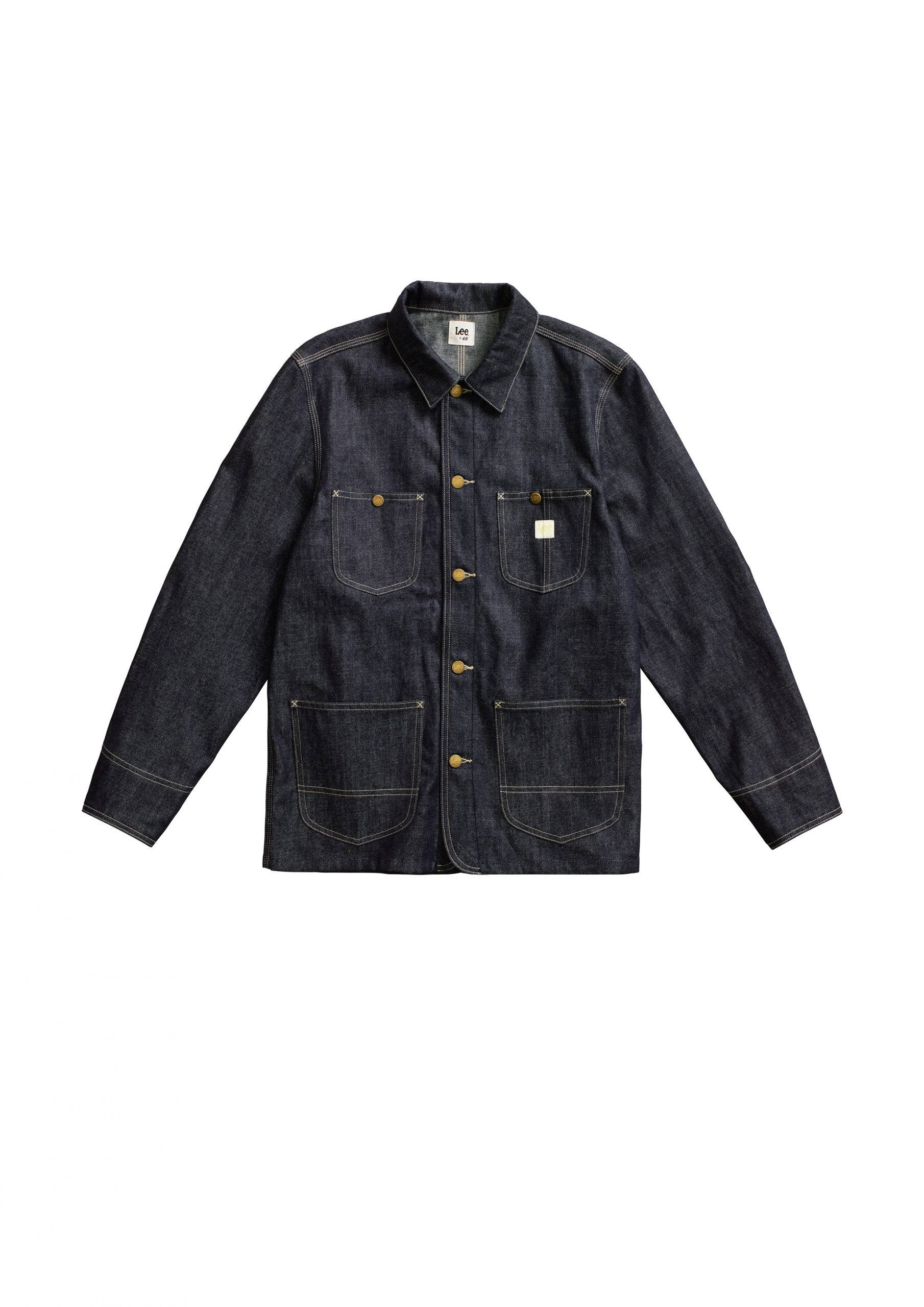
    H&M X LEE – This collection is made from 80% recycled post-industrial waste and 20% post-consumer waste material. Also, the brand shared the Life Cycle Assessment of the same online. The usage of recycled waste is wonderful and gets high points for the same. However, it does not declare any mention regarding usage of water, chemicals, energy, packaging, and other aspects of the collection. Hence, though it is a good effort but focuses on only material aspect of sustainability without being comprehensive .

    3. AVERAGE TO LOW IMPACTFUL :
    This category shows the collections from different brands which make the least positive impact on the environment due to the production materials and processes used. However, this categorization is not meant to belittle their efforts but to appreciate them and say that more can be done.

    Collections like Outland denim – which uses hand-loomed denim, or their black denim using 85% less water are a good effort but address only a very small part of production process. Similarly, the ones of Levis Wellthread or those using 60% organic denim have similar shortcomings.

    H&Ms COS and WEEKDAY sustainable collections also take care of one part of input ie rivets, having organic cotton, etc, and are micro focused. Lee’s fully biodegradable jeans and Diesel’s green label using 40% less water and laser also do not provide details which can help evaluate their environmental impact with better data.

    G STAR RAW : During 2020-21, the Dutch denim label and one of the leading denim brands- G Star Raw launched two major sustainable collections. Here are the key sustainable efforts by this brand.

    1. The brand has used Archroma’s sustainable Diresul RDT dyestuff technology for colors and the RFTPi indigo dyeing process, which is claimed to be one of the cleanest indigo dyeing processes.. This collection addresses only the dyeing part of the production process.

    LEVIS X GANNI – MOST IMPACTFUL

    In 2020, The Danish fashion retailer GANNI collaborated with iconic denim label – LEVIS to bring an exclusive collection named- LOVE LETTER, a rental-only capsule collection, and at the beginning of 2021, both the brands came together to launch the sustainable collection. Here are the key sustainable factors of these two collaborations:

    LEVIS X GANNI – Rental
    1. Ganni handpicked each pair of vintage 501’s with Levi’s for the project to upcycle and give them new life making it a personal process. The collection was meant for only rent to discourage the ownership culture, renting offers access to 1 garment to multiple people, thus help to lower down the production by regulating the demand.
    2. Consumers will be able to rent the products by simply tapping the NFC-enabled size patch with a smartphone. Later on, they will be able to unlock the history of each piece. In this way, the collab also pushing the idea of traceability and transparency, key components of sustainability.
    3. The latest collab of both the brand presented a collection which was crafted from cottonized hemp – a cotton alternative that requires 70% less water to produce, to push the idea of a more sustainable future. The hemp blended into these garments comes from rain-fed hemp crops, which reduces water usage even further. It is then treated in a way that softens or “cottonizes” the fiber, making it look and feel indistinguishable from cotton.”
    LEVIS X GANNI Sustainable Collection

    MOTHER DENIM- MOST IMPACTFUL

    The global lockdown due to COVID 19 resulted in a huge unsold inventory of denim in the warehouses, Mother denim was not an exception however the brand adopted the idea of Upcycling and used the leftovers and old denim pieces to make a new collection. The key sustainable efforts by Mother denim are as follows:

    1. A 100% upcycled collection using old or damaged Mother garments
    2. 60 % overstock fabric from past seasons and 40% materials found at wholesale vintage recycling plants across Los Angeles were used to make this collection.
    Mother Denim

    H&M X LEE – MEDIUM IMPACTFUL

    This collaboration is unique and special on many counts, and it is great to see two rivals joining hands at every stage of design and production for one common bigger goal, that is –SUSTAINABILITY. Here are some of the key sustainable factors:

    1. In this special collab, for the 1st time, H&M came with its first-ever 100% recycled cotton jeans, to non-leather backpatches made from cork and jacron paper.
    2. The brands took a holistic approach, looking at every stage of denim production. Fabric is crucial, such as H&M’s first 100% recycled cotton jeans, made from 80% post-industrial waste and 20% post-consumer waste. There’s also denim that’s cotton-free, made instead from renewable man-made fibres, as well water-saving dyes and lower impact denim washes that are 3rd party verified for their lower water usage, chemical, and energy consumption. 
    3. For the first time, H&M also shared Life Cycle Assessment (LCA) data on hm.com indicating the water, C02 & energy impact of each denim garment from raw materials to end of use.

    AVERAGE TO LOW IMPACTFUL

    A.OUTLAND DENIM

    The Australian Denim Label – Outland Denim, has been one of the most proactive denim brands when it comes to sustainability. The brand’s recent sustainable collection has the following key factors.

    1. Made from 100% hand-loomed fabric, which gives each piece a distinctly unique, beautifully raw, and authentic finish.
    2. Sourced from Five P, who are leaders in social and environmental sustainability and exist to celebrate and protect the textile weaving heritage in Chennimalai, Southern India, these handlooms further connect the consumer to its makers, humanizing garments as part of their social impact mission.
    3. The brand’s iconic ‘Harriet’ black denim, as made famous by the Duchess of Sussex Meghan Markle, is also back in stock as of today, with upgraded manufacturing standards – using “SaveBlack” technology, which uses 85% less water in the dying process.
    Outland Denim

    B.LEVIS

    Levis is one of the frontrunners and has been the leader at Sustainability front. During 2020-21, the brand has come out with various sustainable collections . However, some of their collections do not score that high on sustainability front.

    1. Made with 60% organic cotton from Turkey and Circulose, a breakthrough material made from worn-out jeans, the jeans was made with 20% recycled denim and 20 % sustainably sourced viscose. Besides that, Levis claimed that the consumption of water, chemical, and CO2 footprint during manufacturing were reduced. However, no details were shared making it difficult to calculate the exact nature of such reductions and savings.
    2. One of the collections was launched by LEVIS in a partnership with The R Collective that was named – The Denim Reimagined, featured a collection of jeans designed by Hong Kong designer Jesse Lee that have QR code labels that can be scanned to obtain information about how to best care for the garment so as to reduce the footprint of fashion.  However, the sustainability impact of the same cannot be termed very high.

    Disclaimer : This post does not intend to belittle the efforts of anyone and we really feel that all efforts in sustainability should be recognized. However, we also feel that there should be some way of ranking the sustainable efforts so that the deserving get the highest recognition.

    Not directly connected with this post , we are happy to declare that we have created a new DNJ ECO SCORE which uses our proprietary DENIM FABRIC SUSTAINABILITY CALCULATOR for DENIM FABRICS . The calculator is able to create Sustainability score for each fabric and RANKS the fabrics. Please do be a part of our launch on April 28th on DE-Brands.com to check out these Ranked fabrics. You will need to download our app from these links to be a part of this launch by registering Free with us .

    iOS http://bit.ly/dbrandsios
    Android http://bit.ly/dbrandsandroid

  • Q&A With Michael Kininmonth About Lenzing’s Modal fiber with Indigo technology

    Q&A With Michael Kininmonth About Lenzing’s Modal fiber with Indigo technology

    The Lenzing Group is enhancing sustainable offerings for the denim industry with TENCEL™ branded modal fibers with Indigo technology. The pioneering Indigo technology behind this new market offering incorporates indigo pigment directly into TENCEL™ branded modal fibers using a one-step spundyeing process.

    This delivers superior colorfastness relative to conventional indigo dyeing whilst using substantially fewer resources. This innovative offering is awarded the EU Ecolabel1 a label of environmental excellence awarded to products meeting high environmental standards throughout their life cycle.

    Development of Indigo technology to enhance denim sustainability

    The denim industry’s demand for eco-responsible alternatives is growing rapidly, as brands and supply chain partners seek greater sustainability. Lenzing has been working closely with such partners to counteract environmentally harmful denim production processes via the botanic origin of its raw materials and responsible production processes.

    Denim remains an important market for Lenzing, and the introduction of TENCEL™ Modal with Indigo technology is designed to help reduce the ecological footprint of denim fabrics and garments. Produced in Austria, predominantly from beech wood derived from sustainably managed wood sources, this new offering has been designated BioPreferred® by the United States Department of Agriculture (USDA).

    “Innovation is at the core of what we do, from sustainable fiber sourcing through industry-leading features and production processes, with the ever-present goal of safeguarding our environment,” says Florian Heubrandner, Vice President Global Textiles Business at Lenzing AG. “


    By upending traditional manufacturing processes and implementing our pioneering technology along with renewable and eco-responsible materials, TENCEL™ Modal with Indigo technology sets a new benchmark for indigo application and sustainability in the denim industry.”

    To understand more about TENCEL™ Modal with Indigo technology, Sandeep Agarwal from Denimsandjeans had a quick Q&A session with Lenzing Project Manager Michael Kininmonth.

    Q. Modal with Indigo is an amazing innovation. Can you let us know, first of all, why you felt the need for this product?

    Of all the environmental issues that the denim industry is wrestling with, indigo manufacture, indigo dye chemistry, and indigo application have witnessed the least progress. We decided to focus on the area that we could actually influence directly – dye application.

    Q.How does the process of injecting indigo into fiber work. Does it not affect the strength of the fibre?

    In order to form a fiber it is necessary to convert the cellulose into the liquid phase. This is called the spinning dope. It is at this point the coloration is added to make a homogeneous mixture. The dope is then extruded and reverts to a solid form in the shape of a continuous filament.

    The pigment is trapped in the solid structure. Any additive in the dope can affect the final strength of the fiber and so there is always a balance to be struck.

    Q.You mention that crocking is taken care of and the product will not wash down the in-home laundry. Does this not take away some character of Indigo.

    With traditional indigo warp dyeing, control of chemical concentrations and control of machine conditions such as immersion times, tension control, and dye box design can result in an excess of indigo dye deposited on the surface of yarns resulting in poor rub fastness and relatively rapid color loss. In contrast, the indigo pigment and a Modal indigo fiber are entrapped and penetrated to the core.

    There it takes much more wet and dry aggression to start removing pigment. Crocking and home laundry tend to be low aggression activities. More aggressive finishing techniques, physical or chemical, are able to remove color, and so it is possible to achieve a distressed look.

    Q.Have you calculated the reduction in carbon footprint for those who are using this fiber instead of regular indigo dyeing?

    As compared with conventional indigo dyeing, TENCEL™ Modal with Indigo technology typically has a smaller carbon footprint and offers savings of water (99%), chemicals (80%), electricity (99%), heat energy (100%), and wastewater (99%). These savings were calculated by comparing both conventional indigo powder dyeing and conventional pre-reduced liquid indigo dyeing.

    In both cases, we assumed a standard commercial concentration of indigo at 3% on weight of the fabric and a set-up of pre-wetting, warm rinsing, (2 boxes), cold rinsing (1 box), indigo dyeing (6 boxes), and rinsing (3 boxes). We cannot be specific about carbon footprints because that depends on the individual customer energy supply set up (type of fuel for boiler, steam generation, electrical power, etc).

    Q.Do you see a bigger market for such a unique material lies denim or in knits for this innovation?

    Difficult to predict.

    Back in the early 1980s, I worked on the first-ever commercial production of warp-dyed indigo yarn back onto the cone, for use in the knit market. This was patented at the time by IKI (Indigo Knitwear Industries) in the UK. Nearly 40 years on and there is still a limited supply of this type of product available to the market. TENCEL™ Modal with Indigo technology provides an easy route to market and Modal is well established in the knit market and so I see that there is a significant opportunity here.

    For wovens, our Modal Black made headway into the jeans sector some 3 or 4 years ago, particularly into the super soft super stretch product area, so I see no reason why a product with such a great environmental footprint cannot do the same.


    The Denim Re-union- a virtual event to be hosted by Denimsandjeans, is going to witness the presence of some of the leading companies, denim designers and consultants around the globe who’ll be showcasing their innovative and sustainable designs and solutions.

    Do not miss to join the show on March 30 & 31,2021.

    Timings:
    Day 1- March 30: 3.30 pm CET to 6.30 PM CET, EST 7.30am – 10.30am
    Day 2- March 31: 5.30 pm CET to 8.30 PM CET , EST 7.30am- 11.30am

    To visit the show, please download our app and register here

    iOS : http://bit.ly/dbrandsios
    Android : http://bit.ly/dbrandsandroid

  • New Sustainability Concept With The Debut Collection Science Story By H&M

    New Sustainability Concept With The Debut Collection Science Story By H&M

    H&M has long been dedicated to making positive changes and driving progress with sustainable fashion. The latest initiative, Innovation Stories, sees H&M push further for positive transformation with a directional concept that showcases innovation, sustainable fabrications, and design.

    The first collection to launch under the collective is Science Story, which pays tribute to the brilliant minds behind fabrications of the future. With it, they introduce new materials such as EVO by Fulgar®, a bio-based yarn derived from castor oil, and Desserto, which is a plant-based alternative to leather, produced from cactus plants.

    Key womenswear pieces include the wide-leg bright white jeans with removable double waistband, the lightly-cropped chalk-white shirt with oversized breast-pocket, and the cuffed tracksuit. Energetic and bold accessories are the edgy antidote to the collection’s clean and classic clothing; the chunky necklace with orange swirls and rhinestone detailing, coordinating statement loop rhinestone earrings, high-heeled green strap sandals, and recycled plastic blue sunglasses with a double-lens frame.

    “Innovation Stories is a platform that pushes our experimentation to the next level. The initiative encourages our work with scientists and developers and puts a spotlight on our progressive ideas. Science Story is a homage to the years of research and experiments behind these incredible materials”,

    Ella Soccorsi, Concept Designer at H&M.    

    “Our new concept continues H&M’s journey towards a sustainable and circular fashion system. Innovation Stories allows us to develop and grow, all while creating desirable and long-lasting pieces that we hope our customers will love and be proud of”,

    Ann-Sofie Johansson, Creative Advisor at H&M.


    Join the Denim Reunion & AW 22 Talks on March 30-31, 2021 . For invitation, register at  http://bit.ly/2zzHD0L

  • Haelixa X Denimsandjeans Talk On Traceability In Denim Manufacturing

    Haelixa X Denimsandjeans Talk On Traceability In Denim Manufacturing

    Dr. Michela Puddu- Co-Founder and CEO of Haelixa, a  spin-off of the Swiss Federal Institute of Technology (ETH Zurich) which offers traceability solutions to denim manufactures and brands, spoke to Sandeep Agarwal from Denimsanjdeans on Wednesday, Feb 17. Since Haelixa has come out with a new technology related to TRACEABILITY in denim industry , there was an heightened interest to know how it can help the industry achieve sustainability objectives. And hence this webinar titled ‘ Value and Benefits of Product Traceability For Denim Manufacturers and Brands’. was held . Haelixa’s DNA marking system is path breaking and we bring some excerpts from the talk.

    Dr. Michela Puddu during the Talk.

    Key Points From The Talk

    BACKGROUND

    Haelixa is a spin-off of the Swiss Federal Institute of Technology (ETH Zurich). The two founders of the company Michela Puddu (CEO) and Gediminas Mikutis (CTO) researched and developed an innovative technology based on DNA to mark and trace products from source to retail. After their Ph.D., they commercialized their innovation and founded Haelixa in 2016.

    Today the company works with brands, retailers, and manufacturers in the textile, gold, and gemstone industry (among others) to create supply chain transparency through traceability and support claims related to sustainability and other standards.

    HOW THE SYSTEM WORKS

    Dr Michela made a presentation about how their technology works. She mentioned that in order to increase transparency and responsibility, there have been several certification schemes established in the textile supply chain including blockchains but these solutions have often failed to verify the product claims. The various certifications have been for making product claims but tracing still leaves a lot to be desired.

    She mentioned that Haelixa found a way to substantiate the product claim by turning the product into information about its journey and its integrity. The technology is based on DNA markers which enables them to provide a unique DNA code for each product or a batch of products enabling easy traceability.

    A special solution is created with these unique codes and which are then sprayed over the fibres, or yarns/ fabrics / garments etc. depending on what needs to be traced. The product absorb these DNA markers and then stay there in the product for most of its lifetime. So in this way, the product information travels with the product itself and can neither be manipulated nor removed in anyway.

    Haelixa finds its solution extremely versatile. Dr. Michela Puddu, while explaining the technology, said that through the use of DNA they can make available an unlimited number of unique fingerprints to provide a unique identifier all fiber tyes including natural and recycled cellulose and a manufacturer can determine what code of the traceability program and which product data are the most valuable and most relevant to them.

    Markers are very easy to apply and harmless and don’t affect the properties of the product. The marker is harmless for humans and the environment, GMO-free, approved as chemical inputs by GOTS and OekoTex 100 compliant, yet strong enough to withstand industrial processing. She also mentioned that Haelixa markers are the only physical markers APPROVED BY GOTS.

    By using Haelixa DNA markers, the product can be traced at any point of time and all the information in regards to the journey of the product is accessible to enable the user to match the product information with the claims made.

    The Q&A Session

    There was a huge interest in the webinar from the audience with over 65 questions being asked ! Many of these were answered , though some of them were still could not. Sandeep Agarwal read out the questions on behalf of the audience and were answered by her – clarifying most of the queries. We bring a few of the questions that were discussed.

    Que. : The solution you provide is in the form of a spray, right? Can it affect the nature of the product, say for example the fibre or cotton?

    Dr. Michela Puddu: Yes, the markers we provide are in liquid form which you can spray on the cotton or fibre or can also be integrated during the production process. The marker doesn’t alter the organic nature of the product and is GMO-free, approved as chemical inputs by GOTS and OekoTex 100 compliant.

    Que. : Haelixa performs all these traceability tests using the DNA marker in their own laboratory or do you have partner laboratories also?

    Dr. Michela Puddu: We performed the test in our laboratory as well as we have several partners who perform the tests on our behalf which means that the 3rd party testing is also possible.

    Que. : Where do the data related to the product and its traceability trail get stored? Whether it’s online or you have any other system to store the data?

    Dr. Michela Puddu: On that we are flexible, we work with our client and partners and decide. Every time we do our verification test and if the client relies on us, the data goes in our tracking system and the client can check the information at any point in time. Also if a client wishes to share the tracking data with their client, they can do the same.

    Que. : How do you compare the blockchain technology and other physical tracing solution available in the market with your solution?

    Dr. Michela Puddu: Blockchain is certainly a great tool to record the supply chain transaction in a secure and transparent way but the blockchain can not guarantee that the data stored in the blockchain technology is authentic and that’s where we come as we provide data that can neither be manipulated nor replaced in anyways and always travels with the product. Our system can also connect with blockchain also with the data provided by us to make it more secure and transparent.

    Que. : One of the key issues in the retail industry is Counterfeiting, does your solution help in controlling counterfeiting in any way?

    Dr. Michela Puddu: Yes, Absolutely! While tracing the product journey we also the protection against counterfeiting because the marker is also labeled on the article. The moment you find the marker and you identify the product you can always prove that this one is a real one and not a fake or copy.

    There was also an interesting Q&A which was done during the talks to bring out visitor response to various aspects of traceability. Three polls were done and the answers gave a lot insights into what the people were looking for.

    The complete talk is essential to watch and understand the different aspects of this technology. Do watch out the same on Denimsandjeans Youtube channel (do subscribe to remain notified !) .

    You can also watch the complete talk on our youtube channel , the video link of the talk is here

    To connect with Haelixa, write to textiles@haelixa.com . More details at https://www.haelixa.com/

  • Denim Traceability Solution By Haelixa

    Denim Traceability Solution By Haelixa

    As denim brands, retailers, and the supply chain try to improve their sustainability credentials- especially on material inputs, the questions about the traceability of these materials become more and more pointed. Greenwashing by many companies in the denim supply chain has somehow made the push towards traceability even stronger and imminent.  

    For years, the brands, retailers, and consumers had to contend with blanket terms like “eco-friendly”, “organic,”  and “eco” to understand whether a garment is sustainable, resulting in the prevalence of greenwashing. The third-party certifiers like GOTS, Cradle to Cradle, etc did help validate sustainable claims within the supply chain but the transition to a higher transparency level still seemed too distant.  And many leaders of the industry are convinced that to achieve true transparency,  the conversations need to begin with traceable fibers. 

    Over the last couple of years, many companies have invested in traceable solutions for the fashion industry. The main idea behind such solutions is that the input materials can be traced back at the retail end – giving not only confidence to the buyers but to retailers as well.

    Currently, most retailers cannot trace the input materials beyond their TIER 1 suppliers and there is an urgent need to go further into the origins as consumers demand to know how and who made their clothes. Traceability is not only important from a sustainability aspect but also for transparency reasons.  Eg, the recent issue with the Xinjiang cotton ban by the US makes it important for the suppliers of fabrics and apparel to be able to prove the origin of their cotton. And as international regulations and logistical complexity grow, there will be even greater demand for transparency through traceability!

    Haelixa

    Another issue, not connected with sustainability but of great importance for most brands,  is counterfeiting. It is estimated that over 16% of branded clothing sold is counterfeit and causes enormous losses to most fashion labels. The industry also needs to find a solution to this pressing issue which becomes even more important as the bottom lines of the retailers are under severe pressure.

    To address some or all of the above-mentioned concerns, there have been various solutions thrown up in recent times using different technologies like Blockchain, Fingerprinting, Microbiome analysis, DNA fingerprinting, etc. The principle idea behind these technologies is the same – to find the origin of materials at any stage. However, the best technologies are defined by their success rates, ease of use, and costs. 

    Haelixa – a  spin-off of the Swiss Federal Institute of Technology (ETH Zurich) offers proprietary and innovative solutions to physically mark, trace, and authenticate products from producer to retail creating transparency along the entire supply chain (linear or circular). The solution can be applied to textiles, gold, diamonds, and other products or raw material. Besides proving claims related to product origin and production, Haelixa also helps to protect brands against counterfeiting by providing proof of authenticity and safeguarding the value linked to the brand story, design, processing, and performance.

    Dr. Michela Puddu
    Co-Founder, CEO and Chairwoman of the Board @Haelixa

    We were excited to meet the Haelixa team and learn more from them. As we learnt the technological details, we asked them a few questions about how they came up with this innovation and its possible end uses and we were blown away by the possibilities.

    Hence, we decided that it would be really interesting to have a webinar organized with them (on 17th Feb) so that we could also share the same with our industry. In the meanwhile, we reproduce some key elements of their technology in a quick Q&A and look forward eagerly to speaking to CEO and Co-Founder Michela Puddu in a webinar on 17th February.

    1.       What is the story behind Haelixa?

    Haelixa is a spin-off of the Swiss Federal Institute of Technology (ETH Zurich). The two founders of the company Michela Puddu (CEO) and Gediminas Mikutis (CTO) researched and developed an innovative technology based on DNA to mark and trace products from source to retail. After their Phd they commercialized their innovation and founded Haelixa in 2016. Today the company works with brands, retailers, and manufacturers in the textile, gold, and gemstone industry (among others) to create supply chain transparency through traceability and support claims related to sustainability and other standards.

    2.       How is Haelixa different from other traceability solution providers in the apparel industry?

    We at Haelixa turn the product itself into the carrier of information about its origin and journey along the supply chain. The information is safely embedded into the product during its journey, which is a clear advantage to transaction certificates or blockchain solutions. The value of a blockchain solution for example depends on the reliability of the data that is being uploaded, which can be falsified. On the contrary, the information carried by the Haelixa marker cannot be manipulated nor removed and therefore is always a true representation of the product.

    The Haelixa marker can be applied at the farm level or any other node in the supply chain. So we provide flexibility where it can be applied. We can develop a dedicated marker, so unlimited amounts of markers, for each producer, manufacturer, collection, production lot, or brand. The marker is harmless for humans and the environment, GMO-free, approved as chemical inputs by GOTS and OekoTex 100 compliant, yet strong enough to withstand industrial processing. Only minute amounts of marker are added and no premix with a different matrix material is needed, and therefore does not alter purity/quality/processes.

    3. An example of how a brand would trace the origin of cotton fiber?

    We would mark the cotton at the origin using the dedicated DNA marker for the brand or for this specific producer. The verification in form of a qPCR  (quantitative Polymerase Chain Reaction) test (that is these days also used to detect Covid-19) will be done with the final garment (such as jeans) or any intermediate product (such as denim fabric) in the Haelixa lab or at an authorized third-party lab. Having the data provided by a third party gives your product claims additional credibility. With the confirmation of the marker found a specific Certificate will be issued for each test sample. Brands and manufacturers can also use the “Marked & Traced by Haelixa” ingredient label to communicate towards their customers their commitment to full transparency.

    To connect with Haelixa, write to textiles@haelixa.com . More details at https://www.haelixa.com/

    To attend the webinar scheduled on Feb 17, CET 11.00 AM, please register at http://bit.ly/2LgxdsC

  • HM and Lee Collaborates For More Sustainable Denim

    HM and Lee Collaborates For More Sustainable Denim

    H&M- one of the leading voices when it comes to sustainability in the fast-fashion world and also one of the few apparel labels which have made a lot of commitments to ensure sustainable practices at each level of production in the coming 10 years. Some of the biggest sustainable targets set by HM include reducing its greenhouse gas emissions by 2030 and the use of 100% recycled or sustainable materials by 2030.

    The recent collaboration of H&M with American denim label Lee to push for the next generation of “more sustainable denim” seems to be a step ahead towards fulfilling its sustainability commitments. This collaboration is unique and special on many counts, and it is great to see two rivals joining hands at every stage of design and production for one common bigger goal, that is –SUSTAINABILITY.

    In this special collab, for the 1st time, H&M is coming with its first-ever 100% recycled cotton jeans, to non-leather backpatches made from cork and jacron paper. For the first time, H&M will also share Life Cycle Assessment (LCA) data on hm.com indicating the water, C02 & energy impact of each denim garment from raw materials to end of use.

    This transparency is matched by the positivity of the fashion, with oversized and cocooning silhouettes as well as workwear shapes that draw on Lee’s esteemed heritage. Lee x H&M features collections for women, men and kids, and will be available on hm.com, as well as selected H&M stores, from 28th January.

    “We just loved working with Lee to push for change. A change for more sustainable and circular denim garments. We looked at every detail and challenged each other in a positive way. It’s also amazing to work with Lee’s iconic designs and give them a bit of our flavor, for H&M denim lovers around the world,” says Jon Loman, designer at H&M. 

    “Lee is proud to be collaborating with H&M to continue our efforts to make better denim. Our brand was founded more than 130 years ago with innovation in mind, and today we are happy to be joining with H&M to advance denim into a more sustainable future,” says Chris Waldeck, EVP Global Brand President, Lee®

    Lee x H&M is an ambitious collaboration that has sustainability central to its design. The brands took a holistic approach, looking at every stage of denim production. Fabric is crucial, such as H&M’s first 100% recycled cotton jeans, made from 80% post-industrial waste and 20% post-consumer waste. There’s also denim that’s cotton-free, made instead from renewable man-made fibres, as well water-saving dyes and lower impact denim washes that are 3rd party verified for their lower water usage, chemical, and energy consumption. 

    For the women’s collection, wide and loose jeans have a 90s throwback feel, while Lee’s classic Rider jacket is recut with an oversized cocoon shape. Denim corsets add a feminine edge, while dungarees and overshirts bring the functional workwear vibe, alongside Texloop™ RCOT™ Recycled Cotton jersey pieces for the full Lee x H&M look. 

    https://open.spotify.com/episode/6tHJgrnuN4brGRZLf0vRi2
    Candiani is one of the most sustainable denim producers in the world. Denimsandjeans spoke to Mr. Alberto Candiani on sustainability and changes after COVID in the denim industry.

    For the men’s collection, workwear jackets are a wardrobe essential with Lee’s true authenticity of the design. Relaxed fit five-pocket jeans are cut from 100% recycled cotton, while relaxed carpenter jeans are made with water-saving dyes and 100% Tencel™ Lyocell cellulosic sewing threads.

    There are workwear dungarees, denim bucket hats, and tote bags, as well as heavyweight jersey pieces to complete the more sustainable collection.