Category: denim

  • Wish You A Merry (Denim !) Christmas

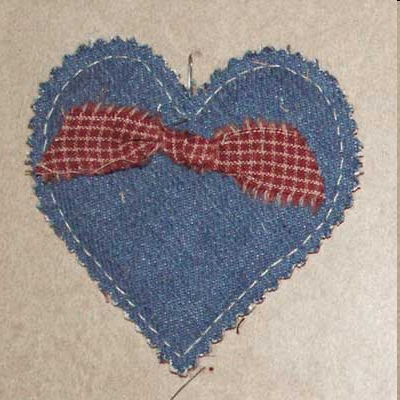
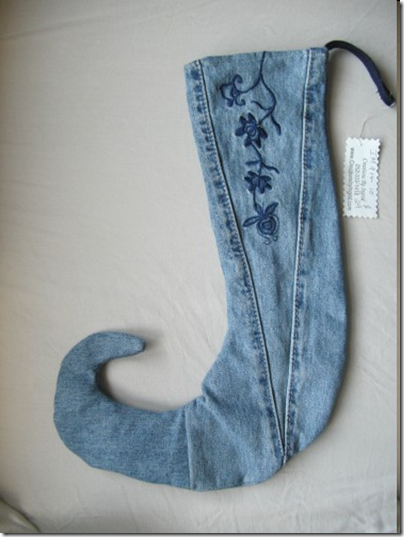
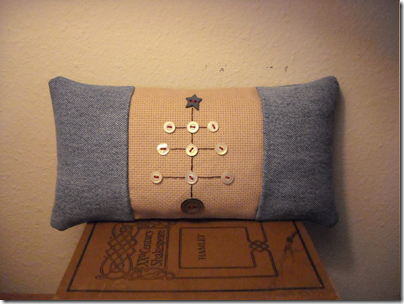
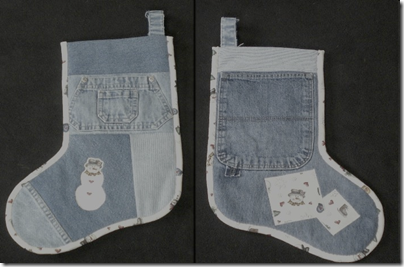
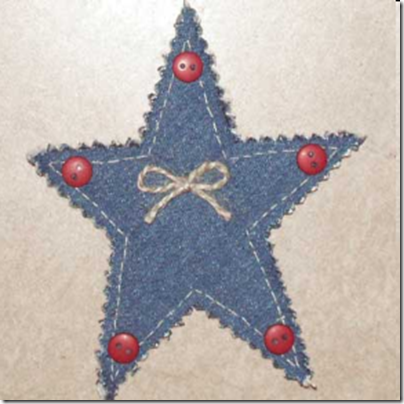
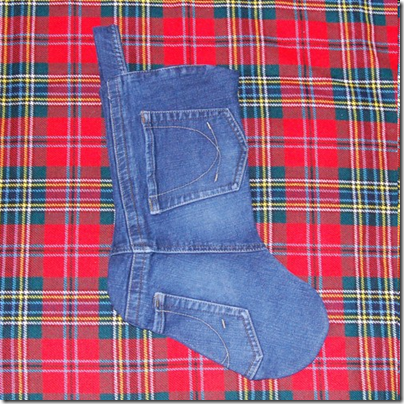
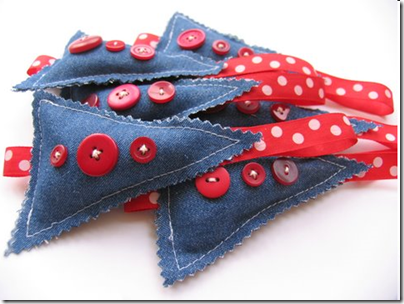
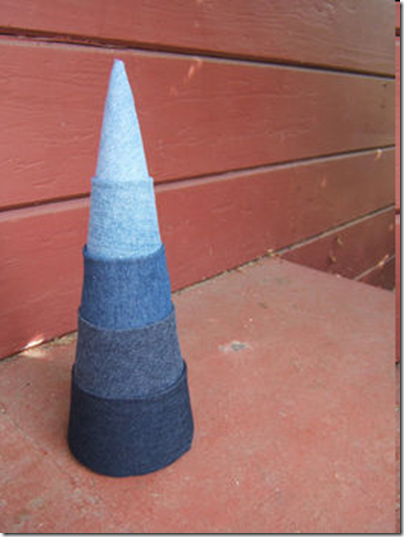
    For those who think that Christmas has nothing to do with denim, need to take a look at the photographs of different Christmas products in denim .Click on the photographs to see more details. Hope you like .

    Wish you A Merry Christmas And A Very Happy New Year


    denim christmas

    denim christmas

    denim christmas

    denim christmas

    denim christmas

    denim christmas

    denim christmas

    denim christmas

    denim christmas

    image

  • Resin Treatments: Giving Value addition to Vintage Denim garments

    This is a very detailed technical guest article about Resin treatments from Saurabh Rai
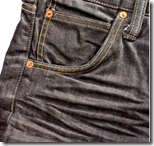
    image Today we will talk about Resin & its use in Denim garments industry to create unique & vintage looks which add value to denim garments & improves its saleability  in market.

    In 80’s we have seen Resin being used to give non press , iron free trousers & now we are using in Denims to make wrinkles & creases to look natural vintage which stays after multiple home laundries.

    The present invention relates to processes and methods for treating Denim garments. In particular, the invention relates to the treatment of denim made of cotton, cotton blends and synthetic fabrics for the purpose of imparting no press properties thereto.

    Typical Resin treatment process for Non denim garments for Durable Press finish:

    Lets talk about wrinkle free, durable press or crease free finish on non denim trousers. A variety of techniques and additives have been suggested for use in the treatment of cotton fabrics to obtain durable press properties. A typical process suggests the use of a low-formaldehyde glyoxal resin (10%), a non-ionic wetting agent (0.2%), an amino functional silicone (3%), a polyethylene emulsion (2%), and acetic acid to maintain pH in aqueous solution wherein water comprises the remaining 84%. Then load the machine with the garments prior to the addition of the liquid mix components. Once the mixture components are added, the garments be allowed to soak for between six and ten minutes without agitation. The offload & do hydro extract & semi dry.

    The amount of time required to reach the target moisture level will depend on the weight of the fabric, the temperature of the dryer, the duration of the drying cycle, and the extent to which the garments are tumbled. However, it is important to keep the drying temperature below a temperature which will cause the resin to set.

    Once the garments have been dried to the proper moisture level, they are ready for the pressing and final cure steps. It is important to press and finally cure the garments without substantial delay, i.e. delay of more than approximately 12 to 24 hours, depending upon the weight of the fabric comprising the garments. Denim fabrics can be held between the drying and the pressing steps longer than lighter weight fabrics, because they tend to more readily retain moisture. Pressing of the garments in accordance with the present invention is done with a garment press capable of exerting a vacuum on the garment through the lower plate of the press. Initially, the garments are positioned with the aid of a vacuum to eliminate wrinkles and they are subsequently subjected to a steam treatment for approximately five seconds with the vacuum turned off. Steam is then applied to the garment through the top plate of the press for approximately 5 seconds. Finally, the garments be pressed for non denim to get wrinkle free, durable press finish or crunched for denim where ever 3D effect needed and cured.

    The  current technology of post cure being introduced for non denim garments process gives an option to produce a garment with smooth drying and wrinkle resistant properties along with sharp creases that are durable for the life of the garment. In this process the resin is padded onto the fabric and dried at low temperature. The fabric is then cut, garment constructed and creases pressed into the garment. A high temperature cure in this configuration is given to cross-link the resin. This process, though giving excellent results, has not been too successful with garment manufacturers owing to obvious limitations of colors, styles and fabric weight, and the need for a direct interface between mills, garment manufacturers and retailers.

    Chemicals being added to process & its functions

    The non ionic wetting agent reduced surface tension of the fiber & allows chemical penetration, so cross linking can take place throughout the fiber cross-section. A high density polyethylene restores some of the lost tear strength and abrasion resistance by providing lubrication. It also has a synergetic effect with silicone or fatty-based softeners to improve hand feel. Among the silicone softeners, amino functional or reactive polysiloxanies with silanol functional end-groups act as elastomeric finishes imparting higher crease resistance, good dimensional stability and excellent soft handle . They can also reduce free formaldehyde release by replacing part of the resin.

    Above processes and methods provides a commercially practicable method for imparting durable press characteristics to fabrics containing cotton. Garments treated by the methods set forth herein may be made to have durable press and softness characteristics which are both superior and consistent from batch to batch and maintaining an acceptable level of garment wear and durability

    Description

    The wrinkle free finish is being done by cross-linking cotton. Permanentclip_image001 press finishes function by forming cross-links between adjacent cellulose polymer chains. Then cross-linked cotton does not allow fibers to shrink & thus wrinkles will not form. In todays’s world DMDHEU- Di methyl Di hydroxyl Ethylene Urea is the main cross-linking agent. With magnesium chloride as the acid catalyst to initiate a reaction, it forms cross links in the amorphous regions of the fiber.
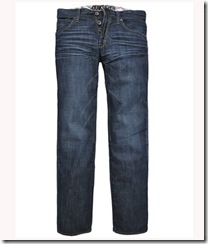
    There are many modified version of DHDHEU’s are available in market as tailor made products, easy to use & with low formaldehyde. Formaldehyde release is always a big issue & it may cause cancer to human body. Hence Internationally free formaldehyde parameter being set up to maximum 75 PPM. There are new inventions/ research being done with no formaldehyde resin application but some how or other its not so popular either they are not as durable as resin or very high in cost to use in mass production.


    How Resin works:

    Resins work by reacting the nitrogen atoms of each resin molecule with the hydroxyl group of the cotton fabric. The reaction forms a linkage between the resin and the cotton fibers giving the cotton un shrink pattern in which shape is being made & cured.

    Resins being cures in acidic pH with particular heat & temperatures. To maintain pH catalysts can be used, as these are salts of acid. Oven curing is needed to reach right temperature ( 145 – 160 C ) & time ( 7 – 22 min ) as per Resin tech bulletin advice.

    Fabric strength loss may results up to 50 percent & it completely depends on fabric weight, construction & fiber content. Shade change also occurs due to resin cross linking.

    Methods of applying Resin on the denim garments

    The major application methods currently used are based on the following processes: garment-dip; spray application.

    In the garment-dip method, garments are constructed from non-resinated fabric, then impregnated with a resin formula similar to that used in the non denim garments process, extracted to about 65 per cent wet pick-up and then tumble dried to 8-10 percent moisture content, a critical factor that is determined using a moisture meter.

    In the spray method, the resin is applied by spraying it onto the garment during tumbling in an enclosed rotational device, or on spray booth where garments being hanged to inflated balloons & sprayed a measured quantity of resin solution. A microprocessor is used to meter the exact amount of chemicals and to control the rotation time, desired wet pick-up, spray rate and process time. The garments are then treated for different 3D effects, crunched or whatever designed intended to produce, used for both menswear and women swear with the market moving towards washed-down looks and softer handles.

    Parameters to be considered while Choosing denim fabric for Resin finish

    The garment finisher usually does not manufacture his own fabric and he may be faced with unacceptable losses in tensile strength, tear strength and abrasion resistance in the fabric when cross-linking. Because of the added value, garments rejects due to low strength may prove to be more expensive than fabric rejects.

    For producing an acceptable 3D effects Denim, several precautions must be taken in fabric selection:

    · The base fabric must have sufficient strength to withstand 40-60 per cent loss in tensile and tear strength and still maintain sufficient strength to provide a garment of acceptable wear life and durability

    · It must also have excellent absorbency to allow resin to penetrate into the very interior of the fibres and form crosslink’s. Surface adhering resins do not serve any useful purpose and are inefficient and wasteful

    · If the fabric is dyed the dye must be fast to acid catalysis and high temperatures. Sulphur dyes, which are known to generate acid upon storage, are to be strictly avoided & Lycra/Spandex based fabric also should be tested on elongation before mass production.

    · Residual extractable on the fabric (like starch from size) can react with resin and lower its effectiveness, a high degree of size removal is thus essential

    · Fabric pH should be between 6.5 to 7.0.

    Selection of machinery & Oven

    Many aspects must be considered when choosing the technology; type or product (Tops & Bottoms), process, time, temperature, 3D, and chemicals.

    For high quality 3D crunching / whiskers, the two most important criteria are temperature and control of cycle. Presses should be equipped with high-heat, cast aluminum heads or with supplementary electrical heaters to give a processing temperature of approximately 150 – 180 degree centigrade. This temperature is crucial as it starts the curing process and controls the effects.

    There are various types of 3D making equipments available in the market ie. Wire crinkle, Decca/crunching machines, then aluminum flex pipes & also man made leg hangers on which natural 3D effects being carried out.

    While selecting an Oven, garment manufacturer must analyze their products to be produced, place/space & capacity of production accordingly they can choose from medium to big size of batch or continuous oven which are readily available with many machinery producers.

    A tunnel oven is faster but requires a certain amount of garment preparation and a material handling system to and from the tunnel. Air flow pattern in these ovens controls temperature fluctuations, movement of the garment and effect formation and is therefore the most important selection criteria. The air velocity is finally controlled, in as much that temperature fluctuation has been brought down to a remarkable 3 degree Centigrade over a single garment. Developments are also underway to perfect microwave curing technology. As against normal convection curing, the temperature rise in microwave ovens is expected to be quicker, uniform throughout the fiber cross section, and to give minimum damage to the fiber.

    There are many Resin suppliers available in the market & they sell their products in combination of their own recipe & even they are expert enough to suggest you right resin combinations for your denim garments to get unique look with low formaldehyde.

    Using resin on garments is only one major danger is leaching of free formaldehyde if resin is not cured properly due to any parameters being ignored in a process ie. Temperature and time.

    Hence for dealing with resin application skilled man power is pre requisite.Readers are most welcome to ask any question & add their experience on this page.


    About Saurabh Rai : A Textile Chemist by  profession with 13+ years ‘progressive experience in designing, creativity in wet & dry processing of denim garments in the Apparel Industry and general management with well known MNC companies across the globe. Delivered consistent contributions to productivity and revenue growth through expertise in product sourcing, product development and vendor development .He likes to keep a track of  forthcoming fashion market trends. Contact him at this email address.
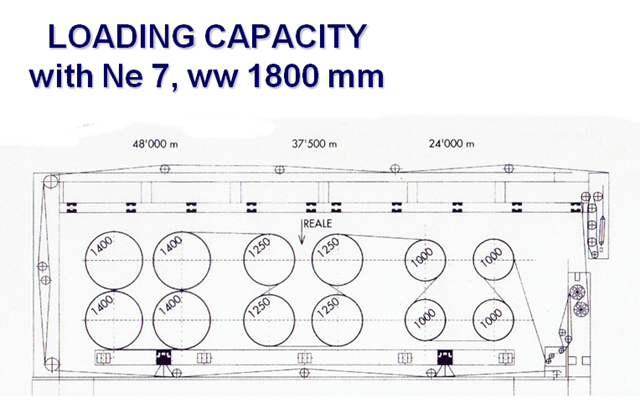
  • Indigo Dyeing With Loop Dyeing Machinery

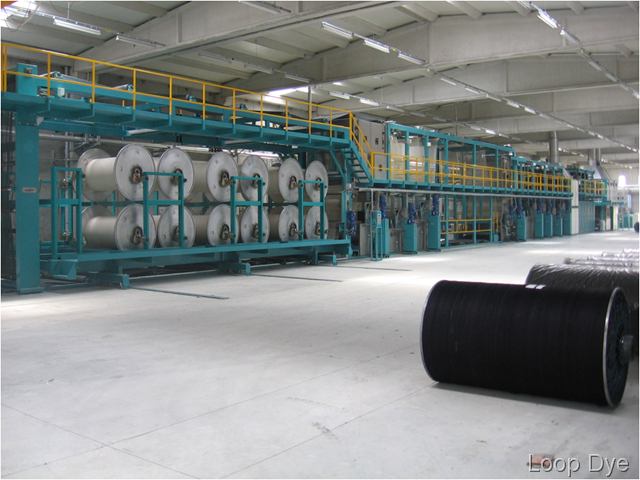
    loop dyeing for denim

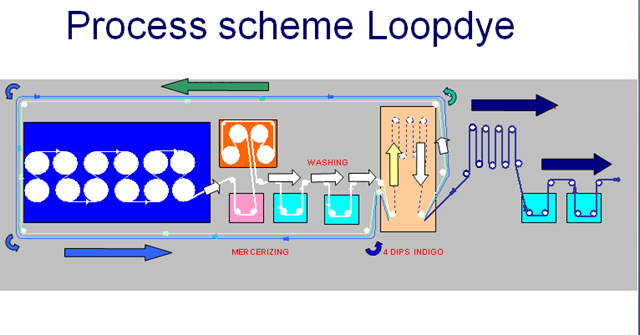
    The name “Loopdye” results from the method of skying or air passage for oxidizing the Indigo-dyed yarn and the method of passing through the Indigo dye. On the other 2 important Indigo machine types, the dyed yarn is passed through from 6-8 Indigo boxes on rope machines or 6-20 Indigo boxes on slasher (sheet) Indigo machines, multiple dye boxes being necessary for dark shades because only a small amount of Indigo can be applied in each immersion. After immersion in each Indigo dye box, the yarn is conducted through the air after each box, where the reduced Indigo (yellow-green) is oxidized or “fixed” by oxygen in the air returning to the original blue, then the yarn enters the next dye box, passes into the air and so forth until the required depth of shade is developed.

    In the case of rope and sheet ranges, this oxidation takes place above each dye box. In the Loopdye process, there is only a single Indigo box through which the yarn passes 4-5 times. The white cotton is pulled into the front of the machine and passes first through the pre-treatment boxes, then moves through a reactor which can be used for steaming or additional reaction time for sulfur- bottoming or Mercerization, followed by washing. The wet yarn then enters the Indigo dye box. When the yarn exits the dye box, instead of moving forward, the yarn is carried to the rear of the machine, around the top and rear of the yarn creel from where it started, passes under the yarn creel where it is returned to the Indigo box for another dye passage. This continuous passage of yarn between the yarn creel and the dye box is in the form of a “loop” which is almost circular. After making multiple loops through the Indigo dye box the yarn is conducted through wash boxes and on to drying cylinders. The Loopdye machine is a simplified version of a “sheet” or “slasher” Indigo machine. After drying the Indigo-dyed yarn, the yarn passes directly to sizing where the yarn is prepared for weaving. Because the sizing part of the machine must stop in order to remove a completed weaving beam, in order to prevent the dyeing unit from stopping as well, there is a yarn accumulator between the drying cylinders at dyeing and the wet-size boxes. When the yarn stops moving on the sizing unit, a series of parallel cylinders begin to move apart allowing the yarn from the dye unit to continue through dyeing and allows the size machine approximately 2 minutes of time to install an empty weaving beam and re-start the sizing machine.

    Loopdye Machines in the Denim Industry

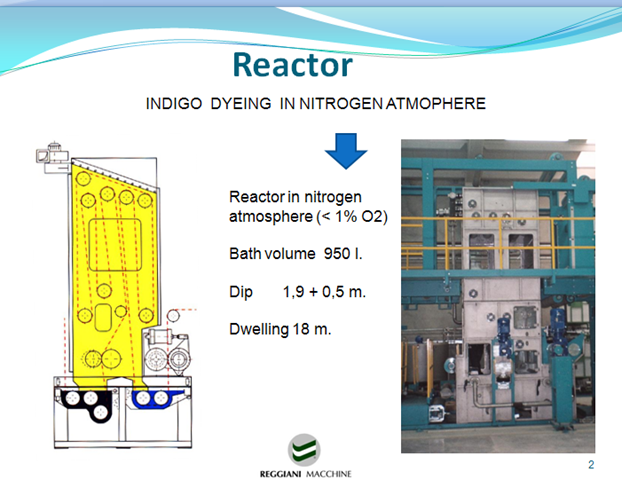
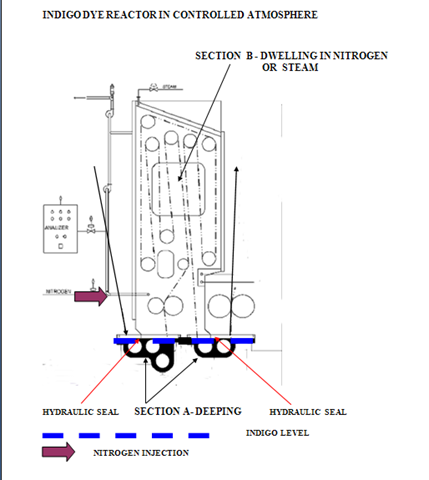
    In the early 1990’s, thee were approximately 30 Loopdye machines in use. Currently, the number is reported to be 60 or so. The biggest concentration of these machines is in Brazil. Vicunha employs 11 of these machines, Canatiba, Santana and Cedro have 2 units each, while Tavex, Tear, Textil Kafi, Santista have 1 each. There are 9 of these machines that have been equipped with nitrogen units which use nitrogen gas as protective blanket over the surface of the Indigo dye. The nitrogen gas prevents oxygen in the air from attacking sodium hydrosulfite resulting in more consistent dyeing and reducing consumption of hydrosulfite, lowering costs and pollution. There are other claimed advantages such as higher speeds and darker Indigo color.

    Advantages and Disadvantages

    1.  Productivity – When compared to a multi-box slasher machine, productivity is essentially equivalent since the yarn loading, start-up times and speeds are similar. Rope dyeing machines can produce up to 4 times as much dyed yarn.
    2. Capital Investment – The Loopdye machine has the lowest initial costs of continuous Indigo dyeing machinery, currently reported to be approximately 25% less than  8 dyebox slasher machine.
    3. Operating Costs – Maintenance and energy costs are reported to be approximately 20% lower with Loopdye when compared with slasher dyeing and even lower than with rope dyeing.
    4. Space requirements – The Loop machine with a single dye box requires less floor space than either sheet dyeing or rope dyeing. Rope machines also require higher ceilings because of the design of the airing arrangement.
    5. Indigo Dyeing Quality – The newer designs of Loopdye are reported to have little of the problems with Cross-Shade (side-to-side) shading than with slasher dyeing equipment. Indigo consistency from the start-to-finish of dyeing can be expected to be better with the inclusion of nitrogen units. Rope machines still have an overall advantage in terms of Indigo dyeing quality, but this may be overcome by employing improved chemical blending.
    6. Sulfur dyeing – The Loopdye machine can be equipped with a steamer for cold-pad sulfur bottoming which will provide greater consistency than a hot application in the 1st box. The Loop machine is not provided with enough boxes after Indigo dyeing for sulfur topping as the slasher dyeing is. With the newer methods for cold-sulfur dyeing, the Loop machine is ideal for sulfur colors since it the dye can be applied in only one box, which allows for faster color changes and less dye discarded after the dye lot is finished. Rope machines still have the greatest flexibility with regard to producing a full range of denim colors.
    7. Weaving Efficiency – The methods of dyeing, especially of sulfurs, has a direct effect on warp yarn breakage in weaving, which lowers operating efficiency as well as fabric and garment quality. Experience with the older design of Loopdye machines demonstrated higher levels of warp breaks in weaving than other Indigo machines. Rope dyeing results in the lowest-level of weaving stops, largely because yarn breaks in dyeing can be repaired at long-chain re-beaming.
    8. Versatility – In the higher denim fashion market, some companies like Vicunha have had success using a combination of Loopdye and slasher dyeing. Overall, the slasher dyeing with its greater number of application boxes offers more flexibility in product development, while rope dyeing provides the greatest flexibility for denim product development.

    loop dyeing

    loop dyeing indigo

    loop dyeing

    image

    nitrogen reactor loop dyeing

    For more information on the Loopdye process, contact Mr. Attilio Frescura and for informartion on advances in sulfur dyeing on Loopmachines  contact  Harry Mercer

    imageThis is a guest post by Harry Mercer. Mr. Mercer has 30 years experience in the denim business including 3 prominent U.S. denim companies. He is an expert colorist for measurement and color matching as well as textile testing.

  • Worldwide Denim Jobs At Denimsandjeans.com

    jobs1

    As we had previously mentioned, we have come out with a jobs section the site . This section enables readers to find the COOLEST denim jobs around the world at one place.  These include jobs from US and other places in the world. There are separate search options for jobs in Italy, India, UK , Canada, Australia etc.
    Our jobs section is constantly updated so that the freshest of jobs are visible .  Besides  , we now have a job listing feature where companies can list their jobs related to Denim Industry and these jobs can be seen by the top denim professionals through various mediums that we promote them including our groups Linkedin , through Google and other places.

    To know more details about our jobs section , you can  contact here

  • Denim Finishing – Fabric Processing Principles For Higher Quality And Profits

    finishing tips

    This is a guest post by Harry Mercer. This is a part of the  presentation that he made in the denim seminar held recently at Mexico  . It gives various tips about getting better quality denim fabrics by taking care of parameters at finishing stage.

    Why Is Finishing Quality Critical?

    Denim finishing is critical to profits in that customers who pay the highest prices are very demanding with regard to shrinkage differences between and within fabric rolls. These customers will accept fabric that is with 0-4% shrinkage, but with no more than 0.5% difference in one shipment.

    Challenges In Denim Fabric Finishing

    • Control of shrinkage between fabric rolls and within rolls is more difficult than with other fabrics.
    • The heavy weight, twill denim construction is dimensionally unstable after weaving.
    • Denim has high shrinkage after weaving, which requires very high compression(12-15%) at Sanforizing which can be difficult .

    Why Fabric Shrinks ?

    • Tension that is applied to cotton yarns in weaving results in yarns being stretched beyond their “natural length”.
    • When the denim garment is washed, water and agitation relax the yarns and they are returned to their minimal length.
    • Variations in tension at weaving produce variations in fabric shrinkage.

    Denim Finishing Process

    • In basic denim finishing, fabric arrives from weaving directly, without de-sizing, and is brushed to remove contamination, singed with flame to make the fabric smoother by reducing hairiness, padded with a simple recipe, passed over a pair of skew rolls to reduce fabric torque which causes skew movement and then dried.

    Finishing Recipes

    The basic objectives for a denim recipe are:

    • Provide lubrication for quality Sanforizing – Improve stability in garment cutting by the application of a stiffening agent.
    • Including a sewing lubricant to save the customer money with sewing needles and to reduce damage from needle burn.
    1. Sanforizing Lubricant

    • The Sanforizer mechanically pushes weft yarns together, which reduces shrinkage.
    • This mechanical shrinkage requires a high degree of friction between the rubber belt  and the denim.
    • A Sanforizing lubricant is necessary for the shrinkage to be consistent.

    2.   Sewing Lubricants

    • During the garment forming, the needles used for sewing become hot because of friction.
    • This heat damages the needle and can also produce holes in the garments.
    • A sewing lubricant reduces needle costs and results in better garment quality.
    • The garment cutting is also improved.

    Stiffening Agents

    • Also known as “hand-builders”, these are necessary to stabilize the fabric during fabric cutting to avoid “snapback”.
    • Snapback occurs when the weft yarns are stretched during cutting, then as the cutting blade moves up, the garment panel shrinks to a width smaller than planned, which produces a distorted garment.

    Finishing Chemicals

    • A non-ionic, fatty-acid softener based on stearic acid produces the best Sanforizing (8 grams of 100% softener per kilogram of fabric)
    • Polyethylene-based sewing lubricants are best. ( 2 grams of 100% per kilogram)
    • 40 or 90 fluidity tapioca starch is the best hand-builder used for denim.

    Finishing Procedure

    • Basic denim finishing chemicals should provide improved fabric surface effects for Sanforizing, cutting and sewing.
    • The finishing chemicals should not penetrate into the fabric, so no heat is required and no wetting agent is necessary.
    • For uniformity of chemical application, a wet pick-up of at least 70% should be used.

    Sanforizing Denim Fabrics

    There are 4 variables that are critical for shrinkage, fabric defects and elongation:

    1. Temperature

    2. Moisture

    3. Quantity of Pressure

    4. Time of Pressure

    1.Critical Temperature

    There are 3 critical temperatures:

    1. The temperature of the steam-heated cylinder which heats the rubber-belt.

    • If this temperature is too high or too low, the surface of the rubber-belt is not able to provide consistent compression.
    • Generally, cotton fabrics are processed easily between 105 and 125 degrees C.
    • Heavyweight denims which arrive from weaving with 12-15% potential shrinkage require about 140 degrees.

    2. Temperature of the Palmer Unit for drying the denim.

    3. Temperature of the fabric as it enters the rubber-belt.

    Fabric that is both hot and moist is easier to compress.
    • For heavyweight denim, 14% moisture and 80 degrees centrigrade provides adequate fabric elasticity.
    • For the best control, fabric moisture should be controlled by spray and cooling water at the Sanforizer, followed by heating before the rubber belt.

    2.Sanforizing Moisture Control

    • A general rule is that for each oz/square yard, 1% moisture should be applied. For example, for a 10 ounce fabric, 10% moisture.
    • Most denim finishing is now on the “integrated range. Moisture is controlled by the drying cylinders on the finishing machine, then fabric passes directly to the Sanforizer.
    • A final moisture of 4-5% is necessary in order to stabilize the fabric compression.
    • If the moisture is higher, the fabric will elongate which increases final shrinkage.
    • If the moisture is lower, the denim will elongate after absorbing moisture from the air.
    • Sanforizers require consistent steam pressure and should be located close to the steam source.

    Separate Sanforizing

    • In separate Sanforizing, the denim is dried to about 6% moisture by the dyeing cylinders on the finishing range.
    • Then the fabric is transported to the Sanforizer where the correct amount of moisture is applied by water sprays and by the cooling water for the rubber belt.
    • This system usually provides better control.

    3.Pressure (% of Compression )

    • Sanforizing is a form of “mechanical shrinkage”.
    • If a fabric has 12% shrinkage with 20 weft yarns/cm and 3% at 22/cm, then 10% compression by the rubber belt will result in the weft being pushed together which increases the weft yarns from 20-22/cm and reduces the shrinkage by 10 points.
    4.Time Of Compression

    • Denim has a very high % of shrinkage as it arrives from weaving up to 15%.
    • The heat, moisture and time of pressure determine the control of shrinkage. – The time of pressure is determined by the speed of Sanforizing.
    • Heavy denims should not be Sanforized at more than 35 meters/min. Slower speeds result in better control.

    Conclusion

    • Denim finishing is the most difficult of all apparel fabrics.
    • Control of fabric quality requires a higher level of control which begins at weaving
    • The moisture and temperature must be monitored and controlled at each step.
    • Sanforizing is more complicated than it appears and requires the most attention.

    For those who are interested in having deeper knowledge on denim finishing could perhaps check a new Denim Finishing Manual from Bozetto  called “Bozzetto Denim Finishing Handbook" – which provides indepth information and tips on denim finishing. Harry Mercer has been an important contributory to this manual .  This manual can be requested from Mr. Giacomo Mussetti  at giacomo.mussetti@bozzetto.it

    This is a guest post by Harry Mercer. Mr. Mercer has 30 years experience in the denim business including 3 prominent U.S. denim companies. He is an expert colorist for measurement and color matching as well as textile testing.

  • 1000 Denim Professionals Connected – First Milestone !

    1000 subscribers copy
    We are pleased to announce that Denimsandjeans.com has reached the first milestone of 1000 subscribers . On this occasion , WE WANT TO THANK ALL OUR SUBSCRIBERS FOR BEARING WITH US 🙂 .
    I think it would be in place to give some details about our subscribers  . Most of them are professionals from :

    • Denim Brands in US and Europe including large retailers .
    • Denim Mills in US, South Amercia,  Turkey, India , Pakistan , Hong Kong etc.
    • Denim garment exporting companies from Bangaldesh, Hong Kong, India, China , Vietnam , Turkey etc
    • Denim Machinery manufacturers.
    • Some research and media organizations.

    What does this number of 1000 mean ?

    It means that every article that we create goes (complete)  to all these people who are situated in various areas of the world and connected by the common thread of  the word ‘ Denim’ .  The increasingly higher profile of our subscribers and readers inspires us to come out with even better articles and information. We try to reach out to various parts of the denim industry worldwide and bring out interesting information for our readers. 

    Need to thank more people

    Denimsandjeans.com is  a free service and we will want to keep our regular report section like this . However, since running site needs financial support, we depend for the same on our sponsors/advertisers. We would like to give  ALL our advertisers a  BIG THANK YOU.  I would like to mention in particular about a couple of our advertisers :

    1) American and Efird : Is one  of the world’s foremost manufacturers of sewing threads and industrial yarns, A&E’s global presence extends from Asia to Europe to the Americas. It specializes in Denim yarns with various innovative products like Perma Core® NWT , D-Core® NWT – which are used in garments made for most reputable brands.

    2) Morrison Denim Systems : The famous company manufacturing Rope – Dyeing Machines which are installed in almost all the major denim mills around the world . It also manufactures Ball Warpers and Rebeamers.

    What Else ?

    We would also like to thank our Guest Writers who regularly bring their valued knowledge through the submission of their articles. In particular , I would like to thank Harry Mercer , Rik Vannienwenborgh and Saurabh Rai. We are fortunate to have a large number of other readers who regularly visit our site for information on denim world . These are people who love our site and regularly give us feedback to us .  Its also great to know that Google indexes our articles very well and top lists them so that  a large number of people who are looking for information on denim reach our site .

    So what’s ahead

    We plan to increase the quality and quantity of our reports so that we can cover more and more of the denim world . We have an ambitious target of reaching All The Denim Professionals In The World and in this we need your help . If you could send the following to your denim contacts  , it would be really nice and enable more people to know about and benefit from our site.

    “Denimsandjeans.com is a cool site on denim industry with regular reports , news and trends being published. You can subscribe to it FREE by entering your email address at the page which opens from this link – Click Here.”

    So we once again thank all of you for Reading , Appreciating and Contributing to our site and we look forward to your continued participation. THANKS.

  • Denim Seminar: Improved Denim Manufacturing in Dyeing and Finishing

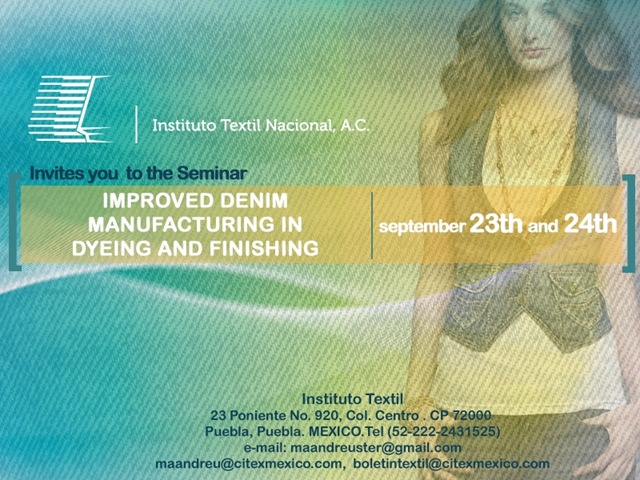
    Improved denim manufacturing

    An important seminar on denim manufacturing is scheduled to take place in Puebla –Mexico on September 23rd and 24th 2010. The Mexican Textile Institute will be sponsoring the  seminar titled "Improved Denim Manufacturing in Dyeing and Finishing" .

    Topics include:

    • Denim Finishing Techniques for Highest Quality and Profits;
    • Chemistry and Application of Sulfur Dyes in Denim;
    • Denim Product Development Techniques;
    • Chemistry of Indigo Dyeing,
    • Special Dyeing Techniques,
    • Design of Indigo Dyeing Machinery;
    • Garment Finishing Techniques for High Fashion, Advances in Warping and Re-beaming.

    Given below are some  details of the presentations at the seminar .

    YARNS AND FABRIC CONSTUCTIONS FOR DENIM PRODUCT DEVELOPMENT

    Fiber selection, fiber blending, spinning, warping and weaving considerations for special effects and higher quality and efficiency.

    (30 minutes)

    DENIM YARN PREPARATION

    Covers the technical aspects of ball-warping and re-beaming with a review of the latest advances in these processes.

    Power point presentation courtesy of Morrison Machinery.

    (30 minutes)

    CHEMICAL ASSISTANTS FOR DYEING AND FINISHING DENIM

    How to select chemicals for superior results.

    • Includes laboratory evaluation and production applications.
    • Advises on chemical types of products that provide the best quality at lowest costs and commonly-used textile chemicals that should be avoided.
    • Surfactants including wetting agents, dispersants, soaping agents and how to evaluate and apply them.
    • Sequestrants for improved pretreatment, dyeing and washing.
    • Oxidizers for sulfur dyeing
    • Reducing agents usable in Indigo and sulfur dyeing
    • Softeners used in dyeing and finishing, with emphasis on cationic versus non-ionic types.

    (30 minutes)

    INDIGO DYEING

    The chemical mysteries of Indigo Dyeing are explained in detail with the best methods for controlling reactions between Indigo, sodium hydroxide and sodium hydrosulphite including improved mixing procedures, the effects of time and temperature, methods for measuring and correcting the concentrated feed mix and calculations useful for Indigo dyeing.

    • How Indigo dyeing is affected by temperature, humidity, yarn tension and barometric pressure is discussed.
    • Correction of common dyeing problems of color variation from start-to-finish and from side-to-side.
    • Product development techniques In Indigo dyeing including specific chemical pre-treatments, controlling dye penetration into fibers and yarns, use of alkaline and reductive buffers, producing dark denims with 1.0 to 4.0% Indigo and light denims with from 0.1 to 0.8% Indigo.
    • Practices for higher weaving efficiencies and lower pollution.

    (90 minutes, should divide into 2 parts)

    SULFUR DYEING FOR DENIM

    Discussion of the chemistry of sulfur dyes, the advantages and disadvantages of using sulfur dyes.

    • Methods are discussed for dyeing the darkest and most colorfast sulfur blacks with less dye and very low pollution as well as dyeing light shades with single sulfur dyes (grey, blue,brown, green, red) and sulfur dye combinations (khaki, violet,orange,turquoise etc.)
    • Problems and solutions for dyeing bottoms and tops. Explains why commonly-used bad practices in sulfur dyeing regarding temperature, pH, reduction and oxidation result in excessive costs, unnecessary pollution, low colorfastness, consistency and low weaving efficiency

    (60 minutes)

    DENIM FINISHING

    Explains why denim is the most difficult cotton fabric to finish, especially in regard to control of shrinkage.

    • Provides strategies for controlling shrinkage to within +/-0.5%, improving fabric yield in order to increase profits and reduce color variation in Sanforizing.
    • Discusses causes and corrective actions for all common denim finishing defects and how to develop optimal finishing recipes for highest fabric quality and lowest finishing costs.
    • Included are advances in denim product development with regard to flat-finishing, resin finishing, stretch denims and special appearance effects.

    (60 minutes)

    A. Frescura, Jaeggli Mecanno Tessile, Italy.

    Manufacturer of Indigo dyeing machinery who will discuss design features of Looptex, slasher dyeing and rope ranges including nitrogen systems, circulation systems, dye preparation and sizing machinery.

    (45 minutes).

    Giacomo Mussetti, Bozzetto Fine Chemicals Italy

    will explain the types of chemicals recommended for Indigo dyeing. Discussion includes the technical aspects of wetting agents, sequestrants, oxidizers, fixatives, and dispersants.

    Maurizio Morosini, Garmon

    Will explain advances in specialty chemicals for denim laundries that market to the highest denim fashion sectors. Demonstrates examples of unusual effects of denim garments including 3-dimensional effects and other exciting appearance effects.

    Besides, the organizers mention that  there are a number of  valuable methods for increasing denim profits that they will  reserve for a separate meeting for any denim executives that are present.

    Presentation materials available in Spanish and English. There  will also be  simultaneous translation from English to Spanish in site for those who could needed .

    Those who cannot attend the seminar can also view the same through the web . The organizers shall provide the facility for the same to companies.

    For details contact

    Miguel Andreu at  maandreuster@gmail.com

    Instituto Textil Nacional, A.C.
    23 Poniente No. 920, Col. Centro . CP 72,000Puebla, Puebla. MEXICO. T el (52-222-243 1525)

  • Sandblasting Abandoned By Levi’s and H & M

    Levi’s and H & M have announced that they will no longer place orders for sandblasted garments (included jeans) due to the health hazard they pose.

    image Sandblasting has been used by the clothing industry to give some products (specially denim jeans ) a worn look but the process, if done incorrectly, it can expose workers to crystalline silica, a compound found in sand. Crystalline silica has been classified as a human lung carcinogen, according to the Occupational Safety and Health Administration. Dust can enter the lungs and form scar tissue, reducing the ability of the lungs to take in oxygen.

    “We’ve implemented rigorous standards for sandblasting in our own supply chain but we decided that the best way to help ensure no worker — in any garment factory — faces the risks associated with exposure to crystalline silica is to move to end sandblasting industrywide,” said David Love, senior vice president and chief supply chain officer at Levi Strauss & Co.

    Scientists, unionists and some nongovernmental associations, particularly in major manufacturer countries such as Turkey, India and China, say the widespread technique causes the lung disease silicosis.

    Though both companies had procedures in place to control the sandblasting procedure, they decided not to depend on their suppliers to follow them and rather decided to abandom the technique altogether .

    “H&M has had health and safety requirements for sandblasting for several years. Like all other Code of Conduct requirements, the monitoring of sandblasting practices has been part of our extensive Full Audit Program,” said Karl Gunnar Fagerlin, production manager at H&M, according to a report on the firm’s official website. “At the same time, [ensuring] that these standards are being observed by all of our suppliers and their subcontractors has proven too difficult. In order to make certain that no worker producing denim garments for H&M risks his or her health, we have decided to quit purchasing and retailing sandblasted products,” he said.

    “There are other ways to achieve a worn finish,” the release by Levi’s said. “We’re confident our customers – no matter how they like the finish of their jeans – feel the same way.”

    I think it is a very welcome move by Levi’s and H & M. We have seen incidences of problems caused to health of workers in countries like Turkey , India and China . It is only hoped that the denim industry as a whole would abandon Sandblasting as there are way many other options available today to get similar effects.

  • Super Stretch , Comfort , Recovery and Other Denim Selections From Invista

    Invista sponsored the recently held Kingins show and  will be sponsoring the upcoming next few shows in LA  , Hong Kong and Shanghai . They also displayed some of their cool denim products at the NY show .
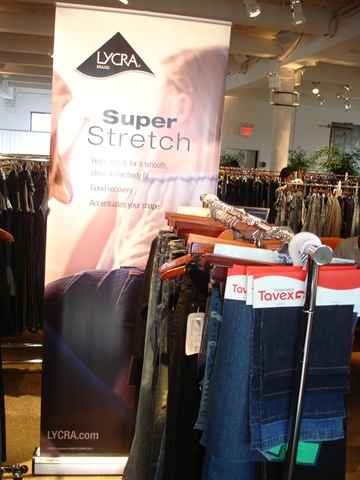
    Lycra name being synonymous with stretch , most of the products were stretch related though some of them were also non- stretch and were broadly divided into four fabric themes . I spoke to Kristin Altimari and she explained all the denim themes that Invista is focusing on .

    Super stretch denim Theme

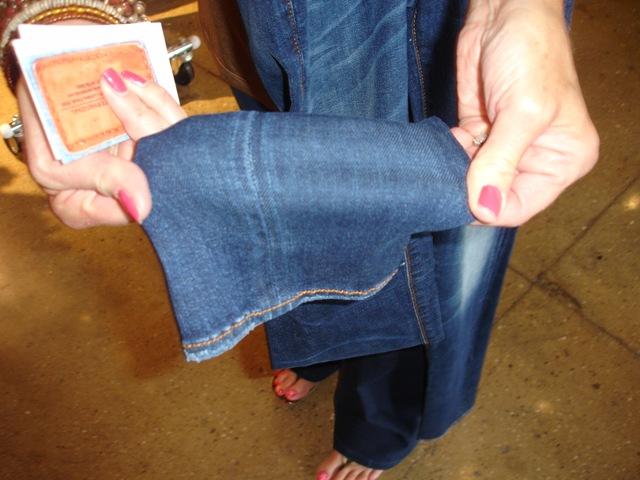
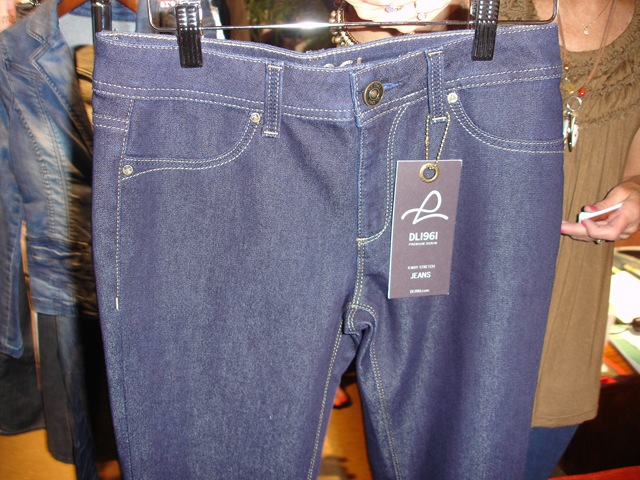
    DSC05584 Super stretch are those fabrics with more than 30 percent stretch –are called super stretch . These  are easily one of the hottest trends on today’s denim landscape. The consumer’s desire for comfort and fit, paired with a fashion trend that favors slim, body curving silhouettes, have helped give birth to this whole new category of denim. Super stretch fabrics can range from very lightweight “jegging” styles, to more traditional 10 to 12 oz denims. But making high quality super stretch fabrics and garments poses unique design challenges for mills and brands alike.
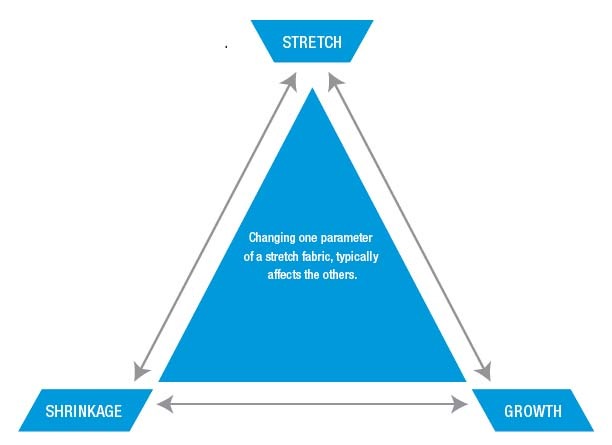
    Typically, as the level of stretch in a fabric is increased , you also increase the potential for higher shrinkage and/or higher growth. Think of the three parameters—stretch, shrinkage, and growth—as the three points of a triangle, with stretch at the top. As you move stretch to a higher point, the base of the triangle (shrinkage and growth) tends to change as well.

    diagram copy
    The end result can be a fabric with poor dimensional stability.
    INVISTA has developed quality guidelines and best practices for creating super stretch fabrics. The use of LYCRA® fiber and LYCRA® T400® fiber together and in recommended proportions can result in  achieving the optimum balance of stretch, recovery and shrinkage.

    Super Comfort Denim Theme

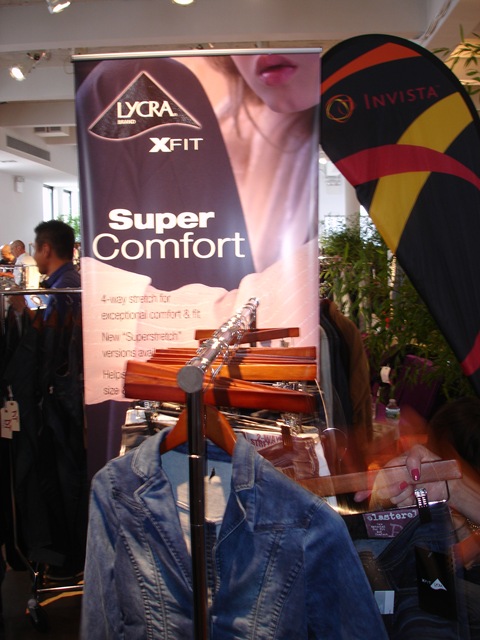
    DSC05592 The super comfort category takes comfort and fit to the next dimension. Though introduced in 2006, INVISTA’s XFIT LYCRA® fabric technology has been advanced further to present a  new super stretch versions of XFIT LYCRA® fabrics take that concept even further, bringing comfort and all around movement to even the sleekest of silhouettes . These fabrics combine the best attributes of Lycra fiber and Lycra T400 fiber – providing super comfort and freedom of movement in all directions.


    lycra T 400

    Super Recovery Denim Theme

    DSC05585 Another hot category is fabrics with super recovery. These fabrics often appear similar to super stretch fabrics because of their significant “snapback.” Although stretch levels are more consistent with those of standard stretch fabrics (e.g. 20 to 25 percent stretch), these fabrics seem “more stretchy” because they have more powerful recovery. The enhanced power comes from LYCRA® T400® fiber which has a permanent, coil-like structure, so it always wants to return to its original shape. New yarns such as the textured LYCRA® T400® fiber provide excellent recovery, as well as a soft hand . I stretched some of these fabrics to see the recovery and they just snapped back to their original shape in a jiffy.

    Super Durability Theme – Cordura Denim

    DSC05593 The CORDURA Denim fabric collection combines the authentic look and feel of 100% cotton denim with long lasting durability. According to Cindy McNaull, CORDURA brand marketing director,


    "These fabrics have up to four times the abrasion resistance of comparable 100% cotton fabrics, making them ideal candidates for rugged applications such as skateboarding and workwear…”

    These fabrics have a nylon mix and use a technology that has been used in the military clothes for decades . The result is a super lasting denim fabric for “Rough and  Tough Wear”


    Invista has paired the T 400 brand name with the Lycra fiber brand name to make it easier for the customers downstream to easily associate the T 400 brand with the Lycra brand.  Though Lycra and its properties are well known, T 400 is sometimes not so completely understood. Here are some typical questions which will help understand T 400 better :

    What is Lycra T 400 fiber ?

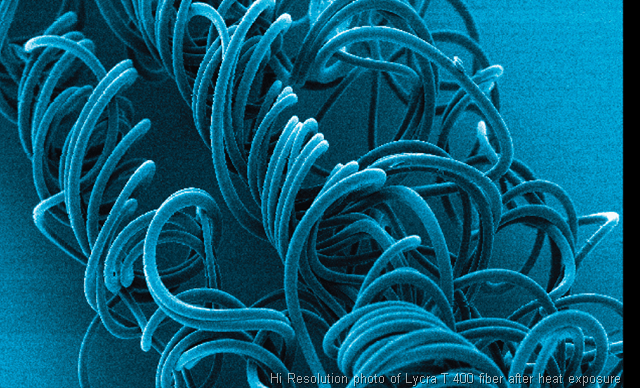
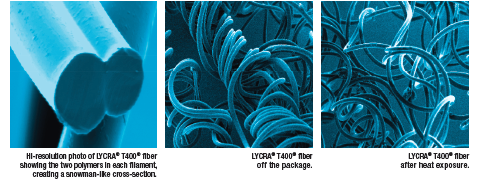
    LYCRA® T400® fiber is a special type of bicomponent fiber in which two different polymers are joined together within each filament. The differential shrinkage between these two polymers provides a smooth, helical crimp.
    Additional crimp is developed during the dyeing and finishing process when the fiber is exposed to heat. The result is fabrics and garments with  great stretch and recovery properties .

    image

    How is Lycra T 400 fiber used ?

    LYCRA T400 fiber can be knit or woven in its bare state into garments. For certain applications where cotton is used, core-spun LYCRA T400 yarns may be preferred.

    What is the content of T 400 as compared to Lycra elastane fiber ?

    Weight for weight, LYCRA  T400 fiber provides stretch and recovery to textured yarns but less than LYCRA elastane. Thus, to achieve a given level of stretch and recovery in fabrics, LYCRA® T400 fiber content will normally be greater than LYCRA® elastane content .The following table shows typical fiber contents of garments with LYCRA  elastane and garments with LYCRA T400 fiber.


    Garment Typical Lycra Elastane content Typical Lycra T 400 fiber content
    Jeans / Pants 2 to 4% 10-25%
    Woven shirts 2 to 6% 10- 25%
    Knit Shirts 5 to 10% 15- 25 %
    Swimwear 18 to 22% 45 – 50 %
    Underwear 2 to 5 % 15 – 20%

    For any further information contact Kristin at this email address ..

  • Can 5 Cents Make A Difference To The Looks and Value Of Denim Jeans ?

    There are various material and process inputs that go into the making of a denim jeans – fabric , cutting and sewing , washing , adding embellishments etc . Each of these adds up a good amount of money to bring out the production cost of the jeans. Then there is packing , transportation , duties , retailing cost and so on………….

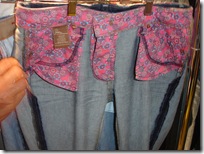
    How do 5 –15 cents look like in this whole costing process ? Not much I guess . But spend correctly , they can cause a difference in the look of the jeans – even giving it a premium look .  And what if you come to know that many of the established  denim brands like 7 for All Mankind  , Gap  , Jones Apparel etc are also using this as one of the techniques to give their garments that premium look ?

    Well, we are talking here about the pocketing in the jeans . This is one of the boring areas of the jeans which not many manufacturers or , for that matter, even consumers bother to pay much attention . But , premium brands are paying attention and they are giving that designed or vintage  look to the pockets in their jeans .  The idea behind this is that when you are talking premium , every part of the jeans has to speak that language and plain cream colored  pockets do not speak that language.  The pockets could be given vintage look , or a washed look to match the wash down look of the jeans or it may even have the logo printed – appearing at the same spot in all jeans !

    And the advantages do not end at that .

    What happens when a customer is looking at about a 100 odd jeans in a shop and needs to decide which one to pick up first to see ?
    Lets say , one of the  jeans has that special pocketing and inner waist band with mulitcolored washed down stripes . The chances are good that this jeans will catch the eyes of the customer – raising the possibility of sale.

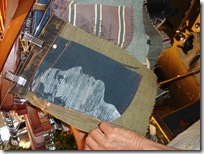
    DSC05703I was enlightened on this aspect of importance of pocketing fabrics when I met Barry Emanuel of Copen at Kingpins New York. He showed me the various and very interesting pocketing materials they are manufacturing and supplying to almost all top denim  brands in US.  Many of these fabrics could wash down and match the washed look of the denim jeans . Some of them had logos of the company specially printed at a particular spot or even others had two different types of  colored pockets.

    DSC05698 DSC05704

    Here is also a small video which shows the washed blankets made from these fabrics and views from Barry Emanuel.

    Contact Barry . Email here

  • Why Use Core Spun Threads For Denim Sewing In Place Of Spun Poly Threads?

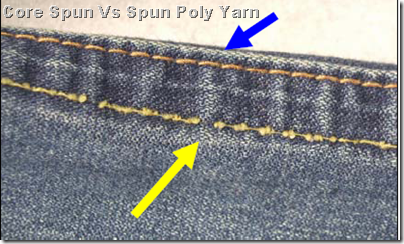
    core spun vs poly spun yarn

    American and Efird  brings out an interesting comparison between Corespun and Spun Threads to help understand the difference between the two better and the reason why corespun gives better results in denim sewing .

    What are Corespun Threads ?

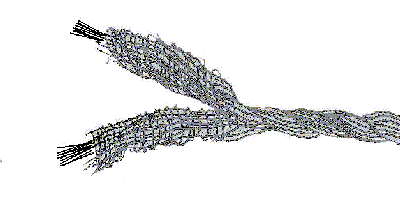
    image Corespun threads, sometimes referred “pcore” or “polycore” or “cottoncore”, are made by wrapping a staple polyester or cotton wrapper around a continuous filament bundle of polyester fibers during spinning, and then plying these yarns into a sewing thread. The continuous filament polyester core makes up approximately 60% of the thread construction. This core contributes to:

    • Higher strength per size (higher tenacity)
    • Greater uniformity in size, strength and other physical characteristics•
    • A higher initial modulus or resistance to stretching contributing to better loop formation and reduced seam puckering.
    • Better ply security – fewer unravel type thread breaks
    • Superior abrasion resistance & durability

    The wrapper of a corespun thread can be either staple polyester or staple cotton. The wrapper gives the thread a fibrous surface that contributes to:

    • A softer “hand” or feel than a 100% continuous filament threads
    • A matte finish stitch appearance similar to a spun thread construction
    • Superior frictional characteristics compared to a continuous filament threads
      The Poly wrapper contributes to :
      o Superior color fastness, chemical and abrasion resistance
      o Higher strength than cotton wrapped corespun threads
      o Superior “union dyeing” because of one-step dyeing process
      The Cotton wrapper contributes to :
      o Superior needle heat resistance
      o A “wash-down” stitch appearance


    What are the benefits of using core spun yarns on denim ?

    Corespun threads (eg Perma Core®NWT) are :

    • 40 to 50% stronger than spun polyester threads the same size
    • Superior sewability on both manual and automatic machines with minimum interruptions – fewer restitched seams.
    • Helps to Minimize Open-Seams and Seam Failure
    • Allows the use of smaller diameter thread to minimize Seam Puckering or Needle cutting
    • Helps to minimize broken and cut stitches after finishing.

    Spun Polyester Threads (PP Threads) – An Analysis

    image

    Spun Polyester threads, sometimes referred to as “PP” or “PP Spun”, are made by spinning 100% polyester staple fibers into yarns and then plying these yarns into a sewing thread. Spun Polyester threads are normally made in a two or three ply constructions depending on the yarn size. Spun polyester threads generally have much lower single end breaking strength than corespun threads. A comparison below of two products – a corespun and a spun polyester thread from A & E brings out some facts :

    Core Spun Vs Spun Polyester Yarn – Technical Specifications

    Here are some technical specifications of two yarns  from the same company – one Core Spun and the other Spun Poly – to find out some differences between the two.

    Perma Core® Core Spun Yarn

    Tex Size T-18 T-24 T-30 T-40 T-60 T-80 T-105 T-120
    Yarn Size 59/2 45/2 35/2 29/2 18/2 15/2 12/2 15/3
    Av. Strength(lbs) 2.1 2.7 3.5 4.5 7.8 9 10.6 13.51
    Elongation (% at break ) 21.5 20.5 21.5 21.5 24.2 24.8 26.3 25.7
    Shrinkage
    (BW)
    <1% <1% <1% <1% <1% <1% <1% <1%
    Shrinkage
    (HA)
    <3% <3% <3% <3% <3% <3% <3% <3%
    Loop Strength (lbs) 2.7 4.0 5.2 6.3 11.6 13.3 15.8 20.5

    Perma Spun®  – Poly Spun Yarn

    Tex Size T-21 T27 T-40 T-60 T-80 T-105 T-120
    Yarn Size 53/2 43/2 29/2 19/2 14/2 16/3 16/4
    Av. Strength(lbs) 1.6 2.1 3.2 4.7 7.1 9.7 10.6
    Elongation (% at break ) 16.1 16.3 17.0 18.0 18.6 19.9 18.5
    Shrinkage
    (BW)
    <1% <1% <1% <1% <1% <1% <1%
    Shrinkage
    (HA)
    <3% <3% <3% <3% <3% <3% <3%
    Loop Strength (lbs) 2.7 3.1 4.8 7.9 11.3 15.1 16.9

    As can be seen from the specifications, there is a significant difference in strength of the core spun and spun polyester yarns, even though they have been manufactured by the same company. Local spun polyester yarns could have still lower strengths raising the possibilities of increased sewing ruptures after washing.


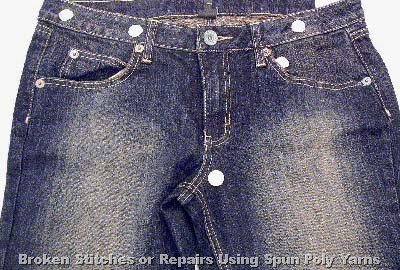
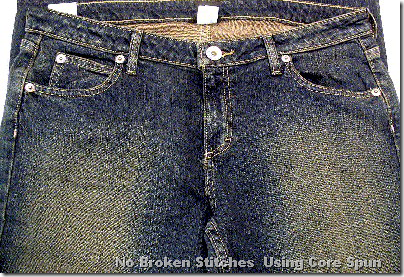
    spun polyester yarns denim Core Spun Yarn Denim

    Cost Vs Performance

    Core spun yarns are definitely more expensive than the spun polyester yarns.  The usage of these yarns can increase the cost of production . However, using spun polyester yarns can increase the possibility of broken stitches and rejected garments or needing repairs.

    A & E mentions that certain manufacturers have tried to use both Core Spun and Spun Poly to achieve a balance between costs and performance.

    Since overedge seams consume the most thread, they will used spun polyester on these operations while continuing to using corespun threads on all topstitching and stress seam operations.

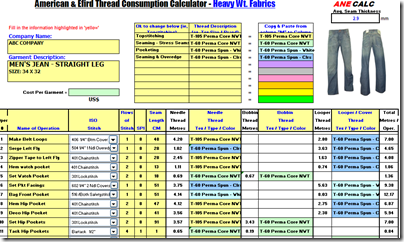
    If you are using a combination of different threads, you can find the total thread cost per garment by  using the ANECALC from the company. This calculator will help to find the total thread cost per garment – though it will not give the thread cost saved or made due to performance of sewing thread. Click on the image below  to download the calculator for Men’s Jeans – heavy weight fabrics.

    image

    For other calculators related to Men’s Carpenter Jeans , Ladies Jeans, Missy’s Jeans, Kids Jeans and Kids Carpenter jeans (both in yards and mtrs) go to this page and download (under the heading ANECALC APPAREL GUIDELINES).

    Also check  ‘How to sew extra heavy threads in sizes in denim jeans ?”

  • Cross-Shade Variation (CSV) In Indigo Dyeing : Causes and Solutions


    indigo yarn shadeCSV is a serious problem that occurs on the great majority of Indigo dyeing equipment in which yarns dyed on one side of the machine are a different shade from the yarns on the opposite side. This problem is so common that it is generally accepted as unavoidable, especially in sheet ranges.

    Basically, the problem arises as a result of the uneven distribution of Indigo within the dye box: 

    • The Indigo dye is initially mixed in a feed tank at concentrations of from 70-100 g/l. This concentrated mix is then pumped into a recirculation line in which the dye flows in a pipe that passes around the outside of the dyeing section of the machine.
    • The recirculation line normally has smaller pipes  that carry fresh dye directly  into the dye boxes on one side of the boxes and pipes on the other side of the boxes that pull the partially exhausted dye back into the recirculation line.
    • In the recirculation line, concentrated dye mix from the feed tank is blended with the diluted dye mix removed from the dye boxes which creates an equilibrium between the 70-100g/l Indigo feed mix and the dye box concentrations which range from 1-5 g/l.
    • The CSV problem results because as the more concentrated dye and chemical mix enters the dye boxes, there is a sudden increase of dye and chemicals on the entry side of the dye boxes and as the dye/chemical mix spreads across the yarn sheets, the concentrations are gradually reduced as they are pulled toward the exit side of the dye box.

    Problem of Solubility:

    • Vat dyes, which include Indigos and sulfurs, exist as colloidal particles when subjected to reduction.
    • While reduction renders these dyes soluble enough to penetrate cellulose, they do not exist as a true solution as do acid or cationic dyes, which will immediately and uniformly distribute in water.

    • The colloidal particles, which exist as clusters involving varying numbers of dye particles are affected by gravity and will exhibit settling behavior. This means that once the initial acceleration of being forced into the dye box losses force, the larger clusters slow down and begin to sink, while lighter particles travel to the other side of the box.
    • Mathematically: V = 2r² (s-s’)g/ 9n, where V = rate of settling, r = particle radius, s =density of the particle, s’ = density of fluid, g = 980 (gravity constant) and n = viscosity of fluid.

    Improving Solubility of Indigo Dye

    • Some additives can improve the solubility of the dye which will reduce the CSV and also  shade variation from beginning to end of the dyeing.
    • Dispersing agents are commonly used in Indigo dyeing, however only very few are effective in the dye box. Insist that chemical suppliers demonstrate the dispersing action of reduced Indigo.
    • Since potassium hydroxide possesses vastly greater solubility than sodium hydroxide, an effective practice is to replace about 30% of the sodium hydroxide with the potassium form.
    • Include methanol or isopropyl alcohol in the dye, about 40 g/l in the feed mix and 10 g/l to start in the dye boxes.
    • Reduce concentrations in the feed mix. The typical practice in the U.S. for many years was to keep Indigo concentrations at 80 g/l, sodium hydroxide at 140 g/l (50%) and hydrosulfite at 70 g/l. Reducing the Indigo to 50 g/l is a proven way to improve shade consistency. The objection to this is that more liquor must be pumped into the machine, causing an overflow in the dye boxes, however this can be controlled by having low wet pickup on yarn entering the 1st dye box and increasing the wet pickup on yarn leaving the last dye box (75-80%).

    Machinery Considerations

    • CSV occurs on most types of Indigo dye machines, but is particularly a problem on sheet  Ranges.
    • In a sheet range the yarn is dyed, then sized immediately and carried to weaving with the yarns arrayed on the loom in the same order as they passed through the dye machine. Therefore, if there is a difference in shade from side-to-side in dyeing, the same variation will be present in the woven fabric.
    • Rope ranges have side-to-side variation in most machine designs, however the effects of  CSV can be easily corrected, by blending the ropes of yarn which instead of being arrayed as a single, flat-sheet are separated into bundles of 300-400 yarns each. For example, in a 24-rope range, the 1st 12 ropes on the left side may be, on average, darker than the 12 ropes on the right side. By utilizing a blending scheme such as combining the odd- numbered ropes (1,3,5…) into one fabric set and the even-number (2,4,6…), the variation will be averaged-out.
    • On sheet ranges, the optimal solution is to improve distribution of dye in the box.
    • The traditional recommendation for avoiding problems like CSV was to gently keep the dye in the box stirred in order to prevent settling which results in differing dye and chemical concentrations from side-to-side, top-to-bottom and from front-to-rear in the dye box. The practice was to “turn-over” the dye in the box at least 3 times per hour. In other words, with a 2000 liter dye box, the circulation system should pump 6000 liters into the box and pull out 6000 liters per hour. Unfortunately, circulation systems on Indigo machines have been downsized over many years, making this impossible. About 20 years ago, in collaboration with Morrison Textile Machinery, we were able to modify the recirculation system on a U.S. machine to correct this problem. By calculating a mass balance for the specific machine and dyeing objective and explaining it to the machinery engineer, a relatively simple modification solved the problem. An understanding of the complex dye chemistry along with fluid mechanics will solve any dyeing problem. Chemical engineers are the best qualified for significant improvements and collaboration with the machinery supplier can reap great rewards.
    • A final possibility is to use suitable submersible pumps inside the dye box for uniform distribution of dye and chemicals. The design of dye boxes on many machines present obstacles to insertion of such units into the box, but there is the possibility of mounting the pumps outside the box and submersing only the tubes, with one pump per dye box.
    • The CSV problem in the past has resulted from uneven wet pick up in the dye boxes. Check the wet pickup on each side of the squeeze roller by soaking a 10 gram sample of yarn and passing it through right and left sides and weigh again. If unequal, the roll pressure needs adjusting.
    • Another possible source of CSV is uneven yarn tension which can be caused by a guide roll that is not aligned. Higher yarn tension on one side of the dye box results in less dye penetration.

    A number of years ago, the U.S. company BJM Pumps developed a submersible pump that is not affected by alkalis or reducing agents and appears to be a good solution to CSV.

    imageThis is a guest post by Harry Mercer. Mr. Mercer has 30 years experience in the denim business including 3 prominent U.S. denim companies. He is an expert colorist for measurement and color matching as well as textile testing.